Weekly tips, affirmations, and small actions to feel your best.

12 Ways To Be Happier (In Less Than 10 Minutes)

Being happy is arguably the most important aspect of living. Happiness means satisfaction in what you are doing and where you are in life. It means that most of your day is accompanied by happy feelings. It means that you aren’t bombarded with negative emotions on a regular basis. With that being said, are you actually happy?

TIME magazine has some insight to offer, explaining that “… only 33% of Americans surveyed said they were happy” (2017 Harris Poll Survey of American Happiness.) If being happy was a test in school, we would be earning a big whopping “F.”

As human beings, we are driven to succeed in everything we do. That to say, we do a poor job of succeeding in our own internal happiness – something that is right in our face every single moment that we live. Maybe it isn’t so much that we are failures or that we can’t do it, but rather that we don’t put in the effort to learn and achieve happiness.

Pointing out the utter lack of happiness across society is not very helpful; it is quite possibly even counterproductive. That to say, there is advice to offer. If you want to really learn what it takes to be happy, you should stick along for the ride.

So, without further ado, let’s get into the specifics of finding long term internal happiness. Because some of these suggestions may resonate with you more than others, focus on the ones that you think can make the most difference in your life.

Here are 12 ways to be happier

1. Develop Emotional Intelligence and Understanding

One of the most effective ways to be happier in life is to develop a deep understanding of emotional quotient (EQ). The EQ scale works similarly to the IQ (intelligence quotient) scale, although it focuses on your understanding of emotion, rather than academic-based intelligence. An in-depth comparison between IQ and EQ can be found at differ.com. A high EQ is helpful because it allows you to understand why you feel the way that you do.

When you know exactly why you feel sad or why you feel happy, you are in a better position to eliminate the bad and increase the good by taking the steps to do so (which will be apparent if you know what causes those feelings). Every emotion that you have is rooted back to something else; it just takes some thinking to figure out what that root is. When it comes to improving your EQ, you can achieve this efficiently through means such as analyzing your daily emotions, learning mindfulness through meditation, or even developing empathy through reading novels.

2. Learn To Prioritize

Learning to prioritize in life is another effective way to be happier. Life is about priority in every aspect, yet most of us fall short of prioritizing in a productive way. Priority is the idea of deciding what things are the most important to you and acting on them. For example, someone on a diet would say that their number one priority is to lose weight through eating healthy. Lack of priority arises when they choose a delicious meal that tastes good over a healthy meal that follows their diet. Prioritizing is one of the essential ways to be happier, but it also takes a lot of discipline, which brings us to our next point.

3. Stay Disciplined

If you want to be happier in life, you need to put a lot of effort into staying disciplined. While it may be true that some people don’t know where to start as far as improving their lives, most of us have an idea of how we can accomplish this. You might want to wake up early tomorrow, eat a healthy breakfast, get physical activity, have a productive day, spend time with family and friends, and get 8 hours of sleep at night. This sounds like a good day, but it also sounds like a lot of effort.

Wouldn’t it be easier to sleep in, worry about the gym the next day, and merely survive the day at work? It would certainly be easier, but you can probably see which option is disciplined and likely to promote a positive day.

4. Force Yourself to Focus on the Good

Focusing is a huge part of life, happiness included. Learning that you are in control of your focus is a useful tip that can help you be happier. Unless you are someone suffering from ADD or ADHD, which often results in an uncontrolled lack of focus, then you are technically in control of your focus at all times. That said, you are also in control of focusing on the good rather than the bad. It may take some effort but if you really want to help yourself be happier, the effort is well worth it. Remember, the glass is always half full, because why not? It really only hurts you to be negative.

5. Detach from What is Causing Unhappiness

Another one of the best ways to be happier is to detach from the stimuli in your life causing you unhappiness. Some triggers of your unhappiness may be out of your control, but most of them are not. This may be a bad habit which you partake in, a negative outlook on life, or even specific people causing you constant distress. If you want to be happier, run away from these people, habits, or ideas. When it comes to people, it can be difficult to cut them out of your life, but PowerofPositivity.com has a great article to help you out if need be.

6. Manage Money

According to The American Institute of Stress, money is one of the major causes of distress in life. Considering that you need it for everything from water to a home, this is quite understandable. Now don’t take this the wrong way, this doesn’t imply that money will make you happy – because it certainly will not. However, dealing with the money you have in a healthier way can help you to be happier. It will eliminate the distress that results from poor money management. Check out these 3 behaviors on PowerofPositivity.com that are considered to be bad money management skills.

7. Learn to Delay Rewards

This plays heavily into having discipline. As such, it is another one of the best ways to be happier in no time. Delayed gratification essentially refers to delaying a smaller, short-term reward now for a bigger reward later. Bringing the diet example into play again, one should delay the reward of yummy food for the later reward of lost weight.

8. Catch Yourself Before it is Too Late

Whether this is your stress level or your outlook on life, try to catch yourself before it is too late. Stress and negativity build up in your system. The higher the levels get, the harder they are to bring down. Catch yourself as quickly as you notice yourself heading in the wrong direction; it will then be much easier to take control.

9. Socialize and Maintain Relationships

Relationships with other human beings are a necessary part of being happy. Most of us have experienced the feeling of loneliness or social exclusion, and this is certainly not an enjoyable emotion. Develop meaningful relationships that are more than just small talk at lunch once a week. This will take effort on both your part and theirs, but if you show that you are willing to do so then they should follow suit. Check out these 35 amazing ways that you can improve your relationships, and give them a (serious) try.

Be Happier

10. Take Care of Your Temple

Taking care of your body absolutely essential if you want to be happy. This is pretty obvious, but the fact that “More than 1 in 3 adults were considered to be overweight” in 2013-2014 doesn’t suggest that we are very good at doing so. Exercise and develop a maintained diet. Make sure to take care of your mental health too, as you are learning about in this article.

11. Decide on Your Core Values

It is your job to decide what has meaning to you and what does not. This isn’t a grey topic so to speak, but rather black and white with a fine line separating the things you value from those that you do not. When you find value in what you are doing, you will live a purpose-driven life, which you can learn more about at PowerofPositivity.com.

12. Understand Your True Self

Understanding your true self is another one of the easiest ways to be happier quickly. To put a long story short, the real you is you without any distress in your life. Any time you are stressed out or anxious or upset, you are experiencing emotions that are a direct result of negative external stimuli. Take a second to analyze your characteristics when you are totally relaxed with nothing bothering you and nothing impeding your thoughts. This is the genuine you; remember this and look back to this version of yourself next time you feel distress.

Final Thoughts

Before you leave and start living your happy life, let’s make a few things clear. Everyone finds happiness in a different way. If anything from this piece speaks to you, make sure this idea is one that has fully resonated through your mind. There isn’t one single principle of living that promotes happiness. If you want to know how many different variations there really are, click here to check the current world population.

What does this mean? It means that finding happiness is 100% personalized to you and you only. If you found the happiest person in the world and followed them every single day, replicating their every move, you would not even be close to finding happiness. While minor similarities may arise, everyone’s version of happiness is totally different from your own. This article was intended to help you find what works for you, so that you can integrate a set of principles into your life that will ultimately promote your happiness. Hopefully, you can wake up every morning and be happier than you were the day before and keep this trend going for the rest of your life.
10 Natural Ways To Slow Down Aging

Many people want to fight the signs of aging. This makes sense since the natural aging process can lead to health problems. You might find that tasks you once found easy become difficult or tiring when you get older. Plus, you may not be too happy about the wrinkles appearing on your face or the sagging skin you spot around your body.

What can you do about it? How can you help your body adapt to age, instead of letting it catch up to you?

Here Are 10 Natural Ways To Slow Down Aging

1.    Eat Blueberries

Blueberries are rich in antioxidants that keep the body strong against the effects of aging. One of these antioxidants is anthocyanin, which is anti-inflammatory. Blueberries have also been found to help fight degenerative brain disorders, including Alzheimer’s, by boosting brain signaling. This, in turn, keeps glucose levels well-balanced and helps memory stay sharp.

On top of that, the Harvard School of Public Health has found that eating blueberries regularly can greatly decrease the chances of developing a heart attack by as much as 32%.

2.    Eat Lots Of Protein

Collagen – a component every proponent of anti-aging products knows about – is one of the body’s most crucial proteins. It’s a protein that boosts nail, skin, and hair strength; consuming sufficient amounts of protein can help skin stay firm and elastic so you don’t show signs of aging before your time.

There’s plenty of collagen found within the body, working on the muscles, joints, tendons, and even bones for more positive health. Basically, it supports the body and holds everything together, according to Dr. Roger Adams, who owns eatrightfitness and is a certified nutritional doctor and personal trainer.

But collagen levels decline as someone ages. That’s why many people turn to supplements to get their needed fix. You don’t have to, though – because you can get good protein from food!

  • In addition, protein can help the body to balance its levels of insulin, allowing for stable glucose levels within the body.
  • This, in turn, keeps away stress thanks to cortisol balance, and it helps you maintain a healthy weight.
  • Plus, protein is great for tissue repair!
  • There are few things protein can’t do.

How much protein should you eat in a day? Between 70 and 90 grams is great for the body. You’ll meet this goal easily by making protein a central part of your meals.

3.    Drink Green Tea, Not Coffee

Tea has been considered a healing, anti-aging drink for centuries. It’s healthy, packed with great nutrients, and very low in calories. Green tea also has the ability to enhance cognitive function, allowing for more positive thinking, higher levels of concentration, and sharper memory.

Studies have found that green tea’s positive points can have significant effects, suggesting that it can lower the risk of developing heart disease and even prevent premature passing. If you’re looking to add tea to your diet, consider swapping it with your daily coffee. Just one or two cups of this soothing, beneficial tea can give you the results you need.

4.    Exercise

Regular exercise is crucial to overall physical and mental health. Aerobic exercise is one of the best, helping the cardiovascular system and even the brain keep in tip-top shape

Why does exercise work so well? It’s all thanks to the mitochondrial decay theory. You probably know that the mitochondria is responsible for creating energy for your cells and body. As you age, the efficiency of this part of the cells deteriorates. But exercise, especially the aerobic kind, can counter this negative change.

You can also opt to lift weights. This will strengthen your body and make you feel great. It also helps to tighten up potentially sagging skin, all while keeping your weight in check. Weight-lifting is also great for your bones, blood sugar, oxidative stress, and even blood pressure.

Not enough time in the week to exercise? Or maybe you have mobility issues that prevent most kinds of exercise? Find something that works for you. It can be as simple as doing a few moves while sitting or lying down. Here are some more relaxed exercise options.

  • Going for a walk
  • Taking the stairs instead of the elevator
  • Doing housework
  • Gardening or doing yard work
  • Grooving to some music

Keep your body moving; that’s all that matters. Regular levels of physical activity are the single most scientifically supported natural way to slow down aging.

5.    Eat Good Fats

Many people make the mistake of assuming all fat is bad. The truth is that good fats are crucial to one’s diet. Take, for example, Omega-3 fatty acids. These are packed with positive benefits, helping to keep the heart healthy while boosting brain and eye health. These fats can even fight mental illness and boost positive thinking!

Omega-3 fatty acids are also crucial for healthy skin, and they can reduce bodily inflammation. They’re so important for the brain’s cognitive skill that studies have suggested consuming them during pregnancy helps fetal development! Plus, they regulate hormones and are just great for disease prevention.

How much omega-3 fatty acids should you eat? Around 3 grams is sufficient as a supplement, but you can easily get what you need from foods that contain this fat. Examples include:

  • Salmon
  • Sardines
  • Albacore tuna
  • Mackerel
  • Walnuts
  • Chia
  • Flax
  • Olive oil
  • Coconut oil
  • Avocado

Mediterranean diets are often rich in these foods. This may be why research has suggested that a mix of that regional diet and olive oil actually boosts cognitive function and slows down aging. This diet can even help keep skin lubricated, fighting wrinkles and dry spots and providing you with a youthful glow.

6.    Maintain A Healthy Bedroom Life

Maintaining a good intimate life is surprisingly important in keeping up health and a youthful appearance, says Dr. David Weeks. Regular intimate activities performed with a partner thrice weekly, usually a long-term committed one, can lead to someone appearing up to a whopping seven years younger than they are.

More studies are needed to determine why this happens, but some hypothesize that this may be because of the connection and intimacy you share with a person you love. Intimacy also releases positive hormones that might help slow down the aging process, especially since some of those hormones get scarcer the older you get.

Don’t have a partner, or just not interested? Research shows that orgasms improve collagen production all on their own, so you don’t need a partner to benefit from this natural anti-aging remedy. In fact, going solo can reduce stress and boost positive thinking, and plenty of research has suggested it does a lot of great things for the body, too.

7.    Have Dark Chocolate

Dark chocolate might be a sweet treat, but it’s also got plenty of positive benefits to the aging process. It is rich in antioxidants, especially flavonoids, which all help the brain stay sharp and fight deterioration.

Plus, regular dark chocolate consumption helps reduce wrinkles, makes skin firmer, and even keeps your skin strong against sun damage. This is according to Dr. David Friedman, a doctor of chiropractic medicine, naturopathic doctor, chiropractic neurologist, and clinical nutritionist.

8.    Cut Down On Sugar

Does enjoying chocolate mean you can pig out on sugary foods? Absolutely not! Sugar is one of the most dangerous parts of the average person’s diet. Not only does it bring blood glucose levels skyrocketing, but it also dehydrates crucial skin proteins (including collagen!) in a process called AGE, or advanced glycation end product.

Glycation leads to the aging of the skin, causing it to sag and experience dullness. The dramatic effect sugar has on aging is pretty shocking, and for those with blood sugar issues to begin with, eating too much sugar is a surefire way to fast-forward the aging process.

9.    Drink More Water

Yes, many of us roll our eyes at people who act like drinking more water will solve all their problems. But the fact is that drinking enough water truly does work wonders. It can make all the difference between aging gracefully and aging ahead of time.

A lot of the human body is made up of water, and drinking sky juice keeps you well-hydrated. This hydration keeps the digestive system functioning well, aids waste product removal, keeps the joints swinging along smoothly, and helps nutrition from food travel from your mouth to all your different cells. This is according to doctor of osteopathic medicine and physician, Barbara Joy Jones.

This also means that hydration helps to keep the skin glowing and smooth, as opposed to dry and aged. It helps prevent sagging and brings youth to your appearance. In fact, chronic dehydration is arguably one of the most common causes behind skin that ages too soon.

How much should you drink? It differs from person to person, but the average person needs to consume around 2 liters – or 8 glasses – of water daily. If you feel thirsty or dehydrated, drink up!

10.  Sleep A Little More

sleep

Most people around the world aren’t getting enough sleep. A lack of sleep doesn’t just make you tired, give you brain fog, and weaken your immunity, though. It also causes fatigue that can age you at a startling rate.

Cutting out crucial hours of sleep boosts cortisol levels within the body, which in turn leads to exhaustion and adds oxidative stress that speeds up cell death. Plus, it can lead to a lack of blood glucose balance, which makes weight gain a real risk and removes that glowing look associated with youth.

The body is constantly repairing itself as you sleep, and this is how it regenerates cells, heals the body, and gets rid of harmful toxins. As such, it makes sense that less sleep means not enough time for this repair to take place fully. It can even reduce the production of growth hormones that are necessary to fight aging.

On top of all of that, a lack of sleep makes you look older immediately. Your eyes get puffy, dark circles form, and wrinkles begin to set in. Given the fact that the chance for poor sleep gets higher the older you become, it’s important to try and have an even, reliable bedtime. This will give you better focus, healthier skin, and more positive thinking.

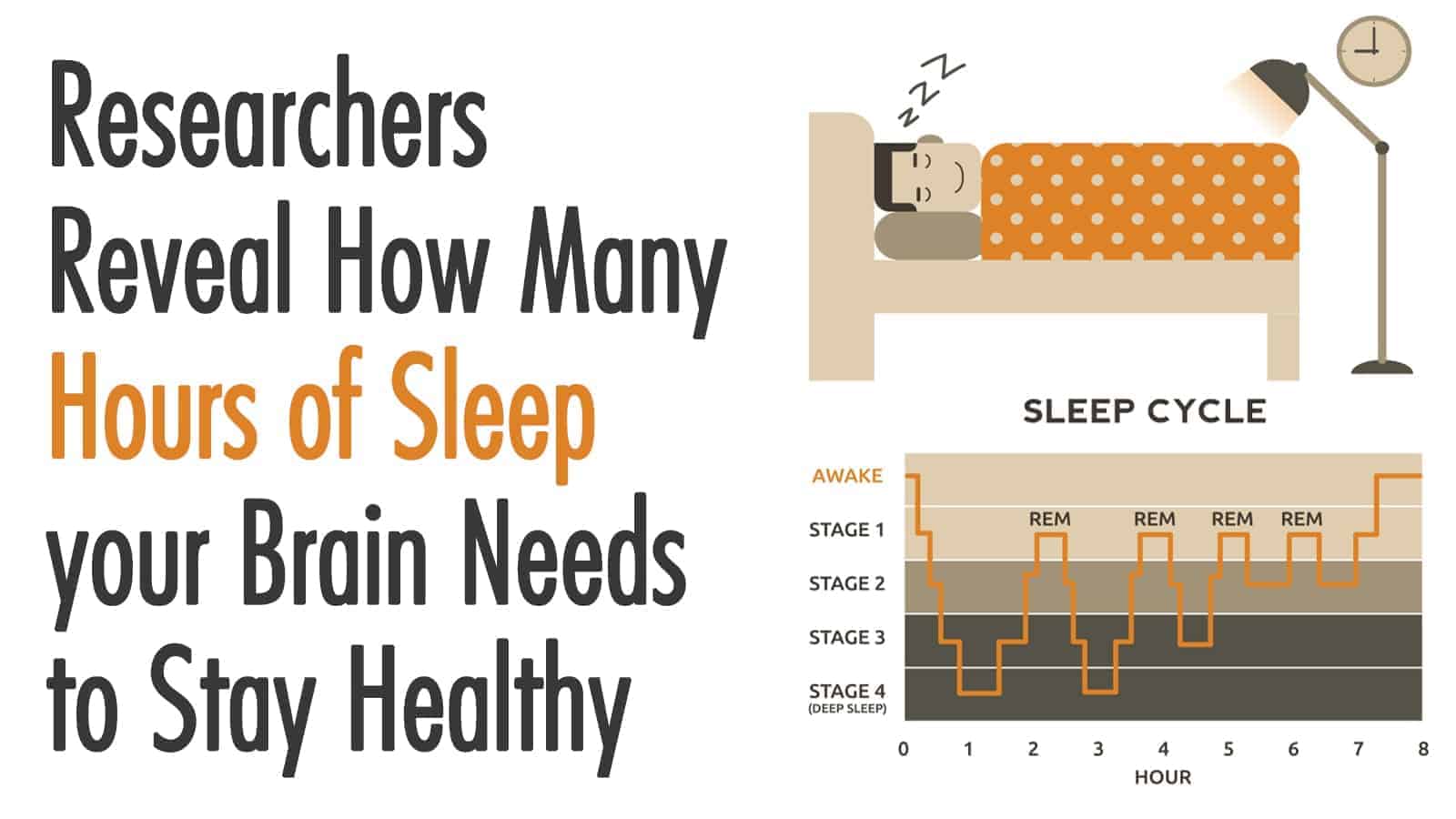
Aim to get between 6 and 8 hours of pure sleep every night. Note that this figure changes depending on your age. When you wake up, you should feel well-rested, not like you desperately need five more minutes.

Final Thoughts On Natural Ways To Slow Down Aging

The world puts a lot of unnecessary pressure on looking young. Still, the fact remains that aging is a normal part of life and it isn’t something to be fought – only embraced. Yet, one cannot ignore the obvious deterioration in health that comes with age.

So, practice these natural ways to slow down aging! They’ll help you fight diseases, allow you to age gracefully, and keep you feeling and looking great.

5 Facts People Believe (But Shouldn’t)

Most people think of themselves as well-informed and aware of how things around them work. But facts aren’t always stronger than beliefs. Even the most educated man can fall into traps and start blindly following rules which don’t even make sense.

No matter how educated you might be, there are still many things that you don’t know. And that’s normal. No one can know everything about all topics. And sometimes, the things we learn don’t come from reliable sources. Our parents teach us many things about the world as we grow up. But some of those things turn out to be old wives’ tales.

Or we read things online and believe them straight away without knowing whether the source is reliable. Besides that, social perception and personal beliefs can change how we view things. For example, people who buy into conspiracy theories aren’t necessarily dumb. Part of the reason they even come in contact with those ideas is that they generally distrust the establishment.

Sometimes, people get too much into their heads and get confused. Fear is a big factor that makes them lose trust in even the most reliable sources. Still, that doesn’t excuse the fact that people believe loads of lies, which can become dangerous. Misinformation can be a powerful weapon in the wrong hands. You should always ensure that the things you think you know are true.

Why Do People Fall for Misinformation?

People believe many untrue things. Some are factually incorrect. On the other hand, some are a matter of false perception. Some people buy into conspiracies, such as believing that the Earth is flat. But, people often have misconceptions that affect their perception of life.

One of the main reasons why people fall for misinformation is implicit bias. This bias is determined by the way people were raised. Socioeconomic factors shape their brains, making them more likely to believe certain perspectives. For example, people who were raised poor are more likely to believe that everyone deserves equal opportunities. In contrast, people raised rich will usually believe that they need to prove they deserve those opportunities.

Your environment and the people you surround yourself with can alter everything you believe in. Additionally, confirmation bias can also alter a person’s views. This is the tendency to search for information that favors your pre-existing beliefs. If you believe that luck influences the way actions unfold, you will probably look for views supporting that belief. Or, you might think that if something good happens to you, it’s because of luck, not your capabilities.

Another factor is your core beliefs, which are usually shaped by your environment and personality. A more altruistic person will tend to be more trusting. Therefore, when someone asks for their help, they will give it without even considering they might be lied to. Because of this, they are more likely to fall for scams. A more egotistical person will do the opposite and doubt everything other people say. This also makes them prone to believing false things.

facts

Since the rise of technology, social media, and other forms of media, there has also been an increase in fake news. Sometimes people see an article on social media and take it at face value, without further checking the sources. If an article says that the economy is tanking, chances are you’ll believe it right away without doing additional research. There are also many clickbait titles, which pull you in and then sell you lies. Media outlets tend to become more and more biased as time passes.

So, even if the outlet is reliable, you risk getting just part of the story. This happens because of political orientation but also because of some individuals’ interests. Depending on who funds certain outlets, they will only showcase stories that favor the sponsor. It’s also important to note that social media has accelerated the creation of echo chambers. These are closed circles in which only certain perspectives and ideas circulate. These bubbles have always existed, but the ease through which people can connect on social media platforms has accentuated them.

5 Facts People Believe (But Shouldn’t)

Did you ever hear these?

1.    Cheap Means Good

One of the most destructive “facts” that people believe is that what’s cheap must also be good. That it’s better to buy a cheap phone because it will do the same job as any expensive phone. And this is something that’s used as a rule by many people. You’ve probably been told this yourself.

Your parents have probably always bought the least expensive things they could get. But this is a false perception. While price definitely plays a role, many other factors need to be considered when deciding whether something’s good.

This belief stems from the fact that, not too long ago, people were much poorer on average than they are now. Plus, there were fewer options from which someone could choose. So, the most natural response was to go for whatever’s cheapest. But this mindset carries through all stages of your life.

People who believe this will keep believing it no matter how much money they make. Even when they make enough to afford good quality things, they will still go for the cheapest. If you want to avoid buying things that will break in just a couple of months, pay attention to the price-quality ratio.

2.    You’re Always in Control

People tend to believe that everything they do is in their control. That they can do things to change the outcome of any event. But this perception is not only wrong but can be very frustrating when things don’t go out of their way.

What most people don’t consider is that externality play a big role in any situation. Just because you do everything you can to reach a goal doesn’t mean it will happen. If, for example, you are working on a project; you are not in full control. That’s because, most of the time, other people have to work on it too.

How the project turns out depends on how well everyone works on it, not just you. Or, no matter how hard you try to make a relationship work, it’s not just up to you. It’s also up to them to put in the effort. So, externalities always need to be accounted for. When you accept that you can’t always be in control, your life will get much easier.

3.    Things You Need to Work Hard for are Worth It

facts

Even though many people seem to think that work is not always proportional to worthiness. Even in our society, many people work hard and are taken advantage of. And other people don’t work nearly half as much and receive much more. That’s saying hard work doesn’t equal meaningful work.

People often fall into the trap of working themselves to the bone, hoping to reach a meaningful goal. That’s why kids study day and night in the hopes they will get into Ivy League schools. That’s why adults work overtime for days on end, even if that means not seeing their family for a while. But your work needs to be done in a smart way. Working harder isn’t always better because you risk losing other meaningful things. Having time to relax or hang out with family is just as important. Not to mention that doing things that are suited to you is the most important thing.

4.    You Have to Do Everything Perfectly

Society can be very harsh and tear you down at the smallest misstep. Expectations are high, work is hard, and sometimes you don’t even know why you do what you do. People always pressure you to be perfect, and you start believing that’s how you need to be. A big misconception is that making mistakes is simply unacceptable.

But making mistakes is part of the human experience. One person can’t know everything there is to know about everything. You can’t always be the best version of yourself. Sometimes people get tired, lose focus, or they make mistakes because they’re human. And that doesn’t make you a failure or a bad person. What matters more is how you recover after making that mistake.

5.    Change Is Impossible

Perhaps the most damaging misconception people hold is that change is impossible. Many people have been taught this idea. And some develop it throughout life. That’s because it can sometimes be easier to believe that you can’t change rather than to work towards doing it. Or it can seem like that’s the only logical explanation for some people’s behaviors. But everyone can change, no matter how far gone they might seem.

But what’s important to remember is that people need help to change most of the time. Someone struggling with addiction will rarely be able to seek help alone. They will need the help of friends or family to take the first steps. But that doesn’t mean they can’t change. Change is always tangible as long as people are offered the proper tools. Believing change is impossible will only keep you from seeking help and bettering yourself.

facts

Final Thoughts on Facts People Believe (But Shouldn’t)

In today’s society, an immense amount of information and many different perspectives are floating around. There are so many things to consider that one person could never analyze all perspectives and compare them all. Because of that, a person can’t always have the right perspective and believe only true things. Sometimes, people hold false beliefs and make mistake in considering the facts. This happens because of how they’ve been raised, because of biases, and even because of how media works.

Though most people do their research and try not to fall for misinformation, there are still some false beliefs many people still hold. Amongst the most common ones are things like believing cheap equals good. Or that change is impossible. Or even that you have to do everything and you always have to be in control. Not only are these perceptions false, but they affect people’s daily lives. For example, people work themselves to the bone just because they believe they are doing something meaningful. Try to let go of some of these misconceptions, as that will allow you to have a better life.

Science Explains 10 Ways to Stop A Panic Attack Before It Happens

For those who suffer from panic attacks, they can be a terrible thing. Often, they are misunderstood, and those who suffer from panic attacks are often accused of just being dramatic. This is far from the case, though. In fact, panic attacks are far from pleasant experiences. Furthermore, they are a very real thing to those in the grips of one.

Panic attacks are a physical response as a result of a perceived threat, natural or otherwise, that is characterized by such symptoms as sweating, shivering, shallow breathing, a racing heart, shaking, and just overall unpleasant feelings. Try to remember how you felt the last time you had a near miss while driving, hydroplaning on a wet road, or nearly colliding with another driver. That feeling you likely experienced, the rush of adrenaline, and the fear is what it feels like to be in the midst of a panic attack.

At some time or another, everyone is likely to experience a panic attack at some point in their lives. Whether it be due to an actual dangerous situation or threat, or just from a highly stressful situation, if you find yourself getting panic attacks regularly for no real reason, and it ends up negatively affecting your life, then you may, unfortunately, have a panic disorder.

Ten Ways to Stop a Panic Attack Before it Starts

To help you get through life uninhibited by panic attacks, continue reading for ten ways to stop your panic attacks before they get out of control:

panic attack

1. Try Self-Massaging The Scalp

Who wouldn’t want a nice massage every time things got a bit stressful or you were feeling nervous? Research has found that a massage provides real benefits and can shift a person’s biochemistry. According to one study, cortisol levels were able to be significantly reduced while dopamine and serotonin were increased dramatically as a result of massage therapy!

If you find yourself in a situation where a panic attack might occur, consider self-massage as a nice scalp massage. Scalp massages reduce the tension you feel in your neck and at the back of your head, providing increased blood flow to the brain. With a little reading and some practice, giving yourself a scalp massage is easy!

2. Take Deep Breaths

Nearly every technique used to relieve stress and induce relaxation incorporates deep breathing in some fashion or another. It’s amazing how something as basic as slow controlled breathing could have such a calming effect on our whole nervous system!

Some stress relieving techniques that incorporate deep breathing include resistance breathing, breath moving, and coherent breathing, all of which work by stimulating our vagus nerve, which provides relief due to the release of hormones and enzymes such as prolactin, acetylcholine, oxytocin, and vasopressin.

If you find yourself in the heat of the moment and think a panic attack may come on, don’t worry about sticking to the above techniques to a T; try to take slow, full, lung-filling breaths simply. Hold it in for a few seconds and then, just as slowly, exhale. You’ll likely notice relief pretty quickly!

3. Give It A Shake

Shaking is a natural response of most animals after they’ve escaped from a dangerous situation, though it seems to have been lost on us humans due to the decrease in environmental risks we face. The next time you’re feeling a bit nervous, try to shake about a little bit, and you’ll likely find the tension starts to easy, and as a result, you’ll likely overcome a panic attack!

4. Listen to Binaural Beats or Waves

Binaural beats are a type of technology that can have profound effects on your ability to control pain and your mood. Utilizing low-frequency tones, binaural beats have been shown to reduce anxiety in those prone to it significantly and may even alleviate symptoms of children suffering from ADHD!

Consider downloading a few binaural beats or even just some ocean sounds to your phone. Then if you find yourself in a situation conducive to a panic attack, you can try to relax and let the sounds calm your mind. Try to really focus on the sounds and imagine yourself in a nice safe place. You’ll likely feel much better after a few minutes of this.

5. Carry Emergency Dark Chocolate

This technique is a lot more appealing for most, I’m sure, and will likely be hard to pass up once you find it works for you! By consuming dark chocolate with 85 percent or more cocoa content, you’ll enjoy an infusion of magnesium in your system. Magnesium has a profound calming effect, and chocolate is one of the best sources of this miracle mineral.

Besides containing magnesium in significant amounts, dark chocolate also contains theobromine, which also helps better your mood, and tryptophan, which is an amino acid that is a precursor to the hormone serotonin.

Try carrying around a couple squares of dark chocolate with you, and the next time you feel like a panic attack might come on, try eating a few. You’ll likely find the panic passes without an attack, and you’ll also have the added benefit of a tasty treat!

6. Try Splashing Cold Water On Your Face

A splash of cold water to the face offers a jarring change of perspective! Studies have found that the parasympathetic system is stimulated by the cold-water immersion of one’s face. As a result, physiological changes occur that stimulate the vagus nerve, significantly reducing our heart rate, and also activating our immune and digestive systems. Splashing water on your face works exceptionally well at stimulating the vagus nerve due to the area behind our eyes being especially responsive.

7. Distract Yourself

Panic attacks usually occur as a result of our anxious thinking. If you can distract yourself from these anxiety-inducing thoughts, a panic attack can be avoided. Getting these anxious thoughts under control is a great way to overcome a panic attack!

Reading a book, playing a game, organizing or cleaning up the house, having a phone call with a friend, or simply counting are all great ways of distracting yourself from anxious thoughts. Anything that you can do to take your mind off the anxious thoughts swimming around in your head will likely result in an end to stressful feelings. Thus, you empower yourself to overcome a panic attack. Distracting your mind from these thoughts is a skill you should master. So the better you become at it, the better you’ll be to overcome a panic attack.

If simple distracting thoughts aren’t doing it for you, try more sensory experiences such as the splash of cold water to the face, strong smells or tastes, or ice. Anything that you can use to distract yourself from the anxious thoughts and feelings that trigger your panic attacks is fine, though sensory experiences are most effective.

panic attack

8. Try Yoga: Rabbit Pose

If you happen to be a practitioner of yoga, give the Rabbit Pose a shot. If you’ve got a little time and are in a more private setting, the Rabbit Pose, where you sit on your heels, knees, and feet together and reach behind you to grab your heels, can relieve stress and anxiety. This pose is excellent for relieving tension in your back, neck, and shoulders, where stress is often pent up. The Rabbit Pose is especially beneficial for those suffering from anxiety and depression. That’s because it compresses the parathyroid and thyroid glands. This pose also promotes blood flow to the brain, all offering panic-mitigating effects!

9. Try Warming Your Hands

When we start to feel stressed, our bodies start to feed blood to the more tense areas of our bodies, such as our hips and shoulders, due to the fight-or-flight response. As a result, our hands will typically become cold! By warming our hands, the stress response can be reversed, and parasympathetic relaxation is triggered! Much research states that someone can reduce their blood pressure significantly by warming their hands.

Physically warming our hands under hot water, in a warm bath, and holding onto a nice hot cup of coffee or tea are all great ways to warm up our hands and experience relief but visualization techniques are also effective for this.  So imagine yourself in a warm situation, such as in bed, under warm blankets, or sitting in front of a nice cozy fire. Each scene can evoke a relaxing response from our bodies!

10. Try Ice Packs

If you find yourself having panic attacks while home a lot, consider keeping a few ice packs at the ready in your freezer. If you feel like an attack might be coming on, place a couple against your lower back while holding a few more in your hands, and you’ll likely notice relief from the stress and anxiety that is coming over you. By doing this, you might notice immediate relief as the tightness and tension in your upper body moves down to where the cold sensations produced by the ice packs are centered. After a minute of this, you can move on to some slow breathing, and within a couple more minutes, the panic and anxiety will likely have passed!

panic attack

Final Thoughts on Learning How to Manage a Panic Attack

Panic attacks are terrible experiences, and a panic disorder is a debilitating condition to have to deal with! With a few stress and anxiety-relieving techniques in your belt, panic attacks do not have to rule your life! Keep these techniques in the back of your mind. Then the next time you feel panic start to set in, give them a go. As a result, you’ll likely feel the stress start to melt away!

Scientists Explain How Stress Can Make You Tired and Sick

“The greatest weapon against stress is our ability to choose one thought over another.” – William James

Stress can cause a plethora of health problems (and can even kill you) if you don’t learn how to manage it. With so many stressors in our world today, many of us live in a constant alarmed state. We have to deal with countless stimuli and inputs from the outside world, and filtering through all of it can leave us feeling exhausted and overwhelmed.

To give you an idea on just how widespread the stress epidemic has become, here are some startling statistics about stress according to The American Institute of Stress:

U.S. Stress Statistics

Data

Percent of people who regularly experience physical symptoms caused by stress. 77%
Regularly experience psychological symptoms caused by stress. 73%
Feel they are living with extreme stress. 33%
Feel their stress has increased over the past five years. 48%
Cited money and work as the leading cause of their stress. 76%
Reported lying awake at night due to stress. 48%


As you can see, many people deal with extreme stress that can affect every aspect of their life. When stress becomes debilitating, it can cause physical as well as mental health problems. In this article, we’ll go over how exactly stress can impact the brain and body, and how you can learn to manage it.

Here’s how stress can make you sick and tired:

Stress drains the body of its energy stores since stress is meant to warn us of an impending threat. Our fight-or-flight response exists to give us adrenaline to decide how to respond to that threat: either run or fight back. In the modern world, we have near-constant stressors which keep our bodies in a persistent state of alert. As a result, our bodies begin to wear down since we have a harder time transitioning to a relaxed state of mind.

Most people don’t realize how interconnected our minds and bodies are, and that an imbalance in one can cause issues in both. Dr. Esther Sternberg, Professor of Medicine and Founding Research Director for the Arizona Center for Integrative Medicine at the University of Arizona at Tucson, has done extensive research on the links between the mind and body. Her research has included understanding the connection between the central nervous system and the immune system and studying how immune molecules made in the blood can affect brain functions that impact our emotions. In one of her best-selling books called The Balance Within: The Science Connecting Health and Emotions, Sternberg examines how our emotions, particularly stress, can impact our physical health.

An excerpt from her book explains how the parts of our brain that control stress may also play a role in our likelihood of developing certain diseases:

By parsing these chemical intermediaries, we can begin to understand the biological underpinnings of how emotions affect diseases…

The same parts of the brain that control the stress response … play an important role in susceptibility and resistance to inflammatory diseases such as arthritis. And since it is these parts of the brain that also play a role in depression, we can begin to understand why it is that many patients with inflammatory diseases may also experience depression at different times in their lives… Rather than seeing the psyche as the source of such illnesses, we are discovering that while feelings don’t directly cause or cure disease, the biological mechanisms underlying them may cause or contribute to disease. Thus, many of the nerve pathways and molecules underlying both psychological responses and inflammatory disease are the same, making predisposition to one set of illnesses likely to go along with predisposition to the other.

[…]

We are even beginning to sort out how emotional memories reach the parts of the brain that control the hormonal stress response, and how such emotions can ultimately affect the workings of the immune system and thus affect illnesses as disparate as arthritis and cancer. We are also beginning to piece together how signals from the immune system can affect the brain and the emotional and physical responses it controls: the molecular basis of feeling sick. In all this, the boundaries between mind and body are beginning to blur.

She goes on to explain how the constant stimuli we come in contact with can affect our stress response:

Every minute of the day and night we feel thousands of sensations that might trigger a positive emotion such as happiness, or a negative emotion such as sadness, or no emotion at all: a trace of perfume, a light touch, a fleeting shadow, a strain of music. And there are thousands of physiological responses, such as palpitations or sweating, that can equally accompany positive emotions such as love, or negative emotions such as fear, or can happen without any emotional tinge at all. What makes these sensory inputs and physiological outputs emotions is the charge that gets added to them somehow, somewhere in our brains.

Memory plays a powerful role in mediating our stress response, because a negative memory triggered by present events can change our mood in an instant.

Sternberg writes:

Mood is not homogeneous like cream soup. It is more like Swiss cheese, filled with holes. The triggers are highly specific, tripped by sudden trails of memory: a faint fragrance, a few bars of a tune, a vague silhouette that tapped into a sad memory buried deep, but not completely erased. These sensory inputs from the moment float through layers of time in the parts of the brain that control memory, and they pull out with them not only reminders of sense but also trails of the emotions that were first connected to the memory. These memories become connected to emotions, which are processed in other parts of the brain: the amygdala for fear, the nucleus accumbens for pleasure — those same parts that the anatomists had named for their shapes. And these emotional brain centers are linked by nerve pathways to the sensory parts of the brain and to the frontal lobe and hippocampus — the coordinating centers of thought and memory.

The same sensory input can trigger a negative emotion or a positive one, depending on the memories associated with it.

Our memories of certain experiences can affect how we respond to stress. Good stress motivates us to take action, while bad stress can immobilize us with fear and uncertainty.

Sternberg explains what happens in the brain when you become stressed:

As soon as the stressful event occurs, it triggers the release of the cascade of hypothalamic, pituitary, and adrenal hormones — the brain’s stress response. It also triggers the adrenal glands to release epinephrine, or adrenaline, and the sympathetic nerves to squirt out the adrenaline-like chemical norepinephrine all over the body: nerves that wire the heart, and gut, and skin. So, the heart is driven to beat faster, the fine hairs of your skin stand up, you sweat, you may feel nausea or the urge to defecate. But your attention is focused, your vision becomes crystal clear, a surge of power helps you run — these same chemicals released from nerves make blood flow to your muscles, preparing you to sprint.

stress

…if you prolong the stress, by being unable to control it or by making it too potent or long-lived, and these hormones and chemicals still continue to pump out from nerves and glands, then the same molecules that mobilized you for the short haul now debilitate you.


She explains how chronic stress can harm your immune system:

The nervous system and the hormonal stress response react to a stimulus in milliseconds, seconds, or minutes. The immune system takes parts of hours or days. It takes much longer than two minutes for immune cells to mobilize and respond to an invader, so it is unlikely that a single, even powerful, short-lived stress on the order of moments could have much of an effect on immune responses. However, when the stress turns chronic, immune defenses begin to be impaired. As the stressful stimulus hammers on, stress hormones and chemicals continue to pump out. Immune cells floating in this milieu in blood, or passing through the spleen, or growing up in thymic nurseries never have a chance to recover from the unabated rush of cortisol. Since cortisol shuts down immune cells’ responses, shifting them to a muted form, less able to react to foreign triggers, in the context of continued stress we are less able to defend and fight when faced with new invaders. And so, if you are exposed to, say, a flu or common cold virus when you are chronically stressed out, your immune system is less able to react and you become more susceptible to that infection.

Managing Stress

Now that you know how stress can impact your physical and mental health, let’s talk about ways you can keep it under control.

  • Lifestyle changes: make sure you exercise at least 30 minutes per day, avoid smoking or drinking, eat a balanced diet, and take frequent breaks from work.
  • Relaxation techniques: meditation, yoga, and deep breathing exercises can help you learn to manage stress more effectively.
  • Herbal remedies: some herbal supplements such as valerian root, chamomile, and 5-HTP have been shown to help manage stress.

12 Expert Tips For Faster Weight Loss

When it comes to weight loss and dieting, everyone has their ideas and suggestions for works best. With so many conflicting ideas out there, it can be hard to decide on what’s right and what isn’t. No one wants to waste their time, spinning their wheels, while trying to achieve their goals.

It is likely that the weight you are holding onto currently took you a while to accumulate. Many people forget about this when it comes to weight loss. They assume that once they’ve taken to shedding some fat, it’ll come off in an instant. Weight loss is not a race, and it takes time to see results.

If you have set yourself the goal of losing weight, consider some of the following tips. Then, stick with them for the long haul:

Expert Tips For Faster Weight Loss

1. Stay Hydrated

If you’re looking for a way to achieve faster weight loss, consider upping your water intake. People who make hydration a priority often find losing weight a little bit easier.

On average, someone who drinks one or two cups of water a half an hour prior to meal time for three months ended up losing three more pounds than those who didn’t! Drinking water in this way is a great way to achieve faster weight loss; it helps make you feel satiated. This often results in you consuming less when it comes time to eat!

2. Try Food Journaling

Tracking your food intake or keeping a food journal is another great way to achieve faster weight loss. It may seem like a bit much, but research has shown time after time that it works! A recent study done on food journaling found that keeping a diary of the foods you eat throughout the day could result in nearly double the weight loss!

It’s not uncommon for those that are watching what they eat to overlook some of the smaller snacks they are eating throughout the day; when the scale stops trending downward, they wonder what’s gone wrong. By tracking what you eat, and being honest about it, you’ll keep yourself accountable, resulting in less overeating!

3. Switch Your Plate Around

Another great to reduce the calories you are consuming throughout the day is by switching around your main courses and sides or accompaniments. Instead of having a large bowl of pasta with some vegetables thrown in, have a bowl of vegetables with a small amount of pasta! You’ll be surprised to find that you are much fuller after eating a meal like this, and you don’t have to deny yourself the pasta in the process! Another added benefit of this technique is not only will you be consuming less calories, but you’ll be eating more vegetables!

4. Do Some HIIT

If you’re strapped for time, but still want to get a great cardio workout in, consider doing a HIIT workout. Studies have shown that a short 15 minute HIIT workout can burn just as much calories as 30 minutes of a less intense cardio session!

The idea behind a HIIT workout is that you spend short bursts of time intensely working, and then switch to a more relaxed pace for a slightly longer interval. By working out in this way, you’ll keep your heart rate up, which burns more calories, while effectively doing less actual work. You’d be hard pressed to get your heart rate up and keep it at the levels achieved in a HIIT workout for 30 minutes or more. HIIT provides a real bargain when it comes to cardio!

5. Try A Pre-Meal Snack

This tip might seem weird at first; having a bite to eat prior to your meal would surely ruin your appetite, or result in overeating, right? You’d be surprised to find that come time to eat, you are still able to enjoy your meal, but you’ll likely end up fuller, sooner. This will result in less eating in the end!

A great way to do this is to eat something small, say 30 minutes before dinner, that is around 100 calories and contains a decent amount of fiber. By having this smaller bite of food before your meal, you wont go into the main attraction feeling ravenous, which makes eating less that much easier!

6. Prioritize Weight Lifting Over Cardio

If you’ve ever done any reading on cardio workouts and their calorie burn, you’ve likely seen that over the course of the workout you end up burning more calories than during a weight-lifting session. While this is true, strength training not only burns calories while you work, but results in your body burning more calories throughout the rest of your day!

Doing a strength training workout will boost your metabolism slightly throughout the day, resulting in a greater calorie burn throughout the day. An added benefit of this is that as you build more muscle, your body will naturally start to burn even more calories!

7. Snack Wisely

The emphasis on the standard 3 meals a day is slowly fading away. With this change in eating habits comes a shift to more frequent, smaller meals, and snacking through the day for many. While this can be a perfectly healthy way to feed yourself throughout the day, making the wrong choices on what you choose to snack on can end up adding a lot of extra calories to your daily intake!

If you’re one to snack throughout the day, choose healthier options such as nuts, vegetables, or an apple. These kinds of foods will keep you full, provide you with beneficial vitamins and nutrients, and are likely much lower in calories than a bag of chips!

8. Consume More Beans

If beans aren’t already a mainstay of your diet, consider making the change! Beans are a great way to get in a source of slow-release carbs, while also netting you a healthy serving of protein and fiber! This combination results in your digestion being slower while will make you feel fuller, longer!

There has been research done that shows eating as little as three quarters of a cup of beans daily can net you an extra six pounds of weight loss! With numbers like that, it’s hard to not give beans a chance!

9. Avoid The Empty Calories From Drinks

A great way to cut out a huge chunk of excess calories from your diet is by eliminating sugary beverages from your diet! These drinks are simply empty calories that provide you with little in the way of satiety, while often spiking your blood sugar, which results in an increased appetite as your day progresses!

Avoiding consuming beverages that contain calories; try to stick with water, coffee, or tea, in order to minimize the amount of empty calories you consume. Often people will not even think about the calories they consume from the things they drink, and this ends up being a big mistake!

10. Take Care Of Your Gut

Gut health has been getting a load of attention these past few years. There appears to be something to all this talk; taking care of your gut and making sure you are consuming foods that will boost the health of the beneficial bacteria residing there is in your best interest!

Consider adding some additional fiber rich foods to your diet, such as whole grains, vegetables, and fruits in order to feed the good bacteria in your gut! Other great foods for you to consider include prunes, peas, pears, lentils, beans, and yogurt. All of these options are healthy additions to your diet that will boost the health of your gut!

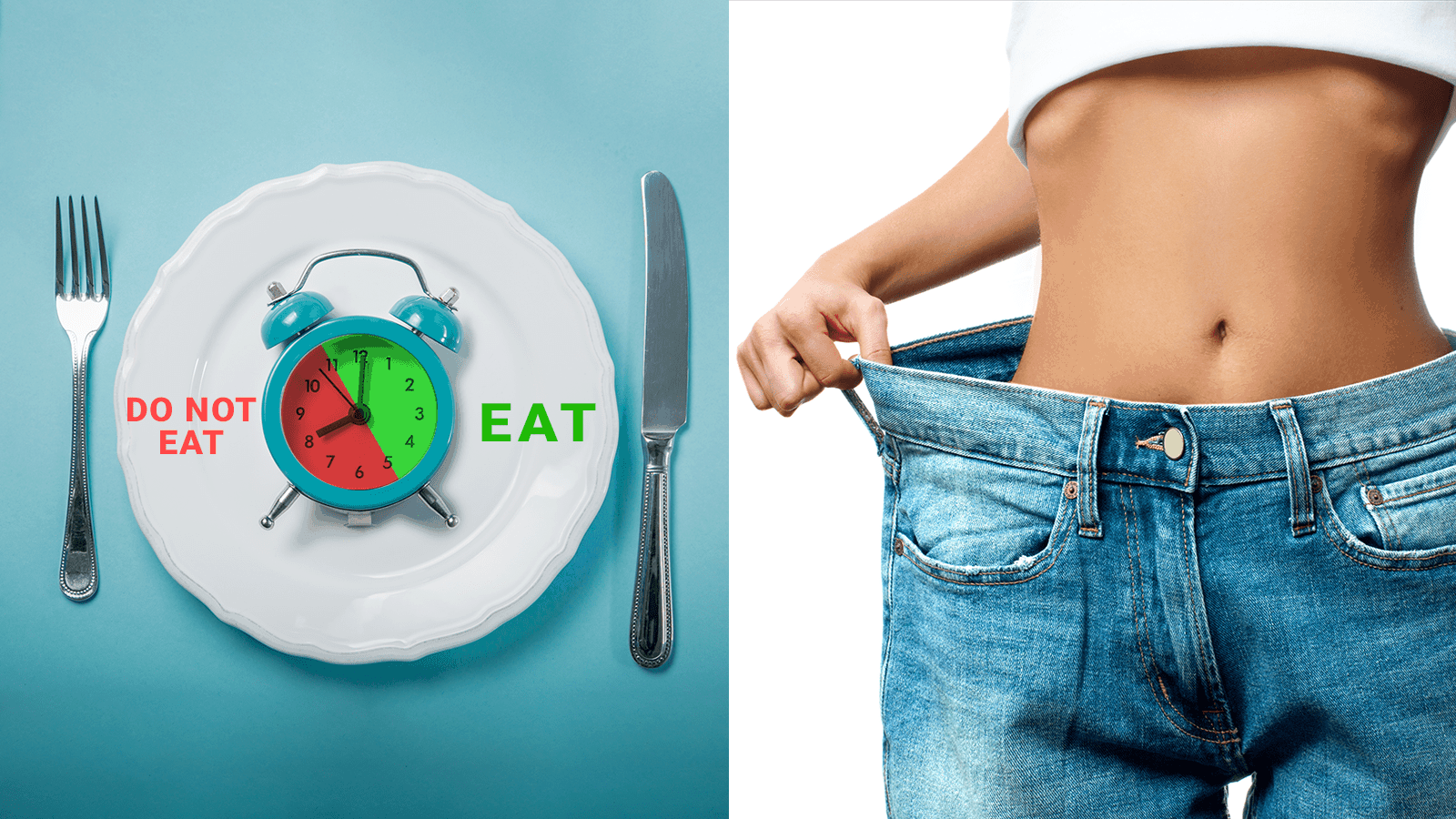
11. Try Intermittent Fasting

Intermittent fasting is a great technique that many have had luck with, when it comes to losing weight. Studies have shown that minimizing the amount of time throughout your day that you eat often results in weight loss being much easier.

weight loss with intermittent fasting

The idea behind intermittent fasting is that you avoid eating for a certain period of time throughout your day, and then consume all your calories for the day in a smaller window of time. Common eating schedules for intermittent fasting include a 8-hour feeding window, with the other 16 hours of the day being fasted. Smaller feeding windows work even better for many, with 6- and even 4-hour feeding windows practiced!

12. Prioritize Sleep

There has been some research done which looked at the amount of time people slept. In conclusion, the less you sleep at night, the bigger appetite you end up having during the day!

In today’s fast paced world, sleep is often overlooked, or put on the back burner! How few hours some sleep can even be a source of pride for many! This is a mistake though, and sleep should be made a priority in everyone’s life, regardless of weight loss goals! Another study looked at sleep duration and was able to observe a link between it and people’s rates of weight gain!

Final Thoughts On Faster Weight Loss

Losing weight isn’t impossible. By sticking to sound weight loss advice, your chances of reaching your goal weight become much better! After reading through the above advice, you should be well-armed and off to achieving the body you’ve always wanted!

Consider adopting some of these tips today, and you’ll likely be surprised by how quickly the weight starts to fall off! It is important to remember that in order to succeed at losing weight, consistency is important. Even once you’ve reached the weight you were after, make sure you maintain those healthy eating habits.

Therapists Reveal 10 Mind Traps That Make You Unhappy and Anxious

We are moving to 2020. We can hope that it will give us better vision into how to make our lives better and to recognize the power we hold ourselves.  With every New Year, there is always talk about getting healthier physically, going on a diet, exercising, and generally being more active.  Yet, rarely does anyone say I am going to get mentally healthier. And even less often do we resolve to watch out for mind traps!

Interesting, seeing as our mental mindset probably plays the biggest role in any success and happiness we have. Recognizing how our mindset is working against us is the best step we can take to get it to work for us.   Therapists reveal ten mind traps that make you unhappy and anxious.

What are mind traps?

We talk to ourselves internally and out loud, far more frequently than we talk to others.  Yes, you are not the only “ crazy one” talking to yourself.  Yet, have you ever really paid attention to what you are saying to yourself?

For example, let’s say you left for work at the same time as you do every day that ensures you arrive on time.  Today there is a traffic accident causing you to arrive late.  Do you chastise yourself for not checking the traffic report and leaving earlier? Do you remind yourself that it is an off chance event, and you have an excellent reputation for arriving to work on time, if not early?

Did you stress out while being stuck in traffic so that you arrived to work anxious and unhappy? Did you contact your work or a coworker, explain the situation, and that you would be there as soon as you could be?  The latter would ensure that you arrived with everyone’s understanding and your energy reserved to jump into work to make up for any lost time.

What you say to yourself matters and can affect how you view events, react to situations, and how you feel about yourself, others, and life in general.  They can determine if you’re unhappy, anxious, or happy and calm. Essentially, your thoughts create your reality.  When those thoughts only create a single reality, usually negative, it is called a mind trap.  Often, these mind trap thoughts are automatic.  We have programmed ourselves to think in this manner when certain situations happen.

Automatic thinking and mind traps

Automatic thoughts are instantaneous internal thoughts that occur based on personal beliefs about yourself and the world.  They can have a positive or negative slant and occur out of reflex to certain triggers.  Usually, they occur so quickly, and you don’t have a chance to stop them. You’ve probably been saying the same ones for so long, that you don’t even realize what you are telling yourself on a daily basis.

For example, you make a mistake on a test in school.  Most people automatically respond with, “Oh my god, I am so stupid.”   A more positive statement would have been, ” Wow! I guess I wasn’t thinking clearly at that moment. ”  One statement is a personalized judgment about yourself, whereas the other acknowledges merely a mistake at that time.

Individuals who battle depression tend to have a negative view of their life and themselves.  They will automatically assume any negative adjective is describing them or their life and tend to only see the negative events in their life to the exclusion of any positive developments.  This continued focus on only one slant of their life is called an attention bias.  The negative attention bias contributes to negative thoughts, further increasing the depression, unhappiness, and anxiety.

10 Mind Traps

There are multiple types of mind traps that many of us do every day.  Learning to recognize them is the first step to calling them to our conscious attention so that we can reshape our automatic thoughts.

1 – Reading minds:

How many times have you met someone you really wanted to impress and felt awkward and nervous?  What do you say to yourself?  Probably something like, ” Oh man, he/she probably thinks I’m lame, stupid, incompetent, unattractive.” Fill in the adjective.  You are essentially acting as if you can read their mind.  The fact is, no one can read minds, and many variables can contribute to how a person responds to you or views you.  We cannot know what they are for that person.  Yet, we will put faith in our opinion of what they must be thinking.

2 – Extremes in thinking:

People may think in extremes such as “I’m always the one left out,” “I never do well on tests,” “Everybody hates me” “Nobody loves me” etc..  Words such as always, never, everybody, nobody, none and all, are words that represent extremes of reality.  Chances are there are tests that you have performed well on; therefore, the statement “I never do well on tests” is a false idea.  Reality is usually somewhere in the middle.  Just like everyone else, good and bad things happen at random periods in your life.

3 – Attention Bias:

As mentioned above, some individuals are only able to see the bad things that happen in their lives to the utter exclusion of anything positive.  For example, “I ran a horrible race!  The coach didn’t even smile at me while everyone else clapped and smiled after I crossed the finish line. ” The attention was on the one individual who didn’t respond as you expected rather than on the multiple other people who congratulated you.

4 – Blame game:

It is great to take responsibility for your mistakes, but often we blame ourselves for things we had no control over, such as in the example up above regarding the car accident resulting in arriving late to work.  Someone playing the blame game would either blame themselves for an accident that they didn’t cause or possibly blame the kids for making them unable to get on the road sooner, potentially avoiding the accident backup.  Neither party was responsible for the accident, but you may feel the need to blame either yourself or someone else.

5 – Emotion as reason:

There is a reason that we are told to calm down in order to discuss things when events occur that strongly affect our emotions.  We tend to use our emotions as the directions for our thoughts to go and then find what we perceive as evidence to support it.

When you are feeling insecure because your partner is working a lot of hours, you may automatically assume that they are having an affair.  You may ignore the fact that they periodically call or text you throughout the day, come home exhausted, and tell you about their day while eating a cold dinner and going to sleep.

6 – Gloom and doom forecasting:

When preparing for a stressful situation, such as a job interview, performance review at work, or a first date and you “predict” that you will fail, underperform, not impress, etc. regardless of how many times you have successfully surpassed these situations in the past.

7 – Broad generalizations:

Imagine you were just in the kitchen and opening up a container of soup.  You didn’t have my hand on the lid properly, and so the soup dumped out all over the kitchen counter.

You could have said, ” Really, I never think about what I am doing and always make a mess.”

Instead, you said (laughing), “well guess I wasn’t paying attention this time.”  The first is a generalized statement against yourself as one who doesn’t think and is messy.  The second acknowledges that this time you weren’t not paying attention.

8 – Giving a label:

When we don’t do well on a test, job interview or even our favorite football team loses a game, and we may label ourselves or the team “losers,” as opposed to stating ” I didn’t pass that test or didn’t get that job or my team didn’t win today.”  Instead, we slap a negative label regardless of its lack of truth.

9 – Saying “should have.”

It seems like an innocent statement enough, “I should cut down on dairy food”  The catch is that “should” implies setting an expectation on ourselves or others that can set us up to fail.  Granted, we try to use them to set us up to succeed, but somehow it works in reverse.

10 – The need to be right.

Everyone likes to have their opinions or conclusions proven to be right or valid.  When proving yourself right is so frequent that you find yourself constantly trying to prove yourself to everyone, that is too much.   Being right doesn’t really gain you much and can hurt many people.  Learn to pick your battles.  Learn when proving to be right is actually important.

mind traps are self sabotage

Read about seven ways you can stop the self-sabotage.

Final Thoughts on Avoiding Mind Traps

Therapists reveal ten mind traps that can make you unhappy and anxious.  Can you think of 10 mind traps that can make you happy and energetic?  Many of these traps were formed a long time ago, and we really don’t even realize what we are saying.  We hear so many other people say them all the time too.  It’s time to catch yourself,  and maybe even catch someone else,  using any of these and question their current role in your life.

Are they motivating you to improve?  Do they make you feel better about yourself?  Do they even truly apply to who you are?  Just because your brain is shooting these thoughts out, doesn’t make them the truth.  Learn to recognize, question, and reword in a way that is more accurate.  You may be surprised to discover you feel happier, more competent, and less anxious once you free yourself of mind traps.

11 Behaviors That Reveal Someone Is Emotionally Numb

 Emotional numbness normally occurs as a coping mechanism, or a way of blocking out painful experiences or emotions. The following disorders and conditions can cause someone to become emotionally numb:

  • depression
  • anxiety
  • PTSD
  • stress
  • grief
  • drug abuse
  • trauma

If you feel emotionally numb, you’ve likely been through a lot in life. Your mind needs a break, and as a result, you start to switch off both negative and positive emotions. You might be thinking, “What’s wrong with feeling happy?” Well, we can’t feel joy without experiencing pain, so a person who doesn’t feel emotions would rather not go on that rollercoaster ride anymore.

A person who dissociates from themselves and their emotions often feel that life seems a lot easier when emotions don’t get in the way. Of course, it feels great when you make it into the clouds; falling back down into that dark abyss over and over again can easily break the spirit, however.

Feeling emotionally numb doesn’t usually just happen; it’s a slow process that causes a person to slowly remove themselves from life. It doesn’t happen by choice, either; a person who feels nothing once felt everything so deeply, but the pain of this destroyed them. So, their brains responded by shutting off their emotions in order to deal with the trauma.

If this sounds familiar, or like someone you know, read on to find out more about what they might be going through.

Here are 11 behaviors that show someone is emotionally numb:

As we move through this list, keep in mind that detaching from your emotions in certain situations doesn’t necessarily point to a problem. For example, if you need to assert boundaries, assist in an emergency situation, or remove yourself from a toxic conversation or environment, feeling emotionally numb can actually prove beneficial. It becomes a problem when the numbness takes over your whole life and mind, keeping you from feeling joy at all.

  1. They isolate themselves.

For a person who feels emotionally numb, socializing and going to events won’t bring them happiness. They don’t see much of a point in trying to connect with others when they don’t even feel connected to themselves. So, instead of using all that energy to make friends or attend events, they’d rather sit at home and play games, watch TV, or engage in other relatively mindless activities.

A person who dissociates from themselves and life may find “normal” activities overstimulating; they prefer to spend most of their time at home, away from overpowering stimuli.

  1. A person who feels emotionally numb will have trouble expressing emotions.

In conversation, they may appear dull and bored. They won’t seem happy or sad, just neutral. Additionally, they might not talk much and won’t engage with you unless you go and talk to them first. They may respond with one-word answers and will appear hard to read. They don’t do all of this on purpose or to be rude, of course; it’s just a natural defense mechanism.

  1. They will appear almost lifeless.

They won’t show much interest in anything unless they really have a passion for it. Most of the time, they’ll seem almost robotic in nature, going through the motions of life and just trying to stay afloat. At some level, all of us experience this. In someone who is emotionally numb, however, this becomes their operating system. They don’t know how to express emotion without feeling overwhelmed, so they just do what needs to get done in order to survive.

  1. It might seem like they’re on a whole different planet.

People with dissociative symptoms might seem like they’re not even present. Their eyes might have lost their twinkle, their smile may appear forced, and overall, they just don’t seem “all there.” Reality can get painful, so they try to remove themselves from it. Thus, they don’t have to deal with the suffering.

Psychotherapist Imi Lo says, “Though it sounds paradoxical at first, many emotionally intense and sensitive people struggle with ‘emotional numbness,’ a kind of internal deadness or emptiness that permeates their whole being and strips them of the joy and fullness that life has to offer.”

Like most of our coping mechanisms in life, detaching ourselves from a situation or event that causes pain helps us survive. Everything we do, essentially, aims to preserve our life and shield us from threats. So, it doesn’t come as a surprise that disconnecting from our environment might help save our life or keep us sane in times of extreme stress.

  1. They might talk in a monotone way.

Because of their inability to feel extreme emotions, people who feel emotionally numb might appear robotic in conversation. They don’t get much enjoyment out of life for whatever reason, so they won’t get too excited about everyday topics of conversation. Of course, if you bring up something they feel passionate about, you might see them become a bit more animated than usual.

  1. They might share that they feel like a passive observer in their life.

If you really get to know someone who feels emotionally numb, they might share with you that they feel disengaged in life, like they are watching a movie of themselves. Despite their best efforts to participate, they just feel that they can’t get in on the action. They feel stuck in a perpetual out-of-body experience and don’t know how to connect to their body and feelings.

  1. Someone who feels emotionally numb may feel that life is just a dream.

Expanding on the last point, someone who feels disconnected from themselves may not even feel real. In other words, they may feel like a puppet on a string being pulled in different directions by an invisible force. They may feel that they have no control over their lives, so their solution is to not get too caught up in what happens. Everything feels fake and foreign to them, as if they came here from some other planet or world.

  1. They won’t show interest in many activities.

You get the gist by now; they don’t feel much in life, so activities won’t pique their interest most of the time. Those who are emotionally numb may do things just to pass the time, such as watch shows or play video games, but they might not actually enjoy these activities. They are just fillers for them.

  1. They might feel that everything (including themselves) is pointless.

People that feel emotionally numb may have a nihilistic view of the world. They don’t believe life has meaning, so why give it meaning? They don’t feel that they have any purpose in being here, so why get caught up in the drama of being human? The world doesn’t make sense to them, and they’ve stopped trying to understand it a long time ago.

  1. An emotionally detached person won’t show strong emotions in intense situations.

Because they have disconnected from their emotions, they may not even show much concern in a situation that warrants a strong response. For example, in a crisis or emergency, they might appear stoic and calm while everyone else freaks out. This does have its advantages, but stuffing emotions down can lead to a blowup later. However, in a crisis, remaining collected and level-headed could actually allow the person to provide better help to those in need.

emotionally numb

  1. If they ever do feel anything, they won’t know how to control their emotions.

If they finally do allow their emotions to surface, the intensity will rise very quickly. In a person who feels emotionally numb, they usually only feel something if they’ve allowed their emotions to build up for too long and something sets them off. A stressor such as a breakup, divorce, death in the family, loss of employment, or health crisis could spark intense emotions.

Because they never feel anything, they don’t have much practice in handling their emotions healthily, so their feelings might get the best of them.

Final thoughts

Feeling emotionally numb does have its advantages (evolutionarily speaking), but in the modern world, cutting oneself off from any feelings can cause isolation and depersonalization. No one should cling to their identity or emotions for comfort, of course, but the answer lies in balance. You don’t want to let your feelings take control of you, but you also don’t want to shut yourself off from sadness (and therefore, happiness.)

If you find yourself feeling disconnected and numb in life, seek the counsel of friends, family, or a licensed therapist. They can help you find ways to connect to yourself again and reclaim your joy in life. No one should have to move through life on autopilot; while this can protect you from painful experiences, it also shields you from people and things that can bring out the light in you.

We leave you with thoughts from Quora user Scarlett Trillia: “Be vigilant, be gentle with yourself, and don’t forget that knowing darkness is the only way to deeply appreciate the light once you’ve found it.”

8 Bedtime Habits That Are Bad For Your Skin

We all know how important sleep is. It’s good for energy, focus, positive thinking, immunity, and overall health. That’s why many of us form certain bedtime habits that help us get to sleep or make us feel cozier.

But sometimes, these habits are ill-informed ones that can have adverse effects elsewhere. If you’ve been waking up to irritated skin and breakouts, it may be time to take a good, long look at what you do before you hit the sack.

Here Are 8 Bedtime Habits That Are Bad For Your Skin

oily skin

1.    Not Changing Sheets Often Enough

No matter how clean your sheets seem to be, the fact remains that sleeping on them every night causes quite a bit of dirt to pile up on them. Every single piece of bedding you have can slowly collect oil and dirt from your body, which can lead to pimples. It’s no wonder it’s so bad for your skin!

According to medical doctor and dermatologist Desmond Shipp, using the same pillowcase nightly without changing it is a surefire way to contaminate it with shed skin cells, bad bacteria, and the residue from your day. Every bit of dirt you have picked up will end up sticking to that pillow, especially matter you have acumulated on your hair.

Just imagine it – the average person only spends 8 hours every night asleep. That makes 16 hours that they could have spent wandering around and accumulating gross impurities that can then be transferred to sheets!

Dermatologist Dr. Jill Waibel recommends washing all bedding at least once every week. If washing all your bedding is a bit much or takes too much time, at least swap out your pillowcases weekly to avoid acne and skin irritation.

2.    Sleeping with Incorrect Temperatures

Temperature is a surprisingly important part of ensuring a healthy bedtime. The incorrect temperature can have noticeably adverse effects on the skin, and it can even impact overall sleep quality.

If your room is too warm, or if you tend to be hot to begin with, you will sweat through the night. If you’re lucky, you won’t wake up from that sweat, but even if you don’t, that means your sheets are going to get dirty quickly.

  • Sweating releases bacteria, dirt, dead skin, and oil on the skin’s surface or trapped in its pores.
  • Feeling cozy is great, but let it get too warm and you’ll be sweating up a storm.
  • Even on cold nights, pushing up the heat can lead to drying effects on the skin.

But what about a room that’s too cold? This is, supposedly, just as bad. A cold room can lead to dry skin. This is because this type of cold, especially with air conditioning involved, basically sucks moisture from your skin. For most positive results, your bedroom should be at a comfortable temperature that isn’t too hot or too cold.

Does this mean your room should never be cool at all? Of course not! In fact, studies have found that the body is able to enjoy better results from sleep when resting at cooler temperatures. Just don’t overdo it, and all will be well.

Absolutely can’t give up your AC or heating? Invest in a humidifier that can replace lost moisture so your skin doesn’t dry out as you snooze.

3.    Skipping Skincare

Some may choose to brush off their skincare routines at night. It may be because they feel too tired to perform them, or maybe they just don’t consider it very important. But this is a huge no-no.

To begin with, for those who wear makeup, not taking it off before hopping into bed is a surefire way to wind up with pimples the next day. But we’re not just talking about makeup here.

A nightly face wash is one of the most important things you can do for your skin. Even if you’re not wearing makeup or think you don’t need it, your skin desperately needs this cleanse. As you sleep, skin works to repair and rebuild itself. So if you have dirt, dust, and other items on your skin, you will harm this usually positive process.

You should also try not to skip out on moisturizer. Even those with oily skin can and should benefit from this type of product. It’s not just meant for anti-aging purposes, and it’s definitely not only for dry skin. Just go for products formulated specifically for your skin type, and you’ll enjoy glowing, dewy, youthful skin every morning.

  • Do keep in mind, though, that you should never over-cleanse your skin. This can tear down the microbiome over the skin and break down the natural protection and moisture that your skin naturally has.
  • Stick to doing just enough to get bad residue off, and not too much to where you get rid of good bacteria that protects you from acne and infection.

4.    Sleeping With Long Hair Down

It might be difficult to sleep with your hair tied up. It can feel uncomfortable and get in the way of some sleeping positions. But sleeping with your hair down leaves the skin on your face more susceptible to trouble. Long hair will leave oil, residue, and even hair care products on your facial skin, causing pore clog and redness.

According to board-certified dermatologist Joel Schlessinger, just wearing your hair wrongly to bed can lead to angry breakouts when you wake up. Your best bet is to tie up your hair in a ponytail or a bun; keep the tie loose and cozy so you don’t damage the roots of your hair.

If your hair is particularly curly, use a satin cap to protect it, stopping breaks from occurring while keeping those curls fresh. Plus, the smooth satin of that cap can help your skin suffer less from potential breakouts.

5.    Using Rough Pillowcases

We don’t always pay attention to pillowcases and their specific materials and textures. But rough ones – especially those made of pure cotton – can be overly coarse and cause friction on your facial skin as you sleep. It can lead to collagen breakage, wrinkle formation, and even acne.

Your best bet for pillowcases are ones made with silk or satin. These smooth materials are guaranteed to help keep your facial skin safe and protected, and they even have positive effects on hair. They are less harsh and abrasive, are not as prone to cause irritation, tend to be hypoallergenic, and are, on the whole, a lot more breathable.

6.    Sleeping On Your Stomach or Side

There are many sleeping positions, and everyone has their own personal preference. But opting to sleep on your stomach or side comes with its fair share of negatives.

First, let’s talk about stomach sleeping. According to clinical psychologist and medical doctor Michael Breus, stomach sleeping can lead to wrinkles due to the pressure of your face against a pillow. This is so severe that those who sleep this way are likely to have more obvious lines in their foreheads.

On top of that, it’s not a great position for your back, either; additionally, smothering your skin in a pillow can cause breakouts. You may even start to see wrinkles along your neck and chest if this is your go-to sleeping manner.

Side sleeping is better than stomach sleeping, but it’s still not great. Dr. Ava Shamban, a dermatologist, states that side sleeping can lead to deep lines along the side of the face. Typically, creases and wrinkles will start to pop up along the cheeks where pressure is placed – and even from the hairline down to the jaw!

This means your best bet is to sleep on your back. If you really struggle to stay lying face-up, try purchasing smoother, silkier pillows to reduce the wrinkle formation on your face.

7.    Having A Drink Before Bed

Many people find that taking a sip of wine or a similar alcoholic beverage before bed helps them get to sleep. It’s also a way that many choose to unwind after a hard, late day spent at the office. Not only does alcohol disrupt sleep cycles, but it’s also bad for your skin, says CCSP Director and Sleep Ambassador Nancy H. Rothstein.

Essentially, that glass of wine can completely throw off sleep cycles, preventing your body from entering the positive restorative sleep cycle. This, in turn, stops your whole body from recovering from the day – and that includes your skin.

  • So, when you wake up in the morning following one such night, you might notice dark circles and spots, lines and wrinkles, and even acne breaking out.
  • Your best bet is to abstain from alcoholic drinks – and caffeinated ones such as soda, coffee, and tea – around three or four hours before bed.
  • Start drinking water, instead, at this time!

8.    Not Getting Enough Sleep

We need certain amounts of sleep every day. Even if you feel like a measly five hours of sleep works fine for your busy schedule, your body is disagreeing all the way through.

Less than six hours of sleep nightly can lead to skin issues as it prevents the body from repairing itself through restorative phases in your natural sleep cycle. This means your skin isn’t able to build back up after a long day. You’ll find wrinkles setting in, notice ashy, greying skin, and even see dark spots forming.

bedtime habits bad for skin

You should be sleeping at least 7 hours per night, though this number differs depending on your age. Considering how much sleeping well helps people – through cognitive function and focus, positive thinking and mood, and energy levels and strength – it’s shocking to know that 40% of people in the US are getting less than the recommended 7 hours of shut-eye every night.

The body absolutely requires that you allow it time to rest, recuperate, and repair itself every night. Through this process, it is able to boost collagen production, help your circulation, and deal with immunity issues – all things that affect skin health.

Final Thoughts On Bedtime Habits That Are Bad For Your Skin

Not all habits are good ones, and choosing the wrong ones to add to your nightly routine can lead to health troubles. By avoiding these 8 bedtime habits that are bad for your skin, you’ll be able to wake up feeling and looking fresh. Say goodbye to breakouts and acne, and say hello to glowing, happy skin!


Skip to content