Weekly tips, affirmations, and small actions to feel your best.

15 Best Cucumber Face Masks For Glowing Skin

Are you looking for glowing skin? If yes, then the answer to your problem is cucumber face masks. Applying a face mask that consists of a cucumber, Latin term Cucumis sativus, will not only lead to glowing skin, but it will also hydrate and moisturize your skin.

In addition to cucumbers, you can add other ingredients that will ensure you get extra benefits for your skin. These include aloe vera, parsley, apple cider vinegar, egg yolk, egg white, and more.

 Best cucumber face masks for glowing skin

1. Parsley Face Mask

This cucumber face mask is simple, yet it is full of anti-aging properties. To make it, pick a Cucumis sativus and peel the skin before removing the seeds and chopping it into tiny pieces. Put the Cucumis sativus slices and include a teaspoon of extra virgin olive oil, a pinch of salt, some milk, two tablespoons of fresh cottage cheese, and some fresh parsley leaves.

Blend the contents to create a smooth paste. Apply the paste all over your neck and face, but not around the eyes. Relax and let the mask to remain on the skin for up to half an hour. Use cold and lukewarm water alternatively to wash the mixture off.

The face mask assists in moisturizing and hydrating your skin. While parsley fights off lines and wrinkles, cottage cheese improves your complexion.

2. Potato Face Mask

This is one of the ideal cucumber face masks for treating skin pigmentation. Pick a Cucumis sativus and grate it to extract the juice. Do the same to the potato and get the juice.

Mix a tablespoon each of both juices and apply on your face or only on the impacted parts using a cotton pad. Rinse the mask off after a quarter of an hour and do the same thing every alternate day.

This face mask is suitable for treating skin discoloration and suntan. The Cucumis sativus and potato juice has bleaching properties and forms a robust solution to aid in lightening skin pigmentation.

3. Egg Yolk Face Mask

Get a quarter of a Cucumis sativus and peel before removing the seeds. Slice it into tiny pieces and place them inside a blender. Also, add a tablespoon of sour cream and egg yolk. Now blend the mixture to create a smooth paste.

Apply this paste on your face and leave it for up to fifteen minutes. Then wash it off with cold water, dry the skin, and apply a moisturizer.

The Cucumis sativus assists to keep your skin rejuvenated and hydrated. Additionally, egg yolk is an exceptional remedy for getting smooth and soft skin, while the sour cream exfoliates the skin to make it supple, soft, and glowing.

4. Gram Flour Face Mask

Among all cucumber face masks, this is one of the simplest and effective ones. Pick a Cucumis sativus and slice it into tiny pieces. Put them inside a blender and blend to a paste.

Remove the paste from the blender, add two tablespoons of gram flour or besan to it, and mix. Apply the paste evenly on your neck and face. Let the mask sit and dry naturally before washing off with lukewarm water.

The gram flour is an excellent cleanser for the skin. It cleanses your skin thoroughly by removing dead skin cells. Hence, your skin will appear glowing, fresher, and brighter.

5. Apple Cider Vinegar Face Mask

Make Cucumis sativus juice by grating a large cucumber and squeezing out the juice from the contents. Put the juice in a bowl and add some apple cider vinegar and tomato pulp. Mix the ingredients and apply to your face.

Allow it to sit for half an hour and use lukewarm water to clean it off. Both apple cider vinegar and tomato have acidic properties that aid in toning the skin and closing the pores. Hence, the skin is less susceptible to breakouts.

6. Coffee Powder Face Mask

Make some Cucumis sativus juice and add honey and coffee powder to it. Combine the ingredients to form a smooth paste. Apply the paste evenly on your face and wait for half an hour.

Use a mild cleanser to clean off the mask. This is one of the best cucumber face masks and is great for skin tightening. Coffee powder aids in eliminating cellulite and offering anti-aging properties.

Honey also has anti-aging properties and has antioxidants that protect your skin from free radicals.

7. Avocado Face Mask

Pick a ripe avocado and slice into half. Eliminate the seed and scoop out the flesh before putting it into the blender. Then pick half of a Cucumis sativus and slice into tiny cubes.

Add the Cucumis sativus cubes into the blender and blend with the avocado to create a smooth paste. Apply it all over your neck and face and leave it there for up to 20 minutes. Then rinse off the mask with lukewarm water.

Avocado has plenty of healthy fats that aid in hydrating and nourishing the skin from the inside. It helps to repair itchy, dehydrated, and dry skin while eliminating blemished and dark patches.

8. Lemon Juice Face Mask

To make this face mask, you will require lemon juice and Cucumis sativus juice. Make Cucumis sativus juice by grating cucumber and squeeze out the juice from the grated cucumber. Mix one tablespoon of lemon juice and three tablespoons of Cucumis sativus juice.

Then use a cotton ball to apply the mixture on your neck and face. Allow the mixture to sit for fifteen minutes before rinsing off with plain water.

The mask is ideal for eradicating suntan and restoring the initial complexion. The facemask also assists in controlling the production of excess oil.

9. Oatmeal Face Mask

Chop a Cucumis sativus into tiny pieces and blend it with a blender. Then grind one tablespoon of raw oatmeal to make oatmeal powder. Add the oatmeal powder and two tablespoons of aloe vera gel to the paste and mix.

Apply the resulting paste for up to 20 minutes. Then rinse your face with fresh water. Cucumber has natural cooling properties that soothe your skin and keeps it fresh.

Oatmeal is ideal for all types of skin, including the sensitive ones. Oatmeal has exfoliating properties that aid in unclogging skin pores and preventing acne. On the other hand, aloe vera treats skin irritation, absorbs excess oil, and keeps the skin hydrated and fresh.

10. Orange Face Mask

Put sliced Cucumis sativus and fresh orange juice in a blender and mix. Apply on your neck and face and let it sit there for at least fifteen minutes. Wash your face with cold water.

The mixture of orange juice and Cucumis sativus performs well to make your skin glow. Both ingredients are rich in vitamin C, which is popular for brightening the skin.

11. Egg White Face Mask

Break egg white into a bowl before whisking it. Chop one Cucumis sativus into tiny pieces and put into a blender with some fresh mint leaves. After blending into a pulp, add the paste to the egg white and combine.

Apply the paste on your neck and face while avoiding the eyes. Leave the mask for up to half an hour and then rinse it off with cold water. Dry the skin and apply moisturizer.

The egg white is rich in proteins, which improve the production of collagen and maintain the firmness and youthfulness of the skin. Cucumis sativus has anti-oxidant properties in the form of caffeic acid and vitamin C that aid in eliminating fine lines and wrinkles. On the other hand, mint rejuvenates the skin, cleanses it, and keeps it hydrated.

12. Honey Face Mask

Peel a Cucumis sativus and chop it into tiny pieces. Put the cubes in a blender before adding some oatmeal and a cup of yogurt. Blend the mixture to form a smooth paste.
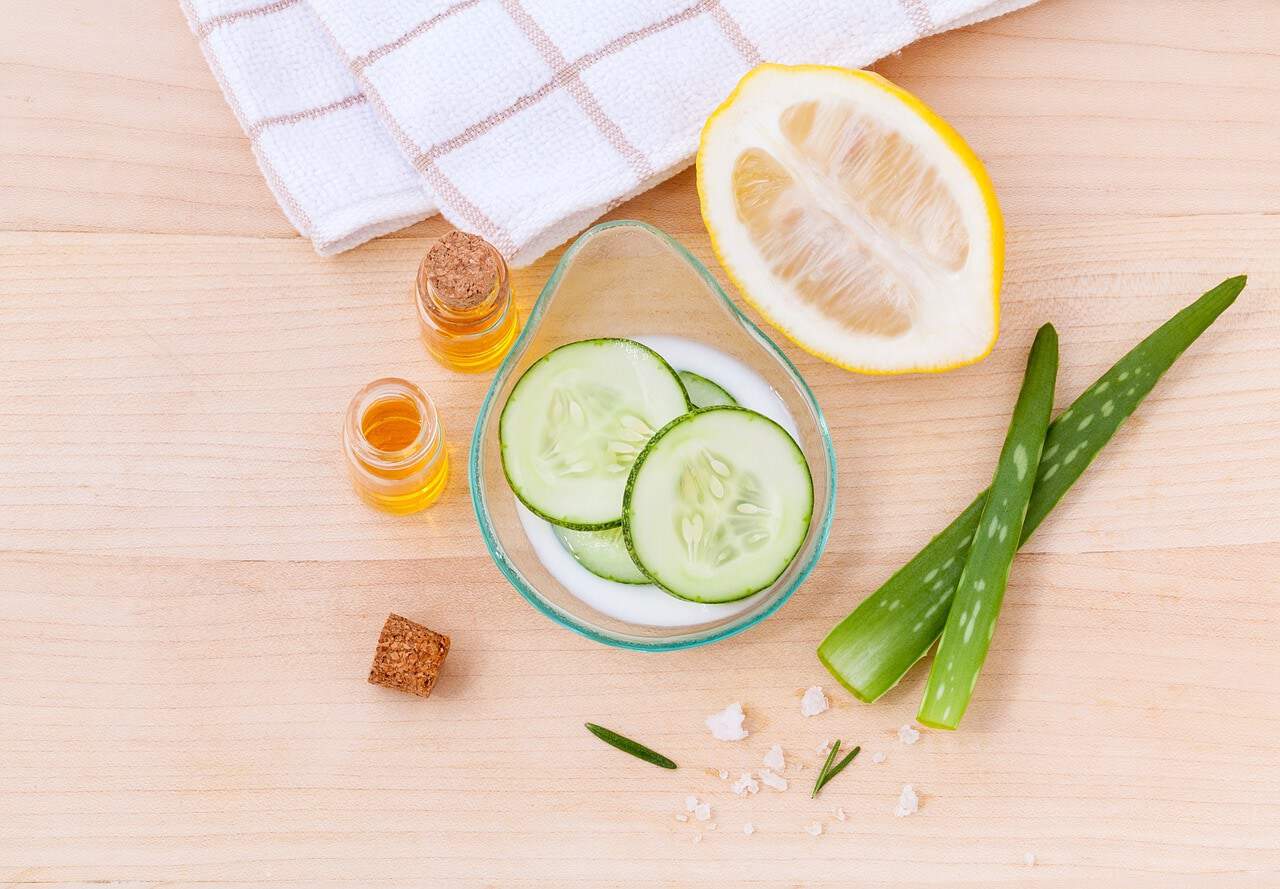
cucumber face mask

Treat your face to a day at the spa right from the comfort of your home!

Add two tablespoons of honey to the mixture and combine. Apply the paste on your face and leave it for half an hour before rinsing it off with lukewarm water.

Oatmeal and yogurt are great for exfoliating the skin. Yogurt, on the other hand, is a great moisturizer.

13. Tomato Face Mask

Put a quarter Cucumis sativus and half a tomato that is ripe in a blender. Blend the contents into a smooth paste. Apply and rub the paste on your face in a circular motion for a few minutes.

Allow the paste to remain for fifteen minutes and rinse off with cold water. Both tomatoes and cucumbers have skin brightening properties that treat skin discoloration.

14. Almond Butter Face Mask

Chop a quarter Cucumis sativus into cubes and put into a blender along with one tablespoon of almond butter. Blend the contents into a thick paste and apply it on your neck and face while avoiding the eyes. Leave the mask for ten minutes and then wash it off with lukewarm water.

Cucumis sativus is a great moisturizer that treats dry skin. Almond butter is an exceptional emollient that has vitamin E, which is a robust anti-oxidant. It will address aging as well as other skin damages created by free radicals.

15. Aloe Vera Face Mask

Peel half a Cucumis sativus and cut into tiny pieces. Put the cucumber pieces and two tablespoons of fresh aloe vera in a blender, and blend them to create a smooth paste. Apply the paste on your neck and face and leave it for fifteen minutes before rinsing off with lukewarm water.

These two ingredients have cooling properties that calm down skin that is sunburned, irritated, and stressed. You will get supple and soft skin if you apply regularly.

Final Thoughts on Cucumbers for Face Masks

These cucumber face masks will surely work like a charm. For only ten to thirty minutes a day, you can treat your face and experience amazing results.

The good thing about these face masks is that the ingredients can be easily bought from grocery stores. Also, preparing the masks is as easy as pie.


Scientists Explain How Many Hours You Need Outdoors to Improve Your Health

Do you love sitting outdoors in the morning drinking your coffee or lounging by the pool with a drink in hand after a long day? Adding folding arm awnings Melbourne can enhance this experience, providing shade and comfort. For some people, being outdoors is a place to sit and relax without all the noises of the city. For others, it’s an opportunity to do an active sport like hiking, skiing, surfing, or playing basketball.

Getting outdoors offers multiple health benefits beyond just whatever activity you do.  It has been verified to be a great treatment for depression, anxiety, high blood pressure, and more.

Did you know that now scientists have narrowed down the most beneficial amount of time for you to spend outdoors per week to improve your health?  You might be pleasantly surprised and relieved at how much time it is.

What are the benefits of being outdoors?

I love being outside.  I feel so much more alive and a part of the things around me more than when I am pent up in my house or an office.  It is such a joy to be able to see and feel the sunshine, feel a nice breeze brush my cheeks, and to walk barefoot in the cool grass.

It is too easy to get caught up in our responsibilities that we forget the value of enjoying the outdoors.

Science has proven that there are multiple benefits to both our physical and mental/emotional health by spending time outdoors.

In July of 2018, The University of East Anglia published the outcome of a study.  The researchers there had compiled data from 20 different countries of over 140 studies which detailed the health of over 290 people to determine whether or not nature indeed was beneficial to our health.

This report confirmed that exposure to “green space” demonstrated definite health improvements.  Green space was defined as an open, undeveloped land with natural grass, trees, plants, and bushes.  This also included parks in city locations or vegetation planted along the streets.

The researchers compared the health of those who were near green spaces vs those who were not.  Yes, even just being in an area near green space showed improvements in people’s health.

The physical health benefits of the outdoors include:

  • Decreased risk of Type II Diabetes
  • Reduced risk of cardiovascular disease
  • Decreased premature death or pre-term death
  • Increased length of time asleep

The closer the people lived to greenery, the more benefits they received.

  • Lowered diastolic blood pressure
  • Reduced heart rate
  • Less stress and significantly lower levels of salivary cortisol, a hormonal marker of stress.

Mental and emotional health benefits of being outside

Not only does spending time outdoors improve your physical health, but it also improves your mental and emotional health. The results of a study that had been published in Proceedings of the National Academy of Science was focused on demonstrating that urbanization was contributing to rising mental health issues.

The researchers theorized that spending time in nature would decrease depressive symptoms, particularly rumination.  Rumination is the tendency to get lost in your head with your own thoughts about life and humanity.  In a depressive individual, these thoughts tend toward the negative, sometimes to a dangerous degree.

Nature vs Urban Setting

The study consisted of volunteers sent on a 90-minute walk in a nature-filled environment and others on a walk in an urban setting.  Those individuals who walked outdoors in a nature-filled area claimed to have less rumination, which was substantiated by a decrease in the neural activity of the brain responsible for that behavior.  Those who walked in an urban area didn’t report, nor demonstrate, any change in rumination.

Another multi-study analysis was performed to evaluate the best activities and amount of time necessary to increase self-esteem and mood.  The researchers evaluated 10 UK studies, which incorporated 1,252 people.  The researchers discovered that a little goes a long way.  Even a short duration of time spent outdoors doing physical activities demonstrated considerable benefits.  Those benefits waned over time, but positive results still remained.

Every nature setting improved self-esteem and mood.  The natural areas that also contained the presence of water created even greater results.  The effects were equal for men and women, but one’s age did appear to cause differences in the results.  The younger an individual was, the higher self-esteem improved.  Yet on the issue of mood, both age extremes, young vs old, proved to have diminished effects.  The mentally ill showed the most significant self-esteem improvements.

Why does being outdoors affect my health?

The above studies go a long way to support that being outdoors has beneficial health ramifications, but they don’t answer why nature has this effect on us.   Guess what?  There are studies and theories for that as well!

There has been research performed in Japan regarding their practice of “forest bathing.”  “Forest bathing” is the Japanese endorsed ritual of going to a wooded area and just spending time there sitting, lying in the grass, or taking walks.   Japan’s research points to the possibility that the phytoncides, organic compounds that contain antibacterial substances, are let loose by the trees.

Additionally, evidence pointed to a decrease in the stress hormone, cortisol.  With the combined reduction in cortisol, which reduces our immune system, and an increase of phytoncides, we are boosting our immune system, leading to improved health.

The trees most commonly associated with this effect are evergreens.  We have past studies from the mid-1800s regarding the treatment for tuberculosis which mirrors Japan’s theory.  Physicians treating tuberculosis studied the effects of pine trees in Germany and discovered that on days in which the forest contained a lot of moist air, the benefits increased.

Harvard Health Publishing published an article in 2010, outlining additional reasons:

  • Increased Vitamin D from sunshine. Vitamin D has shown to have tremendous disease-fighting potential.
  • Higher likelihood of physical activity, especially for children. Physical activity decreases weight gain and improves cardiovascular health which consequently leads to improved blood pressure and heart rate.
  • The combination of sunlight and physical activity increases your mood. An improved mood also points to a decrease in stress, which shows decreased cortisol levels.  Too much cortisol decreases the immune system.
  • Increases your concentration. In 2008, a study was published regarding ADHD children.  The children went for a walk in a park and then took a test.  They demonstrated higher concentration than those who walked in an urban area.
  • Natural sunlight aids in healing. In 2005, the University of Pittsburgh reported on a study in which spinal surgery patients received exposure to natural light.  The researchers reported that the patients experienced less pain and stress while also decreasing their pain meds.
  • In a different article published in Frontiers in Psychology, some studies considered the idea of nature creating less demanding stimulus. Scientists theorized that people in an urban area must expend energy to decrease the levels of stimulus, which results in cognitive fatigue.

In a forest or outdoor setting, the stimuli are softer and supplemented with a “feeling good” stimulus.  The softer stimuli, however, will reduce the demand on constant executive-type attention, therefore allowing the brain to replenish its energies.

  • Furthermore, there are studies that support the idea that just being away from the stress of our every day and being able to see a wide expanse of space and environment aids in restoring our energy reserves.

walking-barefoot

How much time is enough?

Between working, commuting, handling our children’s schedules (plus getting them off their phones or video games), getting outdoors can be challenging.  How much outdoor time do you really need to reap the health benefits?

A study was performed by The Monitor of Engagement with the Natural Environment (MENE) out of England to address how much time people spent outdoors, what activities they did, and obstacles to being outdoors.

The criteria for this study included time spent outdoors in nature.

This could be for a few minutes or a trip that took hours.  The locations included a short trip away from the home or a more lengthy distance. No routine shopping trips or time in one’s own yard or garden were included.

A group of scientists analyzed this data to determine how much exposure was necessary to reap the health benefits of being outdoors.  This report was published in Scientific Reports in June of 2019.

They determined that spending 120 minutes, or two hours, per week outdoors in nature was the minimal amount of time necessary to reap the health benefits.  The study also concluded that the benefits continued up until five hours, after which they noted no significant increase.

There you have it.  Spend two to five hours outdoors per week to improve your blood pressure, stress levels, and your immune system.  That amounts to only 30 minutes a day. That’s a minimal amount of time to reap high health dividends.

Conclusion

Our world grows increasingly more urban, with less time spent outdoors than in generations from the 1980s or earlier.  Studies are pointing to the possibility that this comes with a price on our health.  The recent study points to being able to improve our health with a mere 30 minutes a day per week outdoors, which could make it entirely feasible for people to make easy, healthy choices that can have huge benefits.

Picnic at the park for lunchtime, walk on the beach, or go for a walk on a hiking trail and amass those benefits for life.

10 Phrases Polite People Use Often

Politeness is very underrated. It creates better interactions. It helps diffuse awkward or tense situations. Being polite shows others that you are mature and capable. And, most importantly, it’s simply good manners – something we all need to practice in our everyday lives.

For many of us, politeness is taught in school or at home, but for others, it is necessary to learn – or re-learn – this habit in other ways. A good place to start is by using phrases and words that polite individuals often exercise in their vocabularies.

Here Are 10 Phrases Polite People Use Often

1.    “Pardon” or “Excuse me”

There are plenty of situations where you may need to excuse yourself or ask for pardon. Plenty of varieties of “excuse me” can be used in a variety of situations. To expand on which ones to use in what situations, here are some common similar phrases:

·         “Pardon?”

Did someone say something you didn’t quite catch? Instead of asking “What?” or just nodding and pretending you heard, say “Pardon?”

You can even expand on it: “Pardon, could you please repeat that?” or “Pardon, I didn’t catch that.” It’s simply polite, and it’s good manners!

·         “Excuse me.”

This phrase is likely used the most often. That’s because it has so many uses! You can use it to:

  • Excuse yourself from a situation or location
  • To ask for a clear passage through a crowded location, or if someone is blocking your way
  • Get the attention of someone
  • Transition into an urgent topic
  • As an apology for invading someone’s personal space

·         “Pardon me.”

This phrase can be used just like “excuse me,” but it’s much more formal. As such, you can use it at fancy events, when you’re speaking to someone in a higher position of authority or other similar situations.

You can also use this phrase to excuse yourself in a more graceful way when you need to get out of an awkward situation. It adds an air of elegance to what you’re saying, allowing you to exit the area in a more dignified way.

2.    “Please”

“Please” is one of the first polite terms that most of us learn, whether from our parents or in kindergarten. That’s because it’s easily the most used of all the phrases you may need, and it instantly softens any sentence. For example, consider:

  • “Let me pass,” versus, “Could you please let me through?”
  • “Get your stuff off the table,” versus, “Please move your things from the table.”
  • “Keep it down!” versus, “Please be quiet!”
  • “Lend me your pen,” versus, “May I please borrow your pen?”

When you use the word “please,” you change the tone of whatever you say next. You go from sounding demanding and insolent to polite and friendly. It can work wonders for you. On top of that, it’s just basic good manners – so don’t be afraid to pepper your requests with that positive word! (1)

3.    “Could you give me a moment?”

Being busy means you can’t attend to everyone right away. Sometimes someone comes up to you and unknowingly interrupts something you’re doing, and you need to hold them off until you’re ready to give them your attention. You have a few options here:

  • Option 1: Try and multitask. However, this might cause you to look like you’re ignoring the person in question.
  • Option 2: Tell them to wait, causing you to come off as rude.
  • Option 3: Ask them politely to wait until you’re done.

The obvious, most positive option is the third one. Ask them to give you a moment or, if you’re particularly busy or it’s just a bad time, let them know with one of these phrases:

  • “Sorry, I’m a little wrapped up now. Could we pick this up later?”
  • “Pardon me, but this isn’t the best time. Maybe we can talk about this later?”
  • “Could you please give me (insert length of time here) to finish this up?”

You can also use this phrase when you need to excuse yourself for any reason for a short amount of time.

4.    “Thank you”

Remember how we said “please” is one of the first polite things you ever learn to say? “Thank you” is right up there next to it. It’s not just good manners, but it’s also scientifically proven to provide benefits to you and those around you.

The act of giving and receiving gratitude has a very powerful psychological effect on the body and mind. It increases positive thinking and helps provide a healthier worldview, both for the receiver and the giver. (2)

This phrase isn’t only for polite people. Make it a habit to say “thank you” for more things, including those that are “expected” or normal. Acknowledge the little things that others are doing which benefit you. For example, you should say this phrase when:

  • A waiter gives you your food or drink
  • Your partner makes you coffee
  • Someone gives you a compliment
  • A person waits for you when you’re running late
  • Someone confides in you
  • You receive constructive criticism

5.    “What do you think about …”

It’s easy to get caught up in talking all about yourself. As such, sometimes you probably forget to ask for other people’s opinions. Your perspectives are the only ones you really, truly know, and it can be difficult to remember that others likely see things very differently.

So, the next time you’re wrapped up in a discussion, ask the person next to you what their opinion is. If you’re in a big group, direct this question at the person who has gotten the least chance to contribute to the conversation.

Not only is this simply polite, but it can boost the positive thinking of the other person. It also shows that you care about what others have to say. In the process, you’ll get to expand your mind and horizons, too!

6.    “I would prefer it if …”

If you’re in a position where you wind up reviewing someone else’s work or efforts, or if you’re giving feedback on something, it’s easy to get up onto a pedestal. You might automatically begin talking down to the person, especially if you don’t like what they’re doing.

Instead of criticizing harshly with phrases like “I don’t like this,” or “This is bad,” soften the blow with gentle honesty. Use phrases like:

  • “I would prefer it if …”
  • “I’m not fond of …”
  • “To be quite honest with you, I’d rather …”
  • “I’m not a big fan of …”

Remember, we’re not telling you to lie to spare someone else’s feelings! The trick is in being tactful. When you’re polite, the person receiving the criticism will react in a more positive way, and you’ll be more productive overall.

7.    “You’re welcome”

Sometimes, you’ll be the one on the receiving end of a polite “Thank you.” In that situation, it’s simply good manners to respond with “You’re welcome” or “My pleasure.” If you don’t use those phrases, you can turn a positive interaction awkward.

There is some controversy surrounding the statement “No problem,” as some older experts believe that it sounds dismissive. However, an equal amount of experts recognize this as a new response phrase by the younger generation that indicates that the grateful person should not feel guilty for what they received.

It’s up to you whether you use “No problem” or not, but to be safe, “You’re welcome” is always an accepted and universally understood form of acknowledgment.

8.    “I’m afraid that I disagree.”

Everyone is different, and you’re going to disagree with lots of people in your lifetime. Respectfully debating is a different issue altogether – but what if someone is totally wrong, and you know it?

Calling them out rudely is likely to make you look like a mean person. As such, you’ll want to use more tactful sentences, such as:

  • “I’m afraid that I disagree.”
  • “I don’t think that’s quite right.”
  • “Actually, if I remember correctly …”
  • “I think you may be mistaken.”

These more humble phrases allow you to correct the other person in a more polite manner. Plus, there’s still a chance that you’re wrong, too – and in that case, you’ll want to have been as nice as possible, or risk your overconfident statements biting back at you!

9.    “Hello” or “Good Morning/Afternoon/Evening”

Greeting the people you’re acquainted with when you see them can seem unnecessary, but it’s a great, positive habit to have. Just a quick, easy greeting works wonders, it helps to break the ice between you and those you’re not too familiar with, and it may brighten someone’s day. (3)

If you like, you can also give a simple, fast greeting to strangers you make eye contact with, those you wind up riding with in an elevator, or people you sit next to on public transport. This can turn an awkward interaction into something more friendly. You don’t even need to use a verbal greeting – a smile and a nod work well, too.

10. “Is there any way that I can help?”

Is someone you know having a hard time? Have they confided in you about something serious? Did you find out that someone you know is going through a difficult loss?

It’s hard to know what to do and say to help someone else. Sometimes, the best thing you can do is to ask if you can help them. This is a compassionate act that can make a big difference, showing that you care and are going out of your way to being of assistance.

Even better, if there’s something you know that you can do for them, ask if they would like that. It can take a big burden off of someone’s shoulders and show them the kindness they need to weather the storm. Just make sure that you are genuinely ready to help!

polite

Final Thoughts On Some Phrases Polite People Use Often

Being polite is free, but it does take a little practice. Luckily, there’s no shortage of phrases that polite people very commonly use on a daily basis. You can replicate these phrases in your own life as you get used to them.

Politeness is a learned behavior, and there is no shame in realizing that you need more of that trait in your mind. After all, we’re all human, and we all learn and grow every single day. It’s never too late to start learning to be polite, so get started with these 10 phrases polite people use often!

Beauty Experts Explain 4 Amazing Benefits Of Using Rose Water

Rose water is one of the world’s oldest beauty treatments. Past generations have long since fawned over the beauty of roses, as well as the powerful health benefits of this beautiful flower. Despite its long history of being used as a beauty and health product, rose water has many benefits that most people fail to recognize.

The Truth About Rose Water Benefits

Have you tried rose water yet? This sweet-smelling, gentle, and luxurious product has incredible skin enhancing benefits, as well as health-boosting, and healing qualities. Read on to learn just how you can benefit from this water.

Improve Your Health with Rose Water

There’s nothing as effective in improving one’s health like a truly natural product. This water is incredible at everything from soothing skin irritation to treating a sore throat.

This water will improve your health in the following ways:

1. Soothe Sore Throats

Antibiotics are often the go-to medication of choice for sore throats. However, this rosewater treatment is as effective as an antibiotic.

Use this water to soothe your sore throat to see how effective it is. When purchasing this water for consumption, be sure that it is intended for drinking rather than for use as a beauty treatment.

2. Boost the Antioxidants in Your Body

The antioxidants that are found in rose oil and rose petals will help to protect and heal your cells from damage.

According to one study, these antioxidants may have the power to inhibit lipid peroxidation. Essentially, this means that with the help of this water, your cells will be better protected.

3. Boost Your Mood

We all know how wonderful beautiful roses make us feel. Believe it or not, the water of roses can have a similar effect on your mood as well.

By adding this water to your diet, you’ll be able to take advantage of its anti anxiety and antidepressant properties. Studies attribute this property of the water to its calming effect on the Central Nervous System of mice.

Try these rose water benefits for yourself to see how well this water affects your mood.

4. Relieve Headaches

This water and rose essential oil are commonly used for aromatherapy in relieving headaches. This might be because of the de-stressing effects pointed out in other studies.

Using the vapor of this water will help to soothe headaches. Another way to access the power of this water when treating a headache is to use a compress that has been soaked in the water.

5. Soothe Digestion Problems

Certain studies show how this water helps to improve digestion and relieve one’s digestive upset. In addition to its soothing digestion problems, this product helps to boost bile secretion with can further improve digestion.

Heal Your Skin

Heal your skin with the power of rosewater! This versatile treatment has many powerful benefits for your skin.

Use rosewater in the following ways for skin treatments:

1. Reduce Skin Redness

As this water has been used for hundreds of years, it is quite powerful with reducing skin redness and improving one’s complexion.

Additionally, this water contains specific antibacterial properties that will reduce acne. Its anti-inflammatory qualities also help to eliminate puffiness in the skin.

2. Soothe Skin Irritation

This water has the power to soothe irritation. Its anti-inflammatory properties work in treating ailments like rosacea, eczema, and any similar internal and external irritation.

3. Heal Burns, Scars, and Cuts

This water’s antibacterial and antiseptic properties can be used to help your wounds heal faster.

These properties will help to clean off any burns, scars, and cuts, as well as help to fight any infections they cause. Using this treatment regularly will even help these afflictions heal much faster.

4. Take Advantage of Anti-Aging Properties

Want to turn back the clock on aging? Using this water as a toner will help to eliminate wrinkles and give you back your youthful skin.

Treat Your Eyes

In addition to improving one’s inner health and healing the skin, this special water can also be used to treat your eyes. Rosewater has the amazing capability of eliminating any irritation, burning, inflammation, and swelling when applied as drops to the eyes.

The following are powerful benefits of using rosewater for your eyes:

1. Soothe Your Eyes

Use rosewater to soothe your eyes. The relaxing properties of this water will help to eliminate any irritation you feel.

While you can apply this water by drops, you can also use a cotton ball to take advantage of this soothing feeling. After soaking a cotton ball in the water for a few minutes, place it over the eyes for a soothing feeling.

As rosewater contains tannins, malic acid, citric acid, vitamins A, C, D, B3, and E, Flavonoids, and antioxidants, our eyes will thank you for such a calming treatment.

2. Stop the Burning

Can’t seem to escape the burning sensation in your eyes? Bring on the rosewater. This water is a powerful helper for your eyes.

Whenever you’re experiencing inflammation or burning, find healing with this water. Turn this treatment into an eye drop and apply them to your eyes. After keeping your eyes closed the next 5 – 10 minutes, you’ll find that you instantly feel better.

3. Remove Dust

Apart from removing dust in the eye with water or eye drops, there aren’t many natural treatments available to cleanse your eyes.

If you’re worried about any day that has been trapped in your eyes, use rosewater to start flushing your eyes. With just a few drops, you’ll be able to escape the dirt and dust of pollution, UV rays, and the like.

4. Treat Dark Circles

Tired of covering your dark under eye circles with makeup?

With this special water, you can benefit from the healing power of its antioxidant properties. With a mixture of squash, cucumber, and rosewater, you’ll have a DIY treatment to help eliminate those circles under your eyes.

Boost Your Beauty Regimen

If you’re all about natural skin care, you’re long overdue to try rosewater on your skin. This water is one of the best skin care products and the greatest thing about it is that it’s completely all natural.

Start improving your natural skincare routine with the following rose water benefits:

1. Reduce Eye Puffiness

Place your new water treatment in your fridge for several minutes. After it is chilled, apply the water to a cotton ball or pad and place the mixture on your eyes.

The soothing nature of the treatment will soothe your tender skin and allow the puffiness to go down. 

2. Freshen Your Face

Throughout the day, we can easily feel tired thanks to the sun, sweat, pollutants and more. Instead of going through the day with tired-looking skin, use this water as a refresher.

Spritz the water on your face throughout the day to get the revitalizing benefits of the mixture.

3. Soften Your Skin

If you’re a fan of taking baths, it’s time you try adding this water to give you an entirely new experience. This soothing treatment will calm your mind as it softens your skin.

In addition to softening your skin, it will also help to restore exceptionally dry skin.

Benefits Of Using Rose Water

Rose water–great for your skin…and beyond!

The Secret to DIY Rose Water

This powerful ingredient in our favorite products can, in fact, be made at home. If you’re not short on a bouquet of roses, you can make this water yourself.

1. Wash your roses and then separate the petals.

2. Put a metal stand inside a boiling pot before adding the rose petals.

3. Push the petals towards the sides and then place your bowl on top.

4. Pour enough water in the pot to cover your rose petals.

5. Cover your pot with the lid upside down, bringing the water to a boil.

6. Placing ice cubes onto the inverted lid, allow the solution to boil at medium-low for the next 20 – 30 minutes.

7. As the ice melts, add more. This helps accelerate the condensation process that is responsible for forming your water.

8. After the 30 minutes are up, your rose petals should be white. Turn the heat off and let the pot cool.

9. Next, place the newly formed water inside a sterile bottle.

After going through all nine steps, you’ll have your DIY process down. Return to this guide any time you have fresh roses that you want to turn into your personal health and beauty treatment.

Final Thoughts on Rose Water Benefits

Rose water is often viewed as a luxury treatment, but it doesn’t have to be. Whether you make this water at home or you purchase it from your favorite brand, after a few weeks of use, you’re sure to see just how much of a positive effect this water has on you.

From healing your eyes to giving you glowing skin, rose water does it all. Keep this guide in mind when searching for new products to add to your health and beauty routine.


12 Home Remedies To Treat Migraine Permanently

The Migraine Research Foundation has determined that migraine is among the most common conditions across the globe. They can affect both children and adults.

This is not merely a severe headache. A migraine is a neurological condition that consists of symptoms that include nausea, numbness in hands and feet, sensitivity to sound, light, or smell, vomiting, and visual changes.

Hence, a migraine can be a chronic condition. To treat migraine, you can use the different types of medications available. However, you can also treat migraine with different remedies in the comfort of your home. Here is a list of the remedies that you can consider to be viable treatments options for your pain.

Home Remedies To Treat Migraine Permanently

1. Go Herbal

If you have an herb garden, this is a perfect way for you to treat migraine. Just go out into nature and enjoy the soothing feeling that you will experience from your garden. This is because inhaling the scent of some herbs such as peppermint herbs can relieve headache pain.Additionally, herbs such as cayenne contain properties that act as natural pain relievers. They can also treat nausea which is a common side effect of chronic headaches. However, eating these herbs will give you the fastest relief.

Therefore, you can make herbal tea at home by mixing peppermint leaves, cayenne pepper, and fresh ginger. Steep the mixture in water for fifteen minutes and drink. In case you do not want hot tea, you can make a lemonade mix made from lemons and lavender.

2. Eat More Turkey

Eating turkey can make you sleepy. This is because it contains a compound known as tryptophan. Tryptophan is a vital amino acid that triggers the production of dopamine in your brain. Dopamine is the chemical in your body that helps you to feel happy and great.

On the other hand, dopamine is crucial in releasing the chemical that is called serotonin in your body. The purpose of serotonin is to relax your body by removing negativity, worry, and anxiety.
Additionally, as the Tryptophan produces dopamine that in turn produces serotonin, it helps in relaxing the muscles that surround your brain. As a result, the capillaries in your scalp are soothed.

Therefore, instead of waiting for Thanksgiving to have a turkey, add it to your diet and enjoy the benefits of Tryptophan.

3. Drink Caffeine

It is possible for you to get a headache when you drink caffeine in large amounts. Regardless, when you consume a small amount of caffeine in the form of coffee or soda, it can soothe the pain that you get from an intense migraine.

This is because caffeine, taken in small amounts, offers pain relieving benefits according to the notes given by the Mayo Clinic. Hence, when you feel that a headache is about to appear, you can take a cup of coffee to keep the pain away.

Also, you can use the drink as a way of improving the effects of over the counter medicines such as aspirin and acetaminophen.

4. Get Some Ginger Root

If you have not yet tried chewing on a raw piece of ginger, this might be your cue. As determined by the Everyday Roots, the ginger root is capable of affecting the way that your body responds to inflammation as well as pain.

This is because eating ginger initiates the production of lipids in the cells of your body. Lipids are responsible for calming the nerves in your body that react whenever you feel pain. Therefore, eating ginger root prevents your body from recognizing that you are experiencing headache pain.

It also stops your body from responding to the pain and hence it can also soothe nausea. If you cannot chew on raw ginger root, you can make ginger root tea instead.

5. Get a Massage

You probably consider getting a regular massage to be a luxury. However, this can be the best method that you can use to treat migraine. If you do not want to seek the help of a professional, you can learn how to give yourself a massage.

Ensure that the massage is calming so that it can relieve your pain and prevent the headache from growing worse. Massage your neck as well as the base of your scalp. Add some stretching exercises as well to help stretch your muscles.

This will stimulate the flow of blood in your body, and as you continue to relax, you will send your pain away.

6. Add Some Pressure

It sounds quite unorthodox to add pressure to a head that is already under a lot of pain as well as pressure. However, there are specific pressure points in your body that can get rid of the discomfort that you feel.

Therefore, every time you feel as though your chronic headache is about to start, you should put a little pressure on your craniosacral system. These are spots on your body that are headache specific.

Hence, the pressure that you apply will force your brain to rest and relax. As a result, your brain will restart from a place that is free from pain. However, the pressure in your cranium will increase. Regardless, sending this pressure elsewhere will relieve the pain in your head.

7. Drink Grape Juice

If you have not had grape juice in a long time, this is a reason for you to add it to your kitchen cabinet. Grape juice is perfect whenever you experience a migraine at home. This is because the juice is very efficient at relieving pain.

This is a hypothesis agreed upon by both the Home Cure as well as the First Choice Smart studies. To benefit fully from the grape juice, you should select the all-natural grape juice that has no sweeteners of any kind. Additionally, you can make your grape juice at home.

Just take a bunch of grapes and put them in your blender or juicer. Add water and blend to make the juice. Enjoy your drink as it takes your pain away.

8. Eat Nuts

If you are among the people that have these chronic headaches often, you should consider adding nuts to your regular diet. This is because nuts act as both preventative measures as well as pain relievers for your headaches. Hence, they can make your future free from headaches.

The ability of the nuts to relieve pain comes from the compound called salicin that is found in different types of nuts. Salicin acts as a blocking agent for pain in the body. This is also the active chemical that is found in aspirin.

The nuts that have significant contents of salicin include almonds, peanuts, and chestnuts. This compound is also found in the extracts of the willow bark. Thus, you can consume these nuts instead of using over the counter medication.

9. Find a Dark Room

It is painful to be out in the sun when you have a headache. Being out in bright light can also increase the severity of your headache pain. This is because sensory stimuli can increase your headaches

Hence, you can go to a dark room to treat migraine pain, or you can just shut off the lights in your room while the curtains and the blinds are closed. Alternatively, you can wear glasses both outdoors and indoors to reduce the amount of light that you are exposed to.

The trick is to block out any unnecessary light so that your pain can be alleviated.

10. Consider a Different Temperature

Whenever you have a painful injury, you always consider two methods that have proven to work. These methods are hot and cold therapy. In the same way that these therapies relieve injury pain, they can also reduce your headache pain.

Therefore, choose the method that works best for you and place either the hot or the cold compress on your head. The heat from the hot compress works by relaxing your muscles and reducing the pain that you feel.

The cold from the cold therapy works by numbing the painful areas thus removing the feeling of pain altogether. Therefore, both methods will get rid of your pain almost instantly.

11. Use Essential Oils

If you are among the many people that make their cleaning products at home, you have probably used essential oils because of their antimicrobial properties. You probably have used them as part of other home remedies.

treat migraine

At home migraine remedies can be quite effective!

For instance, lavender is an essential oil that is commonly used in homes to create a soothing ambiance. This is why it is also highly recommended as a remedy for headaches, stress, and anxiety.

In a placebo-controlled clinical trial that was published by the European Neurology, it was determined that lavender oil was a viable treatment option for migraine. By inhaling the scent from the oil, the pain from the headache was reduced.

However, this is more effective in some people more than it is in others.

12. Do Yoga and Stretch

Yoga has massive benefits for the body and the mind as well. It is believed that yoga improves the flow of blood in the body. Additionally, yoga reduces the tension in muscles.

Therefore, engaging in yoga can be another home remedy for relieving your headache pain. The International Journal of Yoga conducted a comprehensive study that determined the comparison between yoga with conventional medicine and conventional medicine as treatments for headache.

From the results of the study, the group that engaged in yoga had much better relief patterns than the group that used the conventional treatment methods only. Therefore, practice yoga regularly to ensure you benefit from this remedy for chronic headaches.

The Bottom Line on At-Home Migraine Treatment

Regardless of what you decide to do to relieve the pain of your migraine; it is essential that you still keep track of the foods that you eat as well as the drinks that you consume every day. This will help you to determine your trigger, and in turn, you can avoid them to keep the pain away.


12 Healthy Recipes That Help Reverse Type 2 Diabetes

Finding healthy recipes to use when you have diabetes can be difficult. This is because these recipes aim to control the blood sugar level in your body. Besides, it is equally important to incorporate healthy recipes that prevent the complications that come with diabetes.

These complications include heart disease. Below is a list of twelve healthy recipes that you can use to help you reverse the effects of type 2 diabetes.

Healthy Recipes That Help Reverse Type 2 Diabetes

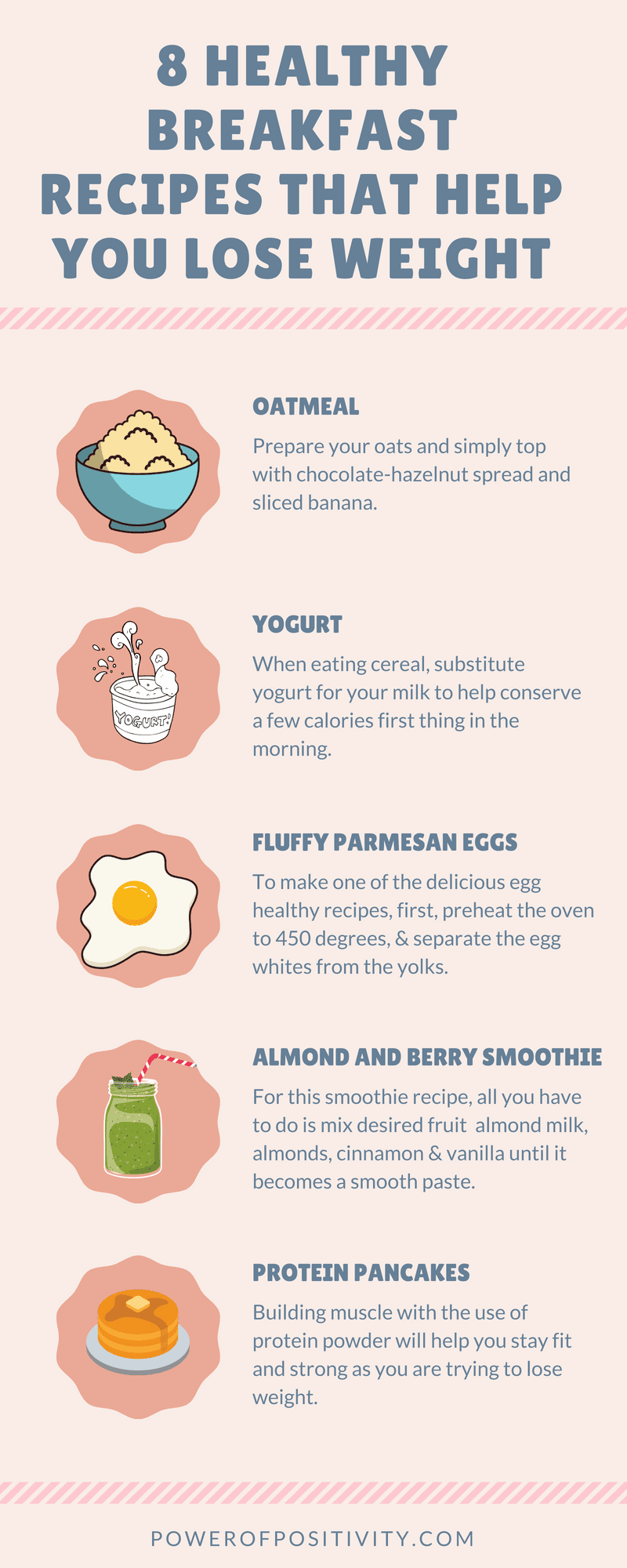
healthy breakfast recipes infographic

1. Crustless Strawberry pie

This pie has low curbs and is perfect for your dessert menu. You require three cups of fresh strawberries cut in half, one small package of sugar-free vanilla pudding mix to cook and serve, one large package of sugar-free gelatin with strawberry flavor, two cups of water, and one cup of thawed sugar-free whipped topping frozen.

To prepare the pie, place all the strawberries on a dish pie plate that is nine inches deep. Combine the water, gelatin, and pudding in a medium saucepan. Stir the mixture as you boil it over medium-high heat for ten minutes.

You can then pour the strawberries over the mixture and refrigerate for about four or six hours until the mixture is firm. Top the pie with the whipped topping dollops and serve.

This is one of the healthy recipes that help to reverse diabetics because the strawberries contain antioxidants called anthocyanins that reduce insulin levels and cholesterol. They also improve heart disease and blood sugar risk factors in type 2 diabetes.

2. Anything Broccoli Salad

As the name suggests, you can have this anytime since it only takes ten minutes to prepare. You will need a quarter cup of low-fat mayonnaise, non-fat Greek yogurt, raisins, roasted sunflower seeds, and diced white cheddar cheese each.

You will also need two tablespoons of honey, two teaspoons of lemon juice, four cups of broccoli florets, one cup of shredded carrot, one red bell pepper cut into half an inch chunks, and one scallion sliced.

Mix the combination of yogurt, honey, mayonnaise, and lemon juice in one bowl. Add the rest of the ingredients to the mixture and toss until they are evenly coated.

Broccoli is very nutritious since one cup contains three grams of digestible carbs, twenty-seven calories, magnesium, and vitamin C. It also aids in lowering insulin levels and preventing the body cells from harmful radicals.

3. Golden Topped Salmon

This is one of the recipes that will make you fall in love with fish. Your ingredients will include five ounces of four salmon filets each, one tablespoon of fresh lemon juice and freshly chopped dill each, two tablespoons of grated parmesan cheese, half a teaspoon of garlic powder, a quarter teaspoon of pepper, and a third a cup of light mayonnaise.

Preheat your broiler and use a nonstick cooking spray to coat your broiler pan. Put the salmon steaks in your pan. In another bowl, combine the remaining ingredients and mix properly.

Pour this mixture on the steaks on the pan evenly. Broil your salmon for ten minutes so that it can flake easily. Serve after it is done.

Fish is rich in omega-3 fatty acids DHA and EPA which are significant for heart health, a risk factor in people with diabetes. The EPA and DHA also help to protect the cells that line the blood vessels, and in turn, they reduce inflammation and improve the function of the arteries after eating.

4. Acorn Squash Soup

The ingredients that you need include one bay leaf, four cloves of minced garlic, a quarter chopped onion, one acorn squash, one tablespoon of olive oil and smoked paprika, two tablespoons of cranberry jelly and chopped celery, a half cup of plain Greek yogurt, and one and a quarter quart of low sodium vegetable broth.

You will also need cilantro, pomegranate arils, lime juice, paprika, and yogurt to garnish your soup.

Start by cooking the onion, bay leaf, celery, and garlic in olive oil for five minutes over medium heat in a stockpot. Add the stock and the squash and simmer for fifteen minutes until cooked. Swirl in the yogurt and remove the food from the heat.

Use a blender to puree the soup until it is smooth, and add the cranberry jelly. You can add the garnish and enjoy your soup.

Squash is rich in antioxidants like lutein and zeaxanthin, protecting against muscle degeneration and cataracts. Squash extract also reduces insulin levels and obesity thus decreasing the blood sugar levels in people with type 2 diabetes.

5. Flaxseed Smoothie

The ingredients that you need for this recipe include two tablespoons of flaxseeds, one cup of flavored soya milk, and one cup of chilled and chopped strawberries. You will also require half a cup of chilled and chopped bananas, two tablespoons of honey, and two strawberries and banana slices for garnish.

Add the flaxseeds, bananas, strawberries, and honey in the soya milk and blend in your juicer until the mixture becomes smooth and has frothed. Pour the mixture in a glass and add the banana slices and the strawberries to garnish.

This is another one of the healthy recipes that have significant benefits for people with type 2 diabetes. The insoluble fiber in flaxseed has lignans that reduce the risk of heart disease and improve blood sugar control.

The high fiber properties in flaxseed also improve insulin sensitivity and gut health.

6. Yogurt Toast With Honey and Red Berries

This is a combination that can be perfect for starting the day. Your ingredients will include five hundred grams of strawberries, one cup of naturally sweetened yogurt, and two tablespoons of honey.

Wash the strawberries keenly and defoliate them. Place the berries in a container, add the yogurt and honey, and mix properly. Crush the mixture and put in in a jar to store it in your freezer.

Enjoy your yogurt when you have a creamy ice cream craving.

Greek yogurt contains probiotics that help to control blood sugar and reduce the risk of heart disease. It also aids in weight reduction due to the protein, calcium, and conjugated linoleic acid it contains.

7. Hot and Spicy Nuts

This is one of the recipes that are good for diabetics if they are craving a quick, nutritious snack. The ingredients consist of half a cup of whole almonds, pecan halves, and walnut halves each. You will also need half a teaspoon of cumin and curry powder.

Other ingredients include one teaspoon of canola oil, a dash of white pepper, and an eighth of cayenne pepper. Preheat your oven to 350 degrees as you place all the nuts and the oil in a large bowl. Combine the spices in another small bowl and then add them to the nuts.

Stir the mixture until the nuts are covered evenly. Place the nuts on the baking tray in a single layer and bake for ten minutes. Let them cool before you serve.

Nuts are nutritious, low in digestible carbs, and contain fiber. Hence, regular consumption of this delicacy reduces inflammation and blood sugar. It also helps to lose weight in people with type 2 diabetes.

8. Chia Seeds Pudding

This is a simple snack made by soaking the chia seeds in milk until the consistency changes to one similar to a pudding.

The high fiber content in chia seeds makes it perfect for people with diabetes. It is also low in digestible cards making it ideal for reducing blood sugar levels. Besides, the fiber aids in weight loss because it will make you feel full and it can reduce the number of calories your body absorbs.

9. Shirataki Macaroni and Cheese

You only need one package of the Shirataki noodles, olive oil, one tablespoon of butter, a half teaspoon of sea salt, and three ounces of grated cheddar cheese. Start by preheating your oven to 350 degrees.

Rinse the noodles for two minutes and cover them in a skillet over medium-high heat for ten minutes while you stir. Also, grease a ramekin with butter or olive oil and transfer the cooked noodles on it. Add the remaining ingredients, mix and bake for twenty minutes before you remove and serve.

These noodles make healthy recipes for diabetes and controlling weight because of their high fiber content. The fiber lowers the levels of ghrelin, the hunger hormone, and you feel full and satisfied. Also, the noodles reduce blood sugar levels in the body and improve the risk factors that lead to heart disease in people with diabetes.

10. Egg Muffins

Mix your eggs with vegetables such as kale and broccoli that are finely chopped. Place the mixture in a muffin tin and bake. You will have your egg muffin snack in no time.

By consuming eggs regularly, you will be reducing the risk of heart disease in several ways. Eggs reduce inflammation, increase good cholesterol levels, improve insulin sensitivity, and modify the shape and size of bad cholesterol in your body.

11. Black Bean Salad

This is one of the recipes that are easy to make. Just cook your beans and combine them with your choice of vegetables such as onions or peppers that are finely chopped. You can then toss them in vinaigrette dressing to taste.

healthy recipes

All types of beans contain soluble fiber that reduces high blood sugar. Their rich protein content makes them a viable alternative to meat in your dishes.

12. Baked Sweet Potato Side

Take half a sweet potato and bake it. Flavor the potato with chipotle pepper to make it spicy and sweet. You can also roll your baked potatoes in chopped seeds and nuts such as pecans, hemp seeds, walnuts, and cinnamon.

Sweet potatoes are filled with disease-fighting fiber and nutrients that lower cholesterol and slows digestion in the body. They also contain carotenoids and yellow pigment that respond well to insulin. The chlorogenic acid in the plant also helps to reduce insulin sensitivity.

Final Thoughts on Recipes for Better Health

If your diabetes is uncontrolled, it increases the risk of getting other serious illnesses. However, these healthy recipes will maintain your blood sugar, inflammation, and insulin levels that in turn will reduce the occurrence of such complications.

Is Intermittent Fasting Good for Long Term Health? Weigh the Pros & Cons

If you’ve been considering intermittent fasting as a way to drop a few pounds, it could be the best decision you ever make. From finally losing those stubborn last 10 pounds to improved cognitive function, people all over the globe are singing its praises.

However, if you’ve never heard of intermittent fasting and are curious to know more, you’ve come to the right place. When you think about it, fasting is not a new concept. Humans have been doing it throughout history. Sometimes, they had to fast simply because there wasn’t enough food to go around. Fasting is also part of several religious holidays including Ramadan.

But does it really make sense to knowingly deprive ourselves all for the sake of dropping a few pounds?

What’s the Hype?

While intermittent fasting is now one of the most popular diets out there, the truth is, it’s been around for a while.

Since it’s gained momentum over the last year, we decided to dig deep and find out whether intermittent fasting is really as effective as people claim.

And speaking of claims, keep in mind that many of those claims are based on animal studies. No, we’re not talking about sly little devils like Ratatouille. Since a rodent’s body functions completely different than ours, it’s still a bit difficult to determine if fasting truly works as well as some say it does. But that is not to say it doesn’t. Many people swear by it and have seen dramatic results.

What is Intermittent Fasting?

Because there are a variety of ways to fast, intermittent fasting is now considered an umbrella term. In general, it involves restricting your caloric intake one to three days a week, or every day for a specific timeframe. Within that designated period, you’re allowed to eat freely without restriction. Some of the most popular types of intermittent fasting include whole-day, time-restricted, and alternate-day fasting.

Time-Restricted Fasting

Probably the most forgiving type of intermittent fasting, this only requires that you fast for a set number of hours each day. Also called the under-eating phase, you fast for 20 hours and then eat all of your calories within a four-hour window. This happens in 24-hour cycles until weight loss goals are achieved. Some people also practice this type of fasting to help maintain the weight they’ve already lost.

Whole-Day Fasting

Compared to other types of fasting, this type of fasting may be too extreme for some people. With a 5:2 ratio, individuals who perform this type of fasting consume very few calories or completely abstain from eating altogether. You are allowed to have juices and smoothies, albeit fruit or veggie.

Some people may choose to only consume water, coffee, and tea on these days. On the other five days of the week, you then restrict caloric intake to approximately 25 percent of your daily need. This again depends on your height, weight and total BMI.

Alternate-Day Fasting

This is the type of fasting requires alternating between fasting and feeding days. On fasting days, you fast until lunch and then consume approximately 25 percent of your caloric needs.

The exact calorie count depends on your body weight and goals. This type of fasting is also known as modified fasting, which alternates between periods of eating and fasting that can last between 30 to 40 hours, again based upon individual caloric needs and your schedule.

As with any type of fitness regimen, it’s important to weigh the pros and cons before making a final decision.

Pros of Fasting

Although results will vary from person to person, studies have shown that whole-day and alternate-day fasting can aid in a reduction of body fat, weight, and even waist circumference. In addition, similar results were also noted in those who opt for time-restricted fasting studies.

In a 2016 study, it was noted that intermittent fasting is as effective as continuous energy restriction when trying to lose weight. The study proved that it is possible to lose weight without starving yourself.

However, make note that when analyzing the results, many of the studies were only studied in the short-term. So, whether the participants kept the weight off is unknown.

Boosts Brain Cells

Other studies explored the possible effects of fasting on cognitive performance, including short and long-term memory. According to a 2017 systemic review, cognitive function was improved in both athletes and those considered overweight or obese.

Calorie Restriction Not Required

Since you’re already restricting your caloric intake, counting calories no longer exists. You have a set number of calories you can eat every day without having to weigh, measure or count macros.

It’s Easy to Follow

Regardless of type, the eating patterns are easy to follow, especially for those who thrive on structure. Since you don’t have to worry about limiting your food choices or the amount you eat, fasting is easy to incorporate into daily living. For instance, if you already skip breakfast, you already unintentionally practicing time-restricted feeding.

Less Prep

Eating less also means less mess in the kitchen. You prep less and avoid having to wash the dishes. Obviously, you should prep healthy meals and snacks for when you are allowed to eat but in general, you will spend less time in the kitchen.

Cons of Intermittent Fasting

As with most things in life, there is the good, the bad and everything in between. Even with all of the benefits fasting has to offer, there is a downside.

Limits Social Eating

In most cultures, eating is a social activity. From birthdays to weddings, most of the festivities revolve around food. Unfortunately, when you choose to fast, your new style of eating can really put a damper on things. Because you have a limited amount of time to consume your calories, it makes things a little awkward if you’re standing there empty-handed while everyone else is eating.

Hunger Pangs and Mood Swings

Another thing you need to keep in mind is that with food restriction, it’s not uncommon to feel hungry and moody, all at the same time. In fact, if you work out regularly, you might feel too fatigued to even hit the gym. However, that solely depends on your level of activity and overall health. Going too long without eating can also cause brain fog, irritability and the inability to concentrate.

Feast or Famine

While fasting can be good for you, it can also cause you to overeat. Since you only have a small window of opportunity, you might end up binging and eating double portions. As tempting as it is to go hog wild, it’s important to only eat your recommended number of calories. Overeating will only undo what fasting can do.

Digestion Issues

If you already suffer from digestive issues, eating larger portions at one sitting may do more harm than good. People suffering from IBS are more susceptible to bloating, cramping and constipation.

intermittent fasting for digestion

When fasting, it’s important not too overeat and be mindful of what you put in your mouth. A rainbow diet is usually the best way to go, which means your plate should be colorful with the recommended daily servings of fruit, vegetables, and lean protein.

Little to No Results

As with any type of weight loss plan, everyone’s results are different. While some people lose a lot of weight, others might not lose any. It really depends on your activity level and what you eat when you are not fasting. Since fasting slows your metabolism, it’s important to choose wisely when you eat. If not, you may actually gain weight.

Impact on Heart Health

Lowering your overall intake of saturated fat is good for your heart, however, you again need to make sure you are making the right choices when you eat. Cardiovascular markers for cholesterol, HDL and LDL should reflect your dietary choices.

Long-Term Health Consequences

If you suffer from a chronic medical condition, like diabetes, fasting may not be for you. People suffering from diabetes maintaining their blood sugars can be a matter of life and death. In addition, since binge eating is directly related to a variety of eating disorders, fasting may exacerbate an already disordered eating pattern.

Not for Everyone

If you suffer from a chronic medical condition, like diabetes, fasting may not be for you. People suffering from diabetes maintaining their blood sugars can be a matter of life and death. In addition, since binge eating is directly related to a variety of eating disorders, fasting may exacerbate an already disordered eating pattern.

Women who restrict their caloric content too drastically can develop cessation of menses. It’s important to only restrict your calories by 25 percent, which equates to approximately 500 to 600 calories.

Final Thoughts of Intermittent Fasting for Weight Loss

In theory, eating healthy and losing weight is easy. You decrease the number of calories you consume and make healthier choices. And while fasting can reduce prep and cooking time, it’s important to understand whether fasting is the right choice for you.

Before starting any weight-loss plan, you need to consult with your physician and make sure it’s okay. Fasting is not right for everyone. If your doctor gives you the green light, test the waters to see which type of fasting works best.

Finally, know when to call it a day. If you don’t see the results you were hoping for, don’t get discouraged. Sometimes simply tweak your efforts and eating habits are enough to lose weight

15 Amazing Benefits of Nuts for Skin and Hair

Nuts. Would you be surprised to learn they’re a natural beauty powerhouse?

It’s no secret that investing in skincare and haircare products can be beneficial for your overall complexion and the health of your skin hair. However, something that many people fail to realize is that many of these products only help you compensate for things that your body does not have.

This is because a lot of your body’s external looks have to do with what is going on inside. A good deal of your nutrient intake affects how your body looks on the outside, meaning that you can look pretty good by just monitoring which foods you eat and getting yourself to eat more healthy ingredients.

Nuts and Nutrition

On top of this, there is also a huge benefit to getting proper nutrients in, as oftentimes maintaining a healthy diet is the key to having more self-confidence and feeling better in your everyday life. Despite this, while there are many different diets people can use to get their daily nutrients, there is often one type of food that is routinely forgotten.

So, which food should you add to your diet to experience these benefits? Believe it or not, it’s nuts. Nuts actually have many different benefits that can help you maintain your skin, your hair, and much more!

To help you discover the various benefits that you can gain from eating more nuts, we’ve created a list of 15 Amazing Benefits of Nuts for Skin, Hair and More:

Before beginning this list, it is important to state that you should check with a medical professional before incorporating any type of nut into your diet. This is because you may never know if you have food allergies, so it’s important to confirm you don’t have any underlying allergies before incorporating large amounts of a food into your routine.

15 Amazing Beauty Benefits of Nuts

benefits of macadamia nuts

1. Pistachios Reduce Acne

One of the first things you’ll notice when looking at the health benefits of nuts is that a variety of different ones can help your skin in different ways. For example, pistachios can help reduce acne by introducing antioxidants into your system that subsequently affect your blood sugar levels. Your blood sugar helps the cycle of androgen go through your system, reducing the chance of your body developing acne.

2. Hazelnuts Prevent Aging

Many people use skin lotions and products to make sure that their face doesn’t break out with wrinkles and lines. It actually turns out that Hazelnuts carry properties to help in a similar way! They supply your body with large portions of Vitamins E, A and C, all of which help reduce the chance of your skin getting wrinkles.

3. Hazelnuts=Healthy Skin

Another benefit of Hazelnuts is that they help give your body flavanoids alongside antioxidants. By using these two materials at once, your body can make way for new cells, giving your skin a more rejuvenated look.

4. Almonds Keep Your Skin Healthy

Almonds are incredibly important due to their ability to give your body heavy amounts of Vitamin E. By bringing Vitamin E, your blood vessels are able to keep your skin hydrated, helping you avoid skin conditions such as dark spots and acne, among others.

5. Walnuts Reduce Inflammation

Did you know that walnuts can actually help your joints? They carry inside them omega-3 fatty acids that help reduce inflammation in your body. This can help your joints move better in the same way that eating fish does. So, if you’re a vegetarian missing the benefits fish gave you, just grab some walnuts!

6. Brazil Nuts Can Prevent Hair Loss

These contain selenium, an essential part of maintaining the health of your hair. By eating them on a regular basis, you can make your hair stronger and prevent it from falling out in the future!

7. Brazil Nuts Also Have Selenium

Another benefit of these is that they also carry selenium, something that improves your skin’s overall health. This makes it easier for your skin to heal and prevents you from getting acne.

8. Hazelnuts Help Bring Hair Color

Did you know that Hazelnuts are a critical component to many hair dyes getting their colorful shine? They can also bring similar benefits to your hair by protecting the health of your hair, causing it to not lose color as quickly.

9. Almonds Contain Fiber

Almonds are also well-known for containing a lot of fiber, something that allows your digestive system to run properly. This means that not only will you be able to process foods quicker, but your body will be able to absorb nutrients at a faster rate, allowing your body to stay on top of its various processes.

10. Almonds Can Improve Cholesterol Levels

As one of the most important options you can introduce to your diet, there’s research showing that almonds have a positive overall effect on your health, helping reduce bad cholesterol (LDL) in your system. This is important to realize because through reducing your LDL, you can ultimately improve your cardiovascular health and allow your heart to pump blood at a normal rate.

Nuts to lower your cholesterol

Despite this evidence, though, it should be noted that almonds are not known to completely solve cholesterol problems, but simply perhaps alleviate some of them. This benefit is still one that is being researched, so there is still more to be learned about it.

11. Almonds Help Grow (Good) Bacteria

Believe it or not, but bacteria is actually necessary for your body to run efficiently. This is because a lot of the processes that allow your body to protect itself against diseases are actually run by good types of bacteria that can give your gut strength. Almonds help contribute to the helpful bacteria in your gut by helping support their growth, specifically helping Lactobacillus and Bifidobacteria grow easier.

By supporting the growth of the good bacteria, almonds can help your gut be able to filter out negative particles and prevent your body from absorbing harmful diseases.

12. Pistachios Can Help Prevent Heart Disease

Another benefit of eating a lot of pistachios is that they can help reduce heart disease. This can help promote your overall longevity by reducing your chances later of having a heart attack, a stroke, or other harmful heart conditions. Pistachios do this by improving your oxidative status, something that directly contributes to your risk of developing heart disease.

Because pistachios can be so helpful for your cardiovascular health, they are probably the most important item on our list that you should increase in your diet, if possible. Along with almonds, they are definitely in a category of their own in terms of superfoods!

13. Cashews Have a Multitude of Benefits

Cashews are incredibly beneficial food to eat. This is because they have a multitude of different benefits that can seriously help you. For example, eating 28 grams of cashews can give you up to 1 gram of fiber, 5 grams of protein, and 1% of your recommended daily intake of Vitamin E!

On top of this, cashews have also been shown to improve blood pressure in individuals with metabolic syndrome when incorporated as 20% of one’s diet. Cashews are also well-known for reducing blood pressure. They can also give your body many more antioxidants!

14. Hazelnuts Can Prevent Split Ends

This is definitely one of the more bizarre ways to consume hazelnuts on this list, but using hazelnut oil can be a great way to increase the strength of your hair. By rubbing a few drops of this special oil into your hair on a daily basis, you can remove and prevent further split ends!

15. Hazelnuts Have Even More Health Benefits Than You Know

Because hazelnuts have so many more benefits than the ones we’ve highlighted in this list, we thought it was necessary to lump a few of them in this point. For example, they produce alpha-tocopherol, something that can help you prevent cancer! They also give your body large amounts of magnesium, a nutrient that is essential for your bones to stay strong. Magnesium can also help maintain the health of your skin.

Did we mention that hazelnuts are also a great source of protein? This helps you not only burn fat quicker, but also grow your muscles more efficiently. Through incorporating hazelnuts in your daily routine, you’ll not only be able to exercise efficiently, but you’ll also have healthier skin overall!

Final Thoughts on Nuts and Your Beauty

As you can see, there are many different benefits of nuts. However, it’s important to understand that a lot of these benefits won’t solve all of your problems on their own. In fact, many of them work best in conjunction with a number of other methods so you can have a happier, healthier life! We hope this list has been helpful for you in learning more about the vitamins, minerals, and benefits that nuts can have on your skin, hair, and overall health!

Does Keto Diet Work For Treating Depression And Anxiety?

The ketogenic diet has taken the health and fitness world by storm over the past few years. Personal trainers, doctors, and devoted followers testify to all sorts of health successes resulting from the diet. It’s touted to aid neurological conditions, weight loss, and even mental illness like depression and anxiety.

What is the ketogenic diet?

Devised by Doctor Russell Wilder in the early 1920s, the diet was meant to treat epilepsy in children. Before the keto diet, the only thing that could alleviate drug-resistant seizures was water fasting or literal starvation. As it turns out, the ketogenic diet creates the same hormonal changes as fasting, minus the starvation. (1)

Keto Guidelines

The guidelines for the ketogenic diet are simple: eat a high fat content, as much as 80-90% of your daily calories, limit your carbohydrates to 25-50 grams, depending on your gender, height, and weight. Protein intake should be moderate, with the recommended 1 gram for every kilogram you weigh.

Generally, your food inventory on the ketogenic diet will be made up of eggs, cheese, nuts, seeds, non-processed oils, animal fat, meats, butter, avocado – all the fat the diet industry demonized is yours for the taking. Vegetables are a significant part of the diet, with minimal fruit and ideally no starches or grains.

Benefits of Keto

The keto diet benefits seem to be endless with the wide spectrum of conditions it has helped in treating. Weight loss is one of the main reasons people jump on the ketogenic train. Neurological disorders like epilepsy, Parkinson’s, Alzheimer’s, autism, and even brain cancer have seen successful results. The keto diet manages blood sugar levels, so it is prescribed to diabetic patients as well as those struggling with obesity, heart disease, high cholesterol, and inflammation.

Some claim keto may even improve depression and anxiety, that it could even be more effective than prescription antidepressants. That’s a lot to take in, and we have a few questions, like: How does keto actually do all of these things? What makes it so helpful for brain-related illnesses?

How does keto work?

The keto diet gets its name from ketones. When you eat little to no carbohydrates, which are the body’s main source of fuel, it now must use another form of energy. It gets into the fat storage, breaking it down into ketone bodies. This doesn’t happen when you eat carbs. Your fat stores are usually heavily-guarded by insulin. Every time you eat carbs, your increased blood sugar triggers the pancreas to produce insulin, which blocks the body from using fat. No carbs mean no insulin, which means the fat is free to go.

After a couple of days limiting your carb intake, you enter ketosis, in which the body has fully switched to burning fat for energy. This is the main reason why the keto diet benefits people who struggle with their weight. When the body has no choice but to burn only the stored fat, the pounds drop like flies.

That sounds fantastic – but what does the keto diet, or ketones for that matter, have anything to do with the brain or mental disorders like depression and anxiety?

Keto Diet and the Brain

To understand how the keto diet benefits disorders like depression and anxiety, it’s important to first see how it affects brain-related conditions like epilepsy, stroke, and Alzheimer’s.

The brain is made up of mostly fat. Although, it does run primarily on carbohydrates, the body always has a plan B (and C). Ketones can power up to 70% of the brain when there is no glucose in the liver due to a ketogenic, low-carb diet. This process is called ketogenesis.

The rest of the brain that can’t utilize ketones needs glucose. To create a type of glucose, the liver uses protein amino acids and glycerol from stored fat. All this is to say that the brain performs just as well on ketogenic diet. In fact, for many people, thinking ability, clarity, and concentration feel stronger on keto than ever before. Benefits include improved memory, better cognitive abilities, reduced migraines, and even healing the effects of brain injury.(2)

Many of keto’s benefits on the brain are because ketones act like antioxidants, protecting the brain from dangerous reactive oxygen. The ketogenic diet makes cell production faster while using less energy, making fat more efficient to utilize than carbs. Finally, it increases GABA, a neurotransmitter that is key in how epileptic seizures are prevented. If GABA is under-produced or not functioning well, it can lead to depression and anxiety. (3)

Keto Diet and Inflammation

A key factor in studying how the keto works in the body is inflammation. This is a word we see, hear, read about everywhere. What is it really, and what does it have to do with depression and anxiety?

When there is a dangerous infection or substance in the body, the immune system responds by causing inflammation. It might feel bad at first, but it’s a part of the process of healing and fighting infection. Certain things can cause too much inflammation, such as eating too much sugar and experiencing extensive, chronic stress. The insulin spikes from sugar and the stress hormone, cortisol, both suppress the immune system, leaving the gut microbiome vulnerable.

All of these things are important because together, over a long period of time, they increase fat cells, which further increase inflammation. Depression and anxiety are both closely tied to inflammation.

In a study comparing PET scans of depressed patients versus healthy people, Canadian Researchers at the Center of Addiction and Mental Illness (CAMH) found that severe depression was associated with a 30% increase of inflammatory markers in the brain. According to Dr. Jeffrey Meyer, expert in depression neurochemistry at CAMH, these findings have “important implications for developing new treatments for a significant group of people who suffer from depression,” speaking of treatments that could potentially target inflammation in the brain. The ketogenic diet could be one such treatment. (4)(5)

Depression

Depressive episodes impacted at least 17 million adults in the United States. It is one of the most common psychiatric disorders, characterized by feelings of hopelessness, sadness, low energy, little interest in socializing and previous hobbies, as well as a slew of physical symptoms like sleeping too much or too little, muscles aches, over- or under-eating, the works.

About 30-35% of people with epilepsy also have depression, the two conditions closely connected. This association shows that there may be similarities in the way keto affects epilepsy and depression.

Anxiety

Anxiety, or Generalized Anxiety Disorder (GAD) affects about 19% of adults in the United States. It tends to occur simultaneously with depression, working together to make you feel twice as bad. Symptoms of anxiety include extreme, persistent fear about situations deemed normal by others, preventing sufferers from performing daily activities at school, work, or in relationships. It comes with unpleasant physical symptoms like nausea, heart palpitations, sweating, tenseness, hyperventilation, difficultly sleeping and avoidance of whatever triggers the anxiety.

Most research about anxiety and the ketogenic diet have been done on mice. In one study, mice exhibited reduced anxious behavior when ketosis was induced through supplementation.

Another study looking at pregnant mice given a ketogenic diet found that their offspring tended to have less depression and anxiety related behaviors than the average.

While depression and anxiety are more psychological than neurological, the ketogenic diet can be beneficial for them as well.

How Keto Diet Benefits Depression & Anxiety

The most notable advantage of going keto is the food. While it limits fruit and some vegetables, it consists of healthy, nutritiously dense foods high in fat and protein, as well as many micro-nutrients from leafy greens. Healthy polyunsaturated fats like omega-3s, found in salmon and other fatty fish, are related to a decreased risk of depression, as well as a healthier microbiome.

Speaking of the microbiome, keto includes many probiotics like kimchi, sauerkraut, yogurt with active cultures, and some cheeses. By improving gut health, probiotics reduce symptoms of depression and anxiety.

keto diet for depression

Low blood sugar causes anxiety, weakness, and irritability, while high blood sugar causes headaches, fatigue, and vision issues. Cycling up and down is exhausting. Due to keto’s limited carb intake, stable blood sugar levels can greatly improve your mood. Balanced blood sugar also allows for consistently high energy levels. This physical energy can overpower the lethargy induced by depression and anxiety.

Final Thoughts on Keto Diet

Overall, the keto diet seems to have a plethora of benefits, both physical and mental. For depression and anxiety, keto can be a helpful alternative, especially if you’re resistant to antidepressants. It can be effective for health, energy, cognitive abilities, and well-being.

It never hurts to try something that could vastly improve your life. But if you feel it isn’t for you, the ketogenic diet is not your last resort. For many, keto can be restrictive and difficult to maintain. It can be even harder if you already struggle with everyday activities as a result of depression or anxiety.

The important takeaways from this are that you can’t go wrong with clean-eating, or a diet rich in nourishing whole foods, it doesn’t hurt to eat more healthy fats, and going easy on carbs from time to time can make a difference in your life.


Skip to content