Weekly tips, affirmations, and small actions to feel your best.

5 Ways To Lower Blood Pressure (Without Medication)

High blood pressure is often caused by narrowing blood vessels and arteries. Hypertension connects to adverse cardiovascular health. Plus, it can worsen your risk of developing many diseases as you age.

Blood pressure medication is readily available in most places, but not everyone has that option or wants to become too used to them. Luckily, there are ways to bring down blood pressure in a natural way.

Here are five ways to lower your blood pressure without medication.

lower your blood pressure

1 – Reduce Certain Food and Drink Intakes

A lot of what we eat and drink can affect health in general. Blood pressure isn’t the only aspect that can be harmed by a poor diet. You also put yourself at risk for many other disorders and conditions when you don’t eat well.

If blood pressure problems are plaguing you, you might be surprised by how much that pressure can balance out if you cut down certain foods and beverages. Here are some to reduce the intake of:

Sodium

Sodium – the component you get from eating a lot of salt – is present in high amounts in processed foods. High sodium consumption has been linked to issues such as heart problems, high blood pressure, and even increased risk of stroke. More research is needed to entirely place a positive link between sodium and hypertension, but this mainly due to genetic differences, as different people process sodium in different ways.

Sugars

Sugar links to a wide range of disease risks, including hypertension. Even only drinking a single serving of soda per day can lead to higher blood pressure levels than those who drink less than that. Less-sugar beverages, on the other hand, as replacements for high-sugar ones, can help bring blood pressure back down. The same thing happens with junk food and other refined carbohydrates; in fact, carb-restricted diets can reduce blood pressure, alongside other common markers for heart disease.

Caffeine

There isn’t a lot of evidence around the idea that caffeine generally severely increases blood pressure on a long-term basis. Some studies even show that regular, non-excessive coffee intake can help reduce the risk of a wide range of arterial disorders and heart problems. However, those who are caffeine sensitive may suffer more from consuming caffeine too regularly, as there is at least a short term spike in blood pressure when you take caffeine.

Alcohol Intake

Did you know that a whopping 16% of all cases of hypertension link to alcohol consumption? This isn’t to say that drinking any alcohol is bad; moderate consumption, defined as two drinks per day for men or one drink per day for women, can help to protect cardiovascular health. But consuming more than that is likely to raise blood pressure without any positive sides to back it up.

2 – Increase Certain Nutritional Intakes

Just as reducing certain food and drink consumption can help bring down blood pressure, increasing some consumption can help! Healthier forms of nutrition can do wonders for full-body health, improved blood pressure included. Here are some things you should be eating more of if you want to balance out your blood pressure:

Calcium

A fairly common problem in those with hypertension is that they don’t consume enough calcium. A diet rich in calcium has been linked to healthier blood pressure balance. As such, you should aim to consume around 1000 mg of calcium per day, increasing that to 1,200 mg as you age. The nutrient comes in leafy greens, collard greens, dairy, sardines, beans, and tofu.

Potassium

This highly crucial mineral helps reduce blood vessel strain by aiding in the removal of sodium. As we’ve previously discussed, sodium can have relatively serious adverse effects on blood pressure when repeatedly taken in excess. Potassium is present in dairy (yogurt, milk), fruit (avocados, apricots, bananas, oranges, melons), vegetables (tomatoes, sweet potatoes, potatoes, leafy greens), fish (salmon, tuna), nuts, beans, and seeds.

Berries

There is a compound in berries called a polyphenol that provides moderate benefits for the heart. Individuals who consume them on a regular, long-term basis have better blood pressure and heart health overall, and this even works for those who have bad blood pressure to begin with!

Garlic

Garlic and its extract, as well as other similar herbs, provide aid to blood pressure levels, bringing them down. In general, garlic has plenty of positive effects beyond just this, too.

garlic oil

Dark Chocolate

There are plenty of benefits that you get when you eat dark chocolate, and one of these positive effects is blood vessel dilation. This is thanks to compounds within them called flavonoids. Small amounts of dark chocolate or cocoa provide these compounds, which help the body’s vessels to promote better circulation, thus lowering blood pressure. Opt for dark chocolates with no added sugars for the best results.

Magnesium

Just like some of the other components we’ve mentioned, magnesium is a blood vessel dilator. As the blood vessels relax, blood can flow more easily through them, reducing congestion and blood pressure. The links between magnesium and blood pressure are still unclear to some degree. Still, consuming sufficient magnesium can help with blood pressure health. You can find this mineral in legumes, meat, chicken, vegetables, whole grains, and dairy products.

Tea

Drinking certain kinds of tea – even up to three cups of hibiscus tea every single day! – can help lower blood pressure significantly, and within six weeks, seven points of systolic blood pressure can be dropped. This is largely due to the phytochemicals within the hibiscus flower and thus may work for any tea rich in those components.

3 – Physical Activity

You’ve probably heard plenty of times that physical activity can help improve your life in countless different ways. Those who exercise very regularly rarely deal with dangerous hypertension. Here are some forms of physical activity to consider, and why you should consider them:

General Exercise

All forms of exercise help with many functions, including boosting heart and lung health, providing feel-good hormones for positive thinking, and reducing artery pressure, thereby bringing down blood pressure. 75 minutes of intense exercise or 150 minutes of moderate exercise weekly can provide these results. This is because exercise helps make the body more efficient, so it processes oxygen better.

Power Walks

When the results of more than 400 relevant studies are analyzed, a conclusion can be drawn that brisk walking as an exercise (alongside other forms of regular exercise) can be just as effective as hypertension drugs in improving the blood flow. Thirty minutes of this kind of cardio per day can help with this, and you can challenge yourself further by boosting the speed of your walks or adding weights to your regimen.

Yoga

Some people roll their eyes at yoga, but it’s an excellent means for improving a wide range of things, from posture to positive thinking and, of course, blood pressure. The combination of stretching, strength-based exercise, breathing control methods, and meditation allows for a significant decrease in blood pressure levels compared to people who don’t exercise.

chiseled arms

Relaxation Methods

You’ve probably heard that stress elevates blood pressure, and people often joke about how high their blood pressure is when they’re dealing with negative emotions. This is actually somewhat accurate – the more relaxed you are, the better your blood pressure levels will be, but you have to choose the right methods of relaxation. Here are some to consider:

Meditation

This is a very common method for reducing overall stress. It helps the body to relax by activating a part of the nervous system known as the parasympathetic system, which helps to relax the heart rate. Different variations of meditation can have different effects altogether!

Deep Breathing

Taking deep breaths can lower blood pressure compared to sitting still. If you stay put and focus on your breathing for six deep breaths over 30 seconds, you may be able to experience dropped pressure. Most breathing exercises will provide similar results.

Listen To Music

There’s a good chance that you already listen to music when you need some relaxation. But specific types of music can do more than just relax you – they can also help to bring down your overall blood pressure. Celtic, Indian, and classical music, when listened to for just half an hour every day over several months, can do the trick.

4 – Lifestyle Changes

Bad blood pressure, when not the result of congenital issues, is typically the result of certain lifestyle choices. Changing aspects of your lifestyle can be much easier said than done. Still, seeing as hypertension can put you at risk for potentially fatal complications, you may want to consider implementing certain lifestyle changes to lower it. Here are some changes to consider:

Quit Smoking

You don’t need us to tell you just how bad smoking can be for health on the whole. As soon as you begin smoking, blood pressure spikes immediately. The spike is temporary, but eventually, long-term smoking causes blood vessel damage and artery narrowing, which both worsen blood pressure. Do note that even secondhand smoke can increase hypertension, so if you live with a smoker, inhaling the cigarette fumes can harm you, too.

Sleep On Time

When you sleep, your blood pressure drops, and insufficient sleep means your blood pressure is higher. Sleep-deprived individuals often face a worsened risk of developing blood pressure imbalance. So doctors recommend that you sleep for between 7-9 hours to avoid those problems. A regular sleep schedule, winding down at night, and avoiding naps during the day can help with sleep.

Lose Weight

Being overweight can significantly harm your heart health. Just losing 5% of overall body mass can help to bring down blood pressure. This is because weight loss helps the blood vessels maintain flexibility.

5 – Cut Down On Work

People who work for over 41 hours per week increase their risk of developing hypertension by a good amount. This doesn’t mean you need to leave early and should never do overtime ever, but it does mean that you need a good balance of work and life to avoid optimal health.

lower your blood pressureFinal Thoughts On Some Ways To Lower Your Blood Pressure Without Medication

Hypertension comes with a wide range of health issues. If you don’t always have access to medication or simply don’t want to rely on them long-term, there are natural ways that you can lower your blood pressure. Try them out, and you’ll be surprised by how well they can work!


18 Uses of Body Language To Stop Immediately

Nonverbal communication can speak just as loudly – if not more so – than verbal communication. If you perform great types of body language, they can enhance your message, improve people’s positive thinking of you, and impress those around you. If your body language is bad, though, you’re more likely to wind up pushing others away.

Some types of bad body language are so common that you might not even realize that you’re performing them and, therefore, hurting other people’s impressions of you.

Here are 18 uses of body language to stop immediately.

1.    Not Smiling

In social interactions, smiling is a great way to show off your confidence and openness. It is something we may often forget to do, especially in more formal situations, but smiling can have positive effects on many social relations. When you smile, others will:

  • Be more receptive towards you
  • Feel more open around
  • React with more positive thinking to you
  • Offer a smile back

However, do note that you should not give out fake smiles, as most people can very easily tell when someone is being insincere, even if they only pick up on it subconsciously.

body language

2.    Rubbing The Neck

Rubbing your neck seems like a natural and innocent gesture. In fact, you might be rubbing your neck just to relieve stress or tension in the area. Unfortunately, doing it around others might send the wrong message. Others might interpret this move as:

  • Anxiety in a social situation
  • Discomfort with the people you are interacting with
  • Dislike of a situation or the people around you

3.    Eye Rolls

It’s often said that the eyes are the window to the soul. That’s probably why the way you use them can convey so much information.

The act of rolling your eyes is a common and obvious sign of disrespect. It may be harmless in your mind, especially as an act of non-verbal communication around people you are close to, but it is just plain rude around many other people. Rolling your eyes expresses:

  • Boredom
  • Annoyance
  • Disagreement
  • Sarcasm

4.    Looking Around Too Much

When you’re in a conversation, you should remain present within it. Looking around the room constantly and paying insufficient attention to the person you’re talking to is just plain bad manners, and it gives the impression that:

  • You are looking for someone else to talk to
  • The conversation topic is not interesting or engaging enough
  • You don’t respect their time or company

5.    Bad Posture

When you stand around with bad posture, you’re conveying a huge list of different negative pieces of information to those around you. Here’s how:

  • With slumped shoulders and a caved-in chest, your body language indicates that you have surrendered and are not willing to take on challenges.
  • When you slouch, you are telling others that you are insecure and have low self-esteem.
  • General bad posture shows others that you lack the energy and enthusiasm to carry the conversation.
poor posture exercises

Learn the exercises that help correct poor posture.

6.    Playing With Hair

During any conversation, you should avoid playing with your hair. It’s distracting to the people you talk to. As such, you should refrain from running fingers across your hair and scalp, fidgeting with your hair, or even twirling it in a playful way. If you don’t stop, it can both damage your hair and send the wrong message, and it’s a habit that’s tough to break.

7.    Invading Personal Space

No one likes it when someone else enters their personal bubble. Unless it’s somewhat you have a very close relationship with, it’s generally not a good idea to invade the personal space of any person. This is especially true with strangers or in business relationships.

As a general idea, you shouldn’t get closer to another person by 1 and a half feet, and remember that someone’s personal space isn’t yours to invite yourself into. Be aware of where and how you stand, as you can still get into a person’s bubble unknowingly.

8.    Fidgeting

When talking or listening to someone, the act of fidgeting may be perceived as disrespectful to them. Actions such as twirling your hair, tapping your fingers or feet, touching jewelry,  or constantly checking the time are considered as fidgeting. Others may think that:

  • You are bored
  • You don’t think the person is worth talking to
  • You would rather be somewhere else
  • You are impatient for the conversation to be over

9.    Using Repetitive Gestures

A lot of people aren’t too sure what to do with their hands in conversation. Where should they rest? How much movement is too much movement? The latter question is more crucial than the former.

Many people who don’t fully talk with their hands fall victim to using repetitive gestures. Repetition speaks of anxiety and can make your point even less clear, as your gestures are supposed to match your speech. Use gestures sparingly and only when it is natural or helps emphasize a point. Each gesture should be strong, clear, and end cleanly.

10. Biting Fingernails

Biting your fingernails is a big no-no in social interaction. It’s a bit of a gross habit, to begin with, and it’s quite unsightly to do in front of other people. People often bite their nails when they are nervous, too, so others may consider you anxious when you use that gesture. Plus, it damages your nails and leaves a terrible impression on others.

11. Never Showing Acknowledgment

People often discount the importance of showing acknowledgment during social interactions. You need to show the people you are interacting with that you are listening to them. It helps them feel like they’re being listened to and it’s a basic sign of respect. You can show acknowledgment by:

  • Giving a certain amount of eye contact
  • Smiling at them
  • Nodding when you agree
  • Making the appropriate facial expressions

respect other people

12. Crossing Legs or Arms

It’s natural for a lot of people to cross their arms and legs when they sit. However, if you’re speaking to someone, this might make you look defensive. It could send a message that you`re not open to interacting with another person or hearing what they have to say, or that you feel uncomfortable in their presence. If you keep your arms and legs uncrossed and your hands visible, you will appear more trustworthy.

The act of crossing your arms and legs when sitting comes naturally for most people, but during social interactions, that action may give off the wrong impression. It looks like you’re uncomfortable and like you aren’t open to interaction.

To begin with, you can appear more trustworthy to others when your hands are visible. But crossing arms and legs, in general, creates a closed posture that makes you seem defensive, and it’s commonly read as an anxious motion – so if you’re trying to convey a message of positive thinking, it’s not going to work that way!

13. Furrowed Brow

During social interaction, it is important to maintain a neutral expression. The act of furrowing your brows and scrunching up your face may give others the wrong impression. Effects of furrowing your brows at someone include:

  • Unintentionally intimidating them, or coming across as hostile
  • Discouraging them from opening up to you
  • Causing them to be more defensive during the interaction

14. Acting Distracted

Giving someone your attention when they are talking is a common courtesy. It shows that you are engaged in the conversation. As such, it’s not a surprise that people find it rude when you look distracted while they are talking.

Even if you are paying attention, if your body language conveys otherwise, it will still offend the other party. So make sure you look at the other person you are speaking to and engage in active listening practices.

15. Shuffling

The way you walk affects people’s perceptions of you. People that walk with a straight back and a puffed chest, for example, have a more confident stance. In fact, there’s an unusual positive side to this behavior. Confident walkers have a lower chance of being mugged, so there are even more reasons to stop this body language.

On the other hand, walking with a slouch and shuffling along clearly speaks of nervousness and fear, and it indicates a lack of confidence that can make you a target for criminals.

16. Eyes Glued To Your Phone

If you are at a social gathering, it is respectful to put your phone away and engage with the group. After all, you’re surrounded by people – why would you need to check social media when real-life social activities are right in front of you?

Refrain from openly checking your phone and only do so if it is a prior obligation or emergency. With fewer distractions, it is easier to be present in conversations with others.

17. Bad Eye Contact

Eye contact is the foundational building block of almost all forms of social interaction. Good eye contact conveys confidence while a lack of it can make you seem untrustworthy, and over-the-top eye contact can come across as aggressive.

You want to find the balance between intimidating staredowns and unconfident avoidance. If eye contact is not comfortable for you, try to communicate that to the person you’re speaking to, especially if it’s someone you may work with or be around for a while.

18. An Odd Handshake

More often than not, the first impression someone will have of you is from your handshake. The intensity of your grip changes someone’s perception of you. A weak grip may send signals that you are new to a group or profession and are, therefore, unsure of yourself, while a very strong grip may send signals that you are aggressive or boorish.

Once again, just like with eye contact, you’ll want to find the balance between these two extremes. Your handshakes should be firm, not linger for more than two or three up-and-down motions, and not be a contest of strength.

body languageFinal Thoughts On Some Uses Of Body Language To Stop Immediately

Body language is a very powerful communication tool, and it can be difficult to learn to interpret and use correctly. It’s about more than just how you hold yourself and what your expression looks like – it can change entire messages and speak louder than words.

By learning about the forms of body language you commonly use, you’ll be able to easily avoid making social faux pas by accident through negative body language. Make sure to avoid these 18 kinds of body language and replace them with better alternatives!

13 Signs Your Personality May Be Intimidating People

Have you ever noticed that some people are just naturally intimidating? Or, have you noticed that people tend to be intimidated by you?

Being an intimidating person is an intriguing situation to be in, as it can be tough to tell why people are so nervous around you – especially if you’re not a physically “scary” person. But it actually might be your personality traits that are causing the discomfort!

Here are 13 signs your personality may be intimidating people.

intimidating

1.    You Don’t Do Small Talk, Which Can Feel Intimidating to Some People

Being direct and to the point can be pretty intimidating, and if you match that description, you do not waste time with small talk. You likely consider beating around the bush pointless and would much rather get straight to the point and talk about pressing and significant issues.

This means you often skip pleasantries or avoid talking to people who won’t start an engaging or productive conversation. This can cause a projection of you that appears cold or even rude to others, and that’s certainly intimidating.

Though this is fine and a preference you likely share with many people, keep in mind that small talk can be positive. Many communities worldwide consider it a crucial part of their interactions and bonding.

2. You’re A Problem-Solver

It’s good to have the critical thinking skills necessary to be a good problem-solver, but that can sometimes intimidate people. This is because you’re always finding solutions independently and taking charge.

Others around you might feel like you hog the spotlight, like you are excluding them, or as though they are unneeded. This can lead them to consider you intimidating.

3.    You Have Big Goals

Someone with big goals always strives to be the very best version of themselves. They do so by setting goals to work towards, and these are often ambitious and exciting, with motivation and commitment involved that propel them forward.

If this description matches you, it can be intimidating to the people around you. This is because of your colossal drive and forward movement. The good news is that the people who will likely be intimidated are those who are insecure about themselves and their achievements.

4.    You Don’t Conform

Others are often intimidated by someone who has confidence in themselves and does not bend or conform to the expectations of others. Suppose you are an independent thinker, where your opinions are often not shared by the people around you. In that case, others with low self-confidence will find it hard to understand how it is possible to self-validate and not look for the approval of others.

In addition, people who are less knowledgeable in certain subjects may find it uncomfortable that you are so much more well-informed. Once again, this will not be an issue for people who are secure in themselves and have positive thinking for their actions.

free thinker

5. You’re Assertive, Which Can Be Intimidating to Others

To an introvert, extroverted people can be intimidating. This is especially true if those extroverts are assertive. But you don’t necessarily need to be a stereotypical extrovert – or even an extrovert at all – to have this trait.

If you are the type to speak out while expecting others to do the same quickly, you can be perceived as aggressive toward those around you. Unlike some previous points, this intimidation isn’t necessarily a mark of insecurity.

As a matter of fact, by taking up all the space in the room and disregarding the different communication styles of others, you may alienate the people around you. This doesn’t mean you should stop being assertive – it just means that you must find the balance in a conversation instead of consistently dominating it. Here is what you can do in that respect:

  • Take the time to assess the people surrounding you. Do they speak the same way as you do? Are they the type to interrupt your long assertive speeches, or would they likely wait for you to stop talking – which might not happen until the point is lost?
  • Take note if people are unusually quiet or sensitive towards you. Try and encourage these people to speak or ask them what they think.
  • Match the pace of others. You have great ideas, but let others share theirs, too. You can dominate the conversation when it’s your turn to speak, not throughout an entire meeting.

6. You’re Opinionated, Which Is Intimidating to Many

Being highly opinionated can also be intimidating to others. If you are not afraid to challenge societal conventions and even stand alone with those opinions, you’re giving off a power that may cause others to feel intimidated or uncomfortable.

Being opinionated is a great thing with many positive sides to it, including improving your persuasiveness and making you less vulnerable to other people’s persuasion. Just make sure that sound arguments back your opinions. Being opinionated involves:

  • Determination to do something, even if it means not conforming to others’ expectations of you
  • Dedication to keeping trying to achieve the desired result, even if it may seem strange or pointless to others
  • Bravery in sticking to your guns, even if others are not backing you up.

7.    You Never Make Excuses, and You Don’t Accept Them Either

Others may find you intimidating if you do not make or accept excuses. Not taking nonsense is not a sign of a lack of sympathy, but rather a sign of your willpower. Still, as justified as it is, no one can deny that dealing with someone who wants results is quite intimidating, not excuses.

People that don’t make or accept excuses:

  • Don’t see themselves as a victim, even if their entire world is crumbling
  • Don’t have a place in their life for complaints from anyone
  • Pursue whatever goal they have set with vigor
  • Have zero tolerance for procrastination and laziness

8.    You Don’t Let Fear Control You

It can be intimidating and unsettling when someone is unphased by fear. Fear can have such robust control over so many people’s lives, so for someone to have the utmost in positive thinking and never let fear stop, you can be quite a shock. You may consider fear:

  • An opportunity to grow and better yourself
  • A new experience to live through and learn from
  • An essential part of life

positivity meme

9.    You Are Stubborn

Stubbornness can be an excellent trait in moderation, but others may find your determination intimidating. Being stubborn is one of the key reasons why you may be such a good problem-solver. Not taking no for an answer and doing your best to solve issues you can see solutions to is the sign of a go-getter.

Others might find it challenging to understand this trait of yours, and if they aren’t intimidated or impressed by it, they may even become confused. It’s a mystery to them why you would take up much of your time-solving problems they’ve given up on instead of merely letting them go.

10. You Never Get Envious, Which Often Feel Intimidating

Refraining from falling into patterns of bitterness or envy at other people’s success can be a tricky thing to do. As such, it makes sense that someone might find you intimidating if you never get envious of others.

Here are some traits that someone may have if they don’t fall prey to the green-eyed monster:

  • They know that their chance for success is unaffected by their current job, money, or status
  • They can congratulate others without any envy or malice present
  • Being career-focused people with their own goals and don’t bother trying to meet other people’s
  • They know that every person is different and has a different path in life
  • Finally, they don’t view life as a race; they take their time and work on their aspirations at a pace that challenges them and them alone

11. You Always Want To Learn More

Close-minded people feel intimidated and insecure in the face of someone full of curiosity and always striving to learn more. So if you’re someone who understands that you don’t have all the answers in this complex world, your open-minded eagerness to grow and learn may throw off the people around you.

12. You Are Quick To Read Others

People find it intimidating to meet someone who can accurately read them within moments of a first meeting. This is especially true for people with ulterior motives, malice, or unfavorable characteristics, as you will not hesitate to call them out once you get a read on them.

Still, even those with good intentions only can be intimidated by quick reads. No one wants to feel like their entire life has been spilled within a few seconds, and it can make some people feel quite unsafe.

13. You Select Friends Carefully

Are you someone who chooses your friends very carefully? If so, the fact that you are so selective and even picky can be intimidating. This is because you don’t hesitate to cut off toxic people and want friends who are your peers, not those who will use you or who can’t contribute to your life in the same way you can contribute to theirs.

Still, this level of selection with friends can be a positive thing. This is because:

  • Equally strong-willed friends can boost your self-control and discipline, while those who are not disciplined will lead to slacking on your end.
  • You are less likely to take financial risks that may not end positively if you have fewer friends.
  • Having proper socialization levels can lengthen your lifespan.
  • The friends you make influence the choices that you make throughout your life.

  • You can learn from good friends who are in the right positions or have the knowledge to share
  • A good friend group lifts each other up.

intimidatingFinal Thoughts On Some Signs Your Personality May Be Intimidating People

Is it bad if your personality intimidates people? Not necessarily! It often points to a strong will, determination, and independence for which others should strive.

You shouldn’t feel the need to change those parts of yourself unless you want to. But do expect people to be a little nervous about speaking up around you, and don’t be surprised if people are taken aback when you reveal you can be a sweetheart after all!

18 Traits Of A Truly Mature Person

Many people strive to show maturity. It involves a level of wisdom, intelligence, and emotional awareness. But, surprisingly, being a mature person doesn’t have all that much to do with age!

Maturity is a valuable trait, and it’s one that you can learn slowly by incorporating certain habits into your life. Here are 18 characteristics of a truly mature person.

18 Traits a Mature Person Displays

1.    Kindness and Consideration

Someone mature is often compassionate, as compassion is an indication that you are capable of placing other people’s interests in front of yours. This trait means that you can:

  • Celebrate the successes of others without jealousy
  • Learn how to sacrifice in moderation for the betterment of others
  • Take an interest in the wellbeing of others

mature person

2.    Maintaining Commitments

Delayed gratification is difficult for anyone who isn’t mature. You need to focus on meeting commitments, even when those commitments may no longer be impressive for you. Here are some examples of engagement found in mature people:

·         Meeting Deadlines

A committed person ensures that their work is completed and sent on time or sooner, even if they don’t have the motivation to do it.

·         Keeping Promises

Another way to be mature is by honoring your word. If there is someone you promised to meet, make sure you meet them or give them a heads up and proper explanation if you are unable to do so.

·         Being Consistent

When taking on commitments, more often than not, they are marathons rather than sprints. This accountability means you need to keep a consistent pace and focus on steady progress over hurrying forward until your passion dies.

3.    Emotional Control

Maturity involves reasonable emotional control. Someone who is mature will not be quick to anger, projecting a positive demeanor. This outcome is done by:

·         Being Cool

You will be able to appear relaxed and calm if you can control your emotions, and others around you will instinctively relax, too. It’s a prime mark of maturity.

·         Having A Solid Emotional Foundation

Mature individuals have an emotional strength that provides a good foundation for their positive thinking. This means they are less likely to be overwhelmed by too-strong feelings, preventing destructive tendencies.

·         Not Allowing Anger To Control You

A mature person is in full control of their anger. Though some things can still take them by surprise, they will likely not be easily irritated or discouraged by setbacks.

dr phil quote

4.    Being Guided By Principle

Principles can help guide an individual in their maturity. The values your principles hold can help point you towards living an honorable and respectable life. Having beliefs helps you with:

  • Being more proactive instead of reactive as you progress through life
  • Mastering your emotions
  • Making decisions, you can be happy with

5.    Modesty and Humility

Modesty and humility are often associated with maturity. Your humility allows you to put yourself on the same level as others and understand them better. This means you:

  • Do not let success cloud your judgment and personality
  • Will always treat others with respect regardless of their social standing
  • Will not place yourself on a higher level than to others

6.    Applying Knowledge

Maturity often links with intelligence, and intelligence is often associated with the ability to learn from past experiences. A mature person is someone that implements their expertise in everything they do.  For example:

  • They have an awareness of themselves as well as their surroundings
  • These people can make informed decisions based on the situation at hand
  • They often have positive thinking and avoid excessive complaining in bad situations

7.    Self-Management

Self-management is an essential trait for maturity. Being mature means having the capacity to manage your own life in a self-sufficient manner, under your ability. This involves:

  • Being able to ask for help in a positive way when needed, without playing the victim
  • Having the ability to collaborate mutually with others to complete a task
  • Ensuring that they complete tasks and commitments on time

8.    Taking Responsibility

All choices come with consequences, and as a mature person, you should be able to take responsibility for your decisions. This means taking accountability with positive thinking when you are even partially responsible for difficult situations.

But taking responsibility isn’t just about righting your wrongs – it’s also about being responsible for yourself and for those you commit to. All in all, maturity can involve:

  • Ensuring you are looking after your physical and mental wellbeing
  • Dealing with the positive results or negative consequences that come with your actions
  • Not shifting blames onto others

9.    Never Taking Advantage Of Others

A mature individual does not let being in a position of power cloud their judgment. They do not take advantage of others, even when it would be effortless for them to do so. As a person with a higher position, a mature person will:

  • Listen to the opinions of others and consider them instead of going on a power trip
  • Realize that their perspectives are not sufficient, as that they are a part of a broader world
  • Learn from others, no matter their position
  • Never control the people around them into doing things against their will
blackmail

Don’t allow emotional blackmail be part of your life.

10. Ignorance of Unimportant Criticism and Flattery

Being mature means being able to accept the opinions of others and learn from them. This open-mindedness is because maturity allows you to realize that things are not merely black and white, and nothing is as positive or negative as you may initially believe. The world simply doesn’t work like that!

Mature people don’t allow criticism, flattery, or compliments to sway them because they know that all these issues are subjective and based on individual and unique opinions. They will take constructive critique into account, of course, and will express gratitude for compliments, but they will not allow those things to rule them.

11. Enjoying Themselves

A lot of people incorrectly believe that maturity directly equates to being bland, boring, or continuously neutral. But that’s not true! Mature people know how to have fun and enjoy themselves. They understand that unwinding is necessary. This means that guilt-free, knowledgeable people:

  • Take time out of their schedules to enjoy their hobbies
  • Understand when they need to rest
  • Do not fully book their time with work

12. Self-Acceptance

It is not easy to accept yourself as you are, especially when others keep telling you that you should change. But when you are mature, you embrace who you are, and you are confident about yourself. You will feel comfortable with yourself instead of feeling inferior and wanting to please others by being someone you are not.

There is power in accepting yourself, complete with all your flaws and strengths. A mature person does not only obsess over their faults, instead embraces them and allows their appreciation of their intricacies to drive them to improve themselves and change for the better.

This doesn’t mean that mature people are full of themselves. It merely means that they are confident in their skin and accept themselves as they are. They have no interest in changing who they are to better fit in or make others happy.

13. Knowing Limits

Knowing your limits is a clear sign of maturity. Considering the potential risks associated with your actions and how they may affect you is a mark of a mature trait. This helps in decision making so that you can avoid situations where you bite off more than you can chew. This means they:

  • They are innovative, but they’ll never force their ideas onto others
  • Are daring, but are still cautious and do not endanger themselves or others
  • Do not take unnecessary risks

14. Open-Mindedness

A mature individual is open to looking at things from different perspectives. They strive to understand others and would never judge the people around them based on external factors or first impressions. Open-minded individuals:

  • Do not label others
  • Do not automatically exclude people who they don’t understand
  • Try to see where others are coming from
  • Strive to bridge the gap between different groups of people
  • Do not try to apply their perspectives to others

15. Looking Before Leaping

A mature individual would never claim to have all the answers, and that’s why they choose wisdom and forethought over jumping headfirst into all situations. This isn’t to say they aren’t game for risks or adrenaline-pumping events, but it does mean that in cases where that isn’t necessary, they see no point in acting without thinking.

Mature individuals may also consult those with more knowledge before jumping into new pursuits. This means mature people, as they love pursuing further information, are always asking questions – and they are never ashamed of where they get their knowledge from. They would also never claim to know everything, though they will happily share what they know with those who ask.

16. Knowing You Don’t Know everything

Here’s a simple fact – and this ties in nicely to our previous point! – no one knows everything. A mature person can easily accept that fact and is not interested in changing that. Instead, they focus on setting aside their pride and having the willingness to learn from just about anyone, even those who could be perceived as less knowledgeable.

17. Never Using Emotional Blackmail

Excellent and honest communication is a vital skill that every mature individual possesses. A mature person will never resort to using emotional blackmail when expressing their needs to others. Mature people can:

  • Be assertive with their communication
  • Convey authority in their words without sounding overly forceful
  • Be direct and convey all necessary information to others without beating around the book

18. Gratitude

Mature people are always able to find goodness in their life and be grateful for what they have. Armed with the knowledge that there are many other less fortunate individuals in the world, mature people are thankful for what they were born with and for all they can achieve.

As a mature person, you need to learn not to take things for granted. Instead of complaining about what you don’t have, instead, be grateful for what you do have and keep that positive thinking going!

mature personFinal Thoughts On Some Traits Of A Truly Mature Person

Anyone of any age can be mature. The only thing mature people have in common is their kind, smart, open-minded traits, and with this list of 18 of them, you can begin your path to true maturity.

8 Things Hand Pain Can Reveal About Our Health

In some cases, hand pain is nothing more than hand pain. Other times, however, hand pain can point to serious health problems. Although we rarely give them a second thought, our hands, which consist of 27 bones as well as numerous muscles, joints, tendons, joints, and connective tissues, allow us to perform a variety of tasks in our day-to-day life.

That said, when these tasks become difficult or painful, it could indicate a problem with our hands, such as carpal tunnel syndrome, for example. Of course, mobility problems and pain involving the hands can also signal something more serious. According to a study published in the International Journal of Cardiology, a slow gait coupled with weak grip strength could be an early sign of heart disease in older adults.

8 Things That Hand Pain Can Reveal About Your Health

Along with carpal tunnel syndrome and early signs of heart disease, stiffness, pain, and mobility problems, painful hands can also point to the following:

carpal tunnel syndrome

1. Arthritis

For many people, painful hands stem from either osteoarthritis or rheumatoid arthritis, the two most common forms of arthritis. And they each impact the hand and wrist in different ways. More common among older adults, osteoarthritis is a medical condition characterized by the gradual degeneration of joint cartilage and the underlying bone tissue.

It is worth noting that an estimated 32 million older Americans are struggling with osteoarthritis, according to a study published by the Centers for Disease Control and Prevention (CDC). When we are young, cartilage helps cushion the bones in our hands, which allows for pain-free joint movements.

Similar to other parts of the body, as we age, the cartilage in our hands start to degenerate. When this happens, it can cause pain and also decrease the range of motion in the hands.

Rheumatoid arthritis, on the other hand, is an autoimmune disease that can impact the lives of individuals who are young or old. Those who develop this form of arthritis will experience pain and stiffness in their hands due to severe inflammation.

Additional Symptoms Associated With Osteoarthritis or Rheumatoid Arthritis

In addition to painful and stiff hands, symptoms of osteoarthritis and rheumatoid arthritis can also include the following:

  • Swelling
  • Small cysts that form on the end of the fingers
  • Noticeable changes in the appearance of thumb joints
  • A grinding or grating sensation while moving the thumb or fingers

It is important to note that there are varying degrees of pain associated with osteoarthritis and rheumatoid arthritis. Those who develop either form of arthritis may experience the following type of pain symptoms:

  • Pain upon waking up
  • Dull or burning pain sensations that radiate from the fingers or wrists
  • Pain after gripping an item or engaging in movements requiring repetitive motion

Treatments for Osteoarthritis and Rheumatoid Arthritis

For those who are struggling with pain and stiffness caused by either osteoarthritis or rheumatoid arthritis, you will be happy to know that several treatments can provide some much-needed relief from your symptoms, some of which include

  • Prescription and over-the-counter pain relievers
  • Corticosteroid injections
  • Anticonvulsants
  • Antidepressants

Along with these treatments, some individuals have achieved considerable relief from osteoarthritis or rheumatoid arthritis symptoms by undergoing occupational or physical therapy. In severe cases, however, some physicians may recommend surgery to their patients as a way to restore range of motion and resolve pain. According to the Arthritis Association, the two most commonly performed surgeries for those with arthritic hands include arthrodesis and arthroplasty.

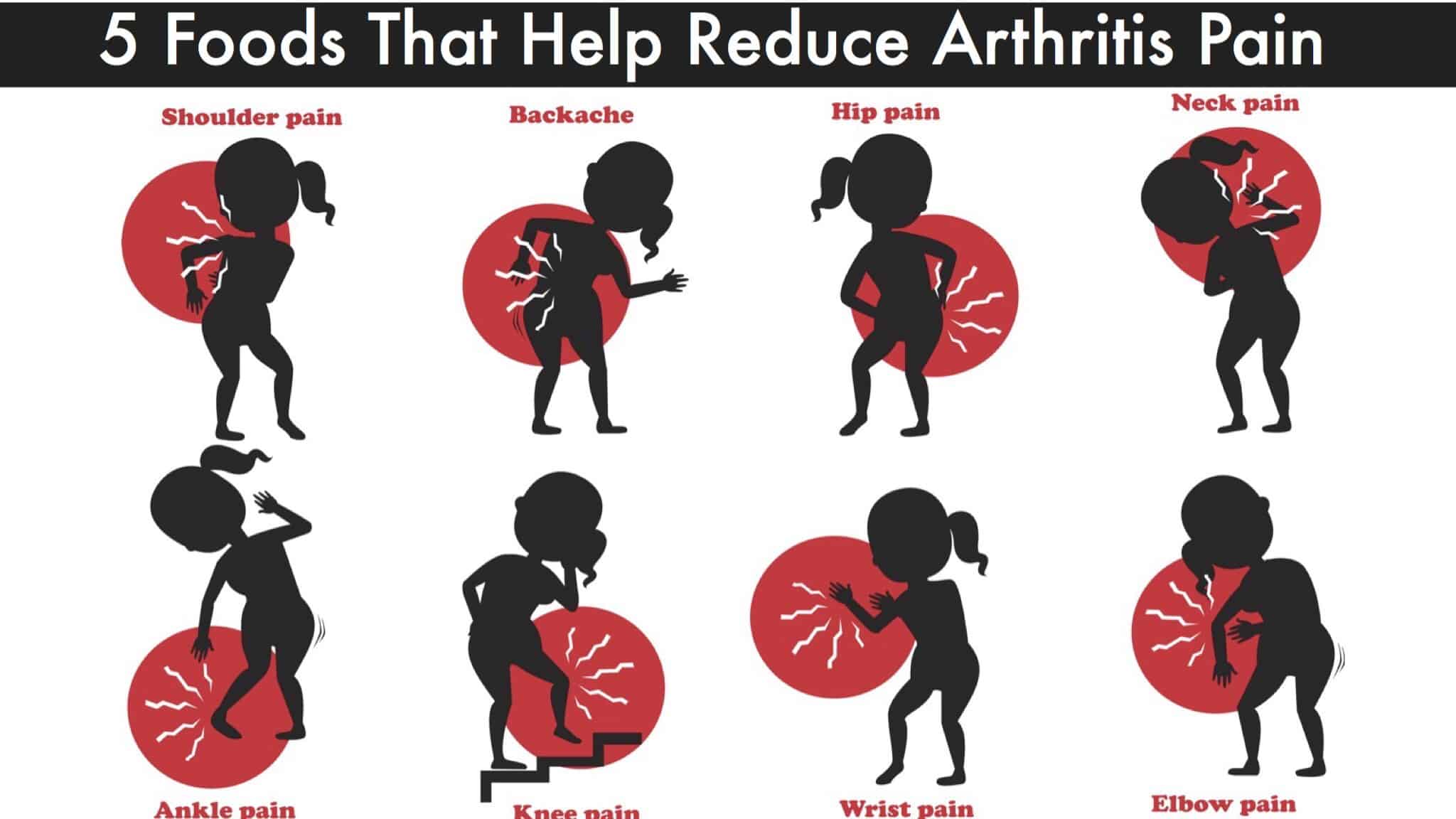
reduce arthritis pain

2. Gout

Gout is another disease that can impact the hands before moving on to other parts of the body.

According to the Partnership to Fight Chronic Disease, an international organization committed to raising awareness when it comes to chronic diseases and healthcare costs, nearly 4 million people in America struggle with gout. For those who are unfamiliar with this medical condition, gout is another form of arthritis. However, unlike osteoarthritis and rheumatoid arthritis, which are characterized by gradual pain and stiffness, the onset of pain affecting the joints is sudden and much more intense.

Gout generally attacks the joint at the base of the hallux, also known as the “big toe,” first. However, it is not uncommon for it to start in the hands and wrists. Along with intense, excruciating pain, symptoms of gout can include redness, tenderness, stiffness, and a burning sensation.

Treatments for Gout

Some of the more common ways to treat gout include the use of corticosteroids and nonsteroidal anti-inflammatory medications. Additional treatment modalities include the use of colchicine. This particular medication reduces swelling and the build-up of uric acid crystals responsible for pain in the joint affected by gout. According to a study published by MedlinePlus, a part of the U.S. Library of Medicine, colchicine can also prevent gout flare-ups.

3. Lupus

For many people, painful hands may be a sign of lupus. In short, lupus, much like rheumatoid arthritis, is an autoimmune disease. And similar to other autoimmune diseases, lupus is the result of the immune system mistakenly attacking healthy tissue and cells in the body.

According to the Lupus Foundation of America, an estimated 1.5 million Americans are struggling with some form of lupus. Those with the condition often experience pain, inflammation, and swelling of the hands and wrists. Some of the other symptoms commonly associated with lupus include

  • Thinning hair
  • Fever
  • Swelling of the legs
  • Swelling around the eyes
  • Pale or purplish fingers
  • Muscle pain
  • Pain while taking a deep breath

Treatments for Lupus

While there is, as of the writing of this article, no cure for lupus, there are treatments that can ease hand pain and many other symptoms typical of the autoimmune disease, including

  • Prescription nonsteroidal anti-inflammatory medications
  • Over-the-counter pain relievers
  • Physical therapy
  • Occupational therapy
  • Cold or warm compresses

4. Peripheral Neuropathy

Along with arthritis, gout, and lupus, hand pain can also point to peripheral neuropathy, a condition that causes numbness, weakness, and pain in the hands. Peripheral neuropathy may also trigger the same symptoms in one’s feet. In either case, the condition is usually a byproduct of an underlying health condition, some of which include

  • Diabetes
  • Infections
  • Metabolic syndrome

According to a study published by the National Institutes of Health, more than 20 million people in America are struggling with some form of peripheral neuropathy. Fortunately, there are quite a few treatments that can help ease hand pain and other symptoms associated with the disease, including

  • Anti-seizure medications
  • Antidepressants
  • Neuropathic pain medications
  • Over-the-counter pain relievers
  • Prescription pain relievers

hand pain

5. Ganglion Cysts

For those who might not be familiar with ganglion cysts, they are fluid-filled cysts that appear as a lump on the backside of the wrists. These noncancerous, fluid-filled lumps might be unsightly. However, they do go away on their own. Further, small ganglion cysts are not generally painful.

On the other hand, if they become too large, they can place a considerable amount of pressure on nerves in the wrist/ The growth then can trigger tingling, numbness, and painful sensations in the wrists and hands. Studies show that these noncancerous, fluid-filled lumps occur in 70 percent of individuals between the ages of 20 and 40 and are especially common among women.

6. Stenosing Tenosynovitis

Painful or stiff hands, especially involving the thumb or a single finger, can signify stenosing tenosynovitis.This condition can stem from several underlying health problems, some of which include rheumatic disorder, gout, and diabetes.

Studies show that individuals with stenosing tenosynovitis are unable to move their thumb or fingers in any direction. And this is due to the synovial sheath of the affected tendon being inflamed. As far as treatments, those who are struggling with stenosing tenosynovitis will usually receive corticosteroids, which are injected into the synovial sheath to improve mobility, along with nonsteroidal anti-inflammatory medications for pain relief.

7. Raynaud’s Disease

Raynaud’s disease is a medical condition that can cause tingling and throbbing sensations in the hands and feet. This condition is especially common among individuals with connective tissue disease or atherosclerosis.

Raynaud’s disease also causes blood vessels in the fingers and toes to narrow when they are exposed to cold temperatures. Generally speaking, the symptoms associated with this condition are usually mild and often go away once the fingers and toes become warm again.

8. Hand Injuries

Hand pain can sometimes be indicative of a muscle strain or a possible fracture. Either of these problems can cause swelling and restrict the hand’s movement.

hand pain

Final Thoughts on Dealing With Your Hand Pain

In summary, hand pain, much like other symptoms, is the body’s way of signaling that something is wrong. That said, if you’re experiencing any of the symptoms detailed in this article, it would be a good idea to be seen by a physician sooner rather than later.

15 Phrases Never to Say to Someone Who is Heartbroken

When someone you love and care about is heartbroken, it’s natural to want to comfort them. However, things you say with good intentions can easily backfire. You’ll mean no harm, but it can seem dismissive, cruel, aggressive, and even uncaring.

Remember, a person in this state is fragile, so you must tread lightly. You may even need to research the best ways to give a pep talk before you give the pep talk. Here are 15 things you should never say to a heartbroken person.

1. “Just forget all about him/her. They weren’t worth your time anyway.”

This statement can come off as dismissive of their feelings. If they could simply forget all about the person, they would do it. After all, no one wants to sit around and be miserable.

Another thing to note is that by telling them that the person wasn’t worth their time, it almost sounds as if you’re telling them they are bad decision-makers. It could make them feel like they can’t make responsible decisions. That can make them feel even worse.

heartbroken

2. “At least you’ve learned a lesson.”

Although you don’t mean anything by this comment to a heartbroken person, it can sound smug. They may take it as you are saying that they deserved what happened to them, or even that they brought the heartbreak on themselves. It’s almost like you’re saying, “I told you so.”

Before making this comment, you should wait until the person heals. This process could take a while, so be patient and supportive. Timing is everything, and they’ll realize that you’re just trying to be a good friend.

Note: For this article, a friend can also mean family members, loved ones, or anyone you’re trying to cheer up.

3. “This will make a good book one day!”

Even if you’re joking, you should avoid saying this to a heartbroken person. The idea of putting their heart break out for the whole world to know about could be like a second round of heartbreak. In fact, the thought of everyone knowing could make them feel foolish.

Of course, you’re not planning to push your friend into writing an autobiography. You’d probably say it sarcastically and even give a little laugh behind it. Unfortunately, your friend won’t be laughing.

4. “Just get back out there and date someone else.”

Your intention is probably to help your friend realize that they’re a great person that plenty of people would love to date them. However, there is a good chance that your friend won’t take it that way. To your friend, this statement sounds dismissive of their feelings.

It may make them think that something is wrong with them for not being able to just “get over it”. The last thing you want to do is make them feel like they are the problem.

5. “Let’s throw a party to take your mind off of that loser.”

Your friend feels like crap right now. They’re sad and probably fatigued. The last thing they want to do is use their last bit of energy to throw on a party dress and makeup.

Your friend especially doesn’t want to be around a bunch of happy people or possibly drunk people who won’t be compassionate to their problem. Sometimes a little peace, quiet, and their best friend’s support are needed.

pop meme

6. “My breakup was the same, but I got over it quickly. You will too.”

Everyone’s pain is unique. While you may think that you’re empathizing with your friend, in truth, you’re sympathizing with your friend. This distinction means that you understand how they’re feeling, but you don’t share their feelings. Your friend may not believe they’ll get over it quickly. They may miss their former partner. They may even still be in love. Suggesting that they get over it soon because you did is a mistake.

7. “I never liked them anyway.”

You make a big mistake if you mutter this to a heartbroken friend. They’re already handling a lot of emotions, and saying this to them can strengthen their feelings of self-doubt. They’ll wonder why you could see how terrible their ex was, but they couldn’t see it?

If they happen to still be in love with their ex, a statement like this, one can make them feel even more confused. The best thing you can do is to avoid comments criticizing their former partner. Keep the conversation on your friend and your friend’s feelings.

8. “This is the best thing that could have happened!”

For your friend, it sure doesn’t feel like the best thing that could have happened. In fact, there is a good chance that it’s the worst thing that’s ever happened to them. Remember that your friend feels bad, not good. Don’t suggest that something that makes them feel this way was the best thing for them.

You should also remember that your friend deeply cared for their former partner. By claiming that the best thing that could have happened was a breakup, you’re invalidating their feelings and their relationship.

9. “You’ll get back together.”

Even if you may think this is true, it’s a bad idea to say this to a heartbroken friend. One of two things can happen, and neither is good. The first thing that can happen is that they’ll think you don’t care about the reason they broke up in the first place. That translates to you not caring about their feelings in their eyes.

The second thing that could happen is that you could give your friend false hope. This thinking is especially true if your friend wasn’t the one who wanted the breakup. It can be cruel to give your friend false hope over a relationship that’s over.

10. “Just cheer up.”

If you want to be insensitive, this is the perfect statement for that. Telling your friend just to cheer up makes it seem as if they’re feelings are ridiculous – like they should just turn off the pain and sadness like it’s a faucet.

No one can turn off pain like that unless they’re suppressing it. That leads to other problems, even physical stress. Allow your friend to express their emotions freely to you for as long as they need to heal completely.

11. “I’m surprised at how well you are handling this.”

No matter how you say this, it comes off as an insult, especially when someone is feeling very emotional. This statement sounds like you expected your friend to be weak. Maybe you had no faith that they could get through this, and you expected them to crumble.

That’s not what you meant when you made the statement, but your friend could take it that way. Try using more supportive phrases like, “you are so strong for making it through this.” You could also wait until your friend is in a more stable mood to bring up how they’re handling it.

12. “You can use this time to focus on yourself.”

You shouldn’t push your friend to focus on anything they aren’t ready to focus on. You may think that redirecting their emotions will help them – and this is true to a certain extent. However, they must be ready to focus on something else without you pushing them. It needs to be their choice.

Of course, you don’t want to watch them focus on their pain because you care about your friend. Use this time to be supportive without being pushy.

13. “You’re more fun when you’re single.”

While this might be a simple compliment, it’s one that can easily backfire. By saying this, you’re implying that your friend was not fun when they were in a relationship. They may even take it as you suggesting that they were a bad friend.

It’s okay to talk about the fun things you can do together now that your friend is single, but timing is everything. You need to wait until your friend heals from their heartbreak. They need to be completely ready for the single life before diving headfirst into it.

pop meme

14. “Everything happens for a reason.”

This statement isn’t harmful. However, it’s not something that people want to hear at their lowest point. They’re hurting, it sucks, and they don’t care what the reason is. At this moment, they can’t see past their pain.

In fact, this statement might make your friend angry. What reason could make this amount of heartache acceptable? Your friend isn’t at a point of being reasonable, so there is no need to bring up that idea until they’re feeling better. It could take a while, so be patient.

15. “It could be worse.”

Life could always be worse. Everyone knows this, but there is a time and place for everything. When your friend is heartbroken and dealing with a well of emotions, they may not be handling them well. So don’t remind them that they could feel worse. That’s the last thing they need to hear.

Instead, talk about positive things that can happen, but don’t say that they can happen because their relationship ended. Generalize what you’re saying and be gentle about it.

heartbrokenFinal Thoughts About Being Careful of What You Say When Someone is Heartbroken

Finding the right thing to say to someone heartbroken can be challenging. You want to comfort them, but because their emotions are running high, there is a possibility for a lot of statements to be misconstrued. Be sure to avoid the 15 comments above. Be supportive, kind, and when your friend is ready, they’ll let go of their pain.

5 Ways to Detox an Unhealthy Relationship

You just realized that you need to detox an unhealthy relationship in your life.

Finding yourself in an unhealthy relationship can be mentally, physically, and emotionally taxing. Many well-intentioned friends love to give advice. Some people might just tell you to pack your bags and just get out of there.

Still, others might suggest taking a break. They might advise you to relax for a bit so you can come back to things with a fresh mind and perspective.

Not all relationships are salvageable. But there are a few ways you can help clear your head, calm your emotions, and see things from a new perspective.

Know the Difference Between an Unhealthy Relationship and an Abusive One

It is critical to note there is a difference between a relationship that is just unhealthy and an abusive relationship.

If you find yourself in an abusive relationship, you should focus on getting yourself out of the situation by whatever means necessary.

Purely abusive relationships generally can not be fixed, as the other person feels a need to be in a place of power. Thus, working out those issues would mean giving up that power they have over you.

Escaping an abusive relationship can be extremely difficult due to the manipulative nature of those partners who enjoy physically, mentally, or emotionally abusing others. If you think you may be in an abusive relationship, seek help and guidance from close friends and family. If necessary, seek professional advice.

Leaving an abusive relationship is generally only the first step, though. Prepare yourself for a lengthy healing process. Don’t let your struggles define you and use them to push forward.

unhealthy relationship

5 Ways to Detox From an Unhealthy Relationship

Here are five ways you can detox from an unhealthy relationship. These tips are handy whether you’re trying to salvage it or if you need an emotionally reset after ending things.

1 – Take Some Time For Yourself

Despite the common assumption that every couple has to be joined at the hip, sometimes couples can get too much of each other. This fact is exceptionally accurate in unhealthy relationships where one person is very dependant on the other.

Worse yet, you see this in codependent relationships. That relationship is where neither feels they can stand on their own without the other. If you feel like you’re in a smothering relationship where you can’t seem to breathe, it might be time to take some time away for yourself.

Try meditating–science proves it has a very therapeutic effect. It helps to clear your head and rejuvenate your body as you escape from all the stresses that come with social interactions.

Here are some solo activities that can help refresh your spirit:

  • Traveling to a new, inspiring place
  • Watching your favorite movie to unwind
  • Treating yourself to a fresh, hot cup of tea while you think
  • Engaging in some pampering self-care
  • Calming exercise, such as yoga or stretches

Even in a healthy relationship, you should take some time for yourself can be a healthy way to recharge.

unhealthy relationship

2 – Focus on Your Physical Health

When in a toxic relationship, your mental and emotional health can take a massive turn for the worse. Here is what many people don’t realize.

There is a connection between mental health and physical health. So as one deteriorates, it’ll have a noticeable effect on the other. You might notice a lack of appetite, a more sedentary lifestyle, or even just overall lethargy as nothing seems appealing anymore as your mental health declines from the effects of the relationship.

Mental health and stress can also trigger certain habits, which can cause physical problems as well. Eventually, your overall health will be in decline, not just your mental or emotional health.

Therefore, prioritize your physical well being by getting out and exercising, eating right, meditating, and setting a stable sleep schedule.

3 – Celebrate The Small Victories

The negativity that comes from being in an unhealthy relationship can sometimes feel oppressive. It might get to the point of being all-consuming and seeping into every aspect of your life.

Keep yourself from falling into a hopeless depression. It’s important to celebrate your victories in life, no matter how small.

It’s essential to feel good about yourself and your achievements. So if you’re having trouble seeing the positives in life or your self-worth, start small. Whether it’s finishing that home improvement project, turning in that looming school assignment, or even something as mundane as just getting out of bed before noon, celebrate it. Then, reward yourself for your job well done.

This positive reinforcement can do a lot to help combat the depression and misery that often come along with toxic partnerships. And the pat on the back gives you the motivation to push towards meeting your relationship goals. You’ll find the strength to move forward with your day to day life despite how bad things get.

pop meme4 – Enjoy Some Good Company (and Maybe Some Food)

Sometimes simply being in good company can help lift your spirits and help you forget your troubles. And when you pair good friends with nourishing food, you’ll find an ideal escape.

Reach out to those close friends who you can just relax and be yourself around. Find people who you can talk to about your problems comfortably without having to worry about backlash. Surround yourself with those with whom you can just unwind with to forget all your unhealthy relationship.

A change of pace and getting away from your partner for a little while can provide some relief and help calm your emotions a bit. Call up some close friends and organize a get-together, either out in public doing something fun or at one of their homes for some nice peace.

Food also does wonders for your emotional state. There’s a reason people tend to eat more when upset. The taste of good food activates the brain’s pleasure sensors, releasing dopamine, and helping to improve your overall mood.

This is especially true of sweets and chocolate, as it is loaded with antioxidants and acts as a natural stress reliever. Getting out to eat will also help give you a nice change of scenery and a change of pace. You won’t have to cook or clean, and getting out of the house and away from your partner for a bit can be a great way to detox from the relationship, even if only for a few hours.

Take a night to forget about eating healthy, call up some of your closest friends, and splurge on a nice dinner out. Between the food and the company, you will feel much better by the time the night is over.

5 – Finally Have That Much Needed Talk

Sometimes you do need to just get everything out in the open. If nothing fixes an unhealthy relationship, it might be time to confront your partner.

Make sure you create an ‘honesty zone,’ setting up ground rules that you both be open and honest with each other. Then, begin talking it out.

Expect conflicting paradigms and mindsets, arguments, disagreements, and opposing ideas. But despite how heated things might get, don’t stop until you address your concerns. Assess what part you both play in the relationship and work out a solution to the problem together.

Sometimes the source of an unhealthy relationship is nothing more than a difference in expectations. Having an honest talk with your partner can help realign your expectations. And, you ensure neither of you is placing unfair or unreasonable expectations upon the other.

Discovering what each of you is looking to get out of a relationship and what role you both play can help solve a lot of core and fundamental problems with the connection. It can also give you a better idea of how compatible you are with your partner.

Not every relationship is salvageable. But after having a long and honest conversation with your partner, you’ll be able to see what things can be fixed, and what aspects will be permanent struggles in your relationship.

pop meme

Final Thoughts on Being in an Unhealthy Relationship

Many things can cause a toxic relationship. These things can range from a conflict of ideas about what a relationship should be and the roles each party should play, to simple misunderstanding the wants and needs of the other person.

Using these five tips, you can spend some time working on yourself, boost your confidence, and evaluate your relationship as a whole. Only you can figure out what is the best course of action for yourself. Taking some time away from the partnership can help you see things more objectively, and help you decide whether things are worth saving or merely letting go.

The right choice depends on the circumstances and your personal feelings on the matter, so take advice from others with a grain of salt, explore and examine your feelings and thoughts on the relationship, and decide for yourself what you want to do.

Research Reveals How Exercising Too Much Can Make You Gain Weight

Daily activity is a positive, right? As it turns out, you should strike a healthy balance between a sedentary lifestyle and exercising too much.

According to a study published by U.S. News and World Report, 40 percent of the U.S. population is considered obese. In essence, this means that a significant number of Americans have a body mass index (BMI) of 30 or higher. This BMI puts them at risk of developing a variety of chronic diseases.

Some of these diseases, according to a separate study published by the National Institutes of Health, include fatty liver disease, type 2 diabetes, high blood pressure, joint disease, kidney disease, and certain cancers.

While these findings may sound grim, there is a bit of good news.  Many individuals who are struggling with obesity are making it a point to adopt a healthier lifestyle, which includes regular exercise.

To that point, a study published by statista.com, an online resource for statistical data, market research, and business intelligence, new gym memberships in America increased by over 30 percent between 2000 and 2017.

Indeed, many individuals are starting to recognize just how much of an impact being obese can have on their health. And many are turning to regular exercise to shed unwanted pounds, improve their health, and increase their life expectancy.

exercising

Can Too Much Exercise Do More Harm Than Good?

When it comes to exercise, there is such a thing as too much of a good thing. Of course, this is not to dissuade those who have chosen to lead a physically active lifestyle as doing so offers many health benefits. Indeed, you’ll enjoy a reduced risk of developing joint problems and multiple chronic diseases.

That aside, it is worth noting that a surprising number of Americans are addicted to exercising. Indeed, much like illicit substances, some individuals achieve a euphoric high through exercise. And to that end, they develop an addiction that invariably gives way to overtraining syndrome. For those who are not familiar with overtraining syndrome, it comes from a maladaptive response to exercising too much without achieving an adequate amount of rest.

Some of the more common signs of overtraining syndrome, also known as overexercising, include the following:

  • Irritability
  • Insomnia
  • Agitation
  • High blood pressure
  • Restlessness
  • A rapid heartbeat

When Exercise Goes From Being a Healthy Habit to a Life-Altering Addiction

Studies show that an estimated 3 percent of gym-goers admit to having an exercise addiction that leads to them exercising daily and spending hours on end at the gym. Those who do not have a gym membership admit to spending an inordinate amount of time working out at home.

It is worth noting that exercise addiction is not officially included in the Diagnostic and Statistical Manual of Mental Disorders (DSM-5), a publication for the classification of various mental disorders.

Nonetheless, if not resolved, it is an addiction that can eventually give way to mental health disorders that do meet the criteria for such a classification, some of which include anorexia, bulimia, anxiety, and depression.

What Drives Some Individuals to Exercise Too Much?

In many cases, the decision to exercise excessively stems from an addictive personality. And those who engage in this type of behavior often view it as a healthier and better way of dealing with stress and negative emotions compared to drinking alcohol or abusing drugs. Many have even gone as far as to say that excessive exercising provides them with a natural euphoric high.

Additionally, some individuals also fall victim to societal pressure. Indeed, they believe that if they exercise enough, they will be rewarded with the perfect body.

poor diet and sleep

Read how poor diet links to poor sleep quality.

Exercise Addiction Among Athletes

In discussing excessive exercising, it is worth noting that exercise addiction is not limited to casual gym-goers and weekend warriors only. Exercise addiction is common among professional and amateur athletes as well.

To further illustrate this point, we need only take a look at another study published by the National Institutes of Health. According to the study, professional and amateur athletes who are exceedingly competitive are at a high risk of developing an exercise addiction. The study goes on to note that exercise addiction is not uncommon among the following athletes:

  • Marathon runners
  • Endurance athletes
  • Triathletes
  • Crossfit athletes

What Factors Contribute to Exercising Too Much?

The rate of exercise addiction among athletes can be further complicated by technology, with many individuals using smartphone apps to track and document their accomplishments.

Beyond that, many individuals will also post their athletic achievements on social media platforms, such as Facebook and Instagram. This kind of social media sharing not only pushes them to compete harder but also to compare their achievements with others.

As a result, many exercise to exhaustion and allow themselves very little time to rest in-between sporting events. The same applies to the training that they undergo in the days and weeks leading up to those same events.

To put into perspective just how damaging this level of competitiveness is for professional and amateur athletes, it helps to take a look at a study published by the National Institutes of Health. The study noted that between 39 and 48 percent of athletes that consider themselves highly competitive are struggling with anorexia or bulimia. And those who do not have an eating disorder are struggling with body dysmorphia or an obsessive-compulsive disorder.

eating disorder

Learn how to help someone struggling with an eating disorder.

How Exercising Too Much Can Lead to Weight Gain

While exercise, coupled with a healthy diet, is an excellent way to lose weight. However, overexercising can have the opposite effect and lead to weight gain. To say that this an ironic turn of events for those who put health, fitness, and athletic competition at the forefront of everything that they do is unfortunate would be a gross understatement. As far as why this happens, it ultimately comes down to stress.

Whether the goal is to achieve a body shape purported to be ideal on social media, to outperform an opposing team in a sporting event, to lose weight faster, or as a way to deal with personal problems, too much exercise can trigger stress. And for those who already lead a stress-filled life, exercising too much could complicate matters even further. Individuals who exercise too much often experience negative consequences.

Consequences of exercising too much:

  • Intense hunger
  • Irritability
  • Insomnia
  • High blood pressure
  • Extreme food cravings
  • High cortisol levels
  • Low thyroid hormone levels
  • Insulin spikes

All of these symptoms can cause weight gain and may even lead some to regret having ever decided to start exercising or participating in sports. While this kind of frustration is understandable, it can be avoided by following a sensible exercise regimen. For example, if your goal for exercising is to lose weight, sometimes less is more.

To help put this into perspective, between 2.5 to 4 hours of exercise per week is more than enough to produce moderate weight loss results, according to a study conducted and published by the American College of Sports Medicine. In short, this equals about 22 to 35 minutes of exercise each day. And that is enough to lose weight without getting into overtraining territory.

Further, people who exercise for 2.5 to 4 hours per day can lose up to 1 pound of body fat weekly. That number can equal as much as to 2 pounds weekly if they also consume a healthy, well-balanced diet. Finally, individuals who lose weight gradually are more likely to keep the weight off long-term compared to those who shed too many pounds too quickly.

Additional Ways to Avoid Overexercising

The road to weight loss is different for everyone as we each have a different body type. These body types, which include ectomorph, endomorph, and mesomorph, each hold on to body fat differently.

Of the three, those with a mesomorph body type tend to lose weight the fastest. So if your body type is ectomorph, attempting to achieve the same rate of weight loss goals in the same amount of time as someone who is a mesomorph is a quick way to develop symptoms typical of overtraining symptoms.

And in many cases, those symptoms include weight gain. As far as professional and amateur athletes, health and overall wellbeing should always come first. After all, it is possible to be competitive without overexerting yourself to the point that your health becomes compromised. The same is true when it comes to exercising too much in preparation for a sporting event. This training can negatively impact your performance when the event gets underway.

exercising

Research proves that lack of exercise is more harmful than smoking cigarettes.

Final Thoughts on Exercising Too Much and Weight Gain

Regardless of why you choose to lead a more physically active lifestyle, avoid pushing your body too hard. After all, overtraining can result in weight gain and other unwanted outcomes. Lastly, if you believe that you have an addiction to exercising too much or you’re overly competitive, speak with a mental health professional as soon as possible.

10 Traits That Reveal an Aquarius is in Love

The Aquarius is an extremely creative, intelligent, and analytical soul. This person is amiable and likable, making them someone sure to become a fast friend to just about anyone. Aquarians are perpetually curious and like to know the inner workings of both people and things alike.

To an Aquarian, everything is a challenge, and they have a great sense of compassion, empathy, and humor. They are often well-liked among everyone, from friends to acquaintances to coworkers because of all the positive qualities he possesses.

Understanding The Mind of an Aquarius Woman

Aquarian women always have their own minds. They think outside the box and prefer to play by their own rules no matter what the situation. She stands out from the crowd and tends to follow her heart. At the same time, her Aquarius nature is carefree, daring, and spontaneous. Often, she holds onto a few interests and finds new ones that are exciting and thrilling. As someone who quickly grows bored, this is one strong woman who is always seeking new adventures and new people.

Her relationships often fall victim to this trait, which is something that can lead to problems. She has a long list of acquaintances and very few close, long-lasting friendships. Her love life is often similar, but there may be some exceptions.

aquarius woman

Know First: Aquarius is Often Commitment-Phobic

The typical Aquarian woman is difficult to pin down, which means she might have difficulty committing to one man. As a person who is always growing bored and looking for new experiences, she may begin to look elsewhere before committing for a lifetime.

As a result, a man who enters into a romantic relationship with an Aquarian woman may feel as though he is on a constant rollercoaster. It’s fair to expect a revolving circle of friends, adventures galore, and, unfortunately, plenty of arguments as well.

A man who is involved with an Aquarius woman may also go through a confusing array of emotions. One minute, he might feel as though he is his woman’s whole world, sun, and moon at once. And then, in the next, he may feel unimportant and as if he is merely an afterthought. It’s not uncommon for this woman to lose interest quickly in their significant other and end up hurting them.

She has shifting mood swings that can be confusing for her love interest. Indeed, she’ll seem up and happy one day and then dark and depressed the very next day. Aquarians’ hearts can be complicated to win over ultimately. Still, if you are lucky enough to find yourself loving an Aquarius, you will have a woman who is forever faithful and loyal.

Overall, there are ten traits that an Aquarian will exhibit when genuinely in love. If you are dating an Aquarius woman, these are the signs to look out for, and that should make you feel fortunate to  have found true love.

10 Traits of an Aquarius Woman in Love

1 – She Can Be a Lot of Fun

Although Aquarian women can often be all thumbs when it comes to effectively communicating their feelings in verbal ways, they can show their love in other ways. For example, she has a wonderful sense of humor and can be very funny and exciting. Plus, she will often go out of her way to make you laugh.

2 – She’ll Try to Speak to You More

The Aquarius woman is more into intellectual conversations and relies on her intelligence often. However, if she is in love with you, she will speak to you even more. Not only will she communicate more often, but she will talk with you about pretty much everything under the sun.

So if she genuinely loves you, she’ll find it easier to speak openly with you and will go out of her way to do just that.

3 – She Will Plan Adventurous Trips

The water-bearer woman is not typical when it comes to revealing her love. She may not be one for romantic dinners at candlelight or a stroll on the beach under a fantastic sunset.

However, she is an adventurous spirit who will enjoy planning incredible trips with you. She wants to make sure you have a fun, exciting time you will never forget and wants to be your best friend as well as your lover. She truly believes that being in love means having fun together.

4 – An Aquarius Will Take Care of Her Finances

Aquarian women are wise with their money and will not freely spend no matter how deeply invested he is in you. She keeps records of her spending and is careful. If she doesn’t buy you the flashiest gifts, you might feel offended. However, she will show you her love in other, more critical ways. She is a smart investor and will assure you that when you’re with her, you will have financial security.

pop meme

5 – You Need Some Patience to Know if She Loves You

The Aquarius woman is never one who immediately reveals her true feelings to you. You will have to be with her for a long time and have a great deal of patience before she eventually reveals her love for you. This is one woman who never quickly reveals her true feelings until she feels completely comfortable.

6 – An Aquarius in Love is Kind, Sensitive, and Caring

Aquarians are often perceived as emotionally distant and even cold. They are the type who can have seemingly endless acquaintances but very few actual friends. She is never one who quickly reveals her true feelings toward anyone.

However, when she is genuinely in love, she can show that he is compassionate and caring. When she begins to show sincere concern for you and what you like and don’t like, it is a sure sign that she is in love with you.

7 – He Is Better at Expressing Himself in Writing

Loving an Aquarius means you can expect plenty of written messages of love from your woman. Generally, she is better at expressing himself through writing. When you are in a relationship with a woman who is the sign of the water bearer, you can expect to receive many text messages, letters, emails, or even instant messages, letting you know just how she feels.

This signal is a sure sign of their sincere love for you. While she finds it difficult to express her true feelings verbally, she has no trouble conveying just how she feels in written form.

aquarius

8 – He is Vulnerable When He’s In love

An Aquarian woman typically seems to be very strong and in control of herself at all times. However, when she is in love, it’s a whole different ballgame. When she is truly in love with you, she can appear quite vulnerable.

So if she has already said those three little words, she needs constant reassuring that you reciprocate her feelings both verbally and physically.

9 – He Will Spend More Time with You

An Aquarian woman is usually a flirt by nature, which can make it difficult to discern whether she is serious about you or whether she’s merely casually flirtatious. However, when you are with her, it’s easier to tell if those feelings are genuine.

Of course, if she is genuinely in love with you, she will want to spend as much time as possible with you and will invite you to go out places, including her home, and visit you at home often. You should take this as a sure sign that she is in love with you.

10 – She Will Share Her Deepest Thoughts with You

An Aquarian woman is willing to open up and share their innermost thoughts with you when she is madly in love. In some rare instances, she may even show her deepest emotions and cry in front of you. This is proof that she has deep feelings for you and loves you.

As a whole, an Aquarius woman is often complex when it comes to relationships. She is vulnerable about many issues and can often take things too personally. If she feels hurt by you, she can become cold and detached. Her shifting emotions can hurt the man involved with her unintentionally.

pop memeFinal Thoughts on Traits That Reveal an Aquarius is in Love

The water bearer has many talents and is steadfast in her convictions, believing that she is always right. She dislikes superficiality and prejudice and prefers to be content. Although she is often viewed as being distant and unavailable, she will always be there for others and give everything to her real friends. Especially, she’ll give her all to the man she loves.

Loving an Aquarius woman is easier than it sounds thanks to her caring, loyal, and dependable nature. Once you are in her heart, you are there to stay.

Skip to content