Weekly tips, affirmations, and small actions to feel your best.

5 Reasons Always to Trust Your Gut Feelings

Have you ever made a quick judgment or decision based on a gut feeling? That small, still voice often defies reasoning; sometimes, you don’t know why. Nevertheless, your intuition aims to protect and guide you on a mental and spiritual level.

Although most people have intuition, it’s often difficult to describe it, says a study published by Frontiers in Psychology. Drs. Leiszle R. Lapping-Car and Christopher L. Heavy’s research found that not everyone has an inner voice. Some may only discern symbols, while others have language and symbols. It’s a way you “feel” about something without having prior knowledge.

How does your heart speak to you? Is it the same soft voice that you hear in your mind when you’re reading to yourself? Maybe you’ve known this intuitive gift since you were a child. Or, perhaps you’re unsure and want to become more familiar with that inner connection.

Whether that internal nudge is in the form of language or symbols, you’ve probably experienced it at least one time in your life. Have you ever met a person for the first time, and you instantly were repelled? They may have seemed perfectly lovely, but your gut told you that something wasn’t right about them.

That Feeling in Your Gut

As a triune being, your body, mind, and spirit connect inherently. When one is affected, the other two are also affected, be it positive or negative. So, your entire body will tune in to your internal conversation.

According to an article published by Dr. Emeran A. Mayer for the National Review of Neuroscience, there’s a reason we get these intuitive feelings in the pit of our stomachs. Emeran explains that your gut flora works in tandem with your brain in a system called the enteric nervous system. This interaction is related to higher cognition functions and possibly intuitive decisions.

It makes sense that your inner voice and your gut feelings work together for your well-being. Intuition also intertwines with your spiritual being. People who claim to have psychic abilities often describe them as sensitive to their intuition on a spiritual plane.

gut feelingsIntuition as an Unseen Blessing

Have you ever canceled plans to go on a trip or an event because you had an unexplained feeling? Countless people have experienced the exact intuitive directions and were glad they did. For some, following their intuition probably saved their life.

An article published by the Smithsonian shares a spine-tingling example. Legendary financier J.P. Morgan was a registered passenger for the Titanic’s maiden voyage in 1912. Instead of going, Morgan decided to stay one more day in France. Did Morgan receive an intuitive warning that saved him from one of the worst ship disasters in modern times?

Only the Universe knows what heartache and catastrophes you may have dodged in the past because you were sensitive to your heart’s voice. Some instances you soon recognized after the fact. Is there anything to this intuitive skill, or is it purely coincidence?

How Do You Recognize Your Intuition?

Have you ever reflected on a decision or judgment you made because you “felt” it was the thing to do? Then, you have a head start in understanding how your inner voice works. It doesn’t always stand up to reasoning.

Many people have a butterfly tingling in their stomach that either encourages them or serves as a warning. Others hear that small, gentle voice or see a symbol that’s instantly familiar in their minds. Maybe you’re one of the thousands who receive both intuitive sensations without warning.

The Psychic Link

Those who link their intuition with supposed psychic abilities divide these feelings according to their senses. Seeing symbols or actions before they happen is called clairvoyance or to see clearly. Clairaudience is a gift where someone hears what the spirit is saying, so it’s connected to your inner voice.

If you have clairsentience, you are so empathetic to other’s feelings that you experience them yourself. Maybe the one you’re most familiar with is claircognizance when you know something without prior knowledge.

These are spiritual definitions that many people use to describe your intuitive nature. Some people have a heightened sense of intuition, while others rarely have it. You may register anywhere on this internal spectrum.

Five Reasons Why You Should Follow Your Gut Instincts

Even the staunchest critics can’t explain the remarkable accuracy of some people’s gut feelings. Of course, we are human, and intuition can make mistakes. Doing research and making informed decisions crucial in your life is always a good idea.

However, there’s no disclaiming how countless people worldwide have listened to their inner voice and were glad they did. The more familiar you become with your intuition and using it, the more you’ll trust it. Here are five reasons why learning how to trust your gut feelings may be beneficial.

good man1. It Can be Your Internal Alarm System

We’ve all met new people along the way who triggered an alarm in our minds. Although they seem normal and nothing is obvious, your gut tells you to beware of these folks. Sometimes, you later discover it was only a wrong first impression and realize the new acquaintance is acceptable.

Nevertheless, evolution has equipped humans with an internal warning system for survival. Maybe there was something wrong about this person that you saw subconsciously. It’s better to be safe than sorry and listen to your gut.

The same thing applies to other decisions in your life. It could be a warning if you don’t feel right about something. You are connected to the spiritual realm that is gently guiding you. The Universe has your best interests at heart.

2. Listen to Your Body

Your body is one of the most precise engineering works in the Universe. It stands to reason that it would warn you of any imbalances or threats to your health. Every cell in your body is working together for optimal health. They often speak to you with pain or other strange sensations to get your attention.

While healthcare professionals never recommend that you self-diagnose according to your gut feelings, it’s a red flag that you should seek medical attention. Be your own most assertive advocate and talk candidly with your healthcare provider about your feelings and sensations.

3. The Positive Side of Intuition

The good news is that not all of your gut feelings are geared toward negativity or ominous warnings. Are you one of those who found your soulmate by listening to your heart? Your inner voice may often motivate you to do something new that’s worth the risk.

Intuition and creativity often combine to produce some of the most incredible art, literature, music, and inventions. The discovery of theories and laws in science and medicine started with a hypothesis or a “hunch.” When you learn to trust your inner voice, there’s no telling how your creativity may flourish.

4. You May Cope with Change Better

If we all had a choice, nobody would want change. It brings you out of your comfort zone and drives up your anxiety. However, change is necessary if you continue to grow, learn, and even live. The Universe is in a constant flux of change.

Listening to your heart may help you with these unpleasant feelings. Keeping the status quo at work may be fine, but what if your inner voice calls for a change? If you silence that voice, you may miss a lifetime opportunity.

Your gut feelings can also help you stay afloat during loss and despair. When everything negative is coming against you, it’s that gentle voice that encourages you to endure. The internal cheerleader says, “You can make it,” and “This also shall pass.”

5. It May Keep You Connected with Others

Do you connect spiritually with your lover, family, and friends? Maybe you’ve heard the plethora of stories about these bonds that transcend distance, time, and some even say death. Have you ever had an overwhelming sense that your loved one was in trouble, only to find out later that they were at that time?

The same phenomenon is often described when parents can “feel” the same pain as their children feel miles away. Although some experts may scoff, you know for yourself when you’ve experienced this internal communication.

Have you heard the phone ring and instinctively knew who was calling? These heart-to-heart connections also use your inner voice. Just because it’s unexplainable doesn’t mean it doesn’t exist for you.

gut feelingsFinal Thoughts about Trusting Your Gut Feelings

Sometimes, you need more than reasoning for crucial decisions in your life. Don’t discount the fact that your intuition also plays a substantial role. You may not understand how it works, but you can see how it can benefit your life when you learn to trust it.

9 Ways to Help Recover From Jaundice and Support Liver Health

When you hear the medical term jaundice, you probably think of a newborn baby. However, this condition can happen to adults, too, especially those that have liver issues. Have you ever seen someone’s skin or eyes turn a shade of yellow when they’re sick or have cancer?

Jaundice is a condition where too much bilirubin builds up in the blood. Bilirubin is a substance that is an orangish-yellow color. It’s a pigment that occurs as your body breaks down red blood cells in your system.

The liver is responsible for taking this substance and turning it into bile so it can quickly be passed through your stool. When your levels are too high, it’s an indication that your liver cannot filter this waste as it’s not cleaning the blood. It can be caused by the cells breaking down at an unusual rate, or it can be generated from a sluggish liver.

Your skin, which is the largest organ in your body, will quickly show if your blood is becoming toxic from having too much bilirubin. Signs of this can indicate a condition like bile duct disease, among others. Hemolytic anemia is another severe medical disorder where the red blood cells your body makes are being destroyed faster than what the body can make them.

According to the University of Rochester Medical Center, your bilirubin blood levels should be no more than two to three milligrams per deciliter. If the bilirubin rises higher than this, then it will cause a significant change to your skin. The higher the levels, the darker the yellow pigment that’s released.

However, not all discolorations of the skin stem from jaundice. So it’s always best to consult with your primary care physician to find an actionable treatment plan before you proceed.

How Your Diet Affects Your Liver

jaundiceWhen it comes to jaundice, your diet can be a contributing factor. Some foods are more accessible for the liver to digest than others. Recovery and prevention can have everything to do with your diet.

Since the liver oversees metabolizing the nutrients from your food and getting rid of the toxins in your blood, it has a significant responsibility. Everything you put in your mouth requires the liver to help the digestive system.

However, the things you ingest are metabolized differently, such as the nutrients and chemicals. So, some foods are more friendly to the liver than others. For instance, eating many foods with saturated fats, salt, and sugar can be troublesome for the liver.

Other troubling foods include alcohol and some medications that can damage the cells within this vital organ. If you have liver issues, you need to ensure you eat things that will help and not hinder your digestion, which will help the liver detoxify easier and won’t cause further damage.

Nine Healthy Ways to Recover from Jaundice

If you need some natural ways to help you with your liver issues, then you have the power to do many things. Here are the most helpful ideas to help the liver out and decrease bilirubin in your blood.

1. Hydrate

How many times have you heard that you need to drink more water? Water is necessary for every part of you, and it’s essential to organ function. When you drink water, it helps the body to flush toxins through the system. Being dehydrated from a lack of water is not what you want when there’s a buildup of toxins in your body.

2. Load Up on Fruits and Vegetables

Every fruit and vegetable out there has some sort of nutrients that your body needs. For instance, lemons are something that you could certainly use. While it’s acidic on the outside, inside, your body, it turns alkaline.

Lemons are known for their powerful ability to help flush toxins. According to The Alternative Daily, they can help regulate blood sugar levels as well as lower blood pressure. Lemons have been used for centuries to aid in weight loss and overall body health, as they’re a natural diuretic.

Other fruits to consider include strawberries, blueberries, and cranberries. These contain a good deal of fiber, and they’re more manageable for the liver to digest. Sorry, fruit juice just doesn’t have the same effect as eating raw, unprocessed fruits or veggies.

3. Avoid Alcohol

Did you know that alcohol is toxic to nearly all your internal bodily tissues? Is it any wonder that it can make medical issues with the liver worse? Numerous studies warn that drinking excessive alcohol can cause persistent inflammation, decrease your liver function, and even lead to conditions like lead to diseases like cirrhosis and fibrosis.

4. Pack In the Whole Grains

A study was conducted and posted on the National Library of Medicine. The participants had some sort of hepatic insufficiency. Eating a diet full of whole grains like wheat, barley, buckwheat, and oats brought a significant improvement in their liver enzymes. This research proves that consuming whole grains can help to heal the liver, which will ease jaundice.

whole 305. Snack On Nuts and Legumes

Things like vitamin E and phenolic acid can help to boost liver production, and you can find these essential vitamins plentiful in nuts and legumes. Not only are they full of vitamins, but they’re also rich in antioxidants that your body needs to thrive. Plus, you have a rich source of fiber and healthy fats that can assist your entire system.

6. Avoid Raw or Undercooked Fish or Shellfish

Though you may love sushi, it’s best to avoid this and other raw fish when you have a liver issue. The issue with raw or undercooked fish is that it may have toxins that your body cannot handle in its already compromised state. Even worse, the toxins found in this fish could cause further issues in your liver and other parts of the digestive system.

Since your red blood cells are already compromised, bringing in something that has the potential to carry bacteria, parasites, and viruses is not a wise decision. Until your bilirubin number gets to the proper levels, avoid undercooked fish.

7. Load Up on Lean Proteins

If you love to eat fish, you can certainly eat any that is fully cooked. Also, anything with a high source of protein, such as tofu, and poultry can help. You should avoid red meat, as it’s known to cause more stress to the liver.

Pack in the salmon and mackerel, as they have oils in them that contain things that your body needs like zinc and omega-3s. Why are these oily fish so good for you? Well, they help to metabolize carbs and fatty acids in the body and prevent oxidative distress from free radicals.

In fact, the medical journal Gastroenterology Research and Practice published a study on this topic in 2016. They found that Omega-3s improved non-alcohol-related fatty liver disease with no side effects.

8. Get Out in The Sunshine

Hendrik Vreman, Ph.D. is a pediatric specialist at Stanford University. Phototherapy is an all-natural way to treat jaundice, and it’s a quite common condition that new parents have with their infants. However, you can still use this method as an adult.

The only word of caution is that you need to make sure it’s not direct sun. She recommends that you use outdoor canopies since these devices can filter out harmful ultraviolet rays, and they will protect you from skin cancer. They’ve done many studies on this condition with infants, and 93 percent respond well to phototherapy.

9. Eat Carrots

You know that beta-carotene is terrific for your eyes. But According to the National Institute of Health Office of Dietary Supplements, carrots deliver powerful benefits it has to the liver.

Additionally, it helps to build and strengthen your immunity. Just drink two glasses of pure carrot juice every day for two weeks, and you will see a dramatic improvement in your jaundice as well as your overall health.

Another benefit to carrots is that they help clean and repair damage in the liver, which can be dangerous and cause fatty liver, among other issues.

jaundiceFinal Thoughts on Healing Jaundice and Enjoying Better Liver Health

Mother Nature provides so many healing plants that can cure what ails you. The best part about treating with nature is there are no harmful side effects and worries of toxicity. From carrots to sugarcane and even grains, your body can use the vitamins and minerals in these plants to heal itself.

If you start seeing signs that your liver is not functioning correctly, you must take immediate steps to remedy the situation. According to research by Harvard Medical School, around 20 percent of the American population has fatty liver disease, or 90 million people, and many aren’t doing anything to treat it.

The liver is one of the few organs in your body that can repair itself, which is favorable if you have conditions like jaundice. If you make changes to your diet and overall lifestyle, you should see improvements in your liver function. Keep in mind that severe conditions like cancer and cirrhosis require different approaches as these are considered advanced issues.

Thankfully, there are many things you can do to treat an overproduction of bilirubin right at home.

8 Ways the Universe Reveals Your Life Purpose

Have you ever gazed into the heavens filled with stars at night and wondered why you’re here? If so, you’re in good company. Finding life’s purpose was probably one of humanity’s first questions that still begs an answer.

Does your life have purpose and meaning, or is it a random bleep on the Universal radar? Perhaps you’ve succeeded so far, but you feel something is missing. Will you continue to wander through the decades if you miss your calling?

The Universal Connection

Humans live on a physical plane and can only make judgments according to the five senses and reasoning. However, your spirit exists on a higher frequency, and you can connect with something bigger and more powerful than you. It takes time and practice to hone your intuitive skills and hear what the Universe whispers are trying to tell you.

Many people believe that your paths were established long before you’re born. However, the Universe will never break your power of free choice, and you will, undoubtedly, wander off course at times. As you become more inwardly focused and align with the Universe, you understand your life has meaning.

Having A Meaningful Life is Important

life's purposeWhen you’ve discovered your life’s purpose, you have direction and clarity. This allows you to concentrate your energy where needed most to achieve goals. You can bypass distractions and focus on accomplishing daily tasks. Here are some reasons to discover life’s purpose.

1. It May Lead to Longevity

According to a study published by the University College of London, people who’ve found meaning in their lives may tend to live longer than those who don’t have a purpose. When you realize your main motivation, life can be more worthwhile, and you’ll know why you’re on Earth. Life becomes more meaningful and important for you.

2. You’ll Have a Greater Zeal for Life

Do you want more passion for life? Knowing what direction you’re going can help. Even when it seems like everything is going wrong, focusing on your desires makes you more persistent. You’ll get a deep sense of fulfillment when making a difference in other people’s lives.

3. Knowing Your Purpose Builds Confidence

You’re less likely to get lost when you are on a trip with solid directions and GPS coordinates. Plus, you have more confidence in yourself that you’ll arrive at your destination. Your journey on earth works the same; when you find your life’s purpose and can achieve your goals.

4. You May be More Trusting

It’s not easy to trust forces that you can’t see. The more you improve your intuitive skills and align with the Universe, this trust may come naturally. As you complete some of your smaller goals, you’ll be more confident of achieving the larger ones.

5. It Gives More Energy and Joy

Unclear goals and indecisiveness can make you feel anxious. It’s reassuring when you’ve discovered the purpose for your life. You may have the energy to take more chances and find greater joy and enthusiasm every day.

6. It Fosters a Sense of Belonging

A study published by Dr. Liman Man Wai Li et al. for Frontiers in Psychology stresses the fundamental need for humans to belong. In fact, says the study, your mental and emotional well-being depends on satisfying this need. If you feel like a fish out of water, the Universe can gently lead you to a meaningful life where you belong.

When you embrace your life’s purpose, you attract more of the same people. You’ll instinctively know where your talents are most needed and notice more cooperation. Allowing this sense of connectedness will make you feel at home.

How Does the Universe Speak to You?

Since you are eternally connected with the cosmos, it stands to reason that you can have open communication with the Universe. It’s the personification of wisdom and infinite compassion for all. It speaks and gently guides you toward living your best life.

Not everyone connects with the spiritual realm in the same way. Do you crave more meaning in your life? Try to notice some of these ways the Universe is trying to communicate with you.

Sadhguru1. Inner Voice

One of the easiest ways to discover your life’s purpose is to listen to your intuition. That little voice whispers in your mind, like a devoted guide. Your intuitive voice is instantly familiar and comforting.

For example, have you ever seen a stranger and that voice suggested that you should speak with them? Maybe they turned out to be a wonderful friend or even your soulmate. The more you focus on your inner voice, the more it will speak for your greater good.

2. Signs

In the same way your brain uses symbols in your dreams, the Universe uses them for intuition. Fortunately, the signs are easy for you to recognize. It would be best if you fine-tuned your spiritual eyes to get the interpretation.

The Universe may react with symbols as you search for more clarity for purpose in your life. It’s usually confirming something you’ve felt in your heart already. Trust this Immortal Knowledge and decide what the signs are trying to tell you.

3. Things are Flowing Right

Isn’t it thrilling to realize that you are where you’re supposed to be in life? While even the right path often has obstacles, your intuitive nature will be your confirmation. Events may seem to fall perfectly in place like a jigsaw puzzle.

In retrospect, you see how all things worked together for your life’s purpose. When you reach a rough patch in the road, you’re open to more solutions. You no longer feel like you are going against the grain of what was meant to be.

4. Objects

You’re debating leaving a lucrative career for work overseas with a charitable organization. As you make affirmations into the Universe, it agrees by using an object for your attention. Maybe you come to work with a book on your desk about the country you want to serve.

Perhaps you find a travel map or another object that speaks to your destination. When you’re open to working on a spiritual level, the Universe will use ordinary things in uncommon ways to speak.

Spirit will never force you against your will but will lead to a willing heart. Is the Universe trying to tell you something?

5. Dreams

How many great movers and shakers throughout history were motivated by a dream? You may connect with the cosmos in the dream world when searching for your life’s purpose. You may see actions or symbols that relate to your future.

If the Universe often speaks to you at night with dreams, consider keeping a notebook on your nightstand. It’s easier to recall your dreams if you write them down as soon as you awaken. Your dreams may be the key that opens the door you must enter.

6. Listening to Other People

Frequently Spirit will use other people to communicate important messages to you. While it’s usually a close friend or loved one, the word may come from a stranger. How do you know when someone offers the proper guidance or is off the mark?

As you learn to trust your gut instincts more, a simple word will resonate in your heart. When the Universe uses people as a communication tool, they will confirm what you’ve already discerned. If their word comes as too much of a surprise, it may not be the direction you need.

7. Divination Tools

Unlike animals, your instincts are inherently melded with your ability to reason. Using divination tools is meant as a supplement and never as a replacement for making informed decisions. However, you can often try these tools to help you interpret guidance from the Universe.

Since the earliest civilizations, people have used sacred objects to open their minds to spiritual direction. Ancient tools like runes, water bowls, crystals, and tarot cards are just a few. Find the device that speaks to you and learn how to use it with your intuitive skills.

8. Positive Affirmations

According to the law of attraction, sending positive affirmations into the Universe attracts positive results. However, what you may consider a setback may be something that puts you on the right path. You may not realize it until much later.

For example, maybe you were laid off from your job, and you felt helpless. Then soon, you landed the job that fulfills your life’s purpose. If not for that setback, you wouldn’t be where you are today.

life's purposeFinal Thoughts about Discovering Your Life’s Purpose

As you realize that Spirit has your best interest at heart, you will allow it to guide you down the right paths. Finding your life’s purpose was never meant to be a complicated chess game between you and the Universe. Use your intuitive skills and claim the spiritual inheritance that’s rightfully yours.

17 Signs Your Partner Is Emotionally Attached to You

Many people can date. But very few will become emotionally attached to you. Some say that such an attachment can only come from your soul mate, but other folks would argue that you can have such a connection with someone other than a romantic partner.

In a relationship, you want people to love and care about you. However, sometimes one of you is afraid to voice how you feel. The fear of rejection can keep you from taking the next step toward commitment, but some signs indicate a deeper connection.

Seventeen Signs of An Emotionally Attached Partner

How do you know if someone is emotionally attached to you or if they like you on a deeper level? Some essential indications can help you uncover their true feelings. Here are a few things to consider.

1. They Talk About the Future

Someone who wants you in their future is eager to talk about it. They will use the words “we” rather than “I” when considering their tomorrows. If they want you in their life, they will plan for it.

2. They Want to Meet Your Family

Meeting the family is always a big ordeal, as it tends to solidify the relationship. You don’t take every person you meet home for the holidays, so when you find someone with who you feel emotionally connected, you want your folks to meet them.

3. They Feel Comfortable Around You

This person feels so comfortable around you that they don’t need to put on a façade. They can be themselves without fearing any judgment from you. They can “let their hair down,” and they know that you accept them regardless.

4. They Want to Spend Lots of Time Together

If you have emotional feelings for someone, you want to spend your days and nights with them. When someone falls out of love, one of the first things people notice is that they pull away. When you can’t imagine going without seeing them one day, you know there’s an attachment there.

5. You Get to Meet Their Inner Circle

Spending all your days and nights with someone is one thing, but introducing them to your friends or inner circle is a big step. People often fear rejection and judgment from their closest friends but don’t care what anyone else thinks when they allow you to enter this sacred circle.

They’re in love, and they want to shout it from the rooftops.

6. Your Opinion Matters

Do they come to you with all their questions about life and the decisions they must make? They trust your opinion and feel you will make wise choices regarding their dilemma. You know there are emotions at work when they can talk for hours to hear what you say.

7. You’re A Priority in Their Life

Simply put, you make time for in this life what is important to you. How often have you heard someone say they didn’t have time as an excuse? If it’s important to you, you will make time in your day.

This person, no matter how busy, always considers you a priority. You take precedence even if it’s just a text at lunch or a quick phone call on break.

8. They Defend You

When someone rushes to your defense, whether you’re right or wrong, it’s because they care about you. They won’t let anyone speak badly to or about you; you know they always have your back. It’s beautiful to know that someone is so protective over you.

9. They Respect You

They have much respect for you, and they would never mistreat or harm you. They don’t call names; instead, they use terms of endearment. Respect is something that comes with time and getting to know someone.

pop meme10. Your Hobbies Become Their Hobbies

You know you’re in love when a woman who hates sports finds themselves watching a football game. Additionally, when a man who hates chick flick movies watches a movie marathon on TV, you know it’s love. When your hobbies become their hobbies, even though they would instead do something else, you know there’s an attachment there.

11. They Have a Genuine Concern for You

They say it’s always the little things that matter so much in a relationship, and this person has a genuine concern for you. When you leave each other, they want you to call and tell them you’ve made it home safely. They worry about you when you’re not together, which shows how much attachment is between you.

12. They Don’t Forget Important Dates

Isn’t it sweet when a couple remembers things like the first kiss, where they had their first date, and who said I love you first? These things are milestones in a relationship, and they’re important dates to remember.

Still, some folks put more significance in these days than others. When someone cares enough to remember the outfit you wore the first time you met, or your favorite candy bar, they’ve developed deep feelings for you.

13. They Want to Know Everything About You

You can spend much time with someone and still not honestly know them. When emotionally attached to an individual, you want to communicate and uncover their deepest and darkest secrets. You want to know your favorite things and the things that hurt them and make them sad.

Part of developing an attachment is getting to know a person’s innermost parts.

14. They’re 100 Percent Honest

Honesty is essential in a relationship, both romantic and otherwise. If you cannot be 100 percent honest with one another, then is there any connection? However, the emotionally attached individual wants to be truthful and straightforward, as they don’t want anything to come between you two.

15. They Celebrate Big and Small Victories

While birthdays and holiday celebrations are a given, this person wants to celebrate with you when you get a promotion at work or if you’ve had a great day. Part of caring about you is celebrating your milestones.

16. They Make a Commitment

This person breaks society’s norms in a world where so many are afraid to commit to one another. Did you know that the fear of commitment is called gamophobia?

According to Marriage Advice, about ten percent of the population fear walking down the aisle and committing, which usually means some formal relationship. It’s so prevalent that it’s labeled an anxiety-based phobia.

17. They Run to You When Things Are Challenging

How often have you heard the old saying that the tough get going when the going gets tough? Sadly, those who don’t have any strength will run for the hills at the first sign of trouble. There is no perfect relationship, and there will be hard times.

Even if it’s a platonic friendship, things aren’t always going to go so smoothly. However, when someone is emotionally attached, there’s a deeper level of commitment. They stay together because quitting is not an option. Love is just an emotion, but you must have a made-up mind that you’re going to stay together come what may.

You want someone who runs to you and doesn’t run from you when things are difficult. They find safety in your arms and knowing that you’re by their side.

emotionally attachedFinal Thoughts on Being Emotionally Attached

You can love someone without being attached to them, and it’s called compassion. While you may love your neighbor, the person who watches your children daily, or your family, it doesn’t always mean there’s an emotional attachment. When passionately involved with someone, there’s a different connection than in other relationships.

Why do people fall in love and still care about someone 10, 20, or 30 years later? You often see this with first loves, especially when you can’t get over them. The attachment was strong, and your feelings for one another won’t go away quickly.

Sure, you learn to move on and find new love, but your feelings for this particular person can stay with you for a lifetime. Here’s some food for thought. According to Bustle, 25 percent of the American population is still in love with their first love.

It’s a staggering number to consider that one-fourth of the population of this country cannot get over someone in their heart. Even more astounding about this number is that it proves that an emotional attachment is not quickly broken. When you fall for someone deeply, it causes an attachment.

Are you emotionally attached to someone special, or is someone attached to you? These seventeen things above can help you gauge someone’s feelings and know if it’s worth going further in your relationship. Perhaps you have a connection that fairy tales are made of.

7 Reasons to Eat Oregano, According to Research

Common ailments are a part of life. Many of us experience back pain, joint or knee issues, and the ordinary headache that’s part of a stressful workday. People are now turning to more holistic treatments for these and other conditions that bother them on a regular basis.

Oregano is one of the most common seasonings used in cooking, and new research shows that it has many health benefits. People have reported that it improves energy levels and improves general immune system functioning.

People consume this herb for its many health benefits, including the following:

  • Reducing Inflammation
  • Fighting Cancer
  • Improving Digestion
  • Treating Common Colds and Viruses
  • Improving Depression Symptoms

Plus, there are other good benefits of using it in the oil form. New data suggests that it can be an effective antihistamine for seasonal allergies. New reports yield fresh information regarding its ability to treat certain inflammatory conditions and it may even reduce chronic acne. And some new statistics even hint at the idea that it can be applied as an antibacterial for common infections.

What Is Oregano?

oreganoPeople love this herb for its flavor and zest.  Indeed, the famous culinary herb has a balance of sweet and spicy with a hint of green earth.  A dried, crushed version offers you a burst of flavor to any ordinary cuisine. Plus, when mixed with olive oil, it has many potential health benefits, which makes it a popular cooking item for your pantry. It is prized for its deep, pungent aroma, which is similar to thyme and sage. You can grow it in a garden for a fresh, organic flavor or purchase fresh leaves from your grocery’s produce aisle.

In the herb garden, oregano is a woody perennial plant. Like other members of the mint family, it is hardy, easy to grow, and tasty. Gardeners often use it fresh, and because it produces prolifically, they also press it to capture the essential oils or dehydrate it for use in the winter months.

Seven Potential Benefits of Eating Oregano

Oregano has a bold, zesty flavor that makes it popular for many dishes. In fact, it’s not only tasty but is comprised of a compound of essential cooking oils, including pinene, limonene, carvacrol, and thymol. All of these oils have vital health functions and add flavor to each dish containing this popular herb.

Unlike other herbs, it’s just as tasty dry as it does when fresh. In short, the spice never loses its flavor, and that is the reason it remains a popular staple on every spice rack. It is most commonly used in dishes such as eggplant and zucchini. You can even mix it with olive oil to create a unique blend as a popular condiment.

New evidence suggests that eating this herb everyday has a variety of health benefits. And given the fact that it is a popular addition to the family dinner table, that is something worth celebrating. Below are the best known benefits. After reading all about it, you might feel like experimenting with it in a favorite recipe.

1 – Reducing Inflammation

One study suggests oregano reduces inflammation. It contains antioxidant properties that target and reduce inflammation as a result of injury or infection. These properties have elements such as carvacrol. They suppress the free radicals that invade your body and cause inflammation.

2 – Fighting Colon Cancer

People who eat a Mediterranean Diet have fewer colon cancer incidents.

One research team wanted to learn why and looked into the impact of the foods people in the Mediterranean region eat. The scientists concluded that the anti-inflammatory properties might reduce the spread of colon polyps.

What is the agent that helps stop those tumors? Scientists continue to work hard at figuring out exactly why this helps.

One important note: the researchers used the whole extract of oregano in the study, not the culinary herb.

3 – Improving Digestion

If you want to improve your digestion, adding this herb to your diet could be a viable solution. One study found oregano essential oil to be an excellent digestive aid when administered to pigs. The oil is known to stabilize the flora and bacteria in the gut to reduce cramps and improve your tract. It may even help in losing weight.

oregano4 – Treating Common Colds and Viruses

New studies show that oregano may be effective in fighting most viruses, especially the common cold. That results from the concentration of polyphenols, which have antiseptic properties. These properties may act as a natural firewall to many of the invasive germs that result in common infections, which may be a good reason to trust it after oral surgery. If you’ve always been the one who trusts antiseptic mouthwash in the toothpaste aisle, then you might consider this a reason to try a new seasoning with similar elements.

5 – Fighting Depression

When used as an oil, it might help in the fight against depression symptoms. Researchers are still trying to understand precisely why. Still, they find a connection. Some scientists are speculating that this is due to a monoamine reuptake inhibitor found in most prescription antidepressants.

6 – Oregano Essential Oil Has Antioxidant Properties

There’s plenty of research that suggests that there are antioxidants found in oregano.  Combine this herb or essential oil with fruits and vegetables, and you could notice a real difference in your overall health.

7 – Potential Antibacterial Agents

Studies suggest that it harbors certain organic compounds that can improve your health. Scientists note that they seem to fight at least twenty-three strains of harmful bacteria that cause disease and infection. Results indicate that it ranks second to thyme in its battle against bacterial infection and may even guard against certain infections. There are other testing which could suggest it may reduce skin infections when included as part of your daily diet.

Other Healthy Reasons to Eat Oregano

Much of the following information is anecdotal or traditional herbal medicinal uses. However, some of it also has science to back it up.

People use oregano for many other health reasons. Some have reported that it stops bleeding after oral surgery when ingested orally. Other people have reported that it helps with tooth pain, which could have a connection to its strong, anti-inflammatory elements. And with its non-addictive potential, it is possible that it may put ibuprofen to rest for good if it works for you.

Another good reason for its budding popularity is that it is well-known for its potential healing properties as a topical. Other research suggests that you can apply it to the skin to treat inflammatory conditions such as acne or a simple rash. In some cases, it could be a possible treatment for the elimination of warts. Others have reported that oregano has the potential to ease the pain of canker sores because it can reduce irritation and inflammation.

Herbs like this are proven to help with muscle and joint pain. Again, the anti-inflammatory elements may be credited to its ability to ease common conditions such as sore muscles, lower back pain, or chronic knee pain. But before using it, consulting with a physician may be best.

oreganoFinal Thoughts on Eating Oregano for Better Health

As with any holistic treatment, you should do your research. Although others are speaking of its positive benefits, further scientific research has yet to prove whether or not oregano really does have those benefits or not. Most of the studies cited suggest that consuming oregano–or using its essential oil–is at least worth a try.

You may discover that you enjoy the flavor by adding it to many salads or cooked vegetables. Eating it as part of your daily meals can bring forth several health benefits. Plus, it is plain tasty and can be an excellent substitute for salt. It may even improve your blood pressure.

You can cook with it to make a wide variety of flavorful dishes with good, nutritional value. It is most commonly used in dishes such as cooked meats or chicken. You can used it to simmer in a huge pot of chili for extra taste. The somewhat minty flavor can add a keen balance to hot, spicy chili in the middle of winter. You can liven up your salads and pasta dishes by applying it as a part of a low-fat salad dressing.

Do These 13 Things Every Day for a Healthier Brain

Wouldn’t it be nice if there was a magic pill that you could take to increase your brain health and prevent cognitive decline? There’s no particular food you can eat or thing you can do to avoid aging, but there are ways that you can enjoy a healthier brain. Most people don’t consider the things they eat, their overall stress, and how much water they drink, making a significant impact.

Dr. Krystal L. Culler, DBH, M.A., creator of Your Brain Health Matters, founded the company based on her years of studies. She recently wrote an article in Bustle Magazine regarding improving your brain health. She warns that you must start early to prevent issues down the road.

Your lifestyle and what you eat now will affect you later in life. Currently, an estimated five million people are living with Alzheimer’s dementia in this country, according to the Alzheimer’s Foundation. The numbers tend to increase each year, and there’s no cure. The good news is that it’s never too late to start taking care of your mental needs.

Thirteen Things to Do for A Healthier Brain

You can start today by adding small habits into your life that will enhance your cognitive reserve. What is your mental reserve? Your brain reserve is like a gas tank. The more fuel you put into it, the further you can go in your car.

When you eat the right foods and do healthy things to fuel your brain and add to the reserve, you will go further with optimal brain health. When it comes to thwarting age-related issues like dementia, your reserve means everything. Thankfully, if you start today, you can increase this reserve and have a healthier brain for all your tomorrows.

Because no one wants to live with something as awful as Alzheimer’s, being proactive is the best prevention source.

1. Give Your Brain A Break

While the old saying, if you don’t use it, you will lose it applies to many things in life, it doesn’t apply to brain health. If you want a healthier brain, then you must be willing to turn off the electronics and all the chaos and noise, and you must relish in the peace and quiet. Your brain needs time to do nothing, and if you want to keep it sharp, then you will allow some downtime.

healthier brain2. Exercise

No matter how busy you are, it would help if you made time for exercise. Your body was made to move, and if you live a sedentary lifestyle, you’re doing your body great harm. Working out has a significant impact on overall brain health, and it can help reduce inflammation in the body.

Did you know that conditions like dementia can be related to inflammation, so by removing this build-up in your system, you have a healthier brain?

3. Meditate

Did you know that meditation can improve both your concentration levels as well as your overall memory? While it’s great for anxiety and depression, it also has been proven to increase gray matter. Why is this matter so important to your brain?

The gray matter is essential to your learning and emotional processing, and an increase in this matter also combats anxiety. Meditation should be part of your daily routine, and you can do smaller sessions of five minutes or strive to do longer meditation cycles of 20 minutes.

4. Do Brain Games & Trivia

Do you love games like crossword puzzles and sudoku? Well, the good news is that you can keep your brain shark when you engage in quizzes and other mind games. Whether you like to play games on your computer or in an old-fashioned word search book, you’re increasing your brain health.

5. Socialize

While it’s fun to hang out and fly solo occasionally, socializing is good for your brain. Did you know that having strong social ties can give you a decreased risk for dementia? Staying connected may be just what you need to keep your mind intact.

6. Expand Your Horizons by Learning Something New

Remember the excitement when you graduated from high school, college, and beyond? There’s a sense of accomplishment, but you never quit learning. In fact, you must keep learning new things as it helps your brain to age well.

Taking on new hobbies, learning new skills, or tackling a new language can help keep your heart and brain young.

7. Drink More Water

Did you know that the brain is made up of 85 percent water, and the body is over 70 percent? So why you need to hydrate appropriately should be abundantly clear. Many people are dehydrated because they don’t drink enough water.

Your food is the fuel for your body, but water is what keeps your brain going. It gives your mind energy, and it prevents brain fog. When it comes to brain health, don’t forget to chug water all day long.

healthier brain8. Get Sufficient Rest

You need between 6-8 hours of rest each night, according to the National Sleep Foundation. Your body is recharging from a hectic day during your hours of sleep and processing the stressors and information received. Did you know that during the night, your brain is busy filing away data into your short- and long-term memory banks?

If you don’t get the sleep you need, your brain can’t do what it must do to keep your neurological system in check. You need a comfortable room that is cool, dark and optimized for peaceful rest. A sleep deficiency can mess with your overall mental wellbeing, so make time to slumber.

9. Consume Healthy Fats Avoid Trans and Saturated Ones

When it comes to mood stability and brain function, you need omega-3s to achieve optimal performance. What can you eat that will improve this aspect of your brain? Well, load up on chia seeds, walnuts, and avocados. Also, be sure to add some fatty fish into your diet too.

10. Eat Gut-Healthy Foods

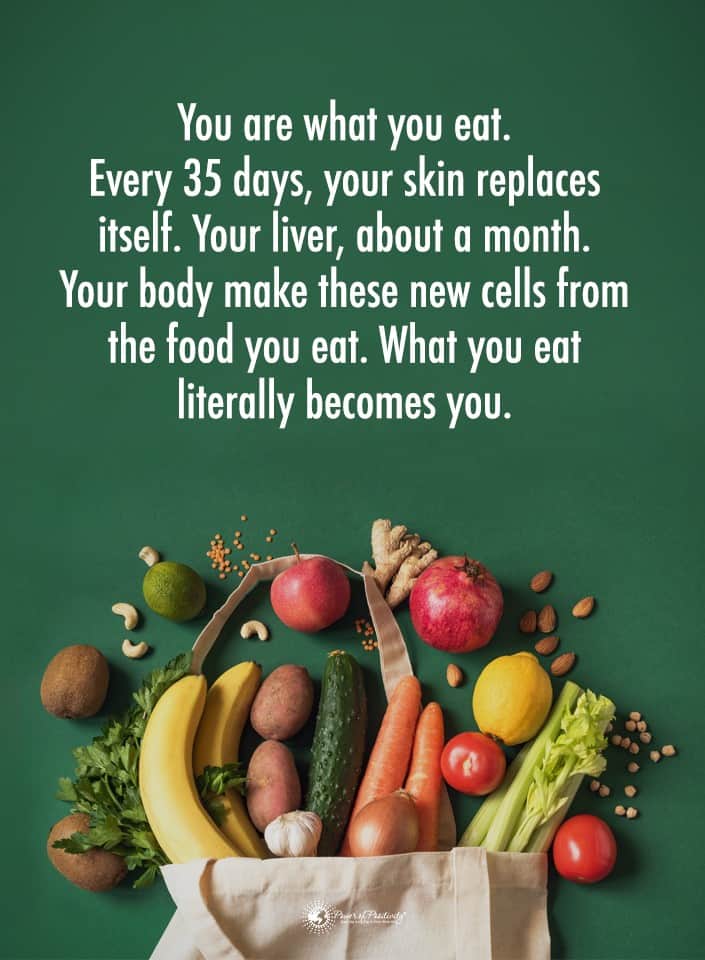
You are what you eat, or so it’s been said before. However, what you eat can significantly impact your brain. Did you know that what you eat can cause mental illnesses to worsen, like depression and anxiety? Case in point; when people go on the Keto diet, they feel better mentally and report an increase in energy levels and a decrease in mental health issues.

Is it possible that what you’re eating is eating at you? If you consume a diet full of carbohydrates and fatty foods, it will cause major issues. A plant-based diet can help to heal the body from the toxins you ingest from eating things like fast food.

Dr. Perlmutter wrote a book entitled Grain Brain. In his writing, he speaks about how carbs can cause inflammation in the body and poor brain health. It’s been proven that there’s a direct connection between your gut and your brain, so it’s imperative to watch what you eat.

11. Keep On the Sunny Side

Did you know that staying on the sunny side of life is good for your brain? It sounds odd that being positive and happy could affect you so profoundly, but it can. When you have pleasant thoughts, then your mind is peaceful and can rest.

However, when you’re a ball of nerves and high strung, then your brain cannot get the rejuvenation it needs. Blood flow increases with stress, as does stress hormones like cortisol. However, when you’re calm and serene, your body eases the blood flow, which ultimately affects your mood.

12. Practice Gratitude

Do you take time to count your blessings every day, or do you grumble about all the things that are so wrong in your life? You must verbalize all the things that the Universe has blessed you with, as it can change your brain health. Having an attitude of gratitude is good for the soul and brain.

When you change your mindset from pessimistic to optimistic, your entire world will do a 180-degree turn. When you keep that positive mindset, you will improve your immune system, get better rest, and help give you a healthier brain.

13. Read

Could something as simple as reading a book make your brain healthy? What exercise does for your physical body, reading does for your brain. You’re working out your mind when you read materials that will increase your cognitive function and enhance blood flow to vital areas.

healthier brainFinal Thoughts on Having a Healthier Brain

The sooner you consider your brain health, the better off you will be. According to Dr. Culler, an expert in the field, your brain’s overall wellbeing is about 30 percent based on genetics, and it’s about 70 percent based on the lifestyle of your life. The good news is that you can take proactive measures to ensure that a healthier brain. You can ensure it will be in tip-top shape well into your golden years.

Counselors Explain 7 Red Flags of Emotional Dysregulation

Do you ever have deep, intense feelings that overwhelm you to the point of exhaustion? While these emotions are unproductive and harmful, it’s not dysregulation. Emotional dysregulation is a confusing and scary medical condition where someone can be laughing hysterically one minute and crying the next. They seem to have no control over their feelings.

Sure, the emotions of these individuals are oversized, but this person can become really upset at things that might not bother someone else at all. For instance, if someone took your parking spot when you had your blinker on, indicating you would park there, you might be upset. However, the person with dysregulation issues cannot regulate their emotions, so they may become verbally abusive or break down and cry.

Understanding Emotional Dysregulation

Think of all the people you know and how they handle their emotions? Do you know some folks who tend to have stronger feelings that are oversized more than others? You might label these individuals as being overly sensitive or having thin skin.

Sadly, what often lurks behind the surface is a person that doesn’t know how to control their emotions from a coexisting mental health issue, and they quickly respond to triggers. However, it would help if you kept in mind that not every person with strong emotional reactions is experiencing dysregulation.

How you manage your feelings is part of regulating them, and dysregulation doesn’t occur until someone has intense emotions that they cannot control repetitively. It’s an actual disorder that can inhibit your ability to function daily, and it can cause severe issues with your relationships.

An Example of Emotional Dysregulation

emotional dysregulationIf you get angry, can you soothe yourself till your calm again? If someone gets you so worked up that your anger reaches a ten, do you have the ability to get yourself back down to a four using calming skills? Someone with emotional dysregulation will have difficulty pulling themselves from the throes of anger to deescalate the situation.

It might take this individual an hour or even days to overcome a severe emotional episode. Someone who is experiencing dysregulation may also suffer from anxiety, and it can cause them to spiral out of control with the fear of not being able to calm down. These individuals lack coping skills, and they often make choices during these times that they soon regret.

While it’s easy to see how someone can let anger fester out of control, a person who suffers from emotional dysregulation cannot control happiness either. A promotion at work can send them off the deep end, as they cannot control the joy they feel.

Seven Key Signs of Emotional Dysregulation

Do you have a hard time regulating your emotions no matter how hard you try? Well, here are some signs that you have an issue with dysregulation.

1. You Feel Powerless to Resolve Conflicts

Problem-solving is not a strong suit for those who have dysregulated emotions. If a couple cannot agree on what color to paint the living room, the person who cannot regulate their emotions might experience extreme fear, incompetence, or anger. While it’s certainly nothing to lose sleep over, this individual takes things to the extreme.

It’s like being stuck in a pool of quicksand and unable to break free. The harder you fight the situation, the further you sink into the disparity of it all. Something so small as changing the color in the living room can end up being an all-out battle.

2. You Have Other Mental Health Issues

Many mental health concerns run together. For instance, a person with borderline personality disorder can have severe mood swings, according to the Mayo Clinic.

They have problems regulating their emotions due to their illness, so this diagnosis of dysregulation may be a secondary one to the primary condition. In almost all instances, the person deals with high levels of anxiety and the inability to cope, making their life miserable. Is it any wonder why they have so many issues within their relationships?

3. You Refrain from Experiencing Undesirable Feelings

Being unable to regulate your emotions can be painful. To try to avoid this discomfort, you disconnect from your feelings. Rather than figure out what they are and control them better, you would rather avoid them.

Some people can’t accept what they’re feeling, and they sense extreme sadness over the situation. This individual may suppress their emotions to the point of feeling numb. While this is not a healthy way to cope, they try anything in their power to avoid an emotional explosion. It’s not only painful for them to experience, but it’s also challenging for those around them.

4. Genetic Components

Does anyone else in your family have a challenging time regulating their emotions? If you have a parent or grandparent with this issue, there’s a strong indication that genetics could be involved. It’s possible you were born this way, though biology doesn’t have the power to dictate your future.

It’s a greater challenge to overcome familiar ties, as they tend to run the deepest. However, through therapy and learned coping skills, it can be done.

pop meme5. Emotional Neglect

People who experience emotional neglect as a child may be more likely to suffer from dysregulation than others. Kids learn how to manage their feelings and learn coping skills early on, but the nurturing you receive can take over your nature. Your parents are the people who teach you how to problem-solve, and they instruct their kids how to deal with anger and stress.

A child who isn’t taught such skills at a young age can struggle with this all their life. Have you ever seen a parent hand a child a cookie or ice cream to get them to calm down? These are negative self-soothing behaviors that can come with severe consequences.

If you learn during childhood to turn to sweets when you feel emotional, you can have a weight issue spiraling uncontrollably. Sadly, this type of nurturing can go unnoticed in even the most loving homes, and it can stem back to the parent’s childhood. They copy their parenting skills from their parents, so history has a way of repeating itself until someone breaks the cycle.

6. Other Disorders May Fuel Emotional Dysregulation

Dysregulation isn’t a separate disorder. Instead, it’s typically the secondary diagnosis to common issues like anxiety or PTSD. It’s not common for someone to have emotional dysregulation without another driving condition, as it’s almost always fueled by stress-related illnesses or other severe mental health disturbances.

It’s usually the case that the person suffers from many mental health disorders, and the emotional issues are the ones that take center stage as the most noticeable. The sad part is that treating the emotional aspects won’t fix illnesses like bipolar or PTSD, but it can help to reduce some of the symptoms you experience.

Targeted treatment plans can help address all the mental health issues, but many find that some other symptoms dissipate once they get the dysregulation under control.

7. Self-destructive Actions

If you have a challenging time regulating your emotions, you probably participate in self-defeating endeavors to feel better. Sadly, these behaviors will sabotage any relationships in your life. For instance, if you and your partner argue, you may go to drastic lengths to show this person how upset they’ve made you.

When your emotions get the best of you, you may become very toxic. You may call your partner names, throw things at them, or act in a way that indicates your emotions have taken over your rationale. When you’re emotionally dysregulated, it can be terrifying to individuals who feel a lack of control.

The key is to find effective coping mechanisms for these over-the-top feelings. Many times, people who can’t regulate their emotions will try to self-medicate the pain away. It’s not uncommon for these folks to be involved in gambling addictions, use drugs or alcohol, or have one-night stands. These individuals may also engage in cutting, binge eating, or other methods to help with their anxiety.

blame criticize othersFinal Thoughts on Identifying Emotional Dysregulation

Abigail Rolston, BA & Elizabeth Lloyd-Richardson, Ph.D., co-wrote an article for Cornell University. They discuss the importance of learning coping mechanisms to deal with the emotional dysregulation a person experiences. Things like journaling, exercise, meditation, talking to a counselor, and knowing when to take a break are important.

Indeed, it’s not always easy to control your emotions. So even if you don’t have a regulation issue, having the inability to control the intensity can be torture. The key is to work with a therapist and uncover any underlying health issues fueling the fire. Many with this condition have other illnesses like a bipolar diagnosis or borderline personality disorder. But you can’t ignore the role anxiety plays either.

The good news is that you can learn practical coping skills to help you better regulate your emotions. By learning to identify your triggers, you can prevent an emotional escalation and the pain that comes along with it.

22 Habits To Help Ease Your Mind and Eliminate Worry

Do you worry so much that it’s starting to interfere with your life? You must find some effective ways to help ease your mind to prevent this situation from worsening.

Excessive worry turns into anxiety, and according to the Anxiety and Depression Association of America, over 6.8 billion adults suffer from this condition. It’s the most common form of mental illness found, but it’s easily treated.

Anxiety is uncontrolled fears or worries that inhibit your life. It can make you think that you’re dying, have some terrible disease, or are unable to move, speak, or live life normally. You should know that constant worry is not healthy for you mentally or physically. According to Harvard Medical School, it can affect your heart, blood pressure, and even blood sugar levels.

How many times has a doctor, counselor, or friend told you that you need to calm down? It’s not that easy to ease your mind when it’s overwhelmed continually. However, if you allow your anxiety to go out of control, it can cause panic attacks, social anxiety, and agoraphobia.

22 Ways to Ease Your Mind and Make Your Worries Less Burdensome

Your overall health and mental well-being depend on finding effective ways to ease your mind and control your worry. Here are some tips that can help.

1. Stay Busy

How many times have you heard the old saying that “An idle mind is the devil’s workshop?” Well, when you sit and stare at four walls for long enough, it’s going to impact your mental health. Staying busy is a healthy way to keep yourself from excessive worry.

ease your mind2. Use Meditation

Meditation is the key to releasing all the stress and negativity you collect during the day. It’s an ideal way to calm yourself and refocus after a chaotic day.

3. Exercise

Get your body moving, and you will see the benefits. An overproduction of hormones like cortisol triggers the fight or flight response in your body. Thankfully, you can boost your brain chemicals like serotonin and dopamine by getting in a good workout, and your cortisol levels lower, according to the National Library of Medicine.

4. Eat A Healthy Diet

If you want optimal brain health, then you need to monitor what you eat. Trying a plant-based diet or the keto plan allows you to eliminate harmful grease and carbs from your life. You will feel better and be in a better headspace when you fuel your body with omega 3s and disease-fighting vitamins and minerals.

5. Choose Your Friends Wisely

If you’re constantly worrying, it might have a lot to do with the people you hang around. You’re known by the company you keep, so if Debbie downer is your best friend, then you might want to choose someone who tends to have a better personality. Hanging with someone negative can impact your thought processes and make you a more pessimistic person.

6. Don’t Run from Your Problems

Rather than running from your problems, you can ease your mind by facing them head-on. Be proactive and come up with a solution rather than trying to sweep them under the rug. When you try to sidestep issues, it’s the breeding ground for excessive worrying.

7. Make A Plan of Action

Assume you don’t have enough money to pay your rent this month. Rather than worrying about it, formulate a plan of action. Write a list of things you can do to make up the difference. When you arm yourself with a strategy, you will feel better as you’re doing something about it.

8. Think Positive, Not Negative

It’s so hard to be positive in a hostile world. However, it would help if you did whatever you can to guard what you let your mind and body ingest. Things like the news can depress you and bring down your mood.

To ease your mind and thwart anxiety, guard what you watch or read to so you can stay upbeat.

9. Try Therapy

Therapy is an excellent way to get all the negativity you harbor on the inside out. A counselor is a third party trained in anxiety matters, and they can teach you practical coping skills, like EFT tapping, to help you.

10. Create A Vision Board

Many people have a great deal of anxiety about the future. A vision board is a road map that can ease your mind. This visual tool helps you see beyond your current situation. If you feel stuck in a rut, this technique can help you map out a plan to get to a better place.

11. Journal

When you can’t get all the worry and anxiety from the inside out, you should try journaling. Get an old-fashioned diary and write down all your concerns and fears, then you must let them go. Think of it as a way to tell the Universe you’ve had enough and to take this burden from you.

ease your mind12. Use Positive Affirmations

When you start speaking to yourself in positive affirmations, it will change your mindset. Tell yourself every day about how much you’re loved, how great you’re doing in life, and how blessed you’re to have another day on planet earth.

13. Take Time for Self-Care

When’s the last time you took a bubble bath with candles? How long has it been since you’ve been to the barber or the salon? Pamper yourself a bit, as you deserve it. Plus, it’s easier to let the anxiety go when you’re getting a nice massage.

14. Know It’s Okay Not to Be Okay

You’re never going to be a hundred percent all the time. Tell yourself that it’s okay not to be okay and learn that this is all part of life. The key is that it’s never acceptable to stay this way.

15. Get Sufficient Rest

Are you sleeping well at night? If you’re staying up all night worrying, then it can affect your health. You need to make time for quality rest, and if there is an underlying sleep disorder you need help with, you need to get that under control.

16. Learn Relaxation Techniques

Did you know that a baby learns to self-soothe from the day they enter the world? You, too, must develop techniques to calm yourself. Some people like to go outside and take a walk, while others prefer to have a glass of wine and sit by a fire. Find something to help ease your anxiety that’s positive.

17. Avoid Triggers

If you know that something is a significant trigger for your worry or anxiety, you should avoid it. Even people can be triggers. Once you learn what makes your fear worse, you can rearrange your life to cut these things out.

18. Listen To Music

Music is an excellent way to calm yourself. It’s a power influencer that’s being used to help agitated Alzheimer’s patients across the world. According to the National Library of Medicine, music therapy is a widely used technique medically proven beneficial.

19. Allow A Specific Block of Time for Worrying

Okay, so there’s no way that you can go through life without any worry. However, you can control the amount of time you let it take precedence. So, allow yourself a half-hour each day to ruminate about all the cares of life. When this period is over, so is the time for angst.

20. Limit Caffeine Intake

Caffeine can speed up your heart and increase anxiety. Avoid caffeinated beverages or at least limit them to help.

21. Retrain Your Brain

Did you know you can retrain your brain? If you’ve developed a thought pattern of worry and anxiety, then you’ve trained yourself to be pessimistic. Thankfully, you have the power to retrain yourself to be positive by following a few simple tips and tricks to keep on the sunny side. No wonder Proverbs 17:22 says, “A merry heart is good medicine.”

22. Look At the Big Picture

Do you get overwhelmed by the big picture? Stop looking at things in the broad spectrum and learn to take one day at a time. Assume you’re in the market for a new vehicle. The price of the automobile you want is $38,000.

At first glance, you have a sticker shock because the price is more than you’re willing to pay. However, with a growing family, you need an SUV that can accommodate your brood. The good news is that when you break it down into smaller monthly payments, the big picture isn’t as concerning.

Stop looking at your problems on a grand scale and think about how you can make today better.

ease your mindFinal Thoughts on Ways to Ease Your Mind

Worry and anxiety are just as much a part of life as laughter and happiness. There are going to be days when you want the whole world to go away, and there will be times when you can’t see the sunshine from all the rain. The good news is that this too shall pass.

You can look back over your life and see the many mountains and valleys. In six months, the things you fret about will likely be forgotten. Start being mindful and learn to live in the moment.

Life is a beautiful thing, and if you’re not taking time to smell the beautiful wildflowers or to breathe in the tranquil fragrance after the rain, then you’re missing out on a lot. Isn’t it time you ease your mind and start living again?

Most People Make These 3 Mistakes During a Panic Attack

Your heart is racing, you’re sweating, and you feel as if you have a heart attack. You’re sure that this is the end, as the feeling of impending doom is making you dizzy. You struggle to catch your breath, and you feel as if something is sitting on your chest. Are you having a heart attack or panic?

It’s really challenging to know whether your body is responding to extreme anxiety or if it’s going into cardiac arrest. According to the University of Michigan medical newsletter, Heart Health, a heart attack has pain that radiates from the chest to other areas. In contrast, panic produces stabbing pains in one location. Additionally, the pain with panic only lasts for a few seconds, whereas cardiac arrest brings unrelenting discomfort.

Still, if this is your first anxiety attack, it’s hard to distinguish between the two. Thankfully, emergency rooms can quickly tell the difference by doing some blood work and an EKG. What you do during a panic attack can mean everything. You can make things much worse or learn to control the symptoms and de-escalate the situation quickly.

According to medical expert Micah Abraham of The Calm Clinic, it takes about thirty minutes for a person to recover from a panic attack fully. However, the actual attack may last only a few minutes. It takes time for the body to return to normal, mainly involving rebalancing hormones like cortisol and adrenaline.

The Wide Variety of Symptoms During Panic Attacks

Though a panic attack may last for only a few minutes, these moments can be torture. Since every person is different, the symptoms you experience can vary greatly. Additionally, each anxiety attack can be vastly different. You may experience chest pain, shortness of breath, and dizziness once, but the next episode may bring sweating, nausea, shaking, and the fear of death.

The best way to combat these attacks is to try to determine the cause of them. Anxiety almost always has an underlying cause unless you have a condition that is like generalized anxiety disorder. Some folks experience attacks daily, which cripples them, while others only have the occasional burst of anxiety.

during panic attackWhat Triggers a Panic Attack?

Finding the source of your panic is not always cut and dry. Something that is known to bring them on includes:

  • Significant loss
  • Emotional distress
  • Physical pain
  • Other mental health issues
  • Fearful nature
  • Genetics

Some folks may experience panic after the death of a loved one, but others have dealt with them since childhood. In some instances, the key issue can be uncovered, and you can work on a resolution. If your anxiety comes alongside physical pain, then getting the pain under control can help to ease panic too.

What SHOULD You Do During a Panic Attack?

Your response to the heightened anxiety means everything. Most people don’t know what to do during a panic attack, making matters much worse. Here are the key things you should do during anxiety to help the symptoms alleviate quicker.

1. Use Positive Self-Talk

The hallmark of anxiety is negativity, so you must combat it with positivity. For instance, you’re feeling impending doom and like you’re dying, so you need to remind yourself that this too shall pass. Try saying things like:

  • “I am just having an attack, but I will be fine.”
  • “This will all be over in a few minutes.”
  • “I am not going to die.”
  • “I’ve had these before and made it through, so I will be okay.”

The more positive things you speak to yourself, the more you de-escalate the situation. Positive self-talk is one of the keys to getting through a panic spell.

2. Get Outside and Take in Fresh Air During a Panic Attack

Nature is healing and calming to the mind, body, and soul. Many people lose their grounding when panic shakes them to the core. So, getting outside and breathing in some fresh air can help immensely.

Many folks also experience trouble breathing and claustrophobia type feelings during anxiety, so being in the great outdoors tends to de-escalate these sensations. Grounding yourself can help to stop an attack too. Take your shoes off and feel the earth between your toes.

The vibrations from the core of the Universe can be very calming to someone who feels off balance.

3. Use Box Breathing

One of the quickest ways to get your panic under control is to utilize breathing techniques. Box breathing allows you to focus on the pain and discomfort you feel and get it under control. Additionally, many people experience a lack of oxygen during this attack, hence why so many breathe into a brown paper bag when they hyperventilate.

To use rhythmic or box breathing, do the following:

  • Inhale deeply through your nose to the count of five.
  • Hold your breath for five seconds.
  • Exhale slowly to the count of five.
  • Repeat until you feel calm.

As you box breathe, you will instantly feel a calming sensation come over you. Now keep in mind that it’s challenging to sit down and breathe when you feel your whole world is spinning out of control, but you must do it.

stress panic anxiety meme4. Use Grounding Tricks During a Panic Attack

Dialectal behavior therapy is widely used to help treat many mental health disorders. One of the critical components is learning how to re-center or ground yourself. During a panic attack, you need to remind yourself of a few things to lessen the sting, so try looking for things like:

  • 5 Things you can see around you
  • 4 Items you can touch with your hands
  • 3 Things you hear in the distance
  • 2 Things that you can smell nearby
  • 1 Thing you can taste in your mouth

For instance, if you’re in the grocery store when an attack hits, you can see display shelves, customers, and workers. You can also smell things like cakes baking in the deli, and you might be able to taste a metallic flavor in your mouth. The key is to turn your mind from your discomfort and onto other things, and this trick works well.

5. Remove Yourself from The Situation

Circumstances bring on many panic attacks. For instance, if you and your spouse are arguing, it can send your anxiety soaring. One of the simplest things you can do during a panic attack is simply removing yourself from the situation.

You can calm yourself quite quickly when the stimuli are removed. However, it still might take a few minutes for you to regain total control of yourself again.

Three Mistakes Always to Avoid During a Panic Attack

Now that you know what you should do when anxiety is high, you should also know what you shouldn’t do during a panic attack.

1. Do Not Tell Yourself to “Calm Down.”

One of the worst things you can do is to scold yourself for feeling this way. You need to acknowledge the feelings you’re having and work on re-centering yourself.

2. Don’t Try to Run Away During a Panic Attack

Have you ever heard of the term fight or flight? Many people want to run when they feel this impending doom. The theory is that if they keep going, they can prevent themselves from passing out or dying.

Sadly, running isn’t going to help you. Did you know that some people will park cars and get out and run or leave their shopping carts in the store? The key is to find a place to sit until the attack passes.

3. Do Not Play Into the Fear

If you play into the fear that you’re dying or this is the end, then you’re only going to make matters much worse. When your mind tells you that you’re dying, you need to remind yourself it will pass quickly. Keep combating all the irrational thoughts to get through this anxiety.

Developing Agoraphobia

After you’ve experienced a few attacks, you know how horrific these situations can be. Sadly, many people start avoiding places that are triggers for their panic. For instance, if you have an anxiety attack in the supermarket, your mind might equate the supermarket as a trigger.

So, naturally, you want to avoid the grocery store to prevent another panic spell. Soon, you will find yourself unable to go into a grocery store at all due to the uncomfortable sensations it brings. Agoraphobia is a prevalent mental health concern in society. According to The Cleveland Clinic, about one or two percent of the population suffers from this phobia. Thankfully, it’s one of the most treatable with help.

during panic attackFinal Thoughts on What to Do During a Panic Attack

Dealing with panic is never easy, and it can cripple you if you allow it. However, there are things that you can do during a panic attack that can help to ground you and bring you back to a state of calm. The worst thing you can do is to play into the fears and make matters worse.

Remember, anxiety is the great pretender. This heightened state of the body will make you think, feel, and believe things that aren’t true. It will help if you learn effective ways to de-escalate the situation by calming yourself.

The next time you feel an attack coming on, sit down, start box breathing, and remind yourself that this too shall pass.

Skip to content