Weekly tips, affirmations, and small actions to feel your best.

5 Signs That Reveal Someone Has Low Confidence

There are many reasons people develop low confidence or low self-esteem in their lives. They could have been bullied as a kid or moved around a lot when they were young, making them the new kid. They could have been abused or neglected by their parents. The list goes on. For whatever reason, someone fails to develop belief in themselves and feels that they’re not good enough or smart enough. Someone might have said they are ugly, stupid, or uncool so long that they have started to believe it themselves. They may not show it all the time, but there are indicators that someone has a low confidence level.

Here are five signs that reveal someone has a low confidence level:
confidence

1. Unable To Accept A Compliment

A person with a healthy confidence level will accept a compliment and reply with a simple thank you. But, someone who does not believe in themselves will make excuses for why it isn’t true. They will unconsciously reject the optimistic view of another person in favor of the false notion that they are not worthy of such a compliment. They may even become flustered by the uncommon attention and become visibly uncomfortable. If you want to raise someone’s confidence level, keep complimenting them regularly. Please don’t argue with them when they reject it, but keep building them regularly. 

2. Someone With Low Confidence Will Avoid Eye Contact

People who are not confident in themselves and their abilities find it challenging to meet someone else’s gaze. They say the eyes are the soul’s windows, and a person with low confidence is afraid you will see right through them and notice their perceived flaws just like they have. If someone has a hard time looking at you when you are talking to them, they may have such a low confidence level that looking someone in the eye makes them intensely uncomfortable.

3. Apologizing For No Real Reason

People with low confidence will also apologize when they have done nothing wrong. They apologize for other people’s behavior. They apologize that they did not arrive earlier even though they were already early. They’ll hand in a project and apologize for its quality before you have even had a chance to look at it. Often, they are staving off the perceived future criticism they know is coming with a preemptive apology. They are trying to prevent future criticism by criticizing themselves first before you have a chance to do it.

4. Indecisive

Someone who lacks self-confidence will be unable to make a decision. Simple decisions like where to eat will be difficult because they are riddled with self-doubt. What if they choose wrong? They know that if they make the wrong decision, others may criticize them. Thus, they avoid that unvoiced criticism by not making a decision to begin with or passing the responsibility to someone else. They do not believe they can make the right choice and lack faith in their abilities to weigh the pros and cons objectively. It is much easier just to let other people choose so that they can take the heat if it turns out to be the wrong choice.

5. Self-Deprecating Humor Reveals Low Confidence

People who have been bullied or picked on in the past learn to either stand up for themselves or learn to beat the bully to the punch, as it were. They will make a joke about themselves before someone else has the opportunity. Snide comments at your expense by someone else will hurt you. But if you make it before they can, it doesn’t hurt as much. It is like a vaccination protecting you from the cruel jokes of others. People will use humor and comedy as a shield to protect themselves from the brutal jokes of others. It is also a symptom of their lack of self-worth. They have heard that they are worthless, ugly, or stupid for so long that they begin doing it to themselves.

6. You Worry What People Think

If someone always worries about what other people think, it’s a sure sign of low confidence. Confident people don’t care what others think because they love who they are.

You aren’t living to make other people happy, so try to stop caring so much. If you can let go of other people’s opinions, you’ll notice an improvement in your self-confidence. Learn to see yourself as happy and capable of success, letting go of any belief except yours.

7. You Blame Other People and Make Excuses

Blaming others or making excuses indicates low confidence. It removes responsibility as it places it on someone else. While many self-conscious people think it’s good to deflect, it is detrimental.

Blaming others and making excuses only causes a person to enter victim mode. Once in victim mode, it indicates a lack of control over life circumstances, showing a lack of confidence.

Making excuses occurs because the self-conscious person doesn’t want to appear inferior or weak. They think that not making mistakes will show how good they are.  Confident people own up to their mistakes, allowing them to learn from the situation. They know that mistakes don’t define who they are or what they’re capable of.

8. You Take Constructive Criticism Too Personally

Constructive criticism allows you to grow and learn, becoming a better version of yourself. If you take constructive criticism personally, it shows a lack of confidence. You might cry in the bathroom at work after your supervisor corrects you or get an attitude or become defensive.

If you struggle with constructive criticism, it’s time to rethink how you approach the situation. Try waiting three seconds before responding next time, reminding yourself that constructive criticism can help you learn.

9. You Back Down During Disagreements to Keep the Peace

If you lack confidence, you likely back down during conversations that might lead to conflict. Rather than express your true feelings or negotiate, you give in to what the other person wants. If professional settings, you might have a hard time speaking up to share a different viewpoint.

Even if you don’t like someone, you won’t confront them or address the issues. You’d rather keep the peace and pretend to like them. Sometimes this struggle stems from the fear of rejection or having a hard time making friends.

10. Always Seeking Approval

If you always need someone else’s approval, it’s a sure sign of low confidence. When you always need to feel validated, it shows a lack of self-esteem and being unsure of yourself. Additionally, you might experience frustration and feel depleted when you don’t get approval.

Low confidence leads to an inability to accept that not everyone will agree with what you do. Everyone has different opinions and lifestyles, and someone who lacks confidence will struggle with it.

11. Avoiding Social Situations

Being socially withdrawn is often a sign that someone has low confidence. They’ll look for reasons to avoid social situations and frequently cancel plans. They try to avoid making plans altogether and only go out when necessary.

If this situation sounds familiar, you’ll want to stay home over anything else. Interacting with others sounds like a dreadful experience. These feelings usually stem from not wanting to embarrass yourself.

12. You Always Feel Like You Should Explain Yourself

If you always feel like you need to explain yourself, it’s a sign that you have low self-esteem. You don’t have to explain your actions regularly. There will be instances when you have to, but don’t feel the need every time you do something.

low confidence

13. You Are a Pessimist

People with low confidence tend to be critical of everything. They have a negative mindset and never think things will work out.

Pessimists take their feelings out on those close to them, and they struggle to be positive even with a good reason. When their lack of confidence leads to pessimism, they likely feel like they have no control.

14. You Avoid Taking on Challenges and Expect Little Out of Life

If you lack confidence, you might think that you’ll fail at anything new you try. Because of that negative thinking, you don’t put yourself out there or take on challenges. You will likely justify it by saying it’s not worth the effort since you’ll fail anyway.

Your negative thoughts convince you that you’ll fail, even when you have a chance at success. The lack of confidence makes failure a daunting idea that you feel it’s not worth the risk.

Because you won’t take on challenges, you learn to expect little out of life. You’ll settle and accept the way things are now because it’s what you’ve always known. However, this mindset leads to you believing life is unfair because other people are further along.

15. You Can’t Find Joy in Your Successes

If you can’t find joy in your success, it’s a sign of low self-esteem. You might push yourself to be an overachiever but refuse to celebrate your success. people with low confidence won’t acknowledge their hard work.

When you achieve success, you might view yourself as lucky rather than hardworking or wise. You’ll struggle to admit that you accomplished something others can’t do.

16. Experiencing Emotional Turmoil and Anxiety

Frequent anxiety and emotional turmoil indicate a lack of confidence in the future. If you aren’t sure of the outcome, you’ll feel anxious and overwhelmed. Rather than being hopeful and excited for the future, you’ll dread it.

17. You Don’t Contribute to Conversation

If you never speak up during the conversation, it shows insecurity. When you do say something, you’ll second-guess everything. You prefer to think about a conversation before speaking, but it’s not always possible.

Additionally, you’ll often notice that other people have lots to say without struggling. Their effortless communication only worsens your lack of confidence because you assume you can’t keep up.

In social situations, you may stay silent and engage in negative self-talk. Even when you plan what you want to say, you might lose your courage and forgo the conversation.

18. Defensive Body Language

Displaying defensive body language indicates a lack of self-esteem. Things like crossing your arms and having stern facial expressions show low confidence.

This kind of body language shuts other people out, making them want to avoid interaction. It shows that you are uncomfortable around others, and it’s not a good look. Another defensive body language is slouching. A low body stance, or slouch, means that you don’t stand tall. Instead, you let your body slump downward, showing that you lack confidence.

19. Neglecting Yourself

If you don’t take care of yourself, it’s a sign of low self-confidence. You might sacrifice your mental and physical health because you feel like you aren’t worth the effort. If you ever wonder what the point of self-care is, it’s time to refocus and start taking better care of yourself.

20. You Constantly Check Your Phone in Social Situations

Relying on your phone in social situations shows that you are unsure of yourself. You might resort to your phone to appear socially connected and preoccupied. The phone prevents you from engaging with others, protecting you from feeling embarrassed or uncomfortable.

21. You Experience Fear When Thinking of the Future

People with low self-esteem worry about the future so much that they experience fear. The fear becomes so intense that you can’t enjoy the present.

You get so nervous about bad things that might happen that you forget to live in the moment. Additionally, you might feel like you’re bound to mess something up and ruin your chances of a happy future.

22. You Don’t Like Change

If you have low confidence, you likely don’t want anything in your life to change. You want everything to stay familiar, even if it’s unsatisfying.

Not liking change could lead to staying in a bad relationship or lingering at a job that isn’t a good fit for you. It could also mean not seeking new ways to do things, even if it would make your life easier. Your lack of confidence will make it hard to make decisions for positive change.

23. You Tell Unnecessary and Pointless Lies

You might think it’s harmless to tell white lies, but it shows a lack of confidence. It shows that you don’t believe you’re interesting enough as you are. You might also tell lies because you don’t want to admit things that might make you look weak.

24. Not Implementing or Enforcing Boundaries

People with low confidence don’t implement boundaries, and they are even less likely to enforce them. They’re afraid to speak up when uncomfortable, and they don’t like to say no. People with low self-esteem also let people use them and attract negative people.

25. You Compare Yourself to Other People

If you ever compare your looks or lifestyle to others, it could indicate low self-esteem. It shows that you’re unsure of yourself and feel inferior to others. If this happens to you, try using positive affirmation for self-esteem.
low confidence

Final Thoughts on Knowing the Signs of Low Confidence

These signs that reveal someone has low self-confidence can interfere with your life. It can hold you back and make you feel like you can’t reach your dreams. You might miss out on new opportunities and experiences, too. If you notice any of these signs in yourself, make an effort to change your life positively. It’ll be well worth the changes, and you’ll feel better overall.


Stanford Dean Reveals The Single Parenting Trait That Ruins Child Development

Julia Lythcott-Haims is the former Dean of Freshmen at Stanford University. Indeed, she may be one of the most important figures in bringing forth – and potentially solving – a prolific trait of parents that may threaten their children’s psychological and emotional well-being.

While at Stanford, Lythcott-Haims was taken aback by the continuously-improving academic talent of incoming freshman classes:

“Every batch of freshman is more accomplished than the last. Somehow their median GPA is a little higher, their SAT score is a little higher, they’ve done more AP’s than ever…who are these people?”

But, Lythcott-Haims saw a problem. A serious problem.

“You know; I didn’t set out to be a parenting expert. In fact, I’m not very interested in parenting, per se. It’s just that there’s a certain style of parenting these days that is kind of messing up kids, impeding their chances to develop into themselves.” – Julie Lythcott-Haims

Academic Success at A Cost…

parenting

One particularly damaging critique of various education systems around the world is that schools place too much emphasis is placed on two things:

  • The rote memorization and regurgitation of material
  • Too much reliance on this memorization when grading.

In other words, it’s all about memorization, memorization, memorization…and grades, grades, grades.

Many critics, perhaps rightfully so, state that this antiquated academic model restricts children in terms of potential and personal development.

Lythcott-Haims agrees with that sentiment…and a whole lot more:

“…it’s not just the grades, the scores, and not just the grades and scores, but the accolades and the awards and the sports, the activities, the leadership. We tell our kids, don’t just join a club, start a club, because colleges want to see that.”

Why do parents do this? Well, the former Stanford Dean explains that as well:

“…all of this is done to some hoped for degree of perfection. We expect our kids to perform at a level of perfection that we were never asked to perform ourselves…and act like our kid’s concierge and personal handler and secretary.”

Ouch. She appeared to spear some parents in the heart with that critique. Not to mention many in academia.

Stanford Dean Reveals The Single Parenting Trait That Ruins Children

Overparenting: A ‘Checklisted’ Childhood

Lythcott-Haims refers to the abovementioned parenting behaviors as helicopter parenting. That’s when parents have a plan for the child and navigate every step of the way. They tend to “hover” around the child all the time. By engaging in helicopter parenting, Lythcott-Haims argues, many parents are subjecting their children to a type of ‘checklist’ to help ensure their academic success and life.

There are huge costs to this method of parenting, however.

First, the child may not develop their critical thinking and/or executive function skills properly. In essence, the outcome is a child that may lack the necessary cognitive tools to manage an independent life successfully. Lythcott-Haims attributes this unfortunate stunting of personal growth directly to helicopter parenting.

As Dean of freshmen at Stanford, Lythcott-Haims states that she frequently interacted with parents who wanted to discuss any imaginable variable potentially impacting their child’s grades. Roommates. Professors. Curriculum. Mind you, all of this excessive overbearing and overprotection by parents was occurring at one of the top universities in the world.

Second, the child is more vulnerable to mental and emotional disorders. Lythcott-Haims states, and research seems to confirm, that all of this undue pressure results in more depression and anxiety among college students. In a study published by the American Psychological Association (APA), nearly 40 percent of students who visited a University counseling center reported having feelings of depression; around 46 percent reported problems with anxiety.

Third, the child loses a sense of individuality and novelty. “First of all, there’s no time for free play. There’s no room in the afternoons, because everything has to be enriching…It’s as if every piece of homework, every quiz, every activity is a make-or-break moment for this future we have in mind for them…as long as they’re checking off the items on their checklist.”

In short, a child could lose a sense of self when parents push them in a direction that does not interest them.

parenting

“Non-helicopter parenting”

One thing that the former Dean makes clear. She does not promote abandoning parental guidance of academics or life skills. In her TED talk, Lythcott-Haims tells the audience:

“Now, am I saying every kid is hard-working and motivated and doesn’t need a parent’s involvement or interest in their lives, and we should just back off and let go? Hell no…What I’m saying is, when we treat grades and scores and accolades and awards as the purpose of childhood…that’s too narrow a definition of success for our kids…all of this comes at a long-term cost to their sense of self.”

So, what does she recommend exactly? Love and chores. Really.

Lythcott-Haims cites a well-respected study, the longest concerning human development ever conducted. Titled the Harvard Grant Study, researchers involved in the project determined that true success – including professional achievement –directly correlated with a child’s level of household responsibilities.

Related article: 8 Parenting Behaviors That Keep Children From Being Successful

But, more importantly, the study concludes that happiness in life comes from love, not from work. It also comes from fellow human beings; our friends, family, and others.

In summation, the former Dean recommends a healthy balance of discipline and love – not to mention plenty of playtimes. She asserts that such a parent approach will yield a healthy, successful, well-adjusted, and happy person.

(C)Power of Positivity, LLC. All rights reserved

100 Simple Ways to Show Yourself Love

Sometimes, showing ourselves love can be challenging, as we have so many other things on our minds that can easily drag us down. However, with the right tools and habits, you will be on your way to loving yourself in no time! Without further ado, here are some of our best ideas on how you can love yourself fully and unconditionally.

100 Simple Ways to Show Yourself Love

1. Smile more often!

2. Spend more time in the sun, but at least try for 15-20 minutes per day.

3. Connect with positive, uplifting people and distance yourself from negativity.

4. Make sure to spend time outdoors getting fresh air, and spend less time on technology.

5. Do more things you enjoy, and less things you dislike.

6. Read inspiring books, and watch inspirational TV shows/YouTube channels.

7. Exercise at least 30 minutes per day, 4 times per week.

8. Treat yourself every once in a while – you deserve it!

9. Practice positive self-talk each day; this is one of the best ways to change your mindset overall.

10. Take time to relax and unwind each day, whether that’s taking a long bath, reading your favorite book, meditating, or something else you really enjoy.

11. Laugh more! If you have to, watch funny YouTube videos or movies to make yourself laugh. Or, hang out with funny people that will help to take away worries and stress.

12. Get rid of anything in your life that no longer serves your best interest.

13. Remember to take deep breaths and tell yourself that this too shall pass.

14. Start writing your dreams and goals down, and make a list of steps to help you achieve those goals.

15. Get out of your comfort zone more often.

16. Do what’s best for you, NOT what others believe is best for you.

17. Breathe in the good, breathe out the bad.

18. Strike up a conversation with a stranger; you never know where it may lead.

19. Get a pet – pets have been proven to be therapeutic and make wonderful companions!

20. Start a gratitude journal so you can keep your mind focused on all the blessings in life instead of all the worries you might have.

21. Prioritize sleep; most adults need at least 7 hours per night for optimal functioning.

22. Believe in you, even if no one else does.

23. Always follow your heart, no matter what.

24. Make sure to drink plenty of water! Try for at least 2 liters per day to start, then up it to three when you feel ready.

25. Take a spontaneous weekend trip or road trip, just to get away and recharge for a bit.

26. Meditate each morning for at least thirty minutes so that you can start each day focused and refreshed.

27. Buy something that will truly benefit your life, such as a juicer or self-help book.

28. Eat healthy foods, and try to eliminate or reduce foods that don’t make you feel good inside and out.

29. Commit to making one small change per day, such as taking the stairs instead of the elevator at work. Eventually, these small changes will amount to really big ones!

30. Listen to music throughout the day to boost your mood and even help you focus!

31. Learn something new that you’ve been interested in learning for a while, like sewing, cooking, or writing short stories.

32. Have more sex!

33. Eat high-vibrational foods, such as fruits and vegetables, and try replacing unhealthy snacks with healthier ones.

34. Practice positive affirmations. You can even write them on sticky notes and place them on your mirror so you see them every day while you get ready!

35. Challenge yourself more; accomplishing something new will raise your self-esteem and give you a more positive outlook!

36. Learn how to play an instrument, such as a guitar or drums.

37. Make a vision board so that you can start turning your dreams into reality!

38. Instead of putting yourself down, compliment yourself!

39. Volunteer and help others. Not only will this make someone else’s life easier; it will also give you a sense of self-worth.

40. Don’t take on too many responsibilities; learn how to say “no” if you have to.

41. Get excited about something! Even if it’s something small, this will help you keep a positive outlook on life.

42. Start getting honest with yourself. Dig deep and uncover what’s holding you back. Self-reflection is very important to happiness, as looking within will help you solve problems you may have outwardly.

43. Read our website daily and check our Facebook page for regular updates. 🙂

44. Don’t let your dreams die. Revisit them regularly, even if it’s been months, and try to work in small steps to get where you desire.

45. Don’t be too hard on yourself. If something doesn’t work out or you make a mistake, there’s always another door and another way of looking at the problem.

46. Go explore somewhere new!!

47. Always be honest with your feelings and with others. Authenticity happens when you release pent up feelings and follow your intuition.

48. Eat chocolate more often. Studies have shown that it can boost your mood and even help you focus!

49. Breathe more deeply.

14595620_10153880562552371_1009237759146447792_n

50. Make sure to keep a clean living space. An environment free of clutter will help you feel more focused and less frazzled.

51. Try a massage or acupuncture for relaxation and releasing stress.

52. Volunteer at an animal shelter, especially if you don’t have a pet of your own.

53. Practice mindfulness in all areas of life. Do each activity and task slowly and mindfully, and don’t rush anything. This will help you improve your focus and reduce mental fatigue and brain fog.

54. Spend more time with your family and friends.

55. Take advice from your elders.

56. Forgive yourself and others. Holding onto grudges will only bring you down in the end.

57. Listen to motivational speakers when you need to feel love. You can find plenty of them on YouTube.

58. Relish in the little things in life. Take time to slow down and appreciate them.

59. Take a day off each week to devote to yourself. Do your favorite things on this day, and don’t allow your mind to wander to responsibilities/work/etc. Be fully present and enjoy your day off!

60. Grow your own food if you’re able to–it’s an act of love and nourishment.

61. Don’t rush life. Take time off to travel if you need to; life is more than just working and paying bills.

62. Sell things around the house that you don’t use. This eliminates clutter while adding to your funds, which is a win-win in our book!

63. Talk about your problems; stop hiding from them. The first step to recovery is accepting you have a problem; the second step is discussing them so that you can find solutions and possibly gain a new perspective.

64. Allow yourself a certain time each day to check social media, texts, and emails. Consolidating your online time into one session means more time to do other things that will really benefit you.

65. Face your greatest fears, and then share your experience with others!

66. Find a healthy outlet for your emotions in a way that works for you. Therapy, playing or listening to music, writing in a journal, exercising, or drawing are all great options.

67. Find meetups in your area that you enjoy, and go to them as often as you can!

68. Replace a bad habit with a good one. For example, you could go walking outside after work instead of immediately coming home to veg out on the couch.

69. Treat yourself to a night out during the week. Go to dinner and dancing with a friend or significant other, or go see your favorite band play!

70. Buy incense or scented candles to help you relax after a long day.

71. Give more hugs!

72. Listen more, talk less. There’s a lot of wisdom in silence.

73. Fill your Facebook feed with positivity.

74. Read positive and inspiring quotes daily.

75. Plan a vacation – even if you don’t go on it any time soon or don’t even book it, at least you’ll have a place in mind and a goal to work towards!

76. Turn off technology for a few hours each day. You’ll feel more refreshed and rejuvenated!

77. Practice positive thinking daily.

78. Increase self-confidence by doing things that make you feel good, such as working out, eating healthy, hanging out with positive people, etc.

79. Watch the words you use, as the language you choose can either increase or decrease your energy and vibration.

80. Give free hugs! (What better way to show love?)

81. Meet new people by doing activities in your community that you enjoy!

82. Make a scrapbook full of positive memories with your favorite people!

83. Give lessons to others in something that you excel at.

84. Don’t be afraid to fail. If you do, at least you can say you tried rather than not taking the risk of failure at all.

85. Leave a job you don’t like and try to find one that fits your interests and truly makes you happy.

86. Create a plan for the future. Having a plan in place will lower your stress levels and give you a sense of control over your reality.

87. Motivate yourself and keep your head up. Then, help others to do the same!

88. Be a kid for a day! Go to a public park and play on the swings, have a water gun fight, play hopskotch, etc.

89. Delegate tasks to others that you feel you can’t do on your own.

Related article: 15 Ways to Be More Selfish (And Why You Should)

90. Complain less, rejoice more. Complaining will only lower your energy levels, whereas gratitude will increase them!

91. Make sure to spend time with yourself in complete solitude sometimes. Everyone needs a break from the chaos and noise of the world at some point.

92. Choose a job with a low amount of stress if possible.

93. Take yourself out on a date to your favorite restaurant or park!

94. Embrace the present, and try not to dwell on the past or future too often. All we truly have is now, anyway.

95. Give more love to others. The more open and vulnerable you are, the stronger your relationships will be.

96. Make your home your sanctuary. Decorate it the way you want, eliminate clutter, and try to dedicate one part of your home to meditation/yoga/etc.

97. Watch the sun rise before you begin your day. Better yet, sit outside with a mug of coffee for a good 20-30 minutes before you get ready for work.

Related article: 101 Habits for Positive Living

98. Do a cleanse every once in a while to reset your body. You can do a juice cleanse, water fast, or whatever detox method works best for you.

99. Spend time bonding with your significant other, if you have one. Love given and received from others helps elevate self-love, too.

100. If you successfully spent a few hours without technology, try going camping for a weekend without phones, tablets, computers, etc for a full mental recharge!

10 Reasons Most Men Don’t Listen

Men are fundamentally different than women. Yet, a recent study showed that men and women speak about the same number of words per day on average. The stereotype that men are mostly mute and women are chatterboxes is just a stereotype. The conversations may be different. As this study showed, in general, men spoke about sports and gadgets while women mostly spoke about relationships.

Men and women tend to approach problems differently and have their own languages. Most people, men, and women, do not listen to understand. They hear and are already concluding what needs to be replied. Both men and women are constantly ready to exchange ideas or opinions. The only difference with men and women in terms of communication is that women are emotional beings. Men are not always driven by their emotions. They need a beginning, middle, and ending more quickly.

Here are some of the reasons men don’t listen:

conversations

1 – Men Don’t Understand What Women Want

Women, in general, speak with emotions that men cannot decipher at times. Men tend to be direct when they want or need something. Women need to rationalize, express and process through words and how they feel. Men need to get down to the point. Oftentimes, when a woman wants to be heard, she has a hard time expressing exactly what it is that she needs. Women are moved by how others feel. They don’t want to hurt others. They are nurturing and deeply aware of their surroundings.

Author, John Gray of Men Are From Mars, Women Are From Venus, says that When a man can listen to a woman’s feelings without getting angry and frustrated, he gives her a wonderful gift. He makes it safe for her to express herself. The more she can express herself, the more she feels heard and understood, and the more she can give a man the loving trust, acceptance, appreciation, admiration, approval, and encouragement that he needs.”

2 – Men Can’t Handle The Dumping

The art of conversation requires listening and understanding what is being said. Men call it “dumping” and may feel that their woman is essentially unloading all of her emotional baggage onto him. Because men are genetically wired differently, they feel overwhelmed by all the emotions. A man begins to feel frustrated because he can’t “fix” the issue or problem. It isn’t that he’s not hearing what his counterpart has expressed. It’s just that he can’t resolve to a quick solution to ease her stress. And to him, this sort of venting is challenging. It feels as if he’s being attacked. Men don’t process their emotions very well, and they usually have their stress in a giant backpack that has to be unloaded. It’s not that they aren’t listening. It’s just that they are protecting themselves from their emotional turmoil that they can’t release the same way that a woman can.

3 – Women Are Multitaskers

Most women deal with a million issues in a 24-hour time period. They are mothers, employers, business owners, wives, daughters, and a hundred other positions. Sometimes what they want is to be held and feel acknowledged for all that they do. They just want to feel that they are doing the best job possible. A woman wants to know that her man is the last person to take her for granted. Men carry their hats in the day. They tend to check out because they need to forget all they endured. A woman needs validation to feel nurtured, and when she asks for an opinion, it is because she is self-conscious or doubting her ability to make the right choices.

4 – Men Are Fixers

Males like to fix things. When a woman goes to her man with a problem but tells him that she doesn’t want it fixed, the man tunes out. Men want to attack an issue and put it to rest. They aren’t able to analyze it and try to figure out fifty ways to overcome it. He just wants her to be happy. When a woman relates to her man that he is not to fix the problem, that man will stop listening and focus on something that can actually be fixed.

5 – Men Are Thinking About Something Else.

A man can be sitting quietly or driving his vehicle deep in thought about something that is important to him. He may even have his headphones on, listening to music or a podcast while thinking. Men are not multitaskers. They tend to focus like a laser on whatever it is they are doing. So they tend to tune out anything that isn’t the thing they are working on or thinking about. They aren’t ignoring their women. They are simply in their own head space. If a woman wants to be heard she needs to make the point to get his undivided attention lovingly.

men

John Gray says about men:

“Love brings up our unresolved feelings. One day we feel loved, and the next day we are suddenly afraid to trust love. The painful memories of being rejected begin to surface when we are faced with trusting and accepting our partner’s love.”

Men have a tendency of feeling overwhelmed by the nurturing of love. They begin to check out emotionally as a survival instinct. It’s up to the woman to make time to ask about him and his needs. If she feels unheard then she needs to also show her partner the same respect she expects in acknowledgement. Men hate nagging. They tune that out immediately.

6 – Men Hate Interruptions

Let’s face it, most women can out-talk a man. When she’s in the middle of sharing and then asks for an opinion but his opinion doesn’t size up to what’s in her head, she will continue bulldozing her way in the conversation. Males do not like to be shut down or interrupted. It takes two to tango in a relationship and in a conversation. It’s not all one-sided. Remember that the word “listen” has the same letters as “silent.”

7 – Men Are In Another Room

Women are constantly multitasking. They can be unloading the dishwasher, making dinner, feeding a child, and talking about everything that happened in their day. Her partner may be in another room, and although she is talking aloud, he really can’t hear what she’s saying. He can hear her talking loudly, but he can’t make out what she’s trying to convey. If you want to have a meaningful conversation with him wait to have him in front of you.

8 – Men Just Aren’t Interested In Gossip

Men really could care less what happened in the celebrity world. They don’t care what happened to your co-worker with her husband. Your partner wants to know about you. He wants to hear you talk about your dreams, your life together, and what pertains to his immediate world. On rare occasions will you hear him talk about his friends or their issues. If you can’t stand listening to him ramble on about video games, cars, sports, or work, you can imagine how he feels about something that doesn’t pertain to him. Men get bored easily with these type of conversations

9 – Women Tend To Be All Over The Place

When a woman is overstressed her train of thought bounces around from subject to subject. Your man may be sitting there trying to grasp the connection but he just can’t find it. He becomes lost in the rambling of your thoughts. And, immediately he starts to run through his own day and to-do list. Males have a hard time juggling so much. It is uncomfortable for them. They prefer to talk about one subject at a time, not five different ones that are loosely connected by how they made their woman feel. It is best to stay on one topic at a time when having a conversation with your man. He would greatly appreciate it.

men

10 – Men Need Attention, Just Like Women

Men, just like women, require attention. When speaking to your man use words of praise, speak in a loving manner, show that you care about him the same way you want to be loved and be authentically interested in what he has to say as well. Conversations are a two-way street. Listening is truly an attitude of the heart. It requires full participation from both parties

Why People Are Afraid of Commitment

Fear is a complex biological function meant to keep us safe and from making really stupid choices based on prior experience. It is meant to ready the body to fight or flee when confronted by something that can harm us. But, why does fear kick in when we are confronted with the idea of a long-term committed relationship with someone? Is there really that much potential for harm in a long-term relationship? To some people, it does represent the potential for deep hurt.

Everyone gets burned at some point with a relationship, and for most people, they just move on with their lives after a period of mourning. Other folks take the breakup harder and retreat into a fortress in their heart. Afterwards, they are very reluctant to leave the perceived safety of their isolation. They will date and have flings, but will be extremely reluctant to ever let someone else into that fortress they have built up in their heart. They never realize that the fortress they retreat into is a prison. It cuts them off from deeper emotional connection. So why would someone cut themselves off and isolate their emotions to such an extent?

Why People Are Afraid of Commitment

1. Compartmentalization

On a ship, it is divided into small compartments that can be sealed off from the compartments around it in case of fire, flooding or radiation leak. This protects the ship and keeps it afloat. When someone is deeply hurt in a committed relationship and the relationship ends, they may seal off that pain. At first, it is to protect themselves from being overwhelmed by the flood of emotional pain. Over time, though, they refuse to open that wound up to deal with the problem.

2. No External Pressure

In the last few decades, the traditional pressure on couples to get married has been much lower. People who are already afraid to commit are not being strongly encouraged to overcome their fears, but instead, those fears are being reinforced with the sentiment that marriage can wait.

3. Limited Options and Disposable Relationships

Apps like Tinder and the rise of online dating encourage a mindset that there are unlimited possibilities out there and to commit to one person might limit those unlimited options. Someone who is already afraid to commit can easily fill the void through shallow dating rather than through the messy and difficult arena of a relationship. Why go through the messy process of integrating your life with another person when shallow relationships and one-night stands are potentially less painful? When you realize your partner isn’t totally perfect, it is tempting to look for someone who is seemingly more perfect for you. Much of this behavior is to avoid being vulnerable and being hurt by your partner.

4. Freedom and Expectations

Some people think that when they commit to a relationship, they will be saddled with expectations from their partner. They think that these expectations will inhibit the complete and total freedom they enjoyed when they were single. It might be reasonably expected of a partner to go to family functions even when that partner doesn’t like the family much. It might be expected for you to give up your own personal time for time with your partner. When you have a busy schedule that works for you when you are single, it can be difficult to cut out things you enjoy to make time for someone else and things you may not enjoy as much. When you are single, it is easy to get used to having things your way all of the time. When you are in a relationship, you will have to compromise and sacrifice for your partner. People who are afraid to commit may just be afraid of giving up their personal freedom for someone else.

14572249_10153849438657371_99995653016056878_n

5. Financial Responsibility

When we are single, we are responsible for our own finances. When we are in a long-term relationship, that might mean joint bank accounts, co-signing on loans or buying property neither individual can afford alone. An irresponsible partner could drain your accounts, run up your credit cards and fail to pay bills on time that you co-signed for. Financial problems and bad credit can take years, if not decades, to fix. Fear of financial ruin can keep people from committing to a relationship.

Related article: Why Being Alone Is Better Than A Bad Relationship

Fear is the operative word when commitment issues come up. Fear can be very irrational or grounded in devastating experiences. The fear that something bad will happen can keep us out of healthy and productive relationships and stunt our personal growth. The only way to overcome that fear is to make the best and most rational decision you can and then take a leap of faith. You have to trust that the person you have chosen isn’t going to harm you, betray you or ruin you financially. You have to make yourself vulnerable. You have to risk failing if you are ever going to succeed and find happiness.

(C)Power of Positivity, LLC. All rights reserved

Why It’s Hard to Walk Away From A Broken Relationship

Have you ever known someone in an broken or dysfunctional relationship? Ever wondered why they stayed with this person despite all the negatives? Relationships are complex, even in the best of times. They involve huge investments in time, money, and emotions. Walking away from a long-term relationship can cause deep emotional pain.

The longer the relationship, the harder it becomes to leave it behind. Your emotions, finances, and family are perhaps inextricably intertwined with the other person. So even when you leave, you will still have to see them sort out finances or visit with your kids.

Plus, people stay in toxic relationships for other reasons, such as familiarity or lack of options. They may hesitate to leave because that would mean starting over from scratch. So, they remain in the relationship even though they no longer feel happy or fulfilled.

Watching someone you love and care about waste away in a broken relationship isn’t easy. But, your friend/family member may think that leaving will cause them even greater pain and distress.

Five Reasons Why Someone People Stay in a Broken Relationship

relationship myths

1 – Investment of Time

We have limited time here on Earth, as no one lives forever. When we commit to long-term relationships, we invest a lot of time into the – time we will never get back if the relationship fails. Also, if we leave or our partner calls it quits, other responsibilities can become burdensome when left to one person. We must shuttle kids back and forth, work longer hours to compensate for lost income, and take on household chores alone. Also, time spent building or upgrading our homes seems like a waste if the family doesn’t stay together.

2 – You Still Care For Them

You may struggle to walk away because you still have powerful feelings for them. Even though the relationship no longer works, that doesn’t mean the love disappears. These strong feelings may encourage you to stay, even if you’ve realized your partner isn’t good for you.

3 – Financial Concerns

You may own a home and cars together, not to mention phone plans and other bills we take for granted every month. In addition, you may have joint bank accounts or joint investments together. Splitting these finances may require a time-consuming, complicated process that involves lawyers, banks, and other institutions.

Your partner may also not have an income if they gave up their career or education to start a family. This means that they will have to restart their career if you split, which may require going back to school. On the other hand, perhaps both of you have full-time careers. Breaking up could mean paying for childcare, which adds an enormous monthly expense for most families. The legal paperwork to split up can get hideously expensive if you already have a tight budget. After mulling over all these expenses, some people may decide they can’t afford to split up.

Some studies reveal that people might feel motivated to remain in unfulfilling relationships for their partner’s sake. For instance, if a partner perceives their other half as heavily dependent on the relationship, their chances of initiating a breakup decrease.

benefits of good karma

4 – Kids

If you have kids, you probably don’t like the idea of sacrificing any time with them. The thought of only seeing them every other weekend or missing holidays with them might keep you in a broken relationship. Also, if your spouse isn’t mentally or emotionally stable, you may feel apprehensive about leaving them alone with your child. In addition, child custody battles can drain you emotionally and ruin you financially.

Staying together for the kids explains why so many couples only split up after they have an empty nest. Of course, some couples get divorced when their children are young, but some tough it out for the kids’ sake.

5 – Public Perception

Breakups can lead to awkward conversations with friends and family. For instance, if you have a high profile and public position at work, the media might cover your relationship troubles, exposing your private life to thousands. Even if you aren’t in the public eye, you might consider the perception of your friends, family, or coworkers. You may share friends with your partner; if the relationship tanks, you might lose friendships.

Or, maybe you keep your personal life to yourself and don’t want to risk the humiliation of admitting your failed relationship. Instead, you maintain the facade of a happy relationship to the world, even though you and your partner only remain together legally.

With that said, sometimes leaving a relationship serves your best interest, even if you’ve been together for years. Toxic relationships can cause serious mental and physical health problems due to the chronic stress you endure. Below, we will go over a few signs you should break up with your partner.

Signs You Should Leave A Relationship

  • You feel unhappy most of the time, even during quality time with your partner.
  • Dreaming about leaving or finding a new relationship.
  • Considering talking to other people on the side because you feel unsatisfied.
  • You feel lonely or disconnected from your partner.
  • Your partner doesn’t put in the effort like they used to, even when they have time off work.
  • Feeling comfortable in your own skin around your partner.
  • Your significant other has become mentally, physically, or emotionally abusive.

relationship

Final Thoughts on Ending a Toxic Relationship

People stay in broken relationships for many reasons, such as financial obligations, children, or time investments. Walking away from years of memories, a beautiful home, and precious children isn’t something many people would consider.

The end of a relationship may cause some people a loss of identity or purpose, which may feel more painful than staying. So, it requires making a list of pros and cons to decide if you will stay in a bad relationship.

Of course, only you can choose at the end of the day. Your gut knows best, even if your friends or family encourage you to stay or leave. Every relationship is different, and no universal fix will magically save a broken relationship. If you truly want to repair the relationship, it takes patience, effort, and time to heal. It isn’t an easy decision to make, but hopefully, whatever you choose will bring you happiness, peace, and security.

28 Signs Someone Is Going to Cheat

If you’re a cheater to someone willing to do anything for you, you’ve cheated yourself out of true loyalty.

Why do people cheat?

This complex question would demand hours upon hours of research and subsequent pontification. Suffice to say that being cheated on sucks (please take it from a man – this particular writer – whose ex-wife cheated on him).

Perhaps a more beneficial angle – particularly for those with a susceptible cheat partner – is to elaborate on the signs of cheating. It is worth noting that not every individual who expresses these behaviors will cheat or has cheated. Many individuals cheat and provide no apparent, outward reason to suspect infidelity.

It is necessary to take deliberate precautions before confronting someone with “evidence” of unfaithfulness. After all, there’s quite a bit riding on the line to be impulsive.

That said, here are 28 signs of a cheater you should (probably) not ignore:

serial cheater

1. They are always coming home late

So your partner used to be a time hawk, constantly nagging you about needing to be (someplace) at (specific time). Conversely, they suddenly disclaim their meticulous time ownership in favor of arriving home late. It could signal cheating.

It makes little sense for someone involved in a relationship to ignore apparent changes to how they manage time. Those who do are often willing and able to precisely explain why such changes are taking place, except for a potential cheater.

2. A cheater safeguards their phone

Nobody likes having their phone tampered with. In a serious relationship or marriage, however, it is not unusual to play with your partner’s phone out of habit. If your partner suddenly and uncharacteristically objects to this by snagging their phone out of your hands, it may be worthwhile to have a constructive dialogue.

3. Unexplained charges or lines of credit

It is common for those in a serious relationship to share financial information – a “My money is your money” kind of deal. So, for your partner to inexplicably have incidental charges to their credit or debit cards makes little sense. Perhaps more deserving of scrutiny is a newly-opened line of credit that was neither discussed with nor approved by their relationship partner.

4. They are distant

There isn’t much that needs to be said about this. After all, you feel the pain more than anyone else. Emotional disconnection is one of the first signs of a cheater. The reason is that separating emotion from action is much easier – and less obvious – than physical separation.

5. They “need privacy.”

Make no mistake: privacy is essential to the well-being of every relationship. However, constantly insisting upon ‘privacy’ in excess is a potential misnomer when the need to say ‘privacy’ was never a prior issue until recently.

6. Sudden and excessive defensiveness

When two people are in a serious relationship for a significant period, each individual’s personality is understood and accepted. It is enigmatic for one person to suddenly delve away from understood personality traits without raising a red flag. Indeed, this red flag may signify a sudden drift away from commitment – and towards infidelity.

7. Changes to dress/hygiene habits

Like many things on this list, this one is based on observable patterns. It is only natural to inquire into mysterious alterations in one’s sense of style or hygienic preferences. With the caveat of a “mid-life crisis,” this conspicuous sign of a potential cheater warrants further inquisition.

8. Intimacy is rare or non-existent

Common sense dictates that two people in love are intimate with each other, both physically and mentally. When one half of the relationship suddenly abandons any sense of bias toward the personal, it is troublesome and hurtful. Drifting away from intimacy may be due to more than one easily-compartmentalized reason, but it may be a sign of emotional and physical disconnect and possibly, cheating.

9. They absolve themselves from your social circle

Know how they used to be all about gatherings and other social soirees? For some strange reason, they don’t seem to be all that interested anymore. The idea of intermingling with your inner circle seems downright repugnant. See, it’s much easier to separate themselves from those close to you than to admit their disinterest in you.

10. They “need to work.”

Okay, so we all need to work for a living, understandably. But, as a couple, you should feel obligated to elaborate on any significant changes to your work schedule. Unfortunately, this is one not-so-subtle excuse that cheaters use to explain away any previously-existent sense of responsibility. Work is a common and convenient excuse for several reasons. It is primarily commonplace for employees to put in extra hours at the workplace, either out of necessity or a sense of obligation. However, when ‘working’ seems to become more the rule than the exception, it is time to have a serious talk.

11. Their Story Doesn’t Make Sense

If your partner’s story doesn’t add up, it’s a good sign that they’re lying. Either they’re setting themselves up for a situation to cheat, or they’ve already started. Pay attention to the details and see if the beginning of their story aligns with the end.

12. They Criticize Things They Used to Love

When a partner starts criticizing things they used to love about you, it’s a sign of pending infidelity. They may have loved your hair long or short, but now tell you it doesn’t look good. Additionally, they might stop loving your natural look.

Sometimes a cheater will criticize your clothing when they once loved how you dressed. They’ll often suggest ways you could improve your look, even if you are uninterested.

13. They Are Always on Their Phone

If your partner didn’t use to use their phone constantly, but they do now, it’s not a good sign. It indicates they’re talking to another person all the time. Being on their phone also shows that they aren’t as interested in you anymore.

Your partner might also use social media more often than before. They’ll post more selfies, comment on more posts, and frequently engage with others. You might notice that someone you don’t know words on or reacts to all of their posts, too.

14. They Ask What You Would do if They Cheated

Anytime your partner asks a question like this, you should put your guard up. The only reason they would ask is if it has crossed their mind to become a cheater. Their questions give insight into things they genuinely think about and show they’re unhappy.

Your partner wants to know how you would react because they’re trying to gauge the situation. It’s not an innocent question, and you should never ignore it.

cheater

15. They Don’t Want to Take the Next Step

As relationships develop, it’s only natural to take the next step. The next step in your relationship could be meeting one another’s families or getting engaged. No matter what it is, a potential cheater will avoid it.

When you try to talk about it, they might change the subject or say it’s too soon. You won’t be able to change your partner’s mind, and you likely won’t agree with their reasoning. Sometimes they will even give lame excuses, indicating that they are holding back in the relationship. You don’t deserve this type of behavior, which could be a sign that your partner will cheat.

16. They Resist Joint Purchases

If you’ve been in a relationship for a while, making big joint purchases is common. However, someone who is going to cheat will avoid these purchases. It’s a bad sign if you’re ready to buy a house or car together and your partner doesn’t want to.

Resisting joint purchases isn’t always an issue, but it’s a red flag when it wasn’t a big deal. Committing makes it harder to walk away from the relationship, so they’ll do what they can to protect themselves. A cheater will hesitate to make big purchases to open themselves to another person.

17. They Don’t Mention Things That Used to Drive Them Crazy

No one is perfect, and we all have imperfections and annoying quirks. Your partner likely used to have little things about you that drove them crazy, and that’s normal. However, if they no longer mention or react to those annoyances, it’s a sign they are uninvested.

You might notice that your partner doesn’t tell you to stop your bad habits anymore. The changing reactions indicate infidelity. A cheater stops mentioning these things because they no longer want you to improve yourself. They already have someone else in mind, and your quirks don’t matter to them anymore.

18. They Accuse You of Being Unfaithful

If you’ve never cheated and your partner starts implying that you have, it’s a sign they’re going to cheat. They project their behaviors onto you, allowing them to justify their actions. This projection alleviates their guilt and shame, but you’ll know the truth.

Don’t brush the accusations aside because you know better. You weren’t unfaithful, so start watching for some of the other signs someone might become a cheater.

19. Changing Hobbies and Interests

When a partner suddenly develops different hobbies and interests, pay attention. They might start listening to new music or engaging in new activities. Maybe they’re only expanding their horizons, but it could be that they are a cheater.

When your partner is into someone new, they’ll become infatuated. Their infatuation leads to absorbing the other person’s interests, explaining the sudden change.

Not only will they develop new interests, but they’ll stop being interested in things they used to enjoy. They might stop playing sports or spending time with their friends. Or, they might stop enjoying building and repairing stuff at home.

These changes aren’t a good sign. If you notice them in your relationship, try to discuss the reasoning. Your partner might have a good answer, but it could indicate a cheater if things don’t add up.

20. Their Body Language is Off

You and your partner should have a comfortable routine down. Your body language should be relaxed when you talk to your partner. If you notice that your partner behaves differently, it could indicate infidelity.

Your partner might rock back and forth as you talk if they’re a cheater. This movement shows that they’re hiding something. It indicates they are nervous and hoping the conversation ends quickly. Your partner may also start slouching around you. If their posture was good before, don’t ignore a change. If they slump, it shows they’re retreating because they feel ashamed.

21. They Become Moody Without Explanation

You might notice that your partner is unexplainably angry, frustrated, or moody. Please don’t feel bad because it’s likely that they are projecting their insecurities and fears. It’s not you that they are frustrated with, but it’s the inner turmoil they’re experiencing.

You might notice that a cheater gets mad about things that don’t make sense. It shows that they’re hiding something as they try to hide their nervousness. Unexplained moodiness is often a sign of cheating, so pay attention.

They’ll hide their turmoil by pinning the guilt on you. Your partner might often snap for no reason or point out all the things you do to upset them.

22. They Engage in Lies of Omission

Cheaters tend to engage in lies of omission and operate by only telling you things you need to know. This behavior is not beneficial to a healthy relationship, and it gives them opportunities to cheat.

They might go out with friends and forget to tell you or spend time with new people without mentioning it. If this behavior only occurs once, it might be the truth, but more than that is a bad sign.

23. Their Friends’ Behavior Changes

If you notice your partner’s friends behave differently, it could indicate infidelity. They’ll act weird because they know your partner’s secrets. The friends might not be able to look you in the eye, or they avoid you altogether when they didn’t before.

If you are desperate for more information, confront your partner’s friends. They’ll squirm and might slip up if you ask them directly if your partner is a cheater. Friends usually always know before other people, so don’t underestimate their behavior.

24. They Start Giving You Many Gifts

A partner thinking of infidelity might buy you gifts to stifle their guilt. They buy things to keep you off their tracks, making you think everything is okay. Your partner might give gifts as a genuine way to be nice but look for other signs of cheating to make sure.

25. You Have a Gut Feeling

If you feel like your partner is a cheater, trust your intuition. Before obtaining physical evidence, you will usually know the truth, so don’t ignore the feeling. If you’re picking up on small shifts in their behavior or demeanor, your gut instinct will kick in.

26. They Become Unusually Insecure

If your partner begins acting insecure, but they didn’t before, it’s a sign they might cheat. They might seek validation from other people, eventually leading to an affair.

A lack of self-confidence may encourage your partner to seek compliments and pursue other relationships. Be wary if they ask whether you appreciate them or find them attractive. They may seek the validation they desire from outside sources.

27. They Say Certain Behaviors Don’t Constitute Cheating

Anytime your partner brings up topics involving being a cheater, you should pay attention. They might say that certain behaviors aren’t cheating. Even if they know, you’ll disagree. If they become overly passionate about the topic, it’s a sign that they’re doing something wrong.

28. They Always Ask Where You’ll Be

Some cheaters want to know where their partners will be to avoid them. They want to ensure they won’t get caught sneaking around with someone else. It often shows that they are meeting their lover in public places.

cheater

Final Thoughts on Understanding the Behaviors of a Cheater Before It’s Too Late

You know what behaviors are typical for your partner. If you notice sudden changes, don’t ignore them. Everyone is different, and these signs don’t mean your partner is, without a doubt, unfaithful, but it is something to watch.

Many cheaters follow some of these behaviors. You’ll also likely have a gut feeling, and you should never ignore your intuition. Use these signs to recognize issues within your relationship and address them appropriately.

9 Reasons To Eat Honey Daily

The possible health benefits of honey have been documented in early Greek, Roman, Vedic, and Islamic texts and healing qualities of honey were referred to by philosophers and scientists all the way back to ancient times, such as Aristotle (384-322 BC) and Aristoxenus (320 BC). – Joseph Nordqvist, Medical News Daily

For something that tastes so good, honey isn’t consumed all that often. Besides being delicious, honey is also densely packed with valuable nutrition, such as nutrients. Honey is also quite healthy: a tablespoon of raw, unadulterated honey contains 64 calories, and is free from cholesterol, fat, and sodium.

The ideal nutritional composition of honey almost assuredly helps give the natural sweeter its health-promoting properties. Here, we’re going to discuss nine such health benefits of this sweet nectar.

Here are nine amazing health benefits of honey:

1. Relieves allergies

Honey has anti-inflammatory properties that many believe can help with reducing allergic reactions. Honey itself contains traces of pollen that can initiate an immune response when exposed to it. Over time, the body will produce enough antibodies to the pollen, which effectively causes the body to release less histamine. Consequently, the body will exhibit a more limited immune response.

2. Suppresses cough

The viscus texture of honey causes it to accumulate a sort-of coat around the throat area. This coating can help with throat irritation often experienced during a coughing episode. Honey also stimulates the nerve endings of the throat, which serves as a protection mechanism while coughing.

The American Academy of Pediatrics released a comprehensive study pertaining to the cough suppression properties of honey. Using three different honey varieties – citrus, eucalyptus, and labiatae – researchers administered a 10-gram dose to 300 children aged 1 to 5 years. According to the study, “there was significant improvement from the night before treatment to the night of treatment.”

3. Naturally promotes sleep

Honey can be a beneficial for a sleepless night. Consuming honey causes an increase in serotonin and insulin levels, while the body systematically converts them into melatonin – a compound that both promotes and regulates sleep. Consequently, consuming honey improves both the desired duration and quality of one’s sleep.

4. Treats burns and wounds

It surprises many to learn that honey is a natural antibiotic. Medically, the antibiotic uses for honey span a multitude of both internal and external uses. It is a natural disinfectant against many bacteria, making it a powerful agent against wounds and sores.

In a study published by the British Journal of Medicine, honey was applied to 59 patients that had failed to heal using traditional medicine. Astonishingly, 58 of the 59 patients showed “remarkable improvement” after honey was applied to the wound.

5. Improves memory

Oxidation of the brain can lead to structural damage and cognitive decline. Honey products help in this regard, as the substance contains high levels of antioxidants that may reverse this adverse effect. Honey also helps to absorb calcium – a vital nutrient for brain nourishment. It is believed that these two mechanisms of honey can aid cognition, including memory.

6. Provides energy

Honey can also provide a much-needed energy spike. This all-natural sweetener contains fructose and glucose, which can quickly enter the bloodstream and produce a burst of energy. Even those seeking to gain muscle mass can benefit from the unique energy properties of honey. Honey which can actually help them build bulk via release of insulin-life growthfactor-1 (IGF-1).

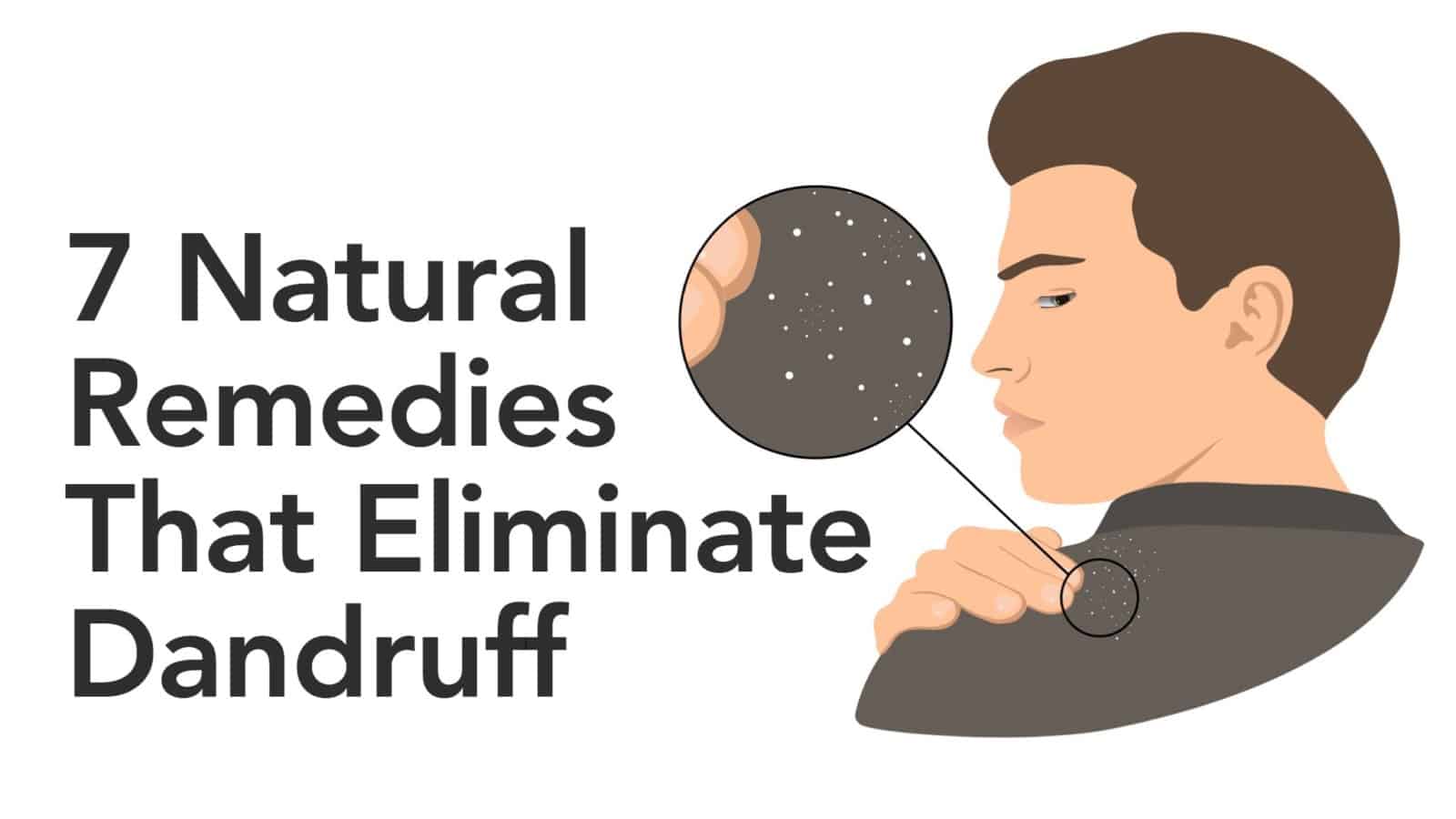
7. Treats dandruff

Kind of an odd-one-out sort of deal here, but as already mentioned, honey is a potent natural healer for the skin. In a study published by the US National Library of Medicine, patients that applied diluted honey to areas of flaking scalp three hours before rinsing “responded markedly with application.” In the same study, scalp itching disappeared within one week; skin lesions in two weeks, and some patients even showed “subjective improvement in hair loss.”

honey for dandruff

8. Helps acid reflux

According to RefluxMD, honey supposedly reduces the symptoms of acid reflux. Honey coats the lining of the esophagus, which may lead to soothing of irritation. Consumption of honey is also thought to counteract any internal damage caused by acid reflux. Further, the heavy concentrations of enzymes within honey assists with digestion, which may help to prevent the occurrence of acid reflux. So, forget the Alka-Seltzer…reach for the honey!

9. Strengthens the gut

Honey can be used as a prebiotic, which in turn provides sustenance to the healthy bacteria in our gut. Healthy bacteria are required to properly digest food, absorb nutrients, and equalize the immune system. It is also suggested that honey, because of its prebiotic properties, can deter problematic digestive conditions such as Celiac Disease, Colitis, Crohn’s Disease, Irritable Bowel Syndrome (IBS), and others.

8 Ways to Relax Your Muscles And Relieve Pain

Muscle relaxers can be helpful in alleviating pain, but patients should be aware of certain potential problems. For example, both carisoprodol and diazepam are classified by the U.S. Drug Enforcement Administration as Schedule IV controlled substances based on their potential for drug abuse and addiction. – Kathee de Falla, Pharm.D.

Introduction

How many people here have ever experienced severe back/neck/shoulder/whatever pain? Thank you, put your hand down (I can’t see you, anyways). Joking aside, body pain is no laughing matter. In fact, some pain episodes can flat-out suck. Severe back/neck/shoulder/whatever pain even has the potential to be debilitative. Millions of people have lost their quality of life as a direct result of pain issues.

People that struggle with body pain often turn to a doctor for help. To do so, many doctors prescribe what is both widely available and often abused:  muscle relaxers. Desperate for relief, the patient anxiously heads to the pharmacy, where the potent medication is then dispensed.

We’re not here to debate the topic of pharmaceuticals. Most will agree that they have their place for certain conditions. However, many people   – aware of the danger posed by both muscle relaxers and painkillers – search for natural alternatives.

If you are indeed one of these people, then look no further! We’re hopeful that one of these eight natural muscle relaxers described below will ease some – or all of – your pain. You’ll notice that some recommended solutions are preventative in nature. This is by design, as preventive measures are perhaps the best courses of action (or non-action) for keeping pain at bay.

Without further delay, here are 8 all-natural ways to relieve pain in your muscles:

  1. Limit your rest

Provided the existing discomfort is not too severe, it is recommended to move your body – thereby moving your muscles – in order to keep them loose. Doing this reduces pain-causing inflammation and keeps your joints functional.

Your mobility is going to be limited during this time, as such, it is definitely recommended not to engage is any movement that may have caused the initial pain response. Just give the body a bit of time to rest and relax, while mixing in some frequent light movement to expedite recovery time.

  1. Avoid ‘pain-causing’ foods

What you put into your body has a significant impact on whether or not muscles tense up, or whether body pain surfaces. Here are a few foods to avoid in order to keep those muscles limber:

– Alcohol: Can exacerbate any existing inflammation.

– Caffeine: Caffeine is a dehydrator and also can worsen inflammation. It is recommended to limit caffeinated drinks (e.g. coffee) in order promote healthy muscles.

– Sugar: Causes inflammation and a potential pain response.

– Trans fats: Aside from being incredibly healthy, foods that contain trans fats can spur inflammation, worsen pain, and contribute to other counterproductive effects.

  1. Get a Massage

Massages are great as both a prescriptive and preventative course of action. A licensed massage therapist can address the pain area, while also relieving any other area of tension. Those with chronic muscle pain may benefit from more routine visits to a good massage therapist.

  1.  Use Cannabis Oil

Scientific research suggests that cannabinoids suppress the transmission of neurons in pain pathways, which stimulates pain relief. In addition to being shown to reduce long-term pain, cannabis oil is shown as anti-inflammatory properties.

  1. Use Essential Oils

Certain essential oils (e.g. peppermint, jojoba, coconut) possess a wide breadth of health-promoting properties. Essential oils are particularly helpful in soothing sore muscles, mitigating tension headaches, and relieving an aching back.

Peppermint is one essential oil that has undergone numerous scientific studies. To this end, the plant has demonstrated relief benefits for symptoms associated with the condition fibromyalgia, including those mentioned above.

  1. Use Arnica Oil

According to a study published in the National Library of Medicine, patients of chronic neck pain prescribed a treatment regimen of massage therapy with arnica oil, “showed significantly less pain” compared to alternative treatments. Neck pain is far from the only pain type that arnica oil helps to relieve. The oil has demonstrated a number of beneficial health properties – including as an anti-inflammatory – that makes it a useful solution for various areas of pain or tension.

  1. Soak in Epsom Salt

When magnesium levels are diminished, it is common for muscle fatigue to surface. A quick soak with Epsom Salt (just the feet!) can raise the body’s magnesium levels, assisting healthy muscle function. Proper magnesium levels are also important for keeping inflammation at bay. Of course, soaking your feet is a hot mix of water an Epsom Salt naturally relaxes the body and muscles, further supporting pain relief.

  1. Get an adjustment

Ok, so we know that this isn’t necessarily a groundbreaking or novel suggestion, but an adjustment from a chiropractor may be just what the doctor ordered (pun intended). It’s natural, drug-free, and may even be more efficient at relieving soreness than muscle relaxers according to one study.

Related article: If you notice these signs, you need an adjustment

So, if you’re troubled by pain – no matter where on the body – visiting a good chiropractor is one of the wisest moves you can make. You may visit the Hinge Health homepage for assistance and treatment options.

Skip to content