Weekly tips, affirmations, and small actions to feel your best.

This Powerful White Tea Leaves Mix Will Transform Your Skin

When you are looking for natural ways to support healthy, vibrant skin, consider using white tea. This delicate blend contains powerful compounds that combat aging and prevent environmental damage. White tea also has benefits for the entire body. Compounds in white tea have anti-inflammatory properties. They can also fight bacteria, viruses, and fungus.

White tea can benefit your skin as a topical preparation, or it can be brewed and enjoyed to receive some of the same benefits. Applying a white tea mask to the skin can be refreshing and can combat signs of aging. Discover these incredible benefits for yourself by using white tea in your beauty routine.

Benefits of White Tea Leaves to Transform your Skin and Body

White tea has amazing benefits for the entire body. White tea leaves are the freshest and youngest leaves and buds from the Camellia sinensis plant, the same plant that produces green and black tea. White tea leaves and buds are picked the day before they open, preserving more of their natural active ingredients.

Benefits of White Tea

White tea benefits are many. Among all types of tea leaves, white tea leaves have the highest levels of antioxidants. Antioxidants are known for preventing aging of the skin. They prevent elastin and collagen in the skin from breaking down, encouraging a radiant and youthful look. They also combat the effects of free radicals on the body and prevent cellular damage.

White tea benefits the body as well. The active ingredient in white tea, EGCG or epigallocatechin gallate, is a flavonoid. It has been shown to support weight loss by increasing the body’s metabolism and helping the body burn more fat. Drinking white tea may have as many benefits for the skin as applying it topically.

While all forms of tea from the Camellia sinensis plant contain some EGCG, white and green tea have the highest concentrations. This makes white tea benefits greater than those of black tea.

Like black and green tea, white tea contains tannins. These compounds have been well-studied by leading scientists. Tannins have anticarcinogenic properties. They also have antimicrobial properties and can reduce inflammation in the body.

Face Masks with White Tea

White tea leaves and brewed tea can be made into refreshing facial masks to reap their antioxidant benefits.

To make a DIY white tea facial mask, finely grind one teaspoon of white tea. Add a small amount of baking soda and a teaspoon of honey. Mix all ingredients together and apply to your face. Allow the mask to sit for 10 minutes and then wash off with lukewarm water. This will brighten your skin and reduce the effects of environmental damage.

Another mask combines brewed white tea leaves with green tea powder and lemon juice. Apply this mask to the face. Rinse it off with lukewarm water after 10 minutes. Adding green tea and lemon pumps up the power of this antioxidant mask.

white tea leaves

White tea can also reduce the look of puffiness around the eyes. Soak a washcloth in freshly brewed white tea and allow it to cool to a comfortable temperature. Close your eyes and apply the washcloth. Relax for 20 minutes, or until the washcloth is cool. This will revive you and give your skin a more youthful appearance.

For dry skin, combine a few tablespoons of white tea with 1 teaspoon of cream and 1 teaspoon of sugar. You can also use coconut oil in place of the cream. Gently apply the mask with clean fingers. Allow it to sit for 20 minutes, then rinse off with lukewarm water.

Final Thoughts

White tea is beneficial to the skin by refreshing cells and preventing the breakdown of collagen and elastin. The powerful active ingredient in white tea, EGCG, works as an antioxidant. The compound is also a flavonoid, conferring extra benefits for the skin and body. White tea has many exciting benefits, including antimicrobial, antifungal, and anti-inflammatory properties.

When you choose white tea as a beauty aid, you can make at-home masks to take advantage of its healthful properties. You can also purchase commercial masks and lotions made with white tea extract. No matter what preparation you choose, you will feel good about using white tea in your beauty routine.

https://www.youtube.com/watch?v=yG-G9_LOkLA

(C)Power of Positivity, LLC. All rights reserved

5 Self Care Strategies For Sensitive People

At this point in your life, you probably know if you’re a sensitive person. The truth is that the majority of us are sensitive about something to varying degrees.

Different personality traits provide some insight into ‘sensitivity.’ For example, in her internationally bestselling book, The Highly Sensitive Person, Elaine Aron defines a population of individuals who possess an “increased sensitivity to stimulation,” and are “more aware of the subtleties and process information in a deeper, more reflecting way.”

Dr. Aron’s work was the byproduct of widespread misunderstanding of sensory processing sensitivity, or SPS for short. Above all others, this trait helps define a highly sensitive person. Aron and her colleagues discovered that about fifteen to twenty percent of the world’s population experiences high levels of SPS.

Before Dr. Aron’s groundbreaking work, researchers had repeatedly linked high SPS to adverse outcomes and personality disorders (PD). Aron debunked the PD theory using rigorous research. Other researchers soon followed her lead, attributing SPS to positive and negative experiences and outcomes.

A Deep Misunderstanding of Sensitive People

Dr. Aron wrote her book in 1996; over 20 years later, many parts of society continues to place a stigma on sensitive individual. They’re (incorrectly) labeled “weak,” “neurotic,” and “insecure.” The problem with this mislabeling is two-fold.

First, this mislabeling is categorically false. Some of the best and most potent leaders in history, Jesus, Buddha, Gandhi, Martin Luther King Jr., Mother Teresa, and others, were sensitive to many things and steadfastly remained committed to their ideals.

Second, this falsehood negatively affects the self-esteem and ability of many empaths – people our world desperately needs now more than ever.

This article aims to equip empaths with valuable strategies to overcome society’s ignorance and correct any self-realized deficiencies.

Without further delay, here are five self-care strategies for sensitive people:

“Some people are far more cognizant than others; but sensitivity has its own cross to bear and ample insight, in many cases, can bring on disquietude.” – Donna Lynn Hope

1. Don’t take things personally

If someone directs some incoherent rant your way, you may feel hurt. Here’s the deal: people who experience problems in life – and don’t know how to solve them constructively – often, consciously or not, take it out on others.

We see this with irritated co-workers, who seem mad at the world, quickly leaping at the opportunity to voice their irritation to someone else. They redirect their anger and frustration as a (counterproductive) coping mechanism.

Unless their anger is justified, e.g., they’re your boss, and you made a critical mistake, there is no reason to carry this emotional burden. Mindfully take ten deep breaths, relax your body, and continue.

2. Make the right choices

You may think, “Gee, ‘make the right choices,’ thanks. Great advice.” Please hear me out.

I’m dropping the writing formalities here.

As a sensitive person, perhaps you have allowed anxiety or sensitivity to supersede your judgment. It is easy to do this. High cognitive and emotional sensitivity can obstruct the decision-making process – this impediment can be detrimental.

So, try to make the best choices by using your logic and disabling your sensitive side for a bit. You’ll be much more satisfied and less stressed as a result.

3. Treat yourself well

The ironic thing about some sensitive people is that they’re unkind to themselves. They’ll treat everyone else as the center of the Universe, but they’ll neglect self-care. The pattern of overthinking can explain part of this conundrum.

As mentioned during the introduction, sensitive people are susceptible to sensory overload. This overload manifests into a pattern of overanalyzing things. This leaves empaths and other sensitives vulnerable to exhaustion, depression, and intense anxiety.

What can work for most people: exercise, focusing on work (see #5), supplements, a good diet, meditation, and beta blockers (relieves hypertension).

Remember, we need you. But we also need the best version of you. Please treat yourself well.

sensitive people

4. Remember your worth

As mentioned, the world desperately needs sensitive people. This is not some feel-good motivational talk but the absolute truth. Remember the five names we mentioned during the intro? These people changed the world – and you can do too.

Wars, poverty, disease, death, climate change, nuclearization, tyranny…yeah, it’s fair to say we need sensitive, confident people to stick up for what’s right.

We’ve mentioned his name many times – a couple of times in this article. But if you need motivation, read about Mahatma Gandhi’s life and what he accomplished. You, too, can be significant.

5. Find your purpose if you haven’t

In addition to remembering what you’ve achieved, another great way to boost your spirits is to find your passion or purpose.

Sensitive people are more prone to negative feelings and even mental health problems.

Throw yourself into something that you love doing. The transformation that takes place when doing something that you love is magical. Think of an upset baby whose mood changes instantly when given a toy. Seriously, this is what it feels like.

It is even better to connect your passion or purpose with your work.

And remember … again … we need you!

How To Meditate: For Beginners

Are you seeking guidance on how you can start to meditate? Well, it turns out that you are in excellent company. Celebrities from Oprah to Ellen have touted the benefits of meditation.

Numerous doctors state that people who learn how to meditate–or master the art of mindfulness–tend to reap the physical and mental health benefits of positive thinking. Read on to find out how you can learn how to incorporate positive thinking into your life for better health.

Like an excited child, most people’s bodies have a tough time sitting still, so stretch, wriggle, and scratch out those itches before you sit down to meditate! It takes some getting used to, but the positive focus becomes easier each time. As author and holistic expert Susan Piver says, “You’re training yourself to place your attention where and when you want.”

Ten Good Reasons to Meditate

Here are some compelling health benefits you reap when you meditate:

meditate

1 – You May Reduce Stress and Anxiety if You Meditate:

One of the most well-known benefits of meditation is its ability to reduce stress and anxiety. By focusing on your breath and clearing your mind, you can quiet the constant chatter of your thoughts and find a sense of calm. This can help reduce feelings of stress and anxiety, which can significantly impact your overall health and well-being.

2 – Meditation Improves Sleep:

Many people struggle with sleep issues, but practicing meditation can help to improve the quality of your sleep. By calming your mind and reducing stress, meditation can help to create a more relaxed state that promotes restful sleep. This can help improve your energy levels and overall health and boost your mood and cognitive function.

3 – You Can Increase Focus and Concentration if You Meditate:

Meditation can also help improve focus and concentration, making it an ideal practice for those who struggle with distractions or staying focused. By training your mind to concentrate on a single focus point, you can improve your ability to focus on tasks and minimize distractions.

4 – Meditation Boosts Immunity:

Meditation has been shown to positively affect the immune system, helping to increase the number of immune cells in your body. This can help to reduce your risk of illness and improve your overall health and well-being.

5 – You Enhance Self-Awareness When You Meditate:

Meditation can help to increase self-awareness, which is the ability to understand your thoughts, feelings, and behaviors. This can help you better to understand your motivations, desires, and triggers and give you the tools to make positive changes in your life.

6 – Meditation Improves Emotional Regulation:

Practicing meditation can help to improve emotional regulation, allowing you to manage your emotions more healthily and productively. By learning to control your thoughts and emotions, you can reduce the impact of negative emotions and increase your ability to cope with stress and challenges.

7 – Meditating May Help Reduce Pain:

Meditation may help to reduce pain and discomfort, making it an ideal practice for those who struggle with chronic pain or discomfort. Focusing on your breath and relaxing your muscles can reduce physical tension and decrease the severity of pain symptoms.

8 – Meditation Increases Happiness:

Meditation can increase happiness and well-being by reducing stress and anxiety and improving your mood. Practicing mindfulness and gratitude can cultivate a more positive outlook on life and increase feelings of happiness and contentment.

meditate

9 – Meditating Improves Cardiovascular Health:

Meditation can also help to improve cardiovascular health by reducing stress, lowering blood pressure, and improving circulation. By reducing physical and mental stress, meditation can help to reduce your risk of heart disease, stroke, and other cardiovascular conditions.

10 – You Increase Mindfulness When You Meditate:

Lastly, meditation can help to increase mindfulness, which is the ability to be fully present and focused at the moment. Practicing mindfulness can improve your ability to focus, reduce distractions, and cultivate a more positive outlook on life.

A Beginner’s Guide on How to Meditate

Master these basic principles, and you will be on your way to a clearer mind and better-relaxed body and reap the numerous health benefits.

1) Prepare to meditate: Sit cross-legged on a soft surface or in a straight-backed chair with your feet flat on the floor. Place your hands comfortably on your knees or thighs, keep your thoughts positive, take a slow, deep breath, and close your eyes. You’re ready to meditate.

2) Take another slow, deep breath, inhaling a count of 4. Imagine inhaling positive energy, letting the air settle deep into your lungs.

3) Hold this breath for a count of 2, or as close to this number as possible. Don’t strain– learning to meditate requires patience and acceptance of your body and its needs.

4) Last, exhale slowly to a count of 4 in a leisurely manner, emptying your lungs while releasing any stress and other energy that is not positive. Once again, don’t strain; be gentle with yourself while reveling in the positive vibes you’re feeling.

5) Pause for a count of 2, then calmly repeat the sequence: inhale for 4, hold for 2, exhale for 4, pause for 2.

Congratulations! You’ve now learned to meditate. A meditation session lasting three or five minutes is ideal for beginners. Masters often go for around an hour, but don’t despair! Learning to meditate isn’t a competition; it’s a personal path to wellness where the only thing that counts is your health and peace of mind. Blessings on your journey.

How To Meditate: For Beginners

Final Thoughts on Learning to Meditate

Meditation is a simple yet powerful practice that can significantly impact your health and well-being. Whether you are looking to reduce stress and anxiety, improve sleep, increase focus and concentration, or boost your immunity, incorporating meditation into your daily routine can provide numerous health benefits. So, why not give it a try and experience the benefits of this ancient practice for yourself?

12 Practical Ways To Spread Positivity In Your Workplace

For supervisors and human resources professionals, creating an atmosphere of positivity in the workplace can be challenging. The costs of having a negative attitude in the workplace are many. Employees who don’t feel appreciated work slower and with less efficiency. They can have conflicts with other members of your staff. Negative bosses spread their bad feelings to everyone who works for them, causing an entire staff to become lethargic or aggressive.

Here are 12 concrete ways to foster a spirit of positivity in your workplace, beginning with small, vital changes that you can make to your office climate today.

12 Practical Ways to Spread Positivity in the Workplace

Try adopting these twelve habits.

1. Model Kindness and Respect

Employees look up to their bosses for an example of how to behave in the workplace. If the boss is snappish and disrespectful, that will become part of the company culture. It is far better to model patience, kindness, and respect. This is a great way to bring positivity at workplace.

2. Have an Attitude of Gratitude

When employees are thanked for their good work, it gives them a warm feeling. Everyone likes to be appreciated, and employees often toil for years without being thanked for their hard work. Even a simple “thank you” and a handshake go a long way toward making an employee feel appreciated.

3. Don’t Forget to Listen

When you listen to your employees, you will be able to reap the benefits of their experience. When employees are not listened to, they feel unappreciated. They may even feel condescended to.

4. Make Goals Clear for Everyone

Having a concrete goal to work toward gives employees direction and positivity at workplace. Employees like to know that their hard work is directed toward a particular end. When the goals are reached, have a little celebration. This can be as simple as expressing your pride during a staff meeting.

5. Encourage Collaboration

Make it easy for employees from different departments to work together. It helps if the departments don’t feel like enemies. Often, different departments in a workplace feel that they are competing for attention and funding from their superiors. Try to get across to your employees the idea that you are all working toward one common goal.

6. Put on a Smile

Even if you’re having a difficult day, you can spread positivity by smiling. When a boss is smiling, his or her employees find reasons to smile, too. Dealing with a boss who is always gruff and forbidding makes the employees cranky and difficult to work with.

7. Trust that Your Employees are Responsible Adults

This seems like a laughably obvious step to take, but many employers treat their workers as inferior. When you give a task to your employees, get it across to them that they are trusted to perform the task because they are mature adults. Don’t hang over their shoulders or micromanage them.

8. Don’t Rely on Intimidation

It goes without saying that employees who constantly feel like they are under threat aren’t as productive. It’s better not to give people the idea that they will be punished if they don’t meet work goals. Expecting the best, rather than the worst, will lead to better results.

9. Have an Office Wellness Program

Have your human resources staff implement a fitness program for your employees. Make it fun and not punitive. Letting your employees have a break to pursue physical activity will make them happier and more productive.

10. Encourage Mentoring

Mentoring relationships can come about naturally, but it’s nice to set them up when a new employee enters the company. Pair your new employee with someone experienced. This will make them feel cared for and give them someone to go to with their new employee concerns. This will foster positivity at workplace.

11. Communicate Positively

Something as simple as changing your messaging can help your employees build positivity. Rather than coming down hard on employees who don’t meet their goals, encourage them with positive words and messages.

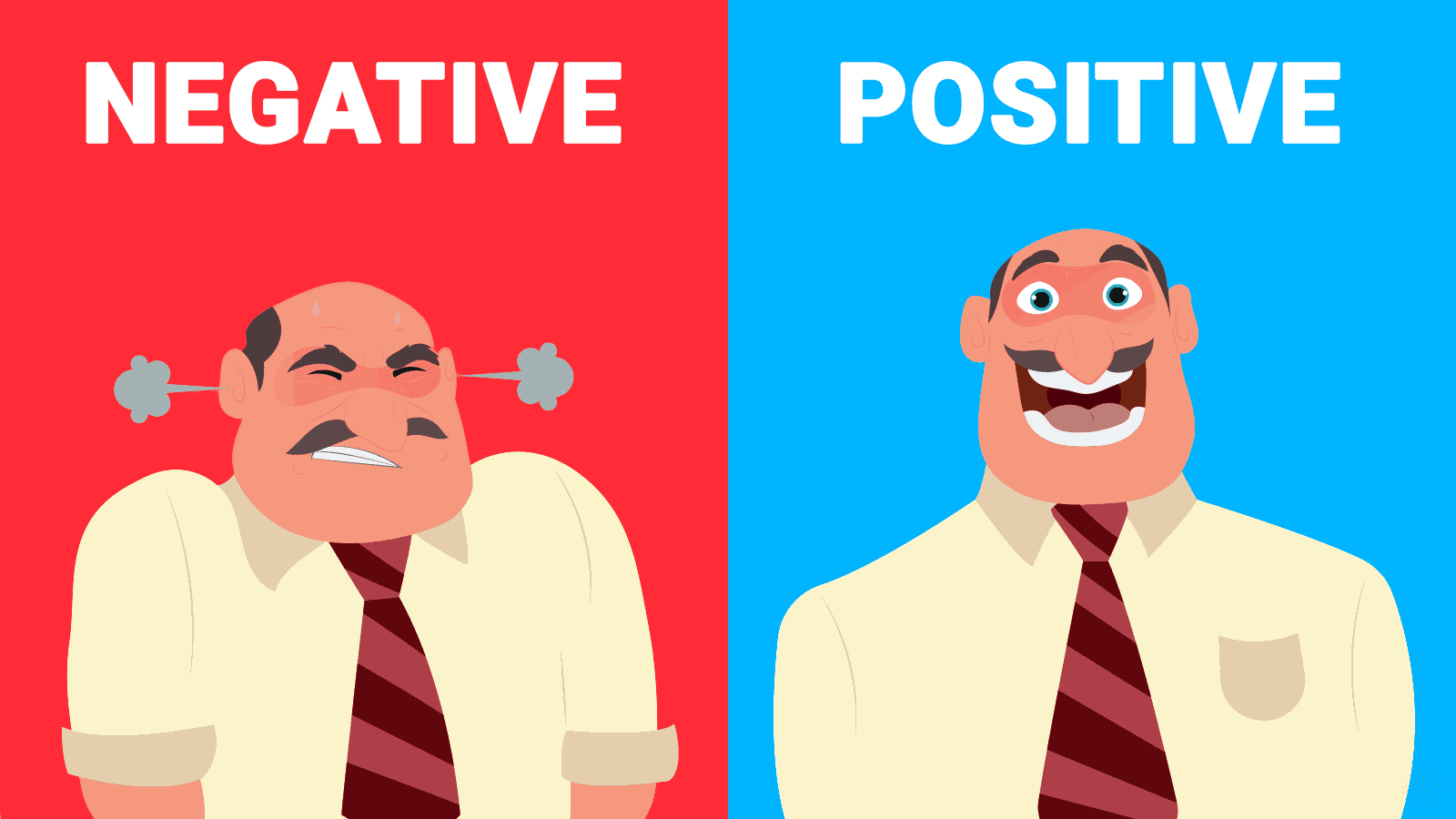
positivity

12. Understand Your Mission

Too often, the overall goals of a workplace can be buried under the little problems that happen every day. When things are not going well, take a step back and remind your employees what they are working for. This may help to reset some attitudes and make the workplace attitude positive again.

Final Thoughts

If you can find a way to bring positivity at workplace, you can build a better environment for your employees. This positive feeling will extend to your customers, since people with better job satisfaction give better service.

https://www.youtube.com/watch?time_continue=1&v=eltx2WGABkw

(C)Power of Positivity, LLC. All rights reserved
REFERENCES:
HTTP://INFO.TOTALWELLNESSHEALTH.COM/BLOG/7-TIPS-FOR-PROMOTING-POSITIVITY-IN-YOUR-WORKPLACE
HTTPS://WWW.INC.COM/SHAWN-MURPHY/3-POWERFUL-WAYS-TO-CREATE-A-POSITIVE-WORKPLACE.HTML
HTTPS://WWW.FORBES.COM/SITES/WOMENSMEDIA/2012/08/08/5-QUICK-WAYS-YOU-CAN-BRING-POSITIVE-PSYCHOLOGY-TO-YOUR-WORKPLACE-WITHOUT-EARNING-A-DEGREE/#3648126A4473
HTTPS://WWW.HUFFINGTONPOST.COM/ENTRY/CREATING-A-POSITIVE-WORKPLACE-CULTURE-A-LITTLE-KINDNESS_US_59A43419E4B0A62D0987B0F0

10 Best Home Remedies For Hemorrhoids

Having hemorrhoids can be an annoying and frustrating problem to have to deal with. It can also be painful. Lucky for you, there are several methods you can use to make yourself more comfortable at home. Check out the following list for easy methods you can quickly implement.

Here are ten of the best home remedies for your hemorrhoids:

If you suffer from this problem, then you know how much you will welcome some relief. These home remedies can provide at least temporary soothing. If your condition persists, please reach out to your doctor for advice.

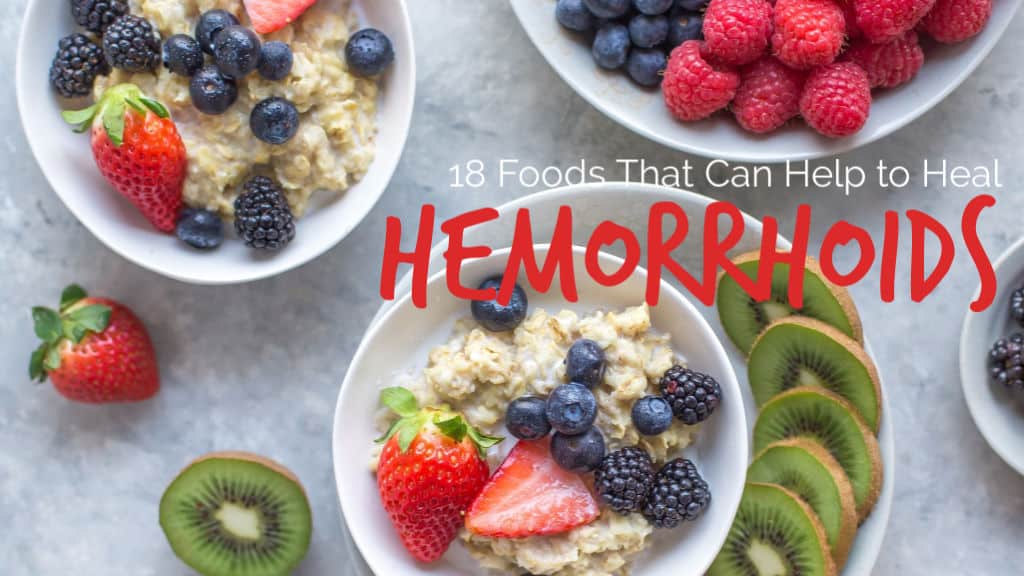
foods to treat hemorrhoids

1. Sitz Baths

Sitz baths are very relaxing and can be done multiple times per day if you are able and have the space for it. A sitz bath is a type of bowl that can fit either on your toilet or where ever else is comfortable. You fill it with warm water and let your bottom soak for about ten or fifteen minutes. This is especially soothing right after a bowel movement and is one of the most recommended treatment options for hemorrhoids.

2. Witch Hazel

Witch hazel is a product many women use after they deliver a baby, and for a good reason. It can help soothe an irritated area and help reduce inflammation and pain. It can also help decrease any associated itching. You can apply it directly to the hemorrhoids with a cotton ball or similar object. It’s important to note that if your symptoms worsen, you may want to skip this option or find an alternate way of applying it.

3. Psyllium Husk

Psyllium husk will not help treat your issue directly, but it can help ease the symptoms. This is a powder found at your local pharmacy that you can stir into a glass of water or other liquid. It will act as a stool softener and decrease the straining you have with your next bowel movement. This can help stop current issues from worsening and prevent new ones from forming.

4. Aloe Vera

Aloe vera is well-known for its anti-inflammatory properties when treating other skin issues like sunburns. The same applies to things like hemorrhoids. You will want to ensure the quality and purity of your product before using it because any additional ingredients could cause further irritation.

5. Epsom Salts with Glycerin

Mix two tablespoons of Epsom salts with two tablespoons of glycerin to make a paste. Spread this on gauze and apply it to the affected area to relieve symptoms. A single application should last for approximately four to six hours. This can help decrease the amount of inflammation you have and bring your pain down to a tolerable level.

hemorrhoids

6. Water Intake

Water intake is another critical aspect in treating and preventing hemorrhoids. It will help your body handle waste products more efficiently and prevent constipation. Try to aim for 64 ounces daily, but this amount can vary depending on body size, location, and other factors.

7. Coconut Oil

Coconut oil is something you can buy in a variety of places. It is most known for its moisturizing effects, which can be helpful for treatment. This could also decrease the amount of irritation you have as well as reduce the urge to scratch.

8. Ice Packs

Ice packs can help treat hemorrhoids by numbing the areas that are affected. This can help reduce pain and itching, as well as any inflammation. You must ensure you wrap your ice pack in a towel or t-shirt before using it to prevent damage to your healthy tissues.

9. Over the Counter Creams

There are several topical creams that you can pick up at the local pharmacy that will work to provide you with relief. Often these provide hemorrhoid treatment with a numbing agent included in the cream, temporarily eliminating the area’s sensation. You can also contact your doctor for a recommendation on pain-relieving medication.

10. Increased Fiber

Another very common hemorrhoid treatment is increased fiber in your diet. You can accomplish this using beans, pears, or avocados. The fiber will help your bowel movements become easier and quicker, preventing you from straining the toilet. This can prevent many issues from occurring.

hemorrhoids

Final Thoughts on Trying These Ten Home Remedies for Hemorrhoids

As you can see, there are many ways to treat this condition from home. Many compounds work to reduce swelling or inflammation, or they can help decrease the amount of pain or irritation at the site. Lastly, there are lifestyle changes you can make, like drinking more water or increasing the amount of fiber in your diet.

10 Vegan Meals That Are Perfect for Anyone Trying to Lose Weight

Trying to lose weight can be difficult, especially with so much information constantly bombarding the market on weight loss. With a little creativity, you can lose weight while still following a plant-based diet. This article will cover ten vegan meals that you can add into your meal prep to set you up for success in your weight loss journey.

Here are ten vegan meals for weight loss:

1. Quinoa Bowl

Making large batches of quinoa at the start of the week is a great way to make vegan meals and it can put you well on your way to losing weight. You can dress it up or down in whatever style you prefer, but one good option is putting a Mexican spin on it. You can toss in some black beans for protein, avocado for healthy fats, and a variety of other vegetables and seasonings.

2. Cauliflower and Potato Curry Soup

Cauliflower is also a good staple to have if you’re trying to lose weight. It can be ready quickly and is fairly versatile in what it can be used for. A favorite option is to add it to a curry with potatoes for a filling meal. Coconut milk will help keep it creamy, and roasting your cauliflower ahead of time will prevent it from being mushy.

3. Falafel Salad with Tahini Dressing

This is one of the easiest vegan meals to prepare that you can also partially make ahead of time. Put together your ingredients for falafel (chickpeas, seasonings, etc.) and pan fry them with a small amount of oil. This will prevent them from being loaded with grease and calories from being fried. Then, put them on a bed of greens and veggies and top with a tahini sauce or other sauce of your choice.

4. Chickpea Curry

Chickpea curry starts with the obvious chickpeas, then adds an Indian flare by adding cumin, peppers, ginger, coriander, and turmeric. You can adjust the ingredients to suit your preferred level of spiciness and consider making a double batch to provide you with dinner later in the week.

5. Stuffed Sweet Potato

Sweet potatoes are loaded with plenty of nutrients and vitamins that your body needs to stay healthy. Consider chopping them up and roasting them for a type of burrito bowl, or bake them and stuff them with your favorite toppings. One great recommendation is to use black beans and cooked kale for a nice additional nutrient and protein boost.

6. Veggie Spring Roll Salad

Start this dish with some sesame rice noodles, then add your choice of vegetables to top it off. It also goes great with a peanut or tahini sauce. Some vegetable ideas could include things like peppers, beets, or asparagus. You can take the time to aesthetically assemble it or just dump the ingredients in the bowl and eat it.

7. “Cheeseburger” from Farro and White Beans

Farro is a nuttier version of brown rice that can pair well with white beans for a vegan style burger that can pack a hefty protein punch. Throw it on top of your favorite bun, or eat it bunless and topped with your favorite vegetables.

8. Beetball Sub Sandwiches

Beets mixed with lentils and oats combine to make a mouthwatering beetball that has a wide range of serving options. It’s heavy on protein, so maybe consider a low carb pasta or even just eating them plain or topped with a marinara sauce.

9. Whole Grain Pasta with Broccoli

Pasta is one of the easiest vegan meals to prepare ahead of time and take it to work for lunch or even just have it on standby for some night that everything seems to be running late. Use a healthier whole grain option of pasta, and top with any sauce and veggie combination you prefer. You could also use a zucchini noodle, which pairs great with a pesto sauce.

vegan diet

10. Peanut Buddha Bowl

This meal clocks in lower on calories, but utilizes chickpeas, tofu, and brown rice plus some vegetables to kick up the protein level and keep you feeling full for quite some time. Mix your ingredients together and toss it with some spinach or other greens with a decadent peanut sauce on top.

Conclusion

As you can see, there are plenty of options available for you to lose weight even while following a plant-based diet. For the healthiest vegan meals, you can combine vegetables with a healthy source of protein and you’re good to go. Consider cooking meals ahead of time so that you always have quick options available. You can also make a double batch when you are cooking and save the extra for another day.

https://www.youtube.com/watch?v=yG-G9_LOkLA

10 Things Every Partner Should Stop Doing In Their Relationship

No one is perfect and no one has the perfect relationship. We all have things that we need to work on and things we can do better in our personal lives and relationships. Both men and women are human beings, perfectly imperfect. And they all have things they could work on improving. In order to have a happier, more fulfilling relationship, read on to find out what things both partners should refrain from doing.

Here are ten things every people should stop doing in their relationships:

1. Talking About Other People

Men and women can both feel self-conscious if they think their partner has eyes for someone else. Think about how you would react if you caught your partner staring at or flirting with another individual. So, with that in mind, would you really blame your significant other for getting angry when you do the same thing? Most partners won’t really care if you think another individual is attractive, but talking about it with your significant other is probably not a good idea. Some things are better left unspoken in this case.

2. Talking Trash About Others

Strong women stand up for other women, not try to bring them down–and same for men. Talking badly about others shows signs of insecurity and low self-esteem, so even if you feel inadequate in some way compared with another person, try to remember your good qualities. It’s okay to sometimes admit to your significant other that you feel insecure, but talking badly about others will not help the situation or increase your self-esteem.

3. Apologizing All The Time

If you did something wrong, of course you should apologize. But don’t say sorry unless you really need to. For example, you don’t need to apologize for wearing your PJ’s all day, not putting on your great-smelling cologne, or not cleaning the dishes one night. Learn to go easier on yourself, because lowering your stress will also benefit your relationship.

apologize

When it’s time to apologize, here’s how to do it right.

4. Not Giving Their Partner Enough Alone Time

Every person on this planet needs a little time alone to rejuvenate and keep up other relationships as well. It’s not normal or healthy to only spend time with your significant other, so make sure you allow your partner the space he or she needs.

5. Cutting Out Your Friends

Don’t neglect your own friendships either. You need friendships just as much as your partner does, so make sure to nurture your other relationships, too. Strong friendships help rather than harm good long-term relationships, so try to strike a balance between the two.

6. Texting Other People When Out With Your Partner

Sure, answering one or two texts isn’t a problem, but staring at your phone the whole time you’re out with your partner will make them feel neglected. Spend quality time with your partner when you can get it because relationships can’t work unless both people put in some effort. Referring to an old saying, “You should dance with the one that brought you.”

7. Talking About Your Ex

Men and women both want to feel like they’re the only person you’ve ever loved. Of course, you can mention people you dated in the past, but talking about them all the time or comparing them to your current lover will only cause arguments and confusion in a relationship. You cannot erase or rewrite your past history, but you should not flaunt it, either.

8. Not Really Listening

Everyone wants attention and for people to hear what they are saying. So, when your partner talks to you, put down the phone and really listen to what they have to say. You wouldn’t want your partner to ignore you or half-listen to you, so give them the same respect you would want.

listening

9. Flirting With Other People

This one should go without saying, but if you’re in a serious relationship, flirting with others should be off-limits. A relationship requires commitment, and flirting with others damages that trust and love you’ve built with your partner. Flirting with other people undermines this level of commitment and may cause your partner some concern.

10. Taking Your Partner For Granted

If you partner takes you out to dinner or drives you places, let them know that you appreciate all the kindness and generosity they show you. Remember – they don’t have to do these things for you – they want to, so make sure to tell them how grateful you are to have them in your life. As time goes on in a relationship, we can start to take our partner for granted, and that’s normal. Just remember to show your appreciation from time to time for how amazing they are.

(C)Power of Positivity, LLC. All rights reserved

10 Homemade Recipes With White Tea Leaves That Can Help You De-Stress

After a long day at work or school, most people want to come home, get in comfortable clothes and relax in the evenings. Some choose from a variety of alcoholic or caffeinated beverages as their go-to relaxing drink because it helps to make their mood better and their evening smoother. While the majority of these options are unhealthy, there is a drink option that is popular in Asia and making its way to the rest of the world.

Drinking a cup of white tea leaves is the drink that is changing people’s lives. With the added health benefits, you can drink this tea and not feel guilty about too many calories or other negative side effects. White tea helps you lose weight, improves the appearance of your skin and hair, helps in cancer treatment, used for patients with diabetes, enhancing your memory, helps you stay alert, and most importantly (for a lot of people) aids in the process of de-stressing. The list if white tea leaves benefits goes on and on! If these side effects sound like something you need, then get yourself a glass of white tea and start relaxing as soon as possible!

Here are 10 homemade recipes with white tea leaves that can help you de-stress.

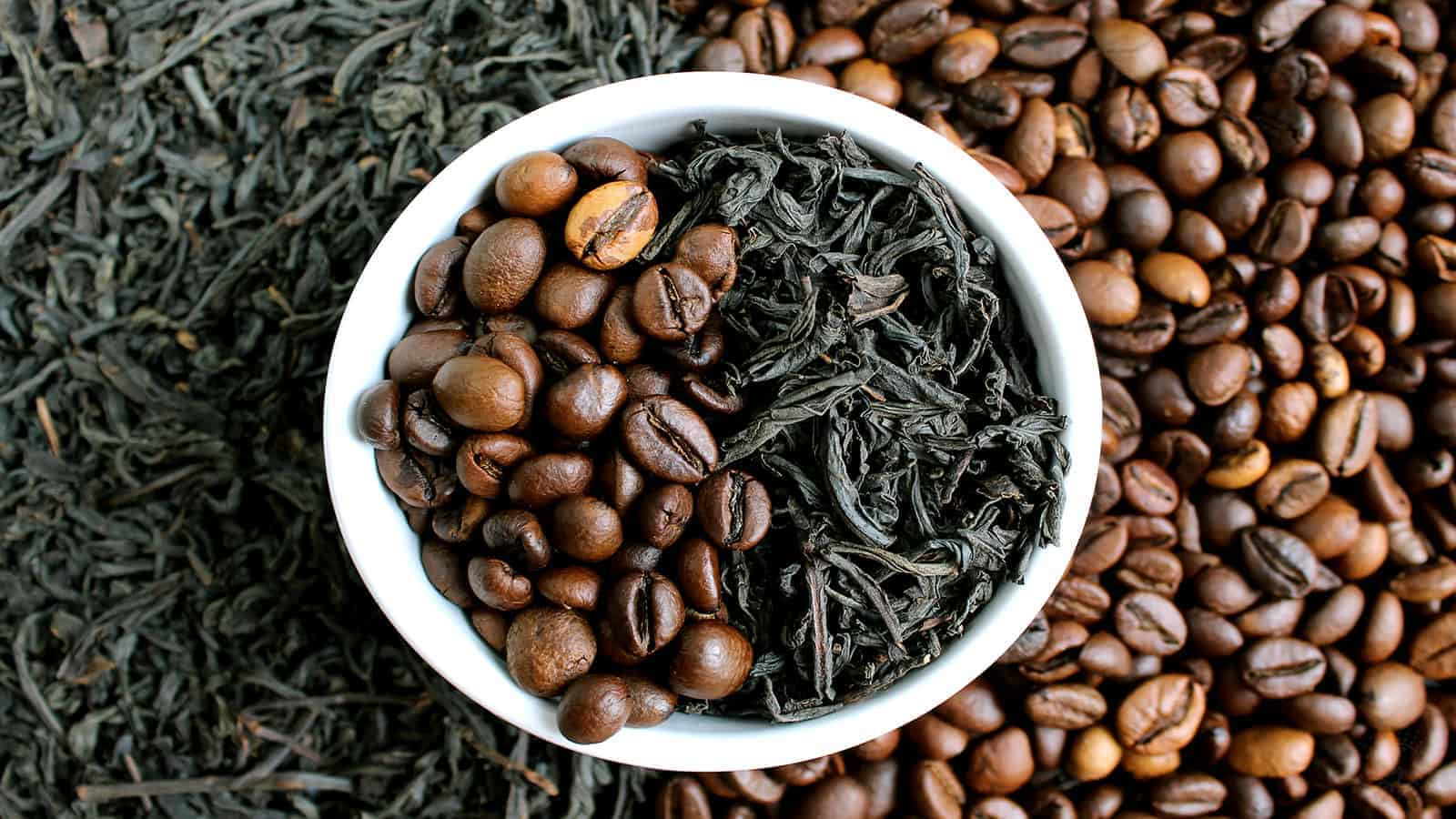
tea or coffee

Click to learn if tea or coffee is the healthier beverage.

1. Bai Hao Yinzhen (Silver Needle)

The Bai Hao Yinzhen tea is the most popular and desired tea in China, as it is originally from there. The tea has silver leaves that have silver hairs, or needles coming off of it This tea when first brewed has a yellow tint at first, and you need to steep the tea 5-8 minutes to get the best taste out of the leaves. You will be able to see the leaves in the tea as you are making it.

2. White Puerh Tea

If you are looking for a tea with a delicious aroma, try the White Puerh Tea, grown in the mountains of China. Every spring these white tea leaves are hand picked and have a rich, delicious taste and smell.

3. Shou Mei (Noble, Long Life Eyebrow)

The Shou Mei tea comes from the leaves at the tips of the white trees that are grown in China. When brewed, this tea will have a greenish hue, but it is still considered to be white tea leaves because it comes from a white leaf tree! Don’t steep this one too long, or you will not be happy with the rich taste. Steep in hot water for about 2-3 minutes and it will be perfect!

4. Bai Mu Dan (White Peony)

If you like the taste of the silver needle teas, but you aren’t a fan of the cost, try a white peony tea and enjoy just as delicious taste, without spending as much on it. As you are brewing this tea you will enjoy the aroma as it makes most people feel very light-hearted and happy. The color will be a pale green/golden hue and will taste fruity.

5. Gong Mei (Tribute Eyebrow)

The Gong Mei tea is more processed than most of the other tea options. This tea is a dark hue when brewed. But you must first steep it for two or three minutes or until you have the desired taste.

6. Ceylon White

Not all delicious white teas are grown in the country of China. Some are grown all over the world, and Ceylon White is grown in the Sri Lankan area. This is a very pricey tea because it is grown by hand. Ceylon White tea is known for being a very light option.

7. Assam White

Another option if you prefer light white tea leaves is Assam White. This tea is very light tasting and also has been known to have a very malty taste. While drinking this tea, the aroma and taste will leave you feeling stress-free and relaxed.

8. Darjeeling White

The Darjeeling White tea is another hand-grown tea that thrives in rainy weather areas. With fluffy leaves, this tea has a taste similar to honey as it is very sweet. The delicate taste and texture of this tea will leave your taste buds and your mood positive and happy.

9. African White

In the Kenyan and Malawi parts of Africa, you can find the African White tea leaves growing. This is a top pick for people who need more caffeine in their cup of tea and enjoy a darker tasting tea as well.

10. White Mango Tea

All of the above tea options are delicious to try with a variety of fruit added. This particular recipe can be used with any tea you want, depending on the desired taste and texture. To make this tea, you need to boil 12 cups of water and steep the tea bag for approximately 5 minutes. While your tea is steeping, you need to mix peaches, mango and sugar in a large pitcher. Add the hot tea and serve over ice.

medicinal tea

White Tea leaves benefits are amazing to learn and read about. There are a variety of different tastes and textures, and they can be grown all over the world. People who are tea drinkers have found that this tea has a lot of white tea benefits and helps them to feel good throughout the day. Tea is usually a better option for a morning drink, and if it has health benefits, like white tea does, it is an obvious choice what your morning or evening beverage will be.

If you are looking to clear up acne, help your body lose weight or if you simply need to relax and de-stress, grab a cup of white tea today and feel more relaxed instantly!

5 Early Warnings of Chronic Fatigue Syndrome

People with chronic fatigue syndrome, or CFS, usually have tremendous difficulty doing the things that many of us take for granted. For example, we probably don’t think twice about getting dressed or driving someplace provided we’ve gotten enough rest. However, this is not the case for someone who is chronically fatigued.

CFS is a very frustrating condition for many reasons. First, rest does little to nothing to quell CFS symptoms. Second, the causes of chronic fatigue syndrome are not well known (though a weakened immune system, hormonal imbalances, viral infections, and stress may contribute). Lastly, CFS has no known cure.

While there may not be a cure, there are effective methods of self-care that do seem to work for many. We will discuss these at the conclusion of this article.

But first, let’s talk a bit about five warning signs of chronic fatigue syndrome.

“Chronic fatigue syndrome (CFS) is a debilitating disorder characterized by extreme fatigue or tiredness that doesn’t go away with rest and can’t be explained by an underlying medical condition.” – Healthline (Source)

  1. Debilitating fatigue

As its name implies, fatigue is the overarching symptom in CFS. Think of how fatigued you feel when sick with the flu. Anyone who has had a nasty case of the flu will attest they only want to do one thing when sick: rest.

Now imagine feeling the flu-like tiredness every day. Next, imagine that the rest you so desperately seek gives you little to no energy. This describes chronic fatigue syndrome in a nutshell.

  1. Cognitive problems (“brain fog”)

In a 2015 academic paper, researchers from the Columbia University School of Medicine found differences in the immune system of individuals diagnosed with chronic fatigue syndrome. CFS patients had higher levels of cytokines, immune system chemicals typically released following the onset of a viral infection.

In other words, CFS patients showed signs of a highly active immune system – with no apparent physical illness. Moreover, the wayward inflammatory response found in CFS patients appears to trigger a “brain fog.” Common symptoms of brain fog include difficulty concentrating, poor memory, and slow reaction time.

  1. Non-restorative sleep

All of us need sleep to recharge and be productive. Without sleep, we simply can’t function at anywhere near our capabilities. CFS sufferers are all too familiar with these feelings. For reasons unbeknownst to doctors and other medical professionals, sleep does not seem to provide people with CFS the required rest needed to function normally.

A common complaint among those with CFS is the feeling that they didn’t get any sleep. Others report feeling as if they experience an “every morning hangover.” Even with sleeping pills and other sleep aids, many CFS patients find it very difficult to get a good night’s sleep.

  1. Posture-related problems

Some medical professionals, including chiropractors, believe that poor posture either causes – or results due to – chronic fatigue syndrome. It’s entirely possible that both are correct. While this “posture theory” has yet to catch on, most experts will concede that poor posture can result in low energy levels.

As mentioned, some consider that bad posture is a possible sign of CFS. Maintaining an upright, “alert” posture requires more energy than many people with CFS can or will expend.

poor posture exercises

RELATED: 3 Exercises That Reverse Poor Body Posture:


  1. Numerous other symptoms

Chronic fatigue syndrome is a highly individualized disorder with highly individualized symptoms. Because the possible signs of chronic fatigue are numerous, it is difficult to diagnose CFS. In fact, some estimate that upwards of 91 percent of people with CFS never receive a diagnosis.

Many others receive an incorrect diagnosis of depression. (The reality that many doctors, for some inexplicable reason, have yet to recognize CFS as a legitimate disorder doesn’t help.)

Other possible signs of CFS include:

  • frequent headaches
  • insomnia
  • joint pain
  • muscle aches and pains
  • a sore throat

How to treat CFS

Treatment for CFS varies for each person. As we have no known cure, treatment focuses on alleviating symptoms. Treatment for CFS falls under three categories: medications, complementary medicine, and lifestyle changes.

In some cases, depression may be the cause of prolonged fatigue. As such, a physician may prescribe an antidepressant. Pain-relieving medication may be prescribed for muscle and joint pain if symptoms are severe enough. Finally, a physician may recommend sleep-inducing medication.

Changes to lifestyle may help with CFS symptoms. These include: limiting alcohol and caffeine, regular light exercise, creating and sticking to a sleep routine, limiting stressors, and refraining from physical exertion.

Alternative forms of therapy may prove useful – meditation and yoga, in particular. Acupuncture, aromatherapy, breathing exercises, massage, and tai chi may also help boost energy and alleviate CFS-related stress.

Finally, some researchers believe that inflammation is the primary catalyst of CFS. So, sticking with an anti-inflammatory diet and taking NSAIDs (e.g., Advil, Aleve) when necessary may go a long way in eradicating many symptoms of CFS.

Skip to content