Weekly tips, affirmations, and small actions to feel your best.

31 Sweet Potato Recipes That Are Both Tasty and Healthy

When it comes to healthy, hearty food, it doesn’t get much better than sweet potatoes. Not only are they full of antioxidants, but they’re also excellent sources of fiber, potassium and beta-carotene (1).

But what if you don’t like a plain old sweet potato? Or what if you have picky kids who need the healthy stuff hidden in a bigger dish?

Here are just a few fun and creative ways to bring sweet potatoes into your kitchen.

1. Casserole

This is probably the first thing that popped in your head when you heard the phrase “sweet potato recipes.” Casseroles are a classic way to prepare them, and there’s a good reason for that: You’ll never run out of ideas. There are probably more casserole recipes out there than there are sweet potatoes!

2. Loaded Sweet Potatoes

Loaded sweet potatoes are cooked and stuffed like baked potatoes. The toppings, however, are up to you. Here are a few suggestions:

– Cheese
– Salsa
– Chili powder
– Tomatoes
– Sour cream
– Nutmeg

3. Marshmallow-Topped Sweet Potatoes

Typically made with butter and brown sugar, marshmallow-topped sweet potatoes are a great way to enjoy a little sweetness during a hearty meal. You can even add a sprinkle of cinnamon to enjoy its many health benefits (2).

4. Mediterranean Sweet Potatoes

Topped with things like bright red tomatoes and crunchy lettuce leaves, Mediterranean sweet potatoes bring lightness and freshness to what’s usually considered a somewhat “heavy” ingredient. They’ll look amazing on your plate, too!

5. Waffles

Thickened with sweet potatoes rather than large amounts of flour, these waffles can be enjoyed at any time of day. You don’t have to limit them to breakfast. They can also be fun snacks at brunch or easy-nibble desserts after dinner. For additional sweetness, create a sugary topping or dipping syrup.

6. Chips

Sweet potato chips are a healthy alternative to the greasy, salty chips that you usually throw in the bowl. This is especially true if you bake them rather than fry them. If you’re looking for something nicer to snack on during Game Day, this is one of the best sweet potato recipes to try.

7. Lemon Alfredo

Wake up your taste buds with a lemon Alfredo dish that also utilizes sweet potatoes. For an even bolder flavor, you can also experiment with garlic powder or Cajun seasoning. The trick is not being afraid of a little zest; if you don’t add enough, it won’t make a difference to your dish at all.

8. Quiche

You don’t have to slave over a hot stove all day to create a delicious quiche. In fact, when you use sweet potatoes as one of the main ingredients, it can turn into a relatively simple and healthy dish for all occasions.

9. Knot Rolls

Knot rolls are an easy way to add sophistication to your dinner table. They aren’t plain, boring rolls; they’re knots! When you make them with sweet potatoes, they can also become a lot healthier than their cousins. You can cut your calories in half by using sweet potatoes rather than traditional dough.

10. Tart

The best sweet potato recipes are ones that expand your horizons. You’ve probably never considered something like a feta-and-sweet-potato tart, but why not give it a try? If you can pull it off, it’ll be absolutely delicious!

11. Roasted Sweet Potatoes

Did you know that you can lose weight with sweet potato recipes? The trick is to cook something like roasted sweet potatoes. Without all of the oils, batters and glazes of other potato dishes, you’ll create a dish with a lot less sodium and fat.

12. Ginger Pie

Filled with cinnamon, sugar and an assortment of spices, a ginger sweet potato pie is sure to disappear quickly when you pass it around the table. It’ll be especially popular if you top it with freshly-whipped cream.

13. Quesadillas

Try something a little different with sweet potato quesadillas. They can be baked, fried or grilled depending on your preferences, and they can also be stuffed with all kinds of tasty ingredients like cheese, spinach and red peppers. It’s entirely up to you.

14. Muffins

Perfect for busy mornings, muffins can be prepared in less than 30 minutes. You can even use mini-muffin trays to create bite-sized snacks for the kids. Toss them some tiny breakfast treats as they run outside to catch the bus!

15. Wedges

Potato wedges are quick and easy to make, and they’re even better when they’re sweet. Use them as an alternative to fries when you need a snack during movie night, or drizzle them with mustard, rosemary and garlic to turn them into sticky, tasty appetizers.

16. Salad

You can make a salad with just about anything, and this includes sweet potatoes. Mix together your choice of corn, cheese, avocado, beans, peppers and vinaigrette toppings. Leave out the meat if you’re a vegetarian, or throw in some chicken or shrimp if you want the protein.

17. Spoon Bread

Spoon bread is a half-sweet, half-savory dish that’s sure to delight your friends and family. There are many different recipes for the kind that involves sweet potatoes, so it’ll be up to you to figure out which flavors tickle your fancy!

18. Mashed Sweet Potatoes

Offering a twist on the classic dish, mashed sweet potatoes are a great thing to whip up when you’re in a hurry. They don’t take long to prepare and they don’t require an excessive list of ingredients. They can be made with nothing more than milk, butter, salt and a bundle of sweet potatoes.

19. Quinoa Salad

One of the advantages of eating a lot of sweet potato is that it can be easily incorporated into both vegan and vegetarian diets. Quinoa salad is a fine example of this versatility: It’s simple, delicious and completely free of animal products.

20. Hash

Sweet potato hash can be made with all kinds of meats and veggies. Here are a few ideas for your own skillet:

– Breakfast hash with eggs and sausage crumbles
– Vegetarian hash with peppers, onions and celery chunks
– Cheesy hash with mozzarella and Monterey Jack

21. Cupcakes with Marshmallow Frosting

This is another dish that combines sweet potatoes and marshmallows, but they’re such a heavenly combination that it’s hard to resist! They work especially well as cupcakes with finger-licking frosting.

22. Chicken Nachos

Who doesn’t love nachos? Whether you’re making them for a party, sports event or just a casual evening with friends, your guests will love a well-stacked nacho dish that includes olives, chicken chunks and sweet potatoes.

23. Gnocchi

There are a million ways to prepare gnocchi, but if you’ve never tried it with sweet potatoes, you’re missing out! Sear it with garlic, parsley and other herbs and spices for an amazing dumpling dish. You can also throw in some broccoli if you want to tick off another section of the food pyramid.

24. Soup

You’ll find a lot of sweet potato recipes that contain or create soup. It’s just so easy to make that it’s a popular and enduring dish, especially when you consider all of the health benefits that you can reap from things like carrot and ginger (3).

25. Autumn Cobbler

An autumn cobbler uses the ingredients of the season. Whether it’s apples, pumpkin spices or sweet potatoes, it should make you feel like fall with every bite. Take a stroll through the leaves for inspiration!

26. Potato Skins

A sweet potato is naturally high in potassium. In fact, it’s one of the most potassium-rich foods that you can consume. Think about that when you’re preparing something like potato skins: If you opt for sweet potatoes instead of regular potatoes, it’ll be good for your body and your taste buds alike!

27. Dip

You might be surprised to learn that you can use sweet potatoes for dip, but they’ll be just as flavorful as your usual cheesy or onion-y concoctions. They’ll also be a lot better for your waistline.

28. Stew

Stew is one of the best meals for a cold day. Sweet potatoes are just the beginning; you can also add carrots, onions, peas, peppers and chunks of beef or lamb.

29. Frittata

The great thing about a frittata is that it can be served for any meal. If you’re trying to get rid of those leftover sweet potatoes that weren’t eaten during Thanksgiving, consider whipping up some frittatas.
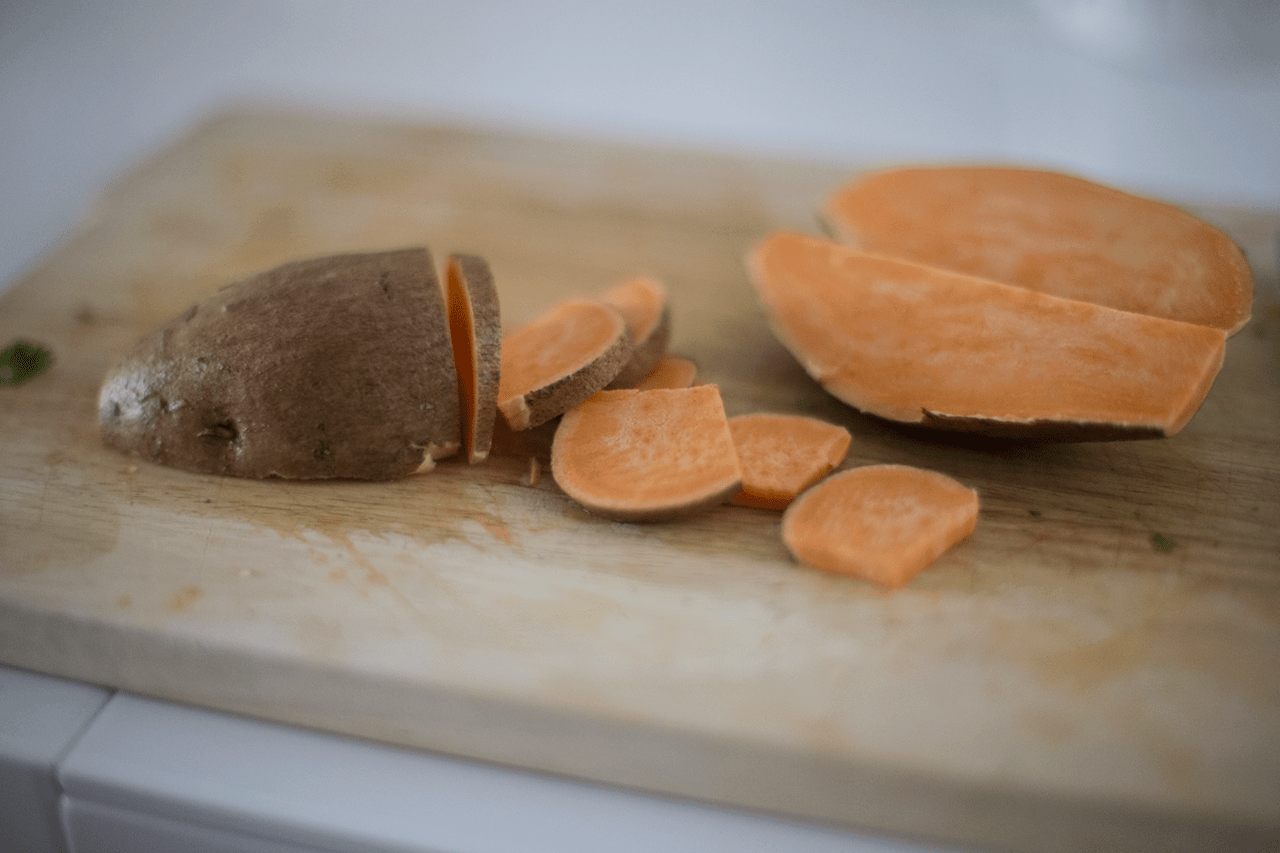
Sweet potato

30. Three-Bean Chili

Made with black beans, pinto beans and soybeans, this dish will really stick to your ribs on a chilly winter’s night. It’ll also warm you up quite nicely with its cumin and chili powder.

31. Pudding

Last but certainly not least, you can’t forget dessert! A sweet potato pudding is the perfect way to end your meal, especially when it’s shared among loved ones.

Final Thoughts on Sweet Potato Dishes

There are many ways to use sweet potatoes in everyday cooking. It doesn’t have to be a special occasion. Sweet potatoes might be a staple of the holidays, but you can also dish them up in all kinds of breakfasts, lunches, brunches, dinners, snacks and desserts.

Don’t be afraid of sweet potatoes. Experiment with different meals until you find your family’s new favorite!
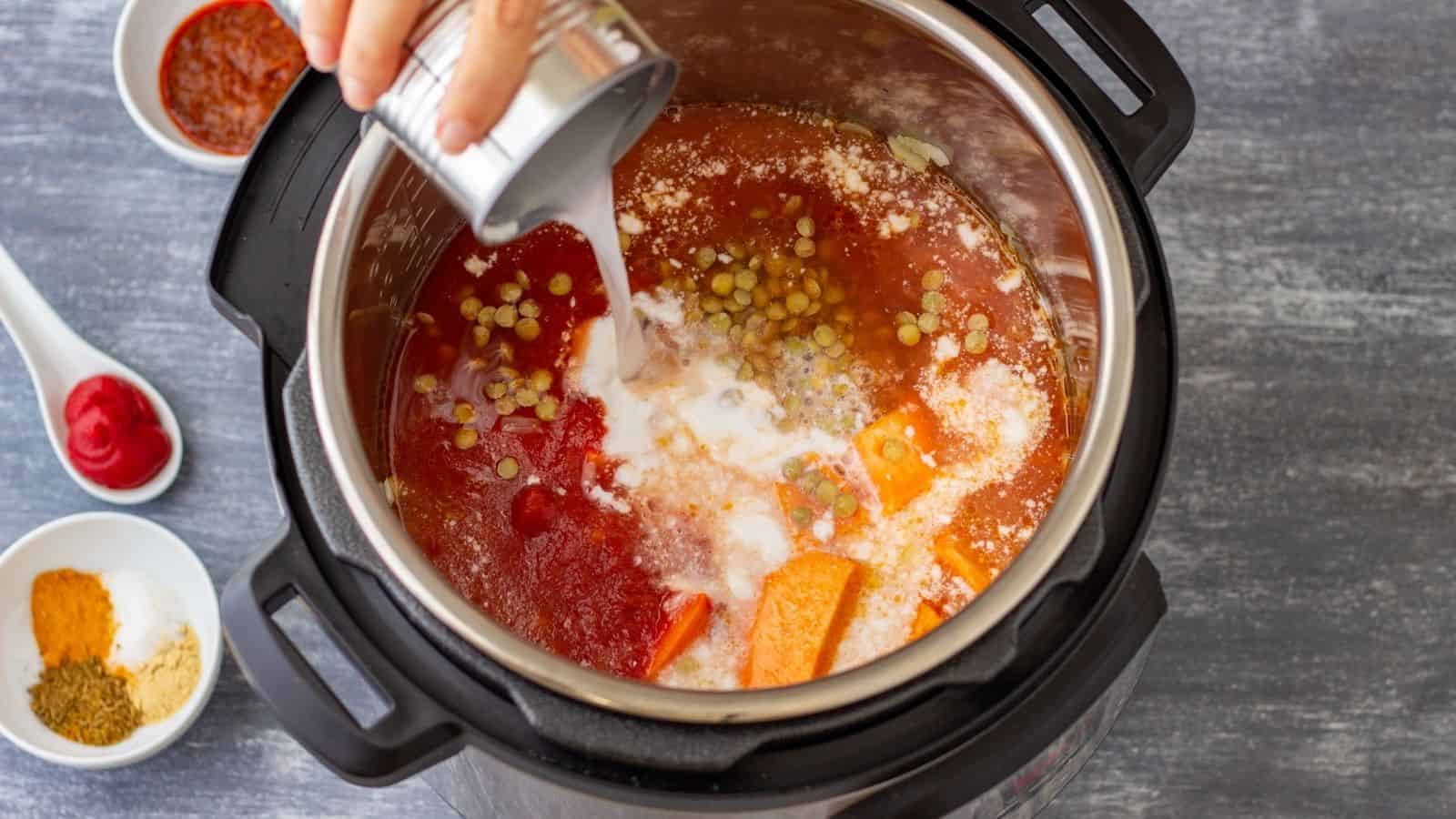

25 Instant Pot Recipes That Take Less Than 30 Minutes

During Prime Day 2018, which is a 36-hour flash sale for Amazon Prime members, Amazon sold over 300,000 Instant Pots. CNBC published that Instant Pot has sold over 5 million products in just three years.

With so many people owning these time-reducing cooking devices, being armed with the right recipes can help make your life even easier. Whether you are interested in a main dish or dessert, these Instant Pot recipes can make nearly anything you can imagine in far less time.

To save even more time, all parts of the Instant Pot, except the outside base, are able to be put in the dishwasher. Between reducing cook times and simplifying cleanup, it is easy to see the reason so many people have purchased one.

Here are 25 mouthwatering Instant Pot recipes:

Plant Based

Skip the meat and save the planet and your health. According to The Times, it takes roughly 4,000 gallons of water to produce 2.2 pounds of beef, whereas it only takes 2.5 gallons to grow one potato plant. The more plant-based dishes you make, the better it is for the planet and your health.

Baked Potatoes

Baked potatoes are an easy and affordable option for parties and meal prepping. Instant Pot recipe tips for baked potatoes include using one cup of water for three pounds of potatoes. Be sure to place the potatoes on the steam rack.

Braised Cabbage

A filling and flavorful sweet and spicy braised cabbage can be prepared in roughly 10 minutes. You will need to prepare the meal in two steps. The cabbage will be cooked in the pressure cooker. The sauce will be prepared in the pot once the cabbage wedges are removed.

Vegetable Lo Mein

You can actually cook both the noodles and the vegetables together. Place the noodles on the bottom with the veggies on top. Cover everything with the sauce and cooking liquid and you are done. The pressure cooker will take care of the rest.

Black Bean Burrito

Be sure to use a recipe that incorporates flavor for this meatless Instant Pot dish. Use beans and corn and add jalapeno, spices and broth to ensure the rice is packed with flavor. Serve in a wrap or in a bowl.

Pasta Puttanesca

You can change pasta puttanesca Instant Pot recipes to suit your preferences. Use either store-bought or homemade marinara sauce and use whichever type of olives you prefer. Cook the pasta and other ingredients together at the same time.

Lean Protein

If you are going to eat meat, lean protein is essential. According to the American Heart Association, red meat is full of saturated fat that leads to heart disease and high blood pressure. These lean protein Instant Pot recipes can help to keep your heart in top shape.

Rotisserie Chicken

The key to a moist rotisserie Instant Pot chicken is to add enough moisture. To be able to cook the entire chicken within 30 minutes, the chicken must be four pounds or less. You can make any type of chicken from jerk chicken to lemon and rosemary.

Pork Carnitas

The keys to sensational pork carnitas are the seasoning and the caramelized liquid at the end. You can even use fresh or frozen pork to make your carnitas. The tip is that you will have to add 10 minutes of cook time for every pound of frozen pork you use.

Thai Chicken Noodle Bowl

You no longer have to spend an hour to develop the complex flavors of Thai food. Now, you simply have to sear your chicken and add the other ingredients. You can even cook the noodles at the same time as the entire dish is prepared in six minutes.

Turkey Bolognese

You can have a spaghetti sauce ready in 10 minutes that tastes as though it was cooking all day. Be sure to brown the turkey and saute the onion before you add the other ingredients. Once all the ingredients are in the pot, use the pressure cooker setting to maximize flavor in minutes.

Chicken Tikka Masala

Indian food can be a time-consuming mess to prepare; however, these Instant Pot recipe tips allow you to eliminate dirty dishes and save time. You will only require five steps in one pot which include sauteeing, deglazing, pressure cooking, and finishing with cream.

pressure cooker recipesSides

You can have fast, hot sides and a hands-free experience with these instant pot recipe tips. Sides are an excellent way to incorporate more vitamins and nutrients into your meals, and you can make a large batch as meal prep for the week.

Apple Sauce

Save money and improve your health with Instant Pot applesauce. You can use a wide range of apple varieties. If you are looking for a healthier version to feed your loved ones, be sure to look for Instant Pot recipes that are sugar-free.

Rice

Instant Pot recipe tips exist for nearly every type of rice. If you have never been able to cook rice properly, Instant Pot eliminates the guesswork. Simply follow the rice-to-water ratio based on the type of rice you are preparing, place the lid, set your timer and you are ready to go.

Vegetable Medley

Place any vegetable combination that you prefer into the pot, including potatoes if you like. Cover with water or vegetable broth and pressurize for five minutes. Remember that seasonal vegetables are always better.

Hummus

Take dry chickpeas and make them tender and juicy in less than 30 minutes with your Instant Pot. This quick soak and pressurized cooking method allows you to make velvety smooth hummus in minutes rather than a day.

Baked Beans

Some Instant Pot baked bean recipes take over an hour; however, others take only 30 minutes. To reduce cooking time, use canned beans. To make a healthier version, use a recipe that makes bbq sauce from scratch.

Baked Goods

You no longer have to wait hours for fresh and delicious baked goods to show your loved ones just how much you care. You can make everything in an Instant Pot from bread to breakfast.

Cornbread

Cornbread is always a good idea. With the help of Instant Pot recipes, you can cut down the bake and prep time. The results will be best if you use a seven-inch springform pan covered with cooking spray. Be sure to use the pressure cooker setting.

Cinnamon Rolls

You can make cinnamon rolls within 30 minutes for a special treat. Cinnamon rolls do take some work; however, the end results are priceless. And, you can freeze them so that you have them for breakfast or brunch at any time.

Pancakes

You can easily make giant pancakes inside the pot. Be sure to grease the sides of the cooker with cooking spray before you begin, and use a spatula to loosen and remove the pancake as it can stick.

Frittata

If you have a seven-inch round pan and aluminum foil, you can make a frittata inside your Instant Pot. This simple baked good is as easy as eggs and vegetables. You can add any other ingredients you like from bacon and cheese to ham and asparagus.

Dinner Rolls

Instant Pot recipes for dinner rolls can be no knead so that you can complete the bake time in 15 to 20 minutes. Dinner rolls have never been so easy to prepare at home for a healthier and less expensive option.

Sweet Treats

Even if you do not consider yourself a well-versed baker, these Instant Pot recipe tips will allow you to make scrumptious desserts in minutes. These recipes are perfect for dinner parties and holidays.

Japanese Cheesecake

A Japanese cheesecake is lighter and fluffier than the more dense US version. To accomplish the delicate texture of this type of cheesecake, an Instant Pot is the perfect cooking device. In 17 minutes, you can have a silky smooth and sinfully delicious dessert.

Chocolate Lava Cake

Timing is essential when it comes to chocolate lava cake. If you live in a higher altitude, it may take a minute or two longer to cook than many recipes suggest. It is also important to note that you cannot allow the pressure to release too slow or it will overcook.

Banana Cake

If you have a bundt pan, you can make this delicious banana cake. If you do not have buttermilk, mix milk and vinegar as an easy kitchen hack. The riper the banana, the stronger the banana flavor will be throughout the cake.

instant pot recipes

Apple Crisp

You can have a rustic dessert ready in less than 10 minutes. When apples are in season, it is time to make apple crisp. Instant Pot recipes for apple crisps will use the pressure cooker feature to ensure the apples are tender.

Chocolate Zucchini Muffins

You will require the Instant Pot muffin cups to make these rich and soft dessert bites. The zucchini adds a touch of health, and if you use dark chocolate, you can make it even healthier. Be sure to let the muffins rest before you eat them for the best results.

Final Thoughts on Instant Pot

Instant Pot recipes are nearly endless. You can make all types of meals to satisfy any and all dietary preferences. Save precious money and time by preparing your food in an Instant Pot. From breakfast to dessert, you no longer have to spend hours in the kitchen.

Researchers Reveal Losing A Dog Can Be As Hard As Losing A Loved One

If you’ve loved and lost a dog before, you know that it’s a harrowing experience. After all, a pet isn’t just an animal you own. Instead, this is someone you consider a member of your family. You share a special bond with them, and they become your best friend and companion. Losing a dog can bring deep sadness.

Many times, dog owners need time to grieve and process the loss of their beloved pets before being able to move on. Those around them who have not experienced this pain may not understand. They might tell a grieving “pet parent” to just get over it since it’s “only a dog.” However, this only serves to worsen the pain.

Now, science has proven that mourning the loss of a much-loved dog is not unusual and is, in fact, a real and valid experience. In fact, this research suggests that overcoming the death of a passed pet may be harder than healing from the passing of a human. Here’s what we’ve learned from this study on why it can be so hard to overcome losing a dog.

5 Reasons Why Losing A Dog Is As Hard As Losing A Loved One

“Sometimes losing a pet is more painful than losing a human because, in the case of the pet, you were not pretending to love it.” – Amy Sedaris

dog

1. Bonding

According to the Official Journal of the Human Behavior and Evolution Study, we forge bonds with our pups that are very comparable to the bonds we form with people. Our brains interpret these bonding activities in the same way. In other words, our bodies produce the same hormones when we bond with dogs and people.

This is why your pups begin to feel just like family to you The same chemical processes are taking place that would if you were speaking to a family member! When losing a dog, you must let go of a creature you have deeply bonded with.

2. Grieving

So, we’ve established that you bond with dogs and humans the same way. But when a canine companion dies, you can’t mourn for them like you do for people. When a human you’re close to passes away, you can seek therapy or counseling, have the support of friends, family, and loved ones, and hold or attend a funeral.

But when a dog dies, you must move on as quickly as possible because this is what others deem acceptable. You can’t turn down social events or have a slower performance at work because, according to Telegraph, others don’t see the loss of a pet as something worth grieving over.

Additionally, attending therapy for such a thing might result in negative social repercussions. This can make it challenging to reconcile a pet’s passing and find closure so you can move on.

3. Love and Comfort

When your pet dies, you aren’t just losing a dog. You’re losing the feelings you got around them. You’re losing their love, the comfort their presence gave, and the companionship they provided. That’s a lot to lose in one go, making you feel very empty.

Plus, dogs give their human moms and dads the kind of unconditional love that you can’t find in people. It’s a love that hurts to lose.

4. Memories and Routines

If you had a dog, they likely lived with you; you spent most of your time at home with them around. When they pass away, your home becomes different.

  • Gone are the routines you got so used to – feeding your pup or taking them out on walks.
  • You no longer hear them running through the house, or feel them when they jump up on your lap for a cuddle.
  • This can make you feel lost, especially if you’re one of the many pet owners whose daily schedule has always involved their pets.

losing a dog

You might continue automatically performing tasks or actions that would only apply if your dog was still around. This makes it all the more difficult to move on.

5. Guilt

Sometimes, a decision about your dog’s life is placed in your hands. If they were suffering, you might have had to decide that it was time to put them to sleep. Although you made the best choice for your pup, you may still feel guilty about what happened.

Carrying around that guilt with you can make the goodbye even more difficult. You might feel like you should have done more – even when there was nothing else you could do.

So, What Does This All Mean?

Losing a dog – or any pet – is going to be heartbreaking. Remember that your feelings are valid and that it is okay to need to grieve them. And if other people don’t understand, tell them your feelings are backed by science!

Scientists Explain How This South American Tribal Diet Can Lower Your Risk of Heart Disease

Here are a few important (and alarming) statistics about heart disease, according to the American Heart Association:

  • Heart Disease (including Coronary Heart Disease, Hypertension, and Stroke) is the number one killer in the U.S.
  • Coronary heart disease is responsible for 1 in 7 deaths in the U.S., killing over 366,800 people a year.
  • The overall prevalence for heart attacks in the US is about 7.9 million, or 3 percent, in US adults.
  • In 2015, heart attacks killed 114,023 people in the U.S.
  • In the U.S., there are 720,000 instances of new heart attacks and 335,000 recurrent attacks each year. The average age of the first heart attack is 65.6 years for males and 72.0 years for females.
  • Every 40 seconds, an American has a heart attack.
  • From 2005 to 2015, the annual death rate associated with coronary heart disease decreased 34.4 percent and the number of deaths declined 17.7% – but the risk factors and burden on the healthcare system remain high.
  • The estimated yearly direct and indirect cost of heart disease in 2013 and 2014 was $204.8 billion.
  • Heart attacks ($12.1 billion) and Coronary Heart Disease ($9.0 billion) accounted for 2 of the 10 most expensive conditions treated in US hospitals in 2013.
  • Between 2013 and 2030, the cost of treating coronary heart disease is expected to increase by around 100 percent.

These are pretty depressing statistics, but what can we learn from them? Why is the westernized world so susceptible to these diseases, while those who live largely off the land have virtually no risk factors for heart-related conditions? In this article, we’ll discuss a tribe in South America who can teach us a thing or two about healthy living.

Introducing the Tsimane

When it comes to heart disease, an indigenous tribe in the Amazon basin of Bolivia, The Tsimane, has the lowest rates ever recorded among a human population. Researchers from the University of California Santa Barbara (UCSB) found that the Tsimane tribe has low instances of high blood pressure and type 2 diabetes as well. However, their overall body mass index (BMI) is not necessarily on the smaller side, proving that a higher-than-average BMI does not pose a greater risk for heart disease.

According to Hillard Kaplan, lead author of the study and professor of Anthropology at the University of New Mexico, people of the Tsimane tribe often live into old age with little to no risk of coronary atherosclerosis, the primary cause of heart attacks. In fact, people in the U.S. are five times as likely as members of the Tsimane tribe to suffer from heart disease.

Michael Gurven, co-director of the UCSB Tsimane Health and Life History Project and another author of the study, along with other researchers, conducted 2,500 interviews with Tsimane people in 78 communities about their diet. The researchers found that their diet consists of a high intake of carbohydrates (376-423 grams/day) and protein (119-139 g/d) and low consumption of fats (40-46 g/d). They kept caloric intake between 2,422 and 2,736 kcal, 64% of which came from complex carbohydrates.

In the U.S., calorie recommendations are between 1,600 to 2,400 kcal/day for adult women and 2,000 to 3,000 kcal/day for men, but Tsimane people are far more active and need the extra energy from food.

Factors that lower risk of heart disease in Tsimane people

What makes the indigenous people of Bolivia so healthy is not all that different from what the American Heart Association recommends.

Here are seven tips to help lower your risk of heart disease:

  • Stay active. The Tsimane spend a large portion of their day staying physically active; in fact, they only spend 10% of their waking hours sedentary. Men spend an average of 6-7 hours of their day hunting, fishing, and farming and women spend 4-6 hours gathering food. To put this in perspective, people in urban areas are sedentary for more than half their waking hours.
  • Control cholesterol. The Tsimane do this by eating a diet strictly from the Earth, consuming things like plantain, manioc, rice, and corn.
  • Eat a healthy diet. To elaborate on the point above, the indigenous people of Bolivia eat a high-carbohydrate diet and keep fats and protein low. They do eat some wild game and fish, but the bulk of their calories comes from unprocessed fiber-rich carbs.
  • Manage blood pressure. Again, the Tsimane do this by staying active, eating well, maintaining a healthy weight and spending a lot of time outdoors.
  • Watch your weight. Staying active for the majority of the day makes this much easier to accomplish.
  • Lower blood sugar. Because the Tsimane don’t eat processed sugar, they are able to maintain healthy blood sugar levels.
  • Refrain from smoking. Smoking has been shown to increase the risk of heart disease.

According to the study published in the medical journal The Lancet, the tips above could greatly benefit those living in industrial populations. However, due to working and living conditions in the Western world, duplicating the Tsimanes’ way of life is almost impossible. We would have to make drastic changes to our lifestyle, so the best course of action for now is to incorporate as many of these factors into your daily life as you can.

A Few Starting Tips

  • Add more movement into your day by biking or walking to work, if possible.
  • Even walking to do your errands instead of driving will benefit your health.
  • Quitting smoking and eating mostly whole foods will also lower your risk factor for heart disease.

Pressure from the Outside World

Despite being healthier than people living in urban areas, the Tsimane are facing a great deal of pressure from modern society. Because of better roads and access to motorized boats, the Tsimane can now travel to other areas in Bolivia. Consequently, researchers found that total energy and carbohydrate intake increased over the five-year data collection period, especially in villages near towns with markets. Sadly, the team also found that the Tsimane, on average, consumed 15.8 more grams of sugar per day and 4.9 mL more oil in 2015 than in 2010.

heart disease

The study was strictly observational. Researchers analyzed CT scans of the heart and measured weight, age, heart rate, blood pressure, cholesterol, blood glucose and inflammation. Therefore, it can’t conclude which part of the Tsimane lifestyle protects from heart disease and vascular aging the most. However, researchers believe that lifestyle plays a larger role than genetics. They have observed increases in cholesterol levels due to consumption of more processed foods with additives.

The Study

Researchers did a cross-sectional study on the Tsimane population over 40 years of age. Coronary atherosclerosis was assessed by coronary artery calcium (CAC) scoring done with CT scans. The study analysed the difference in heart disease risk between the Tsimane and 6,814 participants from the Multi-Ethnic Study of Atherosclerosis (MESA). CAC scores higher than 100 indicated significant atherosclerotic disease.

Findings

Between July 2, 2014, and Sept 10, 2015, 705 Tsimane individuals were included in the study. While 596 (85%) of Tsimane had no CAC, 89 (13%) had CAC scores between 1–100. Only just 20 (3%) had CAC scores higher than 100. For those over 75 years of age, 31 (65%) Tsimane presented with a CAC score of 0. Only four (8%) had CAC scores of 100 or more, which is five times lower than industrialized populations. Obesity, high blood pressure, high blood sugar, and regular cigarette smoking were not common.

In regard to the MESA population, only 14% had no CAC and more than 50% had CAC scores over 100. Compared to the MESA group, it would take 28 years before the Tsimane reach a CAC score of at least 100. Researchers also estimate that an 80-year-old from the Tsimane people had a vascular age equivalent to an American in their mid-fifties.

Final Thoughts on Lowering Your Risk of Heart Disease

It’s easy to see why the indigenous tribe of Bolivia can remain healthy despite changes being made in their villages. The Tsimane diet and active lifestyle play a huge role in the Tsimane’s ability to keep healthy. Low instances of smoking and obesity also help to ward off heart disease and other preventable diseases such as diabetes.

The Tsimane eat largely from the land and keep trans fats, saturated fats, and oils out of their diet. Therefore, their bodies are not subject to as much inflammation as people in modern societies. The Tsimane diet can be compared to the Okinawa diet, which also incorporates rice, fresh vegetables, and little meat.

It seems that since we have moved away from nature as a culture, our health has rapidly deteriorated. Of course, many of us can’t just up and leave to live in nature. We can, however, take a few pointers from those who do. While many of us can’t replicate the Tsimanes’ lifestyle perfectly, we can learn from their way of living. We can also choose to incorporate some positive aspects into our lives. In general, staying active as much as possible will help ensure your well-being. Additionally, keeping stress low, utilizing positive thinking, eating healthy, and refraining from smoking will support your overall health levels and stave off the symptoms of heart disease.

Relationship Experts Explain Why It Is Ok To Be A Hopeless Romantic

The image of a hopeless romantic has been portrayed on the big screen and in books as a starry-eyed idealist, either romanticized or painted as a fool. Goalcast published the results of a study from the Journal of Social and Personal Relationships related to romanticism and how it impacts relationships. A study of 270 young couples found that those with higher expectations were more likely to view their partners as a good match.

Hopeless romantic tips from this type of person would include never giving up on true love. Finding “the one” is what they want. They won’t settle for less.

Below are some reasons why being a hopeless romantic is a good thing.

1. People who fall in this category are positive and resilient.

Everybody knows people who fall to pieces when a love affair goes wrong, swearing off relationships forever. This is the opposite of what you can expect from a romantic. While they still feel the terrible pain that coincides with a breakup, they do not give up.

What is so amazing about a romantic is that they continue on their quest for love with as much optimism as before the breakup. There is nothing more important to them than fulfilling this most basic need. If ever there was a glass-is-half-full type of person, hopeless romantics fit the bill.

2. They are not superficial friends or lovers.

Romantic people are willing to “fight the good fight” and stand by your side as a helpful and understanding companion. They really listen to what you have to say and give good advice from a healthy and positive place. As problem-solvers by nature, they are a good person to rely on when you need to talk.

Since they truly care for people, they will consider your concerns as important as their own. They are loyal people to have in your corner.

3. Romantics are able to look past superficial distractions to find meaningful love.

While too many people get wrapped up in the image of a person they date, a hopeless romantic wants so much more. They can be honest about the type of person they want inside and out with a focus on character, personality and values. They aren’t into meaningless flings. One-night stands and hookups are not on their agenda.

4. A romantic will make you a better person if you let them into your life.

True love means believing in the best in another person. A hopeless romantic will expect the best from their partner. They will never give up on them. They see all their partner’s potential and will be encouraging and understanding through the ups and downs of life like no other partner.

5. Romantics are not hard to please.

While a romantic has high standards and knows exactly what they want, once they get it, they are easy to please. The little things mean a lot. These people don’t need to be impressed. Hopeless romantic tips about how to win them over have little to do with money and big gestures designed for seduction purposes.

They know true love can’t be purchased. Noticing that she is wearing a new perfume will be appreciated. Noticing that he’s been working out will be appreciated, too. That’s why romantics are so easy to please.

6. Hopeless romantics are very honest about their feelings.

People who play games make for a frustrating and emotional roller coaster. A hopeless romantic is honest about their feelings and is happy to tell you how much they care. You will always know where you stand with your romantic partner. Anyone who has ever been manipulated or taken for granted can rest assured that this is not something they have to worry about with a romantic partner.

hopeless romantic

7. Hopeless romantics believe commitment is very romantic.

Romantics are in it for the long haul. When they see an old couple walking hand in hand, they see success. That’s what they want. When a true romantic falls in love with you, they want it to last. They believe in forever in a world where few people really believe in love that lasts ’til death do us part.

Old-fashioned romantics believe in honor. They want nothing more than to relax in the knowing that they are in a “forever” relationship. They plan their life with the person they love.

Conclusion

hopeless romantic has a lot to offer a partner. In a world where true love has been reduced to sex on demand via a number of apps, a romantic will have your back. They will fulfill all your wildest dreams with a commitment that can leave a person feverish with the strength of their undying devotion.

https://www.youtube.com/watch?time_continue=1&v=vJc5VeId_Lc

(C)Power of Positivity, LLC. All rights reserved

11 Ways To Deal With A Loved One Suffering From OCD

Obsessive-compulsive disorder (OCD) is categorized as a mental health condition. It triggers feelings of distress and anxiety when someone has obsessive and intrusive thoughts or impulses. Usually, the individual attempts to pacify the anxiety with compulsive behaviors.

Everyone has obsessions and compulsions. For instance, you might be worried about a loved one getting sick and wonder if the illness will end in a tragedy. Now, someone without OCD may easily move on from this. But someone with OCD would grow more anxious and let his thoughts or feelings consume his focus and disrupt his day-to-day activities. This is the difference between OCD tendencies and a full-blown disorder, according to the Journal of Obsessive-Compulsive and Related Disorders.

An OCD diagnosis may be determined after a series of medical exams and psychological tests. The condition can, fortunately, be treated with medication and behavioral therapy. In this article, we will discuss some ways to deal with a loved one suffering from OCD.

Here Are 11 Ways To Deal With A Loved One Suffering From OCD

“It’s like having two brains – a rational brain and an irrational brain. And they’re constantly fighting.” – Emilie Ford

1.    Be attentive to the signals and symptoms of OCD

Sometimes, people suffering from OCD will manifest behaviors that they’re not aware are obsessions and compulsions. The people around them might also dismiss these behaviors as part of their quirks and general personality.

It’s common for the changes in their action and attitude to be gradual until it becomes disorderly and truly upsetting. Some of the signs you need to pay attention to might include:

  • Having trouble sleeping
  • Staying up late to get something done
  • Difficulty in coping with daily activities
  • Taking longer to finish a simple task
  • Exhibiting unusual tardiness
  • Needing to do things again and again
  • Preferring to spend time alone
  • Becoming more irritable and indecisive
  • Overreacting on the smallest things
  • Growing extremely concerned or worried about minor nuances in life

When confronted, blamed or criticized for their behavior, a person with OCD may also demonstrate high anxiety. Growing aware of these things can help you better understand and accept a person with this mental health disorder.

2.    Be very supportive

Showing a positive emotional support to a loved one with OCD is important. It will help him or her feel accepted and loved despite the disorder. Let your loved one know that they can count on you if they need to unload their feelings and frustrations. Let them feel that they can open up to you. Give assurance that you can be trusted with the details of their worst fears or anxieties.

Communicate your support with kind and positive words. At the same time, you don’t have to necessarily validate the behaviors linked to OCD. You can also help your loved one learn to evaluate just how intrusive and disruptive those thoughts and feelings are, so they will be able to better manage.

3.    Muster patience and adjust your expectations

You have to adjust your expectations and extend patience when dealing with a loved one with OCD. Understand that those who suffer from this condition may be resistant and difficult to change. Any sudden changes to their life and routines can trigger OCD behaviors, as per a study in the University of Iowa Iowa Research Online.

  • If you get easily frustrated, you won’t be able to show adequate support.
  • Remind yourself when the going gets tough that managing and treating OCD is a gradual process.
  • As far as the expectations go, avoid making day-to-day comparisons of your loved one’s progress. It won’t add any value to how you deal with an OCD person.

As much as possible, put more focus on the small but positive improvements he or she makes instead of the setbacks and failures.

4.    Have a reasonable space from each other

You don’t have to remain physically at the side of your loved with OCD all the time. Sometimes, time apart will be good for both of you as your world shouldn’t be consumed by the condition.

Remember, this disorder is not the only connection you have with each other. Don’t feel guilty when you cannot be with your loved one every single minute. The distance and separation will also enable you to recharge and recover so you can continue to be supportive and understanding of your loved one.

5.    Understand the difference between supporting and enabling

It’s easy to blur the lines between supporting and enabling when your only intention is to help your loved one. But you enable someone with OCD if your support is actually reinforcing the compulsive behaviors.

For instance, your loved one’s compulsion is to break the bread he eats with his meals every single time. Otherwise, it will make him upset and trigger other reactions that will make the rest of his day harder to deal with. So, you try to avoid upsetting him by preparing food with the bread already separated into pieces.

Realize that performing such actions will only reinforce your loved ones’ compulsion. When you’re enabling him, what you’re really saying is that his irrational feelings and actions are justified so he can continue with the compulsive behaviors. Are these scenarios familiar to you?

  • Your family no longer eats out at restaurants because your loved one may find the place dirty and trigger compulsive behavior.
  • You stock up on cleaning products just in case your loved one has the urge to obsessively tidy up something in your home.
  • You don’t let your loved one do chores around the house because he or she takes longer to finish it.

It’s not healthy to let your loved one avoid feelings or things that may upset or frustrate him. He needs to develop coping skills and still be a functional individual because setbacks are a part of life.

6.    Don’t modify your own routines to accommodate your loved one’s OCD

Accommodating your loved one’s OCD symptoms will be counter-productive. It won’t also be healthy for the whole family to change their routines and activities just to avoid upsetting the person with OCD, according to the Brazilian Journal of Psychiatry.

For instance, you don’t want to start your meal as a family until your loved one with OCD is done with her rituals. But if she takes 10 minutes to wash her hands before eating because she has a particular approach, it’s also not fair to make everyone else wait for her.

According to Anxiety Canada, giving in to the compulsion is being a hostage to the condition. In fact, these rituals can be changed, delayed, or avoided altogether in due time. It might be upsetting at first, especially for the one with OCD, but you might be surprised it’s easier to tolerate and deal with than accommodate and let the behavior persist.

7.    Encourage them to get professional help

It’s not going to be easy to deal with the OCD without the help of a professional. But people with this condition will not easily be open to the idea of getting help from doctors. This is likely because of the stigma and judgment that comes with having mental health disorders.

But you can slowly encourage the idea of seeking help by bringing home various kinds of literature on OCD treatments. You can find this literature from OCD support groups or a doctor’s clinic.

  • If your loved one does not want to seek professional help, suggest he or she join a support group.
  • Calmly discuss the advantages and the disadvantages; don’t expect one discussion to bring positive results right away.
  • The important thing is to emphasize that OCD can be treated and managed.
  • Make it clear as well that you are not forcing your loved one to get into therapy.
  • Reading up on the condition and treatment options will shed light on understanding and options.

8.    Set a contract

It might also help to have a written agreement between you and your loved one with OCD. This is like a contract that will serve as a roadmap or guideline on how you can work together to prevent the disorder from affecting your lives.

The contact must include specifics, such as small and big goals, the timeline, and a step-by-step approach to potential problems. Clarity would be vital in this situation to enforce the improvements you want to achieve. It should encourage order and harmony in the household even if your everyday situations prove challenging.

It’s very important for everyone in the family to be consulted about the contract. They need to agree and understand its purpose.  If possible, have your loved one’s OCD therapist on board as well (if he or she is already seeking treatment).

9.    Join your loved one when visiting the doctor

This is one of those cases where you really need to be physically present with your loved one if he or she has signed on for a treatment program. In many instances, the family should be actively involved with the therapy so that it will bear more positive results, as per a study in Behavior Therapy.

It can help facilitate proper communication between family members and clear out any resentments or anger. Your participation in the doctor visits and therapy sessions will also be helpful for keeping track of your loved one’s OCD manifestations and progress tracking.

10.  Make sure your loved one is following the prescribed medication

Medications, especially for mental health disorders, have side effects that can also impact a change in behavior. Make sure your loved one is following what has properly been prescribed.

  • It might be tempting to undermine what the doctor has prescribed, especially if you want the medications to take effect right away.
  • Don’t make any changes to the dosage and frequency without explicit instructions from the doctor because this can compromise the treatment process.
  • Don’t hesitate to ask the doctor about the side effects as well so that you can report them on a subsequent visit.

11.  Move on with your life if your loved one does not want professional help, but continue to educate yourself

If your loved one still won’t seek professional help, know that it is not the end of the world. However, you need to move on with your life. Accept that you’ve done all you can for your loved one. This time, you might need to focus on self-care and get back to enriching your life.

ocd

You don’t have to stop learning about the condition, however; continue to read up on OCD. The more you learn, the easier it will be for you to understand what people with this disorder are really going through.

Final Thoughts On Ways To Deal With A Loved One Suffering From OCD

Your life with a loved with OCD must never be centered on the disorder. Tolerance and understanding are vital but keep your daily lives normal. Even with treatment and medications, OCD sufferers will continue to have triggers and stressors.

The most effective way for you to truly help a loved one with OCD is to let them learn, cope, and tolerate the uncertainties of life. It’s not always going to be okay but you can weather through the challenges of this condition if you remain supportive.

https://www.youtube.com/watch?v=FWMSYeRHWU4

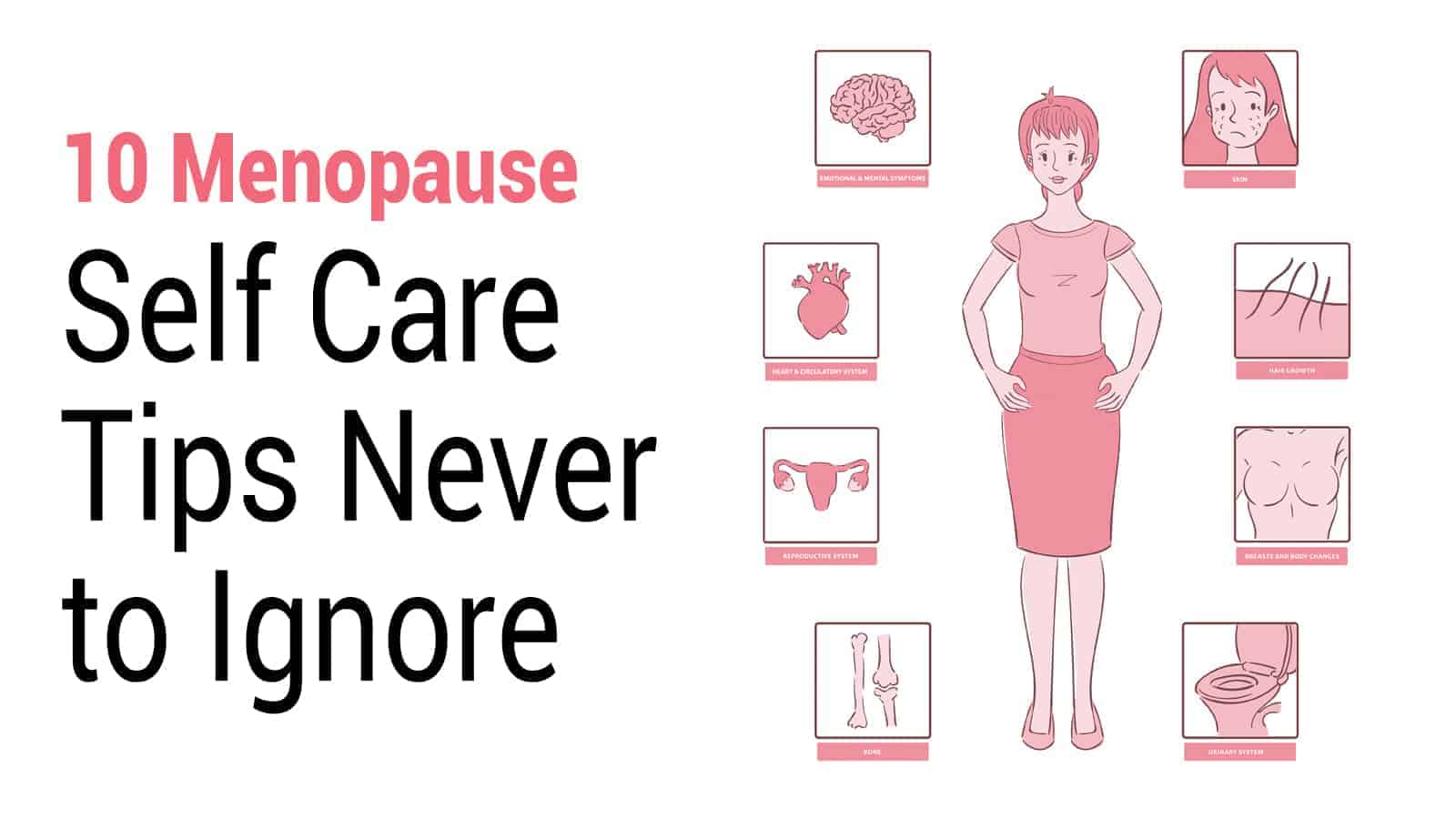
12 Menopause Symptoms Most Women Ignore

Many menopause symptoms go unnoticed by women because they attribute them to something else. People generally associate hot flashes with menopause-related health problems. While hot flashes are certainly one of the most recognized menopause symptoms, other symptoms may be less obvious. This is partly because they can all be caused by any number of reasons or conditions, and in some cases, the cause could be idiopathic. However, when you put the symptoms together and factor in age, it may become obvious that these related symptoms are due to menopause-related problems.

Women go through a pre-menopause stage called perimenopause. There is also an after-stage called postmenopause. Symptoms can happen in any stage of the condition. Below are twelve not-so-obvious menopause symptoms that can happen in any stage.

1. Night Sweats

Night sweats are hot flashes that occur in your sleep. Chances are, if you experience hot flashes during the day, you’ll experience night sweats at some point. This could be accompanied by secondary general hyperhydrosis, which is excessive sweating[1].

If you have night sweats as a menopause-related symptom, there is no pattern to them. They range in severity from mild, to moderate, to extreme and they may or may not wake you up. They last anywhere from one to five minutes, average being three minutes. You may experience many of them in an hour, one a day, one a week, or anything in between.

menopause self care

2. Sleep Problems

Many women experience sleep problems.  This could be due to night sweats or hormone fluctuations (also a symptom we discuss further in this article). Women may begin to snore; in extreme cases, some may even suffer from insomnia.

Sometimes women who have menopause-related sleep disorders can develop sleep apnea. This condition is characterized by small periods that you stop breathing while sleeping. In other cases, women may not lose any sleep time, but the quality of their sleep will suffer, so they’ll still wake up tired.

3. Hormonal Imbalances

Menopause is basically one big hormonal imbalance. It occurs because the ovaries progressively make less and less estrogen and progesterone. This causes menstrual periods to be irregular and eventually stop altogether.

Hormonal imbalance isn’t just a symptom; it’s often the root cause of menopause-related issues. This imbalance, part of the natural aging process, brings on many common menopause symptoms. While there’s no “cure” for aging, hormone therapy can provide relief by restoring balance to the body. For those seeking effective hormone therapy in Charlotte at Spartan Medical Associates offers specialized care to help manage and alleviate these symptoms, supporting a healthier, more balanced life.

4. Uterine Bleeding

Bleeding during or after menopause is not normal. It’s true that you can have heavy periods when experiencing perimenopause, but any uterine bleeding outside of this should be taken seriously. Perimenopause can cause conditions such as[4]:

  • Polyps – non-cancerous growths that can form on the uterus lining or on the cervix
  • Endometrial Atrophy
  • Endometrial Hyperplasia

All of these can cause uterine bleeding, so it’s important to see your doctor to determine if you have any of these conditions.

menopause5. Mood Swings

Because women can suffer from hormonal imbalances, they may also suffer from mood swings. Hormones basically control your mood, so if they are out of whack you may find yourself reacting to situations inappropriately[3]. Even worse, you may not be able to control your emotions very well for a while.

You may overreact to the simplest things or you may be depressed. If you’ve had problems with depression in the past, it could get worse. Other stressors in your life such as bills, empty-nest syndrome, etc. can compound the problems with mood swings.

6. Vaginal Dryness

Normally, with the right amount of estrogen, the vagina stays moist with a thin fluid lining. This means that the lining may dry up with a drop in estrogen, causing painful or uncomfortable sex. Not only will this feel terrible when you have sex, but it can possibly damage your vagina.

There is about a 33% chance that a woman will develop vaginal dryness. There are many treatments available to combat the dryness that range from simple topical creams to surgery.

7. Irregular Periods

Estrogen is responsible for regulating menstrual cycles so with a decrease in estrogen, your menstrual cycle can behave strangely. You may have longer periods, shorter periods, or light to heavy flows. You may even skip periods. Eventually, the result will be no more periods, but during the perimenopause stage, you’ll most likely have very unpredictable menstrual cycles.

8. Memory Problems

The memory problems that women experience as a symptom aren’t as severe as dementia or amnesia, but they can be a bit annoying. Women may find themselves at a loss for certain words or unable to locate simple items like keys or a cell phone.

These memory problems can stem from a few different areas. For one, hormone imbalances can affect memory. It could also be stress-related. Women may stress about other things in their lives which can affect their memory.

9. Decreased Libido

Women starting perimenopause and/or going through the last two stages may find that their sex drive has decreased. This makes sense because a lot of the desire for sex comes from the natural instinct to reproduce [5], but with decreased ovulation or anovulation, reproduction ceases.

The decreased desire for sex isn’t a “medical” concern but more of a feeling resulting from other problems. For example, vaginal dryness can cause women to not want sex. The stress of going through menopause could be another reason.

10. Weight Gain

Weight gain and/or fat gain is one of the more common menopause symptoms. If you are middle-aged and seem to be putting on weight for no reason, it could indicate perimenopause. The average woman gains around five pounds during this time in their life [6] and it can be more if the woman is already overweight. The weight gain can appear to be targeted because women may notice more fat around their midsections and thighs.

Although research has proven the correlation between women in one of the menopause-phases and weight gain, the reason this happens isn’t understood yet. Many researchers speculate that its simply because of age-related lifestyles. Kids are now older and women aren’t as active around this age so the lack of activity can lead to weight gain. It is more than likely a combination of aging and menopause symptoms that lead to weight gain.

11. Stiff Joints

Stiff joints and joint pain can be one of the menopause symptoms. This is because a loss in estrogen can also mean a loss in bone mass. Women can lose as much as 20 percent of their bone mass within five years of postmenopause[7]. This thinning of the bones can lead to osteoporosis.

Osteoarthritis is another condition that can lead to stiff joints and joint pain. Like osteoporosis, osteoarthritis is characterized by a loss of bone mass, but also a loss of cartilage that cushions joints. Osteoarthritis can cause older women to become disabled due to the joint pain that the condition can cause.

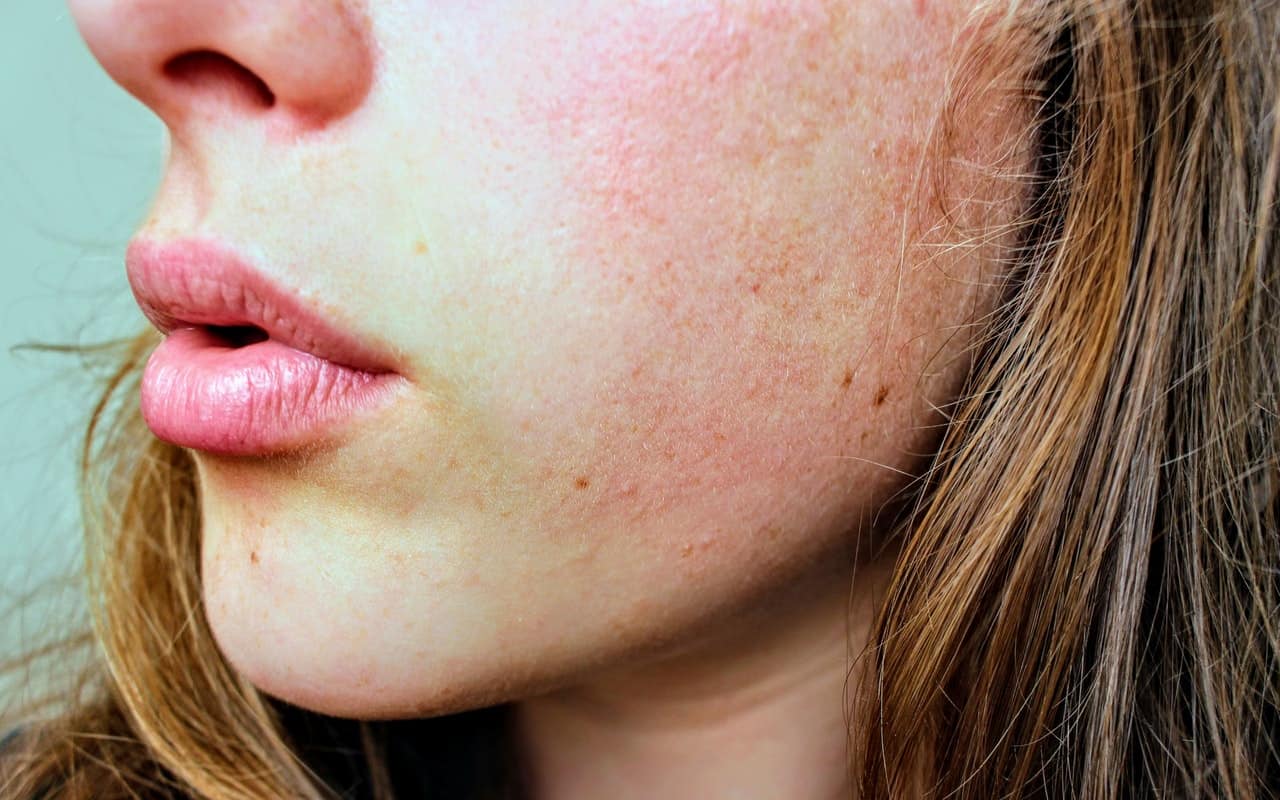
12. Hair and Skin Become Drier

dehydrated skin

Declines in estrogen can have a major effect on your hair. Your hair may become weaker and break more easily than normal. The hormone imbalance can cause more hair to grow on your face and less on your head where you want it to be.

Your skin may suffer also. It can become dry and flaky, and wrinkles can begin. Age spots will begin to show, and skin cancers may begin to develop. In fact, it is at this time in a woman’s life that the risk of skin cancer goes up dramatically so it’s important to keep an eye on any concerns.

Final Thoughts

Many of the symptoms we’ve described often get attributed to something else. Some women may ignore them altogether if the symptoms aren’t severe enough. Individually, many of the symptoms can seem like isolated problems, but if you notice that you have several of these symptoms and you’re in the age range of 48 to 55, there is a high probability that you are experiencing menopause symptoms.

It can be overwhelming dealing with all of them, but don’t ignore them. There are treatments available to ease many of the symptoms. If you consider a treatment like a hormone therapy, there are lots of medical providers that can offer you the best services. Hormone therapies, medications, or even holistic therapies may provide relief. Before you know it, you can be back to your old self again.

10 Unhealthy Habits That Can Create Diabetes

In the past, the only ones at risk for diabetes – particularly type 2 diabetes – have been those who struggle with obesity or have a history of the disease in the family. But much has changed these days, especially when it comes to people’s lifestyle and habits.

Today, cases of diabetes are rising. At least 1.5 million people in the U.S. are diagnosed with the disease every year, as per the Diabetes.Org. This chronic condition is becoming a global epidemic because of people’s diet, lifestyle, and unhealthy routines. Here are some habits you might not realize can create diabetes.

Here Are 10 Unhealthy Habits That Can Create Diabetes

“The sooner people find out they have prediabetes and take action, the better their chances of preventing type 2 diabetes.” – Dr. Ann Albright

1.    You’re not a breakfast person

Are you the type of person who skips breakfast?

  • When you don’t eat your morning meals, you’re actually disrupting the functions of the insulin in your body.
  • This, in turn, can cause your blood sugar levels to be erratic.
  • It may also trigger the decline of the beta-cell function that’s important for turning glucose into energy.

Now, the effects of a higher blood sugar level will be harder to correct as the day progresses. If you’ve made it a habit to skip breakfast, you’ll raise your risk for developing diabetes. This is because you’ll likely indulge in more high-sugar foods to get through the day.

Experts say that it’s much better to skip dinner meals than your morning meals. A study in the journal Diabetes Care learned that people with diabetes, who like eating a heavy breakfast and light dinner, lowered their blood sugar levels by 20 percent compared to those who had a light breakfast and heavy dinner.

2.    You don’t hydrate as much

There are loads of benefits to drinking at least two liters of water every day. One of them is that you cut your risk for high blood sugar. If you drink at least eight glasses of water daily, you’ll lessen your risk for hyperglycemia by 21 percent.

  • Water is vital to the functions of the liver and kidneys to flush out the toxins.
  • If your body is not hydrated well, it won’t be able to do its work properly. Your blood sugar may rise as a result.
  • Experts believe that people who are overweight and lack energy are less hydrated.
  • Their risk for diabetes development therefore increases.

Worse, if you prefer sugary drinks over water, you’ll gain calories that have no nutritional value. These calories do nothing but raise your glucose level.

3.    You’re not fond of eating fruits vegetables or you’re eating the wrong produce

Fruits and vegetables are very important to any diet, especially if you want to keep your weight ideal. These products provide the fiber that keeps your stomach full and helps your blood sugar level off.

  • If you don’t have fruits and vegetables in your meals, your body loses out on those beneficial fibers.
  • It’s also important to pick the right types of produce. For example, potatoes, corn, and peas are rich in carbohydrates that might spike your blood sugar levels.
  • You’ll want to have more green and leafy vegetables like spinach, kale, and broccoli.
  • You should also eat dark-colored fruits like blueberries or cranberries because these are filled with antioxidants that can improve your body’s insulin resistance.

4.    You’re sitting all day and don’t work out enough

Many people assume that working out once a day is enough and qualifies as physical activity. But the truth is, if you only exercise for 20 minutes in the morning and then spend most of your waking hours sitting at work, it’s still bad for your health.

  • Try to move throughout the day. Otherwise, you could still risk developing diabetes.
  • Ideally, the American Diabetes Association recommends a daily exercise of at least 60 to 75 minutes for positive blood sugar management.
  • If you’re not getting this much activity, then try performing three-minute exercises away from your desk every 30 minutes.

You can try doing stretches during your break time or walk around the block in your place of work. In any way possitlbe, ensure that you have physical activity throughout your day. The idea is to reduce the overall hours you incur from sitting too much in order to prevent diabetes.

5.    You love to stay up late

Do you like to be awake late at night and on into the wee hours of the morning? It’s high time to change this habit because it may also lead to the development of diabetes.

Experts told Men’s Health that night owls tend to have unhealthy routines. They have late meals or midnight snacks. They may smoke to keep themselves awake and they never try exercising at all.

  • Night owls also tend to expose themselves to the artificial lights of their computer, television, and devices.
  • Studies have tied these poor habits to the improper regulation of blood sugar levels and lowered sensitivity to insulin.
  • To be up later than normal can also contribute to bad sleeping habits, which leads to sleep deprivation.
  • When you lack sleep, your body’s metabolism becomes disrupted, which also affects how your body produces and uses insulin.

6.    You reheat food in the microwave using a plastic container

You might not realize it but the plastic containers you’re fond of using for storing and reheating leftovers may raise your diabetic risk, according to experts at the New York University Langone Health center. These plastic containers apparently have chemicals like DINP and DIDP that may impact insulin resistance.

These chemicals have already been banned in other countries because of their disadvantages to public health. In countries like the United States, however, plastic manufacturers may only voluntarily choose not to use the chemicals.

For your safety and health, use glass containers to reheat food or store leftovers in the microwave. As much as possible, avoid storing leftovers for more than three days since these won’t be as nutritious anymore.

7.    You don’t manage your stress well

Stress is already part of life. Every adult who has relationships and responsibilities experiences this. If you don’t know how to manage your stress, it may also be a risk factor for diabetes.

  • Experts said that people who are stressed tend to forgo taking good care of themselves.
  • They eat unhealthy foods and keep unhealthy habits that directly affect the functions of their organs.
  • Their body also releases thousands of stress hormones that alter blood sugar levels.
  • One way to alleviate stress is to have a supportive social circle.
  • If you’re stressed and you close off your connections to other people, that’s a double whammy and a bad strategy for avoiding diabetes.

According to the Mayo Clinic, social disconnection can lead to depression, which, in turn, becomes another risk factor for diabetes development. It’s not just important, therefore, to have a good diet and lots of exercise or rest. It’s also important to have a positive outlook and good social relationships since depression can trigger hormones that will spike your blood sugar level.

8.    You try to cut back on coffee

Though there are studies that might say coffee is bad for you, there are also studies that offer counter-arguments. For instance, a Harvard research learned that people who drink six cups of coffee daily decrease their risk for diabetes by 33 percent compared to those who don’t drink coffee.

Apparently, a cup of joe has ingredients that can work against insulin resistance, as well as boost your body’s use of glucose. So, if you’re trying to cut down on your coffee drinking, you may actually be taking away the protective and positive effects that caffeine gives to your body.

9.    You don’t spend time outdoors

Are you avoiding going out in the daytime because you don’t want to develop skin cancer? Experts, however, say that you could greatly benefit from being around nature if you don’t want to have diabetes.

diabetes

  • Once in a while, you need to take advantage of the warm glow of the sun and the green space around you.
  • These natural resources provide the vitamins and nutrients boost that can help organs like the pancreas function better.
  • The pancreas is responsible for producing the insulin that controls your blood sugar.

Several studies have also shown that people who enjoy the outdoors have lower blood sugar levels, blood pressure level, and heart rate. They also have less stress, anxiety, and depression.

10.  You drink antibiotics when you’re sick

Antibiotics help your body fight off bacteria, germs, and virus. These drugs are so powerful that their intake must be followed as prescribed so that there are no side effects.

But a study in the Journal of Clinical Endocrinology and Metabolism revealed that the use of antibiotics may raise a person’s diabetic risk by 23 to 53 percent. The researchers theorized that antibiotics may suppress the level of good bacteria in your immune system in the gut, which in turn affects your body’s ability to digest and metabolize sugar.

  • The next time you’re under the weather and have been prescribed antibiotics, perhaps ask for alternative treatments from your doctor if you’ve got a history of diabetes.
  • Some types of infection may also not respond to an antibiotic treatment, such as the common cold. It would be pointless to take an antibiotic for this illness.
  • If it can’t be avoided, ask your doctor about the effects of the prescribed antibiotics to blood sugar.
  • Take your blood sugar test often to monitor any changes and side effects of the treatment. This way, you can alert your doctor if it’s causing your glucose levels to spike.

Final Thoughts On Unhealthy Habits That Can Create Diabetes

When you want to prevent diabetes or at least manage to keep this disease under control, the best thing to do is live a healthy lifestyle. Ditching bad habits might be hard to do in the beginning, however, you’ll reap positive effects once you make the changes.

A chronic illness like diabetes requires your full commitment. Ultimately, you alone have full control over what you eat, how much physical activities or rest you take, and what you do to your body that will protect it from this chronic and life-long condition.

12 Signs Your Body Lacks Vitamin D

Vitamin D is not exactly a magical cure. However, a deficiency in this nutrient can cause many serious conditions like heart disease, autoimmune disease, high blood pressure, diabetes, and bone or joint ailments.

As a child, your body needed to absorb lots of vitamin D for growth and development. In the past, kids who didn’t get enough vitamin D manifested skeletal deformities or a disease known as rickets. Today, however, rickets is no longer a major health problem. Even though this disease is now rare, it doesn’t mean that no one is suffering from vitamin D deficiency anymore.

At least 40 percent of Americans still do not get enough vitamin D, according to a report in Scientific American.  At least one billion people worldwide also suffer from vitamin D deficiency, per a study in the Oxford Journals on Age and Aging.

It’s easy to overlook vitamin D deficiency because some symptoms can be attributed to other conditions. But what are the odds that you could be vitamin D deficient? Here are some signs to watch out for.

Here Are 12 Signs Your Body Lacks Vitamin D

“Something so simple – Vitamin D supplementation – could improve the health status of millions and so becomes an elegant solution to many of our health problems today.” – Dr. Carol L. Wagner

vitamin d benefits

1. You suffer from muscle pains and joint weakness regularly

The symptoms of vitamin D deficiency are so subtle in the beginning. But some of the earliest signs are muscle pains and joint weakness that you might easily dismiss as part of a rigid fitness routine or the effects of aging.

You may be able to tolerate the discomforts of muscle pains and joint weakness by simply slowing down your physical activities. However, if you lack vitamin D, this problem will return. Additionally, it can worsen over time.

2. You suffer from chronic pains

Chronic pain covers a broad condition. Aside from the muscle and joints, you may also be experiencing migraines, a bad back, or other body discomforts regularly.

  • A study in the journal Musculoskeletal Disease indicated that chronic pain is prevalent in patients with vitamin D deficiency.
  • It’s technically considered chronic pain if you’ve had the condition for over three months.
  • Vitamin D works like a neuroactive steroid that impacts the production of neurotrophins in your system.
  • These hormones work against the inflammatory pathways that develop if you have chronic pains.

Vitamin D also aids the T-cells that help your body fight against foreign bodies, bacteria, germs, and viruses. This nutrient can regulate the effects of the pain-sensing nerve cells, so you don’t become vulnerable to chronic pain.

3. You feel too tired all the time

Ever have one of those days when you’re just too tired, even if you’ve had a good night’s rest? You may have low vitamin D blood levels, so your body still feels fatigued.

  • Your body needs vitamin D to create energy.
  • If you don’t have enough of this nutrient, you will quickly feel tiredness creeping in.
  • When you’re tired, you won’t feel optimistic about going to the gym anymore because you’d rather sleep.
  • You’ll also start avoiding socializing after work because you don’t have the energy anymore, which might lead to feelings of depression and isolation.

The only way to determine if you have a low blood level is to take a blood test and get a proper diagnosis from a doctor. A typical vitamin D test result will show a reading of 20 to 50 nanograms per milliliter (ng/mL). If your reading dips below twenty, you should be concerned about your levels of this vitamin. If it is below 12 ng/mL then you are deficient.

4. You often have respiratory problems like colds and coughs

According to the World Health Organization, children who lack vitamin D are at risk for respiratory infections. But the same risk can also apply to adults who are vitamin D deficient, especially if they’ve suffered from asthma before.

If you’re always the first to get a cough or cold during flu season, consider getting evaluated for vitamin D deficiency. A study in the journal Respiratory Research cited that adults with vitamin D problems have a weaker respiratory system. Therefore, their common cold could quickly progress into bronchitis and pneumonia.

5. You have a sweaty head

Doctors in the past used to determine vitamin D deficiency in babies by asking their moms about their head sweat. So, they would recommend that the baby get extra time in under the morning sun to gain more exposure to vitamin D.

Excessive head sweating is still closely connected to a lack of vitamin D today. Although it is generally harmless and mostly just a hassle, as you’ll need to keep wiping your head, this condition might also indicate medical conditions like diabetes, thyroid problems, and infection. What’s familiar about these diseases is that they are also connected to a lack of this vitamin.

6. You’re feeling depressed

The sun is often depicted as an upbeat personality in caricatures, and science may best answer why this is so. According to the Vitamin D Council, the lack of sunshine can be a mood killer. When deficient in this nutrient, your brain processes less serotonin, affecting your positive thoughts, emotions, and state of mind.

  • Do you know that suicide is prevalent in Alaska? According to its Statewide Suicide Prevention Council, about 35 per 100,000 people in Alaska commit suicide yearly.
  • Experts attributed this to the fact that Alaska has more nights than days and more winters than summer seasons.
  • Thus, its residents are more prone to depression because of the lack of sunshine.

Alaskans treat the lack of sun exposure and vitamin D deficiency as serious medical problems. In fact, its local government encourages residents to own and use light boxes during winter time. Residents attach these light boxes to their body as it sends off therapeutic lights that will level off their body’s vitamin D.

vitamin D

7. You’re a lot crankier

Suppose you’re sensing yourself getting impatient and short-fused. In that case, it’s perhaps your body telling you that you’re not getting enough vitamin D. As with depression, you’re feeling cranky because of the big drop in your serotonin levels or the happy hormones. The solution is easy in this case. Take a walk in the morning and take in the warm sun, the light breeze, and the beauty of nature. Sometimes, a quick step outside can turn your bad mood and feelings into positive ones.

8. You have hypertension

Harvard experts published a study in Molecular Nutrition Food Research that revealed a vitamin D deficiency might be common to people with hypertension (also known as high blood pressure). You’re at risk for cardiovascular diseases, heart attack, and stroke if you are hypertensive. So, don’t disregard the lack of vitamin D in your system.

Experts are still trying to study the effects and pathology of vitamin D and blood pressure. One possible explanation points to the calcium content of this particular vitamin, which is an essential nutrient for the body’s cellular and metabolic processes.

But a study in the journal Circulation showed that taking vitamin D supplements is not enough to reverse the condition of hypertensive and pre-hypertensive patients. You must still seek a doctor for the proper treatment option for your condition.

9.  You experience hair loss

Hair loss is relatively common for people who are suffering from stress. But if your falling hair looks abnormally excessive, you may be vitamin D deficient.

According to a study in Molecular and Cellular Endocrinology, hair loss is one of the earliest symptoms of people with an autoimmune disease called alopecia areata. Vitamin D nourishes and stimulates the hair follicles. It could stunt your hair growth if you don’t have enough of this vitamin.

10. You have weak bones, and you’re prone to fracture

Do you know that your bones stop growing in your early 30s? You’ll reach the peak of your bone’s health at this stage but your bone tissues will keep replenishing as you age.

  • If you don’t get enough of this vitamin, the bone tissues will also not get proper nourishment.
  • This is how you develop softer bones that raise your risks for fracture and other bone problems like osteoporosis.
  • Even if you’re older, it will still help to drink milk regularly to maintain your bone strength.
  • Aside from milk, you should also incorporate other dairy products like yogurt and cheese in your diet because these are rich in nutrients like calcium for your bone’s tissues.

Some women also experience significant bone loss because of a vitamin D deficiency. Hence doctors prescribe a higher dose of supplements, especially for women in the menopausal age, as per a study in the JAMA Internal Medicine.

11. Your wounds don’t heal quickly

Do you have a wound that seems to heal slower than usual? This may be another sign of low levels of vitamin D. Experts at Brazil’s Evangelical University Hospital of Curitiba studied the effects of vitamin D deficiency in patients with leg ulcers.

  • Half of the patients were given a vitamin D boost, while the other half were on a placebo.
  • Those in the vitamin D group significantly improved by as much as 28 percent.
  • The size of their leg ulcers healed better and faster than those on placebo.
  • The improvements happened even as the experts considered the patients’ other health factors like hypertension, age, and tobacco use.

12. You feel your endurance weakening

You used to be an active and athletic person, but if you lately feel that you can’t endure physical activities anymore, don’t discount it as aging. You may have low vitamin D levels. If you increase the time you soak in the morning sun, you should begin to experience a difference in your energy levels. Sometimes, you don’t have to take supplements to normalize your vitamin D level. A sunshine boost might just be what you need.

vitamin d benefits

Final Thoughts On Signs Your Body Lacks Vitamin D

Being deficient in this essential vitamin is pretty standard. Still, it’s high time you pay attention to the signs because your general health and well-being are tied to them. It’s very easy to treat this condition, but it’s also important to talk to your doctor to get more input, guidance, and advice.

For many people, increasing their vitamin D supplements, changing their diet to incorporate more foods rich in this vitamin, and spending more time outdoors can be game changers, especially if they suffer from autoimmune diseases.

Skip to content