Weekly tips, affirmations, and small actions to feel your best.

10 Signs Someone Is Trying to Blackmail You

Blackmail is a heavy word. Luckily, this crime isn’t committed very often against regular, everyday folk – but emotional blackmail is. Emotional blackmail is a fairly straightforward concept. It involves getting someone under your control through the use of psychological manipulation and mind games.

The problem with this kind of blackmail is how subtle it can be. You think you’re not susceptible, but master blackmailers are capable of slowly but surely creeping their influence under your skin when you’re not paying attention. That’s why you need to be aware of the red flags for this behavior.

Blackmail, whether emotional or cyber, is a serious offense that can have devastating consequences. Recognizing the signs of cyberbullying blackmail and knowing where to seek help are essential steps in combating this issue. Victims often feel trapped and unsure of how to proceed, but resources like https://www.helpwithextortion.com/ offer valuable support and guidance. This website provides practical advice and connects victims with professionals who can assist in stopping the abuse and reclaiming control over their lives.

Here Are 10 Signs Someone Is Trying To Blackmail You

1.    Guilt-Tripping

Guilt-tripping is very common behavior from emotional blackmailers. The goal is to make you feel bad for something you’ve said or done, or to feel bad for them. Blackmailers hope that this will make you cave in and compromise on your beliefs or statements out of sympathy.

Primarily, guilt-tripping uses your compassion against you. It gets even worse if the blackmailer has the support of other people. The tricky part about all of this is that, usually, an expert emotional manipulator will never need to blame you openly. They’ll imply your guilt somehow, often through phrases like:

  • “It’s not like I (insert things they’ve done for you) just to help you out before or anything.”
  • “Yeah, it’s just that I tried hard at this, but whatever.”
  • “I guess it’ll be difficult for me, but maybe I’ll be able to figure something out.”
  • “I just thought it would be a great symbol of our friendship/relationship, but if you don’t feel the same, I guess I can learn to handle that.”
  • “So I did this because you don’t care about me much, anyway.”
  • “I talked to (insert person), and they agree with me on this that you’re unreasonable.”
  • “I mean, you owe me, don’t you?”
  • “Are you sure you want it to leave this like this, with me in this situation alone?”

2.    Gaslighting

Gaslighting involves twisting situations, events, or statements into something that didn’t happen. Basically, it means that emotional blackmailers will try to change a story to best suit their whims, even if that’s not what happened. It can mess with your mental health, positive thinking, sense of self, and, eventually, your perception of reality.

Gaslighters have a way of making you feel like you’re losing your mind, and in the long run, this can be extremely damaging. Here are some common phrases gaslighters use:

  • “You’re crazy, that’s not what happened at all.”
  • “Actually, it happened in the way I remember it. Don’t you recall?”
  • “Lighten up! It’s just a joke.”
  • “You’re a little sensitive, huh?”
  • “You’re really overreacting to this.”
  • “Why even bring this up? Let it go.”
  • “I never said or did those things. You must have imagined it.”
  • “You’re always reaching all the wrong conclusions.”
  • “Don’t be so insecure.”
  • “Maybe you need some mental help.”
  • “If you’d been listening or paying attention, you would know that…”
  • “You’re reading into this whole thing too much. It’s not that deep.”

Stand up to gaslighting by reiterating that what they described is not your reality and stand by what you remember.

3.    Promises Of Incentives

Some blackmailers offer some incentive to convince someone to do as they please. They may offer a gift or a favor, or, more menacingly, they may dangle something they know means a lot to you over your head and imply that they could find time to do it if you do something for them first.

Conversely, if someone has already done something nice for you in the past, they may use that old favor to convince you that it’s time for you to do something for them.

4.    “Protection”

Many emotional blackmailers like to take on the role of a protector because they can do whatever they want under the guise of such “protection.”  Someone who is trying to blackmail you will likely be very controlling and claim it is for the greater good. They may say things like:

  • “I do all of this for you.”
  • “I’m just looking out for you.”
  • “I care about you, that’s why I’m doing this.”
  • “Don’t you appreciate all I’ve done for you?”
  • “I only have your best interests at heart.”

Primarily, they use this as a means to control those around them while pretending not to be blackmailers – an easy success for them, as most emotionally abused individuals have difficulty characterizing mistreatment of any kind as abuse. Some even positively view those actions.

It’s important to remember that the kindness of anyone towards you does not make you indebted to them. You are under no requirement to put up with things you aren’t fond of just because someone has positive intentions – and especially if those intentions are secretly bad ones in disguise.

5.    Punishment

There are healthy ways to get some time and space to process a disagreement. Discipline is not one of them. This involves a blackmailer letting you know indirectly that you’re to blame for what happened and that you must suffer consequences:

  • Ignoring you for hours on end after an argument
  • Giving you the cold shoulder for days
  • Trying to make you feel anxious, jealous, or angry
  • Refusing to acknowledge your sadness or emotions
  • Withholding information from you to spite you

These seem like insignificant things, but what they do is slowly but surely teach you that fights, disagreements, or other problems will lead to a “punishment” of sorts, which will make you feel even more terrible. You may begin doing everything you can to avoid these disagreements

6.    Mentions Of Harming Themselves

An emotional blackmailer may threaten to harm themselves, instead of threatening to harm others. They are banking on the idea that you would be frightened for them, so they imply that if they harm themselves, it will be you who is to blame. They may say things like:

  • “I will hurt myself if you don’t do this for me.”
  • “I’ll probably just end my life if even you aren’t willing to help me.”
  • “If you go, I’ll commit suicide.”
  • “I hope you know that if I don’t wake up tomorrow, it’ll be because of what you did.”
  • “I guess I’ll just have new scars after having to deal with this all on my own, huh?”

Emotional blackmailers believe that these threats can help them gain control over you. There are also less severe versions of these kinds of threats that don’t mention physical self-harm but still count as emotional blackmail. These statements can include:

  • “Do this for me, or I’ll be really upset”
  • “I’d be so unhappy if you didn’t help me out with this”
  • “I’ll probably cry all night long if you don’t do what I asked”
  • “I thought you cared about me enough to do this, and I’m hurt that this relationship is more one-sided than I thought.”
  • “You’re going to ruin my whole night!”

7.    Calculative Behavior

An emotional blackmailer is often calculative, as this is the best bet they have at controlling you with factual or statistical evidence. The numbers don’t lie, but a healthy friendship or relationship of any kind doesn’t involve perfect 50/50 split rules – they require an exchange of giving and take. A blackmailer may perform the following calculative behaviors:

  • They do things for you to get something in return
  • Keeping a perfect score of how much you’ve done for each other
  • Always expecting you to make up for the time they’ve spent on you
  • They use their past positive behavior as proof that you owe them something

8.    Blaming

Emotional blackmailers never want to be in the wrong. They will always find a way to shift blame onto you, refusing to take responsibility. Common phrases include:

  • “Look what you made me do!”
  • “I had no way of knowing about that.”
  • “You should have been clearer.”
  • “I only did it because of what you did first!”
  • “This isn’t my fault.”
  • “You should have stopped me.”

9.    Threats

Blackmailers very commonly make threats to get what they want. They behave this way to gain control over the situation. Indeed, you have to either obey or risk their wrath. Here are some of the common threats performed by emotional blackmailers.

·         Threats Against Themselves

We’ve already covered this, but it warrants saying again: an emotional blackmailer may threaten to injure themselves so you will feel guilty and do whatever you can to not be to blame for such an event.

·         Threats Against What You Care About

An emotional blackmailer may threaten to break your belongings, hurt the people you love, or ruin your chances at something. These are all hazardous signs of aggression and should not be taken lightly.

·         Threats Against You

If someone is making threats against you, this is a serious matter, and you should go to the police and spend the night with people you can trust. Many people make the mistake of brushing off threats with positive thinking, but many physically abusive relationships begin with emotional abuse. Protect yourself.

10. Repeated Shaming For Flaws

It’s okay to be honest and direct about someone’s flaws. But always harping on every minor misstep someone makes is not healthy at all. Someone who wants to blackmail you may do these things to lower your self-esteem so they can get through to you in your compromised state.

This behavior can cause you to doubt yourself, and it can even make you anxious and afraid. You may second guess everything you do, only to have the blackmailer assure you that only they are being honest with you. This will cause you to rely on them more than they deserve, and it may make you feel like no one else could like you, so you’re stuck with them.
lies and emotional blackmailFinal Thoughts: Don’t Fall Victim to Emotional Blackmail

All blackmail is terrible, but the sinister nature of emotional blackmail lies in its creeping subtlety and how easily someone can fall victim to it.

Remember, you do not deserve to be treated in this manner, and it is never okay for someone to coerce you into doing anything through manipulation, blackmail, or other underhanded tactics. Don’t be afraid to distance yourself from someone who shows signs of wanting to blackmail you.
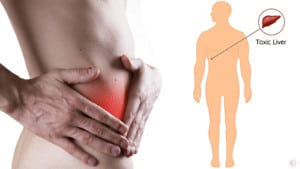
8 Signs of Liver Disease to Never Ignore

Do you think you might have liver disease? If so, you are not alone.

According to a study published by the Centers for Disease Control and Prevention, more than 4.5 million Americans were officially diagnosed with a liver-related disease in 2018. And in the same year, liver-related diseases claimed the lives of more than 42,000 individuals.

A separate study published by MarketWatch, a financial information website that provides business news, analysis, and stock market data, shows that the death rate associated with chronic liver diseases has risen annually since 2000, affecting primarily those between the ages of 45 and 64.

Let’s further put this into context. The study ran from 2000 through 2015. Ultimately, it revealed that the death rate among individuals within this age group with liver disease increased by 31%.

WHAT YOU SHOULD KNOW ABOUT THE LIVER

Now, we have a general understanding of the statistics related to liver disease. So, let’s take a closer look at the liver’s role in overall health.

The liver is a large organ. It sits above the gallbladder and works with the pancreas and large intestines to process, absorb, and digest food. More than that, it helps remove toxins from the body and also metabolizes medication, which it does by filtering blood from the digestive tract before allowing it to pass through the rest of the body. All in all, this organ carries responsibility for several critical roles in the body that predicate wellness.

WHAT CAUSES LIVER-RELATED DISEASES?

Various things can contribute to hepatic disease, also called liver disease. In most cases, however, viral hepatitis is usually the culprit, as the health condition is known to cause the liver to become inflamed and infected. Some of the more common forms of viral hepatitis that can lead to hepatic diseases include

Hepatitis A – This type of viral hepatitis can be caused by consuming foods or drinks that contain fecal matter or other dangerous toxins. Hepatitis A is ubiquitous in restaurants where individuals who are responsible for prepping and cooking food do not wash their hands. While hepatitis A is usually asymptomatic and eventually goes away on its own after about six months, it can still potentially harm the hepatic organ.

Hepatitis B – This type of viral hepatitis generally results from exchanging fluids with others, such as engaging in unprotected sex or sharing infected hypodermic needles while using drugs.

Hepatitis C – This type of viral hepatitis occurs when infected blood enters the bloodstream, which is common among those who engage in drug use and share hypodermic needles. However, it is worth noting that those who work in the healthcare field are also at risk of being stuck with infected needles. Also worth noting is that symptoms of hepatitis C generally will not show up for years. As such, the infection can significantly damage the hepatic organ even without symptoms being present.

AUTOIMMUNE DISORDERS AND LIVER-RELATED DISEASES

Along with viral hepatitis, there is significant evidence suggesting that certain autoimmune disorders can also give way to liver-related diseases, some of which include the following:

Autoimmune hepatitis – This autoimmune disorder triggers inflammation in the hepatic organ and can lead to organ failure if left untreated. On a side note, autoimmune hepatitis is more common in women than in men.

Primary biliary cholangitis – Also more common in women than men, primary biliary cholangitis is an autoimmune disorder that blocks the ducts in the hepatic organ that secretes bile to help digest food. If these ducts are blocked, the bile will inevitably damage the hepatic organ and cause one of many liver-related diseases.

Primary sclerosing cholangitis – This autoimmune disorder blocks bile ducts in the hepatic organ and causes it to become overworked. To further complicate matters, when bile becomes trapped in the organ, it can cause it to shut down, which leads to a higher chance of developing liver-related cancer. Unlike autoimmune hepatitis and primary biliary cholangitis, men are more likely to develop primary sclerosing cholangitis than women.

ADDITIONAL FACTORS THAT CAN CONTRIBUTE TO LIVER-RELATED DISEASES

Along with autoimmune disorders and viral hepatitis, being overweight or obese can trigger liver-related diseases. The same applies to excessive alcohol consumption, which can lead to cirrhosis and eventually result in organ failure. In some cases, liver-related illnesses can come down to genetics. That’s because an abnormal gene inherited from one or both parents can significantly increase the chances of developing one of the following liver-related diseases due to a build-up of toxins in the organ:

  • Alpha-1 antitrypsin deficiency
  • Hemochromatosis
  • Hyperoxaluria
  • Oxalosis
  • Wilson’s disease

MEDICATION

Although medication is designed to improve your health, some of them can have the opposite effect. For example, if taken excessively, Tylenol and other drugs containing acetaminophen can damage the hepatic organ. That said, if you’re taking acetaminophen to relieve chronic pain and are concerned about developing a liver-related disease, speaking with your physician about being placed on an alternative medication would be a good idea.

NON-ALCOHOLIC STEATOHEPATITIS

For those who may not be as familiar with non-alcoholic steatohepatitis, it is a condition that causes the hepatic organ to become scarred and inflamed. Non-alcoholic steatohepatitis occurs whenever the hepatic organ becomes filled with excessive fat, damaged cells, or other harmful toxins. Along with causing inflammation and scarring to the hepatic organ, non-alcoholic steatohepatitis also increases the risk of developing various liver-related diseases. Some of the health problems that can contribute to non-alcoholic steatohepatitis include

  • High cholesterol
  • High blood triglyceride levels
  • Diabetes
  • Sleep apnea
  • PCOS (polycystic ovary syndrome)
  • Hypothyroidism
  • A high level of visceral fat

It is important to note that this list does not represent all of the health conditions that can lead to non-alcoholic steatohepatitis; moreover, it is a list of the ones that are most likely to result in a liver-related disease.

8 SYMPTOMS OF A LIVER-RELATED DISEASE THAT SHOULD NOT BE OVERLOOKED

Although they may take a while to appear, symptoms of advanced liver-related diseases are hard to miss, and you should be seen by a physician immediately if you start to experience any of them. That said, some of the more common symptoms include

  • Jaundice
  • Stomach pain
  • Swollen ankles or legs
  • Dark-colored urine
  • Dark or pale stool
  • Fatigue
  • Nausea and vomiting
  • Loss of appetite

While these symptoms may not always be indicative of a liver-related disease, they should be not be overlooked. This is especially true for those who may be experiencing symptoms commonly associated with liver-related cancer. One such indication is as dark-colored stool or urine, which is  a sign that the organ is no longer capable of removing toxins from the body. The earlier a doctor diagnoses and treats liver-related cancer, the better chance you’ll survive. To further illustrate this point, the 5-year survival rate for liver-related cancer that has not metastasized to other parts of the body is 31 percent, according to the American Cancer Society.

foods for detoxificationHOW TO AVOID DEVELOPING A LIVER-RELATED DISEASE

Most will agree that a liver-related disease can significantly jeopardize one’s health. However, you can do several things to lower your chances of developing this serious health problem. Primarily, it comes down to limiting your exposure to dangerous toxins and making better lifestyle choices. Some of those improvements include the following.

Do you think you might already have any form of hepatitis detailed in this article? Then, speak with your physician immediately. They will construct a care plan to help minimize further liver-related damage. They might even be able to lower the risk of developing liver-related cancer.

liver diseaseFINAL THOUGHTS ON EARLY DETECTION OF LIVER DISEASE

All in all, liver-related diseases can profoundly impact your health. The consequences become more significant if they go untreated for too long. So, what’s the best way to reduce your chances of developing one of these diseases? Begin by making positive lifestyle changes. Additionally, you should schedule an appointment with your physician if you experience any of the early warnings.

3 Sleeping Habits That Are Ruining Your Sleep (and How to Overcome Them)

We humans are notoriously bad at getting enough sleep. Theories abound as to why this is, but maybe the best answer is rather simple: too many underestimate the importance of good sleeping habits.

As we’ll discover from the research below, this is more than just a theory.

There are still countless others who would like to improve the quality of their sleep and don’t know how. These folks don’t understand why their sleep is terrible. They’ve “tried everything” and are still unable to cultivate and sustain healthy sleeping habits.

But sleeping well is more than knowing what to do. It’s just as important to know what not to do. As you’ll soon discover, most of us have atrocious sleeping behaviors.

Before getting into the three sleeping habits that are ruining your slumber, discussing the basics of sleep science is essential. If some of this info looks familiar, that’s because it’s everywhere.

We’ll also provide some insights into the latest research.

Let’s get to it then!

The Importance of Sleep (Again…)

sleeping habits

“Sleep is the Swiss army knife of health. When sleep is deficient, there is sickness and disease. And when sleep is abundant, there is vitality and health.”  ~ Matthew Walker (source)

Okay, so for many of you, the following will sound like a broken record. But here we go again: the vital functions of getting enough rest:

  • Elimination of brain toxins (Which help prevents dementia…)
  • Energy conservation (Staving off exhaustion…)
  • Enhances personal performance
  • Modulation of the immune response (So you’re not sick all the time…)
  • Normal cognition (Being able to actually think…)
  • Promotes vigilance and proper response times (You actually feel alive when you’re awake…thus enabling you to respond faster than a slug.)
  • Supports mental health
  • Promotes physical health
  • Um, those sound pretty important.

Lack of sleep is also implicated in several severe medical conditions, including anxiety, depression, diabetes, heart disease, high blood pressure (hypertension) obesity, and others.

A 2018 study by researchers at the National Institutes of Health (NIH) found that just one night of poor sleep resulted in the buildup of beta-amyloid in the brain. Beta-amyloid accumulation in the brain is thought to be one of the primary causes of Alzheimer’s Disease.

The Research Is In: Bad Sleepers Are Everywhere

“You know lack of sleep can make you grumpy and foggy. You may not know what it can do to your sex life, memory, healthy, looks, and even ability to lose weight.” ~ Camille Peri, Author

In an 11,006-person survey commissioned by Royal Philips, adults from 12 countries (Australia, Brazil, Canada, China, France, Germany, India, Japan, the Netherlands, Singapore, South Korea, and the U.S) were asked about their “attitudes, perceptions, and behaviors) about sleep.

The major finding? Just 50 percent of adults worldwide cite a lack of sufficient rest as having a “major impact on their overall health and wellbeing.” Half of adults don’t know/think that sleep is vital to personal health.

Some other rather embarrassing exciting findings from the study:

  • On average, adults sleep less than 7 hours per night.
  • 63 percent sleep longer on weekends to “catch up on sleep.”
  • 40 percent state that their sleep has worsened over the last five years.
  • 69 percent try to improve their sleep by watching television
  • …57 percent tried a set bedtime/wake-up schedule. (Notice that this is 12 percent lower than those who think watching the tube is better for inducing sleep.)
  • 80 percent want to improve the quality of their sleep…
  • … 60 percent of those have never asked their doctor for advice.
  • Just 14 percent have sought health from a sleep specialist

75 percent of adults list at least one medical condition that impacts their sleep. Insomnia (37% of survey respondents) is the most common, followed by:

  • Snoring: 29%
  • Shift work sleep disorder: 22%
  • Chronic pain: 14%
  • Sleep apnea: 14%
  • Restless leg syndrome: 9%
  • Narcolepsy: 3%
  • Other (unlisted): 9%

So, let’s get this straight. 80 percent of us want to rest better – and 69 percent of us think that turning the T.V. on will help.

Oh, boy. We’ve got some work to do.

Three Sleeping Habits Ruining Your Sleep

“If you suffer from consistently poor sleep, implementing standard sleep hygiene tips … likely won’t be enough.” ~ Nick Wignall, Psychologist and Sleep Specialist (source)

It isn’t possible to “hack” your way to a night of better sleep. You can try darker curtains, noise machines, less light, lower room temperature, and the like – but if you have consistently bad habits, any improvement in sleep quality is unlikely to last.

It is crucial to nip any poor pre-bedtime behaviors in the bud, which includes the following:

  1. Going to bed too early

Have you ever hit the hay early because of  “a big day tomorrow?” While your head may have been in the right place, this almost certainly points to out of whack sleeping habits.

We all have internal clock cycles – for better or worse. Our body gets into a rhythm in a way that is very difficult to interrupt. Heading to bed early on account of some special occasion will do little else besides throwing our circadian rhythm more out of whack.

In all likelihood, your body will not be ready to “shut down.” And you’ll probably just lay in bed awake. The longer this goes on, the more likely you’re training the subconscious part of your brain to associate bedtime with arousal.

No Bueno.

The fix: Don’t go to bed if you’re not tired. Those with an overactive mind will probably end up thinking about something. This may create or exacerbate disadvantageous nighttime habits.

(Note: while many researchers have been on the same page regarding the disadvantages of sleeping in, mainly that it interrupts the circadian rhythm, some very recent research has found that lying in bed on the weekends may extend lifespan. Go figure!)

sleep habits

  1. Sleeping in on the weekends

Here’s a surprising one: we don’t accumulate “sleep debt.” At least not any sleep debt that can be “repaid.” While sleeping in on the weekends to atone for lost shut-eye during the week seems like common sense, it turns out that there’s no scientific evidence that something like a sleep debt exists.

Some sleep specialists believe that the consequences of sleeping in resemble those of ‘social jet lag.’ Basically, our internal clock doesn’t match the actual time, but rather than a different time zone being the catalyst, the real cause is a weak sleep schedule.

To illustrate the concept of social jet lag, let’s say that you stay up two hours later on Friday and Saturday evening and wake up two hours later on Saturday and Sunday morning. The effects of doing so are the same as crossing two time zones. Worse, the symptoms of social jet lag – chronic fatigue, irritability, and ‘brain fog’ – last up to a few days.

The fix: While going to bed and waking up at the same time seven days a week may sound unappealing for some, it is simply the best practice for getting adequate, quality slumber.

  1. Not having ‘wind-down’ time

Many of us head to bed after a long and hectic day and expect our mind to just shut themselves off. Of course, it doesn’t work this way.

Just as a jumbo jet needs to glide onto the runway and apply the brakes, your powerful brain needs to slowly glide itself to rest before coming to a complete stop in sleep. Mental stimulation doesn’t just stop when we climb into bed.

The more active that your brain is during the day and especially right before bedtime, the longer the wind-down period. By understanding this point, we can initiate some changes that may make all the difference to our rest quality.

The fix: First, know that your brain needs time to come to a halt. Don’t expect too much too soon. Second, adjust your priorities and schedule for a two-hour wind-down period.

In these couple of hours, abstain from any heavy intellectual work. Get yourself comfortable with the attitude that you’ll be heading to bed soon. Stay off the phone and away from digital screens of any kind. Forgo any impulse to consume food or drink (especially caffeine or alcohol) during this period.

sleeping habitsFinal Thought on Improving Your  Sleeping Habits

Forming new habits–and eliminating old ones–takes time and commitment. You’ll gradually get used to the changes as you continue to eliminate your poor sleeping habits and replace them with healthier options. Then, you will reap the handsome reward of a great night of rest every night.

Man’s Card Declines $110 Before A Stranger Shows Kindness

Do you ever feel like kindness is an exception and not a rule in society today? Just when you think negative thoughts, someone restores your faith in humankind.

“Love and compassion are necessities, not luxuries. Without them humanity cannot survive.”  ~Dalai Lama

In fact, we all lose our faith in humanity from time to time. Today on CNN, here were the three of the current topics of the day (November 20, 2019):

  • Drugs Found in Home of NFL Player After Woman’s Apparent Overdose
  • Two More Witnesses Offer Stunning Testimony in Presidential Impeachment Hearings
  • Prince Andrew to Step Back from Public Duties

Compared to most days – and other media news outlets – the three abovementioned headlines aren’t that bad. News outlets are run by individuals who understand that “We’re drawn to depressing stories without realizing,” psychologist Tom Stafford says.

Perhaps thinking like this helps reinforce the misperception that basic human goodness, kindness, compassion, and love are going by the wayside. You know, the kinds of thoughts that bring CNN, NBC, ABC, Fox News, News Corp, and others billions of dollars in profits.

But there are beautiful displays of humanity every day – some reported and some not. In this article, we discuss the type of story that helps to restore some of the dwindling faith in the human race.

A Man’s Life Changed Because of the Kindness of One Stranger

When Tyson Crawley’s debit card declined $110 worth of gas, he was a bit freaked out. He recalls his reaction:

“(My) dog was barking wildly, I had to get to work, and I was starting to freak.”

“I tried using one that had a joint account to it but I could not for the life of me remember my PIN number! After searching through my iPhone bank app to figure out how to reset my pin, I had failed.”

$110 worth of fuel isn’t exactly something that most gas stations forgive. As it would turn out, they wouldn’t need to.

“Do you need some money?”

When a kind stranger walked up and asked, “Do you need some money?” before swiping his card, Mr. Crawley was shocked. The humanitarian didn’t ask “How much?” or even wait for Tyson’s response.

As expected, Crawley offered to pay the man if he could get his phone number. So, he took the receipt and gave it to the man who proceeded to write down what Crawley believed to be his phone number. Crawley took a photo with the man, who then simply went on his way.

“John Pass it on”

When Crawley opened up the folded receipt, he didn’t find a phone number, bank account number, or address. He found just four words: the name “John” and the three words “Pass it on” written underneath.

acts of kindness

Of course, this made a huge impression on Crawley. He shared his picture with the man, who is flashing a slight smile and giving a thumbs-up sign.

Man’s Card Declines

Tyson Crawley/Facebook

Tyson would soon make a visit to Facebook to share his experience with the world, concluding his post with the following message:

“(Please) be beautiful people, and remember, it’s not about keeping up with the Joneses, having the biggest house, most expensive car, the largest bank account, but work with each other. After all, what is money compared to the quality of human life?”

Final Thoughts on the Kindness in Helping Others…Even a Stranger 

It’s easy to get caught up in the consumerism that permeates our society. And, it’s tempting to base one’s worth on income, possessions, education, and other “status symbols.”

Additionally, it’s convenient to be pessimistic about the future of humankind – and sometimes it even feels like it makes sense.

But perhaps Mahatma Gandhi (as he often does) can provide some insight:

“You must not lose faith in humanity. Humanity is an ocean; if a few drops of the ocean are dirty, the ocean does not become dirty.

Let’s not lose faith in kindness–or in humanity. As the anonymous man showed Tyson Crawley, there remains plenty of clean water in the ocean.

Mental Health Experts Explain 14 Health Benefits of True Friendship

“The greatest healing therapy is friendship and love,” Hubert Humphrey once said. And he was correct, in more ways than one. Of course, we all know that spending time with friends makes us feel good. But not as many people know that having supportive friends has been scientifically shown to benefit our well-being and health in a multitude of ways.

A plethora of psychological and scientific research has revealed a significant and essential relationship between having good friends and good health. Therefore, we now know that our friends have a tremendous impact on our health. Research has shown the living in a state of loneliness and isolation can have fatal consequences.

Evidence proves that having quality friendships plays a vital role in promoting better mental and physical health. But what beneficial outcomes are associated with having real friends, in particular? Furthermore, what does a healthy relationship with a true friend look like? Read this article to learn more about the many benefits of true friendship. In addition, you’ll see what healthy friendships look like and how to develop and maintain them.

IMPORTANT ASPECTS OF TRUE FRIENDSHIP

The people that you surround yourself will affect you, for better or worse. Quality is more important than quantity when it comes to friends. Much research proves that having unhealthy friends and unhealthy relationships with friends can bring you harm. This study, this study, and this one are a few among the studies that underscore the adverse effects of unhealthy friendships.

Thus, having a few real friends that you can count on is much better than having many low-quality friends. But what makes someone a true friend? Here are some of the essential aspects of true friendships:

  • Respect.
  • Honesty.
  • Reciprocity.
  • Appreciation.
  • Truly listening
  • Genuine kindness.
  • Emotional support.
  • Ability to be yourself.
  • Empathy and sympathy.
  • Meaningful conversations.
  • Openness and vulnerability.
  • It encourages personal growth.
  • Want what is best for one another.
  • Trustworthy character and behaviors.
  • Willingness to compromise and sacrifice.
  • Mutual enjoyment of spending time together.

14 Health Benefits of True Friendship From Mental Health Experts

In addition to improving our lives on a day-to-day basis, our friends can also have a life-saving impact on our health. Here are some of the many ways in which having true friends is beneficial to mental and physical health:

1) Lessens Stress:

The authors of this study examined how a person’s friends influence their well-being and health. Data revealed that having frequent contact with friends directly links to less stress and better health.

Another study published by the American Journal of Psychiatry evaluated whether social support can “mitigate the harmful effects of stress.” Researchers found that individuals with social support had lower cholesterol levels and higher immune functioning. Based on the findings, the authors concluded that social support could mitigate the harmful effects of stressful stimuli.

2) Friendship Elongates Life:

This study assessed the link between social isolation, loneliness, and mortality. Based on an in-depth analysis of 6,500 people, researchers determined that socially isolated and lonely individuals had significantly higher mortality rates.

Another study followed breast cancer patients for 12.5 years to evaluate the impact of close personal relationships on their survival. Researchers found that “increased contact with friends post-diagnosis was associated with a lower risk of death.”

3) Increases Happiness:

This study examined if, and how, having a supportive network of friends increases happiness. Researchers found that people with a supportive network are happier and that “social support plays a mediating role.” Another study revealed that “friendship quality predicted happiness above and beyond the influence of personality and number of friends.”

4) Decreases Depression:

This study analyzed the strength of participants’ friendships as a predictor of change in their depressive symptoms. Results revealed that the strength of friendships “predicted decreases in depressive symptoms.” The authors of this impactful study evaluated the effect of social support on depression in individuals who survived childhood abuse. Researchers found that having friends who provide social support “protected against adult depression.”

5) Lowers Blood Pressure:

This ground-breaking study used longitudinal data spanning the course of years to evaluate the relationship between having friends and measures of health. The authors found that “a lack of social connections more than doubled the risk of high blood pressure.” Another study published in Psychology and Aging reveals that loneliness “is a unique predictor” of elevated blood pressure.

6) Improves Overall Health:

This study used longitudinal data to assess the association between social relationships with objective measures of health. Researchers found that a lack of friends increased inflammation to the same degree as physical inactivity. Additionally, the data revealed that “the effect of social isolation on hypertension exceeded that of clinical risk factors such as diabetes.” This research review examined the lives of over 300,000 individuals to analyze the link between social relationships and health. Researchers discovered that people with serious medical conditions who had stronger relationships had a 50 percent higher chance of survival. Having friends predicted survival more than twice as much as exercise did and at the same rate as quitting smoking. Indicating that strong friendships improve overall health.

7) Friendship Increases Confidence:

recent research reveals that interacting with members of different social groups can increase self-confidence. Authors of this review of research discuss how and why intergroup contact promotes enhanced self-confidence among participants.

This groundbreaking study evaluated the effect of participating in a friend-making program on participants with severe mental illness (SMI). The program matched individuals with SMI with a community volunteer to participate in weekly one-on-one social activities together. Clients with SMI who participated in the friend-making program showed significant increases in self-confidence, self-esteem, and self-worth.

8) Decreases Risk of Obesity:

This study revealed that “overweight youth were twice as likely to have overweight friends.” This effect works both ways. An individual’s willingness to adopt healthy eating and exercise behaviors are highly related to the behaviors of their friends.

An additional study assessed the differences in weight loss between two groups of individuals. Individuals who participated in a weight-loss intervention alone were compared to individuals who participated in the intervention with friends. Only 76% of those who participated in the program alone finished the intervention, and 24% maintained their weight loss. Comparatively, 95% of those who participated in the intervention with friends completed the program. With 66%, or about twice as many of the participants with friends in the program maintaining their weight loss.

9) Assist in a Better Aging Process:

In this pivotal study, nearly 2,761 aging participants were followed for 13 years. The goal of the study was to examine the relationship between social activity and survival. Results demonstrated that social activity was independently predictive of survival when controlling for all individual and health factors. Based on results, researchers drew the following conclusion: “Social and productive activities that involve little or no enhancement of fitness lower the risk of all causes of mortality as much as fitness activities do.”

Another study assessed whether social networks predict better mental health in 1,669 adults aged 60 and older. Results revealed that depressive symptoms were lowest for participants with a diverse network of friends and highest for those without friendships.

10) Can Aid in Smoking Cessation:

A study published in Psychology of Addictive Behaviors examined the relationship between smoking habits of participant’s friends and smoking cessation. Research data for more than 6,000 adult smokers who were attempting to quit smoking was collected over several years. Results revealed that smokers who had friends that quit smoking were significantly more successful in their attempt to quit smoking.

This review of research aimed “to provide an overview of the role of social support in smoking cessation.” Data revealed a significant increase in participants’ ability to quit smoking in interventions that included social support.

11) Improves Coping Abilities and Resilience:

Authors of this study investigated if, and how, having one supportive friend improved coping and resilience in at-risk individuals. Researchers found that participants with a supportive friend developed a more “constructive coping style.” Data also revealed a significant link between having a supportive friend and resilience. Furthermore, the authors indicated a clear relationship between the presence of a supportive friend and increased coping skills and resilience.

Another study showed that the quality of the participant’s relationship with their best friend was positively associated with “mastery coping.”

12) Decreases Risk of Mortality from Heart Disease:

This longitudinal study assessed the impact of social connections on the risk of heart disease in more than 9,000 participants. Results revealed that participants who lacked social connections “had a two times higher risk of death from heart disease.”

In an additional longitudinal study, researchers evaluated the relationship between social connections and mortality rates in participants with coronary heart disease. Researchers reported the following findings.

“Those who are socially isolated are at 2- to 3-fold increased risk of death over 5 to 9 years when compared to those most connected.”

13) Decreases Risk of Developing Dementia and Alzheimer’s Disease:

The authors of this study examined the role that loneliness plays in the onset and development of dementia. Results revealed that participants who felt lonely developed dementia more often than those who did not.

Another pivotal study followed 823 aging participants for four years to determine if loneliness impacted whether they developed Alzheimer’s Disease (AD). None of the participants had an Alzheimer’s diagnosis at the start of the study. After the study, data revealed that the “risk of AD was more than doubled in lonely persons.”

14) Reduces Relapse Risk in Recovery from Substance Use Disorder:

This consequential study evaluated mediators for the effects that self-help groups had on 2,337 veterans suffering from substance abuse disorder (SUD). The findings demonstrated that “enhanced friendship networks predicted reduced substance use at 1-year follow-up.”

Additionally, another study assessed whether participating in a peer-support community program would reduce relapse rates in individuals recovering from SUD. Results revealed that “a significant reduction of risk of relapse was found in clients who participated in the peer-support program.”

relationshipsSTEPS YOU CAN TAKE TO CULTIVATE AND STRENGTHEN FRIENDSHIPS

There are many steps that you can take to develop and strengthen your relationships with friends. Thus, here are some of the things that you can do to cultivate friendships that will last a lifetime:

  • Volunteer
  • Join a team.
  • Take a class.
  • Walk your dog.
  • Visit local hangouts.
  • Join your alumni association.
  • Carpool to work or class.
  • Participate in a support group.
  • Attend local events of interest.
  • Unplug and interact with the people around you.
  • Explore your neighborhood and meet your neighbors.
  • Invite a neighbor, co-worker, or classmate to do something fun.
  • Finally, re-connect with old friends and acquaintances using social media.

friendshipFINAL THOUGHTS ON CULTIVATING FRIENDSHIPS

This article demonstrates how incorporating positive social interactions with real friends into your self-care routine can improve your health in many ways. Not only that, but having quality friends could save your life.

Of course, it can be challenging to find the time to maintain quality friendships in the busy world that we live in. But it is never too late, and you are never too busy to take the necessary steps to better your life. So you can begin building a great relationship with someone today. Whether it be finding a new friend or reconnecting with an old one, potential friends are everywhere.

Research has revealed that having true friends is as important as anything else you do to take care of yourself. By working to have great relationships with friends, now, you can avoid the multitude of harmful effects of loneliness later in life. Remember, investing time in finding and keeping quality friends is spending time in your own health, as well. So why wait? Get out there and start developing and strengthening your friendships today!

15 Foods That Arthritis Sufferers Should Avoid

If you suffer from arthritis, you know the pain and tenderness that comes with the condition. Fortunately, there are at-home remedies that can help alleviate your discomfort. One of the best ways to calm the pain is by eating a healthy diet of non-inflammatory foods.

Arthritis is a prevalent health condition, with approximately 91 million Americans struggling with one form or another of this disease. This condition manifests by swelling and tenderness around your joints that typically worsen with age. The two most common types of the disease are rheumatoid and osteoarthritis. However, there are more than 100 types, including:

  • Rheumatic Fever
  • Inflammatory bowel disease (IBD)
  • Gout
  • Fibromyalgia
  • Systemic Lupus Erythematosus
  • Scleroderma
  • Tendinitis
  • Back pain

Osteoarthritis occurs when the cartilage in bones begins to break down, whereas rheumatoid X is a disease that occurs when the immune system attacks your joints. Treatment depends on the type of condition you have, but the main focus of treatment is to alleviate symptoms and improve the quality of life.

A key part of treatment is preventing inflammation from flaring up, as more inflammation means more pain. What can you do? A great first step is avoiding whole foods scientifically linked to chronic inflammation, such as refined sugars and fried foods. Making simple changes to your diet can help relieve some health symptoms, like pain and swelling.

If you think you may suffer from arthritis, make sure you consult a healthcare professional to determine the best action plan for you. But if you’re ready to take back some control, keep reading for 15 foods you should always avoid.

Foods to Avoid When Coping with Arthritis Pain

1. High-Sodium Freezer Meals

Corticosteroids are a standard treatment used to treat inflammation, and doctors often prescribe them for patients who have rheumatoid arthritis. These corticosteroids can cause your body to retain more salt. A regular intake of excess sodium can contribute to inflammation in the body. Experts recommend limiting your daily intake of sodium to 1,500 milligrams.

2. Soda

Sugar connects back to inflammation in the body, and research shows that sodas sweetened with sugar link to increased arthritic symptoms in women. A study revealed that consuming a single sugary soda daily increases the risk of developing rheumatoid arthritis by a whopping 63 percent. Most sodas have a high sugar content exceeding the recommended daily amount.

3. Sugary Fruit Juice

If sugary sodas are bad for you, then that means that sugary fruit juices are also just as bad. Fruit juices that have a high sugar content are key drivers for inflammation. The microglial activation and central sensitization process substantially affect chronic pain and fibromyalgia. Sugar is a key driver in facilitating this process, substantially amplifying arthritic pain.

4. Ice Cream

Ice cream contains saturated fats and added sugars, the perfect inflammation mixture. Saturated fats are one of the biggest culprits of inducing inflammation. However, evidence from a rat study indicates that casein, the primary protein found in dairy foods, can potentially minimize swelling by quelling inflammation. The only way to know how dairy affects you is to experiment by cutting it out of your diet. If your symptoms do not improve, then maybe a scoop or two will not hurt.

5. Baked Goods

Speaking of desserts, baked goods that contain partially hydrogenated oil are a group of foods that anyone suffering from inflammation in the body must avoid at all costs. Partially hydrogenated oil contains trans fats – an ingredient you should always avoid. Trans fats can trigger inflammation and regular consumption of trans fats:

  • Increases “bad” LDL cholesterol
  • Lowers “good” HDL cholesterol
  • Increases the risk of developing heart disease

6. Margarine

Since we’re talking about trans fats, it’s important to note that margarine, your favorite butter substitute, is also a no-no. Margarine is typically made from trans fats associated with heart disease, cancer, and inflammation. This group of foods also includes vegetable oils, which undergo a hydrogenation process that changes its chemical properties.

7. Polyunsaturated Cooking Oil

Polyunsaturated cooking oils, such as soybean, safflower, corn, sunflower, and canola oil, are commonly found in restaurants and homes. These cooking oils are rich in omega-6 fatty acids but lack omega-3 fatty acids. Most adults do not ingest enough whole foods containing omega-3s, and an imbalance of these acids can cause inflammation, worsening symptoms of pain and inflammation throughout the body.

8. Fried Foods

As a general health rule, you should stay away from fried foods. This advice is because fried foods are often fried in oils that are rich in omega-6 fatty acids, which disturbs the balance of omega-6 and omega-3 fatty acids in the body. This addition to your diet can cause more inflammation to occur and worsen arthritis symptoms.

9. Full-Fat Cheeses

Cheese is one of America’s most prized ingredients. But before you indulge in a bowl of your favorite four-cheese tortellini, it is essential to remember that most cheeses load you up with saturated fats. These fats are scientifically proven to be a trigger for inflammation in the body.

10. White Flour

A study found in The Journal of Nutrition revealed that white flour is a huge driver for inflammation. It can emphasize omega-3 fatty acid deficiency in the body, which significantly impacts joint inflammation by subduing prostaglandin E3. Omega-3s are important for preventing diabetes and heart diseases, protect your brain, and combat inflammation.

11. Pizza

Errr…hate to be the bearer of bad news. But if pain and inflammation are a health concern, then you may want to put down that extra cheesy slice of pizza. Pizza is one of the biggest sources of saturated fat due to the cheese and meat toppings. The saturated fats found in the cheese can trigger inflammation in the body, which can worsen symptoms and cause heart disease.

12. White Rice

Refined carbohydrates like white rice can cause your blood sugar to spike, increasing markers for inflammation in the body. White rice lacks the nutrients that your body needs to function properly. Instead, you should opt for whole grains like brown rice, whole-grain barley, whole-wheat couscous, freekeh, buckwheat, rye, whole oats, bulgur, and quinoa.

13. Pretzels

Pretzels are an all-time favorite snack. However, several studies link a sub-optimal microbiome to inflammation. Pretzels are a form of refined grains, and healthy microbiomes do not like these grains. Healthy guts prefer whole foods that are rich in fiber such as pistachios, chickpeas, quinoa, fruit, and oatmeal.

14. Canned Fruit in Heavy Syrup

Although fruit is an essential part of any healthy diet, you should avoid canned fruit packed in heavy syrup. That is because the added sugars in the syrup may prompt proteins called cytokines to release into the body. Cytokines link to increases in inflammation. However, this only applies to canned fruit that is in heavy syrup. Dried or canned fruits with no sugar added are perfectly fine to eat.

15. Sausages (and Other Processed Meats)

Processed foods are usually advised against due to their high salt and fat content. Processed meats are rich in advanced glycation end products (AGEs), which are triggers for inflammation and can worsen your symptoms. AGEs are present in every type of meat, but there are higher concentrations of AGEs in processed meats. So if sausages are a must-have in your meal plan, look for organic or all-natural products.

foods to avoid for arthritisFinal Thoughts on Avoiding Inflammatory Foods to Calm Your Arthritis Pain

What a list. As more people aim to become more health-conscious, it is essential to pay attention to our foods. Everything you ingest affects you and your body, whether positive or negative.

It may seem you are giving up all of your favorite foods (how can anyone say no to a slice of pizza?). However, these things tend to become less important as your body begins to feel better over time. Plus, who said you have to give everything up forever? A scoop of ice cream or a slice of pizza is okay in moderation, but they should not be staples in your diet – especially if you are suffering from chronic pain and inflammation.

Inflammation is a common symptom of several diseases. Therefore, the severity of pain caused by inflammation depends on several factors, and your lifestyle choices are one of the largest contributors. To combat chronic pain and inflammation, avoid foods that are high in sodium, sugar, or trans fats. Instead, opt for whole fiber-rich foods like whole oats, fruits, and organic meats.

Making simple changes to your diet can significantly impact your well-being and overall quality of life. By avoiding these trigger foods, the severity of your arthritis symptoms could lessen, and your life will become yours again.

Researchers Reveal How Probiotics Protect Honeybees From Fatal Disease

Probiotics and honeybees, two subjects that each have been great topics of conversation since 2005 and later. Bees became a matter of concern due to a sudden population loss which couldn’t be explained. Rumors of cell phone usage being the cause of their deaths were rampant.  In the end, it was related to multiple reasons but primarily pesticide usage.  As for probiotics, they are an essential factor in gut health. Thus, they prove to be a potential variable related to many other illnesses or diseases. Now, researchers reveal how probiotics can protect bees against a fatal disease.

A bit about honeybees

The honeybee is not native to the North American continent. Settlers brought them over here from Europe. However, Italians were the first people to domesticate the honeybee. Humankind has depended upon them for their honey and beeswax for over 9000 years.

Domesticated honeybees are used to make honey and to pollinate certain fruit trees, blueberries, alfalfa, and almond, as examples.  Pollination, in general, accounts for 1/3 of the food produced, and science recognizes honeybees as one of the biggest contributors.  There are multiple types of honeybees, each with their own strengths or weaknesses in regard to making nectar, pollination, and survival rates.

Honeybees, like people, are social creatures who work together to survive.  From 20, 000 to 80,000 bees can live in one hive together.  In a manner, they have a hierarchy.  There is the queen bee of the hive whose sole responsibility is to lay eggs to make ready for the winter months when the larvae will feed off of the stored honey and pollen.  The other female bees are the worker bees.

It is their job to get pollen and nectar, construct and maintain the hive, and clean and circulate air within the hive.  The drone bees are the male bees who leave the hive for the winter months in order to ensure the others, and the larvae, have enough food.

American Foulbrood: The fatal disease of the honeybee

Honeybees can be affected by bacteria, just like humans.  The bacteria called Paenibacillus larvae is a spore-forming bacteria that attacks the bees in their pre-pupal or pupal stages. The disease is called American Foulbrood.  It can kill most, if not all, of a colony.  There is no cure that can be given to the bees.  A few various techniques have been attempted to treat hives or the bees in either a preventive measure or post-treatment:

  • Treating the bees with antibiotics
  • Using breeding techniques which alter hygienic behavior
  • Therapy using bacterial viruses to attack the bacterial spores
  • Utilizing the application of bioactive essential oils such as lemongrass and spearmint. Many varieties of essential oils can boost immune systems, as well as rid bees of fungus, parasites, pathogens and help with stress.
  • Giving the bees synthetic indoles, or molecular signals, to decrease the spread of the bacteria

Unfortunately, these methods have not proven to be very effective.

How American Foulbrood infects honeybees

Adult bees will not get infected, but they can act as carriers by bringing the spores to other areas. These spores can live on and infect for 50 years regardless of extremes of temperatures.

American Foulbrood is spread by the nursing bee having the spores on their mouth and spreading it while feeding the larvae of the young.   It requires only 10 spores to contaminate a one-day-old larva.  Once the larvae have been capped, the bacteria spread rapidly, killing the brood during its developmental stages of pre-pupal and pupal.

After the death, billions of spores remain on pupae and the dried scales remaining of the larvae.  The spores become further spread as the hive attempts to clean out the remains.  As the hive continues to weaken, they are subject to robbing bees, who then continue the cycle of spreading the spores outside of the hive.

The immune system line of defense for bees

Bees, like humans, do have a robust immune system.  Also, like humans, they are social creatures.  There are three roles of the bees in a hive and they don’t just function to pollinate, make nectar, or feed the young.  They also have a role called social immunity.

The first line of defense

Social immunity is when a collective group each does individual tasks in order to maintain the health of the group.  The worker bees, for example, are responsible for ridding the hive of deceased adult bees and diseased or parasitized brood. They may also utilize a heat regulation system to rid the hive of certain pathogens that are sensitive to the heat. The worker bees literally go into a “social frenzy” to increase the heat to rid the hive of the pathogens. Other adult bees, who are aware they are infected, will purposely attempt to leave the hive to die outside of the hive.

The hive or nest itself is comprised of plant resins, which are water-resistant and airtight to prevent bacteria and viruses from forming around the nest.

The second line of defense

Bees also have a second form of immunity, “individual immunity.”  Their first line of defense is the exoskeleton cuticle and the lining of their digestive tract, which are designed to prevent pathogens from sticking to their bodies or gaining entry inside.   Should the pathogens still gain entry, the bees have an automated immune system response, which is just as diverse as humans.  They release their own pathogens to attempt to surround the pathogen.

It has been proven that it is essential that bees are able to intake enough nutrition and calories in order for their immune system to operate at its fullest.  Bees are very sensitive to stress, and it will affect their immune response.

Probiotics as a treatment for bees carrying a fatal disease

As we know about gut bacteria, certain strains of bacteria kill off other strains of bacteria.   It is essential that the  “good bacteria” counters the population of the “bad bacteria” in a check and balances system.  Maintenance of this balance allows for proper digestion, proper assimilation of vitamins and minerals, and colon regularity.

Recently, scientists applied this principle toward the treatment of the American Foulbrood disease, which affects bees.  Scientists at the Western University and Lawson Health Research Institute recently published a study in The ISME Journal Nature, addressing the benefits of probiotics on bees exposed to the American Foulbrood disease.

The scientists had already reviewed various other model studies using probiotics and their findings.  Such as:

  • Inducing an immune response and resistance to the infection in Drosophila melanogaster.
  • A decrease in pesticide toxicity
  • Further protection from other microorganisms.
  • Antibiotics showed a decrease in their resistance

An additional bonus to using probiotics was that its schedule did not require the hive to be disturbed for long periods of time to show effectiveness.

probiotics

The study

In the study, the scientists chose to test lactobacilli by adding it to a nutritious patty they called a Bio-Patty.  In a natural outbreak of the American Foulbrood, they wanted to test the ability of the lactobacilli to suppress Paenibacillus larvae.  There were two hive groups, and they both received the Bio-Patty, but only one group had the healthy bacteria laced Bio-patty.    The results of the study were positive. It demonstrated that the laced Bio-patty:

  • Improved the survival of the honeybees
  • Increased the hives’ resistance against the Paenibacillus larvae
  • Showed a decrease in the amount and activity of the bacterium in the larvae of the honeybees.
  • An increase in the honeybees natural immune system to create related proteins to resist being infected

Researchers confirmed these results by performing in vitro tests on the honeybees.

honeybees suffer from chemicalsFinal Thoughts on Using Probiotics to Protect Honeybees

Bees are an important contributor to the pollination of many flowers, plants, and crops.  We are finding that they are far more complex than we realized and yet equipped with a robust immune system, of both a social and independent nature.  Being sensitive to changes and stresses can compromise their immune system.

This is why it is so important for scientists to find the least intrusive method to help them in combating the various pathogens which can infect them.  Researchers revealing the use of probiotics in the protection of bees against one of their most fatal diseases is a crucial first step in minimal intrusion with potentially optimal results.  The studies using probiotics on bees are relatively new, but the preliminary studies look hopeful.

Foods to Eat and Avoid to Decrease Arthritis Pain

Arthritis is a medical term physicians use to describe over 200 health conditions that cause pain and inflammation in the joints and the tissues around them. More surprising to many is that the foods we eat can impact the condition.

The most common form of arthritis is osteoarthritis. According to a study published by arthritis.org, it affects the lives of more than 30 million Americans. Osteoarthritis can cause pain and stiffness in any joint. However, it usually occurs in the feet, knees, hips, lower back, neck, or fingers.

Along with prescription and over-the-counter medication, tweaking your diet can help ease painful osteoarthritis symptoms. Also, the same advice applies to other forms of this degenerative joint disease, such as rheumatoid arthritis.

HOW DOES OSTEOARTHRITIS LEAD TO JOINT PAIN AND STIFFNESS?

Today we’ll detail some of the foods that can help ease pain and inflammation associated with osteoarthritis. First, let’s take a moment to familiarize ourselves with how the disease impacts the joints.

Osteoarthritis is the result of overuse. Thus, joints that people use frequently are the ones most likely to feel the impact of the condition. The most common occurrences arise in the following joints:

  • Feet
  • Knees
  • Hips
  • Lower back
  • Neck
  • Fingers

Osteoarthritis destroys the cartilage that normally cushions the bones in the joints in the body. This damage leads to bone-on-bone contact. The longer these bones rub against one another, the more damage they do to the muscles and connective tissues in the joints. Moreover, this series of events leads to severe stiffness, inflammation, and pain commonly associated with osteoarthritis.

WHO IS MOST AT RISK FOR DEVELOPING OSTEOARTHRITIS?

Unlike rheumatoid arthritis, which is an autoimmune disorder with an unknown etiology, osteoarthritis is far better understood. According to most physicians, scientists, and researchers, the following factors can significantly increase the risk of developing osteoarthritis:

Age – According to a study published by the CDC (Centers for Disease Control and Prevention), doctor-diagnosed arthritis, which includes osteoarthritis, is highest among individuals who are age 65 and over.

Gender – While there is no scientific data that clearly explains why there is a disparity, multiple studies have found that women are more likely than men to develop osteoarthritis.

Obesity– Not surprisingly, being overweight or obese can place a tremendous amount of strain on weight-bearing joints, causing them to become worn that much faster. That said, the more you weigh, the more likely you are to develop osteoarthritis that affects the knees, hips, and feet.

Genetics – For 35 to 65 percent of the U.S. population, osteoarthritis is caused by 1 of 9 genes that are associated with the disease, according to a study published by ScienceDaily, an online resource that provides information related to science, health, the environment, and technology.

It is also worth noting that joint injuries can cause osteoarthritis as well. To help substantiate this claim, we need only look to a study published by the National Institute of Health. The study revealed that 80 percent of American professional football players with a history of knee injuries showed signs of osteoarthritis. That said, it is entirely possible to develop osteoarthritis even at a young age.

FOODS THAT CAN HELP PREVENT OR EASE ARTHRITIS PAIN

Now that we have a better understanding of arthritis and who is most at risk for developing the condition, let’s take a moment to go over some of the foods that can help ease or possibly prevent arthritis pain:

1 -FATTY FISH

If you’re a fan of fish, you will be happy to know that adding sardines, salmon, mackerel, and other fatty fish to your diet can go a long way toward easing and possibly preventing arthritis pain. These fish are rich in omega-3 fatty acids, which are polyunsaturated fats with anti-inflammatory properties that can help alleviate the pain, stiffness, and inflammation synonymous with osteoarthritis. Further, these healthy fats have been shown to minimize the degradation of cartilage in the joints, which may reduce the chances of developing the disease in the first place. Along with fatty fish, flaxseed oil and certain nuts, such as almonds, macadamia nuts, and walnuts, are also excellent sources of omega-3 fatty acids as well.

2 – NON-FAT DAIRY

Adding more non-fat dairy foods like milk, cheese, and yogurt to your diet is yet another great way to combat the pain, inflammation, and stiffness associated with arthritis. Collectively, the protein, calcium, and vitamin D in these foods can help strengthen bones. And, it helps your body to build long, lean muscles to ease and potentially prevent arthritis pain. Also, opting for the non-fat variant can go a long way toward helping you maintain a healthy weight.

3 – OILS

Along with fatty fish and non-fat dairy, using extra virgin olive oil in place of vegetable or corn oil is also a great way to ease many of the symptoms synonymous with osteoarthritis. There is even evidence suggesting that this dietary change may also help to prevent the disease. Extra virgin olive oil contains oleocanthal, a natural phenolic compound that has many of the same properties found in popular over-the-counter anti-inflammatory medications, including ibuprofen. Also, according to the National Institute of Health, this same compound may offer protection against Alzheimer’s disease as well as certain cancers.

4 – LEAFY GREENS

Dark leafy greens like spinach, collard greens, and kale can strengthen the immune system as they are rich in vitamin D and antioxidants, both of which help ease osteoarthritis symptoms while making you less prone to illnesses and infections. It may also be a good idea to sprinkle a little bit of garlic over your vegetables as well. According to an article published by Medical News Today, garlic contains diallyl disulfide, a compound that has been shown to help combat the enzymes in the body that would otherwise target and destroy cartilage.

5 – GREEN TEA

While not technically a food per se, green tea contains polyphenols, plant-based compounds that offer various health benefits, as well as antioxidants that can fight off free radicals in the body. These ingredients have been shown to minimize the breakdown of cartilage and also relieve painful inflammation.

SPECIAL NOTE ABOUT RHEUMATOID ARTHRITIS:

While many of the foods listed in this article have been proven to help prevent arthritis; they may not be as effective in lowering the risk of developing rheumatoid arthritis as it is an autoimmune disorder, meaning it is not a byproduct of normal wear and tear of cartilage as in the case of osteoarthritis. Nonetheless, these foods can help ease pain, stiffness, and inflammation brought on by this form of arthritis as well.

FOODS THAT YOU SHOULD AVOID TO DECREASE ARTHRITIS PAIN

Along with the food that can help ease and possibly prevent osteoarthritis, there are some that you will want to avoid as they can trigger or intensify arthritis pain:

1 – GRANULATED SUGAR

Granulated sugar triggers the release of cytokines, small proteins that play a critical role in cell signaling in the body. Thus, food and drinks that contain a lot of granulated sugar may prove to intensify inflammation.

2 – SATURATED FAT

Those who have osteoarthritis or are at risk of developing the disease should avoid eating food that is high in saturated fat, such as red meat, dark chicken, and high-fat dairy products, for example. A diet rich in saturated fats can lead to obesity and also trigger inflammation in fat tissue. Of course, both conditions can cause osteoarthritis. And for those who already have the disease, it can make matters even worse by intensifying pain and other symptoms.

fast food and arthritis pain

3 – SIMPLE CARBOHYDRATES

Similar to granulated sugar and saturated fat, a diet high in simple carbohydrates can also trigger or worsen arthritis pain. That’s because they contain advanced glycation end oxidants, harmful compounds that can cause numerous health problems, including inflammation. Simple carbohydrates consist of the following type of foods:

  • Potato chips
  • White bread
  • White pasta
  • Candies
  • Sodas
  • White flour

If you have the option, it is always best to choose whole-grain carbohydrates as they offer more nutritional value. And, they can improve your health by contributing to the following:

  • Helps regulate and stabilize blood glucose levels
  • Help regulate appetite
  • Better digestive health

inflammatory foods trigger arthritisFINAL THOUGHTS ON THE LINK BETWEEN ARTHRITIS AND THE FOODS YOU CONSUME

If you’re struggling with arthritis pain caused by osteoarthritis, make small changes to your diet. New eating habits can go a long way toward reducing your chances of suffering pain or provide some much-needed relief.

Of course, these changes won’t prevent rheumatoid arthritis. However, they are still worth implementing. That’s because a healthy diet can help ease the pain and inflammation associated with this form of arthritis.

Researchers Reveal What Happens to Your Brain With Music Therapy

Music speaks to your heart and soul.  It can get your feet tapping, make you feel energized, or sad.  Regardless of which style of music you prefer, it is speaking to you or expressing something from within yourself.  It might be telling a story you can relate to or invoking an image and feelings you desire in your life.  No matter what, music creates a strong response in us.  While this isn’t news to anyone, it has only been within the last 10 years or so that music therapy has been recognized as a legitimate alternative.  Researchers reveal what happens to your brain with music therapy and the scope of therapeutic uses.

What is music therapy?

According to the American Music Therapy Association, music therapy is:

“The clinical and evidence-based use of music interventions to accomplish individualized goals within a therapeutic relationship by a credentialed professional who has completed an approved music therapy program.”

The AMTA goes on to clarify that music therapy is designed to assist in the emotional, cognitive, and social needs of the client.  Therapy may include:

  • Creating music
  • Singing
  • Moving to the beat of the song
  • Listening to music

The goal of this therapeutic treatment

The goal of music therapy is for the client to build upon the skills learned or strengthen current skills and be able to apply it in everyday life.  Some of the general areas in which music therapy can be beneficial are:

  • Communication and expression of one’s feelings. This can apply to clients and their families.
  • Physical rehabilitation and encouraging movement
  • Motivation
  • Reduce and teach coping methods for stress
  • Decrease pain
  • Improve memory
  • Improve muscular capability related to speech

Anyone working in a sales-related field or writers of self-help programs or books is likely familiar with how music, audiobooks, or videos are recommended as a method to motivate, decrease stress, visualize, or meditate.  In a small way, you are utilizing the benefits of music therapy when you do this.  You are using music, or verbal speaking, to alter your mood.  You can even apply this to working out with music playing.  None of the above are technically therapy without the guidance and plan of a therapist.  However, it does show how, in those capacities, music has a strong effect on our mood and mind.

Who can music therapy help?

It is easy to understand how music can affect our mood and increase motivation, but it has other uses that you may not think of.

1 – Brain damage and music therapy

In 2010, a report called The Cochrane Collaboration was published, displaying how music therapy could be beneficial for those who are experiencing brain damage.  The particular brain damage studied was acquired brain damage, such as from an accident or a stroke,  as opposed to degenerative brain damage.  The group gathered a collection of reports over the previous years, examining the results from the music therapist.  It consisted of 184 cases.

Acquired Brain Damage can result in various challenges such as: movement or motor skills, speech, social skills, pain, and overall emotional wellbeing.  They looked at different methods for each challenge;

  • rhythm to aid in movement,
  • singing to support in speaking and enhance voice quality,
  • listening to music to reduce pain and
  • music improvisation to help with mood and overall mental and emotional health.

Their analysis resulted in showing that rhythmic auditory stimulation (RAS), or coordinating movement to the beat and rhythm to the music, was beneficial in improving walking ability related to stride, cadence, symmetry, and strength of the movement.  In regards to the other challenges faced by those experiencing acquired brain damage, the results were inconclusive due to limited cases.  Recommendations were made that further studies be performed for more accurate conclusions.

Another study demonstrated that improvement in the movement was not restricted to your legs.  In this study, individual stroke victims were taught how to play an electric piano or drum.  These individuals had limited hand dexterity and movement as a consequence of the stroke.  With 15 sessions over 3 weeks, they showed significant improvement in speed, accuracy, and ease of movement.

An example of success

While the Cochrane Collaboration was unable to prove that music can help those with acquired brain damage to speak, it doesn’t rule it out.  In the case of  Gabrielle Gifford, a Congresswoman who had been shot in the head, music therapy was instrumental in aiding her in recovery.   She had lost many abilities, including the ability to speak.  She was able to communicate by singing or chanting within 4 years.

2 – Music and the autism spectrum

Music therapy has played a significant role in helping individuals within the autism spectrum to learn social skills, communication, and emotional expression and recognition.   Some reports claim that music therapy is not necessarily more effective than traditional therapy. However, patients with ASD enjoy it more. Moreover, that love for this therapy can aid in facilitating cooperation.

The original theory regarding the association with autism and music was that an individual with autism would be unable to respond to music emotionally.  This proved to be false.  They do show difficulty in finding words for what they are feeling.  Music therapy is useful in teaching them how to interpret facial emotions by correlating “happy” music with a happy face and sad music with a sad face.  This aids in teaching empathy.

With the relatively new studies correlating motor skills with acquired brain damage, scientists are now theorizing if the same methods can help autistic spectrum individuals with their motor skills and attention difficulties.

3 – Music therapy and Parkinson’s Disease

Similarly to patients with acquired brain damage, aiding patients with Parkinsons or Alzheimers is also being researched.  People with Parkinson’s can have incidences where their ability to move is “frozen”.  They cognitively know they need to move, such as to go to the bathroom, yet their body will not respond.  Some studies on music therapy prove it to be beneficial in this regard.  The patient learns a song, usually of their choosing, and they walk to it while they sing it.  Then, when they are in a situation where their body freezes, they start to hum the song, and the body will begin to move accordingly.

 4 – Music Therapy and other benefits

The study of music therapy as therapy is relatively new and many studies are ongoing prove its actual impact.  This includes treatment on Alzheimer’s, ADHD, Pain, Depression, Anxiety, PTSD, and more.  Scientists are also studying how it interplays with our brain, and as they gain a more in-depth understanding, the focus may become more fine-tuned toward specific issues.

our brain and musicHow does music therapy affect the brain?

The study of the effect of music and our brain is proving to hold more significance than researchers originally thought.  There are a few different thoughts in relation to how music therapy is able to be beneficial.  Most have to do with brain plasticity or the flexible way in which our brain can open different learning pathways.

1 – Release of dopamine.

Studies show that when one listens to certain music, it creates a feeling of excitement.  This correlates with a release of dopamine.  Not only is dopamine important in helping those with depression and anxiety, but also in motivation through a reward sensation.   This release of dopamine also corresponds with an increase in blood circulation.

2 – Hebbian Theory.

Hebbian or Hebbs Theory is the study of how if two neurons are fired off at the same time, they learn at the same time.  For example, when we listen to music, usually we also move our feet, body, or hands.  We associate the sound of music with the rhythm, which creates a simultaneous movement, and our heartbeat and breathing will match the beat.  It is this theory that explains how we can teach motor and breathing to those with certain disabilities.

3 – Noise versus music in plasticity.

Music has positive results on our brain in learning new things and memory. Conversely, noise, defined as unorganized and disordered sound, has actually shown to have a negative impact on our stress levels, memory and capability to learn.

4 – All brain is encompassing.

The biggest attribute to music’s effect on our brain is that it stimulates multiple areas of our brain.  Our brain responds in regions that include listening, emotions, memories, physical movement, and visual imagery.

parkinsons disease

Researchers Reveal What Happens to Your Brain With Music Therapy

Final Thoughts: Connecting the Brain and Music Therapy

Historians believe that we (Homosapiens), learned how to make music as a form of communication before we could speak.  Furthermore, it crosses language barriers between people, which in most cases, makes it universally appreciated.  So there may be cultural differences, or personal preferences, in appreciation of various forms of music. However, everyone has a positive response to music.

Researchers revealed some of the theories associated with what happens to your brain with music theory. And, it appears that our brains might learn best through music.  While music as therapy is still relatively new, it has already shown strides in areas. In fact, it aids in maintaining positivity in the patients by inspiring a positive mood while getting treatment.

Our emotions and attitude can be our biggest detriment to recovery.   Allowing therapy to be a positive experience is a significant first step to quicker and more complete recovery.

Skip to content