Weekly tips, affirmations, and small actions to feel your best.

7 Signs You Have a Smartphone Addiction (And How to Break It)

If you go pretty much anywhere these days, you’ll find most people glued to their phones, probably suffering from a smartphone addiction without even knowing it. Smartphones have become more like an extra limb than a tool to access information, and scientists have even come up with a word for the fear of going without your device: nomophobia. This word is short for no mobile phone phobia, and it affects a surprising amount of people.

According to a New York Times report, teens and adults look at their phones around 150 times per day and send roughly 110 text messages. A 2015 Pew Research Centre study also found that 24% of teens reported looking at the Internet “almost constantly.” Surveys done in the United States and Europe discovered that between 1.5% to 8.2% of people suffer from a condition called Internet Addiction Disorder (IAD), similar to smartphone addiction. Other reports have found even higher rates between 6% and 18.5%. Furthermore, a whopping 46% of smartphone owners say they couldn’t survive without their phones.

While smartphones have provided us new ways to communicate with loved ones and access information from anywhere, they also have the potential to disconnect us from our surroundings. When we unlock our phones, we have the whole world at our fingertips, and sometimes, this can seem overwhelming. With so many choices, many of us get sucked into keeping up with the latest social media trends or scouring news articles and forget about our real lives at home. This new virtual world offers hours of entertainment and memes galore, but at what cost?

Using your smartphone too much can cause serious mental, physical and emotional issues over time. Below, we’ll go over signs of a smartphone addiction, and what you can do to break it.

Here are 7 signs you’re suffering from a smartphone addiction (And what to do about it):

smartphone addiction

1 – You suffer from insomnia, often waking up in the middle of the night to check your phone.

Smartphone addiction can lead to trouble falling and staying asleep. Research shows that the blue light coming from your phone can disrupt your circadian rhythm and melatonin levels, which throws your sleep out of whack. If you often stay on your phone leading up to bedtime and even wake up in the middle of the night to check notifications, you might have a smartphone addiction.

Try to get off technology a couple of hours before bed, and dim the lights so your body knows it’s time to sleep soon. Keep your phone in another room for a while if you feel tempted to use it, or put it on a table out of reach to charge overnight. If you do wake up in the middle of the night, try reading a book or getting up to walk around until you feel sleepy again.

2 – You have bad anxiety when you don’t have your phone near you.

Like most addictions, you feel anxious without your smartphone near you at all times. If you can’t have access to it or use it as a crutch, you simply don’t know what to do with yourself. However, don’t beat yourself up if you feel this way. As we stated at the beginning of the article, roughly half of the population feels uneasy without their phones. This doesn’t mean that you shouldn’t work on correcting the anxiety if it impedes your life, though.

Try to go for some periods of time throughout the day where you don’t check your phone at all. After you’ve mastered this for a week or two, go out for a walk in the park without your phone or maybe even on a couple of errands. At first, it will feel downright scary to not have your phone on you, but eventually, you’ll notice how freeing and calm you feel without it.

3 – Social media stresses you out or makes you depressed.

Many people use their smartphones primarily to keep up with social media. However, a lot of people report feeling anxious or depressed after looking at their social media, perhaps due to comparing themselves with others or reading negative comments. We’ve become social media addicts, and this can have detrimental impacts on our emotional and even physical health. While being able to talk to anyone in the world 24/7 can seem exciting, it can lead you to distance yourself or even avoid the people around you.

Social media shouldn’t be seen as a replacement for real-life interactions. Checking in a couple of times a day for messages or updates from friends won’t hurt, but endless hours of scrolling can impair decision-making and lead to riskier decisions, a study found. Other reports have linked heavy social media use with increased anxiety and depression.

If you feel like you have a compulsive tendency to check your social accounts many times throughout the day, you might have social media as well as smartphone addiction.

check your phone meme

4 – You can’t seem to do any task for long periods of time without checking your phone.

Do you find yourself distracted from the task at hand often? Maybe when you’re putting up laundry or washing the dishes, you take frequent breaks to check your phone for notifications. Or, you might even check text messages while driving, which can lead to serious consequences. No matter what you’re doing, you just can’t seem to stay away from your smartphone for too long.

Smartphone addiction can lead to problems paying attention and remaining engaged in conversation. If you have trouble completing tasks without checking your phone multiple times, try putting it in a different room so it doesn’t distract you.

5 – You have physical feelings of discomfort without your phone.

You not only feel psychological symptoms when you don’t have your phone on you, but physical feelings start to creep in as well. A study found that people who had their phones taken away and couldn’t answer their phones while completing puzzles, they suffered from the following symptoms:

  • heart rate and blood pressure increase
  • feelings of anxiety and unpleasantness
  • cognitive abilities decreased

Other physical symptoms can include sweating, nervousness, restlessness, and other feelings similar to what you might feel if you have anxiety.

6 – You mindlessly scroll for hours.

If you find yourself being on your phone without having a need for it and spending long periods of time looking at social media or other sites, you might have an addiction. Using our phones as a tool to access information, talk to loved ones, or complete work can improve our quality of life. However, using it as an escape or to decrease boredom will only lead to feelings of unhappiness down the road.

pop meme7 – You feel phantom vibrations.

Many people report feeling their phone go off when they haven’t gotten a notification at all. In fact, one study found that 90% of undergraduate students experienced this phenomenon, which occurs when the user perceives vibrations from their phones but doesn’t actually get a call, text, or notification. Scientists have said this causes people to reach for their phones compulsively, which resembles an addiction.

If this sounds like you, try to gradually decrease the number of times you check your phone throughout the day. You’ll start to gain mental clarity and just feel better overall without being glued to your phone all day.

How to break a smartphone addiction

Sometimes, breaking an addiction means you need to just go cold turkey for a while. This might not work for everyone, but heavy users should experience what it feels like looking at the world without filtering it through a screen for a period of time. This will help reset brain chemistry and remind them that they can live without their phone; they just needed to remind themselves of it.

Here are some tips for getting off your phone:

  • Don’t keep your phone in your room at night. Charge it elsewhere so you don’t feel tempted to use it before bed or during the night.
  • Practice going places without your phone. You’ll remember what it felt like during the good old days when smartphones didn’t exist and people just went about their days.
  • Get out and socialize. Many people who compulsively use their phones simply feel lonely or bored. If you replace the time spent on your phone with real-life relationships, you’ll start to realize how much better you feel living in the real world.
  • Find a hobby. Instead of being on your phone, why not delve into your creative side or go for a bike ride? With any addiction, you just need to find something else to focus your attention on.
smartphone addictionFinal thoughts on smartphone addiction

Smartphones have become so pervasive in society that they affect every area of our lives. We rely on our phones for so much that it seems almost impossible to live without them. However, we should remember to use them as a tool to improve our lives rather than as an escape or a crutch. As with anything, we should use them in moderation and remember the beautiful world we live in outside our screens.


15 Reasons Why You Should Embrace Being Single

Let’s face it. Dating and relationships are tough. They can take a lot out of you. Some people may feel better being single, and there is nothing wrong with that. In fact, being single has a lot of benefits that are attractive to many people.

Before diving into a relationship, you should consider how much you can gain by being single, even for a short time. Sure, everyone wants to love, but no rule says you must rush into it. You should give yourself time to reap all the benefits of single life before you tie yourself down. Here are 15 reasons you should embrace the single life.

15 Reasons to Enjoy Being Single

being single

1. You can be selfish with your time.

When you’re developing a relationship with someone, you’ll have to dedicate a large chunk of your time to make the relationship work. That’s time that you could be using to do something significant. That’s time that you won’t ever get back.

Don’t ever let anyone make you feel that it’s wrong to be selfish with your time. After all, it’s your time. However, just keep in mind that a relationship will require your time. If you want your time to yourself, stay single.

2. You can make yourself a priority.

No one will put you first as you put yourself first. In a lot of cases, it can be challenging to put yourself first when you’re in a relationship. You may find the needs of the relationship supersede your own needs, and you’ll feel obligated to put yourself to the side.

While this isn’t always the case, if this happens, you can start to feel unfulfilled, which will ultimately lead to relationship problems. If you genuinely want to make yourself your priority, embracing single life can prevent you from having conflicting interests.

3. You’ll be able to date whomever you want.

Being monogamous may not be the right choice for you. If your upfront about your intentions with the other person, your dating life can be as varied as you want.

Dating isn’t necessarily a commitment, so being single allows you to date who you want when you want with no strings attached. Only you know, deep down inside, if you’re capable of or if you desire to be monogamous. If not, single life is probably your best bet.

quote

4. You can avoid relationship pressures.

Building a relationship takes a lot of work, and it can put a lot of pressure on you. With a relationship, you really must be in it to win it. Otherwise, the pressure may cause you to fold. You might end up breaking your partner’s heart.

If the idea of the pressures of a relationship makes you stop in your tracks, you should probably stay single until you’re ready. That’s the best way to make sure you don’t hurt a good person.

5. Saving money is easier.

Let’s face it – relationships are expensive! You have to worry about fancy dates, birthdays, anniversaries, trips, and more. For men, it can be even more costly since they typically foot the bill more often.

While a partner may not demand that you spend money on them, the relationship will be a bit one-sided if you don’t. If you have financial woes, or if you simply have a goal of saving money, you may want to stay single.

6. You can avoid drama in your life.

Relationships tend to introduce drama into your life, especially if you’re in a bad relationship. Misunderstandings, arguments, and fights can happen. The tension could even come from exes who can’t seem to let go. Even more, drama can come from insecurities and jealousy.

There is an unbelievable number of ways that drama can enter your life through relationships. If you want a sure-fire way to avoid relationship drama, flying solo is a good suggestion.

7. You’ll have the freedom to go wherever, whenever.

Some people are like birds and want to fly away whenever the wind feels right. There’s nothing wrong with that – unless you’re in a relationship. A relationship requires a commitment to a person, but many people don’t realize that it also requires a commitment to a location.

Except for relationships that start out long-distance, putting distance in a relationship can result in you ending up single anyway. You may as well stay single until you’re ready to settle down.

quotes

8. You’ll have time to get your priorities in order.

Sometimes it can be hard to figure out precisely what you want out of life. This is especially true for young people. Figuring it out can require a lot of focus, and a relationship can get in the way of that focus. This doesn’t mean that you can’t get your life together while being in a relationship – people do it all the time. However, being single allows you to put all your focus on your priorities so you can achieve your goals faster.

9. You can focus on building friendships.

Having great friends is just as important as having a great relationship. In fact, research has shown that the quality of your friends directly impacts your satisfaction in life. So, what does this have to do with being single?

Well, many relationships can consume a lot of your time. Some partners won’t like you to hang with your friends a lot, and that can cause tension in the relationship. You should build solid friendships before hopping into a relationship. After all, even when relationships fail, friendships can last a lifetime.

10. You can learn to make yourself happy.

It’s hard to be happy in a relationship when you don’t know how to make yourself happy. Relying on your partner to make you happy all the time is a recipe for disaster. They should add to your happiness, not create it.

If you need to work on making yourself happy, you should do yourself a favor and practice flying solo for a while. Once you learn how to make yourself happy by yourself, you’ll be better prepared for a relationship.

11. Job promotions won’t cause conflict.

This tip is an extension of tip number seven. Many job promotions come with a need to relocate. If you’re in a relationship, this can put an extreme amount of strain on both of you. In many cases, it can be the end of the relationship.

If you’re single, you won’t feel any guilt about taking a job promotion and having to relocate. You only answer to yourself when you’re single, so you’re free to go wherever you want. Once you’re more settled in your job role, you’ll probably feel more comfortable pursuing a relationship. Until then, embrace the freedom of being single.

12. You can work on developing emotional maturity.

Sometimes you just aren’t emotionally mature enough for a relationship. That’s okay! Everyone deserves a chance to be young, wild, and free. However, these adjectives aren’t suitable for someone in a relationship, so if this describes you, do everyone a favor and stay single.

Get all your wild partying day over with. Learn how to connect with people and how to put others before you. In other words, grow up before you enter a serious relationship. Until you do, single life is the best life for you.

13. You can get better at being dependable.

A relationship requires a fair amount of dependability. You may have every intention of being a dependable person, but you need to have your “stuff” together before someone can depend on you. Being single will allow you to focus on becoming that dependable person that a partner will desire.

14. You can become a better partner.

There are several tips in the list that all go together to make you a better partner for someone. By embracing single the single life for a while, you can work on all the things we’ve mentioned above. Once you’ve gotten a good handle on something, you’ll be prepared for a loving, stable, lasting relationship. Use a single life to make mistakes and learn from them.

15. You just don’t want to settle down.

You may be a person that simply doesn’t see yourself settling down now or anytime soon (or anytime at all). There are plenty of people like that, so don’t think you’re odd for feeling this way. However, if you’re aware that you don’t want to settle down, stay single, so you don’t hurt anyone.

When dating, you should make it evident that you aren’t pursuing a relationship, so you don’t confuse people. You also don’t want to have someone clinging to you when you just want to be single.

being singleFinal Thoughts on Being Single (and enjoying it)

Choosing to remain single until you’re ready for something more is a very responsible thing to do. There are so many reasons that single life is attractive. The 15 reasons above are just the icing on the cake.

Enjoy all the perks of single life until you feel that desire to connect with someone on a personal level. Whether that happens sooner or later, you don’t want to have regrets about not living your single life to the fullest.

10 Tips to Help You Avoid Germs While Grocery Shopping

Germs are all around you, and there’s really no way for you to totally avoid them. While encountering bacteria in small doses is vital to help you develop immunities, you want to avoid the toxic varieties that can make you sick. So the big question is, how does someone running errands and coming in contact with tons of people while grocery shopping avoid getting sick?

10 Tips for Dodging Germs at the Grocery Store

The grocery store is one place that you must visit each week or so. Even if you utilize the pickup services, there are always things you forget and need to grab on the go. How can you protect yourself when you’re in the supermarket?

If you listen to the news, you might be confused as to what to do as it seems each expert has a different opinion on what works and what doesn’t. You must use common sense when it comes to your health and not overdo it on germ protection. One expert will tell you to do specific things while another will say that these things aren’t helping you.

Anything you do to bring awareness and protect yourself is beneficial. Here is a list of 10 tips that can help you to stay safe while shopping for groceries.

grocery shopping and germs

1. Sanitize Your Cart

When you first enter the store, you will see that shopping centers are usually crowded, especially if you go to the big box supercenters. Sanitizing your cart has become essential. As of March of 2020, most supermarkets are sanitizing carts for you, but you can’t be too careful.

Thankfully, most centers have installed hand sanitizer and wipe stations for you to clean your cart. Think of all the people that come and go in these stores each day. A study was conducted in South Carolina at a Piggly Wiggly supermarket to examine the level of germs on the shopping carts.

They tested a select number of buggies, which some had been wiped down before opening, and some had not been wiped at all. The results at the close of business were frightening. The carts had fecal matter, e coli, ringworm, and the virus that causes strep throat on them.

The carts that had been wiped down fared better, but they were still toxic. The study proves that it’s best to clean your cart to provide some protection.

2. Wear a Mask

It’s easy to see how running errands can be dangerous to your health based on the information obtained from the shopping cart study. Some people hate wearing masks because they feel as if they are suffocating and their glasses fog up.

However, wearing that mask could prevent an infection. Now, any old cover won’t do. You can’t put a piece of cloth up to your face and think you’re protecting yourself. Do a couple of tests to see how strong your mask’s protection power.

First, can you smell anything through it? If your mask is thin enough to smell stuff through it, then it’s not going to protect you. Second, can you see the light through it when you hold it up? Again, it’s not going to protect you if the material is very thin.

You need a mask with a filter. The best to use is the N95 varieties that have breathing gills on the side. These allow you to breathe clean air and not inhale CO2.

4. Don’t Touch What You Don’t Plan to Take

Avoid the temptation to casually browse products that you don’t need or intend to purchase. Manufacturers lure you with tempting and colorful packaging that draws your eye. However, you should avoid touching items that aren’t on your grocery shopping list.

The fewer things you touch, the fewer germs you will pick up on your hands.

5. Stay Six Feet Away

Six feet is the magic number to keep you safe from airborne germs. The Center for Disease Controls says that you must stay about two arm’s lengths from anyone else in the store. If a person doesn’t cover their nose or mouth when they sneeze or cough, this is the appropriate distance to stay protected.

Even if a person does cover their face during an eruption, it still sends microscopic particles into the air. One breath of these germs is all it takes to make you sick. When you’re six feet away, those particles cannot travel that far, so the chances of you becoming sick diminish.

grocery shopping

6. Do Your Shopping During Slow Times

Grocery shopping can be a nightmare if you go during peak times. You want to shop early or late, but never in the afternoon or after work. You get the best selection when you do your grocery shopping early, and you get the least crowd when you shop late.

You want to strive to have fewer people inside the building when you shop. The fewer people that you encounter, the lower your risk of contracting anything toxic.

7. Leave the Kids at Home

In peak seasons when the flu and other viruses are running rampant, it’s essential to leave the kids at home. Children like to touch everything they can get their hands on, and then put their hands into their mouth. When they put these germs into their mouth, they become infected.

Now the beautiful thing about kids is that they have strong immune systems. They can be a carrier for a virus and never get sick themselves. So they can bring the flu home to you, yet it won’t phase them one bit. Unless it’s necessary, leave the kids at home when grocery shopping.

8. Carry Hand Sanitizer

Did you know that the germiest areas you will encounter while grocery shopping is the meat counter, the produce section, and the pin pad for credit card transactions? While it’s not possible to run to the restroom and wash your hands after you touch each little thing, keep a bottle of sanitizer on you.

All it takes is to scratch your eye, touch your nose or mouth, and you will transfer bacteria. Think of all the people that don’t wash their hands after they use the restroom. These people are spreading fecal matter and other bacteria around, and it can easily make its way into your mouth.

9. Wash Your Hands

After your shopping trip, you need to make sure you get rid of the germs you’ve picked up. Before you touch the steering wheel in your car, take a wet wipe loaded with a disinfectant and wash your hands and anything you’ve touched. If you transfer any bacteria to your steering wheel, it will infect anyone that encounters it.

As soon as you get home, wash your hands with an warm water and soap up to the elbow area. Make sure that you wash for at least 20 seconds and get a good lather going. Proper handwashing hygiene should be standard, but you should increase it during times of flu and other virus outbreaks.

antibacterial soap

10. Pay Attention to What You Put in Your Cart

As important as all the things you do to keep yourself safe from germs, it’s also important what you put inside your cart while grocery shopping. You can help build your immunity to fight off disease and infection by only eating healthy.

Did you know that garlic is a natural antibiotic that is known for its healing properties? It can help to boost your immune system. Lemons are another thing that should be on every household’s shopping list. These little citrus cuties are full of Vitamin C and can help to ward off colds and the flu.

Other immune-boosting foods to consider include the following tasty:

  • Oranges and citrus fruits
  • Blueberries
  • Fatty fish
  • Eggs
  • Avocado
  • Fresh leafy greens (kale, spinach, leaf lettuce)
  • Nuts (because you need healthy snacks!)

Stock your pantry with organic, whole foods to amplify your body’s immune response to bacteria and viruses.

And remember that while you’re worrying about masks, gloves, and hand sanitizer, don’t forget that a healthy diet can do more for your immunity than any of these things every can.

snack

Final Thoughts on Avoiding Germs in a Germ Filled Grocery Store

You can’t lock yourself in a bubble just because there are germs all around you. The body is designed to build immunity to bacteria and diseases by being exposed to small doses. This exposure is how your body can develop a quicker immunity.

Nature is healing. There are healing powers in fruits, vegetables, herbs, and things provided by Mother Earth. When you learn to eat right, you can effortlessly build your immunity to protect you from something you encounter.

When all else fails, you always have the backup methods of masks, hand sanitizer, and other little steps you take to avoid encountering bacteria. The trick is to be wise, be safe, and above all else, be kind. It’s a tough time and being tolerant and kind to one another is essential during these periods.

10 Hand Sanitizer Use and Handwashing Tips to Never Ignore

How many times did your parents remind you as a child about washing your hands? For some odd reason, most kids have an aversion to soap and water. Sometimes, it’s all we can do to get them to use hand sanitizer.

Did you know that unwashed hands are the main reason that harmful germs are spread, especially in the health field? It wasn’t until the early 1800s that the medical community realized that hand washing was critical to their patients’ well-being. Today, the practice has evolved into complete scrubbing with soap and antibacterial agents with each procedure.

Is washing your hands a standard in your household? When is it essential to wash your hands, and how? Most reasons for proper hand hygiene are common sense. You probably already teach your children about washing their hands before eating and after going to the restroom.

Everyone should scrub up after being outside, touching a pet, sneezing, coughing, or caring for a sick person. Once it becomes routine, your family won’t need reminding as often.

Although hand sanitizer was not meant as a replacement for proper hand hygiene, it is useful when soap and water aren’t available. When you rub it on your hands, experts say it is a temporary fix that isn’t complete cleaning. Like a lot of people, perhaps you like to scrub your hands and finish with a sanitizer.

When you visit public restrooms, you will see the mandatory signage for employees to wash their hands before returning to work. It’s revolting and unacceptable to see anyone leave the bathroom and not wash their hands, especially restaurant employees. Reports and routine inspections reveal that microscopic fecal matter is one of the primary food contaminants, and it’s from unwashed hands.

hand sanitizer

10 Hand Sanitizer and Handwashing Tips

To teach your children proper hand hygiene habits, remember to be an excellent role model. What’s the best way to do it? Remember, these ten-hand sanitizer uses and handwashing tips that your family should never ignore.

1. Follow the Lead of Your Health Care Professionals

Government health guidelines require all healthcare workers to follow strict handwashing and hand sanitizer procedures. The next time you have an office visit, notice that these professionals will wash their hands before and after treating you. Follow their lead and encourage your family to scrub their hands often, especially after activities and to come in from outside.

Never assume that just because you haven’t done anything around the house that your hands are clean. You may not have visible dirt on your hands, but the microbes are there. Before you open your refrigerator or cabinets, wash your hands thoroughly with soap and water and insist on the kids doing likewise.

2. Soap Plus Water Equals Clean

Like your wise grandmother always told you, there is no substitute for good old-fashioned soap and water. Hand sanitizer, which appeared on the market in the late 1960s, was intended as a last resort and not a replacement. Health care professionals also recommend these alcohol-based sanitizers after a complete hand washing.

As much as possible, use soap and water when it’s available. Some kids and even adults get in a hurry and may skip the soap. Remind your kids to use plenty of soap and water and use sanitizer when necessary.

3. Not All Soaps Are Created Equally

When you think of clean hands, you probably expect that they are free of bacteria. Initially made for medical purposes, antibacterial soaps are popular items found in supermarkets. Are they the best soap to buy for your family?

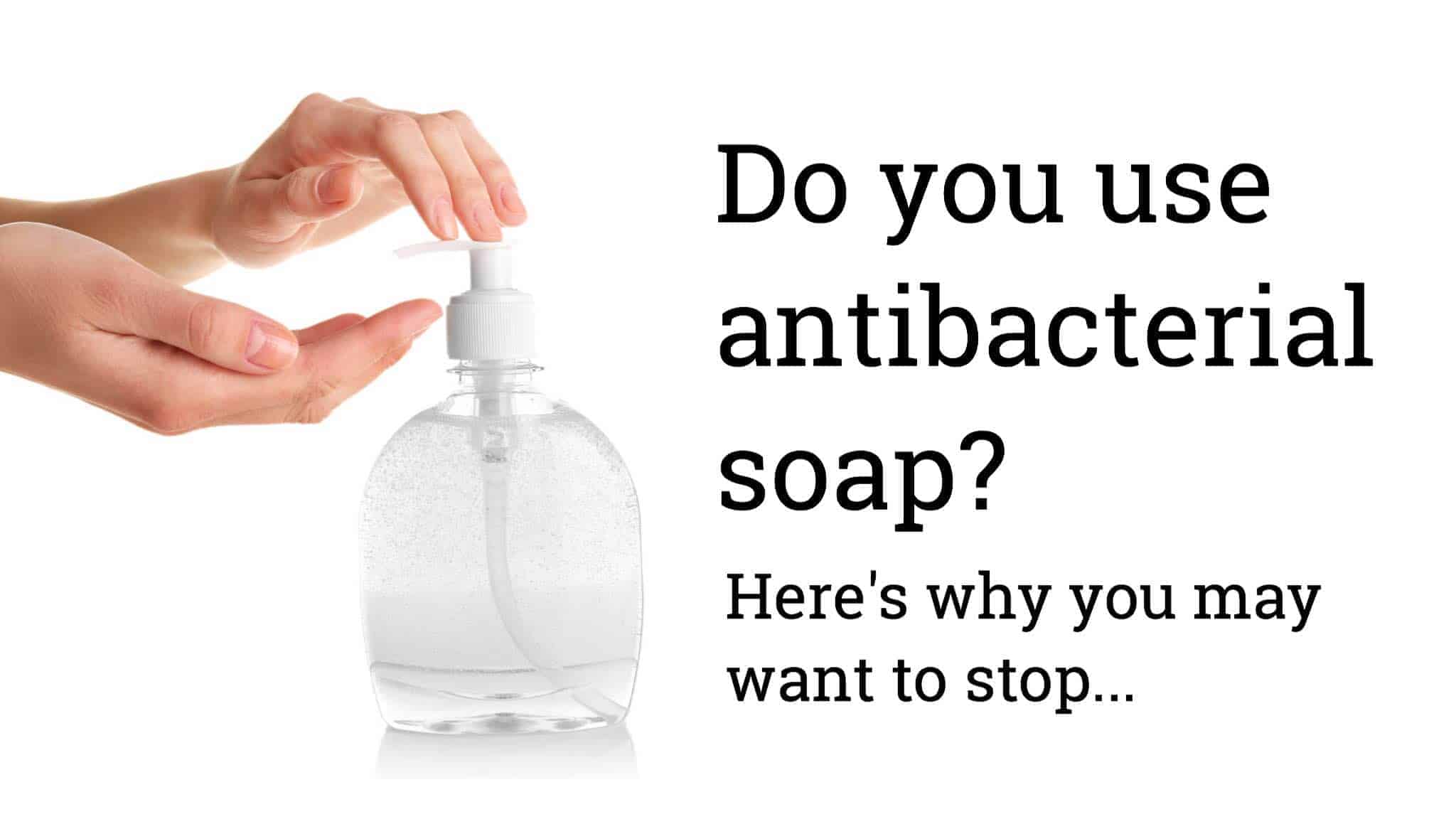
Before you reach for that antibacterial soap in the health and beauty aisle, do some research. Did you know that many of these soaps kill beneficial bacteria on your skin, as well as the harmful ones? Many experts recommend that you choose an ordinary strength soap to prevent this from happening.

antibacterial soap

4. Follow and Teach Proper Hand Washing Techniques

The next time you see your children washing their hands, notice how they do it. Many kids are in a rush and do a quick splash and dry, often ignoring the soap. Unfortunately, you may see adults doing the same, and such negligence can make others sick.

Using age-appropriate explanations, show your kids how to wash their hands correctly. Please encourage them to use enough soap to make an efficient lather and to scrub their hands while singing the Happy Birthday song, which is about twenty seconds.

Show the children how to wash both sides of their hands, between fingers, and their nails. Afterward, see that they know how to rinse them thoroughly with warm water and dry them completely. They can also follow with hand sanitizer for an extra boost.

5. Learn How to Avoid Re-Contamination

If you turn on the faucet with unclean hands and later turn them off, you are contaminating your hands again. Instead, use your elbow or a clean paper towel to turn off the taps. After you wash your hands in a public restroom, use your arm or another cloth to open the door.

Any surface you touch at home or in public is susceptible to potentially harmful microbes. In restaurants or other public places, consider using sanitizer for your hands and sanitizing wipes for seats and tables. Carry these handy wipes in your car or your purse for quick cleaning of your hands after touching something.

6. Give Your Hands a Little TLC

Those who must wash their hands frequently, such as medical or food service employees, often battle dry, cracked skin. Too much exposure to water robs your hands of natural oils that keep your skin moisturized and hydrated.

If you have sensitive skin, follow up your handwashing with a moisturizer that is rich in natural emollients, like shea butter or aloe vera. Use hand sanitizers that are formulated with a moisturizer. Talk to your healthcare professional if your sensitive skin stays irritated, or you think that you may have a skin allergy.

hand sanitizer7. Clean Hands 4-1-1

Have you ever been in the car or outdoors and didn’t have access to soap and water for your hands? Fortunately, hand sanitizer can be a temporary fix. Keep a container in your car and encourage your family to keep travel size bottles with them just in case.

Choose a brand that is at least 60% alcohol, squirt a dollop in your palm, and rub it into both sides of your hands and between your fingers. Remember that even the most expensive sanitizer will not kill every microbe. You should still wash your hands thoroughly with soap and water as soon as it’s available.

If your hands are visibly dirty, sanitizers probably won’t do an excellent job at cleaning them. Greasy hands also reduce the product’s efficiency. However, do what you must in a pinch.

8. Use a Nail Brush

What could be more unsightly than dirty fingernails? Even if your hands are sparkling clean, grime under your nails is still a recipe for contamination. Borrow a practice from the medical field and buy an inexpensive nail brush, available at most department stores and pharmacies.

These stiff-bristle brushes have a comfortable handle, and you use them to scrub in and outside of your fingernails. Use them with soap and water and replace them often or when they look worn. Also, teach your children how to trim and clean out their nails adequately.

9. Gloves Don’t Replace Washing Your Hands

Do you wear gloves for gardening or other chores around the house? Realize that gloves offer some physical protection to your hands, but they are not a handwashing substitute. Bacteria can still live in your work gloves, and you need to scrub it off your hands when your work is done.

If you are caring for a sick loved one or are using disposable gloves for safety reasons, be sure not to reuse the gloves. To keep from contaminating your hands, learn the proper techniques of removing gloves without touching your hands with the outsides. Wash your hands before and after you use medical gloves.

10. Common Germ Hideouts to Remember

How many times have you insisted that your children wash their hands and you hear them whine that they didn’t touch anything dirty? Some of the most innocent things around your house are often a haven for illness-causing microbes. While regularly sanitizing the items is recommended, it’s still a good idea to hit the handwashing sink after touching them.

Electronics and remote controls are notorious for harboring germs and viruses. Remind your kids to scrub their hands after using them, especially in hotels or restaurants. When you are on the go or even working around your house, your cell phone and other mobile devices will attract germs that you don’t want to spread.

hygiene

Know the dos and don’t of courteous respiratory hygiene.

Final Thoughts on Staying Clean with Hand Sanitizer and Proper Handwashing

As hard as you may try, you can’t completely erase 100% of every germ and virus from your hands. However, when you and your family practice proper handwashing techniques, you know that you are doing everything possible to ward off potential illnesses and infections. When you team up with soap, water, and hand sanitizer, your cleanliness arsenal is complete.

20 Quotes on Positivity That Will Change Your Life Forever

Reading quotes on positivity can help you change your way of thinking. This mindset shift will improve all aspects of your life and make it happier and more joyful.

Choosing to be positive can bring you opportunities that you would never have gotten otherwise. It’ll also help you be better in all areas of your life.

Sometimes, being negative is more natural than seeing the good in all situations. Don’t take the easy way, though, because being positive will allow you to live a better life. These quotes on positivity can help you along the journey.

20 Life-Changing Quotes on Positivity

quotes on positivity

1. “A positive attitude gives you power over your circumstances instead of your circumstances having power over you.” – Joyce Meyer

By staying positive through the hardest times, you’ll be taking control of your life. If you choose to be negative, however, Meyer explains that the circumstance will have control over you instead.

2. “Once you replace negative thoughts with positive ones, you’ll start having positive results.” – Willie Nelson

By changing your thought process, you’ll notice changes in your life, as well. Positive thoughts bring positive changes to your life.

3. “The only time you fail is when you fall down and stay down.” – Stephen Richards

It’s normal to fail sometimes. Failing is part of life. The only time failing becomes a problem is when you don’t get back up and try again.

Think of failing as a learning opportunity. Now, you’ll know what you shouldn’t do next time.

4. “Pessimism leads to weakness, optimism to power.” – William James

When you choose to be negative, you’re causing yourself to be weak. Instead, be powerful by being positive.

5. “Optimism is a happiness magnet. If you stay positive good things and good people will be drawn to you.” – Mary Lou Retton

It’ll be easier to stay positive if other positive people surround you. The way to do that is by being positive, as it attracts other like-minded people.

pop meme6. “People deal too much with the negative, with what is wrong. Why not try and see positive things, to just touch those things and make them bloom?” – Thich Nhat Hanh

Instead of thinking of what’s going wrong, try to think about what’s going right. If you feel like nothing is going right, thinking about what you can do to change that.

7. “Keep your face to the sunshine, and you cannot see a shadow.” – Unknown

If you always look at the first parts of your life, the bad parts won’t be so powerful. You can do this by always being positive and looking for the good in all situations.

8. “You can’t make positive choices for the rest of your life without an environment that makes those choices easy, natural, and enjoyable.” – Deepak Chopra

If you find yourself resorting back to negative thinking, consider your surroundings. There could be individual people or things in your life that lead you back down the negativity path. Change your surroundings, and you’ll find it easier to be positive.

9. “Positivity brings about a peace of mind which in turn relaxes your whole being.” – Suman Arora

When you choose to be positive, you’ll allow your mind to be calm and relaxed. This can help you think more clearly and make better decisions.

10. “You’re going to go through tough times – that’s life. But I say, ‘Nothing happens to you, it happens for you.’ See the positive in negative events.” – Joel Osteen

When something unexpected happens, think of it as something new to come. Each time things don’t work out the way you wanted, try to remain positive. You can do this by reminding yourself that something new or different is coming.

11. “When you are joyful, when you say yes to life and have fun and project positivity all around you, you become a sun in the center of every constellation, and people want to be near you.” – Shannon L. Alder

When you radiate positivity, you’ll attract positivity. If you want people to want to be around you, exhibit positivity all the time.

12. “Positive thinking is more than just a tagline. It changes the way we behave. And I firmly believe that when I am positive, it not only makes me better, but it also makes those around me better.” – Harvey Mackay

By thinking positively, you’ll notice that your behavior changes, as well. You’ll make better choices, be in a better mood, and be more enjoyable to be around. Not only that, but those around you will start being positive, as well, as Mackay explained.

pop meme13. “Life is a gift, and it offers us the privilege, opportunity, and responsibility to give something back by becoming more.” – Tony Robbins

No matter what happens, think of life as a gift. When you do, you’ll see that being positive is the best way to be. Then, you’ll be spreading positivity to all of those around you and giving back to the world.

14. “You, and only you, are ultimately responsible for who you become and how happy you are.” – Rachel Hollis

Complaining about life and the things that are going on will not fix anything. If you want to be happy and have a good experience, you have to be positive and work toward goals. Don’t let obstacles stop you from doing better and being better.

15. “The joy of life comes from our encounters with new experiences, and hence there is no greater joy than to have an endlessly changing horizon, for each day to have a new and different sun.” – Christopher McCandless

When things don’t work out the way you wanted, remain positive, and remind yourself that something better is coming. Real joy comes from things that are least expected. When things change, it only means that more happiness is coming.

16. “If you don’t like something, change it; if you can’t change it, change the way you think about it.” – Mary Engelbreit

When you change something that isn’t working for you, you are doing something to improve your life. Since it’s not always possible to change it, however, try thinking positively instead. This mindset will help you live a happier, simpler life.

17. “Be thankful for what you have; you’ll end up having more. If you concentrate on what you don’t have, you will never, ever have enough.” – Oprah Winfrey

Oprah Winfrey knows the power of positivity firsthand. Be positive and grateful for what you have. You’ve worked hard for it and earned it. Don’t spend time thinking about what you don’t have, or you’ll be inviting negativity into your life.

18. “You are the sum total of everything you’ve ever seen, heard, eaten, smelled, been told, forgot – it’s all there. Everything influences each of us, and because of that I try to make sure that my experiences are positive.” – Maya Angelou

If you make all things in your life positive, you’ll lead a positive life. Even the smallest choices in your daily life can contribute to that feeling.

19. “Life is a bowl of cherries. Some cherries are rotten while others are good; it’s your job to throw out the rotten ones and forget about them while you enjoy eating the ones that are good! There are two kinds of people: those who choose to throw out the good ones and wallow in all the rotten ones, and those who choose to throw out all the rotten ones and savor all the good ones.” – C JoyBell C.

Not all parts of life are perfect and excellent. You have to choose which elements to throw out. If you throw out the bad parts and keep the good, you’ll live a more positive life.

If you throw out all the good experiences or turn down potential opportunities, you’ll be more harmful. Choose to throw out the bad and keep the good instead.

20. “The positive thinker sees the invisible, feels the intangible, and achieves the impossible.” – Winston Churchill

Good things that you never expected will come from being positive. Anything that seems out of reach is possible if you think positively. By changing your way of thinking, you’ll be opening yourself up to so many more opportunities.

quotes on positivityFinal Thoughts on Quotes on Positivity That Will Change Your Life Forever

As these quotes on positivity show, your mindset and outlook can change your life. If you choose to be negative, it’ll show in your daily life and your future endeavors. On the other hand, if you select positivity, that’ll reflect in your life.

The reflection that comes from positive thinking will help you reach all of your goals. It’ll also pave the way when you have to choose a new path. Plus, positivity will attract other positive people, which will help you keep this mindset even in hard times.

Remember these quotes on positivity the next time you encounter a potentially negative situation. By seeing the good in the situation and thinking positively, you’ll be able to turn any adversity into a benefit.

Therapists Explain 5 Ways to Recover from a Traumatic Experience

Many people live through a traumatic experience but escape relatively unscathed over time. However, others develop mental health conditions like anxiety, depression, or post-traumatic stress disorder (PTSD) as a result.

You might connect PTSD with soldiers returning from war. And that can be the case. But some people develop the condition from being the victim of a violent crime, witnessing an accident, or even the loss of a loved one. We will delve into several of the reasons why people develop PTSD.

What the Experts Say About Coping with a Traumatic Experience

“There are real neurobiological consequences of trauma that are associated with PTSD,” said Dr. Farris Tuma, who runs the NIH traumatic stress research program, according to the National Institutes of Health.

When you’re in danger, your body responds in a fight-or-flight mode that can help you get out of dangerous situations. However, if you were exposed to a stressful or dangerous situation for an elongated time, you may have chronic problems. These include trouble sleeping, flashbacks, and anxiety.

If your symptoms last more than one month, your doctor might diagnose you with post-traumatic stress disorder or PTSD.

traumatic experience

The Definition of a Traumatic Experience

What is a traumatic event? A traumatic experience or development is an alarming and distressing time in one’s life that brings about a strong emotional response. At first, shock sets in, but future issues may be flashbacks and severe emotions or even headaches.

While many may associate PTSD with soldiers and veterans, trauma and its related symptoms can occur among many different people throughout their lifetimes.

Anyone who has been through physical or sexual abuse are likely to suffer from trauma-associated symptoms. Many people may have PTSD who have been through a natural disaster such as an earthquake or a hurricane. Also, post-traumatic stress is frequent among those who’ve been in severe car crashes or other accidents.

“Most people associate post-traumatic stress symptoms with veterans and combat situations,” explained Dr. Amit Etkin, an NIH-funded mental health expert at Stanford University.  “However, all sorts of trauma happen during one’s life that can lead to post-traumatic stress disorder and post-traumatic stress disorder like symptoms.”

The AURORA Study: The Biology Behind a Traumatic Event

Scientists believe it would be helpful to figure out what puts people at risk of post-traumatic stress disorder. Dr. Samuel McLean, a trauma expert at the University of North Carolina, and his team have been attempting to uncover how the brain reacts to stress and trauma.

The AURORA study looked at depression, physical pain, post-traumatic stress, and post-concussion syndrome among those who faced a traumatic experience. These researchers pursued 5,000 trauma survivors for one year to better understand their mental and physical problems.

“We’re enrolling people who visit trauma centers immediately after trauma because evidence suggests that a lot of the important biological changes that lead to persistent symptoms happen in the early aftermath of the trauma,” McLean stated.

The researchers are:

  • looking at life history before the trauma,
  • collecting genetic and biological data
  • conducting brain scans to see any changes in the brain,
  • and recording post-traumatic symptoms.

Also, smartwatches and mobile apps are being used to assess the survivors’ bodily responses to trauma. This data may help scientists better understand how people’s moods, sleep patterns, and activities change due to trauma.

“Our goal is that there will be a time when trauma survivors come in for care and receive screening and interventions to prevent PTSD, just in the same way that they would be screened with X-rays to set broken bones,” clarified McLean.

The AURORA study followed a large number of survivors and conducted tests ranging from self-reports to digital phenotyping, neuroimaging, and genomic analyses. This testing began in the first stages after a traumatic experience and continued for one year.

5 Ways to Recover from a Traumatic Experience

While scientists continue to uncover the biology behind trauma, there are some steps that survivors can take to recover from a traumatic experience. Five ways to recover from trauma include:

  1. Talking with friends and family as a coping strategy;
  2. Attending a support group and/or talking with a mental health professional;
  3. Utilizing self-help apps, books, or websites such as those created by the U.S. Department of Veterans Affairs;
  4. Considering noninvasive brain stimulation if you don’t respond to treatment;
  5. Undertaking music therapy as a potential solution.

Let’s move on to look at each of these more closely. Read on.

traumatic event

Can you erase an emotional trauma from your brain? Read to learn the answer.

1 – Talking with Loved Ones to Work Through a Traumatic Experience

You’ll find that you need a good coping strategy to overcome traumatic experiences. Many turn to negative forms of coping, such as drinking alcohol or even taking drugs. However, talking to your friends, family, and significant others can help you overcome some of the memories and emotions associated with your trauma.

You’ll want to seek support from your friends and family or those who have gone through similar situations. Those who can relate and be there for you will help you feel less alone. Asking your family for support is vital. While your loved ones may not know what to say, you may find it freeing to talk about what happened.

You’ll also need to take time to recover. Understand that it may take weeks or months to overcome your trauma or tragedy. Talking it over with others or spending time with close ones can help you heal. Take things slowly and let yourself feel those emotions, even if you cry.

2 – Attend a Support Group or Talk with a Mental Health Professional

Usually, talking with family and friends can help you overcome trauma.However, if it continues, you should find a mental health professional. When should you seek professional advice? Seek therapy when:

  • You’re feeling overwhelmed by sadness and anxiety.
  • You cannot sleep and have nightmares.
  • Your life isn’t returning to normal after six weeks.
  • You refrain from spending time with others.
  • Your work is suffering.
  • You are using alcohol or drugs to cope with your feelings.

When learning to cope better and recover from your traumatic experiences, you’ll benefit from speaking with a mental health professional. Talking with others in a support group may also help you. You’ll want to make an appointment with a therapist who is trained in trauma-focused therapy when experiencing post-traumatic stress symptoms.

“For those who start therapy and go through it, a large percentage of those will get better and will get some relief,” explained Dr. Farris Tuma of the NIH.

Post-traumatic stress disorder can have a variety of different symptoms among people, so some treatments may not work for you while others may do the trick. It’s essential to try out various therapies to see which type of treatment works best for you.

3 – Utilize Self-Help Apps, Books, or Websites

If you’re a veteran or soldier suffering from trauma, you’ll benefit from using the tools, mobile apps, and self-help website that the U.S. Department of Veterans Affairs created. There are apps for mindfulness, and one called a PTSD coach to provide you more guidance.

There are countless self-help books for helping survivors recover from their trauma. One book with many positive recommendations is called Healing from Trauma: A Survivor’s Guide to Understanding Your Symptoms and Reclaiming Your Life. It is written by Jasmin Lee Cori, and it seems to have helped many people.

With the assistance of self-help books and apps, you may be able to get your life back on track, especially if you are uncomfortable with talking with a therapist. You’ll also want to get into a routine. Don’t forget to eat and have healthy, balanced meals. You can even start taking part in some simple and gentle exercises.

Your routine should involve spending time with others doing things besides focusing on your trauma. For example, go out to dinner with friends or see a movie with your significant other.

pop meme

4 – Noninvasive Brain Stimulation for Those Not Responding to Treatment

Medical professionals have utilized noninvasive brain stimulation to help both veterans and others suffering from the post-traumatic stress disorder. This process is only used when the patients are not responding to any other treatments.

In 2014, researchers from Los Angeles, California, used deep brain stimulation to help veterans overcome their post-traumatic stress symptoms. The clinical trial found a 30 percent reduction in the Clinician-Administered PTSD Scale (CAPS) total score after undergoing deep brain stimulation.

The research uncovered in the pilot trial can help other scientists create studies that can better determine the advantages of deep brain stimulation for soldiers, veterans, and others facing treatment-refractory PTSD.

5 – Music Therapy May Could Be Your Solution

Many people also benefit from music therapy. You’ll find that music therapy is currently being utilized to help people from a variety of backgrounds. This includes those suffering from depression and also those on the autism spectrum.

Music therapy may include making music, moving to the beat of a song, singing, or listening to music. This can help with physical rehabilitation, teach coping methods for stress, motivate people, and decrease pain.

traumatic experienceFinal Thoughts on Overcoming a Traumatic Experience

If you’ve been through a traumatic experience, you may want to try talking to a therapist or support group. Or you may benefit from trying out music therapy and a self-help book.

Whichever of these five strategies you choose, there are clearly proven ways to help trauma survivors overcome, recover, and heal from their tragedy.

Text Neck Syndrome: Symptoms, Causes, Diagnosis, and Treatment

Text neck syndrome can cause pain from constantly craning your neck to see the screen. Since many people seem to be attached to their smartphones, this syndrome has become increasingly common. The more time you spend looking down at your phone or other mobile devices, the more text neck symptom will impact you.

Talking on the phone doesn’t seem to cause the issue, but frequently bending your neck to text or play a game can. Your smartphone is a way to call friends and family, do research, take a picture, and do countless other things. For some people, staring at the phone happens more frequently than anything else.

However, text neck syndrome can even happen to people that aren’t constantly on their phones. Anytime you lower your head to look at your smartphone, you increase the risk of developing text neck syndrome.

When you overuse your neck or overextend it for frequent extended periods, it leads to pain. With the fast-paced world we live in, it seems that constantly communicating via text or other messaging and social media apps is hard to resist. If you have this problem, you must implement a lifestyle change before it becomes a chronic condition.

What is Text Neck Syndrome?

text neck syndromeText neck syndrome is not an official medical diagnosis. Instead, it is a term used to explain repetitive stress injury from looking down at a mobile device.
Your neck contains a complex section of your upper spine, the cervical spine. The cervical spine has seven spinal vertebrae and 26 muscles that support your head and allow a range of motion. While it can move up and down or side to side, it isn’t designed to stay extended.

Since the average head weighs ten to twelve pounds, your spine and muscles come equipped to balance it. Your neck works like a spring to suspend your head over things you’re doing, extending the neck and resulting in poor posture. The further your neck extends downward, the more the unnatural strain and force affect your body.

When you keep your head lowered to read texts or scroll social media, the pressure can increase to sixty pounds. This excess pressure leads to severe neck pain, and the issue is becoming more widespread as people spend more time on devices.

Text Neck Symptoms

The symptoms of text neck are painful and uncomfortable. If you notice that you have any, avoid looking down and start making a lifestyle change. The symptoms include:

  • Pain in the upper back, neck, or shoulders
  • Intense stabbing sensation
  • Forward head posture with rounded shoulders
  • Reduced mobility in the neck, upper back, or shoulders
  • Headache
  • Increased pain when the neck flexes forward
  • Tingling, numbness, or weakness in the neck or shoulder area
  • Balance issues
  • Jaw pain
  • Painful muscle spasms
  • Tightness across the shoulders

In more severe cases, you might experience:

  • Early-onset arthritis
  • Spinal degeneration
  • Muscle weakness
  • Disc compression
  • Loss of lung capacity
  • Abnormal curvature or rounding of the upper back, or a flattening of thoracic kyphosis

Text Neck Syndrome Causes

There are not many causes of text neck syndrome, but there are a few, including:

  • Frequently looking down at a mobile device for extended periods of time
  • A strained muscle in the back or side of your neck due to overstretching of muscle fibers and tendons
  • Hanging your head forward, increasing the force on your neck
  • Stressed muscles, joints, and ligaments from being overworked

spinal alignmentHow is Text Neck Syndrome Treated?

If you see a doctor for the pain from text neck, they will ask a series of questions and examine before suggesting treatment options. The doctor will ask about your medical history, family health history, exercise and diet habits, medications, and symptoms. Then, they will do a physical exam to check for anything unusual.

Treatment options might include these.

  • Exercises: Exercise can help alleviate neck pain and reduce forward head posture. It addresses and reverses muscle imbalances, restoring a better-aligned posture. Choose low-impact exercise if you aren’t already experienced or comfortable, and then work your way into more intense activities.
  • Stretches: Muscle imbalances typically develop from text neck, but stretches can alleviate the pain. Your deep cervical flexor muscles elongate while the muscles at the back of your neck toward the base of your head shorten. Plus, the upper back muscles elongate, and the chest muscles shorten.
  • Being Mindful of Postural Habits: When using a mobile device, being mindful of your posture can help reverse the damage. Make it a habit to check your neck position as you use your mobile devices.
  • Cut Back on Mobile Device Use: You can still use your smartphone and other devices with moderation. Consider cutting back on the amount of time you spend on them, though. Cutting back will promote healing and ease the neck pain associated with text neck.
  • See a Chiropractor: A chiropractor can manually adjust your spine, easing neck pain and treating misalignment from excess pressure. They can also recommend things you can do at home to promote correct alignment and take care of your body.
  • Practice Meditation: Meditation promotes relaxation of tired and aching muscles. It helps you relax each muscle group as you work through the body, focusing on the painful areas.
  • Physical Therapy: A physical therapist can design a program specific to your needs. The program will include stretches and exercises to reverse the condition and alleviate neck pain. Your doctor might recommend a program to promote mobilization, stretch tight muscles, encourage strengthening, and retrain posture.
  • Treating Nerve Pain: Text neck syndrome can cause degeneration and compression of nerves in the neck. When this happens, nerve pain occurs, requiring treatment for nerve pain to alleviate text neck.
  • Ice or Heat Packs: Try rotating ice and heat packs when you experience pain from text neck. It can ease the pain while reducing inflammation.
  • Get a Professional Massage: A professional massage therapist can pinpoint the areas with tense or overworked muscles. As the masseuse applies pressure and massages the surrounding areas, the text neck symptoms will ease. Sometimes, they’ll massage spots that seem unrelated but turn out to be effective for your discomfort.
  • Acupuncture: Acupuncture involves tiny needles being places just below the surface of your skin. You must visit a professional for this treatment method, as they know the correct places to put the needles. They place them at pressure points throughout the body that helps with pain and other issues.

Text Neck Syndrome Prevention

Since most people use a smartphone, text neck syndrome should be a concern. Luckily, there are things you can do to prevent it, including:

  • Lift Your Phone Higher: Move your smartphone or other devices closer to eye level. When you do this, you won’t have to tilt your head forward, preventing excess pressure. If you keep it low for privacy purposes, try turning down the brightness so that it’s harder for others to see when you hold it up higher.
  • Take Frequent Breaks from Your Device: Spending time away from your phone or any other type of head-forward posture can prevent text neck syndrome. You might find it helpful to set the alarm or automatic reminders to take breaks after so long. Another way to have more breaks is to set specific times to use your phone and avoiding it any other time.
  • Practice Good Posture: Practicing good posture requires standing straight with your chin tucked in and shoulders pulled back. This keeps the body aligned in its natural position and prevents the pain of text neck. Good posture also supports the health of your bones, joints, and muscles.
  • Arch and Stretch: Arch your neck and upper back once in a while to ease muscle pain. Anytime you feel tension settling in, do this backward arch to help prevent further issues. Stretching can help rebalance your body and your neck movements, providing better posture and less pain.
  • Exercise Regularly: Regular exercise is beneficial all around, but it can also help handle excess stress. When your back and neck are strong and flexible, the additional pressure from looking down won’t be as detrimental. Find exercises that target these areas, such as yoga or Tai Chi.
  • Roll Your Neck and Shoulders: When you roll your neck and shoulders, it relieves built-up tension. Anytime you feel a little tense, do this before it gets worse and progresses.
  • Avoid Repetitions of Movements Like Swiping or Typing: If your body is already in an unnatural position, high repetitions of these movements can cause pain. You’ll be using the same muscle repeatedly without switching positions or resting.

smartphone injuriesFinal Thoughts on Text Neck Syndrome: Symptoms, Causes, Diagnosis, and Treatment


As text neck syndrome becomes more common, recognizing the symptoms and causes can help you. When you know what causes it, you can work on preventing the syndrome and neck pain. If you think you already have text neck, getting a professional diagnosis can help.

A medical professional can help you come up with a treatment plan. They will recommend a few options, giving you the best information to decide. Additionally, they can help you find ways to prevent it from reoccurring in the future.

Knowing the symptoms, causes, diagnosis, and treatment options for text neck syndrome can be life-changing. Many people don’t realize how detrimental looking down at a smartphone can be. Help yourself stay healthy and feel good by making a few simple lifestyle changes when it comes to your phone.

Science Reveals Anger and Irritability Linked to Depression

Do you ever feel angry, and you don’t know why? Do you find that you are irritable and snapping at people even when you don’t mean it? Also, have you become so grouchy and cranky that you can’t even stand yourself sometimes?

Your irritable nature may be caused by depression. It sounds odd to say that a depressed person is angry, but it makes perfect sense. While you may think that someone who is sad wants to close themselves off from the world and cry in silence, it’s not always that simple.

Research shows that many people become quite irritable when they are depressed. Since being clinically and circumstantially depressed is vastly different, it stands to reason that someone who is still functioning and going to work each day could be quick to lash out at someone. Not everyone isolates, though when you’re boiling angry and even hostile towards others, giving yourself a time out, maybe what you need.

depression

Anger is the Easiest Emotion to Show

Let’s talk about anger. If someone takes your parking space at the supermarket after you’ve waited for it for several minutes, then you wouldn’t break down into tears. Rather, you would probably honk your horn, use an obscene gesture, or yell at them. You want this person to know how mad they have made you.

People often use their grouchy side to express themselves because it’s very natural. A grown man isn’t going to cry over that parking spot, but he would get mad and let the person know that he is mad. The same can be said about despair. It’s quite easy to let someone know when they tick you off, but you’re not going to let them see you cry.

Using Rage to Motivate

Over time, you’ve naturally learned how easy it is to express yourself when you’re upset. Some people feel that their rage helps them stay in control of a situation. For instance, if you manage 20 employees at work, you will find that you need to have effective methods to keep them in line.

How many managers have you seen who motivate others through their harsh words or actions? A boss may come in and slam something across the office because there was an error in a shipment. That person has learned to motivate others to react based on their actions.

If the boss would have spoken in an even tone, then maybe they wouldn’t have been able to build fear and encourage employees to change. It’s not an effective management style, yet it’s used every day. The knee-jerk reaction produces the desired effect.

What that manager failed to say is that their job is on the line, and they’re going to get in trouble. They may be experiencing despair because corporate big shots are breathing down their neck. There are usually reasons for people’s rage.

pop meme

Symptoms of Depression

When you become depressed, you have several feelings inside that make going through the daily grind almost impossible. While each person is different, some of the most common things one will experience include the following:

•Loss of Interest in Things You Once Loved
•Feelings of Hopelessness or Helplessness
•Suicidal Ideations
•Sleeping Too Much or Too Little
•Isolation
•Unable to Function as You Once Did
•Missing Appointments and Forgetting Things
•Calling off Work Frequently
•Personal Hygiene Suffers
•Drastic Changes in Your Eating Habits
•Moodiness and Irritability

When you feel horrible, then you aren’t going to be all sunshine and smiles. Rather, you’re ready to bite someone’s head off at the first sign of a problem. Is it possible that you are experiencing hopelessness and not even aware?

Clinical Versus Acute Depression

A person who is clinically depressed is someone that has been feeling down for a while. They may have been dealing with the symptoms of this common mental illness for six weeks or more.

However, a person who is experiencing acute depression can have a period of blues that is based on circumstances. If you’ve recently lost a loved one, had a relationship end, got fired from a job, or had your hours cut at work, then it’s reasonable to experience the blues.

Everyone will experience periods in their life when they will be down and out. Thankfully, most learn to cope and pull themselves out of this situation. Consequently, when you cannot shake the feelings of angst, and it continues for longer than a few weeks, then it’s classified as clinical.

Realize that people who are experiencing acute varieties can still function. You may be able to go to work, do the grocery shopping, and have your house clean from top to bottom. Your angst is causing you difficulty, but you continue everyday activities.

Unfortunately, when people are clinically depressed, they are unable to keep going at all. They have a complete shut-down of their system and need professional intervention. Left untreated, those affected can spiral deeper into mental illness or commit suicide.

Doctors Often Prescribe Drugs to Treat Depression (but not so fast, there’s more work to do)

Although depression is one of the most prevalent mental illnesses in America, you can find treatment. If you notice one or more signs and symptoms, then it’s time to talk to your healthcare professional. You needn’t battle despair on your own.

Unfortunately, unhappiness and other mental illnesses still carry a stigma in our society. As in the past, mentally ill patients are often viewed as weak, attention mongers, and those lacking in religious faith. Because of common misconceptions and fear, depressed people may be hesitant to seek treatment.

If you are diagnosed with chronic hopelessness, your healthcare provider may suggest an antidepressant. The good news is that patients have more options with better drugs than decades ago. Medical science continues to make advancements in the understanding and treatment of depression.

Your doctor may prescribe an antidepressant that best fits your needs. Usually, doctors start patients at the lowest therapeutic dose and will titrate as needed. Even though most of these medications may have side effects, the benefits typically outweigh them.

However, ask your doctor also about alternative therapies. Medication can cover up your symptoms. But until you uncover and treat the root of your depressive symptoms, you will not enjoy true healing.  Thus, doctors typically prescribe medication and also recommend you see a mental health professional.

self love

Treating Depression with Therapy

Most mental health professionals agree with countless studies suggesting that those depressed are best treated with a combination of drugs and therapy. While medication may help with chemical imbalances in your brain, therapy offers coping strategies and lifestyle change suggestions.

You may be familiar with cognitive behavioral therapy or CBT. Another name for it is psychotherapy. If you are depressed, you may avoid seeing a therapist because of misconceptions. Understanding how CBT works can ease your fears and place you on the right track for treatment.

Psychologists say that we react to things in our world according to our perceptions. If you have a skewed sense of reality about a situation, your reaction may also be unbalanced. CBT seeks to challenge misperceptions, form new opinions, and ways to cope accordingly.

First, your therapist will help you sort out your feelings about situations in your life and how they may have formed. Then, your perceptions will be challenged to understand if they are true or false. You will work together to bring your perceptions into reality, and to modify your behaviors for the best.

CBT has successfully treated clinical despair in millions of people over the years. Along with prescribed medication, it continues to be a valuable tool for mental health professionals. Your primary physician can help you find a licensed therapist who specializes in CBT for mental health issues.

Other Tools to Use with Your Treatment Plan

Did you know that you can alleviate some of your depressed feelings with self-help? For centuries, Eastern practitioners have known the benefits of meditation. Countless scientific studies in East and West concur and recommend it to depressed patients. Your therapist may suggest useful ways for you to meditate at home.

You don’t need to be a guru to benefit from meditation. Find a quiet spot at home or work, close your eyes for a few minutes, and allow your thoughts to pass in and out like clouds. While your mind is at peace, focus on mindful breathing and lifting the fog of despair.

Another complementary tool that CBT professionals suggest is journaling. Be alone with your written thoughts as you discover how you created false statements and how these have affected your life. You may have a moment that will lead you to reality-based thinking and overcoming your hopelessness.

depression

Final Thoughts on the Link Between Anger and Depression

Being depressed is a severe mental disorder that isolates people from their family, friends, and the things they used to enjoy. While some solitude is needful and healthy in your life, total withdrawal from society isn’t good for you.

If you are diagnosed with a mental illness, then surround yourself with a loving network of support. Keep people in your life who offer positive influence and nonjudgmental conversations. A friend or loved one who has also experienced depression can be a valuable supporter.

Even symptoms like unexplained anger may point to a problem with hopelessness and sadness. Be kind to yourself and seek medical treatment if you experience this and other signs and symptoms. You needn’t let misery rob you of the joy you deserve.

Therapists Explain 6 Ways To End A Sibling Rivalry

There is nothing worse than listening to your children bicker and fight all day long. Sibling rivalry can quickly wear on your nerves. Most parents hear iconic phrases like “I’m telling on you,” and “He took my toy.” While you may want to run away and may have got in your car with the keys on occasion, there are ways to combat this behavior.

As your children bicker, it builds tension in your home, making it an unpleasant atmosphere. Thankfully, you can use these experiences to teach rather than to cause discord. Conflict resolution is a part of everyday life.

Using these disagreements, you can teach your children about how to resolve their issues without nasty tones and harsh words. For the parent, consistency is the key. You must set firm ground rules and not allow them to get away with things on the weekend that you don’t permit during the week.

How Do You Stop Sibling Fighting

The resolution for this common problem begins with you. By ensuring there are household rules, well-defined consequences, and you are fair with all the children. Then you can establish expectations. Keep in mind that it’s normal for children to argue.

However, as an adult, it’s your job to make sure it doesn’t get out of hand. You must keep your temper and your children under control. To help you implement a program in your home that allows for less arguing, here are six ways that therapists suggest ending sibling rivalry between brothers and sisters.

sibling rivalry

1. Establish Firm Ground Rules

Most households already have rules in place for arguing. However, if you don’t have these rules established, then take a few minutes to develop a list that your family can use. Call a family meeting and tell the children the importance of following these guidelines.

Consistency is essential. If you don’t give consequences when the rules aren’t followed, then they won’t see the need to obey. Make sure you are clear on your expectations as children love to push boundaries as far as you will allow them.

Remember, some days are going to be better than others, and you must rule with understanding. Kids are going to be kids, and brothers and sisters are going to argue. You are just the referee in their daily encounters.

2. Never Compare Your Children

Did you know that one of the main reasons why sibling rivalry exists is because parents compare children? When one child is doing well, it’s easy to brag about them as you are proud of their accomplishments. However, while the child making the right decisions does deserve praise, there are other children than are feeling insufficient.

Never compare two children against each other; instead, make sure to make a point of good qualities of all. Try to find something to praise each child daily, even if it’s just for helping to bring in the groceries. Remember, that negativity will feed negativity. If you want your children to be positive, then you must set the example.

It’s essential that all your children feel loved and wanted by you. The older your kids get, the harder it is to connect and show your love. It’s easy when they are young and will allow you to hold and cuddle them, but those tactics don’t work on teenagers.

Don’t fall into the trap of comparing your children’s attitudes, behaviors, grades, or general demeanor. When you praise one over the other, you are setting your household up for sibling rivalry. Sadly, most sibling rivalry doesn’t end when children reach adulthood.

children

3. Treat All Children Fairly

Another thing that parents often do without realizing it is that they play favorites. It’s easy to love and be close to that child that is doing well and seems to have it together. However, the tides will turn. It seems children rotate, and one does well for a while, then the other one takes a walk on the wild side.

You must create a trust system among your offspring. One of the biggest causes of rivalry is when one child feels that they are not the favorite. They will vie for your attention and use behaviors, both good and bad, to get it.

You must be fair to all your kids and ensure that the rules are not made for one. The difficulty is that each child has unique needs, and your discipline style must vary. While you may use different tactics, you must ensure that all parties get a fair punishment.

4. Rule with Regularity

In parenting, stability is everything. If your children know your weak spots, then they will use them to their advantage. You cannot bend, adjust, or change the rules for any child. To set a good example for your kids, you want them to learn the fine art of being consistent.

Now, on the other hand, parents must remember if you don’t want your home full of sibling rivalry, then you cannot argue with their mom or dad in front of them. Sure, you will have disagreements, but you need to take them to a private room. So if you want your children to learn to get along with each other, then you must learn to do the same.

If the rules say you must make your bed in the morning, then they must receive a consequence when the bed is not made. Thus, if you don’t punish when a rule is broken, then they will break them time and again. Plus, your child will quickly learn you don’t stick with your word, which is a dangerous position to be in a parent.

kind phrases

5. Allow Them Some Space to Work it Out

Part of being an effective parent is giving your kids the tools to work through conflicts. If your children start to argue, then you don’t always have to step in to assist. Sometimes, you need to lay down your referee whistle and let them figure it out.

You can encourage them to use their words and take turns talking about the issues, but don’t be so quick to jump in with punishments. Teach them to identify the problem, and you must give them the tools to resolve it. However, just because you don’t step in doesn’t mean you shouldn’t be close by.

Things can take a drastic turn at a moment’s notice, and you may need to get that whistle out and put on your referee cap. When parents teach appropriate conflict resolution, then children learn to have respect for one another.

6. Teach Teamwork in Daily Life

One of the best ways to combat sibling rivalry is to teach teamwork in daily life. Rather than making activities about competition, why not teach them to work together? A team is always stronger than one individual. One of the best exercises to teach teambuilding is relay races.

Make the game where the children are against the adults, and you will teach them the importance of working together. You have many opportunities around your home to teach teamwork. Simple tasks such as mowing the grass, folding the laundry, or doing homework, are all examples of when it’s better to have more hands helping.

sibling rivalryFinal Thoughts: Sibling Rivalry is Normal

Raising children is not for the faint of heart. They can be very taxing and take you to the brink of emotional despair. However, while there are so many difficulties in this significant job, they are the best gift you could ever ask for in life.

Remember, you’re not the only parent struggling with the arguing and constant bickering. When you have both boys and girls in the home, it can be an all-out war zone. You must find useful tools to resolve their conflicts.

Another thing that you can do for your children is to make them feel special. It’s so hard to carve out time each day with all the items on your to-do list, but you should give each child 10-15 minutes of your undivided attention.

Let them talk to you about what’s bothering them and make them feel that their voice is heard. Make sure you put down the cell phone and turn off the television. Give your ear to them and allow them to vocalize their feelings.

As parents, it’s easy to think that your children don’t have issues. After all, they don’t have to go to work each day and provide for your household. However, you cannot diminish the problems in their little world.

An argument with a friend at school can be just as much of a catastrophic event in their world as you are being exhausted from working so many hours. If you want to tame sibling fights or arguments, then you must first listen to them. Lastly, you must set a good example for them to follow.

Skip to content