Weekly tips, affirmations, and small actions to feel your best.

Treat Yourself to a Relaxing Pedicure at Home (relax + save your cash)

Are you looking to treat yourself to an incredibly decadent and enjoyable home pedicure?

Here are the tips you need to make it an exceptional experience. Look no further for instructions because we will walk you through everything you need to know to pamper your precious feet.

You might think that only trained professionals can perform pedis, but you couldn’t be further than the truth. Of course, salon and spa employees and estheticians receive specialty training in these skills, and that education is a fundamental of their success. However, you can quickly learn the basics, and use that knowledge to treat yourself to regular home pedicures at your convenience and within your comfort levels.

It’s always nice to have another person rub and pamper your feet, and you don’t have to give that up. But, you could do well to learn a few of the basics to supplement your spa treatments, to enhance the knowledge you have of your feet, and to make your ankles, feet, and toes feel better thanks to the skills of your own two hands and without having to leave the house.

Benefits Of Home Pedis
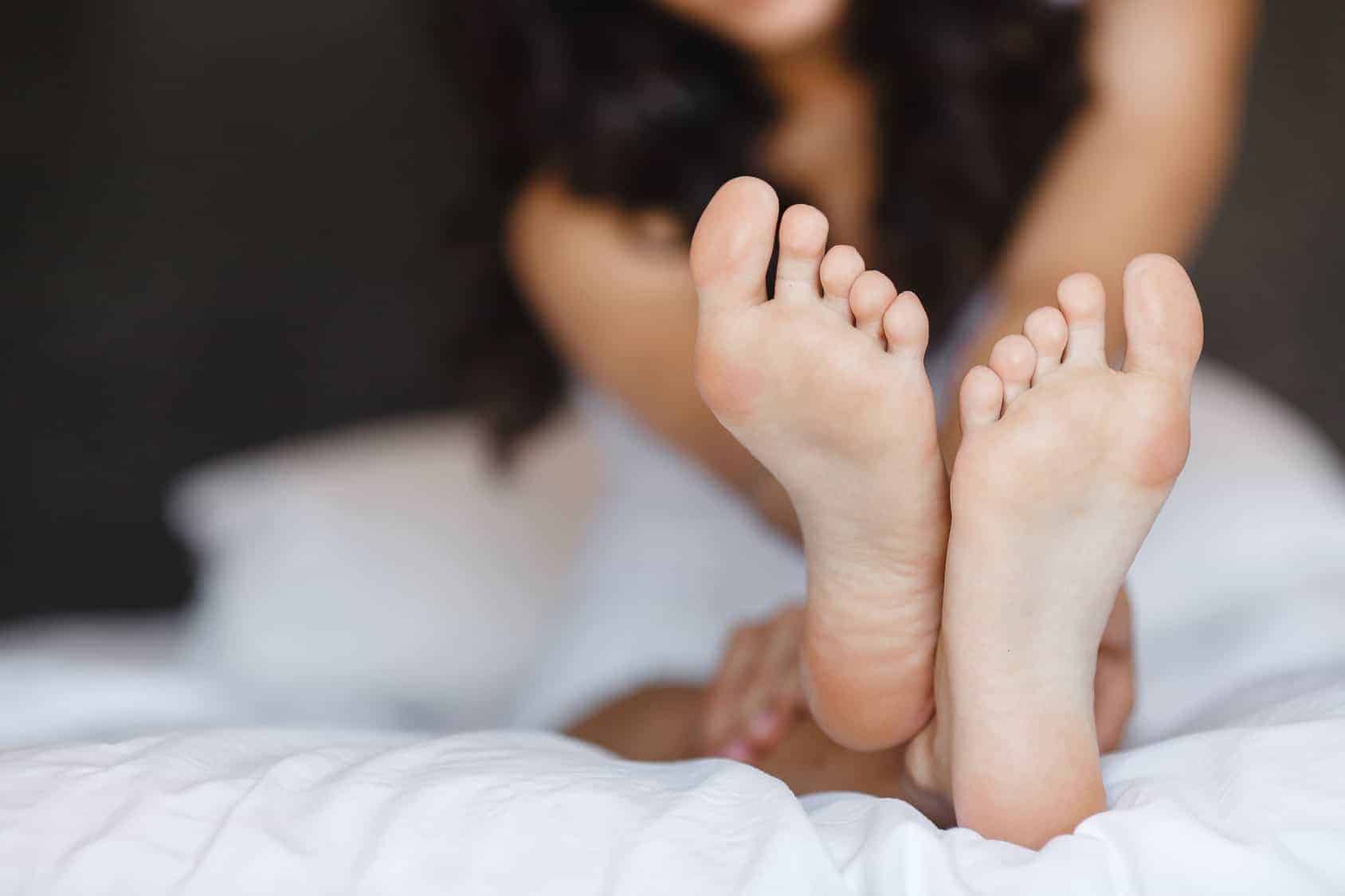
feet massage

Learn how you could be damaging your feet–but not even realize it!

  • You Likely Already Have Everything You Need.

You don’t need to break the bank to get a whole professional-grade set-up for your house. Take a look around at what you already have. Namely, you need a large basin for soaking your little paws, a few towels, plenty of moisturizer, and some handy, clean tools to use on your softened feet.

  • They Are Cheap, Even Free!

    You can easily spend $30-50 a pop or more on professional pedicures at the salon or spa. Of course, you’re worth a million dollars, but perhaps you could find a better use for that moolah and DIY with the same results.

  • You Can Remain In The Comfort Of Your Own Home.

    No need to dress up and hustle about, having to deal with parking and making small talk with strangers. You can stay in your most comfortable lounging pants and get a professional-grade pedicure while listening to your music and eating your favorite snacks.

  • You Can Do It Exactly How You Like.

    Sometimes you leave the salon feeling a bit underwhelmed by the entire experience. No need to be disappointed! Get that water temp perfect for you, let that foot massage run along a little longer, and get that color polished on the entire surface area of each nail bed – just the way you like it.

Step-By-Step DIY Instructions

Start by getting everything you’ll need for your luxurious home spa experience before you put your feet in to soak, or else you’ll miss it later on when you need it!

Here’s what you’ll need:

  • A large basin for soaking both your feet, water to fill it, a few drops of Castile soap, essential oils, or fractionated coconut oil
  • Two medium-sized clean towels
  • Sterile tools for working on your feet, such as a pumice stone, nail clippers or scissors, a nail file, cuticle trimmers, an orange stick for pushing back cuticles, etc.
  • A moisturizer that you like
  • Nail polish, both colored and clear
  • Toe separators

Now, here’s what you do for your luxury at-home pedicure:

pedicure

1 – Make a perfect foot soaking tub

Fill the basin with water that is more than warm but not scalding. Ideally, you should be able to comfortably put both feet into the soaking tub at one time, but if your container only fits one foot, you can easily do them one at a time.

Be sure to use a clean basin and clean water, and swap out the water in between feet. The name of the game here is sterility, so you want to start with unsoiled items and to only use clean items throughout the pedicure.

You can opt to add a few drops of Castile soap, a few drops of your favorite essential oil, and/or a squirt or two of fractionated coconut oil to facilitate the process a little. Lavender and Frankincense have relaxing properties, while Tea Tree is a natural microbial and will be useful to zap away foot odor.

2 – Enjoy a pampering, long soak

Place one or both feet into the water and let them soak comfortably for a solid 10 minutes. This step is essential so that the hot water penetrates into the many layers of live and dead skin on your feet and begins to soften everything up.

This step is also important to set a time or mood for your overall experience. This should not be a rushed process, as this time should be calm and enjoyable. Consider putting on some calming music, lighting a candle, and flipping through a magazine while your feet start to melt into the water.

3 – Perform nail and cuticle care

Now is the time to use the tools you have, and let’s emphasize once again how important it is for your devices to be clean and sterilized. This is often the source of the infections you read about in salons, so be sure to wash and thoroughly dry all your tools. What happens is, you might nick your skin on accident, and then it is easier for germs to infect your tiny open wound. However, this is easy to avoid with clean tools and surfaces.

Start with the nail clippers or scissors and take advantage of your now soft toenails by clipping them down. You want to cut straight across and not curve the edges down too much to avoid possible ingrown nails. It’s always better to err on the side of caution because you can file them as well.

Next, use the orange stick or equivalent to gently push back all your cuticles. Since they will be soft and pliable, they will be easy to push back. So don’t break the delicate skin by being too rough. Use your cuticle trimmers to cut off that excess dead skin carefully.

4 – Exfoliate your feet

Take a few moments, if you have a pumice stone, to quickly run it over the surfaces of each foot, paying close attention to the heel, the big toe, and the sides. Then, take one foot out of the water and dry it with a clean towel. Keep the other foot in the basin, and cross your dry ankle over your knee to access it. Adding liberal amounts of your moisturizer, begin to massage your foot and rub it in.

This is a time to really knead that arch, stroke that heel, and rub those toes. Use your thumbs to press into the center of your sole. And then rub the thumbs outward toward the edges of your feet. If something feels good, stay with it, and don’t forget to keep adding the lotion or oil to your hands. Your steamy, slightly damp feet will soak that moisture right up!

When you’re finished with one foot, wrap it up in the towel, and set it down on the ground next to your basin. Bring the other foot up to dry and cross it over your knee, gently sliding the tub away from under your feet, so you don’t accidentally step into it. This water should be discarded when you’re finished, and the basin should be scrubbed with soap and hot water in order to fully sanitize it.

When you’re finished with the second foot, wrap it up in the towel. Feel free to take ample time with this step because your feet hardly ever get this kind of dedicated TLC. Enjoy!

5 – A polished finish

To polish or not to polish? If you’re opting out of nail polish, then you are all set! Think about putting on some nice cotton socks for an hour or so in order to let all that moisture fully penetrate into your skin.

However, if you’re polishing, take the corner of one of your towels and buff each of your nails with it. You don’t want the oils and such from your lotion to affect the polish’s finish and need a dry nail bed.

Gently roll each of the polishes, color, and clear, in between your palms for several minutes each. This practice serves to mix up the lacquer but not add air bubbles. Apply two coats of the color of your choice to each of your toenails. Move from one side of the foot to the other twice. Finally, apply one coat of clear coat on every nail. Take your time, and have a piece of tissue nearby to wipe up any polish that ends up on your skin while it’s still wet.
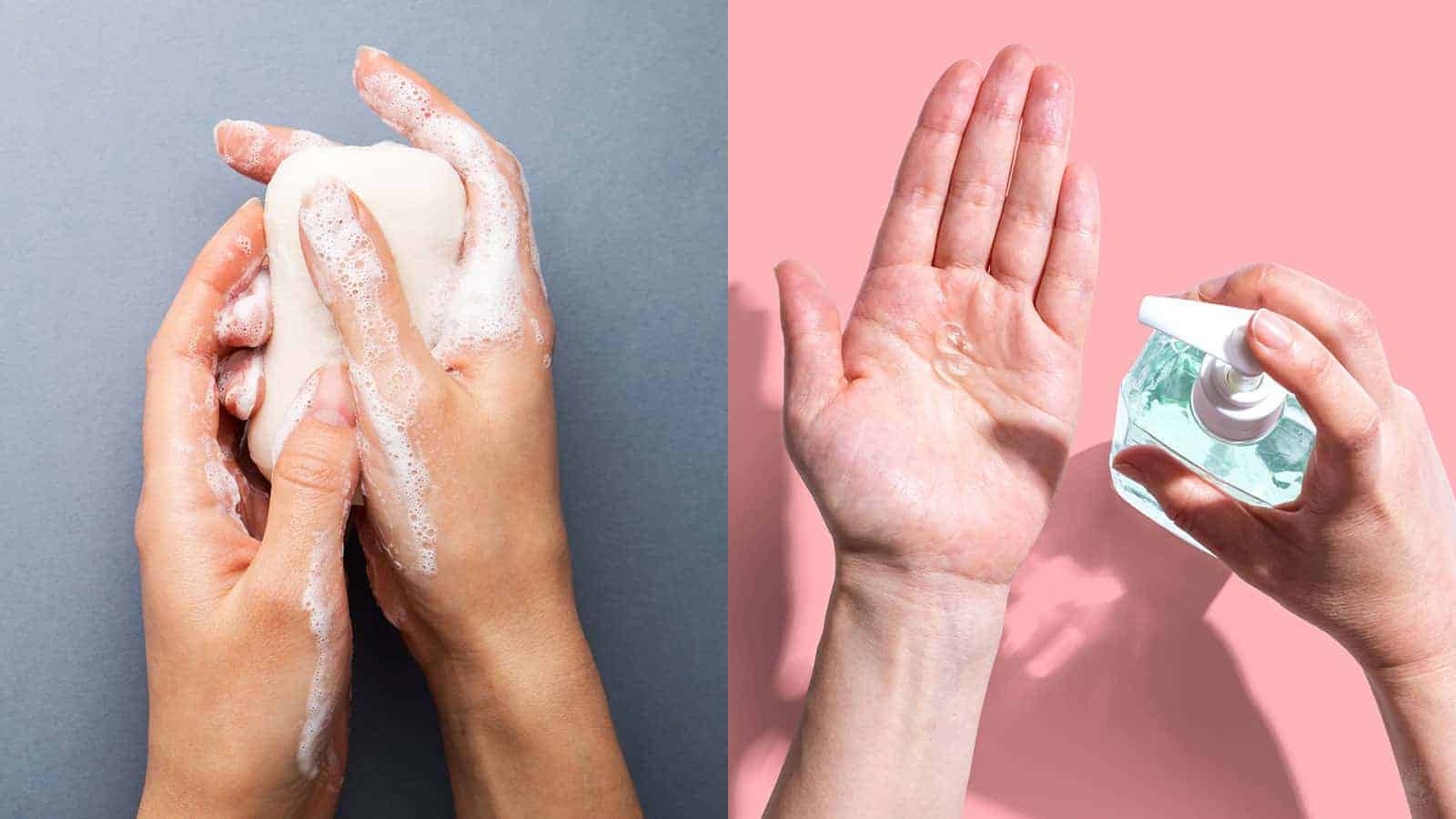
handwashing

10 Tips for using hand sanitizer and performing handwashing the right way.

6 – Patience, please–don’t bloop your nails

Keep your nails dry and smudge-free by applying toe separators or cotton balls in between each toe. After all your hard work, this is not the time for damages! Wait 15 more minutes before getting up from your chair. Remember, this patience is well worth the wait.

pedicureFinal Thoughts On Home Pedicures

Use this tutorial tonight, and give yourself the pedicure you’ve been missing. This can become automatic and easy, a real pattern in your life if you’d like! Learn what makes the process easier and better and improve your technique each time you treat yourself.

You’ll discover that this type of pampering is more than a simple treat. It’s required maintenance for our bodies and our peace of mind. There’s always time to perform a little self TLC. You deserve it!
Essential Oil Diffuser Cleaning Tips to Never Overlook

A wellness routine that fits into your life is of the essence. Be it simple workouts, hitting the gym, or jogging, the simpler the method, the better. And using an essential oil diffuser is an effortless way of bringing wellness into your living space.

Essential oils have been in use for centuries. Their complex blend of therapeutic benefits and aromas has also seen them play an indispensable role in modern life. Apart from making the room smell better, they have many uses in the food and cosmetic industries.

Research proves essential oils contain a mixture of molecules obtained from plant organs. Leaves and flowers contain the highest concentration of essential oils in a plant. If plants gain this much from essential oils, how much more do you stand to gain? Once you know all that, the next thing is to get the essential oils from the plant to the room, office, or car. So, how do you do that?

Think essential oil diffusers. Whether you use a nebulizer or an ultrasonic diffuser, the principle is constant. Diffusers break down the complex chains of hydrocarbons and oxygenated hydrocarbons of essential oils into small molecules. These molecules then disperse as tiny, breathable particles into your room.

essential oil diffuser

Common types of essential oil diffusers

When it comes down to buying a diffuser, the kind of diffuser you buy will depend on:

  • Cost of the diffuser
  • Availability of the diffuser type
  • Size of your room
  • Dispersion capacity of the diffuser
  • Your tastes and preference

What to look for when buying an essential oil diffuser

1. Timer

A timer determines the frequency of releasing essential oils. Most diffusers have an interval of 1, 2, or 4 hours. The timer allows the diffuser to run for some minutes or continuously, depending on the type of diffuser.

2. Mist adjuster

An adjuster allows you to determine the number of essential oils you want to diffuse in your room. The button or knob should have an allowance of low, high, or medium setting.

3. Low noise level

A nebulizer diffuser produces a lower noise as compared to an ultrasonic diffuser. The noise comes from the release of the pressured air, which means that you will barely notice it.

4. Wide dispersion capacity

A diffuser should cover the entirety of a room.

5. Lightweight

Since it is an essential item, a diffuser should be cordless, rechargeable, and electric to allow you to carry it with you wherever you go easily.

6. Manufacturer guarantee

A warranty is a standard feature in many diffusers. It ensures that in the event of a malfunction, the manufacturer will repair your diffuser.

The above factors will largely determine the type of diffuser you opt for.

essential oils for hair growthThere are two main types of essential oil diffusers on the market right now:

  1. Nebulizer diffuser

When you want to buy a silent diffuser, uses no water, and do not produce heat but still look classy, consider acquiring this diffuser. It has no plastic parts, which means that it feels and looks expensive. Its usage is simple because it only requires you to pour pure essential oils into its reservoir. After that, it will work to disperse the essence and aroma of the oil.

It works in the following ways:

  • Air under high pressure forces a current through a small tube. The low pressure at the end of the tube reduces the speed and direction of the air.
  • The change in pressure, speed, and direction create a sucking force that causes essential oils to rise upwards.
  • As the oil is rising, the pressured air separates it into tiny particles.
  • The oil particles then rise and are emitted out of the glass container in the form of a dry mist.
  • The remaining particles drop back into the container, thus creating a cycle that only ends when the container is empty.

Nebulizing diffusers are low maintenance since they don’t require water or heat. They are a great choice for the environmentally conscious people.

2. Ultrasonic diffuser

This is also known as a humidifying diffuser. It works in the following ways:

  • Water dilutes the essential oils to enable the ultrasonic vibrations to work.
  • The diffuser generates tiny waves above the human hearing ability. These waves break up the essential oil into fine molecules. The fine particles then create a visible, aromatic mist.

Other than giving your room a fragrance, this diffuser also adds moisture to your room. This makes it a great choice, especially during the cold season. It is important to note, however, that this type of diffuser requires extra attention and care because its plastic parts are prone to corrosion by the oils.

Pro tips on cleaning your diffuser

After reaping the many benefits of owning a diffuser, it is now time for some maintenance. To continue reaping the endless benefits of essential oils, it is important that you take care of your diffuser. The following are some pro tips on how you can clean and maintain your diffuser.

Just like any other appliance that you use at home, diffusers are also prone to catching some dirt. To avoid dirt build-up, regular cleaning is mandatory. There are several methods you can use to clean your diffuser.

Before we review them, however, first things first:

Turn off and unplug the diffuser. As simple as that might sound, it should be the first step you take before you start cleaning your diffuser. This will help avoid accidents such as electrocution and possible damage to your diffuser.

Before commencing the cleaning exercise, it is important to read and understand the manufacturer’s instructions. This helps avoid common mistakes that could damage your diffuser. It is worth noting that each diffuser is manufactured differently.

  1. Deep cleaning

    • Fill your diffuser with clean water. The water should be preferably at room temperatures.
    • Add white vinegar. Experts recommend using approximately ten drops. Vinegar breaks down the essential oil particles.
    • Switch on your diffuser and let it run for a few minutes. This step allows any oils stuck on the diffuser to break down.
    • Flush out the water
    • Using a soft cloth, swab or brush, wipe the inside of the tank. Concentrate on the grunge that could be stuck to the sides of the tank.
    • Afterward, wipe the outer surface of your diffuser with a clean cloth.

    2. Wiping

    • Pour out the water in the diffuser. Experts recommend that you do this from the back to avoid damaging the buttons.
    • Pour a small amount of dishwashing soap on a piece of cloth or cotton swab.
    • Gently wipe the inside and outside of your diffuser.
    • Dab persistently on the grime to remove it effectively.
    • Use a clean damp cloth to rinse the soap residue. Do this by wiping the inside and outside of your diffuser gently. Repeat this step until there is no soap remaining on your diffuser.
    • Clean the ultrasonic chip inside the water tank. To do this, just take a clean cloth, dip it in rubbing alcohol, and gently wipe the chip to avoid damage.
    essential oils

    Get Glowing And Radiant Skin With These Fabulous Essential Oils

    Common mistakes to avoid when cleaning your essential oil diffuser

    • Avoid soggy clothes since they may get water under the buttons and lead to a malfunction.
    • Avoid using hard bristles because they may scratch surfaces and cause your diffuser to look old.
    • Clean your hands thoroughly before working on the diffuser to avoid getting more grime onto it
    • Do not let water and oil sit in the diffuser for long. This makes the diffuser harder to clean.
    • Avoid cleaning your diffuser while plugged in.
    • Do not use water that has been sitting in the diffuser to clean the diffuser.
    • Do not use harsh chemicals. These can harm your diffuser or leave a persistent smell that will affect the natural scent of your essential oil.
    • Do not use more soap than needed because it will make the cleaning process longer than necessary.

essential oil diffuserFinal Thoughts on Maintaining a Clean Essential Oil Diffuser

Using essential oil diffusers comes with many benefits. Among them is the fact that they allow you to use our essential oils easily whenever you need to. With enough research backing the use of oils, all you will need is an oil diffuser to enjoy their full benefits. Essential oils promote better sleep, relieve pain, improve skin conditions, encourage digestion, and help you breathe better.

No better way exists of reaping these benefits than using a diffuser. It is affordable, portable, and convenient. Whichever type of diffuser you choose. However, it is necessary that you take good care of your diffuser in the same way it takes care of you.

Doctors Share 15 Habits to Start Now to Avoid a Broken Hip Later

doIn the past, a broken hip for a senior person usually led to an early death. Fortunately, advances in medical science and orthopedic surgery have reduced the mortality rate for such injuries. If you are among those at risk for breaking your hip, doctors recommend steps to take now to avoid it in the future.

Did you know that if you are 65 or older and have osteoporosis and have an 87-96 percent chance of fracturing your hip? Most broken hips are the result of trips and falls. What can you do to protect yourself?

You are at a higher risk of stumbling and breaking your hip if you are a female age 80 and beyond. In this risk group, studies show that only 10-15 percent of people survive after their injury. For those who do, 10 percent couldn’t go back home to their healthy lives.

Why are seniors more apt to stumble or fall? They are often unsteady on their feet, have slower reflexes, and have health issues that cause dizziness. Most hip fractures occur in the seniors’ homes.

While some minor hip fractures may heal without surgical intervention, others require a mechanical hip replacement. Although hip replacement surgery is now routine with a high level of success, it comes with risks, such as blood clots, infection, and abnormal bone growth beyond the replacement. These risks can be especially challenging for a senior who already has compromised health issues.

Best Practices for Preventing Hip Fractures

hip health

The good news is that you can observe healthy habits now to minimalize your chances of an accident later. Some of these steps may already be part of your lifestyle. Consider these fifteen habits doctors recommend to avoid accidents like a broken hip.

1. Make Regular Visits to Your Bone Care Specialist

When you are over 65, medical experts recommend that you see a bone care specialist regularly, especially if you are a woman. The doctor will probably conduct a bone density test to see how well your bones have aged, and if you are at risk for osteoporosis or broken hips.

2. Eat Right for Healthy Bones

Did you know that your bones were living organs in your body? To keep them optimally healthy, they need proper care and nourishment. Diets loaded with processed junk food also add extra pounds for your bones to carry.

Since your bones have a high calcium content, nutritionists recommend that you enjoy whole foods rich in calcium and Vitamin D. Try incorporating low-fat dairy products and dark green leafy veggies into each meal. It is a deliciously healthy habit that will nourish your bones and your whole body.

3. Keep Yourself Hydrated and Drink Water

You already know that cool, refreshing water benefits your kidneys, skin, and body, including your bones. If you drink a lot of coffee and soda, studies have shown that too much of these beverages may contribute to bone brittleness.

Give yourself a break from acidic beverages and have at least 6-8 glasses of water each day. If you don’t like to drink water plain, add some lemon for a boost of taste and Vitamin C. Keeping your body hydrated may keep a broken hip at bay.

lemon water

4. Kick Your Cigarette Butts

As if you don’t have enough reasons to stop smoking, add harmful to your bones to the list. Tobacco smoke is laden with hazardous chemicals, including those that can cause cancer. Smoking eventually destroys each body system, including your bones.

Talk to your professional healthcare provider about the right smoking cessation therapy for you. Within hours of quitting, your body starts to heal. Learn how to stop smoking and give yourself a break, but you don’t want that break in your hip.

5. Get Those Bones in the Groove

Our skeleton is a fantastic system of bones, blood vessels, joints, and connective tissue. If you don’t get enough exercise, your joints can get stiff, and you can be at risk for arthritis. This condition weakens your bones and can increase your chances of falling and getting a broken hip.

Even if you are a senior, your health provider or a physical therapist can recommend beneficial exercise routines tailored to your needs. You may also consider ancient regimens like yoga or Tai Chi. They incorporate gentle, fluid motions that benefit your bones, joints, and muscles.

6. Limit Your Alcohol

While your healthcare provider may approve you drinking alcohol in moderation, realize that too much can hurt you. Did you know that chronic alcoholism can rob your bones of vital calcium, leading to brittle bones and osteoporosis? If you want healthy bones and fewer risks for a fractured hip, be careful with the alcohol consumption.

7. Minimize Your Trip & Falling Risks

The most common ways of getting a broken hip are tripping and falling. Be proactive and inspect each room of your home for these avoidable hazards. Clear clutter from the floors and stairs and ensure that power cords are adequately bound out of your way.

If you have throw rugs, secure them with slip-resistant tape. Bathrooms are notorious places for slips and falls, so be sure to install safety bars around the tub and shower. Use slip-resistant mats in the tub and around it.

8. Let There Be Light

How many times have you almost tripped and fell because of inadequate lighting? One bad fall could lead to a fractured hip, so be sure to have proper lighting in every room of your house. Consider using a nightlight in the bedroom, hallways, and bathrooms for a safe path during the night.

9. Get Started on the Right Foot

Have you noticed that when your feet hurt, it pains the rest of your body? Your bones and joints may already be paying the price for the years you wore those tight-fitting stilettos. You can be just as attractive and safer in lower heels and flats since you aren’t as apt to fall in them.

Wear comfortable shoes that support your feet, legs, and back. Did you know that you can also battle hip pain because of ill-fitting shoes? With the right fitting footwear, you can even walk more for exercise.

10. Keep Your Eyes on Good Health

Another fall hazard can be poor vision, which is typical as we age. Since our eyesight changes periodically, remember to keep regular visits with your optometrist. Always wear your corrective lenses to prevent stumbles and falls around the house and in public.

self care

Get your balance back by trying these specific yoga poses.

11. Know Your Medications

Talk to your professional healthcare provider about the medications you are taking. Many prescriptions have dizziness and drowsiness as their main side effect. Be careful when standing suddenly, and sit down if you are feeling dizzy, to prevent a bone-breaking fall.

Some medications also leech bone-healthy vitamins and minerals from your bones. Talk to your healthcare provider about these medications. If you can’t make substitutions, at least be aware that you may need supplements.

12. Consider Taking Supplements

Some seniors have difficulty with vitamin and mineral absorption, so consult your healthcare provider or nutritionist about taking bone-healthy supplements. Your doctor might recommend prescription medication to build density and slow down bone loss.

13. Take A Lesson from History

Did you know that osteoporosis and brittle bone conditions are often inherited, especially in females? If your mother or other women in your family were diagnosed with osteoporosis, you could also be at risk. If any of these relatives had a broken hip, you need to be especially cautious about your health and safety.

Multiple studies suggest that your race may also be a factor in bone health. African American, Asian, and Hispanic females usually have higher incidences of osteoporosis and hip fractures than their White peers. However, Asian females statistically had fewer hip fractures and breaks.

14. Be Tested for Paget’s Disease

Certain disorders, such as Paget’s Disease, can affect bone density and make you prone to fractures and breaks. Paget’s Disease causes your bones to be enlarged and twisted, affecting the spine and hips. Some of the condition’s signs and symptoms are common in other disorders, so only medical tests could reveal you have it.

15. Keep Yourself Comfortable

As some people age, they lose a little padding in the hips and bottom. Keep your chairs, car seats, and beds cozy and comfortable with supportive padding. You will be less likely to have aching bones, which could make you less active.

Did you know that some hip fractures go undiagnosed? If you are experiencing constant pain and aches in your hip joints, consult your healthcare provider. It may be a small fracture that can worsen over time.hip breaks

Final Thoughts on Avoiding a Broken Hip by Starting Healthy Habits Now

Nobody can stop the process of an aging body and bones. However, these and other healthy habits may slow the process down and minimalize bone loss. Just because you have risk factors doesn’t mean that a broken or fractured hip is inevitable.

With proper diet, weight-bearing workouts, and a healthy lifestyle, you can continue to do the things you love long into your golden years. Take care of your body, and it will take care of you. Practicing good bone and joint health is an ideal way to start.

6 Tips to Help You Avoid Being a Victim of Email Spoofing

Forgery is one of the oldest white-collar crimes in history. In ancient times, rogue artists studied genuine signatures, manuscripts, and works of art to reproduce them. Then, they could sometimes pass these fakes as the real thing, often selling them for small fortunes.

Email Spoofing A New Forgery Style

Throughout the centuries, methods of forgery have changed, but the motives behind them haven’t altered. Internet crime, like email spoofing, affects everyone at one time or another. Email spoofing is a surprisingly simple way criminals use to forge email addresses for unethical reasons.

Some of the most notorious forgeries in history were discovered because someone was familiar enough with the genuine article. Likewise, it takes a careful eye to detect when someone is sending you a fake email. Just one small change in the address can create one that can easily fool people.

In most states and local governments, email spoofing, also called phishing, is illegal. Some unscrupulous people use e-spoofing to harass others or to make false claims against individuals or organizations. The most detrimental spoofs are those that extort money or personal information from unsuspecting recipients.

How to Email Spoofing

How can you tell if someone is spoofing you? Do you have enough Internet security to protect your private information? Consider these six tips to help prevent you from being the next email, spoof victim.

1. Carefully Examine the Sender’s Email Address

One of the best ways to fool you is to use familiar email addresses. For example, you might think you are receiving an email from a well-known legitimate business. However, the criminal makes a slight change in the address or domain that is easily overlooked.

Check out the sender’s email provider for signs of foul play. Would your life insurance company send you an official email by Outlook, Hotmail, or Gmail? Even if the cybercrook was smart enough to use .com, .org, or .net, these aren’t always proof of the email’s legitimacy.

Before you click on anything or disclose any personal information, scrutinize the sender’s address. You will often see one letter changed, added, or omitted. The letterhead and trademarks look real, but the address is fake.

To avoid getting phished in the future, be sure that your account is protected by a sender’s policy framework or SPF. This program helps to prevent cybercriminals from using your email address without your consent. It also minimizes spoofs that can come through your server to your inbox.

2. Examine the Subject of the Email

Even if the subject line seems legitimate, but you still have suspicions, do some prodding into it. If you use Gmail, go to the right corner of the email, click the three dots, called an ellipse. Scroll down the box and click on show original sender, which should match the entered sender address exactly.

For other email programs, find the return-path function to compare the addresses. You can also look up the sender’s IP address, which is the fingerprint of any computer or mobile device. Use your program’s IP lookup tool and compare it.

pop meme

3. Trust Your Instincts

You’ve heard the saying that things that sound too good to be true usually are. Some spam that slides through your mail filters is such obvious scams that they are laughable. Others are a little more subtle with their deceptions.

The content of an email is often a tell-tale sign of a spoof. Why would the IRS send you a threatening email and then ask for your Social Security number and banking information? If you receive a debt collection notice from a company you have never owed, wouldn’t they already have your account information?

These heartless cybercriminals are hoping that you don’t recognize their scam and will offer any personal information they request. Adamantly protect your financial and personal information and never give them out to suspicious emailers. Remember that legitimate financial institutions and businesses will never request usernames, passwords, and other private information by email.

Another clue for detecting probable email spoofing is the graphics, grammar, and spelling. Many cybercrooks don’t have the equipment to forge official-looking letterheads and trademark graphics. The pixeled image may be distorted or faded.

As you scan through the content, notice if the grammar is awkward or incorrect. Non-English- speaking phishers often rely on rudimentary translation apps that are rarely precise, and you may see glaring misspellings. These unprofessional errors wouldn’t be found in a letter from a real company or organization.

Other phishing scams to beware of are those who are soliciting charitable donations. Often, these are fake organizations, or they are impersonating legitimate ones. One notorious scam involves email spoofs claiming that you have won a lottery fortune, and they need your banking information to deposit your winnings. Don’t click on anything or give out your private information.

4. They Misspell Your Name

They entered your email address correctly, but how did they spell your name? If this were an actual letter from your company or an organization with which you regularly correspond, wouldn’t they know how to spell your name correctly? An automatic red flag should go up if the email is vaguely addressed to whom it may concern or dear recipient.

5. Be Wary of Foreign Emails

If you receive a strange email from an individual you’ve never met, it’s almost sure to be an email spoof. At least one time or another, you’ve probably received an urgent email from someone supposedly living in a foreign country. As luck would have it, this fake foreigner has selected you to solve a personal crisis.

It’s a perennial phishing scam that uses different scenarios. The sender claims to have an unbelievably large check that is being held up in US customs. To get the funds released, he must have an American-side bank account. If you would send him your banking information, he will reward your kindness with a hefty sum of money.

Be assured that there is no check, and this isn’t a real person. If he gets your financial information, the only cash he is going to get is yours. Don’t be duped by these cunning cybercriminals.

pop meme

6. Increase Your Email Security with a Difficult Name

Most people make their email addresses using their names, birthdays, or other relevant information. You are making it extremely easy on email hackers when you use your name as your address. When you use numbers, underscores, or numerical characters, then you are going to increase the chances that your email won’t be hacked.

Cybercriminals look for their next victim by their lack of internet security. For instance, if your email is [email protected], then it’s pretty easy to see that the recipient’s name, and determine that he was likely born in 1982. Using this information, the criminal can quickly compile up your data.

Do you know how easy it would be to get information about that specific person?

A simple internet search can give phone numbers, addresses, and even data about who lives in the household. So it’s easy to see that making the email address something more randomized, like [email protected] would make it much more challenging to get any valid data about this person.

Don’t make things easy for the intelligent internet criminals of today. When you put your personal information on social media outlets, then you are giving them all the ammunition they need to make you their next target. Be careful what email address you use and what you post on the internet.

Organize Your Email Account

Even when you are an individual and not a business, you’ll find your email flooded with junk from unknown senders. Depending on your email provider, most of this unwanted e-litter goes into a spam file to be deleted. Sometimes, you may be so overwhelmed and agitated with junk mail that you aren’t so careful to read the senders’ URL.

Study the help guide from your email provider and see how you can organize your account to recognize possible email spoofing better. You can also download free programs that allow you to keep your mail organized. These programs will also unsubscribe you to unwanted subscriptions automatically. Use tools for smarter email handling for better email performance.

If you get a suspicious email, then you need to report it as spam through your email server. The only way to stop these attacks is to be proactive.

email spoofingFinal Thoughts on Being Cyber Safe to Avoid Email Spoofing

The internet has brought about many opportunities for people to work from home, stay connected to people across the globe with ease, and to have the power of information at the touch of a button. However, with all the good things that the world wide web has done for society, there are also some downfalls.

Hacking your email and other accounts have become quite easy, primarily when you feed information to hackers unknowingly. Thankfully, there are ways that you can be proactive and stop or reduce the threat to your email and other aspects of your life. Do you have the protection you need against email spoofing?

Psychology Explains Why Loving Yourself Helps You Be Happy

Robert A. Heinlein wrote in his book Stranger in a Strange Land, “Love is that condition in which the happiness of another person is essential to your own.” This phrase may have been a line in a fictional book, but we will demonstrate that it is true. Loving yourself is the condition which is essential to being happy.

In other words, you cannot be happy until you learn self-love.

Many people are unaware of how much they don’t appreciate themselves, and they’re left wondering why they can’t just be happy. It’s a topic worth looking into so many psychologists have weighed in on the subject. In this article, we’ll cover areas such as:

  • The definition of love
  • The definition of being happy
  • How to respect yourself
  • How to be happy
  • Allowing others to appreciate you
  • The dangers of overindulging

By the end, you’ll have read a complete guide about loving yourself and being happy, and the answer to why you need to love yourself to be happy should be clear.

loving yourself

Self Love & Being Happy

Before understanding why self-love must come before being happy, it’s helpful to put some type of definition to both conditions.

The definition of self-love, as many psychologists and life coaches define it, is putting your well-being and happiness in life first. From this definition, it’s easy to see why you can’t be happy if you don’t love yourself – because self-love is the act of making yourself comfortable.

You can apply this thought process to anything, whether it’s ideas or tangible things. For example, you can love yourself enough to improve your education, or you could love yourself enough to lose weight, so your body is healthy. It’s more about feeling like you deserve to be loved (which we discuss more further along in the article).

However, what does it mean to be happy?

According to the Stanford Encyclopedia of Philosophy, being happy can be defined in two ways. It can be a state of mind that is purely psychological, or it could be how well you’re doing in life, which is based on value.

That said, many psychologists would argue that the latter definition of being happy isn’t the real definition. After all, many wealthy, successful business people and celebrities struggle with depression.

How to Start Loving Yourself

Loving yourself isn’t a switch – you can’t just start doing it on a whim if you haven’t been doing it before. The process is like any other process you’d learn to do. Start from the beginning, start slow, work your way into it, get good at it, then excel at it.

Here are three tips that will help you get started on a journey of self-kindness.

happiness meme

1  – Open your mind

First, drop the notion that the phrase “love yourself” is some modern, hippie-mantra that everyone is saying to fit in. Many people think of the saying “love yourself” as a mantra or vinyl word art. It’s so much more than that.

To love yourself is just as concrete as loving someone else – not in a romantic sense but a sense of well-being. You want the people you like to be healthy, happy, and fulfilled. And, of course, you desire the same outcome for yourself. You have to know, deep in your core, that you are worth it.

2 – Acknowledge negative self-talk

Next, realize that you’re going to have negative thoughts about yourself. It’s completely normal – it’s human. In fact, Stanford psychologist Emma Seppälä states in her book “The Happiness Track, “As far as our minds are concerned, bad is stronger than good…in this day and age, our negativity bias, both as it relates to the environment and our self-judgments, is harmful.”

The key is to dismiss these thoughts just as you would reject someone who is gossiping about you. It’s hard – it will not be a walk in the park, but the more you practice dismissing these thoughts, the better you’ll get at it. Do it with positive thinking and compassion for yourself. For example, the negative thought would be, “I’m a loser. I can never do anything right.” Instead, be kind to yourself and change it to something like a pep talk. “I’ve made mistakes in the past, but I will do better.” Be compassionate. Compassion is essential because you can be your own worst critic.

3 – Learn to love yourself without conditions

As you get more compassionate with yourself, teach yourself that you are worth loving unconditionally. Many times, people put so many conditions on themselves, which puts them in a catch-22 situation.

For example, look at this statement: “I’m not going to buy myself new clothes until I lose weight.” This is an excellent notion, but you are not going to lose weight until you love yourself enough to do it.

Rethink the situation. Then, buy new clothes because, well, why not? You deserve to wear beautiful clothes no matter what size you are. Thinking of it in this way removes the conditional love. Suddenly, you love yourself so much that you want to lose weight to fit in other cute clothes. Be compassionate and remove the conditions.

Once you’ve gotten the hang of being compassionate and letting go of conditions, you are ready to love yourself.

Be Happy as You Grow More in Love with Yourself

After you get good at self-love, you will begin to see that there is a whole world out there full of things, feelings, people, activities, and more that can make you happy. However, don’t rely only on material things to make you happy. Remember, there are two parts to being happy, and the first part is psychological. At this point, you’ve done the hardest part, which is loving yourself. Here are a few tips that will push you the rest of the way:

The value part of being happy is easy. Do things that make you happy! Go on trips, buy yourself gifts, do your favorite activities. The idea is to love yourself so much that you consistently make yourself happy.

stay strong meme

When You Love Yourself, Others Can Love You

Being loved by others also increases your sense of being happy. After all, humans are social creatures. Everyone wants to be loved by someone. However, you must be open to being loved.

If you want to be loved by others, you must love yourself first. If you don’t show kindness yourself, it gets in the way of other people being kind to you. The problem with trying to love someone who doesn’t love themselves is that they don’t think they deserve to be loved. Therefore, they reject it. This makes them even more unhappy, which makes for a terrible relationship.

Another point to this is that when you love yourself, this sets the precedent of what it takes for someone else to become devoted to you. It helps you to discriminate between those who genuinely love you and those who are faking it, because, since you love yourself, you know what true love is.

Don’t Overindulge the Pampering, Though!

Just as the pendulum swings one way, it can swing an equal distance in the other direction. It’s great to care for yourself and make yourself happy, but you must be careful not to overdo it. In an earlier section, we mentioned falling in love yourself with no conditions. This is true – that is not what we’re referring to when speaking of overindulging.

Make sure that you maintain a healthy balance. Don’t spoil yourself to the point that you’re doing things to make yourself happy despite any harmful consequences that might occur.

For example, don’t go on a shopping spree if you have not paid your monthly rent. You are guaranteed that getting evicted will cancel out any short-term pleasure that your shopping spree gave you. Being happy should never be put above responsibilities.

You should also not gain your peaceful state of mind at the expense of others’ happy state of mind. Doing this could cause you to end up alone. Being alone can kill your newfound happy state of mind faster than you were able to obtain it.

loving yourselfFinal Thoughts on Loving Yourself and Finding Happiness

There is no doubt that you need to love yourself first before you can truly be happy. If you are not unable to respect yourself or unaccustomed to being happy, it can be a challenge to get there.

To get started, you must overcome one of the biggest obstacles you will face in your lifetime – you. You must believe you’re worth everything. You must think you’re worthy of devotion and be happy in your life.

Once you have overcome yourself, the rest is the easy part. Continue on a path of doing things that make you happy. And most of all, enjoy every minute of it.

The Truth About Positive Thinking (and how to get there)

On my path from a negative place in my life to positive thinking, I must thank the bad times. Those challenges spurred me into a transformation.

The truth about my path to positive thinking and living is this: I wouldn’t be where I am without the bad times. By accepting the negative, not rejecting it, by understanding the negative, not being ignorant of it, and by growing from the negative, not being stunted by it, I have changed for the better. As a result of this shift, I’ve been able to experience the real Power of Positivity in my life.

“There is nothing either good or bad, but our thinking makes it so.” – William Shakespeare, Hamlet

Correcting Course: Shifting from a Negative Place into a Life of Positive Thinking

positive thinking

Accepting the “Negative”

“Be content with what you have; rejoice in the way things are. When you realize there is nothing lacking, the whole world belongs to you.” – Lao Tzu, Chinese Philosopher, Founder of Taoism

First, I had to accept the negative and not reject or ignore it. The fact is my life was, and is, imperfect, and our lives are imperfect. The key is accepting these thoughts, feelings, and events without judgment and self-criticism.

  • When I experience loss, I allow my heart to ache and the tears to flow.
  • I feel the anxiety and frustration when I experience disappointment.
  • When someone upsets me, I feel the anger and the resentment.

It’s human – we feel these things.

The key is not holding onto these emotions. Just feel them, allow them to pass, and move on. If you don’t give too much credence to any given feeling, they cannot grab ahold of you. Again, just move on.

In truly accepting the situation, I subsequently got rid of one of the most significant sources of unhappiness–the inability to accept things as they are. This inability is the crux of sadness for many people. But I realized that I could change my outlook by merely recognizing that the present is the only thing that exists.

  • By embracing the present situation, we steel our minds and bodies for action. We take on a warrior’s mentality – ready to take our blows, but never conceding defeat.
  • By accepting the negative things that happen, we can now begin to understand why they happen and how we can experience incredible growth and power as a result.

Allow and accept the bad things to happen. It’s not easy, but it’s a part of life and a crucial component to your growth as a human being.

negativity

Understanding the “Negative”

“Acceptance doesn’t mean resignation; it means understanding that something is what it is and that there’s got to be a way through it.” – Michael J. Fox

Understanding the bad things that happen to us is a crucial element in accepting them. Also, without understanding the negative, we could never take advantage of the situation and become a better person.

I began to understand the negative situation as temporary. In time, bad things that brought on negativity would pass. Even if it were a massive, looming problem, it would end soon.

Next, I began to understand how to deal with these adverse events in my life. I learned that to understand situations wholly. I had to deal with them without judgment or criticism of myself. Self-deprecation does nothing but add to the stress in making the situation more complicated.

Also,  I began to understand that what I was experiencing had to be truly resolved. As humans, our nature immediately desires to either get rid of or ignore bad feelings and thoughts. However, by ignoring the negative, we are making it worse. The stress grows and takes its place within our subconscious, darkening our disposition.

I began to understand the bad thoughts and feelings as the energy that needed to be released. We were not created to be negative beings with darkness in our hearts. We must release this negative energy and allow goodness to fill its void. By releasing this negative energy, I eventually understood and appreciated the gratification of positive energy taking its place.

positivity memeFlipping the Mindset from Negative to Positive

I began to understand that my frame of mind determines just how detrimental a situation is, and what I’m going to gain as a result. Instead of thinking of the situation as a problem, I began to think of it as an opportunity; an opportunity to become stronger, wiser, and more resilient.

In addition, I began to understand the power of reframing. This process explained how I could reprogram my mind to switch negative words into positive words, and a negative situation into a more favorable situation. If you can transform your thoughts and language, you will see the scenario differently and experience dramatically different results.

Finally, I understand that in order to experience and appreciate the positives, there have to be negatives. I’ve been through the struggle, turned problems into opportunities, and became a better person. I continue to be mindful of this fact every day.

Growing from the “Negative”

“The greatest glory in living lies not in never falling, but rising every time we fall.” – Nelson Mandela

Through my trials and tribulations, I have grown into a better version of myself. I have transformed in literally every area, all from first changing my thoughts and then taking action.

And this opportunity for growth is where the exquisite nature of our human mind and spirit culminates into something so positive and powerful that it causes the negative forces of our universe to shudder.

Sure… we’ll get hurt, disappointed, even shattered… but we can resolve to become better, stronger, more powerful, more loving, more appreciative, more positive people. In other words, we can take a hurtful situation and grow into a better version of ourselves.

Human beings are the only creatures on the face of the Earth that can consciously take a negative, harmful situation and mold it into something that benefits themselves and their world.

Through acceptance of the negative elements as they become present (even prevalent) in our lives, and by understanding that through the experience of the negative, we can grow into a better people, Furthermore, we learn that we have the capability and the courage to handle any situation.

positive thinkingFinal Thoughts on Adopting a Mindset of Positive Thinking

We each have the power to handle the situation. Indeed, each of us can grow emotionally, intellectually, and spiritually every time.

So here’s to acceptance, understanding, and growth in becoming a more positive version of ourselves.

20 Loving Texts to Send Your Partner When Dating Long Distance

When you’re dating long distance, communication is everything. Since you are far apart, you can’t get a lot of in-person quality time to build the relationship. You must find other ways to bond.

Cute, fun, engaging, and romantic text messages can go a long way when it comes to bonding in a long-distance relationship. You don’t always have to explicitly type, “I love you,” to express your love. As long as you let your significant other know that they’re on your mind, the distance may not seem so bad.

While text messages aren’t a substitute for in-person interaction, they’re enough to keep the bond secure between you and your significant other when you have distance between you. Here are 20 loving texts that are perfect for sending your significant other when you’re in a long-distance relationship.

20 Fun Texts to Send Your Love While Dating Long Distance

dating long distance

1. Simple “Good Morning” Texts

It’s nice to know that you’re the first thing on someone’s mind during the day. You’re partner likely feels the same way. A quick good morning text is an excellent way to show your partner that they are one of your priorities since you’re thinking of them before getting your day going. It’s also great if you know you’re going to have a busy day – text them early, so they don’t feel forgotten.

2. Simple “Good Night” Texts

Just as a good morning text lets your partner know you’re thinking of them first thing in the morning, a good night text can let them know that you’re thinking of them, even after the long events of the day. Plus, being in a good mood can lead to a better quality of sleep.

3. Jokes

Everyone loves a good laugh every once in a while. However, even if your jokes aren’t that great, your significant other would appreciate the effort. Unless your significant other is a stick-in-the-mud, a few well-timed jokes can put a smile on your significant other’s face. One great idea is “relationship jokes” – having a good laugh at the quirks of a relationship is great for bonding.

4. Selfies

When you’re in a long-distance relationship, you don’t get the opportunity to be near each other a lot. Selfies are a great way to bridge that gap. Your significant other can see you every day if you choose to. They can see your new hairstyles, outfits, jewelry, and more. Let’s face it – your partner is attracted to you, so it’s understandable that they’d want to see you, even if it’s just your face. Selfies are the closest you two can get without getting intimate in a long-distance relationship.

5. Good News

It’s nice to be romantic, but you could mix the content of your texts up a little to keep the conversations dynamic. Your significant other could be as stoked as you are about your good news. After all, they care about you, so when good things happen to you, it makes them happy. Plus, it’s nice to hear good news no matter who it comes from.

pop meme

6. Interesting Events

Being able to have conversations about real-life events makes you friends with your significant other in addition to being lovers. When you’re in a long-distance relationship, you can’t always have those conversations face to face, so texting about exciting topics and events can keep the friendship alive.

7. Random Caring Texts

Of course, sending loving texts about…well…love is a great way to let your significant other know that you still care. Dating long distance can sometimes make people feel insecure about their relationship. However, regular loving texts can ease that insecurity and remind your significant other that you genuinely care about them.

8. Travel Plans to See Them

When you’re dating long distance, any opportunity to see each other is a gift. Therefore, texting travel plans to link up with your significant other is always an incredibly welcome text message. This communication is especially true if you have suddenly found time out of a busy schedule, and you’re surprising your partner with the visit (i.e., you’re en route).

9. Interesting Details of Your Day

If you’ve heard of oversharing, you don’t have to worry about this being a problem when you are dating long distance. Sharing interesting detail of your day are great texts to send to your partner. By being able to keep up with what is happening in each other’s lives, it can make you feel like you never miss a day with that person.

10. Quirky Texts

Sending texts that show your personality, especially your quirky side, is loving because it shows that you trust your partner to love every side of you. It indicates a level of comfort that you have with them. It can also give your partner the confidence to show you different sides of them, too. Plus, your partner will probably fall in love with little weird things you do.

long distance relationship

11. Pet Photos

It is no secret that people love their pets just like they’re children. Therefore, sharing pet selfies can be considered as a loving because you’re sharing an important part of your life with your partner. It’s very special if your partner also shares pet selfies with you also.

12. You Miss Them

Letting your partner know that you really miss them is a great way to let them know how special they are to you. This indicates that the absence isn’t making your bond weaker. Simple texts saying that you miss them helps to keep your partner confident and, ultimately, into the relationship.

13. GIFs

Sometimes pictures (in this case, animations) can speak a thousand words. GIFs are a fun way to express your love for your partner. Plus, they’re a lot easier to send if you aren’t good with words. They’re also great texts to send if you’re too busy to type out a whole message. You can have a whole conversation with GIFs.

14. Poetry

If you are good with words, a few lines of poetry can be one of the most loving, romantic, and unique texts that you can send to your partner. It doesn’t matter whether you wrote it or someone else did, the gesture is what matters. Good poetry could melt your partner’s heart.

16. Flirty Texts

If you want to be loving but playful, flirty texts are the way to go. They’re fun, and they can stimulate conversation. This is especially important when you are texting and talking over the phone so much more than in person. It’s also a great way to get your partner’s attention if you’ve been missing them all day.

17. Spiritual or Religious Texts

If you, your partner, or both of you are spiritual or religious people, it can be nice to send texts of a spiritual or religious nature. For one, it shows respect for your partner’s beliefs. Sharing in your partner’s beliefs can also build an incredibly strong bond that can stand up to any distance between you two.

18. Updates on Favorite Shows

If there are shows or movies that you both like but can’t watch together because you’re dating long distance, texting about your favorite moments can be loving in a certain light. You won’t feel like you’re alone while watching. You’ll still have someone there to laugh or cry at the good moments. These types of text messages are great for “spending time together” while apart.

19. Safety Texts

Sending texts to make sure your partner made it home safely or to make sure they’re okay in other situations that may arise shows how much you love and/or care about them. There is no doubt that they appreciate and welcome your concern for them. This is one of the ultimate types of loving text messages that you can send your significant other.

20. “I Love You” Texts

There is no better way to say you love someone than to say that you love them. A simple, three-word message can make a huge difference in someone’s day. You’d be surprised at how often a text like this lands at just the right time.

dating long distanceFinal Thoughts on Dating Long Distance

Dating long distance takes a lot of effort. With so much time apart, it can sometimes make a relationship seem as if it’s standing in place. Sure, you can talk on the phone, but both of you are probably busy. Loving text messages are the perfect way to stay in touch without interrupting so much.

Text messages don’t always have to be straightforward. After all, you don’t want them to read like an essay. By using ideas from the twenty types of text messages above, you can keep the conversation interesting, keep your bond strong, and, most importantly, let your partner know how much you are. Try a few out to find your favorites!

Nurses Share How to Wear a Face Mask to Avoid Germs + What Not to Do

The choice to wear a face mask could be a valuable tool in preventing the spread of germs and viruses.

A recent study shows that face coverings reduce up to a threefold the spread of viruses. Respiratory diseases are most commonly spread through coughing, sneezing, or talking when tiny droplets from the mouth or nose land on another person.

But even as they help in reducing the spread of viruses, coverings could lead to more reinfections if you do not adhere to proper safety guidelines.

What are face masks? Can they help?

Masks are coverings made from different materials with ties or elastic bands that help cover your nose and mouth, hence preventing the spread of viruses. Surgical masks are the most common and effective ones.

If you wear them correctly, masks help reduce the transmission of relatively large microorganisms splashes and droplets.

Surgical three-layered masks feature the following:

  • Outer layer to repel body fluids such as blood
  • Middle layer which filters pathogens
  • Inner layer for the absorption of moisture in exhaled air

Some face masks may not be able to help against some particles, given the edges don’t fit tightly around the mouth and nose.

germs

Here are some ways to protect yourself from germs when you go out.

Who Should Wear Face Masks?

Anyone getting out in public, or where the risk of contracting respiratory-related viruses are high,  should wear a face mask to avoid contracting or spreading the same.

However, the Centers for Disease Control recommends that people wear face masks during a viral outbreak, especially:

  • Those who are suffering from specific respiratory illness
  • Those showing signs and symptoms of the illness
  • Those taking care of patients suffering from respiratory illnesses.

For health workers, however, WHO recommends that they use surgical masks and take strict safety measures since they are at higher risk.

Surgical masks include the N95 mask and FFP3, which help to offer protection against tiny particles and to filter out 95% particles.

The masks also have a tight-fitting to prevent possible leakage on the edges.

Surgical masks are also fluid-resistant and offer protection against larger airborne particles.

Home-made masks, on the other hand, helps to reduce significantly the chances of virus spread among those not showing symptoms of the illness.

Between 24 and 48 hours of infection are mainly the most critical as you won’t even know you are infected, hence spreading it unknowingly. Wearing face-covering reduces such.

Despite their crucial role, there is little scientific backing for the use of masks for members of the public. They can easily get contaminated when people sneeze or cough around the person wearing it.

Further, they could give a false sense of security to people wearing them, making them ignore other essential measures such as proper hand hygiene and the need for social distance, which are the most effective preventive measures.

telehealth aka telemedicine

Learn how a telehealth appointment can get you the care you need–while skipping the germs of the doctor’s office.

When to Wear a Face Mask

According to the World Health Organization, only wear a mask when experiencing the symptoms of respiratory infections such as cough.

WHO also recommends that you wear a mask when offering care for a respiratory-illness patient, more specifically when you’re 6 feet close to the patient.

Surgical masks, for instance, effectively trap bigger respiratory illness droplets. However, the case could be different with some viruses such as the coronavirus because;

  • They have tiny particles.
  • There can be a possible leakage through the areas not adequately covered by the mask given it doesn’t fit tightly on the edges.

The Center for Disease Control also recommends that the public use masks when in public gatherings, even teaching people how to make them.

Bottom-line is, masks act as a spread barrier between the caregiver and the patient and not a shield. Hence, CDC does not declare them bullet-proof for viral safety since they’re not sealed and could allow in small particles.

Whether or not you’re sick, wearing a mask when in public or gathering is a simple show of care to the people around you.

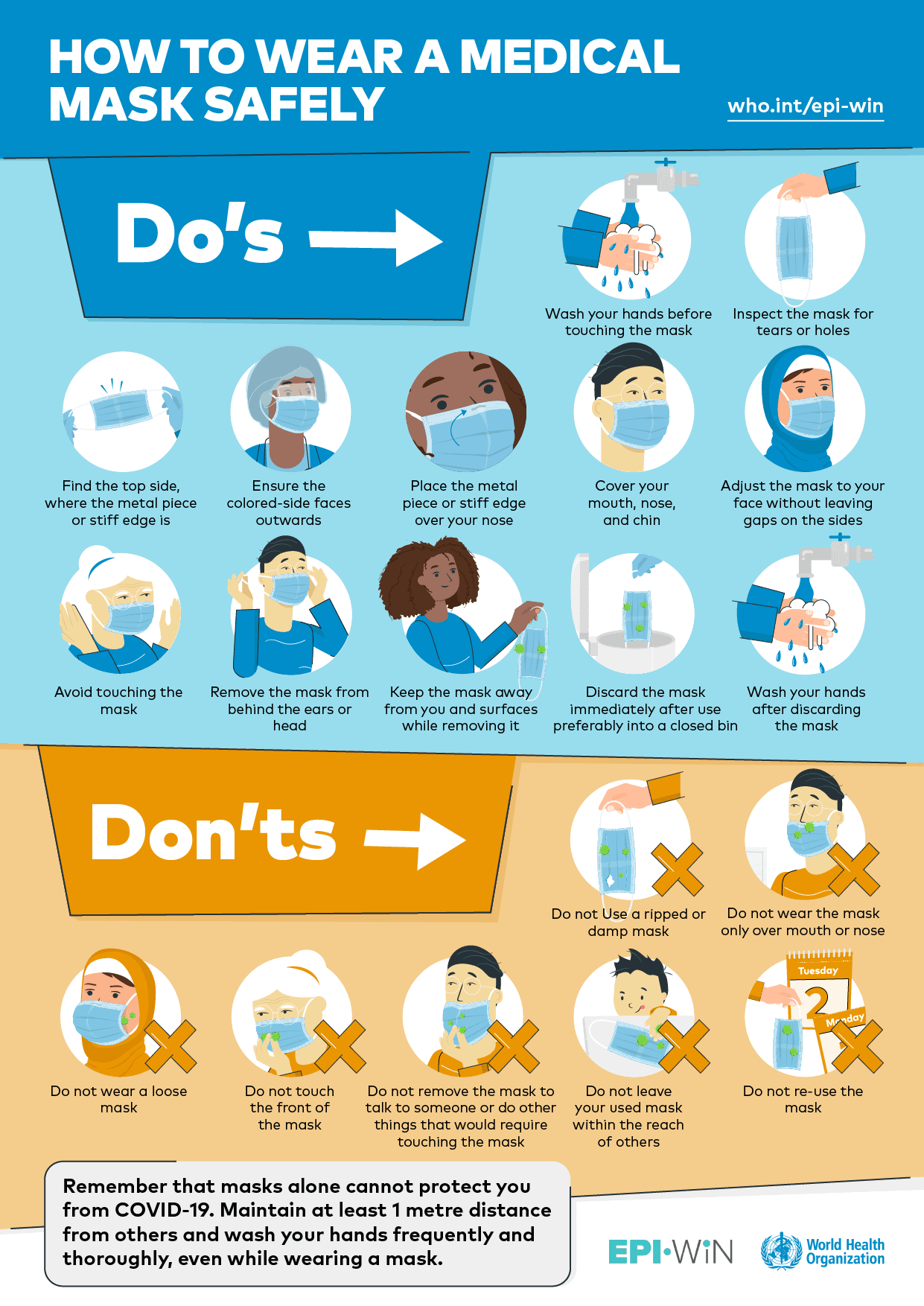
Putting On a Mask – The Dos

While face masks can be useful in preventing the spread of larger virus particles, they also present many risks.

The outer part of the mask is more likely to be contaminated. When it so happens, touching it and touching your face without taking proper measures such as hand hygiene could lead to contamination. If you have to wear a mask, observe the following;

  1. First, wash your hands thoroughly with soap and running water for at least 20 seconds. Be sure to reach all the parts of the hand, including the nails, palm, and the back of the hand. Alternatively, you can rub your hands with alcohol-based hand sanitizer.
  2. Next, check the covering to see if you can spot such defects as tearing.
  3. If there’s no damage, wear the mask by placing the colored part outward. Carefully position the mask to cover your nose and mouth.
  4. If it has ear loops, carefully place them on each ear. For the ones with strings, use them to hold the mask, nicely tying the upper and lower strings at the back of your head. The ones with bands should be easier to manage. Roll the band to the back of your head.
  5. Further, ensure the upper strip of the mask takes the shape of your nose. To do this, pinch it as you press it down with your fingers.
  6. Ensure the bottom of the mouse covers both your mouse and chin. If not, pull it down to position it well until it fits.
  7. Ensure the mask fits, giving you a comfortable, well-protected, and cozy feeling.
  8. Resist the temptation of touching the mask once its in position. If you have to, be sure to properly clean your hands using alcohol-based sanitizer or soap and water.
  9. Dispose of face masks when you notice any signs of damage, when it gets dirty or when overly moist. If it’s reusable, wash and dry it properly as regularly as possible. Alternatively, you can keep the mask in a plastic bag until you’re able to clean it. On both occasions, thoroughly cleanse your hands after that.
  10. Dispose of the mask properly in a closed bin for extra safety. Wash your hands with hot water and soap for at least twenty seconds.

Surgical masks and home-made coverings don’t offer the same level of protection. However, if you use them properly as outlined above, you can save the community. Following these guidelines will significantly reduce the spread of viruses.

face mask dos and donts WHO

The Don’ts

Putting on a mask may not be precisely applicable to everyone. Children under 2 years shouldn’t wear masks.

Similarly, those having difficulties in breathing should also avoid such coverings as they tend to do more damage than good.

To avoid contamination, take the following measures when the mask is in position:

  • Avoid touching the mask unnecessarily once you have it on. The outer parts of the mask trap pathogens when someone sneezes or coughs close to you. Some viruses can stay for days on the clothe. Touching it and touching your face could be disastrous.
  • Don’t leave the mask hanging from one ear. This carelessness could lead to contamination.
  • Don’t leave the mask hanging on your neck. If you no longer need it, safely remove and dispose of it appropriately.
  • Tempting as it may seem, do not reuse a disposable mask. Reusing masks meant for single-use, such as surgical masks, puts you and others in grave danger.
  • Do not crisscross ties. Ensure each tie is on the right ear. This will ensure the mask fits well, leaving no space for pathogens to enter.
  • Don’t wear a mask that is worn out, damaged, or dump. Dispose of it immediately in a closed bin
  • Remove the mask as soon as you are away from patients or public gatherings.

Cloth coverings or face masks?

Both cloth coverings and face masks can help prevent viruses in public gatherings or when in close contact with infected persons.

Though their level of protection is lower compared to respirators and surgical masks, cloth coverings still offer protection against respiratory droplets, which might contain pathogens. Here are tips on proper usage:

  • When using them, choose one that fits perfectly for maximum protection.
  • Avoid face coverings made of polyester, synthetic, or spandex. Most viruses can stay longer on these materials.
  • Instead, go for ones made of 100% cotton. If you make the masks on your own, the Johns Hopkins Medicine’s sample design can come in handy.
  • To avoid shrinking, wash, and dry the fabric two or three times before using it.
  • Scarfs could work in some instances. However, they’re not very effective, especially for highly infectious pathogens.

face masksFinal Thoughts on How to Wear a Face Mass to Stop Spreading Germs

Though not as efficient as surgical masks and respirators, face masks protect against pathogens. While respirators protect against smaller particle pathogens, masks help with larger airborne particles.

However, you must adhere to the above safety measures to avoid putting yourself and those around you in danger. Learning how to correctly choose, make, wear, and dispose of your mask will help lower transmission rates.

For maximum protection, couple up wearing masks with other safety measures such as maintaining high levels of hygiene, keeping social distance, and seeking medication early. Be sure also to follow the right guidelines for making home-made masks.

Therapists Explain 10 Ways to Cope With Heartbreak (+ 10 things to avoid)

Everyone has their unique coping methods for getting over a breakup. However, some may be much more effective than others. It’s essential to go through your grief in the right way to get you back on your feet again. We share ten ways to cope with heartbreak (and ten behaviors to avoid). You can also learn more by checking this blog post named what to do when a heart breaks.

10 “Dos” When You Must Cope with Heartbreak

1. Do Seek Support

It’s perfectly natural to want to talk to someone about your breakup. You probably have a lot of feelings festering up inside of you. Look for opportunities to express your emotions in an appropriate setting. Go to the people who are closest to you first. Of course, you want to avoid anyone who may be caught in the middle of the breakup. Venting to them could make them feel uncomfortable.

In the case of life-altering breakups or leaving an abusive relationship, you may want to go to a therapist or support group. The damage inflicted may be more serious than a gab session with your mom or best friend can manage.

2. Do Focus on Your Physical Health

When you treat your body well, you will notice a positive change in your mental health as well. Eat well and exercise. Focus on foods filled with nutrition and not empty calories. Stay away from fried foods and processed foods. You should also make a point to get out and exercise throughout the week. A body in motion stays in motion, so your body will continue to move correctly as long as you work it out.

heartbreak

3. Do Stay Busy

The last thing you need is too much time on your hands. You may end up dwelling on the breakup, causing you to feel bad about yourself. Instead, fill up your calendar with different events to keep you busy. When you are out doing things every night, you won’t have time to think about the person who hurt you.

4. Do Help Others

Breakups tend to bring out the selfish side of us. We wallow in self-pity and talk about ourselves a lot. Instead, it might be more beneficial to go out and help others. Spend time with family members or volunteer at a charitable organization. You will not only be helping others, but it can also make you feel good about yourself.

5. Do Examine Your Dating Practices

While you shouldn’t place blame on anyone (especially yourself), you should take time to think about some of your dating habits. You may be able to make some changes that will help you in your future dating ventures. Do you tend to fall for bad boys? Are you too clingy? Do you flirt with other people outside of the relationship? Look at some things you can change to help yourself succeed in love the next time around.

6. Do Cry

Some people try their hardest not to cry or feel angry about the end of their relationship. However, it’s a natural reaction to feel a certain way. You should not feel bad about your emotions. In fact, it is best to take some time to explore how you are feeling.

Otherwise, you only bottle up your feelings inside of you. Take a night to listen to sad breakup songs with a scoop of ice cream to let it out. When it’s finally all out there, you’ll feel a lot better. Just don’t make it a habit.

7. Do Get a Pet

You may have a lot of love you want to share. Get a cute pet to focus your love on. You can dote on your new cat, dog, or lizard (whatever pet you’re into). Just remember a pet is a big responsibility and commitment.

8. Do Focus on Other Relationships

Your romantic relationship wasn’t the only relationship in your life. Consider all of the family relationships in your life– your parents, grandparents, siblings, friends, etc. Spend some time developing those relationships.

quote

9. Do Find a Creative Outlet

You need to find a way to express yourself in a safe, creative way after heartbreak. Some people choose to start painting, singing, or writing. You can talk about the breakup or a variety of other topics affecting you at the moment.

10. Do Date

You should go out and start dating again–when you are ready.  You may want to give it a couple of weeks or months before going on your first date. Only you know the best timeframe for you, as confirmed by research. But you shouldn’t get too used to staying inside every day. When a new dating opportunity comes up, take it. Take things slowly and casually before you fall in love headfirst again, though.

10 Don’ts When You Suffer from Heartbreak

1. Don’t Overindulge

Some people choose to make themselves feel better by overindulging in certain activities, such as drinking or casual sex. It may make you feel better at the moment, but it won’t lead to long-term happiness. Watch how much you engage in reckless behavior.

2. Don’t Contact Your Ex

Your ex was a large part of your life. It’s hard to entirely and suddenly stop talking to a person who was once so important in your life. When something good or bad happens in your life, your instinct may be to pick up the phone and give your ex a call. You may also want to call just to see how they are doing. Avoid all temptations. Contacting your ex will only lead to a complicated relationship that can prevent you from moving on and even more heartbreak. It’s over. Only talk to your ex when you need to.

text messages

Never send these text messages to your former love.

3. Don’t Talk About the Breakup on Social Media

Social media is an excellent place for people to express themselves. However, you don’t want to tell everyone about what’s going on in your life. Rants about your ex may be entertaining to other people, but it will only make you look crazy and unprofessional.

4. Don’t Stoop to Their Level

Breakups can bring out the worst in people. When someone is emotional, they may do something mean. When your ex starts making your life difficult, you may be tempted to stoop down to their level and retaliate. Don’t do it. You may only make yourself look bad or even get yourself in trouble. Even when your ex goes low, you need to stay high.

5. Don’t Let Yourself Go

After a breakup, you may not shave or do your regular skincare routine. However, you need to keep up on these things more than ever in the case of a new prospect coming along. You don’t want a new potential significant other to see you in your pajamas with no makeup during the day.

6. Don’t Hold onto Gifts/Items

You and your former partner may have gifted each other things throughout the relationship. The items will become a reminder of your relationship when they are gone. You may enjoy a certain pair of shoes or piece of jewelry, but you shouldn’t wear those items if it’s going to be a constant reminder of a failed relationship.

7. Don’t Become a Shut-in

After a breakup, the world may look scary and unfriendly. You may not want to go out and socialize with people. However, you need to overcome these feelings. Some people want some time to themselves after a breakup, but you may start to be depressed staying inside all of the time. You need to go out and experience fresh air. You should also go do things you enjoy and see people in your life. These things will put your life back on track.

8. Don’t Portray Yourself as a Victim

It can be easy to make yourself look like a victim without even trying. This would be especially true if you were cheated on or abused during the relationship. However, you need to make a point to remain strong. You should not lie about what happened, but you do not need to tell your story without provocation.

9. Don’t Stick to Old Negative Patterns

Many people who are unlucky in love may notice that they tend to make the same mistakes over and over again. You need to examine these mistakes and do what you can to make a change. In some cases, you may want to get professional help to assist you through your issues.

10. Don’t Rush Into the Next Relationship

Some people cure heartbreak by rushing into the next committed relationship. While you want to go out and date, you don’t want to jump a long-term commitment with another person right away. Take the time to get to know somebody. Allow things to happen organically. Otherwise, you’ve just headed toward heartbreak again.

heartbreakFinal Thoughts on Coping With Heartbreak So You Can Move On

These tips make it clear for people to make the right decisions for their emotional and romantic health after heartbreak. A breakup isn’t the end- it’s the start of something new and exciting. You just need to see it that way.

Skip to content