Weekly tips, affirmations, and small actions to feel your best.

14 Natural Therapies Better Than Medicine for a Cough

Are you trying to find medicine for a cough that won’t make you groggy?

No matter the season, an irritating cough can strike you at any time. Coughing is your body’s way of quickly clearing mucous and other irritants from your lungs and airway. Unfortunately, frequent coughing caused by colds, allergies, or respiratory infections can make you feel miserable.

When the hacking starts, you may reach for over-the-counter medications for coughs, such as syrups, sprays, or tablets. These usually ease the symptoms for a while. If the cough persists, your healthcare provider may diagnose an infection or allergies and recommend a prescription medication.

The Mechanics of Coughing

Your body is a complex organism that has built-in capabilities to protect and heal itself. When dust, pollen, or another foreign substance enters your nose or airway, cells in the lining of your airway trigger the brain to clear the air. Coughing is a reflex that your body can do even while you sleep.

After your brain receives the signals, it will immediately signify your respiratory system to prepare to cough. You will take a deep breath of air, and the opening to your windpipe will close and compress the air in your lungs. Within seconds, your throat will open, and the compressed air will be forcibly expelled from your lungs, creating a coughing sensation.

Another trigger for this cough mechanism is post-nasal drip, which is mucous from your sinuses draining down your throat. It causes an irritation that makes you repeatedly hack throughout the day. Colds, flu, allergies, and sinus infections are notorious for creating bothersome and often painful coughing.

How Does Medicine for a Cough Work?

medicine for a cough

If you are using over-the-counter medicine for a cough, there are three types available. Those that are labeled as antitussives work to calm your cough reflex. When you have heavy mucous concentration, an expectorant can help loosen it so you can cough it out of your airway.

An antihistamine blocks the allergic reactions that may cause you problems. Lozenges and throat sprays often contain menthol and eucalyptus oils, which are natural therapies for coughing. These are usually preferred throughout the day since most over-the-counter medicine for cough can cause drowsiness. Cough medications may also interact with other medicines you are taking.

Another downside of over-the-counter and prescription medicine for a cough is the rebound effect. Sometimes, you can take so much of the medication that it may make your cough worse. Are there alternatives to getting rid of a nagging cough?

Natural Therapies Better Than Medicine for a Cough

When your ancestors were plagued with coughing fits, they couldn’t run out to the neighborhood pharmacy to pick up a bottle of cough syrup. They relied on Mother Nature to supply the medicine for a cough. Some of these natural remedies have been backed up scientifically and are the precursors to many modern treatments.

Why not do like great-grandma did and reach into your pantry and spice cabinet when you’re having coughing fits? If your hacking persists or you have a respiratory infection, you should see your healthcare provider as soon as possible. Consult them before taking any herbal remedies and mention any medications or supplements you are taking.

For general coughs due to the common cold or allergies, a natural alternative may be better than something from the drug store. Many cough syrups contain alcohol and may not be suitable for you or your children. Here are 14 natural ways you can try to beat your cough so that you can feel better soon.

1. Honey is Naturally Soothing

Since ancient times, honey has been used as a powerful medicine to heal everything from respiratory problems to burns. Studies show that this natural elixir is an antibacterial, antiseptic, and antifungal solution.

Not only can its sweet consistency soothe your cough, but it may fight the microbes causing it. You can take it by the spoonful or mix it with another healing herb. Medical experts always warn never to give honey to a child who is younger than 12 months old.

2. Apple Cider Vinegar

With all the buzz about apple cider vinegar in health news, it’s not surprising to find that it’s also an excellent natural cough remedy. Like honey, apple cider vinegar has antiseptic and antibacterial properties that can fight the cause of your cough. It is a mild acid that can clear your throat from excessive mucus.

If you don’t care for the sourness of apple cider vinegar, mix one tablespoon with a tablespoon of honey. Take it every four hours or when your cough is uncontrolled. The mixture of honey and vinegar will give you a double dose of healing.

3. Lemon Juice

You’ve probably studied the benefits of Vitamin C in fighting cold and flu symptoms. Fresh lemon juice has been a perennial remedy for nagging coughs. The citric acid and other ingredients in this juice calm your cough reflex and fight microbes that invade your respiratory system.

There are many ways to incorporate lemon juice into your day when you’re sick. Squeeze the juice of one lemon and use it to make a hot, soothing tea. Instead of apple cider vinegar, you can mix your honey with lemon juice for a useful tonic. Add lemon juice to a cup of herbal tea to drink at bedtime for a restful, cough-free night.

4. Peppermint

This revered member of the mint family has been used for centuries for respiratory and digestive issues. It’s cool, soothing flavor helps relax coughing spasms and heal your irritated throat and is often used in cough medications. Peppermint lozenges or tea can help open clogged sinuses so you can breathe better.

ginger tea to relieve cough and flu

Read how Ginger Tea can relieve your cough.

5. Grab a String of Licorice

Are you a fan of black jellybeans and black licorice rolls? The classic flavor comes from licorice root, an herb long favored for its taste and medicinal qualities. Its earliest uses were to soothe coughs or to use it to make a fragrant tea.

6. Hit the Shower

Persistent coughing often accompanies painful congestion. One of the best ways to open your airways is steam from a hot shower. It breaks up congested sinuses and bronchial tubes for more natural breathing. Plus, the warm water eases the cough and relaxes your entire body.

7. Eucalyptus Isn’t Just for Koalas

Since the eras of the ancient pharaohs, eucalyptus oil has been prized for its unique perfume and medicinal qualities. Eucalyptus has a renowned cooling effect that reduces inflammation and calms irritated nasal and throat passages. Make a eucalyptus tea or add the essential oil to your hot shower water.

8. Ginger

In Eastern natural therapies, ginger reigns supreme as a healing herb for all sorts of illnesses. Ancient Chinese herbalists recommended ginger root for patients who had colds or a stubborn cough. Ginger is a natural anti-inflammatory and antihistamine that hits coughs at their source.

Cut a small piece of ginger root into thin slices and add to a boiled cup of water, and you should allow it to steep for 3-5 minutes. Add a little honey or lemon juice if you like for an extra boost of flavor and cough resistance. Enjoy your ginger tea throughout the day, but don’t drink it before bedtime because it can be an energy boost.

9. Drink More Water

Did you know that your unwanted croup may come from dehydration? If you have a cold or cough, be sure to up your water consumption and have at least 6-8 glasses a day. Freshwater cleanses your body and can dilute build-up mucus that may be causing your problem.

10. Stop Smoking

If you need another reason to stop smoking today, here’s another vital one. When you smoke, you inhale many hazardous materials that damage your respiratory system and entire body. It also produces the tell-tale smoker’s cough.

11. Tea Thyme

Here’s another medicine for a cough that you can find in your herb garden. Thyme is a natural expectorant and antiseptic that can ease your cough and clear your throat. Add fresh or dry thyme leaves to a cup of water and allow it to steep for 3-5 minutes.

12. Lavender Tea

Are you having trouble sleeping because of coughing fits? Brew a steaming cup of lavender tea and enjoy its cough-soothing qualities. The lavender will also calm your nerves and help you go to sleep.

13. Gargle Salt Water

Nothing irritates your throat more than a raspy cough. To cure the cough and soothe your throat, add a teaspoon of sea salt to a glass of water and gargle with it. The salt’s curative properties can also break up built-up mucus that causes coughing.

14. Marshmallow Root

Did you know that the same flavoring used in fluffy marshmallows is also a power decongestant? Marshmallow root tea has been used for generations for respiratory ailments. Try a hot cup of marshmallow root tea whenever your cough is a nuisance.

medicine for a coughFinal Thoughts on Looking to Nature When You Need Medicine for a Cough

Our earth is a bountiful resource for remedies, like medicine for a cough. The next time you get a cold or feel overwhelmed by coughing fits, consider some of these natural alternatives. They can help you feel better without the side effects of many cough medications.


Psychology Explains the Causes of Nyctophobia (fear of the dark)

Remember when you were at summer camp as a kid, and everyone asked each other if they were afraid of the dark? Fear of darkness is probably one of the main primordial concerns that are hardwired into our brain. Before early humans discovered fire, the night was a fearful place of danger lurking in every shadow.

Being afraid of the dark is a common fear in childhood. They are fearful of the make-believe monsters under the bed and things that go bump in the night. Fortunately, most people outgrow this fear and think nothing of sleeping in a darkened room.

For some people, being afraid of darkness carries on into adulthood. They may understand that there’s nothing to fear at night or when they enter a darkened room, yet they still have this irrational concern. When worry is irrational and starts to impede a person’s daily living, it becomes a phobia.

Phobia comes from the Greek word for fear. However, comparing fear to a phobia is like comparing a house cat to a lion. Mental health experts consider phobias an anxiety disorder. For the person with this extreme anxiety, the fear and threat are real, no matter how unfounded the reason.

What is Nyctophobia?

Nyctophobia, also known as lygophobia, is the irrational fear of darkness and dark places. While many adults may still be afraid of the dark, some people may have had their fear morph into a phobia. Nyctophobics experience extreme anxiety at night or in dark places.

They will actively avoid going into dark rooms and may carry a flashlight wherever they go. It’s usual for those with nyctophobia to sleep with the lights on and become anxious when the day turns to night. They often will not go to theaters or participate in anything to do with a darkened room.

nyctophobia

What are the Signs & Symptoms of Nyctophobia?

Although this anxiety disorder may be one of the easiest to treat, some people may hesitate because it makes them look silly or weak, especially men. However, if nyctophobia is left untreated, it can wreak havoc on people’s lifestyles, work, and relationships. The signs and symptoms of this phobia are easy to recognize.

  • Hyperventilation or feeling like you can’t breathe
  • Dry mouth
  • Heart palpitations or a rapid heartbeat
  • Numbness in limbs or entire body
  • Dizziness
  • Heightened senses/awareness
  • Tensed Muscles
  • Nervous trembling
  • Intense fear of impending danger or disaster
  • Feeling out of control or thinking that you are dying
  • Feeling trapped and can’t escape

If you’ve ever been diagnosed with a panic disorder, you will probably recognize many of these same symptoms of a panic attack. If you are nyctophobic, it is nighttime or a darkened room that triggers these symptoms. They can be severe enough to cause sleep deprivation and other mental disorders.

Talk to your primary healthcare provider if you notice any of these symptoms. Because these may mirror other ailments, you must be diagnosed by a professional to rule them out. The proper diagnosis can make it easier for your healthcare provider to formulate a treatment plan that’s best for you.

Four Typical Causes of Nyctophobia

One reason that this anxiety disorder can flourish is that it builds on primary childhood fears. Sometimes, certain medical conditions or trauma can exacerbate fear of the dark and turn it into a gripping phobia. Although each case may vary, these are some of the reasons some people develop into a nyctophobic.

1 – Learned Fear

As parents and guardians, you are a role model for your children. They learn at an early age to model your emotions by how you react to things. It’s not uncommon for a nyctophobic parent to pass on the phobia as a learned behavior.

Some studies suggest that phobias, in general, may run in families genetically. However, experts are quick to point out that environmental causes can also be the culprit. No one really knows where nurturing ends and nature begins when it comes to anxiety disorders.

2 – Childhood Abuse at Night

Even in the 21st century, childhood abuse and exploitation are alive and well. Nearly 3 million cases of child abuse and neglect are reported every year in the United States. Sadly, experts believe that many more cases go unreported, and as many as five children die from their abuse each day.

Physical, verbal, emotional, and sexual abuse are enough to give any child a lifetime of night terrors. Often, parents who are substance abusers become violent in the night because they are out of drugs or alcohol or are coming off a high. In the shadows of the night, when children should be sleeping warm and safe in their beds, sexual predators such as perverse relatives or deviant boyfriends often seek their victims.

If you’ve been a survivor of child abuse, you know that nighttime can trigger unspeakable memories that put your panic into overdrive. When the lights go out, you may relive each scene in a painful loop. Childhood trauma can be a tremendous factor in causing nyctophobic reactions.

3  –  Childhood trauma

Some traumatic events in childhood have nothing to do with child abuse or neglect. These can happen in the most loving and nurturing homes. The death of a loved one is often painful for children to process, and it can often disrupt their sleeping patterns. Serious accidents and illnesses can also have a negative effect on children’s minds, and it causes them to react to darkness with fear.

If left untreated, it’s easy for this nocturnal fear to turn into a phobia. If you had a traumatic event in your life that disrupts your sleep and showers you with anxiety, consider talking to your mental health professional about nighttime phobias.

4 –  Other Mental Illnesses

It’s also possible that other phobias and mental disorders can play into lygophobia. Those who have phobias of being alone or separation anxiety may develop a phobia of the dark. Since the symptoms of so many mental disorders overlap, it’s imperative to seek the counsel of an experienced mental health professional for a diagnosis.

horror movies

Psychology explains how watching horror movies affects your psyche.

Seven Common Treatments for Nyctophobia

You need to see someone who specializes in treating paranoia. While most mental health professionals train and certify to diagnose and treat mental conditions, many have areas of expertise. As your primary healthcare professional to refer you to a clinician who specializes in anxiety disorders like nyctophobia.

1 – Cognitive Behavioral Therapy, or CBT

The goal of CBT is to help you recognize thought patterns in your mind and ways of changing your attitude toward them. With a nighttime phobia, a CBT professional may help you discover how illogical your reactions are and ways to cope with them. CBT is an excellent way to treat this and other anxiety disorders.

2 – Exposure therapy/Desensitization therapy

When you are undergoing exposure and desensitization therapy, you learn to face your phobia head-on. It may be quite uncomfortable at first, but your therapist may expose you to a dark room to drive up your anxiety. Then, you will learn how to talk yourself through the anxiety and finally be less sensitive to the fear.

3 – Hypnotherapy

Hypnotherapy can be a useful tool for lygophobia, especially if past trauma is involved. A trained and certified hypnotherapist can use relaxation and regression techniques to find clues behind the causes of your phobia. Visualization and suggestions from the therapist may help ease your symptoms.

4 – Psychoanalysis

Frequently, it just helps to talk to someone neutral and non-judgmental about your phobia. Psychoanalysis may help you find patterns in your past that may have led up to your phobia of the dark. The more you understand how you think and how you react, the better equipped you are to make changes.

5 – Relaxation techniques

For thousands of years, Eastern mystics knew the value of calming the mind by relaxing your body. Many people find relief from their nighttime phobia with muscle relaxation, mindful breathing, and visualization. You may consider learning yoga poses and meditations that are specifically geared toward relieving tension and anxiety at night.

6 – Phobia Support Groups

There is often comfort in numbers and empathy. You may find hope and empowerment when you are involved with a support group for people with phobias. Listening to the ups and downs of their journey to recovery can be inspirational as you realize that you aren’t alone.

7 – Prescription Medication

In severe cases, a primary healthcare provider may prescribe medication for anxiety. Depending on your medical history and phobia severity, some providers may recommend sedatives to reduce your stress and allow you to sleep at night. You may also talk to your provider about alternative herbal supplements that ease anxiety.

claustrophobia

Discover over 25 of the most common phobias.

Final Thoughts on Coping with Nyctophobia

Having a phobia of the dark has no bearing on your bravery or independence as an adult. Under the right circumstances, it can develop in anyone and cause them much grief if left untreated. If you have any of the risk factors or notice any of the signs and symptoms of nyctophobia, talk to your healthcare provider or mental health professional.

7 Ways to Tell If Your Child Is A Creative Genius

Signs of creative genius in children usually show up at a young age. While everyone wants to believe their child possesses more significant than average intelligence, only 6-10% of children are smart enough to be classified as “gifted.” A child prodigy, or pure genius, is even more uncommon, at a rate of about one in 5 or 10 million children, according to one psychologist.

So, what traits does a creative genius typically portray? Researchers say that children will display the following characteristics:

  • Has a strong vocabulary for his or her age.
  • They pass intellectual milestones early.
  • Can recall and master information quickly and easily.
  • They have a fantastic memory. In this study of eight child prodigies, each one had a working memory in the 99th percentile.
  • Loves to read and also has a high reading level for his or her age.
  • They become easily absorbed in specific topics and have an in-depth knowledge of them.
  • May show intolerance toward other children, as they get frustrated with “normal” conversation and activities.
  • Shows boredom with routine tasks.
  • Awareness of world events
  • Asks a lot of questions about everything
  • Loves to talk
  • Prefers to spend time with an adult or in solitary activities
  • Shows a love of music at a young age
  • Is a high achiever and sets high standards for him or herself

Below, we’ll expand upon some of these points so that you can learn how to foster creativity in your children.

Here are seven main ways to tell if your child is a creative genius:

  1. They love to read at an early age.creative genius

A surefire sign of intelligence in a child is a love for reading at a very young age. They will most likely pick books way above their reading level as well, and show an interest in specific topics, such as weather or dinosaurs. Kids who love to read have a big imagination and enjoy getting lost in the various fantasy worlds that authors create. Children feel drawn to books because of their voracious appetite for knowledge about the world around them.

If you see that your child loves to read, help them foster creativity by asking what types of subjects they like to read about. Then, discuss the books and topics with them afterward, so they retain more of the material in their memory. Many children who love to read may even stay up past their bedtimes because they get so engrossed in the books!

  1. They love spending time alone.

While most children love to play, exceptionally gifted children will often feel compelled to spend more of their time alone. They like to use their imaginations to draw, role play, or maybe even create an imaginary friend to spend time with. Some parents may feel worried about their children having an invisible friend, but studies have found that this points to an overactive imagination.

A sign of creative genius is creating whole worlds based on stories they’ve read or maybe things they’ve seen in a show. They love to tell stories and generate fantasy situations, which compels them to have an imaginary friend to carry out this scenery in their mind.

  1. They have an insatiable curiosity.

Most children naturally feel curious about the world around them, but a gifted child will ask more questions than usual about everything. They want to know both why and how things work, and you may not even have the answers to all of their inquiries. You can help them foster creativity by assisting them to research the topics and interests they feel curious about.

Perhaps direct them to safe, educational sites online such as Britannica Kids so they can continue learning about what sparks their creativity. Or, you can find educational shows such as those on National Geographic to help them expand their knowledge. Gifted children usually will display in-depth knowledge and interest in a couple of topics and become engrossed in them. If you notice your child reading about volcanoes or dinosaurs exclusively for months at a time, they might be a creative genius.

  1. If your child is a creative genius, they might get bored in school.

Highly gifted children often get bored with regular school work and lessons. They may feel they know everything already and neglect their work or daydream while the teacher lectures. You may have trouble getting them to complete schoolwork because they want to read about other things or pursue creative hobbies such as drawing or painting. The National Association for Gifted Children estimates that gifted children know around 60% of the lessons taught in kindergarten on the first week of class.

So, to foster creativity and help them stay on track, you can add in your lessons to their curriculum when they get home from school each day and cover subjects they show a keen interest in. Or, talk to their teacher about the possibility of them skipping a grade if they show signs of genius.

anxiety

Do you have anxiety? Here’s why it might be a sign that you’re a genius.

  1. Gifted children have remarkable creative skills.

Creativity is a sign of high intelligence in children. Studies show that creative people like to come up with new and unique ways of solving a problem while smart people go the logical route in conjuring up solutions. Not to mention, other studies indicate that creativity and intelligence go hand in hand.

If you have a creative genius for a child, they will have an inventive approach to problems and may not fit in with their peers at school. They may feel like the black sheep because of how they think outside the box and see the bigger picture. Brilliant children may display the following traits:

  • Coming up with unique, new ideas
  • Loves to tell stories, whether fictional or non-fictional
  • Has a big imagination
  • Loves to brainstorm and suggest creative solutions
  • Sees the bigger picture in life and doesn’t worry about the details
  • They seem “different’ compared to their classmates.
  • Spend a lot of time daydreaming
  • May seem scatterbrained because of all their ideas
  • Doesn’t follow schedules well and gets “bursts” of energy
  • Loves to take risks
  1. They have a strong memory.

Highly intelligent children have no problem memorizing facts and math equations for tests. They absorb information quickly and efficiently and can easily recite a paragraph from a book they just read. They have a knack for memorizing seemingly random facts as well, and many people refer to them as a walking encyclopedia. Some highly gifted children even have a photographic memory, able to recall whole pages of material from books.

Their excellent memory may also be attributed to their insatiable appetite for learning, so if they genuinely enjoy a subject, they’ll have a higher likelihood of retaining essential facts about it. They may focus for hours on learning about something that lights them up inside but ignore subjects that they consider boring.

  1. A creative genius may have an old soul.

Lots of kids who have high IQ’s seem very old or mature for their age. They may not get along as well with their peers because they have different interests and personality traits. Creative, intelligent children may lack in social skills as well, leaning more toward spending time alone so they can read and learn in peace. Because of their maturity and intelligence, they usually get along better with older adults who they can have deep conversations with.

Also, highly intelligent children will have a large vocabulary for their age and may talk on a whole different level than their peers. To foster creativity in the social aspect of their life, perhaps get them involved in clubs at school that have older kids as members primarily. Creative geniuses are often witty, funny, and wise beyond their years and require a different type of social stimulation than others their age.

creative geniusFinal thoughts on ways to tell if your child is a creative genius

If you have a creative genius as a child, you may wonder how you can raise them to foster their growth. They may have specific needs than other children, so you might want to talk with their teachers or even professionals who study child prodigies. If you feel that they show true signs of genius, you may even want to contact MENSA for further guidance. Usually, a real childhood genius will need extra intellectual stimulation because they just don’t feel satisfied with a school environment.

They will quickly surpass the teacher’s expectations and grow bored with the curriculum. They will talk your head off and ask a million questions about various subjects. Make sure you give them time to read and play on their own, but also nurture them by reading and creating your own study time to expand their knowledge on different subjects.

However, you want to make sure to teach them to care about others’ needs as well. Otherwise, your child may become self-centered and egotistical if they only focus on their studies.

15 Plant-Based Protein Sources Never to Ignore

Are you thinking about going meat-free? A plant-based diet is a healthy diet alternative, but be you’re eating enough protein. Here are 20 plant-based protein sources you shouldn’t ignore when you start your new diet.

Plant-based diets win hands down.

Plant rich diets are packed with health benefits. Studies conclude that eating a plant-based diet lowers your chance of heart disease, chronic illness, and type 2 diabetes. Eating a diet of mostly plants also helps you manage your weight and reduces your need for medications.

However, one of the key considerations when transitioning to a plant-based lifestyle is ensuring you’re getting enough protein to support your body’s needs. Luckily, there are plenty of plant-based protein sources that can help you achieve your nutritional goals, ensuring you get the balance you need for optimal health.

For those looking for convenient and delicious ways to incorporate more plant-based protein into their diet, Isagenix offers an excellent range of products. Their plant-based protein drinks are a fantastic option for anyone needing a quick and nutritious boost. Packed with high-quality plant protein from ingredients like pea and brown rice, these drinks provide all the benefits of a plant-based diet while helping you meet your daily protein requirements.

Perfect for busy individuals or those who prefer an on-the-go solution, Isagenix’s plant-based products are not only great-tasting but also formulated to support muscle recovery, energy levels, and overall health. By incorporating Isagenix into your routine, you can confidently navigate your new diet while still fueling your body with the nutrients it needs to thrive.

So where do vegans get their protein?

One of the biggest questions you’ll get asked when you go meat-free is where do you get your protein? Animal products are typically the largest source of protein in most American diets. But one study found that the Estimated Average Requirement (EAR) for protein is only 2.1 cups a day. Researchers say in the western world, the average person eats well beyond this requirement. This same study concluded that the protein in vegetarian diets meets the recommended requirements, including having the right amount of amino acids.

What are the best plant-based proteins?

It’s easier than you think to find plants with protein. Here’s a list of some of the healthiest plant-based proteins to add to your daily diet.

1 – Whole grain pasta

A ½ cup of some type of whole-grain pasta gives you 6 grams of protein. If you pair your whole- grain pasta with asparagus or spinach, you’ll double the amount of protein in one meal. Examples of whole-grain pasta include

  • Brown rice pasta
  • Whole-wheat couscous
  • Buckwheat pasta
  • Quinoa pasta
  • Spelt pasta
  • Corn pasta

plant-based protein

2 – Popcorn

Even though popcorn doesn’t have the highest amount of protein, only 4 grams per 3 1/2 cups, it’s high in fiber. When you combine popcorn’s high fiber, protein, and a low-calorie count, it’s an excellent healthy snack for plant-based eaters.

3 – Oats

Oats are an economical whole grain to add to your diet.  One half a cup of oats for breakfast gives you 17 grams of protein. If you add one cup of almond milk with 2 grams of protein to your oats, you increase your protein to19 grams. That’s a great way to start the morning.

4 – Potatoes

Potatoes get no respect. It’s easy to overlook this veggie as not that healthy. But the humble potato is not only versatile, but it also contains 2 grams of protein per potato. When you add a couple of potatoes to your meal, you’re adding healthy protein and fiber.

Sweet potatoes contain a bit less protein than regular variations, but they contain antioxidants responsible for fighting off free radicals and toxins.

5 – Edamame

Edamame is a young soybean you eat straight out of the pod. Edamame can be steamed, roasted, or microwaved. Drizzle some olive oil over the seeds and add a pinch of kosher salt—microwave for three minutes.

Enjoy edamame as a savory appetizer or a snack in the evening. Edamame contains 11 grams of protein per half-cup, so it’s a great way to get a bit of protein.

6 – Spinach

This dark leafy green vegetable is crunchy with a tangy flavor. Whether you steam it, saute it, or eat it raw, you get 3 grams of protein in every half a cup of spinach.

Add a couple of leaves of spinach to your morning smoothie for some extra vitamins K, A, C, B6, and B2. Spinach is also high in folate, manganese, and calcium.

7 – Tofu

Tofu is made from soy milk bean curd that has been pressed into blocks. It comes in a soft, firm, or extra firm block. Tofu packs 15 grams of protein per half-cup. Tofu has a bland taste, but you can add spices or sauces to it for more flavor. You can also fry it in strips for dipping.  Tofu makes a great mid-afternoon snack or main dish entrée at dinner.

8 – Avocados

Avocadoes add protein plus healthy fat to your diet. You can eat them raw or make guacamole, a tangy dip for tortilla chips or carrots. Whether you dress your avocado up or down, they’re incredibly versatile. You can even make a substitute chocolate dessert using avocados. Now that’s versatility.

9 – Tempeh

Tempeh is often called tofu’s closest relative. It has more protein than tofu, 20 grams per half a cup. Tempeh comes from cooked and fermented soybeans. Once this mixture is pressed into a block, it’s called tempeh. Some people say tempeh tastes like mushrooms. You can grill it, saute it, or eat it raw crumbled in your salad.

10. Asparagus

Asparagus is often thought of as a spring vegetable. Fortunately, you can buy it all year round in most groceries. This vegetable is high in antioxidants, folate, fiber, and protein. Some gardeners like to grow asparagus in their backyard. It’s a perennial that comes up every year in the spring.  Ask your local gardening store if they carry asparagus and try growing it in your backyard.

Vegan meal recipes

Try these ten plant-based recipes.

11 – Dried apricots

Dried fruits are often more nutritious than raw fruits. This is the case with dried apricots. One-half cup of dried apricots contains four and a half grams of protein. This sweet dried fruit makes a great snack alternative to candy or chips.

12. Pinto beans

Pinto beans are high in fiber and protein. Like other legumes, you must cook the dried beans before you eat them unless you buy pinto beans in a can. They can be used in soups, dips, and even made into a burger. They are very economical, so keep a few in your pantry when you want a quick protein dish.

13. Lentils

Like all legumes, lentils are full of fiber and protein. They come dried, but you simply cook them 20 minutes to make them soft. After cooking, the lentils can be added to soups, salads, or eaten as a side dish.  You can also wrap them in a tortilla for a delicious veggie Mexican burrito.

14. Black beans

Black beans are another economical legume that’s packed with protein and fiber. Like their cousin the lentil, black beans are dried, but you can buy them in the can, too. Black beans add flavor to salads, soups, side dishes, and dips. Store extra cans of black beans for an easy throw-together meal.

15. Chickpeas

Over the past decade, chickpeas have grown in popularity. When blended with lemon juice, garlic, and cumin, chickpeas make a delicious dip called humus. Humus is a protein-rich dip for pita chips, carrots, or celery. If you don’t care to make hummus, use your chickpeas straight from the can on your salad, in soups, or toppings on other side dishes.

Some people like to make crunchy chickpeas. Sprinkle the chicken peas with salt, spices, and olive oil.  Then roast them in a 400-degree oven for 20 minutes. These crunchy chickpeas are a healthier alternative to potato chips.

16 – Pumpkin Seeds

Pumpkin seeds give you an impressive 25 grams of protein per half-cup. These crunchy little seeds also contain zinc, magnesium, and healthy fat. You can buy them at most stores, but check to see that they are good quality and organic. Nonorganic brands often use chemicals in the processing of pumpkin seeds.

17 – Hemp seeds

Small but mighty describe hemp seeds. These tiny seeds are packed with protein and add a unique flavor to cookies, cakes, cereals, and smoothies. One downside of hemp is that if you overeat, it can cause diarrhea. Some people have been known to have other side effects such as throat irritation, nausea, high blood pressure, and a sometimes rapid heartbeat.  So go easy on the amount of hemp you eat.

18 – Chia seeds

Chia seeds are another tiny seed with significant potential. They contain fiber, magnesium, and omega3s. Omega3 is found in fatty fish. You can sprinkle chia seeds on smoothies, oatmeal, or a lettuce salad. Some people even add them to their drinks.

19 –  Flaxseeds

Flaxseeds are often called a superfood. Part of the list of seeds with the most protein, flax seeds also boost a variety of vitamins and minerals such as

  • Copper
  • Thiamine
  • Magnesium
  • Phosphorus

Add flaxseeds to your morning cereal, or your salad dressing at lunch. You can use flaxseeds in desserts that call for nuts.

20 – Peanuts

The humble peanut has 38 grams of protein per cup. They add healthy fat to your plant-based diet. Chop them, snack on them, or sprinkle them over your morning bowl of cereal for added protein and a nutty flavor. You can also make your peanut butter.

Throw a cup of peanuts into a food processor. Add a little coconut oil and salt. Blend until creamy. Spread on celery or whole wheat bread for your mid-day meal.

plant-based proteinFinal Thoughts on How to Include Plant-based Proteins in Your Vegan Diet

Plant-based proteins are natural to include in your diet. Choose from legumes, seeds, nuts, leafy greens, or whole grains. Plant proteins are versatile and often go easy on your budget. Saute, roast, grill, or eat them raw. Pairing these plant-based proteins together can increase your daily protein levels. So when someone asks you where you get your protein on a meat-free diet, tell them you get plenty of protein from all the delicious plants you eat.

15 Hacks That Work Better Than Medicine for Anxiety

There’s nothing worse than an anxious feeling that cripples you with fear. For some, it’s an occurrence that happens occasionally, but for others, they live in a constant state of unrest as their body is in fight or flight mode continuously. If you’ve been to your doctor, you know that they want to put you on medications to control this mental health problem.

Unfortunately, many of the prescriptions used for General Anxiety Disorder come with side effects. One of the main problems is many of these drugs cause dependency issues. Thankfully, you don’t have to resort to padding big pharma’s pocket to get better. There are many ways that you can control your anxious feelings naturally.

Alternatives to Medicine for Anxiety

If you’ve struggled with your anxiety for any length of time, you will learn some coping skills or hacks. These little tips and tricks can help you get through stressful situations. Here are 15 things you can do to gain control over these anxious feelings without using medications.

1. Grab Some Ice

Grabbing a handful of ice when you’re feeling anxious might seem crazy, but it works. The same theory in this trick is why people cut for relief. The body is unable to process two different sensations at once.

When you hold ice in your hand, the cold nature is a shock to your system. The brain will focus on this sensation rather than your anxiety. It will almost immediately stop the angst you feel as the brain redirects its attention to the icy chill it feels.

People cut their skin to release anxiety because their body focuses on the pain and not the panic and terror they feel. The trick is to use something less harmful to get your mind off your anxious state.

social anxiety tips

2. Go Outside

Since the body is in fight-or-flight mode, it wants to go. Do you ever have panic attacks that make you want to run and get out of the situation you’re in? Many people can stop their angst by only going outside and taking a deep breath.

It’s incredible how much better you will feel when you breathe in Mother Nature’s goodness and expel all those negative energies holding you back. Who needs medicine for anxiety when you have nature on your side?

3. Drink Hot Coffee or Tea

Drinking something hot does similar things to the brain as holding ice. Grab a big cup of Joe and breathe in the aroma as you take small sips. The warm sensation pulsating through your body will get your mind off your anxiety and onto the fiery liquid, now rushing through your digestive tract.

4. Use Aromatherapy Oils

The use of essential oils in aromatherapy is quite rewarding for the mind. Did you know that by rubbing some lavender oil under your nose and breathing in that heavenly scent, you can get rid of anxiety?

These oils have a way of stimulating the brain to bring about calm. It would help if you experimented with a few of the most popular ones used for angst like lemon balm, valerian root, rosemary, peppermint, sage, patchouli, and ylang-ylang.

5. Journal

Do you ever feel like you just need to get out what’s eating you up on the inside? Why not journal your way to a calmer you? Who needs medicine for anxiety when you can journal out all that’s bothering you?

Write down all the things that are holding you back and keeping you down. It’s amazing how much calmer you can be when you release the negative feelings that are most likely behind your angst.

6. Use Breathing Techniques

One of the most powerful things a person suffering from anxiety can learn is how to do rhythmic breathing. Start by inhaling, holding your breath, and releasing it all to the count of seven. Doing a few repetitions of this will instantly calm you.

The key is that when many people are anxious, they don’t breathe right. When your body is deprived of oxygen, it can cause all sorts of problems. Thankfully, unlike medicine for anxiety, rhythmic breathing doesn’t come with any side effects and can be done anytime and anywhere.

7. Ground Yourself

Anxiety is a horrible feeling, and you need some robust mechanisms to ground yourself. Remember, your anxious state will cause you to think, perceive, and believe things that aren’t true. Take, for instance, being at a traffic light and surrounded by cars.

Your brain may tell you that if you drive forward, you will have a panic attack at the intersection and cause a wreck. The truth is that you are probably a particularly good driver, and you won’t wreck. The problem is that your mind is playing tricks on you.

No medicine for anxiety will give you the power to conquer things as it only masks the issue. It would help if you learned grounding techniques. To ground yourself, look at your surroundings.

Look around and say out loud five things that you see. Now, take your hands and recognize four things you can feel. What about three things you can hear, and finally, two things you can smell. When you get your mind busy on the grounding exercise, it will redirect it from the anxiety.

medicine for anxiety

8. Take a Nap

Napping is a great coping skill for those who have anxiety. Your sleep is restorative, and it will help you to calm down. When you’re sleeping, your mind and body are resetting and repairing damage caused by life’s stresses.

Taking a nap is one of the best ways to treat anxiety. Chances are you will wake to feel much better. Plus, a little rest never hurt anyone.

9. Sit in the Sunshine

Once again, Mother Nature is the best way to combat anxiety. Do you know that many people who have Generalized Anxiety Disorder are often deficient in Vitamin D? This is, even more, a good reason to get outside and sit in the sun.

When you bask in the golden rays, you’re filling your body with the much-needed Vitamin D3. All you need is about 20 minutes in the sun to help with the anxiety and fill your vitamin deficiency.

10. Get Moving

Exercise is the key to managing anxiety. You naturally want to move about when you’re anxious, so use that extra energy for activity. As you’re running, your body is increasing the endorphins in your body to make you feel good?

Your brain’s chemicals are responsible for your anxiety levels. While many medicines for anxiety alter these neurotransmitters, you can do it naturally. Just 20 minutes of exercise three times a week can have a dramatic impact on your mental health.

11. Take a Hot Bath

When you’re in a heightened state of anxiety, your body becomes tense and feels the strain. There’s nothing more calming than a nice, hot bath. Light some candles around the tub and practice your rhythmic breathing while soaking.

Water therapy is something that everyone should invest in, as it’s so beneficial. Sit and relax for as long as you need. There’s nothing better than soaking away the cares of life.

12. Acknowledge the Anxiety

There are many great tips here, but one of the most beneficial things you can do to conquer your anxiety is to acknowledge it. Once you recognize what troubles you, then you can release it. For instance, imagine you’re sitting at a busy traffic intersection, afraid to move forward.

You should say out loud, “I know this is my anxiety, but nothing will happen to me if I go through this intersection.” When you switch roles and recognize that your fears are unfounded, then you take power over the things that often render you powerless.

13. Do Some Research

It’s best to be armed with knowledge. Since anxiety comes in many shapes and forms, you should know what to expect to understand how to handle it. For instance, stress can affect your gastrointestinal tracts as well as your muscles. When you know what’s causing your discomfort, then you can find ways to combat it.

14. Meditate Used Guided Imagery

Turn on meditation and kick back and relax. Allow someone to take you on a journey where you release your tensions. Meditation is a great way to learn breathing techniques, as well as how to deal with stressors. It’s one of the best medicines for anxiety that doesn’t cost a penny.

15. Hug Someone

Did you know that hugging someone for at least 20 seconds can be as powerful as taking an antidepressant? When you embrace someone, you are increasing the levels of oxytocin in your brain. It can help to improve your immune system as well as make your brain chemicals come into balance. Plus, hugging makes you feel amazing, and like you’re not alone in this world.

medicine for anxietyFinal Thought: Don’t Let Anxiety Take Control

It’s easy to let panic and angst take control of your life. Don’t let stressful situations drive you mad. Some of the best medicines for anxiety comes in the way of tips and tricks to deal with it. Prescriptions only mask the problem, but you need to find effective coping mechanisms to stop it.

23 Useful Ways to Recycle Plastic Bags

There is no denying that plastic bags are convenient. Unfortunately, a majority of them have a single-use nature, which adds to the overall pollution caused by the prevalence of single-use plastics across the world.

If you want to help save the environment, there’s still hope. You can give them new life by collecting them after you shop prolong their usefulness through recycling.

Here are 23 incredibly useful ways to recycle plastic bags:

1.    Reuse Plastic Bags While Traveling

If you’re going on a trip, bring along some of your still-usable plastic bags. They’re versatile and easy to adapt to all sorts of needs while you’re on the go. Here are some things you can use recycled plastic bags as:

·         Trash Bin

When you’re eating snacks on a road trip, it’s easy to lose wrappers and packaging in the car as they scatter under the seats. This will attract bugs later on. Instead of putting trash aside to throw later, put them all into a single plastic bag. The bag fits easily into a glove compartment or hangs easily on a hook and will keep the mess contained.

·         Laundry Bags

Plastic bags can serve as quick and easy bags to hold dirty clothes, wet swimsuits, and similar items. That way, your fresh clothes won’t get soiled, and you won’t have to deal with any odor for the time being. Given the fact that research shows bed bugs are attracted to dirty laundry, sealing away items that need to be washed can keep you from bringing these pesky creatures back as a souvenir from your trip.

·         Detergent Packs

If you’re traveling for a longer amount of time, you may have to do some laundry while you’re out. Having to lug detergent along with you can be a pain, so use small plastic bags to pre-measure individual detergent load amounts.

plastic bags

Here are 22 reasons why you should swear off plastic bags.

·         Motion Sickness Relief

If you or anyone in your traveling party have issues with motion sickness, you can use a plastic bag – but not for the reason you might be thinking! Put some cotton balls in the bottom of the bag and add a couple of lavender oil drops. When someone starts getting carsick, pass them the bag, and have them breathe in the scent of the oil to feel better. The oil will relax the person in question and leave them feeling a little more positive.

·         Keeping Things Dry

Suppose you’ll be heading out to the water and don’t want to leave your valuables behind on the shore. Put items such as your phone, keys, or wallet into a plastic bag. Blow air into the bag to inflate it, and it’ll be able to float easily next to you, keeping the items inside it nice and dry.

2.    For Packing Or Moving

Packing up, especially to move house, can be an arduous task. A surprisingly indispensable part of that process can be all the leftover plastic bags you have unwittingly collected in your home. Here’s how they can be used!

·         Packing Material

Many people make use of packing material to keep their belongings safe when moving, especially for more fragile possessions. Plastic bags can do this job well. Stuff the spaces between items with plastic bags to prevent excessive movement. When it comes to high-quality and durable packing solutions, Plastic bag manufacturers USA offer a range of options that are both reliable and environmentally conscious, making your move smoother and more secure.

·         Protecting Fragile Items

If you have something priceless that you need to transport for any reason, and it happens to be fragile, consider using plastic bags to protect it. You can place it inside a plastic bag, blow to inflate the pack slightly, tie it up tightly, and then wrap it around with more plastic bags to give it a nice sealed cushion.

·         For Garage Sales

Need to declutter? Hosting a yard sale is a common way to get rid of extra items, especially before you move. Let customers at your garage sale cart away their items in plastic bags to encourage more purchasing and make things more convenient for them.

3.    Food and Kitchen Uses

The effortlessly adaptable nature of a plastic bag makes it very easy to use in the kitchen and for food-related purposes. Here are some ways to get the most out of them in the kitchen:

·         Cake Decoration

Not a fan of pastry bags? They can be quite hard to clean and aren’t cheap. For a simple alternative, place frosting or icing into a plastic bag, squeeze out the air, and twist the top to close it up. Your icing tool should now be in the shape of a cone. Cut off the end of the bag, at the very tip of the funnel, and squeeze the icing or frosting onto your cake as desired.

·         Oil Disposal

Many people pour their used cooking oil down the drain, but as that oil dries, it creates greasy fat that is less than positive for drainage systems and a real inconvenience for plumbers when they do need to fix clogging caused by oil residue buildup. Instead, let the oil cool, then pour it into a plastic bag. Seal the bag and throw it out with the rest of your trash, and your drains will thank you.

·         Dough Coloring

Mixing in food coloring properly can be difficult when you’re trying to evenly coat dough. Instead of getting your hands stained all the colors of the rainbow, try using a plastic bag to work the coloring in. Simply place the dough into a bag, add your food coloring, and knead the mixture through the bag until you’re happy with its appearance.

·         Pan Greasing

Tired of getting your hands slippery after you use butter to grease a pan? Pick up your shortening or butter with a plastic bag and use that to hold it as you rub it away.

·         Chocolate Melting

There’s nothing wrong with using a bain-marie or a bowl in the microwave to melt chocolate, but you can also use a plastic bag. Get some warm water in a pan, making sure not to boil the water. Place chocolate into a plastic bag, preferably one you can seal or very tightly close, then put the bag into the warm water pan. Leave to melt, then seal the bag off like you do to decorate cakes, and you have a convenient way to soften and pipe chocolate all in one go.

·         Storage For Grated Cheese

Instead of busting out the grater every single time you want some cheese, grate the whole block in one batch. Then, store the rest of the cheese in a plastic bag and seal it shut. This way, you can quickly get grated cheese whenever you want.

·         Marshmallow Softening

If your marshmallows have hardened after storage, you can soften them again with this easy trick. Place marshmallows into a plastic bag, preferably one you can seal or very tightly close. In a pan, warm up some water – not too hot! – and then place the plastic bag of marshmallows inside. The warmth in the enclosed space will warm up the marshmallows, softening them up for consumption.

4.    For Pets or Animals

Have pets? Just love animals? The plastic bags you have may be useful to them in surprising ways! Here how you can use your recycled plastic bags for the animals around you:

plastic bags

·         Cleaning Up After A Dog

When walking your dog, likely, he or she will occasionally stop along their route to “do their business.” As a responsible pet owner, you have to clean up after them. Bring along some small plastic bags to pick their waste up with, then turn the bag inside out to keep the debris inside without ever dirtying your hands.

·         Feeding Birds

Have birds that scavenge for food during the colder months? Mix peanut butter and birdseed in a plastic bag, preferably a sealable one. Mix the contents well inside the bag. Finally, place the resulting food mixture onto a pinecone or a net bag. The birds will love this easy treat!

·         A Makeshift Water Dish

If you go out for a hike with your furry friend, consider using a sealable plastic bag as a portable water dish if you don’t have one of your own. Fill the bag with water and hold it open for your pup so they can have a nice drink.

5.    Cleanliness Uses

It’s not easy to notice the many cleanliness-related uses that plastic bags can perform. The possibilities are nearly endless. Here are some of our favorite ways to used recycled plastic bags to keep things clean:

·         Trash Can Liners

Throwing trash directly into a trash can means you have to clean that bin regularly to get rid of leftover gunk, especially from wet waste. Instead of buying specialized trash bags, just recycle plastic bags you already have. Place the plastic bag into a trash bin to line the sides, then simply tie the bag and throw it out once it’s full.

·         Hand Cleaners For Sand

Sand gets everywhere quickly. If you’re at the beach and need to clean off the grit before digging into a sandwich, you’ll want to have baby powder in a sealed plastic bag. Place your hands into the baby powder, then shake them and rub them outside to get rid of any lingering sand granules.

·         Throwing Dirty Diapers

To make sure soiled diapers don’t unfurl or reveal themselves in a trash bin, first put them into a plastic bag and tie it up tightly. This keeps the odor locked in and allows you to easily dispose of them or bring them outside to take them out directly. You can also do this for similar products, like sanitary pads.

·         Baby Wipes

Thrifty parents have found ways to save money by making effective substitutes for baby wipes that make use of recycled plastic bags. Start by putting paper towels in a sealable bag. Make sure the paper towels are soft. Add in a mix of one teaspoon of baby oil, a third of a cup of water, and one tablespoon of antibacterial soap of a gentle variety. Use the mixture to dampen – not completely soak – the paper towels, then use them to clean up your little one.

·         Stay Clean And Cool Outdoors

If you’re out on a walk or to exercise on a warm or hot day, this trick can keep you feeling fresh. Soak a washcloth in a mix of lemon juice and water, then place it in a sealable plastic bag. Whenever you need it while you’re out, simply use it to wipe yourself down. You can also freeze washcloths instead to bring along in a plastic bag to give yourself some cold relief on the road.

plastic bagsFinal Thoughts On Trying These Creative Ways To Recycle Plastic Bags

Recycling plastic bags is a great way to reduce your carbon footprint in the world. With some thoughtfulness and positive thinking, you will slowly be able to lessen your reliance on these bags as time goes on!

Natural Beauty Products That Replace Chemical Deodorant

As we grow, we undergo many changes. The most significant changes take place during the stage of development that we call puberty. Additional body hair, growth spurts, and hormonal changes necessitate that we learn to care for ourselves in different ways. Of course, we carry many of those grooming habits into adulthood.

The need for deodorant or antiperspirant products

The human body passes waste through our skin pores in the form of sweat. We tend to sweat most in folds and creases, including the underarms, groin, and behind the knees. While sweat itself is odorless, it’s the bacteria present on and just below the surface of the skin that releases those offensive odors that we try so hard to cover up to maintain our pleasant social status.

The use of these products is a socially acceptable way to care for the post-pubescent body. You need only to look at the supermarket and department store shelves to see evidence that we are expected to use it.

With recent studies coming to light about the array of chemicals that comprise most traditional deodorant and antiperspirant products, many people find themselves looking for natural alternatives that link to damaging health effects.

Is traditional deodorant harmful to your health?

One of the most alarming claims made against antiperspirant products in recent years is that it has links to the formation of certain cancers, potentially including breast cancer. The theory behind this claim is that deodorant chemicals can seep into the lymph nodes and change healthy cells into cancerous ones.

Other claims against traditional chemical products indicate that it can significantly impact kidney function and contribute to the development of allergies. It seems a closer look at the chemical makeup of antiperspirant is in order in an attempt to maintain and protect our health, and a return to natural products that are chemical-free and environmentally responsible will benefit us all.

deodoran

Harmful Chemicals in Commercial Deodorant

Most traditional antiperspirants contain a combination of the following:

  • Aluminum
  • Parabens
  • Propylene glycol and other ingredients

Let’s take a look at each of these compounds individually in an attempt to understand how we are impacting our health by continuing to wear deodorant.

1. Aluminum

Used in almost every commercial deodorant and antiperspirant, aluminum salts are the primary chemical compound that helps to prevent sweat from breaking through pores in the skin. Frequent use of traditional chemical products can cause a residual buildup of aluminum salts in breast tissue, contributing to the formation of cancer.

Too much aluminum in your body can also cause kidney dysfunction, bone disease, and dementia.

The FDA has recently mandated that deodorant and antiperspirant companies now place a warning on the package labeling, indicating that there may be potential complications from repeated use of brands containing aluminum.

2. Parabens

Parabens are a compound placed in deodorant to prevent the growth of yeast, fungi, and bacteria on the product. These parabens readily absorb through the skin, and, once inside the body, they can function as additional estrogen.

Higher lifetime exposure to estrogen increases your risk of breast cancer. While more evidence is needed to conclusively point to this relationship, it would be advisable to look for brands that are paragon-free.

3. Propylene glycol and other ingredients

Other additives, such as propylene glycol and other chemicals, could increase skin irritation and other reactions from antiperspirant use.

So many possible reactions exist that it is difficult to pinpoint the cause of irritation that arises. Looking for more natural alternatives will be essential if you wish to reduce the risk of the development of certain health conditions and claim vibrant health.

What are some natural alternatives to traditional deodorant?

Several store-bought varieties of antiperspirants are now on the market that abandons traditional chemical compounds. Today you can find products with a variety of natural elements designed to slow sweat production, neutralize odor, and eliminate those unsightly yellow stains on clothing. Whether you wish to buy for convenience or make your own, consider this list of alternatives to keep you fresh and confident while preserving your long term health.

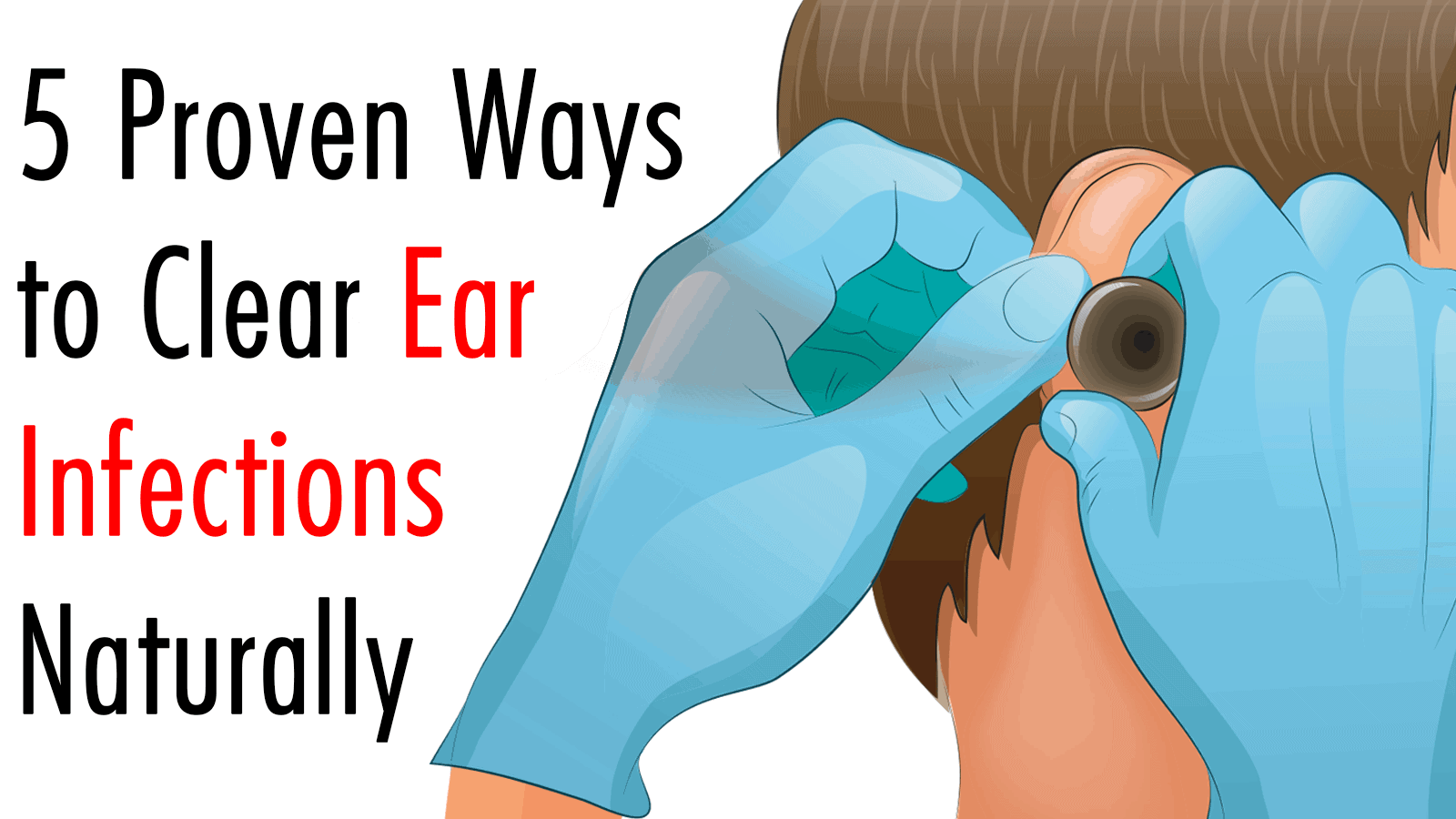
ear infections

1. Baking soda or cornstarch

Baking soda is a true wonder–it masks odor and soaks up moisture, all at the same time. To make a natural an inexpensive deodorant right in your kitchen, mix 1/8 tsp of baking soda with enough water to make a paste and apply directly to your armpits.

Similarly, cornstarch is known for its absorbent properties, and you’ll be left high and dry when you combine six parts to one part baking soda and apply directly to your underarms for a dry antiperspirant sensation.

2. Lemon juice

Make sure you aren’t freshly shaven when trying this alternative, for you won’t be likely to try it again. Lemon juice has potent, anti-bacterial properties, and it is excellent for neutralizing odor while providing a fresh, crisp scent that lasts all day long.

3. Rubbing alcohol

Rubbing alcohol also kills odor-causing bacteria, and you are likely to have this lying around in your medicine cabinet. Add some to a spray bottle and infuse it with your favorite essential oil for odor-eliminating freshness you can spritz on all day long.

4. Essential oils

Not to worry about smelling like baking soda or rubbing alcohol. Indeed, you can add lemongrass, orange, or lavender oil to your blend safely. This addition will mask any odors and keep you smelling beautiful all day long. Mix and match oils to find your perfect stimulating or calming scent, depending on your daily needs.

5. Witch hazel

Witch hazel is not only a popular astringent. It is anti-inflammatory and anti-bacterial. It kills bacteria while whisking moisture away from the skin, making it a perfect antiperspirant substitute. Because it wears off rather quickly, you’ll have to reapply it frequently throughout the day.

6. Store-bought natural deodorants

Many products now exist for those of us who are not kitchen witches, and we would instead choose a store-bought beauty products containing natural ingredients. Some of the most effective of these include:

1. Schmidt’s Natural Deodorant

Made with plant-based powders like baking soda and arrowroot powder, this product will blow your mind in terms of both pleasant scent and wetness control. Coconut oil, shea butter, and calendula oil ensure that you get a smooth, even application, and it will keep you cool and fresh for hours.

2. Agent Nateur

Raw organic honey, lavender, and coconut oil lend themselves to this sexy application of odor control and delicious scent. Additional natural elements of baking soda, beeswax, avocado, and coconut butter go to work hard, giving you antiperspirant and odor protection all day long.

3. Type A

Who knew that a pure cream could do such an effective job of sweeping away odor-causing bacteria and sweat? This natural deodorant gives you the ultimate in comfort and protection? Type A stands up against your most vigorous hot yoga or cardio sweat session, and its waterproof protection ensures that it stays put when you need it most.

4. Ursa Major

Available in both spray and stick form, this wonderful blend of chemical-free ingredients form a crisp and refreshing formula that absorbs excess moisture while smoothing and soothing sensitive skin. Fresh scents like eucalyptus, citrus, and mint round out a perfect sensory experience with every application.

5. Jasmine Tea

Another winner from Schmidts, Jasmine Tea is a sensual blend of vegetable powder, clay, and various essential oils. These ingredients work to absorb excess moisture and provide freshness for the long haul.

You will find the scent to be clean and green. Plus, you can let it pull double duty. It works great as a moisturizer for the skin and a texturizer for the hair. You’ll get the most bang for your buck with this three-in-one product, and you’ll smell great too.

6. Each And Every Natural

Containing no aluminum, parabéns, or even baking soda, you may wonder what this blend is comprised of. Essential oils, coconut and avocado fats, and mineral salts make up this incredibly light and airy blend of ingredients. You will find they glide on fresh and clean, leaving you smelling incredible.

7. Love, Beauty, and Planet

Plant-based emollients, salts, and essential oils form the basis of this 24-hour deodorizing product. This vegan product is never tested on animals. Plus, they pride themselves on promoting environmentally responsible business practices in the production of their products. Love, Beauty, and Planet is a reliable product that works as hard as you do to make your day seamless and scent-free.

deodorant

Final Thoughts on Choosing Natural Deodorant Alternatives

Creating a state of optimal health not only applies to the foods that you put in your body but the products that you apply to your skin and hair as well. In using a natural alternative to antiperspirant, you are safeguarding your health and maintaining your social status all in one. Choose from the list of pre-made deodorant products. Or, make your own, and have fun finding unique combinations of scent and texture that work well for you.

Herbalists Reveal 10 Useful Treatments for Post Nasal Drip

Remember some of the classic commercials on tv for over-the-counter cold and sinus medications? In one, the cartoon lady had a leaky faucet in place of her nose, and she stated, “Drip, Drip, Drip,” wearily with every drop. Although it’s a whimsical advertisement, nothing could illustrate the aggravation of post nasal drip better.

When your nose and sinuses are stopped up, the painful pressure can make you miserable. The sickness is often exacerbated when the excess mucus overflows and constantly drips from your nose and down your throat. You get a sore and inflamed nose from wiping with so many tissues, but your throat becomes raw and painful from the drainage.

What Causes Post Nasal Drip?

What can be more disturbing than that familiar tickling sensation in your throat that makes you cough, and you know that sickness may be brewing. Post nasal drip is a common symptom of colds, viral infections, sinus infections, and allergies. Your nose starts dripping with excess mucus, which creates problems of its own.

Yes, mucus is disgusting, and it drives you crazy when it’s clogging your nose and impeding your breathing. However, it is a vital source of lubrication and protection for your entire respiratory system. Specialized cells in the lining of your sinuses, air passageways, and lungs secrete thin layers of mucus that keep them moist and trap irritants and harmful microbes.

As your respiratory system’s first line of defense, mucus thickens around the trapped irritants like dust, dander, pollen, and bacteria. It can be expelled by blowing your nose or through your digestive system. Tiny hair called cilia act like miniature brooms and keep your lungs free of excess mucus and particles. Infections and allergies can temporarily paralyze your cilia, causing the mucus to back up in your bronchial tubes and sinuses.

Your initial reaction is that tell-tale tickle in your throat, which leads to a nagging cough, sore throat, and a runny nose. Typically, these classic symptoms only last the duration of the illness, and the dripping stops. How do you tolerate the steady post nasal drip while you are recovering?

pop meme

Treatments for a Running Nose

In some cases, primary healthcare providers recommend over-the-counter medications to remedy your symptoms. More severe cases may call for antibiotics or other prescription drugs. If you want some natural relief for your post nasal drip, try these ten home remedies.

1. Try a Neti Pot

The neti pot is an ingenious invention that uses a warm saline solution to clear excess mucus from your sinuses and throat. The word neti comes from the Sanskrit word for nose cleaning and maybe one of the earliest nasal cleansing techniques recorded in ancient Ayurvedic history. Other early cultures around the world developed similar ways to clear their stuffy noses.

You can find these pots inexpensively in most pharmacies and online. Use it, simply fill the pot with warm, sterile saline solution, snuff it up one nostril, and lean your head so it will run out the opposite nostril. The heated saltwater will soothe irritated nasal passages, but it can also reduce swelling and allow excess mucus to drain correctly.

If you want to save a little money, you can easily make a solution at home. Here’s what you need:

  • One teaspoon fine sea salt
  • 1/3 teaspoon baking soda
  • One cup of warm purified water (not hot)

In a small bowl, mix salt, baking soda, and water until dry ingredients are completely dissolved. Pour it into your nasal cleansing pot and use it as directed. If you don’t have one of these, you can substitute by using a sizeable sterile syringe.

2. Avoid Dairy Products

Of course, you may crave a cold glass of milk or a comforting cup of ice-cream when your throat is raw from a runny nose and coughing. However, certain natural chemicals in milk and dairy products can encourage mucus production and make it thicker, which is not what you need when it’s a problem anyway.

If you want something refreshing and soothing for your throat, try chilled fruit juices or popsicles. You may also try non-dairy ice cream if you wish for that creamy taste and sensation. Consider almond or rice milk on your cereal or in your coffee until you have recovered.

3. Avoid Eating Spicy Foods

Are you a fan of all cuisines hot and spicy? The minute you bite into a fiery pepper or taste those piquant spices, your eyes, and nose water, and you feel like a fire-breathing dragon. While you are having a snack of your favorite spicy foods, they boost your mucus production, because your body thinks it’s being attacked by the spicy heat.

Do yourself a favor and avoid eating spicy and hot foods while you have post nasal drip and other symptoms. If you crave a little zesty flavor without the infernal heat, try milder spices and sweet peppers. You can enjoy the flaming foods and spices you love soon.

4. Use a Humidifier

Did you know that cold, dry air can make your body more prone to colds, flu, and other respiratory infections? Constant coughing and steady post nasal drip can irritate your nose and throat, making them feel parched and sore.

When you sleep, consider using a humidifier in your room. The gentle steam will help loosen your clogged airways so you can breathe better. It will also soothe the dryness in your sinuses and throat. For an extra boost, add a few drops of pure menthol or eucalyptus oil.

5. Try Essential Oils

Aromatherapy is an ideal way to remedy your post nasal drip problem. Essential oils like lavender, rosemary, and lemon are naturally antiseptic, antibacterial, and antifungal. Use them with carrier oils to rub externally on your throat and under your nose.

You can also put your oils in a diffuser and still enjoy their benefits. Consider using a small roll-on tube to rub on your skin as needed. Add these aromatic oils to sachets or simmering potpourri to open your sinuses and make your house smell heavenly.

6. Drink Water

How many times have you read that everyone needs to drink at least 6-8 glasses of water today? Yet, you find disturbing studies that say at least 75 percent of Americans are dehydrated. When you are sick and have a runny nose, you are losing fluids in your body, and you need to replenish them with plenty of cool water.

Fill up a container of cold water and keep it close to you during the day. Sip on it when you feel thirsty or have that nagging tickle in your throat that makes you cough. Aim to get at least 48 ounces of water a day, or more according to your weight.

post nasal drip

7. Use Non-medicated Saline Nasal Spray

Maybe you avoid medicated nasal sprays because you’ve studied about the rebound effect, which means they can often make your post-nasal drip and sinus conditions worse, and you can become addicted to the spray. You needn’t worry if you use a non-medicated saline nasal spray. The sterile saline solution can thin built-up mucus and soothe your irritated nose.

8. Get Some Exercise

It stands to reason that your respiratory tract can build up more mucus if your body is resting. As much as you feel like it, try to get some moderate exercise while recovering from colds or other ailments. The gentle movement will energize your body and get your sluggish cilia to work on that excess mucus.

9. Bundle Up in Cold Weather

Here’s another example where your parents’ wisdom comes in handy. Remember how they told you to bundle up when the temperature is chilly outside? Although it’s a common misperception, cold air can’t give you colds or other illnesses, but it can weaken your immune system and make you more prone to them.

Cold, dry air is also the enemy of your sinuses and air passages, causing them to be dry and irritated. It creates the perfect habitat for allergens and germs to wreak havoc on your respiratory system. Remember to keep warm and keep runny noses and other maladies at bay.

10. Drink Herbal Tea

When your nose doesn’t quit dripping, you’re constantly coughing, and your throat feels like you’ve swallowed crushed glass, it’s time for tea. Brew yourself a comforting cup of herbal tea and enjoy the benefits it offers. Try soothing herbs like chamomile, lavender, rosemary, sage, or catnip.

These herbs can naturally fight infections and help to heal the irritations caused by coughing and mucus buildup. A bonus is the warm, comforting steam from the tea that can open your sinuses and breathing passages. Avoid teas with caffeine, as they can make your symptoms worse.

pneumonia symptoms

Never ignore these ten first signs of pneumonia.

Final Thoughts on When to Seek Medical Treatment for Post Nasal Drip

These home remedies are useful when your symptoms are mild to moderate, and you see them fade within 10-14 days. If you are running a fever or notice a yellow infectious discharge in your mucus, you should contact your primary healthcare provider as soon as possible.

For people who have allergies or other respiratory problems, every season is a game for fighting the symptoms of coughing, sore throat, and persistent post nasal drip. These natural remedies may be the thing you need to stop the drip and make you feel better.

8 Outcomes of Parents Using Guilt Instead of Positivity on Their Kids

It’s no secret that communicating with kids can be difficult. Indeed, it can make a parent downright nutty at times. It shouldn’t be a surprise that parents try different methods of getting their kids to do things, but not all of these methods may not be a great choice.

Using guilt is one of those “not so great” choices. Many counselors explain what happens when parents use guilt trips on their children, and usually, the explanation is not one to be proud of. Sure, this tactic may work in the short term, and the outcome may even benefit the child in the short run. However, guilt-tripping kids is something that can have lasting negative consequences that you can’t see right away.

In this article, counselors explain what happens when parents use guilt trips on their children. Keep reading to find out more.

What is Guilt Tripping?

Using guilt, aka guilt-tripping is the process of making someone feel guilty about something, usually in an attempt to manipulate them in some way. The definition of guilt-tripping sounds malicious, and in many ways, it is. It’s essentially a bully. That’s why it’s not good to use this negative thinking on your kids.

It’s essential to recognize that helping your child to understand guilt is not the same as making them feel to blame for an event. Teaching your child about guilty feelings, right from wrong, and other moral life lessons will lead to a healthy, compassionate adult with excellent morals and values.

A lesson about guilt crosses over into guilt trip territory when the guilt tripper is attempting to gain something from another person. It’s not always money or other tangible items. It could be something simple like a nap so the parent can take a break from child duties for a while. However, as counselors explain what happens when parents use guilt trips on their children, it becomes evident that it’s still manipulation, which is bad for young minds.

guilt

Why Parents Would Use Guilt Trips on Their Kids

There can be many reasons why a parent would guilt-trip their kids. On the surface, it’s because they want their kid to do something or behave a certain way, but counselors believe that it goes deeper than that.

Shaming and blaming people, from the guilt tripper’s perspective, is less about the guilt and more about the manipulation. Psychologists agree that many people who often use manipulation has had a rocky past. The manipulation is almost like a survival method, and the manipulator may not even be fully aware of their participation in it.

Manipulators often have a past filled with instances of competition for love, affection, or acceptance. They may have had a history filled with a struggle to be accepted into specific groups or lifestyles, and manipulation was the way they accomplished this.

When the abused kids grow up and become parents, the manipulation can continue in the form of shaming their kids. It may be the only way they’re capable of showing any type of parenting skills. Unfortunately, people with this type of past doesn’t get the help they need because their problems can transfer over to their children. This impact becomes evident as counselors explain what happens when parents use guilt trips on their children.

Counselors Explain What Happens When Parents Use Guilt Trips on Their Children

Guilt-tripping is essentially a way to cause psychological damage to a kid. Even if the parent isn’t intending to be malicious and merely using it as a way to get their kids to do the right thing, it can have serious consequences later in life.

Here are eight problems that shifting these guilty feelings will cause in kids.

1. Loss of Self-Confidence

When kids are constantly feeling guilty about something, they can experience a loss of self-confidence. They may feel like they can’t do anything right. While they grow up, they’ll often question their choices, and they may not be successful in life simply because they have low self-esteem.

2. Inability to Maintain Healthy Relationships

When children are victims of constant guilt trips, it can affect how they interact with others. We’ve already established that their self-confidence takes a hit, so it’s no surprise that they may be shy and withdrawn from people. They’ll be so afraid of being judged that they can’t interact with people regularly.

helicopter parent

Here are twelve signs that you might be a helicopter parent.

3. They’ll Resent Their Parents

No one likes to be manipulated. Children, especially teenagers, may begin to resent their parents. This disconnect can cause them to “act out” or misbehave. They may become disrespectful to their parents and possibly even other siblings in the home. The relationship between the parents and their children will degrade, rendering the guilt-tripping pointless since the child won’t listen to the parent anymore.

4. They’ll Have Rocky Romantic Relationships in Adulthood

While they struggle with relationships during childhood, that struggle will continue into adulthood. They may have the inability to trust or show love. This outcome is a recipe for disaster in romantic relationships.

5. They’ll Struggle in School

For the same reasons they’ll struggle with social relationships, they’ll struggle with maintaining their grades in school. It could be from a lack of interest, or it could be that they can’t concentrate. They may not wholly fail but might be an average student who doesn’t have the confidence to try to reach their full potential.

6. They May Give Into Peer Pressure Easily

Being subjected to constant shaming tactics from parents sets kids up to be a target of guilt-tripping from peers. They won’t have the understanding or skills to stand up to peer pressure. To please their friends and keep from feeling even guiltier, they may just give in so they’ll fit in and make everyone happy.

7. They May Feel Obligated to Stay with People Who Mistreat Them

Guilt-tripping children is, in essence, teaching them to cater to someone who makes them feel bad. They’ll begin to feel like it’s their fault that the other person feels bad and that they’re responsible for fixing the situation. This can lead to your child being the victim of a bully in their school years, and in an abusive relationship during their adult years.

8. They May Exhibit Bizarre Behavior During Childhood

Children don’t know how to handle emotions as adults do. If a parent causes shame or embarrassment in their child repeatedly, the child may begin to deal with all those unhealthy feelings of guilt through bizarre or dangerous actions. If the abuse continues and the child doesn’t get help, it can cause all kinds of mental and emotional issues as the child grows up.

Two Excellent Alternatives to Guilt for Parenting Your Kids

After reading how counselors explain what happens when parents use guilt trips on their children, it’s only natural to wonder about alternative ways to get kids to do the right thing. A lot of parents who guilt-trip their kids aren’t doing it to be harmful. Indeed, they may not even realize that what they’re doing is dangerous.

In many cases, parents are just trying to communicate with their kids in the best way they know-how. However, there are alternative ways to communicate with your kids. Two of those ways are teaching them why a particular action or behavior is right, and another is through the use of incentives.

1 – Teach Them

Teaching children the correct way to behave and the right things to do is the best way to communicate with them. It builds trust between the parents and kids, and they learn how to navigate life healthily. More importantly, they’ll feel good about themselves as they learn and achieve lessons.

2 – Incentives

Some kids may need a little “push” in the right direction. A positive way to do this is through the use of incentives. The good thing about this is that the incentives don’t have to be elaborate. Kids get excited about something as simple as recognition. However, a small reward such as allowance money for chores, or an ice cream shop day for good grades goes a long way. Incentives are a lot better than guilt trips.

narcissists

Psychology reveals the behaviors that cause children to grow up to become narcissists.

Final Thoughts on Parents Guilt Tripping Their Kids

Even though counselors explain what happens when parents use guilt trips on their children, it still happens quite often. It’s important to realize that most parents don’t guilt-trip their kids to cause harm. Many counselors agree that it’s a learned parenting behavior once considered okay because it produces results.

Despite this, parents must recognize and change the bully behavior early. The psychological trauma it can leave on a kid may not always be evident until they grow up. If you’re a parent who recognizes that you may have been guilt-tripping your child, don’t be afraid to make a change and use the two suggested alternatives.

After practicing them for a while, they’ll become a habit. This will allow you to have a positive flow of communication with your child, leading to a happier and healthier life for both of you.

Skip to content