Weekly tips, affirmations, and small actions to feel your best.

10 Reasons Why You Should Count Your Blessings to Boost Positivity

An ancient tradition suggests that everyone should count at least one hundred blessings a day. It’s good advice since there are so many benefits.

Have you ever known a person who radiated positivity? They attract people from all around to them with their cheerful nature and friendly disposition. You, too, can be like that person whom you so admire. What does it take? You should cut the negativity out of your life and usher in more positive thinking.

To achieve this, you can start by taking inventory of all the reasons why you should be more grateful every day.

Let’s explore ten reasons why you should count your blessings every day.

1 – Positive people have a happier view of life

When you count your blessings, you have a happier view of your life. You’re more grateful for what you have and for those around you. Researchers suggest that being thankful changes your brain for the better. It boosts your happiness and makes you a more positive person.

regain your happiness

Learn tips on how to overcome pessimism and become a happier person.

Here are a few easy tips to boost your feelings of gratitude:

Keep a gratitude journal.

Write everything you’re grateful for every day. Look back on your lists whenever you’re feeling down or struggling to be thankful.

Practice gratitude

Make your goal to be grateful at work or at school or at home. Make an effort to smile and say thank you to the people around you. You will be surprised at the positive impact it has on them and you.

Send a gratitude message-Send someone in your family or friends an email, text, or letter telling them how much you appreciate them. Thank them for some way they’ve made an impact on your life.

2 – You will feel less stress

Counting your blessings makes you feel less stressed. It’s not that you don’t have problems in life, but you’re able to bounce back from difficulties because your point of view is upbeat and positive. You can rebound quickly when times are tough. Stress has many adverse side effects on your mind and body. Here are just a few.

  • Stress blurs your view of life because you see everything through the lens of your stress. Small things seem much more significant than usual. Stress overshadows everything in your life.
  • Stress ruins your relationships. You do not want to be around people, and when you are, you’re distracted or cynical.
  • Stress causes you to gain weight because you’re eating to alleviate the burden you feel.
  • Stress makes you look older. Stress causes worry, which shows in your face. You feel exhausted and lack the motivation to take care of yourself.
  • Stress weakens your immune system, so you’re more prone to illnesses.

3 – Positivity might mean you will live longer

Upbeat, positive people worry less, feel less stress, and generally feel more optimistic about life.  One study found that individuals who are confident live longer than most people, up to 85 or older. They age in a healthy way because they tend to take better care of themselves with exercise and good eating. They feel positive about their future, so they live life to the fullest.

4 – Improved friendships result from a more positive outlook

Nobody likes to spend their time with a pessimist who pulls everyone down with their negative views. Negative people expect the worst, and nothing is ever right about their life. Counting your blessings makes you a happier person. People enjoy being around you because you’re not down on life. You can laugh and enjoy being around your friends because you feel hopeful about your experience and want to enjoy your friendships.

blessings

5 – Sleep better when you count your blessings

Being grateful is a side effect of counting our blessings. Grateful people worry less, and consequently, they sleep better for a more extended amount of time. Researchers suggest that you should write down several things you feel grateful for in life every night. They say the things you wrote down fills your mind with positive thoughts, making you feel less burdened and able to fall asleep and get a good night’s sleep.

It may take you a couple of attempts, but it’s worth a try. Plus, it’s always good to shut off your cell phone, computer, or television an hour before you retire, so your mind and body can relax. It’s also helpful to get away from the blue screen because they affect your brain function so you can’t fall asleep.

6 – Positive thoughts arise from positivity

Counting your blessings influences your thinking, so your thoughts dwell on what you’re thankful for instead of what’s wrong right. Even if you have difficult situations going on in your life, positivity helps you feel like you can get through them. It boosts your confidence so you feel like you can cope even in the toughest of situations.  Dwelling on bad things that can happen only brings you down and makes you feel depressed.

7 – When you count your blessings, you feel more peaceful

Peace of mind and feeling happy are two incredible side effects of counting your blessings. Feeling peaceful gives you a positive view of life. Indeed, you will see in time how the cup will be half full instead of half empty. A quiet mind makes you feel peaceful and calm. You’ll be able to problem-solve finding creative ways to get things done because your brain won’t be encumbered with your burdens and fears. Peace is a precious treasure to have in good times and bad times. No one’s life is perfect,  but there is always something good to be found.

8 – Positive people feel more hope for the future

The simple act of counting your blessings increases your hopefulness. Hopeful people are thankful and content. They feel a sense of purpose, and they are willing to help others. Their peace and positivity are demonstrated in their life. You’ve probably read about an elderly person who keeps working well into their later years. They’re often very hopeful people who see the good in others and life. Hope is contagious. When you are around someone who is optimistic for the future, it inspires you to be hopeful, too.

9 – Enjoy a healthier lifestyle

When you count your blessings, the act makes you feel grateful and optimistic. One study suggests that optimists are less apt to develop coronary heart disease than pessimists. They are also less prone to have high blood pressure. Besides, a grateful attitude helps you want to be more physically active and healthy. Gratitude improves your attitude. Doctors say that optimism gives you more flexibility and the ability to adapt to changing situations because you can think through issues.

10 – You’ll boost your ability to cope

Being aware of your blessings doesn’t mean you ignore the hard things in your life, but you see problems as opportunities to overcome. You see yourself as able to get through. You have an emotional toughness. Studies found that optimists are more successful at facing bad situations than pessimists, even if it means their life goals get interrupted.

 How can you count your blessings?

It’s often helpful to write down your blessings. Seeing the list is a tangible reminder of all the things you have to be thankful for. Here’s a list of ten simple blessings to get you started.

  1. Food
  2. Clothing
  3. A place to live
  4. Your neighborhood
  5. Your car
  6. Your yard
  7. Your town
  8. Your family
  9. Your friends
  10. Your work

What gets in the way of you counting your blessings?

It’s surprising that not everyone counts their blessings. But it happens. Even though you know, it can make you feel healthier and happier. Sometimes you just don’t feel like it. So what can you do?

  • Watch a sad movie- That’s right. For some reason, a tragic film tends to make you feel happier than a happy movie. So, give it a try.
  • Think about your worst times-Looking back at the most challenging times in your life can help you gain perspective of the present.
  • Think about death-It’s, not a happy thought, but death is inevitable. Think about how you want to live now so you won’t have regrets later.

blessingsFinal Thoughts on How You Will Benefit from Counting Your Blessings

Counting your blessings isn’t hard, but it can change your life. When you keep track of all the good things in life, you’ll be more optimistic. Optimism makes you feel more positive about your experience and hopeful for your future. Being confident and grateful goes hand in hand. They make you healthier, enable you to become happier and boost your positivity. These attitudes can even change your brain. That’s powerful. So why not begin counting your blessings today? Who knows, you may also make it all the way to one hundred blessings.


5 Reasons Therapy Doesn’t Work (That Have Nothing To Do With You)

Getting therapy or counseling for problems seems to be a trend nowadays. It’s nothing for people to casually drop a line about “going to see their therapist” in social conversations. Therapists are like cell phones – everyone has one.

Counseling can be good up to a certain point. However, the psychological issues that many people face these days may be beyond the scope of a therapist’s help.

If you’ve been seeing a therapist and you still seem to have problems, you’re not alone. Here are five reasons why counseling doesn’t may work for you. Don’t worry. These five reasons are probably not your fault.

1. The therapist might not be qualified to help you.

A lot of people might not realize that their therapist isn’t qualified in the right areas to help them. Just because your therapist went to college and got a degree doesn’t mean they suddenly know it all. After all, a degree is just a piece of paper.

The therapist might have made bad grades in college. They may have just done the bare minimum to pass. You don’t know if your therapist cheated their way through college or not.

Hopefully, this isn’t the case, but unfortunately, it happens. Some people just want a paycheck. Don’t let this make you paranoid. Just keep in mind that sometimes people aren’t always what they seem.

The good news is that in most cases, the therapist isn’t malicious. It’s possible that they just genuinely aren’t good at their job. It happens.

Another consideration is what they’re certified in. Perhaps they don’t specialize in the area that you need help in.

There are four types of therapists:

therapy

  • Psychiatrists – actual medical doctors (MD) who can prescribe medicine.
  • Psychologists – like psychiatrists, but they can’t prescribe medicine. They usually have a doctorate degree.
  • Licensed Professional Counselor – not doctors. They are just counselors. They have, at minimum, a master’s degree and state certification.
  • Licensed Clinical Social Worker – again, not a doctor. They usually have a master’s degree in social work.

As you can see, if you’re counseling needs are more medical, you need to make sure that you’re seeing a psychiatrist or a psychologist.

It’s important to shop around for a therapist just like you would shop around for any major purchase you’d make. Look at reviews, see if they’re a part of the Better Business Bureau (BBB), and check out any professional associations they’re a part of. Unfortunately, you probably won’t be able to talk with their clients since counseling is confidential, so you’ll have to rely on online reviews.

Sometimes your insurance may only cover one therapist. If that’s the case, you might feel like you don’t have a choice in the matter. However, if the therapist isn’t helping you, it’s a waste of everyone’s time and money.

2. You and your therapist just don’t mesh well.

Some people just don’t get along. Maybe you can’t pinpoint what it is about the therapist that rubs you the wrong way exactly, but you can feel that something is not quite right. It could be just a bad vibe that you’re getting from the therapist.

It’s not that anything “bad” has happened between you and the therapist (hopefully). Maybe the therapist is just not the type of person you’d ever see yourself interacting with.

You probably feel like the responsible thing to do is to ignore this feeling. We’re all different, and we should accept each other’s differences. While that sounds like the fair thing to do, it’s not necessarily the right thing to do.

By forcing yourself to work with a therapist that you don’t necessarily mesh well with, you’re putting yourself in an uncomfortable situation. You need a therapist you can trust and open up to. If you don’t like your therapist, there is always going to be a part of you that you hold back, which hurts your chances of successful therapy.

It might not all be on you. Maybe you feel like your therapist doesn’t like you. Even if this isn’t true, if you feel that way, then your therapy will be negatively affected by this feeling. Perhaps the therapist can help you work through those feelings, but you’ll probably be better off just seeing a therapist that you mesh well with.

3. You don’t have enough time.

Everyone has different therapeutic needs. Just as the counseling is often tailored to the individual, the time should also be. Unfortunately, that’s not the way it works.

Most therapy sessions are a half-hour to an hour and a half. Once you’ve reached that time limit, the therapist will abruptly stop your session. Most of the time, this is because they have a line of clients behind you. It could be that your insurance only covers a certain amount of time and, since therapists get paid by the hour, they’re not inclined to give you any freebie minutes.

If you’ve ever been knee-deep in talking to a therapist and they suddenly cut you off and say your times up, you know how disorienting that feeling can be. Here you are pouring your heart out, finally, and the therapist suddenly decides they don’t want to listen anymore. That’s not exactly what happens, but that’s what it feels like.

Now you must hold it all in until next week. By then, your feelings and your life might change, and the point you were making this week might not be relevant anymore by next week.

Time could be a big reason why counseling isn’t working for you. You simply don’t have enough time. Sessions shouldn’t be a one-size-fits-all time frame, but they are, unfortunately.

anxiety

4. It’s too expensive.

If you’re lucky enough to have insurance that covers counseling, this may not affect you very much. However, if you don’t have insurance, that means that you’re paying for counseling out of pocket.

Let’s face it – counseling is ridiculously expensive. The average person can only afford to pay out of pocket for a few sessions. Two sessions could easily be your entire paycheck for the week.

Even if you’re rich and you can afford all the sessions you need, the cost of counseling can be surprising. Paying all this money to talk to someone could make you feel worse. This dilemma is especially true if you’re struggling to make ends meet.

Trying to pay expensive counseling bills can cause mental disturbances on top of what you already have going on. You’ll begin to worry about how you’ll keep up with payments. You might start thinking about what you could be doing with that money you’re spending just to talk to a stranger.

Eventually, worrying about the cost of counseling will probably get too overwhelming. You may end up quitting, which essentially kills the progress that you’ve made up to that point.

Don’t feel bad. Lots of people can’t afford to pay for counseling out of pocket. It’s just too expensive.

5. You need more than counseling.

This one does have to do with you a little bit, but not in a sense that you’ve done anything wrong. As stated before, therapy is not a one-size-fits-all type of treatment. For some people, a few sessions on a couch with a therapist will set them straight. For others, simply talking out their problems doesn’t even begin to scratch the surface.

There is a possibility that you need something besides counseling or something in addition to counseling. The solution could be a multi-step approach. Often this means therapy plus medication.

Medication isn’t the only thing that could be added to counseling to make it work. You might need to make lifestyle changes. This turnaround can come in the form of changing your diet, getting rid of toxic people in your life, making a career change, and more.

If talking about your issues isn’t working, your therapist should be able to spot this and make the appropriate changes. You should also speak up if you feel like it’s not working. You and your therapist should work together to find the right combination to help you.

therapyFinal Thoughts on Why Therapy Might Not Work

Getting help through counseling for psychological problems has been proven to be extremely effective, but for some people, it just doesn’t work. It’s nothing that you’re doing wrong. It could just be that counseling is not what you need.

Don’t ever be afraid to change your treatment options if they aren’t working. Of course, you should talk to your therapist before you just up and quit. Your therapist may be able to suggest other therapists or work with you to find other ways to handle your problems.

If therapy doesn’t work for you, you aren’t alone. Lots of people need alternative or additional help. The most important thing is getting the help you need in whatever way works best for you.

Science Reveals 12 Foods That Might Actually Worsen Anxiety Symptoms

You’re driving down the road, and you see the flashing lights of a cruiser behind you. It’s inevitable; you are about to get a ticket. Even though you know you’re not a criminal, and this is a routine traffic stop, you have a lump in your throat and feel like you could puke from the nausea. You’re experiencing anxiety.

For you, the situation is caused by a temporary upset in your nervous system, but the angst you feel isn’t circumstantial and doesn’t go away for many people. Did you know that anxiety is one of the most common mental illnesses around, yet it’s one that so many people try to handle without the help of a specialist?

What You Eat Could Make Your Anxiety Worse

It’s estimated that one in five adults suffers from an anxiety disorder, yet half of those people won’t get help. They will try to self-medicate, and some of their methods can cause more harm than good. Thankfully, anxiety is a very treatable condition that can be managed, and one of the best ways to manage the angst you feel is through the foods you eat.

Yes, what you eat could be eating at you. Did you know that many foods can affect your nervous system and cause your anxiety to go into overdrive? If you are tired of feeling the nail-biting sensations coming from the sting of this mental illness, you should avoid these twelve foods.

1. White bread

worsen anxiety

You’ve probably heard the diet craze about eliminating carbohydrate-laden foods like white bread is essential for weight loss. The reason behind this is because these processed foods all contain refined sugars. While they affect your waistline, they can also change your mood.

Did you know that rapid fluctuations in your sugar can cause anxiety? Have you ever heard that cocaine and sugar do similar things in the body? Well, sugar is known to stimulate the same pleasure centers as the famous street drug.

Sugar will activate these pleasure centers and make you feel fantastic. However, soon after the euphoric feeling comes the crash. Switch out white bread for whole wheat and choose brown rice over white. White foods are processed and bleached and not good for you.

2. Chocolate

Very few people don’t like chocolate. Why is it that when you are stressed, you crave this sweet treat? Chocolate contains both sugar and caffeine.

They slightly increase your sugar levels, then when they come back down, you can feel an increase in your anxiety. Try dark chocolate, which has less sugar, instead.

3. Ketchup

Tomatoes are good for you, but why is ketchup one of the foods with such a high amount of hidden sugar? Experts say that ketchup is the poster child for misconception.

Did you know that it has as much sugar as a half-cup of vanilla ice cream? All these extra carbs play with your sugar levels and can worsen anxiety.

4. Sugary Treats

If you enjoy sugary treats, do so in moderation.

You might think that these treats give you a mood booster, but the research says otherwise. Indeed, Science Direct reports that carbohydrates, including sugar, have zero positive impact on your moods.

What is does do is reward your brain and release feel-good hormones that give you a sensation of pleasure. However, that reward is short-lived. When you crash from your sugar-high, it can trigger feelings of guilt or anxiety.

5. Fruit Juice

Since fruit is good for you, so is juice, right? Not hardly. Most fruit juices are only ten percent fruit and 90 percent sugar and additives. Unless you’re doing freshly squeezed juice, you should avoid it.

When you consume juice, it’s all sugar and no fiber, it makes your blood sugar levels unstable. Blood sugar spikes can cause jitters or worsen anxiety.

6. Fried Foods

There’s nothing better than onion rings, French fries, or a cream-filled doughnut. However, there is a significant link between eating fried foods and having heart disease.

Those who consume fried foods are more apt to be obese, have type 2 diabetes, strokes, hypertension, or heart failure. Isn’t that enough to cause you anxiety?

anxiety

7. Light Salad Dressings

If you ever see the words “lite” or “reduced fat” on products in your supermarket, you need to read the labels. Most of these items have hidden sugars in them. Did you know that one famous tomato basil sauce found in your supermarket has nine teaspoons of sugar per serving?

All that sugar can worsen anxiety and cause weight gain. While you think you’re cutting corners, it seems like you’ve been the victim of a marketing ploy. You need to look at the nutrients in any salad dressing or other bottled condiments you buy.

8. Artificial Sweeteners

If a product is labeled diet, then most people think that it’s alright. While these items may not pack on the pounds, the artificial sweeteners can be harmful to you. Did you know that you can have the same crashing experience with the synthetic stuff as you can with the real thing?

Aspartame is one of the most used artificial sweeteners, and it will stunt the serotonin production. Serotonin is a neurotransmitter that is essential in the management of your anxiety and moods. If you’re drinking diet sodas every day, you could be doing horrible things for your mood.

9. Coffee

Coffee is a beloved drink because it has a generous amount of caffeine in it. It can help you to wake up and get going. However, a large amount of caffeine can also cause you to crash.

Caffeine speeds up the heart and can cause flutters or palpitations if taken in large doses. If there is anything that can kick your anxiety into overdrive, it’s caffeine products.

10. Energy Drinks

If coffee weren’t bad enough, energy drinks could have two or three times the amount of caffeine. Did you know that these drinks are so dangerous they can cause heart attacks in some people?

The American Heart Association posted a warning in 2019 based on a study of these popular drinks. They found that drinking these can cause problems with the heart. One man drank so many of these drinks to function each day, and he was left with a hole in his skull.

Experts estimate that by 2021 this booming industry will make more than $61 billion. People are tired and looking for things that can keep them going. Sadly, these drinks can worsen anxiety. Additionally, there are on average 34 related energy drink deaths each year.

11. Soda

Another favorite drink among Americans is soda. First, they are loaded with sugar. Second, they have high levels of caffeine. While they may not have as much caffeine as a cup of Joe, they are certainly one of the top drinks to avoid. It’s almost as if sugar hijacks your brain and works like a drug to elevate our mood then worsen it.

Plus, soda can cause excessive body fat and inflammation, which can do other problems inside your system. Did you know that more than half of the added sugar in the typical person’s diet comes from soda and other drinks? You should eat your calories, not drink them, and don’t think diet soda is a quick fix. Stay away from these caffeine-laden drinks if you don’t want to worsen anxiety.

12. Alcohol

Many people might be surprised to find alcohol on this list to worsen anxiety as it’s often used to self-medicate the blues. Sure, alcohol is a mood suppressant that can affect your feelings, but it also affects hydration and sleep.

When you consume alcohol regularly, it affects the levels of serotonin and the neurotransmitters in the brain. These neurotransmitters affect your mood and things like depression and anxiety.

Alcohol is known to suppress the nervous system, which is why so many people drink. However, while you may feel relaxed, the effects can backfire, and your sleep may be interrupted.

When you don’t get proper sleep, it causes anxiety and all sorts of other things. It’s estimated that the high-low cycling of blood sugar can lead to mental health disturbances.

Alcohol is okay in moderation, maybe 1-2 drinks per week. However, anything more than that can cause unhealthy patterns and can even lead to abuse.

worsen anxietyFinal Thoughts on Taking the Foods That Worsen Anxiety off Your Menu

Some say that having an anxiety disorder is like being on quicksand; the harder you struggle to escape, the deeper you sink into the pit. Thankfully, there are ways that you can control your anxiety and not let it win. After all, it’s the easiest to control of all mental health disorders.

First, if you have an anxiety disorder, you should never try to self-medicate. There are natural things that you can do that can help to ease the symptoms. Even something as simple as meditation or yoga can bring relief. If you have ongoing issues with this mental health disorder, you need to watch what you eat. Your body needs nutrients to survive and not all these artificial substitutes.

Did you know that many conditions you face can be cured or helped by merely changing your diet? Mother Nature is a powerful ally in helping you to handle your body’s ailments. What things can you cut from your diet to help lessen rather than worsen anxiety?

Public Health Officials Warn of Toxic Hand Sanitizer Ingredients

Public health officials issued warnings about toxic hand sanitizer products that are flooding the market as product demand increases.

According to the U.S. Food and Drug Administration, an ever-growing list of defective hand sanitizing products are flooding the United States. They issued recalls and warn that unscrupulous vendors are mislabeling ethanol for the toxic chemical methanol.

According to a statement on the FDA’s website,

“Consumers who have products on the list of hand sanitizers with potential methanol or 1-propanol contamination should immediately stop using the product and dispose of it, ideally in a hazardous waste container. Do not pour these products down the drain or flush them.”

The FDA warns that methanol is not fit for use in cleansing products due to its toxicity. If you have any of the hand sanitizers on the list that we linked to above, return it to your retailer or dispose of it as recommended.

Our Love Affair with Hand Sanitizers

How many times as a child, did you hear your parents scold you and your siblings for not washing your hands? You were always told to wash up before dinner. Additionally, they probably reminded you to use plenty of soap and to clean under your fingernails.

Does that scenario sound familiar? Since you have your own family of active kids, you echo your parents’ warning about handwashing and personal hygiene. Now, you also have the option to use isopropyl alcohol-based hand sanitizers until you can get to soap and water.

Hand sanitation continues to evolve as people realize just how important it is. In the flu season, experts promote washing your hands as your first defense. It all started with early discoveries of what water could do for you.

Water, Water, All-Around

toxic hand sanitizer

For our earliest ancestors, water had mystical qualities that they couldn’t explain, so they included it into their sacred pantheon. This vital liquid meant life to them and all other living things on earth. However, water also had the power to kill and destroy.

It was in calm pools of water that humans first gazed upon their reflections. They noticed that water was an impressive force that could be carved into solid rock and travel in mighty waves crashing against the ocean shores. In their primitive minds, water was a living being that could share its high power if treated with reverence.

After observing water’s ability to refresh, reflect, and cleanse, it soon became part of sacred ceremonies and traditions. Through their experiences of wading in bodies of water across the ancient world, humans discovered that water could wash away dirt and grime and rejuvenate their bodies.

Ritual washing became commonplace. In addition to baptism, handwashing became a sacred ritual that bound the believers with the divine. Many ancient cultures believed that the water would supernaturally cleanse them and give them water’s elemental properties.

Some of the earliest cultures, like Ancient Egypt promoted washing the body and hands. Although these societies didn’t understand the cause and effects of microbes, their social norms may have kept many people from getting sick or dying. Hand sanitation remained a sacred duty for decades.

Modern Hand Hygiene

Fast-forward a few centuries to discovering microbes and the possibility that some may be the cause of sickness and disease. In the 1600s, some medical professionals encouraged their patients to keep their hands and body washed for optimal health. Unfortunately, many others challenged these efforts with their false belief that daily washing could make people feel weak and sick.

The Link Between Hand Hygiene and Disease

It wasn’t until the early 19th century that an English surgeon named Joseph Lister became alarmed when he noticed the high mortality rate among surgery and amputation patients. When he observed the medical staff’s habit using surgical tools for one patient after another without washing them, Lister correctly concluded that these unsterile instruments could be the cause of the high death toll.

Taking information from Leeuwenhoek and Pasteur’s studies on microbes, Lister promoted handwashing and instrument sterilization. From then into the early 20th century, medical scientists improved Lister’s work with antiseptics and hand hygiene, which dramatically reduced the complications of surgery.

Not only in a hospital setting, but scientists have studied the health benefits of proper hand hygiene at home and work. You would be amazed at the germs and viruses your hands encounter every day. So, having a strict regimen for washing your hands is essential for your well-being.

hands

Here are eight things that your hands reveal about your health.

How Often Should You Wash Your Hands?

You would think that knowing when to wash your hands would be common sense. For a disturbing reality check, notice the next time you are in a public restroom, how many people walk right out the door without scrubbing their hands. These are times you must wash your hands:

•Before and after going to the bathroom

•Before getting into the refrigerator or pantry and before preparing food

•After touching eggs or any raw meat

•After sneezing, coughing or blowing your nose

•Before and after tending to a sick person

•Any time your hands are visibly soiled or grimy

•Any time you touch money

•Touching or caring for your pets

If you are a healthcare professional, you must wash your hands more often than other people do. While it’s always good to have clean hands, be sure to use natural moisturizers, so your hands don’t crack and peel. If soap and water aren’t handy, use hand sanitizer made with isopropyl alcohol as a temporary fix.

Handwashing Tutorial

You’ve been washing your hands since childhood, so the habit seems quite self-explanatory. Did you realize that most people aren’t washing their hands properly? To kill germs and clean your hands well, follow these simple steps:

•Turn on the warm water, and run both hands under it to get them wet. Then, turn off the water. Avoid using water that’s too hot because it can dry and damage your skin.

•Pump enough hand soap in your hand to roughly equal the size of a U.S. quarter. Rub your hands briskly to create a rich lather. Work the lather on both sides of each hand, between your fingers, around your wrists, and under your fingernails.

•Health experts recommend that you scrub with soap for at least 20 seconds. You can count 1-1000, 2-1000, and so on, or you can hum the “Happy Birthday” song a couple of times. The second option is a fun way to teach your kids about washing their hands.

•Now, turn on the taps to rinse your hands with plenty of cool water. Dry them thoroughly with towels or a hand drier. Follow-up with a moisturizer to keep your hands and nails nourished.

No Soap and Water? No Problem – But Make Sure to Use Non Toxic Hand Sanitizers!

What could be more frustrating than to need to wash your hands, and there is no soap and water available? Most people don’t have running water in their vehicles, so having clean hands while traveling can be problematic. You sure don’t want to eat fast food on the go without scrubbing up first.

Other situations can put you in the same predicament. Although the origins of liquid hand sanitizer are debatable, the only solid source points to the late 1980s – early 1990s. Since biochemists have known for years that isopropyl alcohol could kill germs and sanitize, it wasn’t long until someone realized that it could be suspended in a gel for instant hand sanitizing.

Beware Toxic Hand Sanitizers

Perhaps hand sanitizer is a regular item on your weekly shopping list. You’ll find countless brands anywhere from petite travel size to hefty gallon jugs. Some have added ingredients such as Vitamin E, lanolin, and other moisturizers to protect your hands.

Since alcohol’s scent can be disagreeable to many people, some manufacturers add artificial perfumes or scented oils to mask the smell.

Do you look at the ingredients on your usual brand, or do you just pitch in the cart because they’re all the same? Could you be using toxic hand sanitizers? Don’t let the clever packaging and alluring scents fool you.

Read the Label

Since the demand for antibacterial and sanitizing products have surged in recent months, some companies have taken shortcuts in their ingredients and have created toxic hand sanitizers. The FDA has banned these tainted products and is warning American consumers.

Are you and your children using toxic hand sanitizers? For your sanitizer to effectively kill germs, you must use isopropyl alcohol-based products of at least 75 percent.

While some overseas manufacturers fudged on the percentage of alcohol they used, some replaced it with methanol, or another dangerous ingredient called 1-Propynol.

What Is 1-Propynol?

This chemical compound can occur naturally and is often used as a powerful industrial solvent. Although common rubbing alcohol is derived from 1-propynol, the two are not the same. 1-Propynol alone is strong enough to be used as engine fuel and can be highly toxic to humans and animals.

This chemical is toxic topically and when accidentally ingested, which is a common mistake of young children. If you get some of this tainted sanitizer on your food or in your mouth, it can cause systemic damage and even death. The FDA and other government agencies are working hard to keep these toxic hand sanitizers out of the country.

Signs & Symptoms of Toxic Hand Sanitizers

How do you know if you’re using toxic hand sanitizers? Even if your label checks out fine, you still need to know if you are dealing with a dangerous imposter. Here are signs and symptoms of possible 1-propynol toxicity:

•Feeling like you are in a drunken stupor

•Nausea, vomiting, diarrhea

•Gastrointestinal bleeding

•Systemic Failure, Coma, Death

toxic hand sanitizerFinal Thoughts on Keeping Your Family Safe from Toxic Hand Sanitizer

While you are keeping your family safe with proper handwashing and other precautions, be wise when you sanitize. Know the ingredients of your sanitation products, so you don’t risk using toxic hand sanitizers. Remember that hand sanitizer wasn’t meant to replace washing with soap and water.

10 Foods That Help Women Melt Fat

Are you on a quest to discover the foods that help women melt fat–and the sooner, the better? Do you get depressed every time you look in the mirror? Do you want to have a body that makes you proud and can walk around an amusement park or zoo without needing resuscitation? If you’ve ever felt this way, then you should know that you’re not alone with your weight struggles.

Many women suffer from a poor body image because they have troubled fat areas. Even if you are at the gym five days a week, you may not burn fat as you want. It takes a combination of nutritious meals and exercises to sculpt your body. When you look at your spare tire, your love handles, and those dreadful saddlebags, you may feel like you’ve lost the battle.

However, it’s entirely possible that you’ve got good intentions but need a little boost. While changing up your exercise routine isn’t a bad idea, enhancing your diet could work wonders. Did you know that some foods can make it extremely difficult for you to lose weight?

Stop Watching Inches and Pounds

Are you hung up regarding the number on the scale? Are you trying to figure out how other women melt fat and look slim? Achieving good health is different for each person. While your weight and BMI might be out of whack, they can be changed.

You must strive to be healthy rather than fitting into a size two dress. The first part of the journey to lose weight and burn fat is having a proper mindset. Even in moderation, things like potato chips, French fries, candy bars, white bread, and some yogurts can counteract what you’ve done at the gym.

women melt fat

Try Eating These 10 Foods That Help Women Melt Fat

Thankfully, you have the power to make some small changes that can have a significant impact. If you’re ready to burn fat, here are some foods that can help you. Challenge yourself to eat these nine things and watch the fat melt away.

1. Salmon

Salmon is one of the healthiest things that you can eat. This freshwater fish has some fantastic health benefits in addition to burning fat. For starters, it’s rich in Omega-3’s and fatty acids, which is essential for reducing the risk of inflammation and heart disease.

Another beneficial component of salmon is that it’s a particularly good source of Vitamin B, potassium, iron, niacin, and zinc. While all those health benefits are essential, it’s the selenium that impacts your weight loss.

Selenium is a crucial mineral needed to keep your thyroid functioning properly. Your thyroid helps to control your metabolism, which in returns helps you to lose weight. If your metabolism seems to be a bit sluggish as you age, then it’s time to add some fresh salmon to your diet. This is an important dietary component when women want to melt fat.

2. Oranges

Oranges are high in Vitamin C and are very low in calories. How often have you heard a doctor say that you need to increase your Vitamin C when you’re sick? You need to make sure you stay away from orange-flavored or processed products as they are not as good as the actual fruit.

If you eat processed foods, it can stop your weight loss as there are tons of sugars hidden in these products. You can eat an entire orange for under 100 calories. Have you heard of Orangetheory Fitness?

A new fitness style proves that eating oranges before a workout allows you to burn fat quicker than those who don’t. Their high fiber content fills you up so that you don’t snack, and their ample vitamin content helps you to control high cholesterol and diabetes.

3. Chicken

Chicken is the quintessential diet food. Anything high in protein is a win-win when you want to eat nutritious meals that won’t inhibit weight loss. A study was conducted in 2013 on patients who were obese.

The goal of this study was to see if adding chicken to their diet helped them lose weight. What the study found was that eating this lean protein allowed the participants to boost their dietary protein. The other interesting fact was that it also decreased their total body and abdominal fat.

Eating a three-ounce portion of chicken each day can help you to fight the battle of the bulge. Chicken is full of protein and can help fill you up so that you eat less and avoid snacking later. Plus, you can use this lean meat 101 ways.

4. Berries

Not all fruits are created equal. Berries are low in sugar and high in health properties, so they’re even allowed on a carbohydrate-restricted diet like Keto. You can have strawberries, blueberries, blackberries, raspberries, and currants.

Did you know that berries are an authoritative source of antioxidants, which your body needs to thrive? They also help with blood sugar regulation and are a necessary amount of fiber. One thing you may not know is that they can help to regulate your metabolism.

The ketones in red raspberries have a dramatic effect on your metabolism. If you want to rev up your fat-burning center, then adding a cup of these berries can help. Also, a study was conducted using berries for weight loss.

Officials found that by giving rats a diet rich in blueberries that they began to burn stubborn belly and abdominal fat. Shockingly, these rodents used in the test also had lower cholesterol levels, improved blood sugar, and better body fat indexes. So, pile on the berries because they do wonders for your weight loss.

5. Yogurt

You should know that not all yogurts are created equal. If you’re buying the varieties that are sweetened with sugar, full of candy or have other additives that aren’t healthy, you’re not doing your body any good. You need pure unsweetened yogurt where you can add healthy spices and flavors to the mix.

Yogurt is an essential diet food because it’s full of fiber and protein. A study found that eating yogurt can rev up your body’s fat-burning engines, and it can also help to burn fat in your tummy area. Think of all the exciting flavor combinations you can come up with when you use yogurt for cooking?

waist fat6. Green Tea

What is it about green tea that has the dieting industry going crazy? If you browse the aisle at your local supermarket, you will see products like tea, gum, energy drinks, even snacks that have green tea added. What is so special about this elixir?

Green tea is full of beneficial compounds. These compounds help to mobilize your fat cells to get them moving. Think of your fat as a relative staying in your home rent-free for two years; it’s hard to get them to move. So, when you consume green tea, it gives eviction notice to those stubborn fat cells and sends them packing.

Additionally, this tea can help to boost your metabolism so that it burns fat faster than before. Plus, it doesn’t hurt that it tastes good too. This drink can help both men and women melt fat–give it a try.

7. Broccoli

Broccoli is one of those vegetables that you either love or hate, and there’s no in-between. However, when you consider the health benefits of this green, you may have a heart change. Plus, everything tastes better slathered in cheese.

First, broccoli has a water content of 90 percent, which means it has hardly any calories. Second, it can help to improve your digestive system and keep things flowing. It can fight cancer, improve your bone health, and help you burn fat.

Broccoli has glycosinolate phytonutrients that help to get rid of contaminants from your body. These poisons can prohibit weight loss and fat burning because they harm the body’s systems. When your body is functioning at optimal levels, you can kick your fat-burning into overdrive.

8. Onions & Garlic

Onions and garlic are closely related to the vegetable world. Do you know those horrible cravings you get that make you want to binge eat? Well, the culprit is your satiety hormone.

Like any other hormone in your body, your satiety hormone can get out of whack and become sluggish. When it’s not working correctly, you will crave candy bars, chips, high-fat foods, and carbohydrates.

Both garlic and onions are known to stimulate the satiety hormone to work at optimal levels. The hormone is responsible for the generation of norepinephrine, which is a crucial brain transmitter. When you boost this transmitter, you start to lose weight.

Plus, both onions and garlic have been proven to help with blood pressure, cholesterol, and insulin levels. While your breath might not smell the best, your body will love the benefits of these potent veggies.

9. Avocados

Did you know that eating avocado can keep you full and feeling good for about six hours afterward? Avocados can be used in many recipes, and some enjoy them in desserts too.

The appetite suppression can help you to lose weight, plus the high mannoheptulose in this fruit helps to reduce insulin resistance to help you keep your sugar levels in check and your body in fat-burning mode.

10. Eggs

Sure, eggs have a high cholesterol level and get a bad rap, but they are making a comeback. They are high in protein and fat, and they can help to keep you fuller for longer periods. A study proved that people who ate eggs for breakfast ate less over the next two days than those who had cereal or other items.

women melt fatFinal Thoughts on Eating the Foods That Help Women Melt Fat, Fast

How many times have you heard the saying that you are what you eat? Nature provides the things you need to keep you healthy. If you’ve not made the best choices regarding nutrition, there’s always time to make a change.

The goal is to let your food work for you. Like cash, when you choose the right investments, you will reap the dividends. When you select the right foods that nourish your body, you can lose weight, burn fat, and feel amazing!

12 Legumes That Help You Lose Weight Without Being Hungry

Some popular diets, like the Keto lifestyle, shun legumes. However, they are getting quite a bit of praise from nutritionists. These fiber-packed little wonders are a member of the Fabaceae family, and they are enjoyed by humans, livestock, and the soil-enhancing properties they carry.

A legume produces fruit or seed, which is also called a pod when dried. Many are surprised to find that vanilla and radishes are part of this family, but they are on opposite ends of the full spectrum. Surprisingly, not all these fruits are edible, but many are right for you and have vast health benefits.

Some experts believe that they are among the most versatile and nutritious foods available, which means they shouldn’t be removed from your diet. Conversely, they should be added to a healthy eating plan to help you lose weight.

While eating beans isn’t going to make weight magically disappear, they are full of fiber, which helps you eat less and remain full for more extended periods. They are diet-friendly food, but you need to put in some work and eat a well-balanced meal plan with low sugar and carbohydrates. Additionally, a study published by Reuters found that people who ate three-fourths a cup of legumes each day lost more weight than those who didn’t.

The beautiful thing about legumes is that you can use them in highly creative ways. You can grind them and use them to replace wheat flour for those who are gluten-free. They can be added to salads, pureed into a dip, or used in flavorful soups. Did some people even use them to make healthy desserts like brownies?

Legumes that Provide Weight Loss Power

It’s apparent that you need to incorporate beans into your diet, but you may be confused about which ones pack the most potent health punch. If you want to kick your weight loss into high gear, then here are 12 legumes you need to add to your shopping list.

1. Adzuki Beans

legumes

Adzuki beans are an Asian delight. They have been harvested since 4000 BC in Japan, China, Korea, and New Zealand. Asian cuisines often grind them into a red paste, but few know that adzukis are responsible for that condiment. They are a powerhouse because they are an essential source of nutrients, vitamins, and minerals.

Research has proven that adding these beans to your diet can help you lose weight, lower your cholesterol levels, improve your heart health, and increase your energy. Their nutty flavor is appealing to even the fussiest palates.

2. Anasazi Beans

Anasazi Beans are also dubbed cave beans. The name is because in the mid-1900s, archeologists found them growing in abandoned clay pots. They are about the size of a pinto bean but have a burgundy and cream-color speckled exterior.

You will often find these legumes in Latin American and Southwestern cuisines, as they pair nicely with this cooking style. These beans are used in holistic medicine to fight cancer, treat diabetes, improve your heart health, reduce waist size, fight inflammation, and boost your immunity.

Since they are incredibly high in fiber, they help reduce inflammation in the body, which helps to flush the fat. They have also been documented to help fight against certain autoimmune diseases, which is impressive since many have no cure.

3. Black Beans

You can have a whole cup of black beans for about 110 calories, and eating an entire cup will surely fill your stomach. They are used in Mexican entrees and making delicious desserts like brownies.

Shockingly, these beans have a fantastic health boost, since they are high in calcium, magnesium, zinc, potassium, copper, and about ten other vitamins and minerals. The goal of weight loss is to eat less and find foods that fill you faster. The black variety is a fabulous bean that can help to get your gut in shape.

4. Peanuts

These nuts fall into the legume family, but their name often confuses people about their classification. Unlike some beans, they work well on the Keto and other low carb eating plans. They are packed with protein and fiber. They taste great in homemade spreads without all the extra additives and sugars.

Though they are a bit higher in calories, as one cup is 857, it doesn’t take much to fill you. These nuts can be used in Asian-style cuisines and to make fabulous low carb desserts. Since this plant variety has a high mold content, you must wash your nuts before eating them.

The dietary fiber for one cup of peanuts is 12.3 g, which will help fill you up. Their low sugar content and high healthy fat make them great for dieters. Plus, that cup’s 926 mg of potassium far exceeds that of a banana. In moderations, these nuts can help you to lose weight and stay full.

5. Black-Eyed Peas

Black-eyed peas are initially from Africa. They are sometimes called cowpea because they are a subspecies of that plant. Their wonderful smokey flavor makes them highly desirable in soups and salads.

One cup of these unique beans has about 130 calories. They also contain dietary fiber, potassium, magnesium, Vitamin A, C, B, and DV Thiamine. When you need to reduce your caloric intake, and you still crave a smokey flavor that comes from certain high-calorie foods, then these are an excellent replacement.

6. Fava Beans

Dieters have long favored fava beans. Since they have protein, soluble, and insoluble fiber, they help keep you from overeating. They are known to lower cholesterol levels and increase energy.

In 2018, a study was conducted to see how eating these beans could help to reduce weight. The participants found that when they used these beans to replace animal protein, they were fuller three hours longer than those that ate meat. Vegetable proteins also have a higher effect on metabolism, which is good for weight loss.

pop meme

7. Garbanzo Beans

Garbanzo beans are so useful, and they can help you lose weight. Since the beans are low in calories, they make a suitable meal replacement for high-calorie cravings. Weight loss is all about math and eating less to lose more.

The high amounts of dietary fiber help you slowly digest your foods, which keeps you fuller longer. You can use them to make hummus, eat them roasted as a snack, or have a pot cooked the traditional way. These beans are versatile and full of fiber and nutrients and should be in every dieter’s cabinets.

8. Kidney Beans

Kidney beans are great in soups like chili. They are known for their appearance, that mimics the human kidney. They come in a dark red or white variety. Their high fiber and protein content help them to fill your stomach and make you eat less.

The white version of this bean only has 90 calories for a cup, and they have 9 grams of protein. A study was done to see how much weight a person could lose if they ate these beans versus other foods. The group that ate these beans every day on top of a low-calorie diet lost 3.79 more pounds than the group that just followed a low-calorie diet.

9. Pinto Beans

Pinto beans are small and delicious. These little powerhouses are loaded with nutrients. They are also an excellent source of fiber and indigestible carbs, a rich source of antioxidants, and can even improve your blood sugar.

Like most legumes on the list, the real benefit is the high fiber content that helps to fill you up. Plus, those who are dieting with diabetes can benefit from their advantage of blood sugar control.

10. Split Peas

Split pea soup, anyone? Don’t be mistaken that these peas are like the traditional variety. These don’t have near the sugar or carbohydrate content. They are full of vitamins, minerals, and heart-healthy antioxidants.

These peas can provide healthy and sustainable weight loss the entire year as they are versatile. You can make soups with them, salad, or other delicious dishes.

11. Lima Beans

Lima beans are a broad bean that is virtually fat-free. It helps to regulate blood sugar levels as well as give you a powerful punch of fiber. Some people may know them as butter beans, but they are all from the same variety.

These beans have Vitamins C, D, B-12, and A. Plus. They are an excellent source of minerals like copper, magnesium, and zinc. They are great for those who want to reduce and have a highly nutritious meal.

12. Lentils

Lentils are something that you need to have on hand when you’re dieting. They are full of fiber, protein, and they have almost no fat at all. Since these beans are brimming with fiber, it can help you stay full without any extra calories.

They can help to stabilize blood sugar levels, lower cholesterol levels, and help to keep you from indulging in not-so-healthy snacks.

legumesFinal Thoughts on Trying to Incorporate Legumes into Your Diet for Weight Loss

If you’re ready to lose weight, then why not add some legumes to your grocery list. Keeping a wide variety on hand can help you when you feel those hunger pangs. They can help you stop overeating, and when you feel the urge to snack, their healthy fat content will support good overall health.

Psychology Explains 5 of Causes of Binge Eating Disorder

When people think of eating disorders, they probably think about anorexia or other eating disorders that people develop in an attempt to lose weight. These are not only more visible in society but are frequently studied and treated, making them more well-known.

However, there are numerous types of eating disorders, and not all are used to lose weight. Binge eating disorder, for example, often has nothing to do with weight and is instead of the food. Many people enjoy the flavor of the food they are eating. They may use it as a coping mechanism to deal with past experiences.

What is Binge Eating Disorder?

Binge-eating disorder is an eating disorder characterized by overeating, particularly in a short amount of time and regardless of hunger levels. Many people with this eating disorder indicate that they feel they have no control over their eating habits.

For example, even when they know they are not hungry or want to stop eating, they continue eating. Some may get a sense of pleasure or relief at the beginning of the eating, or even throughout. But these may be replaced with feelings of guilt, disgust, or sadness after the binge-eating episode is over.

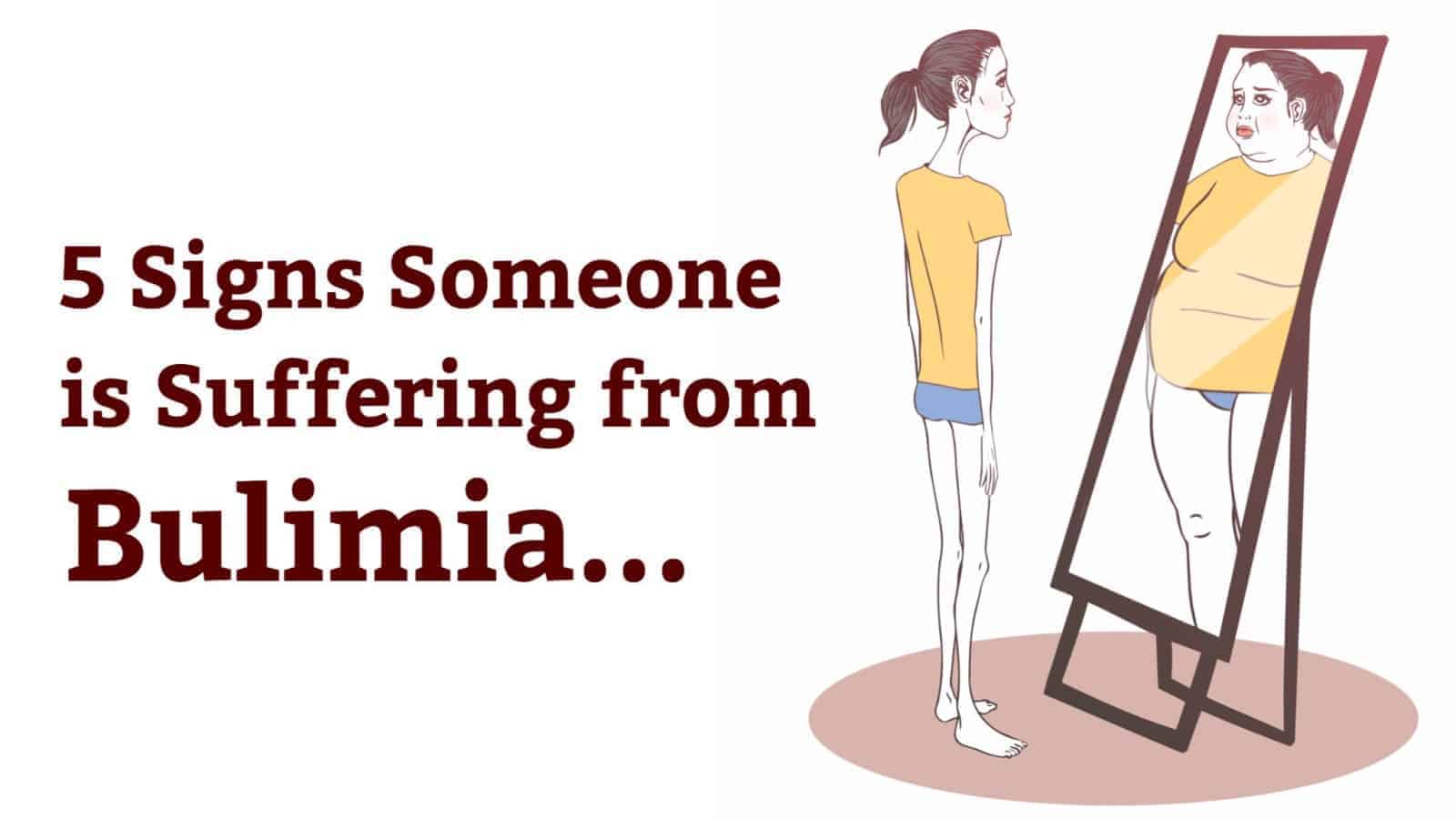
For some people, binge eating disorder is associated with bulimia, which is an eating disorder characterized by binges of eating, followed by purging what was eaten. Many individuals with bulimia are using purging as a way to lose weight rather than a focus on binge eating as a behavior. However, each person is different. Not all those with binge eating behaviors purge, and not all who purge after overeating are attempting to lose weight.

Those with binge eating disorder may eat even to the point of being uncomfortably full. They may also eat faster in a shorter amount of time than average. They may feel disgusted or guilty about their eating behavior. Plus, they may eat alone or privately in an attempt to ease those feelings of guilt or disgust.

Binge eating behaviors, particularly untreated, can lead to many health problems. Since many people who overeat in this way are obese, they can experience high blood pressure, diabetes, heart problems, and numerous other life-threatening conditions. In addition, those who engage in binge-eating behaviors as part of bulimia may also experience problems with the gastrointestinal system, poor nutrition, and other negative health effects associated with eating disorders.

Five Causes of Binge Eating

binge eating disorder

Treating this eating disorder requires a foundational understanding of the causes of the behaviors. That information can help an individual better understand the disorder in order to seek effective treatment. It can be difficult to determine the causes of binge eating disorder because of its nature as a psychological condition that acts similarly to an addiction. However, there are factors that can contribute to behavior.

1 – Genetics.

Individuals with a higher sensitivity to dopamine may be more likely to develop binge eating disorder due to the dopamine released when they eat. In addition, research published in CNS Spectrums indicates that this disorder may be inherited.

2 – Family history.

Those with a family history of binge eating disorder or addiction may be more likely to develop binge eating behaviors. They may view this behavior as normalized, for example. As mentioned, there is also some evidence that binge eating disorder can be inherited. As a result, individuals with a family history of this disorder may be more likely to develop it themselves.

3 – Other psychological conditions.

Those with other conditions, such as depression or anxiety, may use food as an attempt to self-medicate. In addition, research published in Biological Psychiatry indicates that those with eating disorders, such as binge eating, commonly have additional psychological conditions, which may make those with psychological conditions more likely to develop binge eating behaviors.

4 – Emotional or psychological trauma.

Those who experience trauma, whether they seek professional help or not, often find ways to cope with their experiences on their own. Binge eating behaviors may be one way that people cope with their trauma, according to research published in Psychiatry Research. The pleasure derived from eating masks the negative emotions that come from traumatic experiences. As a result, trauma can be a risk factor for this eating disorder.

5 – Body size.

Approximately half of those seeking treatment for binge eating are obese. This number shows that obesity is not always a risk factor for the disorder. Furthermore, it cannot be discounted in examining potential causes, either.

Weight problems may contribute to developing binge eating behaviors as well as being a result of those behaviors. This risk factor may also be related to body image. That is, if an individual has struggled with body image due to larger body size, that person may be more likely to engage in binge-eating behaviors.

While these factors may be contributing factors in binge eating disorder, the National Institute of Diabetes and Digestive and Kidney Disorders states that there is no definitively known cause of the disorder. Most likely, it is caused by a number of factors in the individual’s life, both innate and environmental, leading to eating behaviors.

bulimia nervosa

Changing the Mindset to Overcome Binge Eating

Since binge eating behaviors are unique to each person, it is important to develop a treatment just as unique. Understanding the underlying causes of the disorder, how it manifests, and other factors, contribute to developing an effective natural treatment to alleviate the behaviors and help the individual become more healthy.

1 – Therapy.

Counseling, either individually, in a group setting, or both, is an effective way to address binge eating behaviors. Therapeutic settings provide the opportunity to understand the true causes of the behaviors, how to address them, and what can be done to change the unwanted behaviors.

This eating disorder is psychological in nature. Therefore, therapy treats the psychological component of the behaviors so that the individual can find relief. Getting to the root of the binge eating behaviors can help the individual learn the best way to find healthier coping skills, resolve trauma, and move into healthier practices. This method is useful because the individual works with a trained professional who has a psychological understanding of the disorder.

2 – Behavioral weight management programs.

A behavioral weight loss program is a more comprehensive approach than dieting. These types of programs recognize that behaviors need to be addressed in order to change eating choices. These programs provide individuals with the tools to make healthier choices, including healthy foods and portion sizes as well as exercise, while simultaneously addressing issues that lead to the eating patterns. This multi-faceted approach, along with support from other program attendees, can be an effective way to step binge-eating behaviors.

3 – Dietary changes.

Some people find that they can curb their behaviors by making dietary changes, such as eating small meals frequently throughout the day or choosing different types of foods. This allows them to feel more satisfied all day and reduces the likelihood of overeating at a regular mealtime. Knowing the best dietary changes to make depends on the reasons an individual engages in binge-eating behaviors.

4 – Perspective shifts.

For many people, changing eating behaviors requires a change in perspective. This is especially true for those who develop this eating disorder as a coping mechanism for trauma or some other experience. Changing their perspective provides a way for individuals to view food differently and instead rely on non-food methods to cope with their experiences. Learning to change perspective often comes with the support and assistance of a therapist or other program specifically designed to help those with this disorder.

5 – Support.

Many binge eaters tend to eat in private. It may be because they feel guilty about their eating, or they want to keep others from knowing how much they eat. However, healing from this disorder requires a strong support system. Having people to lean on during these changes can help ensure accountability. In addition, loved ones can help individuals resist temptations to overeat through distraction, conversation, or other methods.

Though binge eating behaviors can be serious and lead to poor health, the disorder can be treated. Many people who overeat in this way know it is detrimental to their health. They may even want to stop. However, it is the disorder and their perceptions of eating that prevent them from doing it on their own. This is why seeking help is integral to success.

binge eating disorderFinal Thoughts on Coping with Binge Eating

Understanding the causes of this eating disorder is necessary in order to develop an effective treatment plan. By understanding why a person binges on food, the appropriate interventions can be developed to help develop healthier coping mechanisms and healthier behaviors.

Since each person experiences the disorder differently, including causes, a successful treatment will be just as unique. Though causes vary, there is no question that there is a psychology behind them. Thus, sufferers must receive counseling in the treatment, as well.

Once a person gets help and the right treatment, they can make progress to becoming a healthy, happy person they deserve to be. And that is the only long-lasting solution for conquering binge eating.

Here’s What Happens to Your Body When You Drink Sage Tea Every Day

Sage, or the official name Salvia officinalis, is an herb that has many purposes. One of the primary uses for this spice is to brew it into a delicious tea. Since it’s a cousin to the mint family, it has an aromatic smell and flavor that is appealing.

Like many other herbs, sage has an extensive history of being used in alternative medicine. The health benefits are vastly known.

Nine Amazing Benefits of Drinking Sage Tea

Do you want to know why you should drink sage tea each day? Here are some scientifically-proven and anecdotal reports of its goodness.

1. It’s Full of Antioxidants and Anti-Inflammatory Properties

For starters, sage is rich in anti-inflammatory properties, and it has antioxidant compounds. Why are these important to your health? Free radicals are harmful composites that get into your system. Antioxidants work hard to neutralize these toxins.

One of the issues with having too many free radicals is that it causes illness. Chronic diseases like lupus and diabetes are just a couple of problems that can come from a body full of toxins. Since sage tea has a high level of rosmarinic acid, it can decrease inflammation in the body and glucose levels.

sage tea

2. Helps Fight Cancer

Wouldn’t it be great if you could drink tea and help fight cancer in your body? The salvia plant has many anticancer compounds like camphor and carnosol. Studies show that carnosol can kill cancer, and it won’t harm the body’s healthy cells.

A study was conducted with 500 people who drank this and chamomile tea to see how they fared with their cancer risks. They found that it has a great benefit on thyroid malignancies, and it even prevented genetic changes that are commonly seen in colon cancer.

3. Promotes Oral Health

You’ve probably heard that soda and other caramel colored drinks can stain your teeth, but would you believe that an herbal one could be so beneficial? Many herbs, like cloves and sage, are used in dentistry because they help with pain, inflammation, and can promote healing.

Gargling a tea with made with this herb has been shown to heal mouth wounds faster than saltwater. The rosmarinic acid in this brew makes it better than any mouthwash on the market for removing bacteria. Rather than reaching for a tube of over-the-counter oral pain reliever, a cup of tea may be all you need.

4. Strengthens Brain Health

Rather than reaching for an antidepressant, a cup of herbal tea may do the trick. Did you know that the Salvia plant is widely used in the holistic community to boost moods? Additionally, it can make alterations to your brain that can help to prevent neurological disorders like dementia.

Dementia is caused by amyloid plaques that develop on the brain. Studies showed that the acids in this tea thwarted the formation of this deadly plaque. Additionally, the same study showed that it could improve your mood, brain function, and even your concentration levels.

Anything that can slow the development of dementia is a good thing. Those who have a genetic history of this horrible disease can only benefit from drinking this elixir.

5. Can Help with Wound Healing and Reverse Signs of Aging

Many people don’t know that many varieties of the Salvia plant are used in the production of cosmetics. Sage has camphor in it, which is an element that can help to resolve the signs of aging as well as stop the formation of wrinkles.

Not only does this spice have camphor, but it has carnosol too. Any sun damage or inflammatory skin problems don’t stand a chance when you’re healing from the inside out. A study conducted showed that brewing this herbal tea and using it topically helped to heal cold sores and other wounds.

Since your skin is susceptible to fungus and bacteria, having something with both camphor and carnosol can help fight these toxins and keep your skin glowing.

6. Reduces Hot Flashes

Ask any woman, and they will tell you that going through “the change” is exceedingly difficult. What if drinking a simple tea every day could help? A study was conducted regarding hot flashes with this herbal elixir.

Of the 71 women who participated, they found that it helped reduce their hot flashes by more than 60 percent. Since hot flashes are among the most troublesome problems during this time in life, if drinking tea can help, then it’s an easy solution.

7. Assists in Pregnancy

Nausea is a common complaint among pregnant women. However, tea made from the Salvia plant is shown to help with nausea. Additionally, in Middle Eastern countries, women often use this herb to reduce their breastmilk production. They found it can be beneficial both before and after the baby is born.

8. Lowers Cholesterol Levels

As you age, you begin to worry about things like heart health, specifically with regards to good and bad cholesterol levels. A study shows that there are promising benefits top drinking this tea. The review showed that by drinking just ten ounces, twice daily, participants lowered their LDL by 20 percent, and their HDL increased by 38 percent.

It’s important to keep cholesterol levels in check because it can cause heart attacks and be the reason for surgical procedures. Do you know your numbers?

Lower your cholesterol

9. Improves Glucose Control

Even if you haven’t been diagnosed with diabetes, having reasonable glucose control is of utmost importance. There are many alternative diabetic medications on the market that use this herb as part of the ingredients. The reason is that it’s so effective in controlling glucose.

A study monitored the sugar levels of 105 adults who had been diagnosed with type 2 diabetes. These participants drank a cup of tea with 500 mg of this herb, and they did it with every meal. The study showed that just after three months, their sugar levels, both pre and post-meal, were much improved.

The study also found that adding sage to your diet can have the same effect as taking an insulin shot every day. Insulin is a hormone, and when you take this medication, your body stops making it as it depends on the supplement. However, taking herbs can have the same effect, and there is no threat of your body shutting down the production of this vital hormone either.

Considerations on Using Herbal Teas

While herbs are safer than prescription medications, it doesn’t mean that there aren’t some considerations when using them. For instance, Salvia contains a compound called thujone. While it’s safe in small doses, it can be toxic when consumed in higher concentrations.

Large amounts of tea of any variety can cause kidney damage as well as seizures. The problem is the high level of thujone that comes when you consume more than the average amount. The consideration for thujone toxicity is when you drink several cups in 24 hours, so you should stick to no more than four cups per day.

Never add sage-oil to your tea as it’s not the same as the dried leaves. The essential oil is of a whole different molecular structure, and it can be toxic by just consuming 12 drops. Overall, it would be best if you trusted the teas found at your local supermarket or a trusted supplier that knows the proper amounts and monitors toxicity levels in their products.

Additionally, anyone that is pregnant or on any medications should check with their doctor before using herb treatments in conjunction with prescriptions. While there usually isn’t a problem with mixing the two, it’s better to be safe than sorry.

Easy Sage Tea Recipe

To make a delicious cup of this tea, you will need the following:

Ingredients:

  • One Tbsp. Dried Sage
  • One Cup of Water
  • Honey to Sweeten
  • One Tbsp. Lemon Juice

Directions:

Bring the water to a rapid boil, and then add the leaves to steep for about 3-5 minutes. Remove the leaves and add the appropriate amount of honey to sweeten the elixir to your liking. Add the fresh lemon juice and enjoy hot or cold.

sageFinal Thoughts on Drinking Sage Tea Daily

Nature provides so many beneficial plants that can be used to treat common problems humans face with their health. Since the Salvia plant is full of antioxidants and anti-inflammatory compounds, it’s one that should be used to promote good health.

Studies have shown that it can provide benefits to your skin, brain, heart, and reduce the chances of developing type 2 diabetes. While herbs don’t have many studies, the information about the benefits increases as people look for holistic methods to treat their ailments.

Thankfully, it’s easy and very cost-effective to make this or any other tea with herbs and spices right from your home. The next time you throw some herbs into a stew or use them in other cooking, why not consider brewing a batch of delicious tea too?

10 Ways to Be A More Supportive Partner During Challenging Times

Wouldn’t it be lovely if relationships were all wine, roses, and moonlight, just because you’re in love? Unfortunately, you don’t live in a utopia, and relationships are as much about the valleys as they are the mountain tops. You will find that when you’re down and out is when you can use effective tools to build a stronger partnership.

Instead of thinking, you have a problem, or your partner does, realize that you’re in it together. You can’t be happy if you see your man depressed and downtrodden. Supportive partners can identify problems and find ways to either resolve or cope with them efficiently.

In many failed relationships, ex-partners sometimes felt that their person wasn’t sympathetic. To support someone doesn’t mean you offer vain flattery. Instead, you surround each other with love and work on solutions to your problems together.

10 Tips for Being More Supportive

No matter the dilemma, your presence will be most welcome to him. It’s reassuring for your mate to have you beside him, even when you are silent and are just holding his hand. Here are ten helpful ways to be encouraging of your lover when she’s going through challenging times.

1. Practice Active Listening

If your auditory system is working properly, you can hear what your partner says, but that doesn’t mean you are listening. Many times, when your lover is experiencing a dark place on the road of life, she needs you to listen to him and be fully present. She’s looking to you to understand and hear what she has to say.

As a loving mate, practice active listening skills, and you will see a marked difference in your relationship’s communication. Open yourself up with neutral body language and look at him while he’s talking. Listen, not just hear his words without interrupting or thinking about what you want to say.

Also, learn how to mirror his emotions during the conversation and pause a few seconds before responding. It’s often helpful to repeat what you’ve just heard in your own words, only if he needs to clarify anything for you. Instead of offering advice, listen with your heart, and be there for him.

supportive

2. Be Empathetic

Although some scientific studies theorize that some animals show signs of primitive empathy, it’s more of a human trait. To empathize with your partner doesn’t mean that you are feeling sorry for him. Empathy goes beyond sympathy and allows you to put yourself in your lover’s shoes.

You can read a tragic news story and automatically feel for the people involved because you might imagine how you would feel. Consequently, this is necessary cognitive empathy that can influence you even for total strangers. To be emotional and compassionately empathetic, your partner’s emotions resonate with yours, and you reach out to do something about it.

3. Have a Change of Pace

When your mind is stressed, or your emotions are frazzled, it can make you anxious or depressed. Have you noticed this about your partner? You wish you could make the burden disappear, but that’s not happening.

Often, a diversion is what people need to take their minds off their problems for a while. It won’t provide a magic solution, but it can give your partner some mental rest. Do something spontaneous and have some fun together. A rested mind is more apt to figure out problems more efficiently.

4. Accept the Unchangeable

Whoever penned the iconic Serenity Prayer had an insight that was beyond this world. A sign of spiritual maturity is to realize that some issues can’t be changed and are beyond your control. Maybe your partner needs a gentle reminder that her circumstances are unavoidable.

The legendary poet Dr. Maya Angelo declared that although there are things in your life that you can’t change, you still have the power to decide how you will react to them. As a supportive mate, you can help your lover sort through situations that can be changed and require coping skills.

5. Anticipate Your Partner’s Needs

Do you and your partner often finish each other’s sentences or come up with the same ideas? Such is the case for couples who have been together for a long time. You have listened and empathized with each other for so long that you almost have a psychic bond.

If you see your beau struggling with acute or chronic issues in his life, don’t wait for him to ask you for help. Because of society’s unfair definitions and expectations, most guys view asking their mate for help as being weak. You know your man better than anyone, and your heart knows when he’s hurting before he can say a word.

6. Stay on the Same Page

The traditional homily of a partnership making two people one flesh is often misunderstood. While you empathize and feel part of each other in a committed relationship, you’ve not lost your individuality. Still, you must be supportive and work together for a union to flourish.

When your partner is coping with difficult issues, maybe at work or other challenges, be a united front. Try to find solutions together, and she will feel your supportive love. Listen intently and ask questions, so there are no misunderstandings.

affectionate

7. Be an Encouragement

When your man is beaten down to the ground, you may be the only person who can lift his spirits. As committed partners, you should be each other’s biggest fan and cheerleader. Sincere encouragement can go a long way when your lover feels like he’s a loser, and everything is his fault.

Find helpful ways to offer words of praise and encouragement that are genuine and specific. Remind him of his vast talents and past achievements, and how you’ve overcome obstacles victoriously in the past. It may rev up his spirits enough to realize that nothing is forever, even problems.

8. Choose Your Battles

One of the most natural emotions to display is anger, especially for guys. In reality, anger is a formidable mask to cover fear and powerlessness. It’s not easy to be supportive when your person is taking his anger and frustration out on you.

In these cases, you can take so much until you feel like snapping. Although it’s easier said than done, try to step back and be an objective observer. When people are hurting, they usually lash out at the ones they love who are trying to help.

If your lady doesn’t feel like talking, just let her know you’ll be there to listen when she’s ready. Please resist the urge to be an armchair counselor and try to pull the issues out of her. She will probably end up feeling resentful of you, and she will shut down any conversation in the future.

When you are your lover’s safe place, she feels free and safe to display anger and say what’s on her mind. However, that doesn’t give anyone the right to abuse you verbally or physically. If your man is feeling grumpy about everything you say or do, refuse to be taken into his dark mood.

You’ll probably find that something is on his mind, and he will apologize for taking it out on you.

9. Find a Source of Strength Together

As humans, you and your person are triune beings composed of body, mind, and spirit. These work in tandem for your total well-being. If any aspect is askew, your entire being will be affected. Being supportive doesn’t mean you have all the answers or strength.

When your mate is going through a hard time, learn to draw from your spiritual strength. Look to your Higher Power together as you both perceive it. Whether your religious traditions involve prayer, meditation, or other spiritual connections, empowering your spirit can help each other when life’s storms are overwhelming.

10. Know When to Ask for Help

Even with your best efforts to be supportive, some problems are too much for you two to handle. If this is the case, don’t be afraid to ask for help from a mental health professional. There is no shame in seeking counseling when you need it.

Many people seek counseling from their trusted spiritual leader. You can always feel free to talk to your primary healthcare provider to refer you to a licensed therapist. Perhaps the problem is a mental health issue that has yet to be diagnosed.

Be sure that your partner is a willing participant, and you see counseling as a strength, not a weakness. She may choose to go alone or ask you to join for moral support. Choose an experienced counselor who makes her feel comfortable, so she can freely discuss the issues that are happening in her life.

supportiveFinal Thoughts on Showing Your Supportive Side When Your Partner Needs You to Be Strong

When a couple is in a loving relationship, they are empathetic, even in the worst of times. In these trying situations, be the first hand that reaches out to him or her in a nonjudgmental way to form a stronger partnership. A time may come when you’ll reach out to him or her in your hour of need, and they will be there.

Skip to content