Weekly tips, affirmations, and small actions to feel your best.

What Does September’s Super Moon Mean For Your Zodiac Sign?

The New Moon peaks on September 17th, at 25 degrees of Virgo, and will be the first of three upcoming Super New Moons. 

The New Moon symbolizes new beginnings and this Super New Moon brings extremely potent energy that blesses us with an opportunity to set new intentions and helps us make changes we have been contemplating for a while.

The energy of this New Moon will impact all of us, however, each zodiac sign will experience this New Moon slightly differently. Below you will find your sign and you will learn what this upcoming Super New Moon means for you. 

If you want to learn more about the overall energy this Super New Moon and other planetary alignments bring head over to our friends Moon Omens. You will love their article!

Aries

The New Moon in Virgo begins a new cycle of growth in which you have the opportunity to reinvent your daily routines completely. Introduce healthier, better habits. Try new ways to organize your work that allow you to be more precise and productive. Efficiency and effectiveness will be keywords for you, dear Aries.

Strive to be more grounded, create something concrete and useful during this cycle. Look for practical ways to apply what you already know. It is time to make your knowledge and expertise relevant for yourself and other people. Ask others to tell you how you can serve them, what you can do for them, what they need to feel good, and don’t forget to ask the same questions to yourself, truly listening from an open heart and an open mind.

The New Moon in Virgo can allow you to discover a deeper sense of devotion to your health and wellbeing and to cultivate a more profound sense of self-respect and self-love.

Taurus
super new moon

Dear Taurus, the New Moon happening in fellow earth sign Virgo represents a wonderful influence on your creativity and your romantic life. During the upcoming lunar cycle, you will feel inspired and creative in everything you do. You’ll draw inspiration from your job, in the way you dress and do your hair, in the way you decorate and organize your home, in any sport or artistic activity you love. This is a great moment to channel your creative energy and manifest what you have always dreamed about.

Begin a course, learn something you are passionate about and you always wanted to explore more in-depth, get out of your comfort zone. Try new routines.

Romance and love life are going to be big themes for you throughout the next few weeks. You are likely to feel the need to be out and about, to meet new people, have exciting exchanges and conversations, and ultimately have fun. Enjoy these things without placing any expectations on yourself or others.

Gemini

The New Moon in Virgo is going to affect your home and family life, dear Gemini, as well as your inner self and emotional body.

You may discover a new self-image, a completely different way to see yourself, as you become aware of old childhood patterns and of the deep conditioning you received from your family. You are now ready to liberate from it.  Old emotions may resurface in order to be fully healed and understood.

Come into contact with your inner child and their needs Do not forget to be gentle with yourself, and respect your timing.

Trust this process fully. Be aware that whatever comes up during these days is something you are ready to deal with and confront. The New Moon in Virgo may bring interesting changes in your home environment, in your family, or in the lives of the people you love. Try to embrace the new with a sense of positivity and excitement, cultivating hope for a better and bright future.

Cancer

Dear Cancer, the New Moon in Virgo is highlighting the area of your life related to communication, your thinking patterns, and your general mental activity. This cosmic event represents a new beginning in the way you perceive and interface with the world around you. It will affect the way you think, how you speak with others, and you can discover new ways to communicate your needs and desires to others.

You will have the opportunity to review how you express yourself and share your inner world with those around you. You can discover techniques and methods that allow other people to understand you more easily. During these days, there may be changes in your close environment, in your siblings’ lives, or your neighborhood. These transitions can offer you interesting chances and unexpected possibilities. Beware of being too self-critical. So don’t incessantly analyze your shortcomings and your flaws–try to relax. Finally, do your best to improve but without being too hard on yourself.

Leo

The New Moon in Virgo represents an invitation to develop a deeper relationship with your physical body, with pleasure, and with self-care. Take time to indulge in the five senses, try to make it a part of your daily routine, and see what happens. Dear Leo, this cosmic event invites you to value yourself and your capacities.

Discover talents and resources you weren’t aware of that allow you to improve the organization of your work and your life, to better navigate the material world of form, duty, obligations, and responsibilities. The New Moon is inviting you to reflect around your values and redefine your concept of abundance.

It supports those of you who are trying to manifest a new form of income or an additional one, that is more aligned with your inner world, your true goals, and aspirations. The current energies allow you to manifest what you dream of: know and believe that you are worthy of receiving all of it.

Virgo

Dear Virgo, the New Moon in your sign represents a powerful new beginning, the start of a brand new cycle of evolution for your Soul. You now need to follow your conscious desires in order to understand and align with your Soul purpose and life path.

This time is for spontaneous action and experimentation. So follow your instincts and your natural wants and needs, go after what you are passionate about, what makes you feel happy and fulfilled, even if you think that it doesn’t make sense, that is not useful or practical. Trust your feelings and passions.

You don’t need to know the reason or the purpose behind them now. Just take action and believe in yourself. Eventually, you will understand everything–when the time is right. This New Moon invites you to discover new ways to assert yourself and to present yourself to the world: don’t be afraid to affirm your needs or to say no to what drains your energy.

Libra

The New Moon in Virgo represents the beginning of a cycle in which a lot of your focus will be on your relationship with Source and your spiritual journey. You will feel inspired to embrace and cultivate a spiritual view of life and to explore new ways to get into your subtle energetic body.

Dear Libra, you may naturally seek solitude, quiet, long moments of introspection. You are likely to feel the need to focus on your inner world. Karmic patterns related to past lives and experiences may emerge in order to be healed and released. You may become aware of the traits of your personality and parts of your psyche that have been suppressed and hidden. So reclaim and integrate them.

Your empathy and sensitivity will naturally increase during this time: the feeling that you have no control over what’s happening in the world may bother you more than usual. Establishing healthy boundaries is crucial for you right now, say no when needed, don’t be a perfectionist, embrace chaos, and surrender to life.

life lessons

Learn from your most epic failures.

Scorpio

Dear Scorpio, the New Moon in Virgo opens up new connections and friendships and the possibility of becoming part of groups and communities of like-minded individuals. You may feel the need for the support of your peers during this time. Indeed, you may realize that you need to be surrounded by those who uplift and support you and your vision. Gather information about different kinds of community, alternative lifestyles, sustainable living, and expand your network of contacts.

This New Moon inaugurates a period in which you are likely to make long term plans, focus on your goals and dreams, and maybe discover new ones. How can you make a positive impact on the world? You may think about your place on the planet with objectivity and detached awareness. Or you might discover how to be of service to the collective without sacrificing your individuality. Cultivate a sense of faith around where we are going as a species, and reflect around what you can do to support the evolution of humanity.

Sagittarius

The New Moon in Virgo represents a new professional beginning: exciting opportunities may unfold during this cycle, dear Sagittarius. You have a role to play in the world. And you know that what you do has the potential to influence other people’s lives deeply. How to affect them in the most positive way possible? What social function and role reflects your authentic self? What does success represent to you?

These are some of the questions that may pop up in your mind during these days. The New Moon in Virgo is an invitation to mature. So take responsibility for yourself, for what you do and don’t do. Let go of what gives you security but doesn’t make you grow. Finally, allow yourself to have a powerful impact on others.

This is a great time to begin new projects, start a side hustle, make business plans, define a vision that inspires and motivates you, and commit to it. Beware of overworking and excessive ambition that may lead you to neglect other areas of your life. 

Capricorn

Dear Capricorn, the New Moon in Virgo urges you to get out of your comfort zone and explore something new. So try something different from your usual activities that makes you feel alive and renews your sense of purpose. Don’t be afraid to take risks and make mistakes. This is the moment to discover your true mission in life. Open up to new belief systems and philosophies that have practical applications and the potential to improve the way you live your daily life.

Get out of the city for a few days if you can. Spend time in nature to get the inspiration you need and get out of your rut. Experiment with different routines, diets, alternative medicine from other cultures that open you up to new perspectives of life that help you improve your health and expand your consciousness. Follow your intuition, embark on a long inner journey, expand your worldview, commit to finding and living your personal truth.

Aquarius

The New Moon in Virgo is a turning point for you, dear Aquarius. You may notice a sense of longing and a strong desire to have deeper conversations, deeper experiences, and to relate to people on a more profound level. This lunar cycle for you represents a moment to dive into the mysteries of life, death, and rebirth, rediscover your sexuality, and a real sense of intimacy. The New Moon in Virgo is an invitation to become more embodied. So learn to be vulnerable and feel safe in your physical body.

Confront the fears that don’t allow you to open up to the people closest to you. Power, self-mastery, and trust will be keywords for you. What does power represent to you? How can you get closer to self-mastery? What is blocking you from trusting yourself and others fully? You may need to make choices in the areas of intimacy, finances, and shared resources. This will lead you to reflect on your values and attachments and to confront your fixations and compulsions.

super new moonPisces

Dear Pisces, the New Moon in your opposite sign, Virgo, represents an invitation to reflect around partnerships, equality, projection, and polarization. You have a fantastic opportunity to discover your needs, your boundaries, and to find balance in your relationships. Plus, you will learn to work with others in conditions of fairness and harmony.

During the upcoming lunar cycle, different people are likely to enter your life. From these new relationships, you will gain a new understanding of relationships. Indeed, you’ll begin seeing them more than ever as a mirror for self-development.

Who do you want to connect with? Who do you feel good with, and what is the purpose of your connection? Don’t be afraid to explore your values, your needs, and your standards. Those you relate with can help you see and understand your blind spots. Plus, they can open you up to new perspectives of the world, new experiences, and learning processes.

See this as an experimental period and be mindful of honoring your needs and desires, beware of self-sacrificing, and people-pleasing tendencies.

The Power of Positivity team & Moon Omens wishes you the most beautiful Super New Moon experience. We hope this guide will help you harness this powerful energy. Blessings!
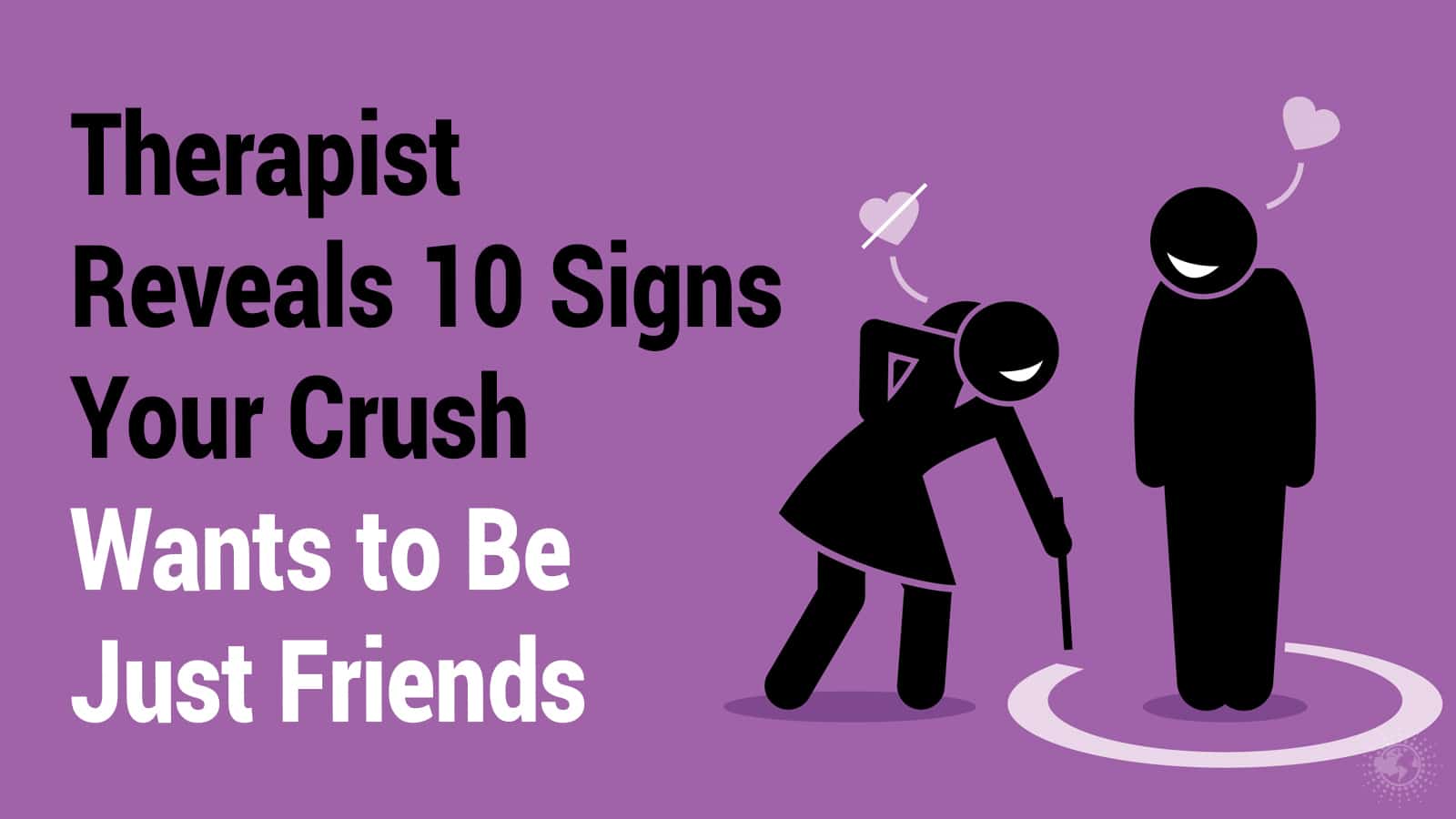
20 Easy Ways to Impress Your New Crush

Do you think you are falling for someone? Does he feel the same way? There’s no way to know for sure when it comes to matters of the heart. When you are interested in a new crush, you might feel afraid to make the first move. And you definitely want to impress that potentially special someone.

So what’s a person to do to attract the right kind of attention? Here are 20 ways to impress your new crush and ensure they take notice.

Twenty Ways to Make a Lasting Impression on Your New Crush

1. Be Open and Genuine

There’s nobody in the world quite like you, and there never will be. Why would you want to be anybody else? Your new crush wants a person who is genuine and confident.

Although you want to make a great first impression, try to relax and just be yourself. Let your new crush see you for who you are. When you keep your body language neutral and receptive, you will show an interest in her that she will notice. Let her fall in love with the real you, not a façade.

2. Smile and Have a Sense of Humor

Physical attraction is a much-misunderstood aspect of human relationships. Real, inward beauty is most important, and it’s what will make your relationship last. However, outer beauty is what will attract him in the first place. It’s the only way he can get to truly know you.

Long after your new crush forgets what you were wearing when he first met you, he will remember your smile. A lovely, genuine smile costs you nothing, but it’s more valuable than any gold or diamonds you could wear. Not only does your grin show an interest in him, but it also conveys your sense of joy and humor.

just friends

3. Be a Good Listener

Everyone wants someone to show an interest in their life. Nothing is more unappealing than a bore who can’t talk about anything else but himself. If you want your new crush to blossom into a fulfilling relationship, you need to be a good listener.

Practice active listening skills like open body language, mirroring, no interruption, and clarification. Ask her about her day and other questions about things that are important to her.

4. Be Positive

Who likes hanging around a “Negative Nelly?” Guys enjoy talking with women who are upbeat and make them laugh. Being positive doesn’t mean you have an unrealistic view of the world. There are injustices and negative influences in everyone’s lives that must be addressed.

However, there are too many happy things to discuss rather than dwelling on the negative aspects. Be a great conversationalist and talk about things that make her satisfied and dwell on the beautiful things in life. When you radiate joy and positive energy, it makes you even more attractive to a prospective suitor.

5. Take Pride in Your Appearance

You already realize that your new crush was first attracted to you by your appearance. Now that you have his attention, how you look will be even more critical. How else is he going to discover how beautiful you are on the inside as well as the outside?

Getting used to each other is not an excuse to let yourself go. When you are meticulous with your grooming and individual style, it shows your new person that you have self-confidence. He should never be embarrassed to be seen with you in public.

What guy would be impressed to see his lady with no makeup, hair scrunched up like a rat’s nest, browsing through the department store in her slippers and pajamas? Guys, no woman is attracted to a scrubby dude. Look your best and carry yourself with self-respect and dignity.

6. Know How to Have Fun

One of the many blessings of having a steady love interest is that you don’t always have to do things alone. To keep your new crush interested, you must show them that you know how to have a good time. Boredom is the kryptonite of a lasting relationship.

You needn’t spend a fortune to have fun together. Think of exciting places to go or things to do. Don’t start your relationship by getting into a date night rut. Be creative, and keep your sweetheart’s interests in mind.

7. Don’t Be Clingy

Do you want to destroy a budding relationship quickly? Just start texting and phoning him non-stop and whine when he can’t be with you every second. Such behavior spells clingy and desperate, which is most unattractive. You needn’t be aloof, but don’t appear to be needy and controlling.

8. Be Spontaneous

Have you ever heard that variety is the spice of life? Nothing could be more accurate when it comes to relationships. Stay one step ahead of her and keep her guessing what you’ll do next. Meet after work all dressed up and have tickets to a musical she’s dying to see.

Go beyond the norm and do something thrilling together, like hand gliding or exploring a local cave. Instead of your usual Saturday date night, why not plan a surprise getaway to a quiet cabin in the woods? Do the unexpected, and your relationship will always be fresh and fulfilling.

9. Be Open About Your Feelings

Of course, you don’t want dates with your new crush to seem like a therapy session. While it’s good to have each other lean on, you don’t want to go overboard. Neither do you want to keep your emotions penned up in a stoic hush?

Be honest with your feelings and allow your beau to be frank with his. Remember that women tend to be more in touch with their emotions than men are. Be empathetic with one another, and don’t be afraid to say how you feel. It will draw you closer together.

10. Keep the Past in the Past

Many people make the mistake of unloading their romantic history on their new love interest in the beginning. Does he need a running list of your broken relationships and why you despise your former lovers? Remember that being honest doesn’t mean to tell everything you know.

Again, stay positive and don’t spend precious time bad-mouthing people. It will only make you look petty and perhaps a liability in the relationship. Keep any lessons you’ve learned from past experiences in your heart and get rid of the rest.

your new crush

11. Be on the Same Page

Perhaps nothing could be more painful and embarrassing than assuming a love interest where there isn’t one. If you are crushing on her, are you sure that she feels the same way? Is it something that may lead to a closer relationship, or is it a passing infatuation?

12. Be Polite

Since when was being a rude attractive? Please note how your new crush treats you because it can reflect how he will treat you in the future. Guys, women still love to be treated like a lady, so be polite with your manners. Does your love interest show courtesy to others?

13. Be Curious, But Not Invasive

When you start dating a new love interest, of course, you have many questions to ask. The whole concept of dating is to get more acquainted with each other. You’ll have a plethora of things to discuss and discover about your love interest.

However, this is a budding relationship that must grow in rapport and trust. Please don’t rush in like a roving reporter and make her feel like she is being interviewed. Talk about your interests and your family life, but make sure you keep your questions general and non-threatening.

14. Random Acts of Love

Isn’t it funny how small, random acts of love mean so much in a relationship? It’s a chance to use your passion and creativity together. Write a little love note and leave it in a place where she’s sure to see it.

Can you imagine his surprise when he sees a single red rose on his desk with a card from you? It’s these little gestures that let him or her know that you are thinking about them.

15. Start a New Tradition

While spontaneity is vital for a healthy relationship, so are traditions. They keep you grounded as a couple and make you remember who you are. Think about starting a tradition that will mean something to you both.

It could be visiting a favorite restaurant once a week or playing your favorite love song to each other and dancing the night away. Do something special that is just meant for you two.

16. Join the Gang

If you’ve decided to take a step from friendship to a love relationship, you’ll want a chance to blend into each other’s group of friends. It’s a great way to officially announce your love so that people will know you as a couple. If you have other platonic relationships, they should be friends with you both.

17. Set Boundaries

Is he interested in dating you seriously? Or is he expecting to date other women? It may take a few dates to see where your relationship is heading. Set boundaries early in the relationship, so each of you knows what to expect from the other.

18. Be Attentive

Do you know when your sweetheart has done her hair differently or is wearing a new fragrance? Has your beau trimmed his beard, especially for you? Pay attention to these things and be complimentary, and your lover will be glad you noticed.

19. Take Time

If you have a plant and don’t water or give it care, it will die. The same thing can happen in a relationship. While you both need personal space, you must take time for one another and blossom in love.

Outside of your work commitments and other obligations, your love interest should take a top spot in your life.

20. Be Faithful

Has your crush turned into a committed relationship? Be a faithful lover and avoid the temptation of straying. Even if you are texting or emailing intimately with somebody else, it’s still cheating.

your new crushFinal Thoughts on Impressing Your New Crush

Having a new crush can be an exciting point in your life. Maybe this will be your forever person. Being honest and having open communication can make the difference in a lasting relationship. Most of all, take care of yourself regardless of the outcome of this budding romance. Good luck with your new relationship.

6 Fat-Busting Moves to Work Out Your Quads

The “show muscles” are known as the biceps, triceps, and pectorals. Even a novice individual to weightlifting knows that it’s not hard to get a six-pack worthy of praise. But many overlook the importance of firming up the quads, the large muscles at the front of the thighs.

Building muscles is straightforward, once you understand two things. First, you must commit time and energy. And secondly, you need to keep your body-fat percentage low to show off the hard work.

When it comes to the quad muscles, most people think that squats are the only way to enhance this area. There’s not much common knowledge on how to utilize fat-busting repetitions for this lower muscle group.

Anatomy 101

The quads are the muscles on the front of your thigh. They are not only long, but they are also immensely powerful. They are used to help you perform maneuvers like a squat or a lunge.

As you age, these muscles will weaken from not being used as much or from an injury. Thankfully, you can get these areas back in shape with some intense knee-dominant exercises that will target this region.

However, it would help if you chose the right exercises for the job. Before you begin to work on this area, you need to know that you have four quadriceps, which all attach to your knee.

Without these muscles, you wouldn’t be able to make your leg stretch outward or bend your knee. Knee-dominant maneuvers require you to significantly curve your knee, and most of the strength comes from your quads.

If the muscles in this area are weak or become constricted, then you can target them to increase strength by using specific maneuvers. If you don’t use directed exercises, then they won’t grow in strength.

When these areas are tight, you need a plan to give the region more range of motion. You will be strengthening your quadriceps as well as lengthening them. The squat is a hallmark for targeting this region, and it’s considered a double-leg exercise.

Your muscles will grow bigger and stronger when you lift more weight. Try to combine both single and double-leg quad workouts so that you can effectively enhance this big group of muscles.

Getting Started with Six Fat Busting Moves

quads

Are you ready to get rid of unsightly fat and increase the range of motion in your quads? You will need to learn some specific maneuvers other than the squat to work in this area effectively. Thankfully, it’s not a difficult task to do. Here are the six best exercises for building your quads.

1. Easy Quad Stretch

If you want to start with something easy and basic, then the easy quad stretch is the place to begin. You should commence by standing on one leg, but you must make sure that you keep your knees touching. Don’t worry; you will need to hold onto a chair or wall to support your body weight initially.

Now, take your right hand and reach for your left foot. Pull your foot upwards towards your rear end. The tricky part will be to keep your chest in an upright position, but it’s essential to keep your center square.

If you can’t get your foot all the way to your butt, it’s okay, just do the best you can. You will feel the burn in your quadrilateral muscles if you’re doing this correctly. Now, hold this position for about 30 seconds before you switch to the other leg. Try to do ten reps or five on each side.

2. Kneeling Quad Stretch

You must pay special attention to the muscles right above your knees, so the kneeling quad is what’s best for them. You should start by getting into a high lunge position.

Next, place your right foot in the forward stance as you slowly bring your left knee toward the floor. Try your best to hold this position for 20-30 seconds.

Now, gently release the hold you have on your left foot. Bring your body back into the high lunge position as you switch sides and place your left foot in the forward stance to do this maneuver on your right quad. Strive to do five reps on each side.

3. Pigeon Twist

The pigeon twist is a yoga pose, but this maneuver is great for stretching the quadricep muscles. Not only will this move open your hips, but it will also give your spine a good twist.

Start by the downward-facing dog pose that’s so popular in yoga. Now, carefully bring your right knee until it rests between your hands and form the pigeon.

Your right hand should be resting on your right shin as you bend your left knee slightly. Now, reach for your right foot using your left hand. Slowly press the sole of your foot towards your left hip. It’s okay if you feel some uncomfortable sensations here as your moving things in directions that they usually don’t move.

Next, put your right hand onto your left foot as you slowly twist your upper body towards the left-hand side. You should wrap your left hand towards your lower back. If possible, grasp the upper areas of the right thigh directly in front of the hip.

Okay, this may seem confusing, but you need to stay with it. Using your hands, you want to press into your body to become more entangled into the twist. Try your best to hold this position while you breathe for 5-7 breaths, then release your hands as you straighten out the left leg.

Now, twist your body back and to the right while planting the palms of your hands on the sides of your right knee. Take a step backward with your right leg until you can come into the downward-facing dog position.

Hold this pose for one breath and then bring your left knee to the front and place it between your hands to do this pose to the other side. You may need to brush up on some yoga since the fat-busting properties of this exercise form can be utilized to strengthen the quads.

4. Frog Pose

Working the quads with the frog pose is easy as it will help you stretch the front of your thighs. Additionally, it will give you a good stretch in the shoulder and chest area too.

To begin this stretch, you want to lie on your stomach and prop your upper body up on your elbows like you are about to do a push-up. Now, bend your knees as you reach your hands backward. You want to grasp your feet.

Now, the goal is to make sure that your fingers are pointing in the same direction as the toes. Gently lift the elbows in an upward motion until they are pointing towards the ceiling area. Take a deep breath and lift your chest just as high as possible.

If you start feeling pain in the knees at any time, then release some of the pressure on your feet. You should do one side at a time while holding the pose for five breaths. See, isn’t yoga great for working the quads?

5. Lying Side Quad Stretch

If you want to work your quads, but you have knee issues, then this position allows you to recline instead of standing up. Start by lying down on the floor on your side.

You need to prop your head up using your hand. You should be in a position like you would if you were to do a leg lift. Now, take the right foot and pull it upwards towards your butt.

Now, if you find that you’re not steady and having issues, you can bed the bottom of the knee slightly. Hold this maneuver on the right f0r 30 seconds before switching to the left.

6. Bulgarian Split Squat

The Bulgarian split squat sounds complicated, but it’s a rather straightforward maneuver that will work your quads. Unlike the traditional squat, this one allows you to go deeper and work on your front leg for an even more intense quad stretch.

Start by placing your back foot up on a bench or a workout box. Now, lower your hips towards the ground by squatting backward and downwards. Ensure your back knee doesn’t touch the floor, but you want to let your weight be on the front leg.

You want to do about two sets of ten reps per side, but make sure that you allow at least 30 seconds to rest in between each set.

Final Thoughts on Trying These Fat-busting Maneuvers to Shape Your Quads

There are many exercises that you can utilize to target this area. While there are six listed here, you can find dozens more online. If you need to lose weight and strengthen the knees, you might want to work with a personal trainer.

If you’ve had surgery or an injury to the knee area, you might need to use specific maneuvers to strengthen the region without challenging it too much. You should start to see results within 2-4 weeks.

10 Behaviors That Reveal Someone Is Emotionally Unstable

Being emotionally unstable makes life feel like a constant rollercoaster ride. These types of people probably don’t want to feel so many fluctuating emotions and would love to get off the ride, but just don’t know how. Emotional instability may happen due to certain life events, or childhood trauma or abuse may trigger it.

Sometimes, a person may develop Borderline Personality Disorder (BPD), or Emotionally Unstable Personality Disorder (EUPD). According to the National Alliance on Mental Illness, around 1.4% of the U.S. population has BPD, and 75% of people diagnosed with it are women. People with BPD have difficulty regulating emotions and may fluctuate between intense moods for hours or days at a time.

“Your emotions are very unstable and should never be the foundation for direction in your life.” – Joyce Me

The following symptoms characterize BPD according to the DSM-5:

Do you see any of these behaviors?

  • Frantic efforts to avoid real or imagined abandonment by friends and family.
  • Unstable personal relationships that alternate between idealization (“I’m so in love!”) and devaluation (“I hate her”). This is also sometimes known as “splitting.”
  • Distorted and unstable self-image affects moods, values, opinions, goals, and relationships.
  • Impulsive behaviors that can have dangerous outcomes, such as excessive spending, unsafe sex, reckless driving, or misuse, or overuse of substances.
  • Self-harming behavior including suicidal threats or attempts.
  • Periods of intense depressed mood, irritability, or anxiety lasting a few hours to a few days.
  • Chronic feelings of boredom or emptiness.
  • Inappropriate, intense, or uncontrollable anger—often followed by shame and guilt.
  • Dissociative feelings—disconnecting from your thoughts or sense of identity or “out of body” type of feelings—and stress-related paranoid thoughts. Severe cases of stress can also lead to brief psychotic episodes.

Even if someone doesn’t have a disorder, they may still appear emotionally unstable and exhibit certain traits. If someone shows the following behaviors, they may struggle with their mental health and have difficulty controlling their emotions.

emotionally unstable

Here are ten behaviors that reveal someone is emotionally unstable:

1 – An emotionally unstable person may have random outbursts of anger

Emotionally unstable people may get angry over insignificant or trivial things. You may feel you have to walk on eggshells around them because you never know what may set them off. A person with anger may fluctuate between being perfectly pleasant and snapping for no apparent reason. This makes relationships with others very difficult, as the person never knows what to expect.

They may shout and scream or even become violent depending on the intensity of the anger. However, if you feel in danger around this person, please seek help from trusted family members or the national domestic violence hotline.

2 – Impulsive behaviors are frequent in emotionally unstable people

People with emotionally unstable personalities may have inclinations toward impulsive, reckless behaviors. Common impulsive behaviors may include:

  • reckless driving
  • compulsive shopping sprees
  • unsafe sex
  • substance abuse
  • gambling
  • self-harm

These types of behaviors can indicate various mental health disorders, such as BPD, bipolar disorder, depression, or anxiety. Most of the time, the person feels they can’t control their behavior and feel compelled to engage in reckless activities as either an escape or to get a “high” feeling. Afterward, they may not even remember these activities if they experienced a psychotic episode which can cause dissociative feelings.

Some people use impulsive behaviors to regulate their emotions, which seems counterintuitive. However, the intense stimulation they receive from these activities serves as a temporary escape from troubling emotions.

3 – Unstable relationships with family and friends

As you can imagine, an emotionally unstable person will have extreme difficulty maintaining relationships. They may fluctuate between loving and hating friends and family, and even the smallest disagreements may change their opinion of them. They may feel codependent on people closest to them, so they can become very upset when someone doesn’t uphold the image they created for them. Just as they put people on a pedestal, they may give the silent treatment or express extreme anger when someone hurts them.

4 – Difficulty holding jobs

Another indicator of a mental health problem, switching between jobs often can wreak havoc on a person’s life. Of course, everyone gets tired of certain jobs or careers and may realize they want something else after a certain time. However, being unable to hold jobs for six months may indicate a deeper issue. Job hopping may mean that the person struggles with their self-image and changes jobs according to their temporary perception of themselves.

5 – Overreactions to everything

A person with emotional instability will have extreme reactions to even small things, such as their partner forgetting to pay a bill or staying out too late the night before for a company dinner. They may make assumptions about how situations played out and react before allowing the other party to explain things. Everything feels like the end of the world to them, and they don’t know how to turn the dial back just a little bit.

They display extreme emotions as a coping mechanism because they have difficulty dealing with stress or difficult situations. They may have had turbulent childhoods or traumatic events happen at a young age, contributing to their mental health issues.

depression

Scientists share how anger and irritability link to depression.

6 – Identity issues

As we stated above, people with difficulties regulating emotions will struggle with their self-image. They may take on the personality of those around them, also called mimicking, to fit in or give themselves an idea of how to act. Because they shift rapidly between opinions, values, ideals, and personality traits, they can act like chameleons and blend in any crowd. If you notice someone drastically changing their personality or looks around different people, they may be emotionally unstable.

7 – Emotionally unstable people may have low self-esteem

Another trait of someone with a mental health condition is poor self-worth. They may not show it, but deep down they don’t feel good enough. Sometimes this presents as being an underachiever, as the person feels like they don’t have what it takes to get a stable job. They may work menial jobs in fast food or other low paying industries because they have low self-esteem. Or, they may choose partners they don’t love because they don’t feel they can do any better.

Another sign of low self-esteem is acting out or becoming overly defensive when someone criticizes them. They may secretly agree with the person, but don’t want to admit it.

8 – Inability to cope with stress

Emotionally unstable people have a tough time dealing with all life’s stressors. As we said before, this may cause them to underperform and choose a life where they barely scrape by. They may avoid the stress by either not working, working odd jobs, or getting involved in dangerous habits such as drugs or alcohol to cope. An emotionally unstable person believes they can’t have a normal life, so they don’t want to try.

9 – An emotionally unstable persom might avoid responsibilities

Someone with a severe mental health condition may not take on responsibilities as an adult. They may never move out, miss payments on bills or disregard opportunities to advance in life. They often latch onto others because they don’t feel they can care for themselves. If people enable them and don’t force them to become independent, they may never learn to take care of themselves despite their illness. Therapy can greatly help a person who’s emotionally unstable to regulate their emotions and have a normal life.

10 – Very sensitive to criticism

Another trait of someone with difficulty regulating emotions is being overly sensitive to criticism. They may cry, become angry, or resort to passive-aggressive behaviors if someone offers constructive criticism either at work or in personal relationships. They have a fragile sense of self, so any critiques made to their ego really damage their self-esteem. People may feel like they must tiptoe around them to avoid outbursts or overreactions.

emotionally unstableFinal thoughts on behaviors that reveal someone is emotionally unstable

A person who tends to be emotionally unstable will often have a turbulent sense of self, trouble with relationships, and difficulties holding down jobs. They show extreme sensitivity to criticism, an inability to deal with life’s stress, and often avoid adult responsibilities. They also struggle with low self-esteem, impulsive behaviors, and random outbursts of anger.

If you have someone with a mental health condition like this or suffer from one yourself, you know how overwhelming it can seem. Mental illness can easily overtake someone’s life if they don’t get the right treatment and support. However, therapy, medication, and lifestyle changes can make a huge difference. Mental illness is nothing to be ashamed of because most people struggle with it at some point during their lifetime. Make sure to ask for help if you feel overwhelmed by your symptoms because there are people out there who want to help you. It’s never too late to get treatment for a mental health condition.

Psychologists Reveal 4 Ways To Be Happy During Tough Times

Tough times are a standard part of life. No one will go through all their time on earth without experiencing at least some degree of hardship or trouble, whether physical, emotional, or a combination of both. But, we all want to be happy.

During these times, it can be challenging to maintain positive thinking. How can you remain steadfast when you feel like everything is crumbling? Beyond that, how can you feel better than just “fine”? It seems impossible, but it doesn’t have to be. Here’s how psychologists reveal four ways to be happy during tough times.

1.    Learn To Promote Positive Thinking

Unfortunately, the human brain naturally fixates on negative things. This condition means that, even though it’s unproductive, you’re likely to spend much more time focusing on things that further hurt your mental health. Here are some ways you can work around that:

·         Reframe Negativity

Pay attention to your thought patterns. Which ones don’t you like? Focus on reframing them. For example, if you often have a thought such as “I’m so bad at this, I should give up,” stop and reflect on it. You might say, instead, “No one starts out an expert at something, and there’s no rush for me to achieve an arbitrary standard of ‘goodness’ for this skill.” Then, swap the thought out: “This is a good challenge for me, and I’ll come out of it stronger and smarter!”. According to author Jay Shetty, who wrote “Think Like a Monk: Train Your Mind for Peace and Purpose Every Day,” this is a great way to declutter your brain.

·         Use Positive Affirmations

Positive affirmations are simple, active mantras that you repeat to yourself daily, and they activate parts of your brain that make you feel good. These affirmations involve picturing yourself as the best version of you. For example, you might say, “My resilience helps me overcome difficult times” or, as mindfulness guru and yoga teacher Mandy Ingber uses, “Easy goes it.”

happy

·         Trust yourself

Tough times make the future more frightening, but that excessive worry over the future is only going to hurt you in the long run. According to emotional fitness consultant and psychologist Emily Anhalt, PsyD, it’s important to learn to trust yourself – and, therefore, Future You – to be strong, smart, and good enough to handle whatever will come next.

·         List Things To Be Thankful For Daily

Gratitude is an incredibly powerful tool that reduces depression-like symptoms and helps with overall positive thinking. 10 Percent Happier cofounder Dan Harris and happiness expert Shawn Achor both agree that just two minutes of spending time before bed listing a few things you’re grateful for – even if you can only think of one – can work wonders for bringing positivity into your life.

2.    Build Your Inner Strength So You Can Be Happy

To get through tough times, you need to be strong – but not in a physical way. Mental fortitude is much more crucial, so it’s the inner strength that will carry you through the worst of tumultuous situations. Here are some tips for building inner strength during hard times:

·         Stay Grounded

Remind yourself that you’re here. Think about your goals, your loved ones, your current situation, and what you can do. Don’t let yourself get caught up in the spinning turmoil of the world!

·         Stop Catastrophizing

It’s easy to magnify problems in your head – and this is especially true when you’re already going through tough times. Suddenly every additional inconvenience is the end of the world. Psychotherapist, teacher, and author Jeffrey Sumber, M.A., has seen this happen many times! Don’t let that happen to your thought process!

·         Get Good At Visualization

Tough times can result in fears of triggers or things that remind you of those tough times. For example, fear after a bad stage performance may cause you to want to give up performing altogether. So, what’s the solution? Powerful visualization. Close your eyes and imagine the ideal scenario for you, being as evocative and goal-oriented as possible. This practice changes the narrative and, according to Icahn School of Medicine clinical instructor Terri Bacow, Ph.D., it activates the same part of your brain that would be activated by actually doing what you envision. You’re giving your brain a false memory of a positive outcome, so you’ll feel more inclined to go for it!

·         Learn To Accept Bad Things

This advice sounds negative, but it isn’t. It’s about accepting that you can’t control everything. So make a list of the things you know you have no control over and make a conscious effort to let them go, recommends Urban Balance owner and therapist Joyce Marter, LCPC. You can’t change what the world is doing, but you can change how you react, how you stay strong, and how you move forward with this knowledge.

3.    Take A Break

The human brain can become tired, just like its body’s muscles. This can lead to burnout and a worsening of your ability to cope with the tough times you face. It’s hard to do when you feel like you shouldn’t stop going at full speed to fight your challenges, but you need to rest to function well. Here are some ways to do so:

·         Go To A Safe Place

Where’s a place that you feel safe and protected? The next time you feel yourself getting overwhelmed, go there and spend some time just resting in it. Your safe place will help you feel secure, says Laurie Nadel, Ph.D., a trauma specialist.

·         Play

You know the saying “all work and no play makes Jack a dull boy”? Well, it applies in this context, too! If you overwork yourself or spend all your time doing less than enjoyable things during difficult times, you’re going to lose some degree of your emotional fitness, says Anhalt. Do a little something small and recreational during your day to break up the monotony of work. It’ll make you much more productive and help you stay positive!

·         Be On The Outside Looking In

Once in awhile, take a break from being you. Relax, let emotions about tough times slip away, and try observing your situation as an outsider would. Imagine hearing about this situation from a co-worker, friend, or loved one experiencing it, suggests clinical psychologist and author John Duffy, Ph.D. You’re likely to be kinder to yourself if you consider your situation as you would consider a friend’s. It might even give you added positive insight.

·         Schedule Time To Worry

Believe it or not, your brain also needs a break from being positive. Set aside a short amount of time every week where you allow yourself to worry as much as you want about your problems and the tough times you face suggests Anhalt. It lets your brain purge the negativity without the threat of an explosion.

happy

4.    Be In Touch With Yourself

If you don’t know yourself and what you need, it’s incredibly difficult to stay happy in everyday life – let alone when times are tough. Here are some ways to stay in touch with yourself:

·         Engage As You Are Capable Of

You are the only person who truly knows what your emotional and mental capacity is. The problem is that, if you’re very focused on surviving, helping, or fighting during tough times, you might not be aware that you’ve crossed your threshold. Black Emotional and Mental Health Collective executive director and founder, Yolo Akili Robinson, recommends taking time to think about how you’re feeling, or write about it if you need help processing it. If you’re pouring too much of yourself into your daily efforts, dial it back. You will not be of use to yourself or anyone else if you’re burned out.

·         Acknowledge Your Emotions

It can be easy to bottle up your emotions during hard times, but more than ever, you need to not only let yourself feel them but recognize and respect them. When you bottle it up or avoid thinking about it, it can boil over or explode later in a more uncontrollable way, says Duffy. Instead of ignoring how you feel, let yourself wallow in your emotions for a set amount of time. Feel the full extent of the pain they bring – and then, when it’s time to get back to work, put them aside again. Outside of that, you can also express your feelings through art, talking to others, exercising, and more. Do both of these things regularly to strike a balance between remaining rational in everyday life and letting your emotions be expressed healthily. Only once you master these skills can you truly become happy.

·         Know How You Heal

All people have unique processes and paths to healing. If you’ve been through a tough time and feel guilty because you’re suffering, but everyone else seems fine, then this is for you. Your journey is unique, says Living with Depression author and clinical psychologist Deborah Serani, Psy.D. You need to let yourself heal in your way and time. Don’t compare yourself to others – you don’t know their journey, either. Social comparison can be a big factor in decreased positive thinking and can contribute to depression.

·         Know When To Ask For Help (It’s important to do this to be happy)

Lots of people think that they can handle just about anything themselves. The fact, however, is that many don’t realize just how much good some help can do for them. Think about it: would you expect a loved one in your situation to handle it by themself? If the answer is no, then know that you deserve help, too. You don’t have to be alone. Just talking about your problems to a trusted and available person can help, says In Therapy author and clinical psychologist Ryan Howes, Ph.D. If you need help beyond that, communicate your needs directly to people who can help you. Don’t be afraid to talk to a mental health specialist, too.

happyFinal Thoughts On Some Ways To Be Happy During Tough Times

Even in difficult times, you are capable of caring for yourself in such a way that you’ll be able to stay positive and get through your challenges as a stronger and better person in the end. Go through these steps, and you might even find that happiness can still be found if you learn to balance your emotions, manage your daily life, and remember that you are never truly alone. Be happy!

Research Reveals 5 Ways Noise Pollution Hurts Your Health

noise It’s no secret that noise pollution can get on your nerves, grate your ears, and become a giant nuisance in general. But apart from just annoying you, did you know that noise pollution may have terrible effects on your health?

Yes, it’s true! We focus so much on other forms of environmental pollution and how it hurts us. But we often overlook the hidden dangers of noise pollution. Believe it or not, it’s about more than just the noise itself.

Here’s how research reveals the five ways noise pollution hurts your health.

1.    Stress

If you live in a noisy area, you probably already know that daily noise pollution contributes to your stress. But do you know how severely this can occur?

To truly understand the extent of this, let’s take a look at research commissioned by a multi-national insulation manufacturer called Rockwool. Though the research was conducted in the United Kingdom, its findings can be applied worldwide.

Conclusions revealed that:

  • 315,838 noise pollution complaints from private homes were sent in within one year in the UK, causing 8,069 abatement notices to be issued.
  • Over 1.8 million people state that noise pollution from neighbors has resulted in “misery” in their lives, even going as far as to say they are unable to enjoy their home life.
  • Over 17.5 million people (38% of the UK) have experienced domestic disturbance noise pollution within two years.
  • 33% of those who experienced domestic disturbance noise pollution said that within two years, loud parties have resulted in higher stress levels and an inability to sleep.
  • 9% of those who experienced domestic disturbance noise pollution says that the disturbances they hear leave to continual, long-term stress.
  • 7% of those who experienced domestic disturbance noise pollution say that this is a very regular occurrence for them.

You may think that a little bit of stress doesn’t hurt anyone, but you’d be wrong. Stress can have severe adverse effects on health. Problems that may arise include:

·         Worsened Immunity

Stress seems to connect to all sorts of immune function problems. Though further research is needed, the consensus is that acute stress causes heightened fight-or-flight responses, which causes inflammation and the release of immune factors. When this type of stress becomes long-term or chronic, it can increase the risk of diseases and worsen immune response sensitivity.

·         Digestive Trouble

Stress can cause disturbances and problems in the way that the gut and brain communicate. This concern can lead to things like heartburn, ulcers, and irritable bowel syndrome.

noise pollution

·         Respiratory Trouble

Stress almost always results in changes in breathing patterns, and in turn, this can point to trouble for the respiratory system. This is likely due to a contraction of the airway during stress responses, which is far from positive for breathing ability.

·         Chronic Pain

Stress and the decreased positive thinking it brings have been linked to the risk of chronic pain, especially when a lack of social support is involved. Musculoskeletal problems of all kinds are observed in those who have to deal with regular stress.

2.    Hearing Loss

For many individuals who face close contact with noise pollution, issues such as noise-induced hearing loss are far from uncommon. This problem involves something called sensorineural hearing loss, which is when the pure-tone thresholds of the ears are shifted on a long-term or permanent level.

This type of hearing loss can occur due to one single experience or long-term experiences of noise pollution. This can also coincide with the development of tinnitus, which we’ll discuss more later. Examples of traumatic noise exposure that can lead to hearing loss include:

  • A car engine backfiring.
  • An explosion
  • Working with very loud machinery
  • Attending loud public events like concerts or sports games

According to the Handbook of Clinical Audiology by Jack Katz, threshold shifts depend on the exposure to noise endured. Mainly, it depends on how severe that noise is and how long the exposure to this noise pollution lasts. An audiogram and range can measure these shifts from 3,000 to 6,000 Hz. Though none of these outcomes are positive, 3,000 Hz would be considered less severe of a change than 6,000 Hz. The most common transition is at 4,000 Hz.

The American Tinnitus Association also adds that most patients experience the loss at a unilateral level, meaning they only lose that hearing at a specific frequency; that frequency is usually the same as the frequency of the triggering noise.

3.    Psychological Disorders and Issues

Since noise pollution can get on one’s nerves, it makes sense that mental health can suffer because of it. Here are some studies discussing the psychological issues faced by those who are exposed to noise pollution.

  • “Noise problems, savage approaches. From “just forget it,” to physical violence” in The Journal of the Acoustical Society of America (1999). This study found a link between violent reactions and noise pollution, and it discussed the ranging responses from noise pollution, from immediate forgiveness with positive thinking to full-blown aggression.
  • “Noise exposure and public health” in Environmental Health Perspectives (2000). This study found that causal links exist between psychiatric disorders (and other psychological effects like wellbeing and annoyance) and noise pollution, indicating that even earlier research has found this relationship.
  • “Is there addiction to loud music? Findings in a group of non-professional pop/rock musicians” in Audiology Research (2012). This study found that people can develop a severe addiction to hearing loud music, which was commonplace in non-professional musicians. This paper indicates the possibility that you can become addicted to certain kinds of noise pollution!
  • “A longitudinal study of psychological distress and exposure to trauma reminders after terrorism” in Psychological Trauma: Theory, Research, Practice, and Policy (2017). This study discusses how individuals with post-traumatic stress disorder may be negatively triggered by certain kinds of noise, including generic loud noise pollution.

hearing loss4.    Tinnitus

Tinnitus is a condition you may have seen in movies and media, but what is it? Usually, the auditory disorder is sound perception without a real source. This means someone with tinnitus may, even without an actual source for the noise, hear:

  • Chirping
  • Buzzing
  • Ringing

There is a lot about tinnitus that we still don’t know, mainly in its pathophysiology. Despite that, most research suggests that noise pollution and exposure can contribute to its development. The pitch of the tinnitus noises heard often coincides with the kind of noise that incited it. And these factors may all eventually lead to hearing loss if the noise pollution was severe enough.

Science categorizes different kinds of tinnitus, as follows:

·         Subjective Tinnitus

Only the affected person hears this sound–not the doctor or other people.

·         Objective Tinnitus

People other than the patient can also pick up this kind of tinnitus. Doctors can also hear it with the use of a stethoscope.

·         Pulsatile Tinnitus

This kind of tinnitus categorizes by the noise it makes in the ear. It is usually the result of Glomus tumors and is mostly treated in a positive, non-invasive manner.

·         Non-Pulsatile Tinnitus

This kind of tinnitus doesn’t have a pulsing noise. Patients usually hear sounds like buzzing, crickets, or sounds of the sea.

5.    Cardiovascular Problems

Yes, you read that correctly. Believe it or not, noise and heart problems link more closely than you think!

Here are several different papers that cover this subject well:

  • “Work noise annoyance and blood pressure: combined effects with stressful working conditions” in International Archives of Occupational and Environmental Health (1993).

This study clearly showed how annoyance and lack of positive thinking from noise pollution had a negative effect on blood pressure, leading eventually to heart issues.

  • “Noise-Induced Endocrine Effects and Cardiovascular Risk” in Noise & Health (1999).

This study indicated how myocardium aging caused by stress from noise pollution could lead to a myocardial infarction – or, in layman’s terms, a heart attack.

  • “Stress Hormone Changes in Persons exposed to Simulated Night Noise” in Noise & Health (2002).

This research paper showed how noise could worsen stress levels, specifically with the release of the hormone cortisol, which increases heart attack risk.

  • “Aircraft noise around a large international airport and its impact on general health and medication use” in Occupational and Environmental Medicine (2004).

This study was designed to investigate the links between heart disease medication, health, sleep medication, and exposure to noise pollution from aircraft.

  • “Effects of Occupational Noise Exposure on 24-Hour Ambulatory Vascular Properties in Male Workers” in Environmental Health Perspectives (2007).

This study showed how those who work in very noisy conditions are often at higher risk for blood pressure and, subsequently, heart problems.

  • “Hearing Loss and Incident Dementia” in Archives of Neurology (2011).

Though not its primary focus, the study did touch on how cardiovascular health issues were associated with noise – specifically, with noise-induced hearing loss.

  • “Noise and cardiovascular disease: a review of the literature 2008-2011” in Noise & Health (2012).

This research sought to find a positive, conclusive answer as a review of studies that dove into the links between cardiovascular problems and noise pollution. So the causal relationship was quite clear.

  • “Association between transportation noise and blood pressure in adults living in multi-story residential buildings” in Environment International (2019).

This research showed that residential areas close to railway-sourced noise pollution might find themselves experiencing higher blood pressure, decreased positive thinking, and a greater risk of cardiovascular problems.

  • “Adverse Cardiovascular Effects of Traffic Noise with a Focus on Nighttime Noise and the New WHO Noise Guidelines” in Annual Review of Public Health (2020).

This new paper referred to current and new World Health Organization Guidelines regarding noise pollution and found that noise pollution, especially at night, can contribute to the risk of artery disease. Surprisingly, noise pollution also links to obesity, diabetes, and stroke risk.

noise pollutionFinal Thoughts On Some Ways Noise Pollution Hurts Your Health

In summary, noise pollution can be impossible to avoid in this day and age altogether. Thus, having a quiet area just for yourself, wearing noise-canceling products, and choosing to work, live, or conduct activities in less noisy areas can all help reduce the risks you face from noise pollution. So speak up if you are concerned about the potential effect of noise pollution on yourself. Schedule an appointment to visit your doctor to discuss your options and fears.

5 Quick Ways To Improve Your Health In Under A Minute

The act of maintaining good bodily health can be time-consuming. Though the effort is certainly worth it in the long run, it can feel overwhelming to have to think about how much you need to keep track of. For some, that sense of being overwhelmed is enough to make anyone give up on health altogether. And it does not need to take an enormous investment of time to improve your health. For instance, you may allot one day at a doctor’s office like the one at thekidneydocs.com for your checkups and/or treatments.

Luckily, not all health efforts have to be complicated. In fact, in just 60 seconds or less, you can help do wonders for your body and its complexities, and these brief moments of work can make a huge difference. As it turns out, even doctors and medical professionals believe that health doesn’t always have to be a long-haul effort. Here’s how experts recommend five quick ways to improve your health in less than a minute.

1.    Exercise

A lot of people think that to exercise. You have to actively focus on working out for a prolonged period of continuous-time. While it is necessary to get daily exercise, did you know that some methods of training take less than a minute? Here are some exercise-related quick health-boosting tips:

·         Get A Good Idea Of Your Fitness

Gauging your fitness level is an excellent way to know whether you need some extra exercise on top of a usual routine. Do this simple test: try sitting on a sturdy chair, standing, and sitting back down again ten times, as fast as possible. Research proves that if you take more than 26 seconds to complete this task or can’t complete it, you have a higher mortality risk – a sure sign that more workouts are needed!

·         Make Use Of Your Own Bodyweight

You don’t need to be lifting dumbbells, barbells, or weights to do a quick one-minute workout. Do squats with only your bodyweight. Plant your heels, with your knees in line with your toes and hips open, flat onto the floor. Straighten your back, then slowly lower yourself into a squatting position, then push yourself back up again with only your leg muscles. The goal is to work your way up to doing 25 squats per minute. According to The White Coat Trainer founder, physician, and certified personal trainer Alex Robles, M.D., bodyweight squats have positive effects on leg strength, blood circulation, and mobility.

anxiety attack

·         Run Up The Stairs

You need 20 seconds to climb 60 steps in a rigorous and efficiently paced manner. Do this thrice daily, three times a week, and you’ll be boosting your cardiorespiratory strength. Studies say it can increase your cardio fitness by 5% after just six weeks! Though 5% doesn’t sound like much, the author of the study, Martin Gibala, Ph.D., this little amount is all it takes to reduce cardiovascular disease risk.

·         Focus On Bone Health

Studies have shown that running for just 60 seconds daily can result in 4% more positive health of the bones than in those who run for less than that amount of time. This means that just 60 seconds of jogging every day can reverse the decline of bone density caused by things like menopause, says Victoria Stiles, Ph.D., who co-authored one such study. You can expect to experience bone-strengthening benefits after between 6 to 12 months of running every day.

2.    Help Your Body In Little Ways

Just like people have preconceived notions about how long it takes to do adequate exercise, many also have wrong ideas about how much time and effort is needed to make a notable change on the body. Believe it or not, all you need to perform little helpful acts to improve your health is a minute or less. Here are some ways to do so:

·         Do A Chair Exercise To Reduce Back Pain

Slouching causes back strain and can result in long-term back pain that disrupts everyday activities and positive thinking. To avoid this, Cedars-Sinai Spine Center director of spine trauma and professor of orthopedic surgery, Neel Anand, M.D. suggests doing an exercise while sitting to help. Simply sit up straight with your shoulders down and your hands resting on your thighs. Then, move your shoulders backward by squeezing your shoulder blades towards each other. Hold for five counts, then release, and do this three or four times every day.

·         Stand Up

A sedentary lifestyle can lead to a whole host of other potential issues, according to research. Harvard Medical School clinical instructor Monique Tello, M.D., says that blood vessel damage that leads to many different diseases, including heart disease, can be caused by prolonged sitting. It’s a good idea to stand up for a minute once per hour to reduce the ill effects.

·         Do Pelvic Exercises

Kegel exercises are the name given to pelvic floor exercises. These are performed by squeezing your muscles in your genitals and can help prevent incontinence and similar issues. If you have trouble doing them, try imagining trying to stop the flow of urine. Ob/GYN Heather Bartos, M.D. recommends doing five Kegels whenever you are stopped at a traffic light, for between five to ten seconds each.

3.    Add To Your Morning Routine

Your morning routine probably comes very naturally to you. The activities you do during that routine are ones you likely perform on autopilot, so adding something that takes a minute or less to it is a non-invasive way to help improve your health effectively. Here are some ideas:

·         Get Better At Flossing

Tooth sides are where you’ll often find a buildup of bacteria and food that can lead to issues, says dentist Sargon Lazarof, D.D.S. Regular flossing can get to these areas in less than a minute if you practice often. If you don’t like flossing, you can also try a water flosser; it’s less effective, but it does the job – and any amount of positive help is good for your teeth!

·         Use Sunscreen

Sunscreen takes just about a minute to apply to your face, neck, ears, and hand backs. Full coverage of these areas can help prevent skin cancer, says Skin Cancer Foundation senior vice president Maritza I. Perez, M.D., as they’re the common problem spots that can develop tumors and melanoma.

·         Drink Water Every Morning

As soon as you wake up, drink a large glass of water before you do anything else for the day. According to “Fiber Fueled” author and gastroenterologist Will Bulsiewicz, M.D., when you wake up, you are often very dehydrated. On top of that, the water helps to get your body’s organs chugging along while helping you wake up for the day in a healthy and positive manner. Dehydration is also linked to poor mental performance, so that glass can do more for you than you may realize!

·         Use Some Mouthwash

Use a simple mouthwash once a day before bed, and you’ll be able to help lessen the effects of your mouth’s dehydration during the night. Just swishing the liquid in your mouth for 30 seconds helps to reduce harmful bacteria buildup in your mouth, says Lazarof.

improve your health

4.    Eat Well

The act of cooking, ordering food, or planning meals can be stressful and time-consuming. Luckily, there are certain things you can do about it that takes less than a minute each time! Here are some ideas:

·         Supplement The Carbs You Eat

Whenever you have a meal that’s packed with carbs, try adding vinegar or olive oil to the meal before tucking in. Oldways director of nutrition Kelly Toups, R.D., says that the addition of acid and healthy fats can help balance the glucose shifts that you get from eating heavy carbohydrates, so your blood sugar stays healthy.

·         Eat Protein At Breakfast

Protein consumed at breakfast can help your body maintain good blood glucose levels while improving energy, positive thinking, and satiety says “Eat More Plants” author Desiree Nielsen, R.D. You can add hemp hearts to things like oats or smoothies, cook some eggs to have with toast or have some yogurt for a tart, protein-packed treat.

·         Prepare Produce In Advance

Take a minute in the night or in the morning to cut up some veggies or fruit that you can bring with you as a snack for the day or eat as an add-on to your next meal. Increased fruit or vegetable consumption has so many positive effects thanks to their abundance of phytochemicals that fight inflammation, fiber, minerals, and vitamins. Produce like this can balance blood sugar, boost digestion, improve skin, strengthen immunity, boost positive thinking, and add to motivation and concentration.

5.    Drink Well

We’ve talked about one-minute tricks to make your eating habits better, but what about for drinking? As it turns out, it takes very little time to do something beverage-related that helps your body! Here are some ideas that can improve your health:

·         Drink Water Before Eating

Drinking one or two glasses of water before each meal helps you add regular hydration to your routine. More importantly, though, it helps manage your appetite and can promote weight loss. This enables you to stop patterns of overeating, according to research!

·         Make tea

Green tea has plenty of benefits to your body, with huge positives like a decreased risk of developing stroke or heart disease, and it only takes a minute to brew! Just make sure you choose an excellent tea option and don’t overdo the caffeine!

·         Reduce Cocktail Consumption

Everyone enjoys a fruity drink at happy hour, but they contain many bad fats and sugars – and a ton of calories! It takes no time at all to order red wine instead, which can cut back on calories, says Jessica Fishman Levinson, RDN., who is a culinary nutrition expert. Red wine also has great antioxidants that reduce bad cholesterol and prevent blood vessel problems, leading to lowered heart disease risk when consumed in moderation, say studies.

improve your healthFinal Thoughts On Some Quick Ways To Improve Your Health In Less Than A Minute

It’s inevitable that some aspects of healthcare take up lots of time and effort, but that doesn’t mean they all have to. If you’re having trouble getting healthy, why not start with one of these quick ways to improve your health in less than a minute? Who could have guessed that helpful health solutions could be achieved in 60 seconds?

Cardiologists Reveal 5 Foods That Harm Heart Health (And 4 That Help It)

The heart is the most crucial organ in the body. It keeps you ticking along and needs to stay healthy as you grow older. With so many different organ functions that can contribute to the improvement or detriment of cardiovascular strength, it can be overwhelming to manage heart health due to all the various factors involved.

Luckily, there is a simple solution that can encompass many of these factors in one: diet! The food you eat can significantly affect different functions of the body, so eating the wrong things can send your heart health down just as quickly as eating the right things can send it up. Here’s how cardiologists reveal five foods that are harmful to your heart and four foods best for your heart!

Five Foods That Are Harmful To Heart Health

1.    Refined Carbohydrates

Carbohydrates give the body the energy it needs to get through the day. However, in excess, they’re also responsible for a lot of seemingly small issues that all relate to the heart. These problems can build over time and contribute to a higher risk of certain cardiovascular troubles. This is especially true for refined carbohydrates, most of which have been stripped of their best nutrients.

Here are some examples:

·         White Bread

Rolls and bread are on the list of the American Heart Association’s “salty six.” This list refers to foods with a high sodium content that are the most significant sources of that component among Americans who eat it. White bread has little vitamins and little fiber, so there is nothing to help it be adequately digested. This causes it to provoke blood sugar imbalances.

·         White Rice

White rice is packed with carbohydrates that are much too processed to be of sufficient nutritional value. They can increase belly fat, according to Univision Network chief medical correspondent, cardiologist, and author Juan Rivera, MD, and that added belly fat can worsen the risk for heart conditions. Studies also indicate that rice consumption has some effects on cardiovascular problems.

·         Cereals

There are some breakfast cereals designed to be more mindful of health, but most are packed with lots and lots of sugar, no matter what other health benefits they tout. Inflammation and other issues can arise from overeating cereal, especially if you like sugary kinds.

low sodium diet and heart health

2.    Low-Fat Foods

It’s easy to see the word “low-fat” and automatically think it’s good for the heart. Sadly, this isn’t the case, says Fisher. Fat is what makes dressings taste good, and a lack of them can mean that extra flavor must be added in the form of sugar or salt. So the next time someone tells you to stop eating fatty meals, put on some positive thinking and remember these low-fat foods to avoid:

·         Fat-Free or Low-Fat Peanut Butter

Peanut butter is very fatty – but that fatty is of the right kind! Omega-6 fatty acids and other positive forms of fat are abundant in this delicious spread, and they’re all monounsaturated and good for you, says Fisher. If you opt for low-fat or fat-free options, not only will that great fat be gone, but it’ll also be replaced by sugar.

·         Low-Fat Dressings

Most salad dressings and similar sauces would taste horrible if they weren’t full of sugar or sodium. Most standard reduced-fat dressings add an element of unhealthiness to salads.

·         Fat-Free Packaged Snacks

Anything that unnaturally removes fat from its contents is questionable in health value at best. Fisher says that people are, more than ever, realizing that these fat-free snacks don’t help with weight loss. If a product is usually not fat-free, it’s a good idea to avoid fat-free versions of it. Healthy fats are good for satiety, blood sugar balance, and overall health that can all be positive for your heart.

3.    Processed Meat

Meat is a good source of protein, but if you eat the wrong kinds of meat, you’ll wind up doing yourself a disservice. Here are some processed meats you should avoid:

·         Hot Dogs

Hot dogs, frankfurters, and sausages – or whatever other similar names they go by! – are all packed with saturated fat, says Essential Nutrition For You owner and author Rania Batayneh, MPH. Even low-fat options aren’t safe due to high salt content. Both salt and saturated fat can contribute to blood pressure imbalances.

·         Deli Meat

According to Fisher Nutrition Systems founder Suzanne Fisher, RD, LDN, many cured types of meat contain sodium nitrate, a preservative that can increase inflammation. Studies have actually found that nitrates can even be linked to atherosclerosis, or artery narrowing, because of the inflammation they cause!

·         Rotisserie Chicken

Chicken, in itself, is often healthy food. But the pre-roasted ones you find in supermarkets are packed with saturated fats, salts, and a lot of other things that you wouldn’t find in something homemade.

4.    Fried and Junk Food

This is a bit of a no-brainer. Of course, fried and junk foods are harmful to the heart. You might not realize just how bad they can be for the heart. Here are just three examples of how fried food packs on problems:

·         Fried Chicken

Fried chicken is made with trans-fat-based oils that raise harmful cholesterol and ruin positive cholesterol. Batayneh adds that this is very typical in conventional frying. Research has found that those who eat more fried foods often face a higher mortality risk from problems like coronary artery disease. The Food & Drug Administration had to ban the use of trans fats and began putting measures in place to start phasing out their use in food manufacturing and dining!

·         Fries

French fries are also fried with trans fats, but that’s not the only reason they could be bad for your heart! Potato consumption in high amounts increases your risk of developing type 2 diabetes, hypertension, and other heart-related issues, according to multiple studies.

·         Potato Chips

These are fried with trans fats and make use of potatoes, but potato chips also come with even more downsides – such as the fact that they’ve been found to cause more weight gain than every other kind of food, according to research! They also have a lot of salt and very little fiber to help them digest.

5.    Sauces

Often, even the diet-conscious will focus so much on the actual meal that they’ll forget about the nutritional value of the sauces they’re adding. Don’t make that mistake! Here are some sauces to be careful about using too much of:

·         Barbecue Sauce

It’s tempting to slather meats in this tangy, savory-sweet sauce. Still, most bottled barbecue sauce has a whopping 310 mg of sodium in just two tablespoons – a shocking amount for such little product, and questionable for the heart.

·         Tomato Ketchup

Store-bought ketchup and commercially sold ketchup is often packed with excess salt and sugar, says Rivera. Just two tablespoons of the stuff have 14% of the daily recommended sodium intake and have a whopping 8 grams of sugar! That’s way too much and can’t be positive for the heart.

·         Marinara Sauce

Half a cup of marinara sauce can deliver a whopping 400 mg of sodium to your body (and 4 grams of sugar), a huge amount that can affect your heart. If you’re making a dish that needs marinara sauce, you can use a low-sodium version or switch to olive oil for another complementary taste.

heart health

Four Foods That Are Most Beneficial for Heart Health

1.    Whole Grains

Whole grains are arguably the most nutritious kind of grain you can get. They contain not just one individual component while removing the fiber and nutritional value, but all three parts that matter most:

  • Bran
  • Endosperm
  • Germ

These three parts mean the grain provides vast dietary benefits, ranging from high fiber to the reduction of harmful cholesterol. Hand-in-hand, they work together to improve your heart health. Studies have even found that consuming three additional whole grain servings in a day can lead to a 22% lowered heart disease risk!

2.    Fatty Fish

We’ve talked about the importance of good fats. Now, here’s a great way to get some: fatty fish, like:

  • Salmon
  • Tuna
  • Sardines
  • Mackerel

These fish are all rich in omega-3 fatty acid, which is famous for having positive effects on the heart. Studies have found that they can reduce diastolic blood pressure, bad cholesterol, and the risk of many diseases. In fact, not eating them can significantly up your chances of developing high blood pressure, obesity, and even diabetes!

3.    Berries

Berries are full of all sorts of different nutrients, including powerful antioxidants that fight the worst effects of inflammation – especially the results that can lead to heart disease, according to research. Examples of berries that do this job well include:

  • Blackberries
  • Blueberries
  • Raspberries
  • Strawberries

Berries can also reduce multiple different cardiovascular problem risk factors. For example, it can lower symptoms of metabolic syndrome while bringing down lousy cholesterol, allowing more positive kinds to take its place.

Blueberries specifically are additionally helpful as they provide aid to blood vessel cells. This helps reduce the risk of unnecessary blood clotting, promotes healthy blood clotting, and balances out blood pressure. On top of all that, all berries are low in calories, making them great desserts!

4.    Garlic

Garlic has been used for medicinal purposes for centuries, and modern studies have confirmed that our ancestors were onto something. This is because it contains something called allicin, a compound with multiple exciting effects.

Studies have found that regular consumption of garlic extract over a prolonged period successfully lowers blood pressure with the same level of positive effects as actual prescription medications. It can also bring down bad cholesterol, reduce stroke risk, and lower your chances of developing a blood clot.

If you’re going to eat garlic to gain these benefits, crush it and allow it to sit for a short while before you toss it in a pan to cook. You can also consume it raw if you can stomach it with positive thinking!

struggling quoteFinal Thoughts On Some Foods That Are Harmful To Your Heart And Some That Are Best For Your Heart

Many foods harmful to the heart are nice to eat, and that can pose a problem to those who aren’t aware of the damage their favorite treats are doing. By staying aware of foods that can increase the risk of cardiovascular disease and those that lower it, you’ll be ahead of the game in maintaining heart health.

Dieticians Reveal 9 Ways To Combat Emotional Eating From Stress

Stress is your body telling you that something is wrong, though it can’t quite figure out what. In response to that, the release of stress hormones in the body can trigger a lot of different feelings and urges that aim to solve the perceived problem. The result of this scenario can be emotional eating.

One of these urges that can be triggered is craving for certain kinds of food, especially ones with high-calorie counts. Giving in to those urges can result in worsened health and even more stress in the long run – so how can you fight them? Here’s how a dietician reveals nine ways to combat emotional eating during stressful times.

1.    Understand Why You Emotionally Eat

Emotional eating doesn’t happen without cause. An emotion is pushing you to feel the need to eat in response to stress, even when you don’t need to. Understanding the root cause of a problem like this is pertinent to preventing its recurrence.

To try and determine the root of emotional eating, do the following:

·         Check In

If you notice you’re eating too much or too often, stop and take a minute to think about it. Are you hungry? Do you lack a specific nutritional component?

·         Pre-Eating Awareness

Before you dig into a meal or snack, pay extra attention to your emotions at the moment. Are you bored? Anxious? Lonely? Are you stressed out? Evaluate the feelings you’re experiencing.

·         Guilt and Shame

After overeating, do you experience severe guilt or feelings of shame? You may be experiencing signs of decreased positive thinking – and many other symptoms – that come with disordered eating. If you think you’re struggling with disordered eating, you should speak to a trained mental health professional.

eating disorder

2.    Pay Attention To Hunger Cues

To truly begin combating emotional eating, you need to learn to notice bodily cues that indicate what kind of hunger you’re experiencing. Cynthia Sass gives some great insight into that.

Sass is a registered dietitian, Board Certified Specialist in Sports Dietetics, best-selling author (thrice), Executive Health Program nutrition consultant for UCLA, and Certified LEAP Therapist. She has worked with celebrities and appeared on multiple TV shows thanks to her expertise and experience.

According to Sass, you need to begin by tuning into your body. This awareness is so you can check what symptoms you are experiencing that is causing you to feel hungry. Physical hunger manifests with symptoms that are physical, too, like the growling of the stomach or a feeling of weakness. Physical hunger should also be logically proportional – if you just ate an hour ago, you probably aren’t physically hungry.

If you’ve determined that your hunger is emotional or mental, not physical, try and seek one of the four basic emotions that can be causing this reaction. The research defines the four basic emotions as:

  • Anger
  • Fear
  • Happiness
  • Sadness

Take note of the emotion that is the very root of your mental hunger. Once you’re able to determine which one is the culprit, you can take steps to address that emotion without the use of food. For example, you might overeat if you are:

  • Hungry you can go for some intense exercise.
  • Frightened you can go to a safe space.
  • Sad you can talk to a loved one.

3.    Find The Connections

The next step that Sass recommends is finding the substantial links between your emotions and the food you face. This is about considering why you choose to eat this way. Still keeping the four emotions in mind to help you, start connecting the dots. Try to:

·         Ask Yourself Questions

Do you go for certain flavors of foods depending on emotion? Do you go for certain textures of foods depending on emotion? Or, perhaps, do you choose foods that have some basis in nostalgia or memory?

·         Keep A Hunger Journal

Use a journal to log your emotions, the feeling of hunger you experience, and what you eat. Remember, this is just a journal – it’s meant as a record that you can reflect on later, not as a motivational or controlling tool to force you into “healthier” habits.

·         Test Coping Tools

Once you have enough data in your journal or from asking questions to have definitive links in your mind, try to use your knowledge to devise effective coping mechanisms.

4.    Remove Tempting Stress Foods

It’s nice to have a store of snacks in your home, but they can serve as a temptation to you. When you feel emotional hunger, if there are suitable snacks available to munch on, it’s all too easy to open up the cupboard and grab it.

The general concept is that visual exposure to foods with a high caloric content stimulates a portion of the brain called the striatum. The striatum’s function is to modulate impulse control, and its stimulation can cause increased severity of food cravings. This is so prevalent that multiple different studies have shown these results! Here are three of them:

  • “Widespread reward-system activation in obese women in response to pictures of high-calorie foods” in Neuroimage (2004). This research paper revealed that changed perceptions in the brain are triggered by high-calorie food images. These changes indicate that the brain begins to associate high positive reward responses with thee kinds of food, contributing to cravings.
  • “Differential activation of the dorsal striatum by high-calorie visual food stimuli in obese individuals” in Neuroimage (2007). This study is similar to the previous one – it shows certain parts of the brain lighting up and contributing to cravings just from the act of looking at pictures of high-calorie food!
  • “Poor ability to resist tempting calorie-rich food is linked to the altered balance between neural systems involved in urge and self-control” in Nutrition Journal (2014). This study showed how the lack of willpower some face to prevent themselves from consuming high-calorie foods has to do with neural system changes.

While it’s okay to have a treat for yourself now and then, keep in mind that they should be few and far between. You don’t want to harm your mental and physical health due to these actions, and if you have a serious problem with emotional eating, you should opt to keep these snacks at bay.

5.    Don’t Eat While Distracted

Sass encourages those who struggle with emotional eating to be mindful and aware during their mealtimes and snack times. So while you’re eating, don’t:

  • Check your phone
  • Watch TV
  • Sit at your computer
  • Read a book

Multitasking while eating makes it very easy for you to overeat, as you won’t notice when your physical hunger has faded away, says Sass. If you eat mindfully, you’ll get to pay more attention to cues relating to satiety and fullness.

Research has found that mindful eating has positive effects on your ability to take note of eating patterns, your overall intake of food, and similar factors. You’ll be able to see how much you eat and make adjustments as needed.

emotional eating

6.    Learn To Cook

When you cook, you’re able to determine what goes into your food. There are no hidden additives and sneaky unwanted components that jeopardize your diet and health. Cooking also allows you to plan, and in stressful times, it can even be a good way to expend your nervous energy.

A study found that when you make home-cooked meals more often than eating out, you experience the following positive benefits:

  • Increased consumption of vegetables and fruits
  • A 28% lower chance of being overweight when eating home-cooked food five times weekly, when compared to those eating home-cooked food less than three times weekly
  • A 24% lower chance to have excess body fat when eating home-cooked food five times weekly, when compared to those eating home-cooked food less than three times weekly

Another study found that the act of pre-planning meals, which is often necessary for home cooking due to the need to shop for ingredients, can:

  • Reduce the risk of obesity
  • Help spend time productively and positively.
  • Boost the overall quality of your diet

7.    Don’t Restrict Food Consumption

If your problem is overeating, then it’s very likely that you have, at some point, been tempted to or even been encouraged by others to constrict your calorie consumption. Yes, you indeed need to eat a properly balanced number of calories, but being too restrictive can be counterproductive. In fact:

8.    Learn Portion Control

Alright, so you shouldn’t be too restrictive of calorie counts – but if that’s the case, how can you combat overeating when it stems from an emotional or mental cause? The answer lies in portion control.

With emotional eating, you’re not usually thinking about how much you’re putting into your body. As long as the package, box, or container you’re holding still has food in it, a mix of stress and absent-mindedness can cause you to simply eat the whole thing. You are much more likely to overeat if you don’t pre-portion your food, according to research.

Here are some ways to manage better food portioning:

  • Purchase smaller varieties of food, or purchase food that comes separately packaged in handy serving-friendly sizes
  • When eating, move your meals or snacks into a bowl, only pouring out enough for one serving.
  • Separate snacks into small containers, with each container holding one serving of them

9.    Keep Yourself Hydrated

Everyone talks about staying hydrated. That’s because it is that important! Drinking enough fluids every day is crucial to organ function and helps your body chug along correctly and healthily.

Chronic dehydration can be a big contributing factor to overeating. A lack of hydration can sometimes be mistaken for hunger as your body tries to sate its “craving” for water. Drinking too little can also cause you to overeat, whereas drinking during or before meals helps you feel fuller. On top of all of that, dehydration is associated with:

  • Higher stress levels
  • Lowered focus
  • Reduced positive thinking 
  • Worsened eating habits
  • Higher obesity risk

emotional eatingFinal Thoughts On Some Ways To Combat Emotional Eating During Stressful Times

Emotional eating is fine when it happens once in a blue moon, but if it has become a habit, you need to put a stop to it. Learning to notice the signs of stress that predict emotional eating episodes helps you better manage your responses to it. If you need further help managing stress, don’t be afraid to speak to a mental health professional for aid or advice!

Skip to content