Weekly tips, affirmations, and small actions to feel your best.

7 Types of Toxic Relationships Strong Women Avoid

There are many types of toxic relationships, and many people don’t realize they are involved in one. Poisonous relationships can drag you down and place a massive burden on your life. This is why strong women won’t accept toxicity.

A good sign of a toxic relationship is that it makes you sad, angry, depressed, or disappointment more often than not. If your relationship isn’t making you feel fulfilled or happy, it could be an indicator that something is wrong.

A toxic relationship is any relationship that takes away from your well-being. Sometimes it is difficult to assess if you are in a toxic relationship. This is because there are good times which can convince you that the toxicity isn’t as bad as you think.

Fourteen Signs You Are in One of The 7 Types of Toxic Relationships

Allowing yourself to believe that the toxic times aren’t that bad can harm you more than you know. Studies show that unhealthy relationships can cause the following issues:

  1. Increased stress
  2. Compromised immune system
  3. Decreased endocrine function
  4. Depression and anxiety
  5. A decrease in physical health
  6. Lacking health habits
  7. Increased heart rate
  8. High blood pressure
  9. Overeating or undereating
  10. Increased alcohol consumption
  11. Smoking
  12. Lack of self-control
  13. Poor mental health
  14. Decreased self-esteem and sense of self-worth

How to Identify if Someone Special in Your Life is Toxic

If you are in a toxic relationship, someone probably came to mind while you were reading the types of toxic relationships. Some of the signs that you are being affected by toxicity include the following:
types of toxic relationships

  • Always helping them fix their problems
  • Covering things up or hiding things for them
  • You feel anxious when you think about seeing them
  • Their presence makes you feel emotionally exhausted and drained
  • You become angry or depressed when they are around
  • The feeling that you have to impress them
  • Their drama and problems being affecting you
  • You dislike the person you are when they are around
  • They seem to not care about your needs
  • You can’t tell them ‘no’ without them changing your mind

Strong Women Will Never Accept These Types of Toxic Relationships

Here are seven types of romantic entanglements that a strong woman will always walk away from.

1. The Controlling Relationship

In this type of relationship, the other person will want to control everything about your life. From the places you go to the people you see, they will have a strong opinion about it. Over time, they will even want to control what you say, do, and think.

They will get angry or upset when you disagree with them, and they will continually try to change your opinion. You won’t have any personal space if you have a relationship with them. Plus, your significant other will pick at the things you do or say until you are just like them.

Strong women don’t allow this to happen. They know they need to leave the relationship at the first sign of a controlling person. This is not an ideal relationship unless you like always being told what you can do and say.

Sticking around a controlling relationship can cause you to miss out on opportunities. It will hinder your development and prevent you from bettering yourself.

2. Manipulative Relationships

In a manipulative relationship, the other person will try to confuse your perception of reality. Even when you have evidence of something, they will try to tell you that you are wrong. They are often adamant about it and never waver, and you may believe them.

These people do this to get away with behavior that you wouldn’t usually put up with. This is one of the reasons strong women avoid these types of toxic relationships at all costs.

Manipulative people only think of themselves, and they will do and say anything to benefit themselves. These people do not care (not even one bit) who they hurt along the way or who is affected by their behavior and lies.

3. The Narcissistic Relationships

If you are talking to someone and they continually interrupt you, they may be a narcissist. They frequently talk about themselves and will hardly let you speak at all. These types of people won’t ask questions or give you a chance to respond to anything they say.

So, avoid this type of relationship at all costs. Narcissists are self-centered and will be unable to pay attention to your needs or desires.

manipulate relationship

Here are the behaviors a narcissist will usually display to manipulate your relationship.

4. Drama-filled Relationships

Toxic people are often drawn to drama. There is always something to complain or cry about, and nothing ever seems to get resolved. Even if one problem is resolved, another one will quickly occur.

They will want you to be sympathetic and be there for them as they continuously complain. Unfortunately, this person won’t want advice, and they probably won’t listen to what you say, anyway. You may feel like they don’t want to fix the problems so that they can keep complaining about them.

People who are addicted to drama in this way will always play the victim. They will be in their most comfortable environment when the drama is occurring. This outcome could be because it makes them feel important or simply because they want attention.

5. Jealous or Judgmental Relationships

Being in a relationship with a jealous individual is toxic because they’ll never be happy for you. When they become jealous, they become judgmental and often criticize or gossip about you.

You will know that someone is jealous and judgmental because they will always have something negative to say. They will find something wrong with everyone they meet and behave as if they are superior. Strong women don’t put up with this because they know that they will be gossiped about and criticized, too.

6. Relationships That Are One-Sided

Both people should be making an effort in the relationship. When you feel like you are continually reaching out or trying to make a connection, it’s a sign that the relationship is one-sided. This will leave you feeling emotionally spent and could affect your self-esteem.

7. Relationships Based on Lies

If you start noticing inconsistencies early on, you might wonder if the entire relationship is built on lies. You may not even know the truth about the most fundamental aspects of their life.

One sign you can watch for is if they lie to those around them about small things. If they do, they may be lying to you about things that don’t truly matter. Fibbing about little things usually leads to lying about big things, so you can’t trust them.

Staying in a relationship like this will be detrimental to your well-being and cause you to lose confidence. You will find yourself questioning everything the other person says. Before you know it, you will be obsessively trying to find the truth or other things they may be hiding.

Instead of putting yourself through heartache and trouble, confusion, and pain, try to avoid this relationship. There are many honest people you could spend your time with, instead of wasting it on toxicity.

 How to Handle Toxicity

It’s not always possible to leave a toxic person immediately. When this is the case, handling the situation appropriately is essential.

You shouldn’t let them control you, and you shouldn’t give in to their unhealthy ways. Instead, you should accept that the position is difficult and do what you can to make it easier. This situation doesn’t mean you allow them to behave however they want, but try not to snap back and make it worse.

One way to handle it is to tell them the truth. Tell them how they are making you feel and that it makes you not want to be around them. If you didn’t invite them somewhere and they ask why, be honest about the reason.

You can also set boundaries. Tell them that you don’t appreciate how they speak to you and won’t allow it anymore.

Another vital way to handle a toxic relationship is not to do everything they say. If you make it clear you make your decisions, they may eventually stop telling you what to do so often.

Finally, if none of those ideas work, it may be time to end the relationship. This may seem impossible, but you are strong and can get through it, just as other strong women do.

How to Leave a Toxic Relationship Safely

It’s not always easy to end a toxic relationship, or no one would be in them. Since it can be challenging to end it, these tips might be able to help you.

  • Plan ahead
  • Determine any obstacles and work on removing them
  • Remind yourself that it is for the best for everyone involved
  • Improve on your talents and secure financial independence if needed
  • Ignore those who encourage you to stay
  • Write in a journal regularly so that you can look back on it if you begin to change your mind about leaving
  • Build up your support system
  • Stop telling him about your life events
  • Spend your extra time hanging out with close friends
  • Stop giving so much time and energy

types of toxic relationshipsFinal Thoughts on Strong Women Will Never Accept These 7 Types of Toxic Relationships

There are certain types of toxic relationships strong women will never accept, and for good reasons. These poisonous relationships will significantly affect your well-being and are detrimental to all aspects of your life.

One of the reasons strong women are so strong is because they stand up for themselves. They ensure that anyone in their life is making them happy, or they walk away. This helps them become more successful and have a higher quality of life, and you can have that, too.

You deserve happiness, and that requires removing all toxicity from your life, especially your close relationships. It may be highly challenging, but you will be better off and happier once you do. Don’t settle for any of these types of toxic relationships.
7 Yoga Poses That Can Help Relieve Upper Back Pain

Do you suffer from upper back pain? You should know that you’re not alone in your struggles. The medical community estimates that almost 80 percent of the population will struggle with back pain during their lifetime.

The pain you experience can be mild or severe, as well as acute or chronic. It all depends on what is causing the problem, such as a slipped disk or inflammation. No matter what the cause, back pain can be torture.

Have you ever heard the saying used by many fitness gurus that you’re only as old as your spine? Well, it’s a true statement. As you age, your spine and bones become weaker, and you may experience more upper back pain than you did when you were younger.

When you have back problems, yoga is one of the best things you can do to help bring relief. Many people immediately want to go for pain management and try to put a band-aid on the situation. Still, it’s better to stretch the muscles and surrounding tissues rather than taking medications.

If you’re ready to kick back pain to the curb, then here are seven yoga poses that can help you find the relief you crave.

1. Reclining Hand-to-Big-Toe

This pose helps to stretch the lower back, and it will also help to elongate the hamstrings. Since your hamstring muscles are the ones on the back of your thighs that pull and make tension for your back area, it’s essential to give them a good stretch.

How to Do this Pose:

  • Start by resting on your back, and keep your arms and legs extended to the sides.
  • Curve your left knee and squeeze it towards your chest area
  • Use a towel and bind it around your foot or hang on to it with your big toe doing what is called a yogi toe lock. You can accomplish this by wrapping your thumb and index finger around your toe.
  • Lift your left leg in the direction of the ceiling, straighten out your knee as much as you possibly can
  • Lightly embrace the left thigh bone toward the back near the hip’s socket as you at the same time expand out across the ball of your bent left foot.
  • Diminish the tension in both shoulders so they can go down toward the floor
  • Hold on for a couple of seconds, and then replicate this pose using the right side.

2. The Cat and Cow

Circumnavigating the back of your body in the Cat and Cow Pose allows you to stretch as well as lengthen the muscles that keep your spine standing tall. It can also help you to relieve any muscles that are feeling tension or strain.

How to Do this Pose:

  • Begin in a tabletop stance like a dog on all fours
  • Line up your shoulders above your wrists and make sure that your hips are directly above your knees
  • Energetically push the floor away from you and bring your upper back into a rolling position like that of a feline that’s been frightened.
  • Pull your shoulder blades away from each other as you work the tension in this area.
  • Squeeze your navel towards your spine
  • Stare in the direction of your belly button area
  • Prolong your tailbone so that it is pointing toward the ground

While it may take you a couple of tries to get this pose down to perfection, you will notice that your upper back pain will start to fade away as you maneuver your back correctly.

3. The Puppy

You can’t have a cat pose without a puppy. Many people find that this stretch is a great way to work the muscles that cause upper back pain and discomfort in the shoulders.

How to Do this Pose:

  • Begin in a tabletop stance like a dog on all fours
  • Line up so that your hips are over your knees, and make sure that you maintain this position all the way through
  • Gradually walk your hands ahead and dissolve your torso in the direction of the floor
  • Bring In the tips of the shoulder blades so that they are now close to each other
  • Straighten your arms ahead in the direction of the top of your yoga mat
  • Discharge your brow towards the floor

4. Half Lord of the Fishes

Bending the spine softly hydrates the discs sandwiched between the vertebrae and delicately triggers the circuitous muscles of the middle section of your body as well as the muscles in the lower back region – a twist and turn in each direction both reinforces and stretches these frequently ignored muscles.

How to Do this Pose:

  • Commence in the seated position with your legs stretched ahead of you. If you need to elevate your body due to pain, you can sit on a bolster or a block.
  • Curve your left knee, and crisscross it over your right knee to position your left foot on the ground
  • Make sure you keep your right leg in a straight line, or curve your right knee and move your right heel in the direction of your left hip
  • Position your left fingertips at the back of your left hip
  • Breathe In and extend your spinal column
  • Breathe Out and twist and turn your torso in the direction of the left
  • Either fasten your left elbow around your knee or crisscross your left elbow throughout your left knee
  • Hold on for a few seconds and then replicate the position on the right side

5. Reclining Figure-Four

The reclining figure-four pose stretches and rotates the outer joints in the hips, which, once tense, tend to make a domino impact and trigger lower and upper back pain.

How to Do this Pose:

  • Start by lying on your backside with your limbs extended.
  • Curve your knees and put your feet flush on the ground, making sure that you keep them at least a hip-distance away from each other
  • Uplift and move your left foot
  • On the outside, turn your left hip and cross your left ankle over your right knee.
  • Now, lift your right leg and pull your shin side-by-side with the ground.
  • Interlace your fingers behind your right thigh
  • Softly pull your legs in the direction of your torso while stretching your tailbone near the ground.
  • Hold this stance and then repeat it on the left side.

6. The Sphinx

The sphinx pose puts the back of your body into a spinal lengthening position as it also delicately stimulates the muscles that run up and down the spine. It’s just what you need to alleviate upper back pain.

How to Do this Pose:

  • Begin by resting on your belly with your feet about 12 inches apart
  • Now, bring in your elbows until they are precisely beneath your shoulders and prop your upper body’s weight up onto the forearms.
  • Keenly pull your shoulders down from the ears.
  • You want to try to pull your chest in the direction of the yoga mat at the same time as you are pressing away your weight using your forearms.
  • Pull the underneath tips of your shoulder blades in the direction of one another.
  • Extend the top of your head towards the ceiling

7. Constructive Rest

This yogic pose softly stretches the spine while soothing any lower back pain you may be experiencing. It delicately makes the legs rotate, allowing more space in the sacrum or the small of your back.

How to Do this Pose:

  • Commence by lying on your backside with your limbs extended and relaxed
  • Curve your knees and put your feet flush on the ground
  • Place your feet on either side of your yoga mat, but make sure your knees are touching.
  • Keep your hands in whatever position you like so long as it’s comfortable for you.

Final Thoughts on Relieving Upper Back Pain with Yoga

While no pose or stretch is going to keep you from having any back pain, you can add these maneuvers to your daily routine to help strengthen and align your spine. The connective tissues and muscles in this area often become inflamed and sore from the pressure of slipped disks, twisted vertebrae, and other common problems.

It’s good to know that there are things that can be done to help alleviate the tension and strain you feel. You might want to add seeing a chiropractor regularly to your pain management schedule if you’re not getting the relief you need. Once you start getting manual adjustments from this holistic practitioner and doing these stretches, you can open a whole new world to you free of upper back pain and good spinal health.

Do you want to try to tap into the fountain of youth with your back? What’s holding you back from starting these yoga poses right now? You can strengthen your muscles and joints and improve your ability to move your spinal area.

Psychology Explains How to Beat Sad Feelings and Be Happy Again

Do you have overwhelming sad feelings that seem to rule the day? When you examine your life, do you see wasted time and failures that you ruminate on? It’s overwhelming to think of all the wasted chances, losses, and things that you could’ve done and haven’t.

Life is much more complicated than anyone anticipates, but you can’t just settle into a routine of sadness and regret and live in misery. Do you feel like you’ve given up, and your day’s only goal is to get by?

You long to feel happy again, and maybe you’ve forgotten how good it felt to smile and laugh. You can be satisfied when you learn how to shake off those sad feelings and focus on life’s positive aspects. It’s going to take some work, but you can turn that frown upside down with these tips and tricks.

1. Give Back

One of the easiest ways to stop ruminating on your problems is to help someone else. Spend one afternoon in a soup kitchen, and it can do wonders for your spirit. There is always someone else that has things worse than you, and when you are giving back, you will feel a sense of joy.

sad feelings

2. Count Your Blessings

When you wake up each morning, spend about five minutes being thankful for all the blessings that you have. Sure, you may feel melancholy and down, but the sad feelings can quickly be overcome when you show gratitude.

Remind yourself that you have food in the pantry, clothes in the closet, a car to drive, a job, and a house to call home. Think of all the people who could only wish for one of those things, let alone all you’ve been given. A heart full of gratitude will shy away from pessimism and have a more optimistic outlook.

3. Get Out in Nature

Do you feel depressed and are afraid that the sad feelings might not go away? One thing you can do to help is getting outside in the sun. Studies reveal that many people who feel a constant state of sadness suffer from a Vitamin D deficiency.

There’s something so healing and renewing when you’re outside, enjoying the sun’s golden rays, and inhaling the tranquil breeze. Take a walk around in your bare feet and feel the earth between your toes. You will see a dramatic increase in your feelings when you enjoy some time in the great outdoors.

4. Take a Social Media Break

Social media can be overwhelming at times. If you’re feeling lonely, it’s not the place to be. People only put on their wall what they want you to see. They might have a picture of a happy couple celebrating a birthday with their child.

However, it’s usually an illusion. Sure, they might have had a good party, but they didn’t tell you about the horrific fight before the picture was taken. Social media is where you can be anything you want to be and make people believe your life is a fairy tale when it’s far from magical.

If you feel overwhelmed by all the perfection and people’s bragging about what they had for dinner, then turn it off. There’s nothing that says you need to engage in social media to be part of the in-crowd. Perhaps, you could read a good book or do something that will stimulate your brain like a puzzle.

5. Eat Healthily

Did you know that what you eat could be eating you? If you consume donuts, potato chips, and snack cakes all day long, your sugar will spike. Additionally, your body isn’t getting the fuel it needs to keep mental health needs at bay.

Why do you think so many people love the Keto diet plan? One of the benefits of cutting out all that white bread and sugar is they have mental clarity. If you have depression and anxiety issues, it could have everything to do with your diet and lifestyle. Try cutting out the junk food and see if it affects your sad feelings.

danger of low vitamin d

6. Get at Least Seven Hours of Sleep

Your body needs rest to repair cell damage and restore your energy. If you’re struggling with insomnia or using your sleep hours as a bargaining tool for binge-watching television, you need to make some changes.

Did you know that if you don’t get enough sleep, you can actually cause your body to go into a state of depression? Psychologists reveal that going days without slumber can cause a sleep-deprived psychosis. Stop putting everything else before your rest, and make sure you get at least seven hours a night.

7. Socialize Often

No matter how overwhelming the sad feelings are to you, you need to make sure that you don’t close yourself off in a room and isolate. Remember the movie The Shining, where Jack was stuck from a snowstorm in a hotel? After a short while, the walls started closing in on him, and he went crazy.

While you can’t take everything you see in Hollywood at face value, there is some truth behind the writings of Stephen King. When you are by yourself in a small room, the walls can start talking. You need to get out and mingle with others. Not only is it good for your mental health, but it will also help you to get rid of the sad feelings that plague you.

8. Exercise

Do you get at least two or three hours of exercise each week? You don’t have to lift weights or bike ten miles to get in shape. It would help if you had something that gets your juices flowing and keeps your brain’s neurotransmitters at optimal levels.

Why not try speed walking in nature or swimming? There are so many things that you can do that will enhance your mental wellbeing and counteract those sad feelings. Exercise is just as powerful as taking an antidepressant medication.

If you feel depressed and lonely, then why not turn on some music and do some cardio. Chances are you will feel much better when you’re done.

9. Get Help

If the melancholy feelings don’t go away, then you may need to get help. No one wants to go to therapy, but they go to these sessions to work on their problems. Some issues are keeping you isolated and lonely and taking the “wind out of your sail.”

You can do many things in therapy that can help you conquer the demons that trouble your mind. When you are dealing with past failures and regrets, it’s easy to ruminate on your troubles so much that you forget about enjoying the day’s blessings. A therapist can help you to overcome these issues and find practical coping skills.

10. Engage in a Hobby

What do you like to do for fun? Do you love to crochet, play golf, run, go dancing at a club, or sit around a bonfire with friends and laugh? You need to engage in a hobby that will give you a reason to get out of the house.

How long has it been since you’ve spent the evening with friends or family? Is there a new movie that you want to see, or do you long to take a stroll through a park and take pictures of the birds? If you don’t have a hobby, now is an excellent time to find something you like to do.

The key is to engage your mind and focus on something other than your problems. If you feel sad and depressed, then find a group of people to engage in a hobby with you.

sad feelingsFinal Thoughts on Beating Those Sad Feelings

The sun isn’t always going to shine as some days there will be rain. You won’t always be happy, but for every night comes a bright new day. When you feel overwhelmed by sadness, you need to find ways to channel those feelings and use them for good.

Remember the iconic television couple Desi Arnaz and Lucille Ball? They were a married couple in real life who also starred on a hit TV show. Their lives were far from perfect, but when the cameras were rolling, they made people laugh. Ball was infectious with her charm and wit.

Everyone loved Lucy because she had a way of entertaining you and making you laugh about simple things. When the story broke that her husband had an alcohol problem, was guilty of infidelities, and they were divorcing, it was hard to believe.

Ball’s beauty was that she didn’t let anyone see the pain because she laughed her way through it. She learned how to use her strengths to do something she loved. Now, life is far from a Hollywood sitcom, but you can do the same things.

You can take your experiences and use them to help others. You can make someone laugh, help someone going through a similar thing, or be there to comfort those who are downtrodden. This list gives you ten ways to overcome sadness and depression and live a full and happy life.

Breaking Research Proves Link Between Genetic Variations and Eczema

Your skin is the largest organ in your body. No wonder you feel so miserable when you get a rash or other type of inflammation. From chronic dry skin in the winter to oil problems in the summer, it’s not easy taking care of the genetic variations in your skin that you have.

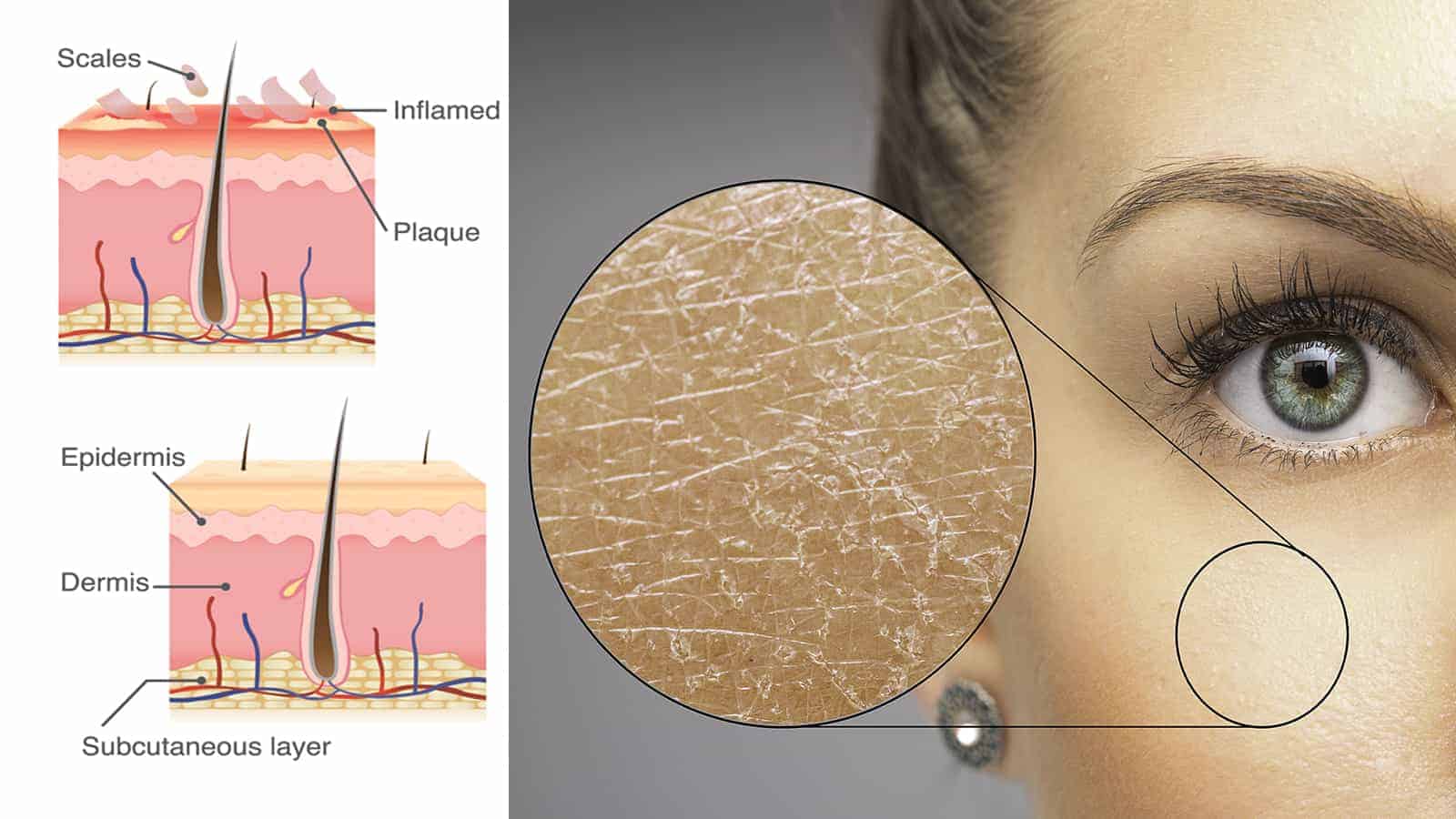
One of the most common skin irritations is atopic dermatitis, or as some call it eczema. It’s said to affect up to 12 percent of children and 10 percent of adults. It’s easy to identify this scaly condition as its trademarks are dry, thick, and itchy patches on the skin.

These patches are mainly observed in the folds of the skin. Many people confuse AD with psoriasis, which is another very itchy and dry condition. However, the two have some similarities but are quite different.

How Do You Know If You Have Atopic Dermatitis?

If you’re trying to distinguish AD from another skin condition, one of the things that doctors notate is the needling urge to scratch. It seems that you can’t leave your skin alone when these bumps and rash is present. Additionally, all the rubbing and scratching causes irritation.

It’s not uncommon for your skin to become inflamed and to weep and drain. Over time, the irritation will cause fluid-filled blisters to appear. These blisters can burst to leave an unsightly mess on your clothing. Scratching only makes things worse, but it seems that itching the area is unavoidable.

There is no need for medical tests to identify this skin condition as doctors know it when they see it. Though psoriasis and eczema are similar, they have some hallmarks that make them distinguishable. The first course of action is a topical cream to help ease the inflammation and urge to scratch.

Treating Atopic Dermatitis

genetic variations

Sadly, AD is a condition that is not curable, so it’s all about finding the treatment plan that works for you. You can quickly develop infections on the skin from scratching and introducing bacteria to open wounds. Secondary infections must be treated as they can become severe.

When creams aren’t sufficient, oral medications, including steroids, can be explored. Combination therapy is usually best. Studies have shown that stress can make AD worse, so flareups can become more common during times of angst and emotional upset.

How Does Genetics Variations Play a Part in Your Skin?

The medical community is continually studying AD and figuring out if and how they can resolve this nagging issue. Research conducted by the National Institute of Health reveals that they see some genetic links to this common condition.

When the skin lacks proper moisture, it’s easy to develop AD. The finding is astounding because identifying genetic variations could be the key to prevention.

Why Is the KIF3A Gene so Important?

It’s time for an in-depth science lesson. The reason why the KIF3A gene is so important is that it codes a protein that sends signals to the skin cells. This gene is what codes the skin to get the moisture it needs to thrive.

It isn’t very easy to understand the dealings of sensory mechanisms, but it’s a breakthrough finding. In previous studies, researchers found a link between KIF3A and children with asthma. They discovered that KIF3A and asthma run together.

Could genetic variations show susceptibility to this condition early so that parents could protect their infant from developing AD among other allergic disease mutations?

The gene KIF3A is responsible for creating a condition where water is lost from the skin; hence dry skin is the trademark of AD.

However, new research shows that some genetic variations in KIF3A were altered through methylation, which is where the gene is copied into an outline for protein production. It sounds extraordinarily complex, but it means that the KIF3A variants in those with asthma had higher rates of water loss in the skin than those without this breathing problem.

Can Low Levels of KIF3A Be Foretelling of AD?

Having lower levels of KIF3A was not substantial enough. Researchers needed to see if having these abnormal levels was the link to causing AD. They used mice to prove their theories, though none was harmed in the process.

When the mice had a dysfunctional skin barrier and increased water loss, they developed characteristics of AD. The conclusion was that genetic variations in the KIF3A protein caused dysfunction in the skin. So, the protein necessary to keep skin hydrated was missing, and thus AD developed.

These findings are astounding because they can now focus on intensive topical moisturizers that can restore hydration to the skin and prevent AD from developing. The prevention of AD could additionally prevent other allergic conditions in life.

Tests can be given to infants to show if they have these genetic variations of the KIF3A protein and are susceptible to AD. Then, rather than treating the aggravating symptoms associated with eczema later, they can manage the water loss issue to prevent it.

Since food allergies, asthma, and rhinitis also link to AD, it could be an astounding discovery to prevent all these painful conditions.

heal flaky skin

Here are ten tips to help you heal flaky, dry skin.

What About Adults Who Develop Eczema?

The study does little to help adults who suddenly develop AD later in life. Moving to a new climate or other forms of stress on the skin can cause this condition to develop. For instance, if someone lived in Florida where they were exposed to tropical climates and then move to Arizona, their skin can react to the changes in the atmosphere.

In Florida, the air is humid and warm. While the air is warm in Arizona too, it’s a very dry heat with little moisture. Those who have sensitive skin may find the move irritating and itchy.

Something as small as riding a plane from one side of the US to the other can induce symptoms. The changes in the atmosphere and the lack of moisture can affect the skin. When these conditions pop up later in life, the doctor may do a skin biopsy to ensure that you’re not dealing with another inflammatory issue.

Autoimmune conditions like lupus cause skin rashes and can be confused for something else before a definitive diagnosis is made. Additionally, a doctor will want to know both you and your family’s history when it comes to allergies. One hundred things can cause your skin to become inflamed, and AD shouldn’t always be the first to blame.

So, while the study was groundbreaking for helping to prevent AD from developing in children, these genetic variations do little to help adults with a sudden onset.

Astounding Statistics about AD

While ten percent of the adult population suffers from AD, did you know that it has a dramatic effect on their wallet too? Yes, the average person suffering from this skin condition will pay about $3,000 each year for treatment. Sadly, this is just the fees for seeing doctors and specialists to get help.

These numbers don’t include the costs of all the creams and other therapies. However, the math encompasses all measures to try to bring some sort of relief. Also, these folks are susceptible to a loss of productivity on their job. Did you know that people with AD often miss at least six days more each year than those who don’t have this condition?

When flareups reach their boiling point, doctors’ appointments, infections, and inflammatory conditions can leave people unable to work. Additionally, putting clothes on inflamed skin and wearing them for more than eight hours is unbearable.

Are Your Bad Habits Causing Your Eczema?

Did you know that your behaviors or bad habits can also affect your skin? Smokers are more likely to develop AD than those who don’t smoke. Everything points back to that hydration issue, and smokers have a loss of moisture in the body because of the toxins from cigarettes.

Furthermore, those who drink heavily can also have a problem. An abundance of alcohol in the system can be very damaging and can cause issues with hydration too. Sadly, the problems don’t stop there; adult AD is linked to higher odds of developing obesity, diabetes, high cholesterol, and hypertension. It can be a marker for heart disease too.

genetic variationsFinal Thoughts on Using Genetics Variations Research to Help Atopic Dermatitis Patients

While there is no cure for this condition, there are many effective management options to explore. It’s best to team up with a dermatologist from the cradle if these issues are present. While the studies regarding genetic variations are astounding, it’s too early in the game to put the data to use.

In the future, it may be possible to screen for abnormal variations of the KIF3A gene from birth. For now, it’s given hope that there may be early interventions in the future that can stop the suffering of children, and it may be the key to them having fewer allergy problems into adulthood.

Doctors Reveal an Embarrassing Health Problem Affects 25% of Women

As a woman, there are certain things that you don’t want to discuss with anyone, not even your doctor. If you have an embarrassing health problem, you will suffer in silence. When you’ve had children, it can do strange things to the pelvic floor and cause urinary incontinence. However, you don’t need to give birth to have issues with bladder control.

Alarming Statistics of An Embarrassing Health Problem

Did you know that there are more than 25 million people in this country that suffer from a form of urinary incontinence, and of those people, 75 percent are females? It’s an extremely uncomfortable subject to talk about, let alone buy products to prevent a humiliating accident.

It takes about 6.5 years for a woman to seek help for this embarrassing health problem. Yet, the trouble is so common that it affects millions of people worldwide. Over 20 percent of women between the ages of 18-44 will struggle with the loss of control from UI, which is about one in four. However, after 60 years of age, the number dips to 23 percent.

Did you know that women are twice as likely to have problems with UI than men? The chief cause of these issues is childbirth, but it’s not the only reason. You must arm yourself with knowledge about the subject so that you can do something about it.

Common Causes of UI

embarrassing health problem

Many things can cause the bladder area to misfunction. Some of the most common are as follows:

•Persistent Coughing
•Constipation
•Being Overweight or Obese
•Frequent Urinary Tract Infections
•Obstructions of the bladder
•Weak Muscles Loss of Sphincter Strength
•Nerve damage
•Neurological Disorders
•Cancer

Understanding the Different Types of Urinary Incontinence (an embarrassing health problem for many)

Yes, some people are cured of their incontinence, while others find methods to manage their difficulties. The first thing you should understand is the four different types that plague a woman.

Once you know the kind of incontinence you’re dealing with, you can take proactive steps to handle it. Here are the different varieties.

• Stress Incontinence

You may experience stress incontinence when you laugh, sneeze, or cough. A small amount of urine leaks out of the urethra and spills out of your body. Of all the varieties of incontinence, SI is the most common. Doctors typically see this problem in older women, though it can happen to you at any age.

The muscles in the pelvic floor have become weakened, or the sphincter muscle in the bladder is not functioning as it should. The risk for those with SI is obesity, smoking cigarettes, and those who chronically cough. Though this is an embarrassing problem, the amount of urine that leaks is usually not significant.

Most women can control SI by wearing a pad or disposable brief throughout the day. Thankfully, you can correct this by doing Kegel exercises to strengthen the pelvic floor as well as trying bladder training. In bladder training, you learn to hold your bladder longer by not giving in to those frequent urges to urinate. If these methods fail, then there are surgical remedies to consider.

yoga for lower back pain

Learn tips on strengthening your pelvic floor after having a baby.

• Urge Incontinence

Urge incontinence, unlike SI, is an indication that there is a problem within the bladder system. Women who experience this variety feel a sudden urge to urinate and may lose control of their bladder before getting to the bathroom. You may hear your doctor refer to this condition as an overactive bladder.

UI occurs when the bladder contracts abnormally. In a healthy bladder, the sphincter muscles effectively control the flow of urine. However, when these muscles become damaged, they contract more often than they should, which causes the bladder to be overactive. The force from the contraction is enough to override the muscles found in the urethra, so the urine inside your bladder leaks outside the body.

Why does the bladder experience these premature contractions in UI? The most common causes are from:

•Stroke
•Parkinson’s Disease
•Diabetes
•Multiple Sclerosis
•Spinal Cord Damage
•An Irritated Bladder

Your bladder can become irritated by many things, including drinking too much soda and avoiding water. They can use many different treatment forms for UI, depending on the cause. If there is damage caused by a significant illness, electrical stimulation to the bladder may help.

They can also use behavioral treatments to try to minimize the damage and bring relief. Unlike stress incontinence, this one is a bit trickier to treat.

• Mixed Incontinence

Roughly 14 percent of women who have incontinence will face a mixed variety. The condition is diagnosed when you face two or more types of bladder control issues, like stress and urinary incontinence. Experts surmise that when the muscles become weak in the bladder area that it sets off a chain reaction in the region that causes two varieties.

When you have mixed incontinence, you can leak when you laugh, cough, or exercise at the gym. Additionally, you may also have urgency problems and feel like you can’t get to the bathroom quickly enough.

• Temporary Incontinence

Yet another type of incontinence is the temporary variety. Sometimes, things can irritate the bladder or cause temporary damage, but the body can soon heal and overcome them. For instance, a urinary tract infection irritates the bladder area, and the disease makes things out of whack.

With temporary incontinence, the symptoms go away as soon as the situation is resolved. So, when you treat the underlying condition, like the UTI, then the bladder leakage will go away.

• Overflow Incontinence

Overflow incontinence is leakage that comes about from a loss of strength from the bladder muscles. It can also be the cause of an obstruction in the bladder where the urine empties. The most common problem with this UI is that women cannot empty their bladder completely, so they retain urine.

You may find yourself having the urge to go to the bathroom frequently, but you may not be able to fully empty all the urine that’s in there, causing further issues.

• Functional Incontinence

Functional incontinence is an embarrassing health problem that is observed in people with psychological issues. It affects children and adults on the autism spectrum and those who suffer from social anxiety disorders and other mental disturbances.

A woman who is afraid to go into the public restroom may hold her bladder all day until the bladder leaks under pressure. She may only feel comfortable using the facilities at home. Another angle with FI is that a person cannot get to the bathroom in time.

For those with arthritis and reduced vision, it may make those trips to the bathroom difficult or nearly impossible. Having a portable potty-chair might be helpful when a person cannot get to the restroom in time.

• Complete Incontinence

No one likes to feel a loss of control from their bladder, especially when they’re not close to a bathroom. Sadly, when you have a CI, you cannot control your bladder functions at all. These are often people who have went years with an undiagnosed problem that never got treatment.

Additionally, CI is often seen in older people who have weak muscles, which affects the muscles in the bladder area. Some surgical maneuvers may be helpful, but it’s usually not something that can be treated. Many people live with this embarrassing health problem and never talk to anyone about it.

cranberry juice for uti

Make homemade cranberry juice to alleviate a urinary tract infection–here’s how.

Final Thoughts on Treating This Embarrassing Health Problem

Treating incontinence is not always straightforward, especially if you have a couple of varieties. The first step is to identify which type you have so that a treatment plan can be formulated. Even though this is an embarrassing health problem, you must reach out to your doctor for help.

When you have bladder leakage, you don’t know if it’s caused by childbirth or cancer until you are checked. One of the first things that a doctor will do is a cystoscopy. A cystoscopy is a non-invasive test that looks at the walls of the bladder.

During this test, your doctor will be able to see if you have a muscle problem or damage to the pelvic floor. Your medical history will also play a significant part in your diagnosis as conditions like Parkinson’s, and MS can affect your nerves in this area.

Once the problem has been identified, then the goal is to treat the issue. Sometimes, a simple fix is strengthening those muscles with Kegels, while other times, the bladder might need to be tucked. Additionally, any extra weight that you carry around can put pressure on your mid-section and affect the bladder. Losing weight may be the simplest way to end this embarrassing health problem.

The key is not to wait until the damage is severe. Don’t be like statistics, and let years pass with no answers. Call and make an appointment today so that you can live your life without fear of embarrassment. There are treatment options that can reduce or eliminate the difficulties you’re having.

15 Misconceptions About Extroverts Never to Ignore

Are you an introvert or an extrovert? These two personality types are often used to describe people from all walks of life. Sadly, there are many misconceptions among these personalities as people like to classify an individual as one or the other.

Did you know that you can be a combination of both personality types? Extroverts are known for being cheerful, socially generous, and frank with their conversations. While the introvert is often quiet, reserved, and would prefer a quiet evening at home rather than spending it out on the town.

Carrying a conversation with an extrovert comes easy as you don’t have to worry about awkward silence as they can talk to anyone about anything. Some think these folks are loud, insensitive, and often are attention-seeking folks. However, are these stereotypes true?

Fifteen Misconceptions About Extroverts That Are Not True

There’s always more than what meets the eye, and the same rings true for the extrovert. Here are 15 common misconceptions about extroverted people that you should know.

1. Extroverts Must Be the Center of Attention

Many people get lots of attention, but this club is not for extroverts only. Being outspoken and having the ability to voice your opinion means you have a strong personality, and introverts can have strong opinions.

misconceptions about extroverts

2. They Enjoy Public Speaking

Is there anyone that enjoys speaking to a crowd? Even the most seasoned people still get butterflies and sweat a little bit when giving a presentation. Both the introvert and the extrovert may experience nervous issues when engaging in public speaking, or they may be excellent with it.

However, it’s not fair to lump everyone into a category because people are still individuals with unique characteristics outside of their typical personality type. Remember, these are individuals with their thoughts and feelings, and they don’t have to fit nice and neatly into a mold.

3. Jabber Incessantly

Some people love to talk, and others have little to say. Do you have a friend that likes to chatter always? It doesn’t mean that they have extroverted ways; it could be caused by nervous conditions like anxiety, ADHD, or bipolar disorder.

People assume that those who are extroverted love to jabber, but not everyone fits into these patterns. Some extroverts have strong opinions, but some don’t like to share their thoughts with just anyone.

4. They’re Superficial

It’s commonly believed that these people love to keep things on a superficial level. While they may be outgoing, they don’t want the topics of conversation to get too deep. The extrovert is usually a good listener because they ingest the information they learn and love to share it with the next person.

5. They’re Not Good at Listening

Wrong! It’s already been proven that these people may like to keep things on a surface level about themselves, but they will be more than happy to talk about your deepest and most sacred secrets. Since they love to chatter, they want to learn everything they can from you to make their next conversation worthwhile.

Extroverted people are eager to learn, so listening is usually not a problem. Consequently, they may love to gossip too.

6. They Have Limitless Energy

You may picture these people as the Energizer Bunny that keeps going and going. However, they are human beings with the same feelings and emotions as you. They get tired, their energy becomes depleted, and they must recharge their batteries.

If you see an extrovert with abundant energy, then it can be caused by an underlying medical condition like ADHD. There’re no secret energy reserves as they can run out of steam just like the next person.

7. Extroverts Don’t Like to Be Alone

Indeed, some people don’t like to be alone, even for five minutes. Individuals who crave the security of those around them can be both introverted and extroverted. Everyone needs time to decompress, but these people can do it with or without you.

When someone doesn’t like to be alone, there are almost always some issues of childhood neglect or other psychological problems that come into play.

8. They Don’t Need to Recharge

Each person has a limit of energy they can use for the day. When this energy level depletes, it’s time to decompress and recharge.

It has nothing to do with having an outgoing personality, but it has more to do with your body makeup and overall health. It’s another misconception that an extrovert has limitless energy.

9. They’re Self-Absorbed

Sure, some people are self-absorbed, but an extrovert loves to engage with people in social settings. They want to hear about your day, your life, and what’s happening around you. Don’t believe that they only care about their life because that’s not true.

10. They Tend to Be Happier People

Having an optimistic outlook in life tends to allow them to fare better in the face of controversy, but their personality also comes into play. Happiness isn’t always manifested the same in everyone, so don’t be so quick to judge that someone is happy just because they are loud and extroverted.

11. Extroverts Love Meeting New People and Don’t Get Nervous

Another common misconception about this personality is that they don’t get nervous when engaging with new folks. The thing is they may be better at hiding their nerves than the introvert.

They may talk more, talk louder, and be the first to jump in line to meet someone new, but that doesn’t mean that their nerves are not playing tricks. It just means they use different coping skills to deal with the situation.

12. They’re Not Shy

Their cheerful character and friendly personality may make you think that extroverts don’t have sensitivity. Nonetheless, they have periods of life when they are up and periods when they’re down. Just like anyone else, extroverts are sensitive to the feelings of others as well as being attentive to their struggles.

Everyone has moments in life that may cause them to feel shy. In the right situation, even the extrovert can have moments when their face turns red with embarrassment. Think of the last time you chased your office crush. The gift of gab doesn’t come so accessible to anyone during something like that.

13. They Don’t Care What You Think

Extroverts may put up a strong front that your opinion doesn’t matter, but deep down inside where it counts, what you say does affect them. The outgoing person draws their strength from those around them, and they’re happiest when they’re listening to other folks’ opinions and ideas.

Shockingly, they will be the last people you should suspect that don’t care about what you have to say or what you’re thinking.

14. They Don’t Have Close Friends

Their love of mingling and intermingling with folks doesn’t impinge on their capability of sustaining healthy relationships and closeness. Extroverts tend to keep a vast circle of acquaintances, but they also have close friends that they keep in proximity.

15. They’re Fake

Many people believe that someone who has an extrovert personality is often fake. Shockingly, their character is only one part of the puzzle that makes up the person. This individual can be fake, but it’s unfair to categorize them.

A study in 2011 found that an extroverted person’s brain is different from that of an introvert. Their need to have stimulation continually has to do with the way they process dopamine. They seek pleasure from others and continuously need to be stimulated.

Did you know that extroverted people have a higher risk of developing a chemical dependency? It has to do with the way their brains are wired and how they crave stimulation. To be successful in work and life, this person must learn how to maximize their strengths.

extrovertsFinal Thoughts on Understanding the Misconceptions About Extroverts

Do you fit more into the introverted category, or are you more extroverted? Perhaps you are a combination of the two personality types. Did you see some things on the list that surprise you?

It’s easy to form opinions based on the experience and views of a few people. Thankfully, each person is unique, and as an individual, some characteristics are solely theirs. Do you know any famous people that fit into the extroverted category type?

Did you know that there are more extroverted people in this world than introverted ones? Some famous individuals with an extrovert personality type include Oprah, Robin Williams, Tom Hanks, Jim Carrey, Johnny Depp, Madonna, Jerry Seinfeld, and Matthew Perry.

When it comes to the introverts, you can group people like Tom Cruise, Marilyn Monroe, Julia Roberts, Lady Gaga, Britney Spears, Brooke Shields, and Arnold Schwarzenegger into this category.

Do you see any of your personality in any of these actors? It’s possible you are a combination, and it’s okay to break the mold. Extroverts are often misunderstood, but many misconceptions can be quickly cleared with a little education about personalities.

15 Natural Remedies for Managing Pain from Inflammation

Managing pain caused by inflammation is, to be quite frank, a royal pain! In a market flooded with over-the-counter remedies, it is easy to spend hundreds of dollars on different ways to combat pain caused by conditions like arthritis. Many of you might feel like you might never find relief.

But guess what? You can find ways of managing pain that do not require testing out dozens of different (and downright expensive) over-the-counter products. We have scoured all of our resources and found 15 natural remedies for managing pain for everyone with inflammation.

15 Natural Treatments for Managing Pain and Inflammation

Pain is different for all of us, but some remedies are universally known for their ability to provide inflammation relief. You might still need to try a few to determine which one is right for you, but the 15 we have found are some of the most renowned for their efficacy. Read on through and see which ones appeal to you.

1. Heat Therapy

Believe it or not, heat therapy is one of the most popular methods people still use for managing pain. Yeah, it might seem old-school, but this is an affordable alternative to things like non-steroidal anti-inflammatory drugs. Why? Heat can reduce the amount of fluid build-up and inflammation in the body’s tissues and tackle stiffness and pain in the joints.

You can take a hot pack and press it against the affected area, getting it into the body’s deep tissues. If you have widespread inflammation, you might consider doing hydrotherapy (utilizing agitated warm water) or taking a heated wax bath. While temperature-based treatments might not make your rash disappear, they can help reduce the degree it impacts you and your everyday life.

managing pain

2. Cold Therapy

Of course, cold therapy can be used too. You can even combine it with heat therapy, trading off one for the other. Experiencing lower back pain and inflammation? Try putting a cold pack on it and letting the cool temperature settle into your deep tissues.

Cold treatment is something you do not want to overdo. If you have an arthritic condition, take it easy on the cold. Apply it for 15 minutes, then give yourself a break for about half an hour. If you expose yourself to the cold for too long, your tissues could receive damage. However, you might experience some inflammatory relief when you limit your time.

3. Yoga

Yoga is one of many types of exercise that can help relieve inflammatory pain. It has been practiced for over 5,000 years to relieve physical and mental duress. Yoga allows you to create your workout based on your level and needs.

Incorporating yoga into your everyday routine can help reduce inflammation and improve flexibility. Even on a day when you are having a flare-up, you can do gentle stretches to help yourself stay active. On top of that, yoga can help you keep your mental health in balance on those days when you are feeling overwhelmed with pain.

The best part of doing yoga? Doing it from the comfort of your own home! YouTube is full of yoga videos for practitioners of all levels. Whether you are a novice, intermediate, or advanced practitioner, you can find instructional videos specifically for managing pain caused by arthritis or just general yoga exercises.

4. Turmeric

How could a seasoning possibly be a remedy for inflammation?! Turmeric (or curcumin) has been used for centuries as a spice but also as a pain-reliever. When used in appropriate doses (doctors recommend 1,200 milligrams per day or less to curb potential side effects), turmeric may be a potent anti-inflammatory agent.

In a small study from 2016, researchers found that turmeric was more effective than the placebo, NSAIDs, and glucosamine at relieving arthritic inflammation and pain. While more studies need to be done on a broader scale, many people who use this old Ayurvedic method to treat inflammation claim that it helps.

5. Eating a Fiber-rich Diet

What does your diet look like? Are you eating enough fiber? A lack of fiber in your diet could contribute to health problems, and having a high-fiber diet might curb inflammation. This is because fiber feeds helpful bacteria in the gut that release anti-inflammatory mechanisms.

Get your fiber as naturally as you can from food (such as oatmeal and brown rice), combining enough soluble and insoluble fibers. But, if you aren’t getting enough, adding a fiber supplement might be necessary. Just make sure you voice your concerns with your doctor before starting a new fiber supplement since too much fiber can also be problematic.

6. Omega-3 Fatty Acids

Omega-3 fatty acids (which are contained in fish oil) are long-chain fatty acids that are known to reduce inflammation. The human body does not make omega-3s, so you have to add them to your diet. Many people do this by eating fatty fish (like salmon) or even flaxseed and flaxseed oil. Of course, supplements can also be taken.

So, how do omega-3s work? While scientists are not yet sure of how they impact cells, they do know that omega-3 fatty acids activate a self-cleansing process. In particular, they reduce a type 1 interferon response in macrophages known as CXCL-10. CXCL-10 is a known inflammatory agent known for its involvement in rheumatoid arthritis.

Again, be sure to consult your doctor before adding omega-3 fatty acids as a supplement. But go ahead and eat some fish and flaxseeds in the meantime! The daily dosage for adults is 250-500 milligrams, but individuals with chronic inflammation might need more.

omega 3

7. Progressive Muscle Relaxation

As odd as it might sound, progressive muscle relaxation is an increasingly popular way of managing pain and inflammation. This technique is simple but involves some concentration.

Concentrate on the muscle group where you experience the most stress and inflammation. You are going to need to breathe in and tense those muscles at the same time. Then, you will breathe out and relax them. You can go through the different muscle groups, focusing on one at a time.

Remember, stress and inflammation go hand-in-hand. The more you can reduce your stress, the better chance you have of decreasing your inflammation.

8. White Willow Bark

White willow bark has been used since Hippocrates practiced medicine in 400 BC! This bark has salicin, which is a pain reliever similar to aspirin. Its flavonoids (which are a type of plant compound) have anti-inflammatory properties that work to enhance the effects of salicin.

These trees are abundant in Europe and exist in some parts of North America. Recently, they have become popular as an over-the-counter supplement. Some studies have shown that it can help people with hip and knee pain from osteoarthritis. Side effects are typically mild, but you should still consult your doctor before taking white willow bark as a supplement.

9. Green Tea

A rather delicious method for managing pain is green tea. Green tea contains polyphenols, an antioxidant known for decreasing cartilage decay and inflammation. It also has epigallocatechin-3-gallate (EGCG), a substance known to reduce inflammatory responses in those dealing with rheumatoid arthritic inflammation.

Green tea is often best brewed fresh. Bottled green tea that has been decaffeinated might have fewer necessary compounds for relieving inflammation, so it is best to take green tea the most natural way.

10. Frankincense and Myrrh

You might think of these oils as perfect for aromatherapy around the holidays. Still, frankincense and myrrh are honored in China as a way to relieve pain caused by inflammatory diseases. They work by reducing the release of pro-inflammatory leukotrienes.

Studies prove that frankincense and myrrh are so effective at reducing rheumatoid inflammation that those who took them were able to decrease the number of NSAIDs they took. They also seem to have the ability to combat asthma, improve gut functioning, and even fight certain types of cancer.

11. French Maritime Pine Bark

Maritime pine bark from France has shown an ability to reduce inflammatory responses, as indicated by several studies. It does so most popularly in the extract Pycnogenol, which is composed of polyphenolic monomers and procyanidins.

French maritime pine bark, in Pcynogenol form, can reduce leukotriene levels, lessening inflammation by an estimated 15 percent after just five days of supplementation. Of course, as is the case with any supplement, results might not match this. However, this supplement is finding a market within both the United States and Japan for a reason.

12. Resveratrol

In the past few years, studies have been finding that resveratrol might help alleviate inflammation. This substance can be found in red grapes and red wine and belongs to a group known as polyphenols that act as antioxidants within the body.

Even when taken in more significant doses, resveratrol has few side effects, and they are minor. A typical daily dosage is 250-500 milligrams, but the studies that have been done utilize much higher doses.

13. Chili Pepper

Do you like chili pepper? If so, you might want to consider eating even more of them. Not only do they help reduce inflammatory pain, but they also promote healthy aging!

While they can cause inflammation in some people, chili peppers reduce it in others. They have ferulic acid and sinapic acid, two antioxidants that are known to lessen inflammation. If chili peppers aren’t your thing, bear in mind that bell peppers are also rich in vitamin C and other antioxidants.

14. S-adenosylmethionine

S-adenosylmethionine (otherwise known as SAMe) is naturally found in the body, as it is required for cell membranes and hormonal regulation. While it has been primarily used to treat depression, it can treat osteoarthritis symptoms.

This supplement’s recommended daily dosage is 600-1,200 milligrams, divided into three dosages. Take note: There are no food sources for SAMe. You have to buy it as a supplement.

15. Zinc

Enjoy oysters? Zinc is abundant in poultry and red meat but is most abundant in oysters. There are also plenty of vegan and vegetarian food sources for it. In fact, there are many ways of getting your zinc, and since the body does not store it, you need to get it from a wealth of food sources.

Zinc levels decrease with age, so older adults might need to add more to their diet than younger adults. It is considered safe for almost everyone and has very few side effects.

managing painFinal Thoughts on Managing Pain from Inflammation with Natural Therapies

Managing pain should not be painful itself. Trying a natural remedy for inflammation can save you a lot of hassle and some money. Remember, check with your doctor before adding any supplement to your regimen. Supplements can help you combat inflammation, but so can changes in diet and exercise.

10 Incredible Benefits of Walking with Bare Feet

Walking with bare feet offers many benefits to your well-being and health. This healthfulness is due to the grounding properties of the earth and the electrical activities it provides. Often, allowing your bare feet to connect with the planet is referred to as earthing, as well.

With shoes on, the benefits aren’t able to make it into your body. The energy has to go directly from the earth into your bare skin to be effective.

Since shoes are so normal and the benefits of them are often discussed and advertised, earthing tends to be forgotten. Humankind generally believes that wearing shoes is more beneficial, but this is not the case. It can cause pain, instability, and loss of strength.

Even more surprising, wearing shoes can prevent the earth from making you healthier. Grounding can lead to increased immunity, disease prevention, and many other beneficial situations.

Surprising Benefits of Walking with Bare Feet

Once you learn about them all, you’ll be ready to take on the barefoot lifestyle right away.

1. Improves Sleeping Habits

Studies published by the National Institutes of Health shows that letting your feet touch the ground can improve your sleep. The studies show that it changes the electrical activity in the brain, allowing for feelings of well-being and relaxation. The practice of earthing or grounding should be done for at least a couple of minutes each day.

Additionally, earthing helps reset your biological clock, which contributes to developing healthy sleep patterns. Once your biological clock has been reset and you’ve relaxed, you’ll be able to normalize your sleep schedule. If you’ve been having trouble sleeping, taking a walk without shoes on might be your best option.

shoes

Learn why you should always remove your shoes before you enter your home.

2. Helps Reduce Pain

In the same ways that touching your feet to the earth improves sleep, it also reduces pain in your body. The electrical brain activity provided from the universe will make it so that you don’t feel pain as severely. It can help with sore muscles and headaches, plus it can reduce the severity and length of migraines.

This pain reduction initially comes from grounding the body and reducing free radicals. Other painful situations can be alleviated come from the way a person carries themselves, otherwise known as their gait. Walking barefoot helps reduce pain because often back, knee and hip pain stem from a person’s improper gait.

Some shoes may cause a person to walk improperly or hinder their posture and balance, throwing off their gait. By walking with bare feet, this can be avoided, and you’ll walk the way nature intended for you. Allowing yourself to walk naturally will also help reduce or prevent pain in your feet, legs, hips, and neck.

Wearing shoes also cause other painful and uncomfortable foot ailments that can lead to further problems. These ailments include, but are not limited to, bunions, corns, calluses, fissures, and hammertoes. With these issues affecting nearly 75% of Americans each year, this is something many can benefit from.

3. Reduces Stress Levels

As with the others, this relies on the electrical brain activity that results from grounding. Since it allows you to relax, you’ll feel less stressed. Pair that with the improved sleep you’ll be getting, and you’re sure to be much less stressed.

Plus, earthing helps to regulate emotions and bring balance to the nervous system, both of which affect stress. This can help decrease both stress, anxiety, and depression symptoms rather quickly. The more time you spend outside without shoes, the more that the earth’s charge can benefit you in this way.

4. Contributes to Positive Brain Development

The more you walk outside without shoes on, the better your senses develop. You’ll become more alert, noticing sounds and things around you that normally wouldn’t. This helps you stay present at the moment, instead of letting your mind wander.

It also helps you notice small details, sharpening your eyesight and allowing you to focus more quickly. Plus, it stimulates your senses of touch and hearing since you’ll be fully in tune with your surroundings. The fresh air and scents of nature will heighten your sense of smell, as well.

5. Your Feet Will Be Stronger

Despite some people believing that walking barefoot may be painful or dangerous, this isn’t the case. Instead, walking without shoes on will make your feet stronger. It also teaches you to be more aware of your surroundings, leading you to avoid stepping on something dangerous.

Wearing shoes also weaken feet and ankles, because you’re making them dependent on artificial support. When you have no shoes on, the muscles in your legs, ankles, toes, and feet are stimulated, making them stronger.

Not only will they be stronger, but they’ll look better, too, because they will be more toned. You’ll also be less likely to get injured because of the development of strength and balance.

life quote

6. Improves Blood Function and Helps Reduce Heart Disease

High blood viscosity, which is a thickening of the blood, is a contributor to heart disease. When the blood gets too thick, it causes clumping in the cells. Earthing can lead to a decrease in blood viscosity, helping to prevent or lessen the risk of developing heart disease.

Additionally, it can help with hormone regulation and lessen symptoms of menstruation. This has to do with the pain-reducing properties, but it also has to do with improved blood function.

7. Foot Massage

The unevenness of the ground caused by small pebbles, stones, and rifts have the same effectiveness as a foot massage. As the feet are massaged, energy will be able to flow freely through the body.

Since walking without shoes gives you a free foot massage, it’s important to know the benefits of a foot massage. These benefits include, but are not limited to, the following:

  • blood circulation improvement
  • relaxing
  • helps with sleeping
  • reduces pain in the body
  • improves your mood
  • decreases feelings of depression
  • improves foot health
  • reduces swelling in the feet

8. Reduces Risk and Development of Osteoporosis

Studies show that earthing can change the number of minerals and electrolytes in the blood. Furthermore, the studies show that urine and blood tests showed less calcium and phosphorus being excreted.

These results came after just one night, showing that less calcium and phosphorus are lost from the body. Since osteoporosis develops and worsens as mare of these minerals are lost, it directly impacts the risk. The more often you go without shoes, the more your risk decreases.

9. Helps Treat Diabetes Mellitus and Thyroid Disease

People who take anti-diabetic drugs to treat non-insulin-dependent diabetes showed improvement through earthing. After only a few days, fasting glucose levels could be greatly decreased.

Earthing also affects the hepatic, hypothalamus, and pituitary gland, all of which directly affect the thyroid. For those who suffer from hypothyroidism, wearing no shoes can stimulate the thyroid and increase free thyroxin.

10. Strengthens the Immune System and Gives Energy

Because it increases red blood cell counts and lowers the number of white blood cells, it improves immunity. You’ll be better able to fight off any viruses or bacteria that may cause you to become ill. Plus, it’ll help prevent you from contributing immune-related diseases.

When you are feeling well, energy is essential to keep feeling that way. The ground emits higher frequencies, which help increase the energy levels of those who connect with it.

Things to Keep in Mind About Walking in Bare Feet

With all of these benefits, you might be tempted to kick your shoes off and get started right now. If your feet aren’t used to this, though, you may want to ease yourself into it. This discomfort is because your foot and ankle strength may not be where they should be.

You should first go without shoes for small increments of time. As you build your balance and strength, you can do it for longer times. You could also do yoga, which will help build the strength that you need.

You should also be careful of the terrain you are walking on. Rocky areas may have sharp rocks that could cut your feet. You should also avoid areas that have broken items, areas with nails or glass, and slippery areas.

Some areas don’t provide the grounding benefits, either, so you can avoid those, as well. These surfaces include the following:

  • asphalt
  • wood
  • rubber
  • plastic
  • vinyl
  • tar
  • tarmac
  • sand
  • concrete
  • ceramic

bare feetFinal Thoughts on Surprising Benefits of Walking with Bare Feet

Walking with bare feet has so many surprising benefits. You are likely shocked that you didn’t know how beneficial it is sooner. With shoes being so highly praised, though, grounding is often forgotten or ignored.

Now that you know all of the benefits, you’ll want to spend time earthing each day. Remember to ease yourself into it if your feet aren’t used to being bare. The benefits will begin quickly, and you’ll soon be healthier, more energetic, and have a better feeling of well-being.

The next time you are walking through your yard, make sure to go barefoot. Before you know it, you’ll do it without a second thought, and you’ll begin to notice the benefits at work.

Therapists Reveals How Physical Touch Is Linked to Brain Development in Kids

Brain development in children depends on positive physical touch from a loving adult. This positivity often comes from the parent but can be another family member or caregiver if the child is comfortable. With positive physical contact, children can thrive and develop healthily, eventually becoming positive adults.

With many activities outside of the home, electronics, and busy schedules, many children aren’t getting this stimulation. They still need this contact to thrive, even if they eat a healthy diet and get a good education. Although life may be busy, positive physical contact is essential for children to develop to their full ability.

From the very beginning of their lives, children learn from and depend on physical contact from their caregivers. It helps them communicate with and discover the world about them. They need a loving adult to help them do this, as they trust you to keep them safe and help them explore.

Why Touch Is Essential to Better Brain Development in Kids

Research shows that positive touch is essential to development because it directly affects cognitive brain function and socioemotional development. There are many ways that it can affect neurological development in children, and understanding it can give guidance.

1 – It Impacts Short-Term Development

According to the National Institutes of Health, touch is a significant contributor to early childhood development.

Positive physical contact significantly impacts short-term neurological development from the very start of a child’s life. As infants, children require this contact because it helps them learn about the world around them. It also helps them bond with their caregivers, allowing them to develop positive bonding skills.

Additionally, it helps them learn to communicate their wants and needs. All of this contributes to a child’s development of social, emotional, and intellectual skills. If they don’t receive positive contact, they won’t develop properly in those areas, hindering their abilities.

Without enough positive contact in their early lives, children will be deprived and struggle developmentally. They may fall behind their peers, and this struggle can eventually have a long-lasting effect on their lives. They will struggle to connect, to express emotions, and to develop intellectually.

brain development in children

2 – Touch Impacts Long-Term Development

Positive contact can impact a child for up to eight years, making it a long-term developmental necessity. They will handle their emotions better and tend to be less hostile, anxious, and emotionally distressed as adults.

Children who lack this necessity tend to have cognitive delays well into their future. Because of this, they’ll be angrier and more aggressive as they get older. This can continue into adulthood, causing severe problems for them as they go through life.

During their years in school, they will continue to struggle without positive contact. The more they fall behind, the harder it will be to catch up. As this cycle continues, the long-term effects only become more severe and prolonged.

3 – The Child’s Brain Functioning Increases

Positive physical contact can increase brain functioning, helping children develop new skills. Since the sensory system is one of the first to develop, it forms a basis for later development.

This is why stimulating brain functioning in children through positive contact is so important. It impacts brain functioning and the development of other senses, cognitive development, and social development. Without the first fundamental steps of development, children wouldn’t be able to grow on that.

One piece of research that confirms brain functioning increases through positive contact was published by the National Institutes of Health. Researchers studied premature babies and their brain’s responses to physical contact, along with other similar studies.

The research showed that premature babies who had more positive physical contact had more significant brain responses. On the other hand, the babies who didn’t receive as much kindly contact didn’t respond as well to being touched.

Researchers also found that unpleasant contact significantly reduced their brain activity. This includes skin punctures and the insertion of tubes.

4 – Helps with Positive Mental Development

Physical contact plays a significant role in the development of positive mental health. When children are touched by their parents, they tend to be less scared, anxious, or sad. This gives them a chance to think about how they are feeling and to develop their mental skills.

When children aren’t comforted during times of distress, their mental development will suffer. They may often express anger and aggression to cope rather than coping positively.

Another way that physical contact helps with mental development is through their self-worth. It’ll ensure them that they are loved and valued, which essentially gives them a greater sense of their worth.

When a child’s self-worth is improved, it leads to a decreased risk of depression. It’ll help improve their sleep habits, as well, which also contributes to better mental health.

Positive physical contact helps their brains mentally develop in other ways, too. It can help prevent body image disorder throughout their lifetime.

5 – It Helps Keep Children Healthy

While keeping children healthy may not seem like it affects neurological development, it’s imperative. If children are often sick or not feeling well, they won’t be able to do the things that help their brains develop.

Children may not play as much, or be as engaged as they could be, hindering their learning opportunities. Plus, development is stimulated through movement, so lying in bed prevents growth, as well.

Positive physical contact helps with that. It stimulates receptors that lower the heart rate, slow breathing, lower stress hormones, and boost the immune system. All of those benefits play crucial roles in staying healthy.

6 –  Touch Impacts Social-Emotional Development in the Brain

Children need to build positive social habits, including learning social-emotional cues. One aspect that children have to learn is appropriate physical contact.

Children have to know what feels good and what doesn’t, plus they have to learn about physical boundaries. Additionally, children have to learn about communicating their feelings and expressing needs. They also have to learn about recognizing and responding to the needs of others.

hugs

Research explains how parents who give hugs raise more positive children.

Examples of Positive Touch

It’s easier for parents to feel comfortable touching a child, but knowing positive ways can help. For those who may not know how to give positive physical contact, it’s easier than you may think.

If you don’t know the child’s feelings about being touched, always ask them before you make contact. It may be best to ask, even if you think you know the child’s feelings to reinforce their boundaries.

To give positive physical contact to children, you have to know what constitutes positive touching. Some examples include:

  • a light massage
  • gentle strokes on their back or leg
  • rocking or holding a child
  • hugging, making sure to never deny a hug when a child asks
  • reading a book while the child sits on your lap
  • hold hands while walking
  • touch-based learning
  • gentle strokes on their face

Infant Massage

Infant massages are highly beneficial to early brain development. This one is important to discuss further because there are many benefits, some for the caregiver, as well. Some of the benefits include:

  • developing bonding skills
  • better sleep patterns
  • baby is aware of being loved and secured
  • improved digestion
  • less crying because of discomfort
  • promotes weight gain
  • relaxing for the baby and the mother or caregiver
  • neurological functioning is improved

Hugging

When children receive hugs, their bodies produce more oxytocin. This is a hormone that increases during positive physical contact and strong, positive feelings. Two instances where it benefits a child’s neurological development is during breastfeeding and hugging.

For babies, an increase in oxytocin causes increased bonding between a mother and baby. It also helps children develop trust for others, close relationships, and maternal or paternal instincts. Hugging and the release of oxytocin affects the cognitive, emotional, and social development of children.

Touch-Based Learning

While physical contact is essential, children can receive positive contact in other ways, too. By using various materials and textures in their play, children can further develop their senses, language, and vision. As they are playing with these different materials and textures, make sure to explain each item to them.

Plus, playing with a child in this way helps with development, as well. Having a daily routine of playing with a child and spending time together provides additional development opportunities.

brain developmentFinal Thoughts on Understanding Why Touch Is Essential for Improved Brain Development in Kids

Therapists and researchers have spent extensive amounts of time learning why touch is essential to better brain development in kids. Through their studies, they were able to provide this valuable information for parents and caregivers to learn from.

Parents will have an easier time touching their child, but caregivers can give positive contact, as well. With the many safe suggestions for providing loving contact, it is easy to provide the physical contact they need. Remember to ask the child before making contact so that they feel comfortable and learn to understand their boundaries.

With the many positive effects on neurological development, positive physical contact is essential for children. For them to learn, grow, and develop positively, they have to experience this from a loving adult. The earlier age they experience this, the sooner the benefits will take effect.

Skip to content