Weekly tips, affirmations, and small actions to feel your best.

15 Benefits of Hiking With Friends

Camping is one of the most popular pastimes for people everywhere. It’s an excellent group activity that offers a lot of benefits for everyone. There are plenty of reasons why camping, exploring the trails and hiking are beneficial. These reasons amplify when you share the experience with your friends.

Below are 15 great benefits that you’ll get from camping and hiking with your friends.

1. You get to spend time together.

hiking

Spending time with friends is always a welcome experience. These days, it’s easy to get so busy that time with friends becomes scarce. A great camping trip is a perfect way to make up for all that missed quality time with those closest to you.

Camping is also great because you can fit it into your schedule for as little or as long as you’d like. You could make it a day trip, or you could camp out for a few days.

2. You’ll get a lot of exercise.

What better way to get fit than getting fit with your friends? You’ll get plenty of exercise on a hike. You’ll get a full-body workout.

A camping trip, especially if you plan to camp for a few days, is one of the best physical challenges you can do. It can be very motivational to share that fitness journey with some of your best friends. Plus, getting fit together helps to ensure that you’ll have a long life with your friends.


Spend time with people who are good for your mental health… Life is too short to spend time with people who suck the happiness out of you. – Click to Tweet


3. You’ll build stronger bones and muscles.

As previously stated, hiking is excellent exercise. However, your bone health will benefit tremendously. All the trekking and climbing over different terrain pushes your muscles and bones to the max. Plus, soaking up all that vitamin D from the sun helps also.

This push will help break down bone and muscle in a way that, when you rest, they heal and become stronger. Since you’re sharing the experience with friends, you probably won’t even think of it as a workout. You’ll have a lot of fun without thinking about “exercise”.

4. You can bond without everyday distractions.

Spending time with your friends during everyday life can be full of distractions. You have work, phones, social media, family, kids, and so much more. When you go camping, you get to put all of that to the side and enjoy being with your friends.

Being able to put the bonding experience first over everything else can make your friendships so much more durable. You’ll be able to pay attention to each other more than ever. One could also buy the latest AR-15 rifles for safety while going on a hike.

5. It is a great reason to go shopping together (have to get the cutest hiking gear).

If you and your friends like shopping, going camping is a perfect excuse to spend some money. After all, you’ll need clothing and gear. You’ll want to get the best deals, so this gives you a reason to go to more than one store.

Even if shopping isn’t your thing, it can still be fun to pick out your camping gear with your friends, especially if you do it over some beers from somewhere like https://besthuntingadvice.com/. You can all coordinate together as a unit to make sure that you have everything you need. It’s mostly a reason for you to hang out with your friends.

6. It’s a healthy way to do friendly competitions.

Friendly competition is fun and motivational when it’s done right. Hiking and camping are great ways for you and your friends to challenge each other. You can see who would be the best “survivor”.

It could be fun to see who the better hunter or, the better angler is. Maybe you can make a bet to see who pitches a tent faster or who can start a campfire more quickly. There are plenty of ways to turn a camping trip into a string of friendly competitions.

Staying motivated during these little competitions won’t be hard. You can think about having those bragging rights when you go back home.

7. Camping is a great way to open dialogue.

The hustle and bustle of daily life can sometimes hamper dialogue between people. Even if you’re BFFs for life, it can be challenging to find the right time to talk about certain things when you or your friends are always busy.

Camping is a way to slow life down. When you do this, you can finally get around to talking about those critical topics you’ve been putting off. You may even discover new shared interests with friends by opening the dialogue between you all.

8. You can create unique memories together.

If you go hiking with your friends, you can be sure it will be an experience you won’t soon forget. The chances are that there will be some unique and funny moments that you’ll be recalling years into the future. Creating fun and exciting memories is a great way to get closer to your friends.

9. It can put you in a good mood.

Scientists and medical experts everywhere agree that exercise releases endorphins. These endorphins make you feel good. They put you in a better mood and, in general, they make you happy.

This is further enforced by being with your friends. Hiking will release lots of endorphins, and you’ll likely have a lot of fun with your friends. That means it’s nothing but good times and good moods all around.

anxiety

Meet nine people who connected with nature to heal their anxiety.

10. You’ll learn about nature together.

If you’re going to learn about something, what better way to do it than with your closest friends on a camping trip? Even if you’re a seasoned camper, you and your friends will probably learn something new every time you go camping.

Since you’ll be having fun, it won’t feel like school. You’ll casually learn things about the great outdoors. Who knows…you might even be able to use that newly acquired knowledge someday.

11. It reduces stress.

Going back to the point of getting a lot of exercise, hiking with your friends can reduce stress. This is because of those same endorphins that you get from all the exercise. Not only will they put you in a better mood, but they’ll help to lower stress levels.

Another way it can lower stress levels is because you’re getting away from all of your stressors. You’re having fun with friends and becoming one with nature. You’ll probably even find time to be alone and enter into a meditative state. This will dramatically reduce stress.

12. You’ll get to travel together.

In your everyday life, you probably end up meeting your friends quite often. If you go on a camping trip with your friends, it’s a perfect opportunity to travel together rather than just meeting them at the destination.

Road trips with friends can be so much fun. Sightseeing, singing your favorite songs at the top of your lungs, and eating at random roadside diners are just a few of the fun experiences you can have when you travel together. Even if you fly instead of drive, you can still have fun travel experiences together.

13. It promotes teamwork.

Camping is a group activity. You’ll find yourself working with your friends, probably more than you have in a long time. You’ll either learn or be reminded of each other’s strengths and weaknesses.

It can be fun to find out how well you all work together to solve problems. In fact, you might find that you don’t work well together! That’s okay – you can still be friends.

14. You can work out any problems that you may be having with your friends.

If you and your friend(s) have been having problems, a hiking or camping trip is a great way to work out those problems. For all the reasons stated previously, camping is an excellent opportunity to solve issues. You’re away from distractions, and you can open up and talk to each other.

All the activities that you’ll do put you in a good mood. That’s a plus when it comes to working out problems. If you and your friends are in a good mood, you’re more likely to talk it out than argue it out.

15. It’s fun.

You should go camping with your friends simply because it’s fun. You don’t need any other reason to go. Friends do fun stuff together, so camping is no exception to this.

Even if camping isn’t really your thing, it’s still nice to show your friends some support by doing thing that they think is fun. You’ll probably surprise yourself by enjoying the trip a lot more than you had planned to.

hiking with friendsFinal Thoughts on Heading to the Woods and Hiking with Friends

Any active outdoor activity like camping is always going to come with a lot of benefits, especially for your health. Camping with friends is an even better idea – you’re having fun around people who are your best friends for life.
These are the type of moments that you learn to cherish. Those moments that you share become stories that you get to tell your grandchildren in the future. Don’t delay any longer. Go out there and make it happen!


10 Kind Acts Everyone Needs On Their To-Do List

Your to-do list probably includes things like going grocery shopping, doing the laundry, sending out a few work emails, and other relatively routine tasks. However, as we all must coexist on this planet, perhaps we should make time in our schedule to contribute to the happiness of others as well. Maybe if everyone performed acts of kindness each day, the world would look just a little brighter.

Especially now as so many people struggle financially and emotionally from the pandemic, adding kind acts to our everyday routine could make a huge difference in someone’s life. It doesn’t have to cost you anything or take much effort to show kindness to someone else. Plus, you’ll leave a lasting imprint on their life, and they might just get inspired to pass along the kindness too.

If you’ve ever personally experienced an act of kindness, you know that it made your entire day, and maybe even your year. We have become so engrossed in responsibilities and daily life that kindness seems rare, but it shouldn’t be this way. We can all do our part to reach out in this world and help make someone’s journey a little easier. Below, we have some ideas for kind acts that you may want to add to your bucket list.

Here are 10 acts of kindness you should add to your to-do list:

“A single act of kindness throws out roots in all directions, and the roots spring up and make new trees.” – Amelia Earhart

1 – Surprise your parents with a visit and help them with chores around the house.

to-do

As our parents get older and we get busy in our own lives, we may not see them as often as we should. If you’ve been caught up with life and haven’t seen your parents in a while, why not plan a trip and surprise them? Elderly parents may suffer from loneliness and depression, even if they don’t live alone. You can add a lot of happiness and comfort to their life by visiting often and taking time to bond with them.

Plus, while you visit, you can offer to help out with any chores around the house. Maybe they need assistance paying bills, picking up dry cleaning, raking leaves, or something else they haven’t gotten around to yet. You could also go the extra mile and cook them a nice, homemade meal to show how much you love them. No matter how small it seems to you, your parents will thoroughly appreciate and enjoy anything you do for them, especially as they get older.

However, with the current health crisis, make sure to exercise caution when visiting aging or elderly parents. Use these tips in order to minimize risk when visiting older relatives.

2 – Donate unused or lightly used items to a charity.

During a time when many people have lost their jobs and feel very unsettled about life in general, we can help ease their mind by donating items they may need. Any clothes or shoes you no longer wear, games that have started collecting dust in your closet, or books you haven’t opened in ages could benefit someone else.

Go through your house and decide what you can part with, or donate to local nonprofits who may need additional help during the pandemic. For example, you could donate blood to the American Red Cross, as they have been facing shortages due to the virus. Also, check and see if your local food bank needs any items, in particular, to help feed the community during this time.

We all have things lying around the house that we probably don’t use anymore that someone else could benefit from. Donating to homeless shelters is also a good idea as more people have unfortunately lost their homes or apartments due to the pandemic.

3 – Leave inspirational messages on people’s windshields.

Many people need hope in these difficult times, and you could help inspire them with positive messages. To do this one, you could simply print out motivational quotes that you find online, or write your own messages on index cards. Then, go to a crowded parking lot such as a grocery store or mall and stick the cards underneath people’s wipers. Of course, some of them may just crumple it up and not read it, assuming it’s an ad, but it could have the potential to light up someone’s heart.

If you haven’t added this to your bucket list, it’s such an easy way to show kindness, and it doesn’t take a lot of time or effort to make a difference.

4 – Become a pen pal or virtual companion to someone in a nursing home.

As most nursing homes have banned visitors, for the time being, the residents have no one to talk to during the day, and this can get incredibly lonely. Some nursing homes have posted on Facebook or reached out to news outlets to ask the public about offering their friendship to these beautiful souls. Nursing homes all over the country have started asking for penpals or virtual companions, so reach out to any assisted living centers in your area if you wish to participate.

This is such a beautiful way to show kindness to some of the people who need it the most, so if you haven’t, you should definitely add this to your bucket list.

5 – Offer to go grocery shopping or do errands for vulnerable people in your community.

If you want to add this to your to-do list, you could either sign up for a delivery service such as Instacart or post on Facebook that you’re offering to deliver groceries. Right now, many elderly and immunocompromised people don’t want to go in crowded places like grocery stores. You could help them out by going shopping for them or any other errands that they don’t feel comfortable doing right now.

avoid germs

6 – Give extra tips (if you can) to service workers.

Right now, service workers have been affected more than any other sector of the economy, so any help you can give right now would be much appreciated. Whether you go out to eat or order in, consider giving a little extra as a tip if you can to support a hardworking delivery driver or waiter/waitress. Or, if you go somewhere that has a tip jar on the counter, you can use this as an opportunity to show some extra kindness.

7 – Pay for someone’s groceries.

If you can, offer to pay for the person in front of you. Many foods have gone up in price since the economy has shrunk, and you never know who really needs some help. Of course, if it’s a big bill, you could always offer to pay for a portion of it, as it’s the thought that counts. While you check grocery shopping off your to-do list, you can help someone else with their weekly shopping, too.

8 – Pick up trash in your community.

You could either do this alone or organize a trash pickup (with social distancing rules, of course) in your city. Unfortunately, many masks and gloves have been tossed in waterways or on land, which only adds to the trash we already have. So, you can do your part by taking a few hours on the weekend to clean up in your area. Perhaps it can become a weekly or monthly thing if you get an organized group together to join you.

9 – Smile at strangers.

This may seem like it wouldn’t make a big impact, but you never know whose day you could make with a simple smile. Most people have a lot on their minds and may not have a lot to look forward to, but a warm smile from a stranger could remind them of the good that still exists in this world. Especially now with so much turmoil going on, we could all use some more smiles. Make it a point to smile at anyone you pass; perhaps this could help strike up a conversation with someone who needs a listening ear.

Little things like this often make the biggest difference, so make sure to add it to your bucket list.

10 – Send “thank you” cards to anyone in your community who makes a difference.

Think of firefighters, EMTs, nurses, doctors, teachers, soldiers, or anyone else who does so much for humanity as a whole. Everyone makes a difference in some way, but many first responders and educators don’t get the appreciation and respect they deserve. Writing a small “thank you” note to them lets them know that their actions don’t go unnoticed.

to-do list of kindnessFinal thoughts on acts of kindness to add to your to-do list

If you need something to put on your bucket list, try out the ones we listed above if you want to make a difference in someone’s life. We often think of skydiving or traveling to Paris as common bucket list items, but helping others feels a million times better than just fulfilling our own desires. Kindness, when shared, can make a ripple effect that changes the lives of thousands. Never stop being kind, because it does make a difference.

Therapists Explain the Link Between Good Character and Positive Thinking

Helen Keller once eloquently stated good character often comes from facing and overcoming difficult times. When life goes well, it doesn’t take much to remain poised and even-tempered. But a person’s real character shows when faced with trials and tribulations. The hard days allow us to chisel away at our weaknesses and become stronger. Without struggles in life, we wouldn’t have much reason to develop ourselves.

“Character cannot be developed in ease and quiet. Only through experience of trial and suffering can the soul be strengthened, ambition inspired, and success achieved.” – Helen Keller

So, how does positive thinking correlate with developing excellent character? You might feel as if it all boils down to the actions you take. However, anything that manifests in reality begins first inside the mind. Negative thinking easily defeats you. But if you can look at the bright side during even the fiercest battles, you can come out victorious.

No one accomplished anything worthwhile in history without having a determined, optimistic attitude. The mind tells our bodies what to do. So, to achieve a better reality, you must begin by correcting defeating thoughts that creep into your brain. Not only does thinking positively help you accomplish more, but it makes you a better person. Below, we’ll explain more about how optimism can develop your character.

Therapists explain how good character and positive thinking go hand-in-hand:

If you think bad things will happen at every turn, you’ll likely experience precisely that. Our minds create our realities every second, so if you feel predominantly negative thoughts, you’ll start to have more unpleasant experiences. Simply put, people who approach life more optimistically tend to attract better experiences and health due to lower mental stress.

character

Studies prove the correlation between positive thinking and better health, citing the following benefits:

  • Increased longevity
  • Decreased rates of depression
  • Lower levels of distress
  • Lower rates of sickness from the common cold and flu
  • Better mental and physical health overall
  • Improved cardiovascular health and a far-reduced risk of death from cardiovascular diseases
  • Better coping skills during hardships and times of stress
  • Lower anxiety and stress levels
  • Better quality sleep

As you can see, positive thinking comes with many mental and physical health benefits. If something as small as changing the way we think can impact our health so drastically, think of the vast implications it could have on an even deeper level. Perhaps thinking differently could also make us better people and create a ripple effect on humanity. Let us explain how being positive could transform your life and give birth to a whole new you.

Positive thinking gives you the courage to face adversity.

Negative thinking doesn’t make for a very productive, fulfilling life because it stands in the way of everything you want to accomplish. It destroys your willpower and steals your joy. When you think you’ll get through a situation no matter what, you tell your brain that failure isn’t an option for you. As we said earlier, a good character comes from facing challenges, but if you’ve already made up your mind that you’ve lost, then you don’t give yourself a chance to grow from the experience.

Positive thinking gives you the courage and strength to overcome anything that life throws your way. While it may take time to transform your mindset, you will start to see the effects in your life. Our brains are malleable, proven by something called neuroplasticity. We can change the operating systems in our minds anytime we want to and rewire our brains for better outcomes in life.

You start seeing others as equals rather than your competition.

 Positive thinking also promotes community because your compassion increases when you change your mindset. If you live in a negative frame of mind, you likely only think about getting by and doing what you need to survive. From a positive point of view, you begin to see the beauty of life and how everything connects on an energetic level. As a result, you’ll start to honestly care about others’ well-being instead of treating them as your competition.

Positive thoughts help reduce cortisol and stress levels in the body, making it easier to connect with and relate to others. It takes down the walls we build around ourselves for protection and instead fosters a sense of comradery. When we feel good inside, we will want to share that joy with others. This happiness can ripple effect on others because smiles and cheerful attitudes are contagious.

If we can use positivity to unite us instead of promoting negativity that divides us, why would we consciously choose anything except the former? Just some food for thought.

Positive thinking promotes good character because it makes you more responsible.

 When you have a negative mindset, you may tend to blame others for your problems. However, in a positive frame of mind, you know that you control your reality and assume responsibility for everything in your life. However, your life looks like you’ve created it in one way or another. By thinking positively, you’ll have the willpower and drive to change anything you don’t like and at the same token, feel gratitude for the good things.

In other words, positive people feel a sense of inner power because they know they can choose to experience something better whenever they choose. They write their story and don’t shift blame to anyone else. By owning up to their mistakes, they can analyze and learn from what went wrong. When you blame others, you remain stagnant because you always have someone else to blame for your actions.

You are less likely to ruminate and will focus on solutions instead.

rumi quotes
Negative people tend to mull over what went wrong.. This lowers your immune system, creates unwanted mental and body stress, and generally keeps you stuck. Positive people take the lessons they learned from unfortunate experiences and transform them into opportunities for the future. In other words, they remain even-minded in both good and bad experiences. They know you can’t have light without darkness sometimes, and they don’t sweat the small stuff.

Focusing on solutions helps you build character because you know nothing can bring you down for too long. You’ve made up your mind that you will overcome anything that stands in your way, and you’ve trained your brain to look for solutions. Positive thinkers make good leaders because of this personality trait as people look to them for answers to complex problems.

Unfortunately, humans focus more on negative than positive experiences because we need to look out for natural threats to survive. Our brains haven’t yet evolved from this primitive state to adjust to the modern world, so we have to work hard at reframing our thoughts. Below, we’ll discuss a few science-backed ways to become more optimistic.

How to retrain your brain to think happy thoughts:

  • Recite positive affirmations. A lot of the way you think comes from your self-talk. If you tell yourself defeating thoughts all the time, you don’t give yourself much of a chance to witness things in a positive light. Instead, tell yourself, “You have what it takes to get through this.” Or, you say, “You’re a strong, capable, amazing person.” You’ll notice a change in your perspective as you recite these affirmations either silently or out loud.
  • Expect good things to happen. One way to trick your brain into thinking positively is to keep your attention on positive experiences. If you make it a point to re-focus on positive events, the bad parts of life will start to take up less mental space.
  • Think of obstacles as opportunities rather than burdens. When you look at everything that happens to you as a lesson, you become empowered and shift your experience. Instead of being a victim, you see yourself as an observer of what happens to you. You apply what you’ve learned to build a better, more aware version of yourself.

characterFinal thoughts on how good character and positive thinking connect to each other

In life, we always have an amazing chance to build on our experiences, and those who practice positive thinking know this. Therefore, they use negative experiences as simple tools to expand their awareness and chalk it up as important lessons learned. They give thanks to every person and situation they come into contact with because they view life as a never-ending school, where we advance after learning certain things. Positive thinking builds character because it shifts your mindset from that of a victim to a powerful creator of your own destiny.

13 Things That Trigger Vomiting (and How to Make it Stop)

There are few things in life as uncomfortable as nausea and vomiting. Have you ever wondered what causes you to vomit? It’s all done by a signal from your digestive system to your brain.

When irritation or illness attacks your stomach, then it signals that you must empty the contents quickly to bring relief. The result is vomiting or diarrhea, and sometimes they occur together. There are many conditions that will cause you to vomit, and none of them are pleasant.

13 Things That Might Trigger Vomiting

Here are the most common reasons why you may be purging.

1. Stress and Anxiety

Have you ever been told that you have a nervous stomach? The gut-brain connection is something that is just beginning to be understood. However, when you’re under stress, in fear, or experiencing anxiety, then it can affect your stomach.

Many people who find themselves in distress can experience either vomiting or diarrhea. Additionally, you may dry heave and be unable to purge thoroughly, which is another common complaint with anxiety. The same hormones that increase during stress, which are adrenaline and cortisol, divert blood flow from your gut.

When you’re not getting the proper amount of blood to your vital organs, your abdominal muscles will clench, causing you to purge any foods in your gut. If you struggle with anxiety, then you should try some rhythmic breathing or other coping mechanisms to reduce your urge to purge.

vomiting

2. The Stomach Bug

The common stomach bug is officially called viral gastroenteritis. Though there are several strains of this illness, it’s very contagious. It’s a form of influenza that affects the gut, but it’s not the same illness as the flu, which stems from your respiratory system.

The stomach flu will cause your intestines to become inflamed. You may experience aches all over your body, purging, diarrhea, fever, and chills. Thankfully, this condition clears up within a few days without medical intervention. It would help if you kept a close eye on your fluid intake as it’s easy to become dehydrated.

3. Motion Sickness

There’s nothing worse than having motion sickness. It can occur when you are on a boat, plane, or traveling by car. These awkward sensations occur when the central nervous system is receiving scrambled requests from the sensory system. For instance, the inner ear controls your balance, but it may not be able to register your flow of movement due to your body being in motion.

Have you ever turned your head while driving in a car and suddenly felt nauseous or dry heaved? It’s because you confused the signals by the rapid movement. Your inner ear works closely with your brain to keep your balance correct. However, any rocking or sudden jolts can throw everything off.

When you have motion sickness, you will feel queasy in your stomach, have cold sweats, vomit, or get diarrhea. You can combat this problem by drinking some ginger ale, chewing gum, or taking an over-the-counter supplement before you get on a boat or plane. Thankfully, this is a short-term problem that almost always dissipates hours after the trip.

4. C. Difficile Infection

C diff is a bacterial infection of the intestinal tract that occurs after taking a round of antibiotics. When you take medicines, your body has an unharmonious balance of good and bad bacteria. Some call it antibiotic-associated colitis.

This condition causes vomiting, cramping, diarrhea, and fevers. If you have a weakened immune system, you may be more susceptible to this type of infection that those with healthy ones. Another round of antibiotics is the course of treatment for C diff.

5. Food Poisoning

There are precise protocols for cooking and handling food. It’s quite easy for food to become contaminated with bacteria or a parasite. Every year in the United States, more than 48 million people are diagnosed with this illness.

The bacteria goes straight to the gut, and it’s almost instantly rejected by the stomach. Symptoms are usually diarrhea, nausea, vomiting, cramping, and cold sweats. Thankfully, the symptoms don’t last too long, and most cases resolve within a couple of days.

6. Ulcers

Ulcers are sores that form in the stomach lining or the digestive system. They can be caused by many things, including poor diet, stress, drinking excessive alcohol, and cigarette smoking. These sores cause diarrhea, purging, nausea, and indigestion. While painful, ulcers can usually be easily treated.

7. Pregnancy

Nausea, vomiting, and pregnancy go together. During the first 16 weeks of your pregnancy, you may notice some uncomfortable sensations due to the hormonal changes.

Specific smells can cause a condition called hyperemesis gravidarum, which is constant nausea and the urge to vomit. Some women will vomit several times a day, and some women will become dehydrated from excessive purging.

You can relieve the symptoms by eating saltines or other salty foods as well as eating small, frequent meals. Thankfully, this condition usually passes once you get further along in the pregnancy.

indigestion

Here are ten natural remedies that might help you beat tummy troubles.

8. Cyclic Vomiting Syndrome

It’s possible to have severe vomiting without a real cause. These episodes can last for many hours or even days. There is no real reason for them, and it’s a medical phenomenon.

Some believe they are a product of stress, while other experts feel they are caused by a family history of migraines. Those who suffer find relief in avoiding products with caffeine or dairy products like cheese.

9. Overeating

Your stomach was only made to hold so much food. If you overeat, then it can fill up this pouch and overtime extend the area. You can feel stuffed, feel the need to vomit, or have acid indigestion. It’s always best to eat smaller portions more frequently than to eat a big meal.

10. Crohn’s Disease

Crohn’s disease is a horrible condition that is caused by an inflammation of the bowels. People suffering from this condition may feel dizziness, cold sweats, vomit, have diarrhea, and intense stomach pain. Since this disease is severe, it’s essential to be under the care of a doctor to minimize the effects.

11. IBS or Irritable Bowel Syndrome

IBS and Crohn’s disease are quite common conditions, and they are very similar to each other. Both illnesses are caused by irritation in the stomach and bowel lining. With IBS, certain foods trigger uncomfortable symptoms, such as fried items.

The person suffering from IBS will often have an urge to vomit, stomach pangs, and watery diarrhea. They often need to stay close to a bathroom as their bowels become unpredictable when eating certain things.

12. Heavy Metal Poisoning

When there is an accumulation of metal in the body, it can cause positioning to the blood. There are many ways that you can have toxic amounts of minerals, and they include pollution, industrial exposure, foods, or exported items.

The most common types of metal poisoning are arsenic, cadmium, mercury, and lead. When these substances are in abundance in the body, it can cause diarrhea, purging, stomach pains, muscle weakness, and nausea. It’s typically easy to identify this type of poisoning with some routine testing.

13. Cancer

Cancer causes the body to be in a state of unrest. The malignant cells can cause a great disturbance in the digestive tracts. Additionally, cancer treatments, like chemotherapy, can also cause the stomach to be irritated and want to expel any contents.

brat diet

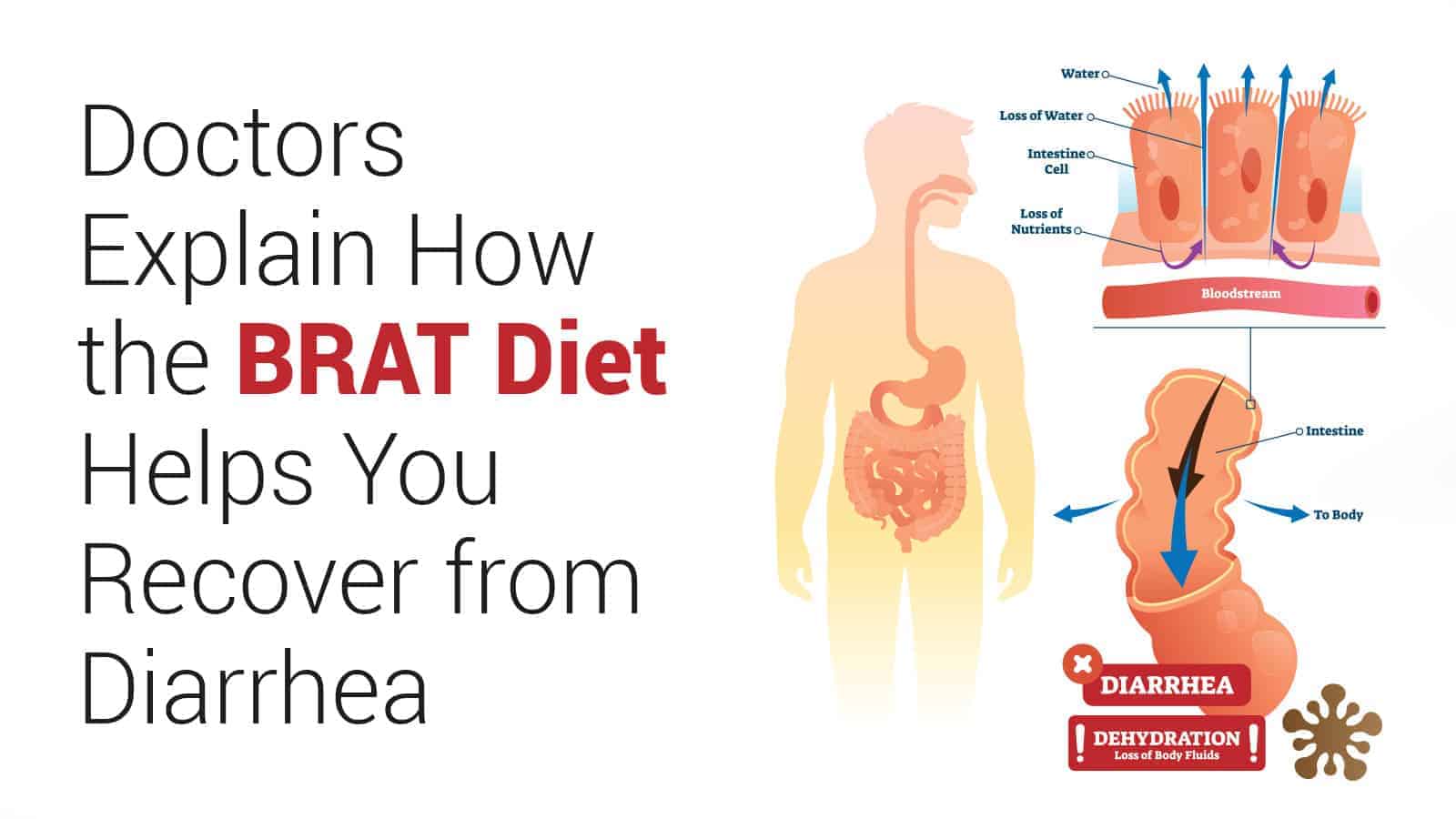
The Brat diet can help calm your upset stomach, vomiting, or diarrhea.

Final Thoughts: Stop the Vomiting or Seek Help

While most of these conditions have tips and tricks of things you can do to ease the need to vomit, there are also some home remedies that you should explore.

  • Stay Hydrated – You mustn’t lose too many fluids, or you will have a whole other set of issues. Make sure to slowly sip some water or broth to keep your levels adequate. Also, sports drinks can help to balance your electro lights and keep you from becoming dehydrated.
  • Watch What You Eat – Once you begin to eat again, you need to avoid spicy foods and other irritants. Try bland things like toast, soft-boiled eggs, saltines, bananas, and apple sauce.

Knowing when to see a doctor is vital. If your child has these issues, then you need to make sure that you pump them full of fluids. Children tend to dehydrate quicker than adults. Signs of dehydration can include dark urine, confusion, fevers, dry skin, sleepiness, rapid heartbeat and breathing, and feeling faint.

A wide variety of conditions causes nausea and vomiting, but the key is to identify the issue and take immediate steps to rectify it. In cases like influenza, you must wait until the virus passes to feel relief.

15 Unhealthy Habits That Are Disruptive to Sleep

If you’ve been struggling to stay alert, felt grouchy and irritable, or felt tired, the culprit is likely your sleep. Even if you try to get enough shut-eye, some habits that you don’t even think about could be contributing to your less-than-restful slumber. Diet and exercise play a critical role in how well you sleep. So do your TV and phone scrolling habits. Pay close attention to what you do each day and learn how these 15 unhealthy habits can be disruptive to your sleep.

Fifteen Unhealthy Habits That Prove Disruptive to Your Sleep

Avoid these fifteen habits that prove disruptive to a good night’s rest.

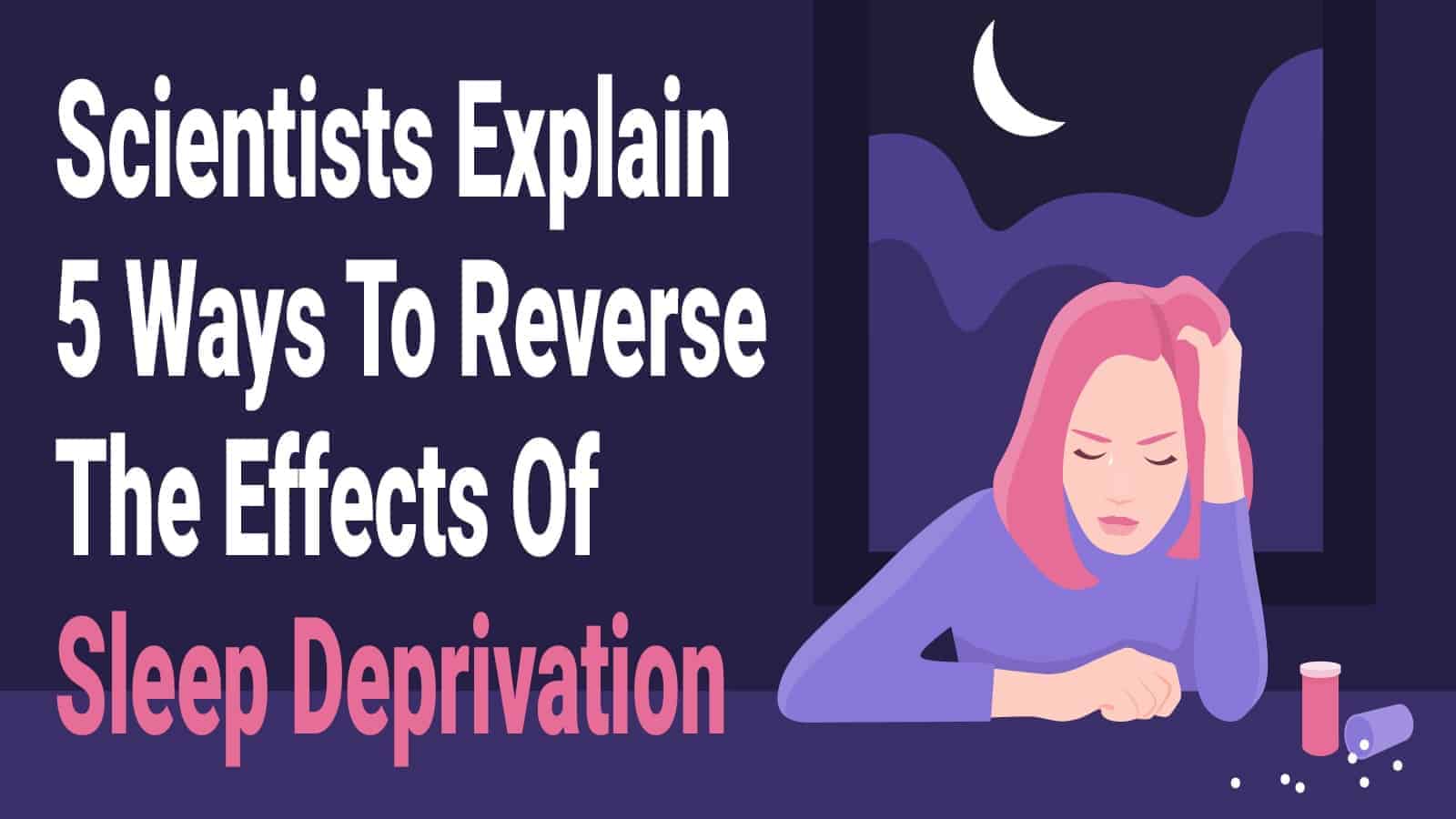
sleep deprivation

1 –  Sleeping Too Little

According to the United States Department of Health and Human Services, the average adult needs 7-8 hours of sleep per night. Your body may be able to function on less sleep for a while, but sleep debt will catch up with you eventually and be detrimental to your health in the long term. Pay attention to how your body handles sleep and adjust your schedule as life allows.

2 – Getting too much sleep

Research has shown that sleeping too much can be as harmful to you as sleeping too little. Excess sleep disrupts your circadian rhythm and makes you feel more fatigued, which leads to your body, not being able to recognize when you are tired. Anything over 9 hours counts as potential excess sleep, which can be caused by depression, stress, or sleep debt.

3 – Not Maintaining a Regular Sleep Schedule

The human body thrives on routine. Having close to the same mealtimes and bedtime each day helps your body to get into a pattern of sleepiness and wakefulness at regular intervals at a set time.

Shift workers, such as customer service, factory employees, and emergency personnel, often suffer from a lack of regular sleep because of erratic work schedules. This causes you to sleep too much or too little. If you can, aim to go to bad at around the same time each night with a variance of no more than half an hour.

4 – Napping Incorrectly

Although a short nap in the afternoon can reinvigorate you, doing it for too long or att he wrong time makes you less likely to sleep well at night. Taking a nap in the early afternoon works best because your circadian rhythm naturally induces lethargy around that time. If you sleep longer than 30 minutes, you risk transitioning into a deeper sleep and disrupting your nighttime sleep.

5 – Drinking Caffeine at Night

You might be used to drinking your cup of morning coffee, but you should forgo having any caffeine sooner than six hours before bedtime. The production of cortisol and adrenaline from caffeine blocks the brain’s adenosine receptors. Adenosine is the chemical responsible for inducing feelings of sleepiness. You might be more likely to stay up longer than usual.

6 – Eating Too Soon Before Bedtime

Going off the previous statement, eating a big dinner too soon before bedtime is disruptive to your sleep. When you eat food, the process of digestion starts immediately. About three hours later, it ends up in your stomach and causes a buildup of stomach acid. If you suffer from acid reflux, you will experience even more detrimental effects as you wake up from heartburn.

7 – Eating Too Much Before Bedtime

Even if you’re hungry from a long day at work, avoid eating a large meal before bedtime. The effort of digesting food prevents you from falling asleep properly. Here are some foods to eat as healthy snacks before bedtime:

  • Yogurt
  • Seafood
  • Whole-wheat Bread
  • Peanut Butter
  • Cheese

Complex carbohydrates stimulate the production of serotonin which is a chemical that regulates and induces sleep. Dairy products contain tryptophan, a compound that stimulates the production of serotonin.

Dairy also helps neutralize the effects of stomach acid. If you drink warm milk, it can have a psychological impact on relaxation.

pop meme

8 – Not Eating Breakfast

As hard is it might be, taking the time to eat breakfast is vital. When you eat your morning meal, it signals the body to produce more energy and get you ready for the day. When you go without eating, your body has to use its remaining stores of blood sugar.

Once this is gone, your body releases a stress hormone to trigger the conversion of protein and fat to glucose. A buildup of cortisol throughout the day is disruptive to your sleep because it prevents you from relaxing.

9 – Remaining Sedentary

Humans did not evolve to lead a sedentary lifestyle. Studies prove a positive link between people who lead a sedentary lifestyle, whether from a desk job or from sedentary pursuits, and occurrences of insomnia. People who are able to exercise regularly sleep more deeply than those who do not.

Rather than curl up on the sofa watching television, taking a short walk in the evening after work can help you. Exercise releases endorphins, which create a sense of relaxation and make it easier for you to fall asleep.

If you have a desk job, you should take frequent stretch breaks to keep your blood flowing. The best ratio is ten minutes per hour if your workload allows for such an arrangement. Rest breaks also reduce eyestrain-induced headaches and make it easier to sleep.

10 – Exercising Too Late

Exercise is rarely a bad thing, but you want to be sure not to exercise too late in the evening. A workout gets your blood flowing, which increases your level of oxygenation and alertness. If you’re more alert, you will find it harder to relax your mind and body. It also raises your body temperature. The subsequent lowering of temperature can trigger sleepiness.

It is best to avoid exercise later than two hours prior to bedtime. If it’s a heavy workout, that amount should be extended to three hours.

11 – Ignoring the Need for Darkness

Keeping electrical light, sunlight, or moonlight coming into your bedroom can be disruptive to your sleep cycle. Darkness induces the production of melatonin in the body, preparing it for sleep. The widespread introduction of artificial light in the early 20th century was responsible for an irreversible change in how we deal with sleep.

Look for light-dampening curtains to put on your windows if your bedroom has exterior windows. If not, another alternative is to get a sleep mask to block out light.

12 – Not Relaxing Before Bed

Today’s always-on lifestyle makes it hard to unwind. Research suggests that taking at least an hour of downtime before bed can reduce instances of insomnia. Engaging in a light low-stimulus activity like reading a favorite novel works the best to relax the mind and lower stress levels.

Engaging in slow deep-breathing exercises induces a physical relaxation response for your heart, lungs, and muscles. Start by taking a deep breath into the diaphragm for four slow counts, hold it for seven counts, and exhaling for eight. Wait four seconds and repeat.

Deep breathing exercises work well for keeping stress levels lowered throughout the day, not just at night.

13 – Leaving on Your Mobile Devices

Mobile devices are disruptive to your sleep even when you leave them charging beside your bed. Your cell phone emits light on the blue end of the visible spectrum, which blocks melatonin from working. The same goes for TV screens and game consoles, though some apps allow you to have a blue light filter.

If you have to leave your cell phone on, turn it upside down to prevent light from the screen from making a glare. Turn off all alerts except for emergency ones and enjoy a night without your mobile device, keeping you awake.

14 – Scrolling Social Media in Bed

As tempting as Facebook and Twitter might be, scrolling through them can be disruptive to your sleep for two reasons. First, you can get caught up in scrolling and lose track of time. Second, you can become anxious about missing out on important events because you feel like you have to make up for what you missed during the day.

Anxiety itself can be disruptive to your sleep, especially concerning social media. It’s no secret that negative content pervades social media. Absorbing negative news in an endlessly-cascading wall is unhealthy, especially because we tend to focus on the negative more than the positive. You can install apps to limit the amount of time you spend scrolling or disable sites and apps after a set time.

15 – Using Your Bedroom For Non-Sleep Activities

The only thing you should be using your bedroom for is sleep because your brain needs to create a mental association between your bedroom and going to sleep. If you have a TV in your room or frequently use social media in the bedroom, you disrupt this association.

The best thing you can do is move all non-sleep activities elsewhere. Keep minimal distractions in your bedroom so that when you’re ready to sleep, you have no temptation to do anything else.

disruptive to sleep habitsFinal Thoughts of Breaking Those Habits That Are Disruptive to Your Sleep

Reading through the above tips, you might notice a theme. Your body cannot have a restful sleep unless it is primed to do so. Virtually everything comes down to relaxation and changing your habits so that you can fall asleep at a regular time each night. Watch your diet, get enough exercise, and pay attention to your mental health.

7 Things to Remember When You’re Dealing with Grief

Dealing with grief can turn your world upside down as you work to overcome a significant loss. You might not feel like getting out of bed or doing things you once enjoyed. Remembering that the grief will ease eventually can help you find hope, even if it takes time or looks different than the grieving process of others.

Grief impacts you in many ways and can affect your emotional, behavioral, physical, social, cognitive, and spiritual processes. The emotions that accompany grief can be all-consuming, but there are things you can do when you feel overwhelmed. This experience is normal in life, and it might require some adjustment to learn to live without someone or something you love.

Loss doesn’t only happen through death, as the loss of a friendship, job, or romantic relationship can be lost, too. Plus, you might grieve over the diagnosis of an illness in you or someone you love. Dealing with grief and loss might seem impossible sometimes, but you can get through the intense feelings.

As you grieve, you will experience things like feeling disassociated, numb, or checked out. These feelings will gradually subside as you begin to understand and make changes to adjust. As you work towards healing, there are things to remember when you’re dealing with grief.

Seven Things to Remember When You’re Dealing with Grief

At some point in life, we all need to learn how to deal with loss. But what is the best way to deal with grief? Unfortunately, it’s not a one-size-fits-all solution. But you can try these strategies for coping with grief.

dealing with grief1. The Feeling Is Temporary

Even when it feels as if the feelings will never ease and you can’t handle it, remember that you can. The negative emotions are only temporary, and while they may never entirely disappear, they will lessen over time. Experts explain that the only way to work through it is by continually moving through grief.

If you try to avoid the feelings, you only extend the timeframe. Plus, when they do come up, they will be stronger and more upsetting. Allow yourself to feel the grief because this is your way through, and the feeling will ease eventually.

Remember that your feelings will change, no matter how intense it seems right now. You might not ever fully get over what happened, but your emotions will morph and managing grief will become less challenging. If it helps, think back to other hard times you’ve experienced in the path as a reminder that you will be okay.

No matter what life changes humans experience, most can return to a stable happiness level. It’s all about riding out the waves of grief and allowing your feelings to change over time.

2. Look on The Bright Side of Things

Since you can’t control devastating events, try to find a way to make the most of them. If you are grieving the loss of a loved one, find a way to celebrate their life and keep their memory alive. On anniversaries and holidays, spend time remembering your happy moments with your loved one.

You can also use your grief as a way to reflect on what matters most to you. Since it is a natural response to losing something or someone you love, use those intense feelings for something beneficial. Filling your life with meaningful things helps with your healing process.

Finding positive ways to express your feelings through the process will give you a reason to get out of bed each day. Even on the hardest days, you will find a reason to get out the door.

Looking on the bright side and finding positive outlets for your grief allows you to incorporate the loss into your life. This way, you won’t feel like you are forgetting about the love you had for the person, allowing you to use it as a way to grow.

3. Be Gentle to Yourself

Grief causes intensive stress and exhaustion, so taking care of yourself is more important than ever. Be gentle to yourself as you care for your body with nourishing foods and plenty of water. Make time for naps and avoid alcohol and sugar, too.

Avoid putting pressure on yourself during the grieving process, too. Grief comes in different forms for everyone, so your grief process might be different. Don’t make yourself uncomfortable as a way to conform to the expectations of others, but don’t let discomfort hold you back, either.

Your body works harder when you’re grieving, so don’t avoid resting more than usual. Practice self-compassion as you find your way through this personal journey. You can’t control the process, so be gentle with yourself as you go with the flow of emotions and life changes.

When anniversaries or special events are coming, plan for these moments. You will likely experience more sadness during these times, so anticipate how you will feel. Consider making plans with loved ones or doing something that will give you a chance to reflect.

During unexpected moments of intense grief, give yourself grief for your reactions. You might smell something that reminds you of a lost loved one or see something that triggers a memory. In these situations, go with the flow and be patient with yourself.

4. Learn to Accept the Grief and Loss

As you go through the grieving process, you must accept whatever it is that you lost. You can’t change what happened, so accepting it is the key to healing. Having a ceremony to acknowledge the loss and honor the memories you have can help you.

While a funeral can help you accept the death of a loved one, there are other ways to accept grief and loss in your life. Some grieving rituals that help with acceptance include the following:

  • plant a garden or tree in their memory
  • go for quiet walks and reflect on your grief
  • write in a journal
  • share your feelings with friends and family
  • keep a photo or other item that reminds you of what you have lost

dealing with grief5. Let Your Emotions Out When You Are Overcoming Grief

While many people think that crying or showing emotions makes you weak, it isn’t true. Letting your feelings out will help you let the negativity out. Otherwise, the emotions and negativity build up and make you feel worse.

When you feel like crying, let it out. If you aren’t around anyone you trust or feel comfortable with, cry in the bathroom if you have to. As you let the tears flow, think of your favorite memories to help give meaning to your grief.

Don’t try to push away thoughts of what you lost, either. You can experience feelings of love and appreciation for the time that you had by letting your emotions out and allowing yourself to think about your loss.

Even when it seems like you will never feel better, keep letting your emotions out. Before you know it, you will experience less negativity, and you’ll cry less. You have to allow yourself the time and energy to let it all out now, though.

Try to understand where your emotions are coming from, too. With understanding, you can address specific areas of your life that influence your grieving. Remember that some days will be easier than others and that it is normal to feel fluctuating emotions.

6. Find Support

Don’t go through this life change alone. Reach out to someone you trust and feel comfortable with, such as friends, loved ones, or a professional therapist. You can even look for a support group to find other people going through the same thing.

If you feel like no one is reaching out to you, don’t assume they don’t want to help you. Sometimes, people keep their distance so that they don’t overwhelm you. They will be more than happy to step in and offer support if you let them know that you need it.

Never feel weak for needing support. You aren’t alone in the grieving process, and many people have already been through it. Finding support is a beneficial tool to help you move forward positively while still keeping memories alive.

7. Allow Yourself to Laugh

When you’re dealing with grief, you might not feel like it is appropriate to laugh. Some people think that it is a sign they are over the loss, even though that will never truly happen. The truth is that laughter is okay, and it is beneficial to the healing process.

When you laugh, please don’t feel bad about it, but let the positive feelings in. Try to find funny things to laugh about throughout your day. If you can smile even a little, you will feel better.

Some things that might make you laugh include these activities when as you learn how to process grief:

  • watch a comedy
  • read a funny book
  • watch funny videos
  • spend time with friends

dealing with griefFinal Thoughts on Things to Remember When You’re Dealing with Grief

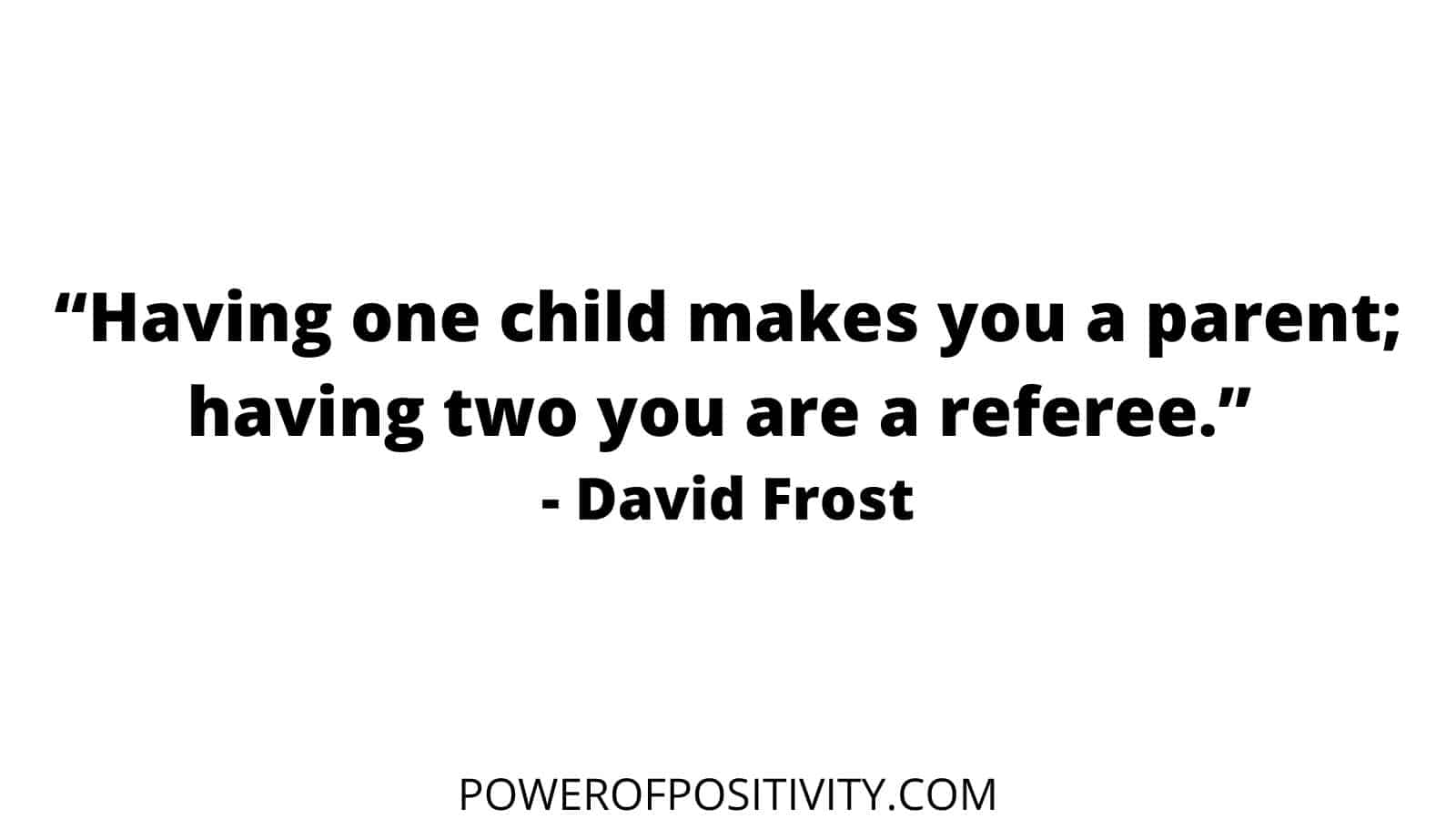
Loss is an unfortunate but unavoidable part of life. It can be hard to recognize that you will find happiness again when you’re dealing with grief. If you remember these things, though, you can begin dealing with your grief.

Learning how to cope with grief is a unique process for everyone. Don’t feel like you aren’t doing something right. Express your emotions and handle things as they come while giving yourself some grace along the way.

15 Inspiring Quotes About Life with Young Children

Children give a wholly new meaning to life, and life will never be the same one they are here. They change everything and are the greatest blessings you could be trusted with. Needless to say, there are plenty of inspiring quotes about life with young children.

These inspiring quotes about life can help you remember how special children are in your life. They can help you be more patient and understanding of kids, too. Since children are the future of our world, it’s essential to treat them as such and raise them appropriately.

Fifteen Inspiring Quotes About Life with Young Children

If you need a reminder or feel yourself becoming overwhelmed, read these inspiring quotes about life with young children. They will help you remember why you are working so hard to help kids develop.

1. “Listen earnestly to anything your children want to tell you.  No matter what.  If you don’t listen eagerly to the little stuff when they are little, they won’t tell you the big stuff when they are big because to them, all of it has always been big stuff.” – Catherine M. Wallace

While you may not think everything that a child has to say is necessary, they believe that it is. If you teach them what they want to say isn’t necessary, you may silence them forever. They will grow up believing that they should keep things to themselves.

If you want a child to come to you when it’s essential, you have to be there all the time. They want to be listened to, and they want you to be engaged in their life. Don’t teach them otherwise so that you can be there for the big stuff.

inspiring quotes about life

2. “Remember you are not managing an inconvenience. You are raising a human being.” – Kittie Franz

Life with children can be stressful and overwhelming, and it takes constant patience and dedication. Even still, you can’t think of it as an inconvenience to your life.

You are raising a person who will contribute to the world in unimaginable ways. Remember how important that is, and embrace the human you were blessed with.

3. “Every child needs at least one adult who is irrationally crazy about him or her.” – Uri Bronfenbrenner

Children need to be secure, and they need to know they are loved all the time. Make sure they know you are that person for them so that they can feel safe, secure, and unconditionally loved. This security will allow them to explore, develop, and be true to themselves. As Bronfenbrenner explains, children need someone who is crazy about them.

4. “To love someone is to strive to accept that person exactly the way he or she is.” – Fred Rogers

Children shouldn’t constantly be corrected and nagged. Love the person they already are and work towards accepting them just as they are. Providing this environment is one of the best things you can do for a child because it allows their self-esteem to grow.

5. “You can’t teach children to behave better by making them feel worse.  When children feel better, they behave better.” – Pam Leo

If you make a child feel worse, they will show it in their behavior. While you may think that it’ll improve the behavior, it will just lead to more destruction and negativity. Instead, make them feel better about themselves, and their behavior will change for the better, too.

6. “By loving them for more than their abilities, we show our children that they are much more than the sum of their accomplishments.” – Eileen Kennedy-Moore

Show children that it is alright to fail or face setbacks. Then, teach them to try again, no matter what.

Please don’t belittle them or make them feel bad about their abilities when things don’t go right. Love them even when things don’t go well. This way, they will know they are more than their accomplishments, as Kennedy-Moore explains.

7. “There is no single effort more radical in its potential for saving the world than a transformation of the way we raise our children.” – Marianne Williamson

Raise kids in a way that will benefit the entire world. Teach them peace, kindness, acceptance, and love. If you can do this, you have done your part in saving the world.

8. “It’s not only children who grow. Parents do, too. As much as we watch to see what our children do with their lives, they are watching us to see what we do with ours. I can’t tell my children to reach for the sun. All I can do is reach for it myself.” – Joyce Maynard

There is no age limit to growing, learning, and reaching for success. Since kids watch adults to learn how to grow, you have to set an example of what you want for them. So, keep working toward your own goals and striving for achievement so that your kids will do the same.

parenting quote9. “Children do well if they can; if they can’t, we need to figure out why so we can help.” – Ross Greene

Kids want to do well, and they will do it if they can. Even if they are capable of doing it but seem not to try, there is a reason for that, too. Figure out the reason they can’t do well, and you will be able to help change the course.

10. “Parents are often quick to judge whether or not behavior warrants a punishment, but when we pause to listen to what the behavior is saying about our child’s feelings and experience, a whole new world opens up to us and our children.” – Rebecca Eanes

Punishment may be the first thing that comes to mind when your child messes up. Hold off before you jump to that answer, however. This statement isn’t to say that children should go unpunished, because that is not the case. What Eanes is saying is that you need to consider why your child is behaving in that way.

If you can help your child overcome the negative feelings they may be having, you can help their behavior, too. This insight can be life-changing for a child and beneficial to all those around them.

11. “I’m always amazed when adults say that children ‘just did that to get attention.’ Naturally, children who need attention will do all kinds of things to get it. Why not just give it to them?” -Lawrence J Cohen

Children indeed do things for attention. They need attention, and if they are doing something to get it, it usually means they aren’t getting enough. Give them positive attention when you see that they need it, and they won’t feel the need to act out for it.

12. “If you want your children to turn out well, spend twice as much time with them, and half as much money.” – Abigail Van Buren

Your kids don’t need half of what you buy for them, even if they are excited about receiving it. What they truly need is time with you. Spend time going for walks, playing with their toys, or just hanging out with them doing their favorite things.

13. “One hundred years from now it will not matter what my bank account was, the sort of house I lived in, or the kind of car I drove, but the world may be different because I was important in the life of a child.” – Forest E Witcraft

The material things you possessed are meaningless in the future. What is important is helping a child learn and grow. Children are the future, so treating them well will make the world a different place for the generations to come.

14. “The example we set for our kids – how to act when things don’t go our way- is much, much more important than the rules we set for them.” – Leo Babauta

You can say anything you want, but children pay closer attention to the way you behave. If you’re going to teach them appropriate behavior, show them how they should behave. This means you have to keep it together when you don’t get what you want and follow the rules. You are setting an example, so make sure it’s a good one.

15. “Nothing that grieves us can be called little. By the eternal law of proportions, a child’s loss of a doll and a king’s loss of his crown are events of the same size.” -Mark Twain

If a child is upset, let them be upset. Show empathy and try to understand that what may seem small to you is enormous to them.

Their emotions are more significant than they can handle sometimes, and even little things are important to them. Remember this the next time a child is upset over a toy or something else that seems insignificant to you.

inspiring quotes about lifeFinal Thoughts on Inspiring Quotes About Life with Young Children

Life with young children can be like a roller coaster. You never know what to expect, and there are many highs and lows. This is one of the most crucial tasks in the world, however, because kids are the future.

Remember these inspiring quotes about life with young kids to remind you of the blessing they are. Children are humans who have feelings and thoughts, just like the rest of us. Help them to grow positively by continuing to be generous with them.

New Drone Technology Could Mean Next Day Amazon Delivery

Just a few decades ago, virtually no human imagined drone technology would advance to this point. Today, we are looking at how new technology could provide unmanned package delivery. But here we are, if you feel interested in this topic, check out the latest blog posts at Droneuncover.

The recreational, commercial, and military industries use drones in many applications. They make life easier and more efficient in many ways. According to the Federal Aviation Administration, 1,692,700 drones are currently registered, with 489,062 of those being commercial and 1,200,136 being recreational. 191,570 remote pilots have a certification to fly a drone.

Some important facts about drones

  • The FAA requires owners of recreational and commercial drones weighing more than 0.55 pounds but less than 55 pounds to register and also mark them with the registration number. You must carry proof of registration with you when you fly the drone. Official paperwork calls these Unmanned Aerial Vehicles, or UAVs.
  • Larger unmanned aircraft systems weighing more than 55 pounds have to register with the FAA’s aircraft registry.
  • The market for commercial drones might triple between now and 2023, and the FAA expects around 823,000 commercial drones to be registered.
  • More than 900,000 owners of non-commercial drones had registered by September 2018.
  • Drones are banned in all United States national parks, except with a special permit.
  • Photography and real estate are the top commercial uses of drones.
  • Drone technology was first used in the military to examine war zones from the air. They saw the benefit of using unmanned aircraft systems to reach otherwise inaccessible areas and also bring in supplies if necessary.
  • Law enforcement uses drones to track down criminals or to get a bird’ s-eye view of a crime scene. Police don’t need a warrant if they fly the drone below 400 ft. Plus, they can use any footage collected, provided it’s in an unrestricted area.

How commercial entities use drone technology

Governments and businesses have realized that drone technology can be used in multiple ways, some of the trendiest of which include the following:

drone

  • Aerial photography for journalism and recreational purposes
  • Express shipping and delivery
  • Gathering information or carrying supplies into disaster zones
  • Thermal sensor drones for tough search and rescue operations
  • Geographic mapping of inaccessible terrain and locations
  • Building safety inspections
  • Precision crop monitoring for farmers
  • Unmanned cargo transport
  • Law enforcement and border control surveillance
  • Storm tracking and forecasting hurricanes and tornadoes

As you can see, UAVs have plenty of valuable uses in the fields of business and law enforcement. Companies have started to see how employing drones for deliveries can get their products to customers in record time. Below, we’ll go into further detail about how drone technology could allow for next day Amazon delivery.

Drone technology approved by the FAA could mean next day Amazon delivery.

Do you think that Amazon Prime is fast? Then you’ll be even more impressed with Amazon’s drone delivery service currently being tested by the company. Recently, Amazon got approval by the Federal Aviation Administration to use its fleet of drones for Prime Air deliveries.

This will allow the company to use unmanned aircraft systems to deliver packages. Thus, they will save time and money in the process.

The agency said that the approval would give Amazon the ability to “safely and efficiently deliver packages to customers.” Under Part 135 of FAA regulations, this certification gives Amazon the authority and permission to carry items on small drones “beyond the visual sight” of the operator.

Amazon said that it will start testing customer deliveries now that the FAA gave them the go-ahead. Of course, the company had to submit to rigorous testing and show conclusive evidence that its drones could complete deliveries in a safe manner. Amazon had to demonstrate the drone technology for FAA inspectors before getting approved for business.

“This certification is an important step forward for Prime Air and indicates the FAA’s confidence in Amazon’s operating and safety procedures for an autonomous drone delivery service that will one day deliver packages to our customers around the world,” David Carbon, vice president of Prime Air, said in a statement.

“We will continue to develop and refine our technology to fully integrate delivery drones into the airspace, and work closely with the FAA and other regulators around the world to realize our vision of 30-minute delivery.” -David Carbon, Amazon

Amazon said that they have begun testing the technology on a small scale in hopes of launching their Prime Air fleet soon as part of regular business.

Last year, the company announced that they would offer free one-day shipping for Prime members instead of the standard two-day deliveries. They’ve invested billions of dollars since last year to get the new operations off the ground and will use drone technology to complete orders.

amazon family center and homeless shelter

Amazon builds a homeless shelter in Seattle.

Amazon’s been testing this delivery method since 2013

The company began doing test deliveries with drones back in 2013 to get packages to customers’ doors in less than 30 minutes. In August 2019, Amazon submitted a petition for FAA approval of its business plan. In the petition, Amazon explained that they would focus on deliveries of packages weighing 5 pounds or less in areas with low population density.

This means that not all Prime membership orders will have a guaranteed one-day delivery. However, for last-minute, small gift ideas, especially during the holiday season, this could be a game-changer.

Amazon debuted an electric delivery drone at the 2019 re: MARS conference that can carry packages under 5 pounds in 30 minutes or less and can fly up to 15 miles. At the time, Amazon’s CEO of the Worldwide Consumer business Jeff Wilke said that the company could have the drone ready within months to deliver packages to consumers.

While Amazon seems to be tweaking its drone technology for use on a mass scale, we can probably expect to see the drones in action in the next year or two.

Other companies have started to follow in Amazon’s footsteps as well. Last April, Wing became the first drone delivery company to gain the approval of the FAA for commercial deliveries in the U.S. Last October, UPS got permission from the FAA to operate a fleet of UAVs as an airline, which will speed up their delivery process as well.

Life-saving application of drones

It seems that drones have positively changed our world in various aspects, including the speed at which we receive consumer products. However, drones can also deliver life-saving medicines, food, and even organs, to people in need. In a fantastic story reported by NBC News, 44-year-old Trina Glipsy received a drone-delivered kidney after spending eight years on dialysis awaiting a kidney transplant. She said she feels very fortunate to have gotten a second chance at life, especially after watching so many people die while waiting for a transplant.

The UAV was the first in the world to deliver an organ. Some experts say that organ-delivering drones will one day become the norm in the U.S. The custom-made drone took off on a 2.8 mile, 10 minute trip in southwestern Baltimore to deliver an organ to a hospital for immediate transplant. Doctors say that, after being removed from donors’ bodies, the transplant must occur quickly to offer the best chance for success. Drones can significantly help with this. The technology can cut the time organs spend in transit by up to 70 percent, according to Joseph R. Scalea, a transplant surgeon at the University of Maryland School of Medicine. Dr. Scalea served as the team lead on the first successful organ drone delivery.

An idea for organ delivery takes flight.

The drone flight and delivery proved a great success. But drones capable of transporting organs on a large scale would have to fly at much higher speeds and be able to carry heavier loads. Scalea says that in the future, he sees drones moving at around 200 miles per hour and carrying loads of around 50-100 pounds. Moving items of that size, they’d still be able to land and take off vertically. The technology for that just doesn’t exist yet, though he sees the possibilities in the future.

The drone used for organ delivery was custom-made and much more sophisticated than recreational drones. Engineers, aviation experts, and researchers created a drone with two nested boxes to hold an organ. Also, they equipped it with backup batteries and powertrains to ensure it stays in the air despite possible mechanical issues. It has eight rotors and a parachute so that if a major malfunction occurs, the precious cargo would still make it to its destination.

droneFinal thoughts on drone technology approved by FAA and next day Amazon delivery

As you can see, unmanned aircraft systems have the potential to change the world. From Amazon delivery to and providing life-saving organs more efficiently, it’s on the rise. So drones can deliver medicines and even organs to patients in need. But they also can transform the consumer world and offer faster deliveries of products.

Additionally, we may see Amazon roll out its Prime Air service in the next year or two. This offering would provide free one-day delivery to Prime members. The world looks way different than it did even five years ago. However, you can’t deny the benefits and power of technology.

15 Signs of a Concussion Never to Overlook

Fortunately, the human skull is usually strong enough to protect your brain when you bump your head. You can still get a concussion, also called a mild traumatic brain injury, from being hit in the head or being violently shaken. Do you know the signs and symptoms to look for if you or a loved one has a concussion?

Concussions are one of the most common head injuries that doctors diagnose in the United States. They are typically caused by falling or being accidentally struck in the head while playing sports or other recreational activities. They can occur at any age, and children seem to recover from them quicker than teens and adults.

Know the Signs & Symptoms of a Concussion

You’ve probably banged your head countless times as you were growing up as a child. When you were running around on the playground or playing sports in school, head bumps were inevitable. Perhaps you saw stars for a couple of seconds and felt a little dizzy.

Most little bangs on the noggin aren’t severe and may result in a small knot that will go away. However, it would help if you always looked for signs and symptoms of a mild traumatic brain injury anyway. Some of the symptoms can go unnoticed and can lead to something more serious.

Since some of these overlap with less severe conditions, they are easy to ignore or confuse. Sometimes, a person with a mild traumatic brain injury will present with only a few symptoms. If you or your loved one gets hit in the head or receives a severe jolt to the body, look for this 15 physical, mental, and emotional signs.

15 Red Flags That May Indicate a Concussion

concussion

  1. A dull or pounding headache
  2. Dizziness
  3. Blurry eyesight or slurred words
  4. Nausea or vomiting
  5. Problems with balance or walking
  6. Sensitivity to noise or light
  7. Unusual tiredness or lack of energy
  8. Feeling tired or having no energy
  9. Difficulty with thought patterns
  10. Thought processes slowed down
  11. Difficulty concentrating
  12. Difficulty with memory, especially new information
  13. Irritability and being argumentative
  14. Sadness and depression
  15. Unstable emotions and moods such as nervousness, anxiety, depression, anger

Many of these symptoms may be apparent right after the injury. However, some may not appear for days or months afterward. An emergent danger of a mild traumatic brain injury is the brain bleeding or a blot clot forming. These can cause pressure on the brain that can lead to death.

What You Must Do if You Suspect This Injury

If you or a loved one experiences any of these symptoms immediately or soon after a blow to the head or a severe body jolt, seek emergency care at once:

  • A headache that gets worse and won’t ease
  • Weakness, numbness, dizziness, or clumsy coordination
  • Constant vomiting or nausea
  • Slurred words and blurry eyesight
  • Oversleeping or not sleeping enough
  • Very drowsy or cannot wake-up
  • One pupil appears more massive than the other
  • Sudden seizures or convulsions
  • Inability to recognize people or places
  • Increased confusion, restlessness, or agitation
  • Exhibiting behavior that’s bizarre or out of character
  • Loss of consciousness

A Note on the Symptoms of a Concussion in Young Children

Of course, younger children lack the language skills to express what ails them.

So if you suspect that your infant or young child has a mild traumatic brain injury, you should look for refusal to eat or non-stop crying. Rather than the second guess, your child needs medical intervention immediately.

healthy brains

How Do Doctors Diagnose This Brain Injury?

When you or a loved one gets a head injury due to falls, a blow to the head, or a severe jolt to the body, it’s recommended that you get to an emergency room right away. The medical providers can usually diagnose a mild traumatic brain injury right in the emergency room. If you notice symptoms hours, days, or weeks afterward, they can still make an accurate diagnosis in the emergency room.

While accurate diagnosis for a mild traumatic brain injury can be made by emergency medical providers, it takes more than a simple test. Here are some of the steps that will happen in the diagnosis process.

The emergency medical providers will ask the injured patient to describe the incident that led to the head trauma. It’s always a good idea to have a friend or family member there to help if the patient has memory problems. The provider will ask a series of questions to gather medical history and to list signs and symptoms to diagnose a concussion.

• SCAT-5

After the provider has listed all the patient’s signs and symptoms, she must determine their range and severity. The Sideline Concussion Assessment Tool (SCAT-5) is the standard assessments that healthcare providers use. It helps them evaluate a patient’s recent events, attention span, memory, balance, and coordination.

• Neurological Testing

Next, the provider will examine the patient for a mild traumatic brain injury’s neurological signs and symptoms. These include tests for reflexes, strength, sensation, mental status, coordination, nerve functions, and other normal neurological functions. The conclusion of these tests can determine how severe the brain injury is.

• CT-Scan

If the patient presents with seizures, severe headaches, vomiting, or other worsening symptoms, the healthcare provider may order a computerized cranial tomography or CT scan. This high-tech machine uses computer imagery to show the severity of the head injury and swelling or bleeding in the brain.

• Possible Blood Test Diagnostics

You may have the ability to diagnose a concussion with a simple blood test that highlights certain markers in the future. Some pharmaceutical companies are working on a prototype, but more research is needed. As of now, this technology isn’t ready to be used for the public, but scientists believe it may diagnose mild traumatic brain injuries earlier and prevent possible complications.

Treatment of a Mild Traumatic Brain Injury

If you’ve been diagnosed with a mild traumatic brain injury, the treatment will depend on its severity. If the head trauma is mild, and no brain swelling or bleeding is present, your healthcare provider will probably give you some tips for at-home care.

  • Get plenty of rest.
  • Don’t return to work, school, or sports until released from your healthcare provider.
  • Try to give your mind a rest from things that require mental focus.
  • Never take medications without medical advice. Also, please note that some pain relievers can thin your blood and increase brain bleeding risks.

Tips That Can Help to Prevent a Concussion

  • Even better than successfully treating a concussion is to prevent one from happening in the first place. Learn ways to protect your head from harm and share them with your family. Here are some safety measures to always keep in mind.
  • A helmet that fits right is your first defense against head injuries. You and your family should wear one when riding a bike, motorcycle, or horse. It will also protect your head when you are skiing, skating, or playing any contact sport.
  • Legislators created and enforce seatbelt laws for a reason. Not only should you and your children buckle up when you enter a vehicle, but you should also insist that all passengers do the same. Secure infants and toddlers in a safety seat right for their age, weight, and height.
  • One of the leading causes of falls and mild traumatic head injury is falling downstairs. Prevent these injuries by installing secure handrails on inside and outside stairs.
  • It’s easy for young children to fall down the stairs or off porches, so install safety gates on all stairs to protect them. Be sure the lock is high enough that your children can’t reach it.
  • Another common cause of falls and concussion is slipping in the bathroom, especially for seniors. Use nonslip mats in the tub, shower, and on the bathroom floors. Install strong grab bars in the tub and beside the commode.
  • It’s disturbing to realize how many people fall in and around their homes each year because of low lighting. To prevent this from happening at your house, install proper lighting in stairways, hallways, and along outside paths.
  • Your stairs are for climbing from one floor to another, not a storage area. Don’t allow your children to leave shoes, toys, or other tripping hazards on any stairs in the house or outside. Save your decorations for tables and walls, not stacked on the stairs.
  • Windows are an ideal source of natural light, but it can be a fall hazard for young children. Keep child-proof locks on all windows to prevent your children from opening them and falling out.
  • Did you know that your neck can absorb some of the shock when you bump your head or something hits it? Consider doing exercises to strengthen your neck muscles as an extra precaution against a concussion.
  • If you have an outdoor play area, layer the ground with a soft material like sand or mulch. It’s much easier to take a fall on these than on a rigid basis.

concussionFinal Thoughts on Avoiding a Concussion

Most concussions are preventable when you use the right precautions. Learn how to recognize the signs and symptoms of mild traumatic brain injuries, when to seek medical attention, and how to follow at-home care plans. Follow these tips to keep your brain healthy, happy, and trauma-free.

Skip to content