Weekly tips, affirmations, and small actions to feel your best.

Harvard Physicists and Astronomers Reveal a “Second Sun” May Have Existed In Our Solar System

The study of astronomy reveals new information all the time, and recently, scientists have discovered that a second sun may have once existed. Astronomers stumbled upon this second sun theory when attempting to uncover the mystery of how the solar system formed. In the most distant regions of the solar system, scientists have observed a ton of debris floating around. This phenomenon exists beyond the realm of the gases that formed the planets. So it does not match with current models of how the solar system came into being.

Therefore, they’ve come up with the theory that perhaps a second sun existed at one point in time. They posit that the stars spent time collecting some of the debris floating in outer space. Eventually, they pushed the rest into an area past all the gases and dust.

We can’t see this second sun. Scientists believe that if it did exist, it moved away from its orbit with our sun billions of years ago. Studies of astronomy indicate that the two suns would have circled the Milky Way over a dozen times since then. After the second sun broke away, it may have ended up in a different area of outer space. However, the Oort cloud – a hollow sphere of debris that includes space rocks and comets in the outer section of the sun’s orbit – could hold clues about this mysterious sun twin.

Astronomers explain the “Oort cloud”

The planets and asteroids in the inner solar system lie on a single flat disk around the sun. However, the Oort cloud forms a giant sphere of debris that surrounds the solar system. Also, while gravity strongly influences the inner planets, the rocks and other debris in the Oort cloud don’t experience much of the sun’s gravity. All of these objects could quite easily drift farther out into space because of this. Scientists have found that the most distant objects in the Oort cloud are 100,000 times farther away from the sun than Earth.

Study co-author Dr. Avi Loeb, a Harvard astrophysicist, said that this distance measures halfway to the nearest star, Alpha Centauri. He went on to say that if this star and all the others have Oort clouds, then they’re all connected, and space is full of them.

While our Oort cloud doesn’t have as many large objects as the inner solar system, it still contains about 100 billion individual items. Most of them consist of rock and ice that sits in the cloud of debris. If you fly through it, you probably wouldn’t come across anything at all due to the size of the objects, Loeb said. We can’t see the debris with our own eyes. However, the evidence for them lies in the comets coming from the Oort cloud that move into the inner solar system quite frequently.

What’s inside the Oort cloud?

Some bigger objects also exist within the cloud, though not as many as the inner solar system. Scientists who have been studying the Oort cloud beyond Neptune have theorized that a planet may exist there, pulling the debris into a specific formation. Planet 9, as they call it, would weigh up to 10 times more than Earth, if it exists. However, Loeb said that in astronomy, this causes problems since the Oort cloud forms a sphere, unlike planets and asteroids that form from a flat disk of gas and dust.

Loeb questions how the Oort cloud came to exist in the first place. In astronomy, many scientists believe that the debris is scattered from the disk of gaseous materials that formed the planets. Our Oort cloud makes up the vastest part of our solar system. And, it extends far beyond the customary reach of asteroids and planets. Billions of comets exist within this cloud of debris.

While some objects in the cloud came from the inner solar system, the large items in this dense area account for only about 1/50th of the total amount of large objects beyond Neptune. This issue stumps researchers. That’s because simulations of the Oort cloud formation show that it should have around one-third and one-tenth of the number of large objects coming from the inner solar system. If a big planet exists somewhere beyond Neptune, the mystery deepens even further. This disparity wouldn’t explain a large amount of Oort cloud objects, Loeb said.

Astronomers explain where the ‘second sun’ comes into play

9th planet edge solar system

Astronomers find the potential existence of a ninth planet.

Along with colleague Amir Siraj, a Harvard undergraduate, Loeb suggests that the sun may have worked with the second sun long ago to capture objects passing by in space. In astronomy, it’s already well-accepted that the sun and other stars formed from dust and gas. Most likely, they came from the same small cluster. In this galactic soup were comets and even planets. But with the sun’s gravity alone, it wouldn’t have been able to pull so many objects into the Oort orbits. However, if a second sun existed and orbited around ours, this may explain why so many objects exist in the Oort cloud.

Suppose the two suns were around the same size and orbited one another at 1,000 times the distance between the sun and Earth. That distance equals 1.5% of a light-year. Their conjoined gravity could have taken pieces of rock and ice from inner space. As the sun and its twin drifted further apart, each would be encircled by Oort clouds with a much greater density than what the stars could’ve captured on their own. Scientists believe that a third massive star likely broke up the orbit of the two suns.

Loeb says this theory would explain the number of objects within the Oort cloud. Also, it would define the shape of the cloud. If the suns captured objects randomly from deep space, they would’ve formed spheres around the sun and not disks, as planets and asteroids are constructed from. So if Loeb and Siraj’s theory holds true, astronomers have probably grossly underestimated how many large objects the Oort cloud is hiding. If a second sun existed at one point, both suns should’ve picked up the possible Planet 9 from a cluster of objects as well as other dwarf planets.

The LSST scan

Of course, right now, they have no evidence of the existence of these planets. But Loeb says they can test their theory in the near future. When the Large Synoptic Survey Telescope (LSST) completes its scan of space in Chile in 2021, astronomers will have a much clearer idea of what objects exist within the Oort cloud. Right now, it’s shrouded in mystery. That’s simply because of the distance of it from Earth and the difficulty in collecting data.

LSST’s first detailed look into space could find that Planet 9 and other dwarf planets exist in the Oort cloud. This data will provide further credibility into the ‘second sun theory,’ Loeb said. However, he went on to lament that they would never find this twin sun again if it ever did exist. The sun moved away from its original cluster in space 4.5 billion years ago. Since then, the Milky Way has undergone a plethora of changes. Therefore, the other sun could be anywhere by now, if it exists any more at all.

It probably would’ve looked like a very bright planet moving slowly across the sky, still pretty distant from our sun. But it sat close enough to affect the gravitational pull of objects in the Oort cloud.

“Previous models have had difficulty producing the expected ratio between scattered disk objects and outer Oort cloud objects. The binary capture model offers significant improvement and refinement, which is seemingly obvious in retrospect: most Sun-like stars are born with binary companions,” said lead study author and astronomer Amir Siraj in a statement.

The existence of a second sun could explain facts about life on Earth. It could answer questions about the formation of our solar system, as well.

“Objects in the outer Oort Cloud may have played important roles in Earth’s history, such as possibly delivering water to Earth and causing the extinction of the dinosaurs. Understanding their origins is important.”  ~Amir Siraj, Astronomer

astronomersFinal thoughts on how astronomers believe a second sun may have existed at one time

 If the sun had a companion at one time, it would explain why the Oort cloud contains so many large objects. It would also explain why it’s shaped like a sphere rather than flat disk-like other planets and asteroids. Astronomy always unearths new information about how the universe works and what may exist out there beyond our solar system. If researchers find evidence of a Planet 9 and other dwarf planets, this means a second sun likely existed.

 “The puzzle is not only regarding the Oort clouds, but also extreme trans-Neptunian objects, like the potential Planet Nine,” said Loeb. “It is unclear where they came from, and our new model predicts that there should be more objects with a similar orbital orientation to Planet Nine.”

 The second sun theory was published on August 18. 2020 in The Astrophysical Journal Letters by physicists and astronomers from Harvard University.
Ear Specialists Reveal the Symptoms and Causes of Tinnitus

Did you know that 32% of the adult population in the United States suffers from an ailment called tinnitus? That’s a whopping 50 million Americans who experience a  debilitating but typically preventable condition. So what causes tinnitus? And what symptoms should you look for?

All about tinnitus

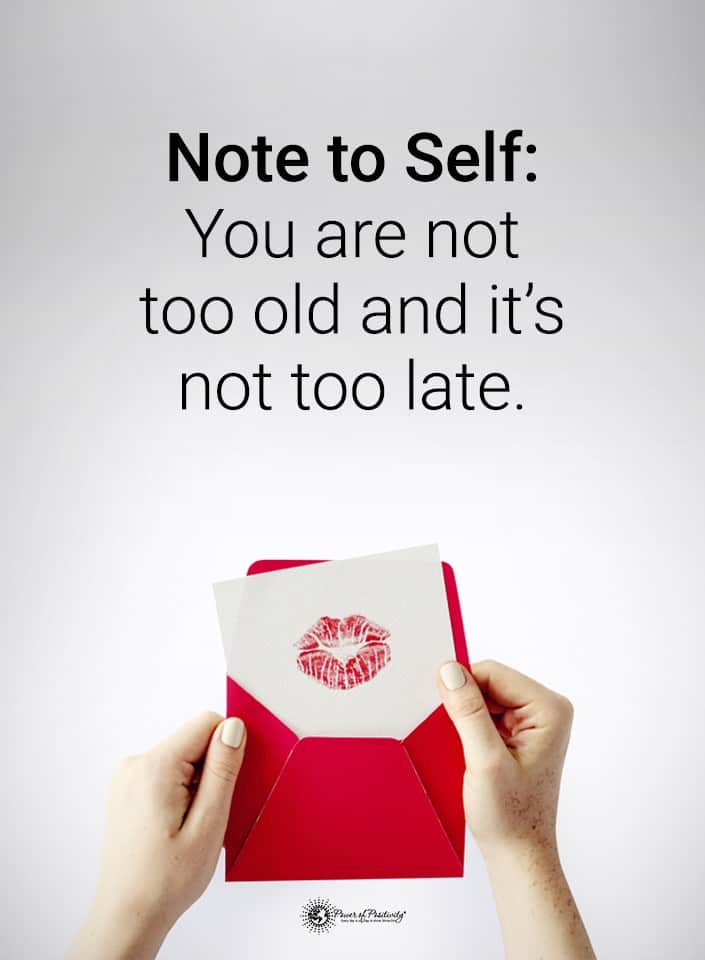
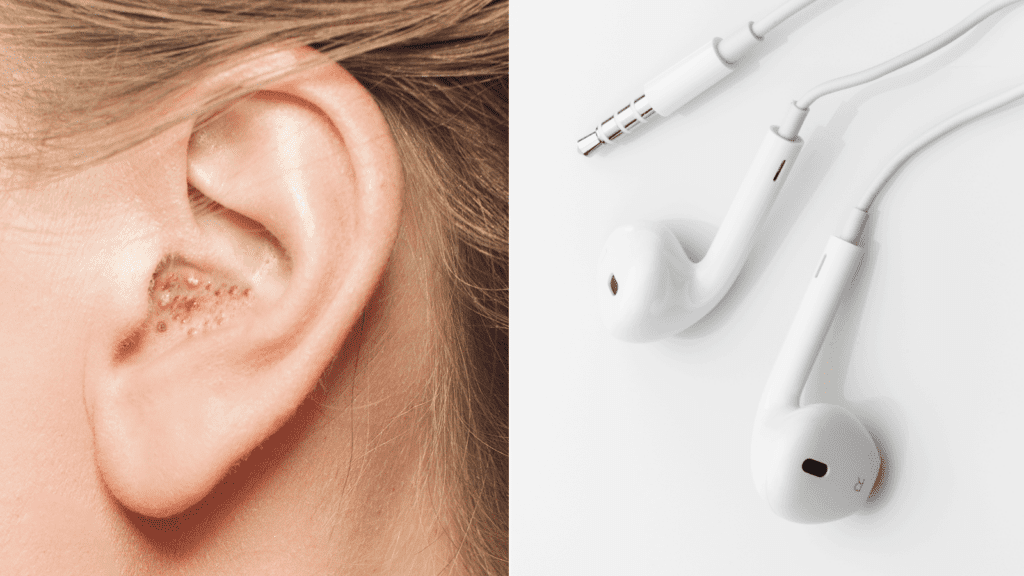
Tinnitus is ringing, clicking, humming, hissing, or buzzing sounds in your ears. These distracting noises can show up in one or both ears lasting for just seconds or hours. Researchers say that tinnitus is not a condition, but a sign of an underlying health problem such as a nervous system problem, an ear injury, or the early stages of hearing loss. Studies by ear specialists note that although you hear a noise in your ears, the source of this noise is from the network of your brain cells that help you make sense of sounds your ears hear. Researchers aren’t sure what’s going on in your brain to create these fake sounds.

How does tinnitus develop?

Tinnitus may develop slowly over time or happen suddenly. It can show up within weeks. At times, tinnitus goes away for a while, only to return. If you experience tinnitus for more than two weeks, contact an ear, nose, and throat doctor for a check-up.

tinnitus

What causes tinnitus?

There are many reasons why people get tinnitus. Here are some common reasons you should know about, so you avoid getting tinnitus.

1 – Infections

Tinnitus can occur from an ear infection. Ear infections arise from bacteria or a virus inside your middle ear. Sometimes you get an ear infection because of a cold or sinus infection. Swelling and congestion build up inside your nasal passages, your throat, and Eustachian tubes, which can result in infection. You can also get an ear virus from cleaning your ears with a cotton swab. Your ears are self-cleaning, so avoid putting anything inside your them.

2 – Medications

There are over 200 medications that might cause tinnitus or make it worse. Here are just some of the medicines that may cause tinnitus.

  • Antibiotics
  • Cancer medications
  • Diuretics
  • Quinine medications
  • Anti-depressants
  • Aspirin (if you take too much)

3 – Loud noises

Your ears have tiny hairs inside the inner ear that move or vibrate when sound waves hit them.  As the hairs move around, your cells send an electrical signal via a nerve from your ear to your brain, causing your mind to tell you what you just heard. Loud noises can break or bend these little hairs causing wrong signals to get sent to your brain, which then causes tinnitus.

It’s essential for you to guard your ears against loud noises. Here are a few suggestions on the best way to protect your ears.

  • Wear ear muffs or noise-reducing ear headphones in noisy areas
  • Keep the volume down while listening to music on earbuds or earplugs.
  • If you work in a noisy environment such as a factory, construction, road work, or a musician, try to protective muffs for your ears.

4 – Anxiety and Stress

Hearing and ear researchers explain that sometimes tinnitus occurs due to high levels of anxiety or stress. Because stress can cause other health problems, it’s hard to know if the tinnitus is a direct result of anxiety and stress or a byproduct of other health issues caused by stress. But they do know that if you’re struggling with stress, you’re at a greater risk of developing tinnitus. How do you know if you’re stressed? If you’re stressed, you’ll feel some or all of these symptoms.

  • Fast heartbeat
  • Nausea or stomach feeling tight
  • Lack of focus
  • Feel tense
  • Irritable
  • Bowels or bladder irritability
  • Insomnia
  • Feeling fatigued
  • Headaches

5 – Neck or head injuries

If you’ve been in an accident that affected your neck or head, you can get tinnitus. This is because the nerves related to your ears may get damaged. If the nerves heal, the tinnitus may go away. You may wish to see a chiropractor for neck adjustments. This is a natural way to restore your necks muscles, tissue, and nerves to normal.

6 – Tumors

Some people develop tumors along the cranial nerve that controls the inner ear. This mass can cause tinnitus. These are usually benign tumors, and when they’re removed, the tinnitus will go away.

7 – Muscles spasms

Suppose the muscles in your inner ear tighten up, causing tinnitus and hearing loss. It can be due to multiple sclerosis or other neurological diseases.

8 – Coronary artery disease

As you age, cholesterol can build up in your arteries. This may cause blockages near your inner ear areas, taking away the area’s ability to move around and blocks proper blood flow. Thus, you get a roaring sound in your ears. It’s essential to incorporate healthy eating and exercise habits throughout your life, so you don’t end up with these artery diseases later in life.

wear headphones

Doctors explain what happens to your ears if you wear headphones too long.

What are the symptoms of tinnitus?

So, how do you know if you have tinnitus? Typically you’ll hear a sound that you know isn’t there. Tinnitus sounds have been described as a roaring, clicking, rushing, or chirping sound.  Some people say it’s like listening to ocean waves. You may hear a heartbeat. It may be constant or once in a while. You may have it in one or both ears.

Having tinnitus can also be a constant ringing in your ears. It can be a distraction unless you learn to ignore it. Tinnitus can interrupt your sleep, concentration, and may even cause emotional problems in some people. Surprisingly, one way to deal with the fake noise of tinnitus is to mask it with real noise from a fan, a white noise machine, or music.

Treatments for tinnitus

There is not a hard-and-fast cure for tinnitus, but you will find effective treatments that can help you cope with it. You may feel like you can deal with it yourself, and that’s fine. But if at any point, if you feel like it’s impacting your life too much, you may need to consider getting medical help. Ask yourself these five questions to assess if you need some possible treatments.

  • Does having tinnitus limit my lifestyle?
  • Am I enjoying life despite the tinnitus?
  • Am I having a hard time relaxing with the tinnitus?
  • Does the tinnitus make me feel irritated a lot?
  • What percentage of my day is bothered by tinnitus? 10%, 25% or 50%?

Once you decide to get help, here are some possible treatments that may help you.

Hearing aids

Did all those concerts you attended in college finally catch up with you? If so, it could be time to get hearing aids. These aids not only deal with your hearing loss but can help you get rid of annoying tinnitus.

Counseling

Learning to cope with tinnitus is essential. Talking with a counselor may help you adjust to your new normal. Plus, seeing a counselor gives you some good coping strategies.

Wearable sound machines

It sounds incredible, but there are small devices that you can fit into your ear that will give off a soft sound that masks the tinnitus roar. This device can be adjusted to cover up all types of tinnitus noise.

Portable sound generators

These devices do the same as the wearable ones, but they’re portable so you can move them around wherever you go. You can choose waterfalls, waves, rain, or other sounds to distract you from the tinnitus.

Cochlear implants

This procedure is usually done when you have hearing loss as well as tinnitus. The implant bypasses all the damaged parts of your inner ear. It then sends an electrical signal to your auditory nerve, so your brain gets the proper signal. It also hides tinnitus.

Beware of false claims of cures that are not realistic.

Be aware that many scams are claiming to cure tinnitus. It would be great if eating certain foods or taking a concoction of herbs could heal tinnitus. But this isn’t reality. Don’t fall for these claims. As challenging as it is to cope with living with tinnitus, spending vast amounts of money on fake remedies will only make you feel worse.

tinnitusFinal Thoughts on Understanding Tinnitus

Tinnitus is becoming more common in young adults. Earplug and headphones cause wearers to turn up the volume to the point where they damage their hearing. Teach your children to keep the volume low on these devices. Train yourself to listen to music at a lower volume. At first, you’ll feel like you can’t hear, but over time your ears will adapt to the softer sounds.

Tinnitus is a real problem. It’s worth understanding the causes and how to prevent it. Nothing is worth losing your hearing, so reconsider your job if it might cause you hearing loss down the road. Protect your ears from loud noises by keeping a pair of ear muffs handy. Don’t clean your ears with cotton swabs or put things in your ears. If you get a sinus infection or a cold, treat it according to your doctor’s instructions by taking your medication for the right length of time. Eat healthy food and exercise to avoid coronary diseases that could result in hearing loss. Hearing tomorrow is worth the extra effort it may take today to protect your ears.

10 Things You Can Do to Prevent Loss of Hearing

When people are young, loss of hearing isn’t one of their biggest concerns. However, as people age, they begin to realize that they should have paid more attention to their ear health. Ears are a sensitive body part and should be treated with care to prevent hearing loss in later years. It doesn’t take much to keep ears healthy, and these ten tips are a great starting point.

Quick Hearing Facts

*These hearing facts were published by the World Health Organization (WHO) in March of 2020

  • Over 466 million people around the world have disabling loss of hearing.
  • At least 60% of the loss of hearing that occurs in children is preventable.
  • Only 17% of people who need a hearing aid uses one.
  • Of people ages 12 to 35 years old, 1.1 billion are at risk of loss of hearing due to recreational activities.
  • These statistics include mild to a severe loss of hearing.

Ten Things You Can Do to Prevent Loss of Hearing

Adopt these habits early in life to keep your ears healthy for a lifetime.

1. Get regular hearing checkups.

The American Speech-Language-Hearing Association (ASHA) recommends that healthy adults with no known hearing problems up to age 49 years old should get their hearing tested at least once every ten years. When you turn 50, you should get it tested every three years. This isn’t a significant burden, so it’s relatively easy to keep up with these hearing tests. Unfortunately, most people don’t get tested until they recognize a problem.

Otolaryngology is the name for an ear doctor, but they are more commonly referred to as ear, nose, and throat doctors (ENTs). They are trained and licensed to treat ear diseases. You can get a test from an ENT, but you may be better going to an audiologist.

An audiologist is a trained and licensed healthcare professional that primarily focuses on hearing loss and hearing aids. No matter which type of ear specialist you choose, they can both give you the exams you need.

2. Avoid loud noises, if possible.

noise pollution

Here’s how noise pollution harms you.

Unfortunately, noise is all around you. There is little you can do to stop all that noise outside of your home, but you can control it inside of your home or specific environments in your life. Doing so can benefit you when you get older.

Organizations such as WHO, the U.S. Environmental Protection Agency (EPA), and the Centers for Disease Control (CDC) all agree that keeping noises at an average of 70 decibels (dBA) during a day or less than 75dBA in 8 hours is the best way to prevent loss of hearing.

You may not know how to measure dBAs, so here is a reference list that can give you an idea of noise levels:

  • Normal breathing – 10 dBA
  • Soft whisper – 30 dBA
  • Refrigerator hum – 40 dBA
  • Normal conversation – 60 dBA
  • City Traffic – 80 to 85 dBA
  • Motorcycle – 95 dBA
  • Max volume of personal listening devices – 105 to 110
  • Fire Truck Sirens – 120 dBA
  • Fireworks – 140 to 150 dBA

3. If you can’t avoid loud noises, protect your hearing.

You can’t control most of the noise you encounter each day. Outside noise, noise at work, and noise in public places can be random – and loud. That’s why you must protect your hearing.

You can do this by wearing personal ear protection. There are different types of ear protectors suited for other purposes.

Earmuffs completely enclose the ears and provide the most protection, but they aren’t practical for day to day use. They’re usually used in places like construction sites or gun ranges. It’s recommended that these are used with a safety helmet.

Earplugs are the more practical choice for day to day use. They can come in a range of quality levels depending on the use. Inexpensive ones would be for the average user for activities such as blocking out city noises, dampening the sound of loud music, or for swimming. There are “industrial” earplugs, sometimes designated as personal protective equipment (PPE), that work better.

No matter which one you prefer, take steps to protect your hearing while you’re young.

4. Be sensible when using headphones.

A lot of hearing damage comes from people turning the volume up to the maximum level on the personal devices while using headphones. Headphones direct the noise straight into your ear, so the capacity for ear damage is immense. As you can see from the earlier chart, the maximum level on a personal device is over 100 dBA, but the safe listening level is 70 dBA or less.

The simple solution to this is to turn the volume down. Don’t try to drown out other noise with your headphones. Invest in noise-canceling headphones so you can keep the volume at a safe level while still being able to hear your device.

5. When shopping for appliances or other machines, try to get quiet items.

You may not realize the combined noise that all your appliances, electronics, and other machines make in your home. Individually they’re simply a low hum. You may be so used to hearing this hum that you don’t even notice it anymore. Collectively, they can produce a lot of low-level noise, which means your ears are never getting a break.

Manufacturers have been using a new magnetic motor technology to make these machines quieter. While vacuum cleaners are still super loud, many other household machines can run almost silently. It’s due to the fact that these types of motors don’t have parts rubbing against each other, so there is no friction, which means no noise. Investing in these types of machines can save your ears some frustration.

loss of hearing

6. Stop smoking and avoid second-hand smoke.

It may be hard to believe that smoking affects your hearing, but it’s true. In fact, smoking negatively affects almost all your body’s functions.

During a study published in the Journal of Clinical & Diagnostic Research, it was found that over 77 percent of the damage done from smoking was a sensorineural hearing loss or inner ear damage. This is the most common type of injury leading to permanent hearing loss. In most cases, medicine or surgery can’t correct sensorineural hearing loss.

7. Remove earwax properly.

Most people have been told since they were a child not to stick things in their ears. Yet an alarming number of adults clean their ears with cotton swabs. Even worse, people may use other random objects to clean out their ears.

Doing this can cause severe ear injuries. These injuries can include cuts to the ear canal, poking a hole in the eardrum, or even damaging the delicate bones in your ear. This damage can lead to a partial or full loss of hearing. The best thing you can do is buy an earwax removal kit or get it removed professionally.

8. Check your medication.

Some medications can interfere with your hearing or even permanently damage it. If it’s a prescription medication, it’s likely that your doctor is aware of this and should have pointed out this risk. However, it doesn’t hurt to do your research.

Taking too many over the counter medicines at once can also cause hearing problems. While these may be mild, such as ringing in your ears, long-term mild damage can lead to permanent damage.
Common medicines (prescribed and OTC) that can do this include aspirin, ibuprofen, naproxen, antibiotics, loop diuretics, and more.

9. Control diseases like diabetes or heart disease.

These types of diseases are like smoking. They can negatively affect almost every function in your body, including hearing. While they may not directly damage your ears, they can damage body parts like blood vessels, which can lead to less blood flow and oxygen to your ears. This can cause your ears to not work correctly, causing temporary hearing problems. If the problem isn’t taken care of, it may turn into permanent damage.

The best way to prevent any of this from happening is to lead a healthy lifestyle in the first place. In many cases, diabetes, heart disease, and other diseases are preventable. This leads to the last tip.

10. Eat a healthy and balanced diet.

It shouldn’t be shocking that what you eat can impact your hearing. After all, your diet impacts just about everything else in your body. Your ears need nutrients to function, just like everything else in your body. Too much bad stuff and not enough nutrients can cause hearing problems.

More importantly, some foods can boost your ear health. It’s no surprise that it’s healthy foods such as vegetables, fruit, and fibrous foods. If you simply eat a healthy, balanced diet, you’ll not only be taking steps to prevent hearing damage, but you’ll be taking steps to improve your hearing.

loss of hearingFinal Thoughts on Preventing Loss of Hearing

When you realize that most loss of hearing is self-inflicted, it should make you want to do everything you can to prevent this from happening to you. Most of the tips provided are relatively easy to implement and would only require a few minor lifestyle changes.

The main takeaways from this article are to limit your exposure to loud noise, use ear protection, and stay healthy. Start there and work on the other tips as you can. You’ll be glad you did as you hit the golden years.

12 Symptoms of a Hormonal Imbalance Women Should Never Ignore

Are you suffering from a hormonal imbalance? When you mention hormones, people automatically think of a teenager with acne that they can’t control. Another thought that comes to mind is a pregnant woman with mood swings and cravings that drive her to tears.

While those things are examples of hormonal problems, things take a dramatic shift during menopause that is not so kind. Dealing with zits and pregnancy problems can be severe, but nothing prepares a lady for hormonal fluctuations during menopause.

You might be tempted to take some hormonal replacement that can help you through this challenging time, but it’s not advisable as these are known to increase your chance of cancer.

These Twelve Symptoms Indicate a Potential Hormonal Imbalance in Women

How do you know if you’re having hormone problems, and can you combat these issues naturally? Here are some signs of a hormonal imbalance and your body is reeling from the fluctuations.

1. Hot Flashes

Perhaps the most famous hallmark of a hormonal imbalance is hot flashes. Do you feel like one minute you could stand on an iceberg and still be hot, and the next, you’re under a pile of covers? These are signs that your hormones are fluctuating.

When your estrogen level drops, it signals to activate the brain’s region that controls temperature, the hypothalamus. Your body quickly tries to step in and accommodate for the loss of these vital hormones, but all it does is make you feel uncomfortable.

2. Unable to Focus

focus

Science reveals how you can have laser-sharp focus again.

You have several neurotransmitters in your brain that help you regulate your body. Estrogen is one hormone that allows you to control your serotonin, dopamine, and norepinephrine. When estrogen is low, your hormonal imbalance is more noticeable as your neurotransmitter supply depletes.

3. Skin Pigment Issues

No one wants to deal with pigment issues, also called liver spots. Yet, these unsightly issues appear in the 40s and 50s.

Hyperpigmentation is caused by the body not repairing damage from the sun and other factors as quickly as in the past. It’s best to wear high-strength sunscreen to prevent these spots from forming.

4. Weight Gain

When your hormones are out of whack, your weight can fluctuate. Most women notice they get what is known as “middle-age spread” as the weight gain takes hold. Your hormones control your metabolism, so an imbalance can cause it to be sluggish.

Your metabolism naturally slows as you age, so you must be careful about bingeing a box of cookies, as your body can’t get rid of those calories as quickly as before.

5. Excessive Sweating

A woman’s body seems like a pop song, “You’re hot, then you’re cold.” It’s because your internal thermostat is on the fritz. Not only will you experience hot bursts, but you will also wake up in a puddle of sweat.

Keeping a fan on you at night can help combat the excessive heat your body is trying to eliminate. Don’t get too frustrated with yourself; if you dress to accommodate your sweat, you will be freezing and need a blanket.

6. Facial Hair

As if life isn’t cruel enough during menopause, you now have hairs popping up in places where they don’t belong. Hirsutism is male-like hair growth that appears on a woman’s body and is a pain. You may notice you can grow a beard or mustache like your husband.

Don’t panic when you see these extra hairs and don’t shave them off either. Shaving only makes them coarser and blunter, which feels awful to the touch. Many methods exist to remove these hairs permanently and without using a razor.

Do you want to walk around with a five o’clock shadow? This is one time when you need lasers to remove these hairs to live your life without embarrassment.

7. Moodiness

Do you ever get so cranky that you can’t stand being around yourself? It happens to all women as they go through “The Change.” You feel like your body is giving out on you and doing things you never thought possible.

The hormonal imbalances can get the best of you, and it will display in your mood. Try to go easy on your family, as they need you. If you notice that your attitude is off and you feel like you could snap at someone who even looks at you, consider herbal mood stabilization treatments.

When your hormones are shifting, and all over the place. But you don’t want to take it out on your family. Many natural remedies can help you with this issue, such as St. John’s Wort.

hormonal imbalance

8. Menstrual Cycles are Erratic

Not only are you unable to focus, moody, and having hot flashes, but you will also notice that your periods are erratic. You might even feel you’re pregnant when you start missing your periods.

Never rule out pregnancy in the late 40s and even into the early 50s because the change of life babies will pop up. If you’ve always been regular, you may find it hard to track your cycle when it never comes when it should, is heavier or lighter than usual, and seems to have a mind of its own. Many women have a procedure called an ablation that burns away the uterus’ lining when their periods become too heavy to manage.

It’s the luck of the draw as to what your cycle will do. It may just go away peacefully, and you will never have to deal with it again, or it may go out with a vengeance. Just don’t make any plans to set your calendar by each month due to all the hormonal imbalances in your body.

9. Hair Starts to Fall Out

The one thing you thought you could always count on is your gorgeous locks, and now you see a pile of hair in the shower drain after you bathe. It’s terrifying to see your hair get thinner as it falls out. It’s yet another problem caused by your hormones.

You should know that many things can change your hair, including your thyroid. So, if you see bald patches and thinning, it might not be because of menopause entirely. Alopecia areata is a common problem that affects both men and women.

Though you may find it embarrassing, most stylists know how to cut your hair to hide the thinning or bald spots. A new hairdo may be just what you need. When the areas become too large or the thinning too great, you can try hairpieces or wigs to help cover them.

Treatment options that treat the scalp directly are available, but most find that as soon as they stop using them, the hair they gained quickly falls out.

10. Pimples and Skin Blemishes

You thought you were done with pimples and facial blemishes, but you are going through menopause and dealing with adult acne. You must ensure you don’t have rosacea, a form of blemish that can look like regular acne.

If it’s not rosacea, you see an outward manifestation of an inner hormonal imbalance. There are many things that you can do to combat this problem. Tea tree oil is among the best if you want an all-natural treatment. Mix a few drops of this essential oil into a mask and apply it to your face.

Tea tree oil is known for its antibacterial and antifungal-fighting properties. Each of those can contribute to the formation of a blemish. It’s by far the most used natural remedy because it works. There’s no use in wasting money on over-the-counter creams that care for the blemishes and dry the skin horribly.

11. Headaches

All these changes in your body can cause headaches. There are many types of head pains, and various things cause them. You may experience stress and tension from muscle aches and discomforts, causing neck and back aches.

When your back or neck is out of alignment, it can cause severe headaches. Just note that these are common occurrences that will probably stick around during these times of fluctuation. Headaches may indicate many health issues, so see a doctor if they persist.

12. Digestive Issues

Another problem you might notice is digestive issues. You may experience gas, bloating, and other problems like diarrhea or constipation. So you must monitor the foods you eat to combat your problems. Additionally, you may need to boost your fiber intake and decrease your carbohydrate and fat intake. This adjustment might take a touch of trial and error, but it will offer you tremendous relief.

hormonal imbalanceFinal Thoughts on Identifying a Hormonal Imbalance

Menopause can be an exceedingly difficult time in a woman’s life, but it’s nothing that you can’t overcome. Try something natural to calm your hormonal imbalance before going to your doctor to get estrogen replacements. Many foods and spices high in estrogen can help with the fluctuations. There are many ways to combat this difficult time in life. But this phase pass –  your body will soon level out, and you will experience a new normal.

How to Make a Baking Soda Foot Soak That Helps Heal Calluses in Just Ten Minutes

Do you battle unsightly and painful calluses on your feet and toes? How would you like to get rid of them naturally at home? All you need is a little bit of bicarbonate soda and milk for a refreshing and healing baking soda foot soak.

The Many Steps of a Single Lifetime

Imagine all the heavy work and abuse your feet have taken your entire life. They bear at least 120 percent of your body weight while standing. Plus they take you most places you need to go. Statistics say that if you live to be 80 years old, you’ve probably walked at least 110,000 miles in your lifetime.

If you do the math, that means your feet will have carried you the distance around the earth’s equator five times. No wonder your humble feet and toes develop painful conditions like calluses, bunions, and corns. How do they stand up to such a workout?

Anatomy of Your Foot

Your foot looks basic with the heel, ankle, arch, ball, and toes. However, they are a complicated body part containing 100 muscles combined with ligaments, tendons, 30 joints, and 26 bones. The five toes on each foot help with balance and mobility.

Did you know that the skin on the soles of your feet is the thickest on your body? It has no oil glands nor hair follicles. However, your feet have your body’s greatest concentration of sweat glands to keep them cool while walking. As you get older and from years of walking, your soles tend to get thicker skin.

heelsHow Calluses Form

Like other skin areas on your body, your foot is constantly shedding dead skin cells and replacing them. You don’t have oil glands at the bottom of your feet, so it can often get dry, itchy, and produce painful cracks. Since feet can sweat a lot, they are prone to fungal and bacterial infections unless they are kept clean and dry.

Your skin has a unique way of defending itself, especially on your feet. When a spot on your skin is continuously rubbed and irritated, it produces extra skin cells to create a rigid, protective barrier. These are commonly called calluses.

Why are your feet more apt to develop calluses? Consider the shoes you wear for the answer. If you wear tight-fitting shoes that pinch and rub, it’s no wonder that you have painful calluses. If you do a lot of walking and don’t keep your feet moisturized, you can also see more calluses than usual.

How to Treat Calluses at Home

Calluses are layers of dead skin that have no feeling and build up to protect living skin. However, they often pressure the underlying skin, causing pain and irritation. You can get them on any areas where there is pressure from walking, specifically the heels, the balls of your feet, and the sides of your toes.

It’s normal to get calluses. In fact, at least 5 percent of Americans develop them each year. Calluses are usually treated with home remedies like a baking soda foot soak. Pampering yourself and taking care of your toes regularly at home saves a trip to the podiatrist.

Of course, prevention is the key to keeping your feet healthy. Wear shoes that fit correctly and take extra care when walking barefoot, especially on heated surfaces or in water. Slather on the moisturizer and gently remove unwanted calluses with a baking soda foot soak.

Baking Soda: A Natural Wonder

Baking soda, also called sodium bicarbonate, is found naturally and can be manufactured. It’s a compound found in a salt called nahcolite. Baking soda’s leavening properties were discovered in 18th-century France by a chemist named Nicholas LeBlanc.

It wasn’t until later in the 19th century that sodium bicarbonate was manufactured in the United States and used extensively to cook, bake, and for medicinal purposes. Scientists later found that it has antimicrobial and antifungal properties, making it an effective natural cleaner and sanitizer.

Using Baking Soda at Home

Who could imagine that the box of baking soda in the pantry could be so handy? Not only is baking soda a staple for baked goods, but you probably keep a box of it in your refrigerator and freezer to eliminate odors.

It’s a gentle abrasive that makes it perfect for cleaning surfaces in your home without scratching them. Here are some other wonderful uses of baking soda.

1. Nature’s Toothpaste

Did you know that many of the products you use for pampering yourself contain baking soda? For years, people used it to brush their teeth and freshen their breath, so it’s often found in commercial toothpaste. It fights the germs that cause tooth decay and gently whitens your teeth without damaging the enamel.

2. Heartburn and Indigestion Relief

When your grandparents got heartburn, they probably mixed a teaspoon of baking soda in a glass of water and drank it for instant relief. Sodium bicarbonate is a salt that quickly neutralizes acid, so you’ll often see it as the main ingredient in tablet and liquid heartburn remedies.

3. Effective Skin Treatment

Baking soda is an inexpensive ingredient to add to your DIY skincare routine. If you have acne, you can dilute a bit of baking soda and use it to treat blemishes. Its mild abrasives can gently exfoliate dead skin cells that clog your pores. It can also absorb excess skin oils that contribute to acne.

baking soda foot soak

4. Feminine Hygiene

A little bit of sodium bicarbonate can be a woman’s best friend. You can add a couple of tablespoons of it to your tub and have a healing soak for feminine hygiene. It helps destroy harmful bacteria that cause itchiness and odor and supports your natural feminine flora.

Baking soda is an antifungal that can soothe and heal yeast infections. Some alternative healthcare providers recommend sodium bicarbonate vaginal suppositories to patients with chronic yeast infections. It works as well or even better than many commercial varieties.

5. Scrub-A-Dub-Dub

Since it has antibacterial properties, baking soda is excellent for bathing water and pampering yourself. It gently cleans and softens your skin without harsh chemicals. A foot soak with baking soda and a splash of milk is just what you need to treat your toes and feet.

6. Milk Baths: Tribute to Cleopatra

According to Ancient Egyptian records, the legendary Queen of the Nile bathed regularly in warm tubs of milk for her self-care. Throughout history, others followed Cleopatra’s lead and discovered how soft and supple milk baths made their skin. When you add it to a foot soak with baking soda, your feet will get double benefits.

The lactic acid found in milk acts as a mild exfoliant, softening rough calluses and dead skin on your feet. It’s also an effective way to hydrate you for smooth, soft, touchable feet. Milk is a cosmetic secret that history’s iconic beauty was glad to share.

How to Make and Use a Baking Soda Foot Soak

Baking soda is a mild base that most people can use safely on their skin. However, you should always dilute the compound with water and never rub it on your skin full-strength. To be on the safe side, try a little diluted solution on a small spot of skin to see if you have any allergic reactions.

• Baking Soda & Milk Foot Bath

You can have too much of a good thing; a baking soda foot soak is one. Limit your soaks to a couple of times a week to avoid skin irritation. Be sure to use baking soda and not washing soda in this solution.

What You Need:

A large plastic or metal basin large enough to soak your feet comfortably

  • Enough warm water to fill the basin at least ¾ full
  • 1 C. warm milk, or ½ cup powdered milk
  • 3 Tbsp. soda

How To:

Mix all ingredients in the foot basin until the soda is dissolved. Put both feet into the mixture and let them soak for at least 20 minutes.

Use a soft, clean towel to dry your feet thoroughly, especially between the toes. Apply a rich moisturizer on both feet and put on a pair of clean cotton socks. Sleep with the socks on overnight for optimal benefits. Doesn’t self-care for your feet feel amazing?

• Treating Calluses with a Baking Soda Foot Soak

After your first baking soda foot soaks, you will notice that your calluses are softer and less painful. Smaller calluses can often be gently peeled by using your fingernails. More extensive, thicker calluses may take a little longer to soften enough to peel.

When you’ve dried your feet after a good soak, you can use a fine pumice stone to sand dry spots gently and calluses. Follow up with a soothing moisturizer, like organic shea butter or coconut oil. Never use a razor blade to cut away a callous; you can damage living skin underneath and cause infection.

baking soda foot soakFinal Thoughts on Treating Your Feet to a Baking Soda Foot Soak

Learn how to love your feet and treat your toes to a baking soda foot soak twice weekly. It will help eliminate irritating calluses and make your feet soft and beautiful. Natural foot care is a fine step in the right direction.

15 Life Lessons Learned from Muhammad Ali

Arguably the greatest boxer in history, you have likely heard of Muhammad Ali. He was an Olympic gold medalist and world heavyweight boxing champion. Aside from being the greatest boxer, he was also a philanthropist and social activist.

He was a man who succeeded in everything he set his mind on. Lucky for us, he also has a lot of motivational quotes that anyone can relate to. He worked diligently to become as successful as he was, and he advised on how everyone else can, too.

We all go through hard days and have to learn tough lessons in life. Muhammad Ali shows that even the most successful people have to work hard to get to the top. His life lessons can teach everyone how to be better, more successful, and more driven in life.

Motivational Quotes from Muhammad Ali

1. “I hated every minute of training, but I said, ‘Don’t quit. Suffer now and live the rest of your life as a champion.”

Training, practicing, and preparing aren’t the most exciting part of reaching your goals. Even still, you have to keep working at it and to better your abilities continuously. Remember, if you fight through the hard parts now, you’ll be successful in the long run.

muhammad ali

2. “Impossible is just a big word thrown around by small men who find it easier to live in the world they’ve been given than to explore the power they have to change it. Impossible is not a fact. It’s an opinion. Impossible is not a declaration. It’s a dare. Impossible is potential. Impossible is temporary. Impossible is nothing.”

By saying something is impossible, you are giving the word it’s meaning. You can change anything in your life. But, saying something is impossible will only force you to stay stuck where you are now.

Nothing is impossible, and if you want to change the world, you have to acknowledge that fact. Everything is possible. It all stems from how willing you are to make it happen. If you are motivated and dedicated to success, you will see how likely the impossible is.

3. “I am an ordinary man who worked hard to develop the talent I was given. I believed in myself, and I believe in the goodness of others.”

Success takes hard work, dedication, and talent. No individual reaches their goals if they don’t work hard to be better. If you believe in yourself and work hard, you will be able to do all the things you’ve ever dreamed of.

4. “Champions aren’t made in gyms. Champions are made from something they have deep inside them—a desire, a dream, a vision. They have to have last-minute stamina; they have to be a little faster, they have to have the skill and the will. But the will must be stronger than the skill.”

To achieve success, one must find their inner-drive, strength, and courage. Champions come from intrinsic motivation and not from the external circumstances of life. Mustering up the will to succeed points you in the right direction to becoming a champion.

5. “It’s lack of faith that makes people afraid of meeting challenges, and I believed in myself.”

If you believe in your skills and abilities, then you can achieve anything you set your mind to. When you don’t believe in yourself, you won’t have the determination and confidence to try and overcome challenges. Have faith in who you are and of your abilities. You’ll surprise yourself when you see what you are capable of.

6. “I don’t count my sit-ups; I only start counting when it starts hurting because they’re the only ones that count.”

You aren’t developing your skills when things are easy. It’s only when you face challenges that you can become better. Keep pushing yourself until you are uncomfortable. Only then can you become successful and reach all of your goals.

7. “It isn’t the mountains ahead to climb that wear you out; it’s the pebble in your shoe.”

The one single thing stopping you from reaching your goals are the small things nagging at you. Whether it is discomfort along the way or a pessimistic attitude, you are the only one holding you back. Get past the small stuff and only focus on the goal ahead.

8. “If my mind can conceive it, and my heart can believe it—then I can achieve it.”

As explained before, you can do anything you set your mind to. If you can come up with it in your mind, make your heart believe it. When your heart feels it, you will be able to achieve it.

muhammad ali

9. “Only a man who knows what it is like to be defeated can reach down to the bottom of his soul and come up with the extra ounce of power it takes to win when the match is even.”

Everyone has failed or felt defeated before. The most successful people have likely encountered it more often than you could believe.

Failure and defeat build character and help you see what it is you truly want. Use your failures as a learning opportunity so you can do better next time. Remember, only those who have felt defeated in the past can push ahead in an equal race and come out on top.

10. “I know where I’m going, and I know the truth, and I don’t have to be what you want me to be. I’m free to be what I want.”

Be yourself. Do what you know is right for your life. You know who you are, and you know the truth about yourself. Don’t let anyone tell you differently. Always remember who you are and do not ever change for anyone. Keep your focus on where you are going, and don’t leave your path for anyone.

11. “It’s the repetition of affirmations that leads to belief. And once that belief becomes a deep conviction, things begin to happen.”

Repeating positive and inspiring affirmations to yourself can help you believe in yourself. You will see clearly what you were meant to be and how capable you are of reaching your goals. Once you believe in yourself, good things will begin to happen for you.

12. “Inside of a ring or out, ain’t nothing wrong with going down. It’s staying down that’s wrong.”

You can’t win every time, and things can’t always be perfect. It’s okay to mess up, to fail, or to do something imperfectly. The problem is when you don’t fix the issue or when you stop trying to do it again.

You have to get up and try again. Learn from your mistakes, work harder, and develop your strengths. As you go through these challenging times, you’re only getting better.

13. “The fight is won or lost far away from witnesses – behind the lines, in the gym, and out there on the road, long before I dance under those lights.”

If you want to win, you have to work hard when no one is watching. The times that truly matter are when you are practicing and preparing for the big event to come. But if you don’t spend the time and put in the effort during those times, you have already lost. You must be dedicated and motivated to become better and work harder so that you can be successful.

14. “I am the greatest, I said that even before I knew I was. I figured that if I said it enough, I would convince the world that I really was the greatest.”

Have faith in yourself and say great things about who you are. Negative self-talk and thoughts are detrimental to all aspects of your life.

Instead, keep saying how great you are and telling yourself that you are capable of anything. The more often you say or think about these positive things about yourself, the closer you are to achieving them. You are what you believe you are.

15. “I never thought of losing, but now that it’s happened, the only thing is to do it right. That’s my obligation to all the people who believe in me. We all have to take defeats in life.”

Even the most successful people faced defeat at some point in life. They don’t stay down, though, and they work harder to do better next time. This tenacity is why they are successful.

They don’t like hard times, and setbacks hinder their growth and stop their achievements. When you lose, do the right thing and use it as a learning opportunity. This is the time to develop your character and fine-tune your strengths.

medical marijuana for parkinson's Final Thoughts on Life Lessons Learned from Muhammad Ali

These life lessons learned from Muhammad Ali can help you when you need some inspiration or guidance. He fought to the top and reached great success even when obstacles hindered the progress. By following Muhammad Ali’s life lessons, you will know how to keep moving forward.

Even after he received a diagnosis of Parkinson’s Disease, Ali fought hard to maintain a life of dignity, enjoy his remaining days, and advocate for others. Even a terrible disease would not hold him back.

Remember these motivational quotes next time you need a confidence boost or a reminder of what you can do. Even the most successful people have experiences obstacles and setbacks, so don’t let them stop you. As Muhammad Ali explained, if you set your mind to it, you can do anything you can dream of.

Research Explains How Circadian Rhythm Fasting Can Help You Lose Weight

Is circadian rhythm fasting the new way to help you lose weight and feel great? To be healthy and keep your body in top shape, you need to make smart choices when it comes to food. You can’t live a sedentary lifestyle, eating chips on the sofa while binge-watching television to get in shape.

Many people become confused at all the choices there are when it comes to dieting. You can choose between low-carb, low-fat, or calorie counting schemes. Some say to drink shakes instead of eating meals, while others say that you need to eat at least six small meals a day.

All these tips and tricks can become overwhelming when you want to find what works best for you. Yet another bit of research has come to the forefront that shows that the time you eat may be just as important as when you eat your meals. You’ve heard that you need to speed up a sluggish metabolism to lose weight effortlessly.

However, have you heard that your metabolism and your circadian rhythm are closely related? Many people believe that their metabolism goes one speed all day long. Nothing could be further from the truth. Your metabolism is continually changing, and the circadian rhythm is what’s causing these changes.

Your body’s natural clock is responsible for how much fat you burn. When the sun rises and brings about daylight, your insulin increases to meet your food demands. Additionally, the melatonin in your body decreases so that you can stay awake for the day.

As the sun sets, the melatonin levels increase to prepare you for sleep, and your insulin resistance drops because you won’t be eating. The body clock gets you ready so that you will engage in cell repair while you’re resting. Now, a controversial study shows that circadian rhythm fasting has helped people to maximize their weight loss.

The researchers also note that there is a reduced risk of lower blood pressure, type 2 diabetes, and an improved endurance level. Managing your body fat and the number on the scale directly impact these diseases.

Understanding Your Circadian Rhythm

Think of the circadian rhythm as a clock that is inside your body that controls everything. It operates 24 hours a day and seven days a week. It helps your brain to stay on track and keeps you in the sleep/wake cycle.

When you rest, it affects two essential hormones in your body, which are also known to regulate your hunger. These hormones are ghrelin and leptin. The stimulation of your appetite is done by ghrelin, while lapin keeps hunger at bay.

Now, just like any clock in your home, your internal clock can get off balance. For instance, shift workers and those who don’t sleep when it’s dark outside will have a hard time sleeping during the day. Why do you think so many people invest in darkening curtains and blinds? They are trying to trick the body into thinking its night.

Did you know that people can get sick when they start working the night shift as their body’s clock gets all out of whack?

Control Hunger Pangs with Circadian Rhythm Fasting

circadian rhythm fastingSleep deprivation throws off your circadian rhythm, but it’s not the only thing it affects. When you don’t have a night of adequate sleep, you can have intense hunger issues and crave junk foods because your leptin and ghrelin levels are off kilter.

Sleep deprivation isn’t the only thing that will mess with your internal clock; other things can mess with your circadian rhythm too. If you take a long trip on a plane, jet lag can be problematic to your body’s clock and take certain medications.

What’s interesting is what is going on inside when this rhythm is out of whack. The body starts producing more insulin, which is the hormone that helps your body metabolize your nutrients it receives from food. If the insulin level stays too high, it can result in type 2 diabetes and an increased chance of cardiovascular disease. Are you starting to see how circadian rhythm fasting can significantly impact your weight and health?

Circadian Rhythm Diet 101

You’ve learned that your body’s natural clock is harmonized by the external environment. Things like light and darkness, as well as when you eat your meals, are essential. Some experts call the circadian rhythm diet the body clock diet because it’s a time-restricted eating plan that you synchronize with your body’s internal clock.

Essentially, you eat when it’s daylight outside, which is around 12 hours. When it’s dark out, you don’t eat. So, the last 12 hours of the day will be fasting. Also, going along with the internal clock, your largest meals of the day should be at the beginning of the day.

So, your breakfast and lunch should be larger than your dinner portions. This is where much of the theory of no eating after 6 pm came into play. The study further showed that anyone would benefit from using this intermittent fasting variety. However, they especially noted that it did wonderful things for the people who have type 2 diabetes and other metabolic diseases.

If you have a problem with late-night snacking, it will take you some time to develop new, better habits. This new diet will be a significant change, mostly since you can’t eat for up to 12 hours. While it may be okay during the summer months, think about time changes and when it gets dark by 6 pm?

Doing the Circadian Rhythm Diet Correctly

circadian rhythm fastingTo start this diet, you may want to speak with your health care provider if you are on medications or have a medical condition that might be dangerous for long periods without food. However, to start this diet right, you want to divide your day into three meals and two snacks.

It would help if you built each meal using the four pillars, which include the following:

  • Protein like Fish and Dairy Products
  • Vegetables
  • Fiber
  • Healthy Fats

Another consideration of your diet plan is fermented foods or beverages like kombucha. To get enough dairy into your day, make sure to use things like cheese and yogurt, packed with protein and full of healthy things your body needs.

• Breakfast

When engaging in circadian rhythm fasting, you need to eat your breakfast within two hours of waking up. Make sure your meal consists of the four building blocks listed above to get the nutrients your body needs. One thing that many people enjoy as a quick on the go morning meal is a smoothie.

You can hide a lot of nutrients into that mix, and you won’t even know you’re eating them. Find a recipe that uses berries, greens, avocados, and why protein in the mixture.

• Lunch

You can have a nice tuna fish sandwich, an apple, or some other fruit during lunch. You can allow about 600 calories for this meal, so you can get your belly full. Just make sure you don’t go overboard and indulge on unhealthy things.

• Dinner

When evening comes, your night meal should be something light and filling. Soup is an excellent option, specifically bean soup, because it’s loaded with fiber and keeps you fuller longer. Also, soup usually is low in calories and won’t take you over your daily allowance.

If you don’t want soup, then you can try something like salmon and a salad. Just be careful not to go crazy on the dressing.

• Late Night Snack

Lastly, before you go to bed at night, try drinking a big glass of warm milk. You’ve probably heard that warm milk helps you sleep, but the tryptophan in this dairy product does have a calming effect on your body and mind.

When you go to sleep, as soon as your head hits the pillow, then you will find you have less time to ruminate about all the foods you’re craving. Remember, it will take some time to get your cravings under control with circadian rhythm fasting just as with any other diet plan.

pop memeFinal Thoughts to Consider With Circadian Rhythm Fasting

Here is one final problem that many people have when starting this diet. Some might feel that they feel that since they are using circadian rhythm fasting, there’s no need to watch what they eat. You still shouldn’t eat more than 2,000 to 2,500 calories each day, or 1500 calories or under if you are trying to lose weight.

You still need to consume nutrient-dense foods, monitor your calories, and use portion control. Another important thing is that you need to get at least seven hours of rest each night. Don’t try to cram caffeine to stay awake during the day, or it’s going to mess you up when you’re trying to sleep.

One way to help you get to sleep faster is to shut down all electronic activity 30 minutes before bedtime. An overstimulated brain takes longer to wind down, and you don’t want to mess with your body’s internal clock. If you have a hard time falling asleep, turn on a fan or a noise machine for white noise to drown out any noises or disturbances that keep you from rest.

The most important thing when you started the circadian rhythm fasting is that you are consistent. When you have good sleeping habits, then the body clock diet will work better for you.

10 Red Flags Someone is a Negative Thinker (and How to Help Turn It Around)

We all know that one particular individual who is always negative and puts a bad vibe on everything. Sometimes, that person maybe you, even if you don’t realize it. There are many signs of a negative thinker that you may not always consider.

You may always think you are bringing positivity and optimism to a group. If you are exhibiting any of the red flags discussed below, however, you are doing the opposite of that. Negativity doesn’t always mean rudeness or sarcasm, and it can occur in many forms.

A negative thinker may not realize it, but negativity is bad for both their emotional well-being and their health. It can cause negative self-thoughts, judgmental thoughts about those around them, and destructive behaviors. Plus, it can cause high blood pressure, over-production of cortisol, and cause problems in their relationships.

Red Flags Someone is a Negative Thinker

Hard times will occur, and unexpected obstacles will interfere with your plans. You can’t let your negative thoughts overwhelm you in these instances, though, because the future depends on your positivity. Watch for these red flags in yourself and others that someone is a negative thinker.

1. This Person Often Says, “It’s too good to be true.”

Another phrase you may hear from them is something like, “It’ll never last”. They shut down all possibilities because they think good things will never truly come to them or those around them. This type of mindset forces them to miss out on joy and happiness.

pop meme

2. Negative Thinkers Dwell on the Past

While the past is essential, it shouldn’t be all-consuming or even causing stress and anxiety. For negative-thinkers, however, they can’t get past what has happened before. It will keep them stuck in a cycle of repetitiveness and displeasure.

Instead, they should think about how their past situations shaped who they are today. They should think about what they learned from it how to avoid it in the future.

3. Negative Thinkers Are Always Judging Other People

If someone is always gossiping and making rude comments about others, they are likely a negative person. It may seem relatively harmless, but when it is a regular occurrence, it’s a sign of negativity toward themselves and others.

Their overly critical personalities are a huge red flag, and it’s something that doesn’t go away on its own. You may often wonder if they are saying mean things about you behind your back. The people in their lives will often wonder if they’ll ever be good enough, too.

4. They Seem Unable to Accept Compliments

Many people have this problem, and you’ll notice it quickly any time you hear them receive a compliment. They will downplay their accomplishments or tell you they don’t believe you when you offer nice words.

This mindset causes people to miss out on the happiness and excitement of achievement. Plus, it can ruin self-esteem because these folks are always thinking negatively about themselves.

5. They Have Trouble Keeping Friends or Relationships

People who aren’t negative don’t enjoy being around negative people. The constant negative remarks can take a toll on any relationship, causing the relationship to end. It’s all about how they present themselves and how they behaved toward the person.

6. People Who Think Negatively Focus on the Problem

Instead of thinking about a solution, a negative person will fixate on the problem. They won’t be able to see a way to fix the problem, and they’ll keep bringing up the negativity. Frequently, they’ll be able to point out where the failure happened, but they still won’t come up with a solution.

7. Negative Thinkers Aren’t Excited About the Future

If someone is overly anxious about the future, they may be a negative person. Likewise, if they won’t do anything to change their future, it’s also a sign. They don’t often explore new opportunities or work on developing skills.

When a challenge arises, they often give up because they can’t process that the future can be better. Since they have already decided that it won’t be better, they’ll do nothing to change it.

8. Negative Thinkers Are Overly Bossy

Negative people like to control everything, and that includes the actions of others. They will try to tell you what to do in your life. Then, they’ll have a negative opinion about every decision you make if it isn’t the decision they suggested.

Even big situations in other people’s lives will warrant a comment from a negative person. From which house they buy to the job they choose, the negative person will weigh in. This is another sign they haven’t gotten their life issues taken care of, and they have a negative personality.

9. Those Who Think Negatively Are Constantly Listening to Bad News

They will always know the latest bad news about those around them and about the world in general. Often, they feed off alarming or shocking news, as it gives them something to discuss. They will keep you well-informed on all the details, even if you aren’t interested.

Unfortunately, over-exposure to negative news can harm a person more than they think. It can cause post-traumatic stress disorder, depression, or anxiety.

10. Negative Thinkers Are Always Complaining

You will notice a person who complains or whines about every aspect of your life. These are negative people, and they find any tiny detail to complain about.

They make it seem as if everything happens only to ruin their day. This is including the weather and other things that no one can control. This person will also often blame their “bad luck” on their boss or their upbringing. You may notice that they think they are never at fault. They will never admit that their lack of effort, energy, or creative energy is what is holding them back.

negative thinkerHow to Start to Think Positive

1. Start and End Each Day with One Positive Thought

Starting the day with a positive thought can set the tone for the entire day. If you start with a positive idea, you will have a joyous day. On the other hand, if you begin negatively, you’ll have a gloomy day.

Tell yourself that it will be a good day and that you are going to be in a good mood. This will help you get in the right mindset for positivity.

2. Find a Positive in All Situations

Unexpected obstacles or situations are going to occur, no matter what. Remember to stay positive through these situations. You can do this by finding any positive, no matter how small it is.

The positive could be that you had time to listen to your favorite song on the radio. Another option is to find humor in a negative situation. No matter what it is, it will help keep your thoughts positive.

3. Learn from Your Mistakes

Everyone makes mistakes, so remind yourself of that next time it happens to you. Instead of thinking negatively about it, use it as a learning opportunity. Figure out an action plan for next time so that you don’t make the same mistake.

4. Eliminate Negative Self-Talk and Implement Positive Self-Talk

You might not notice when the negative self-talk first sets in. As soon as you see, however, you should make a conscious decision to change it. For every negative thought, think two positive ones about yourself.

5. Focus on the Present Moment

Don’t even focus on something that happened five or ten minutes ago. Only focus on this exact moment, and make a change so that it’s a positive one. Frequently, negative thoughts stem from things that have happened previously, so focusing on the present will eliminate that problem.

6. Surround Yourself with Positive People

Positivity is contagious, so when you surround yourself with positive people, you’ll become more positive. From them, you will hear positive comments and outlooks, lively stories, and positive affirmations. These words will positively affect you, and you’ll find yourself having similar thoughts.

Additionally, you need to get rid of other negative people in your life. Just like positivity, negativity is contagious, too. When negative people surround you, you won’t be able to become more positive.

8. Learn to Accept Compliments

It may feel off-putting at first, but force yourself to say “thank you” when someone compliments you. Don’t shrug it off or tell them you don’t believe them. Don’t convince yourself that their compliment had a negative meaning beneath it, either.

When you can do this, you’ll become more positive. Plus, it’ll help boost your self-esteem and confidence.

9. Stop Listening to or Reading Negative News

Hearing negative news each day can take a toll on your mental health. It can force you to think negatively and hinder your ability to be hopeful for the future. Limit your news intake if you feel like it might be affecting you.

negative thinkerFinal Thoughts on Red Flags Someone is a Negative Thinker (and how to turn it around)

Everyone experiences negative thoughts sometimes, but if you are a negative thinker, you’ll always have them. Positive people will roll with whatever comes their way and look for the best solution to problems. Try to focus on doing that if you find that you are having negative thoughts.

If you let the negative thoughts take over your life, you will struggle to reach your goals. Use these ideas for how to turn the negativity around so that you can live a more fulfilling life. If you aren’t the negative thinker in your life, share these ideas with the person who is.

Marriage Counselor Reveals 10 Relationship Stages Couples Must Go Through to Last

Most people don’t know that different relationship stages exist, but knowing this can help your relationship succeed. For example, once the honeymoon ends, couples settle into more of a long-term friendship. They realize it takes effort and a conscious choice to make the relationship work. Then the real work begins after the butterflies start to fade. Unfortunately, movies and other media outlets have glamorized relationships and given people unrealistic expectations.

Many relationships fail because people expect to feel the same way about their partner after years of being together as they did in the very beginning. Of course, those exciting and intense feelings fade after having kids and dealing with life’s responsibilities. Perhaps this disappointment in reality not living up to fantasy may explain why around half of the marriages in the U.S. end in divorce.

However, if a couple chooses to remain together, they should learn about the different stages of a relationship to know what to expect. Below, we’ll go over them in more detail.

Here are ten relationship stages every couple should know about:

While different relationship stage theories exist, we will focus on the one by Dr. Mark Knapp, a renowned professor at the University of Texas. He studied relationship patterns and was considered an expert in nonverbal communication research. While his model assumes that all relationships will eventually end, as evidenced by the coming apart phases, not all relationships will follow this pattern.

He devised ten different stages, broken up into two phases: the coming together and coming apart phases. Let’s go over them more extensively below.

The Coming Together Phase

Relationships don’t all begin in the same way, but they usually have some things in common. Some people meet through online dating sites or in the workplace, while others meet during travels abroad. After the initial coming together phase, most couples will go through the following stages of a relationship.

relationship stress

1. The Initiation Stage

This phase happens during the dating phase when you both are still getting to know each other. You know you like one another. But you haven’t committed to each other yet. You may get together once or twice a week for dates when you gauge your compatibility with this person. You may feel that butterfly sensation in your stomach when you meet up with them, as everything feels fresh and exciting.

2. The Experimentation Stage

If you take things further, you get to know them deeper. You may start dating formally and call each other boyfriend or girlfriend. Others begin to recognize you as a couple, and you make this person the center of your world. While you haven’t fallen in love with them yet, you realize the potential in this relationship and want to test the waters.

You get to know their values and outlook at this stage and see if they match yours. While you probably don’t agree on everything, you have enough in common to want to continue dating them.

3. Intensifying Stage

This time is the real honeymoon stage where everything goes smoothly, and you want to see them as much as possible. After work or on the weekends, you call or text your new beau and make plans to meet or chat on the phone for a while. You start to feel comfortable with this person to the point where you want to divulge more intimate details about yourself. You develop deep feelings for this person and may begin to picture a future with them.

4. Integration Stage

Since you’ve officially become a couple, you mesh your lives together. While you may not live together at this point, you still take each other into account when you make plans and revolve your lives around one another. As a unit, you have routines and habits and start to see yourselves as an “us” rather than a “me and you.”

5. The Bonding Stage

As your relationship deepens, you start to bond more intensely. You may decide to live together or get married because you feel strongly about each other. You’ve ensured that your ideals and values align and that your personalities mesh well together. The people closest to you recognize the seriousness of your relationship, and you may decide to make a formal commitment, such as marriage.

The Coming Apart Phase

Unfortunately, not all relationships last forever. While some people stay married for life, others divorce or break up for various reasons. It may signal trouble shortly if you start seeing any of these stages in your relationship.

Here are the stages of a relationship in the coming apart phase:

remorse

6. The Differentiating Stage

Whether this happens after months or years together, every couple goes through this phase at some point. Even if the relationship lasts a lifetime, couples will have periods where they don’t see eye to eye on things. They may notice incompatibilities in their personalities or beliefs. They may see themselves as separate people rather than one unit. If you can’t overcome your differences, you may decide to break up during this phase.

7. The Circumscribing Stage

The stages of a relationship include a phase where you drift further apart, called the circumscribing stage. You may start to set more boundaries for yourself and have more of your life separate from your significant other. You may begin to do things independently without consulting with your partner first. As a result of the distance in your relationship, you may have more arguments or feelings of resentment.

The intimacy steadily decreases, and you may start sleeping in separate rooms or moving back with friends or family for a while. You still love them but don’t see yourself as a unit any longer.

8. The Stagnation Stage

You feel that the relationship is hurtling toward a dead end. In this stage, you don’t feel devoted to your partner like you used to and don’t see much of a future with them. While both of you may know that things have reached a standstill, you may have difficulty formally ending things. In the coming apart stages of a relationship, you must decide to either reconcile or go your separate ways.

9. The Avoidance Stage

In this phase, you try to avoid one another as much as possible. If you still live together, you may have separate lives and only interact if you have to talk about bills or other adult responsibilities. However, any feelings of love or devotion toward your partner have faded. You may start planning to move out and have a life of your own to have closure.

10. The Termination Stage

In this stage, you make a formal decision to end your relationship. Whether you have hard feelings or not, you realize you don’t get along anymore and feel it’s best to move on. If you were married, you might start or finalize your divorce. If you had been living together, you decide to go your separate ways. You also tell family and friends about your separation once you’ve made the decision.

The importance of understanding the stages of a relationship

Many people become confused or overwhelmed about their relationship because of the emotions involved. However, even if you love someone, you may grow apart or realize you want different things. Understanding the phases that relationships go through will give you awareness if you and your partner start to drift apart. It will also help you learn when to give a relationship the green light if you’ve just started dating someone.

relationship stagesFinal thoughts about the stages of a relationship

Relationships all go through phases, but not all will last forever. Some couples can weather the stormy seas, while others decide to jump ship and start over with someone new. Of course, every relationship is unique, and what is right for one couple may not apply to another. No formal rulebook for life exists; we have to make it up as we go.

Therefore, no matter your relationship stage, know that the right person will stand by you through all the phases. If your relationship must end, take the lessons you learned from it and keep an open heart for Mr. or Mrs. Right. They will come when you least expect it, so enjoy your life and follow the flow. Exit a disharmonious relationship gracefully, and wish your ex well along their path in life.

Relationships may seem complicated, but when you find the right person, you’ll have clarity about life you’ve never felt before.

Skip to content