Weekly tips, affirmations, and small actions to feel your best.

Science Explains 10 Reasons People Have Cold Sweats

Sweating when it’s hot outside is expected. But if you’re sweating and your skin feels clammy and cold, you may be having cold sweats. Cold sweats are common with certain health conditions and feelings. Here are ten causes of cold sweats that might be unfamiliar to you.

What are cold sweats?

Cold sweats are sudden sweating that’s not from heat or working too hard. They happen when your body is in a “fight or flight” situation. Cold sweats are somewhat of a medical mystery and can be challenging to interpret by a doctor.

What is the difference between cold sweats and night sweats?
cold sweatsYou often hear cold sweats and night sweats being used interchangeably, but they are two different things. Night sweats happen only while you’re sleeping. You wake up in the middle of the night, drenched in sweat all over your body. Cold sweats don’t affect all over your body, and they can happen any time of the day or night. They’re often associated with a racing heart and low blood pressure.

What causes cold sweats?

Here are the things that could cause this problem for you.

1 – Anxiety

Even though anxiety is an emotional response, it can cause a physical reaction. Anxiety is feelings of worry or fear. It’s normal to feel anxious once in a while, and healthy concern can be life-saving if you’re responding to a dangerous situation. You may break out in a cold sweat and feel butterflies in your stomach, sweaty palms, or a racing heart in certain conditions.

Sometimes, anxiety occurs when there isn’t a clear threat, it may cause problems with your ability to do daily activities. Your body reacts as if there is a life-threatening danger, making you break out in a cold sweat. This anxiety level could mean you are suffering from panic attacks, post-traumatic stress, or other anxiety disorders. If you experience anxiety along with cold sweats, be sure to talk with your doctor right away.

2 – Pain

Pain increases your heart rate, blood pressure, and breathing. You may feel shivery or get goosebumps. Sometimes you look pale. The worse your pain is, the more visible these symptoms will be. Pain also causes cold sweats.

For instance, when you break a bone or get hit in the head, your body reacts due to shock. You may suddenly feel light-headed, cold, and clammy. Your heart rate increases, causing blood to be diverted to major organs. You have low blood pressure. This “fight or flight” response is your body protecting itself from danger. Other physical reactions you may feel besides cold sweats include:

  • Vomiting
  • Tense muscles
  • Dizziness
  • Hyperventilating

3 – Severe infection

Severe infection that causes inflammation or a deadly type of infection called sepsis can cause you to have cold sweats. Infections caused by viruses or bacteria attack your body. Your immune system is supposed to fight off the disease, but if it can’t fight off the infection, especially infections located in your primary body tissues and organs, you can end up with sepsis. Sepsis increases your body’s inflammation so that your blood vessels leak blood or blood vessels, and your blood starts to clot. Your organs need to work harder to get fresh oxygen and blood, which results in cold sweats.

Sepsis is a life-threatening infection. The National Institute of General Medical Studies says that 1.7 million adults in the United States get sepsis every year, with 270,000 people dying annually. Sepsis cases are on the rise every year. Anybody can develop sepsis, but those with the highest risk include babies, young children, older adults, and people who have serious injuries or illness such as

If you think you have an infection, get to your doctor right away, especially if you have cold sweats with the condition. Other noticeable symptoms that could indicate you have sepsis include:

  • A high fever
  • Confusion or feeling disoriented
  • Coldness and shivering
  • Rapid breathing
  • Quick pulse rate

4 – Hypoglycemia

A significant drop in blood sugar level is called hypoglycemia. It’s common in individuals with diabetes but, anyone can have a drop in blood sugar. If you skip a meal, you may suddenly feel cold and clammy. The lack of glucose in your blood triggers a release of adrenaline and causes your body to go into a “fight or flight” survival mode, causing you to have cold sweats. You may also feel extremely hungry, and your heart may pump hard. Try to eat several small meals instead of three big meals or skipping a meal to prevent his blood sugar dip.

5 – Fainting

When you faint, it means you’re not getting enough oxygen to your brain. Right before you pass out, you often feel cold and clammy and break into a cold sweat. Fainting happens for many reasons, including

  • Getting too hot
  • Sweating after extreme exercise
  • The blood pools in your lower extremities
  • Being exhausted
  • Dehydration
  • Heart conditions
  • Emotional stress like fright or shock

If you often faint, be sure to tell your doctor so they can run tests to find the cause.

sweat6 – Vomiting

A stomach bug that causes nausea and the feeling that you need to throw up causes you to get cold sweats simultaneously. Your skin feels chilled and clammy. This is because your heart rate increases. Depending on what’s causing the vomiting, it can come on suddenly and go away quickly. The cold sweats usually subside once you do vomit.

7 – Vertigo

Sudden dizziness that makes you feel like the room is spinning around you is called vertigo. People feel it when there is a problem in the inner ear connections to your brain. Vertigo causes sudden cold sweats, mostly when dizziness occurs. If you have vertigo along with these symptoms, be sure to see your doctor right away.

  • Blurry vision
  • Hard time walking
  • Twitching eye movement
  • Weakness
  • Ringing in your ears
  • Slurred speech
  • Inability to speak

8 – Heart attack

One study found that one noticeable heart attack symptom is sudden cold sweats. Surprisingly, cold sweats may be the first sign of a heart attack in some people. A heart attack may cause chest pain, tightness in your chest, or cold sweats. Other symptoms of a heart attack include

  • Jaw pain
  • Squeezing feeling of your chest
  • Pain in our neck, arms, or back
  • Nausea
  • Vomiting

If you have any of the symptoms along with cold sweats, you should get medical help right away. These could be the signs of a heart attack.

9 – Heat intolerance

If you have a severe reaction to the heat, it may result in cold sweats. If you feel ill when you’re in the heat for too long, you could be heat intolerant. Heat intolerance can be dangerous, even life-threatening.

Symptoms include the following:

  • Feeling extremely hot in warm weather
  • Cold sweats
  • Lots of sweating
  • Nausea
  • Vomiting
  • Dizziness
  • Changes in your mood
  • Anxiety

10 – Extreme headaches

Painful headaches like migraines can cause you to break out in a cold sweat, especially when you’re feeling the pain of the headache. Migraines are debilitating. They interrupt your ability to go to work, do school, or do your regular household activities. During a migraine, if you also experience these symptoms along with the sweating, be sure to see your doctor right away. These symptoms include:

  • Trouble speaking
  • Blurred vision
  • Numbness
  • Weakness
  • Inability to hear
  • Sensitivity to sound
  • Confusion
  • Disoriented

Final thoughts on dealing with the cold sweats

Feeling chilled, cold, and clammy all of a sudden, maybe cold sweats. Unlike night sweats, this physical reaction can occur any time of the day. Although cold sweats are somewhat of a medical mystery, they seem to be associated with certain illnesses or conditions like heart attacks, vomiting, pain, severe infection, and heat intolerance. If you continuously have this problem, along with some symptoms listed in this article, be sure to see your doctor right away to find out what’s going on.
4 Simple Habits Of The Most Healthy People

Have you ever seen someone and been impressed by how healthy they seem? They may not be showy about their “wiser” lifestyle, but it’s obvious that they’re in good health from their fitness, appearance, and clear physical and mental wellbeing. How does anyone become that healthy, especially with all the business that their life may entail?

Being healthy can be somewhat complicated, especially for those with a lot going on in their lives. The secret often lies in the incorporation of certain healthy habits that form a positive routine in your life. What habits are those? Well, why don’t you learn from the best? Here are 4 habits of extremely healthy people you can adopt today.

1.    They Have Healthy Bedtime Habits

People often underestimate the importance of good bedtime habits. There’s more to restorative rest than simply sleeping or napping. Healthy, positive habits surrounding your daily rest is crucial to better health, and this is something healthy people know very well and practice a lot. Here are some healthy bedtime habits to adopt:

healthy people·         Get The Right Amount Of Sleep

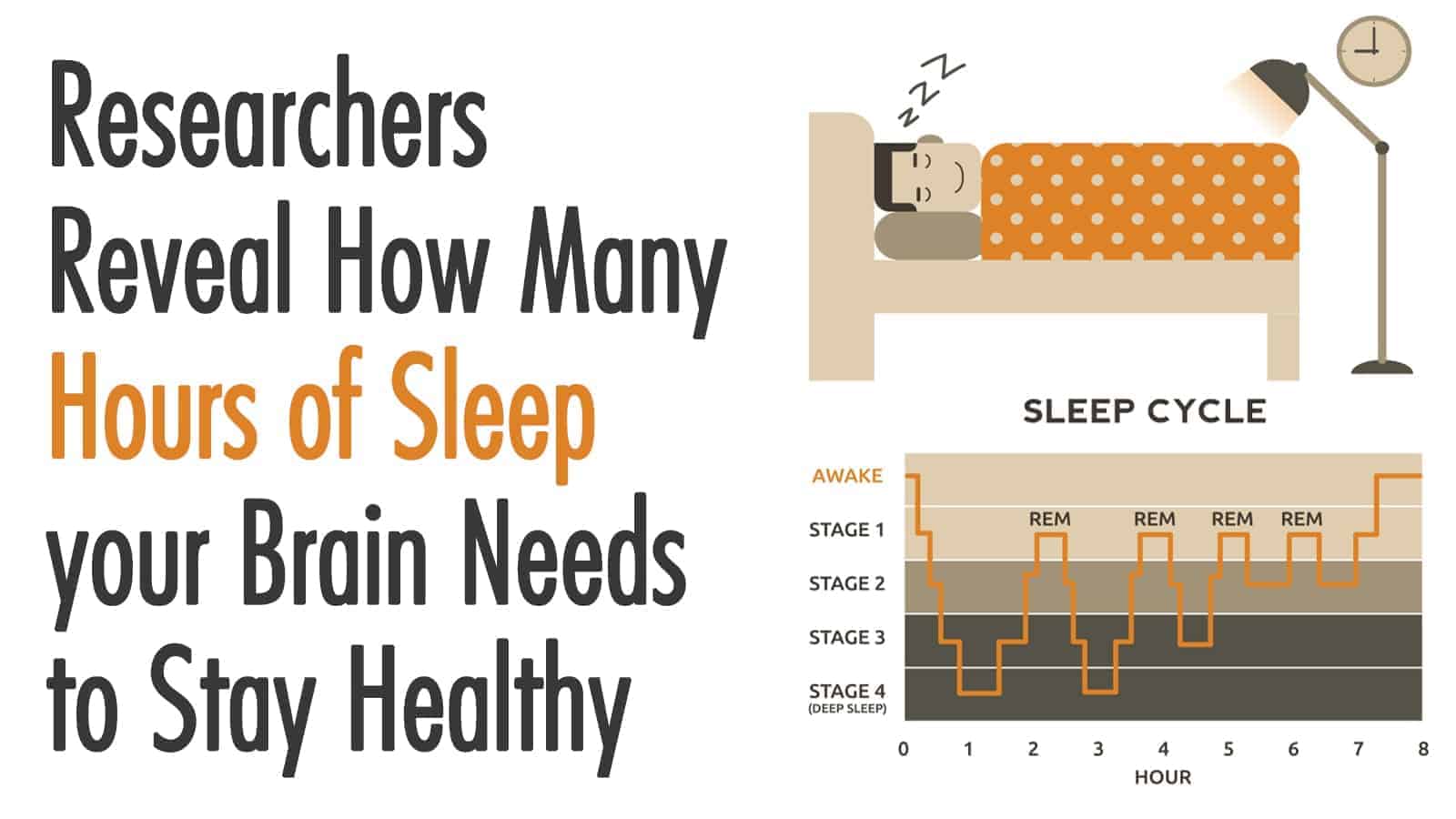
Extremely healthy people understand the value of rest. They know that they should balance their sleeping hours to get enough sleep without going overboard. Research shows that sleeping less than 7 hours can shorten your lifespan, so it’s best to adopt better sleep habits quickly. In addition, a lack of sleep makes you more tired, puts you at risk for many different diseases, and reduces your ability to complete daily tasks. On the flip side, too much sleep can decrease your physical activity levels, worsen symptoms of depression, and may even point to health problems.

·         Maintain A Regular Sleeping Time

It’s not uncommon for people to have trouble falling asleep, which really throws a wrench in any plans to get enough of it. But extremely healthy people have a way around this, too! They follow a science-sanctioned, tried-and-true method of going to bed at the same time every day – even on weekends. This allows your body’s internal clock to line up with a schedule, making it easier to fall asleep when night falls. This also helps to reduce feelings of exhaustion while improving memory and focus the following day.

·         Turn Off Devices An Hour Before Bedtime

A lot of people stay on their phones or laptops even as they’re trying to sleep, or perhaps have the TV on until right before they decide to hit the sake. Healthy people don’t do this because the light from such devices affects their ability to fall asleep! Artificial light can send a message to the brain that it’s still daytime and that it’s time to be alert and awake. This kind of constant exposure can reduce positive thinking, lead to constant poor sleep, increase mental disorder risk, and even increase your risks for cancer! It’s best to switch off your devices an hour before bed and spend that time reading or relaxing instead.

2.    They Prioritize Their Mental Health

While pursuing physical health, extremely healthy people don’t neglect their mental wellbeing. A healthy mind makes a healthy body and vice versa, so healthy individuals learn to prioritize their mental health and consider any emotional or psychological problems as valid and worthy of aid as physical problems. Here are some ways to adopt this healthy habit into your life:

·         Avoid Excessive Anxiety and Stress

Yes, stress and anxiety aren’t always avoidable, and they’re a part of life in many ways. But that doesn’t mean you should excessively expose yourself to them! Individuals who experience these feelings, especially on a chronic or disorderly level, have a significantly higher risk of serious diseases and premature death, say studies. Learning to manage stress and anxiety is something all healthy people have to do if they want to maintain their levels of health.

·         Put Happiness First

It’s great to be selfless and caring of others, but you shouldn’t forget that at the end of the day, you need to prioritize yourself sometimes before you can be of any help to others. Your happiness and positive thinking are so important that being happy can increase your lifespan, according to studies! That’s why healthy people often seem happy – they put effort into making sure that their mental wellbeing is a priority.

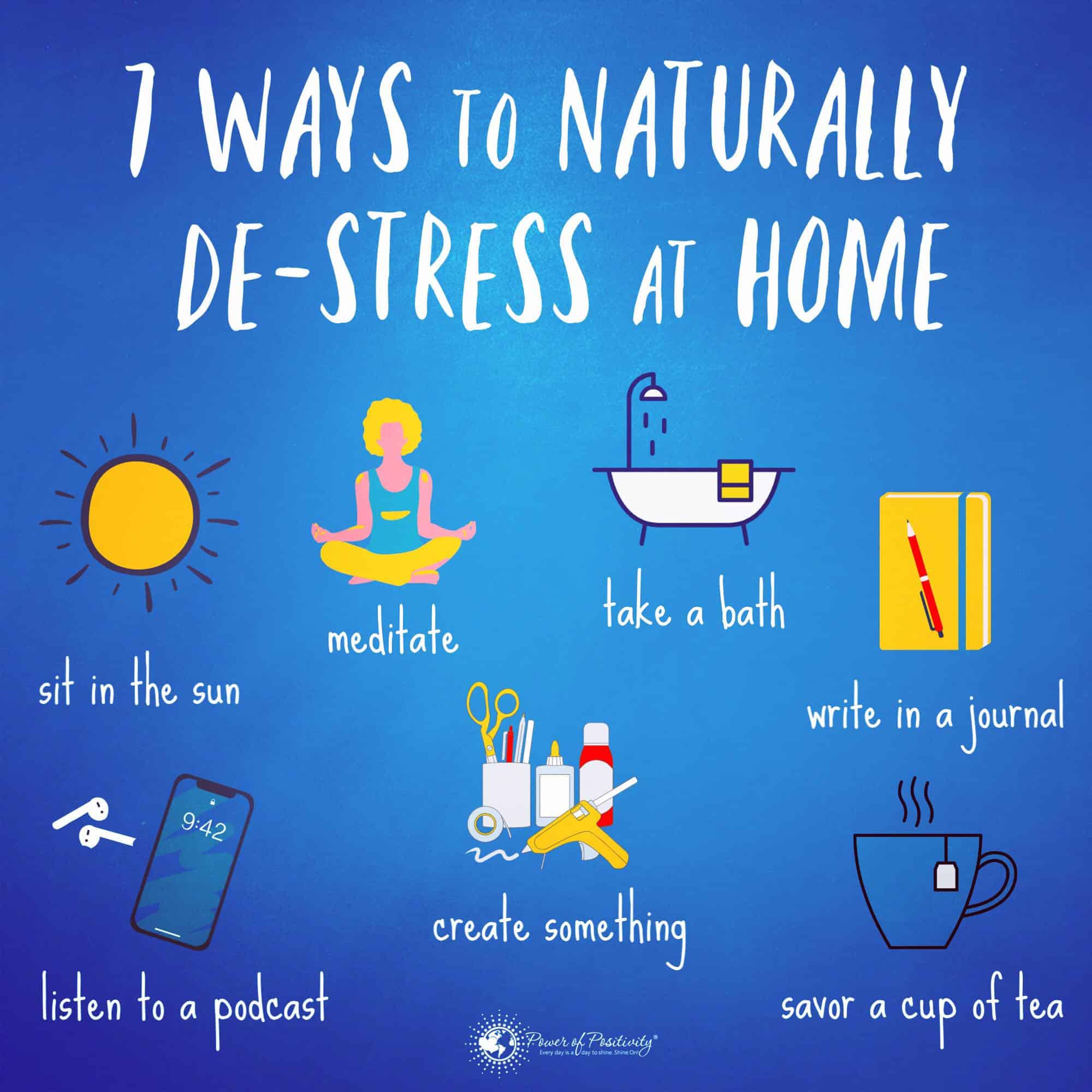
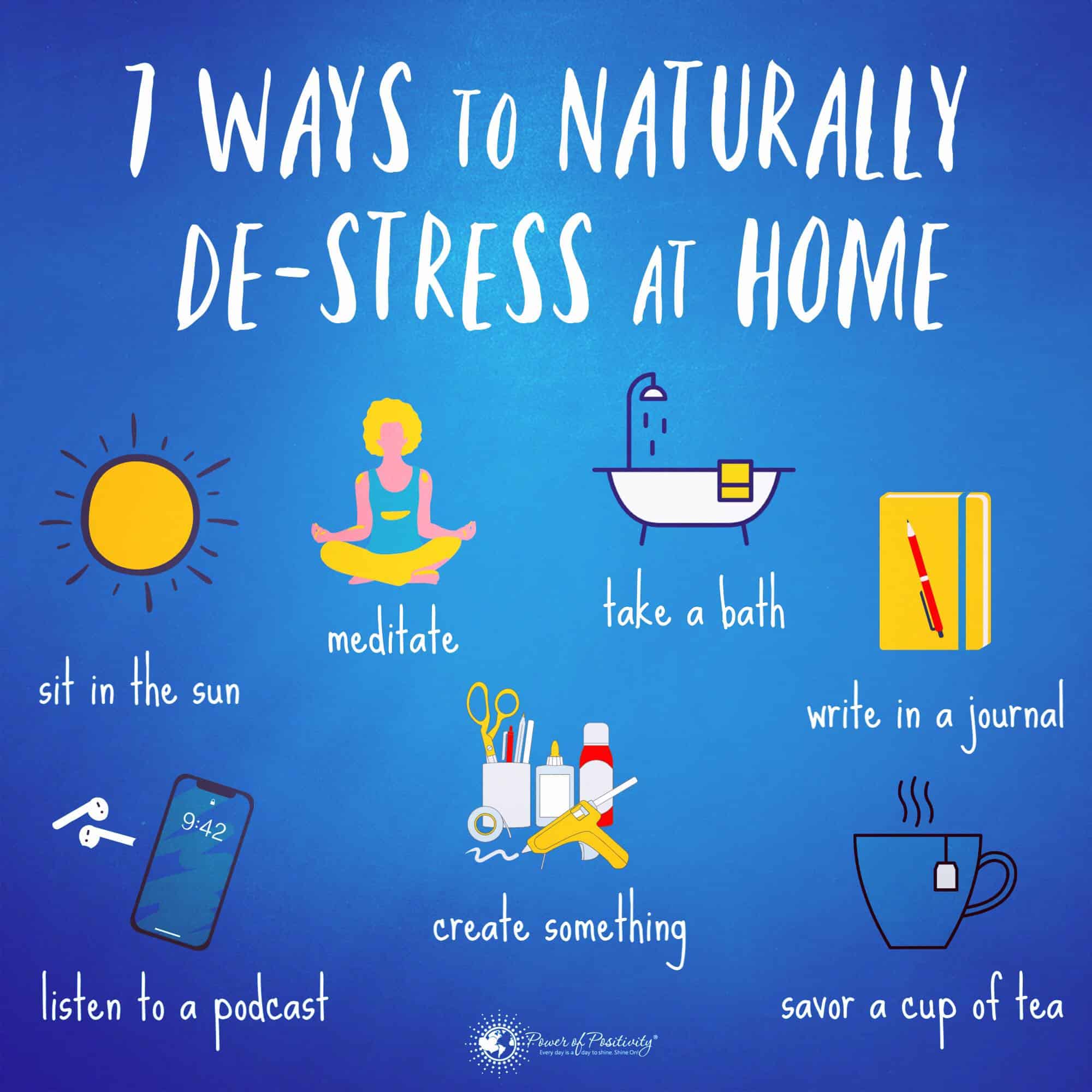
·         Meditate

In the same vein as easing stress, healthy people often meditate in order to boost their wellbeing. There are many different kinds of meditation, allowing you to easily find ones that will work for you. Research indicates that those who meditate experience higher levels of positive thinking reduced stress and anxiety, and lower risks of depression.

sleep3.    They Incorporate Simple Exercise Into Daily Activities

Exercise doesn’t always have to be about running marathons, sweating it out at the gym, and taking aside dedicated time to work out. Healthy people know the value of adding physical activity to their lives by incorporating it into their everyday activities. Here are some habits that healthy people engage in that allow them to get more simple daily exercise:

·         Walk During Breaktime

Breaktimes are a fairly common procedure in schools, workplaces, and even personal self-employed schedules. For the most part, they may be used to eat, relax, or relieve stress. HEalthy people are likely to use any extra time they have during these breaks to go for a bit of a walk. Even five or ten minutes of walking is good enough for them, and it helps them feel less stressed, less anxious, and more positive for the rest of the day. On top of all that, they also still get the benefits of mild exercise, so it’s a win-win all around.

·         Use A Standing Desk

People sit more and more every day, and that’s not healthy for the human body at all! A lot of sitting increases your risk of multiple diseases and can shorten your lifespan, according to research. Many office workers sit for a whopping 15 hours daily! That’s why healthy people try to stand instead of sit, sometimes by using ergonomic standing desks. If it’s within your means to get one, give one a try. You might even be more productive than usual!

·         Take The Stairs

If you are able-bodied, taking the stairs is a wonderful way to add some surprisingly intense exercise to your daily life. Studies have shown that taking the stairs is actually faster than taking an elevator when you take waiting time into account, so you can’t use productivity as an excuse. Better yet, climbing stairs can improve your longevity, especially if you lead a relatively sedentary life. So take those stairs and you’ll see why healthy people do!

4.    They Have Good Eating Habits

Eating healthily isn’t about counting calories, going on diets, or meticulously recording your macros. In fact, it isn’t even just about the specific foods that you eat or avoid. Healthy people know that nutrition is a complex subject and do their best to formulate healthy eating habits that keep them fit and alert. Here are some eating habits that you can learn from healthy individuals:

·         Eat Whole Foods and Avoid Processed Foods

No one can deny the convenience of processed foods. They have a long shelf life, they tend to come in easy-to-carry packages, and they often taste great thanks to all their additives. But they also don’t have the necessary nutrients for your body and they may even increase your risk of developing chronic diseases, according to research. Whole foods, like brown rice, fruit, vegetables, eggs, and fresh meats, are all better options that provide you with vitamins, minerals, and other components crucial to healthy living. Healthy people do their best to avoid junk and processed meals, and you should too.

·         Don’t Overeat

Overeating means you’re taking in more calories than your body needs and can burn off, forcing it to store the excess as fat, potentially clogging up the passageways within your body. Numerous studies have shown how overeating leads to many different disease risks, often with the association of reduced lifespans. While you absolutely should never starve yourself or deprive yourself of food, it’s a good idea to follow in the footsteps of healthy individuals who eat balanced portions and make sure to neither over- nor undereat.

·         Eat While Seated

People eat on the go as they rush around in the hustle and bustle of their daily lives all the time. But eating while moving stops your mind and body from being able to properly process its signals of hunger and satiety. Studies indicate that you eat more when you’re walking as you eat, even if you don’t need to eat that much. This is why healthy people save the walking for other times and sit down when they consume food.

·         Keep Healthy Snack Options Available

Hunger is a powerful thing. All your hard work in ensuring a healthy diet is likely to go out the window once you’re feeling peckish and there’s nothing around you but junk food. Your body needs to eat when it’s hungry, so it’s going to reach for whatever it can. Healthy people make sure that the snacks available to them are healthy in order to avoid the cravings that studies say can often make unhealthier options more appealing. They fill their cupboards with wholesome snacks and keep the junk food far away!

·         Do Some Mindful Eating

Mindful eating refers to the act of focusing on the food (and drinks) you consume while you consume them instead of allowing your mind to wander. It means focusing on what you’re eating – the flavors, textures, smells, colors, what you like about them, and more – and appreciating every aspect. Healthy people do this by chewing slowly and focusing on how their body feels as they eat. This means they notice when they get full and don’t eat too much or too little. Research has even found that mindful eating has positive effects on weight loss efforts!

healthy peopleFinal Thoughts On Some Habits Of Extremely Healthy People You Can Adopt Today

If you want to be healthy, why not take a leaf out of the books of those who already are? It’s not as easy to be healthy as it often seems, and that’s why it’s admirable for someone to be very clearly healthy, as they must put a lot of effort into achieving this result.

10 Behaviors That May Reveal Someone with Depressive Psychosis

Depressive psychosis is a severe mental health condition that occurs with a major depressive episode. It’s sometimes called psychotic depression. The DSM-5 states that a person must have signs of being in a major depressive episode and have psychotic features to be diagnosed with this condition.

Some experts have difficulty distinguishing between psychosis and schizoaffective disorder since the two conditions have mirroring symptoms. However, one substantial variation between the two is someone with schizoaffective doesn’t display depression symptoms. Additionally, those with bipolar disorder may experience signs of depressive psychosis as part of their manic episodes.

Many features help to distinguish traditional depression from the psychotic varieties. Some experts believe there’s a regulation issue with the hypothalamic-pituitary-adrenal axis when psychotic elements are present. Several tests conducted showed an issue with dexamethasone.

Exams revealed that psychotic symptoms during depression come with higher than usual cortisol levels after the body receives a dose of dexamethasone from this hypothalamic-pituitary. This is based on evidence of studies posted in an article at the National Institute of Health. Additionally, those with psychotic depression often have brain ratios that are more significant in the ventricular section, which doesn’t occur with traditional depression.

Ten Primary Signs of Depressive Psychosis

depressive psychosisTo have psychotic depression, you must first be diagnosed with a major depressive episode. There must be other symptoms that accommodate this disorder, such as:

1. Delusions

Delusions and hallucinations are similar but not the same. However, to further confuse things, they can coincide. Patients who are experiencing delusions and hallucinations account for about one-half of the patients diagnosed with depressive psychosis.

When a person has delusions, it is a belief or reality that a person has, regardless of proof to the contrary. For instance, a person may believe they are heir to royalty even though nothing can be further from the truth. If someone tries to disprove their delusions, they may become combative at the thought that their loved ones or friends don’t believe them.

2. Hallucinations

Hallucinations are where a person can see, hear, smell, or touch things that are not real. Many folks with psychosis depression may listen to someone talking to them or saying their name, as well as voices telling them what to do.

Additionally, they can smell things burning from their altered state, like believing the house is on fire. The hallucinations can cause paranoia as they become scared when the things they think and see are frightening.

3. Mood Congruent Delusions

The mood-congruent delusion is a bit different than a traditional delusion. A person with this issue has delusions based on their current mood. According to Mental Health Daily, these delusions are often seen during manic episodes. They may believe they have superpowers and can control the weather or are a celebrity and are fearful of paparazzi.

4. Sad Affect

The general flat or sad effect that accompanies depression is often intensified when a person has psychotic tendencies. All the chaos going on in their mind indeed shows on their face.

5. Anhedonia

During a psychotic state, a person is often unable to feel any pleasure. Anhedonia is the absence of feeling joy even when it’s something they love. For instance, sitting beside the ocean doesn’t comfort them as it usually does, as the disorder is affecting their pleasure receptors.

6. Psychomotor Reduction

When a person is depressed, it’s not uncommon for there to be a reduction in thought processes and physical movements. With psychomotor reduction, the slowing includes not only the speech but also the person’s effect.

7. Pronounced Sleep Abnormalities

Sleep disturbances are common when depression is involved. However, when someone experiences depressive psychosis, they may have night terrors, hallucinations that disturb their sleep and experience lucid dreaming. This person may also sleep too much or too little, which is often the case for depressive disorders.

8. Suicidal Ideation

Suicidal tendencies are not unheard of when it comes to depression. Now, when you add psychosis to the mix, things can become quite scary. Hallucinations or delusions can only intensify the feelings to harm oneself.

Especially if a person is hearing auditory hallucinations where voices tell them to do stuff, it’s rarely an occasion that the voices heard in psychosis are positive. According to How Stuff Works, the voices are a figment of the person’s imagination, so it takes on the depressive state they feel at the time.

pop meme9. Paranoia

It’s easy to understand why a person experiencing hallucinations, delusions, sleep disturbances, and other symptoms might be paranoia. In the mental health field, this term is often referred to as paranoid schizophrenia; however, paranoia can occur by itself. The definition of being paranoid is to believe that someone wants to harm you, which is natural to see why someone who is in a depressive psychosis state might feel this way.

10. Disorganized Thoughts

Formal thought disorder or disorganized thoughts are other hallmarks of psychosis. During this state, a person may feel like their ideas are racing out of control.

The chaos in the brain gets to be overwhelming, and it can drive them mad. An outsider can usually tell when this occurs. That’s because one can observe them as they jumble or confuse their speech or change the topic mid-sentence.

Understanding Psychosis Depression

Some folks are more prone to psychotic symptoms than others, and family history may play a part in the development, according to Academia. Those who experience psychotic symptoms are more likely to have episodes in the future. With each depressive episode comes the risk of developing these issues.

For the person suffering from schizoaffective disorder, the prognosis is grim. However, the person who has depressive psychosis can achieve remission, according to the National Institute of Health. Consequently, there is an increased chance that someone with psychotic features is more apt to commit suicide than with depression alone, and sleep abnormalities may become more pronounced.

The most common age range for psychotic depression is between 20-40 as far as the initial episode. When dealing with major depressive disorder, psychotic tendencies are sporadic. One person may hallucinate for a week, and then, it will go away as quickly as it came.

Later, they might begin to experience sleep abnormalities. The key is that psychosis symptoms don’t always appear at once. Often, a person gradually goes deeper into this state as they continue to deteriorate mentally from depression.

Diagnosing and Treating Psychotic Depression

It’s not always easy to identify psychotic symptoms in depression as doctors spend such a short amount of time with them. The only exception is when they are brought in as an emergency patient due to suicidal ideations, hallucinations, or delusions.

Additionally, it may present as a schizoaffective disorder if the depressive elements are not clearly identified. The fact that there are many overlapping symptoms makes it hard to distinguish the various facets of this mental health crisis.

Even more challenging is treating the person experiencing these symptoms. Traditional treatment methods don’t always work for paranoid individuals or have delusions as they fear someone is trying to harm them. One such method that has been explored is electroconvulsive therapy.

Electroconvulsive therapy or ECT is becoming a preferred method of treatment for those suffering from severe depression. Using electrodes placed strategically in the brain, small amounts of electrical currents are pulsed through the affected area. The side effects can be slight memory loss, but the process has become safer than in years prior.

While ECT tends to be a bit controversial, other natural herbal remedies can help.

Science confirms that ancient Chinese herbalists were onto something. Indeed, some herbs can help with psychosis and schizophrenia:

  • California poppy
  • Hawthorn
  • Magnesium
  • St. John’s Wort
  • Valerian
  • Passionflower
  • Folic Acid
  • Vitamin B12
  • Kava
  • Zinc
  • Vitamin E
  • Tryptophan

The trial-and-error process can be extended to see which herbs or grouping of herbs brings remission. However, according to Psych Central, the studies around these are ongoing and show promising results.

depressive psychosisFinal Thoughts on Depressive Psychosis

Dealing with major depressive disorder can be an ongoing battle that lasts for much of one’s life. A person prone to depressive episodes often finds that it has genetic and environmental links. To add to this issue is the aspect that a person suffering from deep depression can also experience psychotic episodes.

Both depression and psychosis can be episodic. Each episode will be unique in duration and intensity, as will the psychotic tendencies. A person may have crippling depression that leaves them unable to get out of bed, and the psychosis may be some auditory hallucinations.

However, the next battle may be debilitating psychosis that requires intensive treatment and depression that is just a bit troublesome. There is no rhyme or reason to these episodes, and it’s something that many must endure for life.

The good news is that many patients can effectively manage these adverse symptoms through natural remedies. Many herbs and blends can stop hallucinations and delusions; the key is finding the one that works best for you.

Largest XPRIZE In History Will Grant $100 Million For Carbon Removal Solutions

Funded by Elon Musk, the new XPRIZE will award $100 million for carbon removal innovations to combat climate change. The nonprofit XPRIZE sponsors design competitions to address some of the most significant challenges humanity faces. The company will grant a generous sum of money for the top three carbon capture solutions.

The contest will focus on solutions that can remove carbon dioxide from the atmosphere and oceans. In addition to this, the technology must have the ability to remove the carbon and store it sustainably permanently.

In order to win the competition, teams must prove their solution can remove 1 ton of CO2 per day. The criteria also require the teams to demonstrate a validated, thorough scale model. Finally, they must explain to judges that their solution can economically scale to gigaton levels.

The XPRIZE: A carbon removal challenge

carbon removalThe goal of the XPRIZE is to inspire viable solutions to capture ten gigatons of carbon per year by 2050. Of course, this will help stave off climate change and “restore the Earth’s carbon balance.”

“We want to make a truly meaningful impact. Carbon negativity, not neutrality. The ultimate goal is scalable carbon extraction that is measured based on the ‘fully considered cost per ton,’ which includes the environmental impact,” said Elon Musk, founder and CEO of Tesla and SpaceX. “This is not a theoretical competition; we want teams that will build real systems that can make a measurable impact and scale to a gigaton level. Whatever it takes. Time is of the essence.”

Judges will scientifically evaluate solutions using criteria such as:

– amount of CO2 removed
– life cycle analysis of the removal process
– energy efficiency
– land footprint and sequestration capability

XPRIZE will consider any system that demonstrates a carbon negative solution. Whether it involves direct air capture, oceans, or mineralization, it becomes eligible if it sequesters CO2 permanently.

Carbon removal technologies are a necessity to combat climate change.

Peter Diamandis, the Founder and Executive Chairman of XPRIZE, said, “We are challenging engineers, scientists, and entrepreneurs to build and demonstrate carbon removal systems that work. Systems that in sub-scale can demonstrate real, viable carbon removal at 1 ton per day, and then show us how those systems can scale (cost-effectively) to scale massively to gigaton scale.”

“The goal of this competition is to inspire entrepreneurs and engineers to build the carbon dioxide removal solutions, many of which have only been discussed and debated. We want to see them built, tested, and validated. We hope this XPRIZE will activate the public and private sectors to get involved in the same way that the $10M Ansari XPRIZE brought about the commercial spaceflight industry.”

The world’s top scientists estimate that we may need to capture around six gigatons of CO2 per year by 2030. They also say that we need to remove ten gigatons by 2050 to avoid climate change’s worst consequences.

“For humanity to reach the Paris Agreement’s goal of limiting the Earth’s temperature rise to no more than 1.5˚(C) of pre-industrial levels, or even 2˚(C), we need bold, radical tech innovation and scale up that goes beyond limiting CO2 emissions, but removes CO2 already in the air and oceans. If humanity continues on a business-as-usual path, the global average temperature could increase 6˚(C) by the year 2100,” according to XPRIZE’s website.

Team registration will open on Earth Day, April 22, 2021, along with the full competition guidelines announcement. The competition will last for four years through Earth Day 2025.

Guidelines for distribution of the $100 million in prizes are as follows:

After 18 months, judges will award the top 15 teams selected with $1 million each. Milestone Awards will kickstart team fundraising for their operating budgets to achieve the full-scale demonstrations required to win the prize.

In that timeframe, XPRIZE will distribute a total of 25 $200,000 student scholarships to student teams competing.

The judges will distribute the remaining $80M in prizes as follows:

– Grand Prize Winner (1st Place): $50 million
– 2nd Place: $20 million
– 3rd Place: $10 million

Teams can submit entries utilizing natural, engineer, and hybrid solutions.

Competition judges will evaluate the teams based upon the following four criteria:

1. A working carbon removal prototype that can be rigorously validated to remove at least 1 ton of carbon per day.
2. The team’s ability to demonstrate to the judges that their solution can economically scale to the gigaton level.
3. The primary metric for this competition is fully considered cost per ton, inclusive of whatever considerations are necessary for environmental benefit, permanence, any value-added products; and
4. The final criteria is the length of time that the carbon will remain locked up. Participants should strive for a minimum goal of 100 years.

“Our Earth’s changing climate is a fundamental threat to humanity. But it’s not too late if we take action NOW,” said Anousheh Ansari, CEO of XPRIZE. “By partnering with Elon and the Musk Foundation, we will crowdsource cost-effective solutions that can scale massively in the real world. Through XPRIZE Carbon Removal competition, the teams are invited to make history and become our climate heroes by reshaping our future.”

“We are expecting a huge array and diversity of teams from around the world to register and compete. What’s beautiful about an XPRIZE competition is the diversity of approaches taken by the teams. This is a great fit for carbon removal because there are so many ways to pull CO2 out of the air and our oceans. We expect to see approaches like engineered direct air capture, mineralization and enhanced weathering, natural solutions based on plants, trees, or ocean-focused solutions. We want as many viable, scalable demonstrations now so we can all help the best solutions get to deployment as soon as possible.”

pop memeFinal thoughts: huge XPRIZE incentive will award $100 million for carbon removal solutions

Without a doubt, climate change is the single largest threat to humanity. However, companies around the world have been working on technologies to reduce carbon in the atmosphere. Elon Musk and XPRIZE will grant the largest incentive prize in history to the top innovators in carbon removal.

10 Ways to Use Cinnamon to Relieve Inflammation, According to Science

Cinnamon is a popular spice added to many popular dishes such as baked goods and drinks. It can be used for much more than that, though, and has many health benefits.

According to an article in Critical Reviews in Food Science and Nutrition, the medicinal benefits of cinnamon, one of those benefits is that it helps relieve inflammation.

Since its taste is unique and robust, it usually is used in small amounts. You can still get all of the benefits if you know how to incorporate it in your diet often, though. It is easier than you think to add this spice to many of your favorite dishes.

You can replace an unnatural ingredient with this natural one, too. Using it as a substitute for other ingredients will help you increase the amount you consume.

With its ability to relieve inflammation, it is essential to learn science-proven ways to use cinnamon. Reducing inflammation can improve your overall health and help with specific issues you might be struggling with.

The Four States of Inflammation

cinnamonWhile there are different states of inflammation, this spice can help with each of them. Each state involves different signs and symptoms, so you can determine which state you are in. The four states of inflammation include the following:

  • irritation, which often involves redness, itching, or a burning sensation
  • inflammation, which is when the body begins to heal itself
  • suppuration, which is when fluid or pus emerges
  • granulation, which is when you notice tissue formation and healing

How Cinnamon is Effective Against Inflammation

As explained, this spice is effective for relieving inflammation. There are a few reasons that it is so effective, and those reasons involve the things that this spice contains. For starters, this spice contains the following:

 Antioxidants

This spice contains antioxidants, which help repair tissue and control inflammation. Antioxidants also contain many other essential vitamins and nutrients that help reduce inflammation too. It is one of the best anti-inflammatory properties, and there are high amounts found in this spice.

In 2017, The Journal of Traditional and Complementary Medicine noted its usefulness in treating the irritations associated with Polycystic Ovarian Syndrome, or PCOS.

Cinnamaldehyde

This component directly affects platelets that help clot blood during an injury. When the blood clots quicker and more effectively, inflammation will not be quite as bad. According to research, cinnamaldehyde can help protect against strokes and heart disease, too.

Eugenol

Eugenol has antiseptic properties that work as an anesthetic. According to a 2018 review, it eases pain because it reduces inflammation quickly and effectively.

Linalool

This component helps fight inflammation and is effective just by breathing it in. It is the reason why cinnamon essential oil is so effective. Linalool is also the reason for the strong smell that the spice produces.

How to Use Cinnamon to Relieve Inflammation

Here are ten delicious ways to use this inflammation-beating spice.

1. Sprinkle it On Your Favorite Foods

One of the easiest ways to use cinnamon is to sprinkle it over top of other foods. You can put it on anything you’d like, but it’s often sprinkled over:

  • oatmeal or cereal
  • toast
  • ham
  • applesauce
  • sweet potatoes
  • yogurt
  • muffins

Don’t let this partial list hold you back from trying the spice on other things, too, though. You can try it on anything you’d like, and the flavor is a nice addition to many different foods.

2. Add it to Your Drink

It is easy to add cinnamon to your drinks, and it will add a boost of flavor and sweetness, too. This spice can go tea, milk, hot cocoa, or coffee.

When adding it to coffee, you will want to add it to the coffee grounds before brewing. Adding it after the coffee has already been brewed won’t allow it to dissolve and mix well. You will find the spice floating on the top of your cup if you do it that way.

You can also use this spice to flavor your water. To do this, boil one cup of water and add honey and cinnamon. Then, let the drink sit for a few minutes before straining and drinking it.

honey ginger tea

Make this honey ginger tea to stop coughing immediately.

3. Use it as a Sweetener

This spice can often be used in place of sugar and unnatural sweeteners. Experts say that much of the sugar consumed regularly isn’t natural to the foods it is in, making it unhealthy. It is a natural sweetener with many health benefits, including relieving inflammation.

4. Add it to Soup or Chili

An interesting thing about cinnamon is that it can be sweet and a little spicy at the same time. This makes it the perfect addition to soup or chili, both of which should have a little of both tastes.

It adds a powerful boost of flavor to the dish, which will quickly make it your new favorite spice. Plus, if you add enough of it, then you could significantly increase the amount you consume.

5. Use it While You Bake

This spice is frequently used in baking, but the amount can always be increased from what the recipe says. Use it in place of or in addition to sugar in your recipes. You could even use it in frosting or glaze recipes.

Plus, many baking recipes use this spice as the main ingredient. Cinnamon rolls and bread are great options, plus snickerdoodle cookies require quite a bit, too. Switch it up and learn new recipes for using this spice in baking, and you will likely find some new favorites.

6. Add it to Your Meat Marinade

Science shows that the leaves, bark, root bark, and fruit of a Cinnamomum tree create a spicy flavor while also having anti-inflammatory properties. Adding it to your marinade can add a little spice to your meat while also making a delicious taste with a healthy boost. Add cinnamon to your favorite marinade, mixing in as much or as little as you want.

7. As an Essential Oil

Cinnamon doesn’t only have to be consumed for you to reap the benefits. Using this spice’s essential oil offers many of the same benefits, including anti-inflammatory properties.

You can diffuse the oil. The diffuser will make your home smell good and help relieve inflammation. Make sure to use essential oils safely by researching them before use or discussing it with your doctor.

8. Take a Supplement

If you can’t seem to include enough of this spice in your diet, you can take a supplement. These can often be purchased without a prescription, but it is still best to talk to your doctor first. This is a good option if you don’t enjoy the taste but still want to experience the health benefits.

9. Mix Cinnamon With Fruit

You can use this spice to turn your fruit into a delicious dessert. Chop up your favorite fruit and sprinkle the seasoning over the top of it. You could add the spice to a fruit salad and mix it in with all of the fruit.

Another idea is to mix it with chopped-up fruit and then mix the fruit mixture into plain Greek yogurt. You could also add the fruit and cinnamon mixture to oatmeal or pancakes.

10. Make Apple Chips

When you want something crispy but healthy, apple chips are the way to go. When added to fruit and baked, the health properties of cinnamon are still the same. Even better, though, is the added nutrition from the apple.

Apple chips are easy to make and will have your house smelling great while they are cooking. All that you have to do is thinly slice a few apples, arrange on a cooking sheet, and sprinkle more of the spice.

Preheat the oven to 200 degrees and cook for one hour. Flip the apple slices over, sprinkle with the spice again and cook for one more hour.

How Much Cinnamon to Use

If you are following a recipe, you can use the amount that the recipe calls for. You can always add extra, too, but consider the flavor and how strong you want it to be.

Scientists say that ½ a teaspoon to one teaspoon each day is enough to experience the benefits. Remember that if a recipe calls for one teaspoon, it will be divided into the number of servings.

Keep in mind that this spice can be used as a sweetener, too. So, you can replace any artificial sugars to get more cinnamon in your diet.

cinnamonFinal Thoughts on Science-Proven Ways to Use Cinnamon to Relieve Inflammation

As you can see, cinnamon can be used in many ways to relieve inflammation. With these science-proven methods, you are sure to find a few new ways to incorporate this spice into your diet. The best part is that you can add it to dishes that you know you already like, making the process easier.

There are options for all meals and snacks throughout the day, so find the ones you enjoy the most. You don’t have to consume a bunch of this spice, so it will be easier than you think. It is an ingredient that will make your entire family healthier.

Using this spice to replace other unhealthy ingredients will only offer further healing benefits too. Don’t miss out on the medicinal benefits of cinnamon and allow its natural properties to reduce your inflammation.

25 Habits That Help You Take Charge of Your Health

When you’re healthy, you feel good about yourself as it puts a bounce in your step. Now is the time to take control of your life and your health by changing a few of your bad habits into positive ones. If you wish to energy to climb to a mountain’s peak or to make it around an amusement park with your kids, then you need to get rid of those dreadful tendencies that are holding you back.

25 Actionable Ways to Take Charge of Your Health

If you know you need to make a change, but you’re not sure where to start, then here are a few simple things that you can do that will make a dramatic impact on your life and health.

your health1. Find A Good Balance Between Work and Play

While you must maintain a job to pay the bills, there needs to be time for play. You need to have sufficient time to let loose and have some fun. Plus, your children and spouse will want to see the exciting side of you rather than the person that’s always in work mode.

2. Have Routine Check-Ups at The Doctor

Routine check-ups at your doctor can save your life. It would help if you had blood work done on occasion to make sure no cancers or other conditions have developed. These simple tests can help you to stay on top of your health.

3. Ensure Your Brain Health

Stress is a killer when it comes to your life. Your brain health is just as important as the rest of your body. When you’re under constant pressure, you’re at an increase for a heart attack or a stroke.

It’s essential to find ways to destress from the day. When you walk out of the door from work, leave your job behind.

4. Incorporate Aerobic Exercise

Aerobic exercise is good for your heart. You need a few sessions each week to keep heart disease at bay. According to the National Institute of Health, if you’re overweight or obese, then these sessions can help you lose weight too.

5. Maintain A Healthy Weight

Obesity kills. If you are more than 30 pounds overweight, you need to get down to your targeted range. Each day, your weight puts a strain on your heart and increases the possibility of a heart attack or stroke.

6. Eat A Healthy Diet of Fruits and Veggies

It would help if you had lots of fresh fruits and vegetables incorporated into your meals. The vitamin and fiber content in these plants can help ward off disease and keep you at a healthy weight.

Look to nature for your food sources, and it’s effortless to maintain good health when you’re consuming your daily requirements.

7. Make Time for Self-Care

It would help if you always take time for yourself. While you want to do a good job and take care of your family and your career, nothing else matters if you don’t take care of your health. Take time to decompress by listening to some music in a candlelit room, or you can get a massage to melt your stress away.

8. No When to Say “No.”

Stop putting too much on your plate. You need to know your limits and when to say no. While you think you’re doing others a big favor, you’re doing yourself a great disservice.

You only add to your pressure and strain when you take on things you know will be a burden to complete.

9. Have Fun

Laughter is good for you and those around you. It would help if you had fun in life and plan adventures. These outings not only give you something to look forward to, but an occasional break from the norm will be great for lowering your stress levels.

10. Don’t Smoke

If you smoke, then you need to stop! Smoking is bad for your health as your putting toxins into your lungs. According to the CDC, around 80 percent of all lung cancer cases come from cigarette smoke.

11. Limit Alcoholic Drinks

Alcohol is something that you should enjoy only in moderation. While a little wine is good for the stomach and heart, the overabundance can pack on the pounds. Alcohol is high in calories, and you don’t want to develop the proverbial “beer belly.”

12. Eat Your Calories Don’t Drink Them

It’s very tempting to drink soda, fruit juices, and all other types of sugary drinks. However, you can easily consume more than your daily caloric intake in beverages. Water is the best drink for you, and you need to eat your calories and do not drink them.

walking-barefoot

Science explains what happens to your body when you walk barefoot every day.

13. Make Time for Your Family

No matter how busy your job and life become, it would help if you always made time for your family. Having a good balance is essential for your health and theirs. You don’t want to be the reason they’re sitting on a psychiatrist’s couch ten years from now.

14. Use Herbs and Spices Rather Than Salt

There are so many herbs that can flavor your food and make it extraordinary. The one seasoning that you need to steer clear of is salt.

Salt causes inflammation in the body, and it can increase your blood pressure. Get creative and use some other seasonings for your food.

15. Unplug Often

Sometimes you need to unplug from technology. The mental torment of being frequently tied to a device can be overwhelming. For your sanity’s sake, please turn off the phones and all electronics, and you should enjoy the peace it brings.

16. Take A Multivitamin

A multivitamin will help you to keep your body healthy. As you age, you might find it hard to absorb the proper nutrients from your food. So, a multivitamin is an answer for many people to balance their levels and feel great.

17. Get Outside in The Sunshine

There’s something warm and healing about being out in the sunshine. Since the sun provides your body with ample Vitamin D, you need to get about 20 minutes out in the golden rays each day.

18. Get Sufficient Rest

Are you getting at least 7-8 hours of sleep each night or more? Your body needs this time to rejuvenate. If you have a sleep deficiency that’s accumulating, then it can affect your health.

19. Learn How to Meditate

A healthy diet is an excellent place to start for whole-body health, but you also should learn how to meditate. Meditation can help you eliminate negativity and chaos in your brain, and it can teach you how to deal with stress effectively.

It’s one of the best ways to get control of anxiety too.

20. Develop an Optimistic Outlook

You can change your life and your immunity by simply being optimistic. Quit living in the past and looking at failures. Now is the time to press forward and look for positive things.

21. Add More Eggs to Your Diet

Eggs once got a bad rap as being high in cholesterol. However, eggs are a great source of protein. Studies documented on the National Institute of Health show they have little effect on your blood cholesterol levels.

22. Avoid Processed Junk Foods

It’s tempting to snack on chips and sweet treats while you’re watching television. However, you need to choose healthier snacks if you want to maintain your weight. Try carrot sticks and broccoli with a little bit of ranch dressing.

23. Drink More Water

It would help if you had plenty of water to keep your system processes going. How much water do you drink each day? According to the Mayo Clinic, a woman needs about 2.7 liters a day, and men need to have at least 3.7 liters.

24. Socialize

Don’t stay closed in behind four walls as it’s not good for your mental health. Instead, you need to get out and socialize with your friends. Make sure that you have time to laugh, catch up with your buddies, and think about anything other than work or family responsibilities.

25. Practice Gratitude

When you learn to be thankful for all the things you’ve been blessed with in this life, it will have a good effect on your overall health. Gratitude comes from a positive attitude and outlook, and pessimism comes from being overly pessimistic.

When you learn to see the glass as half full rather than almost empty, it changes everything about your life.

your healthFinal Thoughts on Habits to Take Charge of Your Health

Did you find anything in these 25 habits that could change your life or health? What if you stopped eating fast food and processed junk and started snacking on fruits and veggies? This alteration alone would have a significant impact on your overall well-being.

Pick a few things from this list to incorporate into your life. You will be amazed at how much of an impact just a few small changes in your habits can make. Today is a new day and a chance to be a better you.

20 Behaviors That Make You a More Positive Influence

Others influence your life. Remember how many times your parents told you about the company you keep? Well, the old saying that one bad apple ruins the whole bunch is undoubtedly true, so you want to be around folks that are a positive influence.

There are different ways that you can influence someone, and one popular tactic is through manipulation. However, while using these tricks might get someone to do what you want, they won’t trust or respect you. Thankfully, you can use skilled collaboration to gain the integrity and admiration you crave.

Behaviors That Make You A Positive Influence

You want to be a positive influence on those around you. The easiest way is to start with a smile. Did you know that a smile is infectious because it can change someone’s day?

When others see you smile, then they are also inclined to smile back. Even if you don’t speak the same language as someone, a smile is a universal language. Best of all, it will boost your mood, and it only takes a second of your time. Here are some other ways that you can influence people positively.

positive influence1. Always Be Polite and Kind

No matter how bad your days, and there will be many, always be polite and kind to others. It takes little effort to be a decent human being, and people will respect you for it.

2. Don’t Judge

It’s easy to become judgmental when other peoples’ views and lifestyles don’t align with yours. No matter what the situation, don’t judge others. Remember that when you point your finger in judgment, there are still three more pointing back at you.

3. Live a Joyous Life

Joy is not something that comes easy to some folks, but you must choose to be joyful regardless of what life throws your way. Tell yourself when you get up in the morning that you will be happy and have joy no matter what’s going on around you.

4. Use Compassion

If you could walk a mile in someone else’s shoes, then perhaps you would understand why they act and think the way they do. Use compassion when dealing with family, friends, and coworkers, as you have no idea the battles they face.

5. Be Thankful

Count your blessings every day. Never think the Universe owes you anything. Be thankful for all you have, and more will be given to you. Do you want a higher-paying job, then be thankful for the one that already puts food on your table?

Life has a funny way of rewarding the humble and giving more to those who are deserving. Even if you don’t have a lot, being thankful for what you do have is an excellent way to invite more blessings your way.

6. Practice Active Listening

Active listening means that you give someone your undivided attention. Most people don’t want you to tell them what to do, but they need a shoulder to cry on and someone to hear them.

7. Never Gossip

It’s so easy to tell something you’ve learned to a friend or coworker. However, when you engage in gossip, you’re not a positive influence.

Remember, if someone gossips with you about another person, they will also talk about you behind your back. You don’t need this negativity in your life.

8. Be Authentic

Folks like to be around people that are real and humble. They want to work alongside someone who is proud of who they are and doesn’t try to be something they’re not.

Have you ever seen someone act like they’re rich, but you know they barely scrape by? Just be who you were intended to be, and people will love you for it.

9. Clean Your Living Space

Did you know that people can tell a lot about you by your living space? How are your home and car? Is there trash everywhere? Are dishes piled in the sink from last week?

Your areas help people define you as a person. When you show pride in your possessions, then it can rub off on others.

10. Teach Don’t Preach

Don’t be a hypocrite. If you tell people not to smoke and drink as it’s terrible for your health, then you need to make sure that you don’t engage in those activities either. People want you to teach them and not preach to them. If they need a sermon, they will go to church.

11. Smile Often

Never miss an opportunity to smile at someone. It may be the one thing that gives them the strength to keep going. Chances are, they will smile back at you.

gossip12. Have a Positive Attitude

Stay positive no matter how hard it is to achieve. You may want to tell off a coworker or boss or scream obscenities at the electric company for overbilling you. However, remember that people are watching you, and any negativity can rub off.

13. Use Humor to Get Through Life

Not only should you smile, but you should laugh often. Laughter is like medicine to the soul. Did you know that when you laugh, your releasing feel-good brain chemicals that can bring about healing? An article published on the National Institute of Health shows that studies prove laughter can reverse depression and anxiety.

14. Never Lie

It’s effortless to lie when you’re caught in a bad situation. However, lies tend to snowball. When you tell one, you must tell another one to cover the previous one. People are watching, and you won’t be a good influence if you’re untruthful.

15. Lead by Example

How many times have you told your children to clean a room while you watched TV and rested? Kids don’t get that you’ve already worked 10 hours and are exhausted.

If you want them to respond to you, then lead by example. Please pick up the dust rag and broom and show them how to clean. You will get a better response from them.

16. Give Hugs Often

When you hug someone, you can spread feel-good vibes from your body to theirs. Some studies show that embracing someone can be useful for their mental health.

According to an article on the National Institute of Health, when you hug someone, you’re helping to lower cortisol levels, which in return can lower blood pressure and heart rate.

17. Do Random Acts of Kindness

It makes your soul feel good to do random acts of kindness towards others. Plus, people are watching you and the life you live. If you’re a kind and caring person, then folks can’t help but notice.

Additionally, to the person on the receiving end of your kindness, it might be the very thing that gets them through the day.

18. Honor Your Word

If you tell someone you’re going to do something, then make sure you get it done. For instance, you volunteer to make 50 cupcakes for your daughter’s Girl Scout troop. No matter how tired, you must make sure you honor your commitment.

A man/woman is only as good as their word, and you must make sure that when you tell people something, they believe you.

19. Never Get Involved in Other’s Drama

It’s effortless to get sucked into other people’s drama. However, you will make a more significant impact on others if you stay out of it. Be known as the person who doesn’t gossip and doesn’t do drama, and your positive energy will speak highly of you.

20. Attitude of Gratitude

Rather than having the attitude that everyone owes you something, why not have an attitude of gratitude? Be thankful you have a job to go to today because many people are on the unemployment line. Make sure you hug your family tight before you leave for the day, as many have lost their loved ones and long for an embrace.

You may not have designer shoes on your feet, but you don’t have holes in your shoes either. Lastly, it may not be the fanciest house on the block, but it keeps you warm, and the roof doesn’t leak. Be thankful for all the little blessings you have, and it will change your attitude.

Gratitude can be infectious, and it will be a positive influence on those around you.

positive influenceFinal Thoughts on Being a Positive Influence on Others

Life is never going to go your way all the time, and there are going to be days when you want to throw in the towel. Consequently, life isn’t about just enduring the storms. But it’s about learning to dance in the rain. People are watching in everything you do.

You can choose to be a positive influence or a negative one. Remember, your children, spouse, coworkers, and family see your every move. You want others to aspire to be like you and not run the other way.

You have many choices to make in this life, but the legacy you leave behind will either be positive or negative. So, your actions of today have a significant impact on you and those close by.

New Japanese Technology Aids Doctors in Diagnosing Schizophrenia

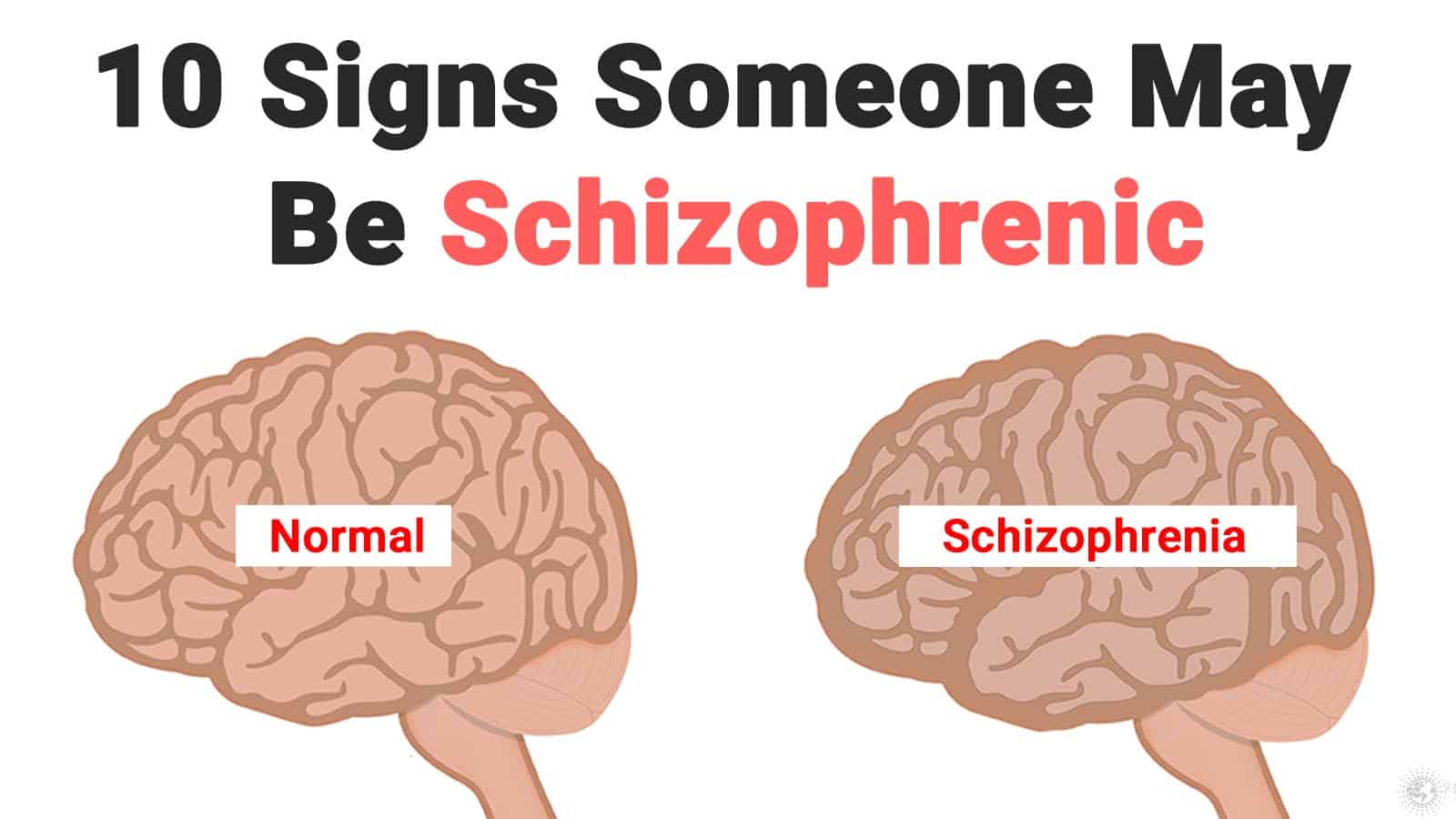
Schizophrenia is a serious mental disorder that affects how a person thinks, behaves, and/or acts. Diagnosing schizophrenia is now easier for doctors, thanks to new imaging technology developed by Japanese scientists.

While it only affects less than one percent of the population, it is one of the most focused-on mental disorders in the scientific community. A person with schizophrenia may exhibit extremely bizarre behavior that can be hard to ignore.

As of right now, schizophrenia is incurable, and scientist don’t even know what causes it. The disorder is a scientific mystery. Because of this, it’s a big deal when there is any breakthrough in research on the condition. That’s why this new technology that can help with diagnosing schizophrenia is exciting news in the scientific and medical communities.

About Schizophrenia

Although the mental disorder affects only a small portion of the population, it can be extremely disabling. Despite the severe symptoms, around 40 percent of people diagnosed with the disorder go untreated each year.

struggling quoteSome of the common symptoms include:

  • Hallucinations
  • Delusions
  • Inability to interpret and properly react to sensations
  • An altered sense of self
  • Strange emotions and behavior

Most people with schizophrenia are not dangerous. However, if schizophrenia is bad enough, some people can become a danger to themselves and their people.

A diagnosis of schizophrenia usually occurs after the person has suffered from an episode of psychosis. Psychosis is like schizophrenia, so it makes sense that it will have some of the same symptoms.

Behaviors to watch for:

It can also have some additional strange behavioral symptoms as well. They can include:

  • Ignoring self-care like personal hygiene.
  • Communication issues.
  • Sudden decline in performance at work or school.
  • Concentration problems.
  • Extreme suspicions of other people.
  • Difficulty separating fantasy from reality.
  • Sleep problems.
  • An overall lack of motivation.

All people who have psychosis don’t necessarily have schizophrenia, but it’s a big indicator that they might.

Current treatments for schizophrenia include medication and psychotherapy. Medications can be helpful, but they have a slew of uncomfortable side effects like weight gain, drowsiness, and more. These side effects can become so significant that people stop taking the medication, making schizophrenia worse.

Psychotherapy can be helpful, though not necessarily as helpful as medication. These two treatments can help a person lead a relatively normal life, but they’re shaky treatments at best, and they rely on the person cooperating with treatments for the long term (the mental disorder may somehow convince them to stop treatments). Really, there are no great treatments for schizophrenia. This breakthrough research is a much-needed discovery in diagnosing schizophrenia and treating it.

Details of the Research

There may not be a cure for this mental disorder, but some treatments are available to help people cope with the symptoms. However, current treatments could use significant improvements, and Ryuta Mizutani, professor of applied biochemistry at Tokai University in Japan, and his team set out to explore this in their research.

According to Professor Mizutani, current treatments are based on many theories but not necessarily proven facts. This is partly because science did not have the technology needed to study the disorder. Until now.

In a partnership with Argonne National Laboratory and the U.S. Department of Energy (DOE), Professor Mizutani and his team used the latest, groundbreaking technology in the world to, as Mizutani put it, to

“… analyze the brain and see how it is constituted differently.”

schizophrenicCurrent Imaging Technology

Analyzing the brain through x-ray technology isn’t new – that’s precisely what computed tomography (CT) scans do. However, these incredible machines aren’t powerful or advanced enough to zoom in on brain cells as closely as needed to provide definitive answers about schizophrenia.

Brain cells are composed of around 100 billion neurons and glial cells. Neurons are the main focus of the research, and they range in size from 4 microns (.004 mm) to 100 microns (.1 mm) in diameter.

Even though CT technology has now evolved into micro-CT technology, these machines still can’t image smaller than 100 microns. You can now see why studying schizophrenia in-depth has been an issue – even the most advanced imaging devices can only see down to the largest neurons.

The Latest Imaging Technology Comes to the Rescue

Argonne National Laboratory has special equipment they call the Advanced Photon Source (APS). They have machines known as beamlines that provide high-powered imaging capabilities well beyond those of micro-CT devices. Currently, the group operates four beamlines – the High Energy tomography beamline, the Multiscale Full-Field Imaging beamline, 2-BM, and 32-ID. Professor Mizutani used beamline 32-ID for his research.

Beamline 32-ID is currently capable of providing full imaging of particles as small as .025 microns. There are only a few places in the world that offer imaging resolution of this caliber. Even still, APS is working to make it even more efficient. Research and development are currently happening to increase this imaging to .015 microns.

While beamline 32-ID provides a closer look at neurons than was ever before, it was still challenging to look at the neurons in the way that Professor Mizutani needed to. The neurons needed to be followed for several millimeters, but the field of view of beamline 32-ID is only 50 microns wide, about the width of a human hair. While they were able to see the neurons relatively clearly, they had to devise a way to essentially create a moving x-ray.

The Study and What the Team Discovered

Despite the difficulties and, interestingly, the limits of the most advanced imaging machine in the world, Professor Mizutaki’s team was able to complete their research and found fascinating results. In order to understand the significance of the results, let’s look together at an overview of the findings.

To start, they used post-mortem brain samples collected from four healthy patients and four schizophrenic patients. These samples happen to be the same samples they used in a previous study into Brodmann area (BA) 24.

Side note:

Brodmann areas are named after the German neurologist Korbinian Brodmann. He mapped out 52 distinct regions in the brain according to their cytoarchitectonic characteristics. Although he conducted his work in the late 19th century, this brain map remains relevant and useful today.

Previous research

In the previous study, they looked at the structure of the neurons. They found that the curvature of neurons was uniquely individual among all subjects. However, they found an extraordinary difference in the schizophrenic samples.

In this study, they focused on BA-22, comparing the healthy brain samples’ structures to the schizophrenic ones once again. Though the structures of the neurons were unique in each individual, researchers also found consistent differences between the healthy samples and the schizophrenic ones. They were able to see the differences more clearly in this study. These differences were:

  • Fatter tails in the schizophrenic samples (neurons all have tails on one side).
  • Rough, torturous surfaces on the schizophrenic neurons vs. smooth surfaces on the healthy ones.
  • The schizophrenic neurons were significantly more curved than those of the healthy ones.
  • The healthy neurons were thicker than the schizophrenic neurons.

According to Mizutani, this is evidence that there is some association between these neuron structures and schizophrenia. He states they need further studies and more advanced technology (discussed below) to figure out the precise association.

How This Information Can Help with Diagnosing Schizophrenia

The research done by Professor Mizutani and his team is far from the point of being usable in any practical form. Still, it is a significant advancement in understanding the disorder and how it works. The hope is that after further research of this nature, scientists will be able to use imaging to diagnose schizophrenia rather than behavioral guesswork.

The team is planning to expand this research after the APS upgrades beamline 32-ID. The upgrade will make the beamline 500 times brighter so researchers will be able to capture synaptic connections. According to Vincent De Andrade, the physicist in Argonne’s X-ray Science Division, this will be the “holy grail for a comprehensive mapping of neurons.” If they can accomplish this feat, the possibilities would be endless. Some even speculate that they might be able to prevent or cure the mental disorder one day.

The research was initially published in the Translational Psychiatry journal on January 14, 2021.

diagnosing schizophreniaFinal Thoughts on Diagnosing Schizophrenia

The current methods of diagnosing schizophrenia can only happen after the person has the mental disorder. Since the disease seems to show up in people during their late teens to early twenties, it would be great if scientists came up with a way of diagnosing schizophrenia before then. This could lead to the possibility of stopping the disorder in its tracks before it gets worse.

It might be a stretch to hope for a cure – technology is probably light years away from being able to assist with this – but it’s reasonable to expect for better treatments. All you can do right now is take Professor Mizutani’s study as a win and keep hoping for the best.

Skip to content