Weekly tips, affirmations, and small actions to feel your best.

3 Subtle Ways To Detect Deception

Are you always stressing over the idea that people might deceive you? Do you ever feel like people have no problem selling falsehoods, but you don’t know how to weed them out? Have you ever wished you could understand how to differentiate lies from reality?

Sadly, deception is something inherent to humans. For whatever reason, people often think that avoiding the truth will make life easier for them. And these people will not be just strangers trying to scam you. They will be your friends, your family. If you want to learn how to spot deception from now on subtly, just keep reading.

What Is Deception?

Simply put, deception is causing someone to accept something false or invalid as accurate. This act can be significant, small, cruel, or kind; it depends on the context and the deceiver’s intent. The most common form of deception is lying. But, on the more extreme ends, it can manifest as gaslighting.

The average person lies several times a day. Most are little white lies. Telling someone they look fine when you don’t personally like their clothes. Lying you were stuck in traffic to avoid consequences. White lies help to avoid awkward and uncomfortable situations. And sometimes, if the mistake is small, they are used to avoid punishment.

Most often, the sheer invention of things is not the core of lying. Instead, people deceive by omitting or exaggerating information and denying the truth. Liars might agree with something they don’t believe in to gain an advantage, like staying in someone’s good graces.
detect deceptionAre the Lies You Believe Your Secret Wishes?

Lies can be a little like a wish. Here’s why. Often, what is said is what people wish is true. The lie “I won’t be able to attend that, I’ll be in Bali” stems from that person’s wish to have a higher status. The more you understand someone’s desires, the easier you’ll catch them in lies.

A large body of research indicates that there are three reasons why people lie:

  • Getting something they want (instrumental reasons)
  • Protecting or promote themselves
  • Harming others

You can try to understand the reasoning behind someone’s lies. But being able to pick up on certain subtleties to know when you are being deceived is different. It’s not enough to know a particular liar wants to present in a certain way.

Three Subtle Ways To Detect Deception

The key is knowing how to distinguish truths from lies. So, how exactly can you learn to understand where reality ends and lies begin?

1.    Look For Physical Cues to Help You Detect Deception

Have you ever noticed how, when you lie, you tend to elicit some physical response? Your stress levels go over the roof, and you start feeling a knot in your throat.

According to Dr. Paul Ekman, who has studied emotion for over forty years, there is no definitive sign of deceit. There are just physical cues.

That is because lying and being deceitful takes a toll on a person. Whenever someone lies, they risk being caught. They have something to lose. Because of that, anxiety levels rise. As a natural follow-up, physical cues begin to show. Sweaty palms, lack of eye contact, fidgeting, and heavy breathing are all signs of someone being stressed. There is also an association between increased pupil size and lying.

Covering your neck with a hand, compressing the lips, raising the inside edge of a foot are all signs of tension. And they have all been linked to lying. People often believe that the body and face always provide reliable cues to lying. But remember, these are only signs that might indicate you should investigate further. They aren’t flawless methods. It would be best if you took notes when you see these behaviors, but more investigation is needed.

Fake Emotions

Another thing to take into consideration is when someone displays fake emotion. Whenever you talk to someone and they exhibit any kind of dishonest emotion, that might be a tell. If someone smiles without their eyes, they are probably deceiving us into thinking they are genuinely happy. Try to note how someone emotionally interacts with you, and weed out the people who tend to fake how they feel. They are probably deceiving you in some way or another. Again, don’t rush into blaming them. Take note of when they are faking and why, but also look for other evidence.

But liars can act in unusual ways sometimes. According to Dr. Bella DePaulo, when liars are more motivated, they can be unusually still and make notably less eye contact. Because of these unusual mannerisms, relying too much on body language alone can impair your ability to detect lies accurately. Remember to never jump to conclusions too fast and double-check everything.

2.    Detect Deception by Identifying Inconsistencies In Story Telling

When it comes to stories, they are bound to vary a little bit every time you tell them. It is normal. As time passes, details become hazy. But the main storylines remain the same. This is not true in cases of deception, though.

Liars always sound more discrepant and ambivalent when relating an event. The structure of their stories is less logical, and what they say sounds less plausible. The reason why they’re trying to deceive you also changes the way they shape their stories. Someone who wants to fool you into thinking they are rich, famous, or whatever, will overly exaggerate things. Those hiding something will withhold information to make it easier to get their stories straight. This idea is supported by Dr. DePaulo and her colleague, Dr. Wendy Morris.
 

detect deception

Stories Might Lack Details

Ray Bull, Ph.D., professor of applied social psychology, has stated that liars have a dilemma. They have to make up a story on the spot. This adds to the stress of knowing you are doing something immoral. Being under pressure, it is highly likely that their ability to make up something plausible lessens. They also don’t know what information you have about what they’re about to tell you. They’re always at risk of saying something you already know isn’t true. This makes them have to be vague and offer incomplete information or chance of being caught red-handed.

Often, they will skip details to the point where it’s clear they are not conversing in good faith. They provide fewer details about time, location, things they heard, or conversations. They tend to speak slower to have time to remember how exactly the lie goes. More grammatical errors than average are also a pretty clear sign of deception. They ramble more and seem less confident of the facts. If you ask them to repeat a particular attribute, they will struggle to make it seem plausible. The most obvious clue is the overuse of utterances like “um,” “ah,” and so on.

Along with the stories they tell being illogical, the stress adds other means to the mix. Research conducted by Aldert Vrij, Ph.D., supports the idea that liars must make a convincing impression, not just tell a story. They have to make you believe them without a doubt. If you ask difficult questions or make them elaborate, they will eventually crack. A subtle way of doing this is by asking them to relate the story backward. If they are telling the truth, they will have memories to rely on, and they will manage to do that. But liars have learned the story like they would a poem. They can recite it, and that’s about it.

Vocabulary Clues to Help Detect Deception

Vocabulary is another big thing. Psychologist James Pennebaker has outlined three primary vocabulary cues to look out for:

  • Fewer first-person pronouns (liars avoid ownership, they strive to distance themselves from the story and avoid taking responsibility)
  • More negative emotion words (they overuse words like hate, worthless and sad because they tend to be more anxious)
  • Fewer exclusionary words (words like but or nor because they avoid having to distinguish what they did and didn’t do)

3.    Detect Deception By Noticing Deviations From The Baseline

When being deceitful, people tend to act in unusual ways. Not necessarily uncommon from an objective point of view, but different than they would otherwise act. Even you’ve been overly excited at some point when telling your friend you love that outfit that’s horrid.

Someone’s baseline is their typical reaction to a specific event taking place. If a kid is usually loud and gets quiet when you ask why the cup is broken, that’s a sign. The way to spot deviations is to study the reactions of those around you. How do your friends usually react when you wear a nice outfit? Are they excited or are they less impressionable? Understanding the baseline of your peers will make it obvious to spot the deviations. If your hard-to-impress friend is unusually excited about your shoes, they might be deceiving you. If your kid wants to clean the house out of the blue, they probably messed something up.

Less noticeable deviations from the baseline are hot spots. The usual hot spot is a conflict between spoken words and tone, gestures, or facial expressions. If they’re telling you something routine but use an overly energized manner, something might be up. This can translate into micro-expressions. These are flashes in 1/25 seconds of the genuine emotion the person is feeling. Being so brief, most people don’t notice them. But, if you look close enough, you might spot them. And if you do, that guarantees you know how someone truly feels about what they are telling you.
detect deceptionFinal Thoughts On Subtle Ways To Detect Deception

Unfortunately, in this society, being deceived is something everyone will have to deal with. However much you might want to trust people, you will have to be a little suspicious from time to time. When investigating whether someone is deceiving you, you must be as subtle as possible. After all, you wouldn’t want to seem like a lunatic if they acted in good faith. You must always be careful not to incriminate someone without a detailed examination.

There are three safe ways to do this. Look for physical cues that might indicate stress or pressure. Examine vocabulary and the logic behind every story you hear. And finally, look for unusual behavior that deviates from the standard. When you master these three things, you can make sure no one will be able to deceive you again!

New Study Warns About the Impact of Sugar in Packaged Foods

A new study by a team of researchers reveals how sugar in packaged foods contributes to disease. Findings showed that reducing the sugar in packaged foods and beverages by 20 and 40%, respectively, could prevent 2.48 million cardiovascular disease events. These include strokes, heart attacks, and cardiac arrests.

Furthermore, cutting back on sugar in processed foods could prevent 490,000 cardiovascular deaths and 750,000 diabetes cases. All of these results apply to the U.S. adult population throughout a lifetime. The micro-simulation study was published in the journal Circulation, a publication by the American Heart Association.

The research team included experts from Massachusetts General Hospital (MGH) and the Friedman School of Nutrition Science & Policy at Tufts University. Researchers from the Harvard T.H. Chan School of Public Health and New York City Department of Health and Mental Hygiene (NYC DOH) also collaborated. They constructed a model to simulate and record a realistic sugar-reduction policy’s health, economic, and equity impacts.

The U.S. National Salt and Sugar Reduction Initiative (NSSRI) proposed the policy. The NSSRI consists of over 100 local, state, and national health organizations assembled by the NYC DOH. The organization released draft sugar-reduction targets for packaged foods and drinks in 15 categories in 2018. In February 2021, NSSRI made final adjustments to the policy. Their goal was to persuade these industries to reduce sugar in their products voluntarily.

However, it’s up to the government to mandate a national policy to oversee the companies and ensure they reach the targets. The government can also hold companies accountable by requiring them to report on their progress publicly. The researchers hope their findings will spur policies to reduce sugar in packaged foods in the United States.

Reducing sugar in packaged foods would benefit the health and economy.

sugar in packaged foods“We hope that this study will help push the reformulation initiative forward in the next few years,” says Siyi Shangguan, MD, MPH, lead author, and attending physician at MGH. “Reducing the sugar content of commercially prepared foods and beverages will have a larger impact on the health of Americans than other initiatives to cut sugar, such as imposing a sugar tax, labeling added sugar content, or banning sugary drinks in schools.

Ten years following the mandated NSSRI policy, the U.S. could anticipate a savings of $4.29 billion in total healthcare costs. According to the draft, this would equal $118.04 billion over the lifetime of the current adult population. If you factor in the costs of lost productivity due to excess sugar consumption, total savings amount to $160.88 billion.

These calculations lean toward the conservative side so that the cost savings could be even higher. The study proved that even if industries reduce sugar in packaged foods by a marginal amount, it could benefit both health and the economy. Researchers discovered that the policy became cost-effective at six years and cost-saving at nine years.

In addition, the policy to reduce sugar in packaged foods could significantly improve health in minorities and disadvantaged populations. According to the model, Black and Hispanic adults and less-educated Americans had the most significant estimated health gains. These populations historically consume the most sugar as a result of discriminatory systems.

Product reformulation policies have also been successful in reducing or eliminating other unhealthy additives. For example, trans fats have largely been removed from processed foods in recent years. Many companies now offer lower sodium alternatives to popular items as well.

Sugar contributes significantly to the burden of disease in the United States.

However, the U.S. still falls behind other countries with more aggressive sugar-reduction policies, such as the UK, Norway, and Singapore. These countries lead the way when it comes to reducing sugar in packaged foods and beverages. However, if the United States adopts the NSSRI’s policies, it could become a global leader in reducing the burden of disease caused by sugar.

“The NSSRI policy is by far the most carefully designed and comprehensive, yet achievable, sugar-reformulation initiative in the world,” says Shangguan.

Studies have consistently shown that sugary foods and drinks greatly increase the risk of obesity and type 2 diabetes. Excess sugar consumption can also cause cardiovascular disease, the leading killer in the United States. Obesity rates in American adults hover around 40%, and diabetes or prediabetes impacts about 50%. Nearly 50% of adults also have cardiovascular disease, with lower-income groups being disproportionately affected.

Dariush Mozaffarian, MD, DrPH, co-senior author and dean of the Friedman School of Nutrition Science and Policy at Tufts University, says this:

“Sugar is one of the most obvious additives in the food supply to reduce to reasonable amounts. Our findings suggest it’s time to implement a national program with voluntary sugar reduction targets, which can generate major improvements in health, health disparities, and healthcare spending in less than a decade.”

The National Institutes of Health provided the majority of funding for this study.

The World Health Organization even suggests taxing sugary drinks to reduce consumption. This would positively influence people’s food choices, much like taxing tobacco led to decreased tobacco use. A case study on the effect of implementing a sugar tax in Mexico found that purchases of taxed sugary drinks fell by 7.6% in two years.

The WHO recommends keeping added sugar consumption to less than 10% of daily calorie intake. This number equates to about 12 teaspoons of sugar for adults.

sugar in packaged foodsFinal thoughts on a new study that warns about the impact of sugar in packaged foods

A new study by health experts reveals that reducing sugar in packaged foods would greatly benefit the US economy and health. The research found that cutting 20% of sugar from packaged foods and 40% from beverages could prevent 2.48 million cardiovascular disease events. It could also prevent 490,000 deaths caused by cardiovascular events and save 750,000 Americans from diabetes.

Scientists have been warning the public about the dangers of added sugar for decades. However, until governments start to crack down on the food industry, little may change. Still, you can vote with your dollar by purchasing healthy food and drinks and avoiding those laden with sugar.

25 Things To Do for Karmic Points

Do you have a good reserve of karmic points, or do you need to add some good deeds to your bank? The word karma is widely used in the Western world, but it has an Eastern origin. Buddhist teaching educates on the laws of karma, which means every word or deed is repaid in the same manner.

To help you understand karmic points, think of your bank account. When you work, you earn a check that shows the fruits of your labor. Your bank account increases because of your actions.

Now, if you don’t go to work this week and have no paid time off, you won’t add anything to your bank. In fact, you will hurt yourself because you will be out of money. Karma isn’t about money, but it adds up in the same way.

Rather, it’s about your deeds, whether they be good or bad. If you do nice things for others and put goodness into the atmosphere, you will reap an increase in your karmic points. Sadly, if you do sinister or negative things, you will take away from this bank.

Whatever you do in word or deed will follow you, and karma isn’t something you can escape. Everyone has an “account” the Universe keeps track of. Another way to understand this is to use a farming analogy. If you plant corn in your garden, you can’t expect green beans to grow.

When you sow something into your life, you will reap the rewards of that harvest. So, you must ensure that you’re planting goodness and encouraging things so that the karma you receive is manifested in positivity.

25 Ways To Boost Your Karmic Points

It’s ominous to think that everything you do will be paid back in either good or bad ways. Sadly, you can’t escape the karma or the karmic debt that you’ve incurred. The goal is to fill your karmic account with good things, so you will have an excellent reserve of goodness coming back to you. Here are 25 ways that you can increase your karmic points.

karmic points1. Spread Positivity

Spreading positivity is an easy way to increase your karmic bank. Think about each word that comes out of your mouth, as well as your actions. Make sure that you’re a positive influence rather than a negative one.

2. Do Something Spontaneous Out of Kindness

Random acts of kindness will undoubtedly boost your points with the Universe. Whenever you go out of your way to be kind to someone, you’re ensuring that kindness will come back to you. While this shouldn’t be your motivation to do these things, it certainly doesn’t hurt that it boosts your points.

3. Sponsor the Publication of Any Holy Text

Sponsoring texts is another way to benefit others. Distributing the teachings of holy lamas that were written centuries ago is a way to create karmic merit. Giving good spiritual advice that can help others is another way to show kindness.

4. Reciting the Names of the 35 Confession Buddhas

According to Lotus Happiness, The Sutra of the Bodhisattvas is a book that contains famous sutras in East Asian Buddhism. By reciting the 35 Confession Buddhas, you’re helping to cleanse negative karma. Admitting all the downfalls in your life shows moral regret, and it can help to allow goodness to manifest.

5. Take Care of Lonely People

Send a card, call them, or spend time with someone who is lonely. Not only will they appreciate your company, but you will put more goodness into the world.

6. Read a Spiritual Book

Many great spiritual books can be enlightening. Not only do these writings help to educate you, but you can learn how to live a more holy life. There are thousands of books to choose from, so pick something that speaks to you at this phase of life.

7. Copy the Sutras

Copying the sutras is an excellent way to increase your good karma. Make sure that they’re written in gold ink, if possible. These holy texts will inspire you as well as give you merit.

8. Connect With a Spiritual Teacher

Connecting with a spiritual teacher can show you many things. They can help you meditate correctly and educate you on how to live in ultimate happiness. If you want to manifest in your life and build your karmic bank, you need spiritual advisors.

9. Replace Negative Words With Positive Ones

Weigh your words wisely. Don’t be negative and downing towards others. Instead, choose phrases that are lifting and pleasant.

10. Chanting Mantras

Chanting mantras can open new horizons for your mind. It’s another way to purify negativity and eliminate any karmic imprints that have carried over from previous lifetimes.

11. Become a Volunteer

Volunteering your time and energy is something that the Universe will notice. Giving of yourself to help others is something that will increase your points, as well as make you a better human being.

12. Stop Gossiping

Gossiping is a way to connect with others, and it can be challenging to pass a good session. However, gossiping is a hostile act that has karmic repercussions. According to Hannah Rose LCPC from Psychology Today, ask yourself these three questions before engaging in a conversation:

•Is the story true?

•Is it good?

•Are you sharing helpful information?

If you can’t see that the conversation has any actual benefits to your life, then pass it by. Remember, when you talk about others, it won’t be long before you’ll be the topic of conversation.

karmic points13. Keep It Clean

Living a clean life means more than just a clean home. You need to make sure your heart is pure, as well as your body, workplace, and even your house.

Do you have clutter in any of these areas you need to address? You must be mindful of what you are thinking and doing every day.

14. Use Twirling Prayer Wheels

Buddhists use twirling prayer wheels that contain mantras that speak of the compassion of Buddha. With each twirl of the wheel, you state several the mantra that’s included in that section.

While it’s a practice often observed by Tibetan Buddhists, anyone can do it. This act has the power to purify, erase karma, and create good destiny.

15. Curb Your Impatience When Driving

If you have road rage, then you’re not bringing good karma to your life. Let someone in on the freeway or slow down to let someone else pass. Life’s highways are a great way to increase your karmic bank account.

16. Practice Spiritual Meditation

Meditation has a higher purpose than just relaxing the mind. It allows you to analyze, understand, and even philosophize. Many people gain wisdom during these sessions, as well as purge negativity. It’s another way to build good karma.

17. Make Forgiveness a Daily Habit

If you want to be forgiven when you do things wrong to others, you must practice forgiveness. It would help if you forgave daily and never held grudges.

18. Live By the Motto – One Day, One Deed

Strive each day to do something good. This doesn’t have to be a grand gesture, but do one act of kindness or another good deed each day to build karmic points.

19. Reading the Sutras

Sutras are stories that contain wise teachings. Many of these tales are about past Buddhas, and you get a large amount of merit by voicing these holy names.

20. Write Holy Words on a Mani Stones

Mani stones are decorative rocks that the water has smoothed over the centuries. It’s best to use stones from holy areas like in the Himalayan mountains, but any smooth rock will do. Write sacred words onto these rocks, and this will bring good merit.

21. Embark On a Journey to Visit the Holy Places

There are many holy destinations of the world, and embarking on a pilgrimage to these areas can be enlightening. Whether you’re Christian, Muslim or Buddhist doesn’t matter; you need to find someplace to go to enhance your spirituality.

22. Be Thankful to the Universe

An attitude of gratitude is one way to show the Universe you’re thankful for all you have in life. When you offer thanksgiving, the Universe will bless you with more.

23. Making Holy Objects Such as Statues

There is a great deal of merit that comes from painting holy objects. If you have artistic creativity, it’s very beneficial. Each stroke of the brush is a way for you to pour out your feelings in a positive way.

24. Be Honest

You certainly won’t get any points with the Universe by being deceptive. Strive to be truthful in all you say or do.

25. Develop a Kind Attitude Towards Others

Many people confuse karma with religion, but it doesn’t have anything to do with religious faith. It has more to do with spirituality. Your religion should be showing kindness to others, so developing a kind attitude will help increase karmic points.

karmic pointsFinal Thoughts on Racking Up Those Karmic Points

Are there things on this list that you already do? Do you see some things that you would like to try to enhance your life? Building karmic points doesn’t always have to be doing something for the expectation of receiving goodness, but it’s more about how you can better yourself in this lifetime and the next.

5 Ways To Identify Triggers That Cause You Stress And Anxiety

Do you often feel like certain events make your anxiety levels go haywire? Are you ever scared to approach certain situations in fear of becoming stressed out of your mind?

If you feel like certain aspects of life cause you immense anxiety for no apparent reason, you are probably being triggered. You’ve probably heard this term used as a joke on social media, but triggers are no light topic. Fortunately, you can learn to identify and deal with them.

What Are Triggers?

A trigger is a psychological term for an external circumstance that produces negative emotional or psychiatric symptoms. Those symptoms are usually anxiety, panic, despair, stress, and negative self-talk. Often it is a stimulus, such as smell, sound, or sight, that reminds people of past trauma.

Triggers often cause flashbacks of traumatic situations. This might cause someone to lose track of their surroundings and relive the traumatic event.

Triggers can take many forms, some predictable, some less intuitive. For a veteran, sudden sounds can remind them of gunshots and trigger memories of war, inducing a panicked state. For victims of assault, maybe a smell that was pregnant during the assault might trigger flashbacks.

It is essential to understand that triggers are situations that lead to feelings of anxiety. They aren’t the reason why someone has an anxiety disorder. Even so, dealing with many triggers in a short period can impair someone’s ability to function, says Una McCann, MD.

identify triggersIdentify Triggers by Gaining Better Understanding of Behavioral Patterns

Remember, triggers don’t have to be one-off events. They can be an accumulation of things that upset you over time. As your relationship and financial problems build up, that whole ordeal can end up triggering you. Loneliness can be a trigger. Information overload and too much social exposure can also induce a state of anxiety.

The main problem with triggers is that you can’t try avoiding them forever. For some people, having to keep a speech is triggering. Or maybe it’s a specific color. A particular smell, taste, or place. Whatever they might be, the only way to avoid them would be to isolate yourself from the world and never leave your home. And that won’t even ensure you will avoid all triggers. At some point, you will have to deal with them. The sooner you identify them, the sooner you will be able to deal with them.

Besides the immediate emotional toll that anxiety takes on a person, it can have long-term consequences. It can cause heart problems, lowers your immune system, leads to gastrointestinal disorders, and affects memory. Learning how to deal with triggers is essential to assure you will lead an overall healthier life.

5 Ways To Identify Triggers That Cause You Stress And Anxiety
These five habits can help you identify triggers of stress and anxiety.

1.   Identify Triggers By Listening To Your Mind And Body

Have you ever walked by a specific building and felt immediate signs of stress? Or maybe it happened because of a particular smell or situation. Have you ever wondered why that’s the case? It is because you have encountered a trigger, and your body is reacting to that negative stimulus. Whenever you are in a triggering situation, your mind and body will let you know.

When faced with a trigger, you will feel a rush of emotions that will overwhelm you. These emotions are so strong that they can make you feel physically ill. Many people experience dizziness, nausea, and headaches when triggered. Sweaty palms, pounding heart, and headaches are also prevalent responses to triggers.

But the truth is everyone responds differently to triggers. True, there is a very high chance you will feel some of the effects described previously. But you will also experience feelings that are uniquely yours. The first step in identifying triggers is understanding what emotional and physical states link to increased anxiety.

Don’t listen to a predetermined list you found on the internet that tells you only certain things can be signs. Listen to what your own body tells you. If you are feeling horribly for no apparent reason, that probably means you were triggered by something. According to Lily Brown, Ph.D., keeping a thought journal is the best to identify your responses to certain situations.

Take notes of the stressful emotions you feel out of the blue. Whenever you enter that state, try to look for something that sticks out that might have triggered that state. Identifying triggers means pinpointing that one odd event that induced your signs of anxiety.

2.    Identify Triggers By Retracing Your Steps

Identifying responses is the critical first step in understanding what triggers you. But, to fully understand what event triggered you and how or why you have to retrace your steps.

Retracing your steps means pinpointing the moment your body responds to the trigger and working backward through your actions and feelings. Your goal is to understand the context you were in and why the trigger appeared. What were you doing when you were triggered? Did someone else induce that anxious state? Was it an overload of many little stressful moments?

By asking these leading questions, you can understand what the prerequisites of trigger forming were. While understanding your responses helps you identify triggers, retracing your steps does that and more. It can help you prevent triggers from taking place. If the trigger was induced by another person, talk with them. Let them know that they’ve done something that made you anxious and that they should fix their behavior. If that doesn’t work, try to distance yourself from them. If a place reminds you of someone you’ve lost and being there triggers you, try confiding in someone. Maybe go there with them so that you can get used to being there again in a safe environment. If you get triggered, you know someone is there to help you get through it.

Triggers aren’t always emotional or caused by others. Sometimes even your diet might be a trigger. Make lifestyle changes if needed. It has been shown that caffeine, sugar, and alcohol can increase cortisol levels, which raises anxiety levels. If you feel like you had just consumed these substances when you were triggered, consider cutting them out.

Understanding the context of the trigger will allow you to start healing and learning to deal with them directly.

identify triggers3.    Understand What Boundary Was Broken

More often than not, anxiety triggers result from a boundary being stepped over or a need not being met.

Breaking a boundary is violating a right. Whenever your limits are pushed or outright stepped over, it can feel like losing autonomy and freedom. You feel unsafe, disrespected and your peace is disrupted. In these instances, it is normal to enter an anxious state.

Understanding what your limits are and when they are being broken will help you identify triggers. Maybe you can’t stand being touched because of past trauma. Therefore you can’t go partying in clubs. If your peers pressure you into going to a club, they are the reason you will end up in a triggering situation. They broke your boundary and

If you notice that your peers are being pushy and triggering your anxious responses, reinforce your boundaries. Make your limits clear and set an ultimatum. Either they respect your boundaries, or you will detach yourself from that toxic group.

So, understand what you require and prioritize meeting those needs. Understand your limits and make sure others respect them. Have clear boundaries, and you will lower the risk of being triggered.

4.    Identify Triggers By Reflecting On The Past

For many people, traumatic events are so painful that their brain shoves the memories in the back of their minds to protect them. There are thousands of people who were assaulted, beaten, or otherwise abused, and they don’t even remember. Or it’s all hazy and hard to decipher. And even if you do remember them, you make conscious efforts to pretend like you don’t.

Many people will like never to have to remember or think about those traumas ever again. That’s understandable. Unfortunately, even if you don’t actively remember traumas, your brain still subconsciously knows they happened. That means you can still get triggered.

An essential step in identifying triggers is reflecting on the past and understanding the core issues you’re dealing with. Be honest with yourself about what you’ve been through. Accept that you are still traumatized by things that happened years ago. It’s normal to be. If you are a victim of assault, touch might be triggering. In that case, don’t put yourself through situations where a lot of physical contacts is involved. You will just hurt unnecessarily.

The more honest you are with yourself, the better you understand what sets you off and why. After identifying triggers, the next step is to talk to someone about your feelings and try to face those triggering situations slowly.

5.    Consult A Specialist To Help You Identify Your Triggers

It is important to remember that anxiety triggers can sometimes coincide with anxiety disorders. Sometimes, the things that set you off are indicative of something more serious going on.

To make sure you aren’t at risk of having an anxiety disorder, consult a psychologist. If you don’t have a disorder, they can help you manage your stress and trauma. If you find out you do suffer from a condition, you will receive the proper treatment.

When it comes to mental health, it is always better safe than sorry. You don’t have to manage your issues alone. Be sure to reach out for help if you feel you need it.

identify triggersFinal Thoughts On How To Identify Triggers That Cause You Stress And Anxiety

It is perfectly normal for external forces to upset you. If you ever feel abnormally anxious out of the blue, take a step back. Breathe and remember that there is a reason why you think like that.

Understand how those anxious states make you feel, how your body and mind react. Couple those signs with the context of the trigger and realize what were the prerequisites for the motivation. Work on trigger prevention.

Set clear boundaries and take care of your needs. That will reduce the chance of triggers forming. Lastly, be honest with yourself and understand your trauma to work on healthily managing it. There’s no shame in having triggers. You need to know what they are and how to deal with them!

15 Phrases That Will Help You Deflect Negativity

Even the most positive people experience negativity sometimes. Negativity can weigh you down and hold you back in life while also causing extreme unhappiness. If you can deflect negativity, you will notice an improvement in your overall wellbeing.

Deflecting negativity allows you to let go of unhelpful thoughts. You might experience a feeling of physical release as a sense of wellbeing settles in. Using positive phrases to help deflect negativity, you can shift your mindset and begin living a more fulfilling life.

Negativity is a burden and discomfort, so carrying it around is never ideal. By using positive phrases and affirmations, you release negativity and replace it with positivity. You’ll quickly notice the difference, and you’ll feel lighter.

Fifteen Phrases To Help Deflect Negativity

When you let go of negativity, you open up space for positivity and happiness. Everyone struggles with it sometimes, so these phrases can help you deflect negativity. Repeat the affirmations or write them in your journal anytime you need a boost of positivity, and it’ll soon become a natural habit.

deflect negativity1. Great things are happening, even if I can’t see them yet.

It can be hard to see past the negativity, so reminding yourself of what’s ahead can help. Things won’t be hard forever, so staying hopeful can give you solace as you push through. Everything that happens right now paves the way for better things in the future.

When you find yourself feeling hopeless, repeat this positive phrase until you feel better. It will remind you to stay positive and hopeful, even when you don’t understand why something happened.

2. I remember that my body is healthy and my soul is tranquil.

When nothing else seems to be going right, focus on the positive things in your life. If you’re healthy, use this affirmation as a reminder that there are some positives in your life. With a healthy body, you can have plenty of hope for the future.

Additionally, repeat that your soul is tranquil, as saying it aloud will help it become true. When you speak, your brain processes the words as the truth so that you can convince yourself to experience inner peace.

3. I feel the negativity leaving my body as my strength and clarity take over.

When you use this phrase to help deflect negativity, try closing your eyes as you say it. By closing your eyes as you speak, your mind processes the statement better. Focus on envisioning the negativity leaving and positivity replacing it.

Then, envision your strength and clarity taking over. Once those things are in the mix, you will have an easier time deflecting negativity.

4. I am replacing anger with love.

Anger is an intense feeling that causes extreme negativity. The feeling can be all-consuming, and it can interfere with all areas of your life. If you can learn to replace anger with love, you will have an easy time deflecting negativity.

Of course, you can’t help but get angry sometimes. When it happens, use this affirmation to help rid yourself of the negative feeling. Focus on love rather than anger, and you’ll quickly notice a difference.

5. I let go of old habits and take on positive, more beneficial ones.

Sometimes your habits will create negativity in your life. If you struggle with releasing negative feelings, consider whether any of your habits could have an impact. Change the practices that cause toxicity, and begin developing more beneficial ones, instead.

You might consider your diet or exercise regime, as they can both affect your mindset and inner energy. It could also be that you gravitate toward negative people or places. Whatever it is that causes your detrimental feelings, try making a change for the better.

6. My mind is clear, and I feel happy.

If you repeat this phrase, you will find that your mind truly begins to clear. Your thoughts will shift, and you’ll process things easier. You’ll find that it makes you feel happier and more fulfilled.

With a clear mind and happy thoughts, you can do anything you set your mind to. Use this phrase to help deflect negativity when you wake up in the morning. By saying it in the morning, you never give negativity a chance to set in.

7. I have an endless amount of talent that I can use today.

One of the best parts of life is that you can always get better at something. Even if you’re already talented, you can still grow and learn more. When you experience negativity, focus your energy on things you can control rather than what you can’t.

One thing you can control is the effort you put into each task during your day. With an endless amount of talent, you can focus on building your skills and doing your best work.

deflect negativity8. Anything that happens is happening for my betterment.
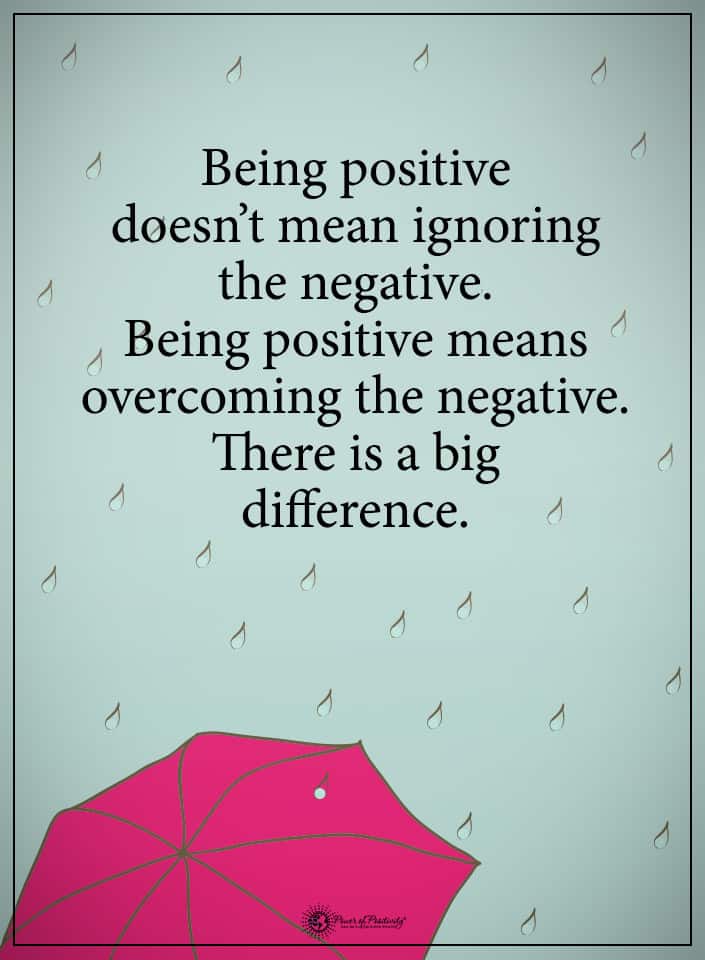
Always remember that what happens today is setting you up for your future endeavors. No matter what is coming in your future, you can prepare now by working through obstacles. Not only will you build your skillset, but it also sets you on the right path for your life.

Sometimes, things we want don’t work out because it wasn’t meant for us. Use this phrase to remember that you’re learning and growing on the path to your destiny.

9. I am at peace with everything that has happened and anything yet to come.

Tell yourself that you are at peace, and you will begin to feel it wash over your body. Use this positive phrase to come to terms with what has already happened. It will also help you peacefully handle whatever happens next.

With peace, you can deflect negativity and focus on happiness and positivity no matter the situation. You can be at peace even during hard times, and it is one of the best ways to ward off negative feelings.

10. I can conquer any challenge because I am capable of anything.

Always remember that you are strong enough to get through anything. No matter what obstacle or setback occurs, you can conquer it and overcome the situation. It’s sometimes hard to remember that at the moment, so use this mantra each morning to prepare yourself.

You never know what situation you will face each day, so using the phrase in the morning prepares you for what’s to come. You might not experience any significant challenges that day, but at least you started your day on a positive note.

11. I am calm and collected no matter what happens next in my life.

If you can stay calm and collected, you will have an easier time deflecting negativity. When things seem uncertain, repeating this positive phrase can help you keep it together. You can’t always predict what will happen next, but you can control how you react and handle it.

12. Hard times are only a phase, and things will get better.

Life is constantly changing, so hard times won’t last forever. Each situation will end at some point, so remember that things will get better. It might not get better right away, but you will experience less negativity if you remember that it’s coming eventually.

13. I forgive anyone that has harmed me in the past.

By forgiving the people that have hurt you, you allow yourself to detach from them peacefully. Without forgiveness, they continue to have a hold over your emotions and life. Let go of what happened so that you can deflect negativity moving forward.

14. I replace negative and unhelpful thoughts with positivity and happiness.

Your negative thoughts won’t get you anywhere, and they won’t fix the situation. Use this phrase to remind yourself that positivity and happiness are the only things that will get you there. The more often you repeat this affirmation, the quicker it becomes a habit.

15. I choose the contents of my life, and that includes negativity or positivity.

While your feelings sometimes feel out of control, you can choose how you feel. If you want to be a more positive person, choose it over negativity. The same thing applies to all situations and feelings because you are the only person that can decide how you feel.

deflect negativityFinal Thoughts on Phrases That Will Help You Deflect Negativity


Negativity is overwhelming, and it affects all areas of your life. Your professional and personal relationships can suffer, and you won’t feel life fulfillment. By using these phrases to deflect negativity, you make a sustainable change for the better.

The habits you form by working to deflect negativity will follow you throughout your life. These positive phrases can help with life-long happiness, and you’ll find meaning in life once again. As you deflect negativity and embrace positivity, you will feel peace in your soul.

Not all days will be perfect, and on the days that you struggle, use these phrases throughout the day. While affirmations are best in the morning, they can help at any time. Find the ones that speak to you the most, and then repeat those positive phrases at least once a day.

7 Reasons Why You Might Be Attracting Negativity

Have you ever taken inventory of your friends and close family members? Do you have more negative people than positive folks in your life? Attracting negativity is effortless for some individuals, but it can affect you in detrimental ways.

One way to tell if you’re in the presence of a toxic person is that they leave you feeling bad about yourself or manipulated in some form. Each encounter with this individual seems to make you a bit more pessimistic and harm your positive outlook. Did you know that some of your most vital attributes can be threatened when you’re surrounded by negativity?

Your character may have a “shadow side” or a gray area where your strengths become weaknesses. Has anyone ever told you that you’re a doormat for folks because you’re constantly used and abused by others? When you attract negativity into your life, your strengths can become weaknesses, and you don’t need the hassle.

The key is to learn boundaries and say no even when you don’t want to do so. You can ward off negative relationships by taking charge of who you allow in your inner circle. According to Joaquín Selva, Bc.S. from Psychology Today, establishing boundaries is healthy and part of creating your identity.

Seven Things That Explain Why You Might Be Attracting Negativity

attracting negativityNo one wants to suppress the positivity that lives inside them. However, it would help to educate yourself against attracting negativity because these folks can use it against you. Do you find that these people are drawn to you like flies on honey?

There could be some reasons why you’re such a magnet to these toxic and harmful folks. Simply put, you might be too nice. Others are taking advantage of your kindness. Here are the most common reasons why the negative is constantly knocking at your door.

1. You’re Free to Share Your Dreams

There are two kinds of people in life: those who settle and those who strive for big dreams. If you’re one of those people who loves to dream big, then you’re probably an instant attraction to the negative. Watch being overly free with your goals or aspirations, as some folks might see you as unrealistic, insistent, or even selfish.

Part of the negative apprehension is that your success might overshadow them, so they will discourage you. Planting tiny seeds of doubt and fear in your mind can help knock you off track. Some negative folks are miserable, so they don’t want to see anyone else push ahead and succeed.

2. You’re a Too Good Listener

It’s hard to find someone who will intently listen these days. People who are too busy surfing their phones are on the go-to stop and conversate properly. However, you may be someone who will drop everything for someone who needs to be heard.

The negative person knows you’re a captive audience, so they take things to the next level. If you listen, they will steal your time. No matter how much you hate it, they insist on sharing unsolicited and harmful details about their life with you. Those who find themselves empathetic listeners are more prone to be a target to the negative conversationalist.

3. Your Sunny Disposition Is Attractive

Have you ever heard the saying that light attracts darkness or opposites attract? Well, when you have an optimistic outlook on life, there’s a light of positivity that radiates from you. Now, to the person stuck in the darkness of negativity, they may see you as a beacon of hope, as they crave light.

If you’re known as a person with a sunny disposition, your infectious smile lights up a room and makes you the one people want to talk to. While these are attractive qualities, they’re also a magnet for negative folks. These toxic folks are characteristically unhappy with themselves, so they need to find someone to help lift them up and give them validation.

Attracting negativity is effortless because you give these folks the boost in the confidence they crave.

4. You’re Available and Show Yourself Open Attracting Negativity

Are you a generous person that’s always available? The helpful person is a trait that the negative is drawn to. They love someone who is charitable with their time, money, and advice.

These folks like to cling to you because they know you will give them an ear and be compassionate towards their situation. The problem is that these individuals will demand more and more of your time, and you will start to feel resentful of such interactions.

attracting negativity5. You’re a Problem Solver

Some people have the unique gift of being problem solvers. You can build bridges and make ways where there seems to be no way possible. You’ve probably always been this way, as you can’t stand to see disputes go unsolved.

You will move heaven and earth to fix an issue, especially if you’re involved. Most folks love that you’re a natural problem solver who likes to fix things. However, it would help if you remembered that often, the negative has burned more bridges than you can count.

They’re not really interested in you fixing their problem, but they want to tie up your time and have someone else to whine about how unkind life is to them.

6. You’re Patient and Kind

Are you an easy-going person who is patient and kind? Most easy-going folks know how to remain calm when everything is going wrong. You can make it through challenging situations because you’re strong.

No doubt, your strong nature will be key to attracting negativity. You seem always to have a word of comfort for someone, and you’re not going to be condescending to them. Instead, the patience and kindness you show is something that brings these folks inner peace.

While they won’t do anything with your advice, they still want to bombard you with their issues. They also know that you’re weak when it comes to saying “no.” Due to your kind nature, you will say “yes” when you really should walk the other way.

They will wait for these moments of weakness to rope you into things you don’t want to do.

7. You Have a High Tolerance for Toxic People

Like most folks, you see the world as being full of kind and decent human beings. However, you can’t turn a blind eye to the fact that there are people who tend to be all about doom and gloom. These folks have probably been through some pretty bad things in their life, and they don’t know how to get out of the negative rut they’re in.

You may struggle to accept that there is a darker side to human nature, and you hold onto relationships with people in the hope that they will change. Illinois State University studied the darker side of folks, and they discovered that many people don’t know how to navigate the discomfort they’ve experienced. When these people go through disturbing and terrifying events, they don’t process them properly.

So, it changes their views on life and even their personality. You, being the kind person you are, likely overlook many things. Sadly, this includes a few put-downs or unkind actions just because you’re always looking for that silver lining through the dark clouds.

Attracting negativity is effortless for some folks, and when you seem to be surrounded by these behaviors, it can’t help but affect your spirits.

Three Ways To Stop Attracting Negativity

Okay, now you know what you’re that’s so attractive to these folks, so you need to fix it. Here are some practical ways to stop being such a magnet for the negative.

  • Set boundaries: One of the first things you must do is set firm limitations. You get to call the shots in your life, including the topics you will discuss and who you will give your time to. Don’t let anyone cross the boundaries you’ve made, as they are there to protect you.
  • Realize you can’t solve all the world’s problems: You’re a good and kind person, but you can’t bring world peace. You must learn that you can’t fix every situation, and it’s exhausting to try.
  • Stop being so available: One of the primary reasons why people seek you out is that you’re available. Don’t be so eager to attract negativity. Stop letting people drag you into extended phone or phone conversations that drain you emotionally.

When you stop making yourself so available, you will stop having so many interactions.

attracting negativityFinal Thoughts on Attracting Negativity

Negativity is a darkness that can invade every fiber of your being if you allow it. What happens if a tomato gets a tiny spec of mold on it? It won’t be long before the entire vegetable is covered in toxins. Negative people are very similar in that they will overtake you with their pessimism if you allow them.

If you want to stop attracting negativity, it’s time to set up some proverbial walls around yourself that can protect you from such doom and gloom.

Study Claims What We Eat Is More Important Than How Much We Eat 

A new study by the American Society of Nutrition may disprove the theory that how much we eat drives obesity. Instead, the research found that what we eat plays a much more significant role in our health. The findings could have important implications for treating obesity moving forward.

Data from the Centers for Disease Control and Prevention (CDC) reveals that over 40% of American adults are obese. Obesity raises the risk for heart disease, stroke, type 2 diabetes, cancers, and other health problems. According to the USDA’s Dietary Guidelines for Americans, losing weight “requires adults to reduce the number of calories they get from foods and beverages and increase the amount expended through physical activity.”

However, this weight loss advice comes from the outdated ‘energy balance model,’ which says weight gain occurs by consuming more calories than one can burn. In our modern world, it’s easier than ever to gain weight because of the sheer accessibility to calories. Cities have fast-food restaurants lining main roads through every town. In grocery stores, you’ll see more aisles filled with high-calorie, hyper-palatable snacks devoid of nutrients. We have plenty of calories available, but not the right calories.

Compounding factors we face today

how much we eatCompounding the obesity epidemic is that people lead more sedentary lives than at any point in history. We’ve made great strides in creating a more automated world, which means less physical labor. Instead, we spend our days sitting at a desk or standing in one place for hours on end. Because of these societal conditions, obesity rates continue to rise worldwide, but especially in developed countries.

Decades of public health announcements urging people to eat less and exercise more have been unsuccessful. However, scientists have developed a new theory about the real reasons behind the obesity crisis. Instead of focusing on how much we eat, they say we should pay more attention to what foods we eat.

The carbohydrate-insulin model may explain the obesity epidemic

The American Society of Nutrition research published in The American Journal of Clinical Nutrition reveals flaws in the energy balance model. Authors argue that a new model, the carbohydrate-insulin model, provides better insight into what’s driving obesity. Also, this model lays the groundwork for more effective, permanent weight loss strategies.

Dr. David Ludwig, an endocrinologist at Boston Children’s Hospital and Professor at Harvard Medical School, led the study. He says that the energy balance model doesn’t take into account the biological reasons for weight gain.

“During a growth spurt, for instance, adolescents may increase food intake by 1,000 calories a day. But does their overeating cause the growth spurt or does the growth spurt cause the adolescent to get hungry and overeat?”

The energy balance model says that overeating and not exercising enough causes obesity. On the other hand, the carbohydrate-insulin model states that what we eat, not how much we eat, matters most. The newest model points to modern food choices as the main driver of the obesity epidemic.

Overly processed, high glycemic foods with simple carbohydrates trigger hormonal responses that disrupt our metabolism. This cycle causes our bodies to store more fat, making us gain weight and become obese, in some cases. Moreover, when we eat highly processed carbs, our body produces more insulin and suppresses glucagon secretion. This signals fat cells to store more calories, meaning fewer calories are left to fuel muscles and other tissues.

Then, the brain perceives that the body lacks energy, which triggers the hunger response. Metabolism also decreases to conserve energy. This process creates a vicious cycle, where we remain hungry despite eating plenty of calories. It doesn’t matter how much you eat if you’re not getting enough nutrients.

What we eat matters more than how much we eat

So, to properly understand the obesity crisis, we need to consider not just how much we eat but what we’re eating. All foods affect our hormones and metabolism either negatively or positively. Of course, we should eat whole, fresh foods, not processed ones made in a lab. However, the energy balance model doesn’t account for this since it assumes all calories are created equal.

The carbohydrate-insulin model dates back to the early 1900s, but The American Journal of Clinical Nutrition offers a more comprehensive approach. It’s authored by a team of 17 internationally recognized scientists, clinical researchers, and public health experts. In their paper, the team compiled many studies and research on the carbohydrate-insulin model. They’ve identified several hypotheses that highlight the differences in the two models to guide future studies.

The authors say that the carbohydrate-insulin model could have massive implications for weight management and obesity treatments. Instead of encouraging people to eat less, the carbohydrate-insulin model offers a more effective strategy: eating higher-quality foods.

According to Dr. Ludwig:

“Reducing consumption of the rapidly digestible carbohydrates that flooded the food supply during the low-fat diet era lessens the underlying drive to store body fat. As a result, people may lose weight with less hunger and struggle.”

The authors added that future studies are necessary to provide definitive conclusions on both models. There’s even a possibility to generate newer models that better apply the findings. They call for constructive debate and “collaborations among scientists with diverse viewpoints to test predictions in rigorous and unbiased research.”

how much we eatFinal Thoughts: It might not be how much we eat; it’s what we eat
We’ve been told for decades to lose weight. We simply need to eat less than we burn. It sounds so straightforward, but this advice doesn’t always work. The theory comes from the energy balance model, which takes the standard calories in, calories out approach.

However, scientists have formulated a new model known as the carbohydrate-insulin model, a more effective weight loss strategy. It says that our food choices are more important than how much we eat.

So, if you’re trying to lose weight, don’t focus so much on eating less. Incorporate more whole, fresh foods, which will leave you feeling fuller, longer. Just as your car can’t run on lousy gasoline, your body and mind can’t function with poor-quality foods. As Hippocrates said: “Let thy food be thy medicine.”

Austrian Researchers Prove That Gut Bacteria Impacts Brain Development

A new study shows that gut bacteria impacts brain development in premature infants. The research performed by the University of Vienna reveals that highly premature infants have a higher risk of brain damage.

Premature births have been rising worldwide and remain the leading cause of perinatal mortality and morbidity. While recent advances in medical care have increased the survival rates of premature infants, many survivors suffer from lifelong brain damage.

The researchers have discovered that targeting certain gut bacteria may help with the early treatment of brain damage. They found that an overgrowth of the bacterium Klebsiella in the intestinal tract increases specific immune cells. It also raises the likelihood of neurological damage in premature babies.

The study, published in the journal Cell Host & Microbe, reveals the complexity of the gut-brain relationship. The gut, brain, and immune systems all affect each other since they’re closely related. Researchers call this the gut-immune-brain axis.

Bacteria in the gut influence the immune system and also monitors gut microbes and responds to them. The gut also connects with the brain via the vagus nerve in addition to the immune system.

“We investigated the role this axis plays in the brain development of extreme preterm infants,” says the first author of the study, David Seki. “The microorganisms of the gut microbiome — which is a vital collection of hundreds of species of bacteria, fungi, viruses, and other microbes — are in equilibrium in healthy people. However, especially in premature babies, whose immune system and microbiome have not been able to develop fully, shifts are quite likely to occur. These shifts may result in negative effects on the brain,” explains the microbiologist and immunologist.

Patterns in the microbiome may indicate brain damage

brain development“In fact, we have been able to identify certain patterns in the microbiome and immune response that are clearly linked to the progression and severity of brain injury,” adds David Berry, microbiologist and head of the research group at the Centre for Microbiology and Environmental Systems Science (CMESS) at the University of Vienna.

He’s also the Operational Director of the Joint Microbiome Facility of the Medical University of Vienna and University of Vienna. “Crucially, such patterns often show up prior to changes in the brain. This suggests a critical time window during which brain damage of extremely premature infants may be prevented from worsening or even avoided,” he says.

Comprehensive study showing how gut bacteria influence brain development

The interdisciplinary team identified specific biomarkers that could help with the development of new treatments.

“Our data show that excessive growth of the bacterium Klebsiella and the associated elevated γδ-T-cell levels can apparently exacerbate brain damage,” explains Lukas Wisgrill, Neonatologist from the Division of Neonatology, Pediatric Intensive Care Medicine and Neuropediatrics at the Department of Pediatric and Adolescent Medicine at the Medical University of Vienna.

“We were able to track down these patterns because, for a very specific group of newborns, for the first time, we explored in detail how the gut microbiome, the immune system, and the brain develop and how they interact in this process,” he adds.

The study included 60 premature infants born before the standard 28 weeks gestation period. They weighed less than 1kg for several weeks or even months. The team utilized revolutionary scientific techniques such as 16S rRNA gene sequencing to study the microbiome, among other methods. They analyzed blood and stool samples, brain wave recordings (e.g., aEEG), and MRI images of the infants’ brains.

Premature babies have vital differences in gut bacteria.

Babies born before the third trimester have different neural circuitry due to various environmental cues. One of these includes microorganisms immediately colonizing the gut, influenced by the many neurons in the nervous system. Mounting evidence shows that during early development, enteric microorganisms receive signals from both the gut and brain.

Premature babies have a higher risk of developing perinatal white matter injuries (PWMI). Scientists have learned that perinatal infections and subsequent inflammation play a role in PWMI and can make brain injuries worse. This may lead to life-long problems such as cognitive and motor function delay, cerebral palsy, neurosensory difficulties, and ADHD.

To prevent excessive inflammation, the developing immune system and gut microbiome must remain balanced. However, in extremely premature babies, the gut microbiota and its host have significant impairments. It’s still unclear if the impaired relationship results from early-life intensive medical care or missing immunological cues.

The neonatal gut houses an abundance of γδ T cells, which stand out among T cells due to their flexible receptor chains. Scientists have observed these cells in brain lesions of premature babies with white matter injury, suggesting they may play an essential role in mediating gut-brain axis communication.

The research will continue with two studies in the future.

The inter-university cluster project was a collaborative effort by Angelika Berger (Medical University of Vienna) and David Berry (University of Vienna). The comprehensive study marks the beginning of a research project thoroughly investigating how the microbiome impacts brain development in premature infants. Also, the researchers will follow up with the children in the original study.

“How the children’s motoric and cognitive skills develop only becomes apparent over several years,” explains Angelika Berger.

“We aim to understand how this very early development of the gut-immune-brain axis plays out in the long term. The children’s parents have supported us in the study with great interest and openness,” says David Seki. “Ultimately, this is the only reason we were able to gain these important insights. We are very grateful for that.”

brain developmentFinal thoughts on how gut bacteria may play a critical role in babies’ developing brains

An Austrian study shows that premature babies have different gut bacteria than babies born at full-term. Specifically, they have an overabundance of the bacterium Klebsiella, which increases the risk of brain damage in preterm babies.

The team hopes that identifying patterns in the gut-immune-brain axis will lead to better treatments for brain damage. Targeting this bacteria may improve outcomes for premature babies born with neurological damage.

Joyful People Do These 15 Things Without Realizing It

Did you know that there’s a difference between happiness and joy? Happiness can be fleeting and come in spurts. For instance, you can be happy because you got a new car or a bonus at work, but joyful people have something down deep inside of them that doesn’t fluctuate.

When you have joy down in your soul, then it doesn’t matter what’s going on in the world around you, as you find contentment. Someone who has fun doesn’t let life get them down, as they have enough security within themselves to withstand life’s storms.

It’s shocking to learn that some of your personality and overall outlook on life can be genetic. A study reported by Springer Link found that about 40 percent of your overall happiness is genetically linked. This means if your parents were grumpy and pessimistic, there’s a 40 percent chance that you could also have this personality.

However, if one or both of your parents were joyful folks, the chances increase that you too will have a similar disposition. It’s odd how genetics work, but you do have the power to change things with a positive mindset and determination. If you tend to be negative, you can make effective changes to alter your perception for the better.

Fifteen Habits of Joyful People

Would you consider yourself a joyful person? Some say joy comes from within your heart, and it’s there to stay once it gets inside. However, here are some things that joyful people do without even realizing it.

joyful people1. Smile

One of the surefire ways to tell if someone has joy is by the expression on their face. If you’re happy down inside, then it radiates to the outside. You don’t have to tell joyful people to smile as they beam.

It’s because they’ve reached a place that someone with negativity and fleeting happiness can never understand. So, if you want to see if someone is content and happy in their life, look at their facial expressions.

2. Their Eyes Beam

You’ve probably heard that your eyes are the window to your soul, and it’s an accurate statement. Start doing an inventory of your friends and their eyes. When someone is sick, the eyes are one place you can tell how they feel.

If a person didn’t sleep well the night before, their eyes would let you know. Joyful people also have a distinct look within their eyes, a light of sorts. It’s a glow that radiates from their soul that shows the world what’s on the inside, and it’s hard to deny.

3. Practice Gratitude

One of the most significant ways to identify a joyful person is by their gratitude. When a person is satisfied, they find that every little thing they have is a blessing. You could hand them a card during the holiday season instead of a gift, and they would be content.

See, they don’t get caught up in material possessions and all that superficial stuff that usually comes with huge price tags. They’ve learned that the key to being content on this earth is all about people and the blessings they’ve been given. Most joyful folks don’t get caught up in trying to live like the elite, as they are so thankful to have what they’ve been blessed with in this life.

4. Optimism Is Key

When you ask someone with joy how their day is going, they will always respond well. They tend to see the cup as half full rather than empty. Sure, they may have a headache, an upset stomach, and feel overwhelmed by the pressures of life, but they won’t focus on those things.

The joyful individual has an optimistic outlook that keeps them going. You won’t hear them whining and complaining about things, as that’s something they avoid. These folks stay on the sunny side of life.

5. Forgive

Remember, just because someone has joy in their heart doesn’t mean they aren’t human. They will get their feelings hurt like the next person. The key is that joyful people are eager to forgive those who’ve done them wrong.

Holding grudges is not their thing, so they will forgive you and hope you make better choices the next time. They won’t let that hurt fester into bitterness, but they will use it as a lesson to educate you on how to avoid such interactions the next time. They forgive you and themselves easily.

6. Practice Spirituality

To have true joy down inside your being requires divine intervention. Many joyful folks have a connection to a higher power that brings them comfort. They know that when times of trouble come knocking on their door, the Universe has their back.

When someone is connected to their spiritual being, their joy doesn’t go up and down like the stock market. According to Beyond Today, when you fill the spiritual void in your life with the belief in something bigger than you, it gives you hope, peace, and joy. Additionally, the fruits of the spirit, as found in Galatians 5:22-23, are also on display in these individuals.

7. Make Friends Easily

Joyful people have no problem making friends. People flock to them because their bubbly personalities are infectious. While it’s easy to stay far away from those who tend to be negative, the joyful individual is never at a loss for friendships.

Just because so many people want to be their friends doesn’t mean that this individual will allow them in their inner circle. The joyous one is very particular about the ones they let get close, as they don’t like to hang with negative people who tend to be constantly downtrodden.

joyful people8. Resolve Conflicts Quickly

Anyone knows that the longer you let a conflict brew, the more powerful it becomes. A joyful person is eager to resolve any conflicts promptly. They don’t need this negativity hanging over them.

9. Apologizes

Part of conflict resolution is being able to admit when you’ve done wrong. The happy person will be more than willing to say “I’m sorry” when they’ve done something to offend you. They don’t want anything hanging over them and remember they like to resolve matters quickly and move on.

10. Live Balanced Lives

One of the primary reasons why people are so unhappy in life is because they’re unbalanced. The miserable folks usually don’t have enough time for self-care, family, friends, and other things besides work. However, joyous people know that they need to have a proper balance between staying happy in life.

11. Don’t Sweat the Small Stuff

Some folks wear their emotions on their sleeve as they’re super sensitive. However, the joyful person tends to let things roll off their back. They know that they’re going to be miserable if they take every single thing that happens to them to heart.

So, rather than getting all worked up about every little thing, they tend to go with the flow. Joyful people learn to manage their emotions.

12. Help Others

One of the most beautiful things about joyful people is their desire to help others. They’re the person you see singing and bouncing around a soup kitchen, eager to help the person in need. They’re the people who randomly pay for someone’s groceries in front of them just because they feel like doing a good deed.

These folks live by the Golden Rule, and they’re always ready to do unto others things that share a bit of their happiness.

13. They Laugh

Laughter is something that tends to make the dark clouds seem unnoticeable in life. When you’re laughing, you’re releasing those feel-good hormones that your body needs, according to the National Library of Medicine. It’s often been said that laughter is the best remedy for what ails you, and as you can see from joyful folks, it’s genuinely one of the best medicines.

14. Engage in Self-Care

One thing that the happy individual does is make time for their personal needs. They know how important it is to have self-care, and they make time for the things that bring them joy. They are eager to go shopping, see a new movie, read a good book, or sip a glass of wine in a bubble bath.

This person realizes that they won’t be nearly as content and joyful if they don’t take time for their needs.

15. Manage time

Time management is an important aspect to learn in life. The joyful person knows that you will be rushed, always late, and irritable due to poor time management. So, they like to show up early to events, so they don’t engage in those negative feelings.

This person also knows that they can’t be their most productive when they’re late and stressed out. They like to be one of the first people at work or an event so that they can make the best of each moment.

joyful peopleFinal Thoughts On The Habits Of Joyful People

Did you see anything on this list that you already do? Do you think you fit the classification of a joyful person, or do you have much work to do? Whether you’re checking all the positive boxes or want to make improvements, you can do it.

What can you do today that can help change your tomorrow? Are there any small things that can help make you a better person for yourself, your family, and your friends?

Skip to content