Weekly tips, affirmations, and small actions to feel your best.

EPA Creates New Guidelines for Forever Chemical Cleanup

The EPA recently announced a new strategy to address ‘forever chemical’ cleanup in the US. They identified over 120,000 sites across the country that may expose people to these harmful toxins. Over time, these chemicals accumulate in the body and can lead to cancers and other health problems.

Since these contaminants don’t break down in the environment, they threaten animals, plants, and humans. The toxins pollute the air, water, and land and have been largely unregulated until recently. Now, the Environmental Protection Agency unveiled a plan to ban these toxic chemicals and organize cleanup efforts.

This news comes only a day after the EPA released data on the industrial sites that handle these chemicals. Called PFAS, or per- and polyfluoroalkyl substances, many industries utilize them to create products that resist heat, oil, stains, grease, and water. These include clothing, furniture, adhesives, food packaging, heat-resistant non-stick cooking surfaces, and electrical wire insulation. Because they’re costly and difficult to detect, environmentalists overlooked them until recently, when experts learned of their dangers.

The EPA compiled data on facilities handling PFAS to make it easier for officials to address chemical cleanup efforts. The recent report shows the far-reaching effects of PFAS – they impact nearly every part of the country. In addition to cancer, PFAS causes birth defects, liver disease, thyroid disorders, hormone disruption, and other severe health issues.

Colorado and Oklahoma have the most significant clusters of PFAS facilities – 21,400 and 12,000, respectively. California also houses 13,000 sites, but they also spread throughout the state. Industrial sectors that use PFAS include oil and gas, waste management, mining, chemical manufacturing, plastics, and landfill operations. They also use them in airports, metal coatings, and electronics.

EPA Creates New Guidelines for Forever Chemical Cleanup

EPA administrator Michael Regan said in a statement that underserved communities especially suffer from PFAS contamination. He added that the new strategy to address the chemical cleanup would help protect these communities and hold polluters accountable. The EPA plans to hold national webinars on October 26 and November 2 to discuss strategies with stakeholders.
chemical cleanupThe main goals of the plan include the following:

  • “Aggressive” timelines to limit PFAS in drinking water under the Safe Drinking Water Act to ensure the safety of each community’s water supply;
  • Timelines for establishing “effluent guideline limitations” for nine industrial categories;
  • Establishing a hazardous substance designation under the federal Superfund law that allows governments more extraordinary ability to hold PFAS polluters financially accountable;
  • A review of prior actions taken on PFAS regulations under the Toxic Substances Control Act to discuss inadequacies;
  • Increased monitoring, data collection, and research so the EPA can identify which actions to take, and when;
  • A final toxicity assessment for a group of PFAS called GenX used in manufacturing nonstick coatings that the EPA measured in drinking water, rainwater, and air samples;
  • Ongoing efforts to address action on PFAS emissions into the air.

The agency also said it would boost investments related to PFAS research. In the American Jobs Plan, President Joe Biden called for over $10 billion in funding “to monitor and remediate PFAS (per- and polyfluoroalkyl substances) in drinking water” along with other water system upgrades. The EPA says this new plan addresses the need for action on the long-overdue chemical cleanup.

However, experts in the field criticize the EPA, saying they’ve known about the dangers of PFAS for years. Dusty Horwitt, the author of a report on PFAS by the Physicians for Social Responsibility, says the agency learned of health hazards 20 years ago.

“The evidence that people could be unknowingly exposed to these extremely toxic chemicals through oil and gas operations is disturbing,” said Horwitt. “Considering the terrible history of pollution associated with PFAS, EPA and state governments need to move quickly to ensure that the public knows where these chemicals have been used and are protected from their impacts.”

The Public Versus the Chemical Industry

Of course, the American Chemical Council (ACC) stresses that the dangers of PFAS have been exaggerated. The organization asserts that many essential consumer products and industrial practices rely on PFAS. “PFAS is vital to enabling our lives in the 21st century,” they say.

They added that not all PFAS are created equal, and therefore, it isn’t scientifically accurate to make sweeping assumptions about them. PFAS chemicals consist of over 5,000 artificial compounds used for industrial purposes since the 1940s. The EPA says they have very little information about most of these chemicals. The ACC claims that health officials have already discontinued harmful PFAS in the United States.

Even still, as the years pass, it’s become clear that PFAS poses a more significant threat than the ACC admits. For example, a study by the non-profit Environmental Working Group found that over 200 million Americans could have dangerous levels of PFAS in their drinking water.

Potential Legal Ramifications of the Chemical Cleanup

Even more damning, some industries that use PFAS have known about their public health risks for decades. In the mid-2000s, lawyer Rob Bilott brought these chemicals into the public eye in a class-action settlement with DuPont.

The company had knowingly contaminated waters in West Virginia and Ohio with a chemical called perfluorooctanoic acid, or PFOA. Part of the settlement paid for a six-year health study, which found links between PFOA and many health problems, including cancer. Bilott sent the EPA copies of DuPont’s internal corporate documents, which showed they were well-aware of PFAS’ dangers.

However, he says that the EPA still hasn’t issued any federal regulatory guidelines almost two decades later. In that time, Bilott has continued to fight for tighter PFAS regulations and corporate responsibility for chemical cleanup. His work led to DuPont and other industries discontinuing the use of PFOA in the US. However, similar alternatives have sparked new worries about safety.

He now filed a new lawsuit against chemical manufacturers 3M, DuPont, and DuPont-owned Chemours. He’s seeking class-action status on behalf of all United States citizens exposed to PFAS or PFOA.
chemical cleanupFinal Thoughts: New EPA Guidelines Will Prompt Chemical Cleanup of PFAS

For over twenty years, the EPA has known about dangerous ‘forever’ chemicals called PFAS leeched into the environment by industries. Until now, environmentalists did little to clean up these toxins. Recently, the EPA came out with updated guidelines detailing aggressive actions against polluters. Hopefully, this will help rid the Earth of chemical waste and ensure health for all United States citizens.
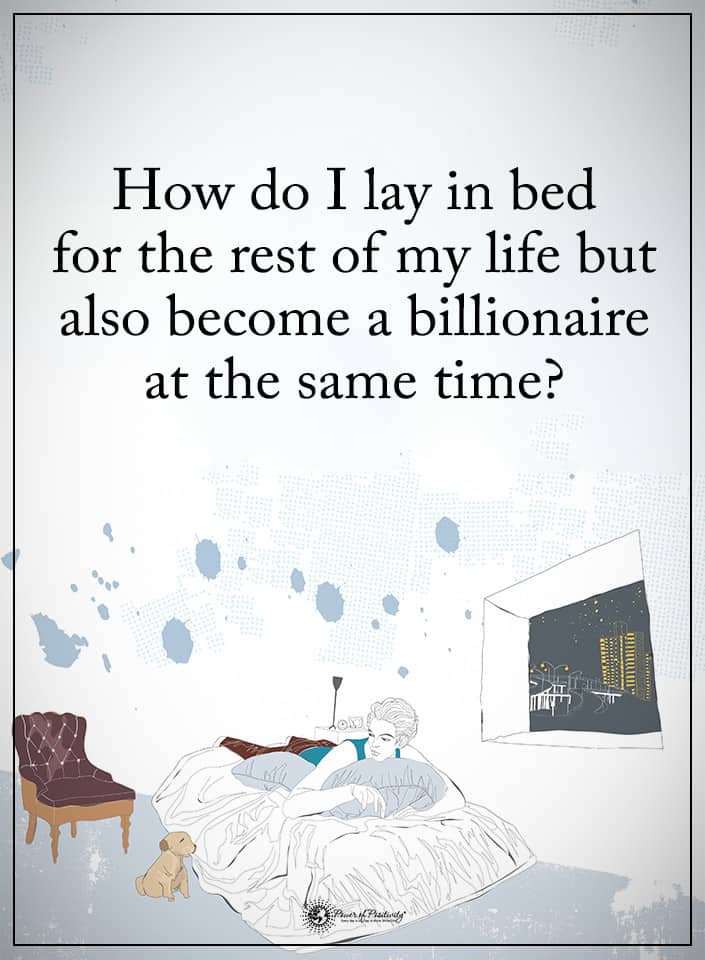
4 Best Things To Do On Days You Feel Like Doing Nothing At All

Have you ever struggled with feeling like there’s nothing you’d instead do than lay in bed all day–doing nothing at all? Does the prospect of having to face a full day of work and other chores overwhelm you?

Often, people get so fed up with everyday duties that they start to feel like doing absolutely nothing. Feeling this way is legitimate, and, surprisingly, there are many things you can do in that situation. And, spoiler, mastering the art of doing nothing is the best remedy for getting out of this funk!

Why Do People Feel Like Doing Nothing At All?

Choosing to be utterly unproductive is one thing. But feeling like, no matter how hard you try, your brain refuses to get in motion is another thing. You might have asked yourself before why do you feel this way sometimes. And you probably didn’t find any reasonable explication.

Most people blame themselves when they get in these moods, thinking they’re too weak or unmotivated to get going. And in some cases, that can be true. However, most people have no control over these funks and have legitimate reasons for the state they’re in.

Most of the time, these feelings are fueled by stress or an overly busy lifestyle. Most people describe this as burnout. When prolonged stress reduces energy and motivation, you become unable to meet particular demands, so you feel like giving up. It can make you feel helpless, hopeless, cynical, and resentful. If it’s a fleeting sensation, then it’s nothing to worry about. But if you struggle with burnout long-term, that might indicate something more profound is the root cause.

doing nothingBut not everyone feels like doing nothing because of burnout. This state of mind is often a sign of mental disorders like depression or anxiety. In that case, it’s not an event or lifestyle that fuels how you feel. Instead, your brain is intent on sabotaging itself. This can sometimes tie to anhedonia, the inability to feel pleasure. After all, why would you want to do things if they aren’t rewarding?

For some, the need to do nothing stems from apathy, lack of motivation for a prolonged period. Apathetic people don’t usually care about what’s going on around them. But don’t get it twisted. It’s not because they are sociopaths or something. It’s just that they are so affected by specific mental issues that it’s too hard to keep caring.

The truth is, sometimes, wanting to do nothing is not that deep. Some days, your brain and body need a little time to relax and regain energy. If you wake up one day and you feel this way, don’t panic. It’s probably just a short-lived feeling. But if these feelings persist, don’t hesitate to contact a therapist or psychologist.

In those cases where the feeling is manageable, you have a choice. You can either indulge in it or want to get over it as soon as possible. Read on to find tips to guide you through the day.

Four Things To Do When You Feel Like Doing Nothing At All

Here are some excellent options when you feel like taking some downtime.

1. Roll With It And Take A Break

Like Adler said, you have to allow time to do nothing to have things occur to you, to let your mind think. Sometimes, the best remedy is to step back and do next to nothing.

If you don’t have to attend to any responsibilities in the day you feel unmotivated, do nothing. Or, better yet, do whatever you want but don’t have time to do on a regular day. Want to catch up on that TV show you started months ago? Now’s the time to binge an entire season. Want to read a book? Now you have the time. A great thing you can do to relax and make yourself feel better is simple self-care. Take a bubble bath, try a new skin-care routine, and pamper yourself.

And if you don’t have the energy to do that either, just lounging in bed can do the trick. If your mind is asking you to give it some rest, listen to it. You even have to opportunity to get some extra sleep. After a busy week, relaxation can be a relief, and a few hours of “me-time” can restore all your energy. After a well-deserved break, you will feel rejuvenated and fully motivated.

If your day doesn’t allow you to lay around all day, at least take it more accessible than usual. If you have to go to work, giving the bare minimum on this type of day is okay. Don’t bother taking on extra assignments or anything like that. Just get through the day, and don’t even think about working when you get home. Take those few hours you have left to disconnect completely. Stop thinking about work and other responsibilities and indulge in relaxing activities.

The Dutch have nailed the art of doing nothing. They even have a word for it: niksen. They use it as a form of psychological detoxing, a concept supported by Dr. Simantini Ghosh. And still, they are some of the most productive people on the planet. Why? Because you avoid having to make decisions at a time when you want to hide from the world. Instead of doing things superficially now, taking a day off and doing them well tomorrow is better.

2.    Catch Up With Friends

When you feel like doing nothing, it’s best to be close to the people you like most. They can cheer you up and motivate you better than anything else.

Hanging out with your friends or even family will make you forget about everything stressful you have to deal with. Just talking and laughing alongside someone can make your brain release all the built-up negativity you were feeling, making space for a positive attitude.

Meeting your favorite people is low effort and a great way to regain energy. Simply talking to someone about how you feel and having them reassure you will immediately boost your confidence. You can even relax inside and watch a movie. Do nothing together! There’s nothing better than sharing your desire to lounge in bed all day with your best friends.

doing nothing at all3.    Get In Tune With Your Emotions

More often than not, feeling like doing nothing at all is not random. As discussed previously, it can be associated with underlying issues. If you’re in a slump and feel capable of doing next to nothing, try to understand why that’s happening. This self-awareness is critical if this feeling persists for a few days. For that, you need to listen to your emotions.

Try to take some time alone with your thoughts and figure out what’s different now than before this state of mind took over. Are you working more? Have you not taken a break in a while? Do you have other reasons to be stressed, like family issues or other things? Make a direct comparison, on paper if it helps, between your life before and now, and identify the differences.

Try working on those issues once you understand what changed that might have fuelled the way you feel. If you’re overly stressed, try reducing your load of responsibilities. If a friend is acting in a bothersome way, talk to them. Whatever the core issue, you probably won’t get out of the slump unless you work on fixing it.

This is a process, and it might not be resolved in just a couple of days. Don’t give up if you don’t get over the slump quickly. It’s ok to be less productive than usual and to focus on relaxing and being mindful. After all, even Gandhi agreed that “there is more to life increasing its speed.”

4.    Do Small Chores Instead of Doing Nothing At All

If you can’t afford to waste time, you can try to get moving gradually. If you need to be productive, doing small things can motivate you.

The most challenging step is starting a task when you feel like you don’t want to lift a finger. So, do little things that don’t require much effort. The simple fact that you can accomplish some small goals can be a great reward on days when you feel like doing nothing at all.

If you’re at home, make sure your house is tidy. Do the dishes, make your bed, and don’t leave things thrown around. The cleaner your surroundings are, the less stressed you will feel. Maybe your living space feels crowded, or you’re bored seeing the same thing every day. You can try rearranging things, moving furniture around, or getting some new décor. A fresh-looking home might lift your spirits.

Take a shower and put something other than pajamas on. This will make you feel invigorated. Once you put a little effort into your hygiene and looks can trick your mind into believing it has an important day ahead. Thus, you can become more focused. If that doesn’t do the trick, exercise a little. Go for a run or to the gym.

Yes, getting there will require a lot of willpower, but you will feel energized after you’re done. If you want something low-effort, try some yoga. And if you don’t want to engage in physical activity, you can try meditation. It can be relaxing and can help you put your priorities in order.

Every small task you get done will make you feel a little prideful and bring your confidence back. The more you can prove to yourself you can still do things, the better you will feel.

doing nothing at allFinal Thoughts On The Best Things To Do On Days You Feel Like Doing Nothing At All

No matter your views on life, one thing is sure: doing nothing at all is an art you must master. If done right, it can be relaxing and eye-opening. If you wake up one day and feel like doing nothing, indulge. Lay in bed all day if that’s what you need. Not only is there nothing wrong with that attitude, but it can help your mind and body release built-up stress and anxiety.

If, for some reason, you need to be productive on days like that, it’s ok to give only your bare minimum. Just do small things, and don’t overwork yourself. Take the time you need to relax. When you shake that funk, you will be more motivated than ever.

3 Ways Being Unpredictable Can Help You Discover New Possibilities

Have you ever wondered how it would feel to be unpredictable? To be open to anything and go with the flow? Do you feel like your predictable life is keeping you in a slump? Do you wish you could experience new things but don’t know how?

Most people are afraid of being unpredictable nowadays. Indeed, most seem to misunderstand this trait. Some might describe an unpredictable person as chaotic, unreliable, and someone you shouldn’t take seriously. But that’s not even close to the potential that unpredictability has. If you learn how to become unpredictable the right way, a whole new world of possibilities can open up.

Can Unpredictable Actually Be A Good Thing?

Contrary to popular belief, an unpredictable person isn’t someone trying to figure out who they are. They aren’t people with conflicting views and values. And they certainly aren’t chaotic and unreliable. While all those types of people can be unpredictable, unpredictability is not the root cause of their behavior. Instead, it’s a by-product. Meaning they aren’t unreliable because they’re unpredictable. They’re inconsistent because they are unreliable.

Positively using unpredictability looks more like acting how you want to. People are expected to act in conformity to their environment. But that necessitates that people don’t question the rules and social expectations of that environment. So, being unpredictable is simply acting in a way that isn’t considered by the norms imposed on you—in simpler words, being open-minded.

unpredictableIf you think about it, everyone praises an open-minded person. It is generally considered a positive quality that’s necessary for rational and critical thinking. But not many people associate this with unpredictability. If you want to learn how to become unpredictable, stop listening to the people telling you it’s wrong. Understand what the core values of the concept are and adapt them to your life.
At the base of this personality type is the concept of learning. If you keep your knowledge limited to what your environment requires, you won’t know how to act differently. If all you know is your culture, the bare minimum to do your work, and a couple of other pieces of information, you will always react predictably. How would you ever know you like certain foods if you limit yourself to pasta every day?

Try to be curious about what the world can offer you. And that means looking outside the boundaries of your usual environment. Challenge your preconceived ideas. Don’t be reactionary, but approach discussions to exchange information. Pinpoint what your reflexes are in certain situations, and try to change them up. If you always solve a problem the same way, try to look for a different method.

3 Ways Being Unpredictable Can Help You Discover New Possibilities

Follow these steps, and you will be able to become more unpredictable and open-minded. But, once you get there, what are the benefits? How can you discover new possibilities when you adopt this behavior?

1.    Being Unpredictable Leads To Interesting Discussions And New Social Connections

When people talk to someone, they already predict how the conversation is going. If they ask you something, they have an idea about how you are going to answer. This can be based on how well they know you, on what expectations they have, or on mere stereotypes.

Because of this, many people will not engage in conversation with you if they don’t like what they predict. Even if those people are strangers, the first impression you give off will attract or push them away. For example, people will not talk business with a secretary because they expect them to be less knowledgeable than other people.

By being unpredictable from the beginning of any encounter, you give people something to be curious about. If you’re out with colleagues and find yourself in a similar position to that secretary, don’t wait to be asked a business question. So, what if social norms tell you not to interfere with a conversation that doesn’t involve you?

If you have something relevant to say, chime in. You will surprise people and make them want to know more about you. Don’t do this while at work. Being unpredictable is not about breaking rules that might jeopardize your career. Instead, it’s about finding moments when doing something unexpected has minimal risk.

Spontaneity and making new connections

A predictable person waits for someone to approach them. But an unpredictable person creates opportunities and approaches who they want. Once you break the ice, you get the chance to have a conversation you couldn’t have otherwise. This behavior can open the door to new relationships, be they platonic or maybe more. In either case, you have the chance to engage with new perspectives.

An unpredictable person takes a chance and engages even the people who seem to be their polar opposite. It can look like a liberal approaching a conservative. Doing something so unpredictable but in good-faith, makes people want to know what your deal is. Even better, try to let your guard down. Be vulnerable and honest with people. It will make them trust you, and there’s a higher chance they will grow to like you.

Finding new people to have conversations with can help you engage with different perspectives, values, and cultures. You can learn about their struggles, what they like, how they think. The more you enrich your knowledge, the more complex of a person you’ll become.

These new people can give you advice on what new things to try. The new friendships you’ll build can offer you the opportunity to do something you might have never thought of. You might you invited to take part in an activity specific to certain cultures. You might even get business proposals and other life opportunities.

The more you expand your social life, the easier it will be to discover new possibilities.

unpredictable2.    Is Essential For Success

The corporate world values order and rules above all else. But if you want to be truly successful, you should be unpredictable. By filling a tidy little box, you can only get so far. It’s the people who take real risks that get the highest rewards.

The biggest names in the world are people who did the most unpredictable things. Take Bill Gates, for example. He was admitted to one of the best schools in the world. Everyone around him probably expected him to finish his studies, as that would ensure he leads a good life. And while that’s true, he wanted more. So, he did the unthinkable. He dropped out of Harvard and founded Microsoft, which is now one of the biggest tech companies in the world.

Rules and predictability narrow your scope

They make you closed-minded, to the point where you can only do what you’re supposed to and nothing more. But, sometimes, you have to have initiative and think out of the box. If your boss gives you an assignment and strict guidelines on how to do it, take a moment to see if you can do it in a better way.

If you have a better solution, be unpredictable and tell your boss. Search for new solutions and strategies to improve our work. Sure, your boss might not ask for new strategy ideas, especially if your proposals are above your paygrade. But if you want to get professional opportunities, this is how you do it. Unpredictability means a different perspective that can add value to any environment.

While this behavior might be considered controversial, it will garner respect from the people around you. It lets people know that you meant to be better instead of just doing the bare minimum. The more professional consideration you get, the more opportunities you will get.

Another good outcome of being unpredictable is having the openness to take on personal projects. If you want to start a business or follow any other passion, you can only do it by being unpredictable. When everyone expects you to work on getting promoted at your nine to five, you can shock them and open a start-up!

3.    Being Unpredictable Helps You Find New Passions

You can only be passionate about something you are aware exists. If you have no idea that origami is a thing, you can never become passionate about it.

Unpredictable people have the opportunity to learn about many things. The more curious and open-minded you are, the more things you will find out. But being unpredictable is a step ahead of being interested. A curious person might learn about the possibility of sky-dive, but an unpredictable person might do it. The more you broaden your horizons, the more potential hobbies you will have on your radar.

Unpredictability changes your perspectives and lets you see certain things in new lights. Social expectations don’t hinder unpredictable people. For example, many people say chess is a game for men. With that in mind, a predictable woman will not try the game. But an unpredictable woman will try it because no one expects her to.

No matter their age, gender, physical condition, they will try new things because they seem interesting. And even if they don’t become passionate about everything they tried, the experience can still be enriching. As long as you have fun, that’s all that matters.

If it seems like you shouldn’t try certain activities, that’s just the more reason to do it. After all, society praises the people who run marathons at sixty years old. So, why shouldn’t you do something that seems just as unlikely?

unpredictableFinal Thoughts On Ways Being Unpredictable Can Help You Discover New Possibilities

If used correctly, unpredictability is a great strength. It can open your eyes to possibilities you never thought were in your reach. Allow yourself to have an open mind, and you expand beyond your boundaries. You will learn new things about the world.

Take people by surprise and engage in them in ways they didn’t expect. Make them interested in you so you can form connections. Every new social connection means the opportunity to create new relationships. That way, you might find yourself in new situations, like maybe visiting a new friend in a faraway country. Think outside the box and use unpredictability in your professional life.

Kind Teacher Brings Book Characters to Life for Her Students

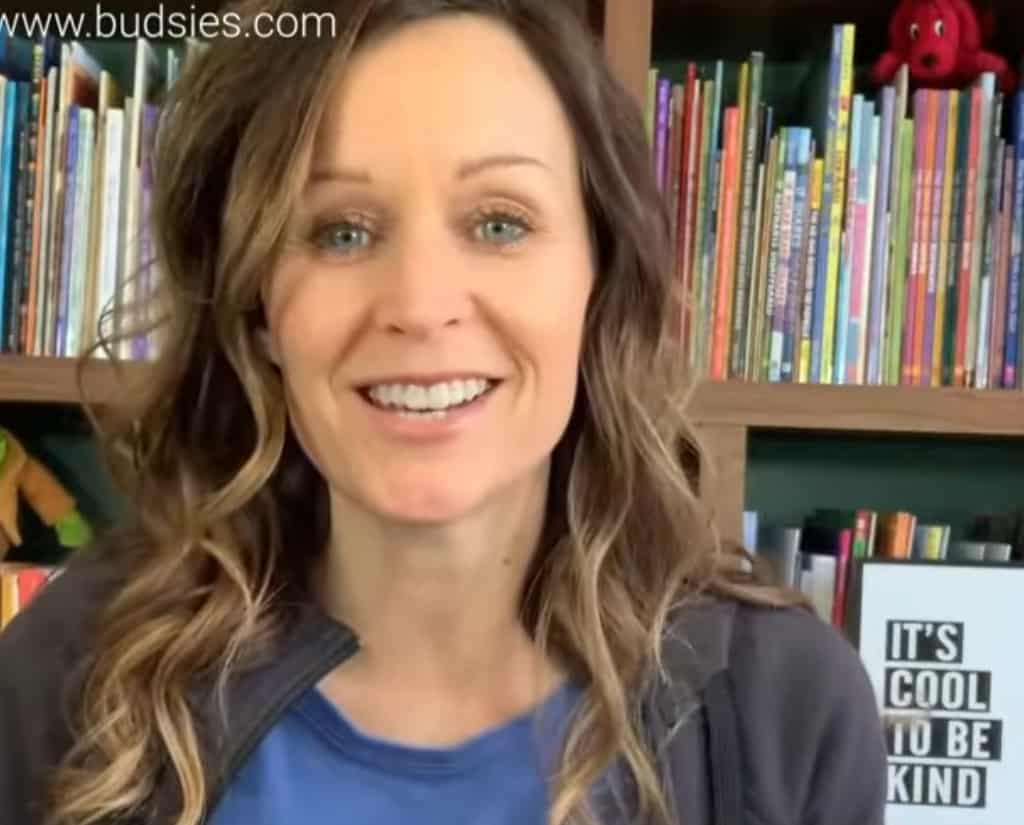
One kind teacher decided to make learning more fun for her students. The third-grade teacher wanted to engage her students in the subjects instead of just lecturing. So she got the idea to allow her students to write their books and create illustrations of their main characters.

Then, she transforms those characters into custom stuffed animals that look just like their drawing! Called Budsies, the adorable stuffed animals are handmade replicas of any picture submitted. Pretty cool, right?!

In this way, the students’ stories come to life, allowing their imaginations to blossom. Instead of just reading a book, the students can visualize it with these cute stuffed animals. It makes learning an interactive experience rather than just a passive one.

Shannon Anderson, an author and third-grade teacher at Van Rensselaer Elementary School in Rensselaer, Indiana, wanted to share her experience with Budsies. The unique end-of-year project that she does with her students makes their stories seem more real. The pages genuinely jump out at them with the addition of the stuffed animals.

“As an author, I love writing, and I love to instill a love of writing in my students. So, every year I have my students write a story. And this isn’t just, you know, like a little one-page story. They’re writing a whole book.”  -Shannon Anderson

Then I have that story that they’ve written sent to a publisher who makes it into a hardcover book for them to experience what it’s like to be a published author. But then, I do something extraordinary with the illustrations. I send off the illustration of their main character to a company called Budsies, and Budsies makes them into a stuffed animal,” she explains.

kind teacherHow this kind teacher got the idea for this unique publishing project

Ms. Shannon has been an educator for 25 years, teaching first grade through college-level classes. She’s had her students write their books for most of her teaching career. However, the kind teacher didn’t get the idea for the publishing project until she taught first grade. The children would each contribute one page, which would then become a book.

Then, when she switched to teaching third-grade, she allowed the students to write their books. When she came across Budsies, she knew she wanted to incorporate them somehow into the writing projects. So for four years now, she’s been gifting the stuffed animals to students when they complete their books.

Ms. Shannon says,

“They’re custom made, and I’m telling you, they look just like the drawing that the kids drew.”

Ms. Shannon says the kids truly cherish these unique keepsakes. The characters they’ve created come to life as 3D beings, making the project real and exciting. The kind teacher says she takes advantage of several grants to help cover the costs of the Budsies and publishing.

She’s got another surprise up her sleeve as well. Before the book reveal party, Anderson lets the students draw their characters on a white dress. On the day of the party, she wears the dress to school and presents their books and stuffed animals. It’s a special day where the students get rewarded for their hard work.

However, with the schools closing this past year due to the pandemic, Anderson had to develop a Plan B. So, when the Budsies arrived, she reached out to the parents to ask their permission to come to their homes. Then, she put on gloves and a mask to deliver the stuffed animals. She says, “it was the best day ever.”

kindnessThe students still got to celebrate with the personal Budsie deliveries

“I felt like Santa Claus showing up at these homes and getting to hand them this bag that had their Budsie inside. So I was still able to capture and enjoy the moment of them opening up the bag and seeing the Budsie for the first time,” Shannon said.

“So I would come up to a house, and in almost all cases, the child was already waiting for me, looking out the window, waiting for me to pull up. I would go up to the door and set down the bag, and then step away. And of course, I videoed their reaction because I wanted to be able to share with all the other students so they could see each other reacting to these special character reveals.”

It took her three days to deliver all the Budsies. The kind teacher enjoyed getting to see all her students. It had been two months since she’d seen them in person. For her, visiting them was the best part of the whole thing. Getting to watch them open their Budsie bag and see their reaction was also excellent. They’d been looking forward to it for a while and had worked so hard on the end-of-year project.

Ms. Shannon says that the most rewarding part of teaching is getting to bond with her students. She also loves watching them grow emotionally and academically. To get them excited to learn, she enjoys coming up with engaging projects like this one. Not only do the kids get to write their book, but they also get to see it come to life.

Budsies helps make this happen with their personalized stuffed animals, providing the students with lifelong memories. The cute characters help students believe in themselves and encourage their creativity. This kind teacher has a long history of making learning fun for her students. If you’d like to see more of her work, check out her website.

budsiesFinal thoughts on the kind teacher who brings her students’ book characters to life

One third-grade teacher goes above and beyond to help her students learn. She not only publishes their books but orders custom stuffed animals of the main characters. This allows students to connect more to their work and get excited to learn. She’s well-loved and admired at the school, and it’s easy to see why. It’s not every day you come across a teacher who cares about her students as much as Ms. Shannon does.

Science Explains What Happens to Your Body from Physical Inactivity

What happens to your body during periods of physical inactivity? We will take a closer look at the decline that happens to the human body when you do not get enough exercise.

What Happens To Your Body If You Don’t Move It?

Remember studying Sir Isaac Newton’s Laws of Motion in high school physics class? Since Newton’s discovery is a physical law, it would also apply to human bodies. Do you keep your body in motion, or does it tend to stay at rest? Here are some serious things that can happen to you when you lack physical activity.

1. Your Metabolism Rate Becomes Sluggish

physical inactivityRemember the boundless energy you had as a kid into your teen years? It probably seemed like your metabolism was set on overdrive. As you cruise into adulthood, things change.

Your metabolism slows down as you get older. Other factors that affect your energy levels include basic body structure, weight, gender, and health. Another major contributor is your physical activity levels.

Think of your metabolism as an interconnected process. For example, when you stay active and exercise, your body can burn more calories. Not only will that help you maintain a healthy weight, but it will keep your body fit and active longer.

Conversely, you won’t burn many calories as a couch potato. Your body will eventually adapt to a sedentary lifestyle, and your metabolism is affected. Combine physical inactivity and the consumption of too many calories, and you have a recipe for disaster. You’re at risk for obesity and other severe health conditions.

2. Your Sleep is Affected

Everyone experiences a sleepless night occasionally. According to a study published by the Rand Health Quarterly, at least a third of the people in the U.S. don’t get enough sleep. The ramifications may be more severe than what you think.

An article published by the Sleep Foundation warns that chronic sleep deprivation can affect you physically and mentally. Among the possible consequences the article lists are cardiovascular disease, diabetes, obesity, and mental health disorders. So, sleep isn’t just an optional luxury.

Of course, several risk factors can cause a lack of sleep. Surprisingly, physical inactivity is on the shortlist. While you may feel groggy and sluggish from a sedentary lifestyle, sleep can be a huge issue.

3. You Get Out of Breath Easily

When you are running, lifting, or doing other strenuous activities, it’s normal to get winded. Most people can sit down for a “breather” to rest and restore an average breathing pace. Cardio workouts raise your heart and breathing rate to supply your body with more oxygen to help burn fat.

Physical inactivity can cause your body to have less endurance, including your lungs. For example, you may be gasping and out of breath by simply climbing the stairs at home or work. On the other hand, maybe you’ll notice that you must sit down often to rest and catch your breath if you do any walking.

Aerobic exercise helps bring more life-sustaining oxygen into your body, plus it gives your lungs a healthy workout. Chronically lounging in front of the television puts your body in a snail mode, so you’re entirely winded with the slightest exertion.

What happens when your lungs aren’t bringing in enough oxygen? You could be at risk for several health issues, and your muscles can be weak. Also, you may notice a decline in memory and cognitive skills because your brain is getting less oxygen.

4. You May Experience Mood Swings and Decreased Mental Health

Have you ever seen a spunky and joyful couch potato? Sure, it may be fun to binge-watch a new tv series over a weekend. It may also be a luxurious splurge to sleep in on occasion. However, constant physical inactivity will eventually affect your moods and mental health.

An article published by Johns Hopkins Medical states that physical inactivity can lead to mental illnesses such as depression and anxiety. If you have been diagnosed with one or both disorders, consider how much exercise you get daily.

The good news is that being more active may decrease some of your anxiety and depression symptoms. According to an article published by the Journal of Clinical Psychology, exercises such as walking, swimming, cycling, and even gardening can positively affect.

Exercising can also influence endorphins and other chemicals in your brain responsible for well-being. Do you know that “natural high” you may experience after a brisk walk or other activity? It’s your brain’s way of thanking you for giving your body the desired workout.

physical inactivity5. Your Stress Levels May Increase

If you are alive, there’s no avoiding stress. Some stress from change is good because it helps you grow and learn. Your body’s instinctual survival mode is dependent on stressors.

Marginal stress is inevitable, but chronic tension and pressure can wreak havoc on your entire being. Humans evolved with a survival response. When triggered, your brain pumps power hormones like adrenaline and cortisone into your bloodstream to boost strength.

Unfortunately, your brain doesn’t prioritize stress and will react similarly in any situation. Therefore, if you are chronically stressed, the overdose of stress hormones can lead to physical and mental disorders.

An article published by the Anxiety & Depression Association states that regular exercise may reduce your responses to stress. Although physical activities won’t make your life stress-free, they may help you cope with stress in better ways.

Even walking for five minutes a day can positively affect your mood.

6. Your Bones Will Lose Strength

If it weren’t for your skeleton, you would be a puddle of flesh and organs. Your bones provide protection, strength, and stability. Your bone joints work in tandem with muscles and connective tissue to make movement possible.

Have you ever heard the warning “use it or lose it?” Besides eating a healthy diet rich in vitamins and minerals like calcium, your bones also depend on exercise for optimal health. Unfortunately, physical inactivity can make your muscles lax and flabby, and it can also weaken your bones.

Women are most at risk for a decrease in bone density, especially those in post-menopause. As a result, they can often develop brittle bone disease and osteoporosis. However, an article published by the American Journal of Physical Medicine & Rehabilitation says that resistance training may reduce these risks.

Do you feel a little achy in your joints? One reason may be that you’re not working them enough.

7. Your Lifespan May be Shortened

It’s good to know that Americans are living longer than they did in the past. A chart published by the UC Berkeley estimates the average lifespan of Americans at the beginning of the 20th century. Female lifespans averaged 48.3 years, while men averaged two years less at 46.3.

In the 21st century, the American lifespan has expanded impressively. Vital statistics published by the Centers for Disease Control estimate an average of 77.8 years for females and 75.1 for males. Many factors account for this increase, including better living standards and health care.

Do you want to be one of the people who live longer? A study published by the University of Cambridge suggests that more active people may live longer than non-active ones. The study mentions a link between being active with fewer risks of certain cancers.

A healthy diet, good mental health practices, and the prevention and control of chronic diseases are vital. All these plus regular physical activities may help give you more quantity and quality of life.

What’s Your Next Step?

It’s never too late to get in better physical health. The most important thing is to get off that couch and get your body moving. You needn’t buy an expensive gym membership or purchase high-dollar exercise equipment to get your desired results. Instead, your body will benefit from many simple exercises you can do at home.

Before you begin any new exercise program, discuss it with your healthcare provider or a certified fitness instructor, especially if you have underlying medical issues limiting what physical activities are best. They can give you information about combining healthy eating habits with a physical workout that’s tailored to your needs.

Your physical activities can be fun, like walking through the woods, swimming, or dancing. However, when you involve your family or an exercise buddy, you are more apt to stay motivated. A bonus has more quality time with your family and friends.

physical inactivityFinal Thoughts on Physical Inactivity

Boulders were meant to be stationary, but human bodies are meant to move. Physical inactivity can negatively affect every aspect of your life, and it can make you sick. When you get your body back in motion, you’ll see the benefits. Who doesn’t want to live a long and healthy life?

Famous Psychologist Explains the 8 Stages of Life

Erik Erikson, a famous 20th-century psychologist, popularized the idea that people pass through eight stages of life. Erikson became famous because of his work in developmental psychology and psychoanalysis and his theories behind identity crisis and psychosocial development. He believed that your ego plays a role in your ability to master skills, ideas, and attitudes.

Erikson’s stages of life theory describe how people mature in life and the effect of social interaction. It details the different challenges each person will face during their developmental years. Each stage has conflicting concepts that it focuses on.

An intriguing part of the stages of life theory is that you don’t have to complete one stage to move to the next. If you haven’t finished one, you will still move on to the next stage, but you might not be able to overcome challenges. You will continue to experience consequences from the skipped areas until you figure out how to overcome them.

Erikson didn’t develop this entire theory alone, as Sigmund Freud influenced his work. Freud extensively studied psychosexual theory, and Erikson modified his information from that.

The 8 Stages of Life, Explained by Psychologists

Learning about the stages of life can help you understand human behavior better.

stages of lifeStage 1 – Infancy: Trust vs. Mistrust

The first life stage begins when a person is born and continues until they are between 12 and 18 months old. Infants must overcome the challenge of trust and mistrust. If their needs are promptly met, the infant will develop trust toward their caregiver.

However, if the infant’s needs are unmet, the infant will develop mistrust in others. Mistrust occurs when an infant experiences neglect, hindering their ability to be hopeful in the future. If the infant can develop a sense of trust and security, they will become more trusting later in life.

Stage 2 – Toddlerhood: Autonomy vs. Doubt

When the infancy stage ends, the toddlerhood stage begins. This stage continues until the child is about three years old. The toddler starts learning to do things alone, and if their caregiver offers praise and encouragement, the child develops autonomy.

Toddlers who experience positive and encouraging treatment grow into strong-willed individuals with a sense of independence and self-belief. They will develop essential life skills more quickly and increase their safe risk-taking skills. Plus, they will feel confident as they explore the world around them and figure things out.

However, if a toddler is discouraged or made fun of for doing things alone, they will develop self-doubt. They will feel ashamed and unsafe, discouraging them from trying new things. Children in this situation tend to become insecure and dependent.

Stage 3 – Preschool Years: Initiative vs. Guilt

The preschool years begin when a child is three years old and continues until they turn five. Children of this age range focus on doing things for themselves and setting goals. During this time in their life, the child should be around other children their age.

With encouragement from a caregiver, the preschool-aged child will grow into a person with initiative and a purpose. If they experience criticism instead, they will develop feelings of guilt.

Stage 4 – Early School Years: Industry vs. Inferiority

Between the ages of five and 12, children go through the industry vs. inferiority stage. During this time, the child experiences an increase in self-awareness. When the things that they do academically and in sports receive praise, they will feel industrious.

The child becomes more aware of the people around them, too. They begin to compare themselves to others and use social interaction to establish individuality. Their self-confidence and self-esteem will improve with a positive support system.

On the other hand, if they fail academically or during extra-curricular activities, they will experience inferiority. It could also lead to feelings of inferiority if they don’t receive praise when they feel like they did a good job. They will doubt their self-worth and feel overly criticized.

negative influenceStage 5 – Adolescence: Identity vs. Role Confusion

Adolescence occurs from the age of twelve and continues until the child becomes an adult at 18. As the child tries to figure out who they are and their goals, they try different personalities.

If a child is ignored or given too much responsibility during this time, they won’t figure out their identity. It can cause a sense of confusion about their goals and needs. They might feel like their parents or society as a whole expects them to be a certain way.

Stage 6 – Young Adulthood: Intimacy vs. Isolation

Between the ages of 18 and 40, people experience the conflict of intimacy and isolation. If you experience fulfilling relationships during this stage, you will reach intimacy. On the other hand, without meaningful relations, you will fall into isolation instead.

During this stage, young adults seek intimacy so intently that they dwell in unhealthy relationships. They tend to get married because of an urge to share their lives with someone else and experience commitment. Those who don’t get married often explore various relationships, looking for the one that suits them best.

Stage 7 – Middle Adulthood: Generativity vs. Stagnation and Self-Absorption

People between the ages of 40 and 65 experience the struggle between generativity and stagnation or self-absorption. Generativity means they feel a sense of duty to pass on their wisdom to later generations. They do this through parenting and mentoring other people.

The goal during middle adulthood is to be fully independent and established. People of this age group are urged to contribute to society and do meaningful things.

If the person is unhappy with their life, they will likely experience stagnation and self-absorption. They become frustrated and restless and isolate themselves without trying to make a meaningful contribution to society. The person may also feel things will only worsen as they age.

Stage 8 – Late Adulthood: Ego Integrity vs. Despair

In late adulthood, which is over 65 years old, people begin battling ego integrity and despair. During this mature stage, those with a sense of pride for what they accomplished in life will show their wisdom and gracefully accept aging. The ego integrity wins for this type of people, whereas others fall into despair.

If someone feels that they didn’t achieve enough or they have regrets, they will experience despair. They might feel like their life was unproductive, and they will feel a sense of loss.

As the individual reflects on their life, they will recognize meaningful experiences or moments of regret. Their time tends to move slower when they reach late adulthood, too.

The Opposition: Criticism of the Eight Stages of Life Theory

Although Erikson’s theory on the stages of life is popular and highly recognized, there is some criticism surrounding it. Some psychologists believe that Erikson focused too heavily on development during childhood and not enough during adulthood. Since an individual’s personality can change as an adult, it is sometimes thought that he should have elaborated in that area.

Another part of Erikson’s theory that is often criticized is his stress on male personality development. Most of his teachings focused on males as the subject, and he didn’t do much on females. In modern times, this lack of information regarding females has caused problems with using his study.

Other criticism shows that some people believe his theory was based on speculation. They think that Erikson didn’t obtain accurate data because he formulated his findings on available case studies. While the case studies he used were relevant to the topic, he didn’t do new research to back up his ideas.

One last bit of criticism about the stages of life theory is that it can’t apply to everyone. Some psychologists believe that it is too restricting for all people because everyone is different. It seems that this theory puts everyone into restricted categories without room for unique personalities.

stages of lifeFinal Thoughts on Erik Erikson’s Theory on the Eight Stages of Life

Erik Erikson’s theory for the eight stages of life offers a logical perspective on human development. It helps understand the conflicts people face at every stage of their life. Plus, it addresses how those conflicts can affect them later in life.

Understanding the stages of life can help you overcome areas you might have missed before. It is never too late to go back and work on a skill set you skipped over. By bettering yourself with the information found here, you will be well on your way to a fulfilling life.

While there are other theories out there, the stages of life philosophy offer helpful insight into the minds of age groups. Each stage is essential to living the best life possible, so try not to miss out on any of it. Go back and overcome anything you missed before, and it will help you move forward in life.

Esper the Borzoi Dog Is a Star on Instagram (You’ll See Why!)

Jacob Chattman is the owner of two Russian wolfhounds, also known as Borzoi dogs. Their names are Esper and Ora, and they’re jokingly called “magic spinning Russian noodle horses” on Instagram. The funny nickname comes from their love of spinning around in circles and their horselike features, like the long nose.

“Esper is my best friend. We do everything together. She likes to come on runs and hikes, and she sleeps in my bed,” Jacob says. “In 2015, I adopted Esper and her brother Vladimir. When we first met Esper, she was not in the best condition. She actually only had a little area to exercise when she was a young puppy. We had been looking for adoptions for years ‘cause I always wanted to rescue and adopt dogs, and the opportunity just fell in our laps.”

While he and his wife Christina were on vacation, they got a call about two Borzois available for adoption in New Mexico. They ended up driving 16 hours from Arizona to New Mexico to get them both. They’ve been on a fantastic journey with the beautiful dogs so far. However, Jacob is no stranger to the Borzoi breed.

“My parents have had Borzois since the 1970s, so I’ve grown up with nine different Borzois, and now the two of my own. I couldn’t understate the amount of positivity that comes from having a dog. There’s something to be said about the unconditional love that comes from having a dog that you just don’t understand until you own one,” he says.

“You’re having a bad day; your dog’s never really having a bad day; they’ll cheer you up. I’ve been making videos with Esper pretty much since I got her. This is back on Vine, and Esper got famous because we made “The little Russian lady” video, and we just continue doing content together. It’s something we love to do.”

The Borzoi dogs love the online attention but have a wonderful life behind the scenes, too.

borzoi

In January 2020, the family grew with the addition of another Borzoi named Ora. She’s a bit rowdier than Esper and loves to “jump and eat everything in sight,” according to their website. Ora also seems to enjoy being behind the camera, and she and her sister make tons of videos together.

They also get to explore tons of national parks and forests with their amazing humans. They’ve been to the Grand Canyon, the Petrified Forest, and all over Arizona pretty much. Not only do Jacob and Christina love having new experiences, but they also love taking their dogs along for the ride.

“You know, it gets me out of the house, too. It gets me traveling. It gets me having new experiences, it’s good for all of us. I think the best memory I have is the first day we had Esper and the first time we took her outside, and she started spinning. I have never been more terrified and excited and curious, I mean, we didn’t know what was happening, and we were so worried,” Jacob says.

She looked like a tornado, and both Jacob and his wife Christina thought, “What is wrong with my dog?!” That’s just another quirky part of Esper’s personality, but they wouldn’t have her any other way. They accept all of her spinning Russian noodle horse self.


View this post on Instagram


A post shared by Esper & Ora (@esperborzoi)

Despite their fun, active lifestyle, raising dogs requires a lot of patience and hard work.

Jacob gives the following advice for anyone looking to adopt a pet:

“If you’re going to start with a puppy, just expect it to be difficult, especially the first few months of having a puppy. It’s crazy, but think of it as an investment as your putting this effort, then you’ll get it back. When you train your dog well, they will give you all of that back tenfold because of the experiences you’re gonna have with your pup.

“Now, when you adopt a dog, there are quirks and stuff that come with adopting a dog because they’re older, and they’re more set in their ways. We got Esper when she was luckily fairly young; she was eight months, but where she came from, she had never seen cars, bicycles, skateboards, stairs. There are all of these things we had to prepare her for and get her used to,” he says.

“So, it’s going into it with an open heart and open mind, and trust it that over time, your dog will overcome their fears as long as you’re with them. It’s been a life-changing thing for me, and I would absolutely, absolutely do it 1,000 times, a million times.”

A few interesting facts about the Borzoi dog from the AKC:

  • They’re considered a giant breed, with adult males standing 28-32 inches high at the top of the shoulder. They weigh anywhere from 75-105 pounds.
  • The Borzoi dog is a hound group member and uses its eyes to find and chase prey. They have a 270-degree field of sight with eyes placed on the front of their head.
  • They were initially bred to hunt wild game like wolves, foxes, and hares. That explains their large yet agile body type, as they relied on their speed to catch prey. Indeed, the name Borzoi comes from the Russian word for “swift.”
  • Borzois make lovely family pets, as they’re gentle, sweet, and affectionate dogs.
  • They’re around the 90th most popular dog in the US, making them a pretty rare breed.


View this post on Instagram


A post shared by Esper & Ora (@esperborzoi)

Final thoughts on Esper the Borzoi dog and her sister Ora

Esper and Ora enjoy a happy, active lifestyle with their parents Jacob and Christina. They love spreading positivity and humor into people’s lives on their social media accounts. One of Esper’s videos went viral, titled “The little Russian lady.” We have to say. She pulled it off perfectly!

If you’re considering getting a Borzoi, make sure you have plenty of room since they are giant dogs! They will need lots of exercise and space to roam around. Overall, they’re just happy-go-lucky dogs with a lot of love to give.

Have you ever seen a Borzoi dog in person? Let us know in the comments!

Earth’s Energy Imbalance Has Doubled, According to Science

A joint NASA and NOAA study found that Earth’s energy imbalance approximately doubled between 2005 and 2019. This term refers to the difference between the Sun’s radiative energy the atmosphere absorbs and how much Earth emits to space. When the Earth gains energy (the current scenario), a positive energy imbalance occurs, and the planet heats up. Essentially, this means that Earth traps twice as much heat today compared with 2005.

Scientists fear that the energy imbalance only provides further evidence of rapidly accelerating climate change. The study was published June 15 in Geophysical Research Letters.

Scientists at NASA and NOAA compared two different data sets taken between 2005 and 2019:

  1. The atmosphere: NASA’s Clouds and the Earth’s Radiant Energy System (CERES) satellites measure how much energy enters and leaves Earth.
  2. The oceans: A global network of ocean floats, called Argo, measures the rate at which the world’s oceans are heating up. Around 90% of extra energy from an energy imbalance ends up in the oceans. So, the overall trends of heating in the atmosphere should correlate with changes in ocean temperatures.

“The two very independent ways of looking at changes in Earth’s energy imbalance are in really, really good agreement, and they’re both showing this very large trend, which gives us a lot of confidence that what we’re seeing is a real phenomenon and not just an instrumental artifact, ” said Norman Loeb, lead author for the study and principal investigator for CERES at NASA’s Langley Research Center in Hampton, Virginia. “The trends we found were quite alarming in a sense.”

What’s causing the Earth’s energy imbalance?

pop meme The scientists discovered a few critical reasons for the rapid warming trend on the planet.

  • Increases in emissions of greenhouse gases, such as carbon dioxide and methane, from human activity. Otherwise known as anthropogenic forcing, this causes a chain reaction of events. First, the excess heat generated by burning fossil fuels gets trapped in the atmosphere. As the radiation builds, more significant amounts of snow and ice melt. Then, the increased water vapor and cloud change further amplify warming.

All of these factors contribute to the planet’s energy imbalance. However, the investigators wanted to narrow down the primary reasons for the warming trend even further.

What the researchers observed:

To do this, they used a method that analyzed the following:

  • changes in clouds
  • water vapor
  • combined contributions from trace gases and the output of light from the Sun
  • amount of light reflected by the Earth (surface albedo)
  • atmospheric particles called aerosols
  • changes in surface and atmospheric temperature distributions

The study found that excess greenhouse gases have partially caused the energy imbalance to double, as researchers suspected. They also found that atmospheric water vapor increases have trapped more outgoing longwave radiation. Finally, a decrease in clouds and sea ice has caused the Earth to absorb more heat from the sun. These factors are mainly driving the energy imbalance. However, there’s one more component likely contributing to a warming Earth.

  • A flip of the Pacific Decadal Oscillation (PDO) from a cool phase to a warm phase. This likely contributed significantly to the rapid intensification of the energy imbalance. The PDO is a long-term, fluctuating pattern of ocean-atmosphere climate variability in the eastern Pacific. The massive water area goes through cool and warm phases every 20-30 years. This cycle can cause significant impacts on the Earth’s weather and climate. In 2014, the PDO shifted to a warm phase, which continued until 2020. It caused a considerable decrease in cloud coverage over the ocean, leading to greater absorption of solar radiation.

“It’s likely a mix of anthropogenic forcing and internal variability,” said Loeb. “And over this period, they’re both causing warming, which leads to a fairly large change in Earth’s energy imbalance. The magnitude of the increase is unprecedented.”

The good news: the Earth’s energy isn’t off by much, and it may stabilize in the future

According to an article by Scientific American, scientists say there’s a relatively small energy difference. In fact, there’s only a 0.3% difference between radiation going in and out of the planet’s atmosphere. However, that’s enough to throw the planet’s climate and weather out of whack. Over the last 150 years, the Earth’s global average temperatures have increased by almost 2 degrees Fahrenheit.

While these are grim findings indeed, Loeb added that the study captures a relatively short period. There’s no way to accurately predict what the climate will look like in the future or if the energy imbalance will persist. However, the study proves that trapped heat in the Earth’s atmosphere is causing significant instability. Unless the Earth starts cooling down somehow, we can expect further climate volatility in the future.

“The lengthening and highly complementary records from Argo and CERES have allowed us both to pin down Earth’s energy imbalance with increasing accuracy, and to study its variations and trends with increasing insight, as time goes on,” said Gregory Johnson, a co-author on the study and physical oceanographer at the National Oceanic and Atmospheric Administration’s Pacific Marine Environmental Laboratory in Seattle, Washington. “Observing the magnitude and variations of this energy imbalance are vital to understanding Earth’s changing climate.

Loeb says that they will use this data to confirm their climate prediction models if the energy imbalance continues.

energy imbalanceFinal thoughts: Earth’s energy imbalance doubled between 2005 and 2019

Scientists from NASA and NOAA have found evidence that confirms our planet is going through a warming cycle. In fact, there’s twice the amount of heat on Earth now compared with 2005. Several factors have contributed to this: greenhouse gases, rapidly melting snow and ice, and decreased cloud cover.

Also, a pattern of ocean-atmosphere climate variability, the Pacific Decadal Oscillation, is in a warm phase. Scientists say this likely significantly affected the energy imbalance recorded over several decades. If the climate becomes further destabilized, we will likely see even worse effects in the future. The team will continue running climate models and analyzing data to better understand what we can expect.

A Self-Assured Person Does These 13 Things Without Realizing It

How would you describe someone who has confidence? Are they self-assured, or do they know and feel when they’re their best?

Every person is different. So having assurance and confidence in yourself means something different to each person.

For instance, you may wake up in the morning and love what you see looking back at yourself in the mirror. However, another person doesn’t even consider that as confidence. They would see someone who goes to work, does a good job, and lives to face another day as assurance.

The good news is that there is no right or wrong way to show assurance. Yet, there are ways that you can increase your self-confidence and learn from those who have this natural gift.

Thirteen Things the Self-Assured Person Does

Maybe you’re a self-assured person, or perhaps you’re working on becoming more convinced. However, here are some habits that the assured person does without even realizing.

1. They Won’t Stay in Abusive or Unhealthy Relationships

self-assuredThe self-confident person won’t find themselves in an abusive relationship or won’t stay there long. They know they can take care of themselves, so they don’t depend on anyone. Did you know that many people stay in an abusive or unsatisfying relationship because they fear they won’t be able to make it financially?

While that’s a lackluster reason to stay with someone, it was pretty commonplace in times past. However, in today’s society, both men and women bring home a paycheck, so the reason to stay with someone based on money matters has declined.

Consequently, the person who is assured and confident in themselves knows that they will make it come what may. So, they will not subject themselves or their children to a harmful situation in fear they will struggle. This person loves themselves enough to leave.

2. They’re Goal Oriented

It’s essential to have goals and to work towards accomplishing them. Goals can be described as short and long term, but both types are essential. While most people see these challenges as hard work, the self-assured person looks at them with both excitement and optimism.

3. They’re Not Afraid to Be Assertive

The ability to stand up for yourself is a skill that everyone should cultivate. However, someone who is confident knows their value. They can be pretty assertive if the situation warrants.

With each use of their assertive nature, they gain a bit more confidence in their abilities. For instance, assume your job requires that everyone put in a mandatory ten hours of overtime this week. Knowing that you have children and responsibilities outside of your job, you are assured enough to voice opposition.

While others are afraid to speak up because they fear losing their job, you don’t care. You know that you’re a vital part of the job market and your skills are highly desired. So, in return, the boss listens to your reasons and understands that it’s an unfair call to make overtime mandatory.

It’s also common to see the confident person as a leader, as they have the drive and skillset that makes people listen and follow their lead.

4. They Live Life Without Regrets

Part of developing a good sense of yourself is learning to make those tough decisions. You use rationale to make your choices and trust that you will make the right call. For instance, if you go shopping and want to buy a pair of leggings as they’re super stylish, your rational side tells you that you will look better in jeans.

When you get to the office, you might see others wearing oh-so-comfortable leggings and become jealous. However, those who have confidence in their decisions remind themselves of the exact reason why they didn’t buy that pair of pants. They live life without regrets because they make wise and informed choices.

5. They Embrace Learning New Things

Learning new skills is both fun and good for your brain. However, the assured person knows that they can also help to boost their confidence. Whether it’s taking on quilting, learning how to code computers, or grasping karate, assurance comes with each new mastered task.

While most people think of the fun aspects of these hobbies, someone with confidence gives it their all. These individuals know that one day they might be able to use these skills to impress a boss or to get a leg up in the job market.

6. They Embrace Constructive Criticism

Getting negative feedback can be very crushing to some folks. However, when you’re self-assured, you know that there are bits of truth in these statements that can be helpful. According to Indeed, one of the authorities in the job market, there will be both positive and negative aspects of criticism.

The assured person stops their initial reaction and takes time to digest the statement. They weed through the harmful stuff to take the parts that they can work on. They are strong enough to admit they need to improve and determined sufficient to make such improvements.

gaslighting phrases

7. They Value the Thoughts and Opinions of Others

It’s often thought that the confident person will be dominating, and this includes conversations. However, these folks know how to listen quite well. They know that other opinions are valuable.

They will listen closely because they are ever eager to learn new things. You can discover a lot by listening to others and hearing their thoughts and opinions too.

8. They Share Successes Without Bragging

There’s a big difference between someone who brags a lot and someone who lets you know their skill set. For instance, Thomas and Keith work in the same office. Both are well versed in computer programming.

Consequently, when there’s an issue, people prefer to call Keith over Thomas. The reason is that Keith gets the job done and showcases his skills without bragging. Coworkers know how skillful he is as he often shows them tips and tricks to make their life easier.

Thomas, on the other hand, constantly brags about his education. He often acts like everyone else is beneath him. He is unrelatable, and people feel odd around him. The confident person shares their knowledge with others to enhance their lives, and they don’t need to brag.

9. They Know Kindness Increases Their Inner Strength

People often think that self-assured folks are arrogant and self-absorbed. However, nothing could be further from the truth. They know that kindness does wonders for their inner strength, and it makes them better people.

These folks often go out of their way to be kind to others, and they’re confident enough in their abilities to help others when they’re down.

10. They Keep Their Purpose in Mind

Everyone has a purpose and a destiny here on earth. While some folks get easily sidetracked by the little things, the self-assured keep their purpose in mind. Jack Hawley wrote a powerful book entitled Reawakening the Spirit in Work.

In his writings, he states that your purpose is a place where your talent and values live. While they’re there all the time, they need you to arrive. Many people spend so much time living in a basement apartment that they never consider there’s a vacant upstairs penthouse that’s calling their name.

Thankfully, the purpose-filled person knows that there’s more out there for them, and they won’t settle for mediocrity.

11. They Trust They Will Say and Do the Right Things

Did you know that your mind wanders naturally? It’s been said that you’re only aware of what’s going on about 50 percent of the time. It’s hard to pay attention to everything that’s going on around you, but those who have confidence in themselves know that even when their mind is daydreaming, they will say and do the right things.

12. They Uplift People and Never Gossip

The confident person has little time for idle chatter, so you won’t likely see them engaging in gossip. They would instead focus on their aspirations, dreams, and goals for the future. They tend to be more positive than negative, so they try to avoid negative things like gossiping.

13. They Ask for Help

While this person is assured of their abilities, they’re also sure when they’ve taken on too much. They know that it’s impossible to do everything by themselves, so they have no qualms about asking for help when needed. Unlike many others, they don’t see needing help as a threat to their status or position.

pop memeFinal Thoughts on The Self-Assured Person

Do you feel that you’re confident, or is this an area you need to work on? Becoming self-assured is born into some folks, but others must work extremely hard to achieve this status. However, by incorporating a few things from this list into your life, you will soon find that it’s much easier for you to gain confidence and live a better purpose-driven life.

Skip to content