Weekly tips, affirmations, and small actions to feel your best.

11 Quotes to Remember When You’re Stuck In The Past

You cannot move forward or enjoy the present when stuck in the past.

“Do not dwell in the past, do not dream of the future, concentrate the mind on the present moment.” – The Buddha

This quote by Buddha is a global favorite regarding the past, present, and future – it’s one of my favorite quotes, period. Let’s break down quickly what The Buddha was saying here:

“Do not dwell in the past” is to resist the mind’s attempts to define ourselves by our mistakes. “Do not dream of the future,” as this takes away the joy described in Buddha’s final point, to “concentrate the mind on the present moment.”

To not dwell on the past is much easier said than done. We all have an innate negativity bias, which is (unfortunately) the brain’s natural, default state.

Negativity bias (also known as the negativity effect) can be defined as “Things of a more negative nature (e.g. unpleasant thoughts, emotions, or social interactions; harmful/traumatic events) have a greater effect on one’s psychological state and processes than do neutral or positive things.”

We’re also prone to remembering negative events than positive ones. This is one of the reasons why psychological illnesses like depression, anxiety, PTSD, and others can be tough to overcome.

Do you feel stuck? Nobody wants to live in the past, certainly not those who have experienced a degree of harm and trauma that eludes most of us.
past

Why are quotes so powerful?

Many people will turn to a motivational quote for encouragement when things get tough. Why is this? Simply put, human beings are aspirational; we desire to become better versions of ourselves. Importantly, this truth holds whether the circumstances surrounding our need for aspiration are positive or negative.

To illustrate the above point, let’s use a fictional story of two people going through a set of two very different circumstances.

Kim, a successful and driven businesswoman, one day aspires to be the head of her company. She knows this is not an easy path, particularly for women, who are still woefully underrepresented in corporate leadership positions. Kim always seems to find inspiration from quotes by Mary Barra, the CEO of General Motors. One of Kim’s favorites:

“I never want to get a job because I’m female. I want to get it because I’ve earned it and I deserve it…Whether my hair is (blue or purple), people should be judged on how well they do their job.”

Larry is a victim of clinical depression and finds it difficult to get out of bed. His illness seems to have deprived him of his natural disposition as a proud and vigorous man. But Larry knows there’s something still there – and this quote by Helen Keller gives hope and strength:

“Character cannot be developed in ease and quiet. Only through experience of trial and suffering can the soul be strengthened, ambition inspired, and success achieved.”

Indeed, quotes can be beautiful and inspirational. Though fictional in this story, Kim and Larry represent two very real types of individuals in today’s society.

11 Quotes to Remember When You’re Stuck In The Past

1. “Do not dwell in the past, do not dream of the future, concentrate the mind on the present moment.” – Buddha

2. “Gratitude makes sense of our past, brings peace for today, and creates a vision for tomorrow.” – Melody Beattie

3. “Yesterday’s the past, tomorrow’s the future, but today is a gift. That why it’s called the present.” – Bil Keane

4. “Live out your imagination. Not your history.” – Stephen R. Covey

5. “A ship does not sail with yesterday’s wind.” – Louis L’Amour, The Walking Drum

6. “Holding on is believing that there’s a past; letting go is knowing that there’s a future.” – Daphne Rose Kingma

7. “When I let go of what I am, I become what I might be. When I let go of what I have, I receive what I need.” – Lao Tzu

8. “Breathe. Let go. And remind yourself that this very moment is the only one you know you have for sure.” – Oprah Winfrey

9. “The truth is, unless you let go, unless you forgive yourself, unless you forgive the situation, unless you realize that the situation is over, you cannot move forward.” – Steve Maraboli
past

10. “Suffering is not holding you. You are holding suffering. When you become good at the art of letting sufferings go, then you’ll come to realize how unnecessary it was for you to drag those burdens around with you. You’ll see that no one else other than you was responsible. The truth is that existence wants your life to become a festival.” – Osho

11. “Yesterday is gone. Tomorrow has not yet come. We have only today. Let us begin.” – Mother Teresa

5 Ways to Flush Gluten Out Of Your Body

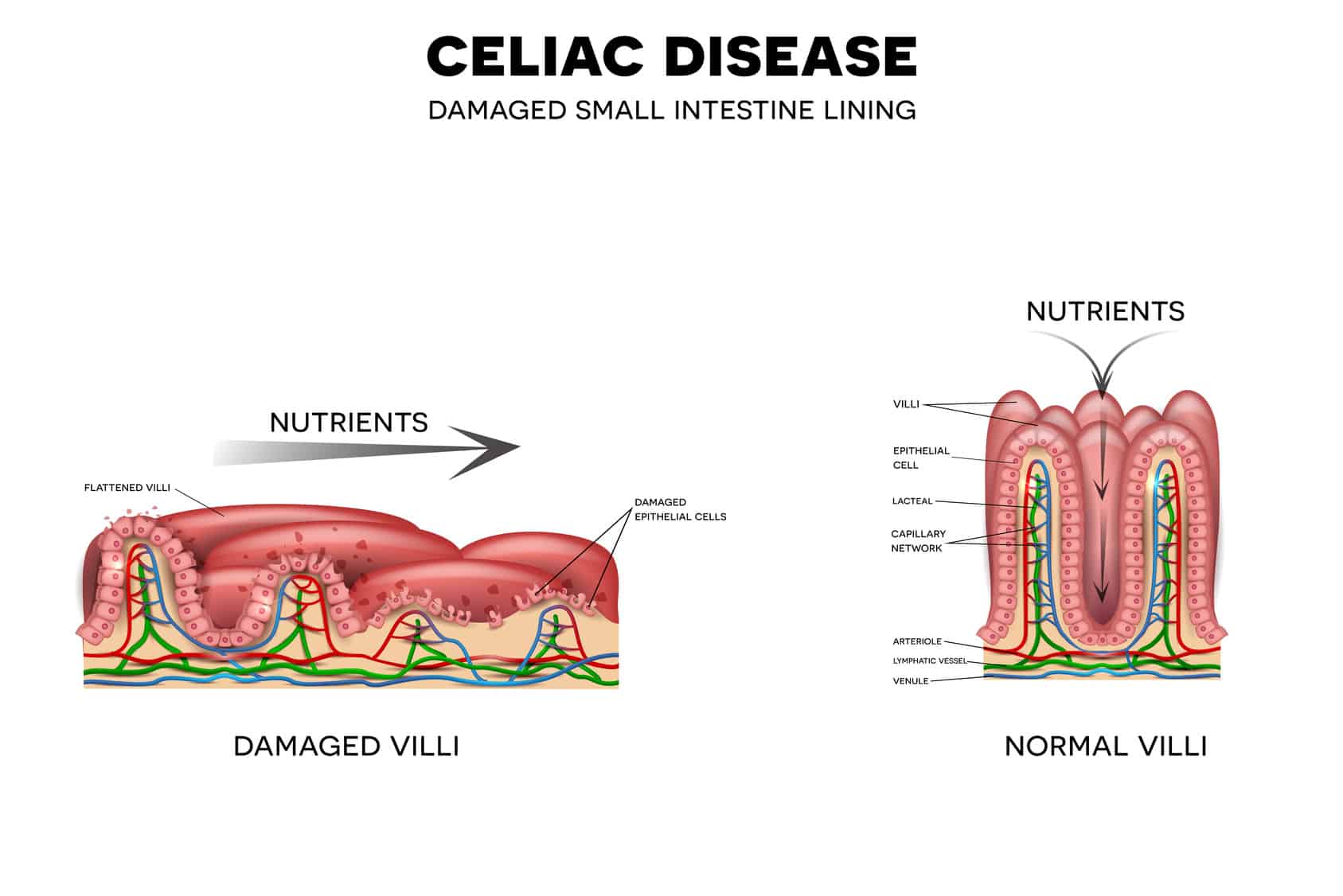
Individuals with celiac disease, a hereditary autoimmune condition that affects 3 million Americans, or roughly 1 percent of the population, must avoid gluten. – U.S. News and World Report

The chances are that you have heard all of the hoopla surrounding this “gluten,” but are unsure about what the hubbub is all about. Well, let’s (attempt to) properly educate you before going any further.

Gluten is an ingredient – a protein composite – found in several types of grains, including barley, rye, spelt and wheat. Gluten comprises of two proteins: gliadin and glutenin.

Your next question may be “Is gluten bad?” Not necessarily from a medical perspective; unless you have celiac disease (CD) or are gluten intolerant. CD is a hereditary condition that requires the person to abstain entirely from gluten. Gluten intolerance (i.e. Gluten Sensitivity) is defined as “digestive and (other) health problems caused by eating gluten or wheat.”

The debate about whether or not gluten is “healthy” persists, and is beyond the scope of this article. Various medical publications conclude that abstinence from gluten without any medical reason, such as CD or wheat intolerance, can deprive a person of necessary nutrients.

This article focuses on methods of purging the body of gluten. The five methods described below are incredibly healthy and helpful for people who do not tolerate gluten well.

For the gluten intolerant, or for those that have been “glutened” (having eaten the stuff with a medical condition accidentally) this article is for you.

gluten free

Here are five ways to flush gluten out of your body:

1. Rest, rest, and rest

For someone who can’t tolerate gluten, the physiological effects of consumption can be stressful and worrisome. For children with CD, for example, consuming gluten can lead to stomach pain and cramping, chronic diarrhea, constipation, vomiting, fatigue, irritability, and other severe symptoms.gluten

It is certainly not advisable for a person experiencing the nasty aftereffects of gluten ingestion to carry on as usual. The “treatment” regimen of rest – and other recommendations forthcoming – should get you back to feeling normal within a couple of days.

2. Eat probiotics

Probiotics are healthy bacteria for the gut – and should be considered an essential in flushing the body of gluten. Consuming gluten wreaks havoc on the gut, including the gastrointestinal tract (GI) and other parts of the digestive system. Probiotics will keep some of the nasty side effects at bay until the gut can recover.

Probiotic-rich foods include sauerkraut, fermented vegetables, miso soup, tempeh, pickles, kefir, and yogurt. Natural foods are the best sources of probiotics, though quality supplements are available on the market.

3. Drink water

Drinking plenty of water helps to flush any toxins or unnatural fluids that have accumulated in the system. Additionally, consuming gluten may lead to an array of symptoms which water may help alleviate; these symptoms include brain fog, diarrhea, fatigue, constipation, headaches, and dizziness.

Gas and bloating is another common issue, and a combination of warm water with ginger and lemon may help. Coconut water, high in electrolytes, may help to expedite the body’s recovery from glucose exposure.

4. Avoid “trigger foods”

Certain foods may exacerbate the symptoms associated with gluten intolerance. Any known foods that cause the slightest of allergic reactions are best avoiding, as are any foods that may counteract the body’s attempts of eliminating gluten. Common foods that fit this description include dairy, eggs, nuts, seeds, and gluten-free grains.

Here are some well-tolerated foods to consider: sweet potatoes, fruits, vegetables, organic meats, and quality fats. Avocados, coconut oil, and olive oil are all considered “healing fats” by some.

5. Light exercise

Depending on the severity of symptoms, a light workout – one just enough to stimulate blood circulation – may assist with gluten recovery. Proper circulation of blood permits the transporting of oxygen and nutrients to organs and muscles – something considered essential when recovering from illness.

Dynamic stretching is a good regimen for those recovering from gluten exposure and accomplishes the aims mentioned above.

Dynamic stretching exercises involve “(moving) a muscle in and out of the stretched position in a controlled and repeated manner.” Examples of dynamic exercises include arm circles, front lunges, jumping jacks, high knees, and side lunges.

If you’re too tired or weak to perform dynamic stretches, try simple stretching exercises instead. (Think “chair exercises” that people do at work.)

References:
Gorman, F. Does Stretching Help Blood Flow Through Muscles? (n.d.). Retrieved May 9, 2017, from http://healthyliving.azcentral.com/stretching-blood-flow-through-muscles-13314.html

Harvard Health Publications. (2009, June). Getting out the gluten. Retrieved May 9, 2017, from http://www.health.harvard.edu/staying-healthy/getting-out-the-gluten
Hoffman, S.K. (2011, November 30). 6 Things I Do When Gluten Attacks. Retrieved May 9, 2017, from http://www.sarahkayhoffman.com/2011/11/30/6-things-i-do-when-gluten-attacks

Research Reveals The Most Important Exercise For Your Brain

Exercise in any form is, arguably, the best thing you can do for a healthy body and brain (along with excellent nutrition!).

Concerning brain benefits, any exercise promotes brain health. Here’s a snippet from a Harvard Medical School (HMS) article titled Regular exercise changes the brain to improve memory, thinking skills:

“Exercise helps memory and thinking through both direct and indirect means. The benefits of exercise come directly from its ability to reduce insulin resistance, reduce inflammation, and stimulate the release of growth factors – chemicals in the brain that affect the health of brain cells, the growth of new blood vessels in the brain, and even the abundance and survival of new brain cells.”

But have you ever wondered what the best type of exercise is for your brain is?

Research Reveals The Most Important Exercise For Your Brain

“Regular aerobic exercise will bring remarkable changes to your body, your metabolism, your heart, and your spirits. It has a unique capacity to exhilarate and relax, to provide stimulation and calm, (and) to counter and dissipate stress.” – Harvard Heath Publications

The answer: any exercise that gets you moving, gets your heart rate up, and breaks a sweat using repetitive motion – in other words, aerobic exercise.

Aerobic exercise defined

The American College of Sports Medicine (ACSM) defines aerobic exercise as “any activity that uses large muscles groups, can be maintained continuously, and is rhythmic in nature.”

When we think of the term ‘aerobic exercise,’ too often we picture someone jogging or running on a treadmill or sidewalk, but this is a misconception. Here’s a short list of aerobic exercises:

  • Walking
  • Running
  • Swimming
  • Cycling
  • Rowing
  • Boxing
  • Kickboxing
  • Dancing

The aerobic exercise and brain connection

The science supporting the link between aerobic exercise and brain health is well-documented. The benefits of regular aerobic exercise on the brain are numerous as well; all of which are attributed to behavioral and chemical changes that take place.

First, we must look at the neurochemical mechanisms of aerobic exercise. Exercise that engages the lungs and increases circulation – as aerobic exercise does – decreases the body’s levels of stress hormones, such as adrenaline and cortisol, which explains why any aerobic exercise is effective at relieving stress.

Further, aerobic exercise stimulates the production and discharge of endorphins – brain chemicals that serve as the body’s homemade mood elevators and natural painkillers. The “runner’s high” – a sense of euphoria after the body’s been pushed – that many people experience after a grueling workout are due to this release of endorphins.

After a short period, the behavioral changes via positive reinforcement will become apparent. In other terms, you’ll not only notice a trimmer waistline and a renewed sense of strength and stamina but an improvement in your self-image and self-confidence. This positive behavioral feedback will quickly improve your quality of life; pushing you to set and achieve any current and set goals.

Perhaps just as important as the neurochemical and behavioral benefits of aerobic exercise is the “escape” that such exercise provides. When our body is moving, our mind is free from any and all worries and distractions. Exercise, then, often becomes a form of recreation – we no longer view exercise as a “must do, ” but a “want to do.”

Aerobic exercise and brain benefits

The benefits of aerobic exercise on the brain are numerous and diverse, in both the short-term and long-term. Of course, acquiring desired benefit(s) from aerobic exercise is highly dependent on the frequency and duration of activity. Age is also a factor regarding aerobic activity and benefits.

Short-term benefits on the brain and body

When engaging in aerobic exercise, you are increasing the amount of blood flow and oxygen to your brain. As mentioned, the brain also releases endorphins and reduces the production of stress hormones. In conjunction, these and other physiological mechanisms produce short-term brain benefits such as:

  • An increased sense of well-being
  •  reduction in anxiety and depression symptoms
  • Better overall mood
  • Improvement in sleep quality
  • Increased motivation to exercise regularly (long-term)
  • Improved working memory

Long-term benefits on the brain and body

The most dramatic benefits of aerobic exercise on the brain are a result of regular, consistent activity. Another factor affecting long-term benefits is the level of physical exertion during exercise. For example, 30 to 45-minute HIIT sessions performed over three months produces different benefits (and to a different degree) than a 30 minute, moderately-paced jogging regimen over the same period.

In a study conducted by researchers from the University of British Columbia, scientists discovered that regular aerobic exercise increased the volume of the hippocampus, “a key part of the inner brain involved in forming, storing, and processing memory.” Promisingly, the greatest benefits were observed in older participants with mild cognitive impairment (MCI), which is often an antecedent of dementia.

Aside from boosting the size of the hippocampus, other long-term brain benefits of aerobic exercise may include:

  • Improved spatial abilities
  • Increased self-awareness
  • Better emotional regulation
  • Improved overall cognitive function (thinking, reasoning)
  • Dramatic decrease in risk of dementia and Alzheimer’s Disease

11 Signs A Man Respects You In A Relationship

Do you know how to tell if someone respects you in a love relationship? Respect is the profound admiration for someone, their abilities, qualities, or accomplishments.

People with “good, valuable, or important” qualities are another way of describing respect. Respecting someone’s humanity is perhaps the best kind of respect we can give (and receive.) How much more should we respect someone who has given us their heart?

Regarding respect and relationships, having one without the other isn’t possible. The two qualities are mutually inclusive in every healthy relationship.

NOTE: We acknowledge that women display respect in slightly different ways than men. Thus, we address signs a woman respects her relationship in a separate companion article.

Five Reasons Why It Is Essential That Your Man Respects Your Relationship

Respectfulness is a crucial element for building and maintaining a healthy love relationship. It is the foundation of any meaningful relationship and serves as a guiding principle in how partners treat and interact. In a healthy love relationship, respect is essential for fostering trust, communication, and a sense of safety and security.

respects

Trusting your partner

First and foremost, respect is essential for fostering trust in a relationship. Trust is built on mutual respect and honesty. Without it, the relationship is likely to crumble. When partners show respect towards each other, they create a safe space where they can be vulnerable and share their innermost thoughts and feelings. This trust is essential for building a deep emotional connection and for overcoming obstacles that may arise in the relationship.

Better communication to keep the relationship strong

Communication is also essential in a healthy love relationship, and respect plays a significant role in creating effective communication between partners. Respectful communication involves actively listening to each other, understanding each other’s perspectives, and valuing each other’s input. In a relationship where respect is present, partners feel heard and valued, leading to deeper conversations and a stronger emotional bond.

Feeling a sense of security

Respect is essential for creating a sense of safety and security in a relationship. When partners respect each other, they create an environment where each person feels comfortable being themselves without fear of judgment or criticism. This environment allows partners to be vulnerable with each other and fosters a sense of emotional security in the relationship. In contrast, a relationship lacking in respect can create an atmosphere of tension and uncertainty, leading to feelings of insecurity and doubt.

Relationship equality builds both partners

Another way in which respectfulness is necessary for a healthy love relationship is by promoting fairness and equality between partners. When partners show respect towards each other, they treat each other fairly and as equals, valuing each other’s opinions, needs, and desires. In contrast, a relationship lacking in respect can create an imbalance of power, leading to one partner dominating or controlling the other. Such an imbalance can lead to resentment and tension, ultimately damaging the relationship.

Fairer fights

Respectfulness also helps partners navigate those inevitable conflicts healthily and productively. In a respectful relationship, partners work together to find solutions to conflicts, using open and honest communication to address their issues. They do not resort to name-calling, blaming, or personal attacks, and instead, focus on finding common ground and working towards a solution that benefits both partners. This approach to conflict resolution promotes a sense of teamwork and strengthens the emotional bond between partners.

11 Signs A Man Respects You In A Relationship

In this article, we list and discuss 11 signs that the man you’re in a relationship with respects you. Let’s get started!

Respect is not an option in a relationship. It is a requirement.” ~ Anon.

1. He is encouraging

A man who loves and respects you wants what you want. He desires his woman to be the best possible version of herself, something that not only makes you feel good but him as well. He may have an opinion on the matter, but he won’t dissuade you from taking any positive step in your life.

pop quote

2. He respects your time and how you spend it

Another sign of a healthy relationship is regard for each other’s time – whether spent together or apart. Concerning the former, a respectful man is reliable regarding your (and others’) time. He is rarely late; when he is, he has a good explanation. When you need some time, for whatever reason, he is considerate and respectful.

(Note: spending over an hour in the bathroom may be an exception to this rule.)

3. He doesn’t get jealous

He’s devoted himself to you and is confident in your devotion to him. As such, a man who respects you doesn’t get jealous. This quality also speaks to the man’s self-confidence – something (sadly) that is absent in too many. Comment on Brad Pitt’s abs all you want, ladies!

4. He doesn’t try to control you

Controlling behavior reeks of insecurity and, of course, disrespect. As mentioned, thoughtful men are neither of these things. A respectful man who loves you wouldn’t even contemplate taking any action that could be considered controlling. Enough said.

5. Your opinions are taken seriously

Opinions are a matter of individual perspective and should always be respected. A respectful man actively listens and responds to your opinion. Moreover, the man is interested in what you have to say, regardless of whether he agrees or disagrees.

Speaking of which…

6. He doesn’t escalate disagreements

At the risk of sounding overtly obvious, every relationship has disagreements and arguments. One sign of a real man is respectful behavior – and he’s never inclined to intensify any disagreement or argument. He appreciates and respects the differences just as he does the similarities. Aside from demonstrating his respect, the ability to “agree to disagree” shows his strength and character.

7. He’s an “Honest Abe”

It can be difficult to discern whether or not someone is completely honest with you. However, a man who deeply respects his woman considers dishonest behavior abhorrent. If he says or does something he perceives as inaccurate, he’ll say so.

8. He doesn’t second-guess you

A healthy relationship requires two people to commit themselves entirely – to be selfless. A man who respects you (and vice-versa) will not ignorantly cast doubt upon your choices or judgment. He understands that you possess an admirable ability to think for yourself; otherwise, he wouldn’t be with or respect you to such a high degree.

9. He’ll discuss the relationship’s future

Some men have the impulse to evade discussing “the future.” Perhaps they’re not quite prepared for topics that you may bring up, which may scare them. But a man who respects you will actively listen to your perspective on the future and provide honest feedback, even if it’s not quite what you seek. If he’s ready for the next step, he’ll tell you. If he’s not ready, he’ll still tell you.

10. He spends a good amount of time with you

A man who respects you willingly allocates a generous amount of time to make sure you’re happy. If you enjoy certain activities, he knows and will go out of his way to make them happen. Even if he’s busy, a respectful man will sacrifice time he could spend elsewhere – at work, hanging out with friends, etc. – for you to know that you’re a priority.

11. He respects others

“Others” may be your family, social circle, or a stranger. The respect a man shows to others is equally as important to the respect he shows you. For those in the early phases of a relationship, observing how your man treats others is one of the best indications of his real character.

love


Final Thoughts on Signs Your Man Respects Your Relationship

Respectfulness is a necessary ingredient for building and maintaining a healthy love relationship. It promotes trust, effective communication, emotional security, fairness and equality, and productive conflict resolution. Without respect, a relationship will quickly fill with tension, resentment, and an imbalance of power. Therefore, partners must practice respect towards each other and make it a guiding principle in their relationship.

Why Crying During Movies Actually Means You’re Mentally Tough

Social scientists know that we tend to have a prejudice against those who cry during movies. Our tendency is to see people who cry as being emotionally weak.

Rarely is crying during movies interpreted as being mentally tough. But if we can set our negative stereotypes aside, we can see how emotional outpourings like crying can help us socially. In fact, it helps connect to others by helping them see how well we relate to their emotions.

Why Crying During Movies Actually Means You’re Mentally Tough

Crying during movies means you have the skills of an empath. Empathy is a skill that allows you to understand how someone else must be feeling based on what you either know about the situation they are experiencing or by their observable behavior.

The character Commander Deanna Troi on the TV series Star Trek: Next Generation is the best popular culture reference to understand what an empathetic or empathic person is like.

Crying during movies means you possess the ability to relate to the emotional state that another person is experiencing based on their situation and facial expressions.

Although you know that this pain belongs to someone else, for example an actor in a movie, you know what it feels like to hurt, grieve, yearn, or rejoice and you can relate to a fellow human being who is showing the same emotion.

Empaths have to be mentally tough because emotional outpourings can drain physical energy. Connection like this to fellow people on the planet is an important social skill that is often overlooked or undervalued. The ability to relate in important ways will help you be successful with your education, career, and romantic partnerships.

soft and strong

Crying during movies connects to emotional intelligence, extroversion, and self-esteem

Researchers studying crying during movies found that several personality traits were found to be associated with crying and sadness. These include empathy, extroversion, femininity, self-esteem, and prior stress levels.

Women who cried during a movie also reported being sad to the researchers afterward. Conversely, men who cried reported no emotional connection to the film.

Mentally tough people usually take the leadership role in social interactions. And that seems to conflict with the image of someone who cries at movies. However, being extroverted was one of the surprising personality trait results of the above experiment.

The researchers found that these personality traits were associated with crying during movies and ego strength or self-esteem levels, which is the mental toughness in knowing oneself to be worthy of respect.

You might say that people who cry during movies have an advantage over others. Picking up on emotional cues based on tone, facial expressions, body language, micro-expressions, and your gut instinct helps you to identify if the people you interact with are pleased or displeased.

Here’s how these observed responses connect to emotions:

Understanding Tone

The tone of voice is crucial to communication, revealing emotions and attitudes that may not be explicitly stated. It encompasses pitch, volume, and pace. Indeed, it can indicate feelings like anger, happiness, or uncertainty. For instance, a raised voice might signify anger or excitement, while a monotonous tone could suggest boredom or disinterest. By attentively listening to the tone, you can gauge the emotional state and intent of the speaker, which aids in better understanding their perspective.

Interpreting Facial Expressions

Facial expressions are powerful indicators of someone’s emotional state. Through facial cues, humans instinctively recognize emotions such as happiness, sadness, anger, and surprise. A smile, for example, generally indicates happiness or approval, while a frown usually signifies displeasure or concern. Learning to interpret these expressions accurately can provide valuable insight into how someone is feeling, even if they don’t verbalize it.

Reading Body Language

Body language is a non-verbal communication that includes gestures, posture, and movements. Open body language, like uncrossed arms, can indicate receptiveness and comfort, while closed body language, such as crossed arms or avoiding eye contact, might suggest defensiveness or discomfort. Observing body language in conjunction with other cues can better understand someone’s emotional state.

Analyzing Micro-Expressions

Microexpressions are brief, involuntary facial expressions that reveal genuine emotions. They are often difficult to catch and interpret, as they occur fleetingly. These expressions can be crucial in detecting hidden feelings or lies. For example, a quick flash of contempt on someone’s face might go unnoticed in a casual interaction but can indicate underlying negative feelings.

Trusting Your Gut Instinct

Gut instinct, or intuition, plays a significant role in reading others. It’s an instinctive feeling that often arises without conscious reasoning. Trusting your gut can help quickly judge someone’s intentions or feelings. Past experiences and knowledge shape this instinct, and while it’s not infallible, it can be a valuable tool for understanding social dynamics.

This is the kind of information that marketing professionals harness to determine consumer preference for or against a product.

movies

Final Thoughts on Crying During Movies

Crying during movies is part of the experience of totally immersing yourself in a movie. In another study, researchers looked at the illusion of having two bodies simultaneously during a movie. They say that although we know that the movie is not real, more perceptive people are simultaneously aware of being inside the film and outside of it.

This conflict between being both here in the seat of the theater and also participating in the movie experience of the actors can cause viewers to experience “dizziness and nausea, an unsettling yet – to a certain degree – pleasurable feeling, which is significantly intensified in media environments such as 3-D films and virtual reality.”

(C)Power of Positivity, LLC. All rights reserved
References:
Neither Here nor There The Paradoxes of Immersion.
http://web.a.ebscohost.com/abstract?direct=true&profile=ehost&scope=site&authtype=crawler&jrnl=18718787&AN=116581281&h=v7VKcOQddTGnzzUGgFgq%2fOK5sGTxjzy%2b2JR6DlKPJHPBQbkVDnSQGw9hyJ8U7UcXLEphMwLom9I%2fLaNxi%2b6Okw%3d%3d&crl=c&resultNs=AdminWebAuth&resultLocal=ErrCrlNotAuth&crlhashurl=login.aspx%3fdirect%3dtrue%26profile%3dehost%26scope%3dsite%26authtype%3dcrawler%26jrnl%3d18718787%26AN%3d116581281

4 Reasons Women are Scared to Date

We all have different perspectives about dating. Some people see it as fun and full of possibilities; others hate it. For the latter group, their glum outlook on dating is understandable, as the path to finding a partner is often a difficult one.  “How many more guys/girls can I deal with?” “What the heck is wrong with me?” “What on Earth is wrong with them?”

For those in a relationship, odds are you didn’t find your partner right away. A few of us have even gone through hell and back before finding our love – a time of tremendous joy accompanied by a sense of relief.

The dating uncertainty has made some people fearful – a natural response to vulnerability. Dating is a risk, plain and simple. For women afraid to date, such feelings must be okay. Be patient and wait for when you’re ready.

This article is for you. Here, we discuss four reasons why women are scared to date. For our male readers, you may find that some of these words describe your thoughts and feelings on the subject of dating, as well.

Here are four reasons why women are scared of dating:

“Dating is a risk, with a great reward, just remember you can keep going, or stop at any time, this is your life.” – Anon.

love

1. She’s afraid of rejection

In two words, rejection sucks. Unfortunately, dating often involves plenty of it – which quickly becomes disheartening. In essence, being rejected is similar to being told “You’re not good enough.”

In addition to the influx of negative emotions, rejection damages psychological well-being. Using Functional Magnetic Resonance Imaging (fMRI), scientists have found that rejection follows the same pathways of the brain that receive pain signals. Rejection literally hurts from a neurological perspective.

Considering the brain’s tendency to relive adverse life events – and the manifestation of emotional and physical pain that rejection brings – it quickly becomes apparent why a woman who has been hurt would fear the notion of dating.

2. She’s dated a person with serious issues

If you’ve ever been with a woman who you deeply cared for, only to have your chances squashed by some ex, then you understand the immense frustration and hurt that affects both people.

Maybe her former was an alcoholic or drug addict, womanizer, manipulator, narcissist, control freak, or any other one of a thousand things. Unfortunately, she’s still wrestling with the abuse to which she was subjected.

Being the target of emotional, psychological, or physical abuse is traumatizing. Sadly, it’s also far too common. According to the National Coalition Against Domestic Violence (NCADV), 48 percent of women have experienced psychological abuse, 40 percent have experienced emotional manipulation and control, and 19 percent have been physically threatened or harmed.

3. She’s afraid of not being single

There’s a minority out there that loves being single, and the reason is quite simple: they can do whatever, whenever. No partner = no problem. While these women may occasionally “hear it” from their family and friends, it isn’t enough to surrender the awesomeness of “me.” While this perspective is more common in younger women, plenty of happy and successful people have the desire to “get out there.”

For most women who value their singlehood, a time comes when they long for a person to share their life with. This feeling is analogous to dipping your toe in cold water. Jumping in may be refreshing. But first, you’ve got to leap. Remind yourself that there’s no “time limit” to dating aside from those that are self-imposed. Take your time.

4. She is afraid of (a) Commitment or (b) Lack of commitment

While men are usually painted as the more non-committed of the sexes, women can be just as commitment-phobic. Fear of dating, as a byproduct of commitment issues, usually results from one of two things: her fear of commitment or a potential partner’s lack thereof.

There are many reasons for a fear of commitment or being attached to one person for life: fearing the hypothetical ‘end’ of a relationship, not being able to achieve life goals; need for personal space – and so on.

Of the two, fearing lack of commitment from a partner is more ubiquitous. Of the two sexes, it is fair to say that women are considerably more sensitive. As such, women (usually) take breakups harder. Repeated exposure to someone else’s lack of commitment takes a considerable emotional toll, enough to refrain from dating for an indefinite amount of time.

“Dating is a risk, with a great reward, just remember you can keep going, or stop at any time, this is your life.”

There is no shame in admitting that you’re afraid to date – to be vulnerable. Doesn’t matter if you’ve been a victim or if you’re afraid of giving up your own life.

Most importantly, don’t allow anyone else to define happiness for you. Don’t let anyone else tell you how your life “should be.” It’s your life; pursue your version of happiness.

date

Final Thoughts on Why Women Today Hesitate to Date

The fear of dating is a complex and deeply personal issue for many women. Rejection, often accompanied by emotional pain, can make the prospect of dating daunting. Past relationships with individuals dealing with serious issues can leave lasting scars. As a result, it can be challenging to open up to new possibilities. Some women cherish their singlehood, but eventually, they may yearn for companionship, which can be intimidating. Commitment, whether the fear of it or the absence of it in a partner, can also be a significant barrier to dating.

Remember, there is no right or wrong timeline for dating, and no one should define your path to happiness. Dating is a risk with the potential for great rewards. Still, it’s a journey you can navigate at your own pace. Your life is yours, and pursuing your version of happiness should always be the priority. Embrace your individuality and make choices that align with your desires and aspirations.

5 Exceptional Personality Traits of An Over-Thinker

The act of overthinking is often associated with anxiety; indeed, it isn’t unusual for a person to possess both traits. Though the two “conditions” are rarely mutually exclusive, the “symptoms” are not always the same.

It is true that those with anxiety and those that overthink have persistent thoughts. The main difference is that many (not all) overthinkers are known to possess some exceptional personality traits and abilities. Contrast this with anxiety, which almost always has a negative connotation.

In this article, we discuss five benefits of overthinking. In the interest of intellectual honesty, we’ll also go over when you may be overdoing it – and how you can mitigate some of the stress that comes with overthinking.

The 5 personality traits of an over-thinker include…

1.  Creativity

In an article published in Trends in Cognitive Sciences, researchers conclude an existing link between higher brain activity (“self-generated thought”) and creativity.

While the authors do concede that a link exists between overthinking and neuroticism, they also note that “Existing neuroticism models cannot explain its link to both unhappiness and creativity.”

Self-generated thought (SGT), a trait seemingly hardwired into an overthinker’s brain, can stimulate the imagination.

2. Problem Solving

When overthinkers observe a problem in their external environment, they possess a unique ability to turn inwards and find a solution. In a way, this internal “switch” is a 360-degree turn from their default mode.

Albert Einstein may be considered history’s greatest mind. But what many people do not know is that Einstein was an obsessive overthinker. He could not not think about the phenomenon that is a beam of light. Eventually, due to his obsession, Einstein discovered the theory of relativity – the universally-recognized equation E=MC².

loud mind

3. Detail Orientation

When overthinkers harness their attention, it’s an incredibly powerful thing. Though not all overthinkers have tremendous attention to detail, many do because of their ability to center their attention on something that looks “out of place.”

Of course, upon noticing the out of place “something,” an overthinker cannot feel at ease until the out of place is, well, “put back into place.”

While the late, great Steve Jobs may or may not have been an overthinker, he certainly exhibited the obsessive attention to detail typical of one. Consider this snippet from an article published by Business Insider:

Steve Jobs was a true obsessive.

He pored over every tiny detail of every product, every ad, every store, every thing related to Apple.

For instance, when Apple was starting to open new retail stores, his ad partner Lee Clow said, “Steve made us spend a half hour deciding what hue to gray the restroom signs should be.”

4. Academic Achievement

In an article produced by Time’s Higher Education, author Daniel Nettle writes:

“it is quite plausible that being high in neuroticism (a trait associated with overthinking) will be associated with signature strengths as well as vulnerabilities. Researchers have found that high scorers often strive hard, even in the absence of external reward, the fear of failure, of failing behind or to counteract the hazards they sense ahead,”

(This) anxiety…is undoubtedly toxic in the wrong circumstances, but is also the greatest tool of the scholar.”

In short, an overthinker can achieve tremendous academic success. In fact, it is not uncommon to see these “neurotics” obtain a prestigious position at some of the world’s most prominent universities.

5. Introspection

Introspection, defined as “the examination or observation of one’s own mental and emotional processes” is something that overthinkers excel at.

Similar to the other four things on this list, an overthinker must be able to channel this internal energy to experience positive change. Introspection, in a sense, is what allows someone to pinpoint their weaknesses and work towards correcting them.

This actually leads to our conclusion…

Overthinkers can be their own best friend or worst enemy. Continuous, scattered thoughts produce little to no value, regardless of one’s innate intelligence or personality.

Within everyone who overthinks is tremendous potential. Whether or not this potential is realized depends, more or less, on one of two things: (1) the individual realizes this potential, or (2) someone sees and convinces the person of their giftedness.

Alexander Graham Bell may have said it best:

“Concentrate all your thoughts upon the work at hand. The sun’s rays do not burn until brought into a focus.”

References:
Baer, D. (2014, May 9). Here’s How Being Neurotic Can Make You More Successful. Retrieved May 7, 2017, from http://www.businessinsider.com/neurotic-people-can-be-super-successful-2014-5

Perkins, A. M., Arnone, D., Smallwood, J., & Mobbs, D. (2015). Thinking too much: self-generated thought as the engine of neuroticism. Trends in Cognitive Sciences, 19(9), 492-498. doi:10.1016/j.tics.2015.07.003
Times Higher Education. (2007, August 10). You don’t have to be neurotic, but it helps. Retrieved May 7, 2017, from https://www.timeshighereducation.com/news/you-dont-have-to-be-neurotic-but-it-helps/90200.article#survey-answer
Yarow, J. (2011, October 27). Shade Of Grey Apple Should Use For The Bathroom Signs In Apple Stores. Retrieved May 7, 2017, from http://www.businessinsider.com/steve-jobs-attention-to-detail-2011-10

Who Should You Never Date, According To Your Zodiac Sign?

Who you should be in a relationship has been covered before, but which zodiac sign should you avoid? That is a very good question, indeed.

The intention of this piece is not to be negative in any way, only to serve as a warning from what could potentially be a mistake on your part. After all, we want to see you beaming with happiness and light.

With that out of the way, it is now time to sit back, relax, maybe grab a nicely chilled beverage from your fridge, and read on. Here comes the answer to your question.

Who Should You Never Date, According to Your Zodiac Sign?

Aries (21st March – 19th April)

You’re the independent Ram. You do your own thing and that is not negotiable. You have no time to think about someone being too clingy. This will lead to you feeling smothered and there is no way you will sacrifice that independence for anything. A potential partner either toes the line or walks away.

Taurus Zodiac Sign (20th April – 20th May)

Stubborn and jealous Bull, stay clear of anyone who “owns it”. Yes, you are attracted to these larger-than-life people but the very thought of you sharing your special someone rightly or wrongly sets off alarm bells in your head. That is an animal trap best avoided.

Gemini (21st May – 20th June)

Although the Twin likes to show their love and enjoys a decent social life, someone alike is a no-no. The relationship would turn into a competition, instead of you two savoring what you have. In your case, the old adage fits for a reason, “Opposites attract.”

Cancer (21st June – 22nd July)

Unfortunately, the Achilles heel of the great Crab is mood swings and trust issues. You are also very much in tune with your feelings, therefore not having those taken into consideration and accepted by your partner is a dealbreaker. Someone saturated in secrecy gives you suspicion, so solely you must say “See you!” for your mind would go into overdrive and that particular road would lead to someplace ugly.

Leo (23rd July – 22nd August)

You love to give love, majestic Lion/ess. However, not without receiving love in return. If you feel that this is the case including in public, regally walk away. The same goes for someone who does not support you emotionally or “bigs you up”. As the ruler, you deserve greatness bestowed upon you and you love to share it with the ruler of your heart.

Virgo Zodiac Sign (23rd August – 22nd September)

Ah, the people-pleasing Virgin. This is how you are on an emotional level. It is best advised to stay away from those who have great difficulty in communicating and people who do not “have it all together” like you. You do not have the time to sift through a train wreck.

Libra (23rd September – 22nd October)

You tend to tip the Scales in the showboating stakes, being a very outgoing and sociable soul. If you find yourself in a relationship where you feel insecure and that your self-worth is through the floor, run for the hills pronto.

Scorpio (23rd October – 21st November)

The deep, yet assertive and sexy Scorpion takes no prisoners. You know what you want and know exactly how to get it. If your partner is not up to par with you, it is time for them to walk the plank. Being a strong sign, you dating someone that is unable to handle your character is like Arnold Palmer playing a round of golf with Captain Hook!

Sagittarius (22nd November – 21st December)

Archers do not like wallflowers. Plain and simple. You are loud and proud and not afraid to show it. You want to show off your love interest to friends and family, yet they are content to hang back because they are nervous. The shy type, the introverted, the ones who seldom come out of their shells, need not apply here.

Capricorn (22nd December – 19th January)

No guts, no glory! The controlling Goat is another one who should give the shy, quiet ones a wide berth. If you see that your significant other is unable to speak up from your usual stubbornness, then you should back down from further romantic liaison.

Aquarius (20th January – 18th February)

A typical Water Carrier likes solitude and shies away from the social limelight. If you date someone like you, you do yourself no favors at all. You two will end up not doing anything to create memories and boredom will set in rather easily. There is a brave new world out there, and doing the humdrum dance with Denis/e decimates your chances of seeing it. Do yourself a favor; date someone different to you.

Pisces Zodiac Sign (19th February – 20th March)

Our Fishy friend is profound and sensitive. Those who are less than empathetic and/or have an ego greater than the Burj Khalifa are not the catch of the day. Too many jokes could spoil the party for you because they might be taken the wrong way and your feelings may not be spared.

(C)Power of Positivity, LLC. All rights reserved

10 Things To Always Look For In A Relationship

Have you ever wondered why nearly half of all marriages in the United States end in divorce? Relationship experts are too quick to point out why married couples split – information that may or may not make a difference for someone seeking to avoid the “Big D.” So what do you look for in a new partner?

Something that’s far less discussed is the vetting process known as dating. The word “vetting” may sound callous when describing dating, but isn’t that REALLY what it is?

Sure, dating can be (and should be) a fun, non-committal, “this may or may not happen” type of thing, but for most people, a date is a potential partner.

It’s too easy to say, “you should wait for this, this, and this before committing yourself.” While such a statement may be well-intentioned, it’s worthless unless you provide some substance; in other words, why “this, this, and this” may be important attributes to look for in a partner.  Every person is different and looks for different things (really complicated, we know.)

We don’t pretend to be relationship experts – we are not. We don’t provide “one size fits all” advice – and we won’t do so here.

“An objective mindset” is not a particularly sexy or exciting thing to recommend for daters. (And, remember, it is only a recommendation.) BUT, when it comes to relationships, objectivity is underrated. Practicality is underrated. Cohesiveness is underrated.

Here are 10 (possible) things to look (and not look) for in the right partner:

1. Having the “Essentials” in Common

We’re glad you asked. The “essentials” are things like: where to live, children or no children, religion or spirituality, the use of money, a sense of a “shared purpose,” etc. (Some even put political views on this list…)

Take the five things important to you and see how your date checks out. Just don’t interrogate them or give out a creepy vibe.

2. Be Wary of a New Partner Who Wants to Rush to the Altar

If you’re on a first date and the word “married” escapes your date’s lips once, it should be a wrap. (Minus the apparent exceptions, like marriage being a topic of discussion.)

Most people rushing to get married become reasonably apparent during the first date or two. The odds are that they will be a pain to date, much less marry.

3. Find a Partner Who Puts a Smile on Your Face

A sense of humor is compelling – and a shared sense of humor is even more so. Finding someone who can get you to smile and laugh on a bad day deserves some consideration.

Humor can overcome many of life’s most formidable obstacles, not to mention that laughter brings lots of fun to a relationship.

4. Someone Who Listens to You

As a relationship progresses, this quality becomes more important than anything else. If you can’t have a good conversation with your partner, it’s going to be a rough ride no matter the circumstances.

5. Someone with the “Intangibles.”

Again, thanks for asking. Intangible personality traits: kindness, honesty, generosity, integrity, and empathy.

“What intangibles are important to me?” is an excellent question before each date.

6. One Who Can Abstain From Lust

Physical solid attraction creates tunnel vision – we pay less attention to what someone says and does. Resisting this strong sense of magnetism and being discreet and respectful is an excellent sign.

7. Ability to Dismiss First Date Infatuation

When we immediately hit it off with someone, it’s tempting to allow passion to creep in, which can cloud our judgment. If you have an ideal first date, great! Do yourself a favor and don’t become full of anxiety, which can come as desperation. Hopefully, the other person reciprocates.

8. If You Can’t Look Past the “One  Thing,” Don’t

It doesn’t matter what the “one thing is” – a lack of attraction, bad chemistry, a “red flag,” whatever. That “one thing” will likely make progression in a relationship difficult, if not impossible.

9. Find a Partner Who Will Love You for Yourself

The other person will like your authentic self, or they won’t – it’s that simple. In the event of the latter, shrug it off and look forward to when someone loves the real you. Whatever you do, don’t compromise or put on a façade.

Believe us. It’s worth the wait.

10. Someone Compassionate, Kind, and Loving

Sort of a no-brainer here, but plenty of folks have ended up with someone who exhibits zero of these traits. Do yourself a favor and observe how the person interacts with strangers. This is often a good indication of their character.

11. A Partner Who Doesn’t Have A lot of Baggage

Emotional baggage can be detrimental to a relationship. When someone has been hurt so deep into their soul that it changes them, this will directly affect anyone with them in the future. For instance, someone cheated on is more likely to fear going through that pain again. So, they might be a little overprotective and controlling to keep history from repeating itself.

According to the Wright Foundation, each person has some degree of emotional baggage. However, it’s imperative to unpack those bags if you ever intend to move on with your life. This can be done through many outlets, including therapy. Consequently, it’s essential to be honest with anyone you enter into a relationship with, as they need to know your issues upfront.

partner

12. A Person Who Has Common Interests

While they say that opposites attract, you need to have some things in common to enjoy time with one another. If you don’t like to do any of the same things, one of you will be sitting and waiting for the day to end while the other will be aggravated that you don’t enjoy the same stuff. The other option is to do things apart, and that’s only good on occasion. To be a strong couple, spending time together is essential.

13. Strong Family/Friend Support

You can always tell a lot about a person by how they treat their friends and family members. Did you know that narcissistic people often have poor relationships, if any? If a person doesn’t want you to come home and meet the family after months of dating.

14. Treats Others with Respect

One exciting way to tell how someone truly is on the inside is to watch how they treat others. It doesn’t matter that they act like you’re the best person in the world if they tell off the waitstaff for an order mix-up. Watch how they interact with customer service people, their families, and coworkers.

You want someone kind, and old habits don’t die hard. Just because they seem kind and genuine to you at the moment, it doesn’t always mean it will stay that way.

15. Respects Your Boundaries

Any healthy relationship has boundaries. These limitations keep you safe and secure, and if they genuinely want to be with you, they will respect them. If you have a rule that there will be no intimacy for a couple of months, they shouldn’t be pushing you to do something that makes you go beyond your limits.

When someone truly cares for you, they will respect the morals and boundaries you’ve established, too, will have limits.

16. Does the Little Things

While trust, honesty, and integrity are all part of the foundational building blocks of a relationship, you also need someone who does the little things. Something sweet tends to solidify the relationship when someone makes your coffee before work, sends flowers, scratches your back because it calms you, and cares that your car is warm on a cold winter’s morning.

17. Wants to Spend Time with You

Relationships require a lot of time and effort, and if you don’t take the time to nurture your union, it will fall apart. Look for a mate willing to spend time with you even if it means they must let some things go. Remember that a person will always make time for the important things to them, so don’t accept the excuse that they’re too busy.

18. Stability

While love and intimacy are all good, romance without finance isn’t happening. If you want someone who will make your life easier, you will pick a stable person. A sound person has a degree, job, and life in order. The last thing you need is someone who is a complete mess and couch surfing as they need to fix themselves before they can ever bring someone else into their life.

19. A Partner Who Has Empathy

It would help if you had someone who gets you on an emotional level. Sympathy is one thing, but having empathy takes it to a whole new dimension. You want a person that puts their arms around you after a hard day and lets you cry on their shoulders.

An empathetic person knows that there are times when you need personal space, and there are times when you need someone to cuddle with you. Whenever you’re experiencing loss or other emotional pain, they listen to you and don’t try to minimize your feelings. They may not have all the answers, but they offer you the gift of their presence.

20. Find a Dependable Partner

Did you know that the best ability is dependability? You want a partner who shows up when they say they will. If they say they’re going to take you on vacation to the mountains, that vacation is as good as done.

You want someone you can depend on, and their words are gospel. Otherwise, it causes a rift under the surface when one partner is dependable and the other is flighty.

21. Someone Not Afraid of Commitment

It’s often the case that people are afraid of commitment. Some people won’t classify your relationship as anything other than friends, and that hurts. You want an available person who is not scared of taking things to the next level with you.

22. They Have Lots of Friends of the Opposite Sex

Of course, it’s wonderful to have friends of the opposite sex. However, it’s a red flag when the person you’re interested in is texting and calling members of the opposite sex too frequently. It can indicate that someone is a player, or it can signify that they have other issues going on under the surface.

partner

Final Thoughts on Finding a Wonderful New Partner

When you find someone who completes you in every way, you’ve found a gem indeed. People often become satisfied with unsatisfactory relationships because they don’t think they can do better.

It’s often the case that it’s easier to settle for someone that isn’t your perfect match because you feel it’s better than being alone. However, the only thing worse than being single and alone is being with the wrong person, and waiting for the right one is worth the wait.

Skip to content