Weekly tips, affirmations, and small actions to feel your best.

5 Scientifically Proven Breathing Techniques For Stress and Anxiety

In today’s fast-paced world, many people have forgotten the importance of breathing deeply. It might seem strange that we have forgotten how to do something so basic to our existence, but with stress at an all-time high globally, many people breathe very shallowly. This increases anxiety, blood pressure, heart rate, and puts the body in a near-constant fight-or-flight state.

Shallow breathing can even cause panic attacks due to hyperventilation. Unfortunately, many lifestyle factors and environmental triggers affect our breathing, but that’s why breathing techniques are so important. According to a press release by the American Psychological Association, everyone’s stress levels have risen, regardless of age, race, or demographics.

First of all, 59% of adults say this is the “lowest point in our nation’s history” that they can remember. Top stressors include the future of our nation, money, work, the current political environment, and safety concerns.

Though it seems many people have a bleaker outlook on life nowadays, that doesn’t mean we can’t do something to destress and center ourselves. Breathing techniques can help you manage stress better, which will allow you to have a better handle on the current problems our world faces.

Keeping this in mind, we’ll discuss breathing exercises that utilize pranayama, which is mentioned in the quote above, as the foundation of the techniques.

Also, just in case you’re wondering, science has shown that breathing techniques are not just a New Age idea rooted in pseudoscience. In fact, some studies have shown how breathing techniques can even help with weight loss!

Without further ado, let’s get to the techniques!

Here are 5 proven breathing techniques for stress and anxiety:

1. Alternate Nostril Breathing (Nadi Shodhana)

  1. Sit down in a comfortable area with your spine and head centered forward.
  2. Put your left hand face down on your lap, relaxing the muscles.
  3. Use your right hand to place your pointer and middle fingers between your eyebrows.
  4. Take a deep breath while closing your eyes, breathing only through the nose. Inhale and exhale for 30 seconds.
  5. Now, close your left nostril with your left thumb and inhale slowly and evenly.
  6. After you inhale completely, hold it for a few seconds, then release.
  7. Repeat step 6, but this time make sure both nostrils are closed by closing your right nostril with your right ring finger.
  8. Hold for a few seconds, then exhale and release.
  9. Now, repeat step 5, but this time close your right nostril only. (The breathing sequence should be: left nostril closed, both nostrils closed, right nostril closed, repeat). *In case you were wondering, you’ll have to breathe through your mouth when both nostrils are closed.
  10. Repeat for 5-10 cycles. Concentrate your mind solely on your breath for the best results.

2. Abdominal Roll (Uddiyana Bandha)

  1. Either stand or sit on a mat.
  2. Exhale completely, and then close the air passage in your throat to perform a “mock inhale” with your chest.
  3. Relax your abs and hold your breath. Attempt to inhale with your abs relaxed.
  4. Release the “mock inhalation” and allow the abs and chest to relax. Exhale and then repeat for 3-5 cycles.

3. Diaphragmatic Breathing

  1. You can either sit or lie on your back for this breathing technique.
  2. Place your hands above your diaphragm.
  3. Now, slowly inhale through your nose and feel your stomach start to expand.
  4. Exhale as if you’re blowing out a candle.
  5. Practice these breathing techniques for 5 or 10 minutes. Make sure you pay attention to your breath and remember to breathe deeply and slowly.

This is one of the breathing techniques that you can practice anywhere, anytime. You can be in your car on the way home from work or working at your desk to practice breathing better; the point is just to practice often and try to focus only on your breath. This will help you relax and decrease anxiety.

4. The “Bellow” Breath (Bhastrika Pranayama)

  1. Sit on a mat or chair with your palms relaxed on your knees. Your head and spine should be centered forward.
  2. Relax your stomach muscles and close your eyes.
  3. Inhale and exhale forcefully, but comfortably. You want to make sure your breath is swift but rhythmic.
  4. Repeat for 5 minutes.

5. The “Humming Bee” Breath (Bhramari Pranayama)

  1. Sit in a relaxed position on a mat with your legs crossed. With your palms resting on your knees, relax your spine and shoulders. As usual, make sure your spine and head are facing forward.
  2. Close your ears with the thumbs while keeping your index fingers on your forehead. Use your middle and ring fingers to close your eyes.
  3. Keep your mouth closed and slowly inhale and exhale. Hum with your throat on the exhale and pay attention to the vibration this movement creates. This is where this breathing technique gets its name.
  4. Continue step 3 for several cycles and then return to step 1. Repeat for 5-10 cycles.

These breathing techniques are wonderful for reducing stress and anxiety, but we have a couple more to share with you as a bonus!

More Breathing Techniques

Traditional Deep Breathing

  1. Sit on a chair or mat and keep your spine straightened. Relax your shoulders and try to release tension from your body.
  2. Close your eyes and breathe normally for one minute. During this time, try to relax your body even further.
  3. Inhale deeply and exhale to the count of four. Pull your navel in as if you’re trying to connect it with your spine.
  4. Continue the exercise for 5 to 10 minutes.

This is one of the easiest breathing techniques to practice and is perfect for a beginner. If you’re new to breathing exercises, you should start with traditional deep breathing.

The “Stomach Vacuum”

  1. Lie down on a mat with your knees bent and feet flat on the floor. Keep your hands at your sides with your palms face down.
  2. Inhale deeply and exhale as much as you can. It might help to imagine connecting your navel with your spine.
  3. Hold this breath for 20 seconds.
  4. Release it by inhaling through the nose and exhaling through the mouth. Repeat 5 times.

The 4-7-8 (or Relaxing Breath) Exercise

Invented by Dr. Andrew Weil, the 4-7-8 breathing technique is one of the simplest breathing exercises out there. It’s based on the ancient yogic technique we mentioned above, pranayama. Although you can practice these breathing techniques anywhere, begin your practice sitting up with your back straight.

  1. To begin, put the tip of your tongue against the tissue just behind your front teeth and keep it there throughout the exercise.
  2. Exhale through your mouth around your tongue, making a whooshing sound.
  3. Then, close your mouth and inhale through your nose to a count of four.
  4. Next, hold your breath for a count of seven.
  5. Finally, exhale through your mouth to a count of eight, making a whooshing sound on the out breath.
  6. This counts as one breath. Repeat three more times.
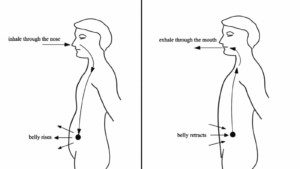
breathing techniques

You might have trouble holding your breath or exhaling in the beginning, so just go at a pace that’s comfortable for you but remember to keep the 4:7:8 ratio. That’s the most important part of the exercise, anyway.

This exercise acts as a natural tranquilizer for our overtaxed nervous systems. If you want an alternative to pharmaceutical drugs for your anxiety or stress, the effectiveness of this breathing exercise cannot be overstated. Practice four breaths twice per day in the beginning, and then add more as needed. Think of this as a medicine you can take as often as you need without fear of overdosing.

Final thoughts on Breathing Techniques to Reduce Anxiety

We hope you have gained some valuable information on breathing techniques for stress and anxiety. As we discussed, there are a variety of breathing exercises available to reduce stress. You can practice the abdominal roll, alternate nostril breathing, stomach vacuum, diaphragmatic breathing, “bellow” breath, humming bee breath, traditional deep breathing, or 4-7-8 breathing. Choose whichever one works best for you, but remember that for beginners, the traditional or 4-7-8 breathing techniques will likely serve you the best.

The best part is, you can practice these techniques anytime you feel anxious or stressed. You can also use them as a tool to help you get a better night’s sleep and fall asleep faster. You can utilize them to destress before a presentation at school or work or during any part of your day where you feel stress building.

The anxiety you deal with might seem debilitating or all-encompassing, but don’t feel helpless. The tools listed above are very powerful healing methods that are totally free and easily accessible. The power of the human mind and body to heal itself is nothing short of amazing, and breathing techniques are the perfect way to demonstrate this fact.

https://www.youtube.com/watch?v=lFdcCXmGpy4

Psychologists Explain 5 Ways to Get Over A Breakup

A rough breakup can actually disrupt your sense of self, according a 2010 paper in the journal Personality and Social Psychology Bulletin. When you have committed yourself to one person for a long period of a time, a breakup1 can feel like a shot in the heart, leaving you broken, confused, and like you’ve lost your identity.

If you and your partner have been together for some time, your identities begin to mesh together, and you start saying “we” instead of “I” more often. You begin thinking of yourselves as one unit rather than two, in other words.

Once the ties have been severed, it feels sort of like losing a part of yourself, and this takes time to heal from. You need a chance to find yourself again and reclaim your identity.

Today, we bring you a few tips on how to get over a breakup so you can move on with your life and find happiness again.

5 ways to heal from a breakup


The Ultimate Guide on Healing A Broken Heart


  1. Take time to process your emotions after the breakup

As you might already know, breakups take quite a toll on the body and mind. You’re going from sharing your life with someone to not even speaking to them anymore (in many cases). This will take some time to get used to, so make sure you honor your emotions and don’t bottle them up.

In order to handle your emotions following the end of a relationship, use these tips:

  • Count on your friends and family. Most people have at least one person they can turn to after a breakup, so don’t hesitate to call on your loved ones for assistance. They will act as your support system during this tough time in your life.
  • Write in a journal. One of the best free therapies in the world is releasing all of the thoughts inside your head on a piece of paper. In fact, according to Psychology Today, one experiment involving 100 people who had been through a breakup in the last three months showed that journaling helped the participants gain perspective on the relationship’s end. However, only those who focused on the positive aspects of the breakup felt increased positive emotions about the breakup.
  • Cry it out. Bottling up your emotions will only lead to more heartache in the future. In order to fully move on, you have to release those emotions and face them head-on. It might feel uncomfortable, but allowing yourself to process the relationship ending will ultimately help you let go.
  • Don’t make any rash decisions. Avoid trying to contact your ex and sending emotionally charged messages. All you will do is reopen the wound you’re trying to heal in the first place.
  1. Don’t think about what could’ve happened differently

You will only hold onto pain if you go over different scenarios in your head about how things could’ve gone. For example, if you broke up due to incompatibility, you might start thinking about how you could’ve changed in order to make yourself more compatible with your ex. Do you see how destructive this thinking pattern is?

It only leads you to doubt yourself and your decision and leaves the door open for things to possibly work out in the future. Maybe you’ll convince yourself to get back with your ex by replaying what happened. It will only do you harm to think of how your relationship could’ve played out differently, because you’ll start fixating on it.

This fixation will lead to infatuation with him or her, and pretty soon, you’ll find yourself right back in their arms. Instead of ruminating on all of the failures in the relationship, make it your mission to think of the positive things that have happened in your life since the breakup. Think of how your life has improved or how the future looks brighter without a negative relationship dragging you down.

Leave the relationship behind and focus on the wonderful connections you can make with other people in the future. Don’t keep the possibility open of getting back with your ex, because this bit of hope will leave you desperately clinging to him or her instead of moving on.

  1. Think of what you enjoyed before the breakup

Usually, when two people break up, they probably have long forgotten the things they used to enjoy before becoming a couple. People in relationships tend to mesh their identities together, as we discussed before, and rarely take time to enjoy their own hobbies.

So, take this time to redefine and rediscover yourself. Find out what you enjoy by trying new things and getting back into activities you used to enjoy before your relationship. If you did certain things with your partner and found happiness in those activities, don’t write them off just because you partook in them with your partner. Simply take time to get over the relationship before you get back into hobbies you did together.

Also, in regard to new activities, check your local Meetup and Facebook groups for ideas on things to do with others so you’ll have some support.

  1. Seek therapy to get over a broken heart

While this may not work for everyone, it’s a viable option for those who are really struggling to adjust to life without their ex. Especially if you’d been with your ex for a long period, therapy can help you move on and get acclimated to life as a single man or woman again.

Therapists can provide support and help you gain perspective on your relationship. They can help you figure out why it didn’t work out and why the relationship may not have been the best for you. The therapist may even prevent you from getting back with your ex out of loneliness by showing you the negative side of the relationship from their point of view.

After a breakup, it can help to get an outside perspective, and a therapist can offer you tools and strategies to help manage your emotions and move on with your life.

  1. Don’t give up on love

Just because it didn’t work out with your ex does not mean it won’t work out with someone else in the future. Don’t lose faith in love, because the reality is that there are plenty of people out there who will be compatible with you.

It might not be the right time for you, but love will find you when you’re ready. For the time being, focus on self-love and self-improvement. Mr. or Mrs. Right will come into your life when you least expect it and when you feel content with your life.

In order to keep a positive outlook on love, here are a few things to keep in mind:

  • Love tends to happen naturally between two people who are at a good place in life. Think about it – if you generally feel unhappy with your job, yourself, or your life, you will only attract that same energy back to you. The happiest relationships occur between two people who think of a partnership as an addition to their already awesome life, not as a crutch to help them feel better.
  • Love does work out for people, because even though about half of marriages end in divorce, the other half don’t end at all! This is one of those “glass half-full” examples, and in this case, it can help you maintain positive thinking about love after all.
  • Love is not just a feeling; it’s a state of being. You don’t have to seek out another person to feel love; you can create it yourself and spread it to others by volunteering, sharing a smile, or helping a friend through a hard time. Love doesn’t have to be found solely in romantic relationships.

breakup

Final thoughts on how to heal from a breakup

Healing a broken heart from a breakup doesn’t happen overnight, but the tips we mentioned above can help you as you navigate your emotions and adjust to life without your ex. You can utilize this knowledge in your daily life as you take things at your own pace and do what works best for you.

In conclusion, healing from a breakup means taking time to process your emotions, avoiding thinking of all the alternative scenarios about your relationship in your head, finding things you love to do to occupy your time, seeking therapy if necessary, and keeping a positive mindset about love.

We sincerely hope you can find peace and comfort in life after the breakup, and if you’re struggling right now, just know that there are people out there who will be glad to help you. You don’t have to go through this alone. Breakups can feel like getting hit by a freight train, but your heart will heal and you will find love once again in due time.

Get Radiant Skin Naturally with Essential Oils

The global skincare market is worth an estimated 134 million dollars. You can’t even turn on the TV or read a magazine without seeing ads for the latest and greatest in skincare products “guaranteed” to make you look years younger … overnight! But what if we told you some of the best skincare ingredients are not new, but thousands of years old?

Ancient and indigenous people have been using essential oils (EO) for centuries to treat common skincare issues and maintain radiant, flawless skin. Recently beauty experts have stated to get in on the EO trend. Pure essential oils have been distilled down to their raw essence and are very potent. In other words, you don’t want to put these directly on your skin, but dilute them in a carrier oil. Jojoba oil is the best oil to use on your face as it mimics the sebum your skin produces naturally and won’t cause you to break out.

If you’ve ever shopped for natural and organic … well … anything, you know that building a collection of quality ingredients can get pretty expensive. Before you go broke ordering every oil you find online (yours truly once impulse-bought a dram of jasmine sambac oil for twenty dollars, not realizing I was only getting a few drops!), start with this list of essential oils for skin benefits.

12 Must Have Essential Oils for Gorgeous Skin

Lavender

Lavender is amazing for skin because it is antibacterial and anti-inflammatory, making it ideal for cystic acne sufferers. Despite its beautiful fragrance, lavender is actually part of the mint family. It has some of the same soothing and cooling benefits as peppermint but is a lot gentler on your skin. To reap the benefits, add 15-20 drops of lavender to one ounce of witch hazel and use daily as a toner.

Tea Tree, AKA Melaleuca

Tea Tree is another member of the mint family and has many of the same benefits as lavender for acne-prone skin. An added benefit of Tea Tree is how it reduces the appearance of scars. According to Healthline, Tea Tree oil has been proven more effective than zinc oxide and clobetasone butyrate creams for relief of eczema symptoms. Add two or three drops of melaleuca oil to a quarter-size amount of lotion and apply directly to the irritated area.

Frankincense

Frankincense has been used in skincare treatments since before the birth of Christ and was one of the ingredients used to make Esther pretty enough to catch a king. That’s because it has incredible rejuvenating and anti-aging properties that makes this one of the best essential oils for skin. When used correctly, Frankincense can transform your skin. It can alleviate acne, reduce the appearance of your pores, reduce visibility of fine lines and wrinkles, tighten skin, lighten dark spots, reduce visibility of stretch marks, and balance oil production. To use, add a few drops of Frankincense EO to all your beauty products. It’s great for all hair types too!

Geranium

Geranium contains a chemical compound called geraniol that has been proven highly effective in treating contact dermatitis and other forms of skin infections, including yeast infections.

Lemongrass

Lemongrass is naturally astringent, making it excellent for returning balance to oily skin.

Vanilla

Vanilla is a type of orchid. Although it is expensive and can be difficult to find, pure vanilla has excellent antioxidant and anti-carcinogenic properties. It also has therapeutic properties and is great for people who struggle with depression or anxiety. Add a few drops of pure vanilla to your face wash to reap the benefits of this fragrant flower.

Black Cumin Seed

Cumin is prominent in middle-eastern and south-Asian cooking because of its ability to dissolve fat deposits when ingested. This makes it one of the best oils to use for treating stretch marks and unwanted cellulite. Since this oil is actually made by pressing cumin seeds, you don’t have to worry about burning yourself; go nuts with it! Take a half-and-half mix of black cumin and Jojoba oil and massage into the afflicted area daily.

Helichrysum

Helichrysum is naturally antimicrobial, antifungal, and antibiotic. It is great for treating rashes, scars, wrinkles, and acne. Add ten to twenty drops per ounce to your facial moisturizer, and the results will wow you!

Fennel

Fennel is packed with vitamins and minerals our skin needs, including potassium, copper, zinc, and iron. It also has properties that make it especially useful for menopausal and postmenopausal women. Add 15 drops to your tub to bathe with. You can substitute 1/4 cup of fennel seeds if you have trouble finding the oil.

Ginger

This humble root has over forty antioxidants and is one of the best anti-aging plants in the world. Make a mask of honey, yogurt, and five drops of ginger oil. Apply to skin for twenty minutes and rinse away with warm water.

essential oils

Patchouli

Patchouli is effective at treating eczema, psoriasis, and contact dermatitis. Add a few drops to your lotion for a cooling sensation.

Rose

Long hailed as a beauty enhancer, the humble rose has anti-inflammatory properties and is a natural cleanser. This makes it perfect for acne sufferers and aging skin alike. Add 10 drops per ounce to your face wash to reap the benefits.

Final Thoughts

These oils are easy to find and even easier to use. With a little time and practice, you can incorporate these oils into your beauty routine and reveal naturally beautiful, radiant skin!

https://www.youtube.com/watch?v=YeKgaiwOtXo

(C)Power of Positivity, LLC. All rights reserved

Doctors Reveal 10 Natural Treatments for Depression

“300 million people (globally) have depression, according to the World Health Organization. 16.2 million adults in the United States – (or) 6.7 percent of all adults in the country – have experienced a major depressive episode in the past year.” – Amy Morin, LCSW

We’re nearing the year 2021 yet ignorance surrounding anxiety and depression doesn’t seem to be dissipating. It’s not uncommon for someone suffering from anxiety to hear one or more of the following:

  • “Be grateful for what you have.”
  • “Pray about it.”
  • “It will go away.”
  • “Stop being so dramatic.”
  • “Stop worrying so much.”
  • “You don’t need medication.”

And so forth.

The Truth About Depression

“If what I feel were equally distributed to the whole human family, there would not be one cheerful face on the earth. Whether I shall ever be better, I cannot tell.” – Abraham Lincoln

Depression is a mental health disorder resulting from chemical imbalances of the brain. It is not a personal defect, failure, or weakness. Rather, it is a medical issue, plain and simple. And, as with any other medical condition, depression requires diagnosis and treatment.

In this article, we’ll discuss a number of things about depression, including symptoms and types, risk factors, and treatment (modern and complementary), and how to get help if needed. Our primary focus will be on the treatment of symptoms and underlying causes.

The Prevalence of Depression

Anxiety and depression disorders are the most common medical conditions in the United States and possibly the world. Here are the latest depression numbers per the World Health Organization:

  • 300 million people globally have depression.
  • Over 16 million U.S. adults experience a major depressive episode each year.
  • Half of the individuals with clinical depression are diagnosed with an anxiety disorder.
  • Around 20 percent of adults will experience some depressive condition at some point in their lifetime.

Signs and symptoms

The degree to which one experiences depressive symptoms varies by person. That said, nearly every person diagnosed with depression contends with at least a few symptoms. A condition called subsyndromal symptomatic depression also exists, whereby the person’s symptoms don’t meet the defined criteria for a major depressive episode – a requirement for diagnosis.

While the signs and symptoms of depression vary by type (see below), most cases include one or more of the following symptoms:

  • Feelings of anxiety, emptiness, hopelessness, pessimism, or sadness
  • Low energy or fatigue
  • Loss of interest in activities that were once pleasurable
  • Inhibited movement and flexibility
  • Problems thinking; including with concentration, decision-making, and remembering
  • Changes to appetite
  • Difficulties falling and staying asleep (insomnia)
  • Manifestation of body aches and pains (psychosomatic symptoms)
  • Thoughts of harming or killing oneself (1)

Risk Factors for Depression

The risk factors are numerous and varied:

Abuse: Previous or current emotional, physical, and/or sexual abuse.

Grief: In particular, grieving over the death of a loved one.

Family history: Genetics is partially responsible for the onset of depressive symptoms in some cases.

Illness: A secondary medical condition may increase risk. Known conditions include:

  • Anxiety
  • ADHD
  • Chronic pain
  • Insomnia

Life changes: Events that significantly alter your day-to-day living – even “good” events – may increase risk, including:

  • A new job
  • Childbirth (see ‘Post-partum depression’ below)
  • Divorce
  • Loss of a job
  • Marriage
  • Relationship difficulties (including those involving your immediate family)

Medications: One-third of Americans are taking a prescription drug that lists depression as a potential side effect. It’s estimated that over 200 medicines can cause these side effects, including:

  • Acid reflux treatments
  • Anti-seizure medications
  • Beta-blockers (for high blood pressure)
  • Birth control
  • Corticosteroids
  • Emergency contraceptives
  • Proton pump inhibitors

Substance abuse: 3 out of every 10 people with a substance abuse disorder have depression. Substances like alcohol and opioids are often used as a coping mechanism; a means of numbing depressive symptoms – behavior that can lead to substance abuse or addiction. (2)

Natural Treatments

Fortunately, there are many effective treatments available for depression. Unfortunately, many conventional treatments are both expensive and cause an array of side effects. Generally, depression treatment involves the use of prescription medication.

Here are 10 natural depression treatments according to doctors:

1.      Have a simple routine:

Depression can make someone feel as if they’re better off lying in bed all day. Eventually, the depressed person may just renounce all structure altogether – which doesn’t help. Having a flexible schedule can help keep one’s life on track.

2.      Set small goals:

We’re not the biggest advocates of setting far-reaching goals – but having a small goal here and there can help with motivation. With depression, it’s often productive to have small daily tasks to achieve.

3.      Exercise:

Working out is an awesome antidote to depression. Exercise releases “feel-good” hormones called endorphins. Further, neuroplasticity research finds that regular exercise may help adjust some of the chemical imbalances surrounding these conditions. Moderate workouts five times a week should do the trick.

4.      Eat right:

The food you eat affects everything in your body. “Garbage in, garbage out” fittingly applies to junk food, fast food, and pretty much anything that is processed (read: bagged or boxed). On that note, make sure to eat plenty of fresh fruits and vegetables; drink plenty of water. Additionally, cut back on processed foods and refined sugars as much as possible.

5.      Get a good night’s sleep:

Depression can make getting quality shuteye very difficult. While you’ll probably have the occasional night of elusive sleep, doing the small things – going to sleep at the same time, limiting naps, etc. – can go a long way to improving the quality of sleep long-term.

6.      Don’t avoid responsibilities:

While it’s tempting to ignore that bill or take a sick day, avoiding responsibilities will probably make you feel worse. Instead, pace yourself and focus on accomplishing one thing at a time.

7.      Practice mindfulness:

In a depressed state, the brain perpetually worries about the past and future. To practice mindfulness simply means to give your full attention to the present moment – to the here and now. As one becomes familiar with mindful living, the negative symptoms will become less frequent.

8.      Consider supplements:

There are a few supplements that may help reduce depressive symptoms, including fish oil, folic acid, and SAMe. While the research on these supplements is promising, be sure to check if they interfere with any current medications. The same goes when considering any supplement.

9.      Try something different:

As made clear, depression can make someone want to stay inside in bed all day. Of course, doing so accomplishes nothing – and may even make a person feel worse. Break the monotony and try something different. Go to a park or museum. Read a book or take an online class. The key here is to engage your mind.

10.    Practice gratitude:

We all know that depression makes it hard to be grateful for anything. It can test your will and distort your thoughts (both good reasons to reasons to redirect your thoughts elsewhere.) While things may seem bleak, there are many things for which to be thankful. Take five to ten minutes out of each day and write down two or three things for which you are thankful. Contemplate these things and try to remember them as you go throughout your day. (3)

depression

Depression Types

Depression is categorized according to the cause, of which some are caused by environmental factors while others are caused by a chemical imbalance. Here are the most common types:

Major Depression:

Major depression is the most common type, and is characterized by feelings of despair, hopelessness, loss of energy and sudden changes to appetite or weight.

Persistent Depressive Disorder (PDD; formerly “dysthymia”):

PDD, while similar to major depression, does not reach that level of intensity. PDD is characterized by feelings of low energy, joylessness, and sleep disturbances.

Bipolar Disorder:

Once called “Mania” or “Manic Depression,” bipolar disorder is unlike most depression types in that the person experiences episodes of mania. Manic symptoms are the opposite of depressive ones: high self-esteem, high energy, grandiose thoughts, etc. Mania is almost always immediately followed by typical depression symptoms.

Seasonal Affective Disorder (SAD):

As its name implies, SAD occurs seasonally, typically in the fall or winter as days become shorter. Reduced sunlight affects the brain’s levels of serotonin, the neurochemical that plays a role in mood, and melatonin, which regulates both mood and sleep patterns.

Postpartum Depression:

This often occurs following the birth of a child (though depressive emotions can set in during pregnancy.) This condition can actually affect both men and women, and includes severe symptoms of sadness and lethargy. (5, 6)

Final Thoughts on Natural Treatments for Depression

The ignorance and stigma surrounding depression kills people. You heard that right – it kills people. Many people who are desperate for help avoid getting it due to fear or shame. Tragically, suicide claims the lives of nearly 45,000 people every year. It is the second-leading cause of death for people between the ages of 10 and 34, and the fourth-leading cause of death for those between 35 and 54.(7)

There is no shame in asking for help. If you need someone to talk to, please contact the National Hopeline Network at 1-800-442-4673, toll-free in the United States. If you live elsewhere, please visit the following site: http://ibpf.org/resource/list-international-suicide-hotlines

The Ultimate Thyroid Food Guide: The Best And Worst Foods For Thyroid

Your thyroid is a small gland located in the neck. It handles the release of special hormones, which affect how you grow and develop through the process of metabolism. Metabolism is how your body uses energy. The hormones released by this butterfly-shaped gland play a very important role in your body’s well-being.

The thyroid is part of your endocrine system. By using iodine from the foods and supplements you take in, this gland creates two vital hormones. Triiodothyronine, otherwise known as T3 in the medical world, is one of these hormones, and thyroxine, or T4, is the name of the other. These hormones work together to maintain heart rate and determine how quickly your body can process the food you eat. You often will hear how some people have weight problems and cannot lose weight due to a slow metabolism. Hypothyroidism could be why. On the flip side, thyroid problems can cause another condition called hyperthyroidism. Both conditions create difficult situations for those that suffer from them. There are medications you can take that help. There are also a variety of healthy foods you can eat that will help your body, which is what we want to discuss here.

A List Of The Best Foods For Thyroid

1. Spinach

This versatile green is the best dark green leafy green you can eat to promote a healthy thyroid. Many of the leafy greens you consume contain goitrogens. Goitrogens are substances that inhibit iodine absorption. Spinach does not contain these substances, so it is safe to eat.

2. Berries

These delectable fruits are loaded with antioxidants. Antioxidants help destroy free radicals and other harmful substances in your body. This works wonders for that tiny butterfly-shaped gland as well, so stocking up on berries is a good idea.

3. Brazil Nuts

Brazil Nuts are crammed full of selenium. Selenium is an important mineral used by your endocrine system. Without selenium, the change of T4 hormones into T3 will not happen. This will essentially cause the thyroid hormone not to activate. Instead of dealing with a lot of hormone confusion, grab a handful of Brazil nuts and eat those instead.

4. Eggs

These insanely simple yet inexpensive foods provide a treasure trove of endocrine system boosting goodness. Loaded with minerals such as iron, Vitamin D, iodine, zinc, and selenium, you cannot go wrong with including plenty of eggs in your diet.

5. Oysters

Most people either like oysters or hate them. There is rarely any in-between. No matter which side you take, there is no arguing the nutritional value of these mollusks. Oysters have super high levels of zinc in them. This is important for the production of T3. Selenium is also abundantly found in oysters. Oyster lovers, rejoice!

6. Greek Yogurt

This food is one heck of a multi-tasker. Not only is it loaded with amazing probiotics, but it is also surprisingly a great source of iodine. Greek yogurt is a very versatile food. It can be eaten with fruit in a parfait or used in place of sour cream. You can even freeze it with other tasty things like chocolate chips or berries to make an icy cold treat.

The Worst Foods For Thyroid Health

1. Processed Foods

Besides the fact that processed foods are far from being natural and organic, these foods are usually very high in calories. For a person that suffers from hypothyroidism, this could be a recipe for disaster.

2. Soy Products

All this time you may have thought soy was the best thing for a healthy diet. But isoflavones, compounds found in soy, have been thought to interfere with the absorption of certain medications. It may also increase your risk for hypothyroidism.

3. Cruciferous Vegetables

Vegetables like cauliflower or cabbage should be avoided if you are deficient in iodine. They could cause issues with hormone production.

4. Foods That Contain Gluten

If you have hypothyroidism, you may want to stay away from delectable goodies such as bread, pasta, and beer. Besides the fact that people with Celiac disease could get into big trouble from eating foods with gluten, it is also said that gluten can block absorption of hormone replacement medication.

thyroid

5. Extreme Sources Of Fiber

You need some fiber to help keep your system “cleaned out,” but some say too much fiber can be bad for you. Foods like legumes or beans are delicious and great sources of fiber and protein. Too much fiber in your diet may cause disruption in your hypothyroidism treatments.

You now have a better idea of what you should or shouldn’t eat if you have hypothyroidism. Eating foods for thyroid productivity is important and will help you live a healthy life.

https://www.youtube.com/watch?time_continue=2&v=yG-G9_LOkLA

(C)Power of Positivity, LLC. All rights reserved

5 Ways to Lose Weight (in Less Than 5 Minutes)

Here’s a harsh truth: most people don’t know how to lose weight. These people are told that taking a shiny new supplement, kick-starting that (fad) diet, or drinking some ridiculous concoction is the answer. Never mind that there is no evidence that these weight loss products or programs work.

First of all, weight loss is a science, plain and simple. As with any science, you can’t go about weight loss haphazardly and expect a reliable outcome. Like every other science, a systematic and deliberate approach is required to lose weight.

Sometimes losing weight is as simple as paying attention to the little things. Little things like:

  • Ignoring that candy car at the checkout
  • Packing a lunch instead of eating out
  • Taking the stairs instead of the elevator
  • Laying off the alcohol

And so on. We know how to do these things – or instead, how not to do these things – but we’re often too entrenched in our ways to make the difficult choices.

Speaking of Science and Ways to Lose Weight

lose weight

Regardless of what you may think, simple weight loss methods do exist. What is more, they are backed by science. Not only are these methods effective, but they are also cheap! They will also help you in a variety of ways. For instance, too much fat can be harmful to your brain.

We will talk about some simple and proven ways to lose weight! To wrap things up, we’ll give you a 3-step plan to shed those pounds.

Here are five ways to lose weight in five minutes (or less)!

“No one is perfect…absolutely no one. Like precious stones, we have a few flaws, but why focus on that? Focus on what you like about yourself, and that will bring you happiness and peace.” – Richard Simmons (source)

1. Drink a glass of water before each meal

In a 2010 study published in the journal Obesity, researchers found that drinking a half-liter of water before each meal increased weight loss by about 44 percent.(1) Drinking water boosts the metabolism, reduces appetite, cleanses toxins, and (ironically) helps shed water weight.

Besides assisting in one’s weight loss efforts, water:

  • Lubricates the joints
  • It helps transport oxygen through the body
  • Promotes skin health
  • Aids brain structure and function
  • Regulates body temperature
  • Maintains blood pressure
  • Prevents kidney damage

2. Make some green tea

Green tea helps with weight loss because of its high concentration of antioxidants and nutrients. Physiologically, research suggests that two components in green tea – catechin and caffeine – speed up the metabolism. Catechin is thought to help break down excess fat, while caffeine increases the rate at which the body expends caloric energy.

Consider supplementing your diet and exercise with two and three cups of hot green tea daily (consuming hot water is better for calorie-burning). Additionally, choose plain (preferably organic) green tea for the best results.

While green tea can help you lose weight, that is far from its only value. Here are some other known benefits of green tea – widely considered the healthiest drink on the planet:

  • Blocks the buildup of plaques known to contribute to Alzheimer’s
  • Stabilizes blood sugar
  • Lowers cholesterol and blood pressure
  • Boosts working memory
  • Suppresses appetite

3. Eat a small and healthy breakfast

Breakfast is one of the more underutilized and underappreciated components of an intelligent weight loss plan. A breakfast containing a good dose of protein can get that fat-burning metabolic oven heated up quickly!

Numerous studies show that adding protein to your diet is one of the healthiest and most effective ways to lose weight. Good protein helps to suppress appetite by promoting satiety (that feeling of fullness in your belly).

Physically, the body must use more energy to digest protein than carbohydrates. Adding some protein to your breakfast decreases the chance of reaching for those carbs later in the day. This is huge, as simple carbs, a.k.a. sugars and starches, are two big no-nos when trying to lose weight.

4. Do a 4-minute HIIT session

High-intensity interval training, or HIIT, is one of the most effective ways to lose weight quicker. One type of HIIT routine, the “Tabata workout,” has proven to be particularly useful. How efficient? Well, one fitness study found that one, four-minute Tabata workout is equivalent to 20 minutes of conventional cardio exercise. Besides torching in-session calories, the Tabata routine also doubles metabolism for a full thirty minutes post-workout!

While these four minutes will help you lose weight, they may also be the most physically excruciating four minutes of your life. In keeping with the “simple, but not easy” thing, this Tabata routine consists of just one movement: 20 seconds of bodyweight squat jumps, followed by ten seconds of rest for four minutes.

Once you get bored with the above routine (and you will), you can implement many other simple bodyweight exercises into your Tabata workout. Here are a few beginner movements:

1. Squats

Stand up straight; hips shoulder-width apart. Drop your hips back, keeping your feet flat on the ground. Once you go down as far as you can, return to the starting position by driving your torso upwards, and shifting your weight onto the heels.

2. Crunches

Lie flat on a mat or other soft surface. Bend your knees to a 90-degree angle with your feet. Using both hands, support the back of your head. Lift your head upwards, bringing your chin as close to your torso as possible.

3. High Knees

Start with your feet hip-width apart. Keeping your neck upright and shoulders back, run in place by lifting your knees as high as possible.

4. Lunges

Begin by standing with feet at shoulder-width. Keeping your arms and back straight and in line, step forward with your left leg, bending both knees and dropping the hips. Once the rear knee comes close to touching the floor, drive back through your front heel and return to the starting position. Switch and repeat.

5. Eat a piece of fruit

Fruit is fantastic for weight loss – mainly when used as a substitute for the sugary stuff. (Pay no mind to low-carb diets that preach abstaining from fruit.)

In a 12,000-person study undertaken by researchers at the Economic Research Service at the Department of Agriculture, scientists discovered that normal-weight individuals consume “significantly more fruit” than the overweight or obese. In a meta-study, scientists concluded that people on “high-fiber diets, which including multiple servings of fruit” registered a far greater amount of weight loss than other dieters.

Some of the best fruits for weight loss include: avocado, apples, bananas, blueberries, cranberries, grapefruit, pears, and watermelon.


lose weight

A 3-step approach to weight loss

Aside from implementing the above recommendations, here is a 3-step approach to weight loss that has been backed by science:

1. Reduce or eliminate starches and sugars

Starches and sugars are the single biggest reason for weight gain. Besides causing a prolonged spiking of blood sugar levels, sugars and starches promote hunger, as the nutritional value of most food in this category are devoid of any nutritional value.

Reducing or eliminating starches will increase feelings of satiety and supercharge your weight loss efforts. Additionally, cutting back or eliminating sugars and starches helps eliminate water weight and excess sodium in the body.

2. Focus on fat and protein to lose weight

We mentioned this briefly, but it is worth repeating: protein is a weight loss aspirant’s BFF. Besides the benefits mentioned, diets high in protein may reduce unhealthy cravings by upwards of 60 percent. Research shows that including a protein and fat source in every meal can reduce daily calorie intake by up to one-third.

Good protein sources include beef, chicken, eggs, lamb, and fish. Good vegan food choices include nuts and seeds, tofu, and quinoa. Fat is best acquired in butter, fish, avocado, coconut, and olive oil.

Creating meals with a good fat and protein source will limit unhealthy carbs, thereby supercharging your weight loss.

3. Strength train two to three times per week

We’re going to blow some minds on this one, but: proper weight training is nearly as effective at burning fat as cardio. In fact, it may well be even more effective. Why? Well, even though a sweaty cardio session may burn more calories than a weight-training workout, the fat-busting effects of weight-training last much longer.

Besides building muscle and sculpting a better physique, strength training helps you avoid an infamous bugaboo of dieting: muscle loss. Also, lifting weights is particularly crucial for this 3-step approach to weight loss, as you’ll be increasing your protein intake and decreasing your carbs. In other words, this plan gives you an excellent opportunity to add muscle (while melting away the fat!)

Better yet, do a 4-minute HIIT session followed by weight training. Now we’re talkin’!

lose weight

Final Thoughts on Ways to Lose Weight

When you think about it, weight loss doesn’t necessarily have to be torture or extremely time-consuming. First of all, drink that glass of water before eating your meals. Next, substitute those energy drinks or strong cups of coffee with some hot green tea.

Make sure your small breakfast includes protein and not a lot of starch. Try adding a short HIIT session to your day. Finally, eat fruit.

10 Proven Ways to Look Smarter

The definition of cognitive bias is a systematic pattern of deviation from the norm or a lack of rationing skills or judgment. By using cognitive bias, we subconsciously construct our subjective reality. Cognitive biases can result in distorted perceptions, poor judgment, and erroneous decision-making. So, what does this have to do with ways to look smarter? Just keep reading.

And we humans have no fewer than a hundred of them. While some of these cognitive biases can somewhat hinder us, others may work to our benefit (note: the latter applies to the “Imbibing idiot bias.” More on this later!)  More specifically, understanding and capitalizing on the perceptual biases of others can work toward our interests. For instance, we can effectively utilize the tendency to judge someone’s intelligence based on appearance.

It must be said that manipulating the subconscious of another is not something that we condone – under normal circumstances. But, who are we to say that a job interview or workplace qualifies as a “normal circumstance?” Why wouldn’t you want to look smart on that first date?

10 Ways to Look Smarter

“People love to take shortcuts when forming impressions of people. We tend to make judgments based on easy cues, without thinking too much.” – Bogdan Wojciszke, professor of social psychology

Regardless of your (hopefully ethical) reason for wanting to look smart, there are plenty of ways to do it. Without further ado, here are ten ways to get someone to think you’re a Nobel Prize candidate.

smarter

1.  Keep it short and sweet.

Smart people can use various words in multiple settings, including reading, writing, and speaking. The correlation between verbal acuity and general intelligence (‘g’) has been known for quite some time – a fact accepted by most psychologists. To illustrate the previous point, the Stanford-Binet intelligence test relies more upon verbal reasoning in calculating I.Q score than any other factor. This test is one of the most widely-taken I.Q. tests taken today!

But you needn’t be a wordsmith to look smart. All you need to do is keep your writing clear and concise. While some may be impressed with the word “unbeknownst,” stating why you “don’t know” followed by objective evidence is the key to getting someone to think you’re brainy! Oh, and use grammar check!

2. Be an enthusiastic talker.

Raising your voice and fluctuating your tone helps you look smart. Okay, that’s not entirely accurate. Here’s a more straightforward way to explain: if two people are saying the same thing, the person who speaks faster and louder is more likely to be perceived as smarter than the other.

To pull this off, alter your speech by changing your words’ energy level, pitch, speed, and volume. Oh, and try to reduce the pauses in between words. Also, use body language.

3. Wear glasses to look smarter.

If you started wearing glasses recently, someone seeing them on you for the first time probably remarked, “They make you look smarter!” It turns out that they are onto something. According to the College of Optometrists in the U.K., 43 percent think that glasses make people look smart. Around 40 percent say they’ve considered wearing clear non-prescriptive lenses to appear more intelligent.

Glasses are also relatively easy to acquire, as are clear non-prescriptive lenses (the latter you can get at your local drug store.) Just pop ‘em on and get instant I.Q points!

4. Put on a bit of makeup to look smarter

In a 2011 study published in the journal PLOS One, researchers conducted two studies asking participants to rate female faces – with and without makeup – on attractiveness, competence, likeability, and trustworthiness. Additionally, each female face wore different makeup (minimal, moderate, and dramatic.) In the first study, each image was shown for 250 milliseconds. In the second, the participant was afforded unlimited inspection time.

After recording and analyzing participant responses, the following conclusions were drawn:

  • Competence rating increased “significantly” with each makeup image.
  • Participant competence rating was highest for pictures with moderate makeup applied.
  • No significant difference was found in the competence ratings between the brief viewing study and the unlimited inspection time study.

5. Crack some jokes to seem smarter

In a study published in Psychological Reports, women who overheard men telling jokes were more likely to consider them more intelligent (and attractive) than men who conversed about different topics. But attributing this to mere perception would be a mistake. Numerous studies have linked humor with intelligence.

For example, in a 2017 study published in the journal Cognitive Processing, Austrian researchers found that “Black humor preference and comprehension are positively associated with higher verbal and nonverbal intelligence as well as higher levels of education.” Additionally, the scientists note that the mental operations involved in processing humor are complex and rigorous, particularly in the problem-solving areas of the brain.

intelligent

6. Use your middle initial.

Pretentious? Maybe. But using your middle initial gives off the impression of intelligence. Listen to this: in one study, researchers attributed an academic paper to the fake names David Clark, David F.P. Clark, and David F.P.R. (really?) Clark. Participants were then asked to rate the paper’s quality. You guessed it: David F.P.R. Clark came out on top. Followed by David F.P Clark, with plain ole’ David Clark coming in last.

Oh, and besides being suitable for perceived intellect, using your middle initial also instantly lifts your social status. Now, please resist the urge to stare down your nose at us less-gifted folk.

7. Don’t go too fast…or too slow.

Like many of the other items on this list, this one also sounds a bit ridiculous. Apparently, “timescale bias,” as defined by researchers at Boston University, is our subconscious tendency to associate greater intelligence, awareness, consciousness, and intention to people who perform tasks at nearly the same speed as everyone else. In other words, not standing out as seeming too fast or too slow will help you look more intelligent.

(Raise your hand if you tried finishing your test first in class. *Looks down at the floor in utter shame and slowly raises hand.*)

8. “No soup booze for you!”

In a study conducted by researchers at the University of Michigan and the University of Pennsylvania, social scientists found that people judge others as less intelligent if they are drinking – or even holding a drink. Researchers believe that we hold onto these beliefs due to the correlation between alcohol use and cognitive impairment.

And, no, we’re not done with the silly-sounding bias names. Try this one on for size: the “imbibing idiot bias.” Do us all a favor and find that one friend (there’s always one!) who seems to forget their manners after grabbing the glass. Good. Now, please read this and the preceding paragraph to them. A hearty “Thank you!” from all of us.

9. Be a nice person to look smarter.

Aww! How sweet (and accurate)! According to research by Dr. Bogdan Wojciszke, a social psychologist and professor at the High School of Social Psychology in Poland, people are inclined to like and respect intelligent person more if they have a kind and warm personality.

So, while a small circle may admire and respect the crotchety intellectual’s smarts, most don’t particularly like them. On the other hand, friendly and warm people who happen to be smart are welcome just about anywhere.

10. Believe in yourself!

People who possess confidence in themselves are winners in the game of life. Not because of any achievement, per se, but because they haven’t allowed anything or anyone to bring them down. Oh, and such people happen to rise to the top in just about any field of endeavor – including academics, the workplace, and anywhere else they happen to direct their effort and focus.

Not that it matters much to them, but self-confident people are also seen as intelligent. Indeed, few things magnify one’s intellect quite like confidence.  Also, research shows that self-belief improves performance in just about any cognitive task.

look smarter

Final Thoughts on Ways to Look Smarter

We’ve had a lot of fun, shared a few laughs, and (maybe) even learned some things. But we’d be remiss if we didn’t emphasize how important it is just to be yourself.

If you want to present yourself as the embodiment of human genius, go for it! But you should not feel pressured to “act” smart or “look” smart. Nor should you ever feel as if you’re inferior because you don’t happen to be as “smart” as someone else.

Our society – our planet – needs authentic, generous, kind, and warm-hearted people. You’re plenty smart. But smarts are overrated. This isn’t just an opinion – it is a fact. Here’s Daniel Goleman, author of the international bestselling book Emotional Intelligence:

“If your emotional abilities aren’t in hand, if you don’t have self-awareness, if you are not able to manage your distressing emotions, if you can’t have empathy and have effective relationships, then no matter how smart you are, you are not going to get very far.”

How to Let Go of the Past, Move on, And Live a Happy Life

Reminiscing about your past can have adverse effects. Whether it’s memories about a lost lover or missed opportunity, the past can make you have low self-esteem and doubt yourself. It can also make you sad and stressed all the time because you find it hard to accept that whatever is happening now is going to last.

Fortunately, you can get rid of the sorrow and live your life to the fullest with the following tips. These “let-go” tips will make you happy, relieved, and open doors to new opportunities.

Here’s how to let go of the past:

1. Negative Thoughts Have No Place in Your Life.

Although it’s okay to cry and even vent about the bad things that have happened to you, it’s not healthy when those thoughts linger in your mind because they can be destructive. Believe it or not, the only thing stopping you from a life of happiness is a negative mentality.

Once you start having these negative thoughts, it’s not easy to stop. You’ll always be thinking, “What if things could have gone the other way?” Unfortunately, you can do nothing about the past, so just let go and move on to better things.

2. A Bad Experience Should Make You Better.

Instead of looking at bad things from a perspective of no hope, try to see them as a stepping stone. Remember what made you fail or fall the last time and determine that you won’t repeat it. That’s how you learn from experiences and make better choices.

If you’ve been down a bad path before, you can avoid it the next time that you see it. That way, you avoid wasting time on unproductive endeavors, and you learn to appreciate the new experiences.

3. Avoid Playing the Victim.

It’s easy to blame others for something bad that happened in the past instead of focusing on the present. Perhaps you feel that accepting the attitude of a victim will get you sympathy and attention from those you love.

Although you might get the attention, the habit is annoying in the long run. Although no one will tell you because they love you, they may slowly avoid you, and you may end up being more lonely than before. Therefore, do your best to let go of past experiences if you want to enjoy the present with those that you love.

4. Forgive and Forget

The worst thing you can do to yourself is hold on to a bad experience and hope to get an apology from the person that wronged you. In most cases, there’s a high probability that the person who did bad things to you has already forgotten about the past. So why should you continue to hurt yourself when that person isn’t even thinking about you?

let go

Never ever waste your energy on a person that doesn’t care. Forgive and let go for your good. Live your life free from hatred and regret. Just know that whatever happened has happened, and you can either move forward or waste your life waiting for an apology that will never come.

5. Explore

There’s more to you than you can imagine. If you have already accepted what happened and forgiven those that wronged you, it’s time that you get to know yourself and discover any hidden talents that you may have.

Take that trip that you’ve always wanted or enroll in a course that you are passionate about. Try out new things so that you regain your confidence and know that there’s always more to this world. Exploring also allows you to discover more about yourself and realize your strengths and weaknesses.

6. Live Today for Today

In other words, learn to live in the moment. As cliche as it may sound, you only have one life, so don’t waste it thinking about the past. When you engage in deeply conflicting thoughts, you distract your body and stop it from enjoying the present.

Always pay attention to your surroundings and everything around you. Let go of the negative or troublesome thoughts. When you live your life in the present, you will never feel as if you wasted the day or let anything pass you. You’ll be complete and fulfilled.

Conclusion

Taking up these practices can help you let go of past memories and create new ones that will make you happier and more fulfilled. Finally, always remember that life is an adventure full of ups and downs, and just as you love it when good things happen, learn to accept the bad also.

https://www.youtube.com/watch?v=lVhLd8LiQDY

(C)Power of Positivity, LLC. All rights reserved

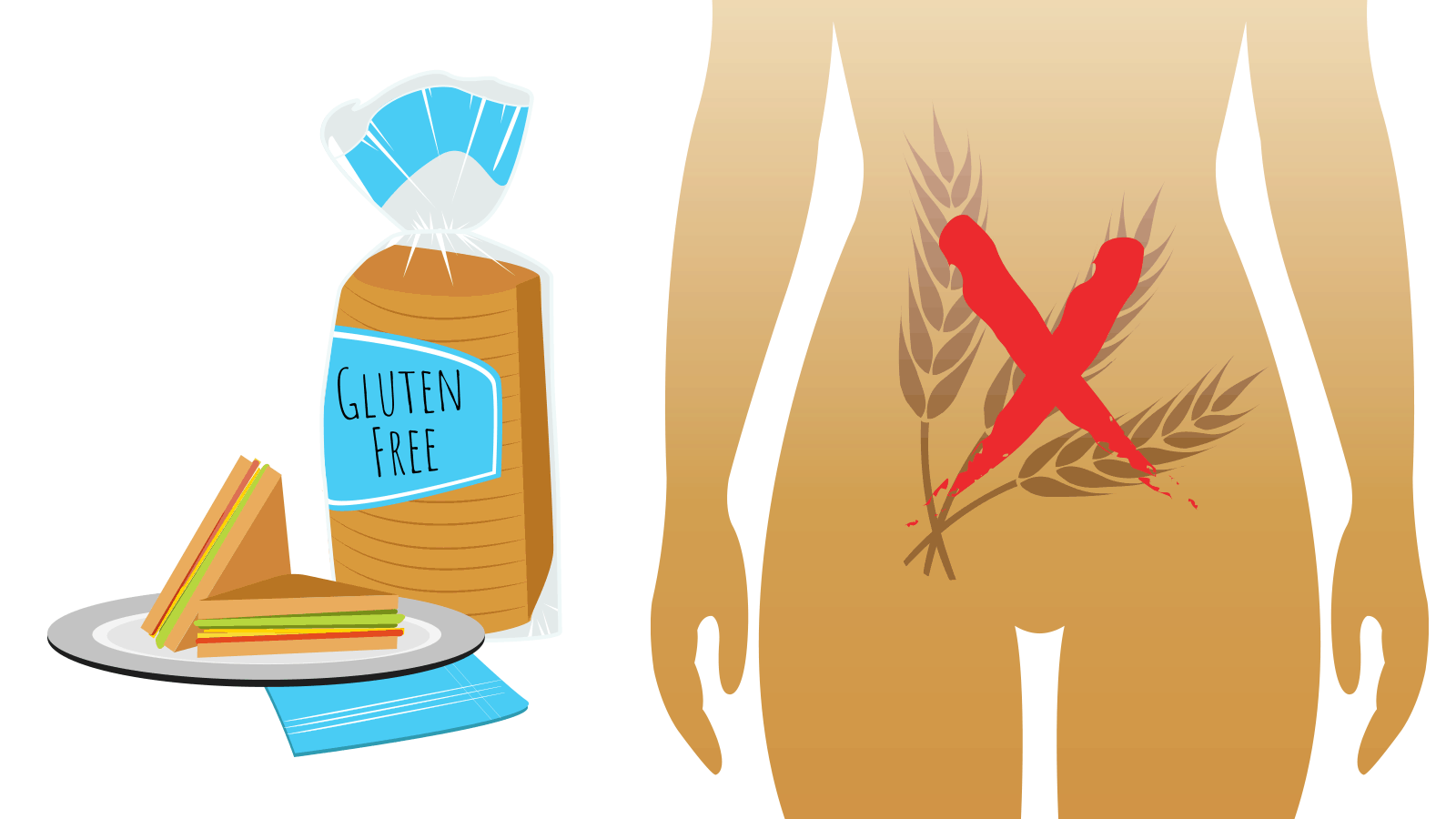
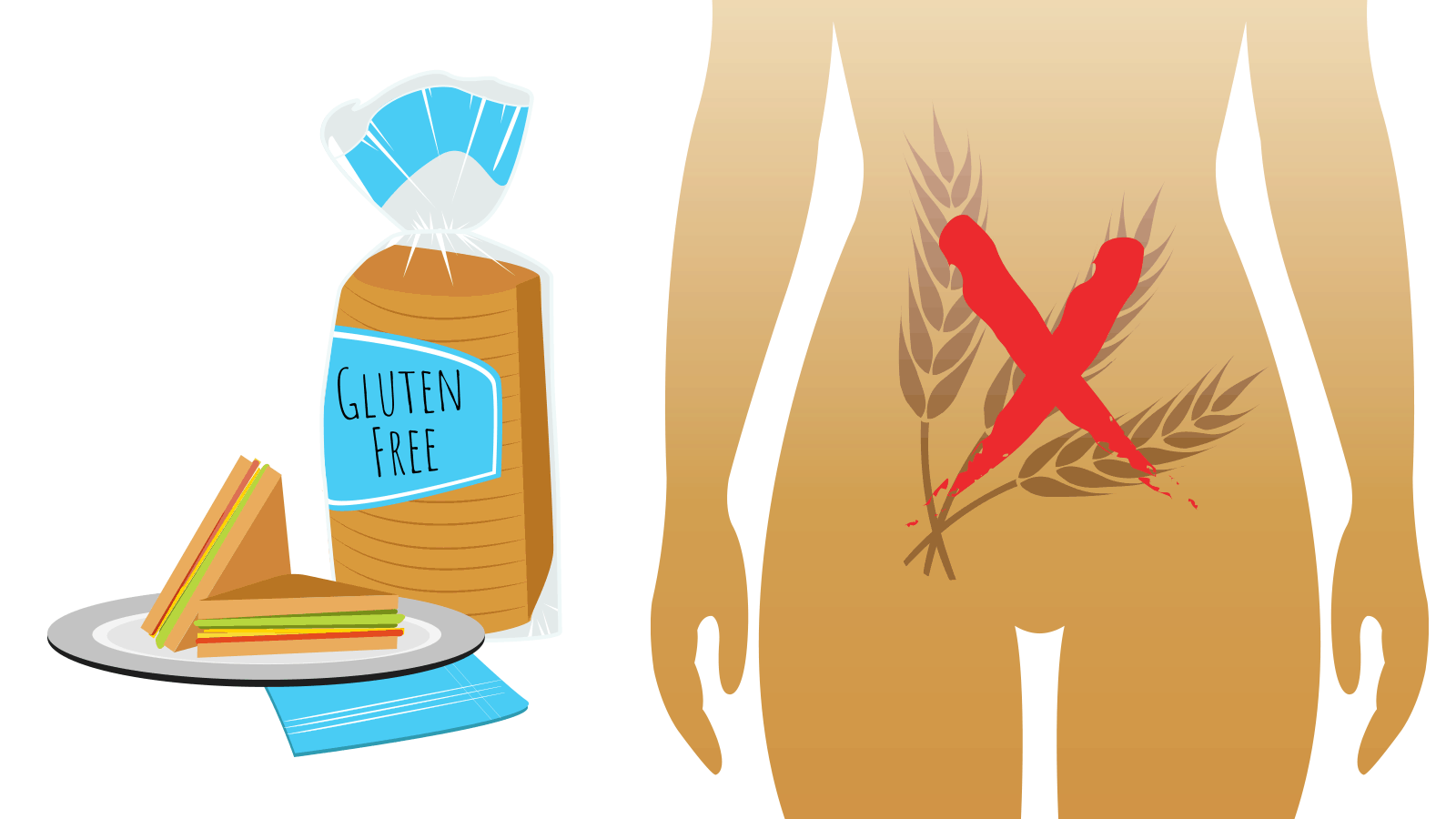
Science Explains 5 Things That Happen to Your Body When You Stop Eating Gluten

Diets free from gluten are far from new in the health world. But in recent years, more and more people are deciding to go gluten-free. In fact, by the year 2020, the market for gluten-free foods is projected to be worth a whopping $7.59 billion.

As of the beginning of 2018, 15% of all households in America were actively avoiding gluten consumption. If you’re thinking of joining in, you need to be aware of how this diet affects the body.

Starting a diet free from gluten is not quite like other popular diets. It can have diverse effects on one’s system: both positive and negative. Depending on how your body reacts, you will then be able to decide whether such a diet is a good option for you.

Fortunately, science explains some things that happen to your body when you stop eating this product. So, if you’re planning on attempting a gluten-free meal plan, following are some things you should be prepared for. Knowledge about these effects may help you prepare for any potential side effects.

5 Things That Happen To Your Body When You Stop Eating Gluten

“Everyone should try no gluten for a week! The change in your skin, physical and mental health is amazing. You won’t go back!” – Miley Cyrus

1. You’ll Receive Different Nutrients

When you change up your diet, it makes sense that your levels of nutrient consumption will change. If you have only heard good things about gluten-free diets, you might be surprised to learn that this change in nutrients is not all good.

As an example, many studies have suggested that cutting out gluten from your diet can deprive you of valuable nutrients. This is because a lot of products that have wheat in them contain iron and B vitamins. Just removing cereal, pasta, and even typical sandwich bread from your diet can greatly alter the number of vitamins and minerals you get.

Research done in Canada has also shown that depriving yourself of these foods also means you may get less protein. Though this was geared mainly towards children’s foods, other research has suggested adult food is similarly affected. This is because studies have found that gluten-free products contain noticeably lower amounts of protein than other types of foods.

Other studies, though, conflict with these findings. Some research shows that those who go gluten-free actually consume more nutrients and are, overall, healthier in this respect! Here’s a list of some of the nutrients gluten-free dieters receive more of:

  • Calcium
  • Zinc
  • Phosphate
  • Folate
  • Magnesium
  • Viber
  • Vitamin C
  • B Vitamins

There’s just one catch: these studies that showed positive results were performed on people with Celiac disease. This means that if your body is not allergic to gluten, these studies probably will not apply to you.

Does this mean that going gluten-free is automatically terrible unless you have Celiac disease? Of course not! What it does mean is that you’ll need to make up for the nutrients you’re losing. Here are some examples of what you can eat:

  • Cottage cheese (for calcium)
  • Legumes (for B vitamins)
  • Turkey (for iron)
  • Plenty of vegetables and fruits (for assorted vitamins)

Taking supplements, construction special meal plans, and speaking to a nutritionist can also help in this effort.

2. Your Gut and Digestion Will Change

The science behind what happens to the digestive system when you cut out gluten is somewhat iffy. Some say you’ll enjoy positive effects. Others say the opposite. To better understand this, let’s break down the reasoning behind each idea.

Some individuals report markedly improved digestive function after avoiding this product. These people report fewer experiences of:

  • Diarrhea
  • Bloating
  • Constipation
  • Abdominal pain

Unfortunately, many of the people involved in studies with these results do have a mild gluten sensitivity, even if they do not have full-blown Celiac disease. As such, this result is somewhat inconclusive for society at large.

That said, there is a good amount of science backing this report of improved digestion. Carbohydrates, especially the whole grains avoided by those who eat gluten-free, are considered the most difficult types of food to digest. This might be why many people enjoy better stomach and gut health when eliminating gluten.

Now, let’s look at why some say the results are not as positive. Foods free from gluten do not have nearly as much fiber as those that have gluten. And since over 90% of people in the US do not eat sufficient fiber as is, this can be pretty dangerous.

A lack of fiber can prevent your body from successfully digesting food according to registered dietitian Tamara Duker Freuman, MS, RD, CDN. Fiber also helps feces bulk up enough to be passed easily. This is why lacking in fiber can cause constipation. So if you go gluten-free and fail to consume enough fiber, your gut will suffer.

The good news about this is that all you need to do to avoid bad gut health as a result is to consume more fiber. Here are some options you have:

  • Potato skins
  • Legumes and beans
  • Coconut
  • Artichokes
  • Leafy greens
  • Broccoli
  • Corn
  • Sweet potatoes
  • Yam
  • Wild rice
  • Brown rice
  • Other fruits and vegetables

Fiber is crucial to most gut processes. Don’t leave it out of your meal plan!

3. Your Heart Health May Suffer, If You’re Not Careful

Whole grains provide plenty of benefits to the heart, so it’s fairly obvious what happens when you no longer eat them. Those who do not have Celiac disease and opt out of eating gluten could actually be at a much higher risk of developing cardiovascular diseases. A study released in 2017 in the British Medical Journal proved this fact.

Those who don’t eat gluten may have a harder time incorporating whole grains into their diet. Research has proven that eating a sufficient amount of these foods leads to a 28% lower mortality rate when it comes to cardiovascular diseases. This means that restricting these components isn’t a great idea at all.

There are, thankfully, ways you can combat the heart health that whole grains provide. In fact, there are gluten-free whole grain options. These include:

  • Rice
  • Quinoa
  • Millet
  • Oats
  • Corn
  • Amaranth

You’ll also want to be aware of your blood sugar levels. We all know that reducing carbs – which you will be doing if you’re gluten-free – will cause your blood sugar levels to drop and stay balanced. But if you end up replacing your carbs incorrectly, you could actually do even more harm. A lot of gluten-free versions of food are harmful to glucose levels. These include:

  • Pasta
  • Biscuits and crackers
  • Bread and baked goods
  • Pizza dough

Even when free from gluten, these consumables are heavily processed. This means they’re still high on carbs and sugar. Don’t lull yourself into a false sense of security with them!

4. You May Have Gluten Cravings

When you deprive your body of something, cravings tend to soar. Your body gets easy energy from gluten and carbs, so it makes sense that the drop in easy energy results in intense cravings. And we all know how hard it is to curb those urges!

As an example, let’s talk about self-assessed food addicts. These individuals have been studied, and it’s shown that they do best in weight loss efforts by focusing more on physical cravings. This often means completely cutting themselves off from foods involving wheat, which are huge binge foods, in order to avoid relapses.

As a result, lowering your gluten intake can be incredibly difficult. You might experience very strong cravings. You might do well in avoiding gluten even as you feel this way, of course. But the bad news is the gluten-free options you reach for can be just as bad.

A lot of gluten-free treats include things packed with sugar, which will mess up your blood glucose. These highly-processed snacks will likely very easily satisfy cravings as they give the body the easy glucose-based energy it desires. That’s why it’s so important that you realize this: gluten-free candy bars are still candy! Here are some ways to alleviate cravings:

  • Increase water intake
  • Increase protein intake
  • Eat more leafy greens
  • Eat full, regular meals
  • Don’t store snacks
  • Manage stress well
  • Sleep sufficiently
  • Opt for chewing gum
  • Plan meals properly to avoid high hunger levels
  • Exercise

Unfortunately, many diets involving low gluten intake revolve around food that is highly processed. You need to pay more attention to what you’re eating and what’s really in the food you consume, to avoid ill effects. Try going for more salads, smoothies, or roasted vegetables.

5. Your Moods May Change

Restrictive diets of any kind have a tendency to be tough to manage. You might often find yourself experiencing a good deal of mood swings. When it comes to gluten, whether you wind up with more bad moods or more positive thinking depends on your unique body.

Most people do report feeling better when they go gluten-free. This is especially due to a decrease in what many unofficially call brain fog. Some people don’t even realize that they experience it until they give up gluten and suddenly think more clearly. A gluten-free diet seems to promote better concentration, increased productivity, and less tiredness.

Some evidence suggests the lack of gluten truly helps brain fog. Others state that this might just be because those who adopt this diet often eat healthier overall. They might eat more lean protein or get more vegetables and fruits. These whole foods and fresh produce can help a person gain more energy, feel happier, and have sharper cognitive function overall.

gluten free

There is, unfortunately, credible science that goes against the aforementioned credible science, too. A paper in the Journal Alimentary Pharmacology & Therapeutics revealed that those without Celiac disease saw worsened symptoms of depression when they stopped eating gluten. This means there’s still a chance your mood will worsen after going gluten-free.

It’s also worth noting that tight, strict diets, in general, tend to lead to feelings of loneliness and isolation. This is because people on these diets might avoid going out since they can’t guarantee what’s in restaurant food and drink.

Social activity is vital in combating depressive symptoms. It can reduce stress levels, boost positive thinking, and keep you engaged and happy. So make sure you’re not neglecting friends and family!

Final Thoughts On What Happens To Your Body When You Stop Eating Gluten

It’s safe to say that a gluten-free diet is not for everyone! There are countless ways that it can affect your body, both in positive and negative ways. If this type of diet does not work out for you, don’t fret! There are plenty of other diets that can help you achieve your health goals, whatever those goals are for you.

If you do plan to cut gluten out for a trial run, keeping these scientific facts in mind can help you. You can also speak to your doctor, nutritionist, or similar medical professional for assistance. When you’re aware of what may happen, you’ll be prepared to alleviate negative side effects while welcoming all the positive ones!

https://www.youtube.com/watch?v=yG-G9_LOkLA

Skip to content