Weekly tips, affirmations, and small actions to feel your best.

20 Ways to Eat Healthy (Even if You’re On A Budget)

Deciding to eat healthy has numerous benefits to your physical, mental, and emotional health.  It can decrease excess weight – which gives you less energy, can create sleeping issues and makes you prone to heart disease and diabetes.  Overall, eating healthy increases your energy, thus allowing your mind to work as it should. It helps your emotional state stay more balanced as you are better able to handle stress. Additionally, eating right boosts your immune system, makes your hair, nails, and skin look better, and does so much more!

Let’s be honest here – our society overall does not truly support someone who eats healthy.   We tend to fill our schedule with family, career, and home maintenance necessities (like errands and cleaning), not to mention transportation to and from work plus transporting our children here and there.  Everything is scheduled very tightly and doesn’t leave a lot of time for cooking and eating healthy meals at a dinner table.  We are usually rushing, in our cars, from one appointment to another.  Restaurants, fast food, and processed mixes are so much more convenient.

To add insult to injury, the price of healthy foods can be pretty expensive. The price will only increase if you choose organic fruits and vegetables, free-range or cage-free eggs, and grass-fed meat that is hormone and antibiotic-free.  It becomes a difficult choice between ease, price, and the extent of healthy eating you are striving for.

Here are 20 ways to eat healthy while on a budget.

eat healthy

1. Plan out your meals.

Going to the grocery store with a list of just the foods you are out of is not the best way.  Sit down and plan your meals for the next week or two.  Double check which ingredients you have vs which ones you need to buy.  Then, when you go to the grocery store, only buy what you need.  This not only helps keep the bill down but can prevent a lot of wasted foods from going in the trash.

There are also some great apps out on IOS and Android that allow you to input what foods you are eating for each meal based on brand and quantity.  They are great if your plan is to lose weight and eat healthy.

After you input the foods for each meal, it will show you the calories and the nutritional value of each food.  This can not only help you create healthier meals but allow you to adjust the amount to fit the number of calories you need.  Some apps will even track how many calories you burned with exercise too.

2. Reuse prepared foods.

Just like with leftovers from Thanksgiving dinner (or any holiday with big meals required), turn leftover food into a new dish.  For example, leftover rice from a stir fry dinner can be used as a breakfast.  Just add some cinnamon and dried or fresh fruit with some milk.

Meat is a great ingredient to reuse in another meal.   Leftover sautéed chicken can be put in tacos, enchiladas, soup, and more.  The same goes for steak or pork. There are a lot of recipes in which meat can be repurposed.

3. Buy untrimmed meat or meat with bones:

Buying meat which has been trimmed and deboned costs more.  Buy the entire chicken and then use the bones and spare meat trimmings to make chicken broth.  You can freeze the broth if you don’t have a need for it within a week.

4. Freeze vegetables and fruits:

Rather than letting vegetables go bad because you haven’t eaten enough of them, do a quick partial steam and then freeze them.  This doesn’t work with all vegetables but does the trick for quite a few, enabling you to eat healthy.

As for fruit, you can cook it down and make a sauce to use as its own side dish, like applesauce.  You can also create a sauce to use later for a future recipe. Make sure you date what you freeze and use within three months so it doesn’t get frost burn.

5. Shop at a Farmer’s market or local farmer stand:

Many towns and cities have farmer’s markets or local farmers who sell their produce.  You may need to shop or ask around for the best quality at the lowest price. You are not only getting more organic and less expensive produce, but also supporting your local farmers.

6. Grow your own fruits and vegetable:

It is easy to plant a few fruit trees, which will produce more than you can eat after a few years.  Pick and choose which fruits and vegetables you eat the most, like onions, certain lettuces, melons, carrots, etc. that you can easily plant and maintain.  This could even be a family project to teach your children the importance of homegrown foods and gardening techniques.  It could also be a side money maker for you and your family if you have your children sell the excess to your neighbors. 

7. Grow your own herbs:

Herbs in the store can be pretty expensive and go bad relatively quickly since they have been picked a time before you purchase them.  There are many little herbal kits you can even grow in a window in your home or a partially sunny area on your patio or backyard.

8. Can or preserve fruits and vegetables:

Canning or preserving fruits and vegetables is a technique that has been around for a long time.  These preserves can last for years.  If you are not experienced doing this, it is well worth learning.  Many books or internet sites can teach you how to do so.  It is a useful skill you can also pass on to your children.   Make sure you date what you can and store it in a cool, dark place for best preservation.

9. Pay in cash:

It is really easy to go above a budget if you are paying with a debit card or credit card.  You don’t actually see the money being taken from your account.  Paying for your groceries with cash establishes a firm barrier from going beyond what you planned on spending.

10. Choose non-meat sources of protein: 

Meat can get pretty expensive and isn’t the only source of protein you can add to your diet.  Many of the other sources are cheaper and have more variety in uses and recipes, such as tofu, various beans, quinoa, lentils, edamame, and certain grains.

11. Find sales and use coupons: 

Look at your weekly ads and buy more of what is on sale each week.  It may mean you have to adjust your meal planning, but it can save you quite a bit of money each week.  Find coupons or use coupon shopping apps for the items that aren’t fresh, such as for bread, broth, pasta, canned or frozen goods, and dairy products.  This includes using the grocery store’s customer card, which usually gives discounts to regular shoppers.

12. Use a cash back credit card:

If you are really opposed to paying with cash, then use a card that offers cash back.  Groceries are one thing we buy regularly and in high volume.  That 2% cash back can really add up.

13. Stay organized: 

Knowing what is in your cabinets, pantry, freezer, and refrigerator can prevent you from buying more than you need as well as ensure you are using things before the expiration date.

14. Buy the fruits and vegetables in season:

Fruits and vegetables are usually cheaper at certain times of the year because of when they naturally mature.  There are fewer shipping costs and a higher quantity at local stores.

15. Buy more vegetables that have multiple uses:

Certain vegetables or roots not only last longer but have more uses.  Sweet potatoes can be a breakfast food, added in making pancakes, made into fries, etc. They tend to be more filling and last longer than many other veggies.

16. Order staples in bulk:

If you can join a warehouse or a farmer’s club, it is possible to buy hygiene items, paper towels,  flour, beans, rice, cornmeal, and more in bulk amounts. This saves you money over time.  They are usually a lower price per unit than what you buy in stores.

17. Buy a water filtration system or make own drinks:

If you are on a diet, you are most likely not drinking soda, but you may be buying cases of water.  Some of the water may be flavored.  Rather than buying cases of water – which results in contributing to plastic waste – buy a filtration system.  Some systems create better tasting water than what you buy.  Do you want flavor in your water?  Try adding herbal tea to flavor it.

18. Cut back on eating in restaurants:

Some nights it is so nice to just order in or go out to a restaurant rather than cook.  It can also be less time consuming for those with tight schedules.  Try and plan for your outings in advance, bring cash to pay, and place your own limits on the frequency.
eat healthier

19. Include a lack of medical bills:

Eating healthy and losing weight usually results in fewer medical issues.  Many people rid themselves of diabetes, blood pressure medication, cholesterol medications, and more.  The savings related to doctor visits and medications should be included when calculating the money you save by eating healthy.

20. Don’t buy any or many convenience foods:

It is very tempting to just grab a frozen meal from the grocery store, especially when you can find some that claim to be low calorie.  It seems like you are sticking to your diet, right?  However, you are not taking into account that those little meals cost about $5.00 – $10.00 apiece and are usually high in sodium, sugars, and unhealthy preservatives.

Closing Thoughts on Ways to Eat Healthy on a Budget

Choosing to eat healthy doesn’t need to be fancy or expensive.  It may take some adjustment to your schedule in the beginning, but not for long.  Once a pattern is created, it will become easy and require little thought.  I’m sure that by incorporating a few of these 20 ways to eat healthy while on a budget, you will save money and time and accomplish your health goals.


5 Hidden Signs You Are Vitamin Deficient

The standard American diet, or “SAD” (quite fittingly), is loaded with unhealthy fats, refined carbohydrates, excess sodium, and added sugars. Moreover, the majority of public health research concludes that most Americans do not eat enough fruits, vegetables, dairy, healthy oils, or whole grains. This leads to many people becoming vitamin deficient

Poor dietary choices have had a staggering impact. Case in point: an estimated half of the U.S. population will rank as “obese” by 2025. That’s right. Fifty percent of the U.S. population will weigh 20 percent above normal weight for their age and gender – and in just over five years from now.

With statistics like these, is it really any surprise that most of us aren’t eating enough vitamins? Common sense tells us no. Vitamins are healthy, and the only way to make sure to get enough healthy stuff is to eat healthy foods.

In this article, we’re going to define and discuss vitamin deficiency. We’ll also reveal some simple things that you can do to treat and prevent vitamin deficiency. Let’s do this!

Are You Vitamin Deficient?

“Despite an abundant food supply, research indicates that Americans are significantly deficient in many critical nutrients.” – Chris Kresser (source)

vitamin deficientt

First, let’s make the distinction between vitamin deficiency and vitamin insufficiency. Vitamin insufficiency comprises any shortage, or gap, between the recommended daily intake (RDI) of vitamins and actual intake. Vitamin deficiency is a recognized medical term with predefined requirements. Most medical literature interchanges the two terms, but not all. For the most part, the two terms are interchangeable. Now that’s out of the way: what’s the scoop on vitamin deficiency?

For one thing, it’s easy to become vitamin deficient in the United States – and, presumably, many other Western countries. Why is this?

To answer this question, simply step into any American grocery store. Fresh foods, including many fruits, vegetables, and lean meats, are often more expensive and – as a result – not bought and consumed. Instead, many Americans choose to buy packaged (read: processed) foods. Per a report released by the U.S. Department of Health and Human Services, packaged foods tend to be much higher in calories, fat, and sodium than their fresh counterparts.

Then there is the issue of choice. Most megastores, including Wal-Mart, offer a limited selection of fresh foods when compared with frozen and boxed foods. Healthy foods are, in essence, replaced by less nutritious, more convenient garbage.

Obesity and Being Vitamin Deficient

At first glance, the words “malnutrition” and “obesity” seem paradoxical. However, studies show a likely connection between overweightness, obesity, and vitamin deficiency. This is a significant finding as nearly 40 percent of Americans are obese, and even more are overweight. Some other statistics:

– An estimated 35 percent more obese people are vitamin D deficient compared to others.

– The percentage of obese people deficient in zinc and copper is estimated at 68 and 74 percent, respectively.

– Some obese people were found to be severely deficient in vitamins D, B1, B12, and B9 (folate).

Hidden Signs of Being Vitamin Deficient

Vitamin deficiency may affect the entire body; increasing our chances of accidents, disease, illness, or injury. Most signs of vitamin deficiency are subtle, if noticeable at all. Here are five of the more common, “hidden” signs of vitamin deficiency.

  1. Fatigue

It is estimated that up to 98 percent of Americans are deficient in potassium. Fatigue, along with weakness, are the first signs of potassium deficiency.

Potassium plays many roles in ensuring the proper functioning of our bodies. It maintains proper fluid balance, keeps our millions of nerves healthy, and regulates muscle contractions. Concerning the last: when potassium levels are low, the muscles have a difficult time contracting. Moreover, suboptimal potassium levels may impact the body’s ability to absorb and efficiently use other vitamins and minerals. Fatigue is a common symptom of vitamin deficiency anemia – low blood cell counts.

The recommended daily allowance (RDA) for potassium is 4,700 to 5,100 milligrams (mg). Foods high in potassium include apricots, bananas, broccoli, grapefruit, mushrooms, peas, spinach, and sweet potatoes.

  1. Burning sensations

Low B12 levels may lead to low hemoglobin, a red blood cell component that provides oxygen to your body’s billions of cells. Lack of hemoglobin may manifest as burning sensations in your feet or tongue. Low B12 levels may cause other symptoms like constipation, diarrhea, dizziness, menstrual problems, and weight loss.

Vitamin B12 is crucial for proper brain function, nerve tissue health, and for the synthesis of red blood cells. Inadequate B12 intake may lead to adverse cognitive symptoms like confusion, depression, fatigue, and memory problems.

The RDA for vitamin B12 is 2.4 micrograms (mcg) for teens and adults, 2.6 mcg for pregnant women, and 2.8 mcg for women who are nursing. Sources of B12 include beef, fortified cereal, fatty fish, tuna, eggs, milk, and other dairy products.

  1. Getting Sick More Often

Vitamins C and D are essential for proper immune system functioning. Lack of either can make it hard for your body to fight off bacteria and viruses, potentially leading to illness.

If you find yourself getting sick often, it may just be due to a lack of vitamin D. Studies show that over 40 percent of U.S. adults have this deficiency. This number rises to nearly 70 percent in Hispanics and over 80 percent for African Americans.

Vitamin C deficiency is less common but not altogether rare. Vitamin C is an important antioxidant – a substance that eliminates free radicals in the body.

Other symptoms of vitamin D deficiency include depression, muscle pain, and fatigue. Links have been found between people who are vitamin D deficient and an increased risk for cancer, cognitive impairment, cardiovascular disease, and severe asthma (in children.)

Other symptoms of vitamin C include fatigue and lethargy, bleeding gums and gum inflammation, joint pain, and slow wound healing. As with vitamin D, there is a possible correlation between vitamin C intake and cancer risk.

The RDA for vitamin D is between 400 to 800 mcg. The best source of vitamin D comes courtesy of the sun in the form of sunshine! Food sources of “D” include beef, cereals, cheese, dairy, fatty fish, soy milk, and orange juice.

The RDA for vitamin C is 75 mg and 90 mg for females and males over the age of 19, respectively; 85 mg for women pregnant woman, and 120 mg for women who are nursing. Smokers require an additional 35 mg of daily vitamin C. Good sources of “C” include red peppers, orange juice, grapefruit juice, broccoli, strawberries, Brussels sprouts, cantaloupe, cabbage, and cauliflower.

  1. Dry skin

Vitamin A deficiency, while not especially common in developed countries like the U.S., often causes skin problems. Demographics with a higher risk of “A” deficiency are women who are nursing or pregnant, infants, and pre-adolescent children. Vitamin A deficiency may also cause dry eyes, vision problems, infertility, stunted growth, acne and breakouts, and respiratory infections.

Food sources of vitamin A include dairy, eggs, meat, and plant foods. Vitamin A is listed as International Units (IUs) on most food and supplement labels. Read on for the RDA for vitamin A:

– 1 IU of alpha-carotene or beta-cryptoxanthin

– 2 IUs of beta-carotene (ideally, one from food and one from supplements)

– 1 IU of retinol

  1. Irritability and Edginess

It is often difficult to pin down what’s making us irritable and edgy, given that there seems never to be a shortage of potential reasons! But, given that up to 75 percent of the U.S. adult population doesn’t get enough magnesium, a magnesium deficiency is a real possibility.

Magnesium, though not technically a vitamin (it is a mineral), is so important that it warrants inclusion here. Magnesium is involved in hundreds of reactions that take place in the body that we take for granted. For example, magnesium helps to ensure a regular heartbeat, dilates blood vessels, relaxes skeletal muscles, aids nerve transmission, and, of course, is critical for normal functioning of the nervous system.

Magnesium deficiency may produce other symptoms such as brain fog, fatigue, hypertension, irregular heartbeat, muscle weakness, and muscle twitches and cramps. The RDA for magnesium is 310 to 420 mg for adults. Children require significantly less – between 80 to 140 mg depending on age.

Food sources of magnesium include dark, leafy green vegetables, nuts, seeds, and whole grains. Some bottled, mineral, and tap waters may also contain magnesium.

How To Use Tea Tree Oil To Treat Acne Naturally

Acne is a very common affliction and Tea Tree oil is a great way to help. Almost everyone has had a mild form of it, ranging from red bumps along the chin or even tiny whiteheads to the side of the nose. According to the American Academy of Dermatology, it is ” the most common skin condition, affecting over 50 million Americans annually.” (1) Acne vulgaris generally occurs at the onset of puberty, most likely due to the influx of new hormones in the body. Typical signs of an acne breakout include:

  • whiteheads
  • blackheads
  • pustules
  • papules
  • cysts

This condition can range from mild, a few reddened bumps, to serious, taking over almost every pore of available skin. I have always had a mild case around my chin and mouth. Unfortunately, I first thought it was due to dirty skin and would scrub at my acne until it was even more inflamed and sore. Overcleaning also increased the oil production and, in turn, caused further breakouts.

Acne can be concentrated on mostly the face or cover the entire body with itching, inflamed bumps that can lead to scarring if not treated properly. The scarring can be extensive, especially if the acne is touched frequently by hand. This scarring may lead to a decrease in self esteem and a poor self-image for acne sufferers.

Acne is a different condition for everyone. Some have very mild cases which may only appear during hormonal fluctuations in the body, others suffer from red, itchy bumps that cover almost their entire body. Whichever the situation, there are options for treatments from prescriptions to more natural treatments such including essential oils like lavender or tea tree for acne.

What Causes Acne?

I was once convinced that my acne was caused by having an oily face. I used any number of facial cleansers to try and control it, but it only made it worse as my skin reacted to now being dry. Finally having done my research on the topic, I now know that my constant cleaning didn’t help at all.

The most common culprit that causes acne is an overproduction of our natural oil, sebum. This can be caused by diet, medications, topical creams, or just genetics. The oil tends to clog healthy pores, trapping dead skin cells inside. The warm environment cause bacteria to form and the body’s inflammation response is triggered by the presence of a mild infection.

This reaction is the cause of those red bumps that form on your skin and why you feel like scratching even though you know you probably shouldn’t. I have more than a few scars across my upper lip and chin from scratching instead of leaving it alone. This is the same idea as getting a cut or scrape on your hand or leg.

Putting your hands near acne can even make the condition worse due to the germs found on your hands. It may turn into a more serious infection and worsen the skin once it heals. It helps if you can find something to do to keep your mind off the urge to touch.

What is Tea Tree Oil?

Tea tree oil is an essential oil made from the tea tree of Australia, also known as Melaleuca alternifolia. It has been used through Australia for over a century to treat infections. (2) People have also used tea tree oil for acne in countries around the world and it is a common ingredient in cleaning products for the home and body.

This oil is also one of the most commonly researched due to its antibacterial, anti-inflammatory, antiviral and anti-fungal properties. It has been used in Aboriginal medicine to treat any number of skin conditions such as acne vulgaris, seborrheic dermatitis, eczema, and minor skin issues such as sunburn and insect bites.

Essential oils like tea tree are being studied to discover ways to keep our homes and bodies clean without generating resistant bacteria and viruses. Even diseases such as MRSA have shown a positive response to treatments such as essential oils like tea tree. (3)

How Does Tea Tree Oil Work for Acne?

Tea tree oil has been shown to have several chemical compounds which work in different ways to help control acne. It is a known antibacterial as well as an anti-inflammatory.

When placed on the skin, tea tree kills the bacteria in the pores, reducing swelling at the site. Redness is reduced as the body realizes it no longer must fight off the bacteria and redness goes away along with the inflammation and itching. It may take several applications, but it is not as likely to over dry the skin and cause further undesired side effects.

Using tea tree for acne has the added benefit of not interrupting the natural production of oil. The body may tend to create more in response to the dry skin that sometimes occurs with other topical creams, making acne hard to control or reduce.

Natural Versus Medical Treatment

There are different types of treatment available like over the counter cleansers, prescribed creams and even essential oils like tea tree oil for acne treatments that are researched natural remedies.

Medical treatments for acne work in a few different ways. Some topical creams and pills work to control oil production so the pores can remain clear. Others are topical antibiotics that clear out the bacteria that has become trapped and cause the inflamed skin. However, antibiotics should be used sparingly to prevent resistance in the future.

Side Effects of Tea Tree Oil For Acne?

Many over the counter and prescribed medical acne treatments come with a host of side effects. One notable acne treatment, Accutane, has been shown to have a host of terrible side effects and is considered the absolute last resort for acne treatment. (4)

Prescription Topical Creams

Topical creams are applied directly to the skin of the affected area. Popular treatments include retinol that clear the pores to allow topical antibiotics to work. Others are dual purpose to clear oil and kill bacteria. Popular ones include Retinol-A and benzoyl peroxide. (5)

  • dry skin
  • redness
  • burning
  • abnormal peeling
  • photosensitivity

Oral Treatments

Oral treatments are usually a type of antibiotic to kill off the infections found in the acne lesions. Since it is an antibiotic, it is not recommended for use for more than 6 months to prevent the evolution of resistant bacteria. Even then, you may need to try more than one kind of medicine to find the one that will affect your acne situation. (5)

  • stomach issues
  • dry skin
  • antibiotic resistance
  • changes in bones
  • yellowing of teeth
  • skin color changes
  • photosensitivity

Hormonal Treatments

These treatments are typically for girls and young women who may have an imbalance of hormones in their body. Common prescriptions include types of birth control pills.

  • irregular periods
  • tender breasts
  • headaches
  • fatigue

Tea Tree Oil

tea tree oil
A plant-based essential oil, tea tree has been found to have few side effects when applied topically. However, you should always try a patch of skin on your inner arm to test for contact dermatitis. Never take tea tree oil internally.

  • dry skin
  • contact dermatitis

Even though each treatment comes with its own pros and cons, a natural alternative like tea tree oil for acne has been shown to be just as effective as common treatments such as benzoyl peroxide. In fact, it was also reported that patients saw fewer side effects using oil versus a medical cream. (5)

Through advancements in medicine and the study of treatments such as tea tree oil, there are now even more options available for acne sufferers. You no longer have to feel hopeless in the face of this condition.

Though acne may appear to have an enormous impact on your life, many famous people whose jobs it is to be in front of the camera or enormous crowds, have suffered from this condition as well. Michael Jackson once said, ” I had pimples so badly it used to make me shy.” Yet he went onto to become a well-known musician who filmed hundreds of music videos.

It may take time and more than one treatment to help control your acne. Whether you opt for going with a prescription from your doctor or something plant-based like tea tree oil for acne, you can find the solution you seek. Patience is just as important as a treatment when it comes to a condition as visible as acne can be.

10 Nuts That Are Healthy For Your Heart

When we think of healthy foods, nuts aren’t always at the top of the list—but they should be. These superfoods are one of the healthiest choices we can add to our diet.

One of the best sources for protein and fat, the nut can do more for our diet than most of us realize.

Learning About Nuts Benefits

Your favorite nut is far more than a snack to help one satiate their hunger–it’s a life saver. Often considered in the same class as a nut, seeds are also a healthy source for fats and protein.

Both seeds and nuts are also full of fiber, vitamins E and B. These superfoods should be a staple in all of our diets. With all the nutrients and vitamins contained in this food, individuals that eat them almost daily will be able to manage their high cholesterol, blood pressure, heart disease, diabetes, obesity, osteoporosis, dementia, and similar conditions.

Read on to learn all the details about 10 of the best nut choices you should eat to have a heart healthier diet.

nuts

1. Almonds

While almonds have long since been considered one of the more popular nut choices in the world, almonds are technically seeds from the almond tree. Off-white and covered in brown skin, sweet almonds are the edible kind while almond oil is made from bitter almonds.

Oval-shaped and full of nutrients like magnesium, zinc, calcium, protein, and fiber, these almonds also are high in selenium, vitamin E, and antioxidants. Additionally, these almonds are a great source for healthy monounsaturated fats—the type of fats found in olive oil.

Consuming almonds on a regular basis will work to lower cholesterol, boost brain power, improve cardiovascular health, prevent right defects, strengthen bones, and fight constipation. Similarly, almonds help to reduce one’s risk of developing Type 2 diabetes.

In terms of beauty benefits, almonds can help to improve the condition of your skin and hair.

To take advance of these benefits, eat a handful of almonds each day. Whether you eat these almonds roasted or raw, you’ll get the nutrients and vitamins that are packed in this superfood. Feel free to try almond milk, butter, and flour to get the full impact of almond benefits.

2. Flaxseeds

Flax seeds have gained a lot of popularity in recent years. When adding flaxseeds to your diet, you’ll find that there are two main varieties available in stores: yellow and brown.

These flax seeds are flat, smooth, and glossy with a sweet taste. Flaxseeds are rich in lignans, fiber, and alpha-linolenic acid. They are also high in copper, zinc, phytochemicals, selenium, phosphorous, magnesium, manganese, B vitamins, and protein.

Even with all of the flaxseeds other benefits, most people use flax seeds for their high fiber content. This fiber promotes healthy bowel function and works to suppress the appetite and support with weight loss.

In addition to the aforementioned benefits, flaxseeds can ease premenstrual syndrome symptoms, reduce one’s risk of cancer, lower cholesterol, stabilize blood sugar, and can also help to maintain hair and skin health.

3. Pumpkin Seeds

Again, pumpkin seed isn’t exactly a nut, but these seeds have some of the same nut benefits.

Rich in B vitamins and proteins like thiamin, niacin, riboflavin, folate, and B6, pumpkin seeds contain phytosterols like sitostanol, avenasterol, and beta-sitosterol. Additionally, pumpkin seeds tend to be lower in fat when compared to other seeds and nut-like foods.

Regularly consuming pumpkin seeds can lower bad cholesterol, fight depression, reduce anxiety, control blood sugar, heal arthritis pain, improve heart health, reduce the risk of cancer, and support prostate health.

Pumpkin seeds also help to support skin, hair and eye health. Take in the benefits of pumpkin seeds by eating a handful on a regular basis. Similarly, you can sprinkle them into cereals, smoothies, soups, and salads.

4. Walnuts

Walnuts are the edible kernels of the Jutland tree. Technically a fruit, walnuts are high in protein, omega-3 fats, vitamin E and other nutrients like copper, manganese, B vitamins, Amino acids, potassium, selenium, calcium, magnesium, biotin, and zinc.

Consuming walnuts regularly will help reduce breast and prostate cancer, lower blood pressure, aid with weight control, manage diabetes, boost brain health, and improve cholesterol.

When fitting walnuts into your regular diet, try eating one ounce a day or seven shelled walnuts. You can easily get your fill of walnuts by eating them by themselves as a daily snack or adding them into other meals like smoothies and soups.

5. Sesame Seeds

Not quite a nut, the sesame seed has the same crunchy nuttiness of our favorite superfoods. These seeds are red, black, yellow, or white. Used predominantly for their oil, sesame seeds themselves contain a powerful amount of nutrients.

Thinking of adding sesame seeds to your diet? You’ll benefit from the calcium, magnesium, copper, manganese, B vitamins, phosphorous, folate, niacin, fiber, and zinc. Additionally, sesame seeds contain sesamol and sesamin.

Use sesame seeds to lower blood pressure, reduce cholesterol, promote bone health, reduce PMS symptoms, and protect your liver. The prolonged consumption of sesame seeds has also shown that this superfood prevents the likes of migraines, asthma, arthritis, cancer, and osteoporosis.

Add sesame seeds to your diet by eating three tablespoons of these seeds a day. In addition to eating them raw, you can easily bake them into loaves of bread, cookies, and other similar baked goods. As you eat more sesame seeds regularly, be sure to avoid excessive consumption as this can trigger IBS and migraines.

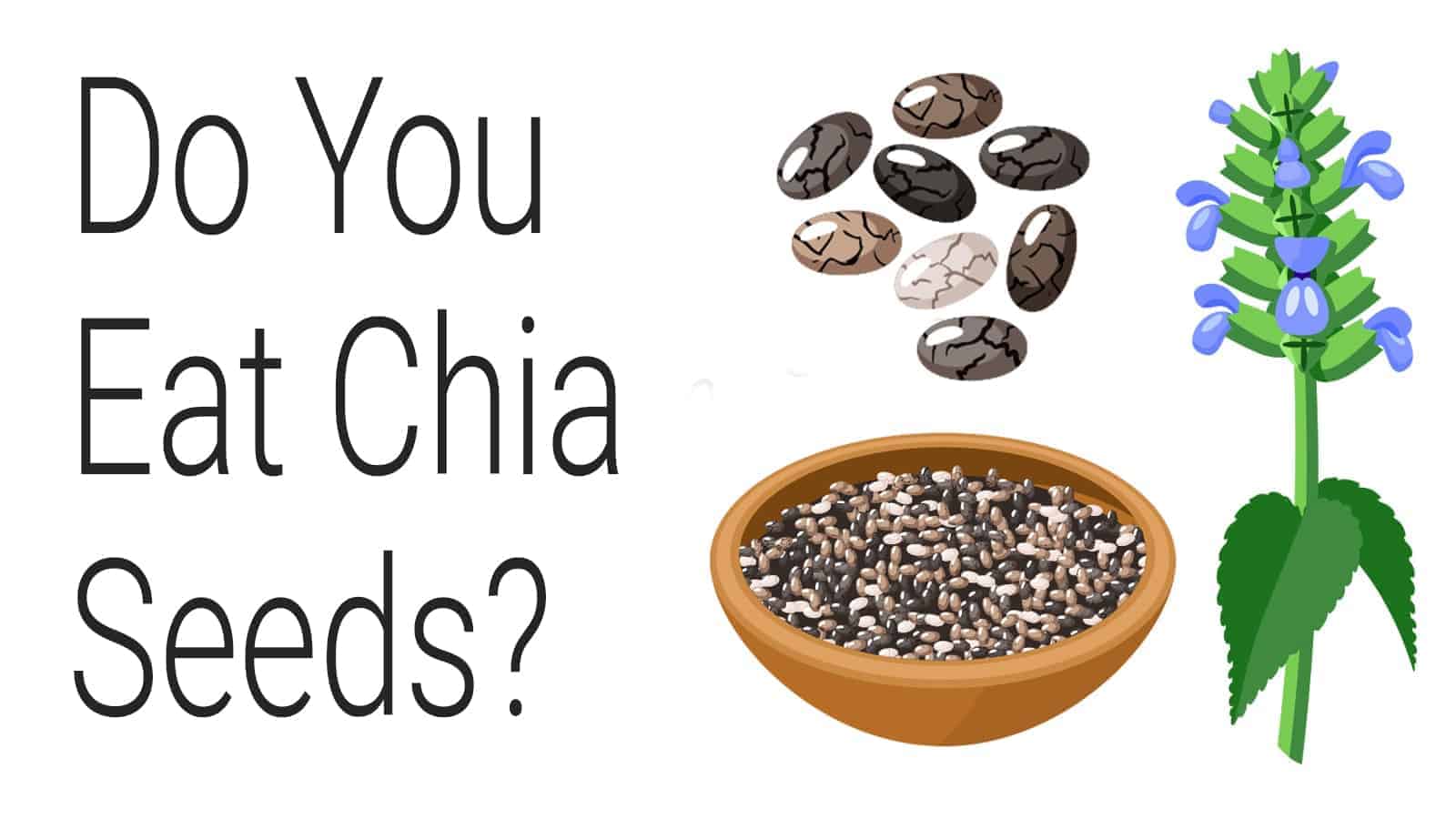
6. Chia Seeds

Chia seeds are white, black, gray, and brown and tend to have the same benefits of your favorite nut. These seeds are high in iron, protein, vitamin C, potassium, magnesium, phosphorus, and calcium. Additionally, these seeds are rich in omega-3fatty acids.

Consuming chia seeds regularly will help to reduce joint pain, aid in weight loss, boost your energy levels, improve brain health, fight arthritis, reduce depression, protect against diabetes, reduce heart disease, and keep your digestive system healthier.

chia seeds nuts

Experts recommend a serving size of 1 – 2 tablespoons of chia seeds daily. When eating chia seeds, take note that you shouldn’t consume them in their raw form. As these seeds expand significantly, they should be mixed in a large amount of liquid.

7. Sunflower Seeds

Sunflower seeds are a favorite among all of us nut-lovers. The sunflower contains hundreds of edible seeds that are high in vitamin E, B vitamins, zinc, selenium, folate, zinc, calcium, protein, phosphorus, potassium, magnesium, fiber, and healthy fats.

Regularly eating sunflower seeds will help to prevent migraines, lower blood pressure, reduce asthma effects, lower cholesterol, calm the nerves, and reduce arthritis pain. Similarly, eating sunflowers over time can prevent cancer and heart disease, as well as reduce the risk of strokes and heart attacks.

Stick to a serving size of a ¼ cup daily as a healthy snack or as a creative garnish on dishes.

8. Cashews

Cashews are another popular nut choice, though they themselves aren’t in the nut family. These seeds are collected from the cashew apple and are the fruit of this tree.

Crunchy and sweet in taste, cashews are also an excellent source of magnesium, copper, zinc potassium, biotin, protein, iron, folate, and vitamins E, K, and A.

Low in sodium and containing high amounts of fiber and folic acid, cashews are a feat source of monounsaturated fats.

Eat a handful of cashews in their raw form on a daily basis.

9. Brazil Nuts Benefits

Another seed disguised as a nut, the Brazil nut comes from Bertholletia excelsa trees.

Covered in large shells, these seeds resemble coconut. Rich in selenium, protein, vitamin E, fiber, B vitamins, iron, zinc, calcium, niacin, and copper, these seeds help prevent breast cancer, liver disease, and heart disease.

Take advantage of all the benefits of Brazil nut by eating one or two every day.

10. Pine Nuts Benefits

Used mostly in culinary dishes, the pine nut is the edible fruit of the pine tree.

These nuts are sweet in taste and contain 70% of the body’s required daily intake of amino acids and vitamins E, D, B, and A.

Additionally, the pine nut’s concentration of folic acid is the highest in the nut family. Additionally, the pine nut contains iron, manganese, magnesium, zinc, calcium, fiber, and potassium.

nuts

Final Thoughts on Nuts Benefits

There are a wide variety of nuts in the world. As you learn more about nuts, find new ways to incorporate them into your regular diet. The more you eat these nuts regularly, the greater the impact the benefits will have on you.

Start your new nut journey by eating your way through this list of 10 popular nuts. As you get used to snacking on this superfood every day, you’ll see your health improve over time.

Science Explains The Difference Between Healthy And Unhealthy Fat

Fat is one of the three crucial macronutrients that the body requires, but it also gets a bad reputation. People believe that fat can be responsible for weight gain, heart disease, and countless chronic and degenerative illnesses.

But the secret lies in the health value of the fats that you eat. There’s more to fat than just pizza and fried foods. In fact, there are as many as four different kinds of fats, all of which carry different levels of healthiness.

How does this work? Well, each type of fat has a different carbon structure – varying in length, chain size, and bonds. This is what determines how these fats react to situations like cooking and consumption, as well as how they affect the body when we eat them.

To better understand what fats to enjoy and which ones to avoid, you need to know a bit about each of these four fats, how to tell them apart, and why they’re different. Here’s how science explains the difference between healthy and unhealthy fat.


Science Explains The Difference Between Healthy And Unhealthy Fat

1.    Healthy Fat: Monounsaturated Fatty Acids

Monounsaturated fatty acids, also known simply as MUFAs, are a kind of fat that the body is capable of making on its own. These fatty acids respond to the consumption of carbohydrates, becoming synthesized in the liver as you digest these components. Of course, you can also get MUFAs from plenty of foods, including:

  • Olive oil
  • Avocados
  • Cashews
  • Almonds
  • Pistachios
  • Pecans
  • Peanuts
  • Sunflower seeds
  • Pumpkin seeds
  • Pork
  • Eggs

Most MUFAs – and the best ones! – are plant-based, and they contain oleic acid as the main ingredient. Some also may contain palmitoleic acid or vaccenic acid instead. A large majority of MUFAs are liquid in state at room temperature, and they have a double bond as an unsaturated type of fat. MUFAs provide the body with countless benefits to the health, including the following:

a)    Insulin Sensitivity

Insulin is a type of neurotransmitter responsible for blood glucose control. This hormone helps balance sugar levels within the blood, moving it from blood to cells as needed. Well-functioning insulin can prevent blood sugar problems that can lead to diabetes.

The problem comes when insulin loses its sensitivity, meaning it cannot accurately detect blood glucose levels. MUFAs may be able to help in this scenario, improving overall insulin sensitivity by as much as 9% within three months.

b)    Weight Loss

It’s common knowledge that fat contains more calories than proteins and carbohydrates, at 9 calories/gram against 4 calories/gram. This is why lowering fat consumption works so well in helping weight loss.

With that being said, MUFAs can actually aid weight loss when consumed in moderation, according to a diet plan that ensures a calorie deficit. Research suggests that those who eat diets high in these fats provide the same weight loss effects as low-fat diets and much better weight loss results than high-carb ones.

c)    Heart Disease

Many people believe that fats are responsible for heart disease. While not entirely false, the issue is, as always, that it’s not fats on their own; it’s too much fat consumption that leads to this problem.

As a matter of fact, eating moderate amounts of MUFAs – and likely increasing the overall consumption of them in your diet – may help to reduce and have positive effects on cholesterol and bad fat levels overall. One of the biggest reasons behind heart disease is bad cholesterol, which clogs arteries. MUFAs, however, provide good cholesterol.

Research suggests that high consumption of MUFAs within an appropriately proportioned diet without saturated fats can bring bad cholesterol levels down by an impressive five percent. Plus, MUFAs can lower blood pressure, even in those with metabolic syndrome and diabetes, which further reduces heart disease risk.

d)    Inflammation

Chronic, long-term inflammation is often a catalyst for heart disease, obesity, heart conditions, and virtually all other common life-threatening and chronic conditions. Diets high in MUFA are able to bring down inflammation and reduce it significantly.

This is likely why Mediterranean diets – which are rich in MUFAs like fish, nuts, and olive oil – have had such a remarkable effect on lowering multiple disease rates in the region.

e)    Cancer

Some studies draw links between MUFAs and a reduced risk in prostate cancer and breast cancer through the protective powers of one of its components. However, these studies were observational and more research is needed to draw conclusions.

2.    Healthy Fat: Polyunsaturated Fatty Acids

Polyunsaturated fatty acids, also known simply as PUFAs, are a kind of fat with multiple double bonds, found in both plant and animal sources. The body does not create them on its own, and as such, they are considered essential nutrients.

Polyunsaturated fats are mainly omega-3 and omega-6 fatty acids. They oxidize upon air exposure, and as such become spoiled more quickly than monounsaturated fats. You can get PUFAs from plenty of foods, including:

  • Herring
  • Sardines
  • Salmon
  • Bass
  • Trout
  • Shrimp
  • Soybean oil
  • Flaxseed oil
  • Safflower oil
  • Sunflower oil
  • Grapeseed oil
  • Poppyseed oil

While too much PUFAs can cause health complications like inflammation, digestive issues, and weight gain, consuming moderate and healthy amounts of PUFAs is surprisingly good for you. Here are some of them.

a)    Heart Health

As we know, heart health has been falsely correlated with any kind of fat consumption for years, when it’s actually linked to excessive fat more than anything else. In fact, PUFAs, especially omega-3 fatty acids, actually provide positive benefits to heart health.

Research indicates that eating fatty fish regularly can greatly decrease the chances of death through heart disease and related conditions. The same connection has been found with any kind of omega-3 PUFA as well, though this does not extend to omega-3 supplements.

b)    Mental Strength

DHA, which is a PUFA and an omega-3 fatty acid, is extremely useful in promoting better brain function and development. Age-related cognitive degeneration is less likely in those who eat a lot of DHA, reducing the risks of dementia and Alzheimer’s disease.

Some research indicates that DHA helps adults regulate mood and positive thinking, and many more studies show that it can boost memory, concentration, and productivity. Do note that omega-3 supplements have not been found to provide these results.

c)    Child Development

Studies have largely suggested that expecting mothers and breastfeeding mothers who eat between 8 and 12 ounces of fatty fish on a weekly basis (or eat this fish over two times in a week) wind up with healthier kids.

Links were drawn because children whose mothers have met those requirements have higher visual motor abilities and language skills, and they are also less likely to develop communication, behavioral, and fine motor problems.

Do note that this does not work with omega-3 supplements and that pregnant and breastfeeding parents need to be careful in order not to consume too much mercury from fish. As such, they need to select their choice of fish carefully.

3.    Average-Health Fat: Saturated Fat

Saturated fat has a carbon structure with no double bond, as their carbon atoms are completely surrounded by hydrogen. They have earned a negative reputation that, while not entirely unfounded, is still not completely true.

The bad background that saturated fat has today is rooted in a heart disease epidemic that broke out in the 20th century in the US. From being a rare condition, the disease suddenly became the main cause of fatalities, a title which it still has to this day.

Researchers scrambled to find an answer for why this was happening, and they soon discovered that saturated fat and high cholesterol seem to be linked. Since high cholesterol leads to heart disease, many drew the conclusion that this fat bore responsibility for the rise of this condition.

However, this research was never actually tested on any humans. It went on to become public policy without being proven correct. Today, modern research suggests that this research is inaccurate, and there are actually zero links between saturated fat and heart disease.

Unfortunately, the demonization these fats have endured have led to a lack of positive thinking that can’t be undone easily. While they’re not as healthy as monounsaturated or polyunsaturated fats, they’re still worth adding to your plate occasionally.

Here are some sources of unsaturated fat:

  • Cream
  • Butter
  • Chicken
  • Cheese
  • Dark chocolate
  • Coconut oil
  • Palm oil
  • Processed meats (unhealthy)
  • Cake and other grain-based desserts (unhealthy)

But, you say, what about cholesterol? Well, saturated fat has a balanced effect on both good and bad cholesterol – or, specifically, the lipoproteins that transport cholesterol, HDL (known as healthy lipoprotein) and LDL (known as the less healthy lipoprotein).

Saturated fat raises the levels of LDL, which is why people avoid saturated fat like the plague. But, actually, there are different types of LDL – a small type that increases heart disease risk, and a large type that cannot get into the arteries at all and is basically benign.

Saturated fat consumption has proven to be able to change small LDL to large, benign LDL – which can actually play a small role in reducing overall heart disease risk. On top of that, saturated fat also raises good HDL in the body, too, so it’s actually a positive thing to add to your diet.

4.    Unhealthy Fat: Trans Fat

Trans fats are the worst types of fats out there. They are largely man-made and are characterized by a double bond with opposite hydrogen atoms. While they keep for long periods of time without spoiling, are typically cheap, and taste good, trans fats can be very harmful to the body. Trans fats are responsible for:

  • Increased risk of heart diseases, diabetes, and chronic illness
  • Worsened inflammation
  • Higher chance of cancer development
  • Obesity risk

In fact, the increase in trans fat consumption throughout America is very closely correlated to heart disease cases increasing throughout the nation. Some foods you might want to avoid are:

  • Pizza
  • Crackers
  • Vegetable shortening
  • Fried foods
  • Vegetable oil
  • Cookies
  • Condiments and spreads
  • Margarine
  • Junk food
  • Microwavable popcorn

However, note that some natural trans fats from animals have not proven dangerous. As such, fats from non-processed meats from sheep, cows, and goats are safe to consume.

burn fat

Final Thoughts On The Difference Between Healthy And Unhealthy Fat

With all the information and misinformation about fats out there, it is easy to make the mistake of writing them all off as bad – even though some of them can give you amazing benefits! Knowing the difference between healthy and unhealthy fats will help you pick the right ones to add to your diet.

This Massive River Cleanup Will Make The Water Pollution Free For The First Time In Years

Most people tend to think that making a significant difference in a lake, river or ocean requires a lot of resources, money, time, connections, and a lot of people working with you. They seem to have this image that it requires breaking the law somehow, or perhaps completely sacrificing your livelihood and family.

Yet, making a difference can be as simple as being “that person” – that guy who saw a problem, saw a solution, and started by picking up one piece of trash at a time.

Afroz Shah, a lawyer from India, was that guy and is choosing to continue to be that guy. He pioneered the clean-up of Versova Beach in Mumbai and now has set his sights on the Mithi River in Mumbai.

Who is Afroz Shah?

Afroz Shah is an Indian lawyer who in 2015 made a decision to clean up Versova Beach in India. He started with an 84-year-old friend of his, Harbanash Mathur. They were saddened and frustrated by the tons of trash that had accumulated on the beach and decided to do something about it themselves. They started picking up the trash one piece at a time. About 6-8 weeks into the pickup, people started asking to help after watching them work. Over time, he spent time knocking on doors and asking for volunteers to help in his cause. Together, they collected over 4,000 tons of waste on a 2.5 km beach over a period of three years.

In 2016, he was recognized by the United Nations as the “Champion of the Earth.”

His goal wasn’t just the cleanup. He understood that without teaching people how this needs to be maintained, the mess would merely return. His actions not only taught the volunteers the importance of not throwing trash on the beach, but the effect it has on marine life. He was able to get the attention and awareness of not only the volunteers themselves, but the children of the volunteers and also their government.

He also has plans to clean up the forest, which is the beach’s first line of defense from storms washing debris down. Shah also hopes to inspire other groups to initiate their own clean up groups. Ultimately, his goal is to leave an impact throughout the world. He wants every country to consider how plastic and debris affect land and creatures alike and to make changes regarding how trash is discarded.

The first reward he and his volunteers received was to witness the return of about 80 to 90 Olive Ridley turtle hatchlings on the beach for the first time in 20 years.

Now, Afroz Shah has set his sights on the Mithi River.

The Mithi River

Mithi is one of the oldest river systems which runs through Mumbai. Eighteen kilometers long, this river consists only of sewage. Most of it – 93% – is domestic waste while 7% of it consists of industrial waste, according to a 2015 study.

Every year this river floods, carrying its sewage to the people of Mumbai who live near its shores. If it does not rain, then the sewage sits in the river, attracting mosquitoes which carry malaria and dengue.

In a land as hot as India, being near a water source is valuable. Currently, there are more than 1.5 million tenements (or 15 lakhs of tenements, using Indian measurements) who live on either side of the Mithi. They have no garbage disposal system; therefore, all the human waste and trash is thrown into the river, which eventually flows down to the Arabian Sea. To add to the waste, there are over 1,500 industrial units along the river also getting rid of their waste.

Mithi is not alone in being a highly polluted river in India. According to the Central Pollution Control Board report, half of the rivers in India fall into this category; most are polluted to some extent. While the center government has made an attempt to remedy the situation at Mithi, and a few others, there remains a lack of implementation of the new policies or poor planning, making the efforts fruitless.

Cause(s) of unmanaged waste in India

It wasn’t always this way. In the 1980s, its toxicity was minimal. What changed to bring it to the current toxic levels?

In short, the extreme population growth in a country with diversity in virtually every area – culturally, geographically, socially, linguistically, etc. – led to the river’s current dismal state. In 2013, the population of India was 1.279 billion, up from 1.071 billion in 2001. The actual population alone may not seem as bad until you factor in that most of the population is crammed into newly formed mega-cities. These mega cities have populations ranging from seven million up to 18.4 million. Mumbai itself has over 18 million. For perspective, Los Angeles and its surrounding metro area is just over 18 million, with the city of L.A. having about four million itself and Los Angeles County having over 10 million, as of 2016.

Mumbai has an area of 233 square miles in its city district and 1,681.5 square miles in its metropolitan area. Once again, in comparison, Los Angeles is 503 square miles, and with its metro areas included, has 4,850 square miles of pockets of population within 33,954 square miles of land. Imagine trying to fit the population of Los Angeles metro area into a space equivalent to less than half its current populated square miles.

Local Government Attempts to Change Things

Until the major flood in 2005, the government in Mumbai was doing little to change things. The flood killed over 1,000 people. The government is working on changing the mindset of the people and attempting to put programs in place. Unfortunately, the people seem to find it hypocritical and to no avail. They believe the government is truly out to kill the river rather than fix a major problem. The sewage drains and storm water drains remain connected; huge concrete walls have been installed running the length of the river rather than allowing for natural flow. The authorities blame the pollution on the people who continue to throw waste in the river.

The Mithi River Clean-up Project

Enter Afroz Shah to the scene. After his success with Versova Beach, Mithi River is now his priority. Once again, his sights are not just set on the physical clean up, but also on teaching the people who live along its banks.

He is quoted as saying in an interview with NDTV, “Cleaning the water body is not enough; changing the mindset of the people is the need of the hour. There are nearly 5-6 million slum dwellers residing close to the river. On every visit, we will sensitize them to maintain cleanliness by telling them to reuse and recycle garbage.”

Afroz began his project in November 2018, and within two weeks, he had 25 volunteers who cleaned up four tons of garbage! Sadly, those four tons only equated to 300 meters of a river nearly 18 kilometers long. He then gathered about 60 more volunteers from the Dawoodi Bohras who believe in “holistic cleaning of the environment and the inner self.” In addition to picking up the trash every weekend, volunteers are going door to door to make people aware. They also started a radio campaign informing people of dangers of plastic and garbage in the river.

All of these efforts have equated to 100 more volunteers from slum areas along the river.

After the cleanup, their goal is to deal with the liquid waste. Afroz plans on contacting local sewage treatment plants and have them only release clean water into the river. Amazingly, they have also been given equipment, such as an excavator, as a donation. Others are providing trucks to collect and dump the garbage in appropriate areas.

beach cleanup

This beach saw Turtles return for the first time in 20 years!

Conclusion

Afroz Shah has proven many things regarding promoting change. He has shown that a simple act can create a large impact. He has demonstrated that not one person or group is responsible for an issue; if each party takes responsibility for their part, change can happen.

Shah did not waste time pointing fingers at the government. He did not waste time pointing fingers at the people living along the river or the beach. He went out and picked up trash, not knowing if anyone would join him. Shah went out with no other purpose than to clean the beach and the river. Along the way, he was able to educate people. Through that education, people will make different choices – informed choices based on awareness and options.

His long-term goal is to see this change worldwide in utilizing recycling and reusing of products, and for there to be more conscious awareness of the impact plastic and waste has not only on the environment, but on us as a species.

Our future, the creatures on this planet, and our most valuable resources of water and land depend upon us being informed and responsible with our actions. Compassion goes a long way too.

5 Behaviors That Reveal You’re Ready for a Relationship

Are you starting to look wistfully at couples in love in their relationship, watching them holding hands on the street, kissing in the café, or picnicking at the beach?  Perhaps, as you get older, you’re questioning if being alone is really that wonderful. Or maybe you’re just feeling your biological clock tick.

Thinking of getting back into dating for the purpose of a relationship has many uncertainties, fears, and questions for a lot of people.  Depending upon your age, previous relationship experience, or how long you have been independent, your reasons for choosing to get back on the saddle will differ, as well as the method you choose to meet people.

The ultimate question comes down to this one: “Are you ready”?  Your questions may be based on your internal or emotional state.  Are you ready to sacrifice your time and energy to meet and date people?  Are you ready to open yourself up to share the events of your life?  Additionally, are you ready to possibly alter some of your preferred quirks in order to accommodate someone in your life?

The questions may be based on if circumstances in your life make dating an option.  If you are a full-time employee who is also going to school, then time for a relationship may be limited and distracting.  Do you feel you have succeeded enough in your career and financial obligations to welcome the possibility of adding another person to your life?

Before we get into how to know if you’re ready for a relationship, here are some key differences between dating and relationships.

Dating versus a Relationship

What is the difference between dating and a relationship?  Most people would state the level of commitment and emotional attachment to each other differ.  Dating is viewed in a couple of different ways:

  1. A way to meet multiple people without emotional attachment, possibly until you find someone special. This can be great for figuring out what you do or don’t want in a potential partner or if you even want a relationship at all.
  2. Possibly finding a person who fits your needs and wants for the time, with or without some emotional attachment. It is mutually beneficial but is lacking 100% commitment.
  3. You are seeing a particular individual to figure out if it can become more. At some stage, it either grows into a relationship or just falls apart.

Are you ready to face the roller coaster ride of hope and pain for the possibility of love and commitment?

Here are 5 behaviors that reveal if you’re ready for a relationship.

relationship

1. Being Ready to Date

Are you ready to date?   People usually need to get to know each other before a relationship can form.  It is part of the process in most countries.  If you find yourself looking for ways out of situations in which you are getting a vibe the other person is going to ask you out, you are probably not ready.  Unless you just feel strongly against the other person, being asked out or flirted with is usually flattering, no matter your answer.  People who are not ready to even start the process are usually not ready for the long journey of a relationship either.   There are caveats to this, however.

Choosing to date someone can also just be a matter of your comfort zone.  In other words, plenty of people will tell a stranger “no” to a date but find a co-worker or friend of a friend acceptable to say yes.  Dating is scary; not just emotionally putting yourself out there, but it can also be threatening to your safety.  Starting to date a virtual stranger should always come with some precautions for your safety.

Other times it can be a wonderful happenstance of fate.  You could meet someone unexpectedly who you really feel drawn toward or feel a connection with.  Yesterday, you may have run from being asked out, but today you’ve met someone worth the risk.

Life can be funny that way.  Sometimes, just being open to possibilities is the best way to start rather than seeking out someone.  It can depend on you and your outlook of dating and relationships. Other times, life just gives you a push regardless and you surprise yourself.

2. Being Ready for a Commitment

Being ready to date is a good sign you’re ready for a relationship, but being prepared to offer a commitment should you find someone is a bigger indicator.  Above, we listed multiple ways dating is viewed, and commitment was an unknown variable.  Commitment is what transforms dating to a relationship status. It can also determine the success of the relationship.  With that desire to commit, one must feel ready.

Four studies and five independent samples were done at Purdue University by Christopher Agnew, Benjamin Hadden, and Ken Tan.  The findings were best summed up by Chris Agnew, the Professor of Psychological Sciences and President for Research at Purdue University.

“Feeling ready leads to better relational outcomes and well-being. When a person feels more ready, this tends to amplify the effect of psychological commitment on relationship maintenance and stability.”

The opposite was proven as well.  Those who felt less ready for a commitment or that the timing wasn’t right were less likely to stay in a relationship.

What can make a person ready for a commitment?  That will vary depending upon experiences, age, culture, current life circumstances, and other factors.

3. Willing to be Open

Most people have experienced heartbreak or pain from a relationship.  The damage it can create may depend upon the severity and impact of that relationship on your life.  Going through a divorce after 25 years of marriage, losing a spouse to a terminal illness or death, or having a person lie and wipe out all of your savings and belongings can all lead to emotional scars.  It takes time to heal from the effects and gain your sense of self back and what life means to you.  Chances are, you are not going to be very open to letting someone into your life immediately after such an event.

Whether you must love yourself before you can love someone else might be debatable.  Being open to allowing love into your life isn’t.  A person can love you and show you your value, but only if you are willing to allow them.

Being ready for a relationship does require you to be emotionally available and open.  Your potential partner wants to know that you are willing to share in their triumphs, struggles, pain, and happiness.  In order to feel connected, they need to provide support for you as well.

4. Willing to Communicate

Communicating comes in all forms: verbal, written, and body language.  People might be surprised to know that your body language communicates your willingness to find someone.  If you tend to not make a lot of eye contact with people, look down on the ground, don’t smile often, and keep your arms across your body, you are telling people you are not available.  They might conclude that you are purposely keeping people at a distance.  People will likely interpret that you are not open to friendships or romantic relationships.

However, if you smile often while making eye contact, keep your arms down casually at your side, look up and around your environment, then chances are you are open to conversations and interactions.

Talking to people while asking questions that pertain to them, and listening and responding appropriately to the responses, show you are open to connecting to people.  This is a step beyond just casual conversation about the game last night, a recent concert, or work life.  You are showing that you are interested in knowing more about them.

This will then reflect itself toward a relationship as well.  You will attempt to continue this, wanting to connect with someone you are dating and serious about.  They will do the same.  It is one of the biggest indicators of someone truly interested in you and a precursor to showing how the two of you will communicate with each other in a relationship.

5. Willing to Give Your Time and Energy

Being in a relationship requires sacrifices of time and energy.  Maybe you are used to spending your evening grinding out a game to level, hanging with your friends, or watching a movie.  Now in a relationship, you need to schedule time for your gaming grind and for your partner.  If it is more of an annoyance to be with someone than it is to go out with your friends, then you aren’t ready for a relationship.

If you find that coming home after work every day leaves you too tired to even want to talk or chat with your partner and on weekends you just want to chill by yourself, then you don’t have the time or the energy to put toward someone else.

Choosing to be in a relationship requires you make it a priority to a certain extent.  Obviously balancing personal time, work time, and relationship time is important, but if the relationship is always losing out, then you aren’t willing to put in the time or energy for it. Either you are not ready for a relationship, or you are in the wrong one.

healthy relationships

Closing Thoughts on Behaviors that Reveal if You’re Ready for a Relationship

Relationships don’t come easy and they shouldn’t be.  They require a sacrifice of your time and energy, your emotions, and a willingness to commit not only to the person, but to the success of the relationship.  This does not mean everything in your life must be perfect.  It doesn’t mean you have to be 100% together and have accomplished your goals in order to be ready for a relationship.

When it comes to relationships, there is no formula for meeting the perfect person.   You can make yourself available or life can surprise you.  Regardless, you will find that these 5 behaviors happen most naturally when you are ready.

10 Easy Ways to Detox From Sugar

So many things taste better when they’re sweet.  In foods that range from ice cream to coffee, sugar is an ingredient most of us enjoy.  There are so many products that have unnecessary added sugar, however.  For example, spaghetti sauce, canned fruit, juices, cereals, and more have added sugar, usually hiding under different names and with different textures.  Corn syrup, barley malt, dextrose, cane juice, and dextrin are a few examples of these names; in total, there are 61 different names for sugar.

No matter the name, it’s all the same to your body.  Even artificial sugar has been shown to affect how your brain and other organs interpret sweetness.  Those effects can create a dependence that you need more and more to get the same level of sweetness.  Additionally, sugar does create a “rush” or euphoric feeling to the brain.  Your brain will want something to create that feeling again, and sugar is convenient.

Awareness of how sugar affects our health and well-being is more recognized now than in years previous. Further understanding of how your lifestyle habits affect your “need for speed” and how sugar, fats, and carbohydrates relate to each other and affect the body and brain can all lead to learning how to decrease sugar from your diet. Reducing sugar from your diet will lead to cravings or a detox period.  Read further to discover ten easy ways to detox from sugar and be on your way to a healthier lifestyle. But first, let’s discuss why we often feel the need to maintain or increase our sugar intake.

Lifestyle habits that lead to cravings

Regardless of where we get our sugar, we have certain lifestyle tendencies or habits which encourage our abuse of sugar.

  1. Lack of sleep

Most Americans do not get a full 7-8 hours of sleep needed for their day.   This can be due to several reasons, but one of them you may not guess is sugar intake.  When it comes to sugar and sleep, there is a chain effect and cycle that occurs.

    • Link to sugar and disrupted sleep. A study performed in 2016 demonstrated that eating a diet high in fats and sugar vs a diet with limited sugar, low fat, and high fiber can lead to less time spent in deep, slow-wave sleep.  This is the stage that allows our mind and body to restore itself and heal, and that helps to maintain our metabolism and immune system.
    • Sugar releases dopamine in the brain. Dopamine is a hormone released that stimulates pleasure and satisfaction sensations.  As we become accustomed to eating a certain amount of sugar, we need more sugar to create the same excitement.  Yes, just like a drug addict.  Sugary food and the increase in body fat which typically accompanies it reduces our body’s ability to suppress hunger and regulate our metabolism.  This, in turn, can affect our sleep because we begin craving food when we should be sleeping.  To add to that, eating sugar just before going to sleep awakens your brain as it receives satisfaction and pleasure, making it harder to fall back to sleep or sleep well.  This is also true if eating right before going to sleep.
    • Poor sleep leads to a higher desire for sweets. Studies have shown that regular sleep deprivation interrupts the formation and benefits of two important hormones: leptin and gherlin.  These hormones are responsible for appetite regulation.  It also interferes with insulin, the big boss for keeping our blood sugar in balance. Decreasing the manufacturing of these hormones equates to an increase in cravings for sugar.
    • Sugar and increased inflammation. Pain is one of the top reasons for sleep to be interrupted.  Inflammation is one of the causes of pain.  As your body is trying to repair itself, some areas become inflamed, painful, and stiff.  Sugar increases this inflammation through the formation of chemicals which stimulate the inflammation process.
  1. Poor stress management.

Stress is a part of our lives.  We experience positive and negative stress all day.  Some people have learned to deal with this stress by eating sugar.  As stated above, sugar releases dopamine, the pleasure hormone.  When we are stressed, we seek out things to make us feel better.  Also, we tend to get less quality sleep when we are stressed.  With a lack of sleep, we are less able to focus or think clearly, which will only add to our inability to deal with stress.

  1. Skipping meals.

Not eating consistently lowers our blood sugar, which in turn makes us feel tired.  We have busy schedules, and many sweet things are also quick and easy to eat.  It provides that rapid “rush” we need to keep going until we crash as the effects wear off.  Additionally, we then become famished later, which leads to poor food choices that are usually higher in sugar, carbohydrates, and fats.

Fats, Carbohydrates, and Sugar

 Carbohydrates and fats are essential to our diet as a form of long-term energy when eaten in proper moderation.

When carbohydrates break down in the body, they create simple sugars.  To your body, there is no difference between various types of sugar.  They all break down as either fuel for the body or fat storage.  Glucose is necessary as fuel for the body and the brain.  Glucose is stored in the liver and muscles until we need extra energy.  Insulin is the hormone that allows our muscles to extract glycogen from the bloodstream and works to regulate the amount released.

According to the Heart Association, our caloric and nutritional intake should consist of 45 – 65% carbohydrates depending upon activity level.  The Heart Association has stated that we should only intake 5-10% of our calories from added sugars.  Currently, the recommendations are that women have only seven teaspoons of sugar a day, or 25 grams, and men should only have nine teaspoons or 37.5 grams of sugar.  It is estimated that Americans consume about 19 teaspoons a day.

If we were to add fats into this picture, our brains would be very happy!  Studies have shown that we receive more pleasure from a meal which contains carbohydrates, sugar, and fats than a meal with only one of the three.  We are also more likely to eat a meal or snack with all three despite not genuinely feeling hungry.  Essentially, adding fat to sugar and/or carbs will only increase your desire for them, resulting in mindless eating and calorie intake.  Fats as an added substance only magnify your craving for the other two as well.

Choosing to eat healthy fats such as avocados, almonds, peanuts, and eggs, which also contain protein, do not seem to lead to this cycle as much as meat and dairy fats.  Choosing high-fiber grains in place of highly processed carbohydrates also do not lead to this cycle, as the sugars break down much slower.  Your brain is not getting the dopamine release of pleasure to the same extreme.

sugar detox

 10 Easy Ways to Detox

Maybe by now, you’ve researched how much sugar is in your Starbucks in the morning, your chocolate bar at lunch or the glass of wine before bedtime and you realize that it’s high time to cut down on your sugar intake.

Reducing or eliminating sugar from your diet does initially have a withdrawal effect.  You are going to notice a decrease in energy, headaches, more sugar cravings, and irritability.  Here are ten ways to detox from sugar and limit the side effects or decrease the time it takes to overcome the cravings.

  1. Drink a lot of water.

Water flushes toxins out of your system.  It not only helps in getting the residual sugar out of your body but also will rinse the taste of sugar from your taste buds.

  1. Go for a walk or other form of exercise.

Exercise not only can create the dopamine your brain is craving, but it acts as a distraction and also helps to purge the sugar out of your system.

  1. Eat regularly throughout the day.

Remember, one of the reasons you crave sugar is from skipping meals.  Eating regularly will also increase your blood sugar.  If you eat small amounts of healthy foods throughout the day, then you will be less likely to want a sugary treat.

  1. Keep fruit as a substitute.

If you usually keep a bowl of candy at your desk, change it out for apples.  It will still be sweet, but you are getting fiber with it, so you won’t get the same rush, and it’s better for your body.

  1. Keep protein snacks.

Snacking on nuts or seeds as a substitute is also great.  Protein can help you stay focused and give you a pick-up in energy without causing you to crash later.

  1. Get good sleep.

As lack of sleep is both a trigger and cause of sugar cravings, try to make sure you get 7-8 hours of sleep.  Plus, that’s fewer hours trying to ignore the ice cream calling from the freezer.

  1. Don’t go cold turkey.

It is not recommended for people to quit cold turkey.  Nothing horrible will happen if you do, but most people can’t handle it.  Don’t add to your stress.  Maybe start by drinking half of the soda you normally drink with lunch.  Cut your sugar portions down bit by bit.

  1. Do not replace sugar with artificial sweeteners.

Artificial sweeteners are hundreds to thousands of times sweeter to your taste buds than regular sugar.  Artificial sweeteners may not have calories, but the body still interprets them as sugar – and you will still have the taste of sugar on your taste buds.

  1. Focus

Pay attention to what you do eat at each meal or in between meals.  Don’t mindlessly eat at your desk while working, or while watching TV.  Sit at a table and pay attention to the flavors and textures of what you are eating. Maybe notice and take note of what you like about each food.

  1. Support and reward.

Tell those close to you of your purpose and have them help you.  They can remind you of why you are choosing to decrease sugar and be a cheerleader (or a linebacker to block the freezer).  Plan a great reward with all of you together after a few days of progress.  Give yourself some little reward each day.

Whether you choose to decrease your intake through cutting back on empty-calorie sweets, processed foods and grains, or plan on cutting out sugars entirely, you will feel the benefits in a short amount of time.  These ten tips can help you make an easier time of it and lead to your success.

15 Amazing Health Benefits Of Peppermint Tea

Due to its distinct flavor and soothing effects, peppermint tea has become increasingly popular, especially for people looking to improve their overall health. Alternative health professionals have long described peppermint as the present and future of healthy living. This is particularly due to the numerous health benefits of the tea.

You will be shocked to learn that aside from its minty taste, regular consumption of tea made from peppermint offers other benefits. It can efficiently boost your immunity, improve sleep, and reduce stress levels among a host of other health benefits.

Below are 15 proven ways peppermint tea can improve your health.

1. Boosts immunity

Due to antimicrobial properties, tea made from peppermint effectively fights viral illnesses and prevents infections. Peppermint contains useful antioxidants and nutrients that enhance the functionality and overall strength of the immune system. Taking the tea consistently will increase your vitamin B and potassium levels. This will help improve the overall performance of your immune system.

As such, whether you have low immunity, or just want to boost your body’s overall immunity, consider making your tea from peppermint leaves.

2. Improves digestion

Among the most important peppermint tea benefits is improved digestion. By promoting smooth flow of bile in the digestive system and relaxing your digestive tract, peppermint tea plays a vital role in easing digestion. Peppermint also has cooling properties. When introduced as tea to your stomach, these properties help combat indigestion and discomfort.

In addition to relieving stomach discomfort, tea made from peppermint leaves is a proven remedy for diarrhea, nausea, bloating and vomiting. Peppermint has antispasmodic properties which help in providing relief from stomach upset or nausea.

3. Weight loss

If you are looking to cut weight or prevent weight gain, try making your tea from peppermint leaves. Peppermint is known to act as an appetite suppressor; as such, increasing your intake of peppermint tea will ensure that you stay fuller for longer, and avoid unnecessary eating.

Thus, if you are on a weight loss journey and looking for ways to reduce your overall food consumption, take advantage of peppermint’s appetite surprising properties. Try drinking 2-3 cups of tea per day.

4. Removes bad breath

Due to its mint properties, peppermint plays a massive role in improving your dental hygiene. Fresh breath is among the many peppermint tea benefits that can leave you feeling a lot more confident. By placing peppermint leaves in hot water and drinking two to three cups a day, you will significantly reduce the chances of bad breath.

Since almost everyone has been a victim of bad breath at some point, it is important to try out the peppermint remedy, especially in your morning tea. This will guarantee fresh breath throughout the day.

5. Improved sleep

It goes without saying that adequate rest is necessary for anyone to function properly. If you struggle with insomnia or any other sleep related complications, try out peppermint remedies.

Using peppermint to prepare your evening tea will go a long way in relaxing your muscles; as a result, you will be well prepared to take a deep rest. Menthol acts as a reliever and a sedative, thus allowing your nerves to relax enough for you to sleep without any struggles.

6. Stress reliever

Regardless of work, age, or gender, stress is an inevitable part of our lives. As such, you must be adequately prepared to manage stress whenever it occurs. Peppermint leaves are known to contain menthol which not only serves as a sedative but also as a muscle relaxant. Forming a habit of drinking two to three glasses of peppermint water or tea can help lower your stress levels significantly.

Drinking tea made from peppermint will help relax your nerves, and consequently ease anxiety and pressure.

7. Hair growth

If you are looking for a natural and effortless remedy to promote hair growth, then you should look no further than peppermint leaves. Consuming herbal tea made from peppermint helps restore pH levels in different areas of your body. As such, the peppermint will help control your scalp’s and skin’s oil secretion, reducing greasiness and improving hair growth.

To get the desired results, however, you will need to be consistent in your consumption of peppermint products such as oil and tea.

8. Peppermint tea improves your skin

Another of the many peppermint tea benefits is skin improvement. If you struggle with acne or other skin related problems, you will be pleased to learn that peppermint contains menthol which reduces the secretion of acne-causing oil by the sebaceous gland.

Peppermint helps cure skin infections while promoting the fast healing of wounds. As a result, you should consume peppermint either directly as leaves in your food or as tea to boost the health of your skin.

9. Eliminates irritation

Insect bites and allergies can leave your skin itchy and feeling dry. Worry not, though, as regular consumption of peppermint in your morning and evening tea will help increase your skin’s resistance to bites and sensitivity. Impressively, peppermint works magic on irritated skin and prevents rashes from forming due to allergy. If you are bit by an insect or you aggravate an allergy, seek peppermint-inspired remedies such as tea or peppermint oil immediately.

10. Fights suntan and sunburn

When looking to treat suntan or sunburns, consider natural methods such as peppermint. Among the many peppermint tea benefits is the presence of Vitamin C and A as well as folates and Omega 3. The vitamins and minerals in peppermint help treat skin related issues as mentioned earlier.

To effectively treat sunburns, heat the peppermint leaves as if making tea; afterwards, gently apply the resulting fluid on the affected areas. Apply peppermint to your skin regularly to remove suntans.

11. Reduces fever

Luckily, making tea from peppermint leaves is among the easiest and most effective ways to reduce fever. Since menthol is known for its cooling effect, using it whenever you have a fever is recommended.

As you sip your tea, the menthol extracted from the peppermint leaves will cool your body as you sweat externally. In no time, you will be back to normal as the fever will subside immediately.

12. Soothes headaches and migraines

As you might be aware, headaches occur whenever your blood vessels constrict, thus making it difficult for blood to pass through the vessels. However, with the help of peppermint, you can overcome headaches and migraines with ease. The menthol in peppermint helps relax muscles. Due to this, taking peppermint water or tea is recommended in the event of a headache or migraine.

peppermint tea for headaches

13. Combats congestion

Whenever you are suffering from a blocked nose or an itchy throat, dipping peppermint leaves in hot water and drinking the concoction can go a long way in easing the congestion. Menthol is a fantastic de-congestion agent found in peppermint that can battle coughs and flu. However, to achieve positive results when dealing with flu, drink peppermint concoctions or tea regularly, especially when looking to reduce coughs and improve breathing.

14. Cures stomach pains

Issues like motion sickness, constipation, and Irritable Bowel Syndrome (IBS) can be a thing of the past if you rely on peppermint remedies. Peppermint tea relieves symptoms such as abdominal pain, stomach upset, and bloating by soothing the gastrointestinal tract.

Once absorbed in the body, menthol stimulates gastric juice secretion, allowing for speedy breakdown of food. Menthol and peppermint oil play a huge role in easing tummy pains including menstrual cramps by relaxing stomach muscles and alleviating the pain.

15. Improves focus and mental awareness

According to a study conducted on mental awareness, the unique and refreshing scent of peppermint is directly related to increased mental focus. The aroma of peppermint in tea can help reduce overall anxiety and improve concentration while enhancing your overall cognitive function.

Therefore, peppermint is recommended for people who need to work or study for long hours, especially those who need to concentrate on specific tasks. Regular use of peppermint either in your tea or as oil can help improve your brain’s overall functionality, and leave you well-placed to focus for longer periods.

Final Thoughts

From promoting hair growth to aiding in digestion, peppermint tea has numerous benefits. Peppermint contains menthol which is a powerful ingredient, especially when it comes to assisting in normal body functions. The peppermint tea benefits discussed above clearly reveal its importance, especially when taken regularly.

Therefore, if you are looking to capitalize on the health benefits of peppermint, consider using it as your primary ingredient when making tea. While you may not feel some benefits immediately, using peppermint regularly in your tea will improve your immunity and the overall function of vital organs in your body.

Skip to content