Weekly tips, affirmations, and small actions to feel your best.

8 Red Flags That Reveal a Toxic Liver

The liver is a vital organ. Located in the upper right-hand part of the abdomen, it is the largest organ in the body. It’s comprised of two dark reddish-brown lobes.

Think of this organ as a chemical factory. Nutrients absorbed from the digestive tract then metabolize thanks to this football-sized organ. Later, they release into the general circulation. The liver also metabolizes toxins, either ingested or produced by the body. Finally, it manufactures many essential molecules that release into the blood, like clotting factors.

What Causes a Toxic Liver?

Most people never think about their liver. It just quietly goes about its business, never hurting or drawing any attention to itself. The liver has impressive regenerative capacities. In fact, it can re-grow an entirely new organ from just a small fragment of itself.

However, some chronic conditions can, over time, damage the organ to the point it begins to fail. Although the classic symptom of a toxic liver is jaundice (turning yellow), this hepatic dysfunction only happens when the condition is relatively advanced.

Common causes of hepatic damage

Most people have heard of all of these conditions except the last one, NAFLD. However, NAFLD is becoming increasingly common in western societies and is currently the number one cause of chronic hepatic dysfunction in the US. It is characterized by a buildup of fat in the hepatocytes. Its roots are not entirely clear, but it links to obesity, high blood sugar, and high levels of triglycerides in the blood.

NAFLD can progress to nonalcoholic steatohepatitis (NASH), which in turn can progress to cirrhosis and complete organ failure. Advanced symptoms of NASH include abdominal swelling, enlarged, visible blood vessels, jaundice, and red palms.

Another often overlooked cause of hepatic dysfunction is dietary supplements. Many people make the huge mistake of thinking “natural=safe,” which is very untrue. For example, the death cap mushroom is as natural as you can get, but if you consume it, it will irreversibly destroy your organs. Some popular dietary supplements known to cause hepatic damage include:

  • Kava
  • Pennyroyal oil
  • Comfrey
  • Mistletoe
  • Valerian
  • Chaparral
  • Skullcap
  • Ma-huang

Commonly overlooked symptoms of a toxic liver

1. Itchy skin

If your skin is always itchy and you can’t figure out why, then consider the possibility of a toxic liver. One of the functions of the liver is to get rid of bile salts via the gall bladder. However, if this is not proceeding smoothly, bile salts can accumulate in the skin and make it feel itchy. Of course, many other health conditions can cause itchy skin. Therefore, your doctor needs to investigate the cause thoroughly.

2. Bad breath

Most cases of bad breath arise from problems in the mouth, sinuses, or ears. Sometimes you suffer from this embarrassing condition due to your diet (aka, onion or garlic breath). “Normal” bad breath is referred to as halitosis. Fetor hepaticus is the technical term for a particularly nasty, putrid smell to the breath that originates in your lungs.

Due to the hepatic dysfunction, toxins can build up in your body and expel through your lungs through every exhalation. Many sufferers describe the odor as a combination of rotten eggs and garlic or as a sweetish putrid smell, similar to rotting grass. If you have chronically bad breath, unrelated to your diet, and resistant to oral hygiene efforts, you should schedule an exam right away.

3. Worsening of dark under-eye circles

When most people think of dark under-eye circles, they think of a lack of sleep as the cause. Fatigue can indeed worsen under-eye circles, but they can also be a result of hepatic dysfunction. The dark color under the eye is usually caused by blood vessels under the thin skin in that area becoming dilated and, therefore, more visible. This is why applying a cold spoon to the dark circles after a late night is a time-honored way to remedy the problem quickly; the cold causes the blood vessels to contract.

Problems with toxic liver lead to fluid retention in the body as well as a build-up of toxins and deficiencies of essential molecules and proteins. All of these processes together can lead to dilation of the blood vessels under the eye, making dark under-eye circles much more apparent. These same processes can also make spider veins much more visible on the legs, and advanced disease leads to swelling of the ankles.

4. Excessive sweating

There are many causes of excessive sweating. Surprisingly, a toxic liver is one of them. Most people attribute their increased sweating to hot flashes, wearing too many sweaters, or just environmental conditions and completely overlook this common clue that something is awry internally. These sweaty episodes often mimic menopausal hot flashes in every way, coming on suddenly and causing the sufferer to feel extremely hot, flushed, and well, sweaty. The cause is not entirely clear, but it may be an effort by the body to flush toxins out through the sweat.

5. Fatigue

Fatigue is the most common first symptom of hepatic dysfunction. Still, fatigue is caused by so many other conditions that it is rarely identified as a symptom of a hepatic problem until other symptoms arise. The many functions of the hepatic system cause the entire body to stop working correctly when it starts to malfunction, so it is not surprising that sufferers experience fatigue.

6. Easy bruising

One of the many vital functions of the liver is to produce clotting factors. When hepatic dysfunction occurs, these clotting factors tend not to be delivered in sufficient quantities, which leads to delayed clotting of the blood. Even a minor bump can lead to the formation of a visible bruise. Many people with hepatic dysfunction find they frequently have visible bruises and no recollection of any injury that could have caused the bruising. Some also suffer from spontaneous nose bleeds that take a long time to get under control, again due to the reduced level of clotting factors in the blood.

7. Dark urine

The most common cause of dark urine is dehydration, and the proper response to observing your urine is dark is to reach for some water. However, if your urine remains dark even when you are sure you are properly hydrated, this may be due to a waste product called bilirubin building up in your body and ending up in your urine.

Normally, this product is taken care of by the hepatic system and moves through the digestive tract after passing through the gall bladder. This is the same chemical that turns your skin and eyes yellow or orange when it builds to extremely high levels in the body during advanced hepatic failure.

8. Constipation

Constipation is a common problem in people who consume a typical low-fiber western diet or follow a sedentary lifestyle. You can often relieve this state by simply increasing your intake of fruits and vegetables and getting regular exercise. However, constipation unresponsive to lifestyle changes could indicate a serious health problem, such as a toxic liver or colon cancer.

So, it’s embarrassing to discuss your stools. But rest assured, you should consult a doctor if you develop persistent constipation that doesn’t respond to simple lifestyle changes.

fiber to help avoid toxic liver

These ten fiber-filled foods can help you avoid constipation.

Diagnosis

A standard workup for a possible hepatic issue generally includes a basic physical examination and blood work. The blood levels of two enzymes, in particular, aspartate aminotransferase (AST) and alanine aminotransferase (ALT), are excellent markers of hepatic damage. Elevated AST indicates damage to several different organs, including the heart, but elevated ALT is specific to hepatic injury. These blood tests cannot determine the extent of hepatic dysfunction or determine its cause.

Thus, if doctors find elevated AST and ALT, they usually investigate the issue further. For example, imaging tests of the abdomen with ultrasound, CT, or MRI may be conducted. A final diagnosis of the cause of hepatic dysfunction may require a biopsy, where a long needle is inserted into the organ to collect a sample of tissue.
liver diseaseFinal Thoughts: Treatment for a Toxic Liver

Treatment depends entirely on the cause of the condition and its severity. For example, doctors will usually treat cases of hepatitis caused by viral infections with antiviral agents. But they’ll treat other conditions, such as NAFLD,  by lifestyle changes, such as losing weight, controlling blood sugar, and making dietary changes. Unfortunately, the only treatment for advanced cirrhosis is a transplant. And that is why you should visit your physician to detect a toxic liver as early as possible. Then, you can receive treatment for the problem before it progresses to cirrhosis.

11 Proven Health Benefits of Onions

Did your mother and grandmother ever eat your vegetables? Some people aren’t interested in healthy eating just because it is good for them. To them, junk food tastes better. Fortunately, it’s easy to work tasty onions into the diet for their many health benefits.

Onions’ health benefits are undeniable. The vegetable is among many whose health benefits don’t change between cooking it and eating it raw. Besides tasting good, veggie has a long history of doing wonders for the body.

A Short History of Onions

Healers recommending food as medicine dates back thousands of years to ancient Egyptians, Chinese, Indians, and Asians.

It’s funny to visualize our ancestral moms telling their kids to eat their veggies.

The vegetable was known throughout the ancient world, so it’s difficult to pinpoint one particular place as its origin. Archaeology has even found onions in Pompeii and evidence that ancient Romans added it to spice up their cooking. Europeans brought it with them to America only to see the vegetable already being enjoyed by the natives.

onions

Onions Are Wondrous Things

In the ancient world, Roman and Greek athletes ate tons of vegetables, drank juice, and rubbed the plant all over their bodies, believing it made them stronger and faster. Pliny the Elder wrote that the Romans considered the vegetable beneficial for repairing vision, aiding sleep, stopping toothache, dysentery, and healing sores.

Some people used this root vegetable in spiritual healing. For example, when the plague made its way around the world, people would hang onions as a charm to chase away evil spirits.

Ancient Indians considered the vegetable beneficial to the heart, stomach, and joints. The plant was used in the Middle Ages for curing sores and hemorrhoids.

How You Benefit From Onions Today

Healthy eating has always depended on the health benefits of fresh fruits and vegetables. Despite the watery eyes and the sometimes strong smell and taste, this hearty vegetable does a lot of good for the body.

There are numerous types of onions, like leeks, scallions, chives, shallots, and more, but red, white, and yellow bulbs contain the highest concentration of the nutrients that prevent or help heal diseases.

The vegetable contains phytonutrients or nutrients from plants and flavonoids or what gives flowers and plants their colors and aroma. For example, veggie is full of antioxidants, just like berries.

They contain Vitamins A, B-6, K, and C. Minerals and other nutrients you’re eating are niacin, choline, calcium, iron, manganese, magnesium, copper, phosphorus, zinc, potassium, and selenium. There’s also sulfur, which is an amino acid. The sulfur in cells in the vegetable makes you tear up when you cut into it.

Fun Fact: The longer it’s in the ground, the sweeter it becomes. On the flip side, the longer it’s in the field, the fewer nutrients. Vidalia or other brands of sweet onion might taste better, but you don’t get as much good from them. What are the 11 health benefits you should not ignore?

11 Proven Benefits of Eating Onions

1. Bone Health

Due to their genetic makeup, women suffer bone loss worse than men. When women eat this vegetable, they have dense bones, not susceptible to fractures. Without boring you with long scientific terms, the GPCS in the plant stops the breakdown of the bones and osteoporosis, and bone loss.

2. Heart Health

Two threats to the heart are blood clots and LDL or bad cholesterol. Onions are classified as fiber, which is beneficial in preventing blood clots. The antioxidants in the vegetable slow down bad cholesterol, which limits oxidation and boosts blood circulation and blood pressure.

3. Diabetes

Because there are fewer carbs in veggies, they don’t stay in the bloodstream, raising blood sugar levels. They lower plasma blood glucose and inhibit insulin resistance. The vegetable contains chromium, which has been shown to control blood sugar and prevent diabetes.

4. Fertility

The vegetable may have an impact on fertility by improving sperm health. Studies on rats have shown that sperm count increased as well as testosterone. The rats ate lots of the vegetables in twenty days, so eat up, guys!

5. Colds And Flu

Mothers and grandmothers from antiquity have cut the vegetable in half and rubbed it on chests to combat congestion and help the breathing. It turns out this is a great way to fight colds and flu.

Medical professionals think vegetable fights inflammation and mucus buildup in the lungs and sinuses. The antibacterial properties in the plant are useful for getting rid of infections.

Fun Fact: You won’t find this in any prestigious medical journal, but putting a slice of onion next to a painful tooth or on the bottom of the foot held on by a sock is useful for drawing out the poisons in the body. Got a pain in the ear, jaw, or another body part? Hold a slice of onion against it for a couple of hours, and the pain will disappear. It might only be an old wive’s tale, but it works.

6. Asthma

Onions are packed with anti-inflammatory compounds. One of them, quercetin, is suitable for allergies and asthma. This compound reduces the inflammation in the little branch-like areas in the chest, so asthmatics and allergy sufferers can breathe.

7. Cancer

Antioxidants stop the cells from being damaged by free radicals or random cell-destroying agents. Cancer takes a normal healthy cell and mutates it into something cancerous. This humble little vegetable’s antioxidants stop the cells from mutating and stops tumors from growing. The plant helps or prevents several different types of cancer, including stomach and ovarian cancers.

8. Gut Health

The immune system and the gut work closely together for the body’s optimal health. The vegetable is known for its fiber and prebiotics, which help the healthy bacteria in the stomach to grow and work properly. These healthy bacteria prevent the bad ones from causing gut trouble before spreading into the bloodstream.

When all this works together, the gut is healthy, the immune system is operating at peak performance, and inflammation is a thing of the past.

9. Sleep

Having trouble sleeping? Eat an onion. Research shows that the prebiotics in this vegetable aid in gut health. The gut then sends the brain a signal saying that stress is being dealt with, and the body can go to sleep. The research worked on rats in a study who went to sleep after ingesting the vegetable.

10. Skin And Hair

Hair

One of the nutrients found in the body and needed by the body is the amino acid sulfur. The hair follicles require it for growth and sturdy hair. A study was done with both men and women using vegetable juice on their hair.

After four weeks, 74 percent of the participants experienced some hair growth. After six weeks of using the juice, 87 percent experienced hair regrowth. Of the participants, the males experienced more hair regrowth.

The antioxidants in the vegetable are thought to combat the free radicals causing hair damage due to aging. The anti-microbial properties in the vegetable fight the infections that sometimes cause scalp damage. Together, these promote healthy hair follicles, resulting in healthier, stronger hair.

onion benefits hair and skinSkin

Vitamins and minerals have positive effects on the epidermis. Vitamin C, for instance, nourishes the skin. Vitamins A, C, and E protect the skin from the harmful effects of UV rays from the sun. The antioxidants in the vegetable remove toxins from the body, giving skin a healthy glow.

Breakouts won’t happen due to the veggie’s anti-bacterial, anti-inflammatory, and antiseptic properties. The quercetin and sulfur in these veggies help prevent the signs of aging.

Weight Control

Belly fat is one of the most dangerous types of weight due to its proximity to and ill effects on the heart. To combat this, the metabolism must be spurred to action. Vegetable nutrients are an essential part of healthy eating for this exact reason. They provide fiber and the vitamins and minerals necessary to inject energy into the metabolism.

The vegetable contains only 64 calories per serving, is 89 percent water, and along with the fiber, fills you up without adding substantially to your weight. Cooked or raw, the vegetable is not only good for you, but it helps in weight control as well.

onion benefitsFinal Thoughts On The Healthy Benefits of Eating Of Onions

From ancient times up to today, healthy eating has included a variety of foods for different health benefits. Vegetables give us the fiber we need for proper digestion, the vitamins and minerals for appropriate body and cell function. If they taste good and add interesting texture to our foods, that’s a great bonus. The vegetable under consideration supplies all of that.

Eating the vegetable before it’s completely mature doesn’t supply much if any, of the beneficial nutrients we need. The plant’s red, white, and yellow varieties provide these nutrients, so stick with them. Remember that the sweeter varieties of veggies don’t have the nutrients you need.

So get out there and buy some onions!

Therapists Explain 7 Ways To Truly Forgive Someone And Move On

When someone hurts you, it can feel like the world is ending. The betrayal shakes you to the core, and you don’t know how to respond. Weeks, months, or even years later, you still find yourself thinking about that person and how they hurt you. You want to forgive and let go of the past, but how?

Forgiving someone is easier said than done. There are a lot of aspects at play you may not have thought about. But you can learn to release your anger and step forward into a future without that burden.

Therapists Explain 7 Ways To Truly Forgive Someone And Move On

1.    Want To Forgive

Forgiveness cannot be forced. If you don’t want to forgive those who have wronged you, you’re not going to be able to do it. You can fake it, but it won’t be genuine, and you won’t feel it in your heart or have the relief and closure that comes with it.

Of course, forgiveness is not mandatory by any means. If you don’t want to forgive someone who hurt you, and instead just want to move on and recover, that’s fine, too. But if you’re going to forgive someone, you have to really want to in order to begin.

Fundamentally, forgiveness is a choice. And it’s a tough choice to make, as you have to wrestle with yourself, your past, and your residual emotions. If you’re having trouble making that decision, you can encourage yourself by doing the following:

  • Think of forgiveness as a gift to be given, not to others, but to yourself
  • Consider whether you want to be held back or defined by the past
  • Understand the fear and apprehension behind your reluctance to forgive
  • Know that processing the anger attached to these situations will help you
  • Try breathing meditation to calm your thoughts

Understand that you don’t have to forget about what someone has done – only find it in your hard to forgive

2.    Let Yourself Feel And Process The Pain

A lot of times, what holds us back from achieving a state of forgiveness is our own fear. Forgiveness requires understanding and coming to terms with everything you have gone through, and this can be a harrowing experience. You may be frightened of revisiting the original emotions of hurt, betrayal, fury, or humiliation that came with the situation.

These are all valid feelings, but they are holding back your ability to forgive. In fact, studies have proven that bottling up emotions and refusing to confront them is far from a positive decision. It can lead to increased exhaustion and even aggression, which are both factors that affect your ability to forgive.

If you ever want to be able to move on, you need to be able to shed the strong emotions glued to you and your past. And the only way to do so is by processing the feelings and coming to an understanding about them. Only when you have done that can you find the ability to leave them behind in the dust.

There are more reasons to express your emotions, too. Medically speaking, bottled-up feelings have a number of awful side-effects, including:

  • Worsened emotional struggle
  • Blood pressure issues
  • Depression and/or anxiety
  • Memory problems
  • Self-esteem decline
  • Increased risk of cancer
  • A shorter and less positive lifespan

To help you release your emotions, you can find ways to express them. You can do this by:

3.    Understand That Others May Be Trying Their Best

Some people genuinely are vindictive and manipulative, but a vast majority of people are not out to hurt those around them on purpose. Yes, people make mistakes, choose the wrong options, and do bad things, and those things are not excusable by any means – but it can help to see the intentions behind them.

Many people are simply trying their best to live their everyday lives. They are suffering their own pain, fighting their own journeys, and dealing with their own confusing desires and motivations. Understanding the reasons for someone’s actions can help you make sense of them, allowing you to move on. Were they:

  • Trying to protect you?
  • Trying to protect themselves?
  • Caught in a misunderstanding?
  • Dealing with personal issues and baggage?

Once again, we’d like to reiterate that this does not mean that adverse treatment is excusable, or that you should feel bad for the people who have hurt you. Even misguided good intentions cannot be accepted as useful for you. Instead, this is just a way to encourage more positive thinking, which can help you to see the humanity in others.

Often, we think of people who hurt us in an elevated way, giving their every action and word power over us because of our anger at them. Humanizing them can help bring the people who you want to forgive away from the supreme status they hold in your mind, so you can see them at your level – a person with flaws, just like you.

4.    Speak It Into Existence

Sometimes, the best way to bring some change into your life is by speaking it into existence. You’d be surprised how much power verbalizing something can give you. By expressing your intentions out loud, you can literally make them a reality.

Sure, it’s a little more complicated than that. But at the heart of it, “fake it till you make it” is a big part of many difficult transitions in life. As awkward as it can be at first, the fact is that the more you tell yourself something, the more likely you are to believe it. (That’s why negative self-talk is so bad for you while positive affirmations work wonders!)

So say out loud that you’re forgiving someone, or say out loud that you’re moving on. You can also write these sentences out. Essentially, you’re using these statements as affirmations, and all you have to do is repeat them until you believe them. Some ideas of things you can say or write are:

  • “I forgive you (insert person’s name).”
  • “I am letting go of you (insert person’s name).”
  • “You can no longer hurt me (insert person’s name).”

When you speak, open up your heart and genuinely envision those words and their potential outcomes. Imagine yourself free from this burden, and imagine yourself unshackling the weight from yourself. It takes practice, but you can do it!

5.    Take Responsibility For Your Feelings

Other people can trigger negative emotions from you, yes. And, at the moment, someone who upsets you is responsible for their actions. But anytime after that, the responsibility falls on you to manage your emotions, overcome them, fester in them, or do whatever it is you want with them.

Let’s face it. Even after someone apologizes, emotions can still fester within one’s soul. Often, the remaining pain is due to a loss of control. You did not have the ability to stop yourself from feeling this way, and you certainly can’t control the actions of others, so you were, at that moment, powerless. It’s a frightening and hateful feeling, and it can make anyone upset for longer than need be.

Take a deep breath and become aware of yourself. Why did this elicit such a strong reaction out of you? Is it worth continuing to wallow in those emotions? Is there anything you can do to regain some control over the situation, likely by taking some of the responsibility? Maybe you can learn about your reactions, or about how to handle conflict, or anything similar.

Do note that this isn’t blaming yourself. This is putting control in a situation where you didn’t have it back into your hands. It’s an empowering process, and it may help you forgive and let go.

6.    Build Stronger Boundaries

Many times, when someone hurts you, it teaches you something about the relationship – whether platonic or otherwise – that you didn’t know before. This can inform all your future interactions with that person, and it allows you to reassess your boundaries with them. These boundaries may be:

  • Avoiding crossing certain lines
  • Drawing new lines
  • Changing the way you contact each other
  • Removing certain aspects of your relationship with them
  • Temporarily halting contact while you both process and recover from the emotions
  • Cutting off contact entirely, permanently

In addition, you will learn and grow from this and better understand how to set boundaries with all future relationships. This is not saying you should become closed off. Instead, it’s about learning how to establish definite boundaries that allow you to trust and be close to those you care about without causing an unhealthy relationship imbalance.

In the case of familial relationships, setting boundaries can be extra hard. But stand your ground. This is about you and your health and wellbeing. Compromise can happen, but at the end of the day, what you’re comfortable with is not up for debate.

forgive and move on7.    Understand That It’s A Process

Forgiving someone sounds so easy, but it isn’t. You need to keep your positive thinking going through what could very easily be a long and arduous process. That’s why you always have to remember that what you’re doing isn’t meant to be instantaneous. It’s a process of healing and recovering, with ups and downs, steps forward and back, and moments of weakness and strength.

It’s okay that it takes you a while to forgive someone who wronged you. It’s okay that sometimes you catch yourself slipping back into bad old habits of self-blame and aggression. Own up to these slip-ups, apologize to anyone caught in the crossfire, and get back to work. Start again. Climb back up.

It takes time, but these sad and upsetting experiences are instrumental for the growth of many, many people. If you let them, they can help improve your overall life, your relationships with others, and how you regard yourself. It’s a difficult journey, but it’s all worth it.

quotes on how to forgive

Need more inspiration? Check out these forgiveness quotes.

Final Thoughts on Learning to Forgive

Forgiving someone can feel like a constant uphill battle, especially if that person very severely hurt you. But all is not lost. Remember to stay strong and fight on. You can and will recover with positive thinking!

Oncologists Explain What Happens During a Mammogram

Have you ever wondered (or worried) about what it’s like to get a mammogram? You know it’s a potent weapon against breast cancer, but you still feel apprehensive.

According to cancer.net, the official website of the American Society of Clinical Oncology (ASCO) and also the world’s foremost organization of cancer physicians, more than 63,000 women will be diagnosed with ductal carcinoma in situ, a non-invasive form of breast cancer.

Additionally, almost 270,000 will be diagnosed with an invasive form of the disease. If left untreated, the condition is likely to spread through the blood and lymph systems. Then, it could move on to other parts of the body.

To say that breast cancer can significantly impact a woman’s health is a gross understatement. Aside from skin cancer, breast cancer is the most commonly diagnosed form of cancer in women. Indeed, that fact is accurate both in America and around the world.

So let’s put this into a better perspective. The World Cancer Research Fund revealed in a study that, worldwide, the total number of new breast cancer cases in women increased by 25.4 percent in 2018.

So what is the best way for women to go about reducing their risk of developing this life-altering disease? It’s by getting regular mammograms.

WHAT IS A MAMMOGRAM?

For those who are not familiar with mammograms, they are non-invasive medical exams used to determine whether or not a woman’s breast tissue contains cancer cells. These screenings generally take about 20 minutes and involve little to no downtime. Therefore, you can get checked and then go about your day after completing your testing.

WHAT SHOULD YOU EXPECT DURING A MAMMOGRAM?

So it’s admittedly not uncommon to feel some level of anxiety when it comes to medical testing. However, mammograms are quite safe. Radiology labs perform this test routinely in the United States and across the globs.

According to a study published by Forbes, a global media company and an online resource for information related to business, investing, technology, entrepreneurship, leadership, and lifestyle, doctors order over 37 million mammograms every year in America. And while global statistics are not available, it is probably safe to assume that just as many of these exams are conducted in other parts of the world as well. With that, let’s take a closer look at what these life-saving exams entail.

GETTING A MAMMOGRAM: STEP ONE

Although this part is evident, for the sake of thoroughness, it is still worth mentioning. The first step in getting a mammogram will entail removing your blouse or shirt as well as your bra. However, you will be given a medical gown to at least partially cover yourself before the exam officially gets underway.

GETTING A MAMMOGRAM: STEP TWO

The x-ray technician will ask you to stand in front of an x-ray machine. Once instructed, you will place one breast at a time on to a plastic plate. Your technician will place a second plate on top of it. While in-between these two plates, the tissue will become extremely flat. But that flattening of the tissue is what will make it possible for the x-ray machine to detect changes in the breast tissue.

If your physician suspects breast cancer, they will likely recommend a biopsy. As far as pain is concerned, many women who have undergone a mammogram report that their breasts felt tender immediately following the exam. However, they explained that the discomfort dissipates quickly.

WHAT YOU SHOULD KNOW ABOUT BREAST BIOPSIES

For those who are not familiar with breast biopsies, they are specialized tests that require removing fluid and tissue from the breast. They send the collected materials to a lab where a technician reviews them under a microscope to look for any cancer cells.

While they may sound terrifying, doctors typically perform this test using a combination of local anesthesia and some form of sedation. That combo makes the entire process relatively painless.

Also worth noting, a study published by Planned Parenthood, a nonprofit organization that provides reproductive health care in America, less than 1 in 10 women who have a biopsy are ever actually diagnosed with breast cancer. In addition to cutting away and draining fluid from the breast, a core-needle biopsy can also be used to determine whether or not a woman has breast cancer. This process involves removing tissue from the breast via a hollow needle.

HOW TO MINIMIZE DISCOMFORT DURING YOUR MAMMOGRAM

While everyone has a different threshold when it comes to tolerances, most will agree that having one’s breast flattened can cause some real discomfort. Fortunately, there are several ways to reduce and possibly avoid the pain commonly associated with mammograms. First and foremost, it is in your best interest to go to a quality clinic.

To that point, breastcancer.org encourages women who are considering this type of breast screening to visit a clinic that is accredited by the American College of Radiology. And it shouldn’t be too hard to find one, especially given the fact that the organization has accredited more than 38,000 facilities since 1987. After deciding on a clinic, you should practice the following before your exam to help minimize pain:

1 – Over-the-counter medication

Taking acetaminophen or ibuprofen an hour before a mammogram-based breast exam to help reduce breast discomfort.

2 – Padding

Many clinics are aware that a mammogram-based breast exam is not the most comfortable experience for a woman. Therefore, many of them will use padded plates used on their x-ray machines. This way, when a woman places her breast in-between these plates, she is less likely to experience significant pain or discomfort.

3 – Not smoking

If you’re a smoker, you have yet another reason to kick the habit. According to a 2016 study published by the National Institute of Health, smoking can make breast tissue more sensitive. Of course, such sensitivity is the last thing you want to experience before a breast screening.

4 – Limiting caffeine

Similar to smoking, consuming too much caffeine can also increase breast sensitivity. Thus, it’s a good idea to avoid tea, soda, coffee, or caffeinated drinks before your breast screening.

5 – Sharing your medical history

If you had painful mammograms in the past or have fibrocystic breasts, share this information with your medical practitioner. When provided with this information, most practitioners will take additional steps to ensure you are as comfortable as possible during your screening.

6 – Breathing

Although you may be feeling slightly anxious during your screening, it is best to avoid heavy breathing. Several studies show that taking slow, deep breaths and calmly exhaling can help ease tension-related breast pain. Beyond that, doing so helps produce better and more accurate test results.

7 – Breastfeeding

Although a mammogram does not diminish a woman’s ability to breastfeed her baby, lactation has been shown to make breast very sensitive. As such, most physicians will encourage women to postpone getting a mammogram for three months after they have stopped breastfeeding. Of course, this does not apply to a woman who notices a lump in her breast or has other reasons to believe that they may have developed breast-related cancer.

breast cancer and mammograms

These 17 celebrities beat breast cancer.

WHO SHOULD CONSIDER GETTING A MAMMOGRAM?

Ideally, any woman who is concerned with staying on top of her health and living a long, healthy life should make it a point to schedule regular mammograms. However, they are especially beneficial to women that have an average risk of developing breast cancer, which, according to the American College of Physicians, includes women who have:

  • A history of breast-related cancer
  • Lesions on their breasts
  • Previously undergone chest radiation therapy
  • a genetic predisposition to breast-related cancer

Also, the American Cancer Society recommends the following when it comes to how often women should schedule these exams:

  • Once per year for women between the ages of 45 to 54
  • Every two years for women 55 and over

Some sources may argue that regular breast screens are unnecessary once a woman reaches the age of 75. However, the information published by the American Cancer Society states differently. In short, as long as a woman expects to live for at least ten more years, she should continue getting regular screenings for breast-related cancer.

mammogram for breast cancerFINAL THOUGHTS ON OVERCOMING FEAR OF A MAMMOGRAM

Although they rank pretty high when it comes to unpleasant experiences, mammograms can save a woman’s life. Aside from the slight pain and discomfort associated with these breast screenings, there are very few downsides involved in getting them.

Most major health insurance providers cover the cost of this test on a prescribed schedule, according to age. Check with your insurance provider before your test.

Additionally, these screenings take only a few minutes to complete. Furthermore, should the test yield a positive result, an oncologist can quickly start cancer-fighting treatments before the disease spreads.

Research Proves That Laughing Really Is The Best Medicine

There’s nothing that feels better than a good belly laugh. Who would you rather spend the day with, a person who is always laughing to make you feel good, or someone that is depressed and down in the dumps? Of course, you want to be with the person that makes you smile, because it lifts your spirits.

Laughter is like good medicine for the soul. Research shows that the entire body is affected by a good chuckle. Did you know that when you are laughing, your brain releases chemicals that can heal your mood and improve pain receptors?

There may be something to the adage about laughing and your overall health, after all.

Our Ancestors Didn’t Laugh As We Do

The University of Oxford conducted a study to prove the theory about belly laughs. Sadly, they based their study off early humans who from reports didn’t laugh much. Times were tough, and they focused on work more than pleasure.

Other reasons for a more serious lifestyle were the fact that they lived in tribal groups and lived alongside dangerous predators. Survival was always on their minds. Perhaps, never getting real rest is the reason why our ancestors didn’t live long — the constant fear they faced and never having any downtime for pleasure messed with their brains.

To conduct the study, Oxford researchers divided the people into two groups to test their pain thresholds. One group watched comedy videos that made them laugh while the other group watched golf. The volunteers that attended the comedy shows had a pain threshold that was 10 percent higher than the group that watched the more mundane shows.

The group that watched golf was unable to bear hardly any pain after just 15 minutes of boring television shows. Their test concluded that chuckling did have an impact on the pain tolerance of their test subjects.

Not Just Any Chuckle Will Do

Laughing can be broken down into several different categories. For instance, giggling and snickering is not the same as a belly laugh. During the study, they showed that a simple giggle here or there didn’t have much of a physiological effect on the participants.

It was those that experienced a good belly laugh that had more substantial benefits. Uncontrollable giggles seem to be the most healing. Oxford University’s own Robin Dunbar put his expertise on the findings.

Dunbar led the research, and he concluded that it’s when a person experiences comical hilarity that the brain reacts. Once an individual goes into this state, the brain begins to release endorphins. Each person is different, but the number of endorphins released was enough to relieve pain, and some even said they experienced a mild euphoria.

Why Does Laughing Sometimes Hurt?

When it comes to our early ancestors, he concluded that apes do have the ability to laugh or chuckle. However, human beings are the only ones that can belly laugh. When someone says they laugh till it hurts, there is some truth in what they are saying.

As a person laughs, they empty the air that’s in their lungs. Consequently, it’s this action that causes the body to go into protective mode. It releases these endorphins to combat the pain a person feels from the lack of air.

Some people feel faint and dizzy when they belly laugh for long periods. They not only deplete their lungs, but their brain isn’t getting enough oxygen. The oxygen deprivation is enough to cause a person to experience these feelings of panic, but they will quickly pass once the air is restored.

Chuckling Can Have an Effect Similar to Antidepressants

We’ve established that laughing can release endorphins to help with pain receptors. However, it’s also proven that someone jolly who laughs a lot may not need antidepressants. In a world where more than 25 million adults take these medications for anxiety and depression, something natural is welcome.

When you engage in a belly laugh, your brain is stimulated, and it releases neurotransmitters. These neurotransmitters are the same ones that are stimulated with antidepressant medicine. Though it’s yet to be proven how long the effects last, it’s unbelievable that engaging in such a pleasureful activity can bring calmness to the body.

A Belly Laughing Can Protect Your Heart

It sounds a bit farfetched that something as fun as a belly laugh can protect your heart, but it’s true. The University of Maryland Medical Center did a study to see what kind of effect chuckling had on cardiac patients. They found that it has an anti-inflammatory effect, which can protect the heart from disease.

Experts are not sure exactly how all this occurs, but they believe it has something to do with the body’s response to stress. When the body is under attack, the inflammatory system goes into overdrive, causing increased inflammation. However, engaging in a good chuckle proves to do the opposite.

So it’s true that those who stress more are putting their heart at risk, and those that less stressed-out individuals tend to have a better chance of keeping cardiovascular disease at bay.

Laughing Is Crucial to Relationships

Did you know that women laugh more than men? Consequently, the men are the instigators, but women are the ones who fall for their jokes and puns. There is an interesting theory that men rely on their humor to find the perfect mate.

Women want a man that has a good sense of humor, and they need someone who doesn’t take life too seriously. It helps to balance out the natural angst of the feminine nature.

Men want someone who is jolly and is not afraid to engage in a lot of laughs. When faced with potential suitors, a man will choose the girl that laughs a lot two times over one who doesn’t. The couple that chuckles together stays together.

It seems that many studies have been conducted regarding the top traits both women and men want in a relationship. Since it appears that a belly laugh is so important, it’s non-negotiable. Reports show that couples who are jolly and frequently engage in a good belly laugh, usually have a high-quality relationship. Plus, they are more likely to stay together for the long haul.

We Create Social Bonds Through Laughter

Laughter is contagious. Did you know that when a group of people is together chuckling and being silly, it gives them a sense of togetherness? It sounds crazy, but you bond with people who make you happy.

You are naturally drawn to folks who make you feel good and increase your endorphin activity in the brain. Have you ever started to laugh when you don’t get the joke or didn’t even hear what was said?

When you laugh, it’s infectious, and it causes others to do the same. Pretty soon, no one is sure why everyone is chuckling, but they know they feel good and want to experience it again and again.

Laughing Has A Similar Effect Like Taking A Narcotic

We live in a society where people are in so much emotional, mental, and physical pain that they use heroin and other opioid drugs to self-medicate. The more medicine they take, the stronger the effect.

However, studies prove that laughing releases the same feel-good chemicals from the opioid receptors in the brain. Those drugs bind to these receptors and cause euphoria.

Amazingly, you can experience the same euphoric feeling that comes along with drug use, but you won’t have any of the horrible side effects or addiction issues. If only more people could learn that a laugh is so healing and cleansing to the mind, body, and soul, we would be better off as a society.

health benefits of laughingFinal Thoughts: A Jolly Heart Doth Like Good Medicine

All the research about laughing shows that it does your heart good. When you select your friends or a spouse, you want it to be someone that makes you happy. You need someone that can turn the most straightforward and most mundane task of going to the grocery store into a memorable event.

They say that life is about 10 percent of what happens to you and about 90 percent of how you react to it. You can keep on the sunny side by simply changing your attitude and incorporating a good belly laugh into each day.

It’s been proven many times over that chuckling has the same effect as opioids and prescription medicine; it can increase bonds with friends, and it can be healing to your heart and inflammatory system. Why would you choose to take medication when you hold the power of your health in your hand?

You can laugh your way through some of the most horrific things that come your way, and you will be a better person for it.

Research Reveals the Benefits of Chamomile (and how to use it)

When you think about the word chamomile, you might remember your grandmother sitting in her comfortable chair before bedtime, sipping a steaming cup of tea. Most people associate this herb with a relaxing beverage to help you calm your nerves and fall asleep faster. What you might not know is that it contains secret powers discovered thousands of years ago by our ancient ancestors.

History and Facts About Chamomile

This herbal remedy dates as far back as the ancient Egyptians. While the Egyptians used it for its powerful properties in the embalming process, the name originated from the Greek words “Chamos,” meaning ground, and “Milos” the Greek word for apple. That name arises as the herb grows close to the ground and smells a bit like an apple.

It seems that this herbal powerhouse carries actual superpowers as a natural remedy

Where to find chamomile

If you’ve taken a walk through a meadow or field, you might have spotted this yellow-flowered herb. It looks like a small shrub and grows between 8 to 12 inches high. Its main branch has jagged leaves that line the stem. Look carefully, and you’ll see disk-shaped yellow florets in the center of the flower and white florets on the outer petals.

Look for this herb next time you take a nature walk, as it grows worldwide. The two main species cultivated for human use are the Roman and German varieties.

Fun chamomile facts

Let’s take a look at some of the fantastic uses and healing properties this incredible little plant holds.

  • Herbal practitioners use this herb to treat over 100 various disorders.
  • It has chemical compounds, oils, and extracts used in the cosmetic and medical industries.
  • You may use it in many applications, ranging from tinctures, teas, lotions, drops, and capsules.
  • Science proves this herb to be a potent anti-inflammatory agent.
  • Also, you can use this herbal remedy to relieve migraines.
  • Some of its other uses include treatment of urinary tract infections, rashes, respiratory infections, toothaches, and mental disorders.
  • It can be used to stimulate contractions and speed up the childbirth process.
  • You can plant chamomile in your garden to stimulate the growth of surrounding plants.

A Bright Future

The National Institutes of Health touts chamomile as an herbal remedy from our past that has a very bright future. This well-researched, peer-reviewed study attributes its potent medicinal properties to the terpenoids and flavonoids found in its dried flowers.

This study emphasizes that herbs played a part in many forms of medicine dating back 5,000 years. Today, herbs remain prevalent in our culture because they can offer effective relief yet have minimal side effects. This desire for natural healing brings us to our super healing herb. It is one of the documented oldest and most widely used medicinal plant in the world. It has a vast range of healing properties.

Furthermore, it is well-known that our forefathers used this herb as an herbal remedy for an abundance of health issues. A few applications include making poultices for inflammation, pain, congestion, and swelling. Finally, chamomile is a popular tea for insomnia, an ingredient in lotions, a calming bath additive, and has even been used in making beer. It is an ancient remedy for so many ailments but was also used as an antioxidant, astringent, and wound healer.

With so many and such a wide range of applications, it is almost head-spinning to think that one plant has so many great uses. Here are some of the scientific reasons this potent little plant has gained so much attention and why we should list it as a healing herb for a healthy future.

The Science Behind The Herb

Trying to put the scientific facts behind this super powerful herb into layman’s terms is kind of like trying to explain how Superman got his powers, but here goes! The list is long, but here are a few of the scientific findings behind this plant.

  • It contains the volatile oils, alpha-bisabolol, and alpha-bisabolol oxides, both A and B. It also contains matricin, which is the reason behind its antiphlogistic and anti-inflammatory property. These agents can convert to chamazulene and flavonoids.
  • The flavonoids and essential oils in this herb penetrate deep below the surface of the skin layers. This reason explains why it is such an effective topical anti-inflammatory agent.
  • Steam from chamomile extract helps to reduce cold symptoms.
  • Some healers believe that flavonoids can improve cardiac health.
  • The extract combined with apple pectin has safely and effectively treated infant colic disorders and diarrhea.
  • Gastrointestinal conditions, including spasms, upset stomachs, ulcers, flatulence, gas, and gastrointestinal irritations, respond effectively to this remedy. Also, it lowers gastric acidity and inhibits secondary hyperacidity.

Four Practical Uses of Chamomile

Now you understand just how powerful this herbal remedy can be. You might be wondering what practical applications it has in your daily life. You will certainly be able to find chamomile in your shampoos, lotions, soaps, and even cleaning products, but here are a few other purposes you might find useful.

1 – Insomnia and Restless Sleep

Looking for a natural remedy for insomnia? Perhaps you may be one of the 60 million Americans who have insomnia. If you are struggling to fall asleep and don’t like the groggy after-effects of pharmaceutical medications, you might want to give chamomile tea a try.

The causes of insomnia and difficulty staying asleep can be temporary or long-term. Temporary insomnia arises from a disruption of the typical sleep pattern. Long-term causes include a more severe condition such as depression, anxiety, or sleep apnea.

Regardless, there are effective but natural ways to cope with difficulty sleeping. These remedies are going to bed at a set time, journaling, exercising, eating foods to promote your gut health, and drinking this herb as a tea.

Chamomile tea proves useful in promoting quick and restful sleep, as evidenced by anecdotal information shared by healers for hundreds of years. It contains a mild sedative that eases nerves, helps you relax, reduces anxiety, and has no side effects. Next time you have sleep issues, brew yourself a steaming cup of its tea.

2 – Essential Oil to Reduce Anxiety

Essential oils prove to reduce anxiety. Doctors recommend many methods to reduce anxiety, including some all-natural alternatives. Since feeling anxious is one of the most common mental health issues today, people are looking for other options and practical solutions to reduce the effects of feeling anxious.

Essential oils are more accessible than ever. You can find them conveniently incorporated into lotions, bubble baths, candles, or for use in diffusers. One of the popular oils is, of course, chamomile. If you are one of the many who suffer from occasional or acute anxiety, try out this anti-anxiety herbal remedy.

chamomile herb for anxity

3 – Sore Throat Remedy

We all know how irritating it is to get a sore throat, but there are natural remedies for sore throats.

A sore throat can make you feel uncomfortable, unproductive, and it pretty much will ruin your day. Throat irritation stems from an immune response to a virus, allergen, or bacterial infection. We learned earlier that our super herb has anti-inflammatory properties that will relieve the swelling and inflammation, and this healing property extends to your throat’s mucous membranes.

What’s a great way to help your sore throat? Our friendly neighborhood herb used in a tea will not help you get a restful night’s sleep, which will allow the body to heal, but it reduces pain and helps fight off the infection in your sore throat.

4 – Grey Hair

Just when you thought you’d heard it all, it turns out our healing herb also turns out to be an effective home treatment for grey hair. If you are not a fan of commercial dyes that contain caustic chemicals that are not good for you and may damage your hair, here is an alternative to try.

You can use our versatile herb to help restore hair to natural blonde color. (Sorry, this only works for lighter hues!) Using a tea preparation, which contains the pigment apigenin, you can coax your hair back to its beautiful golden hue!

chamomile

Learn some helpful herbal remedies for migraines.

Final Thoughts on the Use of Chamomile

Chamomile may be an old, widely used herbal medication, but it is still trendy and will continue to be researched and used in the future. Its range of healing properties range from bioactive phytochemicals to ingredients that stimulate the immune system, improve cardiovascular and digestive issues, relieve insomnia and skin conditions.

This non-toxic natural alternative remedy for colds, sore throats, anxiety, inflammation, and even grey hair comes in many forms. Drink it as a soothing tea, use it as an essential oil in a diffuser, or discover its use in bath products, pills, or infused lotions. Make this healing herb a staple for many of your health needs.

Science Reveals the 10 Healthful Benefits of Biotin

Biotin, or B7, might be one of the least discussed of the essential vitamins. Most have heard that it’s beneficial for you, but they know little about it. In fact, you may be vaguely aware of a few of its practical uses.

But few know the full extent of all this vitamin can do to contribute to our general wellness.

For instance…

Are you aware that B7 has at least ten proven healthful benefits? Did you know it can be useful for a variety of reasons, from improving your nail strength to helping regulate a diabetic’s blood sugar?

B7 is one of those nutrients that’s readily available if you eat a balanced, healthy diet, but deficiencies may lead to a variety of troubles. We’ll take a look at B7, how it works, and its uses.

What Is It?

Biotin is one of the B-complex vitamins. They’re essential to your health and well-being for everything from physical processes to your mental and emotional health.

It plays a massive role in keeping your digestive, metabolic, and nervous systems healthy. It helps the body metabolize carbohydrates, fats, and proteins. The body uses it to convert food into energy. It’s a critical component of enzymes that work to metabolize fatty acids, glucose, and amino acids. It also plays a significant role in regulating genes, histone modifications, and cell signaling.

As a water-soluble B vitamin, the body doesn’t store it or. That means daily intake (through diet) is necessary.

People generally can get the B7 they need through eating a healthy diet. You don’t need all that much daily to function. That works out to be between 30 and 35 micrograms (mcg) per day, though Western populations may take in as much as 70 mcg. You will generally hear that taking too much won’t have any adverse effects since it’s water-soluble.

Actual B7 deficiencies are relatively rare because intestinal bacteria tend to produce more than what the body requires. Specific populations of people may have higher requirements. Pregnant and breastfeeding women are among those.

Rarely, some people suffer an inherited condition in which their body cannot correctly process the vitamin. It’s called biotinidase deficiency. This is a recessive metabolic disorder in which your body does not release B7 is not released via normal cellular processes. In extreme cases, the patient may suffer from seizures, weak muscle tone, breathing troubles, vision or hearing loss, and susceptibility to candidiasis, a fungal infection. Someone suffering from this condition may require taking extra supplementation.

Hair Health

Many people mistakenly believe that this B vitamin promotes increased hair growth, and stronger, healthier hair. This myth may very well be nothing more than a marketing ploy aimed at shampoo consumers, as there is very little evidence to support this.

Vitamin B7 deficiency does, however, decrease the rate of hair loss and thinning hair. People diagnosed with biotin deficiency have been shown to benefit from B7 supplementation. In 2015, a study showed that women who had experienced thinning hair had a reduction in shedding after taking an oral marine protein supplement that included B7 for three months.

Nail Health

Many people commonly suffer from brittle nails. Their nails chip easily. They also are weak and can split or crack. Biotin can play a role in improving the strength and durability of fingernails. One study found that out of 45 patients taking a B7 supplement (2.5 mg per day), 91% of them exhibited “firmer and harder fingernails” after five months. Other, smaller studies have consequently been done showing similar results.

Skin Health

Deficiency of the B vitamin, B7, can lead to red, scaly skin rashes. It’s also been implicated in the condition, seborrheic dermatitis.

Doctors believe that the B vitamin’s link to skin health may be related to its role in fat metabolism, which is essential to the skin. When the vitamin is lacking, this process may be impaired. When a deficiency is suspected, you may benefit from supplementation.

Pregnancy and Breast Feeding

The body’s requirements increase during this stressful time. On top of that, B7 breaks down in the body much faster during pregnancy. It’s thought that approximately 50% of pregnant women may develop a mild form of deficiency. This could be a cause for concern, as some studies have revealed B7 deficiency during pregnancy could cause congenital disabilities.

Your doctor may recommend supplementation with folic acid before and during your pregnancy. Most prenatal supplements contain adequate amounts of both folic acid and B7.

Diabetes

Diabetes is a metabolic disease that manifests as impaired insulin function, and subsequent high blood sugar levels. Given B7’s close relation to the body’s production of glucose, the correlation is no surprise. There are a few studies that have shown that people with diabetes may have lower levels of the B vitamin in their system when compared with healthy individuals.

Multiple controlled studies have shown lowered blood sugar levels in some people with type 2 diabetes when B7 is supplemented along with the mineral chromium by stimulating the secretion of insulin from the pancreas.

Multiple Sclerosis

It’s thought to play a big part in the production of myelin, the protective sheath that covers nerve fibers in the brain, eyes, and spinal cord. In a study treating patients with a progressive form of multiple sclerosis with high doses of B7, over 90% showed some degree of clinical improvement.

High doses may help to improve vision and reduce partial paralysis in some people. Other studies are currently underway that are showing more promising results.

Neuropathy

This B vitamin is essential for the function of pyruvate carboxylase, an enzyme involved in protein metabolism. When things aren’t in working order, high levels of pyruvate and aspartate may negatively affect the nerves.

Diabetic patients suffering from neuropathy as a result of dialysis may get some relief with supplementation. Early studies involving small patient numbers showed that patients taking a high dose of biotin for one to two years saw an improvement in their symptoms.

Basal Ganglia Disease

Basal ganglia disease is a rare, inherited disorder that affects the part of the nervous system that controls movement. Those suffering from it can experience involuntary tensing of muscles, muscle rigidity, muscle weakness, and even some episodes of altered mental state.

Early research shows that taking thiamine plus B7 together may shorten the length of the episodes when they hit.

Alcohol Abuse

Chronic alcohol use can do a number on the body. Among the damage, the intestines may not be able to properly absorb B7, leading to a significant reduction in plasma levels.

Those people may be suffering from a vitamin B7 deficiency and could benefit from taking a supplement.

Cigarette Smokers

Cigarette smoking has been shown to accelerate B7 catabolism, or degradation, in women, leading to lower levels of B7, which could lead to tumors. If you’re a long-term smoker, it may be a good idea to have a conversation with your doctor about supplementing your Vitamin B.

vitamin b7 and smoking

Read new research on reducing cigarette cravings.

Where to Find It

Most people get enough B7 through the course of their day by eating a variety of foods rich in the B vitamin source, so a true deficiency is rare.

Foods that are particularly high in the vitamin include:

  • Yeasty foods
  • Cheese
  • Leafy greens
  • Mushrooms
  • Meats of organs like liver and kidney
  • Egg yolks
  • Legumes like peanuts and soybeans
  • Cauliflower
  • Nuts like almonds, pecans, and walnuts (and nut butter)
  • Wheat bran
  • Oysters
  • Sunflower seeds
  • Whole grains and cereals
  • bananas
  • Many other fruits and vegetables also contain at least a small amount

Food processing may render vitamin ineffective. So if you’re concerned about your intake, then you should consume unprocessed, organic foods.

The bacteria that make up your intestinal flora also produce it through the normal process of digestion.

Can You Take Too Much Biotin?

There is no evidence linking high levels of B7 supplementation with any form of toxicity. As a water-soluble vitamin, your fat cells do not store it for later use. Thus, you’ll excrete any unused excess in your urine.

Another downside to taking in too much of this vitamin is it may skew laboratory testing results, which may lead to inaccurate treatment plans or misdiagnosis of a medical condition.

Additionally, the vitamin could interact with certain medications. That means that you should consult your doctor before taking any supplementation if you are concurrently also taking prescription medications.

Some medications, such as anticonvulsants, can negatively impact levels, so monitoring through your doctor may be recommended.

biotin vitamin b7 deficiency

Learn how to spot a Vitamin B deficiency.

Final Thoughts on the Healthful Benefits of Biotin

Biotin is an essential nutrient for many of your body’s functions. It connects closely with protein metabolism, glucose synthesis, and other processes.

Scientists continue to conduct more research. They hope to strengthen the premise that taking B7 in some instances can prove beneficial in alleviating many common problems. In the meantime, it’s never a bad idea to eat a well-balanced diet, potentially alleviating the need for supplementation.

Doctors Reveal 12 Proven Benefits of Pomegranate

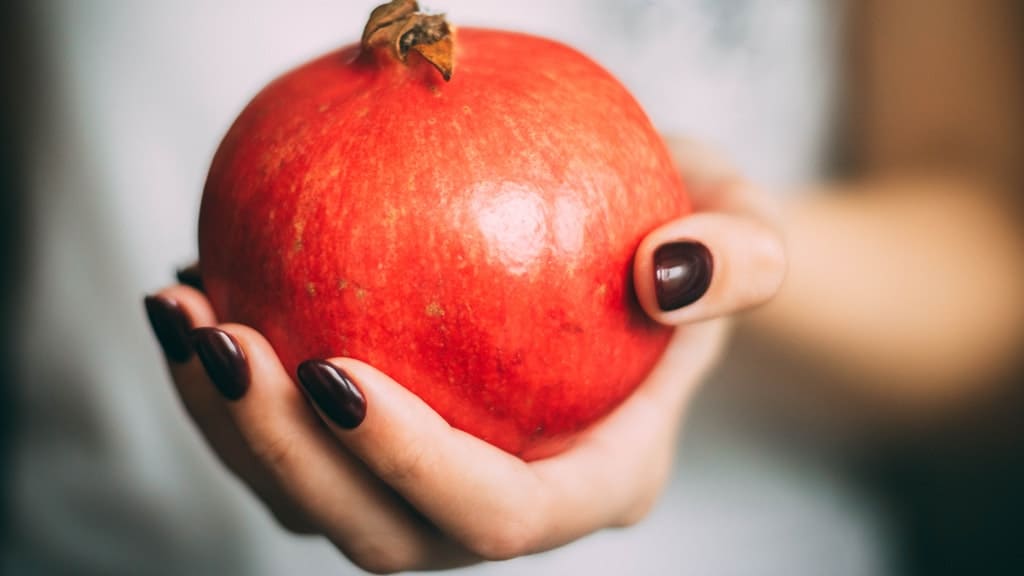
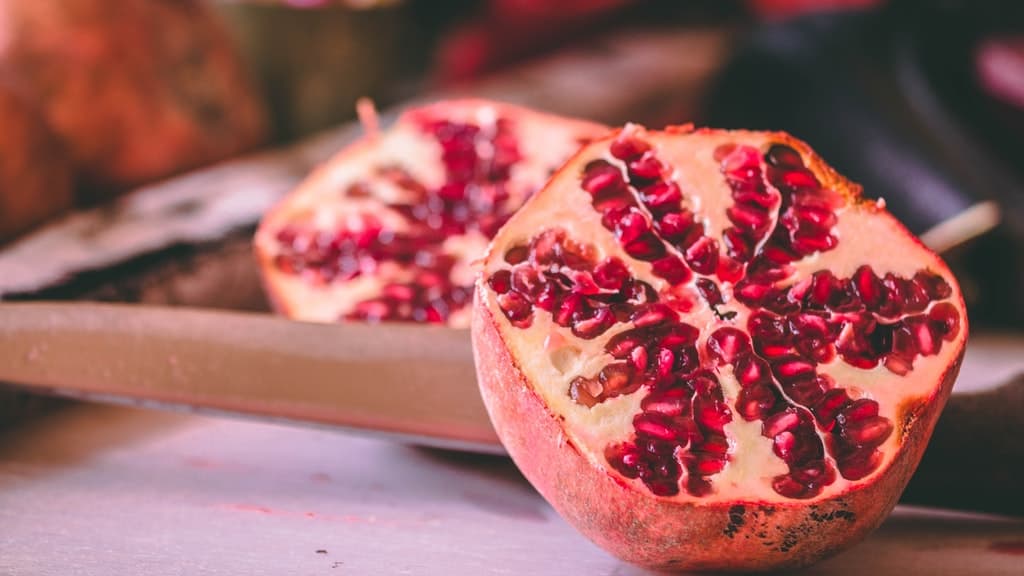
Pomegranates are fruit categorized as a berry. Each piece of this fruit has a diameter of about 2-5 inches, is round and red, and has a flower-shaped stem. The skin is inedible and challenging to get through, but the seeds inside of the fruit are entirely edible and contain a large portion of the benefits.

Pomegranate is not only a delicious fruit, but it is also a fruit full of health benefits that have been backed by doctors. Even the pomegranate juice is full of the benefits, in some cases, in more significant amounts than in the whole fruit itself.

While the proven benefits of pomegranates are plentiful, many don’t realize just how many there are. It is truly an under-rated fruit and should gain much more recognition than it currently receives.

12 Proven Benefits of Pomegranate

1. This fruit contains many essential nutrients.

One cup contains the following nutrients:

  • 7 grams of fiber
  • 3 grams of protein
  • 30% of the daily recommended amount of Vitamin C
  • 36% of the daily recommended value of Vitamin K
  • 16% of the daily recommended amount of folate
  • 12% of the daily recommended amount of potassium

2. Pomegranates encourage an anti-inflammatory response in the body.

Chronic inflammation can lead to many severe diseases, including heart disease, cancer, diabetes (type 2), Alzheimer’s disease, obesity, and many other conditions. Pomegranates have a high anti-inflammatory property. Research shows the capabilities of this fruit to reduce inflammation in the body far exceeds many other anti-inflammatory remedies.

3. They may help prevent or reduce the risk of cancer.

Incorporating pomegranates into your diet could reduce significantly the risk of colon cancer, breast cancer, and prostate cancer. The growth of cancer cells can be slowed down considerably by regularly consuming pomegranate juice. This happens because of the anti-inflammatory and anti-angiogenic properties of the fruit, which prevents cancer cells or tumors from finding a blood supply.

4. The fruit can help normalize blood pressure.

LDL oxidation leads to a build-up of plaque in your body, and this fruit reduces the LDL oxidation. It prevents plaque from building up, and it also helps clear away plaque that has already started to form.

5. Pomegranates can help treat arthritis or other joint pain.

This treatment is mostly due to the anti-inflammatory properties found in the fruit. Arthritis and joint pain can be debilitating if it gets bad enough, and pomegranates have been found to relieve the pain caused by inflammation rather quickly. There are fewer incidences of pain reported by those who consume the fruit regularly, as well.

It is essential to mention that the fruit also blocks damaging enzymes from reaching the joints, preventing and slowing the onset of osteoarthritis.

6. It can reduce your risk of developing heart disease.

Cardiovascular health is improved when pomegranates are regularly incorporated in the diet. By regulating blood pressure, reducing and preventing plaque buildup, and the other health benefits of pomegranate, the risk of developing heart disease (the number one killer in the United States) significantly lessens.

7. They serve as a natural treatment for erectile dysfunction.

Since this fruit encourages blood flow throughout the body and erectile dysfunction is mostly caused by oxidative damage (which is what poor blood flow creates), it only makes sense that pomegranates can treat the issue. Studies suggest that regularly consuming pomegranates in some form treated ED.

8. Bacterial and fungal infections can be treated or prevented by consuming pomegranates.

Consuming pomegranates regularly can help treat both bacterial, fungal, and viral infections. This fruit can stimulate the natural probiotics in the body, which work to fight and prevent infections. Furthermore, pomegranates work extra hard to fight against yeast present in the body.

This applies to oral health as well, as consuming pomegranates can prevent and treat gingivitis and periodontitis.

9. It can improve memory.

The seeds from pomegranates contain large amounts of polyphenols, which have been proven to help retain memory. Further studies have shown that it helps the elderly who have memory problems, and it can slow down the onset of Alzheimer’s.

10. Consuming pomegranates can lead to improved exercise sessions.

Dietary nitrates are necessary for efficient exercise performance, and pomegranates contain high amounts of them. Studies show that consuming the fruit about 30 minutes before exercise improves performance significantly.

11. The pomegranate juice contains antioxidants.

Found in the pomegranate juice, punicalagin is a potent antioxidant that has nearly three times the amount of antioxidants found in red wine, green tea, and many other popular sources of antioxidants.

12. It helps cure anemia.

Pomegranates contain quite a large amount of iron, reversing anemia and preventing it in the future. It also helps encourage blood flow through the body, which also helps with anemia.

How to Easily Include Pomegranate in Your Diet

While recipes that include this fruit may not be well known, there are many out there. If you can’t find a recipe you’re interested in or want a quick way to eat them without cooking or preparing, there are options for that, too.

Some of the best and easiest ways to incorporate pomegranates into your diet include:

  • Drink it

Pomegranate juice is one of the best ways to enjoy all of the benefits this fruit has to offer. You can buy it pre-bottled, but it is essential to make sure that the contents are pure pomegranate with no added sugars or additives.

If you’d rather play it safe, you can make your pomegranate juice by putting all of the seeds into a juicer or food processor. Once you’ve done this, you may want to strain the seeds from the liquid before drinking it.

Another way to drink the juice is to add it to a smoothie. It doesn’t matter which smoothie recipe you use. You can throw a handful of seeds into whichever one you choose.

  • Put it in a salad

For a splash of sweet flavor in your salad, you can throw in some seeds or make a vinaigrette from the juice. You can do this to a typical salad, or you can enhance a more flavorful salad.

  • Make it into a dessert

Some popular options include making it into a creamy yogurt or sorbet. You could also add them into a pie or cobbler, or bake them into cookies and cake. The options are limitless, as they can be added to nearly any dessert.

  • Eat them alone

The seeds make a delicious snack all on their own. Low in calories and packed full of nutrients, a handful of the seeds can give you all of the benefits you need while also holding you over until lunch or dinner.

pomegranate high in ironHow to Easily Peel a Pomegranate

Maybe the reason that pomegranates are so under-rated is because of the thick skin that is hard to penetrate. Many find it to be a struggle to get to the delicious pomegranate juice and seeds, but once it is figured out, the fruit will quickly become a favorite.

Step one:

Wear clothing you don’t mind getting stains on or put on an apron. Line your work surface with a paper towel, as well. This fruit is messy and stains, so taking the proper precautions is necessary.

Step two:

Remove the top and bottom of the fruit using a sharp knife. A dull blade will not cut through the skin, and even if it does, it could easily slip and cut you. The sharp blade is the safest, most effective option.

Step three:

Make four incisions on the fruit from top to bottom, cutting only through the skin and stopping when you’ve reached the fruit. These incisions should be equally spaced, making four equal sections.

Step four:

Get a large bowl and fill it with frigid water. Put the fruit in the cold water and break it into four sections, using the cuts made before.

With the fruit still in the water, pull the seeds from the skin. The seeds will sink to the bottom of the bowl while the other pieces will float. This makes it easy to separate the edible parts from the inedible.

Remove the inedible parts and then strain the water from the seeds. You can store the seeds for about three days in a sealed container.

pomegranate serve up vitamin cFinal Thoughts On the 12 Proven Benefits of Pomegranate

Pomegranate has been proven to be one of the healthiest foods on earth. The many nutrients and other benefits make it a fruit that can’t be passed up. If you weren’t a fan before, try some new ways to include pomegranates in your diet so that you can reap the benefits.

Remember, the skin is inedible (as you will quickly find out when you try to peel it), but the seeds and pomegranate juice are entirely edible and delicious. It is well worth the work of getting through the skin.

Researchers Reveal How Muscular Men Have Lower Risk of Heart Problems

Muscles aren’t just aesthetically pleasing or useful for lifting heavy things.  They may actually save a man’s life.  While men are more likely to develop heart disease and potentially die from a heart attack, researchers reveal how men with more muscle have a lower risk of heart problems.  Admiring a man for having a more muscular physique may now also be related to your understanding that they may live longer and healthier.  Who knows. Maybe male admirers instinctually knew this all along, and science is just catching up?

Men’s statistics related to heart problems

According to the Center for Disease Control and Prevention, about 1 in 4 men died from heart disease in 2017 and it’s considered the leading cause of death of men in the United States.  Heart disease does not discriminate.  The percentage differences are within 1-3% of each race from the total populace of differing nationalities. That said, each nationality has an individual stronger factor related to the cause of heart disease.

Hispanics tend to have higher rates of obesity and diabetes, which leads to heart problems.  African Americans tend to have higher blood pressure.  In the case of Asian Americans or Pacific Islanders, cancer is the leading cause of death among men, with heart disease following second.  Genetics or family history of heart disease affects all nationalities.

More alarming than those statistics is that 50% of the men who died suddenly of heart disease had no previous symptoms.

Causes of heart disease

Most people are familiar with the causes of heart disease.  You can prevent some of these causes by smart lifestyle choices. However, you’ll find others out of your hands.  You stand a higher likelihood of developing heart problems as you gain more related factors.

Uncontrollable factors related to heart problems

  • Age: Past the age of 40, men and women both increase their chances of developing heart disease.  Women develop it more so after menopause, or in their 50s.  Estrogen has proven to be beneficial to the heart in the previous years.
  • Gender: For reasons researchers are still investigating, being born a male increases your risk of heart disease.
  • Genetics: Should you be born into a family with a significant history of heart disease, then it will play a factor.

Lifestyle factors related to heart problems

1 – High blood pressure:

Men can most often control high blood pressure through diet, exercise, and decreasing cholesterol levels.

2 – High cholesterol:

Most cholesterol imbalances are related to diet and smoking.

3 – Smoking:

Smoking creates a decline in various body functions, which places a strain on your heart.

4 – Not being physically active:

Leading a sedentary lifestyle lends itself to weakening your arteries, veins, and heart muscle.

5 – Overweight or Obese:

Carrying extra weight or being obese is usually caused by poor diet choices and lack of exercise.  Both of these can cause high blood pressure and cholesterol, and weakening muscles.  Additionally, it is a strain on your heart to carry excess weight and to attempt to pump blood into a body that is bigger than the heart was designed to accommodate.

6 – Diabetes:

Whether you are born with diabetes or develop it later in life, diabetes is a factor in heart disease.  It is essential to keep the blood sugar as stable as possible to prevent heart disease from striking too early.

7 – Stress:

Managing your stress levels is very important.  Not only does stress increase your blood pressure, but it creates a strain on your heart as your body is releasing hormones designed for fight or flight.  Staying in a stressed state for long periods creates wear and tear on your heart, arteries, brain, and other organs.

8 – Alcohol:

Use of alcohol should be limited to 2 drinks for men per day.

9 – Diet:

Eating healthy foods not only can prevent some of the aforementioned factors,  but also equips your body with the nutrients and energy it needs to maintain healthy function of your organs, including your heart.

Muscle Mass as a way to a man’s heart

The connection to muscle mass and men’s cardiovascular health is not entirely new.  UCLA performed one study and published results in the American Journal of Cardiology in 2016.  Scientists studied the data from 1999 to 2004 of over 6000 people who had a history of heart disease.  The scientists broke up the participants into 4 different categories.  Low fat/low muscle mass, high fat/low muscle mass, high muscle mass/high fat, and high muscle mass/low fat.

The outcome demonstrated that individuals with low fat/high muscle mass had the lowest risk of heart disease and subsequential death from heart problems.

JAMA Study

Another study was published in JAMA in February of 2019, linking a man’s ability to do multiple push-ups to cardiovascular health.  This study looked at the records of 1100 firefighters of an average age of 39 from Indiana who were able to perform 40 push-ups or more in a row.  The exercising group had a reduced their lower chance of developing heart disease over a 10-year span of time by 96%. That is, in comparison to the men who could only do 10 or fewer push-ups.

The main disadvantage of this study was that it used firemen who presumably are already in good health and live an active lifestyle.  Therefore, the push-ups aren’t necessarily an indicator of overall heart health but could be a determinator of one’s overall fitness level.

The most recent study was performed in Greece and published in the Journal of Epidemiology and Community Health in October of 2019.  This study was important because it focused on middle-aged men and women without a history of heart disease. They followed 1000 men and women for 10 years.   Throughout that time, 272 participants received diagnoses of heart disease, including the incidence of strokes.

Those who had higher muscle mass were 81% less likely to develop heart disease, and those with the highest muscle mass also had fewer additional factors such as high blood pressure, cholesterol, or diabetes.

Upon additional evaluation, the researchers concluded that the muscle mass did not make a difference among women.  It only affected men.  Currently, there are only theories as to why.  One reason is that women’s hormones tend to protect the heart until after menopause.  Another theory is that men naturally have more muscle mass in general than women.

Summarizing the studies

All of these studies are based on observation but do seemingly point to the importance of men working to maintain their muscle mass as heart disease prevention.

prevent heart disease by building muscleMethods for men to retain or gain muscle mass with age

Men begin to lose muscle mass at a rate of 3-5% per decade during their 30s.  During the man’s lifetime, he may lose about 30% of overall muscle mass.  Medical professionals refer to this condition as sarcopenia.

some doctors believe that sarcopenia may correlate to a decline in the production of testosterone, which naturally occurs.  Testosterone replacement therapy may help with lessening this.  Another factor is protein.  Protein aids in building muscle, and as we age, we need to consume more protein as our bodies can’t break it down as well.  Men should consume 10-35% of their caloric intake as protein.  Too much protein can damage the kidneys as you age, so don’t overdo it.

Less muscle mass also equates to bone fragility.  Studies have shown that with a decline in muscle mass, there is an increase in the frequency of fractures in the leg, hips, arms, or wrist.

The type of activities recommended for maintaining or building muscle mass include:

  • Strength training or weight lifting for the entire body, particularly your large muscle groups.
  • Resistance bands
  • Floor exercises such as push-ups, pull-ups and sit-ups or crunches
  • Daily activities such as carrying groceries, taking out the garbage, playing a sport, or yard work. Activities that keep the body moving naturally while using muscles are ideal.

heart problemsFinal Thoughts on the Connection Between Increased Muscle Mass and Fewer Heart Problems

Scientists and medical professionals have been working to find out why men are more likely to develop heart problems, and at an earlier age than women, for many years.  While the reason still is not clear, research is pointing to how men with more muscle mass have a lower risk of heart problems.  Decreasing your risk factors is always a good option, but it appears that for a man, physical fitness and muscle mass may play a larger role than initially thought.

Skip to content