Weekly tips, affirmations, and small actions to feel your best.

5 Ways To Be More Successful In Life

Everyone chases success. We all dream of great achievements and accomplishments. Unfortunately, reaching those dreams is easier said than done, and many people struggle with overcoming hurdles, staying motivated, and getting through failure or rough times. Being successful is hard work!

But this doesn’t mean you can’t have a successful life if you’re willing to work for it. As long as you know the right ways to go about reaching your goals, you’re capable of doing just about anything you set your mind to. Still, there are tips that can help you out.

Here Are 5 Ways To Be More Successful In Life

1.    Don’t Get Distracted

Distractions are always going to affect your life, and they can cause you to lose sight of what is really important. Here are some tips for avoiding distractions and removing them from your life:

·         Turn Off Notifications

The constant chiming, vibration, or illumination of a phone screen informing you of new notifications can quickly sidetrack you when you pick up your phone to check them. Turn off notifications for non-important applications, like non-work social media, games, and casual group chats – or turn them all off whenever you need to focus.

·         Take Breaks

Instead of spending time every five minutes distracted by other things, push aside all non-work activities for a set amount of time, they give yourself 5-15 minutes to do what you wanted to do. This will actually have positive effects on your productivity. And, of course, don’t work 24/7 – get enough sleep and have days off.

·         Cut Out Negativity

Negative people can cloud up your headspace and occupy your thoughts. Cut off toxic individuals and pay them no more mind.

·         Write A List

Take note of the distractions that most commonly get to you and win you over. List them down and stick the list somewhere you can see it, pledging to avoid them.

·         Do The Worst Things First

Have a big task that you’re really dreading, or that you know will be difficult? Get it done first thing in the morning when you’re freshest and have the most energy.

·         Stay Healthy

If your body isn’t healthy, you’re not going to be able to devote everything to your work. Eat well, exercise regularly, and take care of yourself.

2.    Manage Your Resources

If you don’t know how to keep your resources in check, then all the talent, skill, and business acumen in the world won’t help you!

The first and possibly most crucial resource you should manage is money. You can manage your financial resources by utilizing these tips:

·         Understand How Income Works

Figure out taxes, insurance payments, loan and debt repayments, and bond payments. Don’t assume you have all of your income to spend.

·         Keeping A Handle On Your Expenses

Calculate your monthly disposable income, create a savings account, and review bank statements to see where you overspend.

·         Save

Make a savings account and put aside at least 10% of your income monthly. If your employer will allow it, you can ask that a portion of your monthly income is deposited directly into a savings account.

·         Invest Carefully

A retirement savings plan is really your best investment. For every other kind of investment, be smart about it!

·         Reduce

If at any point you find yourself overspending, cut back. Take a look at your statements and expenses to see what is unnecessary.

·         Manage Time

Time is another resource that is often overlooked. You must manage time for positive results, and do so in the right way for success. You can manage it by utilizing these tips:

·         Set Reminders

If you always have your phone with you, a smartphone calendar and schedule will keep you on task with reminders.

·         Use A Planner

For a more old-fashioned approach, purchase a planner and use it to maintain your organization.

·         Schedule Tasks

Important tasks should be scheduled first so you don’t wind up procrastinating. Big tasks that take up large chunks of time should be added to a schedule first, then pepper in smaller ones around them.

·         Make Daily To-Do Lists

Stay motivated and organized with daily checklists that you can tick or cross off as you go.

3.    Successful People Seek To Learn, Not Win

A lot of people make the mistake of only aiming for accomplishments. This means that no matter how much they learn or progress, as long as they don’t get a big, gold star-worthy success, in the end, they feel demotivated.

Some people don’t consider the process of learning to be part of success, but this isn’t logical. No one is going to succeed the moment they begin something (aside from those rare bursts of beginner’s luck). You have to learn, fail, and learn from failure in order to succeed. That’s just how life works.

So don’t focus so much on winning. Focus on the journey – the process of discovery, understanding, experimenting, and getting better and better. There is so much joy to be found in the improvement and exploration process. Here are some ways to become an active, relentless learner:

  • Mentor and be mentored by others
  • Don’t pretend to know when you don’t, and don’t stay silent when you have a risky question
  • Make new friends and learn from them
  • Keep yourself up-to-date on news and current events
  • Involve yourself in a hobby or class
  • Read new books, takes notes while reading, and keep building your reading list
  • List failures and lessons, and be grateful for each
  • Share your knowledge with others
  • Listen to differing points of view
  • Ask for help when you need it

4.    Be Committed

Many people focus too much on motivation instead of commitment. Motivation is not everlasting – it will dip and fold after a while. Commitment is what prevents the pile of unfinished projects from growing, and it is what you need to stick to your plans and goals.

Here are some tips to improve your commitment levels:

·         Be Realistic

If you set unrealistic goals or make lofty promises you can’t keep, it’s going to become apparent as you go along that you’ve dug yourself into a difficult situation. This will likely cause you to abandon the entire project.

·         Devote Time To Change

Whatever it is you’re working on improving in your life, devote time to it every day. If you’re trying to be more active, spend 15 minutes walking around the neighborhood. If you want to sharpen your chess skills, solve chess puzzles for half an hour daily and devote a couple of hours to practical practice on the weekends. It’s easy to forget smaller goals. Don’t let that happen.

·         Replace Instead Of Eliminating

If there’s a behavior or habit you’re trying to cut out of your life, you must find something to replace it with. Without a replacement, you’re likely to fall to temptation and slip back into old habits.

·         Don’t Cancel On Plans If You Can Help It

Try not to cancel plans unless an absolutely unavoidable emergency, and especially not twice in a row with the same person. If you keep making plans that need to be canceled, take a step back and figure out why your commitments are too much for you.

·         Ask For Support

Have someone in your life keep you on task. If they notice you slipping up, they can tell you that you’re becoming complacent, and they won’t accept your excuses the way you may!

·         Never Stagnate

If your progress towards your goals has not moved in a while, something is wrong, and you may wind up forgetting about them or becoming too disinterested in continuing.

5.    Stay Positive

Positive thinking is often overlooked when it comes to becoming successful. It’s more important than many people may believe. If you don’t believe in yourself, no one else will, and good things won’t come to you.

You have to be able to envision your success in order to achieve it. While this is easier said than done, it is definitely possible to work on your positive thinking to the point that you 100% believe in yourself and know that, with the right methods, you can succeed at anything you set your mind to.

This will be especially important when you wind up facing setbacks – which everyone will face in life. Positivity will allow you to keep moving forward, even when it’s difficult. Here are some tips to help cultivate positive thinking:

·         Enjoy The Present

While it’s important to learn from the past and prepare for the future, the present moment is crucial too. Love the present and keep yourself grounded. Focus on the now instead of what may happen tomorrow, and pay attention to the little details in the world that make it better.

·         Try Positive Affirmations

Repeat phrases that are specific and motivational to yourself every day in the mirror. It’s a “fake it till you make it” process, but it can work if you set your mind to it. Eventually, the repeated positive affirmations will be internalized, and you will believe them with all your heart.

positive affirmations

Read ten life-changing positive affirmations that will help you succeed.

·         Be Grateful

When you’re on the grind, it’s very easy to forget about all the good things in your life that you can be thankful for. Keep a journal or diary where you can list down a few things you’re grateful for every day – at least three of them. On bad days, you can list simple things: your basic needs being met, the people in your life, your favorite movies or shows, and more.

·         Don’t Compare Yourself To Others

Everyone has their own journey, with a unique set of difficulties and privileges. Comparing yourself to those around you is unfair to both yourself and them. Of course, your progress isn’t the same – you’re different people! Besides, these kinds of comparisons can harm your thinking and make it difficult to stay motivated.

quotes from successful college football coaches

Click to read motivational quotes from successful college football coaches.

Final Thoughts on Leading a Successful Life

Success is elusive, but not as much as you may think. By putting positive habits into practice and working smarter, not harder, you’ll be able to achieve more success in your everyday life. These tips will be able to help you as you navigate the difficult waters of the world.

Don’t forget to be grateful for all the successes, even the small ones. You’re going to have your fair share of big and small accomplishments, and each one is just as valuable. Be kind to yourself, but be strict with yourself too, and you can do anything!


Doctors Reveal a Nerve Freezing Treatment to Eliminate Pain Medication

Anyone who has lived in chronic pain or has cared for someone living in constant pain knows that it is draining, emotionally, and physically.  Breaking the cycle of pain is essential to any recovery, yet addiction is a real hazard of being on pain medication.  You need not be ashamed if you’re on pain medications. However, if you have another method to explore, why not give it a try?  Fortunately, more methods are becoming available to aid in pain management.  Doctors reveal a nerve freezing treatment to eliminate pain medication.

The Cycle of Pain

Unless you have experienced long term pain or cared for someone who lived in chronic pain, you may not know how pain creates a cycle that exasperates the sensation of pain and can sabotage your ability to get out of pain.  The Pain Cycle works like this:

  1. Develop an illness or disease, injury, or have a surgery that initiates a source of pain.
  2. Your muscles automatically tense up to protect the vulnerable area, which causes more pain and less ability to be mobile, which would allow therapy to decrease the pain.
  3. An individual becomes fearful, angry, and frustrated at the lack of mobility. Additionally, they are sleeping less, which not only increases the sensation of pain but also decreases emotional stability and cognitive ability.
  4. Over time, this creates depression, hopelessness, the feeling of a lack of control, and other negative feelings. The individual will feel alone and isolated.  They will decrease or eliminate any social interaction furthering the isolation.
  5. Increased fatigue due to lack of sleep, inactivity, pain, depression, and potentially other complications from the injury or disease.

Without significantly decreasing or eliminating the pain, this cycle will continue, and the pain, decreased mobility, and emotional stress will only increase.  This is why pain management is essential.  An individual cannot begin to heal without being out of pain properly.

Using medication to eliminate pain

Medications are the first step we all reach for when we are in pain.  Most of us are familiar with over-the-counter pain medications.  We may use them for occasional aches and pains from illnesses, dental treatments, muscle strains, headaches, fevers, and mild to medium back pain.  They each have their pros and cons in their use, and the effectiveness may vary per person.  They consist of:

Over the Counter NSAID medicines

  • Most often advised due to its lessened irritation of the stomach and decreased chance of liver damage. Many sinus and cold or flu medications commonly have this ingredient.  Doctors often recommend this medicine for pregnant women or children due to fewer side effects.
  • It can be more irritating to the stomach but acts quickly and doesn’t stay in the system as long.  Pharmacists call it NSAID or a non-steroid, anti-inflammatory drug.
  • One of the oldest pain medications.  Pharmacists often recommended that patients take this drug in a buffered form to reduce stomach irritation.  Additionally, they don’t recommend it for children.  However, it is a proven potential quick treatment if you believe you are having a heart attack as it thins the blood, reducing blood clots.
  • One of the newer NSAIDs and generally considered a preferred treatment for mild arthritis or any inflammatory condition.  It might also be harsh on the stomach. Therefore, patients shouldn’t take it over extended periods.

All of these over-the-counter medications can cause liver damage or other complications to the system if they are taken too frequently and regularly.  They are intended for short durations of time.

Opioids

The next batch of pain killers is commonly referred to as Opioids or prescription pain killers.  Currently, there is an epidemic of addiction-related to these pain killers as they can be very addicting due to their ability to block the sensation of pain to the brain and produce the sensation of pleasure.

They are commonly prescribed for a short term after a surgery or injury or if you have been diagnosed with cancer or another long term disease, which creates pain.  These consist of:

  • Codeine sometimes also mixed with acetaminophen
  • Hydrocodone and also can be combined with acetaminophen. Usually recognized under the name of Vicodin.
  • Hydromorphone or it’s brand Dilaudid
  • Meperidine or its common name of Demerol
  • Morphine
  • Oxycodone or as its most commonly known, OxyContin
  • Propoxyphene or the brand name of Darvon. Currently, this drug is no longer available in the United States, according to WebMD.
  • This is the strongest and most addicting opioid available.  It is usually reserved for cancer patients or patients with a painful terminal illness.  Unfortunately, it is also mixed in illegal street drugs, adding to the opioid addiction crisis.

In addition to the risk of addiction, if used for extended periods of time, these medications can create a long list of side effects such as:

  • Depression
  • Severe drowsiness
  • Constipation
  • Sweating
  • Itching
  • Nausea
  • Foggy thinking or impaired judgment
  • A weakening of the immune system
end addiction

Meet 12 brave people who beat addictions.

Alternatives to eliminate pain medication

While pain medication has been the first route in handling pain, it is not always effective.  Many people who live in chronic pain receive little benefit from taking pain medicine.  This is especially true if the pain is due to an extensive injury or surgery.  Due to this, and the addictive tendencies and additional potential health complications, alternative treatments have been devised.

One such treatment that doctors have revealed is a freezing treatment.  It is known as Cryoneurolysis or Cryotherapy.  In short, it is the freezing of a particular nerve bundle related to the cause of the pain.  The ice acts as a nerve blocker without using any steroid, medication, or electrical stimulus.

A report was published in 2013 in Science Daily about a study performed at Stoney Brook University in Stoney Brook, New York. The medical director of the University, William Moore M.D., headed the research.  The study focused on patients with neuralgia.  The ending result was the patients were able to get off of or greatly decrease pain medications.

Twenty patients received cryoneurolysis treatment.  Prior to the treatment, the average pain measure was between 8-10 on a pain scale.  After the treatment, their pain level was down to 2.4 within the first week.  Six months later, the pain did increase to about 4.  The results and length of time of decreased pain do vary with each patient. Thus, the patient may need to repeat this outpatient procedure.  However, some patients remain pain-free for a full year.

How does “freezing” work?

The process itself is relatively easy.  Doctors identify the painful nerve bundles. Then, they insert a small probe through a small cut in the skin. They cool the probe using pressurized gas, forming icicles on the selected nerves.

Another study was performed on patients who had knee osteoarthritis.  R. Radnovich of the Injury Care Medical Center in Boise, ID in 2017, and a group of other doctors from across the United States led the study.  They had 150 patients who either underwent the cryoneurolysis treatment or the customary treatment.  The end result was a significant decrease in pain for those who underwent cryoneurolysis for up to 150 days. There were minimal side effects, and they all resolved themselves within 30 days.

otc pain medication may cause adhd

Read the connection between moms who take NSAIDs during pregnancy and ADHD.

Final Thoughts on Eliminating the Need for Pain Medication

Finding effective methods to limit or halt the cycle of pain is essential to any person’s recovery and future health.  While the availability of over-the-counter medications can be effective for small, short-term pain periods, using opioids for more intense and long term uses carries with them too many hazards.  Those hazards include addiction, degradation of your mental facilities through extreme drowsiness, liver damage, depression, and more.  Opioids are not a long term solution for conditions that we don’t have an answer for.

Doctors revealing a nerve freezing treatment to eliminate pain medication doesn’t just eliminate medication; it eliminates potential future complications and makes mobility more of a workable solution than pain medication does.  Cryoneurolysis offers an alternative treatment as another nerve blocker with no medication complications and no equipment to attach to receive treatment.  Side effects were minimal and easily alleviated in a short period of time.  This is the kind of treatment that we want to be available, and hopefully, the full capacity of its uses will continue to be investigated.

Neurologist Explains the Causes of Cluster Headaches

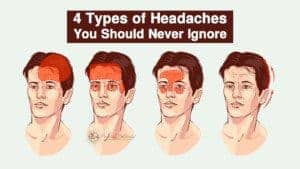
Cluster headaches are uncommon and short but severely painful headaches that occur every day for an extended period of time. This time period could be a couple of weeks, but it could go on for as long as a month. They are thought to be related to the seasons as those who suffer from them report them during the same time frame each year.

While many may know what these headaches are, fewer know what causes them. Neurologists have worked for many years to determine the exact cause and have narrowed it down to a nerve in the face that causes extreme pain around one eye.

While the cause has been linked to that facial nerve, there are more causes than just that alone. Certain events can trigger cluster headaches. So knowing the causes can help prevent them or ease the pain in the future. Before discussing the causes, however, it is important to narrow down the symptoms so you know for sure that cluster headaches are the problem.

Symptoms of a Cluster Headache

The symptoms of these headaches are unique and are very different from headaches caused by tumors or blood clots. These symptoms include:

  • pain so intense that it is difficult to do anything except pace
  • full force pain within 5-10 minutes of onset
  • one-sided
  • burning or piercing sensation
  • pain starts near one eye and spreads to the forehead, temple, nose, cheek, or gum
  • feeling your blood pulse
  • short duration (normally 30-90 minutes but can be anywhere from 15 minutes to 3 hours)
  • they happen around the same time each day
  • occur daily for a time period of two weeks to three months
  • swollen eye
  • smaller pupil in the affected eye
  • eye redness and/or watering
  • congested or runny nose
  • warm, red face
  • sweating
  • light sensitivity

A Neurologist Explains Further

Neurologists say those cluster headaches are caused by your blood vessels widening. This widening causes pressure on the trigeminal nerve, which is the nerve that transmits feeling from the face to the brain.

It is believed that this occurs due to abnormalities in your hypothalamus. To explain further, the hypothalamus is an area of your brain that regulates body temperature, sleep, hormone release, and sleep.

Another reason for cluster headaches–the release of histamine, the chemical that fights allergens. Additionally, the release of serotonin can cause cluster headaches, which is the chemical that regulates your mood.

There are daily events that could cause a headache during a series of them. A simple lifestyle change could help control them.

The Causes of Cluster Headaches

1. Cigarette smoke

An interesting fact is that more than 80% of those who suffer from these headaches have been long-term tobacco smokers. This makes you wonder if there is some type of connection between tobacco and these headaches aside from just triggering them but so far, it has not been determined that it is the ultimate cause. Additionally, many of those who suffer from headaches and are not smokers themselves reporting having had parents who smoked cigarettes around them when they were younger.

Cigarette smoke is known to increase carbon monoxide levels in your body and you receive less oxygen when smoking. Both of these problems can trigger headaches.

2. Alcohol

Skipping any type of alcohol including beer and wine is wise when you are suffering from a series of these headaches. Just a small drink can trigger a headache. Having a drink or two when you aren’t having a cluster series is normally fine, however.

3. Strong smells

Strong scents including cologne and perfume cause your blood vessels to dilate. This could bring on a cluster headache during a series.

4. Irregular sleep schedule

By keeping a regular sleep schedule, you may be able to avoid some of the headaches from coming on. Even a small change in your sleep schedule can bring on a cluster headache. A big change in your schedule, however, is likely to bring on a severe one.

5. Allergens

These headaches are caused by allergens because the chemical histamine is released when fighting allergens.

6. Stress

When you are stressed, your body released the chemical serotonin, which is known to cause one of these headaches.

7. Sex hormones

These types of headaches are more common in men. They seem to be triggered more often when a man’s testosterone levels drop abnormally low.

8. Strenuous activities

Weight lifting and other strenuous activities can trigger a cluster headache when you’ve been having a series of them. This is because it causes the blood vessels to dilate. Surprisingly, strenuous activities can even cause the blood vessels to burst if you do too much.

9. High altitudes

A change in altitude may affect cerebral blood flow which can cause dilation of blood vessels. Higher altitudes also mean less oxygen, so that could play a part in a headache, as well.

10. Foods with large amounts of nitrates

These foods include bacon, hot dogs and lunch meats. Too many nitrates can cause blood vessels to dilate.

11. Hot baths

It has been proven that increased body heat can trigger a cluster headache. This rise in body heat can occur due to a hot bath, home heating or from the environment. Anytime that your body heat rises quickly, within an hour or so, it can trigger a cluster headache.

When to See a Doctor

While you can try to avoid the previously discussed causes of a cluster headache, it is still always important to seek the care of a neurologist. There are treatment and preventative options available, and a doctor will want to run tests to check on the reflexes and nerves. They will also want to check for tumors or aneurysm, just to be safe.

After the initial diagnosis and health checks, you will likely only need to see your doctor about the headaches if they become so problematic to you that you would like a treatment or preventative. Other times you would need to see your doctor include:

  • If the pattern of your headaches change
  • The headaches feel different
  • An abrupt and severe headache sets in
  • You get a fever and begin vomiting or experiencing nausea during a cluster headache
  • You have a stiff neck, mental confusion, a seizure, numbness or trouble speaking
  • Your headache begins after a head injury, no matter how minor

Five Ways to Prevent or Stop a Cluster Headache

There are several treatment options for a cluster headache. The options include:

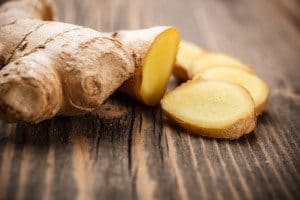
1 – Ginger tea

Ginger naturally helps to alleviate headache pain. Make a steamy cup of ginger tea and sip away the pain.

ginger for cluster headaches

Learn 8 wonderful reasons to add ginger to your diet.

2 – Capsaicin cream

Capsaicin, a topical cream, warms the skin to the touch. The gentle heat will help remedy your headache. However, take care not to apply near the eyes.

3 – Deep breathing

Mastering the science of deep breathing is essential to your well-being. And, if you suffer from cluster headaches, it’s a mush-have trick to keep up your sleeve. This technique will deliver vital oxygen into your blood and brain to help deliver the pain relief you crave.

4 – Peppermint essential oil

Mix two to three drops of peppermint essential oil to a carrier oil, such as rosehip seed oil or sunflower oil. Massage the mixture lightly into your temples and the site of your discomfort for relief.

5 – Light exercise

When you are struggling through a cluster headache exercise might be the furthest thing from your mind. But it’s worth powering through your pain for a light walk or a 15-minute easy yoga session. You’ll get the blood and oxygen flowing and feel better afterward.

headache infoFinal Thoughts on Pinpointing the Causes of Cluster Headaches

Cluster headaches can be unpredictable and debilitating, but knowing what triggers them can allow you to somewhat control the frequency and the severity of them. While nothing will stop them forever, knowing what causes them may help you handle them better.

If nothing helps, you may have to seek the help of a neurologist for medication to prevent and lessen the pain. Neurologists have been studying the headaches for years and are still trying to learn more about them.

All that you can do is follow professional advice and work to avoid triggers, while also working to determine what time of year headaches occur. Once you learn when they usually occur for you, you will know when to have medication ready and available or when you should try to stay home in case one happens.

13 Red Flags That Reveal Toxic Friends

Most friendships can be a little stormy from time to time, but if yours feels like you’re riding an emotional rollercoaster more often than not, you may be dealing with a toxic friend.

Here are some signs to look out for that may help you avoid getting tangled up in a toxic friendship.

13 Red Flags That Warn You of Toxic Friends

1. They Make You Feel Insecure

Though they often seem supremely confident, the majority of toxic people have little to no sense of self-worth. Often, they will compensate for their low self-esteem by tearing others down so they can feel superior in comparison.

A toxic friend will try to bring you down to her level through frequent criticism, nitpicking, unsolicited advice, and subtly demeaning “jokes” at your expense. If you react negatively to her mistreatment, she will likely accuse you of being oversensitive. Or, she will insist she only has your best interests at heart.

2. They Compete with You

There’s nothing wrong with a little healthy competition between pals. That is, as long as that competition is limited to the soccer field, bar trivia, or board games. But toxic people like to compete with you at everything. They consider work, love, sex, friendship, material success, beauty, all fair game. What’s more? They are only satisfied when you lose.

Sometimes their competitiveness is overt, like making a move on the man or woman they know you’re interested in, chasing after one of your exes, or applying for a position they know you’re hoping to get.

Other times it’s more covert and takes the form of one-upmanship: If you share a piece of good news, they have to top it with something better. If you’re talking about a recent achievement, they’ll redirect the conversation to brag about their successes.

A competitive, toxic friend will rarely offer congratulations when they’re due or take any sincere joy in your triumphs. Instead, they’ll use them as a jumping-off point to demonstrate how they’re better.

3. You’re Always “Walking on Eggshells” Around Them

Toxic friends are people who can dish it out for days but can’t take it for a second. They have no qualms about criticizing you relentlessly. Furthermore, they expect you to tolerate it. But if you offer even constructive criticism, you are “attacking” them. If you disagree with their choices and tell them so, you’re a bad friend. If you point out their hurtful behavior, you’re overreacting.

Ironically, even as they accuse you of being “too sensitive,” toxic people are prone to having angry outbursts, throwing tantrums, and holding grudges. If you find you can’t have difficult conversations with a friend without them erupting in anger, it’s quite probable you’re dealing with a toxic friendship.

4. They Monopolize Every Conversation

Dialogue with a toxic friend is never a two-way street. Every minute you spend talking about yourself is a minute less. They love to be in the spotlight, so it’s common for them to redirect the conversation to themselves at every opportunity.

Toxic friends will rarely ask you about your life or show real interest in what you have to say. They aren’t listening attentively when you talk; they are planning what they intend to say next. When you’re trying to tell them something important, they’re likely looking at their phone.

In healthy friendships, your friends will talk and listen in equal measure, show real interest in what you have to say, and be supportive when you need it. This is rarely the case with toxic people.

5. You Feel Drained After Spending Time with Them

A night out with some good friends feels uplifting and refreshing. In contrast, a night out with your toxic friend leaves you feeling like you need a nap. Toxic people seem to consider complaining a form of recreation, and the more you listen and try to empathize, the needier they seem to become.

Toxic people enjoy indulging in long monologues about their many hardships, and they never seem to talk to you, only at you. In the rare case that they seek your advice, they won’t take it, and next time you meet, you’ll be hearing the same monologue about their latest bad decisions.

Above all, a toxic friend is too preoccupied with his unhappiness to consider that you might be struggling and require support, also – unless he sees an opportunity to give you some patronizing advice.

6. They Only Call When They Need Something

The toxic friend won’t return your calls, but they’ll turn up when they need to borrow money. They’ll forget to invite you to the party, but they’ll remember you exist when they need someone to help them move into their new apartment. They’ll turn down your invitation to go out for coffee, but they’ll come knocking when they’re depressed and need someone to listen to them complain.

It’s common in friendships like these to feel used or forgotten except when the toxic person has some need you can fulfill. If you often feel like your friend takes more from you than they give, you are likely dealing with a toxic friendship.

7. Their Lives are Non-Stop Drama

Everyone experiences bumps in the road from time to time: job loss, a bad breakup, mental health problems, family strife. But the toxic person’s life is like a vortex of constant drama. Problems seem to follow them wherever they go, and conveniently they are always somebody else’s fault.

The toxic person can’t hold down a job for more than a few months. All of their romantic relationships seem to go up in flames, and every ex they talk about is “crazy.” They get kicked out of apartments, lose friendships, and frequently struggle with substance abuse, compulsive spending, or other vices – and they sometimes even expect you to foot the bill.

8. They Can’t Be Trusted

Anything you tell the toxic person in confidence will likely be shared with other members of your social circle. Gossip is one of their favorite pastimes, and you can be sure that if they discuss others’ lives with you, they’re probably talking about you, too.

You often find yourself questioning whether their stories are real, and when you talk to mutual acquaintances, you’ll frequently find yourselves dealing with multiple versions of the same stories. The details never quite add up with toxic people, and it’s common for them to inflate their achievements to seem more impressive to others.

9. You Don’t Like Who You Become Around A Toxic Friend

Toxic people have an uncanny way of bringing out the absolute worst in you. You feel more combative, angry, anxious, and wound up after time spent with them. You might find yourself overindulging in alcohol or drugs, complaining and gossiping more than usual, or having a worse outlook on yourself and your life when you’re around them.

10. You Have to Apologize for Them

Even if the toxic person in your life is decent to you, they’re frequently unkind to others. They’ll be rude to waiters and customer service people, they’ll insult your other friends, and they’ll cause chaos at parties and group gatherings.

You’ll probably find yourself apologizing for their embarrassing behavior more than you’d like, and even making excuses for why they’ve acted the way they have: “He’s been having a tough time since his girlfriend left,” or “She doesn’t always think things through before she says them, but I promise she’s charming once you get to know her.”

Over time, you might find the rest of your social network disappearing as your other acquaintances try to limit their contact with the toxic person in your life.

friendship11. You Have to Apologize to Them

If the toxic person in your life hurts your feelings and you try to confront them about it, the odds are good that by the end of the conversation, you will be apologizing to them.

Manipulation is common among toxic people who find criticism unbearable, so if you try to air a grievance with them, they’ll have a reason why you’re wrong to do so. They’ll claim that you’re too easily offended, they were only joking, but you took it seriously, they were merely reacting to what you did in the first place, and so on.

Toxic people can’t stand to be wrong. Thus, they’ll pull out all the stops to get themselves off the hook.

12. Your Other Friends Dislike Them

It’s nearly guaranteed that not all your besties will get along with each other. Some personalities don’t mesh well. But if most or all of your other friends shun and avoid one, in particular, there’s probably a good reason.

13. You’re Happier When They’re Not Around

Anytime you get a break from your toxic person; you may notice positive changes. Your mood lifts, your self-esteem increases, and you feel better about life. That’s probably not a coincidence.

toxic friendsFinal Thoughts on Identifying Toxic Friends

Though you shouldn’t immediately dump a friend over occasional conflict if one of your friends exhibits most or all of these signs, consider opting out of the relationship for your wellbeing.

12 Proven Health Benefits of Elderberry Supplements

Are you looking for a supplement that will provide multiple benefits and is easy to incorporate into your daily routine? The elderberry is a blue-black berry from trees or shrubs belonging to the genus Sambucus. Medicinal elderberries usually come from the species Sambucus nigra, which is native to both Europe and parts of North America.

While raw elderberries are mildly poisonous, they can be made into a variety of supplements that have health benefits. People can make these berries into syrups, lozenges, teas, wines, and capsules, and syrup for smoothies or yogurt.

12 Health Benefits of the Elderberry

elderberry

1. Elderberries Are Nutritious

A cup of elderberries, or the equivalent, contains 106 calories. It also contains the following nutrients:

  • 26.7 grams of carbohydrates
  • 870 milligrams (mg) of Vitamin A
  • 9 mg of Vitamin B9 (folate)
  • 52.2 mg of Vitamin C
  • 55 mg of calcium
  • 2.32 mg of iron
  • 406 mg of potassium

2. Elderberries Are A Good Source of Fiber

The same cup of elderberries also contains 10.2 grams of fibers – which is about a third of the recommended daily amount, according to the “2015-2020 Dietary Guidelines for Americans.” It recommends 28 grams of fiber for women and 34 grams of fiber for men.

Getting the recommended daily amount of fiber provides health benefits that include the following:

  • Reduction of cholesterol
  • Prevention of constipation
  • Improvement of bowel function
  • Reduction of blood pressure
  • Protection from cardiovascular disease
  • Protection from colorectal cancer

3. Elderberry Supplements Can Treat Colds and Strep Throat

Elderberries contain antioxidants like Vitamin C. They also reduce inflammation and boost the immune system. Their anti-inflammatory properties mean that they might soothe a sore throat. Elderberries also have anti-depressant properties, so they can improve a patient’s mood while they are recovering.

4. Supplements Can Relieve Influenza Symptoms

In 2004, the “Journal of International Medical Research” described a study conducted during Norway’s 1999-2000 flu season. Researchers worked with 60 patients between 18 and 54 years old who had flu symptoms. They gave some patients a placebo and others a syrup made from elderberries. Both sets of patients were given syrup four times a day over a five-day period. The patients who got the elderberry syrup experienced relief of their symptoms by an average of four days earlier than the patients who were given the placebo. They also needed to take less medication than the patients who were given the placebo.

Extracts from elderberries can inhibit the Streptococcus bacteria that cause strep throat. They can also fight influenza B and A viruses.

5. Elderberries Can Treat Acne

Elderberries contain lots of flavonoids, which are nutrients found in plants. They have anti-inflammatory and antioxidant properties and can thus protect the skin from free radicals that can cause conditions like acne. A face wash made from elderberries is also an antiseptic and can be used to treat acne.

6. This Supplement Strengthens the Immune System

Elderberries can reduce the chances of contracting flu and colds. In 2016, the science journal “Nutrients” described a study involving volunteers who traveled by plane, which often puts stress on the respiratory system. The researchers worked with 312 volunteers who were taking a plane to Australia.

They gave a placebo to some of the volunteers and an extract made from elderberries to the others. The travelers had to take the capsules ten days before and five days after their flight. Both groups had to fill out surveys describing any upper respiratory systems before and after the trip.

Seventeen of the travelers who got the placebo got sick compared to twelve of the travelers who were given the extract. The travelers, given the placebo, also stayed sick for a longer time.

In fact, the travelers who were given capsules made from elderberries recovered from their infections two days earlier than the people given the placebos. They also experienced milder symptoms.

Elderberries contain lots of antioxidants, including Vitamin C, and those antioxidants help strengthen the immune system and prevent some types of illnesses. Elderberries can be made into gummies, capsules, or syrup.

elderberry supplements7. Elderberries Help the Heart

Elderberries contain a lot of potassium and thus help control blood pressure. A diet that is high in potassium benefits the heart and reduces the risk of fatal ischemic heart disease. Elderberries also contain anthocyanins, which are compounds that protect the inner wall of the blood vessels. That protection reduces the risk of heart disease by improving circulation, so the blood flows more easily.

In 2013, the “British Journal of Nutrition” described a study conducted by German researchers who worked with 42 obese and overweight women who had not yet passed through menopause. During an eight-week period, the scientists gave some of the women capsules containing powdered elderberries and gave the others capsules containing a placebo. They also had the women exercise on treadmills. By the end of the eight weeks, the women who had been given powdered elderberries showed greater improvements in their circulation than the women who had gotten the placebo. They also showed a greater reduction in their ox-LDL (oxidized low-density lipoproteins) levels, which meant their atherosclerosis had declined.

A 2010 study found that berries, in general, are good for the heart. Researchers published a paper in the science journal “Nutrition Reviews,” in which they examined the health benefits of eating different types of berries or taking extracts made from berries. Those benefits include the prevention of heart disease, and the researchers thus recommend that berries be part of a “heart-healthy diet.”

8. Elderberries Can Help Prevent Cancer

Elderberries contain a flavonoid called quercetin that has anti-inflammatory and antioxidant qualities. It also stimulates the immune system and may aid cancer treatments. A study conducted at the University of Missouri’s College of Agriculture, Food & Natural Resources indicated that elderberries could both prevent and treat prostate cancer. The researchers found that high concentrations of elderberry can inhibit a biochemical process called hedgehog signaling, which has been implicated as a cause of prostate cancer.

9. These berries Keep Skin and Hair Healthy

Elderberries owe their color to anthocyanins, which also help protect the skin. An extract from the fruit can reduce bruising and inflammation. The antioxidants in elderberries mean that the extract can also be used to treat herpes. The Vitamin A in elderberries can reduce and prevent the development of wrinkles.

Elderberries can improve the health of a person’s hair. Oil or serum made from the berries can treat split ends and may even stimulate new growth.

10. Ideal to Help Brain Health

Elderberries contain nutrients like flavonoids that can slow the cognitive decline that often accompanies aging. In 2014, the science journal “Frontiers in Pharmacology” published a review of different studies devoted to the effects of flavonoids on the brain. The researchers found studies that demonstrated that the anthocyanins in various berries, including elderberries, could improve the health of both the brain and the neurons. At least one study found that flavonoids in blueberries could improve memory.

The quercetin in berries also helps keep the brain healthy. Its antioxidant properties help it protect the brain. The scientists found at least a couple of studies that found quercetin could help patients with vascular dementia by reducing the size of the ischemic lesions in their brains. Quercetin can improve memory, and it may help repair nerves damaged by injuries to the spinal cord. It can also stimulate the mitochondria in the cells and thus boost their health, and it also reduces inflammation.

11. Elderberries Help Your Eyesight

Elderberries contain a lot of Vitamin B6 and Vitamin A, both of which help eyes stay healthy. They can, for example, decrease the risk of serious eye diseases like macular degeneration and glaucoma. The antioxidants in berries also help protect the eyes. The anthocyanins in elderberries reduce inflammation, and people have used the berries to treat inflammation of the eyes.

12. Elderberries Help Promote Weight Loss

Since elderberries contain lost of fiber, they help people stay full longer and prevent them from overeating. They thus help them lose weight.

The journal “Phytotherapy Research” reported a 2008 study in which researchers treated 80 obese patients with extracts made from elderberries and asparagus. At the end of the study, they found that the volunteers had lost weight. Their blood pressure had also gone down, and they felt better, both physically and emotionally. Most of the participants reported that they found the treatment very easy to follow.

echinacea tea and elderberry supplementsFinal Thoughts on Using Elderberry Supplements

Humans have used elderberries since antiquity. Hippocrates (460 – 370 BC), the Greek physician sometimes called the “Father of Medicine,” described the elderberry as his “medicine chest” because of its many beneficial uses.

As already mentioned, people should not eat elderberries raw, for they can cause nausea and vomiting. However, you can opt to cook elderberries for use in a variety of foods, including jams and pies. You can also use them in a wide variety of supplements.

Elderberries prove to have a number of health benefits, and researchers are finding still more possible uses for them. They may, for example, be helpful against gingivitis. Many people would benefit from adding elderberries to their list of supplements.

5 Causes Of PCOS (And How To Prevent Symptoms)

Polycystic ovary syndrome, called PCOS for short, is a hormone disorder that affects people with a uterus at reproductive age. It affects approximately 1 in 10 individuals fitting that description, often leading to infertility, obesity, and diabetes.

PCOS causes irregular menstrual cycles, often causing infrequent or extremely light periods. Ovaries may also be unable to release eggs, leading to infertility as it produces numerous follicles – little collections of fluid – instead. Some PCOS patients may also develop cysts in their ovaries, most of which are benign and will rupture or go away on their own, though they can cause a lot of pain.

When left untreated, PCOS can lead to the development of type 2 diabetes, cardiovascular problems, and other issues. Common symptoms of PCOS include severe acne, excess growth of hair, male-pattern baldness in women, and, of course, irregular periods. Doctors often recommend changed diet plans or treatment medication that involves metformin or birth control.

But what do we know about the science behind the hormone imbalance that causes PCOS? How does it work? Why does it happen? How can you stop it from developing?

5 Causes Of PCOS And How You Can Prevent Symptoms In Three Different Ways

PCOS is not a very well-understood disease. Many of its underlying causes are still not known, and most experts say that its exact cause is unknown. Even so, researchers are continually breaking new ground in their study. Here are some of the proposed causes of PCOS, according to science.

1.    Genetics

According to very recent research involving almost 30,000 women, genetics may play a part in whether or not you develop PCOS. 3.4% of women whose mothers had PCOS will also be diagnosed with PCOS later in life, while only 0.6% of women whose mothers did not have the disorder will receive this diagnosis.

Though a small difference in risk, it still suggests that there is a link between genetics and PCOS, something which was not fully confirmed or even widely accepted until a few years ago.

2.    Inflammation

Low-grade inflammation of a chronic variety links to PCOS – and it connects to many other diseases, too. This issue can stimulate the ovaries to produce additional and excess androgens, leading to PCOS.

Inflammation is a good thing in small doses. It’s why you get fevers, why sore muscles feel like they “burn,” and why cuts sting – it’s your body working hard to fix the problem. But when bad lifestyle choices or other diseases cause repeated, constant inflammation, you are at risk for many conditions.

3.    Hormone Imbalance

One of the key features of PCOS is hormonal imbalance. In PCOS, the ovaries begin to produce excess levels of androgens, which are “male” hormones. This condition causes the menstrual cycle and process of egg release to be disrupted.

If you already have a tendency towards hormonal imbalance or you are performing certain lifestyle choices that lead to hormonal imbalance, your risk of PCOS is higher.

4.    High Insulin Levels

Your body produces insulin to process sugar and other sources of glucose. When you overeat of it (or you have a disorder that dysregulates insulin), insulin resistance becomes a problem – you start to develop a resistance to insulin, which means that too much is produced.

Higher levels of insulin secretion can lead to higher production of androgens, which causes a hormonal imbalance – and then PCOS.

5.    Obesity

Obesity itself isn’t a guarantee for PCOS, but it does increase your risk of all the other factors: insulin levels, hormonal imbalance, chronic inflammation, and more. Plus, it increases your risk for virtually all other diseases, too.

Preventing PCOS Symptoms

Preventing PCOS when it’s in your genetics can be quite tricky, but with certain active lifestyle choices, you can reduce your risk of developing the disease significantly. Here’s what you can do to prevent PCOS.

1.    Get All The Nutrients You Need

Nutrient deficiencies – especially of micronutrients – can lead to PCOS. It doesn’t matter what kind of diet you have; if you’re not getting the nutrients you need, you’re going to suffer for it. Here is a list of nutrients to keep in mind:

·         Vitamin B12

A deficiency in this vitamin can lead to an increased risk of insulin resistance. It’s even more critical to expectant mothers – a lack raises their risk significantly and can even potentially cause their baby to have an increased risk for developing type 2 diabetes! Unfortunately, many PCOS treatments also lead to deficiencies in B12, so speak to your doctor about regular tests.

·         Vitamin D

Many people with PCOS have vitamin D deficiencies – so it doesn’t bode positively for you if you neglect this vitamin. It can cause insulin resistance issues.

·         Magnesium

A diet that is rich in magnesium doesn’t just help your body better manage and produce balanced insulin, it can also help to reduce all symptoms of PCOS. This includes mood disorders, fatigue, and even migraines.

·         Chromium

This essential mineral has been found to regulate blood glucose and insulin to the point of helping those with diabetes. Studies have also shown a positive link between PCOS and chromium; just 200 mcg was able to reduce insulin and blood sugar in patients with the condition.

·         Iron

For most, iron deficiency comes after PCOS as one of its symptoms, but it’s a good idea to make sure you’re consuming enough of it anyway. If you’re deficient, it can make PCOS symptoms worse and possible increase some level of risk.

·         Omega-3 Fatty Acids

Omega-3 fatty acids are often cited as a method for reducing the risk of many diseases, and PCOS is one of them. Do note that you shouldn’t opt for dairy fatty acids, as these may increase androgen levels – but oily fish, nuts, seeds, and other similar sources work well.

·         Zinc

People who have a deficiency in zinc typically wind up with harmful levels of androgen hormones in the body – and skin problems like acne. And since androgen hormone imbalance can cause PCOS, it makes sense that you’ll want to get enough zinc to combat the risks.

2.    Manage Your Physical Health

Lifestyle choices can often contribute to the risk of PCOS. Although it’s never truly your fault that you develop the condition, certain factors can put you more at risk. Here are some tips for managing physical health to prevent PCOS:

·         Stress Management

Chronic stress does all sorts of terrible things to your hormonal balance. A lot of this is rooted in the adrenal glands, which are responsible for stress response. Excessive stress can dull their function, preventing them from adequately managing what they’re supposed to, trapping you in a cycle of endless stress!

·         Physical Activity

Physical activity can boost your metabolism and help your body use up insulin in a better way. Aim to get a minimum of 150 hours of exercise per week – that’s 30 minutes of activity five days a week, or however, you want to divide it.

·         Sleep

You should be getting at least 7 hours of sleep every night. If you aren’t, you’re automatically setting yourself up for increased fatigue throughout the day, which adds to stress. You’re also stopping your body from getting sufficient time to repair itself and rest overnight.

Here are some bonus tips for better stress management:

  • Try mindfulness meditation
  • Learn to manage time better
  • Keep a journal or planner
  • Make time for self-care
  • Make time for your likes and hobbies
  • Listen to music
  • Spend time with loved ones
  • Chew gum
  • Learn to set appropriate boundaries
  • Limit your caffeine and alcohol intake
  • Find opportunities to laugh
  • Light a candle or burn something that has a pleasant smell
  • Try deep breathing exercises

Here are some bonus tips for better sleep:

  • Activity during the day (but not within three hours of bedtime)
  • Reduce alcohol and caffeine intake several hours before bed
  • Wind down with a shower, bath, or meditation
  • Reduce light exposure at night
  • Maintain a consistent sleeping and waking routine
  • Don’t eat too late
  • Don’t take long or oddly-timed naps
  • Make sure your room is a proper temperature
  • Make sure your bedding is comfortable

PCOS3.    Reduce Certain Foods

Certain foods can increase symptoms of PCOS in people who already have the disorder, so it’s fair to say that they may also increase PCOS risk in general. Here are some foods you may want to reduce your intake of:

·         Dairy

Some studies have pointed to a link between dairy and PCOS, which is why many doctors feel like a positive step is reducing dairy intake. Specific dairy options can increase the production of androgen in the body and worsen acne.

However, as there is no concrete evidence that this works yet, you can try reducing your intake for a month and seeing how you feel. Do note that low-fat dairy options often have worse effects than full-fat ones.

·         Caffeine

Research has suggested that consuming caffeine causes changes to levels of the hormone estrogen, as well as changes to the behavior of hormones in general. This imbalance can increase your risk of PCOS.

If you need caffeine, you can try drinking green tea – which has other benefits, including for immunity, positive thinking, and overall health. Decaf options, including herbal tea, are still the most beneficial, though.

·         Wheat and Grain

Diets high in foods based on grains can be harmful to people with a risk of PCOS. This is because they can often bind crucial nutrients together, including magnesium, zinc, and vitamin D.

Why does this happen? Well, many carbohydrates of this variety have phytic acid, a substance that binds minerals together, making them difficult – if not nearly impossible – for your body to absorb.

hormone imbalanceFinal Thoughts On Some Causes Of PCOS And How You Can Prevent Symptoms

PCOS can be a challenging condition to manage, but you can take steps that focus on your diet and lifestyle to reduce your risk. If you are obese, diabetic or pre-diabetic, or deficient in specific vitamins, you’ll be at higher risk.

If you are experiencing irregular periods, you should speak to a doctor to find out if you have a hormone imbalance. Even if you don’t have PCOS, there are many other reasons you may be experiencing odd menstrual cycles. If your mother or other family members have PCOS, you should be extra careful. Be aware of your risks!

18 Easy Egg Recipes for the Keto Diet

You can’t start the keto diet without a good egg recipe. In fact, you’ll need several of them to get you through your carb-free days.

The keto diet involves cutting carbs and replacing them with protein and fat. This has been shown to improve weight loss and may even have other positive health effects.

Eggs are basically nothing but protein and fat, so they’re perfect for keto. These delicious egg recipes will keep you high-energy and happy until you’ve achieved your weight loss goals.

1. Simple Scrambled Eggs

Scrambled eggs are extremely quick and easy to make. Try topping this egg recipe with your favorite vegetables and cheeses.

What You Need:

  • Eggs
  • Milk
  • Butter
  • Frying Pan

How to Make It:

Place your frying pan over medium-high heat. Add a tablespoon of butter.

While the butter is melting, whisk your eggs in a bowl. Add a splash of milk – the more milk you add, the creamier and juicier your scrambled eggs will be. Whisk until smooth.

Once the pan is hot, add the eggs. Flip as soon as you notice the egg solidifying. Cook until all liquid has solidified, then serve.

2. Easy Fried Eggs

Making a good fried egg takes practice. It’s up to you whether to pop the yolk or leave it runny; both ways are delicious.

What You Need:

  • Eggs
  • Vegetable Oil
  • Frying Pan

How to Make It:

Place your frying pan over high heat. Coat the bottom of the pan with oil.

When the pan is sizzling hot, crack your eggs directly into the pan. Pop the yolks to cook them through, or leave unpopped for runny centers.

Flip the eggs as soon as the white starts to crips. Cook both sides evenly, and serve.

3. The Perfect Hard-Boiled Egg

The hard-boiled egg is an essential keto recipe. Make several eggs at once, and eat them as snacks or add them to other recipes throughout the day.

What You Need:

  • Eggs
  • Water
  • Saucepan

How to Make It:

Place your eggs in the bottom of the saucepan, and completely submerge with water. Bring to a rolling boil over medium-high heat.

Hard-boiled eggs usually cook for 8-10 minutes. If you prefer soft boiled eggs, pull them out after 7-8 minutes.

Submerge the eggs in a bowl of cold water. Let chill in the fridge for 30 minutes to an hour, and peel before serving.

4. Zucchini Egg Fritters

The egg fritter is a keto staple. These zucchini fritters use almond flour, which is a common keto diet substitution.

What You Need:

  • Eggs
  • Almond Flour
  • Grated Zucchini
  • Grated Cheese
  • Vegetable Oil
  • Frying Pan

How to Make It:

Coat your pan with vegetable oil and place it over medium-high heat. Grate your zucchini into a dishcloth, and squeeze out the liquid.

Make your batter by whisking together 2 eggs and 1 ounce of almond flour. Add the grated zucchini and cheese, plus salt and pepper to taste.

Use a spoon to drop the fritter batter into the pan. Fry for roughly 2 minutes on each side until golden brown.

5. Egg-Stuffed Peppers

These savory peppers are colorful and delicious. Try adding bacon for an extra bit of pizzaz.

What You Need:

  • Eggs
  • Bell Peppers
  • Milk
  • Shredded Cheese
  • Green Onions
  • Casserole Dish

How to Make It:

Cut your peppers in half lengthwise and remove the seeds. Grease your casserole dish, and lay the peppers cut side up. Add water to the dish until the peppers are partially submerged. Bake at 400 degrees for 5 minutes.

In a mixing bowl, whisk two eggs per bell pepper, and add milk to taste. Mix in shredded cheese, salt and pepper, and anything else that you’d like to add.

Pull the peppers from the oven once they start to soften. Drain the water, and fill each pepper with some of your egg mixtures. Top with more cheese if desired.

Bake the peppers for 35-40 minutes. Garnish with cut green onions.

6. Egg and Nut Muffins

These muffins are the perfect grab-and-go snack. You can use the batter as a keto-friendly substitution for your favorite muffin recipe. Remember that peanuts are a legume, not a nut, and are not allowed in the keto diet.

What You Need:

  • Eggs
  • Ground Nuts
  • Flavors and Spices
  • Muffin Tin
  • Cupcake Liners

How to Make It:

Grind two cups of your favorite nuts into a fine powder. Next, whisk five large eggs in a mixing bowl. Add the crushed nuts, and mix until you have a slightly runny batter.

For sweet muffins, try using a pinch of dried fruit and some vanilla extract. For savory muffins, try including chopped onions and a little hot sauce. Don’t forget salt and pepper to taste.

Once your batter is perfect, pour it into the muffin tin. Bake at 350 for about 12-15 minutes.

7. Ham and Egg Wraps

This simple recipe is great for breakfast, but you can also enjoy it at any time of day.

What You Need:

  • Sliced Ham
  • Scrambled Eggs
  • Butter
  • Cheese
  • Frying Pan

How to Make It:

Make a batch of scrambled eggs, and set off to the side. Clean out your frying pan, and place it back over the heat with a pat of butter.

Use one slice of ham per egg wrap. Place the ham on the bottom of the frying pan. Cook until it just starts to crisp. Flip the ham and add a line of egg down the center of each piece. Add shredded or sliced cheese.

Once the cheese melts, use a spatula to remove the ham from the pan. Immediately roll up and serve.

8. Egg Drop Soup

If the keto diet has you tired of eating so much fried food, this soup will make for a delightful change. Shredded cheese makes an excellent garnish.

What You Need:

  • White Onion
  • Butter
  • Chicken Broth
  • Eggs
  • Saucepan

How to Make It:

Melt a pat of butter in the bottom of the saucepan over medium heat. Dice half of an onion; you can add more if you like.

Sautee the onion in the butter until brown and translucent. Add chicken broth, and bring to a low simmer. Stir occasionally to keep the onion from sticking to the bottom.

When the soup is nearly done, crack an egg into it. Don’t stir. Once the white has solidified and the egg yolk is nearly cooked, pour into a bowl. Pop the egg yellow just before eating.

9. Egg and Spinach Fry

If you need to eat more greens, this recipe will help you do it.

What You Need:

  • Eggs
  • Spinach
  • Butter
  • Frying Pan

How to Make It:

Place butter and spinach in a frying pan over medium heat. Cook spinach until wilted.

Crack eggs into the spinach, and stir frequently until cooked through. Salt and pepper to taste.

10. Bacon Egg Cups

Oven-baked egg cups are an extremely popular keto egg recipe. This simple version will have you smiling every morning

What You Need:

  • Eggs
  • Bacon
  • Cheese
  • Muffin Tin

How to Make It:

Line the edge of each muffin container with bacon. Bake at 400 degrees for about 5 minutes until the bacon starts to crisp.

Crack an egg into each muffin cup. Top with cheese. Bake for another 10-15 minutes until done.

11. Egg and Greens Salad

Use this fresh recipe as the base for your favorite keto salads. Experiment with toppings – there’s so much that you can do!

What You Need:

  • Hard-Boiled Eggs
  • Leafy Salad Greens
  • Rice Wine Vinegar
  • Green Onions

How to Make It:

Toss your salad greens in a bowl with a light splash of rice wine vinegar. Add chopped green onions. Plate the greens.

Cut your hard-boiled eggs into thin slices. Arrange neatly on each bed of greens. Add salt and pepper to taste.

12. Egg and Avocado Lettuce Wraps

This recipe is particularly delicious with cold sliced ham or turkey. You can also add tomatoes.

What You Need:

  • Hard-Boiled Eggs
  • Avocados
  • Green Onions
  • Lettuce

How to Make It:

Peel off an entire lettuce leaf for each wrap. Scoop avocado straight from the fruit and spread in the center of each leaf.

Add cut hard-boiled eggs, and top with chopped green onions. Roll into a wrap, and serve.

13. Egg and Sausage Stackers

Bread isn’t part of the keto diet, but you can still have a breakfast sandwich with this easy recipe.

What You Need:

  • Sausage Patties
  • Fried Eggs
  • Cheese
  • Frying Pan

How to Make It:

Fry your sausage patties until crisp and golden. Push them to the edge of your frying pan, and add a little butter if you need more grease.

Crack one egg into the pan for every two sausage patties. Once you’ve flipped the egg, melt the cheese on top. Serve by stacking sausage, egg, and more sausage on your plate.

14. Oven-Baked Eggs and Avocados

Warm avocado is the perfect way to start your morning. This egg recipe requires very little effort; you just need to know how to cut an avocado.

What You Need:

  • Eggs
  • Avocados
  • Cheese
  • Casserole Dish

How to Make It:

Cut each avocado in half, and remove the pit. Use a spoon to make the holes a little bigger. Place the avocados skin-down in the casserole dish.

Crack an egg into each avocado half. Sprinkle with salt, pepper, and cheese. Bake at 400 degrees for about 15 minutes.

15. Fried Egg Wrappers

If you’re tired of going without bread, this egg recipe is for you. These “pancakes” have no carbs and can wrap up any food you want to eat.

What You Need:

  • Eggs
  • Butter
  • Frying Pan

How to Make It:

Place the pan on medium heat, and melt a pat of butter. Whisk eggs until extremely smooth.

Pour a small amount of batter into the frying pan, and move the pan until the bottom is coated. As soon as the egg starts to solidify, flip it like one single pancake. Cook for another thirty seconds, then remove from heat.

Place your favorite things in the center of the egg wrapper, roll up, and enjoy.

16. Cloud Eggs

This egg recipe is so fluffy and delicious, you’ll wonder why you ever ate eggs any other way.

What You Need:

  • Eggs
  • Baking Tray

How to Make It:

Separate your egg whites and yellows. Put the egg yellows in the fridge.

Whisk the egg whites until peaks form. If you get tired, try using a stand mixer or electric hand whisk. Fold in salt and pepper to taste.

Use a spoon to place large dollops of egg white onto a baking tray. There should be one portion per egg yellow. Make a well in the middle. Bake at 450 degrees for 8-10 minutes.

Once the whites are firm, remove the tray from the oven and add the egg yellows to each cloud. Bake for another 3-5 minutes until done.

17. Homemade Mayo

Even when you’re done with the keto diet, you’ll still be using this homemade mayo recipe all the time. It really is that good.

What You Need:

  • Egg Yolks
  • White Wine Vinegar
  • Lemon Juice
  • Vegetable Oil

How to Make It:

Whisk egg yolks and a splash of vinegar and lemon juice in a bowl until creamy and smooth. Measure out 3/4 cup of vegetable oil for every 1-2 egg yolks.

Slowly add the oil while whisking continuously. Keep mixing until you achieve a fluffy and creamy texture. Store in the fridge in a sealed container until ready to serve.

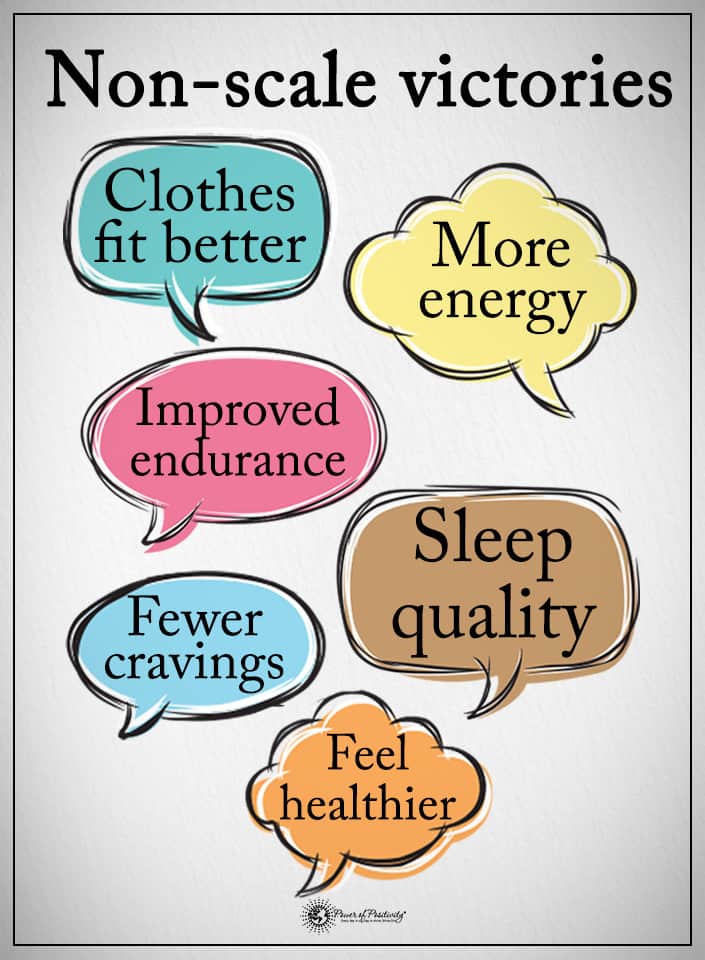
non scale victories when dieting18. Egg Salad

This egg salad recipe will keep you full and happy. Add your favorite mix-ins to make it taste even more exciting

What You Need:

  • Hard-Boiled Eggs
  • Homemade Mayo
  • Green Onions
  • Yellow Mustard

How to Make It:

Chop several hard-boiled eggs, and place them in a mixing bowl. Add a healthy scoop of homemade mayo and a dash of mustard. Mix until the eggs are coated completely. Add green onions, and mix again.

Chill egg salad until ready to serve. Try adding to lettuce wraps and other salads.

keto diet meal prep

Click image for keto diet meal prep inspiration.

Final Thoughts of Using Egg Recipes to Create Variety in Your Keto Diet

A good egg recipe is the first step to creating a balanced keto meal plan. Eggs are cheap and delicious, so they’re the perfect choice for your high-protein diet.

Following the keto diet isn’t always easy. If you’re not seeing results, look for hidden carbs. Fruits, beans, and juices aren’t actually keto-friendly.

Every egg recipe on this list can benefit from a little cheese, hot sauce, and seasonings. Pick your favorites from this list, and make changes until they match your family’s tastes. Good luck!

Scientists Reveal How to Treat Pancreatic Cancer in Just Two Weeks

Cancer.  The dreaded “C” word.  It is fear behind every dietary choice we make, every statistic we read regarding pollution levels in the air, land, or water and the pesticides in our food.  There isn’t a day that passes that we aren’t reading “x increases risk of cancer” or “x can decrease our risk of cancer.”  Anyone who ever had a family member or friend diagnosed with cancer knows that shocking fear that numbs the brain and leaves you speechless.  Furthermore, anyone with a cancer diagnosis knows that same fear mixed with confusion and the tendrils of despair. To have that diagnosis also be pancreatic cancer may raise that despair and fear to panic levels.

We have all read the stories of many famous people with pancreatic cancer who did not survive; Steve Jobs, Patrick Swayze, and Alan Rickman.  That doesn’t begin to touch the thousands of other people who fought the battle out of the public eye.  Now there is new hope for the treatment of pancreatic cancer.  Scientists reveal how to treat pancreatic cancer in just two weeks.

Pancreatic Cancer in numbers

The 7th leading cause of cancer deaths globally is pancreatic cancer, and it accounts for 3% of cancers in the United States.  According to the American Cancer Society, about 56,770 people will be diagnosed with pancreatic cancer in the United States, and about 45,750 will die from it.  Approximately 1 in 64 people will get pancreatic cancer, with specific demographics having higher risk factors.  Men tend to get it a little more than women.

Globally, there were about 432,242 deaths associated with pancreatic cancer in 2018 and about 458,918 new diagnoses.  Only 24% survive past the first year, with only 9% who survive for five years.

What truly makes pancreatic cancer deadly is that it usually isn’t diagnosed until it has reached stage 3 or 4.  Many of the diagnostic tests are not specific enough to catch it in its early stages.

The percentages of diagnosed cases tend to run significantly higher in more developed countries, such as the U. S. and Europe, with far lower numbers in Africa.  How much of that is due to the environment and culture vs. capability to diagnose and report is uncertain.

Types of Pancreatic Cancer tumors

According to the Pancreatic Cancer Action Network, there are two broad categories of Pancreatic cancer which then are subcategorized:

Exocrine Tumors:

These start in the exocrine cells of the pancreas.  These cells make the enzymes that aid in digestion.  This broad category and related subcategory of tumors make up 93% of all pancreatic cancer diagnoses.

  1. Adenocarcinoma: This is the most common form of cancer tumor regardless of the originating organ.  In this case, it is in the pancreas, or more specifically, formed from the cells lining the pancreatic duct.  This form shows itself in 9 out of 10 people with pancreatic cancer.
  2. Acinar cell carcinoma: An extremely rare form caused by the pancreas making too much lipase, which is an enzyme that digests fat.
  3. Intraductal papillary-mucinous neoplasm: This tumor can be benign and become cancerous.   It forms from either the main duct of the pancreas or its branches.  The chances of it being carcinogenic increases when it develops from the main duct.
  4. Mucinous cystic neoplasm with an invasive adenocarcinoma: Another rare tumor that is a cyst filled with a thick liquid, only found in one area of the pancreas.  Most frequently, that area is the tail.  Women commonly receive this diagnosis.  It can be benign if there isn’t an invasive adenocarcinoma.

Neuroendocrine tumors or Pancreatic Neuroendocrine tumors (PNETs):

This is a slower-growing tumor type that makes up about 7% of diagnoses.  These develop from islet cells that control blood sugar levels.  A tumor forms when there is an abnormal growth of these cells.

  • They can be hormone-producing, otherwise called “functional” or non-hormone producing, called nonfunctional. Most are nonfunctional.
  • Each display different symptoms, respond to treatment differently and behave differently depending upon the hormone controlled.
    • Gastrinoma controls gastrin
    • Glucagonoma control glucagon
    • Insulinoma controls insulin
    • Somatostatinoma controls somatostatin
    • VIPoma controls vasoactive intestinal peptides
    • Nonfunctional Islet cell tumor has no hormonal function

These are not all the types of tumors which can form, but it does encompass the majority.

Risk Factors of Pancreatic Cancer

Science is not clear what causes pancreatic cancer, but there are certain risk factors that can contribute.  According to the American Cancer Society, some of those risk factors are related to habits and lifestyle, while others we have no control over.

Lifestyle risk factors

  • Twice as many smokers are diagnosed with pancreatic cancer as non-smokers, and your risk markers decrease if you quit.  This includes cigarettes, cigars, and smokeless tobacco products.  Smoking contributes to about 25% of pancreatic cancer cases.
  • Those who are overweight with a BMI of over 30% have a 20% higher risk of developing pancreatic cancer.  Choosing to eat healthy, exercise, and keeping your weight down can help limit your risk.
  • This applies primarily toward those with Diabetes Type 2 and may be linked with a tendency to being overweight.
  • Inflammation of the pancreas. Having chronic pancreatitis typically links with heavy drinking and smoking.
  • Chemical exposure. There are certain chemicals that one can be exposed to in the workplace.  The workplaces primarily exposed are in dry cleaning and metalworking industries.

Uncontrollable risk factors

  • Your age. Almost all diagnoses are at least 45 years of age, with 2/3rds being 65 or older, with the average age of diagnosis being 70.
  • Your gender. Males have a higher chance of developing pancreatic cancer than women.  It is possible this is due to a higher likelihood of participating in lifestyle risk factors.
  • Your race. African Americans have a slightly higher percentage of developing pancreatic cancer.  Potentially also due to an increased percentage of participating in lifestyle risk factors.
  • Family History
  • Approximately 10% of cases are caused by a genetic mutation that is passed down through generations.  These cases can be related to mutations also related to:
    • breast cancer
    • ovarian cancer
    • gene mutation creating chronic pancreatitis,
    • Lynch syndrome, a mutated gene causing colorectal cancer
    • Peutz-Jeghers syndrome is a mutated gene responsible for polyps in the digestive system and multiple other cancers.

fighting cancerNew hope in a 2-week treatment for pancreatic cancer

In October of 2019, a study was published in Oncotarget from a group of Isreali scientists headed by Professor Malka Cohen-Armon of Tel-Aviv University, and her associates worked along with Talia Golan and associates of Sheba Medical Center.   This study involved injecting mice with cancer cells from a human pancreas ductal adenocarcinoma.  They then injected the mice with a specific modified phenanthridine PJ34 for two weeks.  80-90% of the cancer cells had been eradicated two weeks after the injection, and one mouse showed 100% within 30 days.  PJ34 works by instigating cell death during the multiplying stage.

Even more incredibly, PJ34 did not have any effect on surrounding healthy cells as it usually occurs in treatments.  The mice were able to gain weight and grow normally after the treatment.

While PJ34 did eradicate the cancer cells, it cannot be stated that it is a cure at this early time.  Theoretically, ridding the body of the cells should mean that the cancer is gone. Therefore, life expectancy should return to relatively normal.

PJ34 was first used on triple-negative breast cancer, which also had a low percentage of a five-year survival rate and was very difficult to treat.

According to the Jerusalem Post, Professor Cohen-Armon is quoted in saying that it is expected to take two years to get to human trials.  Pigs will be the next test subject prior to requesting permission from the FDA to start human trials.

foods for pancreatic cancerFinal Thoughts on Pancreatic Cancer

Pancreatic cancer is most deadly due to its difficulty in diagnosis in its early stages.  Fortunately, many of the risk factors are such that we can make lifestyle changes to decrease our chances of developing pancreatic cancer.  Scientists around the globe continually strive to find not only a better treatment option but also a better diagnostic tool.  This is evidenced by these scientists revealing how they discovered a way to treat pancreatic cancer in two weeks.  While still early, the scientists seem very hopeful and assured of its success.

Researchers Reveal How A High Fiber Diet Can Cure Depression

We all know that a high fiber diet is a component that helps fight stomach issues, especially constipation. But did you know that it may have many other benefits, including helping with depression and other mental health issues?

Depression and depressive symptoms are experienced by a great many people around the world, and depression is the most common illness across the globe. The idea that the best treatment option for it is so simple and accessible is a great thought.

Fiber is found in many healthy foods, and links have been drawn between it and more positive mental health for years. But what’s the connection? And is it legitimate?

Researchers Reveal How A Diet High In Fiber Can Cure Depression

How High Fiber Can Cure Depression

The idea that a bad diet contributes to reduced positive thinking, worsened mental health, and increased depression risk is far from a new one. Though many mental health issues are exceedingly complex – too complicated for a diet to be the only cause – many experts have posited over the years that nutrition is as crucial to psychiatry as to any other bodily health concern.

The Studies on Depression and a High Fiber Diet

A study entitled “Exploration of the association between dietary fiber intake and depressive symptoms in adults,” conducted by researchers Xu H, Li S, Song X, Li Z, and Zhang D, found that fiber may be beneficial to depression. Their research used data from 2007 – 2014, taken from the National Health and Nutrition Examination Survey.

The data concerned 16,807 adults aged 20 years old and above. Dietary data was collected using two dietary recall interviews, each lasting 24 hours, and depressive symptom data was received with a Patient Health Questionnaire. They then evaluated data from different sources of fiber: cereal, fruits, and vegetables.

The study was able to conclude that the more fiber from any three sources was consumed, the lower the depressive symptoms associated, allowing for better positive thinking.

Dr. Joseph Finch and his team conducted a similar study in the UK. Knowing that they could still not definitively state that improving one’s diet equates to the reduction of depressive and anxious symptoms, they set out to find the answer for sure.

To find the answers, the researchers examined data from a whopping 46,000 individuals. Psychosomatic Medicine, a well-known journal, published the resulting research. They used a wide range of information found on many different electronic databases to look for randomized controlled trials that focused on the relationship between depression, anxiety, and diet.

Sixteen controlled trials were determined to be eligible, and these trials summed up 45,826 people’s information. Researchers then conducted analyses and found that all the possible dietary improvements proved to decrease depressive symptoms, though they did not affect anxiety.

The Study Results

This meant that fat-reducing, weight-loss, nutrient-rich, low-carb, and many different kinds of diets could all help depression. This indicates that severe, specialized, and invasive foods are unnecessary for aiding depressive symptoms.

The results also indicated that improved diet, mixed with exercise, could be a viable treatment for depression. Though it is unknown as of now, if they can be a complete cure, the high-fiber diets show promise in terms of moving towards a diet-based treatment plan for depression.

Foods High In Fiber

1.    Avocado

Most fruits are packed with carbohydrates, but avocados are full of positive fats – as well as B vitamins, vitamin C and E, magnesium, and potassium. One hundred grams of avocado has 6.7 grams of fiber.

2.    Artichoke

This nutrient-packed vegetable has an impressive 8.6 grams of fiber within every 100 grams. This means that just one artichoke can provide you with a whopping 10.3 grams.

3.    Lentils

These low-cost superfoods have 7.9 grams of fiber in every 100 grams of them. Eating one cup of lentils, cooked, provides you with 15.6 grams of fiber, alongside many other nutritional benefits.

4.    Chickpeas

Yet another superfood, this legume has lots of proteins and minerals, as well as a healthy dose of fiber. Eat a cup of them cooked to receive 12.5 grams of fiber, as 100 grams of chickpeas has 7.6 grams of the stuff.

5.    Popcorn

When it comes to high-fiber snacks, popcorn takes the cake. There are about 14.5 grams of fiber in just 100 grams of popcorn. (Of course, go for air-popped options, not ones slathered in fat.)

6.    Kidney Beans

These legumes are very popular for their high protein content and great nutritional value, and there are 6.4 grams of fiber in every 100 grams of them. Eat a cup of them cooked for 11.3 grams of fiber.

7.    Oats

Oats are undoubtedly the best kind of grain food that you can eat with all their antioxidants, vitamins, and minerals. They also have something called beta-glucan, which has positive effects on cholesterol and blood sugar. In 100 grams of oats, you’ll get 10.6 grams – or 16.5 grams per cup!

8.    Chia Seeds

You’ve probably heard a lot about chia seeds, and they are certainly worth the hype that the healthy community gives them. These tiny black seeds are packed with calcium, magnesium, phosphorus, and lots and lots of fiber. In 100 grams of chia seeds, there are a whopping 34.4 grams of fiber! That means in just one ounce of these dried foods. You’re getting 10.6 grams of fiber.

9.    Almonds

These tree nuts are well-known for their nutritional value. They have lots of magnesium, good fats, manganese, vitamin E, and, of course, fiber. 100 grams of almonds hold 12.5 grams of fiber – or 3.4 grams in an ounce!

10.  Split Peas

This food is made from the seeds of peas which have been dried, split, and peeled. 100 grams of them contain 8.3 grams of fiber, and if you have a cooked cup, you gain 16.3 grams of fiber.

high fiber diet

Read to learn the research-proven benefits of a high fiber diet.

Other Benefits Of Fiber (Besides Fighting Depression)

1.    Gut Health

There are ten times more bacteria in a human body than cells, and over 500 species of them are alive and well in your gut. Around 100 trillion individual bacteria live in your intestines, and while they’re beneficial for you, an imbalance of this bacteria can cause digestive issues.

When you eat other common foods like proteins, carbs, and fats, your body absorbs them before they can get to your stomach, leaving too little for the bacteria to feed on. Fiber, however, is not digested by the human cells before the gut, allowing gut flora to enjoy positive benefits from it.

This is because most of the body doesn’t have the necessary enzymes to digest fiber – but the gut does!

2.    Heart Health

Studies indicate that consuming fiber on a daily basis can reduce heart disease development risk by an impressive 9%. This is with only 7 grams of fiber consumed every day.

Why does this happen? It is likely because fiber is able to absorb cholesterol that is in excess in your body’s system, thus bringing it out of your body before it gets the chance to settle in your arteries and clog them.

3.    Blood Sugar

Foods that are high in fiber typically don’t have a very high glycemic index, especially when compared to refined carbohydrates. This means that fibers can be good for blood sugar, reducing the usual blood glucose spike that happens after meals.

It is worth noting, however, that experts believe this only applies to soluble fibers that are very viscous. Reducing refined carb consumption and eating more soluble fibers could help you prevent excessive blood glucose spikes.

4.    Cancer Risk

Colorectal cancer is one of the most fatal cancers on the planet, with it being responsible for the third most deaths from cancer. Numerous studies have been able to find links between high fiber-rich food consumption and reduced risk of cancer.

Of course, it is tough to isolate the fact that healthier foods, in general, reduce cancer risk, and healthier foods tend to be higher in fiber. Whole grains, fruits, and vegetables are all known to reduce the risk of cancer. As such, it may not be fiber itself that is causing the reduced risk, but healthy diets in general.

5.    Weight Loss and Maintenance

Some types of fiber can naturally reduce your appetite due to the fact that they promote feelings of satiety. This means you’ll eat less than usual, allowing for weight loss. This is because fiber absorbs water in the intestine, which reduces the rate of nutrient absorption. Soluble fibers work best for this purpose, while other kinds may not work at all.

Fiber can also help with weight maintenance. Overweight individuals tend to eat less fiber than those who are of a medically “normal” BMI, and there is some evidence that soluble fiber may reduce the risk of fat gain.

6.    Bones

A kind of soluble fiber known as prebiotics helps to boost mineral bioavailability, allowing your body to make better use of calcium and other similar minerals. This can help your bones maintain their density.

You can commonly find prebiotics in soybeans, oats, asparagus, wheat, and leeks.

7.    Live Longer

According to studies conducted by the Harvard School of Public Health, if you eat more whole grains and cereals rich in fiber, you have a 17% and 19% lowered risk, respectively, of passing away for any reason at all.

depression

Learn the surprising connection between saffron and depression.

Final Thoughts on Controlling Depression with a High Fiber Diet

So, does a diet high in fiber cure depression? That remains to be seen, as more studies are needed in order to determine this for sure. However, one thing that remains scientifically accurate is that diet plays a crucial role in all aspects of health, including mental health. A good diet will have positive effects on you, even if it just alleviates some symptoms.

However, it is worth noting that you should speak to a doctor if you experience depressive symptoms, especially if they are interfering with your everyday life. Diet alone, especially when not specially curated, will likely not be able to change everything on its own.

As such, don’t be afraid to reach out for help if you find that depression is taking too much of a toll on you. Therapy, medication, and other treatment options can help you – at least until scientists know for sure what the connection between fiber and depression is.

Skip to content