Weekly tips, affirmations, and small actions to feel your best.

Doctors Explain What Causes Plantar Fasciitis (and how to heal the pain)

Plantar fasciitis is a widespread cause of heel pain. Patients typically experience a stabbing pain in the sole of their foot around the heel. The condition may (or may not) be accompanied by a heel spur.

The pain is usually at its worst first thing in the morning, but it gradually decreases after the patient starts walking. Similarly, the condition becomes increasingly painful if the patient has been standing for a long time, or if they get up after a long period of sitting. The pain also becomes more acute after exercise rather than during it.

What Causes Plantar Fasciitis?

Plantar fasciitis usually manifests as an inflammation of the plantar fascia, which is a thick band of tissue, which is shaped like a bowstring, running across the sole. It connects the heel bone to the toes. The plantar fascia acts as a shock absorber and supports the arch of the foot.

If too much stress wears on the plantar fascia, it can develop small tears. Eventually, those tears cause the plantar fascia to become inflamed and irritated. Determining the causes of those tears can be difficult as it is generally not clear-cut. The patient is usually not able to point to a specific event, like a fall, that caused their condition.

Possible Causes

The condition arises typically from an inflammation of the plantar fascia. However, researchers argued in a 2003 paper that degeneration of the plantar fascia caused it. In the “Journal of the American Podiatric Medical Association,” scientists studied 50 cases in which patients underwent heel spur surgery. They found signs of degeneration rather than inflammation and thus argued that the condition should earn the new name “plantar fasciosis.”

In 2019, StatPearls, an online medical journal, published a description of the condition that called it “the result of degenerative irritation.” It seemed to agree with the 2003 paper that it was not a type of inflammation since doctors generally don’t find inflammatory cells during diagnosis. Instead, it is an injury that is often caused by overuse in which repeated pressure or strain causes the plantar fascia to develop tiny tears. About half the patients will also have at least one heel spur, but a heel spur does not irritate the plantar fascia.

What’s a heel spur?

A heel spur, if you’re wondering, is a bony growth called a calcium deposit that usually develops under the front part of the heel. While some heel spurs are virtually undetectable by the naked eye, others can grow to half an inch in length. A heel spur can cause swelling at the front of the heel, along with inflammation and pain.

A heel spur stems from many of the same things that affect the plantar fascia. These include stress from repetitive movements like running, worn-out or poorly fitting shoes, and obesity. It also responds to many of the same treatments, such as rest, pain medications, or physical therapy.

On the other hand, the condition does show traits of a degenerative disease, including the abnormal structure of the collagen. Patients will also have thickened plantar fascia and calcified areas. The doctor will often find such changes through ultrasound.

Risk Factors

Certain risk factors increase the chances of developing an irritated plantar fascia. They include the following:

  • Some types of exercise
  • Age
  • Obesity
  • Certain occupations
  • Foot mechanics
  • High heels

Long-distance runners are particularly prone to inflammation of the plantar fascia. Generally speaking, activities that put a lot of stress on the heel and attached tissues increase the chances of developing an inflamed plantar fascia. Aerobic dancers and ballet dancers also have an increased risk.

Plantar fasciitis is most common in people who are between 40 and 60 years old.

Being overweight or obese increases the stress on the plantar fascia and thus increases the risk of inflammation. Pregnancy also puts more pressure on the plantar fascia.

Occupations that require people to stand for a long time, especially on hard surfaces, also increase the chances of developing inflammation of the plantar fascia. Examples include teachers and factory workers.

Specific problems with foot mechanics can put extra stress on the plantar fascia. People with high arches or flat feet, for example, have a higher chance of developing an irritated plantar fascia. Abnormal gaits can also stress the plantar fascia.

High heels, especially very high stiletto heels, cause a variety of foot problems. The shoes force the heel upward and thus shortens the Achilles tendon and other calf muscles. The shortened muscles and tendons put extra stress on the plantar fascia and can, therefore, damage it.

What Treatments Are Available?

The doctor will perform a physical exam and may order an imaging test like an X-ray or MRI to confirm the diagnosis. They want to make sure that the patient’s heel pain isn’t coming from something like a heel spur or fracture. After confirming that the patient does have an inflamed plantar fascia, the doctor will recommend a treatment plan. In 2001, the “American Family Physician” published a paper that described and critiqued the available treatments.

Home Remedies

In most cases, the doctor will start by advising the patient to treat their foot at home. They will suggest treatments like rest, braces, ice, and over-the-counter medications.

The doctor will also recommend various lifestyle changes, like losing excess weight or wearing shoes that provide excellent arch support, thick soles, and inserting extra cushioning. Women should not wear high heels, and patients of both sexes should replace worn-out athletic shoes. If the patient exercises, the doctor will recommend low-impact sports like bicycling or swimming instead of high-impact sports like jogging to put less stress on the feet.

Massaging one’s feet every night for 10 or 15 minutes can help ease chronic pain. It also provides a variety of other health benefits. For example, a foot massage can help strengthen ankle and foot muscles, especially if you also slowly rotate your foot. Stronger muscles will help prevent injuries like turned ankles.

Non-invasive Treatments

If home remedies and lifestyle changes don’t work, the next step is usually a corticosteroid injection. The doctor will typically administer the corticosteroid steroid in their office. They may use ultrasound to find the best place for the dose. Iontophoresis is a variation in which the doctor delivers a topical corticosteroid to the treatment area and then applies weak electrical currents to drive the medication deeper into the tissues.

The doctor may also recommend arch supports or night splints. An arch support is a type of orthotic that the patient wears inside the shoe. It distributes pressure across the foot and thus relieves the plantar fascia.

A night splint is a type of brace that the patient would wear during sleep. It keeps the foot flexed and lengthens both the Achilles tendon and the plantar fascia. A night splint can prevent the stiffness and pain that the patient usually experiences upon waking.

The doctor may suggest that the patient wear a boot cast, which looks like a ski boot, that would keep the foot immobile while the plantar fascia heals. The patient can take it off when they need to bathe.

Physical Therapy

Physical therapy is a standard treatment for plantar fasciitis. The physical therapist may work with the patient to help them improve their gait, strengthen the muscles of their lower legs, and otherwise put less pressure on the soles of their feet.

In many cases, the therapist will teach the patient a variety of stretching exercises that the patient will do twice or thrice a day. For example, the patient may stretch their calf muscles while standing with their hands against a wall.

In the “rolling stretch,” the patient will sit or stand and place a small ball or foam roller under their foot and move their foot back and forth for two minutes. The exercise will soon loosen tight muscles.

The patient can also stretch the plantar fascia itself by sitting down and crossing their foot across the other leg. The patient will then grip the toes and pull them back and hold them for about ten seconds. They can use the other hand to feel for tension in the plantar fascia. The patient should do exercises two or three times a day.
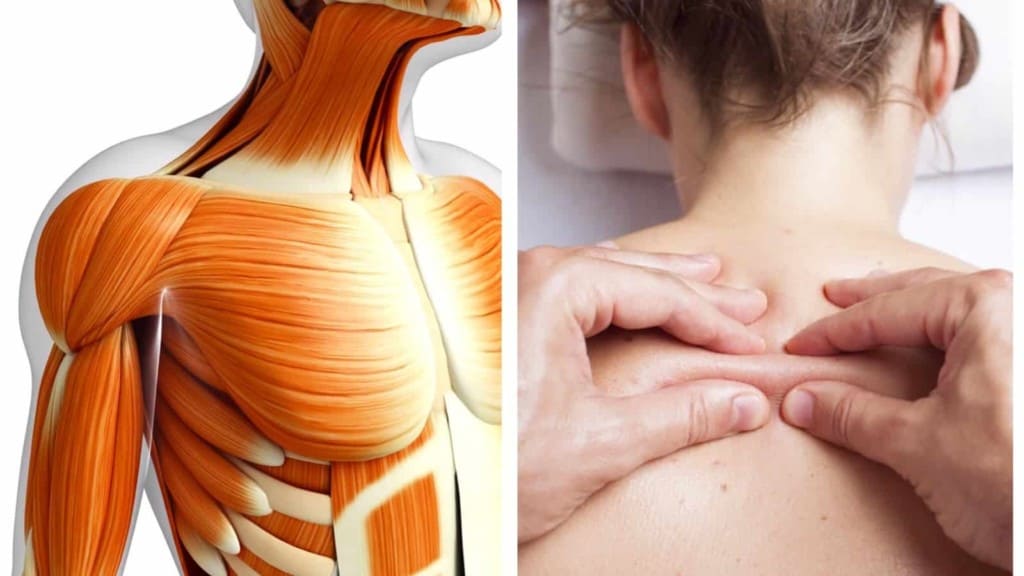
heel spur physical therapist

Physical therapist reveals which body part causes the most pain.

Surgery

Surgery is a last resort, only if the patient is in severe pain or has had plantar fasciitis for six to twelve months. The doctor will recommend surgery only if the patient has tried other and less invasive treatments with no results.

The surgeon may perform a plantar fascia release in which they detach the plantar fascia partway from the heel bone. While the procedure does relax the plantar fascia, it also makes the arch weaker.

The surgeon may recommend a procedure called a gastrocnemius recession if the patient still has a hard time flexing their feet even after physical therapy. In this procedure, the surgeon will make the calf muscle longer to lessen stress on the plantar fascia and increase ankle movement.

plantar fasciitisFinal Thoughts on Managing Your Plantar Fasciitis

While doctors can’t always determine the cause of plantar fasciitis, they can usually treat it. The vast majority of patients will need only the various non-invasive treatments like home remedies, physical therapy, or injections. Only the worst and most stubborn cases will need surgery.


9 Ways Technology And Social Media Affect Kids

There is a lot of controversy and disagreement surrounding the topic of children and technology. How much access should they have to it? What sites can they visit? Is social media fine or not? Can kids make friends online? How much privacy should they have?

There are many factors to consider when deciding on the answers to these questions. We’re not going to tell you how to parent your child – that’s your job! But we will give you the information you need to make crucial decisions regarding their access to social media and the rest of the Internet. Those who would like to explore the internet through various websites may find web directories like 세상의모든링크 to be helpful.

Here Are 9 Ways Technology And Social Media Affect Kids

1.    They Can Become Addicted

Addiction is a common issue with social media, and it’s the one that gets brought up most commonly. Repeatedly and compulsive checking messages and feeds on social media can quickly become an addiction.

This obsession stems from the fact that MRI scans show that receiving shares, likes, and other forms of positive social media feedback can light up the brain’s reward center. At a young age – and even more so in adolescence – the brain’s circuitry for rewards is highly sensitized, causing young people to be even more influenced by the praise of the Internet. Coupled with a human’s natural drive to socialize, it can develop into an addiction.

Young people who become addicted to social media often wind up spending hours on different platforms, continually refreshing their feeds, rewatching videos, and even obsessing over the performance of their own posts. This addiction can affect school grades, study time, physical activity, and other daily tasks. Many children check their social media upwards of a hundred times daily, even while in school!

2.    They Are More Empathetic and Connected To People They Care About

Social media has made us more connected to each other than ever before. Family and friends living on the other side of the world can be spoken to and interacted with in real-time. It’s an incredible benefit that has some positive effects on children.

While in-person social interaction is also still significant (and we’ll talk more about that later), there’s no denying that the connectivity of social media is making children grow up as more considerate and relationship-oriented people. They learn the following:

  • Know each other’s birthdays and greet each other
  • Leave comments and interact with their friends’ posted material
  • Can speak to family members more easily
  • Build long-term friendships that don’t drift apart as easily
  • Make friends from all over the world, connecting them to different cultures and perspectives
  • Learn communication skills

3.    Social Media Impacts Sleep Patterns

The blue light that comes from smartphones can harm the natural sleep cycle, preventing the body from producing enough melatonin to make your child sleepy. Even blue light filters aren’t powerful enough to reverse the damage this can do to a sleep cycle.

In addition, the draw of boredom or a perceived inability to sleep can cause a kid to sneak a peek at their phone before bed. This habit can cause them to get distracted, wasting hours that should have been spent asleep on browsing the Internet.

The fact is that many people need several minutes to calm down and wind down enough for sleep to come. When a child, used to the constant occupation of the Internet, has to lie down, unmoving, for ten minutes, they may feel compelled to check their phone when they notice sleep isn’t arriving for them.

4.    They Pick Up Useful Technical Skills

We live in a digital age. Even today, computer literacy and technical skills are a common requirement of virtually any job. By the time your kids are out seeking work of their own, it won’t just be mandatory; technical skills will be a bare minimum requirement.

When children spend time online, they are picking up on all sorts of technical skills and implementing that into their everyday lives. These skills may not have been essential when you were growing up, but they are today – just like how cursive was such a crucial part of learning writing years ago, digital literacy is vital today. They can learn skills like:

  • Effective search term usage
  • Proper research methods online
  • Word processing
  • Downloading and using software safely
  • Fixing basic errors

Kids learn relatively quickly, so it doesn’t take much screen time for them to pick up on skills. Encourage them to learn the functions of computers and other devices in a positive way; it will do them well in the long-run.

5.    Their Interests May Become More Shallow

Social media, unfortunately, is full of artificial and superficial content. Many people post images that are edited, posts that are embellished or exaggerated, or other material that attempts to show their most positive sides.

Children may then attempt to imitate what they see on social media, and they can develop what is commonly referred to as FOMO – the fear of missing out. They observe that their friends are getting new phones, going to cool places, and wearing trendy clothing, and they want to do the same thing. This causes their focus to shift to the shallow.

Many children also cannot reasonably differentiate between the fake online world and the real one. To them, it is not only plausible but highly likely that their friends and popular influencers are leading these amazing lives. They don’t yet understand how it is all at least partially fake.  To be more like the influencers they love, they may spend a lot of time:

  • Focusing on taking the perfect selfies
  • Crafting the ideal story that they think will make them sound cooler
  • Trying to find ways to get material objects
  • Losing positive thinking due to a lack of material objects
  • Tying self-worth into shallow aspects of their lives

6.    Your Kids Become More Creative

Creativity is a fantastic thing in anyone, but even more so in children. It’s how your little genius begins to grow and learn! The online world is a tremendous outlet for creativity. Just take a look at the young people who:

  • Post content on YouTube, TikTok, Tumblr, or other social media, often involving editing skills
  • Write fanfiction or draw fanart
  • Engage in constructive praise and criticism regarding their work
  • Learn new creative techniques
  • Expand their horizons to see other creative opportunities
  • Learn to express themselves and find peers to learn new creative skills from
  • Practice their creative skills

7.    Their Social Skills Suffer

Unfortunately, though children can be so much more connected to other people through the Internet, they cannot adequately garner social skills from an online interaction. This is because a considerable number of communicative cues can only be perceived in person, says UCLA College professor of psychology Patricia Greenfield.

Nonverbal cues, such as body language, facial expressions, intonation, and even eye contact, aren’t discernable online. This means that a child who only interacts with people online won’t learn the necessary social skills to perform them in person properly.

This is a bit of a “paradox” of sorts, if you will, as this means that social media can both cause and restrict empathy. A balance of social media interaction and real-life interaction can help to even the playing field for your child, especially if you work on encouraging a lot of in-person social skills early on in their life.

8.    They Can Access Bad Or Dangerous Content

The Internet is full of all kinds of content – some more positive than others. There’s no way to filter what your child sees, and even child-locks and website blocks are not foolproof. A child on the Internet can have access to and attempt to copy:

  • Pictures showing influencers performing dangerous stunts, whether real or fakes
  • Peer pressure to conform to certain norms or take part in challenges
  • Consuming violent, harmful, or inappropriate content
  • Falling victim to or perpetrating cyberbullying or cyber crimes
  • Being preyed on by predators or stalkers
  • Seeing advertisements for dubious products, such as weight-loss pills, fad diets, or “miracle” products
  • Believing incorrect or false information that can range from mildly inconvenient to downright dangerous

Make sure you monitor your kid’s Internet usage so that you are always aware of what kinds of websites they visit. There’s a difference between granting your child some privacy on their private social media and flat-out not laying ground rules for sites they can visit.

kids and online bullies9.    Social Media Affects Mental Health

The most significant strain that technology imposes on our children is mental health-related. The scope of these issues that come from social media and the Internet is difficult to fully encompass, as they cover a broad range of topics. As such, here are some facts and statistics about the matter.

On school days, children who spend upwards of 3 hours on social media have an increased risk of mental health problem development due to the potential for delayed positive social and emotional growth.

Young individuals who already have histories involving suicide attempts or self-harm can be especially vulnerable to all kinds of negative messages from online communities. They also tend to spend a lot more time online, which leads to a higher risk of cyberbullying.

Some children can feel guilty or regretful of time they perceive as wasted online, which can cause bad moods.

Social media is more likely to result in symptoms of depression than video games and other varieties of screen time in teenagers. This is likely due to the idolized “influencers” and other celebrities that can make teenagers feel inadequate. Teenage girls are especially at risk of losing positive thinking due to images of perfection on social media.

Medical studies have found that checking social media and even streaming videos can lead to a higher risk of developing ADHD or symptoms of ADHD.

Teenagers who find themselves feeling obligated to answer social media messages and comments, or to respond to and interact with other accounts, can suffer adverse mental health effects.

Screen time can lead to higher rates of depression and suicide among children and young adults.

social mediaFinal Thoughts On Some Ways Technology And Social Media Affect Kids

There are good and bad effects of technology and social media on kids. The trick is to learn to regulate your child’s time online. Make sure they can trust you with any harmful or uncomfortable online situations, lay ground rules, and encourage them to talk about what they do online.

12 Dairy Substitutes Every Lactose Intolerant Person Must Try

Are you lactose intolerant? Then, you’re probably always searching for dairy substitutes that are easy to implement in your daily routine.

It’s a surprising fact to many, but about 75% of the worldwide population is lactose intolerant. This condition happens when a body doesn’t produce enough lactase (the enzyme required to digest milk sugar) to digest the lactose (the sugar found in milk) in dairy products.

If you are one of the 75% affected by lactose intolerance, you have likely found yourself searching for recipes that don’t contain dairy. It isn’t always an easy task, but if you know a dairy substitute for certain ingredients, it’ll be that much easier to plan and cook meals. This way, if you find a recipe that sounds good but contains dairy, you’ll be able to substitute the dairy ingredients for something else.

If you aren’t positive that you have lactose intolerance but believe that it is a problem, it is best to talk to your doctor to ensure that there isn’t another issue causing your problem. Never diagnose yourself, as there could be a serious underlying issue that needs medical attention. In the meantime, however, avoiding dairy would be wise so that you don’t suffer from the side effects that include:

  • bloating
  • gas
  • diarrhea
  • abdominal pain
  • indigestion
  • nausea

12 Dairy Substitutes For Lactose Intolerant People

1. Milk substitute

Let’s start with the most basic of all dairy sources: milk. We use milk for drinking, cooking, and baking, so it is crucial to figure out a suitable dairy substitute. There are quite a few options that everyone with lactose intolerance must try, however, and the final choice will be made based on your preference.

Some of the non-dairy milk options include:

  • almond milk
  • rice milk
  • oat milk
  • coconut milk
  • cashew milk
  • hemp milk
  • flaxseed milk

Each milk on the list contains different nutrients and vitamins, and some may contain other ingredients. Make sure to read all ingredient labels to watch out for things like added sugars or little nutritional value and adjust as needed.

2. Chocolate substitute

You may be surprised to know that chocolate generally contains dairy, so if you’re lactose intolerant, you may not be able to consume the regular version safely. Frequently, the semi-sweet or bittersweet baking chocolate is free of dairy, but the actual chocolate candy bars do contain dairy. It is always best to just read the ingredient labels to know for sure which are safe and which aren’t.

3. Buttermilk substitute

We often use this ingredient for dredging fried foods, making homemade dressings, homemade fluffy pancakes, and in many baked desserts. Since it contains dairy and is such a useful ingredient, it is essential to find a replacement for it. Luckily, there are a couple of different options for a dairy substitute in place of regular buttermilk.

One option is to mix 1 cup of soy milk with one tablespoon of apple cider vinegar or lemon juice. You will then let the mixture sit for 5 minutes in the refrigerator to allow it to thicken, and then use the thickened mixture in place of the buttermilk.

Another option is to use plain soy yogurt in place of the buttermilk or to use soy sour cream mixed with unsweetened soy milk in a 2-to-1 ratio.

4. Yogurt substitutes

Just like with milk, there are a variety of options at the grocery store to replace regular dairy yogurt. Some of these options include:

  • coconut milk yogurt
  • almond milk yogurt
  • soy milk yogurt
  • hemp milk yogurt

The flavored versions of these yogurts may have a high amount of added sugars, so be sure to read the nutrition information.

5. Evaporated milk substitute

Often found in desserts, sauces, and casseroles, evaporated milk is a popular ingredient in many everyday dishes. Substituting it for a non-dairy option is relatively easy, as plain soy yogurt or soy coffee creamer can fill its place.

6. Alfredo sauce substitute

Store-bought alfredo sauces are out of the question, as most of them contain milk. Your only other option is to make homemade Alfredo sauce. You can find a recipe that is already dairy-free, or you can use one that contains dairy and substitute the dairy ingredients for non-dairy options.

7. Ice cream substitute

This dairy-filled treat is relatively easy to find a delicious replacement for. You can purchase dairy-free ice cream at the grocery store that uses coconut or soy milk. Another option is to choose a sorbet, which never contains dairy and lives in the same aisle as ice cream.

You can also make your desserts at home that are similar to ice cream. One option is to blend frozen bananas and berries, to which you can also add other flavorings. This delicious substitute is likely going to be healthier and lower in calories, too.

8. Sour cream substitute

Sour cream is a staple on top of many dishes, and finding an alternative is likely vital for anyone who is lactose intolerant. Luckily, there are a couple of options to replace it with.

First, you could buy a soy-based sour cream at the grocery store, or you could buy a version that contains beans, oils, and gums. If neither of those options works for you, you can use plain dairy-free yogurt instead, as it is very similar to sour cream.

9. Cheese substitute

Cheese can be a tricky ingredient to substitute, but it is possible. The replacement depends on which type of cheese you want, as many kids of cheese are different in taste and texture.

You can make dairy-free cream cheese using cashews or almonds but, if you would prefer a store-bought option, you should be able to find one near the traditional cream cheese. If you need something similar to ricotta or cottage cheese, crumbled tofu is the best option.

For Parmesan cheese, you can use nutritional yeast to mimic the flavor. Another bonus of this substitution is that nutritional yeast is a good source of vitamin B12.

Unfortunately, hard cheeses have been harder to replicate and, while many scientists are still trying to figure it out, there has been no perfect option created yet. Many companies have tried, however, and you may be able to find some of the products in your local grocery store.

10. Condensed milk substitute

Condensed milk is a popular ingredient in many dessert recipes and is also used in sweet, cold drinks. While you can’t buy a dairy-free version, you can make one using only one can of full-fat coconut milk and 1/4 cup real maple syrup or raw honey. This simple, 2-ingredient recipe is the most delicious substitute you could ask for.

11. Butter substitute

There are a couple of dairy butter substitutes to consider including nut and seed butter and butter made primarily of vegetable oil. The vegetable oil blends contain anywhere from 50-100 calories, 6-11 grams of fat, and no protein or carbs at all. The nut and seed butter options include anywhere from 90-130 calories, 0-3 grams of protein, 0-8 grams of carbs, 0-10 grams of fat, depending on which type of nut or seed you use.

The nut and seed options include:

  • coconut
  • coconut and cashew blend
  • nut butter

12. Dairy substitute for cream

Many non-dairy versions of the cream include coconut milk, but other variants include soy, cashews, other tree nuts, and vegetable oil. One benefit of this replacement is that non-dairy cream has fewer calories and fat than dairy cream.

Be careful if you buy the non-dairy version at a grocery store as many options contain ingredients that should be avoided, such as high-fructose corn syrup and trans fat. It would be safer to make a homemade recipe at home.

What Happens if a Lactose Intolerant Person Consumes Milk?

One or more of the side effects are bound to occur if someone with lactose intolerance consumes dairy. The severity of the side effects varies, however, as it depends on the following:

  • the amount of dairy consumed
  • the person’s severity of the intolerance
lactose intolerant dairy subsitutes

Read the research about how drinking milk might impact your health.

Final Thoughts On Trying Dairy Substitutes for Lactose Intolerant People

Being lactose intolerant can make meals and snacks difficult, but it doesn’t have to be impossible. By learning a healthy dairy substitute for all of the standard dairy products, you’ll be opening up many possibilities for a dairy-free diet.

It is essential for a person who is lactose intolerant to eliminate dairy from their diet to prevent severe and unpleasant side effects or discomfort. Always remember to check nutritional values and ingredient lists to make sure you’re not adding harmful ingredients to your diet and to ensure all products are dairy-free.

18 Inspirational Quotes About Life From Dr Phil McGraw

The perception of the reality of our lives is sometimes more important than reality itself. Learning to focus on positive thoughts is the first step in creating a more positive lifestyle. In fact, it’s a great idea to keep a more positive frame of mind if you focus on an inspiration quote. Dr. Phil McGraw advises, “Life’s managed, not cured.”

Let’s take a look at how we can use inspirational quotes to manage our thoughts to help us achieve healthy attitudes and perceptions in our daily lives.

So when negative thoughts take over, it’s time to replace those thoughts with something positive. We can’t let negative thoughts take over and define us. Sometimes, it may be difficult to find positivity when immersed in an overwhelming situation. This is when the power of a positive quote from Dr. Phil can pull you out of a slump and help you return to a healthy state of mind.

How Inspirational Quotes Can Help You

In order to separate yourself from the negativity brought on by the stress and trials of daily life, you need to develop a game plan. It’s easy to let the negative thoughts take over. Adopting and using inspirational quotes is a proven strategy that can help remove negative feelings when they first surface instead of letting them control your emotions. This plan can be achieved in three easy steps.

Step 1:

Recognize when negative thoughts are entering your mind, and don’t ignore them.

Step 2:

Remove yourself from those negative thoughts by looking at them from the outside. Acknowledge they are just “bad thoughts” and refuse them to have any control over you.

Step 3:

Request that evil thoughts leave. Replace them immediately with a positive quote that will return good ideas and a positive attitude to your day.

Suggestions from Dr. Phil

Dr. Phil offers excellent advice on developing a plan to understand better how life works and how you can take control and get the results you want. He explains this process in his article on life strategies.

“Those who don’t are stumbling along looking puzzled, and can be found complaining that they never seem to get a break.” -Dr. Phil McGraw

The premise of using positive thoughts, such as inspirational quotes, is designing a strategy to carefully monitor the information you get about yourself, the people you come in contact with, and situations that prevent themselves in your life. Accepting misinformation and input from harmful sources is taking a walk down the wrong path. You can begin the journey to a more positive life by finding meaningful quotes that suit the situations you commonly find yourself in and bringing them to the forefront of your thought process.

18 Life Rules and Inspirational Quotes from Dr. Phil McGraw

Dr. Phil provides life advice, that if followed, can help you develop the strategies to get the results from life. They enable you to stop being the victim of the negativity that often surrounds us. Use these suggestions and quotes to help dig you out when the negative thoughts want to take over. Be proactive in understanding that taking a positive and proactive approach can make a difference in your life.

Attribution for all quotes below: Dr. Phil McGraw:

1. “Eighty percent of all choices are based on fear. Most people don’t choose what they want; they choose what they think is safe.”

Be the person who gets it. Try to understand how life works and create a strategy to get the results you want.

2. “If you want more, you have to require more from yourself.”

Accept accountability for your life by creating your own experiences. Understand that you play a role in how your life turns out.

3. “In life, you have three options with any situation that is a challenge. Remove yourself from the situation, change it, or accept it.”

People are most like to do what works. Think about the behaviors that drive you and cut off those that are not productive. You can’t stop the negative actions if you don’t identify them.

4. “If you don’t have a plan, days turn into weeks, weeks turn into months, months turn into years, and before you know it, you’re looking back and saying, I should’ve had a plan.”

Be realistic and truthful about what is working in your life and what isn’t. Don’t make excuses, make changes that will turn into positive results.

5. “Change can come in either of two important ways: Start behaving positively or stop behaving negatively.”

Life rewards the positive actions that you take. Turning your energy into positive and purposeful actions provides productive results. What you do makes a difference in the direction of your life.

6. “You can’t change what you don’t acknowledge.”

Reality is based on your perception. You have control over how you perceive the world, and you can choose your reaction and the value you place on any event. Practice the power of control every day, in every circumstance.

7. “You are your own most important resource for making your life work. Life rewards action. Until your knowledge, awareness, insights, and understandings are translated into action; they are of no value.”

Take charge of your life and be the driver. Make your daily objective in managing your life in a way that produces quality and happy results.

8. “You have got to decide, look, this is who I am; this is my best way to present myself, and I’m going to ride that horse to the finish line. Not everybody will like it, but that’s OK.”

Instead of accepting how people treat you, negotiate the terms of your relationships. When you allow people to treat you a certain way, you are agreeing to that treatment. Identify what you are doing to reinforce unacceptable behaviors by others and find a way to make it change.

9. “Forgiveness is what you do for yourself, not for other people.”

Learn the power of forgiveness. Anger and resentment give strength to those people who have hurt you. These are destructive feelings that prevent you from peace, enjoyment, and relaxation. They will take a physical toll by disruption your sleep and even be the catalyst for physical problems like headaches, back pain, and heart attacks. Forgiveness frees you from those bonds.

10. “If you want more, you have to require more from yourself.”

If you don’t know what you want out of life, you can’t ask for it. You also won’t know when you get there. Define your goals and make choices along the way to help you reach those goals.

11. “If you need a miracle, be a miracle.”

Once you decide what you want, be bold enough to reach for it. You have to believe you deserve what you want to achieve and have the strength to step up and claim it.

12. “Instead of being ashamed of what you’ve been through, be proud of what you have overcome!”

Don’t use your past as an excuse for bringing down your future. Everyone has things in their history. You need to get over yours and concentrate on a positive future.

13. “The difference between winners and losers is that winners do things losers don’t want to do.”

Change your thinking from being a loser to being a winner. Get competitive about your goals and become a mental athlete to achieve success.

14. “People who have nothing to hide, hide nothing. You should be an open book. Be transparent.”

By removing negativity and negative thoughts, you can allow yourself to become an open book. It is much more comfortable, to be honest with yourself and others than it is to hide things.

15. “The truth doesn’t have versions; it just is.”

Be truthful. While it isn’t always easy and may take practice, the more you practice, the better you will be at it.

16. “Stand up and walk out of your history.”

If you are not happy with your past, leave it behind you. All that is important is your future. Choose to write your future to be better than your history.

17. “Be your authentic self. Your authentic self is who you are when you have no fear of judgment, or before the world starts pushing you around and telling you who you’re supposed to be. Give yourself permission to be your authentic self.”

Be yourself. Love yourself for who you are.

18. “This is your life, and the clock is ticking.”

Don’t wait to make positive changes. Life is short, make positive changes while you still have the time.

inspirational quotes

Want to read more inspirational quotes? Check out the words of Mr. Rogers.

Final Thoughts on These Inspirational Quotes from Dr. Phil McGraw

Inspirational quotes can remind you what is really important in life. Dr. Phil gives us some quotes to tell us to cut out the noise of negativity, how to focus on what is essential, and which aspects of our life make a positive contribution. Our perception of the world, our relationship, and our goals, will only turn into positives if we focus on them each and every day. Try using a quote daily to give power to the positive and stay grounded with what is important.

This is What Happens to Your Body When You Eat Dandelion Greens

Dandelions are more than an ugly weed in your front yard. These common yellow-flowered plants possess amazing health benefits, especially in their leaves. Not only are their broad leaves edible, but dandelion greens also boost your health in several ways.

Dandelion history

The ancient Egyptians knew about dandelions. So did the Romans and Greeks, according to literature. They’ve been used in Chinese medicines for centuries.  Dandelions probably arrived in America with the Pilgrims, who brought them along for medicinal purposes. They’re native to Europe but grow all over the Northern Hemisphere. This plant has been in traditional medicines for centuries for many ailments. Dandelions can be used in soup recipes, wines, teas, and as a coffee substitute.

Eating dandelion greens health benefits for your body

Here are eight healthy reasons to try eating dandelion greens.

dandelion greens1 – Boosts your immune system

Dandelion greens are packed with antioxidants that help boost your immune system and neutralize free radicals that affect your body. They’re a great source of vitamins C, K, and A. They also contain folate, calcium, magnesium, and potassium.

2 – Healthy diuretic

Diuretics help increase the production of urine. They help reduce swelling. The downside of prescription diuretic is that it can eliminate electrolytes and water that your body needs. Dandelion greens have a diuretic effect, which could be due to the abundant amount of potassium that acts as a diuretic without eliminating healthy electrolytes.

3 – Fights Urinary Tract Infection

A urinary tract infection or UTI is an infection somewhere in our urinary tract system, including your bladder, ureters, urethra, and kidneys. Women are susceptible than men to urinary tract infections, and it’s normal to have repeated to have many UTIs throughout your life. Symptoms of a UTI include:

  • Burning when you pee
  • Frequent urination
  • Cloudy urine
  • Smelly urine
  • Tiredness
  • Pain in your back

Dandelion greens can be made into a strong tea that promotes urination and reduces inflammation, helping heal a urinary tract infection.

4 – Helps control diabetes

Diabetes is a growing health problem around the world. It’s thought that approximately 382 million people have type 2 diabetes. Plant-based medicines like dandelion greens can help control type 2 diabetes. If you suffer from this disease, you know how hard it is to control. You need to constantly manage what you eat, when you eat and when you eat. Studies found that dandelion greens could significantly help people manage this disease due to their anti-hyperglycemic and anti-oxidative properties.

5 – Protects your digestive system

Studies found that dandelion greens contain anti-inflammatory properties that protect against hormone-induced stress that can cause pancreatitis and other digestive problems. Because of this, dandelion greens have been used to cure gallbladder and liver disorders.

6 – Helps your body fight off diseases

Studies found that out of all plants, dandelions are the greatest source of beta-carotene. Beta-carotene contains anti-oxidative properties that help your body balance the free radicals in your body. Free radicals react easily with molecules in your body, causing chemical chain reactions called oxidation or oxidative stress. Although oxidation is normal in your body, if your body is in oxidative stress, it means there are more free radicals than your body can cope with, the damage could occur. If this continues over time, it could lead to diseases such as

  • Inflammatory conditions like IBS, allergies, autoimmune diseases
  • Atherosclerosis
  • High blood pressure
  • Heart diseases
  • Parkinson’s disease
  • Alzheimer’s disease
  • Some types of cancers

7 – May lower your cholesterol

Cholesterol is a waxy- like substance that’s produced by your liver. Your body needs cholesterol to produce hormones and help your body digest fatty foods. Your body produces enough cholesterol to function independently, so you should eat as little as possible. When you eat foods high in cholesterol, the cholesterol builds up in your arteries, clogging them to the point of blocking the blood flow.  Dietary cholesterol is found in foods like high-fat meats, dairy, and eggs. Dandelion greens, studies found, can lower your risk of having atherosclerosis, the buildup of cholesterol in your arteries. This, in turn, reduces your risk of coronary artery diseases like

  • Stroke
  • Heart disease
  • Aortic Aneurysm
  • High blood pressure

Besides eating dandelion greens, you can prevent high cholesterol by eating foods low in saturated and trans fat, sodium, and sugar. Choose foods like

  • Fatty fish like salmon
  • Lean meats like poultry
  • Low-fat cheeses and yogurt
  • Fruits and vegetables
  • Foods high in fiber like oats, whole grains, beans
  • Olive oil
  • Nuts and seeds

8 – Helps to support better bone health

Dandelion greens are rich in vitamin K, a major nutrient for building strong bones. Not having enough vitamin K in your body puts you at greater risk for hip fractures. Dandelion greens also contain calcium, but unlike other greens such as chard or spinach, dandelion greens are low in oxalic acid, which interferes with your body’s ability to incorporate the calcium properly.

Where should you get your dandelion greens?

Be sure that you gather them from areas that haven’t been fertilized or sprayed with pesticides when you harvest dandelion greens. It’s usually not a good idea to pick them in areas where animals wander around to do their business. Some people suggest you grow your own dandelions just like any other plant in your garden. You can buy seeds online or at garden nurseries. Be sure to always wash the dandelion greens completely before eating them.

pop quotesDandelion green recipes

Dandelion greens have a bitter flavor. You can cut the bitterness by blanching the dandelion greens before you use them in recipes. Simply boil water and throw your greens into the water for a minute or two. Remove them from the boiling water and put them into a bowl of ice water. This stops the blanching process. Dry off the leaves on a paper towel. They’re ready to eat or use in recipes.

Super simple dandelion salad

Choose young dandelion greens because the older leaves taste bitter. Toss the dandelion greens with an assortment of other salad greens you normally use.

Sauteed dandelion greens

Ingredients:

  • 1 to 2 cups blanched dandelion greens
  • 1 or 2 garlic cloves, chopped fine
  • One small yellow onion, chopped fine
  • 2-4 tablespoons olive oil

Directions:

In a skillet, add 1-2 tablespoon olive oil, chopped garlic, and chopped onions. Saute the chopped garlic and onions until they’re translucent. Add 1 tablespoon to the skillet, then add the blanched dandelion greens. Saute for one or two minutes until tender.

Dandelion green and pine nut pesto

Ingredients:

  • 2-3 cups of dandelion greens
  • ¼ to ½ cup pine nuts
  • 1 tablespoon lemon juice
  • one-fourth cup of olive oil
  • Salt and pepper to taste
  • Dash of dried chili peppers

Directions:

In a processor, blend the dandelion greens, pine nuts, lemon juice, salt, pepper, and dried chili pepper until mixed. If it’s too thick, you can add more olive oil, a little bit at a time. Keep the dandelion green pesto in the refrigerator until you’re ready to use it.

Dandelion trivia

The dandelion is a world-famous little weed that goes back centuries. There are so many interesting things about these hardy weeds. Here are some of the most interesting dandelion trivia for you to know.

1 – Dandelions have been the inspiration for many poets.

Some of the most famous poems about dandelions include:

  • The First Dandelion by Walt Whitman
  • To the Dandelion by James Russell Lowell
  • The Dandelion by Rachel Lindsay

2 – Dandelions got their name from their leaves that look like jagged lion teeth.

Take a look the next time you see one. You’ll be surprised how you never noticed!

3 –  Dandelion greens are delicious–and the plant is so hardy

The hardy little weeds can grow almost anywhere. They grow quickly, sometimes going from a seed to a bud within a few days. One plant can live for years, especially if it takes root hidden in a corner somewhere where no one sees it. The roots go deeper and deeper, year after year. If the plant gets cut, the root will divide, making an entirely new plant. Dandelions have been known to grow through cracks in concrete, around rocks, or in between patio slate. Dandelions have been made into all kinds of food and drink, including dandelion:

  • Wine
  • Ice cream
  • Tea
  • Jelly
  • Coffee
  • Honey
  • Smoothies

dandelion greensFinal thoughts on adding dandelion greens to your menu

Dandelion greens are little nutritious gems that grow right in your yard. Packed with vitamins and minerals, these greens help fight diabetes, lower your cholesterol, boost your beta-carotene, and can help your digestive system. Whether you choose to saute them, make tea, or whip up some dandelion green pesto, always harvest your dandelion greens in a pesticide-free area where wild animals aren’t roaming around.

Pick the greens from fields, forests, or parks, because there’s no shortage of dandelion greens in the spring and summer. Be sure to blanch the older leaves to eliminate the bitter flavor, or gather younger leaves that taste less bitter. Good chance, dandelions will always be around. They’ve already made it for centuries. It’s good to know that the hardy dandelion greens will be around to help you stay healthy for years to come.

Meet The Adorable 5 Year Old Skater Girl Who Wants to Go Pro

Five-year-old skater girl Paige Tobin from Australia does tricks on her skateboard that most adults couldn’t even pull off! Her interest in skating began at just three years old, and now she can conquer any half-pipe in town. When her mom got her a skateboard, she quickly fell in love with the sport. So, when she asked Paige if she wanted to sign up for lessons, she immediately said yes.

Paige goes to her local skatepark at least five times a week to practice tricks and train. Of course, it doesn’t feel like training or a workout to her because she truly enjoys it! She has a lot of fun while skating and has an obvious talent for the sport. Even though it takes a lot of time to get the tricks down, she wouldn’t want to spend her afternoons any other way.

Her plans as a skater in the future

“I want to go to the Olympics, and I want to be a pro skater,” Paige says. It looks like she’s well on her way to making her dreams come true. She feels confident and comfortable on a skateboard and loves to push the limits and try new tricks.


View this post on Instagram


A post shared by Paige Tobin (@paigeetobin)

Paige says that anyone interested in becoming a skater should try it out. She would love to help any newbies out there with tips and advice if she can! While falling is inevitable, you will succeed as long as you don’t give in to fear, even for an expert. Remember that you can always get back up and try again; mastering the tricks takes a lot of practice.

Paige also surfs, and cliff jumps when the water warms up during the spring and summer. She doesn’t seem to have many fears for a young girl, especially when it comes to extreme sports! Paige has a YouTube channel where she shares her progress as well as tips for fellow skaters. You can also keep up with her adventures on her Instagram page, where she has over 10k followers now!


View this post on Instagram


A post shared by Paige Tobin (@paigeetobin)

The sky truly is the limit for this 5-year-old skater! We can’t wait to see what the future holds for her, and she grows in the sport. While skateboarding is practiced throughout the world, it’s still one of the least researched sports out there. We found a few interesting tidbits about the skater culture and history that you may find interesting.

Here are some interesting facts about being a skater:

1. Skating was first known as “sidewalk surfing.”

When skateboarding was still in its infancy, most people took to their neighborhood sidewalks to practice. Since skateparks hadn’t been invented yet, people called the sport “sidewalk surfing” since it resembled surfing, but on land. The sport originated in California in the 1940s or 50s when surfers wanted something to do when there weren’t any waves. Skaters would bring their boards to hills in their neighborhood, “surfing” down using their skateboards.

2. People originally skateboarded without shoes

Most people actually wore no shoes when skateboarding first became a thing. Since people thought of skateboarding as surfing on land, they wanted to recreate the experience to the fullest. Therefore, a typical skater went shoeless to make it feel more like surfing.

3. Skateboards looked like rectangles at first

Modern skateboards have rounded ends, but the original skateboards consisted of a plank of wood with wheels attached. You can imagine the difficulties with gaining speed and keeping balanced with that design. Over the years, designers understood more about aerodynamics and created the more rounded edges you see today. However, for quite some time, skateboards looked like rectangles of wood with wheels.

Watch as Paige lands a 180 early grab after 2 hours of practice!


View this post on Instagram


A post shared by Paige Tobin (@paigeetobin)

4. A lot of skateboarders are ambidextrous

Part of a skater’s training involves using both their left and right foot to increase their flexibility. Being able to use both means they can do more tricks and overcome barriers in the sport. After a bit of practice, most skateboarders can do tricks using either foot in front without having any trouble.

5. The longest ollie was 16 ft 6 inches.

An ollie is one of the most popular tricks in the skateboarding world. It involves both the rider and board leaping into the air without the skater using his or her hands. To perform this, the skater crouches and jumps up quickly while raising their arms. While in the air, the skateboarder strikes the skateboard’s tail against the ground to raise the front of the board.

Jordan Hoffart broke the world record by hitting the longest ollie at 16 ft 6 inches.

6. Skateparks exist in almost every country around the world.

If you travel around the world, you’ll likely come across a skatepark wherever you go. The sport continues to grow in popularity, and some estimates put the number of skateparks at around 5,000 worldwide. If you like to skateboard and need help finding a park, check out this site for more information. It uses Google Maps to show skaters where they can find a local skatepark around the globe.

The site says that a good skatepark will feature the following: half-pipes, quarter pipes, full pipes, vert ramps, a long pump track, snake runs, bowls and pools, banked ramps, fun boxes, multiple handrails, spine transfers, stair sets, pyramids, ramps, and other objects and obstacles.

7. Most skate parks are located in the U.S.

Since skateboarding began in California, naturally, the United States offers most of the skateparks worldwide. There are around 3,100 skateparks in the U.S., and most of the rest are located in Europe. Most states throughout the country have at least one skatepark to keep skaters entertained.

Final thoughts: Do what makes you happy, and never stop growing

Paige’s story can teach us that we should always follow our hearts and not limit our abilities. You’re never too young or old to learn something new, whether you want to become a skater, dancer, or anything else. The possibilities are endless, so never stop dreaming!

Common Cold vs. Sinus Infection (The Differences According to Doctors)

We’ve all had stuffy noses, postnasal drip, and a sense of general malaise. But when is a common cold something more? Most people know that the common cold and a sinus infection (also called sinusitis) have somewhat similar symptoms, but not everyone knows the difference between the two.

However, developing sinusitis after a cold is hardly rare–about 90% of patients with a cold have at least one element of sinusitis or a sinus infection. And since these infections can create further complications if you don’t treat it promptly, it’s vitally important to understand how to tell the difference.

In this article, we’ve collected information from doctors and medical research to help you better understand the critical differences between a cold and sinusitis. And since we know you want to stay as healthy as possible, we’ve also included tips for how to cope with either one.

The Common Cold: Where It All Begins

More often than not, the common cold stems from a virus. If you’re one of the countless people who have experienced one, you know that even a minor bug can have a significant negative impact on your life. A common cold makes it hard to get through the day, let alone stay focused at work or school.

A cold doesn’t just hit you all at once, though. The virus develops over three stages:

  • Stage one: This stage can start hours after exposure to the cold virus. Usually, you’ll notice a sore or scratchy throat and a lack of energy.
  • Stage two: This is when most classic cold symptoms emerge. You’ll likely get a stuffy nose, a headache, and a cough. In some cases, you may also run a fever.
  • Stage three: This is the final stage of the cold. While you’ll probably start feeling better, you are still likely to experience a runny or stuffy nose. In this phase, though, the symptoms begin to disappear.

What Can You Do to Deal With a Common Cold?

As illnesses go, a cold is relatively minor. But that doesn’t mean that a bad cold can’t make you miserable. And while some people may mistakenly think antibiotics help, the opposite is exact–since a virus causes most colds, antibiotics won’t help. In fact, they may even cause further damage. Because bacteria can become resistant to antibiotics, taking them when you don’t need them may also make you more susceptible to a worse bacterial infection down the line.

Most colds go away with time. But to speed up your recovery, there are a few foods to avoid when sick with a cold:

  • Alcohol and caffeine: One of the main reasons to avoid both alcohol and caffeine is that they dehydrate you. And when you have a cold, staying hydrated is one of the most important things you can do to recover quickly. Additionally, alcohol suppresses your immune system, and you need your immune system to be able to fight off your cold.
  • Sugar and refined carbohydrates: Both of these ingredients are known to increase inflammation, and more inflammation is one thing you don’t want when dealing with a cold. Additionally, sugar reduces the infection-fighting capabilities of white blood cells.
  • Fatty foods: These foods take a lot of energy for your body to break down. And like refined carbohydrates, they also can cause an increase in inflammation.

If You Have a Cold, Do You Need to See a Doctor?

The general medical wisdom around treating colds says that, in most cases, you don’t need to see a doctor for a cold. However, some over the counter medications can help. These include NSAID painkillers like acetaminophen and ibuprofen. And decongestant nasal sprays or cough syrups can also help take the edge off of symptoms.

However, if you have a very high or persistent fever, seeing a doctor may be a good idea. Influenza, a more severe illness, may sound like a cold, but its symptoms start much sooner. Instead of a multi-stage onset like you would get with a cold, influenza starts right away with a high fever and severe symptoms.

blackberry syrup for cough

Click image for a recipe for a blackberry syrup to soothe your cough naturally,

How Can Doctors Tell You Have a Sinus Infection?

Doctors commonly accept that most sinus infections start with a common cold or an allergy episode, or the flu. However, even current medical research notes that there aren’t many reliable ways to distinguish a sinus infection from a cold immediately.

Doctors have observed that many sinus infections develop when cold symptoms don’t improve. As we mentioned above, a cold shouldn’t be treated with antibiotics. But in many cases, a sinus infection must be treated with antibiotics to make it completely resolve itself.

Currently, doctors believe that if symptoms of a cold don’t show any sign of improvement after 7-10 days, it may be time to consider antibiotic therapy. If you do have a sinus infection, it will likely start to feel much better after a few days of treatment. But in order to make sure the infection goes away completely, be sure to take your entire course of antibiotics.

That said, most of us want to avoid unnecessary doctor visits–they may require you to take time off work, and in many cases, they also cost money. We also have compiled a list of signs and symptoms of sinus infection you can identify yourself.

What Are Some of the Symptoms You May Notice?

Sinusitis usually starts as a cold, but as it develops, there are a few key symptoms you’re likely to notice:

  • Sinus pressure: This is one of the most prominent symptoms. Especially when bending down, you’ll feel tension in your sinuses. Since these are cavities throughout your skull, this type of pressure often feels like facial pain.
  • Headaches: Sometimes, this continued pressure, caused by inflammation in your sinuses, will cause headaches. At times, these headaches can be severe and debilitating.
  • Stuffiness that won’t go away: Colds cause stuffy noses, but that stuffiness usually goes away after a week or two. With infection in your sinuses, you probably will feel stuffy, but this feeling doesn’t go away.
  • Tooth pain: Some sinuses are very close to your teeth, so sinus pain may sometimes radiate into your teeth.
  • General unwellness: Even though it isn’t a cold, an infection in your sinuses still takes a significant toll on your body. You likely will feel sick, tired, and generally unwell.

Since many doctors consider antibiotic treatment for symptoms like these that don’t improve within 7-10 days, it’s wise to set up an appointment with your doctor if you believe that you’ve developed sinusitis. And while going to see a doctor when you have the beginnings of symptoms might be too soon, it’s also important to not wait too long. Since sinusitis often gets worse with time, be sure to see a doctor before symptoms get noticeably worse.

immune system

Read how eating fast food can have a negative impact on your immune system.

How Can You Reduce Your Risk of Either Illness?

We all know that, in a perfect world, we could avoid catching cold viruses. And while seeing a doctor for a cold isn’t likely to do much, there are steps you can take to shorten the length of your illness. By taking these preventative steps, you will be well equipped to start feeling better soon:

  • Get lots of sleep: Sleeping gives your body time to heal. And since you want your immune system to fight off a cold as quickly as possible, getting plenty of rest early on will likely shorten its duration.
  • Stay hydrated: Colds involve a buildup of mucus. When you stay well hydrated, the mucus is diluted and easier to remove–either by blowing your nose or coughing it up.
  • Drink hot soup: Soup contains liquid, heat, and electrolytes, which are all things that can help you fight off a respiratory illness.
  • Prop yourself up at night: This step is especially helpful with a cough. It stops sinus congestion from making its way into your throat so that it may reduce your cough.

If you still aren’t feeling well after taking these steps, it may be a good idea to take an expectorant, a cough suppressant, or a decongestant. While they won’t always get rid of your cold, they are likely to help you feel more comfortable as you wait for the cold to pass. They also may make you less likely to develop sinusitis.

common cold vs sinus infection

You might find relief from your symptoms with the natural healing of echinacea.

Final Thoughts on the Common Cold vs. the Sinus Infection

Nobody wants to end up with either a common cold or infected sinuses. But understanding the difference between the two will help you be a great advocate in your healthcare. Remember that most cases of sinusitis start as colds, so it’s essential to take what at-home care steps you can to keep yourself comfortable and treat your symptoms.

Sometimes, even despite your best efforts, your cold still may turn into sinusitis. If this is the case, it’s time to seek medical help. The good news is that, with medical support, you’ll likely start feeling a little better in just a few days.

Man Loses 140 Pounds on a Road to Self Discovery

People go about self discovery in different ways; some travel the world to find themselves, and others get involved in fitness. For Mark Ludlow, losing 140 pounds dramatically changed his life. Through the uphill battle of losing weight, he ended up discovering his true potential and creating a new life for himself. Not only did working out improve his physical health – it also helped his emotional and mental health.

“I feel like I can live the life that I should have always lived, and be the person that I should have always been.”

Mark starts a journey of self discovery

Mark started his journey weighing around 330 pounds and says he had poor health at the time. He felt out of breath simply going up and down stairs and couldn’t run properly or for very long. He says it felt “physically debilitating” to experience being so overweight, and he wanted to make a change.

His weight didn’t just affect his physical health, either; he also had struggles with relationships and his job at the time.

“I was in a situation where I was in a relationship, but that finished. I couldn’t hold down my job because I was so insecure and I had such little confidence and self-esteem. So, I got sacked from another job,” Mark says. “I felt sorry for myself for about a month. I felt depressed, and then I just said to myself ‘Do you know what Mark? That’s it! No more! You’ve got to change now.’”

However, Mark didn’t want to just change his appearance. He’d done that before, but the problem just kept coming back, so he decided to dig a little deeper. He did some serious self discovery so he could heal from the inside out and finally become free.

The road to self discovery starts within you

“Rather than just doing another diet and doing a whole lot of exercise, I decided that I was going to get to the root of the problem,” Mark said. “I went on basically a journey of self discovery to understand myself better.”

Mark knew that if he wanted to keep the weight off for good, he couldn’t just focus on his appearance. This time, he worked on his mental health issues that kept him in a cycle of self-sabotage. For him, self discovery meant getting to the heart of the issues so they wouldn’t keep showing up in his life.

“I had to face these demons head on. I’m so glad that I did. It was the best decision I’ve ever made,” Mark said.

In order to keep himself motivated throughout his journey, he utilized a trick he calls “ideal visions.” Basically, this involved imagining himself acting and looking like his ideal self in future situations. He envisioned what life would look like for him once he dealt with his mental health issues and lost weight.

“I imagined what it would be like to be able to go into a social situation and not feel completely anxious, and be able to look people in the eye, to feel confident enough just to go talk to a group of people that I didn’t know and not feel worried.”

He went even further than envisioning how confident and worry-free he would become. He also imagined himself in his ideal career, feeling happy and fulfilled. Then, he imagined what it would feel like to meet his life partner and start a family of his own. Basically, he envisioned what he wanted his life to look like, and took steps to achieve it.

Mark’s advice for achieving your dreams and changing your life

With the power of positive thinking coupled with dedicated action, he totally transformed his life. He now enjoys a fulfilling career as a fitness coach, teaching people how to achieve their wildest dreams. And he doesn’t focus just on physical health, either; he tells his clients to go on a complete journey of self discovery. A new body won’t fix underlying mental or emotional issues, so he stresses the importance of focusing on overall health.

“The best advice that I could give to people that want to lose weight and live a healthy lifestyle is to understand your “why,” Mark says. “It’s to understand who you are as a person to increase your levels of self-awareness.”

When you know yourself at the core, and work on any insecurities or doubts, you can move forward. To heal yourself, it requires complete honesty and transparency. Many people shy away from confronting their inner demons because they fear what they may find. However, the sooner you can uproot the problem, the more your life will improve in all areas. The trapped emotions within us can affect our daily decisions, the way we view ourselves, and literally everything else.


When you clear away all of the inner turmoil, you can start to see life through a more positive lens. Opportunities will just start appearing for you when it seemed like you saw only obstacles before. The right people will enter your life, and things and people that no longer serve you will fall away. So, weight loss is only a side effect of digging deep and going on a complete self discovery journey.

“Weight loss is simple. To achieve weight loss you have to consistently achieve a caloric deficit. The science is simple. The hard part is trying to find a way of doing that that suits you as a specific individual,” Mark says. “Once you have awareness, awareness is power. Then once you’ve got that, you could make the best life decisions for yourself, and when you’ve got that, the rest is straightforward as far as I’m concerned.”

Final thoughts: get to the heart of the problem, and everything else will fall into place

If you’ve been struggling to lose weight or achieve any goal in life, you may need to look within yourself. As Mark tells us in his inspirational story, your whole life can change if you get to know yourself at a deeper level. By confronting any inner demons and putting them to rest, you can finally feel at peace with yourself. Therefore, you’ll start attracting better opportunities as your energy and outlook on life improve.

Skip to content