Weekly tips, affirmations, and small actions to feel your best.

Five Perfect Keto Plan Tips for Meal Planning

You’ll want to start meal planning when creating the perfect keto plan. When you don’t know where to start, it can be hard and overwhelming, leading to mistakes. Planning for your keto diet can save time, money, and effort and ensure you stick to the diet plan.

Having a meal plan and structure is one of the most significant ways to ensure success. The extra time spent planning and prepping will help you keep your willpower on days of weakness. Plus, it helps ensure you include all the nutrients and vitamins you need.

Planning also helps ensure you don’t eat foods prohibited on keto. By thinking ahead, you’ll have everything you need to lose weight. You’ll also be more likely to adopt long-term healthy habits.

Changing your eating habits is hard enough, but keto requires following a strict menu. Because of the drastic change, it’s hard to stick to, and you might be tempted to give up quickly. Following these tips will give you the motivation you need to keep going.

What Is the Keto Diet?

The ketogenic diet is a strict plan to improve weight loss and focus. It requires maintaining a specific ratio of carbs, protein, and fat so that your body reaches a ketosis state. If you follow a keto plan, you must drastically limit your daily carb intake.

keto planFive Keto Plan Tips

With keto being so strict, planning is essential. With planning, you’ll be more likely to stick to the dietary guidelines while still taking in enough nutrients.

1. Get Everything Ready to Follow a Keto Plan

Before starting your keto planning, getting your pantry and refrigerator ready is best. When following a strict diet, having everything ready and easy to access can make all the difference in your success.

Start by investing in food containers that are versatile and microwave-safe. Microwave-safe containers allow you to pack meals for when you won’t be at home, allowing you to stick to your plan. Having containers ahead of time helps you to plan your meals and portion them out accordingly. If your microwave ever malfunctions, a trusted Microwave Repair service can ensure it’s working efficiently so you can continue your meal prep without interruption.

As you prepare to start planning, you’ll want to remove temptations from your home. Get rid of any foods you are supposed to avoid to ensure you stick to your goals. You’ll want to make sure your refrigerator and pantry don’t have any of the following:

  • Grains, including wheat, bread, pasta, rice, oats, corn, and cereal
  • Sugar, including candy, cakes, and ice cream
  • Starchy vegetables, such as potatoes, sweet potatoes, and parsnips
  • Legumes, including beans and chickpeas
  • High-sugar fruits, including oranges, apples, bananas, pineapple, and grapes
  • Low-fat dairy, including cow’s milk and low-fat cheese
  • Vegetable and seed oils, including margarine, canola oil, corn oil, soybean oil, and grapeseed oil
  • Processed

If other people in your home don’t want to or can’t participate in the diet, you might be unable to eliminate all these foods. If that is the case, you should store all of these foods together in one place. Then, you’ll only have to avoid one cupboard, pantry, or shelf.

2. Make Your Grocery List and Stock Up to Stick With Your Keto Plan

Before your start date, make a grocery list and stock up on ingredients you’ll use often. Making a grocery list helps you stay on track and buy only what you need for your ketogenic diet. Some of the foods you’ll often use are:

  • Protein from seafood, meat, tofu, and yogurt
  • Healthy fats from avocado, coconut oil, olive oil, eggs, coconut milk, and nuts
  • Non-starchy vegetables, including kale, spinach, broccoli, onions, peppers, eggplant, and asparagus

You can stock up on frozen ingredients or things with a long shelf life. Then, you’ll have everything on hand when you’re ready for planning. Plus, if you need to come up with a meal on a whim, you’ll have plenty of keto-friendly ingredients.

Many pantry ingredients are processed and high in carbs, so you’ll want to stock up on ones that aren’t. Consider the following pantry staples to help with your keto planning:

  • Herbs and spices, including basil, dill, and cinnamon
  • Keto-friendly condiments
  • Seeds and nuts, including sunflower seeds, almonds, and macadamia nuts
  • Sugar-free sweeteners
  • Low-carb flour, such as flaxseed meal, coconut flour, and almond flour
  • Sugar-free drinks

You will also want to stock your refrigerator with keto-friendly foods. Stock it with ingredients for meals, but also stock up on snacks. Consider the following foods:

  • Beef and pork
  • Chicken and turkey
  • Leafy greens
  • Fish and shellfish
  • Full-fat dairy
  • Eggs
  • Fruit that is low in carbs

keto plan3. Start Simple and Find Your Favorites

When you’re starting the diet, you’ll want to start simple. Once you get more comfortable with the diet, you can experiment a little, but sticking to a basic framework can help. Start by choosing a protein, a low-carb vegetable, and healthy fat, then develop your meal plan.

If you’re used to a high-carb diet with lots of sugar, you’ll want to avoid switching to keto all at once. Start by gradually cutting back on those things while replacing them with keto-friendly options. Doing it this way helps you adjust gradually without developing side effects.

Additionally, as you switch from an unhealthy diet to a keto plan, you should start by cutting out sugars. Eliminate soda and candy from your diet, and cut out complex carbs from bread and pasta next. Last, eliminate starchy vegetables and high-sugar fruits.

Start simple by choosing easy recipes and finding a few favorites right away. Look at your favorite recipes and see if you can adjust them to follow your diet. You don’t have to do a complete overhaul of your menu when you do it this way.

Another way to start simple is by meal prepping for only a few days worth of food at a time rather than a whole week. Some people even like to meal prep for two weeks, but you don’t have to go that far. Do whatever amount you’re comfortable with so that you’re more likely to stick to it.

4. Batch Cook and Use Frozen Ingredients

Once you have your plan and you’ve gone grocery shopping, start batch cooking. When you batch cook, it helps you stay on track with your diet. Batch cooking is when you set aside a few hours to cook and portion out meals for the upcoming days or weeks.

The best foods to batch cook are stews, soups, casseroles, and sauces. Batch cooking helps you eat healthy and delicious dinners each night of the week without much prep work. While it takes a while to batch cook, it’ll save you lots of time and stress throughout the week.

As you batch cook, consider doubling the ingredients to separate them into multiple meals. You can store the extra food in containers for lunch or dinner another night or freeze it. When you freeze it, you have a portion of another meal already cooked and ready to dethaw for use.

You can also make cooking meals easier by using frozen ingredients. You can buy frozen, pre-chopped veggies at the grocery store if you use vegetables in your meals. Frozen food doesn’t typically spoil and makes batching cooking easier.

5. Learn How to Avoid the Keto Flu

The keto flu happens as your body works to adjust to your new diet. When your body stops using glucose and carbohydrates for fuel, it uses ketones and fat instead. Entering a state of ketosis is a big adjustment for your body.

Ketosis flushes stored water from your body, potentially causing your electrolyte levels to dip. When this happens, it triggers the symptoms of the keto flu, including:

  • Dizziness
  • Headache
  • Unexplained tiredness or fatigue
  • Irritability
  • Restlessness
  • Nausea
  • Muscle soreness, weakness, spasms, or cramps
  • Stomach bloating or pain
  • Diarrhea or constipation
  • Poor concentration
  • Confusion or brain fog
  • Lack of motivation
  • Intense sugar cravings
  • Insomnia
  • Impaired coordination

Luckily, the keto flu is avoidable, so learn as much as you can about avoiding it before starting your plan. The most important thing to know is to get enough electrolytes, including sodium, potassium, and magnesium. Adding salt to your food can help, but easing into the diet slowly and drinking plenty of water is your best bet.

keto planFinal Thoughts on Perfect Keto Plan Tips for Easy Meals

While starting keto can be overwhelming, you can use these tips to ensure success. These keto plan tips for planning will help you prepare the best foods ahead of time. It saves you time later in the week and helps you stick to your plan even on busy nights.

Plus, planning for the diet can help you eat healthy breakfast and lunch options. Lunch is hard for sticking to your diet because getting processed food is the easiest option. If you have your meals planned and prepared beforehand, you won’t have an excuse to skip the healthy meal you have already prepared.

As you start your keto plan, use these tips to help you reach success. These diet planning tips will help you ensure you get all of your essential nutrients while sticking to your diet plan.

Astronomers May Have Just Found a New Planet Outside the Milky Way

Scientists from the Smithsonian Astrophysical Observatory and Harvard College Observatory may have discovered a new planet outside our galaxy. This discovery marks the first time that astronomers have detected a planet outside the Milky Way. NASA’s Chandra X-ray Observatory uncovered the mysterious celestial body, encouraging scientists to explore space at greater distances.

The possible exoplanet transits a star outside our galaxy, located in Messier 51(M51) spiral galaxy. It’s also known as the Whirlpool Galaxy due to its appearance. Exoplanets, or planets outside our solar system, orbit around a star other than the Sun. Until this latest discovery, astronomers have found all other exoplanets within the Milky Way galaxy. Nearly all of them have been less than about 3,000 light-years away from Earth.

Located about 28 million light-years away, the potential exoplanet in M51 would be thousands of times farther away than those in the Milky Way.

“We are trying to open up a whole new arena for finding other worlds by searching for planet candidates at X-ray wavelengths, a strategy that makes it possible to discover them in other galaxies,” said Rosanne Di Stefano of the Center for Astrophysics, a Harvard & Smithsonian (CfA) in Cambridge, Massachusetts, who led the study.

The journal Nature Astronomy published these findings on October 25, 2021.

Astronomers based their latest discovery on transits, where a planet passes in front of a star and blocks a portion of its light. This event results in a distinctive dip in the host star’s brightness, uncovering the exoplanet’s location. Previously, astronomers have used both ground and space-based telescopes to locate thousands of exoplanets. Telescopes such as those on NASA’s Kepler and TESS missions have found exoplanets by searching for transits, electromagnetic radiation visible to the human eye.

Astronomers May Have Just Found a New Planet Outside the Milky Way

new planetDi Stefano and colleagues have employed a different method to search for these transits or dips in optical light for their research. They analyzed the brightness of X-rays received from X-ray bright binaries to find transits. These luminous systems usually contain a black hole or neutron star, pulling gas in from an orbiting star. Then, the gasses heat materials near the neutron star or black hole exponentially, creating a visible glow.

The bright X-rays take up a small surface area, so a planet passing in front of it could easily block most of the light. This would make the transit easier to locate since the X-rays might disappear. Astronomers could then detect new planets much farther in space than existing optical light transit studies. These studies rely on tiny decreases in light to locate exoplanets since they block only part of the star.

The team employed this method to detect the new planet in a binary system called M51-ULS-1. The binary system contains a black hole or neutron star orbiting a companion star, weighing about 20 times more than the Sun. The X-ray transit they discovered with the Chandra data lasted nearly three hours, during which time the light completely disappeared.

Based on this and previous research, the team believes the exoplanet candidate in M51-ULS-1 resembles the size of Saturn. They also estimate it orbits the neutron star or black hole at about twice the distance of Saturn from the Sun.

The study uncovered fascinating findings of this potential new planet. However, researchers say they need more data to confirm the possibility of an exoplanet. Unfortunately, the planet’s large orbit will keep it from crossing its companion star for about 70 years. So, researchers can’t validate the research for quite some time.

The Future of Uncovering New Exoplanets

“Unfortunately to confirm that we’re seeing a planet, we would likely have to wait decades to see another transit,” said co-author Nia Imara of the University of California at Santa Cruz. “And because of the uncertainties about how long it takes to orbit, we wouldn’t know exactly when to look.”

The team posited that a dust or gas cloud passing in front of the X-ray may have caused the dimming. However, they concluded that this wouldn’t have been likely due to the characteristics of the planetary event in M51. They believe the model of a new planet aligns with the data since the event wasn’t consistent with the passage of a cloud.

“We know we are making an exciting and bold claim, so we expect that other astronomers will look at it very carefully,” said co-author Julia Berndtsson of Princeton University in New Jersey. “We think we have a strong argument, and this process is how science works.”

If a new planet exists in the binary system, it probably had a turbulent and violent past. An exoplanet surviving in this system would have experienced a supernova explosion which created the neutron star or black hole. Its future may also hold some tumultuous events. Scientists say that the companion star may explode as a supernova eventually, unleashing vast amounts of radiation.

Di Stefano and her colleagues searched for X-ray transits in three galaxies beyond the Milky Way galaxy for the study. They used both Chandra and the European Space Agency’s XMM-Newton observatories. The search included 55 systems in M51, 64 systems in Messier 101 (the “Pinwheel” galaxy), and 119 systems in Messier 104 (the “Sombrero” galaxy). After combing the galaxies for a new planet, it led to the single candidate in M51.

pop memeFinal Thoughts on Researchers Discovering a New Planet Beyond Our Galaxy

Humans have been intrigued by the vastness of outer space for millennia. Today, astronomers have made huge strides in helping us understand the universe and uncover its many mysteries. Our curiosity about the world around us leads to fascinating discoveries, such as new stars or planets. Recently, astronomers have detected an unknown planet outside the Milky Way for the first time.

In the future, the authors will continue to search for more exoplanets in other galaxies. Chandra holds essential data for at least 20 galaxies, including much closer than M51, like M31 and M33. This would make it easier to detect transits should they occur. They also want to search for X-ray transits in Milky Way X-ray sources to uncover new planets in unconventional environments.

Research Reveals Americans Are Less Physically Active Than Ever
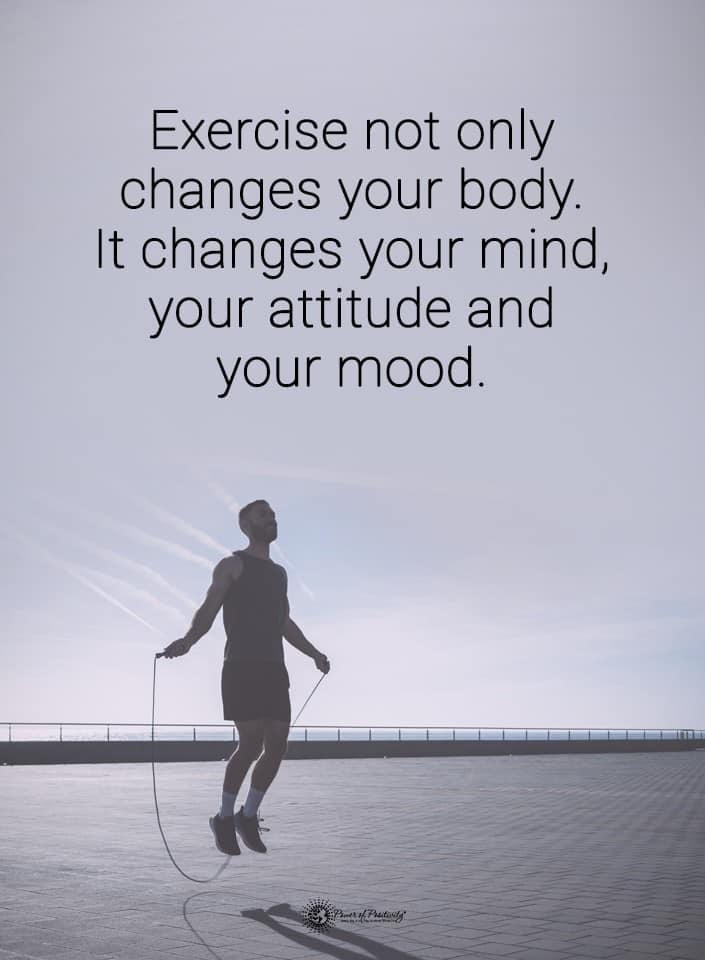
A new Harvard study finds that Americans have forgotten the value of being physically active. Compared to 200 years ago, the average American gets about 30 minutes less exercise today. Despite all the technological advancements in workout equipment, perhaps it’s the technology itself driving sedentary lifestyles.

Between YouTube workout routines, gym memberships, home workout machines, and more, Americans have endless options for exercise. Yet, it seems we’re less physically active than ever, according to researchers from the lab of evolutionary biologist Daniel E. Lieberman.

The research found that body temperatures and metabolic rates of Americans have been falling since the Industrial Revolution. This downshift occurred alongside declining physical activity levels, suggesting sedentary lifestyles have caused these widespread physiological changes. The results of the study have been published in Current Biology.

The researchers discovered that since 1820, Americans had experienced a 6% decline in resting metabolic rate (total number of calories burned at rest). This decrease equates to about 27 minutes less moderate to vigorous physical activity per day than 200 years ago. Authors attribute Americans’ less physically active lifestyle to the widespread use of technology.

“Instead of walking to work, we take cars or trains; instead of manual labor in factories, we use machines,” said Andrew K. Yegian, the study’s lead author and a postdoctoral fellow in the Department of Human and Evolutionary Biology. “We’ve made technology to do our physical activity for us….Our hope is that this helps people think more about the long-term changes of activity that have come with our changes in lifestyle and technology.”

Scientists have observed for decades how Americans have become less physically active with the advent of technology. However, until now, they didn’t have exact data to quantify this drastic societal change.

physically activeResearch Reveals Americans Are Less Physically Active Than Ever

The paper provides calculations to show that Americans have, in fact, become lazier over time. The research indicates that historical records on resting body temperature act as a thermometer of Americans’ physical activity.

“This is a first pass estimate of taking physiological data and trying to quantify declines in activity,” Yegian said. “The next step would be to try to apply this as a tool to other populations.”

The work began as a rough calculation following the release of new research by Stanford University last year. The study showed that Americans’ average body temperature decreased from 98.6 to about 97.5 degrees Fahrenheit since the 1800s. The authors of this study came to the same conclusion: that slower metabolisms have caused falling body temperatures in the United States.

Why?

They cite a few reasons for the decreased metabolism, namely lower inflammation due to improved healthcare and climate-controlled environments. In the 19th century, homes had no central air conditioning and unreliable heating. Today, most people have access to heat and AC, reducing the energy expended to regulate our body temperatures.

Regarding overall health, improvements have occurred despite the negative impacts of our tech-intensive world. It’s undeniable that we have access to better medical treatment, hygiene, and food than people 200 years ago. These societal advancements have lowered our inflammation levels, perhaps due to increased comforts and fewer worries about survival. Lower inflammation leads to reduced body temperature and metabolism, researchers say.

“Physiologically, we’re just different from what we were in the past,” said Julie Parsonnet, MD, lead author of the study. “The environment that we’re living in has changed, including the temperature in our homes, our contact with microorganisms, and the food that we have access to. All these things mean that although we think of human beings as if we’re monomorphic and have been the same for all of human evolution, we’re not the same. We’re actually changing physiologically.”

Better Living Standards Led Us to More Sedentary Lifestyles

Harvard researchers believed that Americans being less physically active correlated with falling body temperatures. The human metabolism, which produces body heat and powers physical activity, may explain these physiological changes.

Scientists analyzed previous studies by other researchers to find more evidence about this theory. They wanted to know how changes in body temperature could affect metabolism and activity levels. So, they gathered data from two papers to quantify how the two were related. Then, they used this data to estimate decreases in physical activity since the 19th century.

The researchers noted that other factors besides being less physically active might affect metabolism and body temperature in the paper. This makes estimating physical activity levels a bit more complicated.

What’s Next for Gaining More Clarity on Why People Are Now Less Physically Active

Their future work would better understand the relationships between metabolism, body temperature, and physical activity. Hopefully, this knowledge will provide more insight into how being less physically active affected the health and morbidity of Americans in the industrial age.

“Physical activity is a major determinant of health,” said Lieberman, the Edwin M. Lerner II Professor of Biological Science. “Understanding how much less active Americans have become over the last few generations can help us assess just how much increases in the incidence of chronic conditions like type 2 diabetes, heart disease, and Alzheimer’s can be attributed to decreases in physical activity.”

It seems that in modern society, we can’t have our cake and eat it too. Sitting too much can lead to many health problems, but life doesn’t require much movement today. In our artificial environment, we’ve figured out how to beat nature. However, our quest to conquer the elements has unleashed a new beast: diseases of modernity.

physically activeFinal Thoughts on How Americans Get Thirty Minutes Less Exercise Than 200 Years Ago
Thirty minutes may not sound like much, but the effects of being less physically active are apparent everywhere you look. Obesity, heart disease, cancer, diabetes, and other diseases have skyrocketed since the Industrial Revolution. We’ve made advancements in modern medicine and eradicated the most deadly plagues and pandemics. However, in place of those, we now have chronic illnesses primarily caused by everyday life.

A recent Harvard study found that Americans’ resting body temperatures and metabolisms have decreased. This reduction co-occurred with being less physically active, proving that we’ve changed physiologically over time. The impact of these changes isn’t yet clear, however.

The Secret to Dealing with Anger (Even When You’re Angry)

Are you seeking some effective new techniques for dealing with anger?

As a human, you have basic emotions that help you survive. You experience joy, happiness, anxiety, despair, and anger. According to the National Library of Medicine, anger is a response that originates in your sympathetic nervous system.

Dealing with anger is never easy, but many people think rage is all tied to being mad. When you’re upset, it doesn’t always mean that you’re ready to throw punches at someone. Instead, it can motivate you to make changes that help you stand up and advocate for yourself. However, the anger that creates problems in life is the one that can damage your physical health or put an end to meaningful relationships.

Understanding Stress Can Help in Dealing with Anger

dealing with angerIt all has to do with the stress hormones that are surging in your brain, and when you’re temper flares too quickly, it can be a real issue. How often have you heard a medical professional say you shouldn’t get all riled up as it’s not good for your heart? When you have too many of these stress hormones surging through your body, it can cause your immune system to weaken, your blood pressure to increase, and other issues.
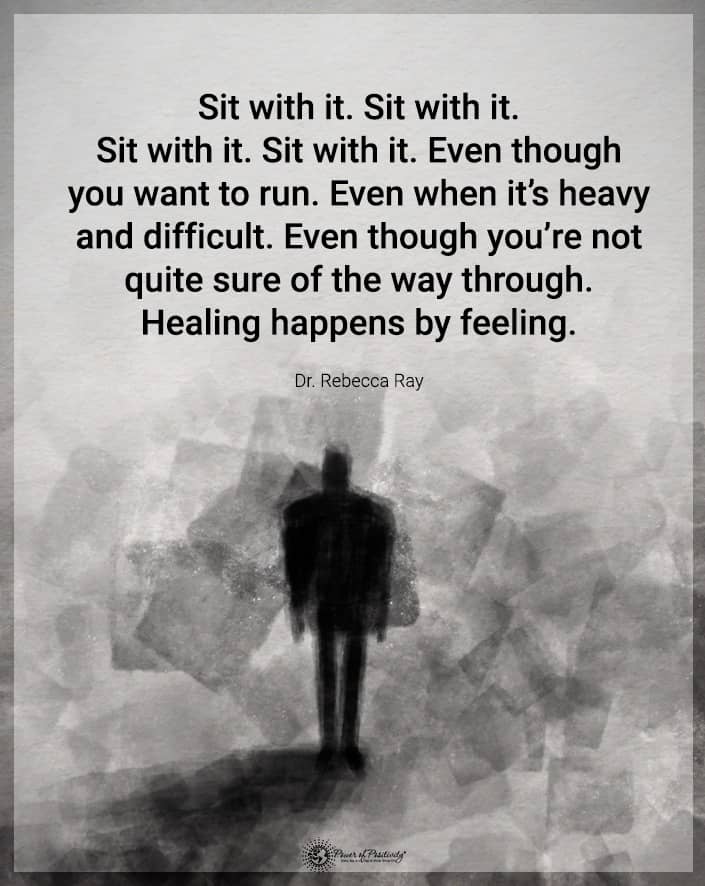
Some folks deal with constant anger, while others only experience a surge of rage on occasion. However, the goal is to navigate your emotions and identify triggers to prevent the next outburst. You understand that inner turmoil bubbling up inside means you’re about to cross the line, so this is the time to employ strategies to help you deal with anger.

One of the easiest ways for people to experience anger outbursts is for someone to cut them off in traffic. Anger is the easiest emotion to show. The only problem is that when you give someone a piece of your mind, it does not always give you the release you crave.

Before attacking this problem at the source, you need to understand the roots of rage, the triggers that cause it, and the consequences when you cannot manage it.

Understanding The Origins of Your Anger

Assume someone bumped into you in line at the coffee shop and spilled their latte down your shirt. Now, do you turn around and explode in a fit of anger at them, or do you shrug it off as a simple annoyance? What makes one person able to laugh it off while the other individual becomes fighting mad? It all stems from the event, the personality of the person, and your current mood.

You might not be as eager to explore if you just got a job bonus. However, if they caught you on a day where you overslept and were late getting the kids to school, you might react differently. You may have a low tolerance for frustration, have high anxiety levels that make you nervous and overreact, or feel that the act was punishable and you’re the warden.

What Do the Big Five Personality Traits Have To Do With Anger?

Some people are more prone to get angry than others. For instance, if you have a high level of passion about a matter or are not the most agreeable person, you’re more likely to have rage issues. If you’re against a particular subject, you’re more likely to have a temper flare when confronted with an oppositional view.

According to Science Direct, the five big personality points define someone susceptible to becoming angry. They are:

  • Neurosis – When a person displays neurosis, they battle many unpleasant emotions they cannot control. This person may be depressed, have bouts of anger, and have a high level of anxiety.
  • Socialness – Vitality and the inclination to seek inspiration from others. A person who loves to be surrounded by people and is usually the life of the party.
  • Agreeableness – The propensity to be sympathetic and supportive instead of skeptical and aggressive to others. This person is easy to please.
  • Carefulness – The tendency to display restraint, act respectfully, and seek attainment. This person is often skittish and cautious when meeting people and entertaining new things.
  • Seeing experiences – This individual admires fine art, excitement, exploration, and bizarre concepts, which equals a creative and intriguing person.

Other Personality Characteristics Prone to Anger

While these five concepts are essential, other folks might be dealing with anger and have the following characteristics:

  • Privilege – This individual believes they’re on a higher plateau than others and their opinions and rights are superior.
  • Ruminating – A person who meditates often focuses their attention on things that are outside of their control.
  • Disguised – The person who uses external forces to regulate their emotions and often wears a façade.
  • Narrowminded – This individual can only see things in shades of black and white, and they ignore that there are other colors on the spectrum.
  • Inadequacy – This person has a fragile ego and suffers from poor self-esteem and a lack of self-worth.

Six Effective Ways for Dealing With Anger

Now that you know everything about anger issues and the personalities prone to these bouts of rage, you’re probably wondering how you deal with it. You’ve heard of courts ordering anger management classes to parents, and there’s a time when parenting brings outrage. However, dealing with anger must be scrutinized with self-awareness.

When you feel things spiraling out of control, you can stop yourself before you get to the point of explosion. Here are ways to get a firmer grip on your anger issues.

dealing with anger1. Count to Ten

It’s probably the easiest way possible, but thinking before you speak or react is a big part of learning to deal with your anger. When you feel the room’s mood escalate to a dangerous level, you need to start breathing and counting to get your emotions back in check.

2. Remove Yourself From the Situation

There’s something to be said for removing yourself from the situation and getting some fresh air. Fresh air can be very tranquil, and it does wonders to help calm that anger inside.

When you’re dealing with anger, use your counting strategies while walking around outside. Then, when you’ve calmed down enough to reason, you can come back in and talk about the matter or face the situation.

3. Get Sufficient Rest

Have you ever noticed that your emotions can be haywire when you haven’t had sufficient rest? How often have you felt you didn’t have control because you were so sleepy you weren’t firing on all cylinders?

Don’t ever face a situation where you know things will be stressful when you haven’t had an adequate amount of sleep. You may say and do things that are out of the normal range for you.

4. Consider Different Perspectives

Close-minded people often only see things through their lenses, but what if you stepped into another person’s shoes for a minute? Look at things how they do and see how they see things. Before you fly off the handle and say or do something you regret, take a pause and view it from another perspective.

5. Bring in a Third Party

If you feel your anger boiling inside and about to explode, it’s often helpful to bring a third party into the situation. This person can look at both sides and help you to gain some clarity. There’s a reason why the Bible says blessed the peacemakers in Matthew 5:9, and an unbiased person can bring harmony to a rough situation.

6. Find a Healthy Release

One of the most beneficial things you can do when dealing with anger is to find a healthy way to release those feelings. Some people punch walls or each other, but you don’t need to go to these extremes to find a release. Maybe you grab a basketball and head to the court. Take out all your rage on the ball and get some exercise too.

When you exercise, you’re releasing those feel-good endorphins in your brain that will help to calm you down. Some people will go outside and chop wood, throw darts at a dartboard, or write a letter releasing all their feelings and burning it. You may need to experiment to find some things that work for you.

dealing with angerFinal Thoughts on Dealing With Anger

While the American Psychiatric Association hasn’t created an official diagnosis for those who suffer from an anger disorder, other mental health issues can have this as a symptom of their problem. For instance, those suffering from borderline personality often have rage issues, as do those who have conduct disorder or ADHD.

Additionally, you don’t need a diagnosis to realize you have a problem with rage. Dealing with anger can be a serious matter, and if you don’t learn effective ways to get things under control, it can cost you big time. Some people have lost relationships, jobs, and even their freedom because they let their anger get the best of them.

Another outlet to consider is that many counselors deal specifically with personality disorders and rage. Getting outside help from the mental health community and peer groups can be advantageous.

The Secret to Having Tough Conversations With Your Partner

No matter how much you and your partner are in love, you’re still two separate people with your thoughts and feelings. You may occasionally clash with differences of opinion. Learning how to have tough conversations with them is one of the keys to healthy, lasting relationships.

Do you and your mate have subjects you won’t discuss because you know it will lead to an argument? Unfortunately, the issue isn’t resolved because you both refuse to address the elephant in the room. It’s probably a case where one of you isn’t true to their feelings and opinions.

Effective communication with your partner includes both positive and negative subjects—loving someone requires listening to their point of view and validating their feelings. Sometimes, you make compromises or agree to disagree.

Avoiding the topic may keep peace on the surface, but it causes internal conflict. You may both be smiling, but the resentment will chisel away at your bond of love. Such avoidance leads to more problems as you find yourself drifting apart.

Ten Secrets to Having Tough Conversations

Are you tired of sweeping all your issues under the rug? Avoiding the problem won’t make it go away. Instead, consider these ten suggestions for having a challenging conversation with your partner, even if it’s an argument:

tough conversations1. Know the Right Time

If you want to have a challenging conversation with your person, timing is of the essence. You’ve been with them long enough to know when they’re in the mood to chat. Knowing that mood can make all the difference in settling an issue or causing an impasse.

Avoid bringing up contentious subjects when you or your partner are tired or grumpy. Voicing your concerns right after work or during dinner probably will backfire on you. Instead, wait when you’re both at ease and open to discussion.

2. Use the Sandwich Method to Facilitate Tough Conversations

Setting the mood for a difficult conversation is easier when you preface it with something positive. You will have better solutions if you go into the discussion with a good attitude. It’s called the Sandwich method: positive, negative, positive.

For example, maybe you’re having issues with your combined finances. You could begin by saying, “Hey, you’ve done an excellent job by reducing some of our expenses.” This positive layer is non-confrontational and doesn’t accuse.

The second layer addresses the negative issue: “But we are still struggling to pay our bills each month.” Notice how the negative issue remains neutral. The third layer of the sandwich is a positive conversation: “How can we make a plan to save more money?”

3. Stay Focused on the Problem

Some people make the mistake of going off into left field during a tough conversation. Try to stay on the subject and not go off on a tangent. It will confuse your partner and make forgetting what you’re discussing easier.

Focusing makes the difference between a direct conversation and an argument. This isn’t the time to mention other subjects or dabble in past shortcomings. You’ll just put your mate on the defense, and they’ll shut down or explode in anger.

If your tough conversations are veering off-topic, gently bring them back in line. It’s better to tackle one issue at a time rather than ramble about them all. A focused discussion is more likely to bring solutions to the problem.

4. Tough Conversations Require Active Listening

Remember that a conversation is a two-way street when you’re talking heart-to-heart. You’re talking “with” and not “to” each other. After your partner’s complete attention and you’ve opened with a positive statement, listen to what they say.

You may miss some of their critical points if you’re too busy anticipating what you’ll say next. According to an article published by the Harvard Business Review, active listening helps you understand the other’s viewpoint during a tough conversation. It can cultivate trust and help you reflect on past experiences.

Maintain eye contact and neutral body language. Even if you disagree with the statement, don’t interrupt. Nod your head and mirror their emotion. Pause a few seconds to reflect on what they’ve said before you respond.
tough conversations

5. Minimize Distractions

How can you possibly be attentive to each other during a tough conversation if you’re overwhelmed with distractions? Modern technology is a lifesaver, but it’s not so great when it monopolizes attention. A quiet, peaceful setting makes it easier to listen actively and respond accordingly.

For now, silence your smartphone and set aside video games and other mobile devices. Turn off the tv and forget about checking your email and social media pages. Talking privately away from your kids or other prying ears is also wise.

6. Be a Fair Fighter

If you don’t want these tough conversations to go south, you must be fair to each other. One of the worst things you can do is to start flinging accusations and insults. It’s going to end up like a night at the fights.

It’s not helpful to shift the blame to your partner or press buttons you know will flare their temper. Such a verbal attack may lead to a counterattack, and you’re fighting over everything except the critical issue. How can you fight fairly?

Stay calm, and don’t raise your voice or let your emotions fly. Instead of using the accusatory “you always” or “you never,” try to make the discussion about both of you. For example, “When you laugh at my ideas, I feel like you don’t take me seriously, and it hurts me.”

7. Find Common Ground When Having Tough Conversations

Even if you must have tough conversations with your love, you can agree on some things. When you can find common ground, it may be easier to work out issues of contention. It makes both partners feel like they’ve contributed toward an agreeable solution.

Here’s an example: “I know you’d rather go to relatives for the holidays and it’s a lovely idea. We could split the holiday weekend between home and with family, so we get both experiences.”

8. How to Respectfully Disagree

In a perfect world, you and your mate can solve every problem and live happily ever after. However, life isn’t a Grimm’s fairytale, and couples must overcome situations every day. Not every conflict between you and your lover can be solved in one tough conversation.

Sometimes, you must agree to disagree. An article published by First Things First explains that there’s not always a right and wrong opinion. In some instances, both people’s views could be correct but are from a distinct perspective.

You’re within your rights to disagree and keep your opinion respectfully. Be sure to hear each other out and empathize. If you come to an impasse, be respectful of your partner and revisit the topic later.

If you feel your temperature rising, pause even longer between statements. Count to ten, hold your breath, and stay silent. Instead of yelling, lowering your voice can help calm you and the situation.

Resorting to cursing and name-calling doesn’t make you more powerful. It only suggests a lack of respect and conversational skills. Plus, it throws gas on the fire and may drive a wedge between a couple that can’t be fixed.

9. It’s Not About Who Wins the Tough Conversations

You’re not doing yourself any favors if you only care about winning a tough conversation. If your attitude comes across as arrogant and offensive, your partner may give in to keep you quiet. In this case, the only thing you’ve won is their bitterness and resentment.

You care about each other’s feelings when you approach tough conversations as a team. Finding resolutions for the situations make you both winners. Couples who respect their partners learn how to compromise and explore issues together.

10. Forever Issues

You and your person may have problems with no resolutions at some point. For example, you might never be close to your in-laws. One of you may prefer the country and the other the city and never be swayed. These conflicts may not have solutions, but you learn to accept them and stick with what’s most important.

Word to the Wise About Having These Tough Conversations

While arguing with your mate is perfectly normal, it’s not okay when they become abusive. There’s no compromise or excuse for physical, mental, or emotional abuse. If your disagreements become violent and entangled with substance abuse, you deserve better and should leave.

tough conversations
Final Thoughts on Having Tough Conversations with Your Partner

Wouldn’t it be grand if all your conversations in your relationship were champagne and roses? In real life, you’ll lock horns with your mate countless times. Using these suggestions for heartfelt discussions may help you find solutions to strengthen your relationship. Positive communication for those difficult conversations is the key to resolving them.

8 Ways to Deal with a Disrespectful Partner So They’ll Never Do It Again

You expect it to be built on love, trust, and respect when you’re in a relationship. If your partner is constantly showing you disrespect, you may need to take some action. Here are eight ways to deal with a disrespectful partner.

 What is disrespect?

The Merriam-Webster online dictionary defines disrespect as showing low regard or low esteem for someone. Other words they use for disrespect include contempt and lack of consideration. Disrespect is a severe problem in a relationship.

What are examples of a disrespectful relationship?

You may wonder if disrespect has crept into your relationship. Here are signs of disrespectfulness in a relationship.disrespectful

  • Put-downs
  • Mistrust
  • Ignoring you
  • Manipulation
  • Rudeness
  • Bullying
  • Yelling at you
  • Selfishness
  • Lying to you
  • Don’t make you a priority
  • Lack of listening

Ten ways to deal with a disrespectful partner

In every relationship, both people contribute to the weaknesses and strengths of the relationship. Despite this, both parties should show mutual respect for one another. If you’re experiencing disrespect from your partner, here are some ways to deal with your partner.

1 – Encourage your partner to share their inner thoughts

Don’t assume their disrespect is about you. Maybe your partner isn’t accustomed to talking about what bothers them. If they grew up in a household where their parents used sarcasm and jabs instead of sitting down to talk about their problems, they wouldn’t know what an emotionally healthy relationship looks like. Their disrespectful attitude is wrong, but seeing the reason behind their disrespect can help you understand how to deal with it.

When they resort to disrespectful comments, ask them what’s bothering them in a gentle but firm voice. Please encourage them to share their feelings. Helping them share their inner thoughts will develop emotional intimacy and trust between the two of you. Be sure to point out that you want to talk about things rather than resort to jabs, bullying, or sarcasm. It may take your partner time to grow in expressing their feelings, but they’ll learn to express themselves instead of giving disrespectful comments over time. Practice sharing your inner thoughts and feelings by asking these questions as a couple.

  • What’s the most embarrassing moment of your life?
  • When was the last time you cried in front of someone?
  • What is too dire for you to joke about?
  • Of all the people in your family, who would you like to most like? Why?
  • Share with your partner an embarrassing moment in your life.
  • When did you last cry in front of another person? By yourself?
  • Tell your partner something that you like about them already.
  • What is too serious to be joked about?
  • What’s your greatest accomplishment?
  • What is your worst memory?
  • What is your most treasured memory?

2 – Express the pain of their disrespectful comment

A lack of respect is hurtful. Your partner needs to know that their rude comments cause you pain. When they say something disrespectfully, pause for a moment to collect your thoughts so you don’t respond in anger. Then say something like,

 I’m not too fond of the way you’re talking to me. Your words are hurtful, so please stop.

 Staying calm will get their attention. They may not like what you said, but they will apologize if they care for you. It could be they didn’t realize the impact of their words and didn’t mean to hurt you. Telling them that their words were hurtful should get their attention. It could lead to a deeper conversation about why they said and how they can change.

3 – Point out their disrespectful attitude

Your partner must know they’ve stepped over a line by their disrespectful actions or words. You can push back on their disrespect by saying something like,

That’s not how people who love one another talk (or act) towards one another. It’s disrespectful. I do not deserve this treatment.

 Your statement tells your partner that what they’re doing isn’t acceptable. If they love you, they will apologize and ask how they can change. If your partner doesn’t consider what you said and has no desire to change, it’s a red flag. You should consider this.

4 – Get help from others

If disrespect is a constant pattern for your partner, you may need to get outside help. Ask your pastor, a trusted friend, or a family member for assistance. You and your partner should sit down with them and discuss the disrespectful dynamic of your relationship. Sometimes, getting an outside person’s opinion emphasizes the weight of the problem. If your partner doesn’t believe your concerns, they should after this discussion. Emphasize how your partner’s lack of respect is harming you. Explain how you desire to have a loving, mutually respectful relationship. Hopefully, your partner will express a similar desire for your relationship.

disrespectful5 – Don’t be needy

Being needy in a relationship is a sign of insecurity. If you feel insecure, it isn’t easy to talk to you. Coming across as clingy communicates that you are overly dependent on your partner. They may feel like they’re constantly putting out your “emotional fires.” It’s not a good reason for them to treat you disrespectfully, but seeing your tendency towards this could be helpful. Figure out why you’re feeling insecure in your relationship. Is this a typical pattern for you? Are there things in the relationship that cause you to feel this way? How can you stop being needy?

  • Pursue your interests: Find things to do that don’t involve your partner. Have separate interests from your partner.
  • Find friends: You can’t depend on your partner to meet all your emotional needs. Find friends you can talk to and enjoy doing things together.
  • Pursue faith: Look to God to give your identity and value rather than your partner. Studies show that having faith in God can affect a person’s mental well-being. Religion positively affects depression, quality of life, and a sense of life satisfaction. Having faith gives you a sense of security in who you are as a child.

6 – Listen to their criticism

Don’t ignore your partner’s criticisms. Is there something they’re saying to you that could point to an issue in your life? Of course, you aren’t to blame for your partner’s disrespect. But maybe instead of knowing how to explain what you do, they use sarcasm or manipulation to convey their message. It’s not a mature way to respond, but it could be time to listen to what they’re trying to say. Ask them to sit down with you and ask them questions.

  • Listen carefully to their words: Give them eye contact and lean forward. Show that you want to hear them out.
  • Ask questions to clarify what they mean: If you don’t understand, you may not fully get their meaning.
  • Focus on the facts: Ignore the extra “stuff” they added.
  • Tell them you want to think about it, but get back together to talk. Get some space between you and the person to think through what they said.
  • Thank them for being honest: Even if they don’t package it correctly, it may be the first time anyone’s had the guts to tell you this.

7 – Get counseling to work through the disrespectful behavior and language

Getting help from a professional counselor can be another helpful way to resolve your partner’s disrespectful attitude. A counselor will give you practical strategies for your relationship. They can help you and your partner replace hurtful words with better communication. If your partner refuses to attend these sessions, you can go. The counselor can specifically help you decide how to handle your partner’s disrespectful attitude.

8 – If they don’t change, you need to make a decision

If you have pointed out your partner’s disrespectful attitude, expressed how hurtful their words and actions are, and tried to change by listening to their criticism, but they haven’t changed, it can be discouraging. If you’ve sought some outside help, they still don’t try to stop being disrespectful. You may need to make a hard decision about this relationship. You’ve given them many opportunities to change, but if they aren’t genuinely sorry for their behavior, they probably will not stop disrespecting you.

They don’t love you if they continue to yell at you, belittle you, and say rude things. It’s hard to face up to this, especially if you care for the person. Tolerating disrespect isn’t good for you. Even if your partner isn’t hitting you, they display abusive behavior. Studies show that verbal abuse is associated with poor mental health. It may be time to leave this relationship.

disrespectfulFinal thoughts on communicating with a disrespectful partner


Loving relationships are built on respect for one another. Showing admiration regarding your partner’s feelings and wishes is essential for your relationship to grow. If you’re in a relationship with a partner who continually shows you a lack of respect, you need to speak up. Your partner may not realize how their words affect you, or they may not know how to express their feelings maturely. These aren’t excuses for their disrespect, but they can help you understand them better. If your partner shows little regard for how their words and actions affect you, it may be time to reconsider the relationship.

Why It’s OK to Walk Away From A Negative Relationship

It takes great courage to walk away from a bad relationship, but you owe it to yourself to release the negativity these situations bring. Breaking up is hard to do, but it takes a stronger person to leave a relationship than to stay and be miserable. Things are always more complicated when you have children or a long history together, but sometimes love alone isn’t enough to sustain you.

Have you thought about leaving your relationship but don’t know how or if you could make it on your own? One of the main reasons people stay in unhealthy relationships is because of guilt or the financial obligation. Do you have the courage to walk away, or will you stay in a harmful situation because it’s become comfortable?

The Stress of Poor Relationships

A negative impact can have a dramatic effect on your mental and physical health. You’ve heard that stress kills, but do you know there is significant scientific research to back those statements? According to the American Institute on Stress, your body produces excess hormones of cortisol and adrenaline when you’re in this heightened state.

The surge of these hormones can put the body into fight or flight mode. During these rushes, every system in your body is on high alert, and it’s not good for your heart. A toxic relationship can undoubtedly put a strain on you, but you’re not the only one feeling the pangs of stress.

According to a survey conducted by the Mental Health Foundation, nearly 74 percent of the people in the UK said they were so stressed that they could not cope anymore. If stress is this bad in the UK, then how bad is it in the United States?

Well, Americans rank a little better, but not by much. According to the American Psychological Association, 65 percent of people in this country, or 2 out of 3, are stressed beyond belief. How many of the folks in this study were in poor relationships, had overwhelming jobs, or couldn’t keep up with finances and home life?

Sometimes, the most significant thing you can do for yourself is to walk away from that unhealthy relationship or the things that keep you chained to pain. Sometimes a couple hits the spot where it’s a dead-end or the end of the road, but while it’s so hard to let go, you must do it for your sanity and your ultimate happiness.

walk away

Ten Reasons Why It’s Okay to Walk Away

If you’ve contemplated leaving, you’ve no doubt made the essential pro and con list. Perhaps, your pro list is a little scary since you’re leaving your security and the financial aspects that keep you every day. Here are some reasons why it’s okay for you to go and never look back.

1. You’re Worth It, So Walk Away Without Guilt

If you’re not happy in your relationship, you should know that you don’t have to stay this way. In fact, you’re worth so much more than you know. You have the important job of taking care of yourself in this life, as no one else will do it for you.

While you might find people to assist you in taking care of your needs, the ultimate responsibly falls on your shoulders. Remember, with each argument, name-calling, and abusive encounter you have with your partner, you should remind yourself that you deserve so much better.

2. Someone Will Love You How You Need

So, this relationship hasn’t worked out as you would want. You mustn’t let it taint your view for other people. There is another person out there that will love you and provide all the things you need.

Imagine if you gave up too soon and spent your life alone when there’s someone out there that fits you as well as a sock does in a shoe? Sometimes people are just toxic for one another. However, just because the current relationship hasn’t been the best doesn’t mean the next one won’t be simply amazing.

3. Walk Away if Your Partner Affects Your Health

You already know that the stress of a relationship can take a drastic toll on your health. If you experience things like dizziness, frequent headaches, and sleeping too much or too little, it’s all signs that your body is trying to tell you something is amiss.

When you have issues with your mental or physical health, it affects every aspect of your being. It’s time to make your health a top priority.

4. Putting It Off Only Causes More Pain

If the situation is on a downward spiral, putting off the inevitable only brings more pain. Each person has a suitcase that they carry with them through life. Inside this suitcase, you put your unresolved issues, fears, and regrets. Every time your spouse calls you a name or degrades you in some way, it’s packed inside your baggage that you will carry through life.

Letting go of the things inside this suitcase is not easy, and it’s often the relationship after this one that must help you dig through and unpack the items. So, why would you want to put more in this bad that only makes your load heavier? It’s time to walk away before you get a load of garbage in your proverbial suitcase that brings you to rock bottom.

5. Your Kids Might Thank You (Eventually)

Some people stay together for the sake of their children. They worry about finances and all sorts of aspects of their relationship tied to the monetary value. However, how do you think it makes your child feel when they see the negative relationship between you two?

Every argument, name-calling, slap, or altercation profoundly affects them. While you may be thinking dollars and cents, many children will tell you that they would rather live with nothing than live in a toxic situation.

walk away
6. It Doesn’t Have To Be a Bitter Battle

Many people walk away and split amicably. You can co-parent without all the games and be there for the kids without all the drama. Both parties must work very hard together to achieve such an arrangement, but it’s often best to get some mediation involved.

Make a pact that the kids come first, and you should never talk bad about the other parent in front of a child.

7. A Whole New Life Is Waiting For You When You Walk Away

Have you ever been outside working in the garden, covered with dirt and grime from head to toe? Remember that feeling when you stepped into the shower and washed away all that filth? It’s a euphoric feeling of cleanliness that sweeps over you, and it relaxes you and makes you feel like a new person.

Oh, the feeling of relief when you remove yourself from a toxic relationship is very similar. Kristen Fuller, MD from Psychology Today, tells people that the emptiness you feel will heal, and the new experiences can fill your empty heart with joy and laughter.

8. Walk Away to Become More Independent

When you’re used to being part of a couple, you become dependent upon one another for everyday life. However, when you break the ties that bind, you learn independence. You have no clue how strong you are until you know to stand on your own two feet. It’s time for you to be the independent, fun-loving person that you were meant to be.

9. You Can Help Others

When you walk away from a toxic situation, you’re taking control of the problem instead of letting it control you. You’re learning that you can overcome even the most challenging matters, which are those of the heart. Through your trials and tribulations, you can use your story to help others in the same situation.

It takes a strong person to leave, and your strength can help empower others to make tough choices.

10. You Only Get One Life to Live

Simply put, you only get one life to live, and why should you waste one moment being miserable? You can be happy, healthy and have friends who support and care for you. Maybe you will move on to another relationship, or perhaps you will stay a fierce, independent single. However, whatever you do, you need to make sure that you live the one life you have to the fullest.

walk away
Final Thoughts on Why It’s Okay to Walk Away

As the old song says, it’s so hard to say goodbye to yesterday. The good news is that you can take all the memories that will help you remember the joyous times more than the pain. It probably wasn’t all bad, and there were things that you will always hold near and dear to your heart.

When you walk away from a relationship and all the negativity attached to it, it feels like walking out of a storm and seeing a rainbow. It’s a promise that everything is going to be okay, and the sun will shine again. You have to believe it and hold on to the faith that the best times are ahead of you.

Scientists Discover How to Generate Energy from Microalgae 
A new study by Nanyang Technological University, Singapore (NTU Singapore) scientists reveals how microalgae generate energy. This type of algae coats the surface of ponds and seas and could improve artificial photosynthesis efficiency. In turn, the microalgae would generate energy and reduce waste simultaneously.

The research found that covering algae protein with liquid droplets boosts the algae’s photosynthetic and energy-converting properties. This process results in an efficiency boost of 3x compared to previous methods. Energy generates when the algae undergo photosynthesis, the process by which plants and some bacteria turn sunlight into chemical energy.

Artificial photosynthesis replicates this process by using a light-harvesting device to generate energy. The microalgae absorb the light and use it for energy, just like plants. This method provides an alternative way to produce electricity that doesn’t require fossil fuels or natural gas.

Converting sunlight to electricity takes an enormous amount of energy. However, boosting this conversion rate with microalgae could make artificial photosynthesis a viable, scalable way to produce energy.

The research, led by Assistant Professor Chen Yu-Cheng from the School of Electrical and Electronic Engineering, investigated a specific protein found in red algae. These proteins, called phycobiliproteins, absorb light in algae cells to start photosynthesis and generate energy.

Phycobiliproteins harness energy from across the spectral range of light wavelengths, including those not absorbed well by chlorophylls. Then, these proteins convert the energy into electricity.

Asst Prof Chen said in a press release:

“Due to their unique light-emitting and photosynthetic properties, phycobiliproteins have promising potential applications in biotechnology and solid-state devices. Boosting the energy from the light-harvesting apparatus has been at the center of development efforts for organic devices that use light as a power source.”

generate energyScientists Discover How to Generate Energy from Microalgae

The idea of using microalgae as a potential source of biological energy continues to grow in popularity. As climate change becomes increasingly more apparent, scientists have been ramping up efforts to generate energy sustainably. Since algae don’t produce toxic byproducts in manufacturing, it could provide the world with clean energy on a mass scale. Solar panels, in comparison, still require fossil fuels to produce.

The research builds upon NTU’s commitment to sustainability included in its 2025 strategic plan. The plan aims to understand, document, and address humanity’s impact on the planet.

The findings have been published and chosen as the cover of the scientific journal ACS Applied Materials Interfaces.

Microalgae soak up sunlight and transform it into chemical energy. The research team discovered a way to encase red algae in tiny liquid crystal droplets to generate power more efficiently. Measuring only 20 to 40 microns in size, the micro-droplets help enhance photosynthesis, producing more energy.

This reaction occurs when light hits the droplets, traveling around their curved edges and getting trapped for long periods. Known as the “whispering-gallery mode,” the natural phenomenon allows more time for photosynthesis to occur, amplifying the energy potential.

Electrodes can then capture this energy like an electrical current created by photosynthesis in the form of free electrons.

“The droplet behaves like a resonator that confines a lot of light,” said Assistant Prof Chen. “This gives the algae more exposure to light, increasing the rate of photosynthesis. A similar result can be obtained by coating the outside of the droplet with the algae protein too.”

“By exploiting microdroplets as a carrier for light-harvesting biomaterials, the strong local electric field enhancement and photon confinement inside the droplet resulted in significantly higher electricity generation,” he said.

Could Algae Replace Solar Panels in the Future?

The research team says the droplets can be mass-produced to generate energy, making them affordable and commercially viable. Asst Prof Chen said that most algae-based solar cells produce 20–thirty microwatts of electricity per square centimeter (µW/cm2). The NTU algae-droplet experiment increased energy production by a minimum of 2-3x, compared to the energy generation of the algae protein alone.

However, researchers say the using algae to generate energy still presents some challenges. Artificial photosynthesis can’t yet compete with solar-powered energy sources, like solar panels, in terms of efficiency. Solar panels typically have 15 to 20% efficiency ratings, while scientists estimate artificial photosynthesis efficiency at 4.5%.

Assistant Prof Chen said: “Artificial photosynthesis is not as efficient as solar cells in generating electricity. However, it is more renewable and sustainable. Due to increasing interest in environmentally-friendly and renewable technologies, extracting energy from light-harvesting proteins in algae has attracted substantial interest in the field of bio-energy.”

But, Chen believes that “algae farms” could provide a solution to this problem. Combining mass-produced algae in bodies of water with larger liquid crystal droplets could create floating power generators. Since the larger droplets would generate more energy, this method could perhaps replace solar panels.

“The micro-droplets used in our experiments have the potential to be scaled up to larger droplets which can then be applied to algae outside of a laboratory environment to create energy. While some might consider algae growth to be unsightly, they play a significant role in the environment. Our findings show that there is a way to convert what some might view as ‘bio-trash’ into bio-power,” said Assistant Prof Chen.

generate energyFinal Thoughts on a Microalgae That Could Generate Energy on a Mass Scale


Scientists across many fields have been researching ways to produce sustainable energy on a commercial scale. It seems they’ve made a breakthrough with their recent discovering of microalgae’s ability to generate energy. Scientists from NTU Singapore found that encasing algae in liquid crystal droplets amplified energy production by 2-3x. Lead researcher, Assistant Prof Chen, said that creating larger droplets in algae farms would further increase this effect.

The team believes this method could even match or outpace the energy production of solar panels. Since they currently require fossil fuels to make, they release toxic byproducts in manufacturing. However, microalgae can provide a clean form of energy using natural processes, making it the better option.

Can you imagine your home one day running on energy derived from algae? It sounds strange, but it’s a possibility in a future powered by sustainable energy.

20 Music Quotes That Make You Feel More Relaxed

Music has healing and cleansing powers, helping you feel more relaxed. It can uplift your entire sense of well-being as it entices complex and intricate feelings. These feelings are translated into thoughts, helping you find peace in a calm mind. When you can’t shake feelings of unease or relax your mind, remember these music quotes.

If you remember the musical quotes, you’ll know to turn on some music to feel more relaxed.

Twenty Music Quotes That Make You Feel More Relaxed

Many people, including musicians, have been using music for relaxation and healing for years. Not only that, but research backs the fact that music helps. These music quotes will help you use music to wind down and relax each day.

music quotes1. “Listening to music has a positive impact on our health, by helping us recover faster when we experience stress and through the reduction of stress hormone cortisol, to help us achieve a calm state or homeostasis.” – Alex Doman

As a music producer and entrepreneur, Doman knows the many benefits of music. It boosts your health and well-being while helping you stay relaxed and stress-free. No matter what is going on in your life, playing music brings a sense of calmness to your body.

2. “I’ve found that no matter what life throws at me, music softens the blow.” – Bryce W. Anderson

You can’t predict what will happen, but finding positive coping methods will help you. Listening to music is a positive coping mechanism that improves the process. As you work on acceptance and healing, play the music that helps you feel better.

3. “Music expresses feeling and thought, without language; it was below and before speech, and it is above and beyond all words.” – Robert G. Ingersoll

Sometimes there aren’t words to describe the way that you feel. When you can’t figure out how to express yourself, turning to music can make a difference. You won’t have to say a thing when you find the right song to help you with expression.

4. “My heart, which is so full to overflowing, has often been solaced and refreshed by music when sick and weary.” – Martin Luther

When your heart seems too full, it might be hard to find solace and relaxation. However, as explained in this quote, music is often the answer. Finding the right song can help you feel refreshed and relaxed, even when you aren’t at your best.

5. “Music is the language of the spirit. It opens the secret of life bringing peace, abolishing strife.” – Kahlil Gibran

Listening to music releases inner peace and eliminates stress and hardship. You’ll begin to feel better as soon as the first song starts playing, so keep it going until you feel a sense of calmness.

6. “Similar to books, music can influence our life in a positive or negative way.” – Catherine Pulsifer

The things you read influence your life, and musical influences are the same way. If you listen to positive and uplifting music, you’ll feel an improvement in your overall well-being. When you want to feel relaxed, turn to calming songs that bring ease to your spirit.

7. “Music can heal the wounds which medicine cannot touch.” – Debasish Mridha

Medicine can heal physical ailments, but mental strife isn’t as easy to treat. When life gets hard, and you need to relax, music can be the healing property in your life. Find music that improves your well-being and promotes happiness within.

8. “There are many ways to relax. Sometimes you might enhance that relaxation by listening to mellow music. At other times, you might use the stress and sing and dance to an upbeat tune.” – Jay Winner

You don’t always have to play calming music when you want to relax. Sometimes, relaxing requires you to let the stress out through dancing and movement. When that is the case, please turn up your favorite dance songs and let it all out.

As you dance, you’ll feel the stress and tension leaving your body. Then, you’ll be free to relax and experience a sense of calm.

9. “If everyone started off the day singing, just think how happy they’d be.” – Lauren Myracle

Remember this music quote and make it a point to start your day with music and singing. As you shower or get ready for the day, play songs that make you feel happy and relaxed. If you do, you’ll feel better throughout your day, improving your overall well-being.

10. “The power of music makes all the difference to me with motivation throughout the day.” – Paul Brodie

If you ever feel tense, stressed, or unmotivated during the day, remember this quote. As Brodie explains, music can give you all the motivation you need to keep pushing through. When you feel motivated, you’re more likely to stay relaxed as you tackle your to-do list.

music quotes11. “This is a known fact, when we listen to good and soothing music our brain responds to every task we perform. It calms down our brain and provides healthy effect in our life.” – Mat Fox

With a calm and healthy brain, you’ll perform better in all areas of your life. When you want to improve at something, turn on music that decreases you and helps you think clearly. With a calm mind, your brain will respond to everything a little better.

12. “Music brings a warm glow to my vision, thawing mind and muscle from their endless wintering.” – Haruki Murakami

When your body feels tense, tight, or cold, get some music playing. Listening to songs will help your body relax, and you’ll feel free to move and express yourself.

13. “There is music in the air, music all around us; the world is full of it, and you simply take as much as you require.” – Edward Elgar

If music helps you relax, but you don’t have access to your headphones or speaker, you can still find a song in the world. Take a moment to sit quietly and listen for the sounds all around you.

The sounds you hear are the music of the world. When you know to listen to it, you’ll always have music to help relax you. Take as much music as you need because it never runs out.

14. “The idea of music having a use goes back centuries. The beginnings of written-down music was the liturgy, and obviously that has a connection with the idea of a meditative state and all of that. So music can really be useful in that way.” – Max Richter

When you listen to or write down music, you connect with your inner thoughts and feelings on a deeper level. It helps you understand things differently, improving your mindset and ability to relax. Plus, as you hear uplifting music, you’ll process and handle things better, too, furthering your relaxation.

15. “Music has the power to heal, transform and inspire, and we have the power through deep listening to increase our intuition and self-awareness.” – Andre Feriante

The many benefits of music include healing, transforming, inspiring, and increasing your self-awareness. While these are only a few of the benefits, you’ll quickly find that they improve your ability to relax. With increased intuition, you’ll be able to enjoy life with a calm mind.

16. “Music can have a profound effect on mood, including confidence level or how relaxed you are.” – Corrina Thurston

This music quote is a great reminder. The playlist you choose can make all the difference in your life and mindset. If you choose the right music, it can promote confidence and relaxation. However, selecting downbeat tunes can have the opposite effect, so choose carefully.

17. “Music is a great healer. Begin and end your day with music.” – Lailah Gifty Akita

Beginning your day with music will help you be more resilient of things to come. Plus, it can heal things from previous days that affect you when you wake up. Start your morning routine by turning on your favorite uplifting music.

Ending your day with music is also beneficial. When you finish it with uplifting songs, it helps heal any hardships you experienced throughout the day. Then, you’ll feel better as you lay down to relax at night.

18. “Music gives a soul to the universe, wings to the mind, flight to the imagination, and life to everything.” – Plato

With music in your life, everything will be better. Life will seem brighter, and your imagination will shine through. Use this as a chance to relax your mind and body as you watch the world improve. It’s a tremendous opportunity for some self-care.

19. “Music will help dissolve your perplexities and purify your character and sensibilities, and in time of care and sorrow, will keep a fountain of joy alive in you.” – Dietrich Bonhoeffer

It might be hard to relax and find a calm state of mind when you’re going through a hard time. Remember this music quote and turn on the best songs to bring joy into your life.

20. “When we sing, our neurotransmitters connect in new and different ways, releasing endorphins that make us smarter, healthier, happier, and more creative. And when we do this with other people, the effect is amplified.” – Tania De Jong

Don’t only listen to your favorite songs, but sing them, too. As this quote explains, singing stimulates your brain and neurotransmitters differently. Spend time singing each day to relax and live a happier life.

music quotesFinal Thoughts on Music Quotes That Make You Feel More Relaxed

Music quotes can help you feel more relaxed as they help you think of your favorite songs. These quotes will encourage you to play some music–or pick up your instrument--when it’s time to relax, helping ease your tension.

Remember your favorite music quotes to remember the benefits of using songs to relax. These music quotes are perfect as they remind you of all the benefits.

Skip to content