Weekly tips, affirmations, and small actions to feel your best.

10 Chest Exercises to Lift and Firm a Saggy Chest

The improved muscle mass will give your chest area a firm and lifted appearance when you exercise your chest. You can do many chest exercises at home, making it easy to exercise with nothing more than a little bit of motivation. Some chest exercises require essential exercise equipment, but many don’t need anything more than enough space to move around.

A sagging chest occurs as you age because collagen production decreases. Add breastfeeding, pregnancy, or hormonal imbalance to the mix, making the sagging worse. A change in breast size due to weight loss can also cause your chest to sag.

Luckily, many exercises target that area of your body and can help you feel better. Chest exercises help you feel better about your appearance, but you will also have better posture. With improved posture, you will experience less back and neck pain.

These chest exercises focus on the pectoralis major and minor, which are the main muscles in your chest. The workouts also target Cooper’s ligaments, which are present in women and help with breast support.

10 Chest Exercises to Lift and Firm a Saggy Chest
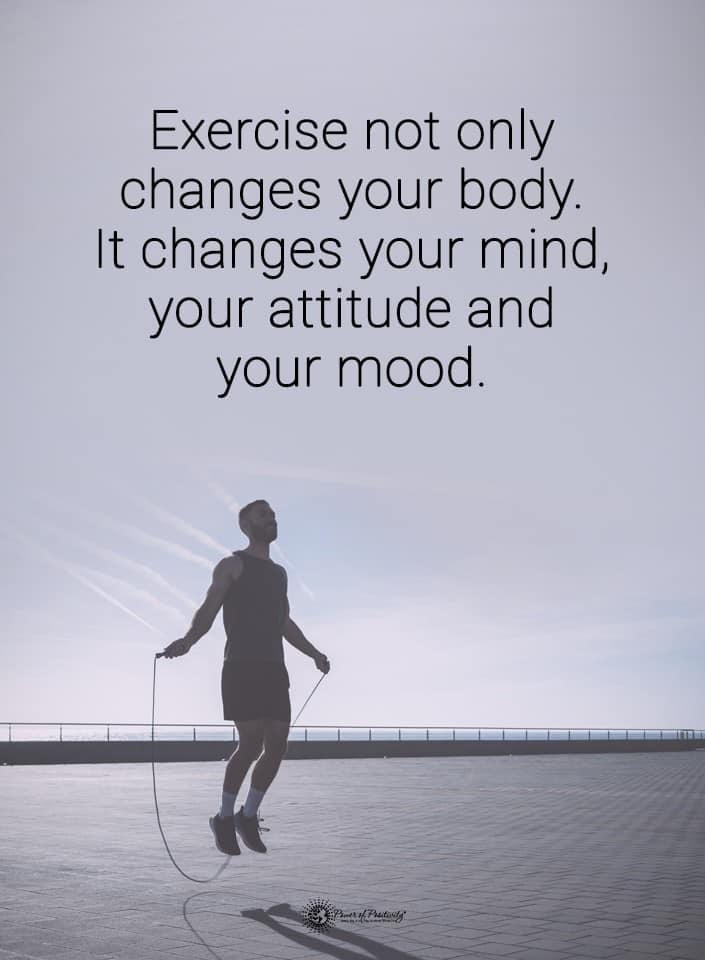
chest exercises

With chest exercises that target these areas, you will surely experience a natural lift and firmness in your chest.

1. Dumbbell Squeeze Press

This effective chest exercise helps strengthen your pecs and other upper body muscles, including deltoids and triceps. It doesn’t require much movement from the shoulder joint, which eases some of the pain you might experience with other exercises.

This exercise requires a dumbbell, but you can use a heavy book if you don’t have one. This workout is a relatively easy chest exercise that makes a huge difference when done correctly. You’ll get the desired results if you add it to your daily exercise routine.

2. Plank

There are a few ways to use planking to strengthen your chest muscles. Depending on your skill level and the areas you want to target, you can choose the best plank. Some planks require dumbbells while others don’t, which is another factor to remember.

Traveling Plank

A traveling plank strengthens your chest muscles while also enhancing your posture. As many muscles engage simultaneously for this exercise, your core will strengthen. You don’t need any equipment to do this exercise, making it an even better choice.

The Up and Down Plank

This plank is another great way to strengthen your chest and core simultaneously. It is more challenging than other versions, so it isn’t for everyone. If you can do it, though, it is highly recommended.

Dumbbell Plank Rotation

The dumbbell plank rotation targets your chest and other upper body muscles while also working your waist. It helps lift and firm a saggy chest, improves posture, and enhances motor coordination and flexibility. However, you will need dumbbells for this plank.

3. Chest Flys

A few variations for the chest fly work to lift and firm a saggy chest. Depending on your chosen method, you can do it with dumbbells or a closed-loop resistance band. The methods are all very similar, so first, familiarize yourself with the fundamental way.

No matter how you decide to do it, the chest fly exercise targets your pectoral muscles, shoulders, and triceps. Chest flies lift and firm your chest area and stimulate blood flow in your chest space, too. It opens up your chest and eases uncomfortable tension.

4. Wide to Close Push-Up

This type of push-up combines wide and close push-ups, creating the perfect exercise for lifting and firming a saggy chest. The wide-to-close push-up targets your chest muscles while strengthening your shoulders and core. You start in a push-up position, but the rest of the process might be new to you.

If you have never done it, you might want to try it on an incline first. Or, if you need more of a challenge, you can do it from a push-up position while on your feet. Begin with the regular version of the wide to close push-up before switching it up.

5. The Cobra Pose

This yoga pose is a chest exercise that opens your chest while lifting and firming. It also enhances the mobility of your spine, making it easier to stand straight and tall. Your chest will look even more firm and tight by standing with a good posture.

The cobra pose is similar to a push-up, but you will arch your back and keep your legs on the floor. If you need to make this yoga pose easier, you can do it on your knees instead.

6. Chest Press with Dumbbells

The dumbbell chest press will help strengthen, firm, and lift a saggy chest. You can do this exercise on the floor, bench, or even on a stability ball. Two dumbbells are required, so make sure you have a few handy before you begin.

If you have an exercise bench, you can also try the inclined version of this exercise. It helps with strengthening your muscles evenly on both sides of your body. You will experience firmness in your chest and help you keep your shoulders back instead of slouching forward.

7. Camel Pose

This yoga pose is often overlooked as being a beneficial way to lift and firm a saggy chest. However, it stretches and opens up your chest area, naturally enhancing your chest muscles. It also targets your stomach and quadriceps, making it beneficial.

The camel yoga pose is similar to a backbend and requires shoulder flexibility and arm strength. It extends your backbone, improving mobility while firming and lifting your chest. Plus, as you make this pose part of your daily routine, your posture will improve immensely, too.

8. Dumbbell Pullover

This chest exercise trains the chest and back muscles simultaneously, lifting and firming all the way around. Doing this exercise, your chest will open as your spine lengthens and stabilizes. Once that happens, you will notice that your chest area seems to have lifted.

The dumbbell pullover will strengthen the muscles on both sides equally, allowing everything to look proportionate. This exercise is essential for people working with their arms out in front of them daily. As they work with their arms out, their chest closes, and their shoulders and back round forward, making the chest sag more.

However, with this exercise, the chest will open back up. Once it is open, you can keep your shoulders back, naturally lifting your chest.

9. Side Arm Lift

The sidearm lift exercise targets your pectoralis major and your deltoids simultaneously. It will also improve blood circulation to your chest. With increased circulation, your chest area will quickly appear firmer. The muscle tissue will enhance on both sides equally, too.

When you do the sidearm lift exercise, you can do it without any equipment. To make the workout a little better, you can also use dumbbells. This exercise is easy to do anywhere, making it perfect for when you are traveling.

10. Isometric Chest Exercise

Isometric exercises don’t require movement like most other exercises. Instead, they involve contracting all of your muscles in the targeted area and holding it for an extended time.

Your strength and skill level will determine how long you hold it each time. Remember that you can increase the length of time as you become more comfortable.

You can do an isometric exercise on any body part, but targeting your chest can help lift and firm this area. This exercise requires no equipment and is easier than other chest exercises.

If you have never done an isometric exercise, it is easy to learn and implement into your daily routine. It immediately stimulates your muscle tissue, improving stability and firming the area.

Final Thought on How Performing Chest Exercises Can Help to Lift and Firm a Saggy Chest

While you can’t stop the aging process, you can slow it down and reduce the appearance of a saggy chest. Using chest exercises to lift and firm will help hide some of the damage that has already happened. Plus, strengthening the muscles will prevent additional sagging in that area.

As you improve your muscle mass and posture, you will notice a significant change in your physique. Your chest will seem lifted and firmer, and you will feel less tension and discomfort. Plus, your self-confidence will increase, another bonus that can’t be ignored.

You don’t have to implement all of these chest exercises in your routine immediately. Try one or two at a time and decide whether to use it regularly. Some workouts will be better for you than others, so determine what you are comfortable with.

8 Ways Motivation Helps You Fight Depression, Anxiety And Stress

Motivation is a powerful concept that determines what guides, inspires, and aids in your maintenance of actions taken toward goal-achievement and initiation of effort. It’s the driving force or the trigger behind your actions, especially those more difficult to handle. It applies to many things, from hunger motivating you to cook to be willing to make sacrifices for personal improvement.

The forces that dictate your motivation and activate behavior aren’t just related to the initial push. They’re also associated with sustaining action toward goals and the desire to continue learning and growing. Here are the two most widespread forms of motivation:

  • Intrinsic (internal) motivation, and
  • Extrinsic (external) motivation.

Both forms of motivation can be helpful in different ways and circumstances. However, it is generally understood that intrinsic motivation is more valuable. It relies on yourself instead of other factors to keep you going. Still, both forms of inspiration can be helpful to everyday life. The problem, of course, is that sometimes, it’s hard to drum up that motivation, especially if you grapple with mental disorders.

But motivation has vast positive effects on everyday life that make it worth building and perpetuating. The same things that make motivation hard to develop can benefit from motivation itself. How does this work? Here are eight ways motivation enables you to fight depression, anxiety, and stress.

1.    It Makes Your Pursuits More Intense

motivationWhen you’re motivated, your efforts are invigorated and more concentrated, making your pursuit of goals more intense and well-directed. You may put more effort into your everyday tasks, pursuing dreams and to-do lists by taking more initiative to produce quality results.

It sounds impossible to do this when dealing with anxiety, depression, and general stress. But research states that motivational intensity can modulate and moderate negative emotional and psychological experiences, such as anxiety, stress, and depression, according to research.

In other words, if you’re able to get motivation kickstarted, it can form a positive cycle. With inspiration comes intensity of action, and with the power of action comes greater resilience against psychological distress and negative emotional states.

2.    It Reduces Feelings of “Forced” Action

Many people lack understanding of conditions like anxiety, depression, and stress. These people can often try to make you feel like you have to do things for their sake or that you need to prove yourself useful by making shows of overcoming your psychological problems. Unfortunately, studies show that being coerced into doing this reduces positive thinking and ruins your self-esteem.

When you’re motivated to do things, you don’t feel forced to do them by others. You can do whatever you need to do without pressure from other people’s ignorance to prove something to them. This can help you fight off the bad feelings of mental conditions and even reduce their symptoms.

3.    It Makes You More Persistent

Feelings of depression, stress, and anxiety can make giving up or abandoning efforts seem like an attractive idea. It’s hard to want to keep going when you have depression telling you it’s hopeless, anxiety pointing out worst-case scenarios, and stress making everyday life difficult.

That’s where motivation comes in, bringing with it the crucial trait of persistence. Persistence is an essential component to forward movement, and inspiration lends itself to persistence, leading to more motivation! This kind of cycle is beneficial for battling mental conditions because:

  • You’re less likely to give up when you face difficulties or failure
  • You’re able to handle challenges with greater resilience
  • Your fears and worries don’t get in the way of your forward movement

Studies have shown that a healthy mix of internal and external motivation, bonded positively, can lead to increased persistence in working, achieving goals, and increasing effort towards achievement.

4.    It Improves Self-Determination

Self-determination is an interesting (and scientifically proven) concept. It’s relatively complex, but the gist of it lies in self-motivation. Specifically:

  • All individuals naturally tend to grow towards proper psychological integration in personal improvement.
  • Individuals who grow towards integration can develop proper self-regulation, known as autonomy, removing their need for excessive heteronomy or external regulation.
  • External motivation, while still helpful, has decreasing effects on someone who is intrinsically motivated by self-determinations
  • Self-determination means you are more likely to want to do things for yourself and feel more empowered to do so

Self-determination is intrinsic motivation in its most accurate form. When you develop motivation, you’re building yourself towards self-determination, which is a powerful trait in fighting anxiety, stress, and depression. Genuinely self-determined individuals often enjoy reduced symptoms of these problems.

Do note, however, that this is a longer-term goal. Repeatedly practicing and developing motivation will bring your closer and closer to self-determination. Still, it will take a fair bit of work to get there – and a lot of positive thinking!

motivation to beat stress5.    It Helps You Learn – If It’s The Right Kind

Learning when you’re mentally struggling can be challenging for various reasons. Worse still, it tends to be a self-perpetuating downward spiral. This is why many people with mental disorders or who deal with psychological distress have difficulty learning environments or holding down new jobs. For example:

  • Finding things difficult when learning can make you feel more depressed due to perceived hopelessness, continuing to focus on learning even harder.
  • Having many things to learn can be overwhelming and cause a lot of stress, leading to exhaustion and burnout that make further learning difficult.
  • Dealing with the ups and downs of steep learning curves can lead to fears of being unable to manage, making anxiety much worse, and abandoning efforts for personal protection.

Being motivated can help with the learning process, improving your ability to stay concentrated and keep moving forward. However, it’s important to note that the right kind of motivation is needed for the most positive effects.

Extrinsic motivation, or motivation that comes from external praise, recognition, or awards, may negatively affect learning efforts. This is because:

  • The promise of rewards can be distracting.
  • External rewards are short-lived and decrease in attractiveness each time
  • Depression can make external rewards uninteresting

On the other hand, intrinsic motivation, meaning a self-motivated desire to learn for personal enrichment, fulfillment, or improvement, works much better. While any motivation is better than none at all. Indeed, you will see the best results by discovering if you know how to self-motivate.

6.    You Care Less About What Others Think

Depression can ruin your self-esteem, which makes you seek external validation. Anxiety can make you constantly fret over how others perceive you. Stress can lead to a desire to have people in your circle placate you. In other words, many forms of psychological distress involve an ongoing desire to please others or care what they think.

Motivation, specifically of an internal or intrinsic variety, might help you fight these impulses. When you’re motivated, you aren’t as dependent on others for validation and feel better about ignoring naysayers and negative people. It’s easy to see why this can be good for your mental and emotional wellbeing!

7.    It Makes You More Engaged

When you feel depressed, anxious, or stressed, you’re likely to lose interest in the things around you. It’s hard to stay engaged when your depression makes you feel like there isn’t any joy in life around you, and you’ve lost your positive thinking to the fears of anxiety and the panic of stress.

According to studies, motivation can help you manage these issues by increasing your levels of engagement with tasks. Motivation helps you:

  • Feel more satisfied with the work and jobs that you are performing
  • Become more involved in the tasks that you complete and are more eager to take responsibility for them
  • You are less likely to become disengaged to the point of abandoning your efforts

In this situation, intrinsic motivation is more valuable than extrinsic, and self-motivation is the key to improved engagement. You can still engage for external awards, but the effort is less likely to be lasting.

8.    It Makes You Comfortable With A Lack Of Control

No one can control every single outcome in life. But the fact is that things will happen whether you want them to. For those with depression, a lack of control can be terrifying. Moreover, the desire to keep everything under control can be overwhelming for those managing stress or anxiety.

When you have intrinsic motivation, you get fulfillment even from things that happen unexpectedly and that you can’t control. You become more aware that luck isn’t something you can dictate, and you find joy and enrichment in the ability to learn from whatever life throws your way. That’s a powerful thing to experience and can help you take the reins back from anxiety and depression. Ironically, being comfortable with a lack of control makes you more in control!

steal your joy memeFinal Thoughts On Some Ways Motivation Helps You Fight Depression, Anxiety, And Stress

It can feel tough not to be able to drum up motivation quickly. The catch-22 of needing the motivation to create motivation can be a problematic and paradoxical puzzle to navigate. This is especially true if you have too much stress, anxiety, or depression, which can impede your motivation when you need it the most.

Remember, there is no shame in asking for help from others if you need it. If you struggle to find the motivation or depression, anxiety, and stress make everyday life difficult, it’s good to seek help from a therapist or mental health professional. Trained professionals are capable of helping you manage your psychological issues while training you in motivation-building techniques.

Regardless of how you go about it, few can deny the powerful and impressive effects of motivation, especially intrinsic motivation. Building this kind of motivation can take a lot of effort, but the results speak for themselves and make it all worth it – significantly when your mental well-being improves because of it!

5 Ways You’re Being Too Hard on Yourself and How to Prevent It

Do you tend to be hard on yourself? Many people make the mistake of expecting a lot out of themselves – specifically way more than they’d ever reasonably expected of others.

Being too hard on yourself can damage your self-esteem and lead to feelings of anxiety, depression, and stress. So what can you do about it? Here are five ways you’re too hard on yourself and ways to prevent it in 4 methods.

5 Ways You’re Too Hard On Yourself

Give yourself a break!

hard on yourself

1.    You Focus, A Lot, On Mistakes

It’s hard to ignore mistakes and failures, and it’s not inherently wrong to think about them and reflect on them. In fact, that kind of reflection is necessary for positive personal growth.

But there comes the point when that becomes unproductive, and your excessive obsession over your mistakes hurts you more than it helps you. Being hard on yourself to the point where mistakes are all you can see is counterproductive. For example, this happens when:

·         You Ruminate On Mistakes

A few mistakes are typical. The trouble comes into play if you tend to prolong them by dwelling on them or ruminating on them for hours, days, or weeks. It may even be so bad that you regularly think about years-old mistakes and allow them to affect your current actions.

·         You Demand Instant Learning

Yes, everyone should learn from their mistakes. But it takes time to do that! You can’t know immediately and be perfect the next second if you expect that of yourself—the mistakes you make while learning can feel even more overwhelming.

·         You Ignore Successes

It’s easy to focus too much on failures you’ve experienced than on celebrating your many successful outcomes. Successes may feel underwhelming or insufficient to you, whereas losses feel significant and drastic.

2.    You Take Everything Personally

Days can have a mix of good and bad things in them, and being on the receiving end of whatever the universe feels like throwing at you can be a little tiresome sometimes. The problems begin if you start to assume that all these things are related directly to you, as if it’s your fault or, perhaps, like you’re the martyr of a long, never-ending plot that the universe has against you. Here are some examples of this:

  • When someone is rude or harsh to you, you assume that you’ve done something terrible instead of realizing that someone’s actions are a reflection of them, not you.
  • You blame yourself when other people do bad things; for example, if someone doesn’t turn up for an appointment, you blame yourself for not reminding them sooner.
  • When you get stuck in traffic, you roll your eyes and think that, of course, this has to happen to you specifically today.

There’s a difference between taking reasonable personal responsibility and going overboard into a doormat, self-loathing territory. You’re too hard on yourself if you keep assuming that everything that goes wrong is your fault.

3.    You Have A Complex Relationship With Criticism

Criticism can be a positive force, but if you’re often hard on yourself, you likely have a bit of a love-hate, up-and-down sort of relationship with that concept. You have contradictory ideas about criticism that tend to wind up with you on the short end of the stick. Here are some signs that this is the case:

·         You Criticize Yourself All The Time

In your head, you highlight all your flaws and weaknesses. You focus on your mistakes and ignore anyone who tries to uplift or praise you. You’re constantly beating yourself up over tiny mistakes and keep trying to change every aspect of yourself.

·         You’re Worried About What Others Think

You don’t like receiving criticism from anyone other than yourself, so you spend a lot of time trying to avoid it. You don’t believe that people could genuinely like you, and you push yourself to prove yourself worthy of being accepted by them. And then you still think they dislike you or secretly make fun of you behind your back!

·         You Panic When You Receive Criticism

When someone gives you constructive advice or criticizes you respectfully and reasonably, you freak out. You go to a dark place in your mind, and your self-esteem plummets, even though the comment was kind or even asked for. It gets even worse when you receive unfair criticism – you internalize it and don’t look at it objectively.

4.    You Go The Extra Mile, Always

It’s great to go the extra mile now and then! A show of dedication or a final push of sacrifice to get things done is fine when it happens in moderation. But if you always go the extra mile and constantly feel like you need to work harder and be better, you’re too hard on yourself.

You’ll get tired and burned out from always doing too much. Rests and breaks are necessary in life, and you can’t devote your focus to every single area of the world at once. You’re not obligated to go the extra mile constantly, so don’t push yourself to those limits at the risk of your health!

5.    You’re Getting Physical Symptoms of Stress

Did you know that severe stress can manifest in physical symptoms? Studies have found that stress can:

  • Weaken your immune system and lead to frequent illness
  • Cause headaches and migraines that are debilitating
  • Lead to fatigue, even after sufficient sleep, and feelings of tiredness and exhaustion throughout the day

While these symptoms can be present due to other reasons, if you’re already exhibiting other behaviors where you’re too hard on yourself, it’s time to stop and ask if your physical symptoms are also a result of that. The stress that you put yourself under isn’t healthy and can damage your physical body in the long run!

4 Ways To Prevent Being Too Hard On Yourself

pop quote

1.    Change How You Define Success

Many people have a very concrete definition of success. They consider it to be a total triumph of excellence that is huge, significant, and flashy. But that’s not always the case. While it’s good to strive for high standards of challenging achievement, it’s also good to learn to recognize small wins and little positive steps forward. These are kinds of successes, too. For example, small successes may include:

  • Learning from a mistake and applying that knowledge
  • Overcoming a fear or anxiety relating to something
  • Taking a step in the right direction in a difficult journey
  • Recognizing the value in your small ideas and hard work and effort, even if they don’t bring forth huge fruit

Learn to pat yourself on the back for the little things you do, and you’ll enjoy a much happier, healthier view of life!

2.    Be Grateful Every Day

Gratitude is a powerful force in life. It’s a fantastic way to learn to be kinder to yourself, and it even has a positive effect on overall mental and physical health. When you learn to be grateful, you learn to seek the good in the world around you – and the good in yourself. Here are some ways to be thankful every day:

·         Keep A Gratitude Journal

Write down three things you’re grateful for every single day, even on days when it feels like nothing went positively. Find things, even bare minimum ones, to appreciate and write down. You’ll have a memory book filled with happiness by the end of it.

·         Take Note Of Positive Things

Whenever something good or even just nice happens in your day, pause to take note of and appreciate it mindfully. Think about how nice your breakfast tastes, or how cool it was that you saw a bird perched on that car, or how nice it feels to be kind to strangers. You’ll slowly reprogram your brain to see the positive things in the world.

·         Find Good In Bad

When you’re in a negative situation, put your positive thinking forward by looking for the silver lining. You can think about the lessons you’ve learned from the bad situation, find small slivers of hope in the cloud, or be grateful for the help you have or your strength in fighting it all.

·         Thank Others Regularly

Say thank you to waitstaff and shopkeepers.Express appreciation for the people around you. Tell those close to you in your life what you love about them. Spread gratitude around and put smiles on faces!

3.    Look At The Big Picture

Many people who are too hard on themselves tend to focus on the little details in life. Looking at the big picture is a great way to combat those experiences. Being hard on yourself means you zoom in on tiny things, like:

  • Small mistakes in otherwise well-done work
  • Moments in your past that were embarrassing
  • Times went you said something that came off incorrectly

These tiny details aren’t great to focus on because they’re so small! While they can add up, they also ultimately don’t matter in the long run if you know how to address, manage, and resolve them quickly.

Instead of focusing on the little things, look at the bright side and the bigger picture. Think about your overarching progress, the big strides you take, how far you’ve come, and how big your goals are. These are the things that matter.

4.    Use Positive Self-Talk

Positive self-talk refers to the act of speaking well and highly of yourself to boost your self-esteem, find intrinsic validation, and affirm your strengths. It means taking note of verbalizing your abilities and hyping yourself up with positive affirmations. When you say these words, you’re giving yourself a break and reminding yourself that you’re a good person with many strengths. Here are some examples of things you may say:

  • I have the ability to overcome obstacles.
  • I am a good person, and I show it in my actions.
  • The work that I do matters.
  • I love myself.
  • I’ll do my best in all situations.
  • I can get through difficult times; I have done so before, and I will do so again.

hard on yourselfFinal Thoughts On How To Prevent Being Too Hard On Yourself

At the end of the day, you are the only person you can rely on 100%. Give yourself a break and be kind and compassionate to yourself, and you’ll find that it’s much more effective in your personal improvement than being hard on yourself.

Neuroscientists Reveal a New Theory of Dreams and Why They Happen

Neuroscientists’ new theory of dreams suggests that we dream to understand our experiences better. Dreams have fascinated humans throughout history, and the question of why we dream remains a mystery. However, new research within the scientific community seems to have gotten closer to the answer.

The hypothesis published May 14 in the journal Patterns suggests that our dreams help our brains better generalize our daily experiences. Neuroscientists have many other theories, but the abstract nature of dreams themselves has contradicted previous hypotheses. This research, however, gets to the heart of the matter, taking an objective rather than a conceptual approach.

Dr. Erik Hoel, a research assistant professor of neuroscience at Tufts University, reveals a new theory of dreams. He calls it the overfitted brain hypothesis, which states that the brains of organisms fit too well to their daily exposure to stimuli. In turn, this causes poor generalization and overfitting. Dr. Hoel believes dreams serve as a way to correct the brain’s generalization errors. Dreams help the brain “zoom-out” to get a clearer picture of life’s experiences.

“There’s an incredible number of theories of why we dream,” says Hoel. “But I wanted to bring to attention a theory of dreams that takes dreaming itself very seriously — that says the experience of dreams is why you’re dreaming.”

The theory of dreams compares the brain to machine learning

take care of yourselfIn the paper, Dr. Hoel compares the brain to machines programmed by AI to perform specific tasks. When AI becomes too familiar with the data, it’s trained. It often assumes that it will encounter these same scenarios everywhere. In other words, as the AI learns, it performs well on one dataset but doesn’t adjust well to others.

Data scientists fix this common problem by programming a bit of chaos into the data. In one regularization method called “dropout,” scientists ignore specific data. In this way, the AI avoids overfitting and generalizes experiences more efficiently.

You can compare this to random black boxes suddenly appearing on an internal screen of a self-driving car. The car would see the black boxes and focus instead on the bigger picture of its surroundings. The AI will understand the broad driving experience better by not getting caught up in the details.

“The original inspiration for deep neural networks was the brain,” Hoel says. And while comparing the brain to technology is not new, he explains that using deep neural networks to describe the overfitted brain hypothesis was a natural connection. “If you look at the techniques that people use in the regularization of deep learning, it’s often the case that those techniques bear some striking similarities to dreams,” he says.

What does this mean?

Keeping this in mind, this theory of dreams suggests that we dream of having a more well-rounded understanding of the world. Much like deep neural networks involved in AI and machine learning, our brains become too familiar with a specific dataset in our daily life.

Dr. Hoel says that the brain creates a strange version of our lives in our dreams to combat this monotony. This compares to dropout in technology, which makes sense because our brains are massive computers.

“It is the very strangeness of dreams in their divergence from waking experience that gives them their biological function,” he writes.

There’s already evidence to support the new theory of dreams.

Hoel says that some neuroscience research already exists that proves the overfitted brain hypothesis. For instance, studies have shown that humans can induce dreams about something happening while awake. Repetitively performing a new task can prompt your brain to dream when you sleep. Dr. Hoel explains that excessively training the brain triggers overfitting, so the brain generalizes the task by dreaming about it.

However, Hoel says that more research is needed to confirm whether this is, in fact, the purpose of dreams. He explains that studies should include thorough behavioral tests differentiating between generalization and memorization and how sleep deprivation affects both.

Also, he wants to investigate the idea of “artificial dreams.”

The overfitted brain hypothesis came to him while contemplating the purpose of fictional works of art like movies and books. He posits that these art forms may act as substitutes for dreams.

He suggests that we may even create these outside stimuli to delay the cognitive effects of sleep deprivation. It may serve as a waking dream by emphasizing its dream-like nature through virtual reality technology, films, books, and TV shows.

Of course, you can always switch off learning in AI neural networks, Hoel says, but brains don’t work that way. Brains should always keep learning new things, and that’s where the overfitted brain hypothesis comes into play. Dreams help keep life interesting, taking the monotony out of our everyday existence.

“Life is boring sometimes,” he says. “Dreams are there to keep you from becoming too fitted to the model of the world.”

This is undoubtedly an interesting new theory of dreams that captures the complexity of the human brain. It makes sense that our brains would create plans to escape our otherwise repetitive existence. Hopefully, future studies will make even more fascinating discoveries about the purpose of dreams.

theory of dreamsFinal thoughts on a new theory of dreams and why they happen by neuroscientists

An exciting new theory of dreams suggests that we dream of a better understanding of everyday life. Neuroscientists compare our brains to machines in that both can perform complex tasks by learning specific datasets. However, our brains tend to get “stuck” in a particular learning pattern, preventing us from fully understanding reality. Scientists believe that we dream of understanding everyday life better and avoiding overgeneralization.

Perhaps this study will lead to an even deeper understanding of this theory of dreams. Scientists have contemplated the meaning of dreams for centuries, but they’ve gotten a little closer to solving the mystery with this study.

10 Ways A Sensitive Person Handles Their Relationships Differently

Highly sensitive people handle their relationships differently than other people do. Recognizing sensitive people is easy because they will have specific qualities that set them apart. For instance, they might cry more quickly than others, but that doesn’t have to be bad.

A sensitive person is often overstimulated, but with the correct knowledge, can use this to their advantage. Instead of letting overstimulation cause issues, they can learn to make it a positive aspect.

Understanding how sensitive person handles their relationships differently is helpful for other people. It can help others address the relationship in a beneficial way to everyone involved. There is nothing wrong with a sensitive person; it is simply the way they are.

Everyone has a different personality type and handles relationships differently. The more you understand people, the easier it is to navigate relationships with them. Knowing how they take things will make all the difference when you encounter a sensitive person (or yourself).

Ten Ways A Sensitive Person Handles Their Relationships Differently

billionaire meme

1. A Sensitive Person Is Passionate and Feel Things More Deeply

Sensitive people love passionately in all of their relationships. Those closest to them know that they will always feel loved and cherished within the relationship. This is the case for their friendships, family connections, and romantic relationships.

Their passion also causes them to take loss particularly hard. When sensitive people lose someone close to them, they might not get past it. They will overcome, but it will take time and require the support of those around them.

Their passion sometimes turns the other way when they are hurt or betrayed. They don’t forget what people say to them, even if they say they have forgiven the person. Their dislike for those who have wronged them runs deep, too, and they will not be secretive.

As you can guess, sensitive people feel things a little more deeply. Feeling so profoundly means that they cry more quickly than others. It also means they tend to think and react emotionally rather than logically.

Their passion also makes them more compassionate and aware of their partner’s feelings. They are loving and supportive because they see when their partner needs it the most. Plus, a sensitive person cares about the well-being of those around them.

2. The World Affects A Sensitive Person More Intimately, and It Shows

While everyone lives in the same world, sensitive people are more affected than others. They notice small things going wrong and the more serious issues, too, and take it personally. World issues are meaningful to them, and they tend to get involved in helping.

On a smaller scale, they enjoy the little things in life more and might pass on overstimulating things. Big parties or crowded outings don’t sound enjoyable to them. They’d rather stroll through a nature reserve and bask in simpler pleasures.

In their relationships, this quality manifests itself in a couple of ways. First, they might expect their partner to care just as much as they do. Another way it makes their relationship different is because they will be more emotional when things happen in the world.

3. They Are Good at Listening and Offering Advice Without Overstepping

The energy of a sensitive person draws others to them, even if they don’t want it that way. They tend to be Godo listeners, so their partner talks to them more about problems in their life. Their relationships are stronger because of their inability to listen and offer advice that works.

As they offer advice, they don’t insult or belittle anyone. Sensitive people also don’t overstep or make it seem like there is no other option except what they suggested. This characteristic makes their partner more comfortable talking openly about what is happening.

4. They Take Things Seriously and Think Their Decisions Through

Sensitive people tend to overthink things, which leads to them taking longer to make decisions. They want to think of every possibility and then weigh the effects of the situation. While this is good, it can also cause obsessive behaviors, thoughts, and worry.

They also tend to experience regret and ruminate over the past. As sensitive people work toward deciding, they try to even out their emotions and logic as they decide.

5. They Are Intuitive and Can Read Their Partner

A sensitive person can sense when something is wrong with another person. They can feel problems coming in their relationships, too, even before the other person notices. The way people look at them or seemingly inconsequential comments also give them a glimpse of what is coming.

Sensitive people know when others are hurt or upset, and they genuinely care about the person’s feelings. Sensitive people also see things from the perspective of other people involved. It helps them fix issues to make everyone happy, including themselves.

Sensitive people also pick up on lies easier than others, making it hard for those close to them to escape it. This characteristic suits the sensitive person but is not so great for those trying to sneak something alone.

Even animals sense the love and empathy that comes from sensitive people. When a sensitive person is around, you may notice that animals often approach them and cling to them. The person’s ability to care about all living things makes them the perfect person to care for animals.

sensitive person6. A Sensitive Person Can Easily Become Upset Over Poor Decisions

Sometimes, people make bad or poor decisions, but sensitive people handle it worse. They are harder on themselves and believe they should never make mistakes. Because of this, they tend to experience anxiety and depression more frequently than others.

Since they aren’t accepting of making poor decisions, they sometimes feel like they aren’t good enough. They have high standards and take it hard when they don’t immediately meet the goals.

In their relationships, this shows up as neediness or a reluctance to open up intimately. They need reassurance when messed up, even if everything worked out fine.

7. They Struggle with Conflict

While no one likes to fight with their significant other, sensitive people have an even harder time. They would rather struggle internally than speak up and start or continue the conflict. Not wanting to experience conflict isn’t to say that they don’t want to find a solution, but they’d instead do it in a way that avoids conflict.

8. A Sensitive Person Might Take on Their Partner’s Feelings

Instead of just focusing on their feelings, sensitive people also take on their partner’s emotions. They do this because of their empathy and deep awareness of those they care about. When their partner is anxious, stressed, depressed, or in a bad mood, the sensitive person will likely be.

Taking on their partner’s feelings often leads to working extra hard to meet their needs. They might let their own needs go to make their partner happier.

9. Their Feelings are Hurt Easily

In all situations, sensitive people tend to get their feelings hurt easier than others. Their feelings are even hurt when someone tells them not to be so sensitive or cheer up. They need support more than negative comments or advice that isn’t as easy as it sounds.

Little comments that don’t mean much can highly affect a sensitive person. They read into things and look for the real meaning behind someone’s words. Then, their feelings get hurt as they read into something and figure out what it could mean.

They need their partner to validate their emotions without judging them. Plus, they need you to communicate positively, in a way that could have no hidden meanings for them to find.

10. They Listen to Their Bodies

Sensitive people are, in turn, with their bodies and know when something is wrong or even slightly off. Since they know what their body needs, they tend to gravitate toward things like yoga as a way to connect their mind and body.

Their partner will know when something is off because their demeanor will likely change. They strive to be fit and healthy so that their body is getting what it needs.

Likewise, they also listen to what their body needs when it comes to their relationships. They will know what feels right and what makes them uncomfortable. This awareness will all become known during the relationship as keeping their body feeling good is essential.

sensitive personFinal Thoughts on Ways A Sensitive Person Handles Their Relationships Differently

A sensitive person handles their relationships differently, just as they handle all things in life differently. Knowing how they handle things differently can help them navigate relationships and stay happy.

With their heightened awareness and deep feelings, they are beneficial partners. Learning to treat them the way they need helps maintain a healthy relationship.

Instagram Users Share The Sweetest Marriage Proposal Ideas Ever

Receiving a marriage proposal is one of the most exciting, memorable events in life. When you’ve found your special someone, you know in your heart when it’s forever. Some people enjoy the more traditional marriage proposal ideas, such as the place you first met or over a candlelit dinner. However, others prefer more thrilling options like a rugged, remote canyon or a beautiful, exotic beach.

No matter where you get a marriage proposal, it’s still a memory that will last a lifetime. Nowadays, most people like to capture their proposal on video or camera to look back on their special day. Below, we’ll share a few cute marriage proposal ideas in case you’re thinking of popping the question soon! We hope these will inspire you to get creative when you ask your partner for their hand in marriage.

Instagram Users Share The Sweetest Marriage Proposal Ideas Ever

These marriage proposal ideas are so romantic!

1 – It doesn’t get more romantic than a marriage proposal in front of the Eiffel Tower!

This guy knows how to bring his A-game when it comes to romance. The proposal is complete with a violinist, tons of candles, and, course, the picturesque Eiffel Tower in the background. Many couples flock to the most romantic city in the world for an intimate vacation or weekend getaway. However, a marriage proposal makes the experience even more special.


View this post on Instagram


A post shared by The Proposers (@theproposers)


Could there be any more romantic location to pop the question? Our hearts are just melting over here!

2 – Who wouldn’t want a marriage proposal with the Brooklyn Bridge as the backdrop?!


It’s all about location, and this man picked a beautiful spot to ask for his partner’s hand in marriage. The fact that it takes place at night just adds to the romantic vibe, and the roses and candles bring it all home.

3 – This marriage proposal really raises the bar when it comes to popping the question!


As you can see from the video, the woman isn’t paying attention when her partner drops to one knee. When she turns around, he’s asking for her hand in marriage overlooking a gorgeous canyon. If you’re into nature proposals, this one could be right up your alley.

4 – Not much beats a marriage proposal on the beach at sunset!


If you’re into the classic marriage proposal ideas, arrange for a day trip or a weekend getaway to beach with your partner. There’s nothing more romantic than walking on the beach at sunset while asking your SO to stay with you forever!

5 – Speaking of the beach, how about this unique underwater marriage proposal?!


When you go diving with your partner in a tropical location, you’re probably not expecting a marriage proposal. That’s what makes this one so special because you can tell she had no idea what was coming!

6 – Proposing in the snow is just as romantic as at the beach, in our opinion.


If you’re aiming for a winter proposal, you could easily make it a surprise by booking a cabin in the mountains for the weekend. Then, while your partner thinks it’s just a little vacation, you can pop the question and give them memories for a lifetime.

7 – It’s sweet to make your pup a part of the marriage proposal, too!

In today’s world, many people think of their dogs as family members. When it’s time to pop the question, they also want their dogs to enjoy the memories with them. This couple brought their dog along to the marriage proposal and even took pictures of their pet with the ring. Simply adorable!

Other Sweet Engagement Ideas

When you’re thinking about getting engaged, you want to sweep your partner off their feet with the marriage proposal. Sure, they already love you with all their heart, but it’s still important to show how much you care. These ideas will take your proposal to the next level:

  • Take them to the location of your first date. Or, perhaps consider taking them to the place you first met. They will surely remember the moment you first crossed paths, so popping the question there will bring back fond memories. Take some wine, flowers, and the ring, and pour your heart out to her. It’s hard to say no to a sweet proposal like this one!
  • Ask her to dance. You can hire violinists and do this at a candlelit dinner or a location with a ballroom. With dim, romantic lights and music in the background, ask for her hand in marriage. This sweet gesture will blow her away and make for a beautiful marriage proposal!
  • Set up a candlelit dinner on the beach. All you need for this is a table, a couple of chairs, candles, and roses. Once the sun begins setting, pop the question over a romantic dinner with the sound of the waves in the background. It’s a classic marriage proposal idea that never gets old!

Final Thoughts on Romantic Marriage Proposals

Whether you’ve been dating for a few months or years, your partner will surely be impressed with these engagement ideas. Of course, you’ll want to consider their interests when setting up the plan.

If they’re a nature lover, bring them to a secluded, quiet spot where you can pop the question with no distractions. Or, if they enjoy city life, consider a rooftop proposal at night with the city lights shining in the background. You could even have a romantic dinner overlooking the city as well.

There are endless possibilities when it comes to marriage proposals, but when you’ve found your true love, all that matters is that they say “yes.”

15 Hilarious Tweets About Families

Whether you tweet about family or text your sister about that one crazy aunt, almost everyone has their stories to tell. Family tends to drive you up the wall one second, and then make you want to give them the biggest hug the next. That’s the nature of families; you can’t live with them, but you can’t live without them.

They’re your greatest supporters and will always have your back in a time of need. However, their strange habits or propensity for heated political debates at Thanksgiving dinners can make you want to crawl under a rock.

15 Hilarious Tweets About Families

But, you tolerate these quirks about your family because deep down, you love them with all your heart. Plus, they have a way of making you laugh when the world seems dark or depressing. In summary, families aren’t always easy to deal with, but they make life worth living. We hope you will relate to the following tweets about family, or at least get a chuckle out of them!

1 – We all have that one relative at Christmas who does this, and it never gets old.


Do any of your parents still put “From: Santa” on some of your gifts as adults? Mine do, and I can’t decide if it’s sweet or disturbing. Maybe a bit of both?

#2 – Some people take things a bit too literally.

In the dad’s defense, technology has come a long way in the last decade. It’s hard to keep up with it sometimes, especially if you’re older. Still, iPhones are some of the most user-friendly devices out there, so we’ll assume the dad was just being weird.

3 – When life gives you lemons, you make lemonade…

In this case, when life blows away your TV antenna, an aluminum Christmas tree is clearly the next best option. And, it makes a nice rooftop decoration, so it seems like a win-win for this family.

4 – If your in-laws are in the latter group, we feel for you.


In these tweets about family, it’s inevitable that this topic would arise eventually. You have to be a special kind of person to enjoy running on Thanksgiving morning. The rest of us will watch from the sidelines, cheering you on with leftovers and a mimosa in hand.

5- Sharing and keeping secrets doesn’t just stop when you reach adulthood.

Some things are simply better left unsaid, right? Kids aren’t the best at keeping secrets, but adults know when to keep their mouths shut. That’s the beauty of getting older; you have the wisdom and experience under your belt to know how to avoid unnecessary confrontation.

6 – We could all take a few pointers from Aunt Cheryl!

If you want to casually remind people that your birthday is coming up, this is the way to do it. Okay, maybe it’s kind of obvious, but wouldn’t it be awkward if the family didn’t throw a surprise party? Cheryl clearly thought this through and knew her family wouldn’t leave her hanging after that. A smart woman indeed!

7 – Leave it to dads to eat up all the food in the house. But 21 pizza rolls?! That’s a bit much.

8 – In these tweets about family, we wanted to throw in something sweet and supportive. After all, families don’t just eat all your food or say embarrassing things about you!

We think this mom had a pretty clever, funny response to her daughter, especially given the situation.

9 – This is probably relatable to most of you out there. Some parents are tech-savvy, but let’s face it – most still need a little help figuring things out!

I’ve even offered to text for my dad when I see him pecking at the keys with one finger. Yeah, it’s pretty bad. Many tweets about family seem to discuss parents’ difficulty with technology, because they always have a million questions about the simplest things.

10 – It’s no secret that men sometimes act like children, even when they’re grown.

I guess this mother-in-law didn’t teach her son the importance of picking up his socks?

11 – My grandma used to tell me this exact thing when I ate watermelon seeds. No one could fool this kid, though!

12 – Unfortunately, this happens more often than we’d like to admit.

In these tweets about family, hopefully, moms out there will take the hint and learn the laws of Facebook posting. If you want to share pictures of your kids, at least pick the cute ones!

13 – If you’re a dad, you know the sheer joy that overcomes you when you get behind the wheel of a boat.

Don’t even try to deny it.

14 – This tweet about family pretty much sums up what it’s like to have a sister.

One minute she’s annoying you to death, the next you’re making plans to hang out. It may sound dysfunctional, but it’s the standard of any healthy sibling relationship in our book.

15 – We wanted to end these tweets about family with this adorable text from someone’s grandpa. Leave it to grandparents to say the cutest things that turn our hearts to mush!

Plus, this grandpa takes care of animals, which automatically gives him extra brownie points. And at least he knows how to text!

Final Thoughts on These Funny Tweets About Family

We hope you found these tweets relatable, funny, or even heartwarming! Our families may push our buttons sometimes, but at the end of the day, they’re the ones we call when we encounter trouble. They’re the people we count on to get us through tough times and shelter us from the storms of life.

We may not see eye to eye on everything, but that’s what makes families so special. We still find a way to get along and have each other’s backs in any situation. Everyone else may leave you hanging in life, but family will always support you, no matter what.

Sure, they may say embarrassing things about you at the dinner table. They may sometimes annoy you with their lack of technological skills. And, you probably get in your fair share of arguments with them. Perhaps worst of all, your parents may eat your food when you’re not looking. Despite all the times when family makes us pull our hair out, we still wouldn’t change a thing.

15 Cortisol-Reducing Foods to Calm Your Anxious Mind

It’s true that healthy foods won’t cure your anxiety, but a healthy diet can affect your mood. Certain foods and drinks can relieve your worry and stress without spiking your blood sugar levels. These cortisol-reducing foods will make you feel calmer and less stressed.

Why is it essential to eat cortisol-reducing foods?

Cortisol is called a “stress hormone.” Your adrenal glands are on top of each kidney. The outer part of your adrenal glands is called the adrenal cortex. Your adrenal cortex produces cortisol, aldosterone, androgen, and estrogen. Cortisol has many roles in your body, including the following:

  • Reducing your body’s inflammation
  • Increasing your blood sugar
  • Regulating your sleep cycle
  • Controlling your blood pressure
  • Managing your body’s carbohydrates, proteins, and fats

Cortisol gets released in stressful circumstances or when your body is under physical stress like an infection or an accident. It’s good if cortisol releases into your body short-term in emergencies, but if your body continues to release cortisol long-term, it creates stress. You may end up with inflammation. Left untreated, you may develop  Addison’s Disease, which needs to be treated with cortisol replacement drugs like Hydrocortone.

15 Cortisol-Reducing Foods to Calm Your Anxious Mind

cortisol-reducing foods

Try adding these foods to your diet to ease the impact of anxiety on your life.

1. Dairy products

Dairy products have stress-reducing properties. These foods contain whey protein, which increases your brain function and regulates your cortisol levels.

2. Eat cortisol-reducing sweet potatoes

Sweet potatoes are sometimes called a 3-in-1 food product. This is because this yummy orange veggie has high starch like a cereal, pectin like a fruit, and increased vitamins and minerals similar to a vegetable. Sweet potatoes are high in phenols. They have strong antioxidants properties that fight disease, improve your immune system, and protect your brain function. Recent studies found that sweet potatoes compounds have both physical and physiological benefits.

For instance, sweet potatoes are rich in magnesium, which helps lower anxiety levels and boosts your mood. Other benefits include the following:

  • Help you lose weight
  • Reduce your cravings for sweets
  • Boost your energy
  • Reduce constipation
  • Relieve adrenal fatigue symptoms

3. Legumes

Foods high in magnesium can reduce cortisol and its effect on your body. Adding unrefined, fibrous legumes(beans) to your diet can help control your cortisol levels. Eat legumes such as these:

  • Black beans
  • Pinto beans
  • Chickpeas
  • Lentils

4. Nuts (cortisol-reducing snack food)

Another cortisol-reducing food you can add to your diet is nuts. Nuts maintain healthy cortisol levels. The B vitamins and fatty acids in nuts strengthen your immune system, which stress affects. Eat these nuts for lower cortisol levels:

  • Pecans
  • Walnuts
  • Hazelnuts
  • Almonds
  • Pistachios

5. Egg yolks

Eggs, a low-glycemic-index food, lower your cortisol levels. High glycemic index or foods that raise your blood sugar, like sugar and starch, also increase the cortisol in your blood. Eating the entire egg is okay, but egg yolk contains more fat, cholesterol, and calories than an egg white. Plus, most of the other nutrients are in the egg white.

6. Citrus fruits and strawberries

Foods that are high in vitamin C can stabilize your cortisol levels. Your adrenal glands contain a high amount of vitamin C. Vitamin C plays a significant role in your adrenal cortex and adrenal medulla. These glands play a role in producing and regulating cortisol in your body. When you consume vitamin C-rich foods, it helps your adrenal glands. Another high in vitamin C include the following fruits:

  • Lemons
  • Grapefruit
  • Kiwi
  • Papaya
  • Mango
  • Guava

7. Dark chocolate (the most decadent of the cortisol-reducing foods)

Dark chocolate doesn’t just taste great. Lower in sugar than milk chocolate, dark chocolate helps improve your mood and reduces your anxiety by lowering your body’s cortisol levels.

8. Oily fish

Omega-3 fatty acids exist in oily fish. They play a role in brain health and regulating your cortisol levels, especially during stress. Eating a high amount of omega-3 rich foods like oily fish can also protect you from mood swings and depression. These oily fish can help lower your cortisol levels, including:

  • Sardines
  • Herring
  • Salmon
  • Trout
  • Mackerel
  • Salmon
  • Anchovies

9. Sauerkraut or kimchi

An active bacteria called Lactobacillus reuteri is suitable for your gut and lowers cortisol levels. This good bacteria is found in fermented foods such as sauerkraut and kimchi. Other foods that contain these friendly bacteria include these fermented foods:

  • Yogurt
  • Kefir
  • Kombucha
  • Tempeh

10. Drink green tea for its cortisol-reducing impact

Drinking green tea daily may reduce psychological distress. This is because green tea lowers cortisol. Individuals who drink green tea say it improves their mood.

green tea

11. Cloves

Clove oil is a fast-acting compound that lessens a cortisol response in your body. Cloves are a natural spice with high antioxidant activity. Eating spices like cloves can reduce and even eliminate the harmful effects of contamination on your body from the environment.

12. Bananas and prune

When you have too much cortisol in your kidneys, it can cause them to release potassium. Eating potassium-rich foods helps restore the proper amount of potassium and decreases stress and too high cortisol. Besides bananas and prunes, other potassium-rich foods include these:

  • Dried fruits
  • Avocado
  • Broccoli
  • Potatoes

13. Collard greens and kale

Plants like collard greens and kale are high in vitamin E. This vitamin is high in antioxidants that help remove toxins from your body and improve cortisol levels.

14. Whole grains

Whole grains contain B vitamins, magnesium, and antioxidants, which help your body metabolize cortisol properly. Eating a warm bowl of oatmeal isn’t just comforting but boosts your levels of serotonin, which calms your brain and levels out your cortisol levels. Whole grains are brown rice, buckwheat, rye, bulghur, and quinoa.

15. Turmeric is a multi-beneficial cortisol-reducing seasoning

The spice turmeric contains cortisol-reducing abilities. It increases your serotonin levels, which lowers your stress hormones. Turmeric’s potent antioxidant powers help lower inflammation and protect your brain. Turmeric contains curcumin, which links to reversing heart problems and could help treat corticosteroid disorders. Studies found that the spice, curcumin, was used in American Indian medicines to treat several diseases, such as allergies, arthritis, diabetes, and dementia.

What foods make your cortisol rise?

Certain foods increase your cortisol levels. These foods have little nutritional value and affect your brain’s function and mood. These foods are common in the American diet. It may be challenging to eliminate these from your diet. Start small, taking a couple out of your diet over several months. At the same time, start adding in more cortisol-reducing foods.

1. Refined sugars

Sugar raises your cortisol levels more than any food. It also increases your blood sugar. After eating sugary food, you may feel good, then an hour later, you’ll experience an energy crash. This is because sugar elevates your blood sugar too quickly then causes it to plunge. Maintaining your blood sugar helps reduce your cortisol levels. Sugar causes cravings, similar to how people crave drugs. Get control of your stress by getting rid of sugar in your diet.

2. Refined grains

Similar to refined sugar, refined grains contain little nutrition. That’s because the bakery removes the whole-grain fiber. Thus, they are high in starch. They increase your cortisol levels and are high on the glycemic index. So eliminate these refined grains from your diet to reduce cortisol for better brain health.

  • White rice
  • White flour
  • Corn crits
  • White bread

3. Trans fats

Most processed foods contain trans fats. Foods like crackers, baked goods, and chips all have some amount of trans fats. They come under the name hydrogenated oils or fats. Some foods are labeled “no trans-fats,” but they still contain several trans fats. These fats increase your cholesterol and raise your cortisol levels.

4. Alcohol

Even though alcohol isn’t a food, it increases your stress levels by elevating the cortisol in your body. Alcohol is terrible for your liver and causes you to feel depressed after it wears off. Of course, alcohol is addictive, similar to sugar and caffeine. This response makes it so hard to stop with just one or two drinks.

5. Low fiber food

Foods that are low in fiber affect your cortisol. These foods increase your cortisol because they’re high in starch and harm your gut.

6. Excessive amounts of caffeine

Too much caffeine raises your stress levels and cortisol production. Consuming too much caffeine is like eating sugar. It increases your blood sugar, so you feel hungry. Caffeine has addictive properties. No wonder you need that cup of java when you wake up every morning. If you must drink caffeinated drinks, limit how much you drink every day to help maintain your cortisol.

cortisol-reducing

Final thoughts on eating a cortisol-reducing diet

Dealing with anxiety is hard enough without worrying that what you’re eating could worsen your anxiety. Certain foods can calm your anxious moods. These cortisol-reducing foods can’t cure your anxiety but will affect your feelings. Whether you add more fermented foods, citrus fruit, green tea, or cloves to your diet, hopefully, you’ll feel better physically and mentally.

5 Behaviors That Show Someone Can Take Constructive Criticism

Do you want to be a leader? Then it would be best if you learned to take constructive criticism along the way.

All the greats use the advice they were given to help them accomplish their goals. Constructive criticism is extremely helpful, especially when you listen to the wise guidance of those who have been there.

Remember back to your teenage years. Do you recall feeling that your mom and dad thought they knew everything about your life? You probably got very aggravated when they tried to instruct or direct you.

Now that you have grown, you see that their sage advice was from love and not an effort to control you. They warned and lectured you because they didn’t want you to make the same mistakes as they did. Some children will sit and listen to their parents and comprehend what they’re saying, but others didn’t want to listen and would rebel.

Some teenagers seem to want to do things the hard way, and it’s just as accurate for adults. When you’re given advice, you have the choice of what to do with it. You can ignore it and continue to do things your way, you can become bitter and think the person is trying to control you or listen.

Understanding the Benefits of Constructive Criticism

constructive criticismTo criticize someone means to put them down in some capacity. However, to use constructive criticism means that you’re making suggestions for improvement. If you want to be an effective leader, you must learn to listen to the people underneath and above you.

An illustration of constructive criticism

Assume Joe has a company, and he is having morale issues. He’s had several employees quit, and there is tension in the workplace. One of the employees approaches him and wants to talk candidly about what can be done to change things.

Joe engages with the employee and hears what he has to say. The employee suggests that some of the equipment they use is so outdated that they lose productivity because they constantly fix and wait on repairs. The employee told him that someone will get hurt on top of losing more good help if things don’t get fixed.

While Joe listened to the staff member, he felt offended that he suggested the equipment was subpar. Rather than taking any of his considerations into play, he excused him and became incensed at his suggestions. Joe knows the equipment is old, but he is too stubborn to spend any money to fix it.

The following week, five more employees quit, and one woman got hurt on one of the machines. Joe refused to take the advice from a worker who dealt with these issues every day. If he had listened, it could have helped him improve his company, and in the end, it cost him way more than some updated machines.

To be an effective leader, you must listen to those under you and those who have trailblazed the way before you. Had Joe listened to his employee, he might have saved himself a lot of grief, but he didn’t want anyone telling him how to run his company.

How many times have you been in Joe’s position and taken the same type of stance? Appropriately done, constructive criticism can make your life better, not worse.

Habits to Ensure You Grow from Constructive Criticism

Every decision you make has an action or a reaction. If someone critiques your parenting skills, how you do your job, or your marriage, you might be inclined to lash out. It’s important to use these experiences as stepping stones towards a better you, and here are some habits that can help you grow.

Don’t be so quick only to hear negative things but what they’re really trying to tell you.

1. Pause and Ponder but Don’t Overreact

The first thing most folks want to do when they feel someone is criticizing them is to lash out. If the person is doing this in love and not trying to put you down, don’t speak the first thing that pops into your mind.

Instead, you need to stop and really listen to what they’re saying. Are they speaking truths to you that you already know? If they tell you that you need to be more patient with your children and stop yelling, the chances are that you already know that you have this issue. Sometimes, people don’t like to be told stuff they already know, and you react by becoming defensive.

It will be difficult, but you need to make sure that you don’t spout back some harsh comments. Think about what they’re trying to tell you and how you can implement their suggestions into your life.

2. Consider the Benefits of Constructive Criticism

When a new mother brings home a baby from the hospital, both grandmas are usually there. Since they’ve already raised their children, they often have much advice to give. Now, they’re not trying to tell you how to raise your kid, but they want to provide you with tips to make it easier.

Since they’ve already been through it, they know way more than you at this point. Please don’t get mad at them, but you should consider the benefits of the information they’re giving you. They’re trying to help you and make your life easier, and much of their advice can be beneficial.

pop quote3. Listen and Engage

While it might be easy to tune people out, why not try listening to what they have to say? Listen with the intent that you might benefit from their advice. Next, engage with them.

If your mother-in-law tells you that you should never prop a bottle up to feed a baby, ask her why she thinks this needs to be done. There is some truth behind her theory as it allows the baby to take in more air. She’s not trying to be manipulative or take control of the situation; she honestly is trying to help.

4. Thank Them

Even if you don’t like the advice that they give you, always thank them for it. In 99 percent of cases, their mind and heart were in the right place. Sure, it’s not always easy to hear that you’re doing something wrong.

However, you can’t be unapproachable about everything in life, or you will have to learn things the hard way. Remember when your parents told you not to touch the stove?

You weren’t happy until you felt the stove, and you probably got burnt. If you had only listened, you could have saved yourself the heartache.

5. Process the Constructive Criticism and Move On

There are some good tidbits of information that can be given through constructive criticism. Once you’ve asked any questions and thanked them for sharing with you, then it’s time to process it. Maybe you learned something that you want to put to good use in your life, or perhaps it’s information you will file in the back of your mind.

Process all the data that you’ve been given, and then move on. Don’t harbor any bad feelings towards this person. Remember that they were only trying to help you. Even if it didn’t come across as helpful and was more hurtful, you still need to let it go.

Ways to Identify If the Criticism Isn’t Constructive

While, in theory, it’s nice to think that everyone with advice is doing it from love and concern, it’s not always the case. There are sometimes where people want to be mean or put you down. The narcissist may even try to manipulate you so that they can look better. Here are some signs that you’re just being criticized.

  • They speak to you harshly.
  • They’re rude
  • They call names or use phrases like dumb, stupid, ignorant
  • Their efforts are to put you down, not help you
  • This person doesn’t have a good relationship with you
  • The advice isn’t helpful but more hurtful
  • They try to demean you in front of others

If you notice any of these things in their critique, then you don’t have to follow this list to help you grow. It’s okay to put the bully in their place. If they don’t want to help you but are trying to tear you down, then it’s perfectly okay for you to stand up for yourself.

constructive criticism

Final Thoughts on Constructive Criticism

It’s hard to take criticism about you or your life, even if it’s on the constructive side. Still, you can always ignore what people tell you. If you become so set in your ways that there is no room for growth or change, then you’re stagnating.

Life is about rolling with the punches and being flexible. How can you be a great mom or dad if you don’t listen to how other parents did things? How can you be a great boss if you don’t want to listen to those that matter most, the people who work for you?

Don’t be so quick to bush off constructive criticism, as it may be the one thing that takes you higher up the corporate ladder or makes you a better human being.

Skip to content