Weekly tips, affirmations, and small actions to feel your best.

10 Signs You May Have a Vitamin D Deficiency

Measuring Vitamin D levels only became available about 15 years ago and until then there wasn’t much concern around its levels. Once the studies and testing began, it became apparent that this deficiency was a common concern among the general population.

One of the country’s leading researchers on vitamin D, Dr. Michael Holick, reports that at least 50% of people are at risk for vitamin D deficiency. His claim is further substantiated by The Center for Disease Control and Prevention (CDC) which states that 32% of people in the United States are vitamin D deficient. The CDC goes on to say that this estimate is probably low because the recommended levels are not sufficient to promote optimal health.

The obvious first choice in getting proper nutrients is through diet, but it can be difficult to get appropriate Vitamin D levels through diet alone. Here’s a visual example of great food sources that can help you get Vitamin D:

vitamin-dThe good news is exposure to sunlight can make up the difference that your diet alone doesn’t provide.

It is important to note that sunscreen will prevent your skin from absorbing this nutrient from the sun and this is just one reason the Vitamin D deficiency rates are climbing.

A deficiency is often misdiagnosed because its symptoms can mimic other ailments. It is important to become aware of what may lead to a deficiency so you can ask the right questions of your wellness provider.

Here are 10 signs you may have a vitamin D deficiency.

1. You are overweight.

Your body fat collects vitamin D, so your body can process it into its usable form. The more fat you carry, the more of this valuable nutrient you will need.

2. You have high muscle mass and low body fat.

Similar to being overweight, too little body fat hinders your body’s ability to collect the necessary amounts of vitamin D, this time because you don’t have an adequate body fat supply.

3. You have dark skin.

The pigment in your skin acts as a natural sunscreen preventing your body from absorbing vitamin D from the sun. The darker the skin, the more pigment in the skin which means more time in the sun is needed to produce adequate levels of this essential nutrient.

4. You’re over 50.

As you get your older your skin doesn’t produce as much vitamin D from exposure to the sun and your kidneys are not as efficient in converting it for use in the body.

5. You are experiencing aches and pains.

A vitamin D deficiency works against calcium getting to your skeletal system. Thus, being deficient might be the cause of some of your common aches and pains.

6. You sweat excessively from your head.

An excess of sweat is often one of the first and classic signs of a deficiency of this nutrient.

7. You live in a geographic location with long periods of darkness.

If you live in the extreme north or south, and there are long periods without sunlight or your exposure to the sun is limited, be aware that your vitamin D levels may be suffering. This might also be one explanation for the prevalence of certain conditions in certain geographic regions.

8. You are experiencing a decrease in mood.

A 2011 study stated that exposure to the sun and bright lights have a direct correlation to elevated mood levels. It found that the participants with the lowest levels of this essential nutrient were eleven times more likely to show signs of depression.

9. You suffer from digestive problems.

Digestive problems can affect your body’s ability to absorb fat that directly impacts your levels of fat-soluble vitamins such as vitamin D.

10. You are never outside without sunscreen.

There is a conflict with many regarding sunscreen and vitamin D. Should you expose your skin to the sun or use sunscreen which will prevent vitamin D absorption?

There are studies that support the use of sunscreen and studies that support the need for some skin exposure to the sun. For the purpose of this article, just know that always using sunscreen while outside may actually lead to a nutritional deficiency.

A vitamin D deficiency might be common but it is relatively easy to get under control. Just know that more vitamin D is not always better. Higher than recommended nutrient levels do not show any benefits. In fact, it can even lead to premature hardening of the arteries.

The best course of action, if you are concerned about being deficient, is to consult your wellness provider. Becoming aware of your vitamin D levels is important and will help you devise a nutrition plan that will support your overall health goals.

Note: This article is intended for informational purposes only and is not meant as a diagnostic tool. If you think you might be vitamin D deficient or are experiencing any unexplained symptoms, please consult your wellness provider immediately.

5 Essential Oils That Replace Toxic Cleaning Products

The smell of a clean home might give us a sense of comfort. But that smell often comes at the cost of exposing our loved ones to the harsh chemicals found in most name-brand cleaning products. There is a safer way to clean our homes, and it all begins with common pantry items and some essential oils.

A few simple recipes can help ditch the toxic cleaners and replace them with cost-effective and equally disinfecting alternatives.

A little bit about essential oils

A few things you should know about essential oils before implementing them into your cleaning routine.

  • Essential Oils are plant-based. In fact, it takes tons and tons of plants to make a small bottle. This makes them very potent and often just a few drops is all you will need.
  • Fragrance oils are not the same product! Look for labels that use the words “essential oil.” If you see fragrance or perfume, these are chemically derived and do not provide the same benefits of the natural ingredients.
  • Do not use undiluted on the skin. While there are some botanical extracts that can be applied directly to the skin, it is best not use them this way unless directed by an expert in the field. And you should never use undiluted oils directly on babies and children.
  • If you are pregnant, do your research before introducing these products into your home. Some oils are not recommended for use by pregnant women. As a note: the oils included in this article are considered safe for pregnant women.
  • Natural ingredients do not mean pet-safe. Just as some botanicals and plants are poisonous to pets, so are their derivatives. Know what you are using!
  • Most bottles of this product will remain effective for up to five years.

The majority of essential oils are high in antibacterial, antifungal, and antiviral properties, making them excellent candidates to replace the commercial, toxic cleaners we are used to using.

There are some common and easy-to-find essential oils that all households should have on hand to help green their cleaning…

essential-oils-aromatherapy

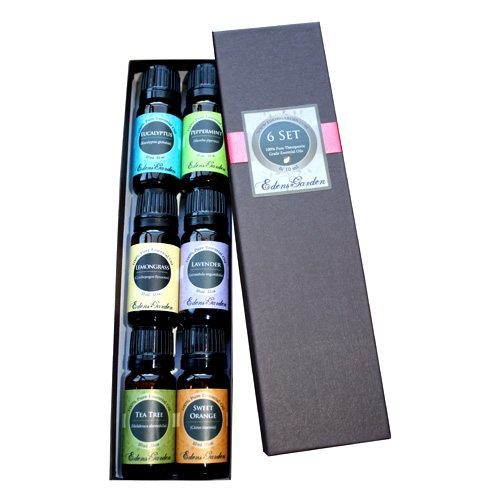
The best 5 essential oils that replace toxic cleaning products include:

1 – Tea Tree Essential Oil

Tea tree is the powerhouse of essential oils. It is an antimicrobial, antifungal, antiseptic, antibacterial, and insecticidal oil that is the perfect choice for cleaning high-traffic areas like the kitchen and bathrooms. The smell of this product can be a bit strong, so it is common to pair it with another fragrance like lemon or lavender (both on this list) to create a smell that is more appealing.

2 – Lavender Essential Oil

Known as one of the seven polyvalents (effective against many toxins) and its antiseptic, antiviral and antibacterial properties make it very effective for cleaning. Research shows that lavender also has relaxing effects on our body making it an especially good choice for cleaning in bedrooms and other places that will benefit from some calm.

3 – Lemon Essential Oil

Lemon has a long history of being used around the house as a natural cleaning aid and is a good choice for our household cleaning arsenal. Not only does it have antiseptic, antimicrobial, and antibacterial properties, studies show it can improve mood.

4 – Peppermint Essential Oil

Peppermint is all around us and is often used in our food because of its effects on our digestive system. It also boasts strong antiseptic and astringent properties that help with mental clarity, alertness and work performance making it a perfect choice for cleaning the home office or other work areas.

5 – Sweet Orange Essential Oil

A recent study showed that sweet orange extract inhibited E.Coli and Salmonella making this a perfect oil for cleaning the kitchen, especially during raw food preparation. It is a known antiseptic, antifungal and antibacterial ingredient that also enhances mood, similar to that of lemon.

hydrogen peroxide

How to clean your home with hydrogen peroxide.

Some Common Green Cleaning Recipes Using Essential Oils

All of the products that we list in this post are great for all-purpose household cleaning, and feel free to use any of them in the following recipes.

Choosing the right product often comes down to where it will be used. These products are very powerful and potent so use sparingly when first creating your recipes.

Mix these oils together to a create a unique and pleasant scent.

Kitchen & Bathroom Counter Spray

  • Vinegar: ½ cup
  • Water: ½ cup
  • Essential Oil: 20 drops

The recommended essential oils include sweet orange, tea tree, and/or lemon.

Disinfecting Spray

  • Vodka: ½ cup
  • Water: ½ cup
  • Essential Oil: 75 drops

The recommended ingredients include lavender, peppermint, and lemon.

Window Cleaner

  • Water: 2 ounces
  • Essential Oil: 10 drops

The recommended products include either lavender or lemon.

Toilet Cleaner

  • Water: ½ cup
  • Essential Oil: 50 drops

We recommend tea tree oil.

dryer sheets

Learn why you should pass up on chemical-laced dryer sheets.

Dried Gum or Sticky Residue

Apply sweet orange, undiluted, to a cotton ball and massage until removed. It won’t stain cloth items but wash immediately. For gum or sticky residue on furniture, test first on a small, hidden piece of furniture before using.

Essential oils can be used for much more than just cleaning. Because they are plant-based, each botanical can be linked to specific health benefits, often affect mood, and can heal internal and external injuries.

There is a lot of information out there on the uses of essential oils. Do your research and you will soon learn all the ways essential oils can benefit you and your home.

Related article: 3 Ways to Add Positive Energy to Your Home

This Is What Happens to Your Cells When You Experience Negative Emotions

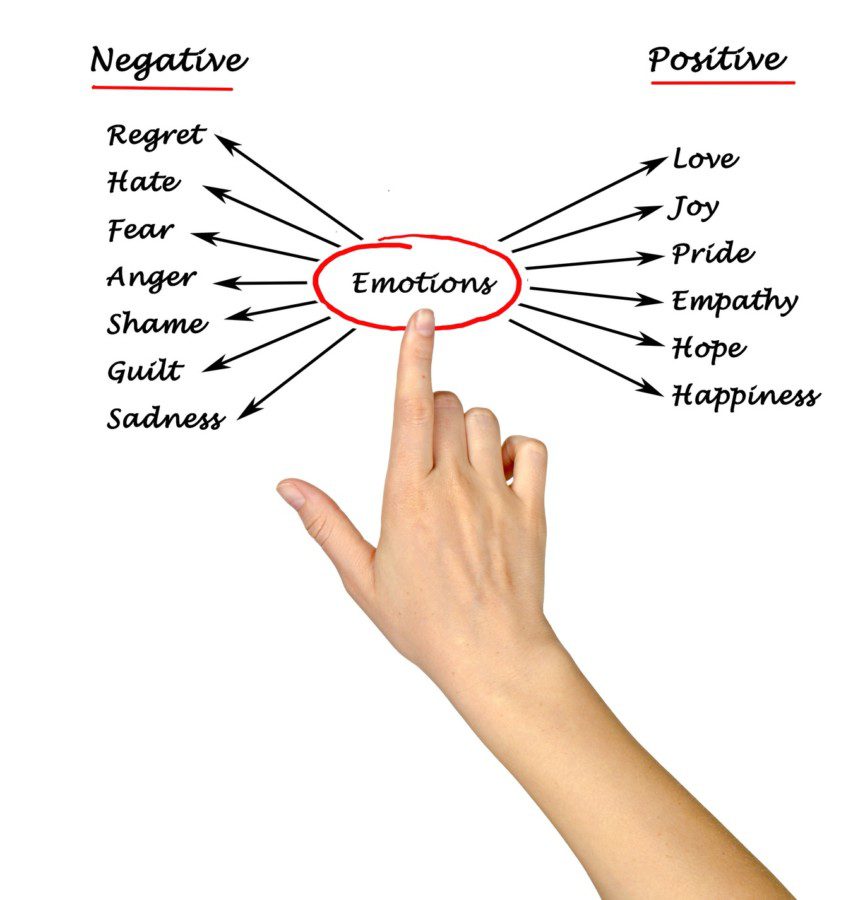
There is an overwhelming amount of research coming out about how negative emotions can damage the body’s cells. This abundance of data lends much credibility to the belief that your mind does indeed create all matter. What you regularly think becomes your reality. So poisonous thoughts show up as disease, unfortunate events, and other negativity in one’s life. Positive energy expands the cells, while negative energy contracts them.

If you have heard of the “placebo effect,” you know that even fake treatments. That’s because they heal people due to the mind believing that the drug given in the study can actually heal the body of disease. However, the opposite is also true. Called the “nocebo effect,” this occurs when one believes a negative outcome will occur. And, the person actually manifests that in his or her reality.

Those negative thoughts and emotions can actually get lodged in your cells. Therefore, it creates a slew of ailments and diseases in some cases.

positive-negative-emotions

The impact of negative thoughts on our brains

Karen Lawson, M.D., says that when we express our emotions without any attachment or judgment, we give them the freedom to flow out of our bodies and release the weight of this heavier energy. However, trapping them inside ourselves and holding onto these toxic thoughts can cause a variety of problems. Such conditions include high blood pressure and digestive troubles.

Chronic stress can actually decrease your life span by shortening your telomeres. Those are the “end caps” of DNA strands, which have a massive impact on aging.

So, how does the brain actually react when you think negative thoughts? Well, each time you have a thought, your brain creates more synapses and pathways in alignment with your thought process at the time. So thinking predominantly negative thoughts will only breed more of them. However, the reverse is true as well. According to many scientists, negative thinking and emotions inhibit signals from being transmitted between the central nervous system and the brain. In turn, this creates a “brain fog.”  And that condition can compromise your immune system, memory, sleep patterns, and much more.

Negative feelings cause stress

When you experience negative emotions, the stress hormone cortisol is released into the body to help it cope with the immediate stressors. Reacting to a dangerous situation is a normal part of being human, but allowing the stress to continue after the event has occurred can lead to many health problems, including migraines, muscle and chest pains, and sleep disruptions.

Feeling afraid, which so often occurs when we focus too much on the future, can actually decrease activity in your cerebellum, which impedes the brain’s capability of processing new information and hinders creative problem-solving skills. Also, fear can affect the left temporal lobe, which controls everything from mood to memory to impulse control.

Your frontal lobe, particularly your prefrontal cortex, plays a big role in orchestrating thoughts and actions based on your internal goals and beliefs. Therefore, when you replay negative thoughts and feelings in your brain, you initiate the expansion of this thought process as more synapses and neurons are created to replicate your predominant thoughts.

So, now that you know just how your thoughts and emotions can affect your health, how can you ensure that your thoughts stay positive?

First of all, make sure to release your negative emotions in some manner. This can be a conversation with a friend, writing, drawing, or some of the other artistic expressions. The longer you ruminate on negative thoughts, the more you will see them manifest in your brain. Ultimately, you’ll change your reality.

Secondly, meditation helps immensely to dispel negative thinking and rewire your brain for positive thoughts. If you haven’t yet established regular meditation practice, make sure to read our article about meditation tips for beginners to get you started.

Also, make sure you surround yourself with positive influences, because energy is contagious. Allowing negative people into your life will only bring down your own energy levels. Therefore, you’ll be exposed to toxic energy on a regular basis. And that circumstance can do great damage to the spirit. Keep the company of those who inspire, uplift, and encourage you to live the best life possible!

Finally, make sure you take enough time for self-care and commit to living the life you love. Don’t compromise your own happiness for someone else’s. So the only way to evolve into your highest self is to follow your own heart. Trust it to take you where you need to go. Negative emotions and thoughts can’t survive in a heart and mind full of life, love, and true happiness.

10 Things to Learn From Failure

Golly…we are a success-driven society, aren’t we? Society seems to judge how successful one is by a number of superficial factors: your income, car, home, profession, etc. One of the last things any of us wants to be considered is a failure, right? Just the word failure creates a negative undercurrent of emotion within us. Being labeled as “failing” is one of the harshest critiques of one’s personal worth…according to modern society, anyways.

Let’s try an experiment:

Try and see if you recognize any of these names: Abraham Lincoln, Thomas Edison, Winston Churchill, Steven Spielberg, and Albert Einstein; how about Henry Ford? Nobody would argue that these are some of the best, brightest minds to have ever existed and that they’ve all made tremendous contributions to society. Nobody would ever attach the word failure to any one of them. But that’s exactly what they were at one time.

Failure is a matter of perspective, plain and simple. Let’s just take Abraham Lincoln, for example.

The 16th President of the United States may just go down in history as the best leader the United States, perhaps the entire world, has ever had. What the history books will often omit, however, is the number of failures that Lincoln experienced, among them: losing his jobs, failing in business, losing multiple runs for office (eight in total), and numerous rejections by colleagues and constituents; this all before being elected president in 1860. The rest is history.

Lincoln’s story alone is enough to demonstrate how failing can be a driving force towards success. The fact is that many of life’s important lessons are learned through these types of setbacks.

“My great concern is not whether you have failed, but whether you are content with your failure.”    Abraham Lincoln, 16th President of the United States

Here are 10 lessons we can all learn from failure:

1. Failing can build character

There is a lesson to be learned from everything, including failing. Perhaps the greatest benefit earned from failure is strength. Think about it: if life were perfect and every endeavor ended in seamless success, what sort of person would you be? The truth is this – failure teaches us more about ourselves and builds character better than success ever could.

2. Failure creates an opportunity

Think about this: how many times in your life have you failed at something only to discover another opportunity? Maybe it was a failed relationship that led you to someone great. Maybe it was a job that didn’t suit you and brought you a better one. Regardless of what your circumstance was, the sweetness afterward was much better as a result.

3. Failure is a great teacher

Failure has a way of showing what your strengths and weaknesses are while motivating you to correct them. In any area of life – academics, work, play, relationships, etc. – failure is often the driving force behind success. For example, Michael Jordan, arguably the greatest basketball player in history, failed to make his high school basketball team. When asked about his early failures, Jordan said:

“I’ve failed over and over and over again in my life and that is why I succeed.”

4. Failure instills courage

As should be clear by now, most people are scared of failure. Many of us are unwilling to take the uncertain path; we’d just prefer to stay in the same boat and not rock it too much. After all, we have responsibilities and people that depend on us. In short, failure requires courage. Whether the failure experienced was anticipated or not, you’ll need to toughen up a bit to get through it.

5. Failure teaches perseverance

When experiencing failure, it’s very easy to just roll over and give up. “What’s the use?” you say to yourself. It takes guts and determination to keep driving forward. Take J.K Rowling, author of the enormously successful Harry Potter series. Rowling said that she received “loads” of rejection letters over a five year span before finding a publisher for one of the most successful book (and movie) series ever. Wow.

Related Article: 5 Ways to Bounce Back Better

6. Failure spawns creativity

If necessity is the mother of invention, failure is the father. Nothing spurs creativity like failure. Artists and creators of all stripes know that if something doesn’t work out, they must tap into their large reservoir of creative talent to create something truly unique.

7. Failing requires motivation

Winston Churchill once said “Success is your ability to go from failure to failure without losing your enthusiasm.” The most successful people are simply the ones who didn’t give up. Finding the motivation to believe in yourself and press on is paramount.

8. Failure is acceptable

While a simple concept, accepting failure can be difficult to truly embrace. In the midst of experiencing failure, it is never a good feeling. In fact, this feeling can be downright gut-wrenching. But just remember that failure is acceptable…lack of effort is not. Here’s Michael Jordan again: “I can accept failure, everyone fails at something. But I can’t accept not trying.”

failure

9. Failing encourages exploration

Steve Jobs knew that the corporate world was not for him. In fact, many things were not. He disliked college, societal norms, and the stiffness of businesspeople. Before founding Apple with Steve Wozniak, Jobs could have been labeled as a failure…he didn’t care. Jobs said: “Remembering that you are going to die is the best way I know to avoid the trap of thinking you have something to lose. You are already naked. There is no reason not to follow your heart.”

So explore and don’t let anything, especially fear of failing, stop you.

10. Failure teaches resilience

Along with making us better people, failing both teaches and strengthens resilience. Through the discomfort and uncertainty of an epic fail, one will be better able to take on any of life’s challenges as they come. Resilience is something required of all successful people, and there is no better teacher of resilience than failure.

What lessons has failure taught you in life?  Add to the conversation below:

How To Fall Asleep In Under 1 Minute Every Night

Have you ever wished you could fall asleep faster? You would be in good company if you answered yes.

There is no doubt; we are a society of sleep-deprived citizens. In fact, according to a recent Gallup report, a whopping 41% of Americans aren’t getting the recommended 7-8 hours of sleep per night.

By now, you’ve undoubtedly heard that proper sleep affects all aspects of our life, including mood, decision-making, productivity, and even our weight. Lack of sleep can also affect your physical well-being. Last year, a study was published showing that sleeping less than six hours per night for just one week resulted in changes in 700 genes in the human body.

And while the researchers don’t quite understand the full ramifications of these changes, they have been able to determine that there is an impact on our immune system, stress response, and an increase in inflammation.

One contributing factor to our lack of sleep is finding effective ways on how to fall asleep. Our over-scheduled, over-worked, and over-burdened lives have us hitting the sheets with a lot on our minds. All of the chatter running through our heads has us lying awake in bed, wondering why sleep eludes us.

It can be challenging to clear the clutter from our minds allowing sleep to come, but according to Dr. Andrew Weil, it can be as natural as breathing. Dr. Weil says that a relaxing breathing exercise can help calm the mind in preparation for sleep. He recommends the 4-7-8 breathing technique as a natural tranquilizer for your body.

How The 4-7-8 Breathing Technique Teaches You How To Fall Asleep

  1. Make sure your posture is such that you are not restricting your ability for deep breathing.
  2. Place the tip of your tongue on the roof of your mouth behind your front teeth. Try to keep it there through the entire breathing sequence, even during the exhale.
  3. Begin by exhaling completely.
  4. Inhale through your nose to a count of four.
  5. Hold your breath for a count of seven.
  6. Exhale through your mouth to a count of eight.
  7. Finally, complete the sequence three more times.

This breathing technique may cause you to feel light-headed at first but becomes a powerful sleep and relaxation aid with practice. It is not only useful at bedtime. Indeed, this method is appropriate to use during times of stress and anxiety throughout the day.

So why is this breathing technique a natural tranquilizer? The slowing of your breath, filling your body with oxygen, and forcing you to focus on your breath at the moment allows your body to relax enough to welcome sleep. Doing so reduces the stress and anxiety we often feel when we can’t fall asleep.

When we start to worry about what the lack of sleep will do to our day, our breathing goes into panic mode and becomes more shallow. This, in turn, elevates the heart rate that will move us further away from the sleep we crave. So, breathe it out to get back on track.

Related article: 10 Rituals to Guarantee a Good Night’s Sleep

While many claim that this breathing technique will help you fall asleep quickly, there are other things you can do to help you prepare for and honor your sleep. It is all about setting the expectation by giving your body notice that rest is coming so it can physically make for it.

More Tips on How to Fall Asleep Faster

  • Create a sleep only environment. When you keep work, television, and other digital devices out of the bedroom, you are sending a signal to your body that your day is done.
  • Turn down the thermostat. In several sleep studies, it has been shown that people sleep better when their bedroom is on the cooler side.
  • Write it down. Spend a few minutes before slipping under the covers to write down anything that is lingering in your mind. Writing it down sends the message to the brain that it is okay to let those thoughts go because they are taken care of.
  • Quiet your space. Eliminate annoying noises from your room. And if you can’t get rid of your snoring partner, try noise-reducing earplugs.
  • Create a routine. Do you remember hating having a bedtime routine as a kid? Well, it seems as if our parents knew what they were doing. Going to bed at the same time every night and waking up naturally before your alarm every morning is the best way to honor your sleep. Your body responds well to routine, so give it one.

At the end of the day, there is nothing our body needs more than sleep to reenergize us so we can live our best life every day. We owe it to ourselves to get proper rest and, unfortunately, that doesn’t often happen on its own.

Do yourself a favor and create an environment where sleep is inviting and then use your breathe to bring yourself back into the moment and calm your mind. You have nothing to lose and everything to gain. So get to it, a good night’s sleep awaits – sweet dreams!

5 Signs Insecurity Is Hurting Your Relationship

Insecurity doesn’t always manifest itself through just feeling insecure. When you are in a relationship with another person, you become vulnerable, and that feeling of vulnerability can create behaviors that sabotage your relationship.

It is not always intentional but rather an automatic defense system to protect you from getting hurt. Sometimes, we don’t even realize that these behaviors revealing insecurity are taking place until it’s too late.

Here are 5 signs that insecurity is hurting your relationships:

insecurity

1 – You Need to Be In Control

The need to control comes from a place of fear, the fear of not getting what we want. We want to control so we can create the outcomes we desire.

You may think being in control comes from a place of strength, but it can destroy marriages, friendships and other relationships that matter most to you.

When you are trying to control things, you might find yourself thinking in terms of formulas, “If I do this, then that will happen.” There is no right formula for a successful partnership.

It is impossible to predict how a relationship will unfold because the nature of the relationship will change as you and your partner grow.

If you are trying to plan your outcomes, you are not living in the relationship. You are focusing on the outcome, not the person. Stop trying to fill in the blanks and start enjoying the moments. That is where the real magic lies

2 – You Are Jealous

It is impossible to go through life without suffering a broken heart at some point. It is these painful memories that are at the core of jealous behaviors. When you exhibit jealousy, you are displaying a lack of trust in your partners.

Insecurity in a relationship is an attempt to eliminate threats to the relationship. And jealousy is all about being fearful of what might happen. It is impossible for someone to prove they won’t hurt you and spending time waiting for that assurance will cause your relationship to deteriorate.

Strong relationships thrive in an environment that fosters encouragement, growth, and individuality. Stop trying to eliminate threats and start creating a place where you both have the freedom to be your true selves.

3 – You Are Defensive

Defensiveness is a natural mechanism designed to protect ourselves from criticism, judgment and the appearance of failure. Typical defensive responses are negative in nature and sometimes can even get hostile.

At one time or another, you have probably vowed to be less defensive. You’ve gone into a discussion with every intention of having a respectful conversation only to find yourself on the defensive and not listening to the other side. You want to do better, but it’s hard.

Well, according to a recent study on defensiveness, some simple self-affirmations before you enter into discussion might be the key. Before you begin a conversation that may put you on the defensive, start reminding yourself of your good qualities.

It also works in reverse. If you know someone who gets defensive, start the conversation by sharing some of the qualities that you appreciate with them.

4 – You Are Arrogant

How do you know when you have crossed the line from confident to arrogant? Confidence welcomes differing opinions; arrogance comes from a belief of being right. A confident person lives the example; an arrogant person preaches the example. Confidence is knowing being wrong is okay and will admit to mistakes.

Being arrogant can severely impact a relationship because if you are trying to prove you are right, then you are automatically working against your partner by trying to prove them wrong.

Building confidence takes time and effort. Start by being interested in what other people are thinking. Have consideration for other points of view, be willing to learn from those around you and develop respect by getting to know what is behind their opinions.

insecurity

5 – You Are a People Pleaser

People-pleasers want everyone around them to be happy, and more importantly, they want to be liked. Their time is spent seeking outside approval and validation by saying yes to favors that might not be in their best interest.

People-pleasing makes you feel important and good about yourself, but the insecurity around the “need to be liked” can damage a relationship. When you are busy seeking outside validation, you aren’t working on the relationships that matter most. Instead, you are building an arsenal of superficial relationships that serve your insecurity.

Make sure you know what your priorities are and what is important to you. Make sure you are doing things for the right reasons and make sure they support and serve not only you but the people that matter most in your life.

Be okay with the fact that insecurity will creep up from time to time. It is important to understand it and recognize it before it gets out of control and ends up hurting those you love.

Join the discussion: Have you overcome insecurity in your own relationship? Share your story to help others!

5 Great Lessons for Sensitive People

Did you know that about 15-20% of the population is considered highly sensitive? It’s a significant part of the population so it can’t be considered a “condition. ” However, and the numbers of sensitive people aren’t large enough to make it common, so it isn’t quite understood.

Many people look at being sensitive as a defect or a hindrance because it doesn’t fit into societal norms of how one should act in public. On the contrary, sensitive people are more aware, more compassionate, more forgiving and often more driven.

Sensitive people believe things can be better and work hard to make it so. It is hard for a sensitive person to see suffering without trying to relieve the pain, to see heartache without expressing love and to see a challenge without problem-solving. The empathetic nature of a sensitive person is often invisible to most, and as such, is often ignored or misunderstood.

Sensitive people are often so giving of their time and energy that they forget to care for themselves. It’s an innate quality that can be difficult to navigate with outside influences establishing the expectations of how you should act.

“No matter who it is or how comfortable you are with someone, when anyone yells at you or talks down to you, you immediately erupt in tears.” –Lauren Jarvis-Gibson

To put things into perspective, here are 5 great lessons for sensitive people:

1. Embrace and control your emotional responses.

Sensitive people see the world differently and with that vision comes great power and responsibility. Because we feel what others are feeling, we often feel a moral obligation to help, and we react with bigger emotions and more rapid action. On the surface, this appears to be a good thing, an admirable trait.

There are many challenges with reacting to a situation in the heat of heightened emotion. The other person might not want help, we might not be able to provide the right kind of help or we might offer help that ends up doing more harm than good to them and us.

It’s not about the desire to help; it’s about understanding the true nature of any situation outside of the emotional connection that is felt. Take the time to think both logically and emotionally before jumping into action. Know the whole world can’t be saved no matter how hard we try. The responsibility comes in choosing our reactions wisely.

sensitive-people

2. Listen and trust your inner guide to protect yourself.

Sensitive people have a strong intuition that comes from a heightened awareness of what is happening around us. Unfortunately, though, we don’t always pay attention to what our gut is telling us.

Because of our highly sensitive nature, we tend to be more trusting and more willing to take people at their word. There are people that will take advantage of that, and that is why listening to our inner guide is so important.

It is this inner source of wisdom that protects us and warns us to tread carefully when you feel uncertainty creeping in. As sensitive people, we are so focused on helping that we often ignore the warning signs our inner guide provides. Pay attention to your gut as closely as you pay attention to your desire to help others. Doing so will help you help yourself which better positions you to help others.

3. Stay focused on the things that really matter.

Because we are so aware and absorb so much of the energy that surrounds us, it is easy to lose our focus and take on other people’s problems as if they are our own. It’s important that we stay focused on the things that matter in our lives first and avoid over-committing ourselves to the point of overwhelming.

We are quick to say yes but upon contemplation, we might realize we are not the best person for the task at hand. This can lead to over-complicating and overthinking a situation to the point that it becomes detrimental to our responsibilities. The lesson here is to keep our priorities first, help when it makes sense and find other resources when necessary.

4. Being sensitive is not the same as being weak.

People who aren’t as sensitive as we are may interpret our ability to empathize and feel like a weakness. The truth is, it takes great inner strength to feel the constant joy, sadness and even heartache of those around us. This is not a burden we choose to carry but a gift in which we were entrusted.

The key to using our gift with purpose, and in service to others, is to rely on that inner strength. It’s that strength that helps us to stay strong and keep from internalizing the energy that is so easy for us to absorb. It gives us the fortitude to use the energy we encounter and repurpose it back into the universe with grace and positivity and encourage others.

5. Be courageous and continue to live from your authentic truth.

The biggest lesson for sensitive people is to not let others who might not understand our gift change us. It is often easier to hide our sensitive side than to be judged by it. Continue to live your truth and be proud of your sensitive nature. It is who we are, and the Universe needs us to share it. Doing so will create a more loving, kind and peaceful world.

Always remember being sensitive is a gift and even the greatest gifts can be a burden at times. Remember these lessons to keep you grounded in your true nature while honoring yourself and those your gift serves.

(C) 2015 – Power of Positivity.com. All rights reserved

10 Ways to Deal With Irrational People

It’s hard to believe there is someone out there that hasn’t dealt with an irrational person and even been irrational themselves. When we are irrational, there are usually other things in play behind the scenes. Irrational behavior happens when we’ve reached the tipping point, and we have to just let it out.

Even though we all experience our version of irrational behavior from time to time and it is understandable, it doesn’t make it easy to deal with someone who is acting irrationally. We might get it, but we don’t have to like it.

Here are 10 ways to deal with irrational people:

1. Listen and Let Them Vent

The best way to diffuse irrational thinking and behavior is to listen as they vent. Sometimes just listening is the hardest part because our natural tendency is to point out the irrational thinking. Doing so will only to increase the emotions of the situation, so it’s important to bite our tongue and listen earnestly. Sometimes, just knowing they are being heard is all that is needed.

2. Make a Personal Connection

An “us” versus “you” mentality will only encourage the person to dig in their heels and stand firm. Try making a personal connection by using their name and making them feel like an individual. Making someone feel special and giving them a platform where they feel respected is an important step in lessening the tension.

3. Summarize What You Heard

When dealing with irrational people, it is really important to them that their message, complaint or opinion is understood. Start by summarizing what you heard to make sure you both are on the same page. This is a great starting point to begin the next steps in solving the situation.

4. Stay Calm

It is very easy to get caught up in the emotions of a situation. Don’t do it. Focus on staying calm and take the time you need to respond in a thoughtful and respectful manner. When you respond with anger, often more irrational behavior will ensue, completely blowing things out of proportion. Calmly hear them out and then help them to calm down too.

5. Pay Attention to Your Word Choice

When trying to talk with someone who is in a heightened emotional state, the words we choose to use can be the difference between handling the situation and escalating it. Choose positive words like, “I will remember” instead of “I won’t forget.” Another tip is to try and make sure to avoid using “you” except when talking about what you are hearing from them. For instance, “what I hear you saying is …” comes across as respectful. On the other hand, “you said …,” can come across as a bit accusatory even though it isn’t meant to be.

6. Be Empathetic in Coping With Irrational People

Remember there is usually more to the story. They may have just received some bad news or maybe they are in the midst of a huge life-changing event. Regardless, be empathetic and put yourself in their shoes. Try to understand what is the key issue and just be there to help them work through it. Knowing someone is on their side is needed to help them relax and come back to a place of calm.

7. Ask Questions

Asking questions shows interest in their dilemma. It shows care, respect, and interest in what they are going through. Gathering information by asking questions serves a dual purpose. First, it allows you to get a true assessment of the situation and secondly it gives you some time to determine the best course of action in a positive way and not in a reactionary one.

8. Detach Yourself From The Situation

During any irrational situation, it’s necessary to remember that irrational thoughts and actions are about them, not about us. When we begin to internalize what is being said, is when things get blown out of proportion. We should strive to be supportive and engaged without making it about us.

9. Be Prepared to Compromise

“A compromise is the art of dividing a cake in such a way that everyone believes he has the biggest piece.” – Ludwig Erhard

It is often the art of the compromise that soothes a tense situation. We should start any compromise knowing our bottom line and theirs. Then it’s up to us to somehow find a way to meet somewhere in the middle. We will know more about what sort of compromise might work if we have taken the time to listen and ask questions.

Power of Positivity meme10. And Finally, Recognize Sometimes There is No Winning With Irrational People

It is important to know that there are some irrational behaviors and requests that may not have a resolution. Do what you can but it’s important not to compromise your principles or values to accommodate someone else’s irrational thinking. At some point, you may have to agree to disagree and be prepared to walk away.

On the surface dealing with irrational behavior can seem a daunting task but with a few important steps, it can become quite manageable. And when it becomes apparent that there is no solution to the situation, we should be prepared to walk respectfully away.

10 Signs You’re an “Indigo Child”

The idea of indigo children has often been dismissed as a pseudoscientific, incredulous notion, but many of us on Earth right now just feel “different” in some way we can’t usually explain. Anderson Cooper from CNN even did a special report on indigo children, and a documentary partially produced by Doreen Virtue called “The Indigo Evolution” was released in more than 350 churches and wellness centers in 2006.

More and more people have been awakening to their true nature and realizing that they have incarnated on this Earth during these transitional times in order to offer their gifts to the world and leave it a better place.

In the documentary, Hopi Elders revealed that we can still reverse the damage we have done to the planet. And, we can still create a new world founded on love and peace. However, that can only occur if we all realize our Oneness. Then, they continued on to say that the indigo children will play a critical role in the Earth’s healing.

So, how do you know if you are an indigo child? These 10 signs will give you the answer:

1. You were born in the year 1978 or later, but possess wisdom beyond your years.

You are aware of the true nature of the world that lies in secrecy behind this current paradigm of monetary gain, greed, power, machinery, war, poverty, etc. Because you understand that this world offers so much more than we have been led to believe, you often feel that you have incarnated here many times before, aka an “old soul.”

2. You are strong-willed, independent, and don’t respond to authority.

You like to think for yourself, come up with your own answers, and live life by your own set of rules. Because of your inherent need to follow your own path and reject conventional teachings, you have been deemed a “troublemaker” or “problem child” in the past.

3. You are diagnosed with ADD or ADHD due to social or attention problems.

In school, constantly disobeying authority figures, non-conformance to social conditioning, and extreme boredom or aloofness to the subjects taught in institutionalized schools. People often misunderstand you and wonder why you can’t just follow the program and do as you’re told. However, you see many things horribly wrong with today’s society, and would never dream of fitting into a world so blind to the truth.

4. You are extremely creative and eccentric

You love to draw, write, paint, dance, or express yourself somehow through the arts. Furthermore, you felt stifled in school. Indeed, you wished that you could just spend time following your passions instead of listening to boring lectures.

5. You feel socially isolated and may not have very many close friendships.

You feel that you just can’t relate very well to others because of their inability to see beyond the veil. Therefore, you would rather spend your time alone bonding with nature or working on your creative and intuitive gifts. You know that people who came to change the world must walk a difficult path, but it will be well worth it in the end.

6. You have a high IQ and a keen intuition.

You often experience sensory overload in bright, noisy environments, and crave total peace and quiet in nature when you find yourself in these situations. You’ve likely been drawn to the term “empath” because of your unique psychic abilities and problems functioning in very crowded, loud, and chaotic environments. You may have been diagnosed with anxiety or depression because of this.

7. You reject social norms and long for people to see the truth.

You have no patience with the scripted life of buying, selling, going to school, getting a job, and just becoming a number in a computer. Additionally, you could care less about the status quo. Besides, you often blaze your own trails in life despite popular opinion. You know that just because everyone does something, doesn’t make it right.

8. Many people have misunderstood you.

Perhaps others called you entitled, selfish, or unruly in the past. Your parents or teachers just didn’t understand that your spiritual and emotional needs weren’t being met.  You go within and enjoy solitude much of the time due to feeling misunderstood. You have a high sense of self-worth and know that your personal needs matter more than satisfying authority figures who don’t take the time to understand you.

9. You bond well with other animals and feel immense compassion for all creatures.

Because you have realized that all life on this planet is sacred, you chose the vegan/vegetarian lifestyle at an early age.

10. Above all, you just have an intense longing to make this world a better place.

You have an unstoppable determination to bring about lasting changes despite all the challenges you face. You want to create a world where all life can thrive. And, you won’t listen to anyone who tries to stop you from your grand mission of healing this Earth.

Don’t ever feel alone on your spiritual path; many of us have identified as indigo children, and we all have an unbreakable connection to one another. Remember this any time you feel lonely or confused because all of our collective efforts matter in the end. Any act of kindness or friendship you offer to others will always lift the vibration of this planet, and if you can make one person smile or feel loved, you have done your part.

Watch the Documentary, “The Indigo Evolution” here:

https://www.youtube.com/watch?v=fxvriVUk_5A

Skip to content