Weekly tips, affirmations, and small actions to feel your best.

How to Use Essential Oils for Weight Loss

Today, processed and fast foods are available in every street corner making it difficult to resist. While these foods are convenient and even tasty, studies have shown that they increase the risk of life-threatening diseases such as diabetes and heart disease.

In case you are struggling to lose weight, using essential oils is a great and sure way of winning the battle. Some of the essential oils for weight loss you should give a try include:

How to Use Essential Oils for Weight Loss

1. Lemon essential oil 

This is a multipurpose oil that can be used for not only your physical health but also your mental wellbeing. It contains limonene which absorbs fats present in the body aiding in weight loss.

It also helps in enhancing norepinephrine in the brain eliminating nervousness and tension and consequently boosting your mood. Drink 1-2 drops of this oil every day as it is easy and safe to ingest. You can also choose to inhale it directly from the bottle or blend it with carrier oils and massage it in the cellulite build-up areas to remove toxins in the fat cells.

2. Grapevine essential oil 

One of the most important essential oils for weight loss is the grapevine essential oil. This oil is extracted from the rind which is highly concentrated in nootkatone a component that aids metabolism making it easy for your body to get rid of excessive fats.

You may choose to drink 1-2 drops of it every morning to encourage fat loss, inhale it directly to reduce cravings, rub it topically on your temples, chest, the waist and under your nose to reduce your appetite or use a diffuser to diffuse it to curb cravings.

3. Ginger essential oil 

The gingerols present in this oil helps in reducing inflammation in your intestines consequently making digestion and absorption of nutrients easier.

By decreasing inflammation, this oil also reduces your vulnerability to diseases related to poor digestion as well as protects you from getting obese. Mix 1-2 drops of it with warm water, raw honey and fresh lemon juice and drink or inhale directly to reduce cravings and appetite.

4. Cinnamon essential oil 

Cinnamon essential oil helps the body in releasing insulin which is necessary for stabilizing your blood sugar levels. This aids in preventing chronic fatigue and moodiness as well as reducing sugar cravings and overeating.

This is one of those essential oils for weight loss that can be applied topically, inhaled directly or diffused to discourage overeating.

5. Bergamot essential oil 

When you are stressed, anxious or feeling low, it is easy to indulge in emotional eating. Overeating may be a short-term solution to your problems but it can lead to weight gain and low self-esteem.

You can inhale this oil or add a few drops to your shower on bad days to improve your mood and prevent you from overeating to reduce stress.

6. Peppermint essential oil 

If you have indigestion issues or if your stomach is bloating, peppermint essential oil is the oil to go for. This essential oil contains menthol which gives your stomach muscles a relaxing effect.

Menthol also curbs overeating and prevent cravings by changing your perception towards food through influencing your neurosensory perceptions. Drink 1-2 drops, diffuse it or inhale directly to aid digestion.

7. Lavender essential oil 

Like bergamot oil, lavender essential oil can be taken to prevent stress and reduce emotional eating aiding in weight loss. This is because it helps reduce anxiety, stress and other emotional eating triggers. It can also help your body release excess oil by lowering cortisol levels.You can inhale 2-3 drops of this oil directly to release tension or diffuse it to reduce food temptation and nervousness.

8. Fennel essential oil 

This is one of the best essential oils for weight loss when it comes to preventing weight gain. It has melatonin which helps reduce appetite thus preventing you from gaining extra calories.

Its seeds are also used to support digestion. You can mix funnel 1-2 drops of it with water and drink it before meal to prevent you from overeating and to aid digestion or apply it topically to curb cravings.

essential oils for weight loss

9. Orange essential oil 

Orange oil has a sharp scent that helps to enhance mood for those people suffering from stress and depression. It also helps in reducing appetite and preventing overindulgence in food. You can inhale it or drink 1-2 drops of it before meals to lower your appetite.

Although bad eating habits are major contributors to weight gain, other factors can lead to weight gain. You should, therefore, look into them even as you watch your diet.

If you are already struggling with weight gain issues, start watching your portions, eat a balanced diet and exercise. Also, depending on what is leading to your weight gain, choose the essential oils for weight loss that best fits your situation.
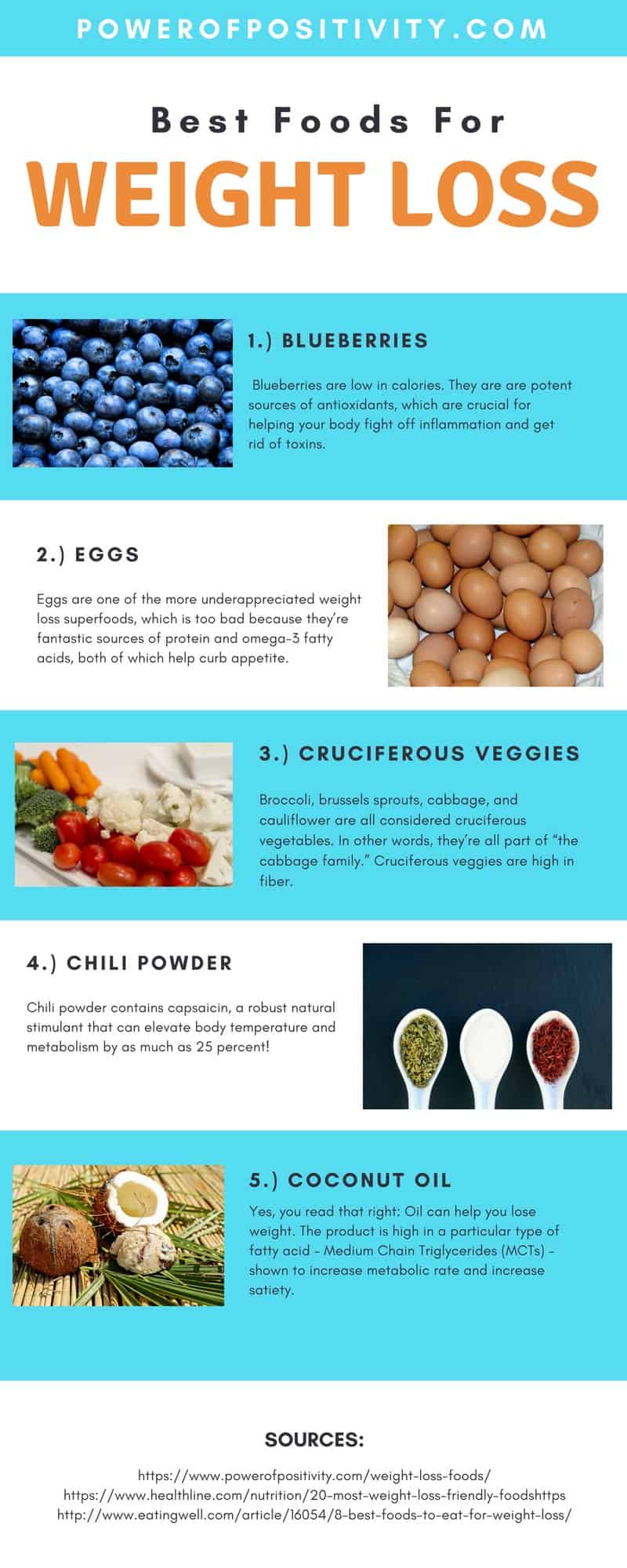
best foods for weight loss

Share this Image On Your Site

Science Explains 9 Things That Happen When You Don’t Get Enough Vitamin D

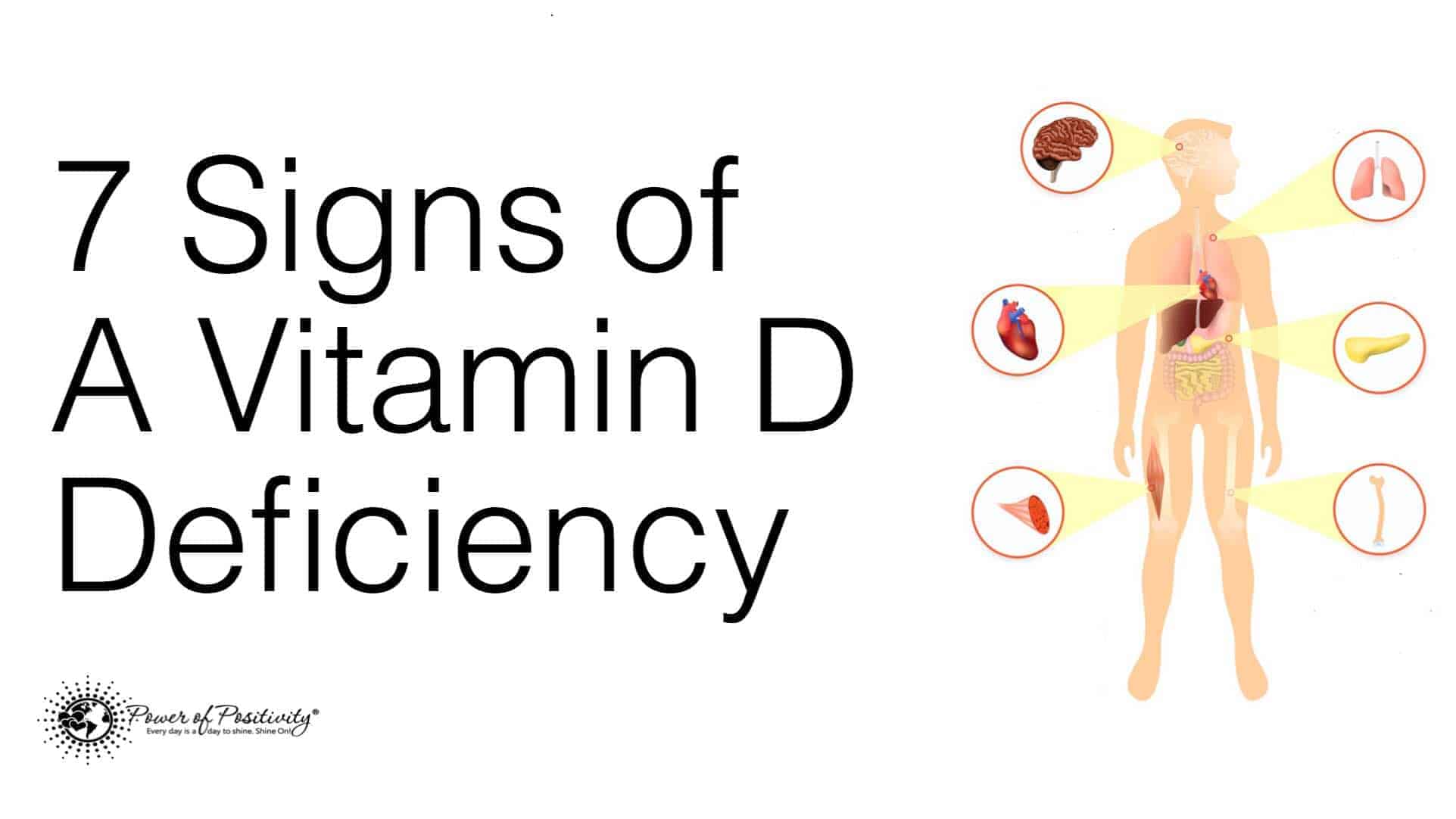
Have you been diagnosed with vitamin D deficiency? You’re not alone. Vitamin D deficiency has almost become an epidemic, especially for those who live in the Northern Hemisphere. The sun is an important source of vitamin D. We absorb it through our skin.
People in the Far North live with less sunshine. Add in the fact that our lifestyles and technology keep us indoors, and the danger of low vitamin D increases dramatically. It’s no wonder that reportedly more than 40 percent of Americans have a vitamin D deficiency.

To complicate matters, many may not even know they have low vitamin D. Some may drink a couple of glasses of milk daily and think that’s enough to keep their bones healthy. Their fatigue and general aches and pains are often dismissed as something else. They don’t realize that vitamin D deficiency causes many other health problems. Read on to find out more about the danger of low vitamin D.

Muscle Weakness
Sometimes muscle weakness is has mistaken for simply being tired. If you’re experiencing general fatigue, muscle weakness may go undetected. Symptoms become stronger as the low vitamin D worsens. General aches turn into muscle and bone pain.

Bone Pain
Probably the most well-known danger of low vitamin D is problems with the bones. One study conducted in Minnesota of 150 patients with musculoskeletal pain found that 93 percent had a low level of vitamin D. Your bones stop growing in adulthood, but old bone tissue is constantly being replaced by newer tissue. Low vitamin D causes interference with the process and eventually leads to osteoporosis.

Chronic Respiratory Problems
Research has indicated that vitamin D may help prevent constant respiratory problems. For severe asthma increasing vitamin D intake is important. Symptoms range from becoming easily winded to feeling like you can’t breathe. This, in turn, can cause a panic attack.

Depression
Seasonal Affective Disorder (SAD) can occur when you have a prolonged lack of sunlight. This is best seen in people who relocate to a less sunny place. The Vitamin D Council says it’s because vitamin D helps your brain’s neurotransmitters produce serotonin to give you a happy feeling. Indeed, studies indicate episodes of depression as a danger of low vitamin D.

Chronic Infections
Since vitamin D affects over 2,000 of our genes, chronic infections can be a danger of low vitamin D. An adequate amount keeps the immune system strong and healthy. Without it, you’re more susceptible to infections and disease.

Cardiovascular Disease
Damaged blood vessels, blood clots, and other heart conditions can result from deficiencies in vitamin D according to the National Institutes of health. Low vitamin D can also be one of the causes of high blood pressure. Symptoms you may experience from cardiovascular disease include dizziness, breathing problems, swollen legs, and chest pain. Discuss these symptoms with your doctor right away.

Psoriasis

Psoriasis, that scaley itch on your scalp or elsewhere has not been directly linked to a lack of vitamin D. However, it is often used in treating the condition. According to the Mayo Clinic, low vitamin D makes it more difficult to ward off psoriasis.

Chronic Pain
Low levels of vitamin D may be responsible for chronic pain. The connection was discovered as recently as 2010 when researchers discovered a link between the two. Your doctor will tell you the best way to up your intake. No one wants to live in pain; adequate vitamin D could be a simple solution.

danger of low vitamin d

Fatigue

Your body needs energy to feel good, and vitamin D, along with other vitamins create energy. Being tired most of the day interferes with both work and play. You’re less likely to get out and be active in the sunlight. This compounds the problem resulting in even lower vitamin D.

As you’ve learned, low vitamin D can be the culprit for a myriad of health issues. More and more studies are being conducted that may link even more problems to a low level of vitamin D. Dementia, crankiness, reduced endurance, even a lower life expectancy may be attributed to low vitamin D.

If you live a lifestyle that doesn’t get you out into the sunshine very much, and if you aren’t taking supplements, now is the time to make those changes. Food is nutritious but it’s hard to get an adequate amount of vitamin D from it. If you experience any of the symptoms a low vitamin D deficiency causes, or even if you don’t you should have your vitamin D level checked. Your doctor can perform a simple blood test to find out. Don’t wait until your Medicare wellness exam to learn you are one of the four in 10 Americans with low vitamin D.

https://www.youtube.com/watch?v=KKB0jThAfnQ

15 Inspiring Before And After Weight Loss Photos of Couples Who Transformed Their Bodies

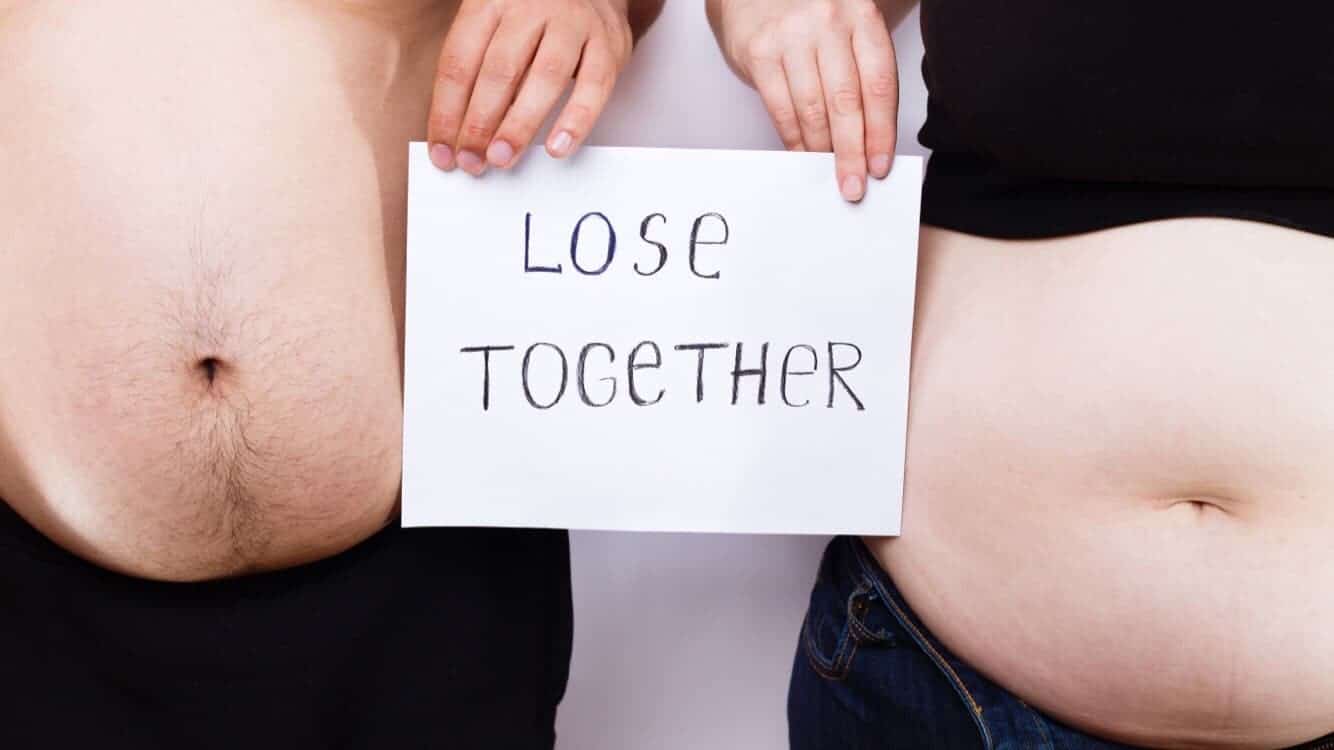
Losing weight is no easy feat, but getting in shape becomes a little easier if you have a partner by your side. You can look on Instagram and see fit couples everywhere, but not all of them show where they started before they got ripped. Some people lose hundreds of pounds together and take their health to a whole new level. Today, we want to showcase these stories and hopefully inspire you with these amazing before and after weight loss photos of couples.

Here are 15 before and after photos of couples who achieved weight loss together:

1. What a difference four years and 240 pounds can make!

A post shared by Heather (@heather_sleeved_3.30.15) on

2. Way to go guys! This weight loss couple is 220 pounds down, and it only took them three years.

3. As this now-fit couple can attest to, hard work definitely pays off!

4. Couples who get in shape together, stay together.

5. This lovely couple personally lost a ton of weight on the ketogenic diet. Awesome transformation!

A post shared by Andrew (@bigmike80_) on

6. He wanted to gain weight, but she wanted to slim down. Looks like they both reached their goals!

A post shared by Roxanne (@dudeitsroxy) on

7. Wow, we almost couldn’t tell these are the same people in both photos!

8. If you want to talk about a transformation, check this out! Together, this fitness couple lost 407 lbs in just two years!

A post shared by Lexiiii ? (@fatgirlfedup) on

9. As this couple says, “Same happy, different healthy!”

10. If you’re like me, you almost didn’t recognize these two in the after pic!

These next few are sure to inspire you …

11. It’s just amazing what two people can achieve together.

12. And here is another couple who lost over 400 lbs together!

A post shared by ? ???1??????? (@vibewithredd_) on

13. These two are beautiful in both pictures, but definitely look happier in the after photo.

14. As these two would attest, their weight loss journey brought them so much closer together.

A post shared by Aaj Tak (@aajtak) on

15. Almost a three-year difference and look where their fitness journey took them.

weight

Did any of these inspire you to hit the gym with your hubby? We sure hope so!

(C)Power of Positivity, LLC. All rights reserved

20 Illustrations That Reveal The Truth About Married Life

Everyone knows married life isn’t perfect; it comes with plenty of fights and makeups, laughs and breakdowns, and obstacles and breakthroughs. Marriage takes a lot of work, but two people who really love and care for one another can stand the test of time. Israeli comic artist Yehuda DeVir gets inspiration from his wife and creates funny, relatable marriage comics that reveal the truth about married life. Today, we bring you some of his marriage illustrations and hope that you enjoy them!

Here are 20 illustrations that show what marriage is really like:

1. “I woke up like this.”


2. Watching sports together always makes for a fun time!


3. “We” are on a diet.


4. Mini vacation.


5. Ladies (and long-haired guys), don’t forget to put up your hair when you cook!


6. Unhappy ending.


7. It’s alive!


8. That moment when your husband shaves his beard once winter is over.


9. Series killer.


10. Admit it, guys; we all know you’re guilty of this sometimes.


11. Love hurts.


12. Married couples always have each other’s backs.

married couples


13. Mission: grab all the groceries in one trip!


14. “Everything I can do, she can do better!”


15. Do they even make umbrellas big enough for two people?

16. Driving = the perfect time for some CARaoke!


17. One of the duties of marriage is pulling out each other’s gray hairs, right?


18. Everyone has that one thing they can’t stand about their other half …


19. To all the men out there: thanks for cleaning our hair out of drains and carpets. We truly appreciate it.


20. All work and no play = no fun!


Did you enjoy this marriage art? Which of these marriage comics was your favorite? Let us know in the comments!

(C)Power of Positivity, LLC. All rights reserved

Science Explains What Happens to A Woman’s Body from A Copper IUD

What is a copper IUD and can it be dangerous to a woman?

IUDs: The Basics

First, let’s discuss the basics of intrauterine devices, or IUDs. Structurally, an IUD is a contraceptive device. It is made up of flexible plastic, which may or may not be wrapped in copper. This depends on the manufacturer. Functionally, most IUDs prevent pregnancy by releasing the pregnancy preventing hormone levonorgestrel. One IUD product, ParaGard, is free of hormones.

As of this writing, five main companies produce IUDs: Kyleena, Mirena, Skyla, Lileeta, and ParaGard.

Scour the web and you will find countless advocates of IUDs. From Planned Parenthood, to WebMD, to professors and clinicians at prestigious medical schools, IUDs are marketed as an extremely safe. People will laud them as an effective form of contraception, which can be reversed. These claims are not all false. IUDs are relatively safe. Relatively being the key word.

Many of even the harshest critics of the contraceptive device admit that the devices are “a very safe and supremely effective contraceptive method.”

Also, IUD-related appointments have seen as much as a 900 percent increase since January of 2017. We can reasonably assume, then, that complications from such a device will arise.

The Copper IUD: Newer Isn’t Always Better

Something to mention about IUDs: they’ve been around since the 1970s. As with pretty much every medical device or procedure, IUDs have gotten safer and more reliable. However, newer copper IUDs seem to buck the near-universal “newer is better” medical axiom.

Patients have reported extreme side effects. These include heavier and more frequent menstrual periods, painful abdominal cramping, pelvic inflammatory disease, complications from intercourse, and more. Compared with past case studies, more women with copper IUDs are undergoing emergency (potentially life-threatening) surgery to extract the device.

Class action lawsuits against the manufacturers of copper IUD devices has risen significantly. The law firm representing victims in the Copper & Mirena IUD Class Action Lawsuit cites the following symptoms as reported by their clients:

  • Allergies and food intolerance
  • Bleeding gums
  • Cognitive difficulties (“brain fog”)
  • Dizziness and disorientation
  • Extreme fatigue and exhaustion
  • Severe depression
  • Severe PMS symptoms (e.g., increased aching, bloating, irritability)
  • Heart palpitations
  • Menstrual clotting and bleeding irregularities
  • Tremors and getting “the shakes”
  • Hot flashes
  • Sudden and unexplainable weight gain
  • Premature menopause
  • Puncturing of the uterine wall (perforation)

Under-reporting of Complications from Copper IUD 

“We collected a case series of broken IUDs … for the purpose of creating awareness and to illustrate our management of this not entirely rare clinical scenario …” – Levine, E.M., et al., “The ‘Broken’ IUD: Its Detection and Clinical Management”

In a disturbing article published in the Open Journal of Clinical & Medical Case Reports, five OB-GYNs report what they’ve seen in the their own practice. These doctors of gynecology have noted such observations as:

  • Fractured pieces of copper within the uterine wall
  • Puncturing of the uterine wall
  • Uterine infection
  • Transferal of broken copper into other organs
  • Bleeding, cramping, and abdominal pain

One health institution reported having received three IUD cases over just a nine-month period – a rate far higher than normal. Perhaps most troubling is the conclusion that health emergencies from “Broken IUDs” is likely to be significantly under-reported. In other words, far more women are like experiencing severe complications from IUDs, yet opting against medical intervention.

strong women quotes

The Need for Awareness

Most medical researchers and practitioners who advocate for copper IUDs are not trying to deceive. Research data from nearly every study attests to these very claims. But the severe complications surfacing from an evolving technology causes legitimate cause. Until recently, this technology has proved safe and worthwhile.

Closing Thoughts

Women, your reproductive health is a sacred and sensitive health topic. You need to and ought to be informed about your own body. If you (or a woman you know) is considering using a copper IUD, do your research. Inform yourself before making any decisions.

Sources
http://jclinmedcasereports.com/published-case-reports5.html

https://blogs.webmd.com/womens-health/2014/11/iuds-debunking-the-myths.html
https://en.wikipedia.org/wiki/Intrauterine_device
https://www.gblawyers.com/paragard-iud-lawsuit/
https://www.mayoclinic.org/tests-procedures/paragard/about/pac-20391270
https://www.plannedparenthood.org/learn/birth-control/iud/how-does-iud-removal-work

7 Phrases People Say That Makes Them Think They’re Not Good Enough (Without Even Realizing It)

You may be creating self doubt without knowing it. By repeating phrases you may have heard as a child, you can be reinforcing doubt in your mind. With the idea to overcome doubt, by realizing what these negative phrases consist of, you can go on to a more positive view. As Honore de Balzac wrote, “When you doubt your power, you give power to your doubt.”

Especially in creativity, one will have periods when nothing is happening, and at these times, doubt can enter in. The truth is that we need these periods of rest to move on to new creative ideas. The gremlin of “I’m not good enough” has an insidious way of creeping in without your knowing it. Self doubt can take over the microphone without your realizing that you’ve given it permission to run the show. Here are seven examples of how one can derail their creativity as well as their power through the doubt demon:

1. “It’s just lucky.”

When someone praises you for success, you respond to yourself with something like, “I was just lucky.” Instead, say “Thank you” and admit that you are great! Because your talents and abilities as well as hard work probably contributed to your success.

2. “I wonder what they’re thinking about me.”

People with low self esteem cannot stand conflict and are most concerned about the opinion of others. Rather than clearing arguments through communication, they associate with negative people. Realize that everyone cares about themselves and throw the people that cause conflict out the door; get on with your life.

3. You say bad words about yourself or make fun of yourself.

Talking about yourself, you may use derogatory words to express your shortcomings. Instead, know that if you don’t attract attention to your shortcomings, they will most likely not be noticed.

4. You say, “I’m sorry” all the time.

Typically, when someone bumps into you, you say, “I’m sorry.” Someone with low self-esteem thinks everything is their fault. Instead, the next time you think you need to apologize, analyze if it was really your fault before you make that apology.

5. “I don’t really think that, but I will agree.”

Trying to please others can be a fear of failure and a problem that stems from childhood. Instead, realize that strangers may not know what is best for you; only you can know that.

6. “I’m going to take a nap.”

Low self esteem leads to physical symptons, such as fatigue and unexplained drowsiness. By taking a nap, a person avoids dealing with problems and concerns. Instead, you might consult a therapist to devise strategies to address problems.

7. “What should I choose?”

If constant indecision is a problem, such as in restaurants or stores, it might be low self esteem; people with this problem cannot make the simplest of decisions. If you’re among the indecisive at a restaurant for dinner, according to the Bright Side, always choose the Ceasar Salad!

How to Overcome Doubt

life quote

“Our doubts are traitors,
and make us lose the good we oft might win,
by fearing to attempt.”
? William Shakespeare, Measure for Measure

Staying centered in the present is one way of overcoming doubt. By being present, you can ignore past experience and focus on the positive. Meditating is one means of focusing on the present. Another way to break free of negative reflection is to nurture yourself; make sure you have time for play. Keep a gratitude journal and write down at least three things that you are thankful for each day. Connecting with others may also help improve your self-love. Gain assurance from friends or family and leave behind the “why me?” attitude.

As Louise Hay would say, “Be kind to yourself. Begin to love and approve of yourself.”
Because we have the opportunity to choose between love or fear, by choosing to see fear as passing clouds, your can move on to action and overcome doubt, despite the fear. One of Hay’s affirmations include the words, “I rise above thoughts that attempt to make me angry or afraid.”

https://www.youtube.com/watch?v=lVhLd8LiQDY

REFERENCES: 
HTTPS://TINYBUDDHA.COM/BLOG/5-STEPS-TO-DEAL-WITH-SELF-DOUBT-AND-TRUST-YOUR-SELF-AGAIN/ 
HTTPS://WWW.GOODREADS.COM/QUOTES/TAG/SELF-DOUBT 
HTTPS://WWW.HEALYOURLIFE.COM/LOUISE-HAY-ON-HOW-TO-OVERCOME-YOUR-FEARS 
HTTPS://BRIGHTSIDE.ME/INSPIRATION-PSYCHOLOGY/10-PHRASES-THAT-IMMEDIATELY-SHOW-LOW-SELF-ESTEEM-355860/

8 Ways to Get Past A Difficult Breakup

Going through a difficult breakup is one of the most unpleasant experiences in anyone’s life. It’s a big change to try and train yourself out of loving the person you’ve been so close to. That’s why it’s important to take all the right steps to make sure you don’t wallow in sorrow and self-pity forever. You can (and probably should) push yourself toward recovery as soon as possible.

Whether or not you instigated the breakup doesn’t really matter. Pain and regret will always find their way into your heart after a difficult breakup and sometimes just reminding yourself to think positively doesn’t quite cut it. Even though at the moment it feels like the pain will never go away, it’s up to you to put your brain in recovery mode and convince yourself that this, too, shall pass. Here are some helpful tips on habits you can teach yourself to help you get over that difficult breakup.

Here Are 8 Positive Tips to Help You Get Past A Difficult Breakup

“After a breakup, it takes a couple weeks for the fog to settle, but it’s always a period of self-priority and growth. Life presents you with so many decisions. A lot of times, they’re right in front of your face and they’re really difficult, but we must make them.” – Brittany Murphy

1. Unfollow them on social media.

The more contact you have with your ex, the more difficult it will be for you to let them go. When you follow their life, it fills you with a feeling of regret that you’re not part of it anymore – and it makes you susceptible to false hopes and dreams of getting back together. Cutting off is hard, but once you do it, you’ll feel so much better. It’ll give you the time and space you need to focus on yourself and heal rather than dwelling in the past and getting lost in ideas of what could have been.

2. Remind yourself why the breakup happened.

The most important mindset to put yourself into after a difficult breakup is that you’re better off this way. Remind yourself what was it that caused the breakdown of your relationship. Take a moment to think about how unhappy you would have been if things had kept going the way they did. Let yourself enjoy things you couldn’t enjoy before. Allow yourself to be happy with you because of you – not because of somebody else’s validation, or lack thereof.

3. Talk to your friends and family.

One of the most common feelings after a difficult breakup is second-guessing – wondering whether you took a bad step and whether there’s anything you can do to fix whatever broke in your relationship. The best remedy for that is to talk about your feelings to trusted friends or family members. Explain to them, in detail, why your relationship no longer works, and the set of circumstances that led you to where you are. Even if your friends have no advice to offer, it will help you to voice all your feelings and remind you that what you did was right.

4. Allow yourself to cry.

Another problem that people often have after a difficult breakup is that they try to internalize their emotions. Unfortunately, sometimes those bottled emotions they come out in public, or in places where they can’t be controlled. If you need to cry and wallow in misery for a few days, let yourself do it. It’s better to let it all out now than bottle it up and wait for the pressure to blow the cap off. Being in touch with your emotions will help you channel all your pain and grief in one place so that it doesn’t affect the other areas of your life.

difficult breakup

5. Write it down.

Journaling can be a surprisingly helpful method of therapy. Whether you want to write it in a blog or an actual physical journal, reflection is a very helpful tool. It’ll allow you to go back and read what you wrote the day before, and the day before that. You will see how your emotions evolve and come to realize that healing is slowly happening. If nothing else, it’ll give you hope that things will keep getting better – and provide you with tangible proof of this in the form of your own written words.

6. Tell yourself that you want to be happy.

Even if you don’t feel like you can ever be happy again, remind yourself that happiness is your long-term goal. Smile, even when you don’t feel like it. Pretend to be happy until one day you won’t have to pretend anymore. It doesn’t matter whether you feel miserable. Convince your mind to do some positive thinking by incorporating happiness into your physical reactions and, sooner or later, your brain will follow suit. It’s all about convincing yourself that happiness is what you want and what you believe you will get.

7. Adopt healthy habits.

When depression after a difficult breakup hits you, it’s easy to eat unhealthy food or spend whole nights not sleeping a wink. As tempting as it is to fall into those bad habits, try to establish a routine in your everyday life that’ll bring back the structure and support you’re craving. A great start is to go to bed at a reasonable time every night. It creates the impression that you have your life together and also helps you feel well-rested and ready for the next day.

8. Tell yourself you deserve better.

It’s difficult, especially if you were convinced that your ex was your soul mate. However, always remind yourself that life goes on and that you’ll meet someone better – even if it feels impossible now. You’ll find someone who’ll cherish and love you the way you deserve to be loved. Once you get into that positive mindset, you’ll more easily find the strength and courage to pick yourself up off the ground and keep moving.

Final thoughts

When a long relationship suddenly end, you might feel like the solid ground beneath your feet has been taken away. Don’t allow yourself to spend too long in self-deprecating thoughts. Instead, look towards the future and everything that awaits you. Understand that there’s life outside your previous relationship. And the more effort you make to discover and embrace that life, the easier you’ll find it to get over your breakup.

https://www.youtube.com/watch?v=yekZBljwsaQ

References:
https://www.girlboss.com/wellness/11-tips-for-getting-over-a-breakup
https://www.cosmopolitan.com/sex-love/advice/a6970/breakup-grown-woman-recovery/
https://www.psychologytoday.com/gb/blog/valley-girl-brain/201209/7-phrases-will-help-you-get-over-breakup
https://www.independent.co.uk/life-style/how-to-get-over-a-breakup-a7541901.html

8 Signs You Are Stressed Out (And How To Relax)

The fact that we have an organization called The American Institute of Stress just to help us understand and cope should be a dead giveaway to how stressed out most of us are. Definitions of stress vary, and so do the different kinds of stress. Some kinds, such as making positive changes in our lives or learning new skills, can be good for us. Others, like worrying over a job or about an illness, can be debilitating.

We live in stressful times, and we have little control over many situations. How can we put our stress into perspective and find stress relief techniques? Around 2,000 years ago, the Greek philosopher Epictetus summed it up this way: “It’s not what happens to you but how you react to it that matters.” One of the best ways to deal with stress is to change the way we look at things. Another is to recognize its signs and nip it in the bud before it takes over our lives.

Eight Signs That You Are Stressed Out

1. You get sick a lot, and the illnesses stick around. 

The American Psychological Association says that three out of four people experience physical problems caused by stress. When we are stressed out our bodies work overtime to release cortisol, a hormone that is helpful when we’re being chased by a tiger but harmful when we stay in a constant state of “fight or flight.” Too much cortisol weakens our immune systems and makes us more likely to get sick. A change in the way you view stress, along with habits like meditation and exercise, usually helps.

2. You have trouble sleeping at night. 

When we’re stressed out during the day, we get into a state of arousal that makes it hard to fall asleep at night. When we can’t sleep at night, we get even more worked up. Of course, that leads to more stress the next day, and the cycle continues. It helps to develop a relaxing bedtime ritual and avoid caffeine or other substances that could keep you awake.

3. You have a headache almost every day. 

If you’re having pressure or pulsing pain around your temples or scalp, you might be having tension headaches. Although they are uncomfortable, they are usually different from the severe symptoms caused by migraines. Try to find ways to relax your neck and scalp muscles to relieve the pain.

4. You can’t think clearly. 

If you aren’t sleeping well, there is a good reason you can’t concentrate, but there may also another cause. Research shows that the brain’s memory center, the hippocampus, shrinks when it is overwhelmed by cortisol, and this may even be related to dementia later in life. Mindfulness and deep breathing exercises are good stress relief techniques.

5. Your mood changes, and it affects your personality and libido. 

Anxiety might make you feel overwhelmed, moody, or depressed. If you find yourself doubting your abilities or avoiding other people, stress is probably interfering with your emotional health. Your libido might also suffer. Try to identify and eliminate as much stress as possible and see a doctor to rule out physical problems. Communicate with your partner and stay in touch with friends.

stressed out

6. Your behavior changes. 

Anxiety can make it hard to get things done. You may procrastinate or feel overwhelmed by responsibilities, or you may bite your nails, have trouble being still, or move from one activity to another without finishing anything. When you relax, your nervous behaviors should return to normal.

7. You drink too much or abuse other substances. 

Taking a drink of alcohol can be a relaxing way to spend time with friends, but it just makes stress worse when it gets out of hand. Instead of turning to alcohol, drugs, or cigarettes, call a friend, go to a movie, or take a walk. Nature can be healing.

8. Your neck is killing you. 

The old expression about a “pain in the neck” explains a lot. We all tend to tense our shoulder and back muscles when we get stressed out or tired. This alone can lead to painful muscle spasms, but it gets worse when inactivity or poor posture complicates the stress reaction.

Final Thoughts

Stress has many causes, and it takes work to create a healthier lifestyle. We can start by eating a good diet, exercising regularly, and engaging in stress relief techniques like yoga, meditation, or listening to uplifting music. Studies have shown that taking the time to write about our feelings, even if we throw what we write away, can make us happier and more relaxed. It is also important to get enough sleep, avoid stimulants, and avoid taking on more responsibilities than we can handle. Remember that the way we see things determines how stressed out we are.

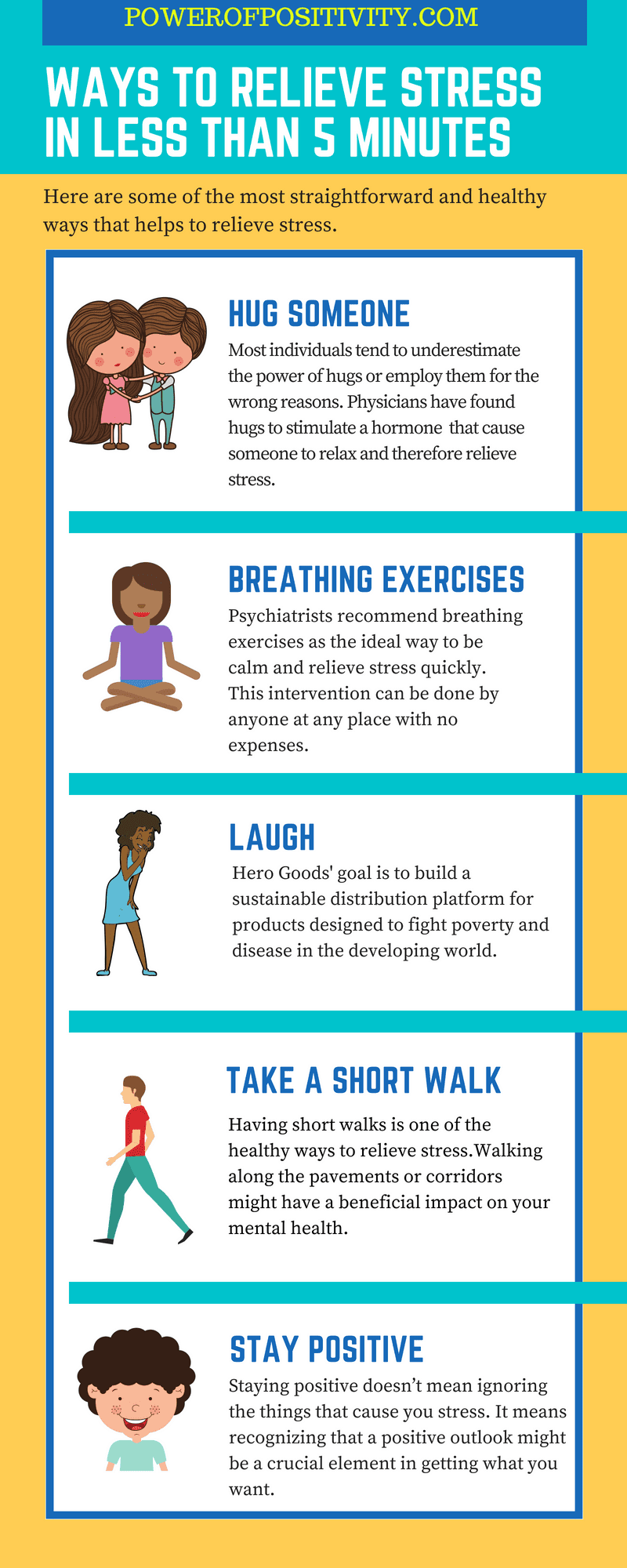
Ways to relieve stress

Share this Image On Your Site

10 Signs You Are Not Shy, You Are Actually An Introvert

People who are described as an introvert often get a bad rap in a world where extroversion is highly prized. After further study, though, you will find it easy to understand the considerable value an introvert brings to the table. Living life focused inward, the typical introvert knows what they want. As such, they do not need much from the outside world to be happy.

Introverted people aren’t necessarily shy. Being shy and being introverted belong in two different categories in many cases. Thse folks don’t avoid people due to fear or anxiety. They simply feel more comfortable relating to others one-on-one or in a small group.

Below are 10 signs that you are an introvert.

Do these characteristics describe you?

1. Being in a large group of people drains your energy.

An introvert needs time alone to recharge. While introverts are capable of spending time at parties (and may even seem like the life of the party on occasion), they can’t keep it up for long. They need to retreat to a quiet place or they may start to zone out. Large groups of people overwhelm introverts, causing them to become agitated or tired. They can also be bothered by too much noise and light, which saps their energy. An introvert often feels all alone even in a large crowd. Additionally, they may find networking activities stressful.

2. People tell you that you’re “too intense.”

If this is your personality type, small talk is off the table. You enjoy philosophical conversations and thought-provoking subjects. You will jump right into serious debates without thinking twice about it. An introvert appreciates lively and deep reflection about books and movies. These cerebral behaviors indicate you are an introvert. What some may call intensity is more likely wisdom. If you have been called an “old soul,” you are most likely an introvert.

3. You dislike small talk.

If you are aggravated by small talk, you are merely manifesting a classic sign of introvert nature. You probably avoid chit-chat whenever possible. Not only does it makes you anxious, but it also seems phony and insincere.

4. You easily get distracted.

Noisy environments with too much stimulation will distract introverts. They often seek out quiet spots to refuel after time in a crowd or chaotic environment. Contrary to extroverts (who are easily bored), the ongoing, inner monologue keeps the mind active. While they may appear quiet on the outside, they are actively thinking at all times. If you are an introvert, you may find this active inner life exhausting and distracting at times.

5. An introvert seeks peaceful and beautiful environments.

Since these folks are negatively impacted by noise, light, and crowds, they seek out places that are peaceful. Places they can relax and think. If you are an introvert, you choose your environment based on its ability to calm you. Stimulating, loud, and chaotic places make any introvert anxious and uncomfortable.

6. You are prudent and thoughtful before making decisions.

Introverted people want all the facts before they make a decision. Instead of acting with impulsiveness, they like to mull things over before making up their mind about important matters. If you are an introvert, you avoid risks. You proceed with caution. First, you evaluate the information at hand. As a result, you never rush decisions. In addition, you think before you speak, and carefully choose your words in a deliberate manner. Your friends probably think of you as cautious.

7. An introvert likes to watch others to learn new tasks.

While extroverts often jump right in (with both feet) to learn something, figuring things out through trial and error, their introverted counterparts prefer to watch others and learn. Additionally, they would rather practice on their own to perfect their skills before trying them out.

8. As an introvert, you live in your head.

You have a non-stop inner monologue that is lively and interesting to you. That is part of the reason you find it so easy to be alone. As a person with a full inner life, you don’t really need a lot of outside stimulation to be happy. You think everything over and tend to be very analytical. You feel the most alive when focusing intently on subject matter that deeply interests you.

introvertsFinal Thoughts

People often view the terms “introvert” and “shy” as complementary terms. Contrary to what people think, they can be mutually exclusive. People might think it is easy to recognize these characteristics. (The shy one in the corner, right? Wrong.) In fact, they often appear to be outgoing to others.

An introvert may seem hard to get to know since they won’t always make an effort to reach out to new people voluntarily. While their inherent nature may seem a bit standoffish, they make loyal and good friends. Most have a few close friends. They rarely seek out and maintain a lot of friendships.

https://www.youtube.com/watch?v=dFDvNfQm2kc

REFERENCES:
HTTPS://WWW.HUFFINGTONPOST.COM/ENTRY/INTROVERT-SIGNS-AM-I-INTROVERTED_US_5A2AE103E4B073789F6982F4

HTTP://WWW.ABAJOURNAL.COM/MAGAZINE/ARTICLE/15_SIGNS_YOU_MAY_BE_AN_INTROVERT

Skip to content