Weekly tips, affirmations, and small actions to feel your best.

5 Causes of Varicose Veins (And How to Avoid Them)

Varicose veins, or “spider veins,” affect millions of people over fifty years old globally, However, women are more prone to this condition than men. The causes of varicose veins, as well as the treatments, vary with every person. You can sometimes prevent them once you understand the causes of varicose veins.

Here Are Five Causes of Varicose Veins, And How To Avoid Them

“Varicose veins that can be seen on the surface are stopping you from getting a more serious leg ulcer. Much more serious are hidden varicose veins, which means doctors often miss the signs of leg ulcers.” – Professor Mark Whiteley

1. It comes naturally with aging.

varicose veinsVaricose veins are, unfortunately, a natural part of aging. As you get older, the veins in your body become weaker, less elastic, and stretched. Weakened veins may also lead to the pooling of blood that causes the veins to expand, thus the term “varicose” or swelling.

Researchers note that depleted blood oxygen levels are one of many reasons why people have this condition.

Varicose veins impact the flow of blood that nourishes your heart and the rest of the organs. When the veins turn noticeably blue, it means that deoxygenated blood, or oxygen-poor blood, is flowing back to your heart. This is an indication of poor circulation that raises your risks for other health problems.

While you can’t do anything about preventing aging, you can still slow down the formation of varicose veins through good exercises and a diet of food rich in fiber. You must also increase your intake of anti-inflammatory foods and avoid dishes and snacks with a high salt content.

2. Your work demands long seating or standing hours.

The lack of physical movement might cause varicose veins to form, according to the National Heart, Lung, and Blood Institute. If you have a sedentary lifestyle and don’t make any effort to exercise and become physically active, you’ll likely have varicose veins.

Your aging veins also absorb the pressure whenever you’re sitting or standing for long periods of time. To prevent this from worsening, you need to do your best to move and stretch your legs regularly. Get up and walk from your desk every few hours if your work demands that you have to be seated for the whole day. And if you have to stand for a long time, make sure to take breaks by sitting down.

Switch to flat shoes after work so you do not strain your calf muscles excessively. Wearing a pair of high-heeled shoes shifts your weight with every step so it becomes harder for blood to flow through your veins, according to the Journal of Vascular Surgery.

Avoid crossing your legs as you sit, since this also puts pressure on your veins. Do some feet exercises and flex your muscles even when you’re at a board meeting. No one will notice anyway since you’re doing the movements under the desk.

crossing your legs

3. You’re overweight or obese.

People who are overweight or obese develop varicose veins because the extra pounds are putting more pressure on the veins as well. It’s the same reason why pregnant women are also prone to varicose veins. The best thing you can do for your health is to lose some weight. However, the varicose veins won’t go away so quickly even if you’ve managed to drop a few pounds.

In some cases, it might look as though your varicose veins have worsened after significant weight loss. But this shouldn’t discourage you from aiming to drop even more pounds. It’s possible that the veins were revealed when the layers of fat from your body disappeared. In other words, they were there before but you just couldn’t see the veins well because the fat concealed the problem.

Remember, even skinny people develop this condition due to a lot of factors. It’s still better and healthier to manage your weight and then deal with the varicose veins in the process.

Note: Pregnancy weight gain can also cause varicose veins

A 2016 research paper notes that pregnancy can also contribute to this condition. They said this:

“There is a significant and strong association between a history of pregnancy and varicose veins.”

They to on to mention that pregnancy-related leg veins may be more likely if the woman has other risk factors, in addition to pregnancy.

4. Your gene pool is one of the causes of varicose veins.

Did your parents or grandparents have varicose veins in their old age? If so, then you’re prone to have the same condition. Researchers note in a 2019 article that varicose veins can be attributed to genetics. But the fact that it’s hereditary makes people less concerned about addressing the condition. When left untreated, varicose veins may progress to complications like:

  • Deep vein thrombosis (DVT) or life-threatening blood clots
  • Venous leg ulcer or the breakdown of the skin
  • Spontaneous bleeding or blood loss
  • Hyperpigmentation or skin discoloration
  • Lipodermatosclerosis or the hardening and stiffness of the legs

5. You have light skin but you’re always out in the sun.

Don’t confuse spider veins and varicose veins! Sun exposure can cause spider veins, which are also unsightly but less dangerous than varicose veins.

The West Florida Vein Center warns that sunshine exposure can cause thin, bluish-looking veins around your cheek and nose area if you have light skin. Harmful ultraviolet rays from the sun may damage the collagen that supports the walls of the veins. That is what causes someone to get the red and blue spider veins on your face.

To get rid of this problem, make a habit of applying sunscreen to lessen the formation of these blood vessels on your face. If possible, limit exposure to the sun, or wear protection like sunglasses, caps, or scarves when you have to go out.
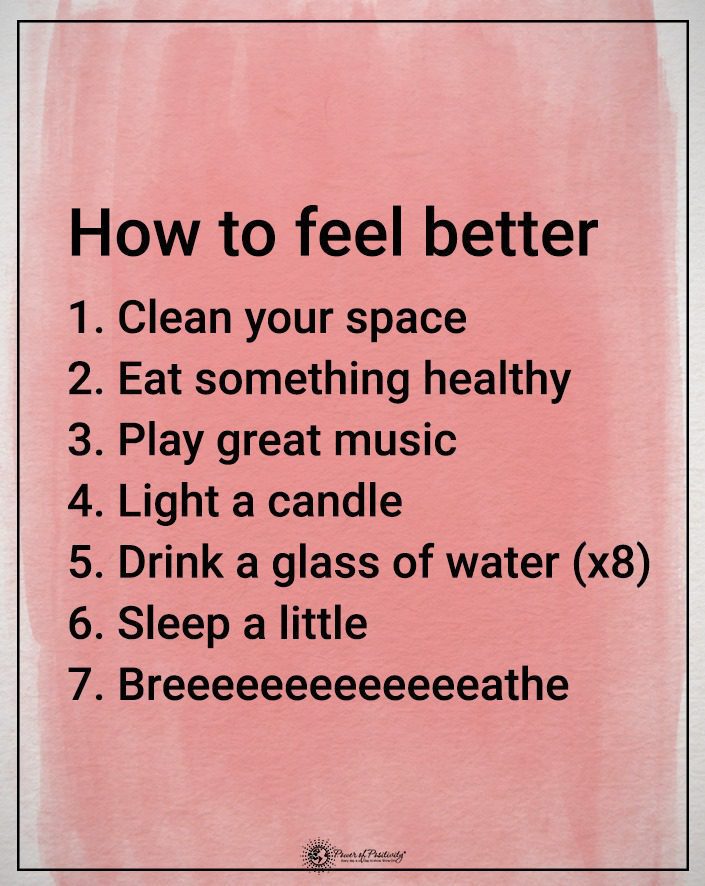
feel betterFinal Thoughts on the Causes of Varicose Veins

Getting positive results from reducing varicose veins includes following natural remedies like exercise, a healthy diet, and practicing positive thinking. However, if you’re experiencing discomforts like fullness around the legs, cramps, pain, or skin discoloration. Besides that, be sure to visit a doctor as soon as possible to get a proper diagnosis.

Science Explains 9 Deficiencies That Make ADHD Worse

What you eat to nourish your body has a direct impact in your brain. If you or someone you love suffer from attention deficit hypersensitivity disorder (ADHD), managing this condition through a good and balanced diet can do wonders. Some nutrient deficiencies may make the symptoms of ADHD worse. Here are some vitamins and minerals that you must always keep in check if you are dealing with ADHD.

Here Are 9 Deficiencies That Make ADHD Worse

“Because body and brain are connected, you can improve or eliminate the symptoms of autism and ADHD by giving special attention to the food and nutrition children receive.” – Julie Matthews

1. Zinc

Zinc is important for bone health, wound healing, and the immune system. It also aids in the proper function of the neurotransmitters in the brain, especially the hormones that are responsible for triggering a calm and happy mood. A deficiency in this mineral has been tied to impulsivity and hyperactivity that’s characteristic of people with ADHD. A study published in the journal BMC Psychiatry showed that ADHD patients who had zinc supplements for six weeks (55mg per day) presented improved mood, positive thinking, and better disposition. They also had fewer episodes of nausea and vomiting. Experts said that zinc helped in increasing their dopamine levels, so taking supplements has been one of the most viable treatments for managing ADHD.

2. Magnesium

The body needs magnesium for muscle and nerve function, as well as blood pressure and blood glucose regulation. For someone with ADHD, magnesium helps with better sleep and relief from sore muscles, headache, and anxiety. Evidence suggests that frequent irritability and aggression in someone with ADHD can be tied to magnesium deficiency. Unfortunately, eating processed food can diminish the amount of magnesium present in the body, while some maintenance medications also have the same effect. If you are taking meds, ask your doctor about this side effect and change your treatment if it will help.

3. Iron

Iron is critical for cognitive development and a lack of this mineral can lead to lowered attention span, behavioral and emotional problems, as well as cognitive impairment, as per a study in the journal Neuropsychiatric Disease and Treatment. In some cases, people with ADHD also complain about a leg discomfort, called Restless Leg Syndrome, which interferes with their activities. For women with ADHD, a lack of iron might also affect their menstrual cycle. To help manage this, take iron supplements and ensure a daily diet filled with dark green leafy vegetables, tofu, beans, and lentils to increase iron content in your system.

4. Complex carbohydrates

Some ADHD patients shun foods that are rich in carbohydrates because it makes their blood sugar levels rise faster. So, they become more hyperactive and lose the ability to concentrate and focus. But the body greatly needs carbohydrates for energy, brain power, and protection from diseases. Ideally, you should not deprive yourself of carbohydrates even if you have ADHD.

It’s simple carbohydrates (raw sugar, high fructose, fruit juices) that people with ADHD need to avoid because these are the foods that cause hyperactivity. Instead, gain carbohydrates from eating beans, peas, and whole grains, which turn into complex carbohydrates.

5. Vitamin D

Hormones in the brain need vitamin D to function. It is also essential for the cardiovascular and immune system, as well as bone development. A lack of vitamin D has been linked to many mental health problems among children and adolescents, as per a study in the European Child & Adolescent Psychiatry. A separate study in the Pediatrics International journal also showed that people diagnosed with ADHD have lower vitamin D concentrations in their system.

Vitamin D can be naturally sourced from the sun and foods like tuna, salmon, soy milk, liver, cheese, and eggs. A person with ADHD should boost his diet with vitamin-D rich foods and participate in outdoor activities more often. This way, the symptoms can be mitigated, especially if his body doesn’t respond well to supplements and treatments.

6. Vitamin B (B3, B6, and B12)

A person with ADHD who is deficient in vitamin B might be easily fatigued. He may also exhibit irritability, distraction, confusion, and short-term memory loss. He might crave for high-carb foods as vitamin B also aids in metabolism. The vitamin B family works in synergy to keep the brain healthy. When it’s daily intake is sufficient, a person with the condition may feel more pleasant, positive, relaxed and mild-tempered.

7. Vitamin C

Vitamin C works as the body’s natural barrier against allergies, bacteria, and infection. It also balances the chemicals the brain processes from different minerals. Like zinc, vitamin C modulates the dopamine levels in the brain that drives a person’s motivation, attention, positive thoughts, and emotions. It helps with iron absorption as well, which ADHD patients need for managing their behavior. However, vitamin C must be taken at least an hour before drinking medication since it can interfere with its effects.

8. Omega-3 fatty acids

Omega-3 fatty acids best benefit the heart but plenty of research also say it helps people with ADHD sharpen their cognitive skills and concentration. It is recommended that adults with this disorder have daily fish oil supplements of up to 5,000 milligrams, while children with this disorder need half the dosage.

adhd

9. Protein

Protein provides the building blocks the brain needs for its healthy function. It can prevent blood sugar levels from surging, which causes hyperactivity. Experts suggest to always include protein in your breakfast to help the brain stay more alert but focused.  Lean meats from beef or pork, chicken, fish, eggs, soy, and low-fat dairy are some of the most accessible sources of protein.

Final thoughts

Taking a stock on diet is the most sensible approach to helping people with ADHD. But aside from making sure that you get adequate amounts of these essential nutrients, you should also avoid foods with additives, preservatives, artificial colors and flavors.

25 Questions That Prove If Your Partner Truly Knows You

While you may not ever truly know every single thing about your partner, you can always learn something new about them if you just ask the right questions! On the flip side, your partner may not know certain things about you, either, so getting them to ask you the following questions could help make the relationship seem new and exciting all over again. Let’s face it, if we’re not careful, relationships can grow stale and boring once the honeymoon phase is over.

So to help spice things up, we’ve come up with a list of questions that both of you can ask each other!

Here are 25 questions that prove if your partner truly knows you:

1. What’s my favorite season? 

This might seem like a generic question, but it’s one you should definitely ask to see if your partner has been paying attention. This usually comes up when a couple is getting to know each other, so if you’ve been with your partner for a while, cut them some slack if they don’t get it right the first time. Generally, this falls under the “basic questions” category, and some people tend to forget small details. However, if your partner gets it right, extra brownie points for them!

2. What’s my favorite restaurant? 

Pretty much everyone loves food, and it’s a common thing to bond over. After a couple months, your partner should know what your favorite grub is and where you like to get it. Enough said!

3. Where’s my favorite place to relax?

Whether it’s a park, your bedroom, or on a rooftop somewhere, your partner should know where you like to chill out. Chances are, they probably like to wind down with you in the same place, so they should definitely know the answer to this question.

4. Where do I like to go on vacation?

Maybe they haven’t been on a vacay with you yet, but you’ve probably mentioned where you like to vacation. If you have the means and the time, surprise your partner with a trip there if they get the question right; it’ll make for a fun way to bond and relax together.

5. Where would I move to if I could?

This is another one of those questions that your partner probably should know the answer to. After all, most people would move if given the chance, so it’s usually a common topic of conversation among couples.

6. What’s my favorite car?

Maybe it’s the one you own or it’s just a dream car at the moment, but either way, most people have a favorite set of wheels. This is one of those light, fun questions you can ask your partner to see if they really know you!

7. What is one thing I would change about my life if I could?

Let’s face it; most of us like to play the “what if” game from time to time. Most people would want to change at least one thing about their lives, whether it’s having more money, more time, less stress, etc. If your partner knows this answer, they are definitely a keeper.

8. What’s my favorite TV show/movie?

If your partner doesn’t get this answer right, do they really know you at all? We’re not trying to be harsh here, but honestly, it’s a pretty easy question for the most part!

9. What’s a language that I’d like to learn?

When the topic of travel comes up, you will probably discuss languages that each of you wants to learn at some point. If you end up planning a trip to a country that speaks the language you want to learn, take the opportunity to enroll in classes together if you get a chance.

10. What country do I want to visit more than anywhere else?

Questions about travel always come up in a relationship, so your partner should definitely know your travel dreams by now.

11. What comforts me more than anything?

This is very useful information in a relationship, because your partner will know how to help you when you get depressed, scared, or just feel down. If they know this about you, they’ve definitely been paying attention.

12. What helps me cheer up when I’m sad?

This might be similar to the answer above, or it could be totally different; it just depends on you as an individual. Knowing the answer to this question can help your partner comfort you and put a smile back on your face when you have a bad day.

13. What is my favorite type of nature?

Whether it’s lakes, mountains, beaches, rivers, forests, or deserts, your partner should know this important fact about your personality.

14. What’s my favorite book(s)?

Questions about “favorites” help two people get to know one another, so this should’ve come up at some point in the relationship. If your partner knows your favorite book, he or she might be inclined to read it so you can discuss it together.

15. What are my favorite foods?

Your partner should know what makes your tummy and taste buds happy, and if they do, they’ve probably taken you on many dates to indulge in your favorite cuisine. Or, maybe they like to be the chef and cook homemade meals for you (if this is the case, you’re one lucky guy/gal!)

16. What’s my favorite dessert?

This goes right along with your favorite food (even though dessert is a food, but you get the idea!)

17. What helps me relax?

As crazy as this world is, everyone does something that helps them decompress and recharge. Maybe you like yoga or meditation, or maybe going on hikes helps you de-stress. No matter what it is, your partner will know this fact about you if they truly care.

18. What are some of my hobbies?

What you like to do in your spare time is an important aspect of you and shouldn’t be forgotten by your partner.

19. What’s my favorite holiday?

Besides your birthday, of course. Knowing your favorite holiday can help your partner bond with you and immerse themselves in the spirit of the holiday with you. Whether it’s Halloween, Christmas, or some other special day, there are endless activities to do together to celebrate.

20. What are my favorite pets?

This is another question your partner should know the answer to right off the bat. You might even own one of your favorite pets, which would make this question even easier to answer!

21. What are my strengths and weaknesses? 

While part of this question might be hard for your partner to answer, it proves if they truly know you or not. Keep in mind that you should only ask this question if you’re fully prepared for the answer.

22. Who inspires me?

Most people have someone they look up to, whether it’s a family member or a superhero in their favorite movie. Knowing who inspires you helps your partner know an important part of your character.

grow old together

23. What’s my favorite childhood memory? 

Most people have a few memories from the good old days that they like to replay from time to time. If your partner and you have discussed your past in any detail, then they will be able to answer this question with no trouble.

24. What are some of my goals?

Partners should know each others’ motivations and dreams, because that makes up such a big part of what drives you in this life. It shows what path you want to take, which is important to know about someone in a relationship.

25. Where do I see myself in the future? 

This answer may change throughout your life, but you’ve probably shared a little bit about your future desires with your partner. They should know things like where you want to live, what career you see yourself in, and if you want kids or not.

Final thoughts

This is not an exhaustive list of questions by any means, but it makes for a fun, lighthearted way to see if your partner really knows you, and if you know your partner. Their answers might actually surprise you, because people do change throughout their lives, and it helps you to stay connected to your partner. Asking your partner these questions every so often can keep things exciting and help you stay in the loop as your partner evolves and grows.

https://youtu.be/Q9es9gvnkU0

(C)Power of Positivity, LLC. All rights reserved

7 Habits That Help Your Mind Relax At Night

There are few things more frustrating than being unable to fall asleep at night, especially when you know you have to get up early the next day. After what feels like forever that you’ve spent tossing and turning, any small amount of sleep you do get won’t be sufficient to energize you for the next day. The problem is, sometimes you just can’t get your brain to relax at night.

If you don’t get enough of that precious shut-eye, however, you’ll feel the effects all day long. Your focus will be wobbly, you’ll feel fatigued, and you won’t be at your sharpest. Worse still, all attempts at positive thinking might crash and burn. The good news is that the reason behind your inability to catch those zzz’s might lie in your bedtime habits. By adjusting these routines in order to encourage calmness, serenity, and drowsiness, you’ll be able to beat down that minor insomnia. Here are some habits that help your mind relax at night.

Here Are 7 Habits That Help Your Mind Relax At Night

“Calm mind brings inner strength and self-confidence, so that’s very important for good health.” – Dalai Lama

Steer clear of electronic devices.

Light – blue light, especially – can have severe effects on the body’s production of the sleep hormone, melatonin. It can prevent sufficient amounts of this hormone from being produced and can actually greatly reduce the quality of your sleep.

Even if you use a blue light filter for your devices, you’re still exposing yourself to lights that restrict melatonin production. Not to mention, you’re looking at a variety of different sounds, videos, and images on those devices (including your TV) that could be stimulating your brain and preventing you from winding down. Your best bet is to put the devices down an hour or two before bed. If you really must do something, listen to soothing music or read a not-too-exciting book.

2. Set up a good bedroom environment.

If your bedroom isn’t cozy, chances are you’ll find it difficult to get comfortable enough to relax at night. You don’t realize it, but everything from noise levels and temperature to the arrangement of your furniture and external lighting can affect your ability to fall asleep. What is more, they can even cause long-term problems in health overall.

Do your best to minimize external noise and lights in your room at night, keep your sleeping space clean and neat, and make sure the temperature is comfortable for you. You should also, if possible, ensure that your mattress and bedding are all to your liking.

3. Keep a journal or diary.

For many people, worries and thoughts can be the reason they wind up staying up, unable to relax at night as their brains whirl with fleeting concerns. Getting this all out in a journal or diary can work wonders in giving you positive peace of mind. Open up a notebook and write out whatever is troubling you, and allow your worry to leave your mind and flood the page.

If you don’t feel like writing about your worries, consider getting your to-do list or schedule in order for the following day. It might seem like a stressful experience, but knowing that you have all your ducks in a row can help your mind calm down and allow for a restful sleep. You can also turn this into an exercise in gratitude by writing about what good things happened during the day. It’s up to you!

4. Take a calming bath or shower.

Hopping into a hot shower or steeping in a warm bath can help loosen tension in the body. For many, it provides a mild form of therapy to the body, and it can melt a lot of stress away. It’s a great way to help the mind relax. Studies have found relaxing routines like this can really boost sleep quality and encourage faster sleep.

Studies have also found that taking a hot bath an hour and a half prior to bedtime will improve your deep sleep quality while allowing for quicker dozing off. If you can’t take a full bath, even just immersing your feet in a hot tub of water will suffice!

5. Watch what you eat and drink.

What you put into your body can change how easy it is for you to fall asleep and how relaxed your mind is. Eating too late at night can have a negative impact on both the production of melatonin and growth hormones, even if being full makes you feel sleepy. It can be bad for sleep quality, too, preventing your brain from fully going into a relaxed mode.

Your best option is to allow three hours between your last meal and your bedtime. Also, reduce your fluid intake about an hour before you hit the sack. This will help you be satisfied, but not too full or too hungry – and your mind will thank you!

6. Engage in visualization or meditation.

Every night, spend a little time before bed visualizing or meditating. The simplest way to do this is by lying on your back in bed, eyes shut, focusing on the movements of your tummy as you inhale and exhale. When you feel relaxed enough, start visualizing – with the use of all your senses – your favorite place or a calm and serene environment. For example, if you think of a river in the forest, you will visualize the sound of the river running, the smell of the trees, the feel of the running water, and so on.

Doing something like this helps your brain relax at night and prepare for sleep. It also helps activate the part of your subconscious brain that is creative and innovative. Who knows, you might just dream up some new ideas!

sleep meditation - relax at night

7. Stretch

Stretching isn’t just good for the body – it’s great for the mind. Apart from loosening up your joints and muscles, you also release stress and tension when you stretch, which can be great for the brain when you need to sleep. Letting all this stress remain in the body can have bad consequences for mental health, and it definitely isn’t good for your sleeping schedule.

Do note that this should be mild stretching only – exercising too close to bedtime can actually make it harder to fall asleep! Stick to calm, relaxed poses and low-impact stretches.

Final thoughts

No one wants to lie awake in bed, staring at the ceiling and unable to fall asleep no matter how hard they try. By adding these habits into your daily routine, you might just find that this problem becomes a thing of the past. Having a relaxed mind leads to a relaxed body, and in turn, this will help you drift off to sleep as soon as your head hits your pillow!

https://www.youtube.com/watch?v=lFdcCXmGpy4

10 Behaviors of A Mature Person

Many assume maturity comes with age, but that is far from the case. Contrary to that popular belief, maturity isn’t all about getting older. It’s about the way one behaves, carry themselves, and interact with the world around them. If you’re someone who strives to be an individual of maturity, then we just might be able to help. Here is a list of some behaviors of a mature person.

Here Are 10 Behaviors Of A Mature Person

“One of the blessings of maturity is that it sometimes brings one greater courage to be truthful, regardless of what those who do not understand, may think or say.” – Napoleon Hill

1. Mature people display strength

Being strong is one of the key markers of any mature individual. They keep their heads held high and bravely work through their problems by logically seeking solutions. They don’t back down from a challenge and know how to stand up for themselves and others.

This doesn’t mean that a mature person doesn’t go through trials or have moments where they aren’t their best. It means they get back up again and never give up, knowing that these hardships, too, will pass. They never demand sympathy from those around them and instead take pride in paving their own way through life.

2. Patience

Mature individuals are aware that they rarely receive instant results. They understand that good things take time. As such, they are happy to wait patiently to receive positive outcomes from their efforts. They are also willing to take their time to perfect something rather than rush to the finish line as fast as they can.

This means that a mature person is patient with others. They understand that everyone has their own lives, thoughts, and feelings and therefore will not always act the way they expect. As such, mature individuals forgive of those around them, within reason.

3. Mature people show gratitude

Gratitude is one of a mature person’s most beautiful and humbling traits. Instead of being angry at the world for what they lack, someone with maturity is always thankful for the blessings and good things in life, whether big or small.

Someone mature can see the best things in their life and remember them when the going gets tough. They are grateful that they have a better life than many others and do what they can to help those less fortunate.

4. Tolerance and an open mind

Someone who is mature does not have mental walls that prevent them from seeing the world through the eyes of those with different experiences. They have a degree of liberalism that allows them to be tolerant of others.

This doesn’t necessarily mean a mature person always agrees with everyone else’s thoughts or beliefs. It just means they can respect differences in opinion. They know that it is not their place to judge others and thus they keep an open mind. This results in respectful and intellectual discussions or peaceful side-by-side living.

5. Compassion and care towards others

One of the most important parts of being mature is not being self-centered. Mature people care about the experiences of those around them and are compassionate towards others. They seek to help humanity or better the lives of others in whatever way they are able.

A mature individual is not troubled by the necessity to put others before themselves. They understand that the world does not and should not revolve around them. Instead, they treasure moments when they can help other people and do not harbor resentment for it.

6. Mature people have balanced optimism

A mature person practices positive thinking in a realistic way. They can stay optimistic and positive without floating off the ground. While they know things do not always go according to plan and good things cannot constantly happen in life, they keep their minds positive and see the possibilities that the future holds. These mature people refuse to be pessimistic and negative, for this is a quick track to sadness and despair. They do not have the time to waste on feeding negativity.

7. Honesty

Someone who is mature does not see the need for lies or deceit. Instead, they believe that being sincere and honest is always the best bet. Additionally, they find it pointless to hide the truth from those around them. These mature individuals are therefore honest about who they are. They are comfortable in their own skin and don’t feel the need to mask their true identities or personalities. They enjoy being genuine, open people, and know that those in their lives who truly matter will like it when they are themselves.

8. Humility

You cannot be mature without being humble. Someone with these traits will not be interested in groveling for attention or praise when they do excellent work. The knowledge that they have done a good job is more than enough for them.

This doesn’t mean these people are not proud of themselves! They appreciate their hard work and are confident in their abilities, but they know that they are not above those around them. They do their best in everyday life because they are intrinsically motivated to do so.

9. Self-awareness and accountability

Someone who is mature is always aware of the effects of their actions. They know that everything has a positive or negative consequence and realize that their actions are no exception. They view themselves unbiasedly and see how others might perceive their behavior or actions.

This also means that a mature person can hold themselves accountable when they make mistakes that affect those around them. They are ready to take responsibility and own up for errors and do what they can to make it right.

10. A strong desire to learn and improve

Although mature individuals practice all these behaviors, they also know they have much left to learn in life. They realize that their wisdom and knowledge is limited and that they don’t know the answers to everything in the world. Thus, they are eager to learn new things daily and seek to expand their horizons regularly. They are also happy to take pointers from those with more knowledge and enjoy gathering new information and wisdom from those around them.

mature people

Final Thoughts on the Traits of a Mature Person

Maturity is a trait many desire, but few know how to earn. By studying these common behaviors of mature individuals, you can incorporate them into your everyday life and become that mature, graceful, and good person you have always wanted to be!

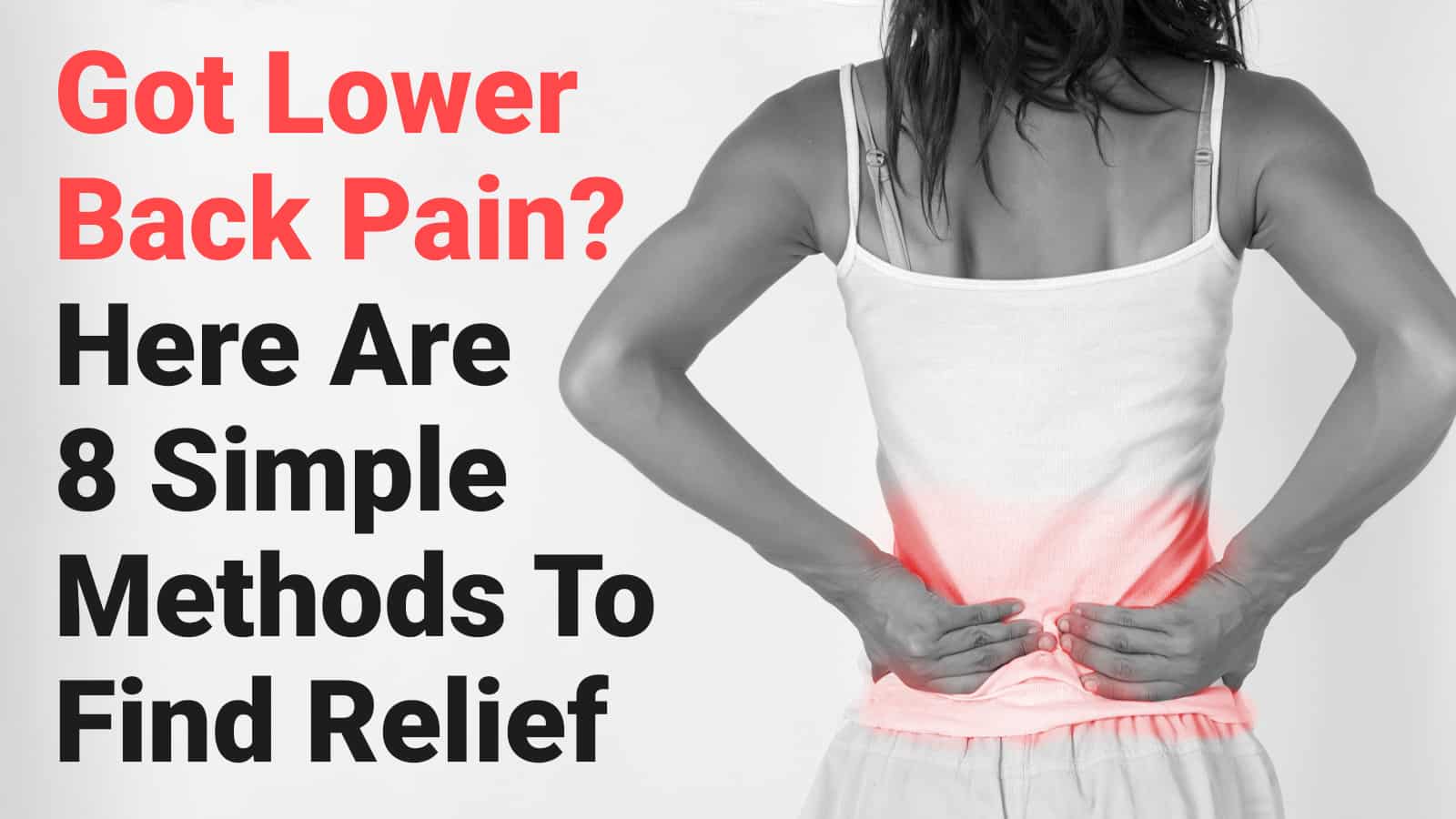
Got Lower Back Pain? Here Are 8 Simple Methods To Find Relief

Lower back pain is the absolute worst. The throbbing pain can be dull enough just to let you know that it is there and will continue to annoy you. Or, it can be sharp, intense pains that will have you not being able to walk for an uncertain amount of time.

There are a lot of individuals that suffer from back pain on a daily basis. When trying to treat this condition, there is not a one-size-fits-all cure. There are several different tricks that you will probably have to use in order to help heal your lower back pain.

Back Pain Treatment Options

Here are eight of the easiest methods around to try to relieve your lower back pain.

lower back pain

1. Cold compresses and Heating Pads

As soon as you feel the lower back pain beginning, it is important to grab a cold compress immediately and begin icing the area. Most people will actually grab a heating pad instead but this is a mistake. The cold compress will begin to stimulate a numbing effect and this will prevent the muscles in your lower back to swell any further. After about two days of using a cold compress, then you can begin to switch over to a heating pad. The warm heat from the pad will soothe the aching muscles. This will increase the amount of blood flow to your back and your body will begin the healing process to relieve your hurting muscles. This type of treatment will only last about the first week after your back injury before your body becomes accustomed to it.

2. Building Your Core

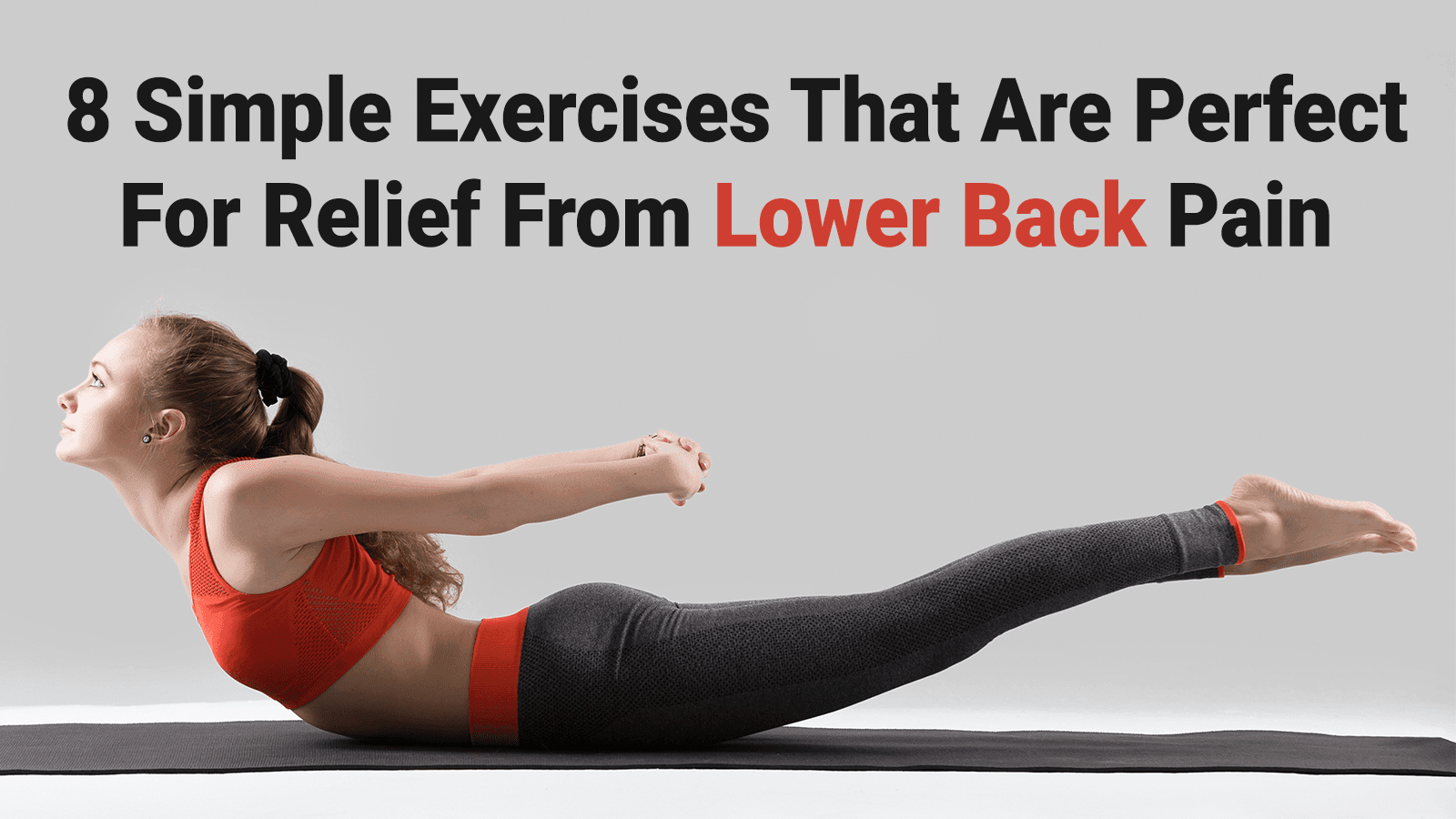
Obviously, exercising is great for your body at any given time, but it’s especially great when your back is acting up. Building the core muscles in your stomach will take the pressure off of your lower back by helping those muscles get the stretching that they so desperately need. Aerobic activity, flexibility exercises, and strength training are usually the three recommendations that doctors will prescribe for patients that are having trouble with their lower backs.

3. Chiropractors

Going to the chiropractor can do wonders for your lower back. A chiropractor is skillfully trained to help align your spine and back and will help figure out how to heal the back pain for you. The chiropractor may recommend an alignment or spinal manipulation, which is a treatment where he or she will apply direct pressure to your lower back and ease the pain by placing your body in the correct spinal alignment.

4. Acupuncture

Acupuncture is another really great choice for different types of therapies for your back pain. This treatment is when a train acupuncture therapist will place hair-thin sterilized needles into different place of your body. All of the areas that the therapist places the needles are there for a specific purpose. When the therapist does this, the body will release blocked energy that has been causing the aching and annoying pressure that you have been burdened with.

5. Limit the Amount of Time in Bed

When your lower back is giving you pain fits, the best thing for you to do is to get up and keep moving. Research has shown that it is better to keep your body going and your back muscles pushing through the pain rather than make a person lay down and rest. Most doctors before this was found out would have told their patients to rest and not to overwork their backs. If you keep moving, your muscles will not tense up and make you feel stiff and achy. If you’re in pain bad enough to where you cannot sit or stand, then lay down in your bed and rest for a while, but try to limit your time down to a small amount of time for only one or two days maximum.

6. Topical Analgesic Balms

This type of home remedy is readily available at your local pharmacy. Topical Analgesic Balms are used to numb the nerve endings in the skin to help ease the feeling of the back pain. Although this is probably one of the easier treatments, there are several things that you must be careful about or there could be a potential for side effects. For example, once you have applied the balm, you must wash your hands afterward. Not washing your hands can cause you to accidentally touch your body parts with the balm still on you hand. This can cause irritation to your eyes, nose, mouth or genitals if any of the balm gets onto either of those areas. There is also a risk if heat is involved, as it can increase the side effects. The balm should not be applied before an event that increases body temperature. This is only recommended to be used for a week as well.

lower back pain

7. A New Mattress

It very well could be your bed that is causing your back pain. There are several people who are probably sleeping on the wrong type of mattress for their body type. It may be beneficial for you to go to a mattress store and have the staff there let you lay on a couple of different choices and see which mattress feels the best for your back. This could help alleviate your back pain plus get you a better night’s sleep!

8. Over the Counter Medicines

Lastly, there are pain relievers that you can certainly take over the counter to help heal lower back pain. Such examples like Tylenol, Advil, and Aleve are really great choices to help stop your back pain for a certain amount of time. This is a really great treatment choice for someone who is busy or has to work often who cannot afford to miss anything. Just take these medicines as directed on the bottles and your back pain will subside so you can work and finish any project you need.

Lower back pain is something that no one wants to deal with. There are several other ways to help back pain as well, however, these eight that are listed are usually the most successful and accurate. The process to heal lower back pain may be a long road for you especially since there is not a one-size-fits-all treatment option. But if you are aggressive and adamant about figuring out the right treatment option for you, you can figure out what option works best for you!

https://www.youtube.com/watch?time_continue=1&v=yG-G9_LOkLA

Scientists Explain How More Sleep Helps You Lose Weight Faster

Many people around the world want to lose weight, and they try a wide variety of methods to achieve that goal. If this is your mission, too, it might be why you’ve clicked on this article. But before you start an over-the-top exercise regimen or begin a potentially damaging crash diet, there’s one thing you might be neglecting that could make all the difference: your sleep habits.

Believe it or not, if you’re lacking in sleep, you’re preventing yourself from reaching your ideal weight more quickly! We want to share with you how scientists explain the ways that sleeping more can help you lose weight faster.

“Not getting enough sleep is one of the strongest individual risk factors for weight gain and obesity.” – Unknown

Here Are 5 Ways That Sleeping More Helps You Lose Weight Faster

1. It helps you maintain a balanced appetite.

A lot of research that shows how getting too little sleep negatively affects your appetite for the rest of the day. It does not decrease your need to eat. Instead, deprivation of precious sleep can boost your appetite to a too-high extreme as your body scrambles for more energy to keep it running efficiently.

Sleep actually has quite a big effect on two of the most important hormones that control hunger: leptin and ghrelin. Leptin, released by fat cells, tells the brain when the body is full, thus preventing hunger to some degree. Meanwhile, ghrelin, produced by the stomach, tells you that you’re hungry.

When you lack sleep, the body actively produces less leptin and increases ghrelin production, so you feel hungrier and more frequently want to eat. Sleeping for shorter lengths of time can increase your ghrelin levels by approximately 14.9% while decreasing leptin levels 15.5%.

2. It gives you increased energy.

It goes without saying that lacking sleep causes you to feel more tired and fatigued during the day. This can decrease exercise motivation and prevent you from carrying out your regimens. Or it might simply reduce your overall performance at the gym, leading to less progress on the whole. Quite a number of studies have unearthed that getting sufficient sleep can greatly improve your athletic prowess, leading to more weight loss when you work out. You’ll also enjoy better reaction times, faster reflexes, and improved accuracy if you play sports.

On top of that, additional energy can help you be more physically active throughout the day, even in minute ways you barely notice. But even these seemingly tiny amounts of additional movement can add up in the long run, leading to greater ability to lose weight. Studies have found that sleeping too little will decrease the intensity with which you perform any physical activity, even everyday tasks.

3. It improves metabolism.

Everyone has what is called a resting metabolic rate, otherwise known as an RMR. In laymen’s terms, this is the number of calories that your body naturally burns off when you are fully resting and doing nothing. RMR is affected by a large number of factors, including sex, age, muscle mass, height, and weight. Well, getting too little sleep has been proven to decrease RMR by some degree.

Some studies have found that RMRs can drop by 5% with inadequate sleep, which doesn’t seem like much until you consider the fact that this is accompanied by a whopping 20% drop in metabolic rate after meals. Poor sleep has also been linked to the loss of muscle mass. Since muscles can help you burn more calories, this is another way sleeping too little can negatively impact one’s metabolism.

That said, some research refutes the idea that RMRs can drop without enough sleep, so further studies might be necessary before we can make solid conclusions. Still, there is enough proof to suggest that it might not be worth the risk.

4. It provides a healthier insulin response.

You have probably heard of the vital hormone insulin many times. It is, essentially, the component that transports sugar around the body, taking sugar from the bloodstream and carrying it into cells to be converted into energy.

When you fail to get enough sleep, you may develop a resistance to insulin. When the cells – and therefore the body – become insulin resistant, sugar does not get absorbed properly. This leads to more insulin production as the body attempts to make compensation for the situation. This will then cause the body to store up calories, converting it into fat, which in turn makes you feel hungrier more often.

Insulin resistance can be dangerous and may lead to significant weight gain or diabetes type 2. Since studies have shown that cells can build up an insulin resistance of 40% more when you don’t get enough sleep, there’s plenty of reason to make sure you have sufficient shut-eye. It can prevent you from storing more fat in the long run, thus helping you lose weight.

5. It reduces unhealthy cravings.

The amount of sleep you get can completely change the way your brain functions as a whole. Logically, this might cause healthy choices to seem more and more unappealing, leading you to take the less nutritional route. But this isn’t just a guess – it’s backed by science.

lose weight

cartoon man thinking about junk food

When you don’t get enough sleep, the brain’s frontal lobe experiences a dulling in activity. This part of the brain is responsible for carrying out self-control and making better decisions. This means it can completely change the way you’re able to stick to a diet.

The brain’s reward centers also are better positively stimulated when you eat food you enjoy if you’ve barely had any sleep. What’s the worst part? The foods that light up these reward centers when you’re fatigued are likely to involve high-calorie, high-carb foods. The foods you should be avoiding.

Studies have revealed what a deadly combination this is – lack of sleep can cause you to eat 22% more calories and completely double your fat intake. So, sleep well and avoid this unnecessary consumption!

Final thoughts

Good sleeping habits can benefit you in so many ways. They can help your overall productivity and make you sharper and more focused. Additionally, these habits can give you extra energy for the day and help you keep your mind zoned in on positive thinking. The fact that science has proven that sleeping better can help you lose weight faster is just the icing on the already very generous cake – so why not enjoy all these benefits at once?

https://www.youtube.com/watch?v=yG-G9_LOkLA

5 Real Life Examples of People Who Get Relief from Medical Marijuana for Parkinson’s

What is Parkinson’s Disease?

Before we discuss the issue of medical marijuana for Parkinson’s, let’s first describe Parkinson’s disease. Parkinson’s disease (PD) is a progressive neurodegenerative disorder that causes the eventual loss of motor control. PD is considered a “dopaminergic” disease, as it affects areas of the brain that produce the brain chemical dopamine.

The primary symptoms of PD are:

  • balance and gait difficulties
  • bradykinesia (slow voluntary movements)
  • limb rigidity and stiffness
  • tremor and shaking of the hands and head

Researchers are unsure as to the cause(s) of PD, and there is no known cure. The primary goal of current treatment is to reduce physiological side effects, particularly tremors and limb rigidity.

Medical Marijuana: A Changing Landscape

In 1996, California was the first U.S. state to legalize cannabis for medical purposes. Fast-forward 22 years and the recreational use of marijuana is not only legal in California, but also in Alaska, Colorado, Maine, Massachusetts, Rhode Island, Vermont, Washington, and Nevada. The medical use of marijuana is legal in 31 states, the District of Columbia, Guam, and Puerto Rico.

Marijuana will be completely legal in Canada on October 17th, 2018. (Canada will be one of two countries to legalize marijuana fully, Uruguay being the other.)

The abundance of research demonstrating the effectiveness of cannabis for medical reasons is at least partially responsible for its proliferation. The public’s dismay about the danger (and ineffectiveness) of many prescription drugs is another reason.

To date, medical marijuana is legal in the U.S. states of: Alaska, Arizona, Arkansas, California, Colorado, Delaware, Florida, Hawaii, Illinois, Maine, Maryland, Massachusetts, Michigan, Minnesota, Montana, Nevada, New Hampshire, New Jersey, New Mexico, New York, North Dakota, Ohio, Oregon, Pennsylvania, Rhode Island,  Texas (ONLY for epilepsy), Vermont, Washington D.C., and West Virginia. This means that if you or someone you know in any of these states has Parkinson’s (except for Texas), it is legal to use medical marijuana for Parkinson’s.

Cannabis’ Effects on the Brain

Fascinatingly, it has been discovered that human beings possess a biochemical communication system, the endocannabinoid system, affecting our physiology, psychology, and subjective experience. The endocannabinoid system (ECS) is a set of receptors in the brain that exhibit pharmacological properties when exposed to cannabis.

It turns out that the basal ganglia region of the brain is dense with cannabinoid receptors. The basal ganglia region is responsible for mobility, which may help to explain why medical marijuana is very effective for reducing (and sometimes eliminating) tremor in some PD patients.

Next, we are going to discuss the effects of medical marijuana on Parkinson’s disease.


Medical Marijuana for Parkinson’s

“Some researchers think that cannabis might be neuroprotective – saving neurons from damage caused by PD.” – Parkinson’s Foundation (source)

Before we give the alleged benefits of medical marijuana on PD, it must be stated that some researchers remain unconvinced. It isn’t uncommon for a group of scientists to exhibit doubt about certain findings, particularly when the research is so recent (and so impactful) – as it is with medical marijuana for Parkinson’s Disease treatment.

That said, there are many anecdotal accounts of PD patients being helped by medical marijuana. Here are five people who testify to the fact, followed by the reasons for which each sought treatment (Note: “Rx” is shorthand for prescription medication):


  1. David Dennison – Rx ineffectiveness, difficulty sleeping

“I use the marijuana for a very specific (reason). It helps me sleep, (which then) carries on back into aiding me and my fight against Parkinson’s. A good night’s sleep is really important for (dealing with) Parkinson’s.” 

One of the notorious symptoms of PD is muscle spasms, which causes the sufferer to shake uncontrollably. Spasms are particularly troublesome at night. Of course, this makes the goal of getting a good night’s sleep very difficult.

Mr. Dennison tried numerous things to help him sleep, from alcohol to vigorous exercise, with poor results. How did medical marijuana fare? “I tried marijuana, and it worked almost flawlessly,” says Dennison.

https://www.youtube.com/watch?v=KyDrbOad_bA


  1. Larry Smith – Rx cost, tremor, dystonia

“The medications Larry takes for his Parkinson’s are thousands of dollars. Every time I refill a prescription it’s about three thousand … and the deep brain stimulation was about a quarter-million dollars.” – Wife of Larry Smith

Watching retired police captain Larry Smith try to go about his daily life alongside his spouse is eye-opening. The video gives a brief glimpse into just how hard it is – not only for the patient but for their loved ones.

Larry’s tremors are so severe that he’s barely about to utter a word throughout the three-part video series; that is until he swabs his cheek with a couple of drops of cannabis oil. After five minutes, Larry is sitting up and talking, tremor-free.

After briefly rejoicing about the return of his voice, Larry asks, “Did you guys eat lunch?”

Do yourself a favor and watch the remarkable transformation yourself!

  1. Ian Frizell – Rx complications, tremor, speech, dystonia

“I can not tolerate the prescription medications for Parkinson’s Disease. They make me feel extremely unwell.”

After medicating with 30 milligrams of marijuana, Mr. Frizell reappears on camera. He demonstrates the relief of tremor in his hands, which is all but gone. “The sense of relief is overwhelming,” says Frizell.

He goes on to add that the medical marijuana for Parkinson’s has helped with “one or two other symptoms,” including dystonia, which caused his right foot to curl inwards uncomfortably, and with ease of speech.


  1. David Esparza – Rx complications, tremor

“I was telling the neurologist that I really didn’t want to take medicine. She told me about trying marijuana.”

Mr. Esparza is yet another Parkinson’s patient whose tremors subside with marijuana use. The coach of a baseball team, Esparza adamantly refuses to take PD drugs because of their effects on cognition and decision-making. Another drug, prescribed to Esparza for his tremors, causes hallucination. Medical cannabis helps Esparza deal with nausea associated with these drugs, as well.

  1. Gary Griffin – insomnia, tremors

“Once I started taking CBD oil (“cannabidiol”), I never had a sleepless night because I couldn’t control my motor movement.”

The last person on our list, Gary Griffin, is a staunch conservative who once called marijuana the “Devil’s weed.” That is until he was diagnosed with Parkinson’s – and would not respond to traditional treatment. His neurologist recommended CBD oil to help with his tremor and insomnia.

“I’m not a stone, but I am an advocate,” Griffin says. He now harvests his own CBD – a venture made possible due to the state of Colorado’s legalization of cannabis.

alzheimers

Research Reveals: Alzheimers Can Be Cured With Marijuana


Last Thoughts

“Anything that makes a person feel better about themselves and their condition give it to them, damn it.” – David Esparza

The United States is making great progress concerning the legalization of medical marijuana. Unfortunately, the use of marijuana for Parkinson’s – or for any medical condition – remains illegal at the Federal level. This fact alone drives many away – likely because of a fear of breaking the law.

Proper education of the public is critical. The fact is that medical marijuana has shown tremendous promise for a variety of medical conditions. Compared with the myriad side effects of prescription drugs, marijuana is also relatively safe.

As medical research continues to demonstrate the promise of medical marijuana for Parkinson’s disease – and other health conditions – it is very possible, should sane minds prevail, that we will see the full legalization of cannabis for medical purposes within the next few years.

https://www.youtube.com/watch?v=cHeI3Y_CfMo

Researchers Reveal What Too Much Fat Does to Your Brain

The stigma remains. Despite all of the evidence to the contrary, people still believe that weight loss (and gain) is all about willpower and “smart” choices. While these two psychological elements undoubtedly come into play, they are not nearly as influential as most people think. Numerous genetic and environmental factors and medical disorders are just as much – if not more – a factor as nutritional smarts and a good workout routine. Additionally, science has made exciting discoveries about the role of fat in one’s diet.

But first, let us discuss leptin.

“Researchers have uncovered a destructive mechanism at the molecular level that causes a well-known phenomenon associated with obesity: leptin resistance.” – University of California, San Diego

What is leptin?

“Scientists first discovered leptin in 1994.  (While) initially, researchers believed the discovery could be used to create powerful weight loss supplements, this has never happened.” – Jillian Levy, CHHC

fat

For the sake of not turning this article into a research paper, suffice it to say that leptin is a hormone that helps to regulate appetite and hunger. Leptin, a.k.a. the “starvation hormone,” is manufactured in the fat cells, circulates through the blood, and is delivered to the brain.

Of course, as with any hormone, leptin has a few other responsibilities. Dr. Robert Lustig, a professor of medicine at the University of California San Diego, explains:

“…when leptin levels are a certain threshold…the brain senses that you have energy sufficiency, which means that you can burn energy at a normal rate, eat food at a normal amount, engage in exercise at a normal rate, and you can engage in expensive processes, like puberty and pregnancy.”

Dr. Ludwig also notes, importantly, that leptin level thresholds are “probably genetically set.” In other words, your ancestors directly affect the ease with which you both store and burn fat – and gain and lose weight. Additionally, per Dr. Ludwig, the leptin threshold also determines your exercise tolerance.

As we’ll discuss next, some scientists hypothesize that this signaling mechanism in the obese doesn’t work as it does in the non-obese. Studies demonstrate that this irregularity can lead to overeating and malfunctioning metabolic processes.

In short: your predetermined leptin threshold will either assist or resist your efforts to lose weight. Let’s talk about the effect of high-fat diets on leptin function.

High-Fat Diets and Leptin

“We opened up a new field of study for metabolic disease. We need to ask what other pathways, in addition to leptin and its receptors, that undergo a (destructive) process and what the consequences might be.” – Rafi Mazor, Ph.D.

It wasn’t until very recently that medical researchers began to understand the brain mechanism directly affecting leptin uptake in the brain. An international research team led by Rafi Mazor, a bioengineer and professor at the University of California, San Diego, found that a high-fat diet alters the chemistry of an enzyme called “MMP-2.” The modification of this enzyme led to the “clipping” of brain cells so that the neurons were unable to register that satiation (“feeling of fullness”) was achieved.

As a result of Mazor’s and his team’s breakthrough study, the researchers received support for a large-scale clinical trial. This proposed research aims to see whether MM-2 inhibitors (“blockers”) can help the obese lose weight.

Final Thoughts on Fat Consumption

Firstly, it is crucial to understand that leptin resistance research is still in its infancy. (Heck, we discovered the hormone a mere 24 years ago!) As such, experts are somewhat tight-lipped when it comes to making prescriptive recommendations. We can, however, glean some critical insights from the research already conducted.

Eat a balanced diet: Nearly everyone agrees that what we put into our mouths is the most critical element to good health. As such, make sure to eat a balanced diet consisting of fruits and vegetables and lean protein.

Exercise and limit dietary fat: Individuals who both exercise regularly and limited dietary fat showed reduced blood leptin levels. Body mass index reduced as well.

fat

Keep tabs on fiber intake: Fiber might be the most underappreciated nutrient there is. Much more attention seems to be given to fat and carbohydrate content than anything. Fiber, however, particularly soluble fiber, makes us feel full (so we don’t eat too much fat or carbs!). The Dietary Recommended Allowance (RDA) of dietary fiber is as follows:

Children

  • 1–3 years    19 grams
  • 4–8 years    25 grams

Men

  • 9–13 years:  31 grams
  • 14–50 years: 38 grams
  • 51–70 years: 30 grams
  • > 70 years: 30 grams

Women

  • 9–18 years:  26 grams
  • 19–50 years: 25 grams
  • 51–70 years: 21 grams
  • > 70 years: 21 grams
  • Pregnant Women: 28 grams
  • Lactating Women: 29 grams

Skip to content