Weekly tips, affirmations, and small actions to feel your best.

21 High Protein Foods For Weight Loss

High protein foods are an important macro-nutrient that helps our bodies recovery from strenuous activities such as running or lifting weights as well as from normal everyday wear and tear. Without protein, our bodies would not be able to function properly.

When most people think of high protein foods, they typically think of meat. For a vegan trying to lead a healthy lifestyle, while losing a bit of weight, this doesn’t help much. What many are unaware of though is that there are plenty of non-animal-based high protein foods that are perfectly fit for a vegan diet!

Read on for a list of 21 great vegan high protein foods that aid in weight loss:

1. Seitan

Seitan is one of the most popular sources of protein amongst vegan and vegetarian dieters, and with good reason!

Commonly marketed as a meat alternative, Seitan is made from wheat gluten. One 3.5 ounce serving can provide you with 25 grams of protein, making it the richest plant-based protein source!

Aside from Seitan’s high protein content, it is also a great source of selenium while also containing a good amount of calcium, iron, and phosphorus!
vegan protein

2. Lentils

Lentils are one of the healthiest foods you can eat, whether you’re a vegan or an avid meat eater! Coming in at 18 grams of protein per cup cooked, lentils and an amazing source of vegan protein!

Lentils are incredibly versatile and lend themselves well to a range of dishes, from soups to salads, stews and curries!

Lentils are also a great source of fiber which is vital for satiety and gut health and contain the vitamins folate, iron, and manganese in substantial amounts!

3. Tofu

Tofu is a good product produced by the fermentation of soybeans. This soy product is one of the few complete proteins available to those following a vegan diet and so should be a regular feature of yours! A complete protein is a food that provides your body with all of the amino acids deemed essential for health.

Tofu by itself has a mild flavor and is easily able to absorb the flavors of other ingredients it is used with. This makes it incredibly versatile!

4. Chickpeas

One cup of cooked chickpeas packs a whopping 15 grams of protein! Like other beans and legumes, chickpeas are high in fiber as well which makes them a great addition to anyone’s diet!

Besides chickpeas’ high protein and fiber content, they’re also an amazing source of iron, phosphorus, folate,
potassium, manganese, amongst many other beneficial nutrients!

Several studies have been done that indicate a diet rich in beans or legumes can help control blood sugar levels, lower your blood pressure, and decrease cholesterol!

5. Spelt and Teff

Spelt and teff belong to a category of food commonly referred to as ancient grains. Both spelt and teff pack a whopping 11 grams of protein per cooked cup, making them a great source of protein for the vegan looking to lose a bit of weight!

Fiber, complex carbs, iron, magnesium, manganese, and phosphorus are all found in high amounts in both spelt and teff, making them a very nutrient dense and healthy protein rich food choice

6. Nutritional Yeast

Nutritional yeast is sold in either powder or flake form and is made from a deactivated strain of Saccharomyces cerevisiae yeast. It is commonly used as a cheese substitute and can be enjoyed in dishes such as mashed potatoes or can be sprinkled on top of pasta in place of cheese.

Nutritional Yeast is another complete protein source and per one ounce serving it contains 14 grams of protein plus 7 grams of fiber! You can find fortified versions of nutritional yeast that make it also a great source of magnesium, zinc, copper, manganese, and all the essential B vitamins!

7. Green Peas

A single serving of green peas contains more than 25% of the fiber you need in a day! Packing 9 grams of protein per cup cooked, peas are a nutritional powerhouse and a great addition to anyone’s diet!

Besides being a great source of fiber and protein, green peas contain Vitamins A, C, K, folate, thiamine, and manganese in substantial amounts!

8. Hempseed

Hempseeds are the seeds of the Cannabis Sativa plant, known more commonly as marijuana! No need to worry about catching a buzz, hempseeds contain only minuscule amounts of THC, the active compound in Cannabis that produces its euphoric effects.

Hempseeds are another great complete source of vegan protein, containing 10 grams per one ounce serving. Hempseeds are also a great source of iron, magnesium, calcium, zinc, and selenium and also contain omega-3 and omega-6 fatty acids in the ideal ratio for human health!

9. Sprouted Grain Breads

Bread made from sprouted grains are typically much higher in protein and fiber, making them a great option for a vegan looking to drop a few pounds. It’s not uncommon to find wheat, barley, millet, spelt as well as lentils and even soybeans in just a single loaf of sprouted grain bread!

A typical serving of sprouted grain bread can contain up to or more than 8 grams of protein, which is significantly more than what’s commonly found in bread.

10. Spirulina

Spirulina is a blue-green colored algae that is packed with nutrients and protein. Two tablespoons contain 8 grams of complete protein as well as many other nutrients; Iron, thiamin, copper, magnesium, riboflavin, manganese, and potassium are all found in substantial quantities!

Spirulina also contains Phycocyanin, a powerful anti-inflammatory with antioxidant and anti-cancer properties!

11. Soy Milk

One cup of soy milk contains 7 grams of protein, making it a great vegan alternative to cow’s milk! Soy milk is commonly fortified with other vitamins and essential nutrients such as vitamins D, B12, and calcium!

If you’re trying to lose weight, avoid the sweetened varieties and opt for an unsweetened version. Unsweetened soy milk is much lower in calories and makes it easier to fit it into your diet!

12. Oatmeal

Oatmeal is one of the healthiest complex carbohydrate sources available but did you know that it also contains 6 grams of protein and 4 grams of fiber per half cup serving? Moreover, oatmeal is a great addition to a vegan diet; it’s packed with essential nutrients and provides long-lasting satiety.

Vitamins found in abundance in oatmeal include zinc, magnesium, phosphorus, and folate.

13. Chia Seeds

Chia seeds hail from Mexico and Guatemala and are sourced from the Salvia hispanica plant. Containing an astounding 13 grams of fiber and 6 grams of protein per 1.25 ounce serving, chia seeds are hard to pass up when filling out a vegan diet!

They’re very mild in taste and so go well with almost everything! Containing iron, calcium, magnesium, selenium, and omega-3 fatty acids, chia seeds really are a superfood!

14. Wild Rice

Compared to other long-grain rice types, wild rice contains over 1.5 times the protein, including both brown and basmati rice! One prepared up of wild rice contains a healthy amount of fiber as well as magnesium, manganese, copper, phosphorus, and B vitamins. With 7 grams of protein provide per cup, wild rice is an excellent option for anyone’s diet

Like brown rice, wild rice is not stripped of the bran which contains the majority of the vitamins, minerals, and fiber found in rice. This makes it an easy choice over white rice among carbohydrate and protein rich foods.

15. Black Beans

Black beans are considered one of the healthiest beans and legumes, and is one of the greatest sources of antioxidants among them!

Less starchy than other beans, their dark color lends them to a much richer antioxidant content! Per half cup, black beans contain 8 grams of protein, making them the ideal choice for the vegan on a diet!

16. Quinoa

1 cup of Quinoa contains 8 grams of protein as well as magnesium, fiber, and antioxidants in good amounts! Technically a seed, but used similarly to other grains such as oats and wheat, quinoa is a great gluten-free, vegan, protein rich foods choice!
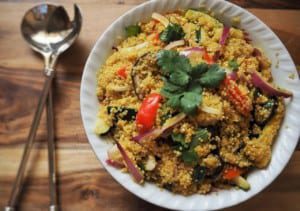
high protein foods

17. Artichokes

When one thinks high protein foods, artichokes usually doesn’t cross one’s mind. A half-cup serving of artichoke hearts contains 4 grams of protein, which for a vegetable makes it a great choice for protein rich foods while on a vegan diet!

Regularly eating artichokes offers you a great opportunity to boost your fiber and protein intake while enjoying a lower calorie food that is still filling!

18. Amaranth

Similar to quinoa or teff, Amaranth is lumped into the ancient grain category and offers numerous nutritional benefits. 1 prepared cup of amaranth packs 7 grams of protein, making for an excellent protein source for the vegan looking to drop a few pounds.

Amaranth is also a great source of B vitamins as well as magnesium and iron, making it nutrient dense!

19. Pumpkin Seeds

Pumpkin seeds don’t usually make it on the vegan’s radar but should not be overlooked! In just a quarter cup, pumpkin seeds pack a whopping 8 grams of protein!

An excellent source of iron and magnesium, pumpkin seeds are a great, portable, vegan snack that is hard to pass up!

20. Tempeh

Tempeh, similar to seitan or tofu, is derived from the soybean. It is fermented which makes it high in probiotics and easier to digest than many other protein rich foods.

Per 1 cup serving, tempeh contains 12 grams of protein! Tempeh is low in calories and is one of the best sources of vegan proteins available.

21. Spinach

Spinach is a very low calorie leafy green vegetable that makes a great addition to the vegan diet. Per cup, spinach contains 5 grams of protein as well as many other essential nutrients, which makes for an excellent option to anyone’s diet!

Wrapping Things Up

When people think about the vegan diet, they don’t typically associate it with high protein foods. This does not have to be the case though!

With so many great tasting, healthy vegan options for high protein foods, there really is no excuse for anyone to be deficient in protein!

How To Practice Mindful Breastfeeding + Health Benefits

Newborns signify a new dawn on earth. Their mothers are always the proudest people on such days. Sooner or later, with the onset of life, nursing comes into play. It is then a mother realizes that she just signed up for an exhaustive job that has no clear working hours. Breastfeeding.

The baby could wake up in the middle of the night wanting to be fed, and the mother has to do her job definitely. Breastfeeding benefits are therefore turned into boring excuses.

However, a few mothers have realized the secret and changed this extremely exhaustive chore into mindful nursing where they meditate and infuse peace within their core centers during the latter. Mindfulness has numerous applications such as in childbirth, parenting, and nursing.

For those who’ve tried various mindful breastfeeding tips, there has been a significant improvement in their health, and general lives let alone having a stronger bond with their children.

How to practice mindful breastfeeding

Mindful nursing involves tuning your body to the different senses it has to produce inner peace and also relax to be able to do things like nursing easily without the pressure of what will happen in the next few moments or what you failed in as a mother. It tunes your attention to the moment at hand alone and eliminates worry and thoughts about the future and past.

This, therefore, means that to have the best nursing sessions, you must be in touch with your body.

Here are a few mindful breastfeeding tips you may want to consider:

1. Create a peaceful environment

A noisy environment is distractive and draws your attention away from the general mindfulness process. If you stay in an urban environment, finding a calm atmosphere might help you achieve a successful mindful nursing session that would have otherwise been impossible.

A peaceful environment reduces the strain on your body senses like hearing and eye movement which makes them easy to control and tune for mindfulness. It is, therefore, necessary one finds a good environment and sit in it for a while during nursing.

2. Practice relaxation breath

An excellent example of mindfulness is performing controlled breathing with intervals for several separate times in a day for week or months. Breathing exercises slow down your heart making it easy for you to think clearly.

This also calms the sea of thoughts that are swirling in your mind making it easier to focus on nursing alone. Besides, these exercises teach you in the discipline of concentration where you have to concentrate your whole body and mind to your breathing pattern.

Here is a simple strategy for mindfulness through breathing;

Achieve a natural upright and comfortable nursing position and posture. It would help to avoid sitting with your back curved.

Determine the rhythm of your breath and make a mental note of the pattern.

Without changing your breathing intervals, try as much as possible to focus your whole mind on the ongoing breathing process. Whenever your thoughts move away from the breathing, force them back immediately and hold them for as long as you can.

The time spent on focusing your mind on breath has no limit. You can do this all day and have reasonable results.

Since for most mothers finding time to practice the latter is hard, the best time to do this would definitely be during nursing as only the breast is under use and the baby is mostly quietly feeding on the milk.

The mother is mainly always just seated thinking of other things which may make nursing a catastrophe! All the baby needs is the milk.

3. Using mantras while nursing

Chanting mantras has for a long time been known as a way of self-hypnosis or as a way to convince other people of absolute truths. You can speak various mantras to your baby or to yourself during nursing to make it possible to be mindful.

A good example is saying, ‘I am filled with inner peace.’
Repeating these mantras while focusing your mind on them is a vital mindfulness habit.

4. Using podcasts

There are numerous podcasts available free of charge or even excellent ones that can assist you to practice mindfulness during nursing. These podcasts are a great way to train your mind to focus on the tasks.

5. Making yourself aware of your baby’s environment

Our brains recognize and adapt to situations based on their knowledge and past experiences. This is called neuroplasticity. Creating awareness for your mind by being kind and compassionate to the nursing child enables the brain to adapt positivity and add control to your meditation.

Use the baby’s actions and movements such as sucking and breathing paces to bring your mind back whenever it wanders.

6. Avoid covering the baby during nursing

Covering your baby during nursing can prevent us from having the first-hand view of the experience going on and also make it difficult to connect to the baby through her actions.

Many mindfulness coaches have listed nursing your child openly as one of the best breastfeeding tips and also one of the best practices for successful mindfulness.

7. Relaxation apps

Relaxation apps have a wide range of meditation formulas and mindfulness tips that could help you become focused on nursing and center yourself. Some apps have breastfeeding tips meant for lactating mothers.

Practicing the above breastfeeding tips calms and centers you as a mother without having the need or the presence of an instructor and no effort is made physically.

Mindful nursing has huge benefits; not only on the mind but also on general body health.

Health benefits of Mindful breastfeeding

1. Mind benefits

Mindfulness is drawn from the word mind, which means that the brain is involved in mindfulness. Coupling nursing with mindfulness has numerous benefits on the mind and body let alone the satisfaction that rests on the mind.

Tracing back the sources of fear and anxiety becomes easier since concentration is present

This helps solve worries and concerns in mothers, contrary to traditional therapy methods, which took long to find out the source of such thoughts.

During nursing, a mother is more likely to be open to talk about her experiences, which helps them or the instructor uproot any negative thoughts in the mind that may be preventing full potential productivity.

A confidence boost is generated once anxiety causes are eliminated through mindful breastfeeding.

The notion of nursing as a bad chore is eliminated

Once mothers start seeing the process as an opportunity to get in touch with their inner selves and meditate, nursing no longer bears the name ‘exhausting and boring.’

It becomes a way to focus one’s energy to solve personal problems which give the mind peace, increasing productivity.

Mindful nursing is an excellent way to get rid of tension and stress which is responsible for causing diseases such as blood pressure and ulcers. Many causes of stress could be easily countered by practicing mindfulness during nursing.

2. Physical body

The body is more relaxed and relieved

This improves the body’s general health and makes the body less susceptible to diseases. This is because less energy is spent on worrying and more power is directed towards the immune system.

Growth is quick and assured as the body and mind is less overworked as a result of mindfulness.

Breathing exercises mentioned above help relieve insomnia known to cause various unwanted effects on the body.

Sex drive is improved since the body has more time to produce hormones associated with sex.

3. Baby

There is a bloom in the relationship between you and your baby that will last your entire lifetime. Nursing regularly strengthens the bond between a mother and her child. Thus you minimize the chance of problems arising from having a poor relationship with your child.

This betters the mothering experience.
The connection and emotions surrounding nursing influence the production of hormones that bring the mother and child closer to each other.

breastfeeding

Breastfeeding mindfully also helps in the development of the baby. This is because the milk flows naturally from the breasts. Thus,  you need no artificial enhancements to control the flow of the fluid.

This ensures the baby gets healthy milk directly for the mother. This is common in situations where nursing is a problem due to anxiety and fears.

Final thoughts on mindful breastfeeding

Nursing is one of the best experiences of motherhood besides seeing your kid grow into a responsible adult. It is meant to make the whole mothering process fun. It is, therefore, necessary to be keen to avoid turning it into a natural necessity.

Practicing mindful breastfeeding has been proven to be of many health benefits let alone the time and dime it saves you! It is wise to start slowly and graduate to complex mindfulness practices during nursing as the days progress.

The earlier you start, the better and keep in mind that nursing is for a short period. Also, remember that if a specific mindfulness practice worked for your friend, it does not necessarily mean that it will or will not work for you. Finding your pace and niche is therefore advisable.

If you cannot wholly practice mindfulness alone, it might be best to seek a partner or an instructor. Mindful nursing has numerous benefits, and we believe that with the tips mentioned above, nursing will become a whole new unexplored adventure.

10 Reasons You Need To Try The Mediterranean Diet (#4 Is The Most Effective)

The Mediterranean diet offers numerous health benefits that are good for the whole body. With a focus on fruits, vegetables, legumes, olive oil, whole grains, and nuts, the Mediterranean diet offers numerous health benefits. Benefits of this diet include a reduction in the risk of developing depression, cancer, cognitive decline, and heart disease!

A growing body of evidence shines a light on the many excellent health benefits of this diet. A marked reduction in blood sugar and apparent improvements in memory among practitioners are just a few highlights of this diet. Touted by many as one of the healthiest diets, with few dietary restrictions and a laundry list of benefits, this diet is easy to stick with!

Some essential guidelines of the Mediterranean diet are:

  • Consume a handful of nuts a day
  • Consume five or more servings of vegetables a day
  • Eat two or more servings of legumes a week
  • Consume healthy fats from sources such as fish, nuts, and olive oil
  • Consume protein from lean sources such as eggs and fish two to three times weekly

To give you a better idea of what the research says, we’ve broken down 10 of the significant Mediterranean diet health benefits you can enjoy:

1. Lowers Risk of Type 2 Diabetes

study compared the Mediterranean diet with other healthy diets such as vegetarian, low-carb, vegan, high-fiber, high protein, or low-glycemic diets and discovered that it resulted in more positive effects for those dealing with high blood sugar or diabetes.

The study attributes the reductions in blood sugar and cholesterol in diabetes to the diet’s focus on consuming healthier foods high in monounsaturated fats such as nuts, olive oil, some fish, and foods high in fiber such as vegetables and fruits.

By focusing on healthier unsaturated fats, followers of this diet benefit from improvements to their insulin response, in part likely due to a reduction in saturated and trans fat consumption.

mediterranean diet

2. Fights Off Cancer

Recent research showed that this diet’s practitioners benefited from a noticeably reduced rate of suffering cancer or mortality due to cancer.

More specifically, this diet has shown positive signs of preventing or reducing the chances of postmenopausal women developing breast cancer!

3. Encourages Healthy Weight Loss

Compared to other diets, this diet is not nearly as restrictive, which lends to it being much more accessible to stick with over the long run than other diets with more stringent food choices, resulting in a higher rate of weight loss success! Enjoying your favorite treats on occasion while remaining full throughout the day makes a healthy diet easy to stick with for the long haul!

It is best to stay with it for six months or more. However, you’d truly benefit most from planning to remain on the healthy eating streak for the rest of your life! This diet makes that possible!

Carbohydrates such as bread are okay and even encouraged in moderation while following this meal plan. Be mindful of portion sizes with these types of food, though, as they’re higher in calories per serving than other foods, and going overboard can trigger your weight loss to halt or even head in the other direction!

4. Helps to Maintain Healthy Heart Function

Where the traditional diet is most similar to that of Mediterranean nations, heart disease occurs at a much lower rate. This comes from the increased physical fitness, emphasis on family, and healthy food choices, all of which result in a healthy body and heart especially!

Due to the diet’s positive effects on “bad” cholesterol levels, a reduction in the death rate resulting from heart disease often occurs.

It is not just the food guidelines that promote improvement in heart health among followers of this diet. Indeed, it is also the suggestions on what to drink. Light consumption of red wine is typical with this diet. But the critical thing here is to keep it moderate. A general rule of thumb is not to consume more than fine ounces a day.

5. Assists The Body In Fighting Off Inflammation

Researchers observed the diet’s effect on the inflammation biomarkers in the body in those especially susceptible to inflammation. They noted a  reduction in these markers. The body is better able to keep inflammation in check, acting as a preventative means of fending off conditions commonly associated with chronic inflammation.

One of the main factors that cause inflammation, oxidative stress, is less likely to be experienced by the body when eating the antioxidant-rich foods promoted by this diet.

To further improve your body’s response to inflammation, increase your consumption of egg yolks and soybean, both high in choline, and spinach and beets, both vegetables that betaine is found in high quantities. Betaine and choline both offer noticeable effects against inflammation.

6. Offers Improvements To Cognitive Health

Improvements in cognitive abilities often happen for followers of this diet! Studies indicate that improved attention, memory capacity, and focus can all happen due to following the rough guidelines of this diet! Also improved is the brain’s ability to process language.

Those both young and old can benefit from the Mediterranean diet’s brain-boosting effects! Peak brain function is much easier to maintain while following this diet. Further, it can be held throughout all of the dieter’s life! As a result, improved performance at work, improvements to one’s quality of life, and an overall healthier mindset can be attained!

7. Reduces Parkinson’s Disease Risk

People whose diets closely mirror that of Mediterranean countries consume healthier, antioxidant-rich foods in high amounts, which results in a startling reduction in the risk of Parkinson’s disease developing, sometimes by as much as 50%!

By encouraging the consumption of fruits, vegetables, seafood, and healthy fats, all foods high in antioxidants, your cells are less likely to experience the harmful process of oxidative stress. Oxidative stress is something that you want to avoid. It underscores the development of degenerative diseases such as Parkinson’s disease, and can cause a lot of damage.

Researchers admit that more studies need to be completed to get a better picture of what effects nutrition has on neuroprotection and neurodegeneration. It is promising though, and the diet appears to offer many benefits to those with a genetic predisposition to the aforementioned conditions.

8. Reduces Alzheimer’s Disease Risk

Due to this diet’s ability to improve cholesterol, sugar levels, and the cardiovascular system as a whole, a significant reduction in the risk of dementia or Alzheimer’s development is likely.

Cognitive decline may be slowed or halted entirely if one follows these dietary guidelines, research has indicated.

Medical practitioners for years have encouraged their patients to adopt healthy eating habits that closely follow these dietary rules. Many believe is enhances the body’s ability to fight off cognitive conditions like dementia.

9. Offers An Improvement To Your Mood

People with ADHD, anxiety, and depression may all enjoy the improvement in cognition gained as a benefit of this diet.

The foods featured heavily in this diet all promote your body’s ability to regulate many different hormones. These include dopamine which is the chemical responsible for mood regulation, body movement, and the processing of thought. As a result of sticking within the guidelines of this diet, namely the consumption of healthier fats such as nuts and olive oil, and high-fiber foods, improvements to overall brain health and mood are likely!

mediterranean diet

Researchers are still on the fence about whether or not this diet could replace traditional treatments for these conditions. However, most view it as an excellent tool to be used alongside therapy and medication. Give it a try and you may find that you don’t need to medicate after all!

10. Improvements in Your Body’s Pain Management

Due to the magnesium-rich grains and higher fiber fruits and vegetables, this diet creates measurable effects on the body’s ability to manage pain. By way of providing relief from stress and a reduction in the body’s inflammation response, it’s likely that improvements in the body’s ability to deal with pain will be noticed!

The key nutrient responsible for the diet’s ability to positively affect pain management and offer pain relief is Magnesium. To gain this Mediterranean diet health benefits, include fish, legumes, nuts, spinach, chocolate, and whole grains prominently in your diet.

More and more research is coming out all the time that indicates the Mediterranean diet is a great choice for those looking to lose a little weight while maintaining peak health. Health and wellness is a hot topic these days. Of course, this diet is an easy choice for those looking for a simple diet to stick with for life!

With copious Mediterranean diet health benefits on offer, the Mediterranean diet offers you the chance to enjoy real improvements in your mood and health as a whole!

7 Things Good Listeners Do Differently

Most people believe they are good listeners. They think that they are listening in the proper way by sitting quietly while someone is talking, or by responding through body language and facial expressions, or by repeating what the other person told them word for word.

But a study from Wright State University involving 8,000 participants revealed that only 25 percent of people listen effectively. Apparently, good listeners do more than just sit quietly, elicit non-verbal reactions, or repeat what has been said accurately.  Here are some things that good listeners do differently than the rest.

Here Are 7 Things Good Listeners Do Differently

“Good listeners, like precious gems, are to be treasured.” – Walter Anderson

1.    Good listeners create a safe environment for the other person

Many professionals in the field of counseling and therapy utilize active listening skills to communicate with their patients in the best way. Active listening enables a good listener to pay attention to another person, show acceptance, and be emphatic to their situation.

It is very important to be focused as an active listener. But more than paying close attention, good listeners also try to create a safe environment for the other person who might want to unload their emotions. So, good listeners prefer to have conversations in a quiet area, without any distractions or interruptions like phones and other gadgets. They also make sure that they are seated comfortably next to the speaker.

Deep conversations can be heavy, complex, and quite difficult to reveal. They can evoke pain, irritation, and discomfort. But good listeners know they need to be comfortable with what may be uncomfortable. They also have to let the other person feel positive in that they can safely open up, drop down their guard, and freely talk about their feelings.

2.    Good listeners maintain eye contact

Eye contact is a vital part of communication. It conveys your interest in the conversation and establishes your connection to the person you are conversing with. But maintaining eye contact can be difficult and uncomfortable for some people. In fact, others may experience eye contact anxiety and avoid looking intently at someone during a conversation.

It’s also easy to make an embarrassing mistake when you are maintaining eye contact. You can either become distracted and immediately look away or stare too long at the other person and look like a stalker.

According to Michigan State University, it takes a lot of practice to learn how to maintain eye contact. Because at least 70 percent of your conversation will involve eye contact, rehearsing interactions in front of the mirror can be helpful.

To avoid any mistakes when making eye contact, you should:

  • Establish eye contact the moment you are in a conversation with someone.
  • Hold your gaze for four to five seconds, then take a glance to the side before re-establishing the eye contact.
  • Slowly look away from side-to-side without darting your eyes or immediately glancing at another focus.
  • Avoid looking down.
  • Look for other spots in the person’s face and refocus on this every few seconds.
  • Use head gestures to break your gaze, such as nodding, so that it will look more natural.

If you’re speaking to more than one person, you can still establish eye contact by looking at one person for a few seconds before shifting your gaze to another person. Make sure that you give equal focus to everyone in the group.

3.    Good listeners use body language well

Aside from eye contact, good listeners use positive body language to convey their interest in the other person’s issues. This technique makes them more receptive and approachable, and shows they are better communicators. Some examples of effective body language techniques that good listeners convey include:

  • Nodding their head to show they are responsive and engaged in the conversation.
  • Tilting their head to show curiosity and involvement in what the speaker is saying.
  • Leaning in when someone is talking to show interest.
  • Being aware of their hands, mouth, and facial expressions; they smile, raise eyebrows, or cringe their eyes when responding.
  • Mirroring the other person’s expressions or posture as a gesture of agreement and to build a rapport.
  • Uncrossing their cross their arms or legs when the other person is talking to convey openness.
  • Removing any barrier across them like a desk or a bag.
  • Resisting the urge to fidget; keeping their fingers and hands under control.

Showing the right body language helps keep the conversation calm, especially when you’re discussing a sensitive issue with a friend or a family member. It will help defuse a tense situation.

4.    Good listeners probe and ask the right questions

Asking questions allows good listeners to uncover additional information. It helps the person sharing something to be more elaborate and to explore their feelings. It seeks to provide clarity to what’s really going on and enable reflection that may greatly help the person dealing with an issue.

At the same time, good listeners know to avoid questions that may put the other person on the defensive. They don’t ask questions to pry or encroach and sow intrigues. Instead, they probe because they hope to help resolve the issue, provide a better understanding of what’s really going on, uncover reasons or evidence, analyze some assumptions, and look at a different perspective.

Some of the most effective questions to ask may be:

  • Why do you think he/she said that?
  • Could you give an example of [the issue]?
  • Can you think of reasons…?
  • Can someone confirm or support your view?
  • What do you think [the issue] implies?
  • How does [the issue] relate to those involved?
  • What effect would this issue have on those concerned?
  • How might he/she respond?
  • Do you think there are alternatives?

Good listeners know how much people like to talk about themselves. Asking questions shows interest and also creates a conversation that won’t feel so one-sided.

5.    Good listeners are not judgmental

The ability to listen actively and effectively takes practice but the ability to listen without judgment takes heart and character. The key to listening without judgment is empathy. It’s showing an understanding of what a friend is going through and then setting aside your own views and values to avoid becoming critical of his or her situation.

Every person has a bias and it’s this bias that may sometimes push you to have a closed mind on certain issues. In fact, we often tend to form an opinion even before a friend has finished confiding their problem.

But good listeners are different in that they don’t make assumptions or jump to conclusions when hearing someone out. They have an open mind and accept what they hear or learn, even if this goes against what they believe.

Good listeners have a great grasp of another person’s reality. They are keenly aware that while what they hear and learn might be tough to process, it is somebody else’s situation that requires some help and guidance.

For instance, your best friend admits to you that she is cheating on her partner. You value loyalty and faithfulness in a relationship so you greatly disagree with what she did. But as much as you’re against this, you patiently sit down and closely listen to her issues. It might be tough to hear but showing empathy may eventually help her find the right solutions to her relationship problems.

As a good listener, you validate whatever your friend is emotionally going through even if you think it’s a mistake. You don’t necessarily support what she’s doing but you support what she’s feeling and try as much as you can to understand and get to the bottom of those emotions.

6.    Good listeners reflect and restate what’s been said in a helpful manner

If you’re listening closely and giving your full attention to the person confiding in you, then you can repeat what they’ve said. But good listeners are different in that they can summarize the details without losing the main thought. They also reflect and restate the idea in a helpful manner.

  • Good listeners paraphrase what has been said in order to clarify what the other person really meant to say.
  • They just don’t parrot the thought to where they end up sounding phony and patronizing.
  • Instead, they give the other person – who could be confused because they are in the middle of the muddle – a better read of their situation.

Paraphrasing also gives the other person a chance to correct or clarify something that may be causing a misunderstanding. Oftentimes in conversations, what you usually hear is not really what the person meant to convey. For this reason, it will help to restate and reflect on those statements.

7.    Good listeners know when to give great advice

People like playing amateur psychiatrists especially if they have experienced similar situations and problems. While this might be helpful to a friend or a family member struggling in a situation, good listeners know to avoid giving unsolicited advice. They also hold off giving solutions to another person’s problems, especially when it’s not requested. They don’t lecture and dictate what their friend in trouble should do.

In most cases, people seek confidants because they need to rant or unload their feelings. They want to rehash the things that are bothering them because their minds are so bothered and boggled. They might not really need advice and solutions.

Some people may actually be offended if they tell someone their issues and then start getting advice, especially if it concerns relationships. But good listeners recognize that they can still be helpful without having the answers; they just need to have great listening skills.

listening

Final Thoughts On Things Good Listeners Do Differently

Every person is capable of listening but the ones who are really good at this are more mindful of their actions and reactions, especially the non-verbal ones. They are also careful not to escalate tensions or conflicts by remaining empathetic to the feelings and thoughts of the one talking. They can set aside their biases and keep their mind open so that the communication becomes more enlightening and valuable.

Good listeners are emotionally intelligent; developing this skill can take years of practice, learning, and interacting with different kinds of people. But their ability to focus while creating a bond with another person makes them different from other people. Research shows that good listeners actually make the best leaders as well.

https://www.youtube.com/watch?v=eKFkgY5qE_s

21 Inspirational Quotes That Will Change Your Life

Sometimes, it can feel like the world is against us and there’s nothing we can do about it, which is why we have inspirational quotes. We have more power than we realize. A few words of inspiration can make a profound difference in our lives.

By taking a moment to read some inspirational quotes, we can unlock the strength that’s been inside us all along. It’s all about knowing that just because things aren’t going great now, it doesn’t mean they can’t get better.

Each of these 21 inspirational quotes is special in its own way. By taking them to heart, you can take the darkness out of your most difficult days. Inspirational quotes about life can remind us of all the value that life has.

1. “Success means doing the best we can with what we have. Success is the doing, not the getting, in the trying, not the triumph. Success is a personal standard, reaching for the highest that is in us, becoming all that we can be.” – Zig Ziglar

If you want to be successful, you don’t need to be so obsessed with the results. Instead, you can pride yourself on the fact that you’re putting in an effort at all.

2. “People who succeed have momentum. The more they succeed, the more they want to succeed, and the more they find a way to succeed. Similarly, when someone is failing, the tendency is to get on a downward spiral that can even become a self-fulfilling prophecy.” – Tony Robbins

Getting down on yourself is only a solution if your goal is to not have any success whatsoever. You can inspire success in yourself by recognizing your achievements for what they are and going from there.

3. “A woman is a full circle. Within her is the ability to create, nurture, and transform.” — Diane Mariechild

One person can make a difference. Even if you think that you alone can’t change the world, without your presence, this world would be a very different place. The more you realize this, the more of an impact you can make.

4. “There is only one thing that makes a dream impossible to achieve: the fear of failure.” ? Paulo Coelho

Trying and not succeeding should never be considered failure. The only thing that should be considered failure is being so paralyzed by fear that you never take any action.

5. “Many of life’s failures are people who did not realize how close they were to success when they gave up.” – Thomas Edison

When on the verge of a breakthrough, too many people throw in the towel. Every step forward is a step closer to lasting success.

6. “Success is getting what you want. Happiness is wanting what you get.” – Ingrid Bergman

Take a look around and reflect on your life. You might realize that what you’ve been looking for has been in your clutches all along. You just needed to take a moment to appreciate it.

7. “Strength doesn’t come from what you can do. It comes from overcoming the things you once thought you couldn’t.” – Rikki Rogers

Inspirational quotes about life like this help remind us that getting past our limitations is a key to personal freedom. Being able to turn “I can’t” into “I can” is a feeling that should never be taken for granted.

8. “Stop chasing the money and start chasing the passion.” Tony Hsieh

When you’re doing what you love for a living, that’s more rewarding than any massive paycheck. Being financially stable is important, but what’s more important is knowing that what you do matters.
9. “Don’t let yesterday take up too much of today.” – Will Rogers

There’s a difference between reflecting and dwelling. When you reflect, you learn from the past so you can make your future better. When you dwell, you become preoccupied and obsessed with past mistakes to the detriment of your future.
10. “Everything you’ve ever wanted is on the other side of fear.” — George Addair

Dealing with fear isn’t about getting rid of it and then acting. It’s about having the fear and acting anyway. Fear wants you to get the best of you, but you can outsmart it through pushing ahead (1)
11. “Buckle up, and know that it’s going to be a tremendous amount of work, but embrace it.” – Tory Burch

The road to success is as gratifying as the success itself. Every day that you’re working towards a goal is a day worth cherishing.
12. “Today’s accomplishments were yesterday’s impossibilities.” – Robert H. Schuller

You’ve made so much progress in your life. Things that once seemed like they were insurmountable obstacles can now be done with ease. Remember this the next time you think something is impossible.

13. “The pessimist sees the difficulty in every opportunity. The optimist sees opportunity in every difficulty.” – Winston Churchill

When you encounter challenges, you need to learn to not feel like you’re being weighed down by them. Instead, you need to develop a strategy to work through them.

14. “You cannot afford to live in potential for the rest of your life; at some point, you have to unleash the potential and make your move.” – Eric Thomas

“Someday” is a promise that we never fulfill to ourselves. If you want to make a change, you need to start right now. Inspirational quotes like this show how much it matters to be living to your fullest potential.

15. “Avoiding danger is no safer in the long run than outright exposure. The fearful are caught as often as the bold.” — Helen Keller

If you think the key to safety is to avoid taking any risks, you’re in for a rude awakening. You need to put yourself out there and cherish the fact that you’re not just staying in your comfort zone. Inspirational quotes about life like this remind us that taking action opens all kinds of doors for us.
16. “For every minute you are angry you lose sixty seconds of happiness.” – Ralph Waldo Emerson

Negative emotions take us away from the positive emotions that are so key to making life worthwhile. When we feel happiness, we’re better equipped to handle any challenges that might come our way. (2)

17. “It’s not whether you get knocked down. It’s whether you get up.” – Vince Lombardi

Nobody is keeping track of your failures except for yourself. Inspirational quotes like this remind us that what matters is being able to take difficult situations in stride. Sure, you might have to find new strategies for your subsequent attempts, but that’s better than becoming complacent.

18. “Always be a first-rate version of yourself instead of a second-rate version of somebody else.” –Judy Garland

Trying to please everyone means that we lose sight of who we even are. Being yourself doesn’t mean you don’t have anything to work on. It just means that you know how best to present your strengths.

inspirational quotes

19. “The struggle you’re in today is developing the strength you need for tomorrow.” – Robert Tew

Whatever hurdle you’re working to overcome now, it’s nothing compared to the glory that awaits you. Every part of your journey is important, even the ones that give you trouble.

20. “You gain strength, courage, and confidence by every experience in which you really stop to look fear in the face. You are able to say to yourself, ‘I lived through this horror. I can take the next thing that comes along.” – Eleanor Roosevelt

Satisfaction in life doesn’t come from avoiding trouble completely. It comes from getting yourself out of bad situations through resilience and faith in yourself. No matter how tough things might seem, your own internal toughness is what matters.

21. Do you really want to look back on your life and see how wonderful it could have been had you not been afraid to live in?” — Caroline Myss

Life is short, and it becomes even shorter if it’s one that’s not actually lived. You need to live for the moment so that years from now, you can feel proud, not just about the decisions you made but the fact that you made decisions in the first place.

These inspirational quotes come from people of different backgrounds, time periods, and careers. However, what they have in common is that their speakers are people who not only have amazing accomplishments but who wanted to share their secrets to a fulfilling life.

As you go forward with your day, remember any and all of these inspirational quotes about life. You may find yourself inspirational quotes of your own that you pass along to others in hopes of inspiring them.

8 Habits That Unclog Your Arteries

Many people don’t realize how important it is to unclog your arteries. Arteries are part of the body’s intricate and critical circulatory system. Your body’s health could be at grave risk when they do not function properly.

When a blockage build-up occurs in the body’s vessels and arteries, they form plaque. This plaque comprises fats, waste, cholesterol, and calcium. It causes the arteries to narrow, slowly causing less and less efficient and effective transmission of blood through one’s body.

Essentially, this clogging causes fresh, oxygenated blood to have more difficulty traveling around one’s system. This can lead to various health problems, many of which can result in severe and potentially fatal diseases. That’s why taking good care of your arterial health is so important.

To clear out your arteries and vessels in a natural manner, there are some habits you can incorporate into your daily life. Here are some habits that unclog your arteries, and how they work.

Here Are 8 Habits That Unclog Your Arteries

arteries

1. Have a healthier diet

The main cause of clogged arteries is a poor diet. What you eat greatly affects the health of your heart and entire body, so a positive diet is always a good habit to encourage. If you’ve eaten badly for years, it can take a while for the body to recover, but there’s no time like the present to do so.

To unclog your arteries, you’ll need a mindful diet. You will have to be aware of what you eat and make changes. Here are some areas to pay attention to.

· Add good fats

Unsaturated fats are healthy, tasty, and filling, and they’re the best kinds of fats to eat. You can get them from foods like fish, nuts, olives, and avocado.

· Cut out trans fats

Trans fats are the worst kinds of fats you can eat. They tend to come in overly processed foods, such as junk food, fast food, and confectionary products. Remove them entirely from your diet!

· Reduce saturated fats

Dairy products and meat with lots of fat left over are saturated fats. These are far from your best diet options. Instead, go for lean meat and opt for plant-based meals more often.

· Reduce sugar

Processed sources of sugar, such as candies, soft drinks, ice cream, cakes, and cookies, offer a lot of calories with little to no proper nutrition. If you’re craving something sweet, opt for fruits, which are full of natural sugar as well as lots of vitamins and minerals.

· Add fiber

Good amounts of soluble fiber are great for lowering bad cholesterol. Eat oats, vegetables, beans, and lentils to get soluble fiber.

Changing your diet for the better can be difficult, but with positive thinking and proper planning, you can pull it off. Eating healthy is a fantastic way to unclog your arteries and keep them clear for a long time to come.

2. Get enough sleep

If you’re sleep-deprived, your body is already suffering, to begin with. The body requires between 7 and 9 hours of sleep daily, which is crucial to unclog your arteries. Without enough sleep, you could experience symptoms such as:

  • Weight gain
  • High blood pressure
  • Irritability and mood swings
  • Less focus and productivity
  • Reduced positive thinking
  • Excessive fatigue
  • Memory problems
  • Weaker immune system

A lack of sleep can also drastically raise the risks of developing multiple different conditions, including:

  • Obesity
  • Diabetes
  • High blood pressure
  • Heart disease

Why do all these conditions become easier to develop when you lack sleep? Shortened or fragmented sleep has been found to clog up and even harden the arteries, thus leading to worsened heart health. If you have difficulty falling asleep or have a sleep disorder, speak to a doctor about ways to make your nights easier.

3. Drink tea

Tea is full of healthy and strong antioxidants, and one of them is called epigallocatechin-3-gallate, or EGCG. Not only has this compound been found to be relatively effective in Alzheimer’s disease treatment, but it has also been found to reduce fat deposits along the arteries.

What tea is best to drink for this purpose? Green tea is the most renowned for heart health, and it can even bring down bad cholesterol and fat to unclog your arteries more quickly. If you’re not such a fan of green tea, you can also opt for:

  • Oolong tea
  • White tea
  • Black tea (be careful with the caffeine content!)
  • Chamomile tea

Drinking between three and six cups of your tea of choice per day can reduce your chances of developing heart disease by up to 36% later in life. Green tea is the most effective, so consider discussing it with your doctor first for other teas.

4. Exercise

Physical activity is crucial to keeping the body relatively fit and healthy. The American Heart Association states that approximately 75 minutes of high-intensity or 150 minutes of moderate weekly exercise is required for most positive results. Examples of vigorous exercise include:

  • Walking briskly
  • Dancing
  • Gardening or chores
  • Cycling
  • Bodybuilding

Examples of moderate exercise include:

  • Jogging
  • Running
  • Swimming
  • Aerobics
  • Hiking
  • Jump rope
  • Basketball
  • Soccer

Participating in these activities will help to boost your stamina and keep your heart healthy. They can help your cardiovascular health, improve positive thinking, and, most importantly, unclog your arteries.

If you haven’t worked out for a while, build up to regular exercise. Work your way up to thirty minutes of exercise five days a week for best results. You’ll find yourself feeling healthier – and losing weight – when you put in the effort. Speak to a medical professional before you begin any new physical activity regimen!

5. Try natural remedies

There are a variety of natural remedies and supplements that can have a positive effect on the arteries. Here are some of them.

· Pomegranate

Pomegranate, especially the fruit juice, has been known for its health-improving properties for many years. Now, studies have found that it has strong antioxidant properties within it. These antioxidants help the fruit and its juice to unclog your arteries. They also help lower blood pressure.

· Coenzyme Q10

Known also as CoQ10, this chemical helps a cell to take energy from consumed foods. Essentially, it helps the heart work better and can reduce the body’s oxidative stress significantly while boosting enzymes.

CoQ10 is well-known for its ability to reduce cardiovascular risk risks, thus presumably being good for artery health.

· Potassium

Potassium has been found in studies to reduce blood pressure and combat the negative effects of a diet high in sodium. Of course, you should try not to overeat salt, to begin with, but taking supplements can help combat symptoms from high salt consumption.

· Omega-3 Fatty Acids

These nutrients are great for reducing inflammatory effects caused by clogged arteries. Omega-3s are fantastic for lowering trans fat levels and breaking down artery plaque blockage. They also help reduce blood pressure and prevent heart disease.

· Magnesium

Magnesium supplements have been shown to bring down blood pressure. They’re excellent for combating heart disease and helping the heart.

Please also remember that natural remedies and supplements can only go so far. Always speak to a doctor before attempting any of these remedies, and go for more serious methods if your arteries are in bad shape.

6. Stopping smoking and drinking alcohol

If you’re a heavy drinker or smoker, stopping these habits can make your arteries healthier.

Tobacco and cigarettes are known for causing damage to vessels, arteries, and the heart due to the harmful chemicals they contain. They can further increase the amount of plaque in one’s arteries and result in bad heart diseases. Quitting this bad habit can certainly lead to plenty of positive effects.

Meanwhile, alcohol is well-known for causing heart strain. Moderate alcohol consumption can be good in some cases, but too much can make you unhealthier and put you at risk for heart problems.

Quitting vices is never easy, so speak to a doctor if you need help rehabilitating yourself.

7. Lose weight

Obesity and an overweight body are commonly associated with blocked arteries. Extra weight on the body can lead to negative cholesterol buildup in the body, thus boosting chances of bad blockages and plaque forming in arteries.

There are plenty of health benefits to weight loss; even losing between 5 and 10% of your current weight (if you are overweight) can prompt huge change. Here are just some of the benefits:

  • Clearer skin
  • Less pain
  • More positive thinking
  • Improved skin
  • Better intimacy
  • Higher immunity
  • Longer lifespan

The good news is that incorporating the other habits we mentioned, such as regulating your diet, quitting alcohol, and exercising, can help your weight loss efforts.

8. Taking medication

Sometimes, if your arteries are too clogged, you must take medication to remove the blockages. Lifestyle changes can help significantly, but there is no shame in requiring more serious medical intervention in extreme circumstances.

Don’t be afraid to speak to a doctor about getting a little assistance in your journey to a healthier lifestyle. He or she may be able to give you effective cholesterol medication that will break down plaque in your arteries and promote better overall health. Sometimes, you need an extra push in the right direction to unclog your arteries.

arteries

Final Thoughts On Different Habits That Unclog Your Arteries

The best “cure” for artery blockage is to prevent it from ever happening. Of course, that is not always possible, and that’s why these habits that unclog your arteries should be kept in mind.

Many medical procedures can be performed to treat badly clogged vessels and arteries. However, these treatments are often quite invasive, and it’s no surprise that more natural methods are sought after. Do remember, though, that if you experience severe symptoms, you should speak to a doctor!

Caring for your body is key to a long, healthy, happy life. To prevent the build-up of gunk and plaque, make these habits that unclog your arteries part of your routines. You might just be surprised at how much better you feel.

Love Yourself Daily: 10 Top Ways to Love Yourself

Self-love is a concept many of us still struggle to grasp. What does it mean to really love yourself? All over the internet, articles about the transformative effects of learning to love yourself, but what does that mean? Is there even a one-size-fits-all answer to self-love when all of us are, in fact, different selves?

One thing is certain: You’re the only one who can learn how to love yourself. There is plenty of practical advice online, but it’s up to you to try out different methods and devise your own effective practice.

Maybe your self-love will look different as you grow. That’s okay. To get you started on the right path, here are 10 self-love practices that will help you learn to love yourself more and more each day.

10. Start Each Day With Positive Affirmations

Author Maria Robinson once wrote, “Nobody can go back and start a new beginning, but anyone can start today and make a new ending.” Instead of ending things on a good note, why not start off on one instead?

Self-affirmations affirmations can restore our confidence and activate the systems in our brain that allows us to look inward and reflect on who we are (1). You can find plenty of positive affirmations online; use them in a meditation or simply write them down in a notebook and repeat them to yourself throughout the day.

affirmations

9. Write a Schedule

Time-management leads to greater organization and productivity, which reduces stress. Writing a daily schedule can help you prioritize your top responsibilities and avoid getting caught up in non-essentials.

You can allocate specific time periods for work, rest and socialization. Each of these play vital roles in your mental well-being, and knowing how to attend to your responsibilities without getting overwhelmed is a great act of self-love.

8. Remember Your Goals

It’s difficult to love yourself when you feel like your life is going nowhere. We all experience a stasis at some point, be it in our mental health, relationship or career. It’s important to keep plans for the future to motivate yourself everyday.

By developing a future time perspective, we can learn to stay motivated, look ahead and see a bigger picture (3). This discourages frustration with the present and allows us to stay resilient and optimistic even during times of stagnation.

7. Get Some Fresh Air

Many of us spend the majority of our days indoors. We wake up, go to work, sit at a desk and only glimpse the sun when we’re headed back home. A sedentary lifestyle is dangerous for a lot of reasons, and one of them is the negative impact minimal exposure to daylight has on your mental health.

Spending time outdoors every day can boost Vitamin D levels and elevate your mood (4). Take some time each day to just breathe and enjoy the fresh air, even if it’s just for 15 minutes. The benefits on your inner peace, stress levels and mental health will be worth it.(5).

6. Exercise Regularly

The benefits of working out far surpass the dread and procrastination many people associate with their routine cardio.

If you have to practically force yourself to go to the gym, consider spicing up your regimen by taking a class in something you enjoy. From kickboxing to Zumba, there are a lot of ways to stay in shape and get some endorphin-boosting exercise without having to schlep to a gym and trudge along a treadmill for half an hour.

5. Be Your Own Best Friend

It’s great to have a reliable support system, but we also have to be our own best friends. Relying too much on others for emotional validation can actually reinforce our anxiety. Learning how to enjoy your own company, listen to your thoughts and value your opinions is a daily practice that will help you develop a strong sense of self-worth.

When you learn to love yourself, you’ll find that you don’t look to others as often. This doesn’t mean you don’t value their input or care about them; instead, you’ll be able to develop stronger relationships by having your commitment rooted solely in your enjoyment of the other person’s company. Rather than feeling subjected to the approval or judgement of your family and friends, you’ll be able to stand confidently on your own and believe in the value you contribute to every relationship.

4. Change Your Perspective

Catch yourself slipping into autopilot and remind yourself of the bigger picture. It’s easy for us to feel overwhelmed by the weight of stress and obligation. Many of us plough through our lives without truly experiencing anything. At night, we crawl into bed and feel like another day has come and gone without much meaning.

It’s all too easy to lose yourself to the world, so take time throughout the day to remind yourself to step back, breathe and live in the moment. You can even set a reminder on your phone to help you refocus throughout the day.

3. Set Aside Time to Acknowledge Your Emotions

Do you have a tendency to repress sadness, frustration or other uncomfortable feelings? It’s human nature to avoid pain, and burying painful feelings deep inside ourselves is just one way we try to protect ourselves. But what if you could take your hurtful feelings and transform them into positive ones?

You have to make a conscious decision to acknowledge your feelings, no matter how painful they may be. Meditation and mindfulness are excellent tools for dealing with negative emotions. Instead of intrinsically identifying with every thought and feeling that passes through you, you learn how to take a passenger’s perspective and let your emotions move through you.

Emotional intelligence allows us to understand ourselves and empathize better with others. Learning how to acknowledge, accept and interpret negative feelings can help you develop a higher emotional IQ and become a happier, more positive person (6).

2. Seek Help When You Need It

You may need to speak to a therapist, or you could just need to pick up the phone and pour your heart out to your best friend. Self-awareness is an important quality many people lack; when you love yourself, you learn to stop underestimating your capabilities and putting yourself down.

Self-awareness means understanding that you can’t do everything alone, and self-love makes us capable of reaching out without feeling embarrassed, ashamed or weak. If you’ve just started to learn to love yourself, you might still feel awkward or nervous to get help. But if you decide to go against the voice in the back of your head telling you to stay quiet, you’re making progress.

It isn’t easy to admit we’re struggling, and it’s even harder to accept the fact that we can’t make things right on our own. Mental health is hard, but part of self-love is tending all pillars of your health: metal, emotional and physical.

1. Dare to Be Vulnerable

In her book “Daring Greatly: How the Courage to Be Vulnerable Transforms the Way We Live, Love, Parent, and Lead”, Dr. Brené Brown discusses what vulnerability really means and guides readers on how to find strength in letting go.

One of the greatest ways to learn to love yourself is vulnerability. So many of us let our fear of judgement, abandonment or rejection hold us back from taking the risks we need to become who we truly want to be.

love yourself

Being vulnerable doesn’t mean you let people walk all over you. There’s a reason emotional boundaries exist, and they protect us from undue harm and toxic relationships. However, some of us perceive vulnerability as a sign of weakness, so we avoid getting too close, saying too much and living too loudly for fear that we’ll somehow get hurt.

Allow yourself to take that risk. When you dare to be vulnerable, you become capable of sensing, feeling and receiving so much more love from the world around you. It won’t be easy, and sometimes, it’ll backfire. But when you allow yourself to go after what you want in spite of the pain, fear and anxiety holding you back, you will understand the immense freedom that comes from self-love.

Take Your Time

Practice patience with yourself. Be kind even when you would rather just wallow in self-pity or tell yourself all the reasons why you aren’t good enough. Think of your inner child. Would you talk to them the way you often talk to yourself? Nurture the small, trembling parts of your soul and embrace all that you can be.

You will learn how to love yourself with time. After some daily practice, you’ll start to identify what exercises really work for you. What makes you grateful? What makes you feel loved by yourself?

As you embark on this rewarding and incredible journey, you should feel excited about the person you’re going to meet. You’ll be amazed at just how much there is to learn about yourself when you exist from a place of love.

A Complete Beginner Guide For Paleo Diet Meal Plan

Paleo diet has been made to symbolize what the human ancestor consumed centuries ago. Even though it is not possible to know what exactly human ancestors consumed in various parts of the globe, researchers have the belief that their meals comprised whole foods.
Their whole foods’ diet and physically active lives resulted in lower risk of getting lifestyle conditions like heart conditions, diabetes, and obesity. Research shows that this diet can significantly aid in losing weight and boost your health.

Here is an introduction to the paleo diet with an easy meal plan.

Paleo Diet Meal Plan

Some of the human ancestors consumed a diet rich in carbohydrates with plenty of plants, while others consumed a diet low in carbohydrates with plenty of animal foods. Use this as a general guide when following the paleo diet meal plan.
You should eat healthy oils and fats, herbs, nuts, vegetables, fish, spices, seeds, fruits, eggs, and meat. Be sure to avoid trans fats, margarine, artificial sweeteners, most dairies, soft drinks, processed foods, vegetable oils, legumes, grains, and sugar.

Foods to Avoid on a Paleo Diet

As you avoid the listed foods, please note that grains include barley, spelt, pastas, breads, wheat, and rye, among others. Dairies to avoid include those that are low in fat while trans fats are hydrogenated fats present in processed foods and margarine.
The vegetable oils to keep away from are safflower oil, corn oil, sunflower oil, grapeseed oil, cottonseed oil, and soybean oil, among others. You should also stay away from sugars like ice cream, candy, fruit juices, pastries, table sugar, soft drinks, and others.
Legumes to avoid are lentils, beans, and others. Avoid those processed foods indicated low-fat or diet as well as those with many additives. Artificial sweeteners to keep away from include acesulfame potassium, cyclamates, aspartame, saccharin, and sucralose.
You can simply avoid all foods that appear to have been produced in a factory. To avoid these foods, you require reading the list of ingredients, even on meals that are indicated as healthy.

Foods to Eat on a Paleo Diet

The meats to eat include pork, chicken, beef, turkey, lamb, and more. Fish and seafood to consume are shellfish, haddock, salmon, shrimp, trout, and others. As you pick your eggs, go for a free-range, those enriched with omega-3, and pastured.
The vegetables should include tomatoes, onions, kale, carrots, peppers, broccoli, and more. For fruits, go for blueberries, avocados, oranges, apples, strawberries, pears, bananas, and others. Eat tubers like turnips, potatoes, yams, sweet potatoes, and more.
Nuts and seeds include pumpkin seeds, hazelnuts, macadamia nuts, sunflower seeds, walnuts, almonds, and others. For salt and spices, go for rosemary, garlic, sea salt, garlic, and more. Healthy oils and fats to eat include avocado oil, olive oil, and coconut oil, among others.

Modified Paleo Diets

The paleo diet meal plan has evolved over the past few years, allowing for multiple various versions of the diet. Several of these versions give room for some modern foods that research proves they are healthy.
These are some grains like rice that are free from gluten and grass-fed butter. Most people now fail to deem the paleo diet as strict diet rules to be followed, but instead, see it as a guide to base one’s diet.

Sensible Indulgences

Wine and dark chocolate are okay when consumed in scarce amounts. Drink red wine that is quality and rich in beneficial nutrients and antioxidants.
Eat dark chocolates that have at least 70 percent content of cocoa. Dark chocolate of high quality is healthy and nutritious.

Quenching Your Thirst

When you are hydrating, go for water. You can also go for coffee and tea, even though they don’t comprise the paleo diet.
Tea is nutritious and consists of high levels of beneficial compounds and antioxidants. The best tea to drink is green tea. Coffee is also rich in antioxidants, and it has multiple benefits to your health.

Paleo Diet Meal Plan for a Week

Monday
During breakfast, fry your vegetables and eggs in coconut oil, and add fruit. Have an olive oil-coated chicken salad with some nuts for lunch. During dinner, you can make a bun-less burger with some salsa and vegetables.

Tuesday
Have bacon, eggs, and fruit for breakfast. Have the burgers that remained on Monday for lunch. During dinner, fry salmon in butter and eat with vegetables.

Wednesday
Have the dinner leftovers from Tuesday as breakfast. For lunch, eat a sandwich with fresh vegetables, meat, in a lettuce leaf. Have some berries, stir-fried ground beef, and vegetables.

Thursday

For breakfast, have fruit and eggs. Have the dinner leftovers from Wednesday for lunch with some nuts. During dinner fry some pork and eat with vegetables.

Friday

During breakfast, fry your vegetables and eggs in coconut oil. Have chicken salad sprinkled with olive oil and some nuts for lunch. For dinner, eat sweet potatoes, vegetables, and steak.

Saturday

Make some eggs and bacon, and add fruit for breakfast. Have the dinner leftovers from Friday for lunch. Make some vegetables, avocado, and baked salmon for dinner.

Sunday

Have the dinner leftovers from Saturday for lunch. Make a sandwich with fresh vegetables and meat in a lettuce leaf for lunch. During dinner, drill some chicken wings and serve with salsa and vegetables.

When starting the paleo diet, tracking of the calories is not a requirement. But if you would like to lose a significant amount of weight, it is ideal to reduce carbohydrates and minimize consumption of high-fat foods like nuts.

Easy Paleo Diet Snacks
It is never necessary to have over three meals each day. But in case you get hungry, you can have some easy to make and carry snacks. These include homemade beef jerky, apple slices with almond butter, nuts, boiled eggs, berries with coconut cream, leftovers, fruits, and baby carrots.

paleo diet

Here are some Paleo Classics

1. Baked Egg Cups
Put an egg, asparagus spears, and bacon slices in three muffin tin slots. Sprinkle some pepper and salt on the top and bake in the oven for 15 minutes.

2. Avocado Deviled Eggs

Mix some boiled egg yolks with pepper, salt, garlic, avocado, and cilantro. Then put the mixture into boiled and sliced egg whites.

3. Bacon with Roasted Brussels Sprouts

Roast your Brussels sprouts with pomegranate seeds, chopped apples, and diced bacon. Serve while hot.

4. Prosciutto-Wrapped Asparagus

Boil some asparagus and cool in cold water before wrapping in prosciutto that is free from preservatives. Then roast for ten minutes until they get crispy. You can have it as an appetizer before your main meal.
Sprinkle with lemon pepper and some olive oil before serving.

5. Melon Wrapped in Prosciutto

This snack is easy to prepare as it needs no heating. Select your best melon and wrap with prosciutto that is free from preservatives for a salty snack with a delicious kick. Sprinkle it with olive oil, balsamic vinegar, and mint leaves before serving.

6. Mediterranean Hummus

Combine lemon juice, tahini, eggplant, cauliflower, and red pepper to create a delicious paste. Serve with some cucumber after sprinkling with olive oil and some spices.

7. Springtime Guacamole

Mix some avocado, with sliced onions, diced tomatoes, lime juice, and classic cilantro. Remember to include some garlic powder, hot sauce, and Himalayan salt. Throw some diced apples on top.

8. Avocado Tuna Salad

Remove the middle of the avocado and keep it intact after slicing the fruit into two. Then combine tuna, pepper, salt, lemon juice, and onion in a bowl. Place the mixture in the avocado halves and serve.

9. Chunky Monkey Trail Mix

Some of the most delicious trail mixes are not suitable for paleo since they have peanuts, milk chocolate morsels, and sugar-coated dried fruits. Create your version of trail mix by using walnuts, unsweetened banana chips, fudge chunks that are paleo-friendly, and cashews.

10. Butternut Squash Wrapped in Bacon

Any food that is wrapped in bacon is always a delicacy and suitable for paleo. Use different varieties and thicknesses of bacon to play with the flavor. You can serve it cold or hot.

11. Peppers Stuffed with Eggs

Slice off the pepper’s top and remove the seeds before baking for 15 minutes. Stuff a raw egg and spinach, then bake for another 20 minutes. Serve without scooping.

12. Sweet Potatoes Roasted with Rosemary

Sweet potatoes are popular for paleo due to their ability to be cooked in various ways. Roast your sweet potatoes with pepper, salt, rosemary, and olive oil.

13. Zucchini Baked with Almond

Mix flour with egg, pepper, sea salt, garlic powder, and thyme, and use the mixture to cover sliced zucchinis. Then bake in the oven for 15 minutes.

14. Turkey Meatballs

Mix ground beef with salt and pepper before making it into small balls. Fry them with a pan in olive oil and Italian seasoning. Serve with spicy hot sauce.

Conclusion
The paleo diet meal plan is designed to resemble the diets followed by the human ancestors centuries ago. Since the diet has no strict rules to be followed, one only requires to emphasize on whole foods and avoid processed ones.

Ensure to eat foods like healthy oils and fats, vegetables, fruits, seeds, fish, nuts, eggs, and meat. Keep away from sugar and legumes.

18 Health Benefits Of Quinoa (Including Weight Loss)

Quinoa refers to a grain plant that is farmed to obtain its seeds that are edible. The pronunciation of the word is KEEN-wah. It is technically a pseudo-cereal as opposed to a cereal grain. This means that it is a seed that is cooked and consumed just like grain.
It was a crucial crop to the Empire of Inca. They called it the mother of all grains and deemed it sacred. For centuries, it has been a staple food in South America. It is only recently that it has been adopted by the rest of the world to achieve a superfood status after trending.
Nowadays, you can find the seeds and its products all around the globe, particularly in organic restaurants and health food stores. It can be found in three types. These are black, red, and white quinoa.
In addition to consuming quinoa for weight loss, here are eighteen other benefits.

1. Rich in Nutrients

The grain is one of the most famous health foods in the world. It is high in protein, has all nine essential amino acids, and is gluten-free. It is also rich in vitamin E, calcium, iron, magnesium, phosphorous, potassium, zinc, copper, folate, manganese, and B vitamins.
The crop is non-GMO and grown organically. Although it fails to be cereal, it remains to be a whole-grain food. Its high nutrient content, growth simplicity, and ease of use have led NASA scientists to study its ability to grow in outer space.
The year 2013 was named The International Year of Quinoa because of its high value of nutrients and its potential to offer global food security.

2. Rich in Kaempferol and Quercetin Compounds

Real foods are not only rich in minerals and vitamins, but they also have thousands of trace compounds, some of which are very healthy. Two well-studied flavonoids are kaempferol and quercetin and are present in the grain. The content of quercetin in the grain is higher than in regular quercetin foods such as cranberries.
These significant compounds have been discovered to possess anti-depressant, anti-cancer, anti-viral, and anti-inflammatory impacts in animal studies. Consuming it will provide these compounds and more.

3. Higher in Fiber than Most Grains

Another crucial benefit of the grain is the high content of fiber. Research that studies four varieties of the crop discovered a range of 10-16 grams of fiber for every 100 grams. This is the same as 17-27 grams per cup and more than two times the content in most grains.
When it is boiled, it has more fiber due to absorption of water. However, a majority of the fiber is insoluble, which has fewer health benefits than soluble fiber. Still, the food has decent amounts of soluble fiber at 1.5 grams per 100 grams or 2.5 grams per cup.
According to research, soluble fiber enables a reduction in levels of blood sugar, aid with weight loss, increase fullness, and lowers cholesterol.

4. Ideal for Persons with Gluten Intolerance

A 2013 study showed that about 33 percent of the US population is attempting to avoid or minimize gluten consumption. Diets that are gluten-free can be healthy if they are based on naturally gluten-free foods. When people consume foods that are free from gluten and made from refined carbs, problems arise.
These foods are similar to gluten-containing foods since gluten-free junk food remains to be junk food. Research has been looking at ways to incorporate the grain in staples such as bread and pasta for gluten-free diets. More studies have revealed that using it as opposed to regular gluten-free ingredients such as rice flour, corn, tapioca, and potato can dramatically heighten the antioxidant and nutrient value of our diet.

5. High in Protein and all Essential Amino Acids

The protein consists of amino acids, whereby nine of them are referred to as essential. This is because they cannot be produced from your body and require being obtained from the diet. Foods that have all nine essential amino acids are called complete proteins.
The issue is that some plant foods lack in particular essential amino acids like lysine. But this grain is different since it has all essential amino acids. Therefore, it is a great protein source since it has better and more protein than a majority of the grains.
A cup of 185 grams of the grain has 8 grams of protein. This makes it an ideal plant-based source of protein for vegans and vegetarians.

6. Has a Minimal Glycemic Index that is Ideal for Control of Blood Sugar

The measure of how quickly your levels of blood sugar are raised by foods is referred to as the glycemic index. Consuming foods that appear high on the glycemic index aids in stimulation of hunger and leads to obesity. Such foods have been associated with many typical, chronic, Western conditions such as heart disease and type 2 diabetes.
The grain contains a glycemic index of 53, and this is considered low. But it is great to remember that it is also rich in carbohydrates. Hence, it is not an excellent choice if you want a low-carb diet.

7. Rich in Significant Minerals Like Magnesium and Iron

A majority of the people fail to get some nutrients in sufficient quantities. This applies to some minerals such as iron, zinc, potassium, and magnesium. The grain is very rich in all the minerals. A cup of magnesium, 185 grams, has 30 percent of the daily requirement.
But it has a compound called phytic acid that can make these minerals bind, reducing their absorption. By sprouting or soaking this grain before cooking, you reduce the levels of phytic acid, making the minerals able to be absorbed.

8. Improved Metabolic Health

Due to the high content of nutrients, it can boost your metabolism. Studies have shown that the use of the grain as opposed to the regular gluten-free pasta and bread can minimize the levels of triglyceride, insulin, and blood sugar significantly.
More research has revealed that including it in your fructose-rich diet inhibits the negative impacts of fructose.

9. High Antioxidant Levels

The grain has high levels of antioxidants that combat free radicals to aid in fighting diseases and aging. Research on five bowls of cereal, two legumes, and three pseudo-cereals discovered that quinoa had the highest content of antioxidant among all the ten foods.
Allowing the sprouting of the seeds appears to heighten the content of antioxidants further.

10. Loss of Weight

Losing weight requires the intake of fewer calories than are being burned. Particular food properties aid in the promotion of weight loss, either by reducing appetite or boosting metabolism. Luckily, you can consume quinoa for weight loss since it has many such properties.
It is rich in protein that reduces appetite and boosts metabolism. Additionally, its high fiber levels may make you feel full resulting in the consumption of fewer calories. Also, eating quinoa for weight loss is ideal since it has a low glycemic index, meaning that it is linked to low intake of calories.

11. Easily Incorporated Into Your Diet

It is delicious and combines well with a majority for the foods. Depending on the quinoa type, it can be crucial to use water to rinse it before cooking to remove saponins that are present on the outer layer and have a bitter flavor.
But some brands have already been rinsed, making cooking easy for you. It cooks fast within 15 minutes. After cooking, it has a mild, nutty flavor as well as a satisfying crunch.

12. Protects the Heart

Its soluble fiber mixes with bile acids in the liver to create a jelly-like substance that is produced in your bowel. It aids in provoking your liver to remove cholesterol from your blood to produce more bile when the stores get depleted.
Due to the lower bad cholesterol levels, you face a lower risk of coronary heart disease and atherosclerosis.

13. Improves the Health of the Skin

It has B vitamins that assist in treating age spots and other skin pigmentation conditions through reduction of the skin’s dark melanin deposits. It also helps to give the skin a healthy complexion.
The food also has tyrosinase inhibitors that aid to decrease pigmentation and the related issues. Vitamin B3, present in the grain, helps in acne treatment. It soothes the inflamed and red areas frequently linked to breakout of acne.

14. Fighting Inflammation

Its fiber helps to produce butyrate, an essential fatty acid that turns off inflammation-related genes. Also, B vitamins present in quinoa aid in the reduction of an inflammatory hormone called homocysteine in the body.

quinoa

15. Fighting Cancer

Research shows that daily consumption of quinoa for weight loss can aid in reducing the risk of premature death due to cancer. Another study reveals that an extract of the crop’s leaves has anticancer and chemopreventive effects. Studies also show that the high levels of antioxidants present in the food fight free radicals and cancer-causing compounds.

16. Treatment of Anemia

It is rich in iron, whereby 185 grams offer 15 percent of the daily requirement. The iron content helps in the prevention of anemia. It also has riboflavin, a nutrient that is significant in preventing anemia.

17. Growth and Repair of Tissues

It has high levels of lysine, an essential compound in growth and repair of tissues. This amino acid is only available in the grain. The high levels of protein also contribute to this benefit.

18. Treatment of Dandruff

Quinoa has essential minerals such as phosphorous, iron, and calcium that keep the scalp moist to prevent dandruff. You just need to mash it and apply to the scalp and hair. The original hair color is maintained by tyrosine and split ends are treated by its proteins.

Conclusion

Antioxidants, all essential amino acids, fiber, and minerals make quinoa one of the most nutritious and healthiest foods in the world.
Consuming quinoa for weight loss can also improve levels of blood sugar, and reduce levels of cholesterol. What’s more, it is delicious, easy to prepare, naturally gluten-free, and incredibly versatile.

Skip to content