Weekly tips, affirmations, and small actions to feel your best.

Researchers Reveal Free Intelligence Test (That Only Takes 10 Minutes)

Have you ever taken an intelligence test? These exams, often completed with pen and paper, cost a small fortune to take, and take a long time to complete. But what if I told you it may not stay that way for long?

That’s right – recent science has allowed researchers to create a special test that will be easily accessible at no cost, with good results and a short completion time. Researchers recently revealed a free intelligence test that only takes 10 minutes!

Researchers Reveal Free Intelligence Test That Only Takes 10 Minutes
intelligence test

1.    Previous intelligence tests

Plenty of intelligence tests have been created over the years, with quite a few methods of cognitive testing becoming available for tablet-based takers.

However, nonverbal reasoning and logic abilities through problems of a matrix variety are less commonly adapted to mobile and tablet platforms. Even fewer allow for repetitive tests, and even fewer than that have been validated.

The previous standardized test used to determine reasoning ability is Raven’s Advanced Progressive Matrices, known today as APM. Originally created by John Carlyle Raven, a British psychologist, back in 1938, the test originally held five sets of multiple-choice questions. Each set contained twelve matrices.

Today, the APM features five sets of thirty-six matrices, significantly increasing test criteria. Instead of multiple choice questions, the APM has tests involving the matching of patterns and does not use any sentences or words.

While the APM has served as an accepted and widely used intelligence test for many years, especially for students in undergraduate programs, it has some downsides. The test does not change or present new questions to repeat takers.

  • In addition, this test takes up to an hour to complete.
  • Plus, the test kit and corresponding answer sheets can cost upwards of a few hundred dollars.
  • As more people have taken the test, this price has only increased.

There is, of course, the famed IQ test – but this test isn’t quite in the same frame as the type the APM is used for. It has also been disproven a fair amount of times – something we’ll dive into later in this article.

2.    New intelligence test revealed

To improve on the APM, psychologists from the University of California in Riverside and the University of California in Irvine teamed up to create a test that works just as well. They wanted something more convenient for takers, allowing for a more positive experience.

This test only takes 10 minutes to complete and costs nothing to take. The UCMRT, short for the University of California Matrix Reasoning Task, measures fluid intelligence and tests one’s problem-solving skills. The test can also run on virtually all mobile devices easily.

Additionally, researchers created three different versions of the test that provide the same benefits. This means someone could take the test three times and have accurate results returned. Individuals could only take previous testing methods one single time.

The UCMRT tests only fluid intelligence. It provides an accurate test depicting someone’s intellect, reasoning skills, and problem-solving ability. It supposedly separates high-performing individuals and predicts proficiency in academics.

3.    What is fluid intelligence?

So, we know that the UCMRT only measures fluid intelligence. But exactly is that? What other kinds of intelligence exist?

Let’s start by talking about fluid intelligence. This is the intelligence required for an individual to use good problem-solving skills. Someone with high fluid intelligence can think logically and rationally on their feet in new, unfamiliar circumstances using only the information they have available in the moment.

This means that someone with fluid intelligence can make intelligent decisions without pre-existing knowledge of any kind. They can assess a new situation quickly, even when unprepared, and choose the best options.

Naturally, no one can completely remove all traces of pre-existing knowledge. As one ages, they will likely also have more knowledge to gather from. However, many consider fluid intelligence a more innate form of smarts than other types of intelligence.

On the other hand, crystallized intelligence stands as the “opposite” of fluid intelligence. It represents someone’s ability to apply learned knowledge to situations for the best possible outcomes. An example would be a standardized school test, where students test on what they have learned.

Other kinds of intelligence fall in different categories. Few tests exist for most of these forms of intelligence. Howard Gardener, a developmental psychologist, developed the following nine types of intelligence:

a)    Bodily-kinesthetic intelligence

This refers to the ability to use physical skills to use and manipulate objects, often with hand-eye and mind-body coordination. Dancers, craftsmen, athletes, and surgeons need this intelligence.

b)    Existential intelligence

This includes understanding and pondering questions about the human condition, experience, and existence. Philosophers often have high levels of existential intelligence.

c)    Interpersonal intelligence

This intelligence allows people to be good at interacting with other people. Those with these smarts have high levels of empathy, read body language and moods, and have sensitivity toward others. Teachers, actors, and social workers would need this.

d)    Intra-personal intelligence

This allows individuals to understand and reflect on themselves, their feelings, and their emotions, leading to better future planning. Philosophers would also have high levels of this intelligence and religious and spiritual leaders.

e)    Linguistic intelligence

This allows people to understand the complexities of language and its uses. Many individuals have high levels of this, including writers of all kinds, speakers, and even those who excel at word puzzles.
intelligence test

f)     Logical-mathematical intelligence

People with this intelligence have a good grasp of math and calculations. They consider different hypotheses and inferences effectively and engage in abstract thought and deductive reasoning. Scientists, detectives, and mathematicians have high levels of this intelligence.

g)    Musical intelligence

As you may have guessed, this intelligence allows people to understand music. They can create music and have a good sense of rhythm, pitch, and tone. Musicians and others in professional music fields likely boast high levels of this intelligence.

h)    Naturalist intelligence

This intelligence lets people understand and differentiate living and natural things, from animals and plants to rocks and clouds. Hunters, farmers, botanists, and even chefs may have high levels of this intelligence.

i)      Spatial intelligence

This kind of intelligence allows individuals to think in three-dimensional ways. They may be good at graphics or artistry, or be capable of spatial reasoning and have vivid mental imagery.

4.    Research methods and test contents

The UCMRT contains two problems of a two-relation variety, fifteen problems of a three-relation variety, and six problems of a logic-based variety. After creating this test, further research involved recruiting undergraduate students into the study.

A total of 713 participants participated in this study, which simply involved completing the test. Of these participants, 230 had taken the APM intelligence test as well. The results following this were positive. They showed that the UCMRT’s results for each participant had a strong correlation with a variety of other exams and assessment methods, including:

  • College GPA
  • Admission test scores
  • Math exams
  • APM

Compared to the APM, the UCMRT proved that the newer, shorter form of testing proved just as accurate as the APM – with plenty of additional positive benefits.

Researchers hope to diversify the UCMRT further so that those of different ages, knowledge levels, and abilities can take it. According to lead team members, the California State University, located in San Bernardino, is working with them to move toward this more diversified form of intelligence testing.

5.    Taking the test

The UCMRT is a free intelligence test self-admissible, meaning it can be taken from any location and doesn’t require a proctor. It can be taken from most devices connected to the internet. Thanks to log files, the total number of problems correctly completed, wrongly completed, or left uncompleted are easily available.

This intelligence test, not done with pen and paper, also allows better insight into an individual’s unique methods and patterns when solving problems. Additionally, it measures reaction time.

For now, only scientists can access this test. If you are a scientist who would like to use the test, reach out to the lead researcher at [email protected].

6.    Can it truly reflect intelligence?

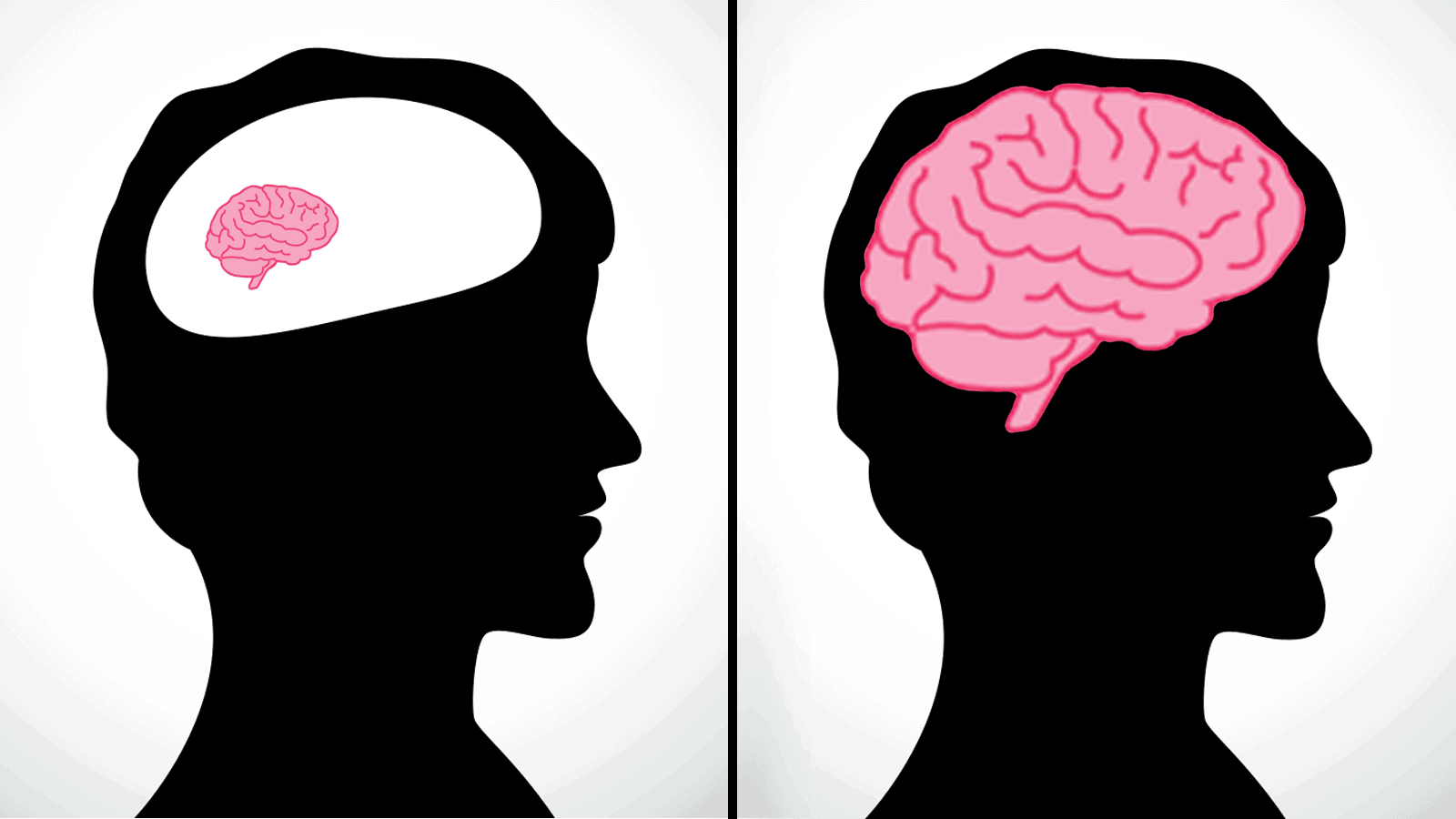
There have been many intelligence tests over the years. But can they truly give an accurate value to your intelligence? In short, no, they cannot. However, they may have some merit.
intelligence test

The IQ test, arguably the world’s most famous test of intelligence, measures a mix of crystallized and fluid intelligence. It calculates the levels of intelligence of someone in a more comprehensive way.

But psychologists have criticized this test for years. Recently, in 2012, a study published in a journal called Neuron found that these tests may have less credibility than we believe. This study involved an impressive 44,600 participants, who all performed a series of difficult tasks – 12.

Results showed that not a single test could explain each participant’s results. Three completely different components were required to measure this intelligence at all. As such, we can conclude that no single test can accurately chronicle someone’s intellect.

What does this mean? It means that some people are better at certain things than others. As human beings, we all have intelligence in different, unique ways. No single test can define you. Therefore, stay calm and practice positive thinking even if you receive negative results from them.
intelligence tests

Final Thoughts On Intelligence Tests

While big companies typically administer intelligence tests for high fees, the UCMRT is free, coming as a breath of fresh air to the academic world. It will likely be very frequently taken when it becomes available to the public.

So, should you take the UCMRT? It’s completely up to you, and there’s nothing wrong with the test’s findings. Its research is thorough. Plenty of thought has also been put into it, and it’s proven accurate in the circles it uses. But if you take it, remember that your worth – and even your intelligence – isn’t defined by the UCMRT. No intelligence test can accurately define you because your worth involves much more.

10 Foods That Help You Live to 100

In today’s world of vastly overprocessed, cheap, quick foods, wholesome foods have taken a backseat. We have strayed from our natural roots, and as a consequence, our health is on the decline. However, for those who choose to eat an abundance of fresh, healthy foods, longevity is a natural byproduct. While you might not live to 100 by eating these foods, you can certainly cut your risk of developing many diseases and, therefore, live a healthier life.

Before we get into the specific foods to eat, here’s some general health advice from centenarians themselves. They tell you how to increase your chances if you hope to live to 100:

  • Avoid takeout as much as possible. Instead, cook food at home using fresh ingredients. Also, don’t cook with too much salt.
  • Opt for fresh meat instead of packaged deli meat. Processed meats have been linked to cancer, so avoid them as much as you can.
  • Eat plenty of fiber to improve digestion and get vital nutrients.
  • Indulge in sweets occasionally, but try to eat mostly dark chocolate when your sweet tooth gets the best of you.
  • Use real sugar and butter instead of the substitutes.
  • Drink coffee, but keep alcohol to a minimum.
  • Make sure to eat plenty of protein and keep processed carbs low.
  • Eat only until you’re full.
  • Practice positive thinking.
  • Exercise often.
  • Spend plenty of time with friends and family.

With those out there, let’s get into the foods you should eat if you want to live a long, happy, healthy life!

Here are 10 foods to eat that will (hopefully) help you live to 100:

“Let food be thy medicine and medicine be thy food.” – Hippocrates

  1. Peas

If you want to live to 100, you definitely need to get peas into your diet. Eating cooked peas and other legumes – a huge part of the Mediterranean diet – may slow down aging of the cells, according to a study published in BMJ. Scientists believe the fiber and antioxidants present in peas gives them their anti-aging powers.

  1. Walnuts

According to research published in BMC Medicine, people who eat walnuts regularly (at least three times per week), will live two to three years longer, on average. Walnuts help reduce the risk of cancer and heart disease, which will certainly help you live longer.

  1. Carrots

Carrots have been known to help improve vision and eye health, but they might also help you live longer. A study done by the Universities of Glasgow and Exeter found that the carotenoids present in carrots can decrease the speed at which aging occurs and may even make you more attractive to potential mates! (That’s always a bonus, right?)

Plus, carrots contain tons of Vitamin A, which helps to protect the skin from bacteria and generate new skin cells.

  1. Coconut

According to a study done by the University of Copenhagen, a diet high in healthy fats such as those found in coconuts can slow down brain aging by shielding DNA from damage. If you want to live to 100, you should seriously consider adding coconuts into your diet by cooking with coconut oil, drinking coconut milk, or simply eating fresh coconuts.

  1. Sauerkraut

Fermented foods such as sauerkraut have a lot of good bacteria that can increase your life span. The bacteria have benefits such as reducing inflammation, increasing metabolism, and boosting the immune system.

  1. Sweet potatoes

According to Kansas State University researchers, eating sweet potatoes regularly could increase your chances if you hope to live to 100. They reported that sweet potatoes, especially the purple variety, contain high levels of anthocyanin, a compound that decreases cancer risk and increases longevity.

  1. Wine and chocolate

A glass or two of wine per day won’t hurt you; in fact, the resveratrol in the wine – a polyphenol compound found to slow down aging and reduce cancer risk – can help you live longer. However, make sure you drink red wine, as this type of wine contains the most resveratrol.

As far as chocolate, opt for dark chocolate made with little or no added sugar. Dark chocolate contains flavonoids, which have antioxidants that can help reduce inflammation and protect the skin against oxidative damage. Plus, dark chocolate can help boost cognitive function.

  1. Pomegranates

Pomegranates might help you live to 100, or at least longer than average, according to a Swiss study. Researchers say that a molecule found in pomegranates called urolithin A can enable muscle cells to guard themselves against major causes of aging.

  1. Salmon

One of the best sources of omega-3 fatty acids, salmon can help you live to the ripe old age of 100. Omega-3’s help reduce inflammation and protect against conditions such as heart disease, dementia, and arthritis. Salmon contains a high amount of astaxanthin as well, a natural pigment considered one of the best anti-aging antioxidants in the world.

  1. Blueberries

Blueberries taste great and are high in Vitamin C and A as well as anti-aging antioxidants such as anthocyanin. A high intake of this compound could help protect you against age-related diseases as you get older. Plus, the antioxidants found in blueberries can shield you from oxidative damage that contributes to diseases such as heart disease and cancer.

These are just a few foods that could help you live to 100, but as an added bonus, we’ll include a few more foods that should become additions to your daily diet.

A few other foods that help with longevity

  • Spinach

Spinach is low in calories and high in nutrients, which means you should eat this veggie as much as you can. This is another food high in antioxidants which can help you live longer. It’s also rich in nutrients such as Vitamin A and C, which help to keep skin healthy and generate new cells.

  • Avocados

Avocados are chock-full of healthy fats that can reduce inflammation and protect your brain from aging. They are another fruit high in Vitamin A as well, which helps to keep infections and skin problems at bay.

  • Chia seeds

Chia seeds are a powerful anti-aging food due to the large amount of Omega-3’s present. Not to mention, they contain all nine essential amino acids and have a lot of fiber, which makes them a nutritional powerhouse.

  • Broccoli

Broccoli is a cruciferous vegetable that you should include in your diet as much as possible. It contains nicotinamide mononucleotide, or NMN, which one study found improved the function of the eyes, liver, and skeletal muscles. Broccoli contains high levels of folate and fiber as well, which can help speed up digestion and protect against certain cancers.

live to 100

  • Garlic

Allicin—a component in garlic—is a powerful antioxidant that can help to fight aging. To get the most out of this age-boosting food, make sure to let the garlic simmer in a pan for at least 10 minutes. This will help increase the production of allicin.

  • Parsley

Parsley is rich in vitamin C, vitamin K, and the flavonoid myricetin, which can help in preventing skin cancer. Vitamin K can reduce blood clotting, improve bone health and memory performance, reduce risk of osteoporosis, and lower blood pressure. You can use parsley in salads, pesto, soups, pasta, and even steak dishes.

  • Hemp seeds

Hemp seeds have healthy fatty acids including omega-3s, omega-6s, gamma-linoleic acid, and stearidonic acid – all of which help protect against heart disease and promote healthy skin. They also help lower cholesterol and blood pressure, decrease inflammation, and increase metabolism. If you don’t eat salmon, hemp seeds provide a great way to get enough Omega-3s in your diet.

Furthermore, hemp seeds contain all nine amino acids, making them a wonderful source of protein. Hemp seeds are also low in saturated fats and have no trans fats, making them a heart-healthy addition to your diet. They contain the following nutrients:

  • vitamin E
  • magnesium
  • phosphorous
  • potassium
  • niacin
  • riboflavin
  • thiamine
  • vitamin B-6
  • folate

Hemp seeds have been shown to protect the brain against neurological diseases such as Alzheimer’s, Parkinson’s, multiple sclerosis, childhood seizure disorders, and neuropathic pain.

  • Flaxseed

57% percent of the fatty acids found in flaxseed oil are alpha-linoleic acids (ALAs), one of three omega-3 fatty acids. The body converts this type of fatty acid into even more powerful fatty acids such as: docosahexaenoic (DHA) and eicosapentaenoic (EPA) acids. Flaxseeds also contain large amounts of flavonoids, which help to lower bad cholesterol and blood pressure. Flavonoids also reduce the risk of cancer, asthma, stroke, and heart disease.

Flaxseeds are also rich in fiber and protein, which can keep you full longer and improve digestion.

Final thoughts

Living to 100 might not just come down to food, but what you put in your body can certainly boost your chances of living a long life. We either feed disease or fight it every time we eat, so if you want to keep your body healthy and inflammation-free, make sure to eat an abundance of the foods listed above.

If you want the most straightforward health advice, just eat how your grandparents did: whole, fresh foods with no added preservatives or fillers. Eat from nature and your body will reward you with lasting health, happiness, and vitality.

Mental Health Experts Explain 9 Ways Your Home Can Give You Anxiety

Our home brings with it an undeniable feeling of familiarity and comfort. We can be out all night having the time of our lives when, all of a sudden, have a yearning to “just go home.” But is our home actually a covert catalyst of anxiety?

Let us begin by exploring the Biophilia Hypothesis for a moment. It was proposed by naturalist, biologist, and author Edward O. Wilson in 1984 in the book Biophilia.  The Biophilia hypothesis, or “BET,” is the notion that human beings possess an inherent, intimate connection with nature. Modern society’s current ways of living – heavy industry (and pollution), obsession with money, addiction to technology – has effectively separated us from our former abode, causing a conflict in the subconscious.

Wilson’s theory makes sense when viewed from an evolutionary perspective. Not long ago, man lived out amongst the elements, save for rudimentary shelters like caves and tree branches. When not resting, you would find the men, women, and children outdoors, hunting and gathering for food, water, and other necessities of daily life.

What does the Biophilia Hypothesis have to do with home-induced anxiety?

Well, if Mr. Wilson is indeed correct, our home is separating us from our original habitat – and no species is okay with exile!  Another idea is that nature signifies life and vitality. Indeed, plants and trees – two of the most commonly-found things in nature – permit life; a fact that may help explain why we find flowers and plants adorning most homes and workspaces. The hypothesis may help explain why many people feature nature at the centerpiece (if you will) of their homes – a concept known as biophilic design.

In other words, as Mammalia, we human beings – despite our advanced intelligence and, for some, vehement insistence to the contrary – inherently desire to return to our original home out in the elements. As a side note, Wilson’s hypothesis gathers steam when you consider that humans are the only species who do not actively reside in the natural world.

At the very least, the Biophilia Hypothesis makes us think about our relationship with nature. Whether it explains away the deep-rooted anxiety that some (all?) experience in the home is up to the psychoanalytical among us.

Ways Your Home Can Make You Anxious

The Biophilia Hypothesis aside, we do know that one’s environment can influence their state of mind. Given that the home is indeed an environment, it is reasonable to assume that it can spur anxious feelings, but why? Here are 9 possible ways that your home can give you anxiety:

  1. Your place is cluttered and disorganized

Okay, so check these numbers out. Per a survey of more than a thousand Americans over 18 years old, 47 percent constantly worry about the orderliness of their home. Also, scientists know that too much clutter raises cortisol levels. Per Psychology Today, the stress hormone cortisol “is public enemy number one,” with high levels of the hormones causing disturbances in learning and memory, immune system, metabolism, and more.

What to do: Start small by organizing your bedroom closet or kitchen drawers. Eventually, begin thinking bigger and take on more time-consuming projects. The enemy of anxiety is action. Take it.

  1. You’re shouldering too much of the load

Women are disproportionately affected by home anxiety, affecting upwards of 87 percent of the female population. Eighty percent of people surveyed state that they take on more household-related responsibilities than their partner.  These numbers make sense considering that women tend to take on more of the home responsibilities than their male counterparts. Having to work (60 percent of women are active in the labor force) and manage home responsibilities is highly stressful, increasing the risk of anxiety.

What to do: Have an honest conversation with your partner while maintaining openness to their views. Be polite and non-defensive, as calm communication increases the likelihood of coming to an agreement regarding household responsibilities.

  1. You’re sick of the housemates

It is important to have housemates that are on the same page – or at least close. Per a study conducted by Harvard University’s Chan School of Public Health, 32 percent of individuals with long-term anxiety cite tension between the housemates as their number one cause of stress. A tense relationship with cohabitants may exacerbate any underlying anxiety, which may remain long after you leave the house.

What to do: Keep your relationships “organized” by setting limits and creating an atmosphere of positivity. Create a culture whereby things that need addressing are addressed in an open, welcoming atmosphere.

  1. You don’t like to, well, move

It’s no secret that inactivity is both mentally and physically bad for us. When the body is stationary, the mind is, also. As such, we’re far more likely to experience anxious thoughts when inactive. A meta-analysis of nine studies, produced by the School of Exercise and Nutrition Sciences at Deakin University in Australia discovered a direct correlation between (a) the amount of time a person sits each day, and (b) severity of anxiety symptoms.

What to do: Do you sit all day at work? If so, it’s probably not the best idea to come home and immediately sit down and veg out. A better approach is to take an hour nap before hitting the gym for an hour or two. At the very least, take a 30-minute walk before parking in front of the tube.

  1. There’s little natural light

If your home resembles the inside of a cave, it’s time to change things up. Besides running the risk of being thought a vampire, it turns out that too little exposure to natural light can put you down in the dumps. Neurological research shows that exposure to sunlight stimulates the production of the brain chemical serotonin – the neurotransmitter responsible for mood stabilization.

What to do: First thing in the morning, crack the shades open. Then take a brisk walk outside if the temperature permits. If you work in an office, try to get a desk near a window – or a door. Try to get outside during breaks.

  1. Your aesthetics are all jacked up

Have you lived in the same coop for years and done next to nothing to jazz up the place? Adding some décor might make you feel better, while staying in the same bland spot may exacerbate anxiety symptoms. Per a multi-disciplinary study of patient satisfaction in Australian mental health clinics, attractive aesthetical designs can reduce anxiety and stress levels while promoting “positive mental health outcomes.”

What to do: Designate an area or room in your home for quiet time. Consider adding a small garden or furnishing your home with plants or other natural objects.

  1. Your fridge is filled with processed stuff

We can’t discuss mental health and not mention diet. The fact is that the food you put in your mouth affects how you feel – and processed food is the absolute worst in this regard. It is probable that the link between the consumption of processed foods and anxiety onset has to do with a lack of energy available to the brain, which may cause brain fog.

What to do: First, know that everything you put into your mouth affects your brainpower. Second, eat foods scientifically proven to protect or enhance brain function. For some ideas, check out our article “7 Foods That Increase Your Brain Power Naturally”! 

  1. You’re a digital fiend

mental health

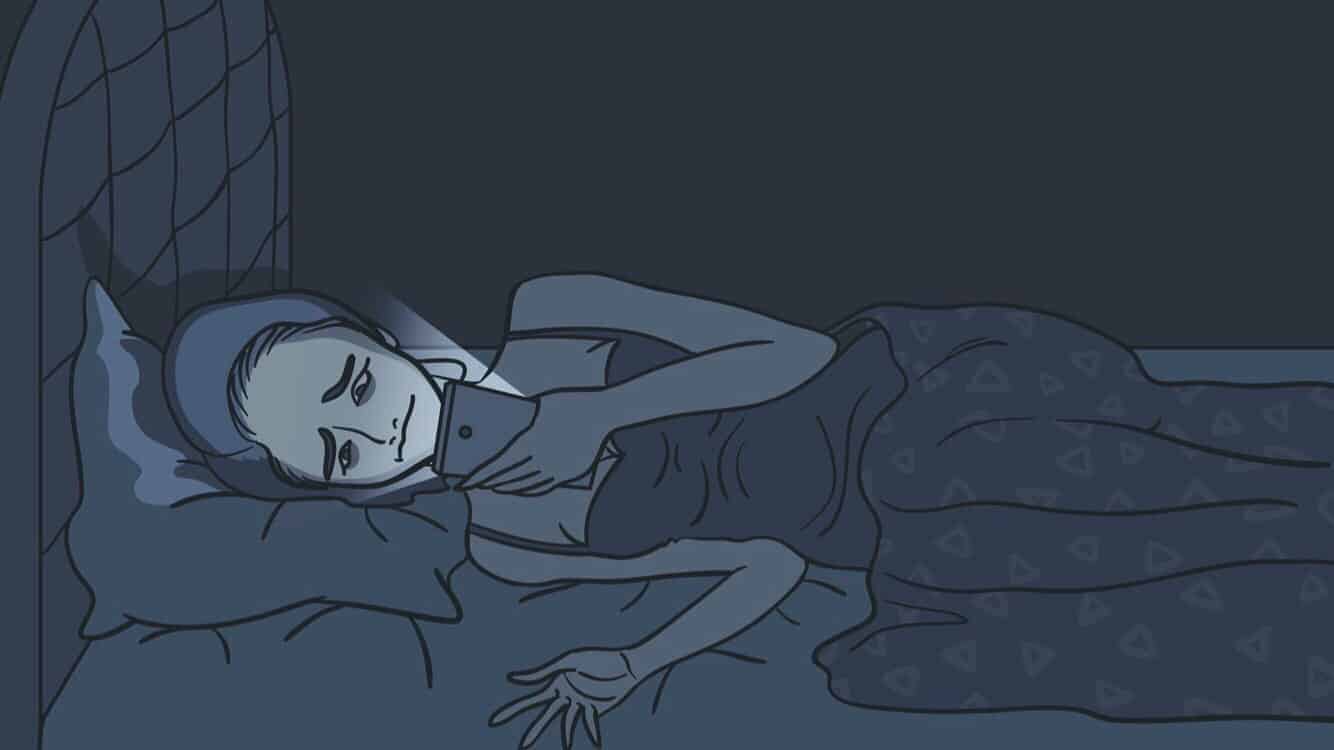
So, Americans spend an average of 11 hours per day consuming media. Why is this a problem? According to multiple clinical studies covering an array of mental health/digital consumption topics, overdependence on technology is directly linked to anxiety and depression.

– Researchers out of the University of Pennsylvania state: “Using less social media than you normally would leads to significant decreases in both depression and loneliness.”

– Scientists at the University of Toledo found a direct link between binge-watching television and poor mental health outcomes.

– Since 2018, “Gaming disorder” and “Social media anxiety disorder” are two medically-recognized mental health conditions.

What to do: If nothing else, restrict the amount of time spent on social media. Consider downloading a PC and mobile application that tracks time spent on such sites.

  1. You don’t have anyone over. Like, ever.

When you’re anxious, the last thing you want is to have people over. As with being sedentary, a lack of social interaction may cause a proliferation of negative thoughts. For some people, that fact that they’re dealing with these issues alone may induce or worsen anxiety symptoms.

What to do: Though your anxiety may be screaming otherwise, have a couple of friends over now and again – or go over to their place. You may find that a bit of opening up eases some of that stress.

Final Thoughts

Given the prevalence and consequences of anxiety, we must mention it in the context of an anxiety disorder.

Anxiety disorders such as generalized anxiety disorder (GAD) causes people with the condition to feel anxious for seemingly no reason – independent of their surroundings. As such, it makes sense from a mental health perspective that one prone to anxiety would experience anxiety in the home more frequently than the general population.

It is importance to remember that anxiety is a treatable condition. If you’re combating frequent anxiety, it may be best to seek the advice of a qualified medical professional or mental health expert.

20 Emotional Photos That Prove Kindness Still Exists

“One who knows how to show and to accept kindness will be a friend better than any possession.” – Sophocles

Kindness exists everywhere if you simply open your eyes and take time to notice. The world might seem overwhelmingly negative at times, but the compassion of humans is the glue that holds it all together. Without kindness, we would certainly perish, because we need one another to survive.

We often forget about our reliance on one another in such an individualistic society, but at our core, we are social creatures. Additionally, we simply could not survive without looking after one another. We hope the following photos will remind you that, even if you feel alone, someone out there cares about you. Miracles happen when you least expect them, so make sure you keep an open heart to the kindness of humanity.

Here are 20 emotional photos that show kindness is very much alive in our world:

1. This woman wanted to see her favorite hockey team one last time, and fans made sure her wish came true.

https://www.facebook.com/crocodileshh/photos/a.10150299259920194/10155461738225194/?type=3&theater

2. A man wanted to take his own life, so these truck drivers lined up side by side in order to save him. Kindness can truly save lives.

3. A random patron at a restaurant decided to foot the bill for someone else’s meal. To sweeten the pot, it turned out it was a birthday lunch!

It is stuff like this humans that makes me still have faith in humans – and to even make it better it was a birthday lunch with wife and baby and no one knew! Thanks anonymous nice person!
byu/MuuaadDib inpics

4. Even though it’s just a dollar, it’s the thought that really counts.

Just a simple thing, but it made day so much better
by inrandomactsofkindness

5. This family wanted everyone who passed by to enjoy the fall leaves!

View post on imgur.com

6. Everyone should have someone to eat with on Thanksgiving. Well, this restaurant went above and beyond to ensure no one would get left out.

View post on imgur.com

7. In the cold winter months, it’s important to have the proper clothing. This random person showed kindness by making sure as many people as possible stayed warm and cozy.

View post on imgur.com

8. This is how life should be – helping each other survive and spreading kindness everywhere.

View post on imgur.com

9. In a snowy environment, this would be much appreciated by pretty much anyone.

Random Act of Kindness 2015: Neighbor from way down the street snow blowed all of the driveways he could before people had to leave for work. I haven’t even met the gentleman.
byu/RRunner316 inpics

10. Free wings from the birthday girl. What a nice surprise!

Random Act of Kindness

11. We all need a little shelter from the storms of life from time to time.


[deleted by user]
by inpics

12. Buying coffee for a stranger is always an appreciated act of kindness. Caffeine = happiness.

Random dude just walked up to me to say “we’re doing random acts of kindness and I’m buying you a coffee” … it’s 4:45PM and this is 20oz.
byu/KarmaCatalyst inpics

13. In exchange for giving a homeless man a place to stay for the night, he cleaned the owner’s car before leaving.

View post on imgur.com

14. A simple red rose can brighten up anyone’s day. Aren’t humans just amazing?

I had a act of kindness today, a customer gave me a rose just because he loves coming into my store. It really made my day!
byu/Ashydabrave inpics

15. The homeless need our love and kindness just as much as anyone else.

View post on imgur.com

kindness quote

16. Choose to live in awe of humanity’s potential, and you will be rewarded generously.


The day before I was to take my son camping my bank screwed me over. We left for our trip with just enough cash for gas there and back. But some wonderful strangers paid us a random act of kindness. We found this on our car in the morning.
byu/Starample inpics

17. Helping humans stay hydrated is definitely an honorable gesture.

View post on imgur.com

18. “Nearly every time I arrive at this car park (PM) there are always tickets people have left behind after use, valid until the next morning. Small acts of kindness…”

View post on imgur.com

19. Love is the best medicine.

Doctor gives hugs to strangers to cure her fear of cancer.

20. If we all learn to count and look out for each other, we can change the world.

Random Act of Kindness, My pregnant wife and I found this on our door after checking on our house at night. No contact info, no name or anything. I want to thank this person and hug them for making us happy.(House flooded from Hurricane Sandy)
byu/billdaff inpics

(C)Power of Positivity, LLC. All rights reserved

Harvard Astronomer Reveals The Greatest Recent Discovery In Human History (If It’s True)

Many accounts of people claim to see alien spaceships flying in the sky (usually somewhere out in the desert). The chairman of Harvard University’s astronomy department believes the discovery, “Oumuamua,” might finally give us definitive proof.

Professor Abraham Loeb studied physics at the Hebrew University of Jerusalem. Later, he gained admission to the Institute for Advanced Study at Princeton. Yep. The same place where Albert Einstein used to work. Time magazine named Loeb one of the 25th most influential people in astronomy in 2012, and has had 700 articles published in scientific journals. In October 2018, Loeb and his postdoctoral student Shmuel Bialy published an article in The Astrophysical Journal Letters. They suggested that an alien spaceship had been spotted in our solar system in the piece.

Called Oumuamua, the “spaceship” is the first object in history that scientists can say with 100% certainty originated outside of our solar system.

Facts about the Discovery of Oumuamua

Discovered by Canadian astronomer Robert Weryk on October 19, 2017, the Pan-STARRS telescope at the Haleakala Observatory in Hawaii detected Oumuamua. If you were wondering, “Oumuamua” is Hawaiian for “first distant messenger.” Weryk observed that Oumuamua was 33 million kilometers away from Earth. that equals 85 times the distance between the moon and Earth.

All the planets, asteroids, and meteors within our solar system orbit the Ecliptic plane. But Oumuamua entered the solar system north of that plane in an extremely hyperbolic orbit at 26.3 kilometers per second faster than the sun’s orbit.

Scientists have found that Oumuamua traveled into the ecliptic plane on September 6, 2017, where the sun’s gravity sped up the object to a velocity of 87.8 kilometers per second. Three days later, the object passed closer to the sun than the orbit of Mercury. Then, on October 14, five days before Robert Weryk found it in Hawaii, Oumuamua passed 24.18 million kilometers away from Earth, or 62 times farther away than the moon.

Speculation about the Discovery of Oumuamua

While many of Abraham Loeb’s colleagues were hesitant to report their observations to the scientific community, Loeb didn’t see the point of withholding the truth. Loeb said that well-respected colleagues of his admitted that the object was strange but didn’t want to go public with their opinions. However, since Loeb has tenure, he felt he could take a risk without putting his job on the line.

In an interview with a reporter from Haaretz, Loeb says that as children, we state our thoughts about the world without hesitation. He says that as adults, our egos get in the way, but as a scientist, he feels that childhood innocence plays a big role in making discoveries about the world and reporting the truth.

Loeb told the reporter that he was disappointed in the lack of observation of Oumuamua from the scientific community. He said scientists pored over it for roughly a week after its discovery and concluded that it was a comet at first. However, there was no comet tail visible. So although it could’ve evaporated as it approached the sun since it’s made of ice, Loeb said there was no trail of gas or dust in Oumuamua.

An Asteroid?

Then, scientists thought it could be an asteroid. But the brightness of the object changed by a factor of 10 while it rotated on its axis for eight hours. The brightness of asteroids observed in the past usually changes by three, at maximum.

In addition to the “brightness factor” difference in Oumumua compared to asteroids, the Hubble Space Telescope data showed that the object had mysteriously accelerated near the inner solar system. The gravity of the sun does not explain this acceleration. So what caused it to speed up?

Comets normally accelerate due to the sun warming up the ice in the comet, which causes the ice to escape into space as gas. In turn, the comet accelerates due to the emission. However, since no comet tail was observed behind Oumuamua, Loeb came to a different conclusion.

Instead of comet outgassing, Loeb explained that the spaceship accelerated due to a push from solar radiation pressure. Since there was no heat coming from the object, it would have to be at least ten times more reflective than a comet or asteroid since it used the light from the sun as propulsion.

Life in Outer Space?

So, why haven’t we heard from other life at any time before? Loeb says that we have a minimal window to contact other civilizations. Even if other life forms launch spaceships such as Oumuamua, that doesn’t mean anyone is left on the origin planet if we try to make contact. We’ve been sending out radio signals for decades and gotten nowhere. However, a lot of factors go into that. Not only might the civilization we’re attempting to contact not exist any longer, but it might be broadcasting on a different frequency or only at certain times.

Loeb speculates that if other civilizations are anything like ours, the technology used to advance them ultimately destroys them. On our planet, we must deal with wars and global warming, for instance, due to our advances in technology. Who knows what problems other civilizations face? These factors compound to explain why we might not have heard any radio signals directed at us.

alien

What was the reason for launching Oumuamua?

Of course, scientists can’t be certain, but Loeb believes that a particularly advanced civilization out there wanted to contact us, just as we attempt to contact other life forms. He says it might be possible that Oumuamua exists along with many other ships out there. Indeed, we just happened to detect Oumuamua since it ended up in our solar system.

Our space exploration technology remains very limited. So Loeb says that we will likely discover much more advanced technology if we ever leave the solar system. However, whether our findings are still-thriving or long gone civilizations is up for debate. Even if we only find remnants of past civilizations, that’s still a good sign for humanity.

A Lesson from OumuamuaOumuamua

Loeb explains that it will serve as a reminder of how we should live. It will make us think twice about how we tend to work against each other rather than with each other. Hopefully, we can all land on the same page. To learn more about other planets and ways of life, we have to make sure our own life can survive. We must work together to create sustainable technologies that will allow us to thrive on this planet and search for life outside of it.

When asked if he believes in life on other planets, Loeb answers with an emphatic “yes.”

He says anyone who believes we are the sole inhabitants among countless planets is full of arrogance. Futher, he points out that there are more planets similar to Earth than grains of sand. This is almost impossible to imagine, but it does make his point a lot more believable.

Final Thoughts on the Discovery

So, what does this discovery mean for us? Well, it’s only the start of our understanding of the universe. We have much more to learn and uncover about the vastness of space, but the finding of Oumuamua shows that the idea of alien life is at least more plausible.

References:
https://www.nasa.gov/feature/jpl/nasa-learns-more-about-interstellar-visitor-oumuamua

10 Stretches That Relieve Neck and Shoulder Tension (In Less Than 10 Minutes)

Do you know just how crucial it is to stretch? (Hint: It’s very, very important.) Stretching is not just for athletes and the physically active. Those of us who deal with too much stress need to do stretches, as do people who live a relatively sedentary lifestyle.

So, why do we need to stretch? Here’s the thing: Stress is stored in the body. Whenever we push away unwelcome emotions – fear, irritation, sadness – we are, in effect, sending stress to “live” somewhere else. Repression and denial of negative emotions only worsen the problematic physical and psychological effects of stress.

In this article, we’ll discuss 10 stretches that you can do in less than 10 minutes that will relieve neck and shoulder tension. Prior to doing so, we’ll discuss the role that your mood plays in tension. Finally, we’ll give some additional tips for releasing any pent-up tension.

The Psychology of Neck and Shoulder Tension

“When stress responses occur infrequently, the body can recover relatively quickly from the physiological, psychological, and emotional changes. When stress responses occur too frequently and/or dramatically, however, the body has a more difficult time recovering.” – Anxiety Centre (source)

The neck and shoulders carry a disproportionate amount of tension relative to the rest of the body. Some psychologists attribute neck and shoulder tension to people taking on – or thinking they are carrying – excessive burdens and responsibilities. In other words, pretty much everyone contends with neck and shoulder tightness at some point.

Psychosomatic pain and tension are particularly common in the U.S. This is hardly a surprise, considering that American workers have outdone Europe and Japan in terms of “(working) longer hours …and stress-related illnesses,” according to Forbes online. Many surveys and research studies cite the workplace as the leading source of stress and anxiety for most of the U.S. population.

Workplace stress aside, whenever our body activates something called the stress response, the body automatically tenses up. The stress response, also called “fight-or-flight,” causes the body to release hormones. These hormones initiate changes in our physical and psychological makeup.

Physiologically, the muscles in the body are “designed” to resist any imminent damage in the event of a stress response. If chronic tension is present, however, this mechanism can take a heavy toll on our bodies. Relatedly, it appears that muscles in the neck, back, and shoulders are disproportionately affected by long-term stress.

Chronic Tension and Its Effects

“Stretching keeps the muscles flexible, strong, and healthy, and we need that flexibility to maintain a range of motion in the joints. Without it, the muscles shorten and become tight. …That puts you at risk for joint pain, strains, and muscle damage.” – Harvard University Medical School (source)

Per the American Psychological Association (APA), muscle tension can be damaging. In scenarios of short-lived stress, muscles tense and release after the stress passes. When the stress becomes chronic, the muscles will tense up and not release easily. This long-acting muscle tension may manifest into conditions such as tension headaches, migraines, and musculoskeletal pain of the lower back and upper extremities.

Chronic tension may also lead to damage for the heart and blood vessels. Elevated blood pressure and high levels of stress hormones contribute to complications. Without treatment, chronic tension can give way to hypertension, increasing the risk of a heart attack or stroke.

Tension that doesn’t recede can cause destabilization of the respiratory system – the larynx, trachea, and lungs. Heavy tension commonly causes rapid breathing and shortness of breath. Individuals with medical conditions such as asthma and chronic obstructive pulmonary disease (COPD) may experience more severe symptoms.

The Five Benefits of Stretching

Physiologists cite five main benefits for stretching:

  1. Maintains and expands range of motion

Muscles and tendons naturally tighten, particularly if you are active. Too much tightness can cause muscle pain and limit range of motion. Routinely stretching can help to offset these limitations on the range of motion – and may even help you expand it.

  1. Relieves stress

You know by now that the body and mind are inextricably linked. When you’re stressed, so is your body. When your body is stressed, so is your mind. Naturally, when you relieve tension and stress in the body, your mind becomes more relaxed.

  1. Increases muscle tone

Stretching on the regular won’t make you the next Arnold, but it will support muscle tone by working your tendons and muscle fibers. Moreover, properly stretching before a workout will help your muscles more efficiently add muscle.

  1. Aids recuperation and helps you avoid injury

Athletes know the important of stretching compressed joints. Doing so helps to prevent injury and accelerates recovery time for injured joints, muscles, and tendons.

  1. Prepares the body for physical exertion

If you are working out, no matter if the exercise is light, moderate, or heavy, you should be stretching beforehand. As mentioned prior, doing so helps prevent injury, but it also enhances your workout. Make sure to hit all areas of your body during the stretch, whether or not you think they’re involved in your movements.

10 Quick Stretches that Relieve Neck and Shoulder Tension

Now that you understand some of the things that can contribute to neck and shoulder tension and pain, here are some 10-minutes-or-less stretches that can limber you up:

  1. Neck roll

– Roll up a regular-size towel.

– Place the towel at the base of your neck.

– Carefully, let your head drop back to the surface.

– Remain in this position for 5 to 10 minutes.

  1. Neck flex

– Place your right hand on top of your head and stretch the neck towards your right side.

– Hold this position for 30 seconds.

– Repeat the movement using your left side.

– Tips: Please sit down in a comfortable position in a chair or on a mat.

  1. Trap stretches

–   Start by placing your right arm diagonally across the small of your back and grabbing it with your left hand.

– Gently pull the right arm towards the left foot while tilting your head towards the left shoulder.

– Hold the position for 30 seconds and repeat with the left arm.

  1. Single-cross arm stretches

– Stand with your feet shoulder-width apart.

– Cross your right arm across your chest.

– Using the area just underneath the left wrist, pull your right arm towards the body.

– Hold for 10 seconds and switch sides.

  1. Shoulder roll

– Begin in the standing position with your back and neck held straight.

– Simultaneously lift both shoulders up and roll them back, down, across, and back up.

– Tips: Keep your neck tucked throughout the motion.

  1. Anterior shoulder reach

– Begin the movement by standing up straight.

– Clasp both hands behind your back, interlocking the fingers.

– Straighten the arms as much as possible.

– With a strong grip, slowly lift your arms opposite from the small of your back.

– Hold the position for 30 seconds and repeat.

  1. 90-degree wall stretches

– Begin the movement by holding your right arm firmly against the wall, palms down.

– Pressing the shoulder into the wall, push against the wall with your opposite hand and rotate your torso.

– Hold the position for 30 seconds and switch sides, repeating if desired.

  1. Threading the needle

– Place a comfortable mat on the floor and get down on your hands and knees.

– Slide the left arm, palm up, between the opposite arm and legs.

– Rotate your body until your head touches the ground.

– Hold the above position for 30 seconds and repeat with the right arm.

  1. Scapulae stretches

– Sit in a chair and hold it from behind with one hand.

– Tuck your chin towards the chest and bring your ear toward the left shoulder with your left hand.

– Holding the above position, rotate your head 45 degrees, right and then left.

– Hold for 30 seconds and repeat with the right side.

stretches

  1. Cow-face stretches

– Begin the movement by holding your left arm straight in front of you.

– Bend the left arm at the elbow and bring it around to the small of your back.

– Use your right hand to reach behind your back and grasp the left hand, creating a gentle stretch.

– Hold the position for 10 seconds and switch sides.

12 Simple Habits That Help You Live Longer

It’s never too late to start adopting new habits to make your life better. When you consciously make changes in the things you do, then you can better protect yourself from developing serious physical and mental health problems. We all want to live longer, and some habits can help accomplish just that.

Taking action to start a new habit can take time. However, if you stay patient, focused, and motivated, then you can see the positive effects of your efforts. But what kinds of habits must you adopt in your life so that you’ll be able to enjoy this longer? Here are some suggestions below.


Here Are 12 Simple Habits That Make You Live Longer

1.    Get your annual check-up from one doctor every year.

To maintain good health, it’s important that you undergo a physical checkup every year. This is not just a preventive health measure but it also reinforces a healthier lifestyle. After all, you have a responsibility to your family and loved ones to take good care of your health.

Visiting your doctor annually will also foster a good and positive relationship with your health provider. But according to a study from the experts at the University of Exeter, you should consistently see just one doctor instead of several doctors for your annual medical examinations. This way, you can receive individualized and specific guidance about your health based on your medical history, especially if you are considered a high-risk patient.

You could be high risk if:

  • You smoke and drink alcohol regularly
  • You’re overweight or obese
  • You have a history of chronic diseases in the family
  • You’re a sexually active woman
  • You’re over 50 years old

2.    Start wearing more comfortable shoes.

It might be time to consider scaling back on those stilettos and high heels if you’d like to live longer. Though such footwear may make you look fashionable and stylish, switching to comfortable flat shoes will allow you to control your physical activities better.

  • If you’re used to wearing comfortable shoes, you will be able to walk 10,000 steps each day without breaking your back or causing pain in your feet and legs.
  • Walking these many steps daily satisfies the recommendation from the Center for Disease Control and Prevention (CDC) to do at least 150 minutes of moderate workouts every week.
  • There’s plenty to gain from walking because this can cut your risk for stroke by 20 percent.
  • It can also aid in your weight loss efforts so you won’t develop diseases caused by excessive weight.

3.    Gain more sleep, especially during weekends.

You’ll live longer if you give your body enough time to rest, recuperate, and recharge. You can do this by sleeping longer or sleeping in during the weekends. Time and again, experts have associated better health to longer sleep hours. But with so many things to do, most people are actually sleep-deprived and don’t realize it.

  • If you’re always feeling tired, or out of focus, or getting sick, then it’s best to listen to the cues that your body tells you.
  • Perhaps it’s time to develop a proper bedtime routine and better sleeping habits.
  • You don’t necessarily have to have nine hours of sleep every night.
  • Some people can regularly sleep for fewer hours, but make sure the quality of your sleep is optimal and uninterrupted.

4.    Don’t be a couch potato.

Try to cut back on your vegging time on the couch so that you’ll live longer. As much as possible, spend only a maximum of two hours watching television. Don’t make a habit of turning your sofa into your bed no matter how comfortable it might make you feel.

According to the National Health and Nutrition Examination Survey, people who spend a maximum of two hours watching television on the couch can extend their life for 1.4 years more. When you sit too long, you deprive your body of physical activities that can trigger disease development like diabetes, stroke, and heart disease. It is, without any doubt, a lot better to limit your sedentary lifestyle.

5.    Take exercising seriously.

Exercising was always easier when you were younger because gym class was part of school requirements. But it could be a struggle now that you’re older. Additionally, you don’t have as much time to go to the gym with your work responsibilities and other obligations.

But if you value your health, you need to take exercising seriously. Perform workouts as often as you can. You can’t slow down with the physical activities, especially if you’re pushing 40 because your body needs more exercise to stay healthier.

  • If you’re having a hard time setting a goal to exercise, why not enlist with a group of friends?
  • When you’re motivated to work out with other people, you’ll have better chances of achieving something that will be good for your health.
  • Eventually, you’ll get the hang of exercising even if you’re alone.

6.    Learn to eat more healthy fats.

Fats from the food you eat are not entirely bad. Your body needs fats for energy so you shouldn’t completely avoid them. Instead, you should learn to distinguish the healthy fats from the bad fats if you want to live longer.

Eating higher amounts of monounsaturated fats from foods like avocados, nuts, olive oil, and vegetable oil can reduce your risk of premature death by 16 percent, according to Harvard Health. Occasionally, you should also get fats from animal sources like red meat, poultry, eggs, and dairy products. Balance this with fat sources from plants to reduce your death risk by 25 percent.

7.    Understand how your gut works.

Experts at the McGill University revealed that the secret to a long life is knowing how your gut works. The trillions of organisms thriving in your digestive tract can determine your longevity. Eat more probiotic foods like yogurt, cultured vegetables (sauerkraut and kimchi), apple cider vinegar, and miso soup to foster a good and healthy gut. You’ll want to maintain a good balance of the bacteria inside your digestive tract so that your body will be able to:

  • Properly digest your food
  • Boost your immunity system
  • Distribute nutrients to your vital organs properly
  • Make good use of the proteins that will help prevent inflammation and blood clots

Scientists are still learning more about the health benefits of maintaining healthy gut bacteria. But several studies have found links that make gut bacteria crucial to weight management and the prevention of chronic illnesses. The gut microbes are also crucial to your brain structure and functioning so it can also affect your mental health and even the aging of your brain.

8.    Hydrate well to live longer.

The human body is mostly made of water. If you’re not hydrating enough, you’ll easily develop a lot of symptomatic illnesses like headache, skin dryness, disorientation, tiredness, and fatigue due to dehydration.

You’ll deprive your body of the nutrients the organs need to function well when you regularly fail to drink enough water. If your organs aren’t working right, you’ll risk developing serious diseases at a younger age. Drinking water regularly enables your body to:

  • Energize your muscles
  • Ease the wrinkles on your skin
  • Protect your kidneys
  • Regulate your colon’s function

Besides drinking water, you can also hydrate your body by eating lots of fruits and vegetables.

9.    Develop a healthy time outdoors.

Your body needs vitamin D for a healthy, long life.  This nutrient is crucial to boosting the health of your teeth, bones, and muscles, especially if you are aging. But there’s no richer source of vitamin D than the sun. Your brain and mental health also receive a proper boost from sunlight because sun exposure increases the development of serotonin, also known as the happy hormone.

Because the sun’s radiation can be harmful to the skin, some people avoid being under the sun; it may increase the risk of developing skin cancer. Unfortunately, you can’t get the best benefits from vitamin D if you’re always indoors so you need to develop a healthy time outdoors.

Ideally, you should get some beneficial sunlight in the early hours of the morning. Try to do your morning exercises outdoors before 10 a.m. If you’re afraid of skin cancer risks, always put on sunscreen before you head out.

10.  Do housework and organize your cabinets regularly.

There are plenty of benefits to doing housework and organizing your items regularly. It keeps you active and gets you up and off the couch so that you reduce your risks for cardiovascular diseases. It also helps maintain a cleaner environment in your house when you know where everything goes.

But housework also helps improve the state of your mental health. According to experts at the William Paterson University and Columbia Business School, mopping the floor, vacuuming and organizing your cabinets can be a good mental cleansing experience for those with anxiety issues. It’s a stress reliever for some people and if you know how to manage your stress, then you can better take charge of your health.

11.  Cultivate a hobby you can derive pleasure from.

Having a hobby is good for your life’s enrichment.

  • When you set aside time for leisure, you are essentially giving yourself relief from the stress of life and the daily grind.
  • You also eliminate boredom to foster more positive energy in your life.
  • Cultivating a hobby also allows you to learn new things and meet new people.
  • You can grow and improve yourself, as well as build your skills from this experience.

It’s also good for your mental well-being to always try something new. The world is filled with lots of exciting and wonderful things you can explore and adopt in your life that will make it worth living.

12.  Maintain good relationships with your friends and family.

You need to have supportive and understanding friends and family around you who will make your life richer. Sharing your life’s highs and lows with people you can talk with and relate to will allow you to live longer.

live longer

Unloading your thoughts, worries, and concerns will keep your mental well-being positive and healthy. So, as much as possible, maintain a healthy friendship with your peers and a good relationship with members of your family because you can’t go through life keeping pent up emotions.

Final Thoughts On Some Habits That Make You Live Longer

Keep track of the simple habits you make so that you can see and feel the real changes. When the going gets tough, however, remind yourself that you want to live longer so you need to keep doing these habits.

To further motivate yourself, start with simple goals, yet make it challenging. Celebrate milestones and even give yourself rewards for achieving something positive that you’ve never done before. It might also help to mix up the habits you’re trying to develop so that it won’t become like a monotonous task you’re forced to do.

8 Phrases Manipulators Use To Hide Their Intentions

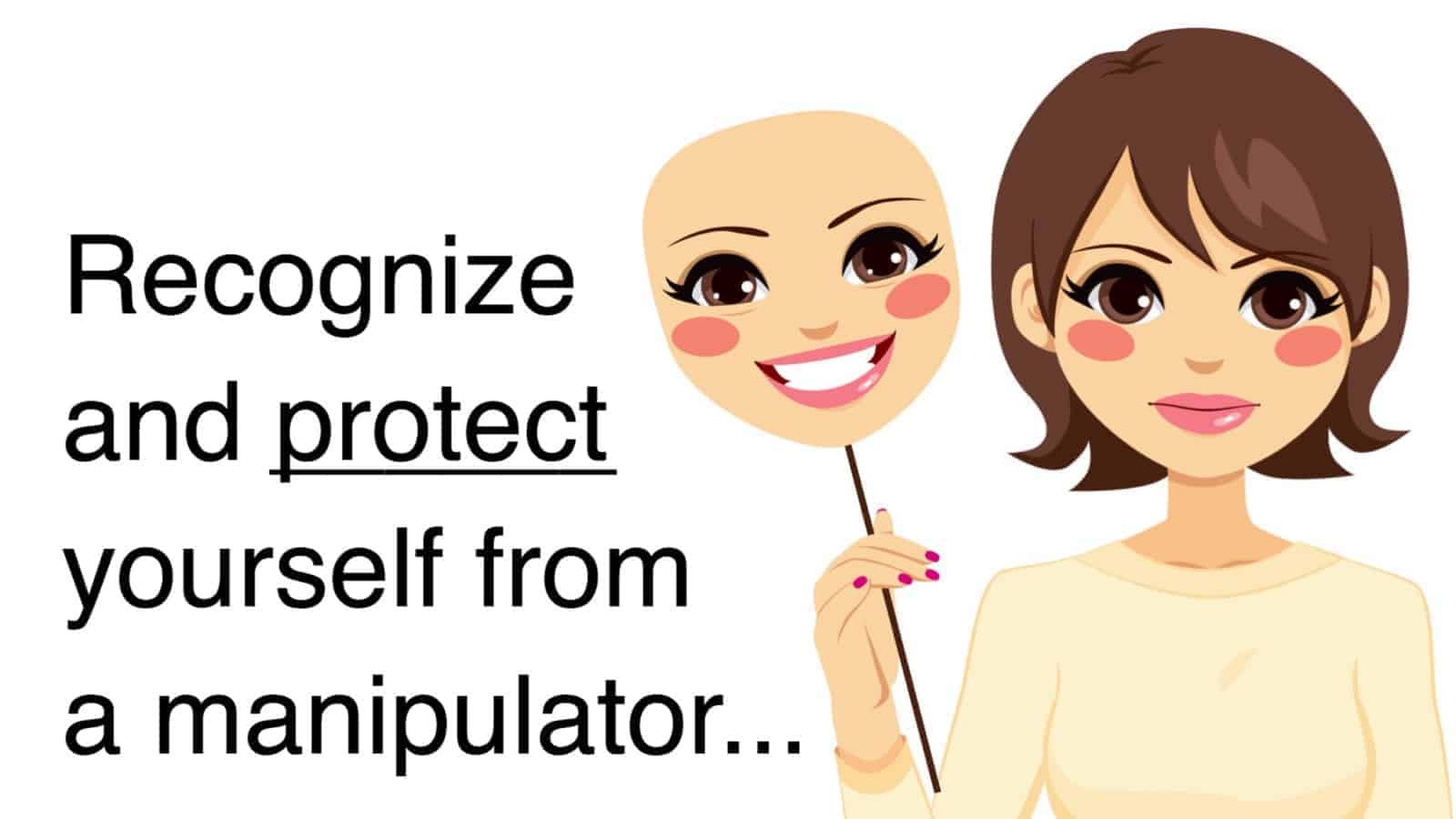
Manipulators are masters of trickery and deception. They seek to get their way no matter what, and they use their silver tongues to get out of trouble and trick those around them.

The trouble with manipulators is that they never fight fair. They use the emotions, thoughts, and personalities of others against them so they can “win” or get what they want. In other words, when you’re face to face with a manipulator, they have likely analyzed you and determined how best to push your buttons to achieve a certain outcome.

Even worse, many manipulators do their best to play the victim and act innocent. This can make it difficult for you to gauge whether you’re speaking to someone who means well or someone who is trying to deceive you.

The good news is that many manipulators use the same tactics to achieve their desired effect. Here are some phrases manipulators use often, so you will know when someone is trying to get the better of you, and how to respond to them in a positive yet firm way.

Here Are 8 Phrases Manipulators Use Often

1.    You misunderstood me. / You have it all wrong.

When a manipulator is called out or caught in the act, they are unlikely to ever take the blame themselves. In order to avoid being considered at fault, they will try to twist the situation to make themselves look innocent – or worse, they’ll play the victim.

This is why if you call out a manipulator on problematic actions, they are quick to defend themselves. “That’s not what I meant!” they’ll shout. “You’ve misunderstood!” they’ll insist. “You have it all wrong!” they’ll cry.

  • But what they’re doing isn’t trying to get you to see what “really happened.”
  • They’re trying to manipulate you into believing that they’re the victim in the situation.
  • Worse yet, they’re trying to shirk responsibility for their actions.

In this situation, a manipulator is seeking to make you doubt yourself, others, and the entire situation. This is known as gaslighting, and it can make you feel like you’re going crazy and can’t trust yourself. Your confusion, however, only satisfies a manipulator.

The next time someone attempts to play the victim or shift blame onto you and others respond proactively. Tell them to take responsibility and share the blame with others involved. Make it clear that being at fault doesn’t mean you think of them as a bad person.

2.    Look what you made me do!

Similarly to our first point, this is another way that manipulators will try to play the victim. When they do something wrong, make a mistake, or mistreat you, they will find a way to turn the situation around so the blame rests on you.

  • With a manipulator, their actions are never their responsibility.
  • Someone else made them do it, always, even when they are adults who should be capable of controlling their actions.
  • They use phrases like, “Look what you made me do,” to make you feel self-conscious and worried about your own actions, distracting you from theirs.

To deal with a manipulator who uses these tactics, be sure to stand your ground. Inform them that you aren’t responsible for their actions and that they need to take responsibility for their behavior. Preston Ni, who has an MSBA, states that avoiding self-blame is key to dealing with someone trying to manipulate you.

3.    I understand your point of view, but my way is best for us.

Sometimes, a manipulator will try to pretend that they empathize with you. They will say that completely understand your point of view while reiterating that they know best. If you’re in a romantic relationship with someone who behaves this way, you need to nip this behavior in the bud before it spirals out of control.

When a manipulator says something like this, they’re showing that they supposedly have heard all your points and understood them. This will lead you to believe that they are thinking logically and rationally and finding the true “best” option. Most of the time, though, this is just another trick to convince you to do things their way.

The most positive way to respond to someone who tries to use this to manipulate you is in the same manner. Indicate that it may be what they think is best for them, but that it simply isn’t what is best for you. If you are in a relationship, partnership, or work together, tell the other person that your best option will always be to make serious decisions as a team.

4.    You’re being crazy. / You’re overthinking this.

This is the purest form of gaslighting. A manipulator will try to make you believe that you’re the one being unreasonable, even for asking for very simple, basic things – like respect. A manipulator might say things like:

  • You’re being crazy!
  • It’s not a big deal.
  • You’re really overthinking this.
  • You’re thinking too hard about this.
  • Just use positive thinking.
  • You’re being overly sensitive.
  • You need to lighten up a little!
  • You’re not making any sense.

The reason a manipulator might use phrases like this is to convince you that you’re being irrational. If you allow this to get to you, it may eventually lead to you backing down, convinced that they are the ones being rational. This will only lead to a further cycle of toxicity.

Manipulators often try to convince their victims that everything is in their imagination. They might do something that greatly upsets you, then convince you that you are overreacting. It’s a dangerous game to play and can lead to prolonged emotional abuse.

Stand up for yourself. Stay calm and speak clearly and in a rational, balanced tone. If you begin doubting yourself, take a moment to pause and think about it. Are you impaired in any way? Or is this person just gaslighting you?

5.    I’ve bought you a gift/apologized, so why are you still angry?

Manipulators and abusers are famous for perpetuating a cycle of wrongdoing, apologies, and forgiveness. They will do something nasty, apologize or make up for it in the sweetest way, earn your trust, and then do it all over again.

If a manipulator gives you a gift and expects an immediate positive turnaround from you, politely thank them for the gift but be firm that they cannot buy forgiveness. You can even go as far as to offer to return their gift if this is a form of bribery for them.

If a manipulator apologizes and demands that you immediately forgive them, you will have to stand your ground. Many times, apologies are only filler words. They likely do not mean a change in behavior is going to occur.

Tell a manipulator who apologizes frequently that you will not provide them with forgiveness until you see a clear improvement in their actions.

6.    I would never hit/hurt you!

Many of us draw the line at physical abuse but are woefully less aware of emotional abuse. We often allow signs of emotional negativity to slip right past us, and it’s typically brushed off as “not serious.”

Manipulators know this, too. That’s why they would never hit you physically. Many manipulators know that physical assault is where most people’s limits lie, so they toe the line there. By stating that they would never physically hurt you, they’re stopping you from making a connection between their behavior and toxicity or abuse.

But something doesn’t have to be physical for it to be bad. If you feel that you are being emotionally abused, you should take it just as seriously as you would physical or sexual abuse. Some warning signs of emotional abuse from a manipulator are:

  • Verbal threats
  • Humiliation or embarrassment
  • Lack of privacy or personal space respect
  • Controlling behavior
  • Overly jealous behavior
  • Withholding of affection
  • Blame and guilt
  • Entitlement
  • Resentment
  • Negative tone of voice or sarcasm

Do take note that these signs can occur in very, very subtle ways.

7.    I’m just doing what’s best for you / our family / the company.

If you are an equal partner in any relationship –  whether romantic, friendly, familial, or professional – your partner should not, under any circumstances, attempt to control everything.

A manipulator will act like they have your best interests at heart and are truly doing this for you, but are secretly pursuing their own gains only. They may try to make themselves sound very compassionate or caring, so you will look like the bad person for turning them down.

Again, in order to achieve a positive outcome, standing your ground is key – especially in personal relationships. Politely tell the other person that this doesn’t seem to have much to do with your best interests and seems like very controlling behavior on their part. Say that you have the right to make your own independent choices and that choices for the both of you should be made together.

8.    If you _____, I will hurt myself.

manipulator

If someone threatens to self-harm, slink back into addiction, or even kill themselves if you don’t do as they say, that’s a huge red flag. It is emotional manipulation at its most dangerous form.

The most common way manipulators use this is by threatening to commit suicide if their romantic partners break up with them. It’s how many people wind up trapped with abusive partners.

  • Do not fall for it.
  • Do not allow yourself to be trapped in a bad situation to keep your manipulator safe.
  • Instead, recommend that they contact a suicide hotline.
  • You can also call an emergency number yourself if you want to.
  • Remind them that it is their choice what to do with their life and that you are not to blame for their decisions; those decisions are ultimately within their power to make.

Final Thoughts On Some Phrases Manipulators Use Often

Manipulators are toxic people. Thankfully, those who exhibit manipulative behavior are not always lost causes. Some individuals lack awareness of their actions or have underlying issues that cause them to avoid taking the blame.

Still, regardless of the reason, a manipulator remains at fault for their deceitful or cruel actions. It’s most dangerous when you aren’t aware that you are the victim of manipulation. As such, keeping these 8 phrases manipulators use often in mind will help you to spot someone using these tactics and prevent you from falling for them.

By noticing manipulative patterns in others and understanding how to respond to them, you’ll be able to keep your emotional and mental wellbeing safe. Cut off manipulators who refuse to change their behaviors, and live your life surrounded by those who enhance your life, happiness, and positive thinking!

Scientists Explain Why Women Should Stop Wearing Bras

Society has taught women to wear a bra, so most wear it without thinking about it. Marketing tactics imply that bras can decrease back pain and support and lift the breasts. However, some people believe the actual purpose is that they are socially acceptable.

While bras might serve a purpose for working out, wearing them all the time can do much more harm than good. After giving it a shot, going braless might be one of the best decisions you’ve ever made. You likely must wear a bra if you work outside the home, but you can decide for yourself any time.

To back it up, scientists studied why women don’t need bras. According to this study, the undergarment has no medical or anatomic benefits for women. The research showed that they do the exact opposite of what marketing tactics say they’ll do. Instead of offering support, they cause breasts to sag and prevent them from growing.

The Study on Whether Women Should Wear Bras

bras

In the study, 330 volunteers between 18 and 35 had their breasts measured over 15 years. The women who didn’t wear a bra had a 7-millimeter lift in their nipples yearly. This lift disproves the notion that breasts will sag without a bra.

Also, the women who didn’t wear a bra developed fewer stretch marks on their skin than those who did wear one. Their breasts were firmer than the women who wore them, too.

This study completely contradicts the advice women have heard all their lives. After disproving the reasons for wearing a bra, the study shows that not wearing a bra allows for better posture since the bra isn’t providing all the support. It also forces your body to develop the muscles underneath the breasts, potentially preventing sagging and giving support.

In other words, without a bra, the body must use the muscles intended to protect the breasts from sagging. When the bra does all the work, the muscles in a woman’s body suffer from lack of use.

One woman from the study said that after two years of not wearing a bra, she could breathe better, had better posture, and didn’t have as much back pain. Her experience shows that what we’ve heard about these undergarments isn’t true. They don’t always reduce breast and back pain, making them useless to women who use them.

Other Reasons Not to Wear Bras

Aside from the reasons in the study, there are plenty of others not to wear a bra. Women will relate to these reasons, and then you can decide if giving up the undergarment is worth it.

It Takes a Long Time to Find the Right One

The process of buying a bra can be excruciating. There are plenty of sizes and styles, and you might be a different size at every store you walk into. Finding the right fit is hard, and it can take hours just for you to leave empty-handed and frustrated.

Women need to take their time finding one, too. Research shows that the wrong fit doesn’t offer support, can cause skin stretching, and displaces breast tissue.

Bras are Expensive

Bras are another piece of clothing that women must pay for, and they aren’t inexpensive. Statistics show that in 2017, most women spent up to $30 on each bra, but the prices could go even higher. Like most things, the cost depends on the bra’s quality, so women have to pay more for the best material and fit.

Plus, they usually buy more than one bra at a time, potentially doubling or tripling the price. Women also need different types, so the cost adds up no matter how you look at it.

They’re Uncomfortable

These undergarments don’t offer much comfort, especially if they have an underwire. The underwire can break, piercing your skin in the most inconvenient situations. Then, you have to either go home to change or tough it out for the rest of the day.

However, it isn’t just the underwire type that causes discomfort. While many women consider sports bras necessary, they are often too tight. They might make you feel suffocated and trapped, often leaving marks on your skin when you take them off.

Even casual options without cups or wires can feel uncomfortable. Plus, many women try to readjust discreetly as bras don’t seem to stay in place.

Bras Aren’t Necessary for Every Activity

You don’t need a bra for everything, so remember that you usually have a choice whether you want to wear one. If you must wear a bra to work or feel more comfortable wearing one when you go out, that’s fine. However, you still don’t have to wear undergarments constantly, especially while lounging at home.

Not all activities require a bra, so wearing one for everything is unnecessary. Avoid wearing one while you sleep if you want to ease into going braless. You’ll quickly realize that it feels better, and your breasts will benefit.

If it’s allowed and you’re comfortable with it, you don’t ultimately need a bra anywhere. It’s up to you, depending on your comfort level and preferences.

The Problem with Training Bras

Society pushes breast support onto girls and women from a young age. Preteens believe they must wear training bras as soon as they hit puberty, sometimes even sooner. However, research shows a preteen has no reason to wear a training bra.

Furthermore, not wearing a bra during the preteen years promotes breast tissue and muscle growth. Since they can hinder development and damage a woman’s health, it might be best to stop forcing them on preteen girls.

bras

Limitations of the Bra Study

Even though the study found benefits for women who chose not to wear bras, remember that the women in the study were young. They’ve only been wearing these undergarments for a few decades, whereas older women have been wearing them for much longer. If older women chose to go braless, researchers might not see the same results as in younger women.

This study is preliminary; researchers emphasize that they aren’t telling women to stop wearing them altogether. Ultimately, it’s up to each individual to decide what’s best for her because she’s the only one who knows what makes her the most comfortable.

Opposing Data Regarding the Bra Study

Other studies show that these undergarments aren’t all bad, and wearing one has some benefits. Knowing that scientific research backs both wearing a bra and going without helps you realize the choice is up to you.

1. Promotes Confidence and Maintains the Shape

When you want your outfit to fit a certain way or feel more comfortable with bra support, you’ll feel more comfortable wearing one. You don’t want to go out and feel insecure the entire time, so do what you think is best.

2. Bras Can Reduce Breast Pain

A bra can help reduce breast pain if you participate in an activity that requires intense movement. Physical movement can cause breast ligaments to shift, causing pain and soreness.

3. Bras Help Absorb Sweat

Sweat can make you feel uncomfortable, especially around your breasts. A bra can absorb sweat, making you more comfortable when the temperature is hot.

Three Tips on Going Without a Bra

If you choose not to wear a bra, it might initially feel strange because you’ve depended on it your whole life. Here are a few tips to help you get started.

1. Start Small

If you’ve constantly been wearing breast support for most of your life, you might want to start slow. Start by going braless at home or getting your morning coffee, then work up from there. It helps you become comfortable going braless and knowing how it changes your movements.

2. Work on Your Posture

So far, your bra has been doing much of your posture work. You’ve relied on it to support your breasts, allowing your muscles to weaken. When you decide to go braless, focus on keeping your shoulders back, head up, and back straight.

3. Wear a Bralette

Bralettes are a more comfortable option without padding and wires. If you aren’t comfortable ditching your bra entirely, you can transition into a bralette first. They are far less constricting, so you’ll start getting used to how it feels to go braless.

bras

Final Thoughts on Scientists Explain Why Women Should Stop Wearing Bras

Wearing a bra is a highly personal choice, and neither option is wrong. There are many benefits of going braless, but there are also benefits to the contrary. Whatever you choose to do, make sure you’re comfortable and happy with your decision.

If you’re still unsure, consider doing a trial run for a specific time. See how you liked it after a week or two, and then make an educated decision. Remember, you can also wear it in some situations, but ditch it when you’re at home or doing relaxing activities.

Skip to content