Weekly tips, affirmations, and small actions to feel your best.

9 Signs Your Partner Is Unfaithful To You Without Being Aware Of It

Infidelity is a difficult subject. No one wants to be cheated on, and good people don’t want to be unfaithful to their partners. But being unfaithful isn’t just what happens when you sleep with someone else. It comes in many, many forms.

The problem is that a lot of these types of cheating aren’t considered cheating by the people doing them. This phenomenon is known as “micro-cheating,” – but don’t let the name fool you. It can be just as hurtful to your partner as more commonly condemned forms of infidelity.

It’s important to understand the concept of micro-cheating, how hurtful it can be, and what behaviors accompany them.

Here Are 9 Signs Your Partner Is Unfaithful To You Without Being Aware Of It

unfaithful partner

1. Complaining About A Partner

It’s okay to rant about a fight or negative trait sometimes, but for the most part, your relationship problems should be kept between the parties in a relationship. It’s the respectful, mature, and positive way to handle relationship issues.

If your partner constantly complains to their friends about every little thing you do or is spilling details about your private life to them without your consent, it can be considered unfaithful. The same goes if you act in the same way as your friends.

This isn’t just bad because you’re backstabbing your partner. It’s bad because your friends and others you complain to are getting a negative idea of your partner, and your partner can’t defend themselves. So if your partner’s friends seem to know the nitty-gritty details of your arguments, it’s time to discuss some boundaries.

If there are some serious issues that you really need to hash out, seek help from a couple’s counselor or therapist. This way, you can have an impartial listener to help you improve and grow stronger, not take sides and point fingers.

2. Hiding Financial Activity

Arguing is part and parcel of being in a relationship. Of all the things couples fight about, money accounts for a shocking 70% of the total – a good enough reason to ensure your relationship has favorable views on financial situations.

If your partner is hiding financial activity from you, they are intentionally deceitful and breaching your trust. We’re not just talking about major problems like gambling. We’re also talking about small things, like hiding receipts, pretending not to have spent money on something, secretly moving funds into a private account, or lying about your income.

There is nothing wrong with wanting to have your own money kept safe in a separate account. If you want that to happen, you should bring it up with your partner – and they should be allowed to do the same thing. In other words, it should go both ways.

If you or your spouse has a spending problem causing you to hide your financial activity, seek help from a relevant professional, whether an accountant or addiction therapist.

3. Emotional Dishonesty

Emotional openness is one of the most essential parts of being in a relationship as an adult. You have to be honest with each other to be on the same page. After all, you’re not mind readers; you can’t know what your partner thinks or feels unless they tell you the truth.

If your partner answers that everything is fine when you ask if something is wrong, but this clearly isn’t the case, it’s a type of micro-cheating. It creates a space of distrust where you can’t believe what your partner says and must second-guess everything constantly. This isn’t healthy, and it can be very damaging.

Communication is crucial in all relationships. If your partner – or you – can’t be honest about emotions, it’s a major red flag. If something is bothering you, you should be able to talk about it – and they should be able to do the same when they have something on their mind.

4. Communicating With Someone In Secret

Does your partner delete all chat and call history, as if they have something to hide, but you know they aren’t physically cheating? Do you find out months later that they’ve had a friend they intentionally kept a secret from you?

Similarly, do you hide your call logs and delete your text messages to and from a certain someone? Do you feel you must keep this person a secret from your partner? It goes both ways, and this is a form of emotional cheating.

The first person you might think of when discussing secret correspondence is an ex. Many people don’t cut ties with their exes, and this is fine if you’re open about it with your partner. But many people do this secretly, claiming that telling their partners would make them jealous and upset – even if they consent.

Studies have found that people are much more likely to keep in touch with ex-partners who they maintain some positive, more-than-platonic feelings for. Some have also found links between current relationship satisfaction and ex-communication.

But it isn’t just exes who might get this treatment. Maybe there’s a family member you promised to cut ties with whom you still talk to. Maybe your partner has some people he hangs out with that he feels you shouldn’t know about. If there’s something you’re trying to keep secret from each other, it’s never harmless: it’s always because you have something to hide.

5. Investing Effort Into A Crush

An emotional affair may never get sexual or even remotely physical, but to some, it’s even worse – likely because intimacy can be intimacy, but emotions run much deeper. It’s a huge deal-breaker of the signs your partner is unfaithful to you without being aware of it.

There’s nothing inherently wrong with having a crush. After all, settling down with someone you love doesn’t mean you lose your sense of sight. You’ll still find other people attractive sometimes, and so will your partner; what matters is that neither person acts on that attraction.

How does an emotional affair tie into all of this? This occurs when someone takes an extra step to get closer to a crush. They began to expend energy and time on this person and may even start paying attention to them constantly.

They might dress up nicely when they know they’ll bump into that crush. Perhaps they enjoy secret chats that they don’t tell their partner about. They may share intimate secrets and details with this person. That’s when someone’s investment in that person goes way beyond platonic interest.

6. Casual Flirting

Some people are natural flirts. For some, it’s part of social interaction, and they do it for fun, not because they actually have feelings for those they flirt with. For others, they’re legitimately attracted to the other person but feel that flirting is harmless. And for many, they don’t even realize they’re flirting!

unfaithful partner - flirting

Unfortunately, all forms of casual flirting can be considered a way of being unfaithful. Even if your partner doesn’t mean to flirt, chances are that the other person is getting the flirtatious vibes loud and clear. This can make things pretty awkward, even in the best-case scenario, and the other person can get the wrong idea.

Some people intentionally flirt because they like the attention it earns them. This can be caused by self-esteem issues, a desire to be more attractive to others, or simply out of boredom. Although some consider casual flirting harmless, it betrays the trust of the partner they are committed to.

7. Imagining Someone Else In Bed

We all have fantasies, but your intimate time in bed with your partner is meant to be focused on them. It celebrates your bond, love, and passion for each other. If your partner seems to be having a fantastic time but was actually thinking about another person throughout the ordeal, it can be insulting and feel like a betrayal.

Many people consider intimacy to be an essential component of their relationship. It’s disrespectful to think about someone else while it happens, and you and your partner deserve better than an absent lover.

8. Lying About A Relationship Status

There are very few reasons to fib about being taken. If your partner tells people they are single when they’re dating you, it definitely falls into the unfaithful territory. It’s hard to imagine any other reason people would do this.

Some people might feel uncomfortable admitting to their relationship status in certain settings, but again, it’s hard to come up with any reason why this would be the case. If your partner knows they will feel this way, the best option is to tell you about it beforehand so you know it’s out of their own anxiety or nervousness, and not a way to denounce you.

9.    Keeping Dating Apps

When you’re off the dating market, there’s no need to keep your membership. Deleting your dating apps is one of the many modern ways someone says, “I’m now taken and committed!”

Of course, sometimes people can forget to delete them. But for those who feel like keeping them around, you can’t help but wonder why. Are they keeping their options open? Are they really as committed as they claim?

Even worse are people who still actively have their dating profiles up and running. Sure, something is entertaining about fooling around and chatting on Tinder or Bumble with strangers, but it definitely seems shady and can be classified as cheating.

unfaithful

Final Thoughts On Signs Your Partner Is Unfaithful To You Without Being Aware Of It

Every couple is different. For some, these types of “micro-cheating” aren’t a big deal. If both parties are aware of and consent to these actions, then it is not a form of unfaithful behavior, and you’re fine.

But the truth is that a lot of people do feel bothered by these behaviors. It can be confusing to the partner performing them to be accused of behaving negatively when they think their actions are completely fine, and that’s why it’s good to be aware of what may be bad for a typical romantic partnership.

All relationships are unique, and all people have different perceptions of what crosses a line and what doesn’t. As a couple, it is important to communicate boundaries, expectations, and feelings surrounding these actions so you know what is okay and what isn’t.
Science Explains What Happens To Your Body When You Go 28 Days Without Alcohol

We’ve been told that a glass or two of wine per night won’t hurt us, but a new study says that people should totally cut alcohol from their diets. It warns that around 5% of cancers have a direct link to alcohol. While this percentage is relatively low, abstaining from drinking would eliminate the risk of developing these types of cancers.

Plus, alcohol can lead to other health problems, such as heart disease, high blood pressure, diabetes, and more. It is viewed as socially acceptable to drink as a way to celebrate events or de-stress after a long day at work. Because of alcohol’s ubiquity, many people don’t know how to give it up, and therefore don’t realize the benefits in doing so.

However, we wanted to explore how giving up alcohol for almost a month could transform a person’s health. Below you’ll find out just how much your body can change in 28 days from abstaining.

Here’s what happens when you go 28 days without drinking:

Week 1 Without Alcohol

  • The first week of abstaining from alcohol is usually the hardest. Your appetite may increase because your body is used to having more calories from the drinks. Without those, your body will want food to replace the uneaten calories.
  • You might also experience an increase in anxiety and depression. Drinking helps many people cope with unpleasant feelings. Without a substance to numb them, your emotions might seem more intense.
  • Your sleep may suffer. Overall, you will sleep better without alcohol, but the first week away from it might cause you to have trouble getting to sleep.
  • You may also experience headaches due to changes in blood sugar and blood pressure. Try to stay hydrated and eat healthy foods such as fruits and veggies.

Week 2 Without Alcohol

  • Your liver will start to repair itself. Alcohol makes it hard for the liver to do its job, so once you give it up, the organ can begin the recovery process. Cells start to repair themselves and the liver can more efficiently filter out toxins.
  • Your skin will look healthier. Alcohol dries out the body and makes the skin look pale, gaunt, and lifeless. It also causes blood circulation problems, so abstaining will bring the color back to your face.

Week 3 Without Drinking

  • Swelling in the body goes down due to rebalancing of blood sugar and better hydration.
  • Your sleep improves dramatically. Alcohol causes insulin levels to increase during the night, causing frequent waking and restless sleep. Once you eliminate it from your diet, you’ll find that you sleep more soundly during the night.
  • Studies have shown that heavy drinking causes impairment of taste buds. By giving up the booze, your taste receptors can do a better job of sending signals to your brain about the foods you eat.

Week 4 Without Alcohol

  • You might lose some weight due to consuming fewer calories and not being as bloated from water retention.
  • You will have a clearer mind. Alcohol clouds the mind and leads to lower concentration and focus; without this inhibition, your attention span will increase.

Here’s what it looks like when you give up alcohol for almost a year:

Sobriety has given many things back but this one is the easiest to see. 220 days and it keeps getting better
byu/Ateepeemadeofpeepee inhappy

Have you ever given up alcohol for a month or more? How did you feel? Share with us in the comments!

6 Things To Think About Every Night Before Bed

There are many nightly routines you may take part in. You brush your teeth and wash your face. You may hug and kiss family members goodnight. Additionally, you might even have your own set of unique “rituals” each night before bed. But how many of those rituals involve simply taking time to stop and think?

Your brain works hard to prepare you for what is going to happen next. As such, training it to follow certain lines of thought nightly can hugely impact the following day.

Here Are 6 Things You Should Think About Every Night Before Bed

1.    What You Did All Day

Recounting your day before you hit the hay is always a good idea. Some people use journals or diaries. Some express it in the form of art. More still simply lie back and quietly reflect back on their day.

Why is this important? It’s simple.

  • Humans are constantly learning every single day.
  • If your development and growth have come to a standstill, it may be because you are ignoring lessons or failing to apply them correctly.
  • Pondering them before bed gives you the chance to internalize them.

If you made a mistake that day, use positive thinking to analyze it. Consider why it happened and determine what you can do next time to avoid the same error. If you can’t find a solution, take it in steps every night until you do. For example, if you angered someone, think about your speech, your body language, and other factors that may have caused it.

If you did something good during the day, smile fondly as you remember it. Think about why or how you did that good thing, and consider ways to recreate it in the future, or find out what you’ve learned from it. For example, if you impressed your boss, think about what happened to lead up to that so you can do so again.

What if your day wasn’t particularly interesting, or just monotonous? Still, think about it! There’s nothing wrong with a so-called “boring” day. They give your body and mind a break from the busy schedules and chaotic world so you can go through the motions and sharpen old skills. Not happy about the monotony? Now’s the time to think about how to change it!

2.    Positivity For Tomorrow

No, we aren’t saying that you should stress yourself out about a schedule before bed – though some people find that making a to-do list for the next day does help them. If it works for you, why not? But what we’re really referring to is arming your brain with the motivation it needs to conquer the following day.

Many of us have goals and dreams, but they tend to sit in the background as we focus on getting to a position where we feel comfortable even having them. If you’re occupied with repetitive work, it’s likely that your goals aren’t at the forefront of your mind.

So, every night, remind yourself of these goals. Then, think of tomorrow, and imagine a positive result while working towards your goals. Imagine a good day, and envision a successful tomorrow. This works so well that a lot of the most successful individuals worldwide do this every night without fail!

If you’d like, you can also make small short term goals for the following day only. This will help you wake up with a purpose in the morning. Some examples are:

  • Eating a healthy lunch
  • Working out for even a short while
  • Doing well at work in general
  • Spending time with your significant other
  • Making extra time to watch a show you like

You can also make other short-term goals on a weekly or monthly basis that you remember every night leading up to their “deadline.” For example:

  • Saving up to go for a treat (like buying new clothes or appliances, or going out on a date)
  • Eating well so you can have your favorite meal on a cheat day
  • Finishing additional work (if you’re self-employed) so you have more free time for an extra day off

At the end of the day, you decide what kinds of goals work best for you. Keeping them in your mind and envisioning good outcomes from them nightly is a great way to make them happen!

3.    What You’re Grateful For

Counting your blessings seems like a minor thing to do, but it’s a very good nightly habit. Every single day, as you prepare for bed, think of things you are grateful for. Just one thing is enough. If you like, you can even keep a thankfulness journal where you list these things!

Why should you do this? It’s a great way to end your day with positive thinking. When you feel good about yourself and what happened during the day, you can enjoy a happier and more restful sleep. Instead of being filled with worries, you’ll be filled with peace when you know you have a lot to be happy about.

Having a very bad day where it seems nothing went right? Here are some examples of very simple things you can meditate on being grateful for:

  • Having a roof over your head
  • Having a job that pays the bills
  • Enjoying sufficient food and water
  • Getting on a train or bus on time
  • Knowing your loved ones care for you
  • Being equipped with electricity, water, and/or heating
  • A good drink or a tasty snack you enjoyed
  • Your good health
  • The bed beneath you that you sleep on
  • Fond memories
  • Your energy and spirit that has allowed you to keep going in difficult times

You can even find ways to be grateful for bad things. Here are some examples of those types of things:

  • Receiving the opportunity to make a mistake and learn from it
  • Being corrected so you know better
  • Finding out about a toxic person so you can move on and be free from negativity

The truth is that there is always something to be grateful for – we just often forget these things are there. Actively considering them every night is a great way to make sure you stay humble, grounded, and happy.

4.    Breathing

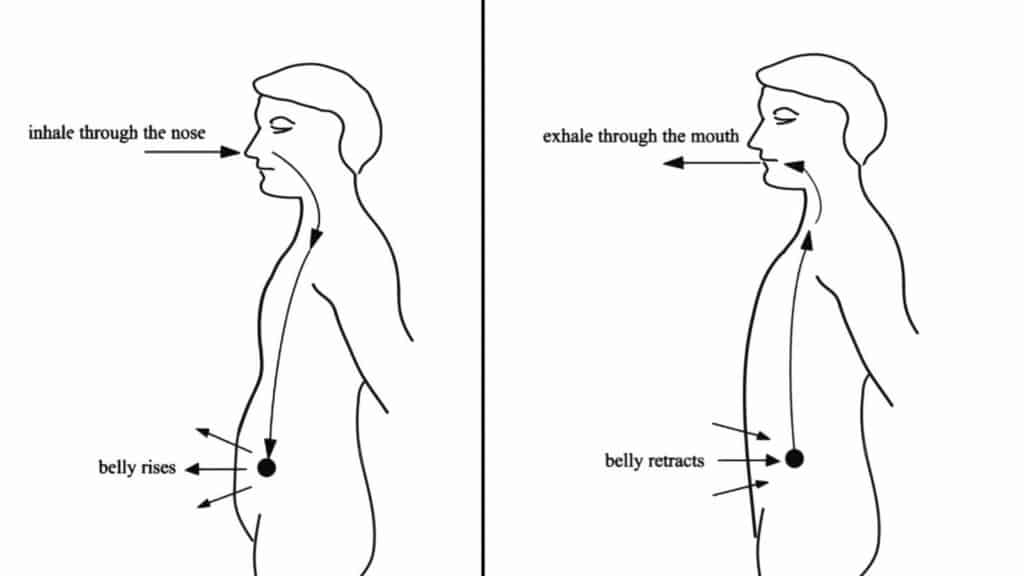
Many people struggle to fall asleep. If you’re one of them, something you should think about nightly is your breathing. Relaxation comes naturally to some and is a challenge to others. If you fall into the latter category, you have to train yourself to relax in bed. Don’t worry, it’s not as hard as it sounds!

Meditation is one way to do this, and you can find plenty of guided meditation videos on the Internet. But more importantly, you need to know how to breathe correctly. Even the most pristine meditation plan will fail if you can’t breathe the right way.

  • Close your eyes while you lie in bed and concentrate on your inhalations and exhalations.
  • Fill your lungs deeply and empty them in long breaths.
  • There are a lot of breathing exercises you can find online, so look them up and find one that works best for you.

This works because meditation is about focusing your mind on one specific thing – and in this case, it will be your breathing. This allows your brain to tune out and remove unnecessary thoughts that are preventing your sleep.

breathing

5.    Forgiveness

Many people have the tendency to be too hard on themselves. Yes, reflection and admission of mistakes is important. It’s not good to believe you’re never at fault; you need to own your flaws and work towards improving them.

But this doesn’t mean that you’re supposed to expect yourself to be a superhero or a robot. Beating yourself up over every single imperfection or error in your life is unproductive and mentally unhealthy, and it gets in the way of your ability to sleep.

Instead of using your bedtimes to wallow in self-hatred about something you’ve done, try to be productive about it. Find ways to solve the issue and see it as an opportunity to change and improve. Be grateful for the lesson you can learn from it.

But more importantly, you should take the time to forgive yourself. To err is to human, and it is impossible to never mess up. Every night, give yourself permission to make these mistakes and forgive yourself for them; be proud of yourself for having the strength to acknowledge them and work to fix them.

Doing this gives you confidence and it can make you stronger. After a while of this, you may find you no longer need to forgive yourself – you automatically love yourself and are more positive, and no longer beat yourself up over errors.

6.    Positive Affirmations

The mind is a powerful thing. Think with negative thoughts, and you’ll attract negativity. Use positive thinking, and positivity will come to you. It’s not foolproof, of course, but no one can deny that 99% of the time, it absolutely works! And when it doesn’t, that positive thought can lead to better mishap handling and resolution.

So, every night before you close your eyes, tell yourself positive affirmations. It can be any kind of message you like that will empower you and reactivate parts of your brain that keep you calm and happy. Here are some examples:

  • I trust myself and my judgment.
  • I am capable of incredible things.
  • In my heart, I am not afraid of being wrong or making mistakes. My mistakes do not define me and I learn from them.
  • I will wake up tomorrow feeling happiness and joy for living.
  • I can make my own success. Because I am made for success, success is destined for me.
  • I am confident in my abilities.
  • I make the best out of unexpected situations.
  • My approval is all I need because I love myself.
  • I am proud of myself and I choose to be proud of myself every day.

We are often surrounded by negativity. Telling yourself positive statements every night can help to ward them off and protect you from them. They’re also a highly effective method and have been scientifically proven to work, so they top the list of things you should think about every night before bed.

Final Thoughts On Things You Should Think About Every Night Before Bed

Thought is a powerful thing. Your brain is wired to respond well to positive thought, and your body follows suit. While mood disorders can dampen their effects, the fact remains that using these lines of thought before bed can have amazing effects on your life.

Yes, it sounds a bit far fetched. Can just thinking about something really make it work? Well, to that we say: try it! You just might be surprised by how much your life improves.

Researchers Reveal Why People Should Take A Break Every 90 Minutes

The basic rest-activity cycle (BRAC) is a mechanism proposed by the “Father of sleep medicine,” Nathaniel Kleitman. More commonly referred to as the ultradian (alt-ray-dee-in) rhythm, Kleitman suggested that our sleep and wake cycles occur in 90-minute intervals.   The Journal of Sleep Research & Sleep Medicine

Nathaniel Kleitman is considered the father of modern-day sleep science. Born in 1895, Kleitman immigrated from Russia to New York City, where he arrived penniless at the age of 20. By the age of 28, Kleitman had a Ph.D. from the University of Chicago.

Dr. Kleitman etched his name into this history books with his book Sleep and Wakefulness, published in 1939. In 1953, Kleitman and Eugene Aserinsky, one of Kleitman’s graduate students, published their findings on rapid-eye movement, or REM sleep.

Aside from the discovery of REM sleep, Kleitman’s findings on “rest-activity” cycles may be his most notable work. The Basic Rest activity cycle, or BRAC, states that human beings possess an inherent biological clock that operates in 90-minute intervals.

BRAC is more commonly referred to as the ultradian rhythm, which influences how the brain operates when we are both awake and asleep. For the purpose of this article, we’re going to focus on the effects of ultradian rhythm during wakefulness.

Researchers Explain Why You Should Take Work Breaks Every 90 Minutes

The underlying principle of everything Dr. Kleitman studied is that the human brain goes through different stages every 90 minutes. These stages, also referred to as ‘cycles,’ determine our levels of alertness. This principle has a more far-reaching impact than most people realize – and is something that we can use to our advantage.

Tony Schwartz is the president and CEO of the Energy Project, a company “that helps individuals and organizations fuel energy, engagement, focus, and productivity by harnessing the science of high performance.” Schwartz’s company has achieved success through the modern-day implementation of Nathaniel Kleitman’s research.

“The human body is hard-wired to pulse,” Schwartz says, “To operate at our best we need to renew our energy at 90-minute intervals – not just physically, but also mentally and emotionally.”

Compare what Schwartz (and indirectly, Kleitman) is saying and then compare it to the modern workplace. Instead of implementing any kind of science-based work/rest schedule, most companies insist on draining every ounce of “productivity” out of their workers. There’s just one problem with this approach: it’s completely wrong. The problem, according to Schwartz is “that more, bigger, faster generates value that is narrow, shallow, and short-term.”

The solution: 90 minutes of focused work, followed by 20 minutes of rest. Researchers have discovered that this is the best way to work.

Schwartz and his team at The Energy Project have rightfully critiqued this antiquated approach to work – and have had success. They’ve attracted clients from sectors ranging from hospitals and police departments to Google and IBM.

What this means for you (Recommendations)

Firstly, it is important to understand and accept the universal truth that the brain works in cycles. No prominent neuroscientist alive would deny the science of brain rhythms and sleep/wake cycles.

Second, you must take into account your work environment. Hopefully, you have a bit of wiggle room when it comes to taking breaks. If so, set a timer on your computer or phone (plenty of free apps) for 90 minutes. Absent these resources, simply jot down the time you start work and the time 90 minutes after. When the timer sounds, take a quick break.

Here are some suggestions if you work in a restrictive or office environment:

– If you’re a manager or someone who carries some clout, talk to someone who will listen.

– If you have “flex breaks,” as in you can take your allotted break times whenever; use them strategically. Here’s an example for a typical 9-6 workday with an hour lunch period:

9 am: Start work and schedule your break for 10:30

10:30-10:45: Break

10:45-12:15: Work

12:15-12:45: Meal time (reserving 30 minutes for second half of the day)

12:45-2:15: Work

2:15-2:30: Break

2:30-4: Work

4-4:20 or 4:30: Break (using up “flex time”)

4:30-6: Finish strong!

– Inflexible environments are a bit trickier, but with some creative time-management (bathroom breaks?) and determination to stick with the 90 minutes on, 20 minutes off (at least 15 minutes off), you can do it!

Try to incorporate the “90/20 rule” into all of your longer tasks, both at work and at home. You’ll feel more refreshed, more productive and, most importantly, much happier and fulfilled.

self care

Tom Gibson, a digital strategist and author, eloquently states:

“We need to incorporate ‘off time’ – the outward breath, the ebb – into our working patterns. Not with simple lip-service like ‘you need to sleep better,’ but as an integral, affirmed part of the process of working…We need to understand that ‘on’ is impossible without off,’ and that the distance between the two needs to be made closer: like the beats of a heart or the steps of a runner.”

Readers, have you ever experimented with a time-management technique? Do you plan to incorporate the 90/20 principle? Tell us about it!

(C)Power of Positivity, LLC. All rights reserved
References:
http://chronicle.uchicago.edu/990923/kleitman.shtml

http://www.huffingtonpost.com/author/tony-schwartz
http://www.huffingtonpost.com/tony-schwartz/work-life-balance-the-90_b_578671.html
https://www.fastcompany.com/3013188/why-you-need-to-unplug-every-90-minutes

Doctors Explain 5 Reasons People Have Pelvic Pain (And How to Treat It)

Pelvic pain impacts the lowest region of the abdomen, between the groin and the belly button. In females, pelvis pain can be a symptom of ovulation, menstrual cramps, or gastrointestinal condition like food intolerance. It can also be due to a serious condition.

At times, pelvis pain is a sign of an infection or a problem with the reproductive system or surrounding organs. These cases include STI, endometriosis, painful bladder syndrome, and more. In such a case, a person is required to see a physician.

While some causes of pelvis pain like cramps can be treated with pain killers, others like endometriosis involve a surgical procedure. The treatment depends on the cause and the severity of the condition. Here are five pelvic pain causes.

5 Things That Cause Pelvic Pain (And How To Treat It)

1. Pelvic Floor Dysfunction

You might have pelvic pain that comes with the feeling that you want to urinate or empty your bowel. When you have a bowel movement, you push too hard or feel like you are not finished. In this case, you could be having a condition referred to as pelvic floor dysfunction.The pelvis bones resemble a bowl that holds muscles that offer support to organs like your bowel, bladder, and uterus. If the muscles are inflamed, they end up contracting and causing pain as well as other symptoms like pain during sex and constipation.

According to the Journal of the American Medical Association, a 2008 study found out that about 25 percent of women experience this issue. Risk factors include being obese or overweight, having a genetic predisposition, and pelvic surgery or past vaginal childbirth.

Treatment

You can visit a physician to have a physical exam done for checking the pelvic floor muscles for knots, weakness, or spasms. If the doctor suspects that you have the condition, which is one of the top pelvic pain causes, they will carry some tests such as the use of electrodes to check for muscle control in the affected area.

Treatment involves working with a pelvic floor physical therapist. It may involve learning to relax and contract the pelvic muscles, usually with the assistance of techniques like biofeedback, which reduces symptoms in over 75 percent of the instances. The therapist can also teach your exercises to carry out at home.

Nowadays, some doctors will inject Botox directly into your pelvic floor muscles. According to a 2013 Harvard study, these injections are effective in relieving this kind of pelvic pain.

2. Painful Bladder Syndrome

You can suffer from pelvic pain that is accompanied by a feeling of having to urinate all the time. This could be as a result of a condition called interstitial cystitis or painful bladder syndrome. This condition impacts 3-7 percent of females, and the cause is still unknown.

However, there is a theory that suggests the condition to arise as a result of a breach in the bladders’ protective lining, which makes urine irritate the wall of your bladder. It is usually related to another chronic pain disorder like fibromyalgia or IBS. Many patients describe the condition to resemble a constant low-level UTI.

You will feel pressure and discomfort in the pelvic region, and you will keep going to the bathroom, with very slight urine coming out. It can also lead to pain during intercourse.

Treatment

First, the doctor requires confirming that you are free from UTI. Painful bladder syndrome is often diagnosed when some other conditions are ruled out. These include bladder cancer, kidney stones, and more.

The physician will recommend keeping away from drinks and foods, like citrus, that could irritate the bladder. Other lifestyle changes can also be recommended. Various medicines can assist in offering pain relief.

The approved medication for this condition is the RX med Elmiron. It can assist in repairing the bladder’s inner surface. The gynecologist can also inject a mixture of prescription medicines directly into the bladder to assist numb it.

This involves typically 6-8 weekly treatments as well as required follow-ups. Nerve stimulation could also be an option.

3. Irritable Bowel Syndrome

According to a gastroenterologist at NYU Langone Health, it can be difficult to determine whether your pelvic pain is related to your gut or the reproductive system. This is because some parts of the colon are close to the pelvic region.

However, if the pain is followed by gas, bouts of constipation, bloating, mucus in the feces, or diarrhea, you could be having irritable bowel syndrome (IBS). IBS is the most popular gastrointestinal disorder on the planet, and it is one of the top pelvic pain causes. About 10-15 percent of people experience the issue and the figures are twice in females.

Treatment

To treat the condition, visit a gastroenterologist. This doctor will carry out tests to rule out other diseases like celiac before suggesting first-line treatment for IBS. The treatment can include dietary tweaks such as minimizing consumption of possible trigger foods like gluten and dairy.

Also, you could try consuming probiotic foods to promote the growth of healthy bacteria in the gut. Additionally, you can obtain over-counter-drugs such as Align and Culturelle.

Irritable bowel syndrome - pelvic pain

There is also a two-week treatment with Xifaxan, which is an antibiotic that was approved by the FDA in 2015 for the treatment of this condition. Prescription of antispasmodic medications like Viberzi can also assist.

4. Endometriosis

Another one of the main pelvic pain causes is endometriosis. In this condition, the tissue lining the inside of the uterus, referred to as the endometrium, goes outside the uterus. The pain varies from mild to intense and is often linked to menstruation.

The pain can begin some days in advance and continue through the period but can happen at any moment. The condition can also lead to pain during a bowel movement or sex. It impacts about 10 percent of all females of reproductive age, but it is unfortunately underdiagnosed.

It may take between 5 and 20 years to achieve the proper diagnosis. In case the pelvic pain is accompanied by very heavy periods, and it happens you are urinating a lot and constipation is rampant, it could be something else like fibroids. Fibroids can be a sign of tumors in the uterus.

Fibroids are very common such that 80 percent of black females and 70 percent of white females get the condition by the time they are 50. In most of the cases, fibroids fail to trigger symptoms.

Treatment

The initial step in the treatment of endometriosis or fibroids is the use of a hormonal birth control method like Mirena IUD or the pill. In case the pain is excruciating, and the doctor concludes endometriosis, you will be recommended a laparoscopy. Here, a professional gynecological surgeon checks inside the abdomen and takes out the endometrial tissue.

This is done to confirm the diagnosis and treat the condition. In the case of fibroids, embolization is done, whereby tiny particles are injected into arteries of the uterus to prevent blood flow, which causes the fibroids to die. Surgical procedures can also be carried out.

5. Sexually Transmitted Infections

Some STIs like chlamydia and gonorrhea also result in pelvic pain. The CDC (Centers for Disease Control and Prevention) estimates that about 2.86 million chlamydia infections take place in the US annually. In addition to pelvis pain, other symptoms include discharge from the penis and inflammation in the urethra.

Chlamydia can also infect the anus or rectum, possibly making it painful too. A condition referred to as lymphogranuloma venereum can be caused by various versions of the bacteria that leads to chlamydia. It may cause pelvis pain that is hard to treat.

According to the CDC, lymphogranuloma venereum can lead to outbreaks of proctitis or rectum and anus inflammation in gay men.

The CDC states that gonorrhea infects almost 820,000 individuals every year. The infection leads to discharge from the penis as well as pelvis pain. In case it impacts the rectum, it can lead to painful bowel movements or discharge from the anus.

Treatment

An easy treatment for chlamydia is antibiotics, but pregnancy can be difficult if the condition remains untreated. Your physician will prescribe oral antibiotics, like doxycycline or azithromycin. Your partner also needs the treatment to safeguard you against reinfection.

The infection should be cleared in 7-14 days, and the prescription should be finished. Females who have severe chlamydia might need hospitalization, pain medication, and intravenous antibiotics. Individuals with the condition should keep away from sex for a week while taking antibiotics to avoid infecting their partners.

In the case of gonorrhea, the physician will prescribe you ceftriaxone and doxycycline or azithromycin antibiotics. While ceftriaxone is a one-time injection, the other two are oral. But you might be prescribed the antibiotics for seven days or more if your case is severe.

Be sure to take the treatment with your partner and wait for seven days before resuming any sexual activity. You might need to revisit the doctor to test whether the infection is fully gone. If your gonorrhea has antibiotics resistance, you will be prescribed a longer dose of various antibiotics.

Conclusion

Pelvic pain is a prevalent problem especially in women who experience ovulation and menstrual pain once or twice per month. However, some conditions like painful bladder syndrome are not that common. Regardless of the condition that causes your pelvis pain, there is a treatment available for you.

If you ignore the pain and take pain medication, some risks are associated with particular conditions. In the case of chlamydia, you can have pregnancy complications if you don’t treat it. Hence, be sure to see a doctor if you feel pain in the pelvic region.


What Do You Need Most In Your Relationship, According to Your Zodiac Sign?

While zodiac signs are a controversial topic often met with some skepticism, there are plenty of people out there who read the zodiac for relationship advice. That’s why you see “zodiac sign” listed under profile requirements on most dating sites out there. It seems many people want to see their potential mate’s zodiac sign before talking to them to see if they will even be compatible before going through the trouble.

If you do believe in zodiac signs, you’ll know that each of the twelve astrological signs has different characteristics and behaviors that make up their personality. No two signs are the same, of course, but most of them have underlying similar traits. For example, many Cancers are consider to be moody, contemplative, reclusive people who are highly sensitive and intuitive.

Because each zodiac sign has different traits, some signs will be more compatible than others.  For example, water signs are highly emotional, so they pair well with someone down to earth and stable, such as an earth sign. Feisty fire signs such as Aries typically pair well with an air sign such as Gemini. Of course, relationships go a lot deeper than zodiac signs, but it helps to know compatibility first by seeing if your personalities mesh well together.

So, we’ll go over what you might need in a relationship and who you would be most compatible with.

What do you need in a relationship, according to your zodiac sign?

Aries (March 21 – April 19)

Aries need someone to be upfront with them, no matter the cost. The Ram appreciates someone who doesn’t sugarcoat things and can handle their sometimes brash, straightforward manner of communicating. Aries are bold and transparent and need someone confident and stable by their side. They have a good sense of direction and strong ambition, so they don’t want anyone holding them back.

Aries don’t typically match up well with people who are shy or timid. They are best complemented by people who have a strong personality but also know how to have a good time.

Aries are most compatible with Gemini, Libra, Aquarius, Sagittarius, and Leo.

Taurus (April 20 – May 20)

Taurus are headstrong signs that love their routines. They don’t do very well with change or compromises. They see life through their lens and have a difficult time understanding other people’s perspectives sometimes. They need someone who will get them out of their shell and show them a new way of seeing the world.

Taurus needs someone who they can feel comfortable with and who won’t mind digging a little deeper to uncover their real thoughts and feelings.

This zodiac sign is most compatible with Cancer, Pisces, Virgo, and Scorpio.

Gemini (May 21 – June 20)

Above all else, Geminis need someone who is stable and sure of who they are. True to their nature, Geminis are constantly changing their views, personalities, and wardrobes, so they are hard to keep track of, to say the least. Because of their flighty, nervous nature, Geminis do best in a relationship with zodiac signs who are secure and confident in themselves. Geminis are a fun, upbeat sign, so they don’t typically mesh well with moody signs such as Water.

Geminis have a real love of life and are complemented best by people who share that passion. This sign might seem wishy-washy, but they will settle down if they find someone who can make them feel wild and calm at the same time.

Geminis are most compatible with Aquarius, Libra, Aries, and Leo.

Cancer (June 21 – July 22)

In a relationship, Cancers will give everything to their partner. Because of this, they often lose themselves in relationships because they put their partner first, always. They need someone who is stable to handle them during times of emotional distress and existential crises (which happen often).

Cancers are diehard idealists who have an image in their minds of how a partner and relationship should be. When this image is shattered, they can get pretty hurt and confused. So, they need a partner who is up to the challenge and who can handle their intense emotions and moods.

Cancers need comfort, above everything, so finding a relationship with someone who will get cozy with them and cook them food is their idea of perfection.

Cancers are compatible with Capricorn, Virgo, Taurus, and Pisces.

Leo (July 23 – August 22)

Leos love being the center of attention and have a lust for life. They love to have a good time and make new friendships. Though Leos can be a little vain, they have good hearts and would do anything to help others. Leos need someone confident who can keep up with them and show them a good time.

Leos are most compatible with other fire signs, as well as Gemini and Libra.

Virgo (August 23 – September 22)

Virgos feel most comfortable thinking of things in terms of numbers and logic. They don’t understand anything that can’t be computed or measured, and have a hard time in relationships because of this. In fact, they are a bit skeptical of love since it isn’t tangible, and prefer relationships with people who are mature and serious. This zodiac sign doesn’t do well with people who are overly emotional or moody.

However, because Virgos aren’t very lovey-dovey or mushy, they need someone to bring them out of their shell a bit and tap in to their emotional side. In a relationship, Virgos do best with people who are emotionally available but not totally sappy. They need a balance between logic and emotions.

Virgos are best paired with other earth signs as well as water signs.

Libra (September 23 – October 22)

Libras need equality, peace, and stability in a relationship. They match up best with zodiac signs who can provide for them as well as give them a sense of hope. Libras need someone they can believe in, as they are very much about justice and humanitarian issues. They need a relationship with someone they can admire.

Libras are most compatible with other air signs and fire signs such as Aries and Sagittarius.

Scorpio (October 23 – November 21)

Scorpios value trust in a relationship above everything. They’ve been burned many times before and have developed trust issues as a result. So, if you’re a Scorpio, you need to go for someone straightforward who isn’t looking to play any games.

You are a highly emotional sign but hide your feelings because you don’t like showing vulnerability unless you can deeply trust that person. You need someone who can be your rock and show you that some people are worthy of your trust and openness.

Scorpios match up best with Cancer, Pisces, Virgo, and Capricorn.

Sagittarius (November 22 – December 21)

Sagittarians are restless souls who are always down for a good adventure. They don’t like sitting for too long and prefer being outdoors or playing sports. They have a quick wit and independent personality. They tend to avoid depending on others because they can’t stand being let down.

Sagittarians need someone who can run wild with them who won’t slow them down or try to change them. If you are a Sagittarius, you don’t want to be tamed by the constraints and demands of the modern world. You need someone a little rough around the edges who won’t mind a bit of an unconventional life.

Sagittarius is most compatible with Aries, Gemini, Aquarius, and Leo.

Capricorn (December 22 – January 19)

Hard-working and driven, Capricorns can easily become workaholics because they have a knack for success. They stay late at the office and take it easy on the weekends to gear up for the next work week. Capricorns desperately need a relationship with a zodiac sign who will help them stray from their routine a bit and loosen up their tight grip on life.

Capricorns have a hard time relaxing and tend to be uptight about work and other aspects of life. Water signs make a good match, because they can help soften the edges of this zodiac sign and provide them with some peace and tranquility.

Because of their “Type A” personality, Capricorns tend to go well with Cancer, Pisces, or Scorpio.

Aquarius (January 20 – February 18)

Aquarians love learning about new cultures and are always planning new trips in their minds. They have a passion for art, travel, culture, and adventure, and are always down for a good conversation.

zodiac sign

Because of their sophisticated personalities, they need someone similar who can have an intelligent conversation but who can also hop on a plane with them spontaneously.

Aquarius are most compatible with fire signs and air signs like Gemini.

Pisces (February 19 – March 20)

Pisces are sensitive, romantic, and affectionate. They are old-school romantics who swoon over chocolates, a nice dinner, and an expensive bottle of wine. They are creative souls as well who tend to live more in their heads than in reality.

Because of their emotional nature, they need a zodiac sign to bring them back down to earth, such as Taurus, Virgo, or Capricorn.

Final thoughts

We hope you have learned a bit about which zodiac sign you are most compatible with. Don’t take zodiac signs too seriously, though, as there is a lot more to a person than the day they are born. Use zodiac sign compatibility as more of a fun icebreaker than a deal breaker, in other words.

14 Signs That Reveal Your Thyroid Is Hurting Your Health

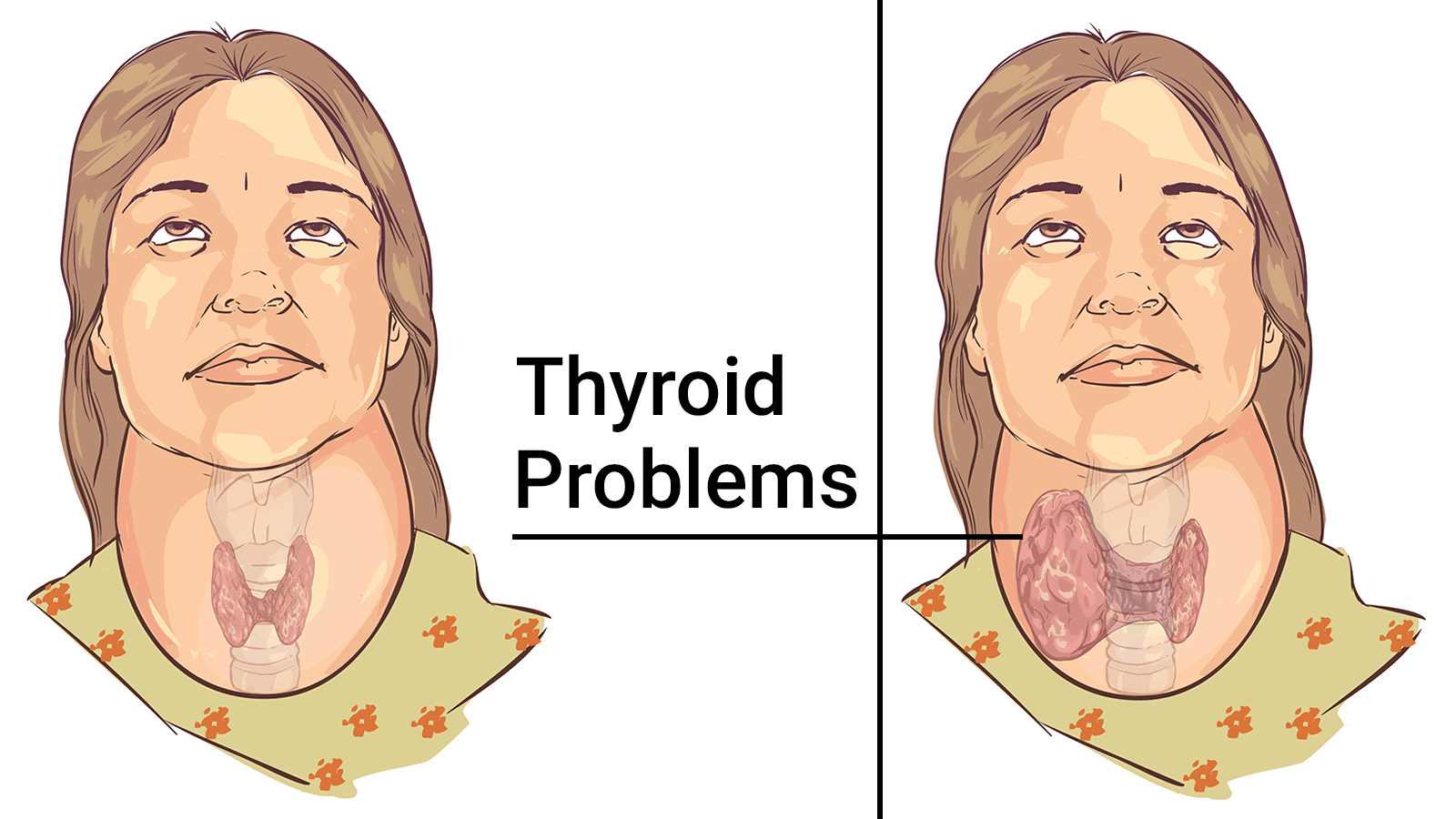
Your thyroid is a gland at the front of your neck that’s located just beneath the Adam’s apple. It’s only two inches long, and it’s shaped somewhat like a butterfly with two hormone-secreting lobes connected by a narrow strip of tissue called the isthmus. These hormones regulate a variety of essential metabolic functions, including respiration, heart rate, body temperature, and activities involving the central and peripheral nervous systems. When this gland is unhealthy, you are likely to feel unwell in a multitude of ways.

This gland is an essential player in a complex homeostatic feedback mechanism that involves the brain as well as the many different target organs and tissues that respond to the hormones it secretes. The good news? Simple thyroid-related blood tests can often diagnose malfunctions. Additionally, effective thyroid treatment is often a matter of calibrating the right dose of synthetic thyroxine. There are also many lifestyle changes you can make that will improve the health of this vitally important gland.

Following, you will find a few of the conditions that may be associated with a gland that isn’t functioning properly.

Hypothyroidism

Hypothyroidism is a condition in which insufficient amounts of thyroid-stimulating hormone (TSH) or thyroxine (T4) are being either being produced, being secreted, or both. The lack of these hormones may depress your metabolism so that you experience symptoms like:

  • Decreased heart rate
  • Hypotension
  • Fatigue
  • Sensitivity to cold
  • Dry skin
  • Weight gain
  • Depression

Thyroid treatment for this condition involves the administration of synthetic T4 in pill form. It’s important to get the dose precisely right because otherwise, you can trigger hyperthyroidism.

Hashimoto’s disease

Hashimoto’s disease is an autoimmune disease in which your body’s immune system targets and breaks down the thyroid, thereby interfering with that gland’s ability to produce T4 and TSH. This disease, the leading cause of hypothyroidism in the U.S., has symptoms associated with hypothyroidism. The condition progresses slowly. While 14 million Americans have the condition. Besides that, many others with milder cases  likely don’t realize they have the disease.

Hyperthyroidism

Hyperthyroidism refers to an overactive thyroid gland. It often comes from the growth of nodules–malignant or benign. Hyperthyroidism is associated with symptoms that are pretty much the opposite of hypothyroidism, such as:

  • Accelerated heart rate
  • Hypertension
  • Restlessness and nervousness
  • Sweating
  • Brittle hair and nails
  • Weight loss
  • Insomnia

Diagnosing hyperthyroidism involves checking levels of TSH and T4 levels; if they’re abnormally high, then the gland is hyperactive. Thyroid treatment in these cases is somewhat more complicated because it often involves trying to prevent the gland from secreting hormones either with medication or through surgery or radiation. If the treatment isn’t just right, a patient may develop signs of hypothyroidism.

Grave’s disease

Grave’s disease is the most common cause of hyperthyroidism in the United States. Medical scientists estimate that it affects 1 in every 200 people in the U.S. Like Hashimoto’s disease, it’s an autoimmune condition, but in this instance, your immune system’s search and destroy mission causes the gland to overproduce hormones. In addition to the symptoms described above, Grave’s disease is characterized by exophthalmos. In this condition, the eyes bulge or protrude from the skull.

Grave’s disease has a hereditary component, but lifestyle choices such as smoking can exacerbate it. Pregnancy and high-stress levels are also risk factors.

Goiter

If you don’t get enough iodine in your diet, this gland can become enlarged. This condition, known as goiter, is rare in the U.S. where iodine is routinely added to table salt. It likely affects more than 200 million individuals worldwide. Goiter may also stem from hyperthyroidism.

thyroid

Natural Interventions

According to medical scientists, roughly 60 percent of the 20 million Americans affected by the abnormal functioning of this gland do not know they have any kind of problem. If you suspect you have a sub-clinical condition, a few simple lifestyle changes may be able to keep the clinical condition at bay.

• Increase your HDL cholesterol intake: Cholesterol is bad when it clogs your blood vessels, but eliminating fats and cholesterol entirely from your diet is not a wise choice. Cholesterol is one of the essential building blocks your body uses to manufacture hormones. Foods rich in HDL cholesterol include olive oil, whole grains, fatty fish like salmon and cod, and nuts.

• Experiment with going gluten free: Gluten molecules happen to be structurally similar to the molecules that make up this gland. They activate an immune system response. When your immune system finishes detecting and destroying gluten molecules, it may go after that gland.

• Practice meditation: That homeostatic feedback mechanism we mentioned way back in the second paragraph is extremely sensitive to stress. Decrease your stress levels by practicing deep relaxation, and your body will have a better chance of achieving equilibrium.

Psychology Explains 10 Ways To Let Go of Worry

Stress can be debilitating, but it doesn’t have to be. We all deal with stressful situations in life, but some of us know the secret to overcoming these struggles. As you learn how to let go of these stressful moments and feelings, you’ll be able to live life to the fullest.

How to Let Go of Worrying

It’s impossible to eliminate all stress from our lives, but we can all do a better job of learning how to manage stress and handle our own fears.

If you’re ready to learn how to let go of your anxiety, keep reading.

1. Identify the Cause

Figuring out why you’re worried is the first part of letting go of your anxiety.

Why are you so anxious? Are you actually excited about something and are worried that it’s too good to actually be real? Are you worried that something bad will happen?

Answering these questions is a good way to come to terms with what is really driving your anxieties.

If you dig deep enough, you’ll see what’s really underneath these worries.

Excitement, fear, sadness, and a combination of many other different emotions often culminate in this feeling of being worried. Once you can break down your anxiety into smaller feelings, you’ll be better able to get a hold of how you’re feeling and work on eliminating your anxiety altogether.

Though it will take time, making this step forward will allow you to get started with dismantling your anxiety.

2. Recognize What You Can’t Control

In life, we want to take control of everything. From our emotions to the direction in which our lives are going, we all try our best to get what we want out of life.

However, this isn’t possible in every situation. Our most intricate plans have a way of falling apart, regardless of how much hard work we put into them.

When we are unable to realize our goals, it can lead to feeling frustrated, hopeless, and worried about how things will turn out after our initial attempts have failed.

Though these moments can be a major letdown, if you find yourself feeling this way, you must understand that you can’t control everything in life.

From other people, to the weather, to relationships, you can only control your own actions.

While this realization may seem frustrating to some people, in reality, it is rather freeing.

Being able to let go of any feelings of guilt, frustration, and stress caused by not feeling in control will give way to feeling more confident about your choices—the only thing you can control.

3. Realize that Worrying is Useless

Worrying is ultimately a waste of energy.

Oftentimes, the most stressful situations are ones that can’t be planned for. Situations like car trouble or a natural disaster are all examples of potential stress-inducing issues that will happen whether you worry or not.

Similarly, most of the scenarios we fear will happen never actually happen. Whether you’re worried you’ll lose your job or you’re afraid you’ll never find the love of your life, most of this anxiety is in your head.

Since you ultimately can’t control what will happen to you in life, what’s the point in worrying about something you have no control over?

4. Understand You’re a Survivor

No one escapes life unscathed.

We all have our own war stories of broken hearts, hurt feelings, and some of the worst situations we’ve ever experienced.

Looking back at all that, you must realize that you’ve gone through all these challenging situations and you’ve come out of them alive.

You’ve survived everything that you’ve been through and you’ll continue to keep surviving. 

You’re more powerful than you know and stronger than you give yourself credit for.

Once you accept this fact and let go off your fear, you’ll see that whatever you’ve been worrying about doesn’t stand a chance. You’ve proven to life and yourself that you’re more than the things that threatened to hold you back.

Whatever happens next, you can handle it.

5. Recognize Inconveniences for What They Are

We’ve all been there. What is really a minor inconvenience seems like a catastrophe in the moment.

Taking a step back to recognize inconveniences for what they are will help you keep your anxiety in check and let go.

Whenever you feel yourself start to tense up with stress again, ask yourself if it’s truly a disaster of if it is a small inconvenience.

When we are overworked, stressed out, and low on energy, even the smallest things can feel like the end of the world.

If you can, take some time for yourself and decompress before addressing the situation again. This wil help you let learn to let go.

Once you are centered, analyze the problem and see whether or not it is worth worrying over. As soon as you understand that the problem isn’t as unmanageable as it seems, you’ll be better able to find a solution to the issue.

6. Trust Yourself, You Got This

We live, we learn. The more experience you have, the better equipped you will be to handle the curveballs that life throws your way.

Most of the stress we have comes from feeling like we aren’t capable of handling a situation. Whether you’re worrying about finding money for a financial issue or working through a complicated problem in a relationship, things can easily seem overwhelming when you doubt yourself.

Regardless of what you’ve experienced in life, always believe in yourself.

Whatever problem you may be worrying about, you have every tool you need to solve your issues. Even if things don’t work out as perfectly as you may hope, the more you trust yourself, the better you will be able to navigate these situations and let go of the fear.

7. Honor Your Journey

Life is meant to be experienced.

Throughout the good and the bad, it’s important to honor the journey you are going through.

Every momentary inconvenience or setback will only help to shape you into the person you are becoming. Even the moments that are the most painful allow you to become a stronger person and prepare you to take on other challenges in life.

As you go through life, choose to embrace all your experiences rather than worry about what may or may not happen.

Take joy where you can find it and learn what you can from any mistakes. With this sort of mindset in place, you’ll find that you can look forward to any hand that life deals you as you know it is only serving to make you into the best version of yourself.

8. Ask for Help When You Need It

One of the main reasons life’s struggles can seem so overwhelming is the fact that we try to do life alone.

While this sort of independent mindset is helpful in certain situations, no one is an island.

Not everything in life is easy to face alone and we don’t have to go through these issues by ourselves. It’s time to let go of the idea that we don’t need anyone else.

When things start to become too overwhelming, it’s okay to ask for help.

Our friends and family members care about us and are often willing to help in any way they can.

If you ever take on too much, don’t make it worse by drowning in the fear that you don’t have a way out of the situation. Though it may be uncomfortable to ask for help, it doesn’t mean you’re weak.

Being able to admit that we can’t handle something on your own is a strength that more of us should start embracing.

9. Learn How to Let Go

Anxiety doesn’t have to stay with us. All the worry, stress, and fear that we invite into our lives can be eliminated when we make the decision to let these things go.

From forgiving someone that has wronged us to letting go of past mistakes that seem to haunt us, understanding how to accept things and move on from them is the sort of cathartic experience that allows us to move on and free ourselves from anxiety that would’ve otherwise held us back.

As you go through your daily life, you’ll find more ways to release the momentary anxiety you feel so you can start fresh each day.

10. Prepare for Positivity

Many of us invite needless negativity into our lives. While it may seem important to worry about all the little things like what to wear, what to say, and what the day may bring, these worries only serve to make us feel negatively about ourselves and our lives.

Similarly, thoughts where we criticize ourselves cause further stress and lead to us doubting ourselves.

let go

Avoid all these dissatisfactory emotions and thoughts by focusing on removing negativity from your life.

Spend a few moments in the morning reflecting on all the positive things in your life.

Go over all the amazing characteristics that make you you and remind yourself that you’re capable of anything.

To avoid stressing out over the little things, take some time the night before to plan out your outfits, schedule, meals, and anything else that might cause stress in the coming days.

The better prepared you are mentally, physically and emotionally, the less stress you’ll experience.

Final Thoughts on How to Let Go

Letting go of your stress won’t happen overnight. While it may take time to fully let go, taking daily steps to move past these worries will help you manage your stress.

Keep this guide in mind as you take on each day and its new challenges. Learning how to live in the moment is all about not letting stress hold you back. As you learn to let go, you’ll see just how wonderful life can be.


5 Foods That Make Heartburn Worse

According to the American College of Gastroenterology, over 60 million Americans experience some form of heartburn at least once every month. Despite the terminology, heartburn has nothing to do with the heart; moreover, it is a condition involving the digestive system and is a byproduct of GERD (gastroesophageal reflux disease) and acid reflux. When one experiences heartburn, the lining of the esophagus becomes more sensitive than the lining of the stomach. In response, the acid in the esophagus produces a burning sensation in the chest, hence the term “heartburn.”


In addition to the burning sensation, many have characterized heartburn as a sharp pain coupled with a tightening sensation. Also, some people have described the pain as being mobile in that it vacillates between the neck and throat. Not surprisingly, the foods that we consume play a significant role when it comes to whether or not we experience heartburn. In this article, we will go over 5 foods that make heartburn worse as well as treatments that can help alleviate the symptoms.


ACID REFLUX AND GERD

Before delving into treatments and foods that should be avoided to prevent heartburn, let’s take a closer look at the two conditions that contribute it, acid reflux and GERD. Although used interchangeably, these conditions are very different, despite contributing to the same general problem.

Acid reflux – This is a condition whereby acid from the stomach reverses back into the esophagus. In addition to causing indigestion (heartburn), it can also result in the following symptoms:

  • Chronic coughing
  • Bitterness in the back of the throat
  • Sore throat
  • Pressure and burning sensation around the breastbone
  • Sour tasting mouth

GERD – This condition is commonly described as an intensified form of acid reflux in that it occurs frequently and results in inflammation of the esophagus. It is important to note that long-term damage to the esophagus can cause cancer. Also, unlike indigestion, pain from GERD cannot be remediated through the use of antacids and other common over-the-counter medication. Some of the more common GERD symptoms include

  • Halitosis
  • Indigestion
  • Damage to tooth enamel
  • Chest pain
  • Chronic dry cough
  • Asthma
  • Difficulty swallowing
  • Regurgitation

WHAT CAUSES DIGESTIVE PROBLEMS?

In addition to certain foods, GERD, acid reflux, and indigestion can be the byproduct of lifestyle choices and underlying health problems. Some of the most common contributors include

  • Being overweight or obese
  • Smoking
  • Alcohol consumption
  • Pregnancy
  • Hiatal hernias

It is also worth noting that certain medications like antihistamines, pain relievers, sedatives, antidepressants, and calcium blockers, for example, can significantly disrupt one’s digestive health. Fortunately, many digestive problems can be resolved through lifestyle changes like dietary changes, losing weight, limiting alcohol consumption, and quitting smoking, for example.

DIAGNOSIS

While indigestion and acid reflux are easily identified based on symptoms, GERD, on the other hand, can only be diagnosed by a physician who will perform the following tests before reaching such a conclusion:

24-hour impedance-probe: This is a test that entails inserting a flexible tube into the nose and advancing it into the esophagus, which can help physicians determine whether or not acid is refluxing beyond the esophagus.

Upper endoscopy – While sedated, a tube fitted with a camera is inserted into the patient’s mouth and is passed through the stomach until it reaches the small intestine. An upper endoscopy test is useful in that it allows physicians to detect tumors, inflammation, ulcers, and other signs of damage that may be contributing to digestive problems.

5 Foods That Make Heartburn Worse

Consuming certain foods and beverages have been shown to increase acid production in the stomach, which, in turn, leads to acid reflux, GERD, or indigestion. Avoiding these foods can reduce symptoms and, in many cases, ensure that you don’t develop them in the first place. Some of these foods and beverages include

1. MEAT

Unless you’re vegan or vegetarian, you probably enjoy steak, chicken, and even pork chops when dinner time rolls around, but it is important that we recognize that these foods can cause digestive problems. In fact, according to an article published in the Gastroenterology Research and Practice Journal, a peer-reviewed and open access, meat has been linked to esophagitis and GERD.

The study cited high cholesterol and fatty acids associated with most cuts of meat as the primary reason. However, high sodium, oils, and fats also play a role. For example, the high-fat found in most meat can cause sphincters in the stomach to relax, a condition that can lead to GERD and other digestive problems. Of course, we are not suggesting that you avoid meat altogether, but it may be a good idea to limit how much of it you consume.

2. HIGH-CHOLESTEROL FOODS

In reducing how much meat you consume, you also reduce your cholesterol intake, which is important since studies show that there is a correlation between high cholesterol and impaired digestive health. In fact, according to study in the Alimentary Pharmacology and Therapeutics, a peer-reviewed medical journal, a diet high in cholesterol and saturated fatty acids can lead to acid reflux and GERD. So in addition to limiting how much meat you consume, it may be a good idea to consume fewer eggs, as well as certain dairy products, as these foods are also very high in cholesterol.

3. HIGH-SODIUM FOODS

In addition to being one the primary contributors to high blood pressure, high-sodium foods like smoked, cured, salted or canned meat, for example, are notorious for causing stomach bloating and a variety of digestive problems. The same applies to frozen foods, processed meats, or any food where salt is the primary preservative. Basically, the salt in these foods causes fluid retention in the body, which, in turn, causes bloating, digestive problems and, in extreme cases, may lead to stomach cancer.

4. ACIDIC FOODS

Along with damaging tooth enamel, acidic foods like tomatoes, grapefruit, lime, and lemons, for example, can cause the lining of the stomach to become inflamed, resulting in digestive problems. Some of these problems include indigestion, gas, constipation, bloating, and diarrhea. It is important to note that tomatoes are used in a wide for a variety of foods including pizza, spaghetti, and a number of cooking sauces.

5. CHOCOLATE

Despite being delicious, chocolate can wreak havoc on one’s digestive system, especially chocolate containing artificial sweeteners. Studies show that this seemingly innocuous treat can trigger an upset stomach, diarrhea, indigestion, and loose stool. Ideally, if you’re going to consume chocolate, it is best to avoid any that contain artificial sweetener and to also limit your consumption.

heartburn - chocolate


Along with food, certain beverages can adversely affect your digestive health. That said, it is a good idea to limit the amount of alcohol, coffee, and caffeinated drinks that you consume. The same applies to acidic beverages like lemon juice, orange juice, and grapefruit juice. Getting back to foods, you should also avoid consuming too many greasy or spicy foods.


WHAT ARE TRIGGER FOODS?

Trigger foods are those foods that can cause a flare-up of digestive symptoms. While the extent of those flare-ups can vary from person to person, there is anecdotal evidence that suggests the probability of experiencing some degree of digestive problems is greater with some foods over others. It is also worth noting that certain foods can significantly improve digestive problems.

FOODS THAT CAN IMPROVE YOUR DIGESTIVE HEALTH

According to a 2013 study published on hindawi.com, a commercial publisher of scientific, technical, and medical literature, dietary changes can dramatically improve indigestion, acid reflux, and other digestive problems. Of course, this is not to suggest that one should completely overhaul their diet. Instead, it comes down to making small changes that can lead to improved digestive health. To further illustrate this point, let’s take a look at a few foods that have been proven to reduce the frequency of indigestion, acid reflux, and GERD:

  • Fruits rich in fiber, potassium, and magnesium
  • Leafy green vegetables like spinach and kale
  • Foods rich in vitamin C like oranges and bell peppers
  • Whole grain carbohydrates

In summation, there are a number of foods that can work for and against your digestive health. It is important to be mindful of the foods you consume and take an active role in maintaining an overall healthy diet. To make this process easier, it would be a good idea to work with a dietician or nutritionist, especially if you are prone to digestive problems.

Skip to content