Weekly tips, affirmations, and small actions to feel your best.

Researchers Reveal Connection Between BPA Exposure and Gene Linked to Autism

Have you ever seen those “BPA-free” stickers on water bottles and other plastic containers? It turns out that there may be an excellent reason. For if a joint research team from the University of Virginia School of Medicine and North Carolina State is to be believed, BPA exposure increases the risk of transgenerational autism.

Indeed, it seems that most health experts and public health agencies concur that BPA is a potentially dangerous chemical – even in small amounts. Moreover, products advertised as “BPA-free” may not be much healthier.

In this article, we’re going to clarify what BPA is as well as the known dangers of the chemical. We’ll also discuss the study in more detail and what you can do to safeguard the health of yourself and your loved ones. Finally, we’ll give you some tips on how to identify products that contain BPA.

First, let us acquire a good understanding of what BPA is.

What is BPA?

In 2015, four million tons of bisphenol A – most often referred to as simply “BPA” – was produced and allocated. Most of these four million tons were made exclusively for the manufacturing of polycarbonate plastic. The biggest consumers of the raw material are, by far, companies involved in the plastics industry.

First discovered in the early 1890s by the Russian chemist Alexander Dianin, bisphenol is produced by catalyzing a 2:1 mix of phenol – a white crystalline organic compound – with acetone – a colorless, flammable and volatile liquid.

Shortly before his death, Dianin would again use bisphenol A to produce another chemical composite: Dianin’s compound. Since Dianin’s discovery, chemists have found a more efficient way to produce the chemical on an industrial scale.

Bisphenol A is most often referred to as simply BPA. BPA is often mentioned in the context of the production of many types of plastics and resins; namely, epoxy resins and polycarbonate plastics. The latter is frequently used in the production of consumer storage products, including water bottles. Because of the durability of BPA-based plastics, it is also used to produce CDs and DVDs, and even sports equipment.

Other products that may contain BPA include:

  • Canned foods
  • Dental filling sealants
  • Eyeglass lenses
  • Household electronics
  • Feminine hygiene products
  • Plastic bottles and containers (including baby bottles)
  • Toiletries
  • Thermal print receipts

BPA is considered an important pollutant despite its relatively rapid biodegradation and short soil and water half-life. Per the Environmental Protection Agency (EPA), over one million pounds of BPA are released into the atmosphere annually. BPA waste is ubiquitous, coming from – among other places – wastewater treatment plants, irrigation pipes, leaching, and recycling companies.

What is Autism?

Autism is a neurodevelopmental disorder typified by abnormal social interaction and the display of repetitive behavior and thought patterns. According to Autism Speaks, one in 59 children is affected by autism. Autism is often referred to clinically as an autism spectrum disorder, or ASD, due to the multiple subtypes of autism. Experts attribute the development of autism of both environmental and genetic factors.

Other developmental disorders that fall under the umbrella of ASD include autistic disorder, Asperger syndrome, childhood disintegrative disorder, and pervasive developmental disorder-not otherwise specified (PDD-NOS.)

The symptoms and signs of autism are numerous and may include:

  • Atypical body posture and facial expressions
  • An atypical tone of voice
  • Behavioral difficulties and disturbances
  • Eye contact avoidance
  • Language comprehension deficits
  • Irregular social interactions
  • Intense focus on and preoccupation with specific topics
  • Lack of empathy
  • Learning difficulties
  • Monotonous tone of voice
  • Social isolation
  • Repeating of phrases or words
  • Repetitive movement
  • Self-abuse
  • Sleep disturbances

How is BPA dangerous?

BPA is known to be an endocrine-disrupting chemical (EDC). Scientists have slapped BPA with the EDC label because it appears to alter the way that the body’s hormones work. To help us understand why this is a significant problem, let’s quickly talk about the roles of the endocrine system.

The endocrine system is comprised of numerous hormone-producing glands. These hormones are responsible for numerous physiological functions, including:

  • Growth and development of the body and brain
  • Metabolic regulation
  • Reproduction
  • Sexual function
  • Sleep and mood
  • Tissue function

BPA’s mechanism of action involves mimicking or interfering with the function of estrogen and other hormones. Research shows that BPA causes these disruptions even in very low doses.

The Studies

“Animal studies have linked BPA to anxiety, aggression, and poor learning and social interactions. Studies of human populations report associations between BPA and neurobehavioral issues like attention deficit hyperactivity disorder and autism.” – The Endocrine Society (source)

Studies find that exposing mice fetuses to BPA interrupts cellular formation in the brain – and that these effects act across generations, exhibiting “transgenerational” properties. Worse, these damaging findings seem to also act across species.

In other words, “… if your [grandmother] was exposed to BPA … and [no other] relatives came into contact with BPA, your brain would still show these effects,” says Emilie F. Rissman, a professor of biochemistry and molecular genetics at the University of Virginia School of Medicine.

According to a study conducted by the Rowan University School of Osteopathic Medicine (RowanSOM) and Rutgers New Jersey Medical School (NJMS) and published in the journal Autism Research, children with autism spectrum disorder (ASD) metabolize BPA differently than in otherwise healthy children.

Like nearly every other chemical, BPA binds to glucose in the liver, is converted into a glucuronide, and excreted in the form of urine. This process, called glucuronidation, is critical for the removal of toxins – chemical and otherwise – from the body. Relatedly, Stein and his team made ascertain these findings after administering and analyzing the urine specimens of 100 kids – 52 healthy and 46 with ASD – for free BPA and BPA concentration levels.

Stein and his team detected a 3-times higher concentration of total BPA levels in the 15-times higher average concentration of partial BPA levels in the ASD children than the non-ASD children.

Says Stein of the experiment:

“…(our study) is the first to show (endocrine disruption of BPA) in humans and the first to associate it with autism,” noting previous experimental findings tying BPA to endocrine system disruption.

Final Thoughts: “BPA-free” and Limiting Your Exposure
bpa free

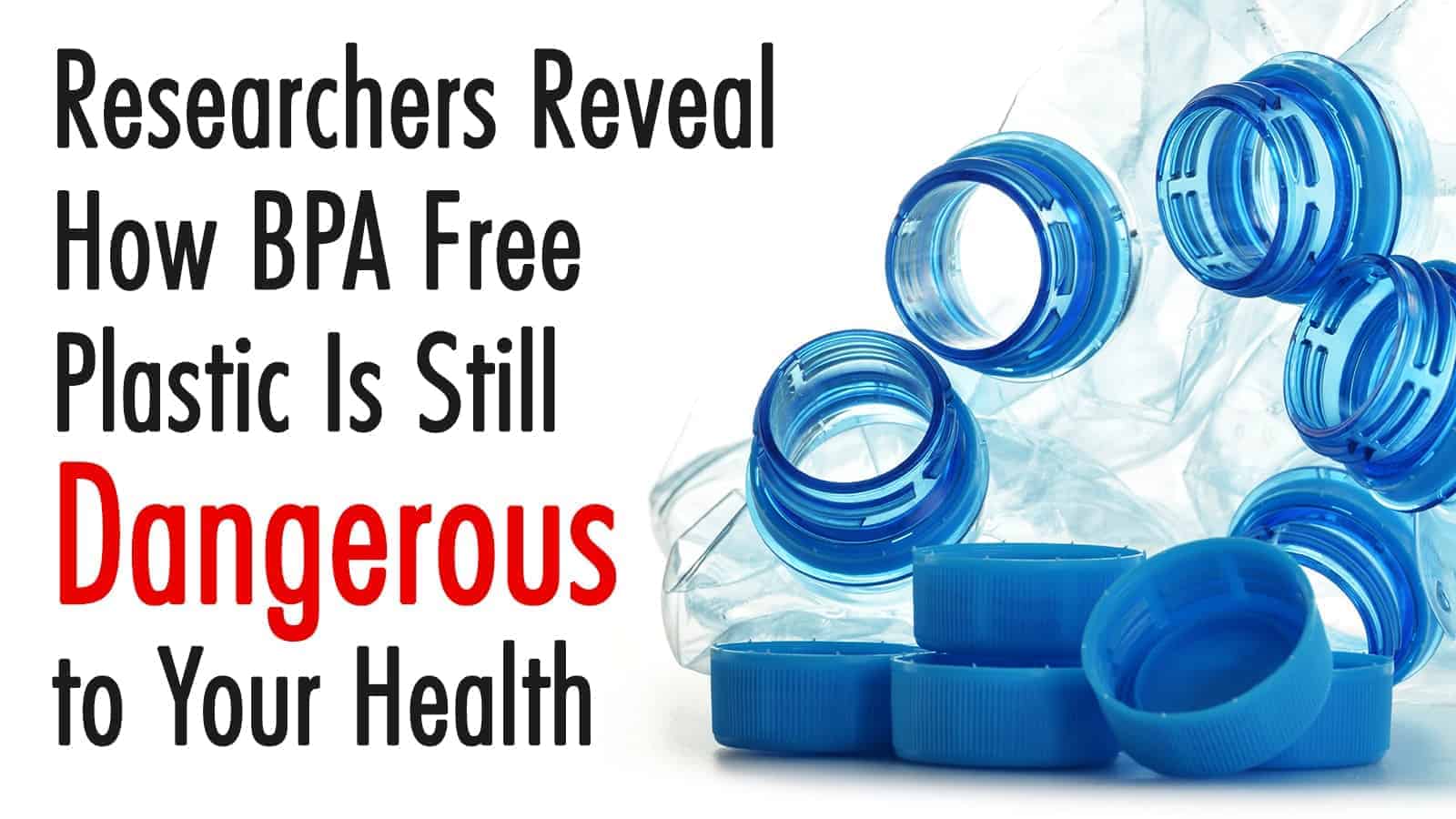
Walk through any supermarket, and you’ll see a trove of plastic products with the “BPA-free” label. While these products may be high quality, it may be worth investigating what the manufacturer uses to “replace” BPA. Why? Because according to a 32-study systematic review published in the journal Environmental Health Perspectives, BPA substitutes bisphenol S (BPS) and bisphenol F (BPF) may be just as harmful.

Per the review, both BPS and BPF appear to act of hormones in a way that is very similar to BPA. Moreover, BPS exhibits hormonal potencies that are similar to the sex hormone steroid estradiol. More specifically, BPS acts on pathways that are critical to cellular activities such as proliferation and differentiation. Finally, both BPS and BPF exhibit other potentially damaging effects on the organs and reproductive system.

So how do you protect yourself from BPA?

Well, the good news is that many manufacturers and retailers, including the big players Toys “R” Us and Wal-Mart, are trying to ban the chemical from their inventory entirely. The bad news is that BPA is still everywhere.

Nixing your plastic habit is probably the most surefire way to avoid BPA. Try to think of ways that you can cut back on your plastic consumption, especially if you’re a water bottle or storage container consumer.

Here are a few other tips for limiting your exposure to BPA:

Avoid thermal paper.

Thermal paper is a paper coated with a material that often contains BPA. Cash registers, ATMs, and adding machines usually dispense thermal paper.

Clean and dust your home.

BPA is present in dust (albeit in small amounts), so make sure to dust, mop, and vacuum regularly.

Check your kid’s toys.

If you have kids, look for BPA-free toys (just make sure to do your research). Better yet, look for toys made from wood or some other material.

Double-check those containers.

Shop for food containers and other storage products marked “Dishwasher safe” and “Microwave-safe” as these products are less likely to contain BPA.

Check the recycle codes.

You’ve seen those green arrows on plastics that form a triangle, right? (They’re everywhere, just look!) Inside that triangle, you’ll find a single-digit called a recycling code. Plastics marked with the numbers 1, 2, 4, 5, and 6 contain BPA in negligible amounts, if at all. Plastics with the recycling codes 3 and 7 typically have higher concentrations of BPA.

Use metal-based utensils.

Plastic forks, spoons, and cutlery have tested for BPA. Consider using an alternative.

Anti Aging Skin Care (The Best Daily Routine)

You want to look younger every day. However, you might not have a clue of how to achieve your anti aging goals. You might also be wondering if it is vital to use all these products that are recommended and sold in the beauty products market.

Another primary concern that you might have is the choice of product that will work best for your skin. Also, you might be wondering how and when you should use these products. This also includes the number of times that you should use anti aging skin care products.

To put your mind at ease, here are steps that will be your guide to your anti aging skin care routine. This routine is straightforward. It has four steps; one that you can use for your morning routine and another that you can use at night to complete the day. If you would like to achieve the best results for your skin care, then you should consider setting an appointment for microneedling for younger looking skin.

The routine will also include some of the best product picks that you can use. An expert has approved these products. The tips, also recommended by an expert, are easy steps that you can use for your anti aging skin care routine. If you’re also interested in Anti- Aging Treatments, it’s important to know exactly what to expect, so you can get the most out of the experience.


Morning Routine

Step 1: Wash Your Face

After sleeping, you will wake up with facial skin filled with impurities and oil. Therefore, washing your face should be the first thing that you do after waking up. To do this properly, use a cleanser that is compatible with your skin type.

Your skin can be oily, sensitive or prone to acne. If you have oily skin, the right cleanser for you will be a gel cleanser. Select a gel that has charcoal in it. The charcoal will remove the impurities from your skin like a magnet.

Charcoal also dissolves excess oil, makeup, and dirt from your skin. If your skin type is dry, you should select a cleanser that will hydrate your skin even when you are cleaning your face. A hydrating cleanser will remove any impurities and makeup from your face.

The best hydrating cleanser should contain honey and sweet almond extracts. These anti aging products condition, pamper and comfort the skin. Additionally, your skin will feel soft, clean and supple.

On the other hand, if your facial skin is aging, the best cleanser to use is a foaming cleanser. Choose a foaming cleanser that has been formulated with a micro-exfoliating lipo-hydroxy acid. Such a cleanser can remove impurities, address uneven skin tone, remove visible dark spots, and remove dull looking skin.

If your skin is sensitive, use micellar water. The water has micelle molecules. These molecules cluster together and surround the impurities lifting them away.

The molecules will also remove your makeup without any harsh rubbing or rinsing. To further make your skin look refreshed and bright, exfoliate a few times a week with a scrub in your morning routine. The scrub will remove the dead skin building up from the surface leaving a more polished skin.

Step 2: Antioxidant Serum

Serum should be a must-have product in your anti aging morning routine. These products, albeit highly concentrated, consisting of vitamins, nutrients and other ingredients that benefit the skin. They can also target specific concerns for your skin.

Additionally, serums have the advantage of improving the entire complexion of your face making it appear better. Some serums can even protect against free radicals which prevent premature signs of aging. Moreover, serums reduce wrinkles leaving your skin looking younger.

Step 3: Eyes

The area surrounding your eyes will be the first place on your face to show any signs of aging. This area is delicate, and it can be filled with wrinkles and fine lines. Therefore, for your anti aging skin care routine, you can use an eye cream to minimize the appearance of premature skin aging.

The eye cream can also remove any signs of aging on your eyes. In the morning, use a cream that has SPF to protect against UV light exposure throughout the day. The UV light is known for making dark spots, fine lines and wrinkles in the eye area more pronounced.

The UV light also adds more signs of aging around the eye. Hence, using an SPF sunscreen will defend, enhance, and optimize the entire area around your eye. Such products are useful since they work best for the thin and sensitive skin structure around the eye.

Step 4: Moisturize

Moisturizing your skin is essential every time you wash your face. The re-introduction of moisture helps to hydrate your skin. Thus, your skin is prevented from getting dry.

Well, balanced moisture maintained on your skin ensures that the anti aging signs are reduced on your face. This is because moisture minimizes the appearance of wrinkles and fine lines visible on your face. As an added benefit, you can choose a moisturizer that has SPF as one of its ingredients.

Just like the eye cream, the SPF helps to protect your face against any UV rays that are harmful to your skin. A moisturizer will also provide your face will hydration properties throughout the day. Thus, your skin will look young and soft all day long.

Moreover, your moisturizer will give your skin the ability to fight any visible effects that come from environmental skin damage. In case your moisturizer does not have SPF, choose a sunscreen that has SPF to work as a supplement. Also, make sure that you apply the SPF as the last thing during your morning skincare routine and reapply it after every two hours.


Night Routine

Step 1: Wash Your Face

Similar to your morning routine, you should wash your face with a cleanser before you go to sleep. You can even use the same formula that you use in the morning. Nevertheless, you can decide to use a different method for your morning routine.

You can also swap your cleanser for an exfoliating cleanser a few times during the week. The purpose of the exfoliating cleanser is to remove the dead skin cells that are building upon the surface of your face. These dead skin cells give your face a dull appearance.

When choosing an exfoliating cleanser, pick one that will brighten your skin and at the same time cleanse your face deeply. A cleanser that has finely ground and sustainable argan nutshell will provide the best exfoliating effect while at the same time remaining gentle to your skin. Look for added benefits in products that contain vitamin c and multi-fruit acid.

In case you wear makeup every day, ensure that you use a toner after cleansing your face. The toner will remove all the cosmetics, pollution, dirt and grime from your face. Use an alcohol-free toner that will tone, hydrate and comfort your skin.

An alcohol-free toner is also useful for all skin types. The pH balance of the toner will additionally give you optimal comfort. Besides, it will not dry or strip your skin of its natural oils.

Step 2: Apply Retinol

Retinal is a product that is widely known to be valid for anti aging. This is because it reduces the signs of wrinkles, fine lines and age spots that occur from intrinsic aging or the environment. Using a retinol product at night is also more effective because it breaks down in UV light due to its photosensitivity.

Choose a product that has pure retinol of about 0.5 percent. Also, you can consider a product that will have bisabolol. These properties will help to calm your skin from irritations that occur from using retinol.

Therefore, when you start to use retinol, start with products that have a lower concentration of the ingredient. You can increase the concentration gradually with the increase in tolerance for your skin. Otherwise, stick to lower concentrations to avoid skin irritation.

Step 3: Moisturize

Moisturizing should also be a constant part of your anti aging skin care routine in the evening or at night before you sleep. You should moisturize your face after cleansing. However, since you do not need SPF in the evening, you can use a moisturizer that has ingredients that prevent aging.

Such ingredients include retinol, glycolic acid, hyaluronic acid, and LHA. All you have to do is ensure that the product you choose will correlate to your skin type. For instance, if you have dry, normal or combination skin type, you should use a moisturizer that has restorative power for your skin’s appearance.

anti aging

The restorative power of the product will give you a good night’s sleep look. Hence, when you wake up, your face will be radiant looking, and you will also look as though you had enough rest. However, if you applied pure retinol on your skin during the second step, use a moisturizing night cream that does not contain retinol to avoid irritating your skin.

Step 4: Eyes

Before you go to sleep, apply the same eye cream that you use in the morning to the area around your eyes. The cream will give you a youthful appearance in the morning. If your morning eye cream has SPF, use a different eye cream at night.

For your night routine, choose an eye cream that will increase moisture levels and enhance anti aging by targeting dark circles and wrinkles. The eye cream is an essential skin care routine step for both young and mature skin. Another added skin care tip that you can use at night is using a face mask.

The face mask will give your skin the extra TLC it needs. For maximum results, choose an overnight face mask that will moisturize your face intensively overnight. The mask will provide you with soft and smooth skin while you sleep.

Conclusion

Always remember that anti aging products can only do so much for your skin. For instance, you cannot substitute evening skin care products for actual sleep. If you are tired, the skin will show the signs.

5 Natural Fixes for Hyperpigmentation

For those who may not be familiar with hyperpigmentation, it is a condition that causes patches of skin to appear darker than other areas of your skin. There are 3 main types of hyperpigmentation, including age spots, melasma, and post-inflammatory hyperpigmentation. These all have different causes.

Also, treatment options can vary when it comes to resolving hyperpigmentation-related skin problems. Some of the more common treatments include creams and cosmetic procedures.

While hyperpigmentation-related skin problems are not life-threatening, they can be a source of insecurity for some people. It causes an unnatural skin appearance, which can become more pronounced with sun exposure.

In this article, we will take a look at the three different types of hyperpigmentation-related skin problems and five proven hyperpigmentation remedies.

TYPES OF HYPERPIGMENTATION-RELATED SKIN PROBLEMS

Because hyperpigmentation-related skin problems can be a byproduct of different things, let’s take a moment to detail the 3 most common forms of this skin condition:

Age spots:

Commonly referred to as liver spots or solar lentigines, age spots are a fairly common form of hyperpigmentation. They are characterized by dark spots that appear on parts of the skin regularly exposed to the sun such as the face, hands, shoulders, and arms, for example.

This condition is quite common amongst older adults, particularly those who spend a lot of time in the sun. Those who have a fair complexion will likely be more prone to this condition.

Melasma:

This hyperpigmentation-related skin problem is characterized by the formation of brown to gray-brown patches of skin. It primarily affects the face – namely the forehead, cheeks, and bridge of the nose. However, melasma can also occur on the forearms and other areas of the skin regularly exposed to sunlight.

It is also important to note that melasma is quite common amongst those with naturally darker skin, women who are pregnant, and women on birth control.

Post-inflammatory hyperpigmentation:

This hyperpigmentation-related skin problem is generally the byproduct of an injury or inflammation, which causes an increase in skin pigment production. This condition is especially common amongst those with acne, eczema, and psoriasis. However, it can also be a byproduct of burns and skin injuries as well. Post-inflammatory hyperpigmentation generally develops on the face or neck.

The reason for hyperpigmentation:

Regardless of the specific hyperpigmentation-related skin problem, the end result is the same in one sense; the skin produces more melanin than usual. Melanin is the pigment responsible for skin color.

This increased melanin production causes some patches of skin to grow noticeably darker when compared to other areas of the skin. Also worth noting, sun exposure can make hyperpigmentation-related skin problems worse. Why? It triggers an increase in melanin that makes age spots, melasma, and post-inflammatory hyperpigmentation even more pronounced.

MEDICATION ALLERGIES

Along with sun exposure, age, and underlying health conditions, hyperpigmentation-related skin problems can also be brought on by certain medications. Antimalarial drugs and tricyclic antidepressants, for example, may cause this condition.

In some cases, these medications can cause dark patches of skin to take on a grayish appearance. If you notice a change in your pigmentation as a result of taking these types of medications, speak with your physician. The same applies to over-the-counter topical treatments as they can cause similar skin reactions as well.

HEALTH PROBLEMS AND DISCOLORED SKIN

In addition to prescription and over-the-counter medications, certain illnesses like Addison’s disease and hemochromatosis can result in hyperpigmentation-related skin problems.

That said, let’s take a closer look at how these two diseases contribute to skin discoloration:

Addison’s disease – Because of the effect that Addison’s disease has on the adrenal glands, it can cause hyperpigmentation-related skin problems on various parts of the body, including:

  • Knuckles
  • Elbows
  • Knees
  • Toes
  • Lips and inside of the cheek
  • Certain folds of skin

It is important to note that skin discoloration is in addition to other physical symptoms commonly associated with Addison’s disease, which include weak muscles, fatigue, nausea, vomiting, diarrhea, vertigo, and weight loss.

While skin discoloration may not seem like a big deal in the grand scheme of things, it is still one of the many symptoms of the disease and certainly one worth noting.

Hemochromatosis – This genetically inherited disease is characterized by having excessive amounts of iron in the body. This not only causes all skin surfaces to appear tanned but also contributes to hyperpigmentation-related skin problems as well. It affects many of the same skin surfaces commonly associated with Addison’s disease.

Some of the more common symptoms of hemochromatosis include joint pain, stomach pain, chronic fatigue, and weight loss.

HOW ARE HYPERPIGMENTATION-RELATED SKIN PROBLEMS DIAGNOSED?

While signs of hyperpigmentation-related skin problems are obvious, it is still a good idea to be seen by a physician who can confirm the skin disorder. Additionally, your physician will be able to determine the etiology and also the specific type of hyperpigmentation-related skin problem that you are experiencing.

Most general physicians and dermatologists can identify the type of hyperpigmentation-related skin problem you have by just looking at your skin. However, in some cases, they may need to use a special light to make a more accurate diagnosis.

Also, your physician may perform additional tests to determine if an underlying health problem is contributing to the skin problem.

CAN HYPERPIGMENTATION-RELATED SKIN PROBLEMS BE PREVENTED?

While hyperpigmentation-skin problems do not pose a risk to one’s health, they are considered unsightly by most people. That said, there are things that you can do to prevent developing the skin condition in the first place:

Avoiding excessive sun exposure – Although sunlight is an excellent source of vitamin D, too much sunlight exposure can cause hyperpigmentation-skin problems or make the condition worse if it already exists. Of course, if you choose to bask in the sunshine, you should use sunscreen to protect your skin. Preferably, choose a sunscreen that has an SPF of 30 or higher.

Hyperpigmentation - sun exposure

Do not pick at your skin – To avoid hyperpigmentation-skin problems or to keep the skin condition from getting worse, avoid picking at acne and other scars on your skin.

5 COMMON HYPERPIGMENTATION REMEDIES

If you have developed hyperpigmentation-skin problems, there are cosmetic procedures and at-home treatments that can help minimize the appearance of dark patches of skin or even eliminate them entirely.

Some of the more common treatments include:

1. Aloe Vera

This species of succulent plants contain aloesin, a compound proven to lighten the dark patches of skin synonymous with hyperpigmentation-skin problems. According to a 2018 study published by the National Institute of Health, the aloesin compound in the Aloe Vera plant impedes the production of melanin in the skin. This can make pigmentation problems worse.

2. Green tea

Because of its antioxidant and anti-inflammatory properties, green tea extract can go a long way toward preventing and also treating hyperpigmentation-skin problems.

3. Licorice

Similar to Aloe Vera, licorice extracts contain antioxidant and anti-inflammatory properties that can help prevent and treat hyperpigmentation-skin problems. Additionally, licorice extracts also contain glabridin. This compound can block pigment production and also help lighten dark patches of skin if discoloration has already occurred.

4. Non-prescription retinoid skin creams

Most retinoid-based creams are effective in reducing the appearance of dark patches of skin caused by hyperpigmentation-skin problems. Beyond that, the vitamin A in these products can help reduce the appearance of fine lines and wrinkles as well as other skin imperfections.

Along with retinoid, topical treatments that contain azelaic acid, kojic acid, corticosteroids, and vitamin C prove effective in treating hyperpigmentation-skin problems.

5. Seeking medical treatment

Although the at-home treatments detailed in this article are effective, they may not work for everyone. As such, some people may need to schedule an appointment with a physician or dermatologist to explore other treatment options. Some of the cosmetic procedures used to treat hyperpigmentation-skin problems include intense pulsed light therapy, laser therapy, microdermabrasion, and chemical peels.

CLOSING THOUGHTS ON HYPERPIGMENTATION OF THE SKIN

Generally speaking, the severity of your skin discoloration will determine what treatment will work best for you. In some cases, physicians may recommend combining these treatments with some of the at-home hyperpigmentation remedies detailed in this article for best results.

In summation, there are a variety of treatments available for those with hyperpigmentation-skin problems. Fortunately, the condition does not jeopardize your health in any way. However, if your skin discoloration is a byproduct of an underlying health problem, you should see a physician as soon as possible.

41 Loneliness Quotes to Remember Next Time You Feel Alone

Loneliness quotes bring you comfort. Feeling alone can come about at the most inopportune times. Whether you miss hanging out with friends or on the commute to work, loneliness can still strike!

Loneliness is an emotion that’s been with us since the dawn of mankind. Therefore, many great loneliness quotes have been penned throughout the years. Loneliness quotes can be found in a variety of media, from poetry to novels, cinema, and even theatre; great loneliness quotes are bountiful. If you’re feeling down and out, they can be a great way to put things in perspective.

We all feel lonely sometimes. To help remind you that you aren’t alone in reality, only in feeling, we’ve brought together some truly great loneliness quotes for you to sift through:

41 Loneliness Quotes:

1. F. Scott Fitzgerald

“The loneliest moment in someone’s life is when they are watching their whole world fall apart, and all they can do is stare blankly.”

2. Arthur C. Clarke

“Two possibilities exist: either we are alone in the Universe or we are not. Both are equally terrifying.”

3. Douglas Coupland

“Remember: the time you feel lonely is the time you most need to be by yourself. Life’s cruelest irony.”

4. Maya Angelou

“Music was my refuge. I could crawl into the space between the notes and curl my back to loneliness.”

5. Haruki Murakami

“Why do people have to be this lonely? What’s the point of it all? Millions of people in this world, all of them yearning, looking to others to satisfy them, yet isolating themselves. Why? Was the earth put here just to nourish human loneliness?”

6. Lois Lowry

“The worst part of holding the memories is not the pain. It’s the loneliness of it. Memories need to be shared.”

7. Elizabeth Gilbert

“I’m here. I love you. I don’t care if you need to stay up crying all night long, I will stay with you. If you need the medication again, go ahead and take it—I will love you through that, as well. If you don’t need the medication, I will love you, too. There’s nothing you can ever do to lose my love. I will protect you until you die, and after your death I will still protect you. I am h3er than Depression and I am braver than Loneliness and nothing will ever exhaust me.”

8. Haruki Murakami

“Nobody likes being alone that much. I don’t go out of my way to make friends, that’s all. It just leads to disappointment. ”

9. Tahereh Mafi

“All I ever wanted was to reach out and touch another human being not just with my hands but with my heart.”

10. Honoré de Balzac

“Solitude is fine but you need someone to tell that solitude is fine.”

11. John Steinbeck

“Maybe ever’body in the whole damn world is scared of each other.”

12. Jean-Paul Sartre

“If you’re lonely when you’re alone, you’re in bad company.”

13. Edgar Allan Poe

“I have absolutely no pleasure in the stimulants in which I sometimes so madly indulge. It has not been in the pursuit of pleasure that I have periled life and reputation and reason. It has been the desperate attempt to escape from torturing memories, from a sense of insupportable loneliness and a dread of some strange impending doom.”

14. John Steinbeck

“All great and precious things are lonely.”

15. Charles Bukowski

“Being alone never felt right. Sometimes it felt good, but it never felt right.”

16. George Eliot

“What loneliness is more lonely than distrust?”

17. Elizabeth Gilbert

“When I get lonely these days, I think: So BE lonely, Liz. Learn your way around loneliness. Make a map of it. Sit with it, for once in your life. Welcome to the human experience. But never again use another person’s body or emotions as a scratching post for your own unfulfilled yearnings.”

18. Edna St. Vincent Millay

“Where you used to be, there is a hole in the world, which I find myself constantly walking around in the daytime, and falling in at night. I miss you like hell.”

19. Charlotte Brontë

“The trouble is not that I am single and likely to stay single, but that I am lonely and likely to stay lonely.”

20. Janet Fitch

“Loneliness is the human condition. Cultivate it. The way it tunnels into you allows your soul room to grow. Never expect to outgrow loneliness. Never hope to find people who will understand you, someone to fill that space. An intelligent, sensitive person is the exception, the very great exception. If you expect to find people who will understand you, you will grow murderous with disappointment. The best you’ll ever do is to understand yourself, know what it is that you want, and not let the cattle stand in your way.”

21. Mother Teresa

“The most terrible poverty is loneliness, and the feeling of being unloved.”

22. George R.R. Martin

“When the snows fall and the white winds blow, the lone wolf dies but the pack survives.”

23. Sylvia Plath

“God, but life is loneliness, despite all the opiates, despite the shrill tinsel gaiety of “parties” with no purpose, despite the false grinning faces we all wear. And when at last you find someone to whom you feel you can pour out your soul, you stop in shock at the words you utter – they are so rusty, so ugly, so meaningless and feeble from being kept in the small cramped dark inside you so long. Yes, there is joy, fulfillment and companionship – but the loneliness of the soul in its appalling self-consciousness is horrible and overpowering.”

24. Jonathan Safran Foer

“I feel too much. That’s what’s going on.’ ‘Do you think one can feel too much? Or just feel in the wrong ways?’ ‘My insides don’t match up with my outsides.’ ‘Do anyone’s insides and outsides match up?’ ‘I don’t know. I’m only me.’ ‘Maybe that’s what a person’s personality is: the difference between the inside and outside.’ ‘But it’s worse for me.’ ‘I wonder if everyone thinks it’s worse for him.’ ‘Probably. But it really is worse for me.”

25. Gabriel García Márquez

“Sex is the consolation you have when you can’t have love.”

26. Joseph Conrad

“We live as we dream–alone …”

27. Simone de Beauvoir

“I am awfully greedy [and] I want everything from life. I want to be a woman and to be a man, to have many friends and to have loneliness, to work much and write good books, to travel and enjoy myself, to be selfish and to be unselfish … You see, it is difficult to get all which I want. And then when I do not succeed I get mad with anger.”

28. Fiona Apple

“When you’re surrounded by all these people, it can be lonelier than when you’re by yourself. You can be in a huge crowd, but if you don’t feel like you can trust anyone or talk to anybody, you feel like you’re really alone.”

29. F. Scott Fitzgerald

“The loneliest moment in someone’s life is when they are watching their whole world fall apart, and all they can do is stare blankly.”

30. Lois Lowry

“The worst part of holding the memories is not the pain. It’s the loneliness of it. Memories need to be shared.”

31. Albert Schweitzer

“We are all so much together, but we are all dying of loneliness.”

32. Norman Cousins

“The eternal quest of the individual human being is to shatter his loneliness.”

33. Majorie Holmes

“We are so dumb and lonely and anxious and inept when we try to communicate.”

34. Pauline Phillips

“Loneliness is the ultimate poverty.”

35. Germaine Greer

“Loneliness is never more cruel than when it is felt in close propinquity with someone who has ceased to communicate.”

36. Gretchen Rubin

“Keep in mind that to avoid loneliness, many people need both a social circle and an intimate attachment. Having just one of two may still leave you feeling lonely.”

37. Charlotte Brontë

“The trouble is not that I am single and likely to stay single, but that I am lonely and likely to stay lonely.”

38. Alexander Theroux

“There is no loneliness like that of a failed marriage.”

39. Edna St. Vincent Millay

“Where you used to be, there is a hole in the world, which I find myself constantly walking around in the daytime, and falling in at night. I miss you like hell.”

Loneliness Quotes

40. Augusten Burroughs

“I’m lonely. And I’m lonely in some horribly deep way and for a flash of an instant, I can see just how lonely, and how deep this feeling runs. And it scares the shit out of me to be this lonely because it seems catastrophic.”

41. Janet Fitch

“Loneliness is the human condition. No one is ever going to fill that space. The best you can do is know yourself; know what you want.”

Find Comfort in these Loneliness Quotes

When loneliness strikes, it can often be overwhelming. If these loneliness quotes attest to anything, it is that although it may feel that way, we really aren’t alone. Everyone feels lonely from time to time. Sometimes, all you need to cheer you up is to read a few loneliness quotes in order to bring you some perspective.

Rose Water and 5 Proven Skin Benefits

Rose water is a time-proven beauty treatment that is6.25.19 making a comeback. Many of today’s consumers are turning to all-natural products to resolve many health concerns. One of these natural products is rose water.

For those who may not be familiar with rose water, it is a liquid derived from the petals of roses, hence the name. This flower-scented water also contains anywhere from 10 to 50 percent of rose oil. It offers a myriad of health benefits.

In addition to being used in perfumes, rose water has proven effective in resolving skin irritation, breathing problems, mental illnesses, healing wounds, and much more. While the benefits of rose water may have only now started being praised, it has a history that dates back to the 7th century. Back then, it was routinely used throughout the Middle East for medicinal purposes.

Studies show that rose water was also used by North American Indian tribes to treat a variety of health problems. In this article, we will take a look at some of the modern-day uses for rose water and why it seems to be growing in popularity.

ROSEWATER TO HELP SOOTHE SKIN IRRITATION

Because of its anti-inflammatory and antioxidant properties, rose water is an excellent and all-natural way to soothe irritated skin, especially for those with eczema, a condition that makes the skin red and itchy.

It is also an effective way to treat rosacea, which causes red and puss-filled bumps to appear on facial skin.

Furthermore, rose-based water can protect the skin against elastase and collagenase that can contribute to fine lines and wrinkles. Rose water can help keep skin hydrated, making it a great anti-aging product as well.

Beyond that, it protects against harmful UV radiation as well as chemicals and environmental pollutants. All these can wreak havoc on the skin.

rose water

EYE HEALTH

In addition to improving skin health, the anti-inflammatory and antioxidants properties in rosewater makes it a great eye drop. It has been proven effective in treating a variety of eye problems, including conjunctivitis (pink eye), acute dacryocystitis, cataracts, and conjunctival xerosis (dry eye).

Rose water-based eye drops can also help with degenerative eye conditions like pterygium or pinguecula, for example. Both these conditions can lead to a fleshy tissue growth on the conjunctiva of the eyes.

DIGESTIVE HEALTH

Rose water benefits also extend to digestive health. Yes, it is not only safe to drink but also helps increase bile production, which can help with bloating and gastroesophageal reflux disease.

Beyond that, it has shown to help combat nausea and vomiting.

Lastly, the properties in rose-based water can work as an all-natural laxative for those struggling with constipation. When consumed, rosewater acts as a stool softener.

MENTAL HEALTH

Rose-based water can be used in a diffuser as aromatherapy or taken orally to help treat certain mental health disorders.

Along with anti-inflammatory and antioxidant properties that can benefit physical health, rose-based water contains antidepressant and anti-anxiety properties. It can help treat insomnia and produces a hypnotic effect on par with commonly prescribed benzodiazepines such as diazepam.

Current research shows that you can use rose-based water to help combat stress, grief, depression, and tension. Evidence also suggests it may help effectively treat dementia and Alzheimer’s disease.

HEALING WOUNDS

Along with its anti-inflammatory properties, which can help alleviate pain, rose water benefits extend to wound healing. It contains antiseptic and antibacterial properties.

In fact, studies show that the ingredients in rose-based water not only help wounds heal faster but also protect against infections. Rose-based water is commonly used to treat burns, minor cuts, and scars.

SIDE EFFECTS

Although rose water benefits are plentiful, it can trigger an allergic skin reaction in some individuals, some of which include redness and a burning or stinging sensation when applied topically. However, there have been no reports of an allergic reaction in response to using rose water-based products orally or as an eye drop.

When using these products on your skin, you should apply a small amount on your arm first to see how you respond to a specific rose water-based product. Assuming you don’t have an adverse or allergic reaction, you can then apply it to other areas of the body as needed.

However, if you have an adverse reaction to a rose water-based product, stop using it and contact a physician as soon as possible.

HOW TO MAKE YOUR OWN ROSE WATER BASED PRODUCTS AT HOME

If you have made it this far into this article, you’re probably intrigued by the many benefits rose water-based products have to offer. If so, you will be happy to know that it is possible to make rose water-based products at home.

Along with health benefits, rose water serves as a base for some great all-natural beauty products. It can be used in facial toners, hair perfumes, and cooling mists.

Additionally, many people have found them to be an excellent substitute for mainstream soaps, hair rinses, and hair detangling sprays.

Let’s focus our attention on how to make rosewater products at home:

CHOOSING THE RIGHT ROSE PETALS

While fresh and dried rose petals can both be used to make rosewater, freshly picked ones are always better. However, you will want to pick them first thing in the morning when they are the most fragrant.

Of course, if you don’t have your very own rose garden, you can purchase them from a flower shop. However, you will want to choose organically-grown roses; they will contain the least amount of pesticides and other potentially harmful chemicals.

SIMMERING OR DISTILLING

When it comes to making rosewater at home, the process requires either first simmering or distilling a batch of rose petals.

If you opt to simmer them, place the petals in a water-filled pot and allow them to simmer on low heat until the water has become rose-colored. It is important to note, however, that the relatively short shelf life of simmered rosewater. Therefore, you will want to use it as soon as possible.

The distilling process is very similar to simmering; however, it will yield a clear rose hydrosol that can last for as long as six months.

Depending on how you plan to use rosewater, the directions can vary slightly. For the remainder of this article, we will detail how to use rosewater for a few specific beauty treatments.

SKIN CARE

Whether you’re using rosewater to relieve sunburn, as a facial toner, or a cooling mist, the benefits are tremendous:

Sunburn – For best results, mix an equal amount of rosewater with apple cider vinegar and pour it into a spray bottle. Shake well and spray liberally onto the sunburned areas of your skin for maximum relief.

Rose water for sunburn

Cooling mist – A rose water-based cooling mist can be a godsend during the hot days of summer. To get the most out of this all-natural cooling mist, you will want to store it in the refrigerator to keep it cool and then use it on your face, arms, chest, and other parts of your body as needed.

Facial toner – To use rosewater as a facial toner, pour it into a glass bottle and add 2 drops of rose essential oil. Next, shake the bottle until you have mixed both ingredients thoroughly. Apply a small amount to a soft cloth or cotton ball before applying it to your face, preferably after washing your face or taking a shower.

MENTAL HEALTH

The fragrance associated with rosewater makes it a great form of aromatherapy. To help ease anxiety and depression, you can combine rosewater with rose essential oil in a diffuser. Breathe in the fragrant scent to help boost your mood.

Additionally, you can add 1 to 2 cups of rosewater to bathwater. Soak in the bath for several minutes. This not only helps relieve mental health symptoms but also relaxes tense muscles.

HAIR PERFUME

If you’re interested in improving the health of your hair while also adding a sweet, floral scent to it, rosewater may be the answer. For hair that smells great, consider mixing 1 teaspoon of pure vanilla extract with rose essential oil and rosewater.

Next, pour all of the ingredients into a spray bottle and spray a small amount of this sweet-smelling combination onto your hair before styling it.

FINAL THOUGHTS ON ROSE WATER FOR BEAUTY

In summary, rose water benefits nearly all aspects of your health and is generally safe to use in most applications. Best of all, it is relatively inexpensive. If you’re looking for a versatile and all-natural product, rose water should not be overlooked.

Zinc Deficiency? Eat These 10 Foods

Zinc is a mineral that plays a role in more than three hundred enzyme reactions in your body. It is also involved in many processes that are essential in your body. Hence, it is vital to good health.

Currently, zinc deficiency has become a significant issue in the world due to the low consumption of foods that are rich in the mineral. The people that are highly at risk to suffer from this deficiency include infants, pregnant and lactating women, adolescents, and children. Vegans, vegetarians, alcoholics, and endurance athletes also fall under the same category.

Thus, these groups of people have an increased zinc requirement. Since your body does not store the mineral, you are required to eat significantly with the aim of meeting your daily zinc intake requirements. The recommendations vary according to gender and other specific conditions.

For instance, men and pregnant women should consume eleven milligrams, women eight milligrams, and breastfeeding mothers require twelve milligrams of the mineral every day. This consumption will help in metabolizing nutrients, growing and repairing body tissues as well as maintaining the immune system.

Here are the ten foods that you should incorporate into your diet to combat zinc deficiency.

1. Vegetables

You probably eat a lot of fruits and vegetables every day. However, vegetables, as well as fruits, are generally a poor source of zinc. Regardless, some vegetables will provide you with very reasonable amounts of the mineral that is sufficient enough to sustain your daily needs.

If you are a vegetarian especially, these are the vegetables that you should consider having in your diet. They include regular and sweet potatoes, kale, mushrooms, broccoli, garlic, spinach, and green beans.

In every large potato is one gram of the mineral which makes up nine percent of the daily requirement for a man. The rest of the vegetables contain a lesser amount of the mineral. The green beans, mushrooms, kale, and raw vegetables contain three percent of the daily recommended intake for a man.

Therefore, by eating a diet that is rich in vegetables, you will be alleviating your deficiency. Additionally, vegetables help in combating the risk of chronic diseases such as cancer and heart disease.

2. Dark Chocolate

This is an exciting choice of food that you can use to get rid of your Zinc deficiency. Dark chocolate is a source of the mineral.

In every one hundred gram of the chocolate bar, you will receive about thirty percent of the amount that is recommended for a man’s daily intake of the mineral. This is true for chocolates that are between seventy and eighty-five percent dark.

Thus, the darker your choice of chocolate the better it will be for you. However, remember that while dark chocolate is right for your health, it also contains a lot of calories. One hundred grams of the dark chocolate is said to provide up to six hundred calories.

Hence, this is not a food that you should use as your primary source of mineral for your deficiency. Eat it in moderation.

3. Whole Grains

Whole grains consist of rice, wheat, oats, and quinoa. All these contain some amount of the mineral. These grains provide many benefits to the body.

Apart from the mineral, they are also filled with vitamins, iron, magnesium, selenium, manganese, phosphorus, and fiber. In every cooked half a cup of steel-cut oats, you will be consuming six percent of the daily amount of the mineral needed.

The same portion of brown rice contains four percent of the mineral while a slice of whole wheat bread contains three percent of the mineral needed every day. Besides, consuming whole grains is also associated with longevity as well as other health benefits.

These health benefits include a reduction of type two diabetes, obesity, and heart disease. However, whole grains also contain phytates. Phytates bind the mineral which reduces its absorption in the body. Hence, you might not absorb as much of the mineral as you would with other foods.

4. Meat and Poultry

Meat is a perfect solution for taking care of your deficiency. Red meat especially is an excellent source of the mineral. You can also find significant amounts of the mineral in chicken, pork, and lamb.

In every one hundred gram of raw ground beef that you consume, you will intake 4.8 milligrams of the mineral. This is forty-three percent of the required daily consumption of the mineral for men. The same amount of beef will also provide you with twenty grams of protein, ten grams of fats, and one hundred and seventy-six grams of calories.

Other essential nutrients found in beef include creatine, iron and vitamin B. In every three ounces of chicken breasts you will get six percent of the daily recommended amount of the mineral.

Also, remember to select lean meats that have visible fats removed and skinless poultry. Such meats will give you the most nutrition.

However, remember that eating significant amounts of red meat can increase heart diseases and other forms of cancer. This is especially true with processed meat.

5. Legumes

Different types of legumes such as beans, lentils, hummus, edamame, and chickpeas contain sufficient amounts of zinc. In one hundred grams of cooked lentils, you will consume twelve percent of the daily intake recommended.

And, a quarter cup of hummus, you will consume seven percent of the daily intake. Additionally, each pack of lentils and chickpeas, you eat contains four percent of the daily intake. There is three percent of the recommended daily intake in both beans and edamame.

Moreover, legumes have low calories, low fat, high protein, vitamins, minerals, and dietary fiber. However, legumes contain phytates as well. Thus the absorption of the mineral is not as effective as in animal products.

Regardless, they are a good source of the mineral for vegans and vegetarians.

6. Milk and Dairy Products

Dairy foods have many nutrients. Milk and cheese are two of the products that are effective in combating zinc deficiency. This is because they contain a large amount of the bioavailable mineral and most of them can be absorbed in the body.

For instance, in every one hundred grams of cheddar cheese, you will consume twenty-eight percent of the recommended daily mineral intake, and in every single cup of full-fat milk, you will consume nine percent of the daily recommendation.

Also, dairy products and milk will give you nutrients such as vitamin D, calcium, and protein that are good for your bone health.

7. Shellfish

This is not just a portion of food that will give you significant amounts of the mineral; it is also low in calories. Oysters especially have sufficient quantities of the mineral. Six oysters of medium sizes have thirty-two milligrams of the mineral.

This amounts to two hundred and ninety percent of the daily recommendations for a man. The other types of shellfish contain fewer amounts of the mineral, but they are still useful sources.

For instance, the Alaskan crab has slightly greater than seven milligrams of the mineral in every one hundred grams. This amounts to sixty-seven percent of the recommended daily intake.

Other types of shellfish such as mussels and shrimp contain fourteen percent of the recommended daily intake for a man in each one hundred grams. Hence, they are also good sources for the mineral.

However, if you are pregnant, you run the risk of food poisoning. Thus, ensure that you cook your shellfish entirely.

8. Eggs

Like poultry, eggs contain moderate amounts of zinc that can help you attain your daily intake target. One large egg contains five percent of the daily recommendation.

One egg also comes with six grams of protein, seventy-seven calories, and five grams of healthy fats. It also contains other minerals and vitamins such as selenium and B vitamins.

Whole eggs also contain choline. This is a nutrient that is growing in popularity today because of its health benefits.

9. Nuts

You can deal with your Zinc deficiency by eating nuts such as peanuts, almonds, pine nuts, and cashews. Nuts also contain other nutrients that are healthy for your body. These nutrients include fiber and healthy fats.

They also contain other minerals and vitamins. However, if you want the nut that will give you the most significant amounts of the mineral, you can consider having cashews. One ounce serving will provide you with fourteen percent of the recommended daily intake for a man.

Besides, nuts are very convenient, and you can have them as an easy snack. Also, you are going to benefit by reducing the risk of the factors that cause certain diseases such as diabetes, cancer, and heart disease.

Moreover, it is believed that nuts increase longevity for people that consume them.

10. Seeds

It is healthy to add seeds to your diet. You can also increase the amount of zinc in your body by consuming seeds. Regardless, some seeds are better than others.

zinc deficiency - chia seeds

Three tablespoons of seeds amount to thirty grams. Thirty grams of hemp seeds carry thirty-one percent and forty-three percent of the recommended daily mineral intake for men and women respectively.

Other seeds that contain sufficient amounts of the mineral include sesame, pumpkin, and squash seeds. Seeds also contain minerals, vitamins, healthy fats, and fiber.

Other health benefits that you will enjoy by consuming seeds include a reduction of your blood pressure and cholesterol levels. Add these seeds to your soups, salads, yogurts or other foods.

Conclusion

Zinc is vital for maintaining proper health. Hence, eat a variety of foods that are good sources of the mineral to ensure that you have enough. After all, these are delicious foods that you will enjoy.


A Doctor Explains: Is Coffee Good For You?

For most of us, the day doesn’t start until we’ve had that first cup of coffee. The caffeine wakes you up and prepares you to tackle each day. Plus, it’s just comforting to cradle a steaming cup of joe. But, is it good for you? The good news is that it can be when you drink the right amount of it.

Studies Prove Coffee Benefits

Study after study show that people gain more from this stimulating beverage than researchers used to think. For instance, the caffeinated beverage is filled with substances that work to guard against conditions that develop more often in women than in men such as heart disease and Alzheimer’s. Diane Vizthum, M.S., R.D., a research nutritionist who works for Johns Hopkins University School of Medicine, said, “Caffeine is the first thing that comes to mind when you think about coffee. But the drink also contains antioxidants and other active substances that may reduce internal inflammation and protect against disease.”

Decreasing the Risk of Alzheimer’s and Parkinson’s

Some studies have found that the beverage can protect your brain as you age. When it comes to neurodegenerative diseases, people develop Alzheimer’s more than any other. In prospective studies, people who drink coffee have a 60 percent lower risk of developing Alzheimer’s and dementia.

Parkinson’s disease is the second most common neurodegenerative disorder. It occurs due to the death of dopamine-generating neurons in people’s brains. Drinking the caffeinated beverage can decrease your risk of Parkinson’s by 32 percent to 60 percent.

Help for Those at Risk for Type 2 Diabetes

Type 2 diabetes is a disease that is quickly becoming an epidemic. It is a lifestyle-related disease, and during the last few decades, it has increased at a rapid pace. Today, about 300 million people suffer from the condition. Characterized by high blood glucose levels because of insulin resistance or the inability to produce insulin, some people can cure the disease with diet and exercise.

According to one large observational study, those who have a daily cup of joe have a lower risk of dying from any cause. The effect of the drink is especially profound for those who have type 2 diabetes. One study found that type 2 diabetes sufferers who drink the caffeinated drink had a 30 percent lower risk of death over a 20-year period. One big review article assessed 18 different studies with more than 455,000 participants. The article determined that each additional cup of the beverage that people drink decreases their risk of developing type 2 diabetes by 7 percent. The more people drink, the lower their risk of getting type 2 diabetes.

Good for the Liver

The drink is also good for your liver. This is a particularly remarkable body part, one that performs hundreds of functions. The organ is vulnerable to a number of dietary pitfalls including consuming too much fructose or alcohol. Cirrhosis is a condition in which liver tissue is mainly replaced with scar tissue. It occurs when people suffer from diseases like alcoholism and hepatitis. When people develop cirrhosis, they have the last stage of liver damage. Several studies have found that drinking coffee can decrease your risk of developing cirrhosis by as much as 80 percent. People who enjoyed four or more cups of the beverage each day experience the strongest effect. In general, the beverage can lower your risk of developing liver cancer by about 40 percent.

Lower Risk of Heart Failure

If you drink one to two cups each day, you could be warding off heart failure, stroke and coronary heart disease. Every extra cup of joe consumed each day decreases these heart conditions by 8 percent, 7 percent and 5 percent respectively according to one of the country’s biggest and longest-running studies.

A research team from the University of Colorado assessed the data from the Framingham Heart Study. This study has been tracking the eating patterns and heart health of more than 15,000 participants since the 1940s. As the team assessed the data, coffee stood out as a substance that could potentially lower the risk of heart failure.

Lowering the Chance of Dying from Colon Cancer

Statistics show that one in 23 women develop colon cancer. But, research has determined that those who drink either decaf or regular were 26 percent less likely to develop it. Harvard University published a report stating that people who had colorectal cancer, or CRC, who drank a minimum of four cups of the caffeinated beverage each day following their diagnosis had a significantly lower risk of dying early than those who didn’t drink it. Yang Hu, a Harvard Chan School doctor of science candidate and lead study author, said, “Until now, very few dietary factors have been linked with colorectal cancer prognosis. Our new study suggests that the beverage may potentially improve survival of patients diagnosed with colorectal cancer.”

The American Cancer Society reports that CRC is the second leading cause of cancer death in the country. Earlier evidence has suggested that the drink works to lower the risk of mortality in general. Researches believe that it is because coffee benefits include its ability to counteract inflammation and insulin resistance since it contains anti-carcinogenic compounds.

Moving Past the Medical Benefits

Coffee benefits include the number of antioxidants and nutrients it has in it. Many of the nutrients that are in the beans make their way into your cup. When you brew that cup of joe, you’ll be ingesting plenty of vitamins and nutrients. One cup contains:

  • 3 percent of the recommended dietary allowance, or RDA, for potassium and manganese
  • 6 percent of the RDA for vitamin B5
  • 2 percent of the RDA for B1 and B3
  • 11 percent of the RDA for vitamin B2

While these percentages may seem on the low side, if you drink several cups each day, they add up. Along with the nutrients, the beverage also has huge amounts of antioxidants. It is one of the biggest sources of them in the Western diet, containing even more of them than many vegetables and fruits.

Enhance Physical Performance and Burn Fat

Caffeine is often an included substance in commercial fat-burning supplements. The reason for this is that it has a stimulating effect on your central nervous system. Caffeine raises your metabolism and increases the oxidation of fatty acids. Coffee benefits also include improving your athletic performance by mobilizing fatty acids from their tissues. Two separate meta-analyses found that caffeine increased a person’s exercise performance by about 11 percent to 12 percent on average.

It Might Even Make You Smarter

The caffeine in the beverage can make you smarter. How does it do this? Caffeine is the beverage’s active ingredient. It is a stimulant, and it is the most commonly ingested psychoactive substance in the world. Caffeine affects your brain by blocking the impact of an inhibitory neurotransmitter known as adenosine. When it does this, caffeine increases your brain’s neuronal firing. It also releases other neurotransmitters such as dopamine and norepinephrine.

coffee makes your smarter

Several controlled studies have looked into the effects of caffeine on people’s brains. These studies have determined that caffeine can improve your mood, memory, vigilance, reaction time and overall brain function.

How Much Can You Drink?

When it comes to a strong cup of joe, you can drink too much. If you overdo it on the beverage, then you could experience:

  • Loss of sleep or insomnia
  • Anxiety or nervousness
  • Increased heart rate
  • Elevation in blood pressure

So, how much is safe to drink? According to reports, up to 400 milligrams of caffeine, each day is a safe allowance. This is about four cups of brewed coffee, 10 cans of a cola soda and two energy drinks. But, check the amount of caffeine when drinking anything that contains it because the actual caffeine content in drinks varies widely.

Caffeine is safe for most adults, but it’s not so great for adolescents. Also, some medications and herbal supplements can interact with the substance. Use caution if you’re taking ephedrine. Combining it with caffeine can increase your risk of high blood pressure, stroke or seizure. Theophylline also interacts negatively with caffeine. If you take this medication, which opens up the bronchial airways, with caffeine, you may experience nausea or heart palpitations. Echinacea is another substance that doesn’t go so well with caffeine. In this case, the supplement tends to increase caffeine’s common negative effects.

Also, remember that adding stuff to your drink can change how healthy it is. For instance, if you drink yours with a bunch of cream and sugar, then it won’t be as beneficial. To keep it at its healthiest and enhance it, drink a cup with two tablespoons of milk, a milk substitute or half-and-half along with a naturally sweet spice or flavoring. Try adding a ¼ teaspoon of vanilla extract, cinnamon, cardamom or cocoa powder.

Expert Advice

“The bottom line is that coffee is one part of your lifestyle,” says Diane Vizthum. “Some of the factors that make a bigger impact on your health are eating a balanced diet, exercising and maintaining a healthy weight.”

The Thing to Keep in Mind

Many of the mentioned studies were observational only, which means that they can only show an association and are unable to prove that the substance was the only cause of the beneficial results. Also, while moderate amounts of the beverage are considered good for you, drinking an excessive amount of it can be harmful. So, the thing to keep in mind with the beverage is to enjoy it in moderation.

To gain the most benefits from it, drink the beverage without sugar, and if caffeine tends to affect your sleep, be sure to stop drinking it by early afternoon. Despite the downsides, coffee appears to be one of today’s healthiest drinks.

41 Best Buddha Quotes On Change, Happiness And Spirituality

The Buddha is a shining light for those who walk the spiritual path to enlightenment. There are many Buddha quotes out there. They can help you through difficult periods on your journey and answer some of life’s most profound questions.

So, what makes these Buddha quotes so special? First, let’s take a look at their source.

Who was Buddha?

Buddha is translated in Sanskrit as “the one who is awake.”

During the 6th and 4th centuries BCE (Before Common Era), Siddhartha Gautama Buddha lived in India. He spent his time teaching people about the mysteries of life. The best Buddha quotes came from his time there.

He spent several years in deep meditation underneath the Bodhi tree. During that time, he pondered the meaning of life. That’s when Buddha realized that the roots of unhappiness are desire and attachment. He broke free from the illusions that veil life’s realities.

Buddha quotes often address this subject among others. For instance, he often speaks about Nirvana. The Buddha believed that this blissful state can only be achieved when your mind is free from attachment, full of compassion, and focused on your present state.

He believed that people should be free from greed, ignorance, and impurities. Buddha taught them to live clean and healthy lives by nourishing their bodies and souls. By keeping the physical body healthy, he believed the mind would remain clear and focused.

After a while, people started following him. Eventually, his teachings became the religion and philosophy that we call Buddhism.

As his teachings spread, they eventually made it to the west. People began using tools like meditation and yoga to find balance. Now, people across the globe also use his words as a guide to happiness and peace.

His insights have been inspiring people for centuries in these wise Buddhist quotes.

Buddha Quotes for Life

Life can get the best of us down. Modern living causes all kinds of anxieties. Buddha quotes can help us get through these times with wisdom and ease. Sometimes, these small reminders are all we need to feel better and continue living our best lives.

A good life is full of many unique facets. The Buddha teaches us that we must live compassionate, present, and unattached lives to be happy. Many of his famous quotes teach us to go with the flow and be grateful for the way things are.

In these Buddhist quotes, he talks about living in the present moment and how this can lead to pure contentment. After all, accepting the things you cannot change is a great way to live worry-free.

He spoke about every issue under the sun, including:

  • Change
  • Happiness
  • Spirituality

Subjects like these cause all kinds of issues. For instance, many people cling to their pasts. However, change is inevitable. This fact of life can be a hard pill to swallow, but sometimes holding on hurts worse than letting go.

Happiness is another vital part of life.

Without it, we have no reason to live. People like to chase happiness, but it’s not something that can be attained. It just is.

This brings us to spirituality. Now, this means many different things to people, but it’s always free from the constraints that often exist within strict religions. Spirituality is more about following an enlightened philosophy and being in touch with your true essence.

Buddhism is a popular form of spirituality. Buddha’s words gave inspiration to those who needed it most.

Hopefully, these quotes will bring you wisdom and inspire you too.

Uplifting  Quotes on Spirituality, Change, and Happiness

Best Buddha Quotes on Spirituality

1. “Every morning we are born again. What we do today is what matters most.”

2. “It is better to travel well than to arrive.”

3. “Be where you are; otherwise you will miss your life.”

4. “No one saves us but ourselves. No one can and no one may. We ourselves must walk the path.”

5. “Peace comes from within. Do not seek it without.”

6. “If you find no one to support you on the spiritual path, walk alone.”

7. “When you realize how perfect everything is, you will tilt your head back and laugh at the sky.”

8. “Meditation brings wisdom; lack of meditation leaves ignorance. Know well what leads you forward and what holds you back, and choose the path that leads to wisdom.”

9. “Just as a mother would protect her only child with her life, even so, let one cultivate a boundless love toward all beings.”

10. “Hatred does not cease by hatred, but only by love. This is the eternal rule.”

11. “We are shaped by our thoughts; we become what we think. When the mind is pure, joy
follows like a shadow that never leaves.”

12. “There is nothing so disobedient as an undisciplined mind, and there is nothing so obedient as a disciplined mind.”

Best Buddhist Quotes on Change

13. “Do not dwell in the past, do not dream of the future, concentrate the mind on the present moment.”

14. “Every morning we are born again. What we do today is what matters most.”

15. “Just as a snake sheds its skin, we must shed our past over and over again.”

16. “Endurance is one of the most difficult disciplines, but it is to the one who endures that the final victory comes.”

17. “You only lose what you cling to.”

18. “Ambition is like love, impatient both of delays and rivals.”

19. “Chaos is inherent in all compounded things. Strive on with diligence.”

20. “There is nothing more dreadful than the habit of doubt. Doubt separates people. It is a poison that disintegrates friendships and breaks up pleasant relations. It is a thorn that irritates and hurts … a sword that kills.”

21. “If you do not change direction, you may end up where you are heading.”

22. “You yourself must strive. The Buddhas only point the way.”

23. “She who knows life flows, feels no wear or tear, needs no mending or repair.”

24. “One moment can change a day, one day can change a life, and one life can change the world.”

Best Buddha Quotes on Happiness

25. “One who acts on truth is happy in this world and beyond.”

26. “A man asked Gautama Buddha, ‘I want happiness.’ Buddha said, ‘First, remove I. That’s ego. Then remove want. That’s desire. Now you are left with only happiness.'”

27. “There is no path to happiness. Happiness is the path.”

28. “Thousands of candles can be lit from a single candle, and the life of the candle will not be shortened. Happiness never decreases by being shared.”

29. “It is in the nature of things that joy arises in a person free from remorse.”

30. “A disciplined mind brings happiness.

31. “Health is the greatest gift, contentment the greatest wealth, faithfulness the best relationship.”

32. “Generosity brings happiness at every stage of its expression. We experience joy in forming the intention to be generous. We experience joy in the actual act of giving something, and we experience joy in remembering the fact that we have given.”

33. “To live a pure unselfish life, one must count nothing as one’s own in the midst of abundance.”

34. “If we could see the miracle of a single flower clearly, our whole life would change.”

35. “Happiness comes when your work and words are of benefit to yourself and others.”

36. “Happiness is a journey, not a destination.”

buddha quotes

37. “If you are quiet enough, you will hear the flow of the universe. You will feel its rhythm. Go with this flow. Happiness lies ahead. Meditation is key.”

38. “Routinely train yourself to attain peace.”

39. “The way is not in the sky. The way is in the heart.”

40. “To enjoy good health, to bring true happiness to one’s family, to bring peace to all, one must first discipline and control one’s own mind. If a man can control his mind, he can find his way to enlightenment. All wisdom and virtue will naturally come to him.”

41. “You, yourself, as much as anybody in the entire universe, deserve your own love and affection.”

Final Thoughts on Buddha Quotes

These Buddha quotes have enormous power. Though he lived over 2,600 years ago, his words are timeless. They still apply to almost every area of today’s world.

We get so stuck in our little ruts. It’s easy to become preoccupied with our worries and obligations. It’s important to take some time to gain inspiration.

We’re all looking for peace. These Buddhist quotes help get you one step closer. After all, the key to happiness lies within you. You just have to let it be.

31 Best Quotes About Loneliness

Loneliness needs no introduction. Because we all face it, we all know its power and its pain. According to an article in Psychology Today, feeling lonely actually can have a physical impact on health as it can suppress the immune system, and it even can be as dangerous as cigarette smoking!

An article in The New Republic even goes so far as to call loneliness ‘lethal.’ But loneliness also can be quite useful. Great minds have weighed in on the usefulness of the feeling of being alone in the world.

American actor, writer, and radio host Henry Rollins wrote of it, “Loneliness puts a special burn on sunsets and makes night air smell better.”

What a unique and wonderful perspective on the value feeling lonesome can bring! It can be a tool that helps us see the beauty in the world around us; it can teach us about ourselves, our lives, and our choices; and it can help us to progress toward a more affirmative and fulfilling future.

Instead of looking at feeling alone as a bad thing, consider these famous quotes about loneliness and its resulting benefits that can help lead you to a better life.

Best Quotes About Loneliness

Quotes about loneliness as a shared community

No one gets through life without feeling, at one time or another, like they’re completely alone in the world. But feelings of isolation don’t have to be overwhelming, and they don’t have to bring you down. These emotions can be a mechanism of powering your life and moving you forward. When you’re feeling lonely, remember that everyone feels lonely sometimes. Use those lonesome feelings to find your place in a community that’s right outside your window.

Quotes about loneliness as a teachable moment

As thinking humans, we can learn from anything. We can even learn from those moments when we feel most alone. Depression and feelings of being alone don’t have to overwhelm us. In fact, it’s in these moments when we can discover the most about ourselves, particularly about how to be good to ourselves. Read here about how to learn from depressive feelings of ‘aloneness,’ how to face them, and how to learn to treat yourself with kindness in those instances. It’s also helpful to look at your feelings of isolation from a new angle. Consider looking above and beyond your feelings of seclusion by remembering all the things you have to be thankful for in your everyday life.

Quotes about loneliness and how it can spur creativity

Feeling lonesome can be an effective weapon against boredom and even mediocrity. Creative people often feel alone, but the most successful creative types often are able to use those lonely feelings to heighten their inventiveness in order to garner positive results in work and personal lives.

Quotes about feeling lonely as a call to action

Necessity is the mother of invention, and the need to abolish loneliness can be a powerful and practical device. There’s nothing like sitting alone at home, feeling alone in the world, that can move a person toward success and happiness. Successful people all start somewhere.

And whether they start out with nothing or they’re born into riches, they all have one thing in common: feelings of being alone at times on their journeys toward achievement. Consider Dale Carnegie’s words on how to overcome your fears and ‘aloneness’ on your way to success.

31 Loneliness Quotes

1) “Life is full of misery, loneliness, and suffering – and it’s all over much too soon.”

–Woody Allen

2) “Pray that your loneliness may spur you into finding something to live for, great enough to die for.”

–Swedish diplomat Dag Hammarskjold

3) “Loneliness expresses the pain of being alone, and solitude expresses the glory of being alone.”

–Lutheran-Protestant theologian Paul Tillich

4) “We are all born alone and die alone. The loneliness is definitely part of the journey of life.”

–Video game designer Jenova Chen

5) “Negative emotions like loneliness, envy, and guilt have an important role to play in a happy life; they’re big, flashing signs that something needs to change.”

–American writer Gretchen Rubin

6) “We can all fight against loneliness by engaging in random acts of kindness.”

–Scottish writer Gail Honeyman

7) “You always know. You have basic needs, and when they aren’t met, your body sends signals. Hunger, loneliness, exhaustion, thirst, and fear are all signals that something is missing, and you need to act on it now.”

–American on-air CNN commentator Mel Robbins

8) “We have all known the long loneliness, and we have found that the answer is community.”

–American journalist and social activist Dorothy Day

9) “Loneliness is proof that your innate search for connection is intact.”

–Best-selling author Martha Beck

10) “Loneliness comes with life.”

–American singer Whitney Houston

11) “I kind of crave loneliness.”

–Scottish actor

12) “When so many are lonely as seem to be lonely, it would be inexcusably selfish to be lonely alone.”

–Critically acclaimed author Tennessee Williams

13) “Don’t try to hog loneliness and keep it all to yourself. Share it with a special someone.”

–Humorist Jarod Kintz

14) “If I’m alone in bed, I will go to the window, look up at the sky, and feel certain that loneliness is a lie, because the Universe is there to keep me company.”

–Brazilian lyricist and novelist Paul Coelho

15) “If you’re lonely when you’re alone, you’re in bad company.”

–French philosopher and playwright Jean-Paul Sartre

16) “The worst loneliness is not to be comfortable with yourself.”

–American author Mark Twain

17) “I have to be alone very often. I’d be quite happy if I spent from Saturday night until Monday morning alone in my apartment. That’s how I refuel.”

–American actor Audrey Hepburn

18) “It would do the world good if every man in it would compel himself occasionally to be absolutely alone. Most of the world’s progress has come out of such loneliness.”

–American author and politician Bruce Barton

19) “When I get lonely these days, I think: So BE lonely, Liz. Learn your way around loneliness. Make a map of it. Sit with it, for once in your life. Welcome to the human experience.”

–American author and biologist Elizabeth Gilbert

20) “People are lonely because they build walls instead of bridges.”

–American Baptist Minister Joseph Fort Newton

21) “Loneliness is the unloneliest feeling in the world, as everyone has experienced it.”

–Humorist Jarod Kintz

22) “Why do I write? It’s not that I want people to think I am smart, or even that I am a good writer. I write because I want to end my loneliness.”

–American novelist Jonathan Safran Foer

23) “I live with the people I create and it has always made my essential loneliness less keen.”

–American poet Carson McCullers

24) “Loneliness is designed to help you discover who you are, and to stop looking outside yourself for your worth.”

–Unknown

25) “Loneliness is better than bad company.”

–George Washington

26) “If you learn to really sit with loneliness and embrace it for the gift that it is… an opportunity to get to know you, to learn how strong you really are, to depend on no one but you for your happiness… you will realize that a little loneliness goes a long way in creating a richer, deeper, more vibrant and colorful you.”

–American author Mandy Hal

27) “I find it wholesome to be alone the greater part of the time. To be in company, even with the best, is soon wearisome and dissipating. I love to be alone. I never found the companion that was so companionable as solitude.”

–American poet Henry David Thoreau

28) “A man can be himself only so long as he is alone; and if he does not love solitude, he will not love freedom; for it is only when he is alone that he is really free.”

–German philosopher Arthur Schopenhauer

29) “Accept your own aloneness and stick to it, all your life. And then accept the times when the gap is filled in, when they come. But they’ve got to come. You can’t force them.”

–English novelist D.H. Lawrence

loneliness

30) “You cannot be lonely if you like the person you’re alone with.”

–American motivational speaker Wayne W. Dyer

31) “If you are alone, you belong entirely to yourself. If you are accompanied by even one companion you belong only half to yourself.”

–Accomplished Renaissance polymath Leonardo da Vinci

Embracing Alone Time As a Chance to Recharge

Perhaps loneliness needs no introduction – but it does need clarification. It even needs imagination. Loneliness can be looked at from many perspectives, and the most positive angle arguably is the best.

For, as author Thomas Wolfe once wrote, “The whole conviction of my life now rests upon the belief that loneliness … is the central and inevitable fact of human existence.” Yes, if you live, you feel lonely. So when feelings of loneliness begin to overwhelm, use these to your advantage. Do as Audrey Hepburn would do – use it as a time to refuel.

Consider that, when you’re lonely, you’re part of a shared community, a member of the universe. Use it as a teachable moment to get know yourself better. Let it spur your creativity. And, finally, use your loneliness as a call to action.

Skip to content