Weekly tips, affirmations, and small actions to feel your best.

CDC Reveals Teenage Suicide Has Increased 76 Percent In Last Decade

What is driving the rise in suicides among 10-19-year-olds?  Is it social media?  Technology? Bullying? Opiate addiction?  Do we even have an answer?  Regardless of the cause, with the CDC revealing teenage suicides have increased 76 percent in the last decade. Thus, an intervention must come first while we search for the reasons.

Teenage suicide increases from 2007 – 2017

In 2017, suicide was the second biggest cause of death for 10-24-year-olds in the United States.   While suicide has fairly consistently been a factor in premature deaths, from 2000-2007, the rates had declined for ages 10-14, 15-19 and 20-24.

Now the statistics from the CDC point to a significant increase.

  • An overall increase in suicide for 10-24 years olds was 56%
  • 15-19-year-olds had a greater increase of 76%.
  • The rate of the increase for 15-19-year-olds rose to 10% from 2014 to 2017. Previously it had been 3%.
  • Ages 15-24 equated to 6,252 suicidal deaths in 2017. Homicides for that age bracket, in comparison, were 4,905.
  • 517 children from ages 10-14 committed suicide
  • According to the Youth Risk Behavioral report by the CDC.
    • 2% of teenagers 14-18 seriously considered suicide
    • 6% made a serious plan, and
    • 4% attempted suicide at least once
    • 4% attempted suicide and were injured
    • 5% felt extremely sad and hopeless at least two days a week

Potential causes for increasing suicide rates

Attempting to pinpoint the cause for the rising suicidal rates is primarily speculation.  Most experts feel it is related to:

  • The opioid crisis
  • Cyberbullying
  • Technology/Social Media
  • Increased reporting due to less stigma

The Opioid crisis and teenage suicide

When we talk about drug overdose, it’s difficult for medical professionals to determine if the overdose was part of an intentional suicide plan. One thing we do know is that the opioid epidemic affects primarily 20-30 year olds, which is the age of most young parents.  A psychiatrist at Cincinnati Children’s hospital looked at 3 months of records of 300 children in 2016 who had been admitted due to suicidal behavior.  Dr. Daniel Nelson, the psychiatrist who noted the pattern, reportedly told the Washington Post that he noticed while looking at a map of the overdose, that the suicidal attempts were occurring in the same areas.

Dr. Nelson claims that from all of his hospitalized patients, 25% of them have adults fighting addiction. Those children of the parents who died from opioids, then become part of the foster care system or are being raised by their grandparents.

Sadly, once one person commits suicide, there is a 5% increase in suicides.  It’s almost as if the one act gave someone the strength to do it themselves.  Additionally, just attempting to process and recover from a classmate who committed suicide or being in a classroom with a high percentage of kids dealing with the parents’ addictions at home creates more anxiety and depression in all of the children.  That is a tremendous amount of pain and sadness to make sense of when the adults around them aren’t able to make sense of it either.

Use of technology and suicidal behavior

Many countries note that with an increase in technology usage, including social media, consistent screen time on phones, computers, and tablets, there also seems to be an increase in suicidal behavior.  Currently, no studies can substantially state that there is an increase, but through social media and the internet, children and young adults have access to both harmful and helpful things that can affect their mental health.

With information should come responsibility.  Sadly, that is not exactly how it works.  People currently have so many modes to communicate anonymously with others.  That can be beneficial if you need to speak to someone regarding an issue you wish to remain private about, but it can also leave you vulnerable to the cruel and harsh things people can say to you.

With the availability of information, you have the choice to search for suicidal prevention groups, therapy groups, a call line or 10 different ways to kill yourself.  The choice is yours.  That’s a substantial choice to make when you simultaneously are being bombarded with the vision of how “perfect” someone else’s life may appear, harassment by strangers or classmates, or just being tired of acting like your life is perfect on social media.  This chronic influx of information, perceptions, and attempting to filter what’s real vs fake can be overwhelming, creating anxiety and depression.

Cyberbullying and suicide

Bullying no longer isolates itself in the schoolyard.

In fact, a report written by Professor Ann John of Swansea University with assistance from the University of Oxford and Birmingham came up with an alarming statistic and patterns related to cyberbullying.

Professor Ann John and associates looked at 150,000 children and young adults over a 21 year period in 30 different countries.  The final analysis was published in JMIR Publications.

Cyberbullying is defined as an act of intimidation, threatening or derogatory and negative messages via an electronic device. It’s an almost inescapable form of bullying for the victims. Usually, a bully’s platform of choice is social media.

According to the report, young adults and children ages 25 and younger are twice as likely to self-harm or behave in a suicidal manner if they have been cyberbullied.   Additionally, while less so of the victim, the perpetrator is more likely to have suicidal thoughts than one who is not a perpetrator. This is especially true if the bully is male.  He is more likely to be depressed and exhibit suicidal behavior despite the bullying behavior.

While the frequency of cyberbullying differs based on the country and general location, cyberbullying is estimated to occur to 15-35% of young persons, and about 10-20% of individuals admitted to having bullied others through an electronic device.

Social media usage by teenagers

Social media is both positive and negative.  While it decreases stigma regarding depression, anxiety, and mental illnesses, it also creates an unrealistic illusion of life.

Indeed, what used to be just a contest between neighbors as to who had the newest, coolest car now is a competition for likes, shares, and thousands of follows to determine if you are popular and successful.

Now you can’t tell how anyone’s life truly is because all you see are the beautiful pics, the great party, the fancy clothes, etc.  There are fewer young adults actually spending time physically together in order to determine the bigger picture; instead, they only know what is on the screen.

Add the drama of social media. Here, you’ll find the suicides streamed online before the medium catches it and removes it.

Social media is like an instant fix of attention if you know how to play it. Or, it can be an instant deflator if you are on the dark side of it.  Children and teenagers don’t have the emotional and mental skills to learn how to cope with all that it presents.  It’s literally like dropping the entire world at their feet and telling them to handle all the crazy, unfamiliar, and sometimes harsh things that can happen.

bullying and suicide rates in teenagers

Learn the impact of bullying on children and teenagers.

Removing the stigma of suicide adding to the statistics

Along with the negatives of social media and the internet is a huge positive.  The awareness and removal of stigmas associated with mental illness and suicides are such positives.  Whenever there is a new opening for awareness to the public, it can be difficult to determine how much of the new numbers are due to an actual increase in the incidences versus how many of the new numbers are due to new reporting.

We see this occur in many things: rape, domestic violence, incest, drug use, divorce, and more.  The public consistently gains an understanding of the importance of letting these things out of the closet. Therefore, we see an increase in the numbers.

Final Thoughts on the Escalation of Teenage Suicide Rates

The CDC revealing a 76% increase in teenage suicides in the last decade should be a cause for concern.  There should not be a question about that, but a question of why.  Sadly, many feel the current generation has all of the perks and conveniences that technology and a wealthy country has to offer.  We need to become more aware and open to listening. Most importantly, we must hear what our children and teenagers are trying to tell us.

The surface of any issue can appear one way to us. However, it might be far more difficult than we as adults can even fathom.  Our children are barraged with information, images, news, and online bullying. Plus, they still face many family issues.  Stay aware of your children’s behavior and open to understanding how their world is affecting them. Your awareness can prevent teenage suicide.


Can Coffee and Chocolate Increase Intelligence? What Research Reveals

We all know that coffee has been our fall back when we lack sleep, and, at least for the ladies, chocolate has been our emotional support.  It turns out that our “go-to” may be helping our brains as well.  Maybe the answer to creating superhuman smarts lies in coffee and chocolate.  Take that A.I.’s!  Can coffee and chocolate increase your intelligence?  Here’s what researchers reveal.

Coffee and Cocoa: The chemical correlation to brain health

When we think of any chemical that coffee and cocoa have in common, caffeine is what comes to mind.  We tend to lump all of the benefits to coffee to just caffeine, and with cocoa or chocolate, we may remember different reports regarding flavonoids.  Yet, both have other chemicals that have proven to both boost our cognitive ability and protect our brain.

Coffee as a cognitive booster and protector

Coffee contains 6 active ingredients that all contribute differently to our brain health.  Caffeine is but one of them.  All 6 chemicals are:

1 – Caffeine:

It contains an alkaloid called methylxanthine.  It is believed that this chemical in caffeine interrupts the adenosine receptors or the receptors which tell us when to go to sleep.  This interruption comes from the central nervous system. Indeed, it is what delivers temporary alertness, focus, and better memory after we drink a cup of joe.  This interruption also permits dopamine to stay in the system longer, providing us with a steady dose of feeling good.  When a person drinks too much coffee, however, it results in irritability and nervousness.

2 – Chlorogenic Acid:

This is a chemical found in green coffee beans or unroasted beans.  Once the beans roast, the chlorogenic acid virtually disappears.  Many believe it’s an aid in reducing the absorption of carbohydrates in our digestive system, lowering our blood sugar and insulin production.  Some studies on rats also demonstrated an ability to reduce fat absorption and storage.

3 – Quinic Acid:

This acid is produced as chlorogenic acid is broken down in the roasting process. It aids in the production of tryptophan and nicotinamide in the gut, which is essential for DNA repair.  When mixed with gut bacteria, it can be converted to either of those as well.

4 – Caffeic Acid:

This acid is where scientists believe some of the antioxidant properties of coffee originate.  Caffeic acid is part of the polyphenol family.  They are renowned for their antioxidant and anti-inflammatory properties.

5 – Quercetin:

Another polyphenol and flavonoid.  It is contributing to the antioxidant, anti-carcinogenic, antiviral, and anti-inflammatory properties of coffee.  It is also recognized for preventing lipid degradation from free radicals, allowing for blood clotting, the flow of nutrients through the blood vessel walls and to stimulating the mass formation of mitochondrial.

6 – Phenylindane:

This chemical has recently been found to act as a dual inhibitor on two major proteins, which have been linked to Alzheimer’s disease and Parkinson’s, Amyloid B, and Tau.  These proteins work together to create plaques on brain neurons and then tangles the synapses which connect the communication process between the neurons. Amyloid B becomes toxic and feeds off of Tau to create a toxic loop that kills or diseases neurons. This effectively shuts down how the neurons work to allow you to process information, communicate, access your memory, and more.

The coffee cocktail for improved cognition

While the active chemicals listed above each are recognized for certain traits, how they all come together or how each becomes most affective is still being researched.  Various studies have identified possible correlations.

In the case of phenylindane and the inhibition of the two proteins linked to Alzheimer’s disease and Parkinson’s disease, a recent study demonstrated an interesting factor. A study in Frontiers in Neuroscience, performed by Donald Weaver and partners at the Krembil Research Institute in Toronto, ON, Canada discovered that the production of phenylindane correlated with the roasting process.

The longer coffee beans roast, the more phenylindane produces, demonstrating that dark roast coffees contain the highest concentration.   Whether the coffee was caffeinated or decaffeinated did not appear to be a factor in its effectiveness. Thus, science rules out caffeine as a contributor.

Another study involved the combined attributes of Caffeic acid and Chlorogenic acid on our intelligence and brain-protective ability.  Ikuko Miyaki and his team in the Department of Medical Neurobiology at Okayama University performed a study of caffeic acid and chlorogenic acid on rotenone.  Rotenone is a mitochondria inhibitor that can cause symptoms similar to Parkinson’s disease when it releases toxins.

Scientists injected mice with rotenone and then treated with caffeic acid and chlorogenic acid to test for effects.  They discovered that acids enhanced the antioxidative response of glial cells,  thereby preventing the rotenone from creating degeneration in the brain.

Overall, the dominant chemicals in coffee or caffeine-related substances have shown to boost cognitive function, protect neurons through an antioxidant response, and decrease inflammation.  The healthier our neurons are, the better our plasticity can be in making new connections and learning.

coffeeChocolate increasing our intelligence

Chocolate, specifically dark chocolate or cocoa, has all the same wonderful benefits that we gain from caffeine. Plus, it adds a bonus–flavanols from the family of flavonoids.  Flavanols operate as both anti-inflammatories and antioxidants.

Flavonoids are able to cross the blood-brain barrier and store themselves in areas of the brain which affect learning and memory, such as the hippocampus, cerebral cortex, cerebellum, and striatum.  The flavonoids can directly communicate with neurons and synapses in the brain. This serves both to protect and enhance by either boosting the production of proteins to make new neurons or protecting the ones that already exist.  This ability lends itself to aid in the potential of preventing Alzheimer’s or Parkinson’s disease.

Researchers already prove that flavonoids add to heart and vascular health.  Healthy blood flow is not only necessary for the body, but is also crucial to the development and health of our brain as well.

One study sought to research the effects of cocoa on our cognitive function in the area of attention, memory, and executive function. Valentina Socci of Italy’s University of L’Aquila led the study. He and his team analyzed various past studies and analyzed the results.

What they discovered was:

  1. Dark chocolate may yield immediate improvement in cognitive function, much like coffee.
  2. High levels of flavanol in dark chocolate proved to demonstrate improved spatial working memory and reaction times.
  3. Improved visual information processing with high levels of flavanol.
  4. Beneficial cognitive ability in doing tasks with sleep deprivation (in women)
  5. Actual dark chocolate or high flavonols had stronger cognitive improvements than chocolate dairy drinks or other low flavanol drinks.
  6. In all cases, improvement in cardio and vascular circulation in the brain. Some indications of insulin resistance.
  7. No indications of behavioral changes from the intake of cocoa

One of the important factors to make a note of here is that the benefits were strongest found in dark chocolate, and the higher the percentage of cocoa, the better.  Milk chocolate, white chocolate, or chocolate drinks yielded a low flavanol count and, therefore, low results in cognitive improvement.

chocolateFinal Thoughts on Boosting Cognitive Function with Coffee and Chocolate

Overall, both coffee and dark chocolate or cocoa prove to have a significant impact on our cognitive abilities. Additionally, they assist in protecting our neurons in our brains.  Both of them have antioxidants and anti-inflammatories which work in our brain to reduce damages from stress, age, and even injury.  The various chemicals interact with the proteins to aid in the creation of new neurons, the ability of the neurons to speak to each other and open up new synapses for better learning.  Quite amazing for a little bean!

Scientists continue to research the question of if coffee and chocolate can increase our intelligence. And, the results are incredibly hopeful from many aspects.  While these studies are just the beginning, and there are many variables to consider, I’ll be more than happy to continue drinking my cups of coffee and having chocolate.

By the way, the recommended best amount of coffee is six 8 oz cups a day.  Most of us don’t drink in 8oz cups anymore; most likely you will only need 4 cups a day.  To make it even more beautiful, you can really amp up your brain and put cocoa in your coffee for an added boost!   By chance, if you are one of those who dislikes coffee, black tea or Chai tea can also yield benefits to boost your brain.

10 Ways To Get Negative Thoughts Out (And Let Positive Thoughts In)

Are your thoughts constantly negative? Do you notice that you feel more down than you usually do? Is it difficult for you to think of anything positive? These are all signs that you’ve let negativity take over your life.

But all is not lost. You can learn to expel negative thoughts and invite positive ones by changing certain habits and behaviors.

10 Ways To Get Negative Thoughts Out, And Let Positive Thoughts In

1.    Look For Good Things

Every dark cloud has a silver lining. Yes, it’s a bit of an old cliché, but that doesn’t make it less true. When negative thoughts come, look for something positive in it. You can do this by asking yourself questions such as:

  • What’s the positive side of this situation?
  • How would a trusted family member or best friend help me through this?
  • Is there anything I can learn from the situation?
  • What’s the silver lining here?

Once this is done, shift your thoughts even further and look for more positive things in your everyday life. For every negative thought, find one good thing to love about the world. It can be as small or as big as you want. Some examples include:

  • A happy news story
  • A type of food you like
  • Good people in your life
  • Cute or funny animals
  • An amusing Internet post
  • The happiness of your loved ones

2.    Separate Yourself From Negative Thoughts

Negative thoughts will never define you. No matter how strong or powerful they feel, their grip over you is temporary and has no bearing on your actual abilities.

Still, it’s easy to be taken aback by negative thoughts, especially when they feel like they’re coming right out of nowhere. You attach additional bad thoughts to them, and they grow and grow with only your mind as their foundation.

At the moment, those thoughts feel very much like a part of you. You can hardly separate yourself from them because of how overwhelming they are. But instead of letting them rule you, do the following.

  • Step 1: Acknowledge these thoughts. Recognize them for what they are, don’t just ignore them.
  • Step 2: Look at your thoughts as though it’s from an outsider’s perspective. Do not interact with them. As funny as it sounds, just say, “Oh look, bad thoughts.”
  • Step 3: Treat the thoughts as a guest. You have the right to request that they leave.

Conversely, if you want positive thoughts, you can also treat them like guests – just invite them in instead of kicking them out!

3.    Determine The Root Cause and Replace It

What is the root cause of your negative thoughts? If you don’t know where they come from, you can’t curb them. You may end up continually exposing yourself to triggers for negative thoughts without preparing or bracing yourself in advance, even when it’s unnecessary for you to be putting yourself into those situations in the first place. Some common non-specific root causes of negative thoughts are:

·         Fear

Anxiety can often fill your head with negativity, and you may even convince yourself that all your fears will come true.

·         Habit

You may have fallen into a habit of negative thinking that has become the norm for you over the months and years, making it difficult to stop.

·         Negative Company

If you’re around toxic people who don’t practice positive thinking, you’re going to wind up thinking as they do.

·         Emotional Baggage

Residual issues from your past may be stopping you from engaging in better thought patterns.

Some common specific root causes of negative thoughts are:

  • Media, such as magazines, news, websites, podcasts, and more
  • Triggers for anxiety, depression, or trauma responses
  • Certain colleagues, friends, or family members

4.    Focus On The Now

Thinking about the future is important for planning purposes, but overly focusing on what is to come will do you no good. After all, though you can prepare for it and make goals for it, you cannot definitively know what is going to happen in the future.

Similarly, thinking about the past is important for self-reflection, which has positive effects on one’s sense of self and mental state. But focusing too much on the past is pointless as you can’t change what’s happened before.

Instead, focus on the now. Live your life one day at a time, embrace everyday challenges, and consider the fact that what you do matters today more than what you’ve done in your past, and it is also what will shape your future.

5.    Be Positive To Others

Sometimes, inviting in positive thoughts on your own can be tricky, especially when negativity has ruled your mind for so long. But you can coax them into your life by being good to the people around you and encouraging positive thoughts in them. It doesn’t take much to be positive to others. You can:

  • Take extra care to be polite to everyone you meet
  • Be a willing listener in a conversation
  • Interact with others in an enthusiastic manner

If you feel like it, you can also go out of your way (even just a little) to be extra compassionate or helpful. Making others happy will likely make you happy too:

  • Offer someone a kind smile or greeting
  • Compliment someone on their appearance, abilities, or qualities
  • Help someone out with a favor
  • Give someone some encouraging words
  • Offer a kind ear or shoulder to someone who needs to vent
  • Donate to charity, whether in the form of money or items
  • Volunteer your time and effort to a non-profit you believe in

6.    Talk About It

Keeping your negative thoughts bottled up can cause you a lot of pain. You may think you’re doing well, but these thoughts will eventually spill over and become impossible to control. So learn to express those thoughts before they build up over you.

You can speak to a friend, family member, or other trusted person in your life about your troubles, or even seek professional help from a therapist or counselor. If talking is difficult at first, you can write in a journal or make art to express the negativity, but the goal is to be able to talk about these problems eventually.

Talking to another person is a great way to hear alternate perspectives. Even if you’re not looking for advice, you can still learn from the people you speak to. This allows you to receive positive thoughts from them.

7.    Change Your Body Language

Body language plays a huge role in your positive thinking and overall outlook. In fact, some studies recommend the use of movement-based treatments for depressive disorders!

Body language is extremely powerful. It’s an excellent tool for communication and empathy, and it can even speak louder than your actual words can sometimes. This may be why it can even influence how you think.

Think about it. Smiling helps reduce stress in the body because of the muscles specifically engaged when you grin. So is it really so farfetched to imagine that your overall body language can send good or bad messages to your brain?

Essentially, you may be able to let go of negative thoughts while encouraging positive ones by changing your body language. Try:

  • Dropping your shoulders back
  • Calm the muscles of your face and open your expression
  • Don’t cross your legs and arms defensively
  • Keep your mouth visible when you speak

This prevents stress from being triggered in the body and encourages a more relaxed stance and thought process overall.

8.    Practice Gratitude

One of the best ways to invite positivity while locking out negativity is by practicing gratitude. Sometimes, all the negative thoughts can make you forget about the positive things in life.

Studies have found that gratitude can actually increase happiness and positive thinking over time. A great way to practice gratitude is by keeping and maintaining a gratitude journal where you write things in it daily that you are grateful for.

Even on days when you’re at your worst, you can likely still find something to be grateful for. Ideas include:

  • Access to food and clean water
  • A roof over your head
  • Loved ones
  • Good health
  • Your job or education level
  • The ability to pay certain bills

9.    Change How You Talk About Yourself

A lot of your negative thoughts may be caused by the fact that you continue to encourage them through negative self-talk. You may say things like:

  • “I don’t think I can do that.”
  • “Ugh, I’m such a (negative trait).”
  • “I’m always so bad at that.”

While they seem harmless and may even be played off as jokes, sometimes, these words eventually get to us. If you repeatedly insult someone, they will slowly learn to believe it – so why would it be any different for yourself?

Start using positive affirmations when you talk about yourself. Instead of putting yourself down, choose neutral statements, like:

  • “I don’t know how to do that.”
  • “That was a mistake on my part.”
  • “I’m not comfortable doing that task.”
  • “I’m still learning how that works.”

You can also try saying positive affirmations to yourself every day. Stand up in front of a mirror in your home and say these things to yourself. Here are some examples of affirmations.

  • “I am strong and capable.”
  • “I’ll attract positivity.”
  • “I do my best, and good things come to me.”

Be kind and gentle with yourself. Speak to yourself as you would a much-loved friend!

self confidence

Here’s how to boost your self-esteem with positivity.

10. Do A Workout

Working out seems like cliché advice for letting out negativity, but it’s said so often because it truly works. Exercising and sweating things out helps you to express negative thoughts easily while also producing feel-good hormones.

It doesn’t have to be a full-on difficult workout. Just a little physical activity for 20 to 30 minutes can have a great effect on your thoughts. Here are some examples of types of exercises that you can do:

  • Swim
  • Dance
  • Go for a walk or a jog
  • Lift weights
  • Do yoga
  • Garden or do chores
  • Ride a bicycle
positivity quotes

These positivity quotes will help lift your spirits

Final Thoughts on Ridding Your Mind of Negative Thoughts

No one wants to be plagued by negative thoughts constantly. By learning to alter certain bad habits, you’ll be able to replace the negativity with positivity. It can be a challenge at first, but with enough effort and hard work, you’ll be able to wave goodbye to days filled with bad headspaces.

10 Signs Someone Is Exploiting You

Exploitation doesn’t just happen in professional sectors. Exploiting behaviors can happen in your own platonic, romantic, and familial relationships, too. Anyone can try to take advantage of or manipulate you, and that can make building relationships scary.

Exploitation can be very sneaky and covert. But if you’re able to recognize the signs, you’ll be able to nip it in the bud before it grows out of control and takes over your life.

10 Signs Someone Is Exploiting You

1.    They Seem Only To Be Interested In Specific Things

The easiest way to determine that someone is exploiting you is what they seem to be most interested in from you. Yes, some relationships are mutually beneficial due to certain aspects, but your entire bond shouldn’t hinge on something you can give them.

Someone who is taking advantage of you will likely be spending time with you for selfish reasons, to get something out of you. These things may include:

  • Intimacy
  • Money
  • Food
  • Status
  • Transportation
  • A membership to a franchise, store, gym, or another similar establishment
  • Assistance
  • Emotional labor

If someone is only showing interest in being around you when one of these things is involved, they may be exploiting you. Sit them down and talk about your concerns, or establish a clear boundary on what you suspect they may be using you for, or stop offering that object at all. Their true colors will reveal themselves in time.

2.    You Feel Guilty All The Time

An exploiter often uses feelings like guilt and shame against you to coax you into giving them what they want. If you find yourself constantly feeling guilty to the point that it is affecting the decisions you make involving this person, they may have manipulated you to take advantage of you. It may feel like:

  • You are never giving or doing enough for them
  • They have been doing too much for you, and now you owe them
  • You are always making mistakes that you need to atone for
  • They are always suffering in some way or other, making you a bad person for saying “no” to them
  • Your actions, needs, or requests inconvenience them

It’s important to remember that you shouldn’t feel guilty for something forever. If you’ve atoned for a mistake, you needn’t make up for it for the rest of your life. One single action does not lead to a permanent need to atone. If a mistake you’ve made has ruined your entire relationship with someone to the point where it needs to be continuously made up for, it’s best to part ways.

3.    They Are Controlling

Someone who is exploiting you will also often try to control you. They need you in their grasp to keep you compliant, after all, and it’s challenging to take advantage of someone who you can’t control to some degree. Someone who is controlling you may attempt to:

  • Prevent you from doing certain things
  • Push you to participate in specific actions
  • Stop you from spending time with other people
  • Influence your decisions

The tricky part about this is that an exploiter may not be transparent about their control. They may use reverse psychology, mind games, and emotional manipulation to convince you to do what they want you to do, so you have to be extra cautious to detect this behavior.

If someone is actively controlling you in a clear and direct manner by blackmailing you, using fear, or threatening violence, seek help immediately from the relevant authorities.

4.    They Punish You Indirectly

Indirect punishment is often not easily picked up on, as it doesn’t involve any obvious actions like hitting, shouting, or the declaration of a punishment. Instead, it involves a lot of passive aggression.

But even when passive punishment is not immediately apparent, you will likely notice it somehow. The negativity will cut through your positive thinking. It is through this method that an exploiter can punish you while maintaining an innocent and understanding facade.

Examples of indirect punishments are:

  • The silent treatment
  • Making things more difficult for you
  • Withdrawing already-promised assistance
  • Backhanded compliments
  • Saying things that can hurt you

5.    They Are Dishonest

There is no reason for an exploiter to be honest. If they were honest, they would tell you what their intentions are right off the bat, but that’s not what these manipulators do. They intentionally deceive you into achieving the results that they want. There’s no limit to what an exploiter may lie about. Some examples include:

  • Their life
  • Past or background
  • Personal values or opinions
  • Motivations
  • Emotions or feelings

If you have reason to believe someone is exploiting you, you should take everything they say with a pinch of salt. Don’t expect them to be honest with you. However, you can call them out on their behavior and specifically request honesty from them and see if they change their tune. Still, someone so deceptive will need to regain your trust through positive actions, and you do not have to give it to them freely.

6.    They Pay Attention To Your Weaknesses

An exploiter can’t exploit you if they can’t find anything to use. As such, they may pay extra attention to your weaknesses. They may try to learn how to push your buttons to manipulate you. These weaknesses could be anything, from topics that tend to set you off, to your loved ones, to causes you’re especially sympathetic towards.

Though these weaknesses make you more susceptible to manipulation, that doesn’t mean you shouldn’t have them. These so-called weaknesses aren’t necessarily negative – they’re part of what makes you human. Of course, you care for your loved ones and hate when they are poorly spoken about. Of course, you believe in some causes and are passionate about them. That’s normal and healthy!

But it’s essential for you to keep in mind that these things that you feel strongly about can and will be used against you by an exploiter. By knowing this in advance, you can keep this in mind and be prepared.

7.    Your Confidence Is Dropping

A change in your self-esteem with no discernable trigger could be due to an unknown exploiter. Toxic and abusive behavior is a widespread cause of a decline in confidence, self-esteem, and positive thinking, and it can stay with you for years and years.

Manipulators and exploiters can often undermine you and ruin your self-esteem because they continually make you feel reduced to one specific use. You may wonder if they even like you at all or if you’re worth spending time. You may wonder if you can ever do anything right, or if everything you do is destined for failure.

It’s crucial to keep in mind that your self-worth is not defined by anyone else. Only you can set it. If someone is exploitative of you, it doesn’t detract from your value or worth in any way.

8.    They Make You Question Your Reality

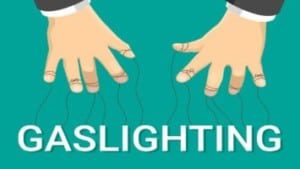
Gaslighting is a very commonly performed behavior that typically involves making the victim feel like they’re going crazy or losing their grip on reality. They twist events and situations in their favor, implying that you’re misremembering those events. They may use phrases like:

  • “Maybe you just weren’t paying attention.”
  • “You’re too emotional.”
  • “Woah, is your memory getting worse?”
  • “That’s obviously not what happened.”
  • “You’re taking this too seriously.”

But a lot of gaslighting is more complicated than one or two simple sentences. It involves slowly and deliberately making you question past events. If you aren’t aware of the manipulation, you may slowly begin to believe it, slowly losing confidence and positive thinking as you go. This is classified as abusive behavior.

If someone gaslights you, you can respond with the following statements:

  • “That isn’t my reality.”
  • “I understand your perspective, but that’s not how I see it.”
  • “We experienced that differently.”
  • “You cannot change what I experienced.”

someone exploiting you9.    They Seem To Have Drastically Different Personalities

It feels like you meet a different person every day with an exploiter. In various scenarios, they put on different masks, sometimes becoming unrecognizable.

As an example, they may be extremely polite and friendly in public but then morph into insulting and dismissive people behind closed doors. Why is this done? Well, someone who is taking advantage of you may need to make themselves look more positive or like the “good guy.” As such, they may do what they can to make sure that everyone around them has no reason to suspect their motives, making it difficult for you to seek help.

Another example is that they may seem kind and sweet to you one day, then cruel and biting the next. This is a form of indirect punishment and typically done to inform you that you’ve done something they don’t approve of.

10. They Expect Sacrifice

Someone who is exploiting you is going to want you to keep sacrificing things so they can get what they want. When you don’t, they may treat you like you’ve wronged them.

There’s nothing wrong with making sacrifices for someone, but if you make them again and again while it feels like you’re never giving enough, you’re being exploited – even more so if they seem to expect this of you.

You should also pay extra attention if this person never seems to want to make similar sacrifices for you. If every favor you request is turned down for a wide range of excuses, even after you’ve done so much for them, you’re being taken advantage of.

exploitingFinal Thoughts: Take Swift Action if Someone Is Exploiting You

So, should you immediately cut off anyone who does any of these signs someone is exploiting you? Not necessarily. Exploitative behavior can sometimes be unconscious, and while that doesn’t make it right, it does mean the actions are changeable. Sit down and talk to the person who is doing this to you with honest and direct communication and see if any changes come of it.

But if someone exploits you again and again, even after you speak to them and ask them to stop, it’s time to cut them off. Don’t feel ashamed of saying “Enough is enough” and showing an exploiter the door.

Psychology Explains How Journaling Can Relieve Depression

Depression and writing, or any form of art, seem to go hand in hand.  When we think of some of the “Greats” in literature, painting, acting, and music, a tendency toward depression or bipolar disorder appears to be one of the qualifying factors to their greatness.

Is it possible that it’s a coincidence?  Perhaps a representation of particular personality traits shared with many of those with a mental illness?  Whichever it may be, writing has been shown to help those with depression.  Psychology explains how journaling can relieve depression.

Is there a connection between creativity and mental illness?

Psychologists have been attempting to determine if there is a connection between creativity and mental illness for many years. Are we just drawn to the drama of romanticizing an artist’s pain and struggle similarly to our morbid attraction to the concept of vampires, or are these agonized souls truly blessed and cursed with creativity due to mental illness?

In 2017, a study by Christa L. Taylor of Albany State University was published in Perspectives on Psychological Science, attempting to get to the root of this question.  Are creatives more prone to mental illness vs does mental illness make one more creative?

Christa analyzed over 36 studies.  First, she focused on if creative people were more prone to a mood disorder.  She compared various creative types in 10 different studies and discovered that more creatives than non-creatives tended to be bipolar.

The study results

Interestingly enough, those with chronic but functional depression were found to be equally creative and not creative.

The next question was, are those with a mood disorder more likely to be creative?  Her conclusion was two-part.  Firstly, that no, having a mood disorder did not make you creative in general.  The second part was that yes, bipolar or severely depressed individuals tended to be more artistically creative or likely to excel in painting or an expressive art form in comparison to just able to creatively troubleshoot or find differing options from the norm.

That said, the numbers in comparison to the creatives without a mood disorder were very tight and, therefore, left room for interpretation.

Overall, her analysis showed that yes, creative people tend to be more prone toward mood disorders, but mood disorders did not guarantee you would be creative.

Fortunately, journaling does not necessarily require creativity nor a mood disorder, even if it can be effective in helping both.

What is journaling, and how can we use it?

Journaling is the organized writing for the purpose of your choosing, with somewhat regularity and using a medium of your choice.   It is similar to a diary, except it isn’t necessary to do it every day, and you aren’t limited to writing about events in your life, as is typical of a diary.  Also, a journal can be supplemented with drawings, magazine images, or photos similar to a scrapbook. Some apps can even allow you to add vocalization recordings if you prefer.

Many people use a journal to:

  • Express their emotions
  • Track momentous occasions such as a pregnancy term, the birth of a baby, after a significant health diagnosis, moving to a new area or starting high school.
  • Maintain a daily log of life events
  • Express gratitude or affirmations
  • Project ideas including for creative writing
  • Clear their head when overwhelmed with thoughts or ideas
  • Track diet and exercise
  • Goal setting and tracking

A  journal can be used any way you want it.  With current technology, you could do it on your desktop or laptop computer, use an app on your phone or tablet, or you can keep it simple and use a notebook or particular book designed for journaling.  It is all up to your preference.  There really aren’t any rules about journaling other than, ideally, you want to be consistent in using it for what you designated it for.  That designation may change over time but the point is that you choose to write for a purpose with some regularity, even if it is only once a month.

Effects of depression on your brain

Depression is a mood disorder that not only affects your emotions, but it also affects your brain and its functions.

Various regions of the brain begin to shrink within 8-12 months of being depressed. The areas affected are:

Hippocampus

Hippocampus is responsible for learning and memory. Especially involved in turning short term memories into long term memory.

Thalamus

Thalamus is a general operator of the brain. It receives outside information from all the senses, except for the sense of smell.  It then relays that to the rest of the brain.

Amygdala

The amygdala helps to regulate emotions correlated to survival, especially fear. It also plays a role in your memory and your sexual desire and response.

Prefrontal cortex

The prefrontal cortex, which sits in front of the frontal lobe, is responsible for the ability to be organized, plan, reason, and our ability to adapt to changing situations.

Frontal lobes

Frontal lobes are responsible for your movements, ability to problem solve, memory, language ability, impulsivity, being spontaneous, your ability to use social skills, and your sexual behavior.

Inflammation of the brain

Brain inflammation also proves in studies to play a factor in depression. Brain inflammation results in less plasticity due to the shrinking of brain cells and neurons not effectively firing. This leads to a decrease in brain function.

Decreased oxygen to the brain.

Studies prove that depressed individuals tend to have less oxygen in their brains. This is believed to occur because depressed individuals tend to have depressed respiration, or they take slow, shallow breaths. Less oxygen results in furthering the inflammation and a decrease in functioning.

journaling and the brainHow does journaling help to relieve depression?

Being depressed creates damage to various brain functions, which adds to the challenges of managing daily life as well as the additional symptoms of depression.  The longer you are depressed, the harder it becomes.

Journaling is a great method to counter not only the mental functioning but also with the emotional turmoil, which is a part of depression.

What are the emotional and therapeutic benefits of journaling?

  1. For some people, just being able to express their emotions or thoughts can help decrease the weight of them. Many individuals with depression don’t feel they have anyone to talk to. They hold in what they are feeling.  This adds to the feeling of them being overwhelming.  Writing about your emotions allows you to take control and make sense of the whirlwind in your head.


  1. Getting emotions out can offer perspective. Putting your emotions down and then going back, can allow you to take a step back and review why you are feeling this way. You can see steps to handle the triggers better, or possibly identify where you may have misconstrued something.  Showing these excerpts to your therapist can also assist them in showing you additional coping mechanisms and differing perspectives that perhaps you couldn’t see at the time.


  1. Journaling, especially if using it for gratitude or affirmations, can reflect back to your positivity. The act of writing out gratitude and affirmations before going to bed results in better sleep.  When written in the morning, people tended to feel more positive throughout the day.


  1. Great way to track your emotions. There can be patterns of why a person feels depressed.  A week of cloudy days, higher or decreased hormones during the month, or having to split time with parents.  There can be a variety of things actually triggering the depression.    Keeping a log of what is going on in our lives and how we feel can allow us to see the pattern.


How does journaling help the brain function improve while depressed?

As stated above, several brain functions decrease in their ability the longer an individual is depressed.  Memory, problem-solving, organization, focus, and learning, to name a few.  The act of journaling can help offset that decline or at least provide a tool to decrease its impact on your life.   It is important to note that they are far more successful when you journal using handwriting as opposed to typing or a screen.

1 – The physical act of writing

The physical act of writing reinforces memory because it uses both motor skills and active memory. As we decline, we lose a small amount of memory and organizational skills. Thus, handwriting out your schedule, affirmations, gratitude, or goals reinforces them to your memory through muscle memory as well as active memory.

2 – Your attention to your task

Handwriting forces you to slow down and really pay attention to what you are writing. This forces you to recognize what you are writing. You will focus and organize thoughts and spend valuale time on reflection and retention.

3 – Journaling as meditation

Writing is also meditative, which can relieve stress. Stress is one of the biggest killers of focus, organization, and memory.  The more stressed you are, the less you are analyzing, and the more you are reacting.  Each person tends to write at a set pace.  This pace creates a rhythm for your body and mind to follow, much like practicing breathing for meditation.  Interestingly enough, if you listen to someone read out loud, as the listener, you will mimic their pace as well.

journal for depressionFinal Thoughts on Journaling for Relieving Depression

Journaling is an excellent, flexible way to stay organized, record memories, track accomplishments and goals, and relieve depression.  It allows you to express yourself emotionally,  to keep your mind sharp and to stay one step ahead of depressive symptoms.

Managing depression is possible.  Being happy is possible.  Beating the challenges of your every day is possible.  Journaling is the perfect way to remind yourself of how you are a survivor beyond the symptoms of depression.

Researchers Reveal How Ginseng Can Reduce Obesity and Burn Fat

It’s time to talk about that dreaded “F” word. No, not that “F” word! The other one:  Fat.  With the holidays, we all put on some extra pounds, mostly related to excess calories that we don’t burn off until afterward if we are diligent.  Fat cells can consist of 3 different types, and we store fat in 3 different ways.  It turns out, one kind of fat cell is both a blessing and a curse.  It is the fat on our body that can help you burn off the other two.  Sadly, we don’t generally have a lot of that fat, so we need a little help.  Ginseng may be that help.  Researchers reveal how ginseng can reduce obesity and burn fat.

Fat cells and storage on our body

Our body stores three different fat cells in 3 different ways.   We have white, beige, and brown fat cells.  The actual name for fat cells is adipocytes, and they serve several crucial functions for our body.

  • They produce and release necessary hormones
  • They protect our nerve endings
  • Bind to proteins to act as messengers
  • Store vitamins and minerals
  • Keep us warm and maintain body temperature
  • Provide stored energy

Subcutaneous Fat

Subcutaneous fat is the fat we are used to talking about and that we pay the most attention to.  It’s the most visible fat that women see on our thighs, butt, and stomach.  Men usually accumulate it on their belly. It makes up about 90% of the fat on our bodies.   It forms over our muscles under our skin.  That’s why it so easy to pinch.   It can consist of white or beige fat cells.

For women who spent most of their life with thick thighs and wide hips but slimmer waists, the fat they accumulated was doing less harm than those who tended to carry their fat around their waist. Sadly, thanks to menopause, the perk of being pear-shaped begin to change, and all women start to gain weight around their waist.

Scientists have stated that belly fat is one of the contributing factors toward heart disease or stroke.  Waist measurement higher than 35″  for women or men with a waist higher than 40″ are at increased risk of heart disease.

As much as we dislike our white fat, it does serve a purpose.  Well, two to be exact.

  1. Stores energy to use when we need it
  2. Produces hormones and sends them into the bloodstream

When our white fat cells are still small, a hormone called adiponectin is created, which is an anti-inflammatory, and it aids in controlling our blood sugar.  It makes our muscles and liver sensitive to insulin, which then decreases our chances of developing diabetes or heart disease.

However, when we gain too much white fat, those cells become bigger, and our opportunities begin to increase for heart disease and diabetes because the production of adiponectin slows.  This is why doctors agree that too much subcutaneous fat, especially around the waist, is detrimental to our health.  It also creates a hormone called leptin, which signals to our brain when we are full.

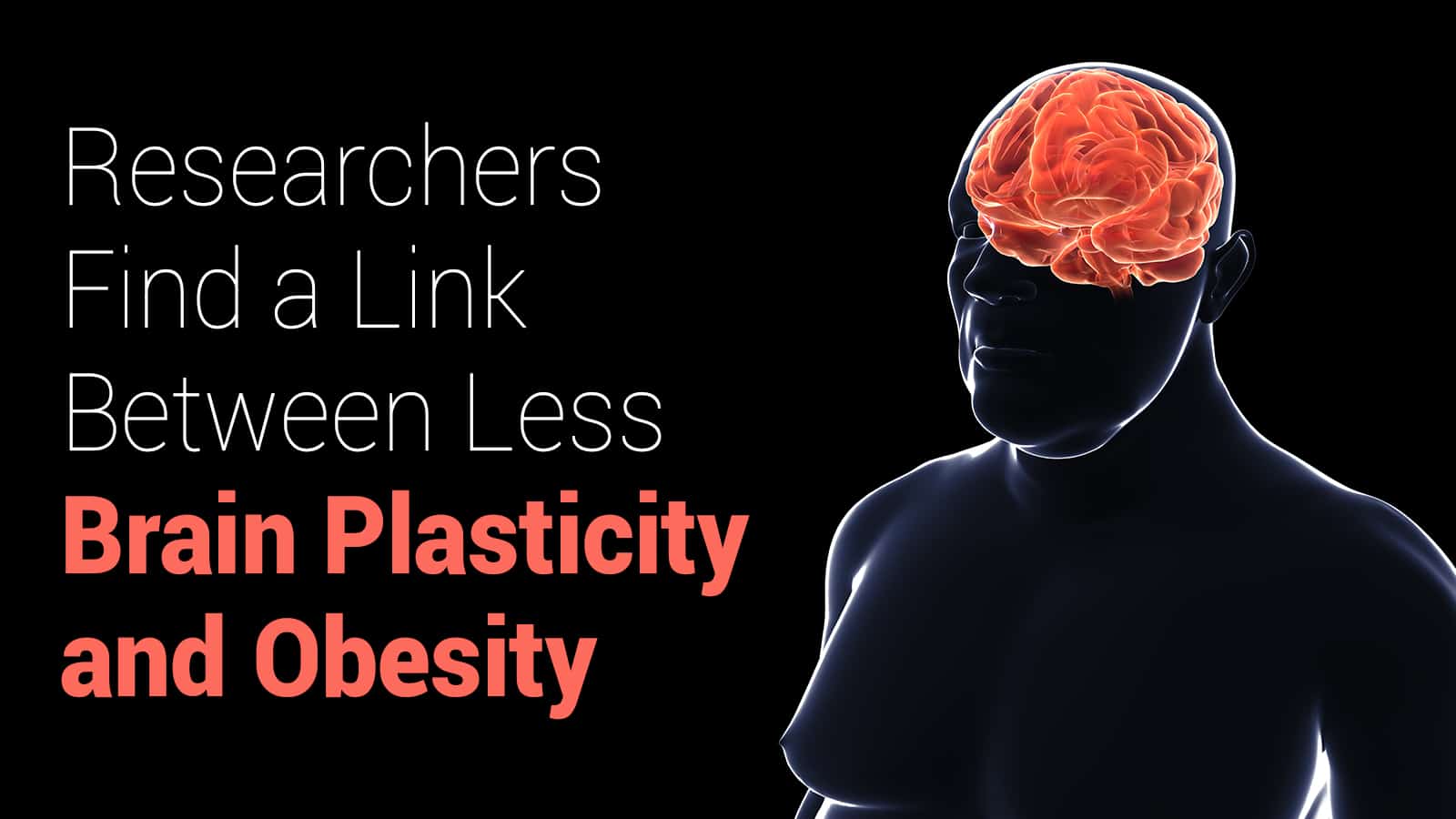
brain plasticityVisceral Fat

Visceral fat is the most dangerous fat, primarily due to its location.  It consists of white fat cells and forms deep in the cavity of our abdomen, around our organs. We can’t see it nor touch it.  Visceral fat can only be seen with a CT scan.  Doctors generally tell people that if you have belly fat, then you also have visceral fat.  Estimating the amount of visceral fat you have may be difficult.  The general rule is that if you have a BMI of 25 or more, than you have visceral fat.

Visceral fat is a factor in:

  • Cholesterol levels
  • High blood pressure
  • Diabetes
  • Potentially dementia
  • Heart disease and stroke

Essential Fat

Essential fat is the necessary fat for our bone marrow, fat around our eyes, our nerve endings, and around the membranes of our organs.  It doesn’t produce much energy or adds to our bulk.

What about those brown fat cells?

Brown fat cells are the fat cells which kick in when you get cold. They are part of the reason some say that you can burn more calories sleeping in a cold room.

It stores in locations like the neck, shoulders, and chest.  As children, we have more brown fat cells than we do as adults. Leaner individuals tend to have more of it than overweight or obese people.  Yet, the amount is still minimal in comparison to white fat, no matter your size.  Let’s say you have 20 pounds of white fat on you, maybe 2 oz of that is brown fat, for example.

The exciting factor about brown fat is that is can burn off white fat.

This, of course, has many scientists interested in how we can learn to use that to decrease obesity and improve our health.  It is believed that it contains more mitochondria that use white fat as fuel.

A study performed at the University of Munich, also demonstrated that it might be possible that food can trigger this same thermogenic process in brown fat.  The act of eating and digesting already uses up 10% of energy through muscle contractions of the intestines, secretion, and the process of digestion.  Volunteers ate a high carbohydrate meal, and the scientists measured the level of activity in the brown fat cells.  This confirms that somehow brown fat cells play a role in our digestion of food and possibly our sensation of fullness after eating.

The study published showed how it may be possible to trigger the activation of brown fat cells and convert beige fat cells into brown fat cells through the use of ginseng.

Ginseng and burning fat to reduce obesity

Ginseng is an herb that is most commonly recognized by two types, Asian ginseng or American ginseng.  Two of its chemicals have been identified as potentially contributing to various health conditions or improvements.  They are ginsenosides and gintonin.  The reported health benefits consist of:

  • An antioxidant that can reduce inflammation
  • Help the brain’s memory
  • Improve mood and behavior
  • Aid in erectile dysfunction through the production of nitric oxide
  • Strengthen the immune system
  • Help in combating fatigue and improving energy levels.

Now, we may be able to add a fat burner to that list.  A recent study published in BMJ has potentially found a correlation between the benefits of ginseng and increasing brown fat cells and their thermogenic performance.  This study was performed by a team of Chinese scientists associated with the Chinese Academy of Sciences.

The scientists chose to attempt to determine the source of the weight control benefits believed to occur with the use of ginseng by targeting gut bacteria.  They would then aim to identify the corresponding long-chain fatty acids which appear to be related to ginseng’s weight management potential.

Scientists injected mice with ginseng extract and then tested for gut bacteria reaction.  They were able to see that the gut bacteria Enterococcus faecalis then produced a long-chain fatty acid called myristoleic acid.  Together, the bacteria and the acid reduced white fat cells through activating the brown fat cells and beige fat cells converted to brown fat cells.   The results prove that it is the relationship between gut bacteria and long-chain fatty acids, which could play an instrumental role in developing a medication for obesity through brown fat cells.

ginseng or green tea for obesity

Learn the many benefits of green tea (including ramping up your metabolism to decrease obesity).

Final Thoughts on Using Ginseng to Reduce Obesity

For many people, excess fat is of great concern in regards to overall health.  Excess weight from fat links to high blood pressure, heart disease, high cholesterol, diabetes, and potentially dementia.  While age, hormones, and genetics can play a significant factor in how our weight and fat is distributed, our choices play a vital role as well.  Learning the methods of dieting and exercise to keep that ratio in proportion, especially in relation to waist size, is a significant part of limiting that fat gain.

A percentage of fat gain, particularly around the waist, is of grave concern medically.  Scientists have been seeking a way to make getting rid of it more manageable.  Medication cannot take the place of diet and exercise, but helping our bodies to maintain themselves is a good step.  Researchers revealing that ginseng can burn fat and reduce obesity by getting brown fat cells to activate more often is a great step.

10 Proven Health Benefits of Gingko Biloba

Gingko Biloba also called the ‘maidenhair tree,’ is an ancient tree native to China. Gingko Biloba is the last remaining species of the Ginkgophyte family.

And here’s an interesting fact–Gingko trees date back to the Triassic period from around 201 to 252 million years ago! In fact, a Gingko tree can live up to 1,000 years and ascend to a height of 120 feet.

Gingko offers numerous proposed health benefits. Thus, it is one of the best-selling herbal supplements in the United States and Europe.

Ancient Chinese medical practitioners used the leaves and seeds of the ginkgo tree for thousands of years. Additionally, modern research studies primarily use Ginkgo biloba extract (GBE) from the tree’s dried leaves. GBE is highly concentrated and thus is better equipped to treat potential health problems.

In this article, we’re going to focus on the proven health benefits of ginkgo.

Let’s do this!

The 10 Proven Health Benefits of Gingko Biloba

Here you’ll learn the ten proven health benefits of gingko.

  1. Improves Circulation

In traditional Chinese medicine, health practitioners administered gingko seeds to their patients. It allowed the unobstructed passage of energy to different organs. As it turns out, these early advocates of gingko were onto something.

Fast-forward to today, and one of the better-researched areas of Gingko Biloba is increasing blood circulation. In a 2008 study published in the journal Phytotherapy Research, Chinese scientists tested the efficacy of GBE in treating patients of coronary artery disease, or CAD.

In the research, 80 CAD patients received either GBE or a placebo. Researchers then measured patient circulation using ultrasound (‘Doppler ultrasonography’). Patients who underwent GBE treatment showed “significant improvement” in blood flow to the left anterior descending artery, implicated in lowering the risk or improving the symptoms of CAD.

  1. May Reduce Dementia and Psychiatric Symptoms

The research returned mixed results for the effect of GBE on dementia symptoms. However, some evidence suggests that it may help in some cases. Also, Gingko may help to reduce specific psychiatric symptoms such as anxiety.

In a meta-analysis published in the journal Current Topics in Medicinal Chemistry, researchers “explore[ed] the effectiveness and safety of Gingko Biloba in treating mild cognitive impairment and Alzheimer’s disease.”

The research team included 21 randomized clinical trials (RCTs) comprising 2,608 patients in their analysis.  They concluded that, when “compared with conventional medicine alone,” Gingko Biloba substantially improved Alzheimer’s patients’ scores on a clinical test of cognitive function.

  1. Enhances Brain Function

Herbalists widely recommend Gingko Biloba for its supposed positive effects on cognitive function.

In a systematic review published in the journal Evidence-Based Complementary and Alternative Medicine, researchers analyzed the results of eleven randomized control trial (RCT) studies. Study participants had a diagnosis of Alzheimer’s disease (AD).

Dementia patients scored higher in clinical tests of overall cognition. Additionally, patients demonstrated improvement in the ‘activities of daily living’ (ADL) measurement scales. ADL measures the capacity of patients diagnosed with dementia conditions such as AD to live independently.

Less clear is the effect of GBE and other forms of gingko on the cognitive function of otherwise healthy individuals. Some evidence suggests that GBE effects are “non-significant” for this demographic.

  1. Reduces Anxiety Symptoms

A decent amount of research points to gingko minimizing the symptoms of anxiety.

In a randomized study published in the Journal of Psychiatric Research of 107 people with a generalized anxiety disorder (GED) or adjustment disorder with anxious mood (ADWAM) were given 240 milligrams (mg) of GBE, 480 mg of GBE, or a placebo over four weeks. After this time, the participants were assessed for feelings of anxiety, tension, and aggression.

The measurement instrument used in the study was the Hamilton Anxiety Rating Scale (HAM-A). The HAM-A has a total score range of 0 to 56 points. HAMA scores decreased significantly for GBE users, by 14 and 12 points for the 480 mg and 240 mg doses, respectively.

  1. Reduces Depression Symptoms

Some researchers posit that the anti-inflammatory properties of gingko contribute to its ability to lessen depressive symptoms. An article published in the journal Handbook of Experimental Pharmacology explains the correlation between inflammation and depression:

“Chronic exposure to increased inflammation … [drives] changes in neurotransmitters and neurocircuits that lead to depressive symptoms.” Higher than normal inflammation levels may also interfere with the efficiency of antidepressant medication, the researchers add.

  1. Fights inflammation

Speaking of anti-inflammatory, it turns out that ginkgo is a potent agent for counteracting the dangerous long-term effects of chronic inflammation. In fact, the inflammation-fighting properties of Gingko Biloba are the biggest reason why the herb has such a wide variety of health uses.

Chronic inflammation means that the immune response is out of whack – and this can cause severe damage. A dysfunctional inflammatory response can damage healthy cells, organs, and tissues, leading to DNA damage, internal scarring, and tissue death.

Multiple studies over the years have demonstrated the powerful anti-inflammatory effects of gingko. In a 2008 study published in the journal Carcinogenesis, researchers from the University of South Carolina found that standardized GBE can “prevent and treat colitis,” a chronic inflammatory condition of the colon.

Excessive inflammation links to a variety of medical conditions, including asthma, cancer, dementia, heart disease, obesity, rheumatoid arthritis, and type 2 diabetes. Other natural supplements that help reduce inflammation, including curcumin, fish oil, garlic, ginger, and lipoid acid.

  1. May Promote and Support Eye Health

While research into the effects of gingko on eye health and vision is still in the relatively early phases, preliminary studies have shown some potential. Per the Mayo Clinic, there’s at least some evidence that ginkgo may prevent the worsening of age-related macular degeneration, which is the leading cause of vision loss into old age.

In a study published in the journal Current Opinion in Ophthalmology, GBE supplementation increased blood flow to the eyes of patients with glaucoma. Per the authors: “GBE has been shown to have … vascular effects, making it potentially effective in treating glaucoma.”

Researchers attribute these effects to the vasodilation properties of ginkgo. Vasodilation is the medical term for the widening of the blood vessels, which promotes the passage of blood.

  1. May Reduce Blood Pressure

As mentioned, Gingko Biloba contains vasodilatory elements. Some research has connected these properties to potential positive cardioprotective effects.

In a study published in the American Journal of Hypertension, researchers tested the effects of a 240 mg daily dose of GBE on blood pressure and incident hypertension. The study’s participants included 3,069 elderly subjects with an average age of 79 years.

At follow-up, the researchers discovered a decrease in the number of hypertensive individuals and an increase in ‘normotensives’ – those within a healthy blood pressure range.

In another study of individuals aged 21 to 57 years, a daily intake of 120 mg of Gingko Biloba for three months lowered blood pressure. A reduction of 6 percent and 21 percent in systolic and diastolic BP was found, respectively.

  1. May Help Treat Migraines

Typical migraine symptoms include a throbbing headache, fatigue, dizziness, loss of appetite, nausea and vomiting, sensitivity to light and sound, and pale skin.

Although there are relatively few studies that focus on gingko as a migraine treatment, some evidence exists that it may be beneficial. In one small study, 50 Italian women suffering from migraines took gingko supplements over four months.

In another study of school-aged children, the combination of Gingko Biloba along with coenzyme Q10, riboflavin, and magnesium led to a reduction in the number of migraine attacks.

  1. May Reduce Asthma and COPD symptoms

Some research points to a potential beneficial effect of Gingko Biloba on asthma and chronic obstructive pulmonary disease (COPD). Benefits are attributed to the anti-inflammatory properties of gingko, which theoretically reduces the inflammation in the airways and lungs.

In a study published in the Journal of Huazhong University of Science and Technology, 75 patients with asthma were split into four groups. One of the groups received a combination of traditional asthma medicine (fluticasone) and GBE. Researchers concluded the following:

“GBE [can] significantly decrease … inflammatory cells … in the asthmatic airway and relieve the airway inflammation,” noting that “GBE may be used as a complement to … therapy for asthma.”

gingko bilobaFinal Thoughts: Before Taking Gingko Biloba

Gingko Biloba, particularly gingko Biloba extract, contains properties that resemble those of stimulants. For this reason, children should not take gingko supplements.

Gingko may produce negative interactions when consumed with certain medications. Do not take gingko if you are on any of the following over-the-counter or prescription medicines:

– Anticoagulants/antiplatelet drugs (“blood thinners”)

– Anticonvulsants (“seizure medicines)

– Alprazolam (Xanax)

– Buspirone (BuSpar)

– Efavirenz (Sustiva)

– Fluoxetine (Prozac)

– Liver-altering medications (all)

– Trazodone (Desyrel)

As a general rule, for your safety, speak with your doctor or other qualified health professionals before taking any form of gingko.

10 Ways to Manage and Heal a Leaky Gut

Feeling sluggish, or unwell in general? You might find a leaky gut to be the culprit.

Your gut health is more important than most people seem to realize. The nervous system of the gut is so complex that some sources call it a second brain. Additionally, your gut represents nearly 70 percent of your immune system.

Unsurprisingly, a growing trend suggests that myriad health issues, including autoimmune diseases, cannot be resolved without addressing issues like leaky gut.

Here are ten ways to start resolving your leaky gut syndrome:

1 – Keep a Food Diary

If you don’t have a food diary, start one. If you do have a food diary, keep at it.

A food diary should record not only what you eat, but also any metrics you are interested in tracking, such as weight or mood. It doesn’t need to involve a lot of writing. Since the intended audience is you, it is fine to record enough to jog your memory when you read back through it later, looking for clues about your condition.

This should be your very first step. It will help you establish a clear baseline for everything. You need to have some idea of what you currently eat and what your current symptoms are. Once you have determined that, you can move on to trying to remedy the problem with your gut. However, that doesn’t mean you should stop tracking your diet.

2 – Make Only One Change at a Time

A lot of articles that try to tell you how to address leaky gut recommend dramatic elimination diets. Such events can not only be hard on the body, but they can also introduce new confounding factors to the equation, making it harder to figure out what works and what doesn’t for you. This situation may be part of why research shows that it is best to try to change only one habit at a time.

Start by making only one change to either your diet or lifestyle. There are so many things going on in life that isolating factors that impact your health is quite hard. Try one new thing, stick with it for a minimum of one to two weeks, and track any changes you see.s can help give you some idea of the effect it has on you.

3 – It’s Easier to Start with Supplements

If you want to understand what a change is doing to your health, it helps to try to isolate factors. One way to isolate an element is by adding a supplement to your routine and changing nothing else. If you add a single supplement, you can get a reasonably good idea of what it does to you. In contrast, dietary changes always involve at least two shifts, making it difficult to determine which one is the real cause of positive change:

  • The removal of one food.
  • The addition of another food taking its place.

4 – Good Quality Salt

Your gut is lined with mucus. Mucus is 95 percent water, one percent salt, and four percent various other things, making salt an essential component of mucus. The mucus in your gut protects your stomach. When the mucus lining the gut is in poor shape, this is a major contributing factor to leaky gut.

Table salt is not the best option for healing your gut. It is better to use cleaner salts with fewer additives, such as kosher salt, canning, and pickling salt or sea salt. Some high brine sea salts also contain a mix of micronutrients that people swear by for improving their gut health.

5 – Glyconutrients

This terminology is a fancy word for good carbs. You can buy fancy, expensive supplements, and this may benefit you, especially at first. You can also go by consuming foods that contain good carbs, such as aloe and whole grains. Not all carbs are evil, and studies show that aloe vera does good things for conditions like diabetes.

6 – The Right Oils

You should probably worry less about the number of fats you consume and more about the quality. There is much controversy and misinformation concerning which fats are right for you and which are bad for you. Your food diary can help guide you in determining which fats work best for you, but some fats are routinely recommended as better and some as worse for your health.

Frequently Recommended as Good Fats:

  • Olive oil
  • Oils high in MCTs, such as coconut oil or palm oil.
  • Butter or ghee (clarified butter).

Frequently Listed as Bad Fats:

  • Peanut oil
  • Canola oil

7 – Yeast Cleanse Diet

If you have symptoms of a yeast overgrowth, or if you have recently been on antibiotics, you should do a yeast cleanse diet. One sign of yeast overgrowth is vaginal yeast infections. A yeast cleansing diet starts with eliminating yeast-leavened foods, such as bread and pizza. Add in yogurt or another probiotic source and reduce sugars and carbs as much as possible. You should be eating mostly fresh or lightly cooked vegetables plus high-quality meats. You may need to do this for a few months.

8 – Address Any Nutrient Deficiencies

Good health isn’t just about the things we avoid in our diet. It also about the things we include. If you have taken any medication, especially daily, look up which nutrients your drug depletes and consider replenishing those nutrients through supplements or foods that are high in those nutrients.

9 – Fast Periodically

Fasting has a long history and is often a requirement of various religions. It is an excellent way to help clean out your gut and give it a break. You can think of it as downtime for maintenance. There are many ways to fast. If you have no experience fasting, you should be conservative and start with something like a short term juice fast rather than something like several days of water fasting.

10 – Probiotics Help Heal a Leaky Gut

Probiotics are friendly flora that supports your microbiome. They can be purchased in supplement form or consumed in foods. One of the most popular sources of probiotics is yogurt. It’s easy for most people to add good quality yogurt to their diet as part of breakfast or in place of a snack.

11 – Walk More

Walking promotes gut motility and also increases the rate at which lymph returns to the blood. Lymph is how the body removes wastes from its tissues. These two mechanisms are heavily involved in the body, “taking out the trash.” If you want to clean up your system, walking more is one of the best things you can do.

leaky gutFinal Thoughts on Resolving Your Leaky Gut

Leaky gut syndrome might wreak havoc on your life, but you do not have to let it. There are many dietary, along with lifestyle choices, that you can make to have a positive impact on your gut and overall wellness. Keep in mind that you are an individual, and you need to investigate what works for you. Tracking your data and making informed decisions based on that can help you navigate an often overwhelming amount of conflicting information.

Breast Pain: 10 Common Causes + Treatments

Most women will experience mild breast pain at some point in their lives. However, only fifteen percent of all these cases require medical treatment.

Surprisingly to most, men may also experience twinges of tenderness in their breast tissue.

You can have breast pain in different locations. It can be on one breast, or it can be on both breasts. You can even experience this pain in your underarm.

Additionally, breast pain comes in different levels of severity. It can be mild, or it can be excruciatingly painful. These different levels of discomfort are commonly described as tenderness, tightening, throbbing, or sharp burning of the breast tissue.

Breast pain causes can vary. One of the most frequent reasons is hormonal changes. These changes can also affect the type of pain that you experience. This situation also explains why your perfectly healthy breasts can be in pain.

Here is a listing of ten of the most common causes of breast pain, as well as their treatment.

1. Cyst

Cysts are breast pain causes characterized by small sacs in the breast that fill with fluid. They are oval lumps that are soft and round typically. They can also feel hard in some cases.

Cysts can appear in one or both breasts, and you can have one or many cysts at a time. Apart from pain and tenderness, there are no other symptoms of cysts. These lumps grow and increase in pain during your period, and the effects reduce at the end of the period.

For treatment, visit your doctor so that they can confirm that it is indeed a cyst and not something serious. In case you have symptoms, use pain relievers such as naproxen and ibuprofen or use a compress to reduce the pain. Also, eat less salt to avoid swelling and pain.

2. Infection

The infection that occurs in the breast is called mastitis. This occurrence usually happens to women that breastfeed. Regardless, it can also happen to anyone.

Mastitis symptoms occur suddenly, and they include pain, burning, redness, chills, swelling, warmth, and fever.

In case you experience any symptom of infection in your breast, ensure that you see your doctor immediately. Your physician can guide you on whether you need an antibiotic and advise you of at-home care.

Also, sip a lot of fluids and get enough rest.

Besides, do not wear bras or clothes that are tight until your infection clears and increase feeds if you are breastfeeding since it will reduce pain.

Do not ignore the treatment of mastitis because it can grow into an abscess.

3. Fibrocystic Breasts

The changes in fibrocystic breasts are a common cause of pain in the breasts. About fifty percent of women will experience this type of pain during one point in their lives. Also, this breast tissue does not have any symptoms.

However, when symptoms occur, they include tenderness, pain, and a rope-like texture. The symptoms appear mostly in the area outside and on top of the breast.

To alleviate pain from fibrocystic breasts, use over the counter pain relievers such as ibuprofen and Acetaminophen. You can also apply a heated compress or a hot water bottle to reduce the pain.

Other methods that will help to reduce the pain include the use of a supportive bra and the use of hormonal birth control.

Nevertheless, ensure that you visit a doctor if you notice a new or bigger lump, increasing pain or changes that persist after your period.

4. Hormone Medications

Some hormonal medications’ side effects can be breast pain causes. For instance, oral contraceptives can cause breasts to experience pain. Hormone supplements and replacements can also cause this type of pain.

To treat these side effects, ask your doctor if they can prescribe a different medication. You might find that you tolerate a different brand better than the one you use.

If you are under hormonal birth control, you can switch to condoms, try a hormonal IUD, or try a copper hormone-free IUD.

5. Breastfeeding

When you first start breastfeeding your child, you might experience sore nipples. If the latch is not put properly, you can also experience severe breast pain. It is also widespread for the nipple to crack and become dry.

Other conditions that can be caused by breastfeeding include lactation mastitis, engorgement, plugged ducts, and fungal infections — mastitis results in pain, redness, and symptoms similar to the flu.

Engorgement results from an excess supply of milk that causes pain. It can also lead to plugged ducts. Plugged ducts are often in one breast, and they feel like a sore tender lump.

Fungal infections such as yeast infections can precipitate pain, aching, and itchiness. For treatment, ask a lactation consultant to help in case you have raw and sore nipples. They will advise you on the different feeding techniques and positions that you can use.

To soften hard breasts, you can pump milk in between feedings, apply a few drops of your milk around your nipples after feeding to soothe cracking and apply a warm compress to the plugged milk ducts.

Also, use breathable cotton pads to reduce trapping of moisture.

6. Pregnancy

Pregnancy triggers many hormonal changes in a female’s body. This is because the hormones are responsible for triggering the transformations that are required to support a pregnancy.

Hence, your breasts may become tender and swollen, and your nipples might stick out. In case the pain in your breast becomes severe, you should see your OB-GYN. Additionally, inform them of any skin changes, discharge, or lumps.

Otherwise, treat the soreness with a heat compress, use breast pads to prevent the chaffing of the nipple, wear your bra to bed, avoid touching your breast, and get a new loose bra.

7. Period

A woman’s monthly cycle is one of the most common breast pain causes. This is a result of the hormonal changes that occur during their period. The medical term for this form of pain is cyclical breast pain.

Throughout the month, estrogen and progesterone hormones will fluctuate in your body. As a result, you will experience a lot of havoc in your brain as well as your body. These two hormones can increase the size of ducts and glands in your breast.

Therefore, your breast swells and retain water. The breasts also become tender, lumpy, and painful a few days to your period. This type of pain usually fades after the period ends.

Regardless, you can change your lifestyle and use home remedies to relieve these symptoms by wearing a period bra, avoiding caffeine, reducing salt intake, practicing mindfulness, applying a hot or a cold compress, and using a pain reliever.

If the home remedies do not work, your doctor can prescribe hormonal birth control to reduce your premenstrual symptoms.

8. Bruises or Bumps

At one point in your life, you have woken up with an injury that you do not remember getting. The same philosophy can apply to your breast.

For instance, if you bump yourself while you carry a heavy sleeping child, it might cause a bruise.

Treating a minor bruise or bump is unnecessary because it will fade away in time. If you want to ease your symptoms, however, you can take a pain reliever such as naproxen or ibuprofen.

You can also apply a compress in your breast to relieve the pain and change the bra that you wear to make your chest more comfortable.

9. Muscle Strain

The muscles that lie directly below and around your breasts are known as the pectoral muscles. When this muscle is strained, it feels as though the pain is coming from your chest. As a result, these types of breast pain causes are limited to one breast.

Together with this pain, you might also experience bruising, swelling, and difficulty when moving your shoulder. The cause of this pain makes it common among weight lifters, athletes, and any other person engaging in activities that can lead to strain.

To treat muscle strain, you can use over the counter medications such as naproxen and ibuprofen. You can also do stretching exercises such as yoga or Pilates. A heating compress can also reduce the pain that you feel and make it easy to reach.

You can also rest to stimulate healing.

10. Bra

The work of a bra is to give support to the fatty tissues and weight of breast tissue. This necessity is especially true if you have a big cup size. Besides, in most cases, you will find that many women do not wear bras that fit their sizes appropriately.

If you wear an ancient bra, stretched out, or one that is too big, you will not be giving your breasts the support that they require. Hence, letting your breasts jostle around from morning to evening can make them sore. The unpleasant feeling can also spread into your shoulders, neck, and back.

On the other hand, if you wear a bra that is too tight, the excess pressure on your breasts can lead to sensitivity. Therefore, if you think that your bra might be causing your breast pain, consider the following:

• Check whether your breasts often spill over the top of your bra

• Confirm if your backs strap is digging into your skin

• Confirm if your bra is on its loosest or tightest buckle

• Check and see if the bra rides up in the back

• Confirm for spaces between the bra cup and your breast

If any of these conditions sound eerily like you, get a professional fitting in a store near you to get your exact bra size.

mammogram for persistent breast pain

A mammogram is the best tool to detect whether your breast pain is anything to worry about.

Final Thoughts on Dealing with Breast Pain

Always visit the doctor if the breast pain becomes severe. Also, visit your doctor if you have unusual discharge, fever, chills, and persistent swelling. Finally, schedule your regular mammograms and alert your doctor if you find any new lumps, bumps, changes in the skin, or other changes to your breast tissue.

Skip to content