Weekly tips, affirmations, and small actions to feel your best.

15 Responses When Your Crush Rejects You by Text

When texting came around in 1992, the way society communicated changed. Forget telephones that make conversations long and often dull, texting allows you to say what you need to say and move on. When you need to tell someone how you feel about them, then what better way than through a text message? Conversely, the same thing now happens when someone rejects you.

Texting allows you to say things to a person that you could never say face-to-face. When it comes to love and matters of the heart, things are always complicated. Texting is a great way to put all your feelings out there and hope for the best, but you can save face should things not go the way you want.

Handling Rejection with Dignity

rejects you

However, what if your crush rejects you? What if the very things that you long to hear never come? What if they shoot you down and crush your ego in the process?

First, it’s not the end of the world. There are plenty of guys and gals out there who want to be with someone as beautiful as you. Second, you don’t have to let them have the final word.

Here are 15 comebacks when your crush rejects you and says that they want to stay in the “friend zone.”

1. You don’t know what you’re missing.

The best way to be unaffected by rejection is to turn it back on them. Remind them of all the things they will be missing out on with you. You have many unique gifts and talents, and no one will treat them the way you will.

2. If you think you can get rid of me that easy, then dream on.

If you intend to pursue this person for more than a friendship, then be open and honest about it. Persistence sometimes pays off royally. Just because they reject you today, doesn’t mean that they will feel the same in a month or two.

3. Are you trying to be funny, cause that sounded like you were joking?

If your ego is hurting badly, then play it off as a joke. You can ask if they were joking or were too scared to say how they feel. You want to make sure that you don’t think they got one over on you or the upper hand. Using humor will allow you to keep some sense of pride.

hypocrites

4. I was just kidding, anyway!

If the situation goes south, then you can blame it on you playing around. You can say you were tired, had too much to drink, or aren’t thinking clearly. Humor is an excellent way to break the awkwardness that is now between you.

5. Do you have a twin that has lower standards?

When someone rejects you, it’s hard to find the right words to say. Another attempt at humor will be to ask them if they have a twin who has lower standards. If they act like you are beneath them, then this phrase will bring them back down to reality.

6. I want you to be mine, and I won’t take no for an answer!

Okay, so desperate times call for extreme measures. If you want to be with this person, then you need to tell them. Tell them that their response doesn’t matter as you have your agenda.

You have every intention of trying to win their heart, no matter how long that takes. Now, they may think it’s sweet that you want to be with them, or they might feel that you’re crazy. However, you’ve got to play all your cards.

7. It’s a good thing I’m not sensitive.

If you’re hurt and want to play it off, then you can throw off a flippant comment like, “At least I’m not sensitive.” This will let them know that they’ve hurt you deeply, but you don’t have to come right out and say it. Hold your head high and don’t let them know how much it hurts as you need to save face.

8. Is there someone else in your heart?

One of the first things that you might be thinking is that they are in love with someone else. When a person rejects you, it may be because they are involved with another individual.

It’s a fair question to ask if they’ve already given their heart away. This question will let you know if they don’t like you or they’re already involved. If they don’t say no, then you can altogether rule out a relationship. There still may be hope for the future.

9. What’s wrong with me?

Asking what’s wrong with you is a loaded question. Are you sure you want to know the exact reasons why they rejected you? Most people will try to be kind and brush over a few basic things, but you must be cautious of those who will just tell you exactly how they feel. It could be a real bust to your self-esteem.

10. I would rather have you as my friend than nothing at all.

When all else fails, you don’t want to lose them from your life. When someone rejects having anything more than friendship with you, then being friends is all you have left.

You must ask yourself if you can face them time and again and know that your heart wants theirs and can’t have it. Still, it’s scary to think of losing the person you love even as your friend.

11. I don’t know about a future friendship, as I need to process this rejection.

If you don’t see how you can ever go back to being just friends, then you need to say so. Tell him or her that it’s going to take you some time to process this mess, and you need some time apart.

When you both run in similar circles, then it makes it even more challenging to spend time apart to think. You may decide that your life is better off without them, especially if they don’t feel the same way. Each time you see them would be a reminder of what could have been.

friend zone

Here are tips for moving out of the “friend zone” and into a relationship.

12. I can’t be just friends when my heart wants so much more.

Tell them that no matter what they say, it isn’t going to change how your heart feels. You can’t turn off love or a serious crush like the flip of a switch. You didn’t develop feelings for them overnight, and you aren’t going to get over them overnight either.

13. When I become rich and famous, you will remember this conversation.

It’s your chance to get a little dig in as you remind them what they will be missing when they reject you. If you are in college or have a successful career, it doesn’t hurt to remind them of the life they could be giving up.

While you don’t expect this to change their minds, it can give you the upper hand and make you look less desperate. If you have your head on straight and want to make something of your life, then they could have been by your side reaping the rewards of your labor.

14. What will it take for you to change your mind?

Perhaps this person has specific reasons why they can’t be with you. It might not have a thing to do with your looks, attitude, or status in life. Maybe they are worried about finances, social circles, or spiritual affiliations.

If they at least engage with you on this question, then you can work through the things that your crush doubts. There may still be some glimmer of hope.

15. Why can’t you see us as anything more than friends, I do?

If all else fails, then you can grovel a little bit. Tell them again how much they mean to you. Ask them for specific reasons and things that maybe you can change. Take another opportunity to tell them why they are so beautiful.

Many people won’t admit that they like someone, even if they do. They may want to give you more time and see if things develop any further. There is absolutely no reason to give up on someone who starts telling you somethings that bother them but is up for discussion. It means they’ve already been thinking about a relationship with you.

rejectsFinal Thoughts: When Your Love Rejects You, Perhaps It Wasn’t Meant to Be

If he or she rejects the idea of being with you, then it may be time to move on. It’s hard to realize that some things aren’t meant to be, and you must find the courage and strength to get over this situation.

When someone rejects you, it hurts badly. You may need to steer clear of this person for a short period, or just until your heart heals. They always say that the best way to get over one person is to find another one.

So, get back out there in the dating world and find someone else to capture your heart. Who knows, maybe next time, it won’t be a case of unrequited love.

Reports Explain the Reality of Food Insecurity in America Today

Food insecurity is the interruption of food intake or eating patterns because of inadequate money and other necessary resources. However, nutritional insecurity is not a cause of hunger. Indeed it is but one part of an incredibly complex problem.

The United States Department of Agriculture (USDA) further divides food insecurity into two categories. The first one is a low food-deficit it reports about the reduced quality, variety, or desirability of a diet with a slight or no sign of reduced food intake.

The second is a shallow food shortage that accounts for several indications of irregular eating patterns and limited food consumption.

Moreover, food insecurity may be long-term or short-term depending on salary, employment, race, and disability. Of course, the risk of deficiencies increases when there is inadequate money to buy food.

Who Does Food Deficit Affect?

food insecurity

Food insecurity has a comprehensive social consequence for children, adults, and senior adults—scarcity impacts not only those who are at risk but the entire nation as well.

Here are some of the people that are most affected by food insufficiency. The significant population affected by hunger are the following:

  • Rural communities
  • Children
  • Senior citizens
  • African Americans
  • Latinos

We will examine the primary causes of food shortages in each of these groups.

1 – Children Feel the Impact of Food Insecurity in Reduced Academic Performance And Social Skills

Food shortage correlates with different economic conditions within the United States. And, food insecurity has a direct impact on our children.

Furthermore, food insecurity among children between the ages of 6-12 brings poor mathematics grades, grade repetition, absenteeism, tardiness anxiety, and many more. On the other hand, children among 15-18-year-old adolescents food insufficiency are related to depressing issues as well as suicidal symptoms after the regulatory for pay and other factors.

Poverty may make great parents and excellent students feel sad about life. That is okay. No situation lasts forever, because the power within you is stronger than the task ahead of you.

Additionally, cross-sectional studies suggest that there are possible links between food shortage and overweight children. Also, it indicates that a poor diet has consequences for academic performance, social skills, and weight in children.

2 – Seniors Face Chronic Diseases Due to Shortages

Food insecurity is a predictor of several chronic diseases such as diabetes, heart disease, stroke, lung diseases, and many more. It also contributes to worsening psychological health issues such as depression and anxiety.

Although there are several government programs and services established, for this reason, some people are unable to afford them due to the increasing scarceness rate. Because of the growing food dearth cases, older adults are more vulnerable, and they already have higher health care costs.

They tend to take a stronger medication compared to the rest of the population. These economic realities jam the low income older adults worsening their physical and mental health. That situation plays out all too often. That’s because those seniors who face poverty rely on the cheapest, packaged foods, in many cases.

Seniors do not have to feel this way. We can do something to show our empathy and compassion by being supportive as a society because everyone gets old.

food insecurity

3 – African Americans: Ethnic Differences Underscored by Food Scarcity

The national average household food scarcity is at 26% for African Americans and 14% for Hispanic households. The relationship between races and food deficit is multifaceted and tangled with other recognized causes of nutrient insecurity, including physical disabilities.

The concentration on social and economic disadvantage among different people of diverse colors over the life course dominates as the driver of higher rates of food unsafeness.

Many community leaders express fear that there is always going to be a risk of food shortage even when economic and social issues are removed. This concern stems from the prevalence of poverty among African American communities.

For the African-American community, food insecurity is a genuine concern.

4 – Latinos: Food Deficit Leads to Acculturation and Social Networks in Puerto Rican Families

Latino homes are widely known to be to house entire families in one household. These types of houses are at the highest risk of food shortage because of children.

Additionally, the monthly or daily income, when estimated, is not enough to adequately cater to every single person, especially families headed by single mothers. Despite being an extended family in a small household, Latinos also face a variety of health problems and decreasing academic performance among the children.

On the other hand, due to the congestion in several homes, they tend to practice acculturation that ends up increasing the risk of obesity, cardiovascular diseases, and diabetes among the aging family members.

5 – Rural Communities: Affects Food Patterns Rural Areas

People who live in rural communities are at a higher risk of food deficit. Rural areas are different from other places such as metropolitan, because they are not overly crowded. Thus, finding a job opportunity in such areas is very hard, and levels of dearth are rising.

Therefore, this means that most rural areas are limited to accessing necessities like a full meal. Additionally, several rural areas are faced with a shortage of food retailers because supermarkets are aware that they have a minimum chance of making a substantial profit.

Thus individuals in these areas are forced to rely on the same food patterns week after week.

6 – Low-Level Education Communities: Results of Accessing Limited Food Knowledge

Food insufficiency has a significant effect on education and health in general. During the early years of a child’s development, weak cognitive growth, and low educational achievement may extend to later life.

It is important to note that food education has a direct and broad return to individuals and immediate family members and the society at large. Moreover, education is the critical determinant of social flexibility that comes in handy by moving people and households out of scarcity and ensuring that people have a little food security.

Categories of Food Security

Four primary ranges describe the dynamics of food security. The core objective of each of the levels is to help define the different abilities to contrast households in accessing adequate healthy food.

Based on the standards of access, households that can get unlimited access to the availability of high marginal and high food security belong to the Food Secure category. This range massively differs from the Food insecure type, which is fundamentally characterized by shallow access to food security. Below are additional facts.

parasitic infection

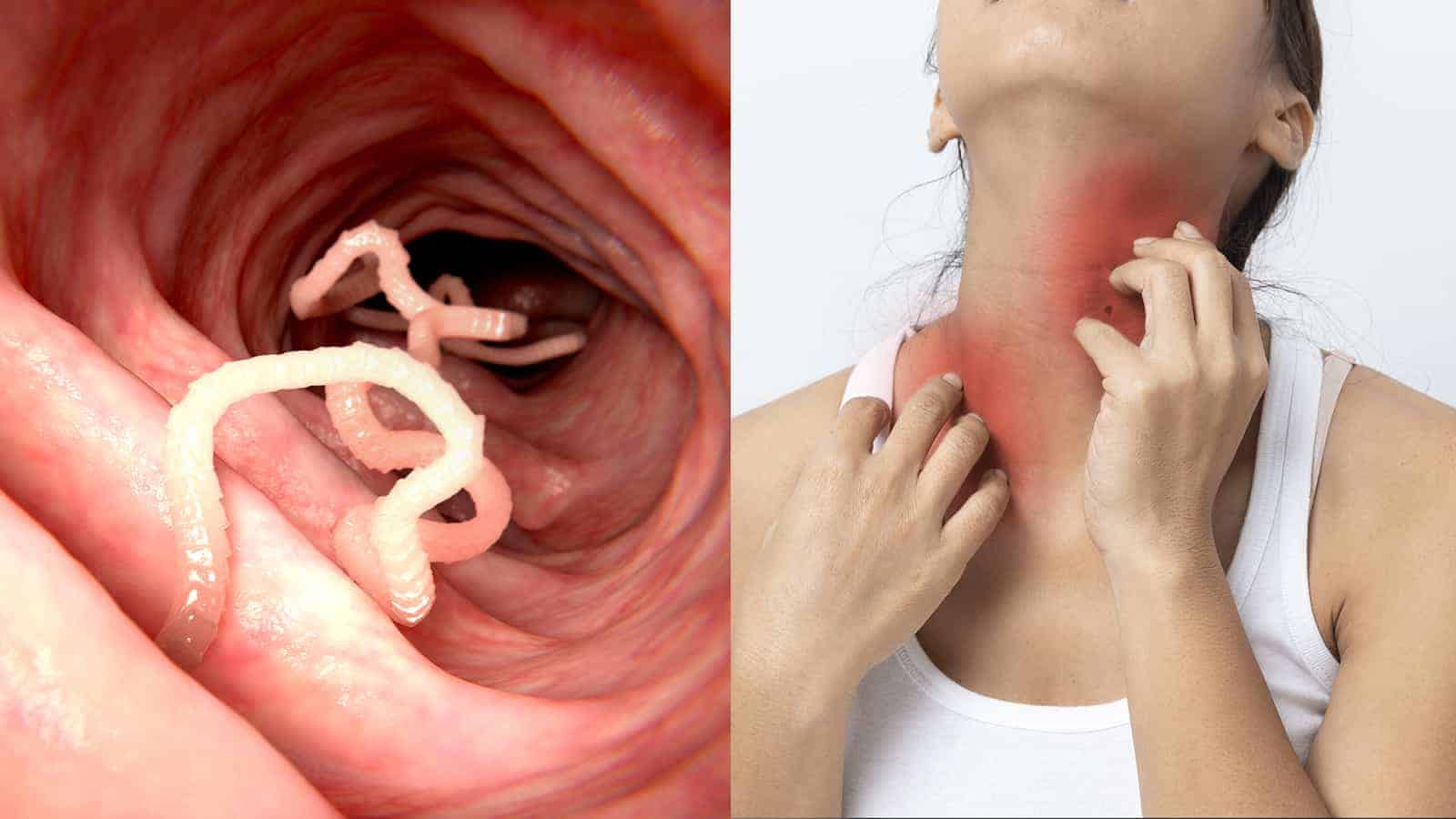
Fifteen signs of a parasitic infection.

1 – High Food Security

The nutritional standards of each family member depend on the type of household that they currently occupy. Those that belong to one of the safest ranges in the world belong to the High Food Security Range.

In this range, no household ever suffers the worry or anxiety of failing to have constant access to healthy food. Throughout the year, these families, communities, regions, and even countries enjoy access to unlimited food.

In this household, for every member to benefit equally, the available food has to be shared based on personal preferences, and they enjoy a variety of nutritious foods, as well. Also, quality and safety matter the most.

2 – Marginal Food Security

Households that have access to maximized sources of food can rarely go hungry. Such households belong to the category of Marginal Food Security.

Under normal circumstances, Marginal Food Security communities have access to healthy and quality food most of the time. However, due to unforeseen events like global pandemics, this household begins expiring diminished sources of food. Thus, the quality goes down.

The same applies to their variety of food that is available to this household.

3 – Low Food Security

The third range of food security is Low Food Security. This household has a generally reduced quality and variety of food access.

In most cases, individual family members are forced to go hungry due to the strained economic propensity of this household. This eventually disrupts the eating habits and overall living standards of the communities within this range.

Other traits here include the lack of stable and legal employment opportunities. The income is low, and most people here prefer living alone. Additionally, most households live in rented homes.

4 – Very Low Food Security

The last range of households is Very Low Food Security. The major characteristic that these households share is completely missing food. A good number of communities in this grouping often worry that food will run out soon or are currently going without nourishment.

Communities in this range get worried that even with the available food, it will not be adequate to last long. Additionally, families here cannot afford the comfort of food variety. They, in turn, resort to an unbalanced diet for survival.

Some of them could be hungry but prefer not to eat to cut the budget or give the food to someone that needs it more. Most communities here constantly lose weight.

How to Combat The Implications of Food Scarcity in The World

Now that we know about the problem… What to do?

Through Transforming The Meaning of Surplus Food

The first practical solution to achieving food security in the United States and the world as well is by globally embracing the culture of sharing what we do not need. The service industry has taken philanthropy to the next level by pulling hotels and restaurants together in cooperatively providing surplus food to help less fortunate members inside communities.

Create More Agricultural Careers

Investing in agriculture is yet another relatable, simple, and achievable projects. Societies, governments, and the whole system have to support young women and men who desire to save the world by bringing positive change to the agricultural world.

world hunger

Read how the tiny cricket could help end world hunger in the future.

Final Thoughts on Food Insecurity

The idea is to take care of the environment to maximize its productivity. However, if we, as a society, continue with the current trend, global warming will not be the only global environmental threat we face in the next decade.

Each of us can make a positive food impact in the world by the little that we have with less fortunate communities in the world and help solve food insecurity.

Finally, if you know someone facing food insecurity, reach out. Help them locate resources and become an advocate.

11 Behaviors That Reveal A Control Freak

Are you a control freak? Chances are that if you have controlling ways, you don’t even realize the way you act. You probably believe that you are offering advice or constructive criticism to others that is necessary, but you don’t see your methods as dictating.

Do you tend to take over projects because you feel like no one else will do them right or as good as you? Controlling people have inner fears that they don’t know how to process, and they’re plagued with irrational thoughts.

The need to control comes from internal problems. These people feel weak, inferior, or not needed, so they must manage every aspect of their life. Do you or someone you love have issues with being controlling? Here are some signs that can help you to relate.

control freak

1. They Must Have the Last Word

A person with a controlling nature tends to be a know it all. Though they don’t say it, they believe that they are more intelligent and educated than everyone around them. They will never let you win an argument because they can’t be wrong.

These are the people that must always have the last word, and if they don’t get the final word in a conversation, then they will feel that the situation is unresolved. When trouble arises, they want to be the one who comes up with the solution. Being superior in everyone’s eyes is essential for their ego.

2. Their Schedule is the Only One That Matters

Do you get angry when there is the slightest change in your plans? One of the main signs that someone has a control issue is that they want everything done according to their schedule’s needs. Other prominent symptoms include having everything in place at home, and things must be done their way or the highway.

3. Correcting People is Essential

Errors are not allowed in a controlling person’s life. If a blunder should happen around this person, they will feel compelled to point out the error. Mistakes and things going wrong makes them feel extremely anxious, angry, and frustrated.

Whenever you’re in the presence of a control freak, they will use this as an opportunity to correct you or point out your wrongs. They won’t hesitate to let you know about anything you do that is incorrect, even sending misspelled words on a text. They won’t mind embarrassing you in public if it means making themselves look superior to you.

If they should find something you do as an error, you will never hear the end of it. Sadly, they don’t want to see you improve your life, so their advice isn’t coming from the right place. Rather, they want to show how they are exceptional in all ways, as they’re always right.

control freak

4. They Don’t Delegate

Controlling every situation is hard work, but these people aren’t good at delegation. They feel compelled to do everything themselves as they think no one else is qualified. These behaviors stem from trust issues.

If they should delegate a task, then they feel that it won’t be done with the same expertise that they can do it. Even if they should ask for help, they will probably show you how to do it and end up doing it all anyway. Or, they can also delegate a task and then pick apart the work you do.

A control freak will go over something time and again looking for errors. You may hear them make remarks like, “Am I the only person who can get things done right around here?”

5. They Want to Change Others

A control freak believes that they know the best way for everyone, and they tend to be a bit narcissistic. They want everything done their way, and they are not against using manipulation tactics to accomplish their goal. They are superior at micromanaging others as they have a strict set of expectations.

Sometimes this person comes off as forceful when things aren’t done their way. They use passive-aggressive tactics to discourage you from doing things that they don’t approve of. Their words of advice come off as they care about you when they only want you to conform to their methods.

6. They’re Not Team Players

Working as a team player can be hard when you are controlling. Individuals working as a group doesn’t allow the control freak to assert their authority. These people are usually the leaders in any group, and they will dictate how others in the unit should behave.

7. They’re Moody

You may notice mood fluctuations if you or someone you love is a control freak. The mood swings come from being on edge and stressed out about frustrations in life. Remember, these people have underlying insecurities that cause them to feel chronic failures. Their desire for perfection can take them to the breaking point.

control freak

8. They’re Judgement and Critical

You will find that control freaks are judgmental and critical. There’s almost nothing they don’t have an opinion about. They don’t view their thoughts as thoughts, but they are fact.

Anyone who doesn’t agree with the person who must control every situation is wrong. No one can ever live up to their high expectations, and even if they try, they will find a reason to criticize it. People may view this person as hypocritical.

In defense of the controlling person, they have no control over their demeaning methods. It’s an instinct, and they don’t know any other way. Many people will see them as negative, so having a relationship with them seems to be impossible.

9. They Will Never Admit They’re Wrong

One of the most annoying traits of a controlling problem is that they will never admit that they are wrong. Even if they have been caught, getting them to realize it is next to impossible. Rather, this person will shift the blame onto others to make themselves look good.

While they won’t hesitate to call you out on your wrongdoings, when the shoe is on the other foot, they can’t take criticism. Their bruised and frail ego must be protected, so admitting they’ve done wrong will never happen. They worry about how others perceive them, so they will never admit a mistake even if they’re caught.

10. They Micromanage Others

Do you need to know what everyone is always doing around you? If so, then you are probably a controlling person. As a manager, this individual needs to be copied on every email and take the time to read each one. They are often demanding and will stop at nothing to have their expectations met.

11. They’re Perfectionists

Controlling every situation often makes these folks a perfectionist. They fear what others think about them, so the quest for perfection is driven by the desire to be superior. They must achieve flawlessness in their eyes so that others also see them that way.

The only way they can accomplish this goal is by controlling every aspect of their life. Their lawn must be the most manicured and greenest on the block, and they will only drive the latest and greatest automobiles. It’s all about keeping other’s perceptions in superior lighting.

humilityFinal Thoughts on Dealing with the Control Freak in Your Life

It’s easy to be resentful of people who are controlling. Someone who is controlling is fighting inner demons that you cannot see. Do you see some of these characteristics in your life?

The need to control almost always comes from previous traumas that have left a person vulnerable. They may have been abused as a child and have developed coping mechanisms to get through adulthood. How others view them is extremely important to these folks because they felt inferior and substandard somewhere in their lives.

If someone you love is displaying these manipulative behaviors, then you need to talk to them. The longer these behaviors continue, the more resentment you will build towards this individual. If you find that you have these cunning ways, then you should explore the reasons why.

Belittling people and exerting control over others are signs that a fundamental issue must be handled. Thankfully, a controlling person can tackle the problems that bother them and learn to let go of the need for perfection.

Life is not perfect, nor will it ever be. There are always going to be things that are beyond your control. However, you can learn coping skills to handle these situations in a positive manner. You don’t want to hurt or belittle people as it only cuts down their self-worth.

When things feel like they are out of control, it’s okay to ask for help. It’s also okay to admit when you think that you’re in over your head or that you don’t know how to do something. People don’t look at others as inferior when they need assistance; rather, they look at them as human beings.

20 Things To Avoid Saying To Someone With Anxiety

Anxiety and anxiety disorders are increasingly prevalent around the world. Those who experience anxiety deal with a lot of emotional pressure and mental distress, and it can be difficult for those around them to empathize or understand what they’re going through.

If someone you’re in contact with experiences anxiety, you probably want to be able to comfort them. Sadly, well-intentioned statements can have the opposite effect, so you have to be careful with how you choose to soothe anxious individuals. Here are 20 things to avoid saying to someone who suffers from anxiety.

Never Say These 20 Phrases to Someone with Anxiety

anxiety

1. “Stop Being Stressed Out.”

This fact shouldn’t come as a surprise, but stress is very different from anxiety. In reality, anxiety is a mental illness – no amount of positive thinking will help during an attack.

Here are a few things you can do instead:

  • Don’t tell them to forget their stress.
  • Validate their experiences and emotions
  • Offer support and care.
  • Listen and empathize with their situation.
  • Remember that anxiety and stress are not the same thing

2. “You’re Overanalyzing”

It’s common for people with anxiety to find themselves overanalyzing a situation or an event. In truth, it’s likely that the sufferer already knows they’re overthinking a situation.

Instead, bear these things in mind when interacting with a loved one who has anxiety:

  • Don’t paint their experience as an overreaction
  • Avoid implying that their issue can resolve itself instantly somehow
  • Avoid invalidating their experiences and their anxiety

3. “You’re Making Your Own Problems.”

From the outside, it may seem like this is simply a truthful observation. In reality, however, this statement can be incredibly hurtful and invalidating. Instead, try the following:

  • Schedule time together to do activities together
  • Don’t invalidate their feelings
  • Do your best to be a supportive person
  • Offer a hug or comforting words
  • Offer help where you can

4. “You Just Need A Drink.”

A drink only sounds good on paper when you’re anxious. In actuality, turning to alcohol confers no positive benefits – even if you think it’s helping, it can turn into a dependency problem in the long run. Instead, try the following advice:

  • Encourage your loved one to seek therapy and counseling
  • Offer them a listening ear that’s free of judgment
  • Learn how they would like to be supported and cared for

5. “Just Breathe.”

This advice isn’t necessarily a bad idea in and of itself, especially if you know that the person already uses breathing techniques to control their anxiety routinely. The problem arises when this suggestion is brought up at the wrong time or presented in a way that isn’t truly helpful.

Here are a few key things to keep in mind when you’re trying to help someone through an anxiety attack:

  • Breathing exercises work best when they’ve been practiced beforehand, during calmer times.
  • Shifting one’s breathing pattern can be incredibly tricky, especially when your mind is already struggling to stay grounded.
  • Modeling deep breathing for your loved one is always much more useful than a simple reminder.
  • Talk to your loved one in advance, so that you better understand how to help them.

pop meme

6. “Move On Already”

Positive thinking isn’t always the solution – especially when there’s a mental illness that’s involved. Instead, consider keeping these points in mind when trying to help your loved one with anxiety:

  • Ensure that you’re offering kindness and support
  • Be willing to admit that you won’t always have the answer
  • Be available for your loved one as much as possible
  • Offer tangible help, such as assisting them in seeking a professional, or with their daily chores

7. “People Have It Worse Than You”

Bringing in new perspectives into a situation is, under ordinary circumstances, a solid idea. Trying to induce new perspectives with this statement, however, isn’t the way to go. Instead, it causes the following things:

  • It creates an unhealthy comparison with one’s experiences.
  • It disregards the actual person’s problems.
  • It makes the person more self-conscious about their issues.
  • It erases the sufferer’s experience.

8. “Why Are You Anxious Now?”

Occasionally, a sufferer can identify the cause and trigger of their anxiety at that very exact moment.

Most of the time, however, panic and anxiety attacks often show up for no rhyme or reason – which means trying to find out the source only serves to add more distress during an attack. Instead, here are some things you should do instead:

  • Listen and be there for your loved one during an attack
  • Remind yourself that you don’t need to speak or say anything
  • Avoid trying to reason out and rationalize the cause of your loved one’s anxiety attack
  • Avoid offering advice in the middle of an attack

9. “I Don’t Get Why You’re Anxious.”

Only by not being them, it may be impossible ever to understand why your loved one feels the way they do. Instead, try doing the following:

  • Offer validation and hopeful comments
  • Sit with them and listen to them
  • Offer respect and sympathy, even if you are unable to empathize

10. “Have You Tried (Remedy)?”

While lifestyle choices and specific homeopathy treatments may soothe or relieve some people of their anxiety, this isn’t necessarily a cure-all. Here are a few things to keep in mind when you’re trying to offer suggestions:

  • Remember that most anxiety sufferers are already intimately familiar with what is and aren’t helpful for them
  • Ask your loved ones during calm and quiet moments about their techniques and methods
  • Learn to ask them about what they need first

11. “There’s Nothing To Worry About”

Just about every anxiety sufferer knows their worries are irrational and blown out of proportion. Here are a few ways you can do to help your loved ones out :

  • Remember that different people have different limits when it comes to handling issues and circumstances
  • Understand that saying such a statement invalidates your loved one’s feelings, and can be hurtful
  • Be a positive source of support

12. “I Know How You Feel”

Medical anxiety is incredibly different from ordinary anxious feelings – and that is an incredibly important distinction that must be kept in mind. Instead, keep these things in mind when you’re trying to be a supportive friend or partner:

  • Anxiety often ends up crippling the sufferer, to the debilitating degree
  • Trying to share your experiences with anxiety during your loved one’s panic attack will often make things worse
  • Don’t try to make it into a competition by comparing your experiences with anxiety with your loved one’s experiences

13. “It’s Not A Big Deal”

This advice could be a well-intentioned attempt at offering your loved one a reality check, but in reality, it comes across as hurtful and uncaring. Instead, try doing the following:

  • Avoid minimizing or downplaying their distress
  • Learn how to validate their feelings
  • Be a source of empathy and support

14. “Quit Sweating The Small Stuff.”

Anxiety disorder, unfortunately, is a medical illness – to the sufferer, there is no such thing as small stuff. This ends up making such a statement come across as insensitive and uncaring.

Instead, try the following:

  • Avoid offering cliches
  • Offer acceptance and understanding
  • Remind them that the anxiety will eventually pass

15. “You’re Weird”

For people with anxiety, the disorder feels like an overwhelming and scary thing. This often causes sufferers to act out in what seems like strange and odd ways. Calling them out on it, however, doesn’t help anyone.

Here are some other things to bear in mind instead:

  • Understand that these behaviors will not necessarily make sense to you
  • Try not to make your loved one feel ostracized
  • Do your best to be supportive and understanding

pop meme

16. “Calm Down”

You may mean well, but this statement is often more distressing than calming or soothing. Here are a few reasons as to why that is the case:

  • It isn’t empathetic
  • It implies that the sufferer is somehow choosing to have an anxiety attack and disorder
  • It ignores the reality of how crippling an attack can be

17. “Stop Thinking So Much”

Anxiety as a disorder naturally puts its victims on constant high alert. This is not something they can control, and often brings them an incredible amount of stress. When helping your loved one, keep these things in mind:

  • Racing thoughts and worries cropping up are part and parcel of the illness
  • If your loved one can stop or avoid such thoughts, they would
  • They’ll often develop anxious behaviors as a result of the disorder

18. “Man Up”

Research has shown that men who are already struggling with mental health issues, having such a comment thrown at them can be both hurtful and invalidating. Here are a few examples:

  • It ignores the fact that men can also develop anxiety
  • It implies that their anxiety is caused by their immaturity
  • It deprives them of the support and cares that they need

19. “It’s In Your Head”

This statement is often a well-meaning attempt to calm down your loved one’s anxiety. Anxiety, however, is something that comes across as very real to its victims – so such a statement only serves to invalidate and minimize their feelings.

Here are a few other things to keep in mind when trying to help a loved one with anxiety:

  • Anxiety distorts the thinking patterns of its victims and by extension their reality
  • Thoughts and worries induced by the disorder can be incredibly overwhelming to your loved ones
  • It’s best to discuss with your loved one in advance over how they would like to be calmed down

20. “Just Push Through It!”

Although this statement is often meant as a form of encouragement, it can actually come across as heartless. Here are a few reasons why:

  • Anxiety sufferers can’t choose to overcome their fears and magically feel better.
  • Forcing them to face their fears can make things worse.
  • At the end of the day, it is a disorder and a mental illness that cannot be magically cured

anxiety memeFinal Thoughts On Some Things To Avoid Saying To Someone Suffering From Anxiety

If you’re trying to help someone with anxiety, you shouldn’t be saying the aforementioned 20 things.

However, remember that it is never your responsibility to aid an anxious person, and if you feel out of your depth or emotionally drained, you don’t need to push yourself to be there for them. If you can, show them resources for therapy, counseling, or similar options that they can make use of!

14 Benefits Of Stress On Your Body

Most people view stress negatively – and, indeed, it is primarily a negative experience. But that does not mean that you will not find a silver lining! Like many situations, stressful emotions come with a fair share of good and bad.

But how can that be true? Anyone who’s felt stressed out can vouch for the fact that stress is mostly unpleasant, so how can there be positive sides to stress? The answers might surprise you! Here are 14 unique benefits of stress on your body.

1.    It Can Boost Short-Term Memory

stress

Stress does a lot of things to the body – and one of the key things it does is prepare itself for any necessary defense. This response can be a positive thing, especially if you’re in a situation that demands a sudden boost.

Here are some of the things stress does when boosting you temporarily:

  • Temporarily increases interleukin production for a defensive boost
  • Increases mobilization of immune cells
  • Increases your body’s readiness for injuries or infections

2.    It Helps You Learn

As it turns out, positive thinking doesn’t always do the trick. Sometimes, it’s just easier to pick up things when you’re in an emergency fight-or-flight mode – even a simulated one,, as discovered by a study.

That said, it is important to distinguish between positive and negative stress. Here are some of the things good stress does to help you learn better:

  • Increases excitement when learning something
  • Boosts focus and motivation
  • Boosts one’s energy for the task
  • Improves performance
  • Improves one’s decision-making skills

3.    It Makes You Tougher

Indeed, stress is never easy to handle – and in most of our ideal worlds, we won’t ever have to deal with it. In reality, however, studies have shown that learning how to deal with stress properly is important – to the point that it’s even incorporated into Navy SEAL training.

In other words, learning how to deal with stress healthily helps you better yourself. Here are a few examples:

  • It teaches you how to manage stressful situations – both present and future ones
  • You learn how to develop healthy psychological and physical control
  • Helps you develop resilience
  • Encourages and promotes psychobiological resilience
  • Teaches positive thinking in the face of struggle

health mistakes

4.    It Gives You A Rush Of Adrenaline

When you are experiencing stress of any kind, your brain informs your body to produce all sorts of stress-related hormones and chemicals. One of these hormones is adrenaline – a hormone that is well known to give you a boost in emergencies.

But if the term ‘adrenaline junkie’ signifies anything, it is that triggering your fight-or-flight instinct isn’t always an unpleasant thing. Here are a few instances where you might enjoy that adrenaline rush:

  • Extreme sports
  • Public speaking or performing
  • Competitions

5.    It Can Improve Cognitive Ability

At first glance, this may seem counterintuitive. After all, there are plenty of studies that show stress has a negative effect on our brain’s performance. That said, you may have personally noticed that you seem to do better when you are under deadlines or stressed.

While that is certainly true in the long term, studies also show us that in the short term, it can instead provide the temporary boost that we need. Here are some of the ways stress can boost our cognitive performance:

  • Strengthens brain neurons
  • Increases focus and attention span
  • Improves short term memory

6.    It Can Provide Some Motivation

If you’ve ever found stress being the kicker you need to get going, this may seem familiar with you. It isn’t just your imagination – stress creates a cognitive dissonance between our baseline values and our environment.

This disarray is often something we want to put back in sync – and thus, the source of our motivation. Here’s a few examples where stress can be a motivating factor:

  • Presentation deadlines
  • Project presentations
  • Upcoming examinations

7.    It Can Improve The Development Of A Child

Chronic stress is undeniably unhealthy, both to a parent and to an unborn child. Our brains and our minds intertwine in such a way that the negative state of one will inevitably harm the other. As a result, it comes as no surprise that most parents will want to avoid stress during pregnancy.

Generally, avoiding stress is a good idea. A study by Johns Hopkins, however, has proven that normal stress in moderate levels may be helpful for the development of the fetus. Here are a few examples of how it helps the babies:

  • More advancement in early developmental skills
  • Quicker neuron connectivity
  • Faster brain development

8.    It Can Boost Bonding

Ever noticed how people who have been to hell and high water together come out of such situations closer? Stress can be a relationship killer, yes – but research has shown that if you know how to handle it healthily, it can also be ultimately a positive bonding experience.

It may seem strange that stress can create stronger bonds. To convince you, here are a few reasons why this is the case:

  • You’re more likely to reach out and connect with others who will help you
  • There are higher levels of oxytocin in your bloodstream – the chemical responsible for bonding
  • You learn how to better appreciate those that you love
  • You learn how to work together with loved ones through a stressful situation

stress9.    It Can Point To A Longer Lifespan

There are two ways you can look at a stressful situation – you can see it as something that will crush you, or as a positive opportunity for growth. Yes, it is a simple fact that chronic, long term stress will affect your physical health. This is unavoidable.

We aren’t completely helpless, however. Research proves that just how you tackle and handle that stress has a significant impact on the outcome – and doing so positively obviously has good benefits. Here are a few examples of how it can turn out for the better:

  • Lower risk of death, even when compared to those in low-stress situations
  • A better understanding of how to translate stress-related energy into productivity
  • Better handling and management of stress, reducing its impact on one’s health

10. It Can Promote Competition

Healthy competition in a safe environment is important – it teaches us how to push ourselves to our limits, where our limits are, and how to handle them. Here are a few other things that competitive stress can help us out with:

  • It teaches us how to address and grow from our failures and shortcomings
  • It allows us to assess both strengths and weaknesses, and how to manage or improve them
  • You receive an opportunity to see where we can accept help from others to cover where we lack

11. Stress Can Challenge You

Challenges are an unpleasant but necessary part of life. The struggles involved in overcoming a challenge can – and often will – be stressful, but it is often a golden opportunity to better ourselves one way or another.

There’s a reason for this – in order to understand your limits and issues. You would first have to be pushed beyond your comfort zone. With that in mind, here are some of the things that stress can help you out with when you overcome a challenge:

  • Boosts confidence and self-esteem
  • Provides new perspectives and depths to an experience
  • Creates positive transformation in personality
  • Adds more dimension and layers to your personality
  • Improves adaptability

12. It Gives You The Warnings You Need

Stress isn’t a normal state of being to be in – in fact, it is a vital part of your warning system. When you’re stressed, your body prepares itself for an emergency situation. This can be anything from mundane events like dealing with a test, to life-threatening ones like avoiding a potential car crash.

In order to do this, the brain responds to stress by ordering the respective glands to flood the body with emergency chemicals and hormones. Here are some of the things those chemicals and hormones help you in a do-or-die situation:

  • Heightens your senses
  • Increases your blood pressure and heart rate
  • Increases the sensitivity of your reactions
  • Sharpens your focus

13. It Can Give Your Life Meaning

It’s hard to appreciate what you have until it’s gone, but such ups and downs are a natural part of life – and it is arguably necessary. After all, you cannot truly embrace experience in its entirety if you choose to discard the negatives that punctuate it.

As it turns out, this life experience that we are all bound to learn is backed by research as well. Here are a few reasons why stress can help underscore the good things in your life:

  • It forces you to take on a new perspective, which can shed new light on your life
  • It can be a source of enrichment, deepening your experiences
  • Sometimes, it can help you realize what’s significant and important in your life
  • It can make your life feel more meaningful

14. It Can Help Your Social Life

Considering the kind of problems stress tends to place on any and all relationships, the idea that it can help with your social life might seem like a contradiction. However, research conducted by the University of Freiburg has actually proven otherwise.

For anyone who has ever played an ice-breaker game, this technically shouldn’t come as a surprise. As the name of such games indicates, it actually becomes easier to bond after going through a simple, low-stress situation. Here are a few extra points on why this is the case:

  • Stress makes you more likely to bond with others.
  • Going through a stressful situation with a partner increases your level of trust with them.
  • Stress encourages you to give and share with others.
  • Stress helps you exhibit an increased amount of prosocial behaviors.

stressFinal Thoughts On Some Unusual Benefits Of Stress On Your Body

While stress has its benefits occasionally, do keep in mind that it still must be managed correctly. Chronic or constant stress is always more negative than positive, and it’s important to find a balance through proper handling of stress and symptoms of anxiety and tiredness.

If you are experiencing severe levels of stress that interfere with your ability to do everyday tasks, speak to a mental health professional. Abnormally high or chronic states of stress are not normal and require treatment.

10 Belly Fat Melting Tips That are Better Than A Tummy Tuck

Belly fat is hard to lose.  Many people choose surgery to get rid of this stubborn fat. But tummy tucks aren’t safe for everyone. Fortunately, there are some healthier ways to get rid of your belly of fat. Here are ten belly fat melting tips that work better than a tummy tuck.

Why is belly fat harmful?

Studies show that women who carry excess fat around their middle are at risk of early death from heart disease and cancer. But why is it so hard to lose your stubborn belly fat?  Your abdominal fat cells are always busy producing hormones.

These hormones upset the natural hormonal balance of your body producing chemicals called cytokines. Cytokines raise your risk of heart disease. Your belly fat hormones change your body’s insulin levels and increase blood pressure.

Belly fat, called visceral fat, is also linked to higher cholesterol because of its location. It raises your LDL, which is bad cholesterol, and lowers your HDL or good cholesterol and makes you insulin resistant.  Being insulin resistant means your muscles and liver cells aren’t responding correctly to insulin. This causes your glucose levels to up, making you more at risk for diabetes.

tummy tuckAre tummy tucks safe?

Like any major surgery, tummy tucks do carry risks. Studies suggest that tummy tucks aren’t safe for people with heart, and lung problems, cirrhosis of the liver, or diabetes.

Also, if you smoke, getting a tummy tuck is not a good idea because smoking reduces the proper blood flow in your stomach area. Tummy tucks have potential side effects. These include

  • Bleeding
  • Numbness
  • Infection
  • Ugly healing
  • Discoloration
  • Scars
  • Your skin gets loose again
  • Vein problems
  • Breathing or heart problems during surgery
  • Pain

Melt your belly fat

Finding an alternative to surgery is always safer and more effective. Here are ten belly fat melting tips to get rid of your belly fat safely.

  1. Avoid sugary foods

Sugary foods like cookies, muffins, candy, frozen yogurts, flavored coffees, teas, and sugary sodas cause excess weight gain in your belly.  Sugar is composed of part glucose and part fructose. Studies suggest that glucose and fructose cause different effects on your health.

Many foods today have sugar or high-fructose corn syrup. The glucose and fructose in sugar and high fructose corn syrup are broken down differently in your liver. The high-fructose corn syrup causes a reduced breakdown of food in your liver, while glucose seems to protect it.

Scientists aren’t quite sure if sugar is safer than high-fructose corn syrup on your health, but they know that eating a diet high in fat and fructose has an adverse effect on your health. You may be surprised how many foods are made with high fructose corn syrup. This choice is primarily because high fructose corn syrup is less expensive.

Here is a short list of foods with high fructose corn syrup

  • Salad dressings
  • Bread
  • Ketchup
  • Frozen foods
  • Juice
  • Granola bars
  • Cereals
  • Crackers
  • Coffee creamer
  • Processed oatmeal
  • Deli meats
  • Peanut butter
  • Canned soups

thigh fat

  1. Reduce your calories

You can’t spot-reduce to lose your belly. But if you reduce your overall calorie intake daily, you will lose belly fat, too. Don’t starve yourself, but reduce carbs and try eating more protein-rich foods.  Eat more protein so you’ll feel fuller. Some people suggest if you cut 100 calories from your diet for 365 days, you’ll lose 10 pounds.

  1. Intermittent fasting

Studies have found that intermittent fasting improves your overall health. It helps reduce your chances of obesity, diabetes, heart disease, and brain disorders. When you practice fasting, the main advantage is that it causes your body to change where it derives energy. You will get your energy from glucose stored in your liver. This affects your cells and organ functions by improving overall glucose distribution and lowering your body’s stress and lowering inflammation. Fasting can help you slim down while your metabolism is working better.

One popular method of intermittent fasting is to fast for 14 to 16 hours a day, from when you finish your meal at night until lunch the next day. You then eat for the next 8 to 10 hour period. During your fast, you can drink water, coffee, or seltzer water or anything without sugar. Of course, this fast isn’t an excuse to eat a bunch of junk foods or go way over your calorie intake. That won’t work, and you may gain weight. But intermittent fasting can boost your metabolism from 5 to 15%.

  1. Do HIIT exercises

HIIT training involves short bursts of aerobic exercise, usually lasting no longer than 20 to 90 seconds. You take short breaks between the HIIT exercises, but your body still burns calories. Over time, add extra seconds to your HIIT exercises.  HIIT revives up your metabolism to burn calories and belly fat.

  1. Stomach strengthening exercise

Of course, besides reducing calories, the best way to melt belly fat is to do exercise to work your stomach muscles. Crunches are a great go-to exercise for fat burning in the tummy area. Add oblique exercises to your crunches by doing this exercise.

  1.  These involve lying on your back, legs straight up, and crossed. With your hands behind your head, raise slowing, keeping your shoulders back, and your focus on the ceiling.
  2. When you raise, bend sideways to one side. Then lie back down. This is one.
  3. Repeat changing the sides you bend towards each time.  After you’ve done 25, switch your crossed legs, so the leg that was on the bottom is on top.

You’ll feel the burn in your stomach, thighs, and shoulders. In no time, you’ll have a flatter belly better than any tummy tuck.

  1. Up your fiber and protein

Fiber is plant parts that your body can’t digest completely. It moves through your stomach and small intestines then out of your body. There are two types of fiber: soluble and insoluble.

  • Soluble fiber is gel-like. It lowers your blood cholesterol and glucose levels. You get soluble fiber from plant-based foods like oats, oranges, carrots, apples, and barley.
  • Insoluble fiber moves digested foods through your body, so you have more regular bowel movements. It helps you avoid constipation. Whole wheat, nuts, green beans, potatoes, and cruciferous vegetables like cauliflower or broccoli have insoluble fiber.

One reputable study found that a diet high in fiber can boost your weight loss when you’re trying to lose weight. Besides eating a lot of fiber to lose belly fat, add healthy protein to your diet. Foods high in protein include the following:

  • Tofu
  • Beans
  • Lean meats like chicken and fish
  • Nuts
  • Peanut butter
  • Greek yogurt
  • Quinoa
  • Eggs

lose a beer belly

  1. Walking

Walking is a great way to slim down. It’s like a natural tummy tuck.  Fast walking, around three miles per hour, gives you a full-body workout, revs your metabolism, and strengthens your heart.  Walking has so many benefits and requires so little to get started. Here are just a few benefits of fast walking.

  • It’s free
  • You’ll not need equipment, except for a good pair of walking shoes
  • You can walk anywhere-while traveling for work, on vacation, or around your block
  • You can enjoy walking with others

If you eat a healthy diet and walk for at least thirty minutes a day quickly, you will lose weight and reduce inches in your hips, legs, waist, and belly.

  1. Maintain your weight

Maintaining your weight over a long period trims belly fat.  Studies found many factors contributing to your weight control, including your environment, family history, genetics, metabolism, and health habits. You can’t control your genetics or family history, but you can energize your metabolism with exercise and eat a healthy diet. Once you’ve reached your ideal weight, it’s essential to maintain your weight. Here are some suggestions on how to do this.

  • Know what triggers unhealthy eating and find ways to offset them.
  • Stick to your exercise routine. Exercise will help you maintain weight and stay mentally sharp. The endorphins released when you exercise lift your mood. You’ll also have more energy when you exercise.
  • Have a group of friends or family members who inspire you not to slip down into bad eating habits.
  • Be accountable to yourself. Keep an eating journal to gauge your eating habits. Don’t fool yourself into thinking eating that extra helping of pasta is okay.
  • Join a yoga class, jogging club, or another exercise group to stay inspired to live healthily.
  1. Eat healthy carbs

Choose whole-grain carbs, called complex carbs, instead of simple carbs, which are low in fiber, like white rice or white flour products. Complex carbs help your gut function better. Complex carbs include:

  • Lentils
  • Quinoa
  • Beans-black, pinto, kidney
  • Onions
  • Oatmeal
  • Spinach
  • Whole wheat bread
  • Sweet potatoes
  1. Drink for a healthy belly

Reducing your alcohol intake to lower your belly fat. Also, avoid sugary juices or drinks that are high in caffeine. Instead, drink natural juices like celery juice, pineapple, or carrot juice. Choose mint or ginger teas, hot or cold. Drinking green tea, the kind that is extracted, and a concentrate of catechins and caffeine may be helpful for weight loss. Plus, one study found that drinking as little as three teaspoons of vinegar every day helps you reduce your body weight.

Final Thoughts on Avoiding a Tummy Tuck with Healthy Lifestyle Upgrades

Before you go under the knife for a tummy tuck, consider natural alternatives that work just as well to reduce your belly fat. They’re safer, cost less, and you won’t experience adverse side effects.

6 Things That Happen to Your Body When You’re Burnt Out

According to a 2018 Gallup poll, 23% of full-time employees felt burnt out often or always, while around 44% reported experiencing burnout symptoms sometimes. This statistic equates to approximately two-thirds of employees feeling overly stressed out while working. Of course, burnout can occur in other situations, such as school, parenting, or taking care of a loved one. But work usually accounts for a vast portion of people’s stress.

People experience burnout when they get so mentally and physically exhausted that it interrupts their ability to perform daily tasks. Repeated exposure to highly stressful situations, such as being a caretaker for a family member or working long hours, can lead to chronic stress. Some stress can help motivate us. But too much over an extended period can wreak havoc on our minds and bodies.

However, most people don’t recognize the symptoms of feeling burnt out. They might brush off the crippling anxiety as just a part of life, or vow to get the aches and pains in their back checked out eventually. In today’s fast-paced society, people simply don’t prioritize health because they feel that earning money and keeping up with responsibilities takes precedence.

What is burnout?

burnt out

Coined by the psychologist Herbert Freudenberger in the 1970s, burnout entails feeling highly stressed for long periods, which can lead to a complete nervous breakdown or chronic exhaustion. It differs from chronic fatigue, however, in that burnout describes psychological symptoms while scientists believe physical ailments cause the above condition. One’s mental state can become so impaired that they may not even feel like getting out of bed in the morning.

Who suffers from burnout?

Anyone can feel burnt out depending on their life circumstances, but the people most at-risk tend to work in highly stressful jobs that demand long hours. Nurses, doctors, first responders, and other healthcare professionals tend to experience burnout at higher rates than people in different fields of work. Also, those who care for children or elderly parents have high vulnerability to developing this condition.

One study found that mothers and fathers can feel burnt out just as much as corporate executives and people in healthcare. Also, those who have a “Type A” personality tend to suffer from burnout more often.

Now that we’ve given you a bit of background on burnout, let’s discuss some red flags to watch out for in your health.

Here are six things that happen to your body when you’re burnt out:

  1. You always feel exhausted.

If you almost always feel like you have no energy even after a good night’s sleep, you may have developed burnout. Feeling exhausted doesn’t just mean you don’t feel like getting out of bed, either. It can also mean you feel emotionally depleted, which can mimic depression.

  1. You have trouble sleeping.

People who experience burnout often report having trouble falling or staying asleep. Because of the highly stressful demands of daily life, many people have insomnia due to not being able to shut off their brains. If you frequently toss and turn at night, you may have high cortisol levels, which prevent you from relaxing into a restful sleep.

pink noise

Researchers reveal how pink noise can help you get a good night’s sleep.

  1. You suffer from anxiety and depression.

A combination of high-stress levels, lack of sleep, and a dissatisfied mental state can lead to anxiety and depression. However, if you don’t usually have anxiety and depression but suddenly start experiencing symptoms, you might be feeling burnt out instead. Many of the symptoms can overlap, so visiting with your healthcare provider might help clear up any confusion.

  1. You get sick more often.

If you’ve been feeling burnt out, you might start noticing the following physical signs of sickness:

  • lower immune system
  • frequent cold sores or rashes
  • you get colds or flu more often
  • more viral and bacterial infections
  • frequent headaches
  • gastrointestinal issues such as constipation, diarrhea, stomachaches, and digestive problems
  • general unwell feelings
  1. Your muscles feel tight and tense.

When you have high-stress levels, your joints and muscles get stiff because your body wants to prepare you for a perceived threat. However, if the stress becomes chronic, you will start to feel muscle weakness and fatigue, which can be a symptom of anxiety as well.

  1. Your risk of developing cardiovascular problems increases.

The American Heart Association links prolonged stress with an increased risk of high blood pressure, heart attacks, and strokes. When the body produces too much adrenaline and cortisol over an extended period, blood pressure, triglycerides, and cholesterol increase. All of these conditions can lead to a heart attack or stroke. These risk factors mean you should take burnout seriously if you start noticing symptoms.

12 stages of burnout

trauma

You may not even notice symptoms of burnout, because it doesn’t come on all at once like a cold or flu. Psychologists Herbert Freudenberger and Gail North have outlined the 12 phases of feeling burnt out:

  1. Excessive drive/ambition. People with Type A personality often have a strong work ethic, which can lead to working excessively in new jobs where they feel they need to prove themselves.
  2. Pushing themselves too hard. As they gain traction and acceptance in their job, they will take things to an extreme to remain on top.
  3. Neglecting self-care. They may sacrifice workouts, sleep, or eating well to keep up with the increasing demands at work.
  4. Blaming others for your workload. Instead of admitting that you have created the problem, you blame your company, boss, or colleagues for the amount of work on your plate.
  5. You make work your life and have no time for anything else. If you decline invitations to hang out with friends or family because it feels more like a chore than a fun outing, you might be feeling burnt out.
  6. You pick out the faults in those around you to deflect from your issues. Also, you grow impatient and irritated with people more easily.
  7. You withdraw from friends and family. They start to notice that you’ve become more quiet and uninterested in daily life aside from work.
  8. Behavioral changes. Loved ones may say you’ve become more irritable and aggressive, having a short temper with them.
  9. You may feel you have no control over your life and start to dissociate from even your work.
  10. Feeling anxious. To cope with the anxiety, you may start to depend on substances or thrilling experiences such as gambling or reckless driving.
  • You start to feel empty inside and no longer find any meaning in life.
  • Nervous breakdown. Feelings of burnout finally become unbearable, and you may need psychological treatment.

As you can see, burnout can appear subtle at first but lead to disaster if left untreated. To prevent burnout, make sure to follow these tips:

How to avoid feeling burnt out

– Exercise at least a few times per week. Working out releases feel-good endorphins that can help mitigate symptoms of stress and anxiety. Even walking outside for 15-30 minutes a day can have a dramatic effect on your mental and physical health.

  • Eat a balanced diet. Make sure you avoid processed foods and eat plenty of fresh fruits, vegetables, nuts, grains, and seeds. Eat minimal animal proteins, if you choose, such as salmon, poultry, eggs, and milk.
  • Get plenty of sleep. Many people today undervalue sleep and don’t prioritize it. However, your mental and physical health will suffer if you don’t give your brain time to rest. Make sure to avoid caffeine and alcohol before bed, stay off technology a couple of hours before bedtime, and establish good sleep hygiene.
  • Meditate or do yoga to reset your mind. To have a balanced mental state, we need to check out of daily life and tune into our inner beings once in a while.
  • Delegate tasks and ask for help. To avoid become overloaded by work, make sure to ask others for assistance. No one can do everything on their own, so don’t feel bad about asking for help. Lean on friends and family during difficult times for support as well.

burnt outFinal thoughts on what can happen to your body when you’re burnt out

Many people brush off feelings of anxiety or stress, but you shouldn’t take these symptoms lightly. If you experience chronic stress, it can lead to a nervous breakdown or burnout, eventually, which can disrupt your daily life. Make sure you take care of yourself by allowing time each day for relaxing activities.

Don’t make your responsibilities your whole life; while everyone needs to make a living and take care of loved ones, we can’t pour from an empty cup. Eating a balanced diet, sleeping well, exercising, and taking care of your mental state will keep you healthy overall and help you avoid feeling burnt out. This world places a lot of demands on us, but sometimes, you have to forget the world and take care of yourself. If you gain the world but lose your peace and joy, is it worth it anyway?

15 Comebacks for Dealing with Mean People

When you’re dealing with mean people, it is important to stay positive.

Whether it’s a stranger, a co-worker, spouse, or any other person in your life, knowing what to say is essential. You don’t want to be rude in return, as it could only make the situation worse. Plus, it could irreparably damage a relationship that is important to you.

It’s vital that you don’t let people be mean to you, though, no matter who they are. You’ll let them know that the behavior isn’t acceptable by speaking up and coming back with a quick response.

If you have someone in your life who tends to be rude at certain times, remember these comebacks to use next time. These comebacks could stop their behavior on the spot and help them be nicer in the future, too.

Tips for Dealing with Mean People

  • Stay positive and calm
  • Avoid being rude
  • Don’t take on their same attitude
  • Smile
  • Be firm
  • Think about what you want to say before you say it
  • Be empathetic
  • Take a deep breath
  • Comebacks for Dealing with Mean People

mean people comebacks

1. I’m sure you didn’t intend to sound so rude, but that’s how it’s coming across to me.

Disagreeable people sometimes don’t realize they are being rude. When it comes naturally to them, it may be useful to point it out. Then, they will likely think about how they speak to you or what they say.

This way, they know how they are making you feel. Plus, they’ll know that you are trying to be still nice and positively interact with them.

2. I can see that you’re having a bad day.

If you say this, they’ll start thinking about why you think they are having a bad day. They’ll realize that how they speak is giving you a bad vibe.

Sometimes a simple comment like this is the perfect comeback. The person you say it to may start speaking more nicely when it is pointed out to them.

Another way this comeback could work is that it could make the person believe that you said it because you are worried. This could soften their personality a little when they are communicating with you.

3. What is your motive for asking that?

Sometimes people ask rude questions to make you uncomfortable. They may want to embarrass you in front of others or they just want to hurt your feelings.

When you are in this position, ask the person their motive. You’ll likely get your point across by turning it around and asking them this question. They’ll know that you are not interested in discussing it.

Plus, if others can hear the conversation, it could shame the person who asked. Even rude people don’t want to be called out in front of others.

4. I’ll consider what you said, but I’d like to end this conversation now.

Even if you don’t agree with what was said, saying that you will consider it should normally do the trick. This way, the unfriendly person understands that you don’t want to talk about it and will hopefully stop. Then, you can forget it ever happened or you can take some time to consider it later.

Remember that most rude people say things that aren’t true and aim to hurt you. If you consider what they said, don’t take it too literally.

If you find some truth to what was said, you can make a change. On the other hand, if there wasn’t any truth in it, move on and forget it.

Then, you can answer honestly the next time that person brings it up again. You would tell them you already considered it and don’t want to discuss it again.

recharge batteries

5. I’m finished with this conversation.

Sometimes, you have to be blunt. If you’ve tried reasoning with the person and tried other comebacks, it may be best to end the conversation.

It isn’t as rude as ignoring them, but you’re letting them know that you aren’t going to be talking anymore. There is no use in arguing or going back and forth, so end the conversation and move on.

6. Have a great day!

This is another way of ending the conversation. As you end the conversation or walk away from them, a positive statement is the way to go.

They can’t be angry at you for telling them to have a nice day. Plus, you’ll be able to walk away as a better person.

7. Thank you.

If someone makes a rude comment about you, thank them. While you aren’t appreciative of their rudeness, it’ll let them know that you heard them. When you don’t react in the negative way that they were likely hoping for, they’ll be disappointed.

Most people won’t keep trying to get under your skin if they see that it isn’t working. So, when you give this simple reaction, they may let the conversation go.

8. I’m trying to empathize with you, but you’re making that difficult.

When someone is spiteful, it could be because something difficult is going on in their life. For this reason, reminding yourself that they could be having a bad day may help.

However, if they cross a line, it’s important to speak up and let them know. Let them know you are trying to be understanding but are struggling with their rudeness.

9. Could you please stop being so negative?

If you often deal with this person and you know that this is always how they behave, speak up. Don’t let them get you down or ruin your day. Instead, call them out and ask them to stop being so negative.

It isn’t rude, but it gets the point across. Maybe your question will also help them think about their future behavior.

10. I don’t appreciate the way you’re speaking to me. Could you please speak more nicely?

You should always be clear that you don’t like how you are treated. You can do it in this way because it’s stern but polite. If the person continues speaking that way after you’ve nicely asked them to stop, it’s time to walk away.

overstressed

11. Excuse me?

By asking the person to repeat what they said, they’ll realize that you didn’t like what they said. Oftentimes, they won’t repeat it. If they do, try one of the other suggested comebacks.

12. I appreciate your opinion.

Sometimes, people like to give their opinion when it isn’t wanted. Their opinion probably doesn’t even matter to the situation, which can be beyond irritating to you.

Instead of getting angry or rude in return, thank them for their opinion. After you’ve thanked them for sharing, they shouldn’t have anything more to say. Remember, their thoughts and opinions on your life don’t matter, so try to stay positive.

13. Are you okay?

When you ask someone this question, a couple of things may happen. First, they’ll likely ask why you’re wondering.

If they ask, you could explain to them that they seem in a bad mood. Or, you could be more vague and tell them that they seem different.

The other thing that may happen is they may open up to you. They’ll see that you care and aren’t angry at them for being in a bad mood. If something is wrong with them, you’ve just opened the communication that may be what they need.

14. Anything else?

This comeback will let them know what they say isn’t bothering you. When their comments don’t affect you, they’ll be disappointed. Furthermore, they’ll be even more discouraged when you invite them to say more.

This should stop them from being mean to you at the moment. Plus, it’ll also make them think twice in the future before they are rude to you again.

15. Say nothing at all, just smile and laugh.

Sometimes, the best comeback is to say nothing. Even better, smile or laugh at what the spiteful person has to say. No one wants to be laughed at, so reacting this way will be the perfect response for any rude person.

mean people comebacksFinal Thoughts on Comebacks for Dealing with Mean People

You will inevitably experience mean people in your life. No matter where you go, you will surely encounter it on a somewhat regular basis. You have to stay positive, though, and graciously deal with them.

These comebacks for dealing with negative people can help you change that person’s behavior. The comebacks will stop the behavior immediately and could even influence that person.

Hopefully, your stern but kind comebacks will help the spiteful person think before they speak in the future. In the meantime, however, these comebacks will help you get through your experience with that mean person.

Dentists Reveal the Causes of Bad Breath (And How to Beat It Naturally)

Remember the thrilling myths of brave Medieval knights battling fierce dragons? These beasts could incinerate anything in their path with their fiery breath. No wonder people today refer to bad breath as “dragon breath.”

Bad breath, or halitosis, is a nuisance we all deal with, especially in the morning. Usually, brushing your teeth and rinsing with mouthwash will quench the evil dragon’s breath. Halitosis is ranked high with body odor as socially offensive. Nobody wants to be greeted with a blast of putrid breath as soon as another person opens his mouth.

Have you ever so discreetly puffed a quick burst of air into your closed hand to check your breath? It’s a safeguard we’ve all practiced before meeting someone or going on a date. If a bit of halitosis lingers, you probably carry mints or a travel toothbrush kit.

While it’s not unusual for most people to have bad breath in the morning, some people battle it chronically throughout the day. It’s easy to assume that someone with rank breath has poor oral hygiene, even though this may not be true. Are you constantly doing a breath check, worried that your breath may be offensive?

Common Causes of Bad Breath

bad breath

Halitosis isn’t a respecter of persons and can plague even the most beautiful people. However, some people seem to have it chronically. What causes our mouth to become an unexpected source of stink?

Just like offensive body odor, halitosis is caused by a build-up of bacteria. Your mouth is filled with billions of good and bad microbes. When they die, a chemical reaction produces offensive smells that linger on your breath.

How do these microbes build up in your mouth? Are there ways to prevent it? Here are the most common causes of bad breath.

1. Dry Mouth

Why do you wake up in the mornings, and your breath smells like you’ve been chewing on a dirty gym sock all night? If you’re like most people, you probably sleep with your mouth open, and your breathing dries out your mouth and throat. It’s why your mouth may often feel cottony on awakening and you’re dying of thirst.

This inherent lack of saliva during sleep increases the bacteria that cause halitosis. Many prescription medications cause dry mouth, leading to chronic bad breath. Some medical conditions may also affect your saliva glands and cause these issues.

Have you noticed the abundance of irritating infomercials on television about prescription drugs? You’ll probably hear dry mouth mentioned as a common side effect. Talk to your pharmacist or healthcare provider if you suspect your medications cause dry mouth and foul breath problems.

2. Improper Oral Hygiene

There’s a good reason that your parents insist you brush your teeth after every meal and before you go to bed. Good dental hygiene keeps your teeth and gums healthy but also fights the bacteria that cause tooth decay and halitosis.

Brush your teeth with an effective toothpaste, and remember to floss daily. Consider using a refreshing mouthwash to complete your dental regimen. If you have chronic breathing problems, talk to your family dentist about a proper hygiene plan for you.

When was the last time you replaced your toothbrush? Did you know that your toothbrush can harbor bacteria after a while and can redistribute it in your mouth? Keep your mouth healthy and your breath smelling fresh by replacing your and your family’s toothbrushes at least every three to four months or right after an illness.

If you want to get a head start against fighting odor-causing bacteria overnight, don’t forget to brush and floss your teeth before you go to bed. Food particles cling to your teeth and gums and are notorious for causing the dreaded morning breath. Make sure as well to visit your dentist at least twice a year.

Effect of Stop Smoking

Habits for whiter teeth and healthy gums.

3. Using Tobacco Products

Here is another reason you should stop using tobacco today. In addition to causing cancer and a host of other health maladies, tobacco spoils your breath. Who wants to kiss someone whose breath smells like stale smoke? Even if you smoke or chew flavored tobacco, the burning process and chemical residue build up on your teeth and gums, producing putrid breath.

4. Eating or Drinking Certain Foods or Beverages

Have you ever guessed what someone had for lunch just by smelling his breath? Foods rich in sulfur, such as onions, garlic, cabbage, and broccoli, are often the culprit. Zesty spices, alcohol, and coffee can also lend an unpleasant scent to your breath.

Indigestion and acid reflux can also affect the way your breath smells. Stomach acids have a strong, disagreeable scent that can linger in your throat and mouth. Your healthcare provider can suggest ways of dealing with these digestive issues.

5. Infections and Illnesses

Infections in your mouth, gums, or throat can also wreak havoc on your breath. One of the tell-tale signs of sinus or ear infections is smelly breath. Tooth decay is another source of halitosis that needs medical attention.

If you have diabetes, you can often tell when your blood sugars are high by a strange, sugary smell to your breath. Many other diseases can cause halitosis, as well as some prescription medications. It’s worth mentioning to your professional healthcare provider.

How to Fight Bad Breath Naturally

Are you tired of fighting chronic bad breath? One of the bothersome symptoms of halitosis is that you often don’t realize it. Having smelly breath can hinder you professionally, socially, and romantically. People tend to avoid those who have halitosis.

While there may be health conditions requiring medication or treatment for chronic halitosis, most cases are an easy fix. Do you want to get rid of your dragon breath in a snap? Here are six natural remedies to kill the odor and freshen your breath.

bleeding gums

Avoid bad breath and dental diseases with better oral hygiene.

1. Water

Since dry mouth is a major source of foul breath, your best line of defense is water. Certain medical conditions and sleeping with your mouth open can dehydrate your mouth and throat. Drinking 6-8 glasses of water will hydrate your mouth and keep the dreaded dragon breath at bay.

2. Proper Dental Hygiene

Combat odor-causing bacteria on your teeth and gums with thorough brushing when you awake and after every meal. Flossing and mouthwash can destroy microbes between your teeth and your mouth that you can’t reach. Consider using a tongue scraper to scrape away gently, smelly buildup on your tongue each day.

3. Mints to the Rescue

Have you ever wondered why manufacturers flavor most dental hygiene products with mint? It’s because these beneficial herbs are natural antibiotics and antifungals. If you notice your breath is a little funky, mint can eliminate the odors quickly.

Use fresh mint or try a dab of food-quality mint oil such as peppermint or spearmint. Not only will they create a sweet-smelling breath, but they can also promote good dental health and leave a refreshing taste.

4. Use a Little Lemon or Lime

The scent of citrus fruit is a quintessential refreshment for our senses. Did you know that lemon and lime juice can also freshen your breath? Wash a small piece of peel and chew on it for an emergency case of halitosis. Citrus oils kill odor-causing bacteria and leave a pleasant smell and taste in your mouth.

Instead of your usual mouthwash, try this citrusy blast. Add some fresh lemon or lime juice to a cup of warm water and gargle as usual. It will make your whole mouth tingle clean with a citrus-fresh breath you will enjoy.

5. A Two for Tea

Here is a natural remedy that makes green tea even more appealing. Did you know that your favorite cuppa can also combat foul breath? Green tea is loaded with antioxidants that benefit your body’s cells. It also acts as a natural antibacterial to destroy germs in your mouth that cause halitosis.

To refresh your breath, you can also make a quick green tea mouthwash for your morning dental routine. Pour a cup of brewed green tea into a sealed container and place it in the refrigerator overnight. Use it to rinse after you have finished brushing and flossing.

6. Another Shout Out for Herbs & Spices

Medical research continues to confirm the positive health benefits of many traditional herbs & spices. Among these benefits is their ability to destroy odor-causing bacteria in your mouth. Their antibacterial and antiseptic properties strongly defend them against microbes that cause dental problems and halitosis.

Did you know that the original purpose of garnishing a dish with parsley was for an after-dinner breath refresher? Many other beneficial herbs and spices are found right in your pantry, and you can use them to kill dragonbreath. When your breath needs an odor eliminator, chew on a couple of whole cloves, fennel seeds, or some star anise.

bad breathFinal Thoughts on Taking Care of  Managing Your Embarrassing Bad Breath

Do you want to avoid the embarrassment of having bad breath? Try adding these natural remedies to your regular dental routine. If you’ve done all you can and still have chronic halitosis, discuss it with your general dentistry specialist or professional healthcare provider.

Skip to content