Weekly tips, affirmations, and small actions to feel your best.

10 Tips for Helping Family Caregivers to Avoid Burnout

If you know a family caregiver, you know how exhausted and overwhelmed they usually are. They often feel like they lack control over what is happening and that they have too much to do. Taking care of others full time can take a severe toll on their mental health if they don’t have help.

With help, they will be able to find a balance in their hectic schedule. The caregiver will have a chance to experience joy and hope again. Without help, those who give so much to others won’t have time to do everything. Indeed, they often have many things on their plate, including the following:

  • work
  • kids
  • spouses
  • hobbies
  • errands
  • giving care to others
  • self-care

Unfortunately, many family caregivers find that their old friends seem to disappear. They don’t want to stick around when their friend is too busy to do the things they used to do. It is important to remember that this does not mean they don’t care; they don’t know how to offer support.

They need friends and loved ones, though, and people to support them and be there for them. Even if you have been an absent friend since they became a caregiver, it isn’t too late to change. They’ll enjoy the company and support even if they haven’t seen you in a long time.

What is Caregiver Burnout?

Most caregivers find caring for their loved one rewarding, but it is also stressful. When they don’t get a break, it impacts their mental health and only gets worse as time goes on. It affects their health, relationships, and emotional well-being.

After some time of experiencing burn out, it can affect the person being cared for, as well. It isn’t just for the person giving the care you are offering help, it’s for the person receiving care, too. The caregiver’s health and well-being are just as important as the other persons, and they often go hand-in-hand.

Signs and Symptoms of Caregiver Burnout

They don’t normally tell anyone when they are experiencing burnout. They suffer in silence because they don’t want to put a burden on anyone else. There are some burnout signs and symptoms you can watch for, though.

caregiver

  • anxiety
  • depression
  • irritability
  • feeling run-down or exhausted
  • difficulty sleeping
  • overreacting
  • health problems
  • difficulty focusing
  • feeling resentful
  • increase in the consumption of alcohol
  • smoking when they didn’t before
  • overeating
  • neglecting themselves or their responsibilities
  • cutting back or quitting leisurely activities
  • lack of life satisfaction
  • inability to relax
  • impatient
  • feeling hopeless or helpless

As you can see, the symptoms of burnout are intense. If you can get ahead of them, you can help prevent burnout. You should step in immediately, especially if you already recognize many of the symptoms on this list.

Tips for Helping Family Caregivers

1. Listen to The Person’s Needs

Sometimes, they need someone they can vent to and express their feelings. They don’t need you to solve their problems for them. They need someone to listen to them.

Do not offer advice unless they solicit it, because that can be frustrating to them. Instead, spend the time listening and only chime in with sounds or comments to let them know you’re still listening.

By being fully engaged in this way, they’ll know that you truly care. Keep in mind that people tend to know when you aren’t fully listening. So, don’t tell them they can count on you if you aren’t fully engaged.

2. Avoid Being Negative or Telling Agonizing Tales

Someone who is going through this situation doesn’t want or need to hear about other instances. Although you may believe you are simply making conversation, it could cause worry and stress for them. Unless you have something positive or comforting to say, please keep it to yourself.

3. Ask What You Can Do to Help

If they deny your help at first, tell them you are helping anyway. This person will struggle with asking for and accepting help, even when they truly need it. Offer to do whatever they need because there is quite a bit on their plate.

Avoid saying things like, “let me know if you need some help”, because they may never tell you anything. Instead, ask them specifically what they need.

They often have many errands you can run for them, including a trip to the library or post office. They might also need to get the car washed or perform an oil change. Other errands you could run for them, including going grocery shopping or picking up prescriptions.

Household chores are another task that they may need help with. From raking leaves to shoveling snow, there is always yard work to do. Otherwise, you could help with cleaning or dusting things around the house or take care of computer problems.

You could help them with regular maintenance on their HVAC appliances or changing the batteries in smoke and carbon monoxide detectors. Another option for helping them is updating or fixing the décor in their home to help them enjoy it more.

A few other options include walking their dog or taking their pets to the vet. You can help plan their meals or take their kids to do fun activities for a while.

Additionally, you can help them with carpooling or taking over when they have events they want to attend. Whatever help you are ready and willing and able to offer, they will be appreciative. Plus, it will help them avoid burnout.

4. Don’t Second Guess the Tough Decisions

If you second guess their decisions, they will feel judged, which will only stress them out more. This means keeping negative stories or thoughts to yourself. You don’t know the reason they have made the decisions, so support them through all of it.

5. Give The Person Space Whenever They Need It

Don’t continually nag them to go out, and don’t push to spend time together if they’d rather be alone. Sometimes a caregiver needs alone time so that they can regroup and de-stress. Watch out for uncharacteristic isolation, however, because they can be harmful and have severe consequences.

grandparents

Research shows that grandparents who babysit could live longer.

6. Bring Food to the Household

Whether you bring a full meal, a dessert, or just finger foods, they will be undeniably grateful. If the food can be frozen, that is even better because they can use it whenever they need it. Even a fresh dish to eat right away is great, however, because they often neglect themselves.

7. Take The Caregiver Out for a Break

Help them find someone to take over their duties for a little bit, and then take them out. Please make sure the person you help them choose is trustworthy, of course. If they are worried the entire time, they won’t enjoy their experience of being out.

You can take them shopping or out for a meal. Another option is to take the caregiving person to get their hair or nails done. You could also take them to a fun event or anything else you think they might enjoy.

8. Don’t Cause More Work for Those Who Work So Hard

Causing more work for them will only cause more stress and overwhelmed feeling. One instance of creating more work for them would be telling them you’re bringing people over to their home. Additionally, don’t have them cook for you or clean up after you.

Even when you continually tell them not to go through any trouble, they will anyway. Instead, ask your friend when a good time would be before simply dropping in or springing visitors on them. When you visit them, especially if you are bringing others with you, be sure to take care of all preparations.

9. Don’t Exclude The Caregiver from Your Life

They will frequently decline invitations, but you should invite them anyway. It will make them feel uplifted if they know you thought of them. Plus, when things are happening in your life, be sure to tell them, so they don’t find out from another source.

When you do, invite them somewhere, help them find help if they need it. Finding someone to help with the care is sometimes the reason the person might turn down invitations in the first place.

If they can’t come when you have invited them, don’t give them a guilt trip. Sometimes they are too exhausted to come, and other times they don’t have the help. Making them feel bad will only make their situation worse.

10. Take Over Caregiving Duties for Just a Few Hours

Often, the best thing for them is to get away for a while. A caregiving provider does not normally have others that they can trust to take on the responsibilities. So, when you offer, they will feel completely comfortable leaving for a while to take care of themselves.

caregiverFinal Thoughts on Tips for Helping Family Caregivers to Avoid Burnout

Family caregivers need help sometimes, even when they don’t ask for it. If you notice they are beginning to become burnt out, step in and help them out before it becomes severe. With so much workload on their plate, it is only natural that they become overwhelmed, and their mental health will suffer.

Even if you don’t know how to help, offer to pitch in somehow. They will appreciate the kind thought, and the help you give them will ease some of their stress. Remember to be patient with caregivers and give them space when that is what they need.


OB/GYNs Reveal 8 Signs of Prenatal Depression (and how to help it)

There’s a reason that we call babies a bundle of joy so often. What could bring a couple to feel more blessed and excited than to know that they are expecting a child? If you have children, you can relate to these feelings.

As a mother-to-be, do you remember how friends and family would flock around you to share your nine-month-journey? People probably complimented you on the radiant glow as you carried a gift of life inside. Of course, you felt elated. But you also likely felt stressed and apprehensive at the same time.

Your Internal Nursery

Without the innate ability to procreate, humanity wouldn’t exist. The female body is uniquely structured to conceive and nourish a child from a fertilized egg to a newborn. As the zygote attaches to the velvety walls of your womb, a protective amniotic fluid surrounds it and later forms into a baby.

While your little one is snuggled in your abdomen, its belly is attached to your placenta by an umbilical cord. This vital lifeline has connective blood vessels which provide fresh blood and filtration through your body. The umbilical cord also functions as a port that carries nourishment from the mother’s body to the baby.

Throughout the usual nine-month gestation period, your body is in full nursery mode. It takes orders from your brain, endocrine structure, and the powerful pregnancy hormones coursing through your system. Your baby’s well-being depends on how healthy your body is and the delicate balance of nutrition and hormones.

These hormones will stimulate milk ducts in your breasts to prepare milk for the soon-coming infant. Humans, like all other mammals, produce breast milk to feed their young. It’s loaded with vitamins, minerals, and essential antibodies tailored especially for your newborn’s needs.

Although your body is genetically programmed to produce hormones in specific ratios, the balance can sometimes be skewed, and your body responds accordingly. New mothers usually feel these frequent hormonal fluctuations and experience what’s called “The baby blues.”

What is Prenatal Depression

prenatal depression

While birthing a child can be one of the most excruciating and exhausting experiences you’ll ever have as a woman, it’s also the most joyful and exciting one. It’s no wonder that your mind is a flutter of emotions and hormones during expectancy.

Amid your overwhelming excitement are feelings of exhaustion, uncertainty, and depression. Thankfully, after a couple of weeks, most expectant mothers go through more changes, and their perceptions of depression diminish or disappear. However, you may be among the many moms-to-be who has depression that lingers, and they don’t know what to do about.

Prenatal depression, also called perinatal depression, affects approximately one in eight pregnant women in America each year. Although medical experts believed that pregnancy hormones play a role, additional evidence suggests that an imbalance of these hormones is a primary culprit. The signs and symptoms of prenatal depression correspond to those of clinical depression.

Signs and Symptoms of Prenatal Depression

If you are carrying a baby, your body and mind will experience a plethora of changes. It’s normal to become overwhelmed and have feelings of depression. However, if you notice these signs and symptoms for more than two weeks, you may have prenatal depression, and you should consult your healthcare provider:

  • No longer are interested in hobbies and activities you’ve always enjoyed
  • Extreme anxiety about the baby
  • Self-doubt and low self-esteem issues concerning your ability to be a good mother
  • Change in eating habits that result in malnutrition and inadequate prenatal weight gain
  • Substance abuse such as alcohol, tobacco, or illegal drugs
  • Lack of proper prenatal care and indifference to medical advice
  • Inability to be reassured
  • Contemplating suicide

A few symptoms of clinical depression are also common in pregnancy, such as lack of interest, poor sleeping habits, and feelings of hopelessness. Maybe you ignore these because you think it’s just your hormones. Even then, you and your healthcare provider must talk about these symptoms to see if they are linked to prenatal depression.

Perhaps, you are hesitant to seek medical advice because the thoughts of a mental illness diagnosis would embarrass you. Unfortunately, many expecting mothers avoid treatment because of how society continues to stigmatize depression and other psychological issues. Such avoidance can only make the situation worse.

When you’ve experienced these symptoms over a couple of weeks or more, they may increase your anxiety and cause unnecessary feelings of guilt. The emotional storm can intensify and create a health crisis for you and your unborn child.

Risks and Potential Causes of Prenatal Depression

Are you at risk for prenatal depression? Just as with other mental disorders, certain risk factors may make you more prone to experience it. If you fall into one or more of these categories, you should be especially mindful of any signs or symptoms. Along with hormone imbalances, here are seven possible causes for this depression:

  • History of perinatal depression with your previous pregnancies
  • History of mental illnesses, especially depression and anxiety
  • Undue stress in the home/financial difficulties
  • Family history of perinatal depression or other psychiatric disorders
  • Lack of a support system
  • A toxic or abusive relationship with your partner
  • Unintentional or unwanted pregnancy

How is Perinatal Depression Diagnosed?

When you find out that you are pregnant, your OB/GYN will accompany you on your nine-month journey. At some point in your first trimester, your healthcare team will ask you a standard set of questions related to signs and symptoms of perinatal depression. It would help if you answered these questions thoroughly and honestly for early detection and diagnosis.

They will probe into your medical history and current condition to rule out any other health issue. Some of the next questions will pinpoint any signs and symptoms of perinatal depression, and if you have any risk factors. Thankfully, if you’re suffering from depression, your healthcare team can discuss viable treatment options for you.

How is Prenatal Depression Treated?

Just like the treatment for other mental health issues, treatment for perinatal depression is not a one size fits all. Every mother diagnosed is different, so your treatment plan will be tailored to your needs. Your prenatal healthcare team may discuss a blend of therapy, medication, and things you can do at home.

Build Your Support System

Mental health treatment is more successful when patients have a proper support system. Do you feel like you have adequate support from family and friends? Does your support network reach out to your local community, and you feel like you have a voice?

Even if you aren’t diagnosed with perinatal depression, you need a healthy support system throughout your pregnancy and after you deliver your baby. When you feel overwhelmed and inadequate, having someone on your side is a great benefit.

If possible, you need your mate’s support more than anyone. Your person can be there to listen, encourage, and help you every step of your journey. If you don’t have a partner, maybe your go-to can be a beloved family member or trusted friend.

ADHD

Research links taking acetaminophen during pregnancy to ADHD in children.

Give Therapy a Try

There is no shame in admitting that you have a problem and that you need help. Therapy is an excellent tool for treating mental health conditions like prenatal depression. Again, don’t allow false conceptions of the past to stand between you and having the treatment you need for you and your unborn child.

If you are diagnosed with perinatal depression, ask your prenatal healthcare team for a referral to a therapist who has experience in this area. It should be a specialist whom you trust, and you feel comfortable in the communication.

You and your therapist can explore the type of therapy that would be best for you, be it Cognitive Behavioral Therapy (CBT), psychotherapy, or another mode. You don’t always need to turn to medications for help.

Get Some Exercise

When you carry a baby inside and have the added pounds of expectancy, the last thing you may think about is exercise. However, prenatal experts recommend that expectant mothers stay reasonably active during and after their expectancy. Not only does it benefit your body, but it can boost the chemicals in your brain that control your moods.

Talk to your healthcare provider before you attempt any exercise regimen while pregnant or afterward. Many traditional exercises can be modified so you can safely do them without hurting yourself or your unborn child. Even a short walk outside can brighten your spirits.

Antidepressants (the last resort for treating prenatal depression)

If natural remedies fail you, antidepressants are a final option a doctor might try.

Many of the same medications used to treat other depression disorders can also be used to treat perinatal depression. Your prenatal healthcare team can discuss options with you that are considered safe for expectant or nursing mothers. Talk to them about any other medications or supplements you currently take.

During your pregnancy, be compliant with your medication and talk to your provider before changing or discontinuing any antidepressant. If you are feeling better, it means that the drug is working, it doesn’t mean you no longer need it. Sometimes, new mothers may need medication after the baby is born and beyond.

prenatal depressionFinal Thoughts on Beating Prenatal Depression and a More Enjoyable Pregnancy

Having a baby may be one of the hallmarks of your life, but you don’t have to allow perinatal depression to rob you of your joy. With the right diagnosis and treatment, you can welcome your precious baby into the world in good health and vitality.

How Diabetes Impacts Americans by Race (and How to Prevent It)

Diabetes is a significant problem in the United States. It affects all ages, races, and genders, although some groups are affected more than others. With the proper data in hand, one can take steps towards diabetes prevention and save lives.

When the statistics are viewed as a whole, it looks like a nationwide problem. However, when viewed by a group or demographic category, it becomes evident that some groups experience higher risk factors than others. This article will break down how the disease affects Americans by race and give some ideas on what we can do to prevent this problem.

Statistics That Proves the Need for Better Diabetes Prevention

The statistics for the disease are alarming. Every year, the Centers for Disease Control (CDC) puts out a report which outlines the burden of the disease on the United States. According to the 2020 report (which compiles data from 2018), 10.5% of the U.S. population has the disease.

That’s over 34.2 million people!

The report goes on to break down the percentage of people that have the disease by group, including race. These numbers are as follows:

  • Hispanic – 14.7%
  • White, non-Hispanic – 11.9%
  • Black, non-Hispanic – 16.4%
  • Asian, non-Hispanic – 14.9%
  • Indigenous, non-Hispanic – 14.6%

These percentages include diagnosed and undiagnosed people. The numbers in all groups are high. What’s even more alarming is that the numbers are continuing to rise. It is quickly becoming an epidemic throughout the United States.

The Most At-Risk Group: Black Americans

It’s interesting and disturbing that Black Americans only comprise 13.4% of the population but account for the highest rate of people with diabetes. The disease has been a severe problem for the African American community for decades. Even the mortality rate from it is higher among African Americans than other races.

There is a lot of demographic research underway to investigate the reason. So far, the findings have a lot to do with other concerns in the African American community. It seems that all these concerns are linked and can almost be like a chain reaction to the decreased state of well-being for African Americans in the United States.

Analysts and medical experts believe it’s due to them having higher risk factors than other races. The risk factors are described in a later section.

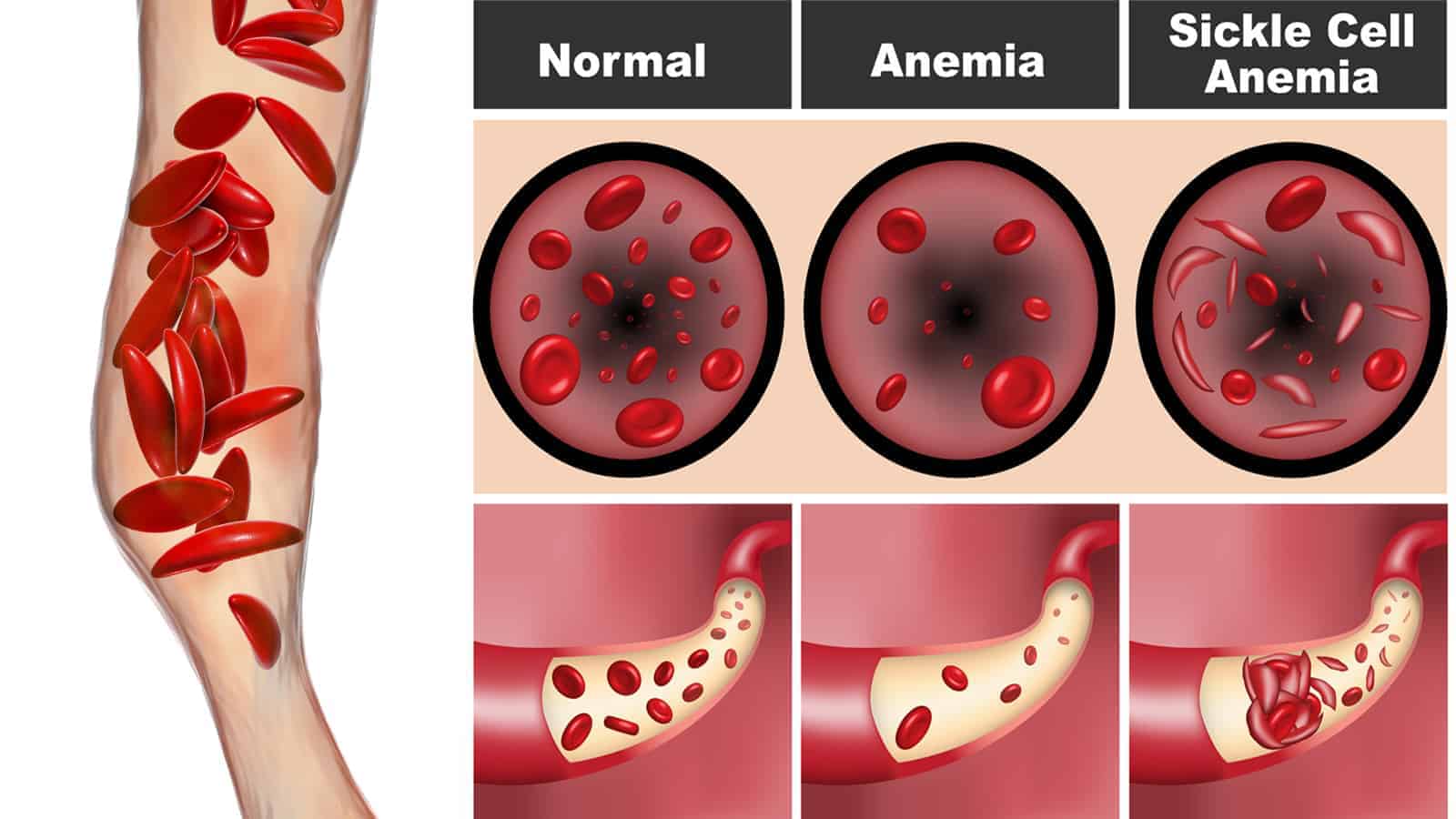
sickle cell anemia

Doctors explain the causes of sickle cell anemia.

Complications That Can Occur for Diabetics

The disease can cause serious health issues. If it’s not managed correctly, it can lead to death. The worst part of this is that it’s easily preventable, but many people don’t have access to the health care they need to manage the disease.

In 2016, the CDC compiled data on complications from the disease. There were almost 16 million diabetic emergency room visits. Of those, .2% died. That may sound like a low number, but that’s 32,000 people.

Kidney disease is one complication that happens from the disease. Of the adults diagnosed with it, 37% of them had chronic kidney disease, and over half of these people were in stage three or four. Vision problems are another complication. Diabetes is the leading cause of new blindness cases for people ages 18 to 64.

According to the World Health Organization (WHO), other common complications from the disease can include:

  • Cardiovascular disease
  • Lower limb amputations
  • Diabetic neuropathy (nerve disease)
  • Periodontitis
  • Pregnancy problems

The disease causes so many medical issues that in 2017, the total medical costs for diagnosed diabetes was over $327 million.

Risk Factors Broken Down by Race

Most people are aware that there are two types of the disease – type 1 and type 2. Type 1 risk factors aren’t fully understood by the medical community. Science shows this to be more genetic, and the theorized risk factors are family history and age.

Type 2 risk factors can be separated into non-modifiable and modifiable factors. The non-modifiable factors are similar to the type 1 factors. They include family history, age, and a history of gestational diabetes (occurs in pregnant women). Modifiable factors include being overweight, physical inactivity, high cholesterol (the wrong kind), smoking, and high blood pressure.

Another unfortunate risk factor is race. It seems that minority races are more prone to developing the disease than white Americans. This is especially true for African Americans. Here is an in-depth look at how some of the risk factors can affect people according to their race

Obesity

According to the CDC, studies have shown that a whopping 42.4% of the U.S. population is classified as obese. While obesity alone doesn’t automatically mean a person will develop diabetes, it’s a major factor. Obesity is one of the highest black American risk factors, with almost 50 percent of African Americans being obese. The percentage of African American women that are obese is even higher than that.

Research shows us that higher rates of obesity correlate with lower socioeconomic status. This is why minority groups tend to have higher rates of obesity than Caucasian Americans. It’s a combination of not being able to afford healthy foods and not being able to afford medical treatment for conditions that can lead to obesity.

Another factor is not having access to proper nutritional education. Culture plays a huge role as well, with differences in meal preparation being a large contribution to the obesity epidemic. However, even cultural food differences trace back to the lower incomes that impact minorities when compared to Caucasian Americans over the centuries.

Other risk factors can be attributed to being overweight. For example, high cholesterol and high blood pressure are both caused by consistently eating an unhealthy diet.

diabetics lose weightLack of Physical Activity

The lack of physical activity becomes an issue for people later in life. Research has shown that African Americans, Hispanic Americans, and Asian Americans tend to get less physical activity than white Americans as they age. It seems that Indigenous people get about the same rate of exercise as white Americans.

There are plenty of theories as to why this occurs. One of the major theories is that minorities, not including Indigenous people, spend their lifetimes working hard, physically demanding jobs. Pair this with a lower standard in medical care, and you get people who face feelings of burnout as they get older. They may suffer from more pain and more symptoms of old age. After a lifetime of hard work, they don’t want to be physically active anymore.

Smoking

It is incredibly disturbing that 73% of adults who are diagnosed with diabetes are either current or past smokers or users of some form of tobacco. Smoking has been discovered to be a direct cause of the disease as well as an aggravating factor to it. In fact, smokers are 30-40% more likely to develop the disease.

When you look at smoking by race, as with the other factors, minorities make up the bulk of smokers. According to the American Lung Association, Indigenous people have the highest percentage of smokers at 21.9%, as well as the highest percentage of smoking-related deaths. African Americans have the second highest at 16.8%, and Asian Americans have the lowest share at 7 percent.

Despite African Americans having the second-highest percentage of smokers, smoking is still one of the more serious black American risk factors. This is because over 77% of African Americans smoke menthol cigarettes. Menthol cigarettes are the most addictive cigarettes on the market.

Make no mistake. The disease is a problem for white Americans, just like it is for minorities in the United States. However, because of socioeconomic status, white Americans, in general, have more access to higher-quality healthcare that can help them manage the disease and risk factors. The medical community must launch a significant intervention to stop this disease in its tracks, and we need extra emphasis on diabetes prevention in minority communities.

Diabetes Prevention Is a Must

The good news about the disease is that it’s easy to manage type 1 and easy to prevent type 2 from happening. The problem is that many people don’t do what is necessary. A lot of this is due to a lack of education about diabetes. They don’t understand what it is and how badly it can affect them.

There needs to be more of a push to educate the public about the disease. Many people who have the disease are undiagnosed, so they don’t even know they need to manage it. Knowledge is power, and in this case, it could be the difference between life or death.

Another way to prevent it is by improving the lifestyles of minorities. Giving them access to affordable healthy foods and activities that can keep them physically active can go a long way in prevention. When a bag of cookies costs less than a bag of apples, it’s no surprise that poor minority families are overindulging on sugary foods and drinks.

diabetes preventionFinal Thoughts on People Who Are Diabetic by Race and the Need to Take Diabetes Prevention to Heart

At the current rate that the population of the United States is becoming diabetic, this disease is going to become the number one health problem in the country quickly. While the solutions are simple, they aren’t easy to implement – at least not quickly. It’s going to take a significant effort to get a handle on the disease. We, as a society, must tackle underlying social issues along with prevention efforts.

If you’re an individual reading this for your health or the health of your family, you can start in your own home. Simple lifestyle changes can help prevent the disease or reverse the condition if you’re suffering from type-two. If everyone starts at home, the statistics on diabetics will begin to trend in the opposite direction leading to a healthier, happier nation.

Psychologists Explain What Isolation Does to Your Mental Health

Isn’t it nice to be by yourself for a while to relax and refocus your energy? Solitude can be welcomed when you are overwhelmed and need to shut out the world. However, be aware of these ten mental health outcomes that are caused by prolonged isolation.

1. Depression

If you’ve ever been alone for an extended period, you may have noticed how your internal dialogue can take a dark turn. When you have nobody to stimulate your mind with a conversation, your attention is turned inward. It’s easy to start ruminating and allow negative thoughts to dominate you, leading to depression.

Since one of the tell-tale signs of depression is gradual isolation from family and friends, it’s reasonable to see how separation itself can make you depressed. If left untreated, chronic depression can lead to a host of illnesses and diseases.

Avoid depression

Do you live alone or have been temporarily isolated for health reasons? You can avoid the smothering clutches of depression by staying as mentally and physically active as you can. Spend time walking outside every day and get some fresh air.

Read or listen to audiobooks on subjects that have always piqued your interests. Keep a reasonable schedule every day and refuse to stay in bed. Remember that it’s okay not to be okay sometimes, but you can’t remain in that frame of mind.

mental health outcomes

2. Suicidal Thoughts

If you follow the descending links of solitude, you’ll see how it can lead to being depressed with possible thoughts of suicide. Given the right circumstances and mental condition, anybody can contemplate taking their own life. Spending too much time alone and surrounding yourself with negative thoughts can drain anyone’s desire to live.

While it is reasonable to feel hopeless sometimes and wonder if your life has value, dwelling on suicide is a different story. It’s especially severe if you are contemplating ways you could do it. Mental health outcomes of prolonged loneliness often include suicidal thoughts, so you should seek medical attention immediately.

Get help right away!

Before you get to the point of suicidal ideation, realize that external circumstances like loneliness have nothing to do with your value as a person. One tool that can help you remember your worth is journaling. Your journal can be as simple or as elaborate as you wish, or you may choose to save it on your computer.

Concentrate on your good qualities and the strengths and talents you have. You can also keep a running list of the people and things that make you feel grateful. When you begin to feel lost and unworthy, review past entries in your journal and remember what a beautiful and valuable person you are.

3. Cardiovascular Disease

Did you know that the mental health outcomes of spending too much time alone can also affect your heart? The connections between prolonged solitude, depression, and stress are undeniable. When these issues are compounded, studies show that it can lead to cardiovascular disease like heart attacks or strokes.

Get up, get active!

Maintaining a healthy cardiovascular system requires attention to all aspects of your being: body, mind, and spirit. You can eat a heart-healthy diet every day even if you are alone. Get plenty of exercise and lower your stress levels. Your heart and the rest of your body will thank you.

4. Undue Stress

Without some form of stress, you would never learn, mature, or do anything in life. Indeed, life itself is tense. However, you may stagger under a load of stress that is unnecessary and can devastate you physically, mentally, and spiritually.

Because of your survival instincts to fight, flee, freeze, or faint, your brain doesn’t prioritize stress. It gives your body a boost of strength by dumping cortisol and adrenalin into your system. While this reflex serves you well in a dangerous situation, it’s detrimental to your health when you are perpetually stressed.

How you can alleviate this stress

You can never eliminate all stress from your life, but there are ways to minimize it. Even when you are isolated, try to go outdoors every day for fresh air. Yoga is also an ideal way to calm your nerves and strengthen your body. Don’t forget the many stress-relieving benefits of meditation and mindful breathing.

5. Dietary Changes

Since food is such an integral part of our culture and being, the mental health outcomes of solitude may affect your eating habits. Have you ever noticed that you often graze throughout the day out of habit or boredom? When was the last time you ate something just because you were feeling hunger pains?

When you’re by yourself and have nothing to do, you may snack on everything in sight due to depression and boredom. Such mindless eating can lead to weight gain, obesity, and dangerous health problems. The weight can sneak up on you without you even noticing it until you get on the scales.

Conversely, maybe you are one of those people who doesn’t enjoy dining alone, so you don’t bother fixing meals for yourself. Soon, skipping meals becomes a habit, and you lose weight and feel weaker by the day. Malnutrition is common among those who are alone too much.

Treat yourself to good eats

If you are alone for an extended period by choice or by circumstances, it’s important to maintain your usual routines, especially dietary ones. Avoid those comfort foods that are loaded with empty calories and aren’t good for your health. Instead, choose a variety of whole foods to prepare balanced meals and snacks.

6. Cognitive Decline

As with any part of your body, your brain needs nourishment and exercise for optimal health. Being alone for an extended period isn’t always conducive to challenging your mind.

If you sit in front of the television or spend hours ruminating about the past and your present situation, your brain cells can get lethargic and atrophy. It’s possible to experience a cognitive decline over time.

Engage your mind

Just because you are by yourself for a while doesn’t mean you’ve stopped thinking and living. Find ways each day to give your brain a good workout. Read, do crossword puzzles, or enjoy a hobby that requires thinking and creativity. The more active you keep your brain, the longer it will function properly throughout your life.

feeling isolated

7. Personality Changes

The mental health outcomes of extended isolation can also include a gradual change in your personality, if not addressed. While you may not go to the extremes of Dr. Jekyll and Mr. Hyde, you may soon notice that your moods aren’t stable.

With the onset of depression, fear, and boredom, you may go from a happy person to one that’s irritable and miserable. This change can be so gradual that you may not notice it. When your personality takes on a constant negative role, friends and loved ones might avoid you. Such a downward spiral can only bring on more isolation.

Practice affirming your self-worth

You might not have the ability to change your situation now, but you can control how you cope with it. Refuse to let negative self-talk take over your mind by surrounding yourself with positive activities and attitudes. Your personality may evolve with time and experience, but never lose track of the fundamental things that make you who you are.

8. Developing Bad Habits

If you have a few vices or habits that aren’t so good for you, you’re not alone. Anyone who says they’re free of bad habits should work on being truthful.

When you are around other people who make you accountable for your actions, it’s easier to trade bad habits for healthier ones. When nobody is around, you may no longer resist the urge to light up another smoke or eat a whole box of snack cakes.

Perhaps you think that if nobody cares, why should you? Unfortunately, mental health outcomes of loneliness can lead to such skewed thinking.

Overcome your poor habits

It takes a long time to develop a bad habit, so don’t expect to kick it overnight. Some habits, like nail-biting, take a little attention and determination. Other habits like smoking, alcoholism, and gambling, may require psychological intervention. A mental health provider can help you build coping skills and develop good habits.

9. Affecting the Immune System

Did you know that an overabundance of stress hormones can weaken your immune system? Some research suggests that prolonged isolation can play a part in immunity suppression. If you are chronically stressed and fatigued due to loneliness, you are more prone to sickness and disease.

Supplementation for immune support

Keep your immune system in tip-top shape with diet, exercise, and a healthy lifestyle. Be sure to get adequate sleep and eat fruits and vegetables high in vitamins and minerals. Talk to your primary healthcare provider about vitamin and herbal supplements that can help your immune system.

10. Premature Aging

Not even the best cosmetic surgeon can stop the aging process. However, the mental health outcomes of staying alone too much can hasten it. Have you ever seen people who looked much older than they are because they are lonely and caught up in depression?

Prioritize self-care time each day

Your skin needs proper care and nourishment at any age, whether you are alone or not. Experts recommend that you eat whole foods rich in antioxidants and drink plenty of water to stay hydrated. Treat your skin to nourishing creams and lotions to keep it supple, moisturized, and beautiful.

mental health outcomesFinal Thoughts on Reaching Positive Mental Health Outcomes Regardless of Feeling Isolated

Humans were meant to be social creatures for a reason. If you’ve been isolated for extended periods, take notice of these mental health outcomes. Don’t let loneliness compromise your well-being.

15 Emotionally Abusive Phrases Parents Say (Without Realizing the Harm)

Many emotionally abusive phrases that parents use are ones that they don’t realize are a form of child abuse. Emotional abuse is a way of sabotaging another person’s feelings of self-worth and undermining their independence. It is as detrimental to a child as physical abuse, but it impacts their mental health instead of their body.

Studies have shown that saying emotionally abusive phrases to a child can be just as harmful as a spanking. It doesn’t only interfere with a child’s view of themselves and the world around them, either. It can also cause aggressive behavior and depression.

Your words are just as important as your actions, and they affect your child equally. Since parents often say emotionally abusive phrases without realizing it, it’s essential to know some of the common mistakes. By knowing these phrases, you’ll be able to be more careful with your children.

Emotionally Abusive Phrases Parents Say

1. “I wish you were more like…”

When you compare your child to another one, it ruins their view of themselves. It will cause a distorted image of themselves in their mind. Then, they will always view themselves negatively because of it.

Saying things similar to this phrase can also cause siblings to be against each other. It can cause unhealthy rivalry and can irreparably ruin a sibling bond. This phrase can also make a child feel like they have to earn love from you.

quotes about strong women

2. “What would I do without you?”

This phrase may seem entirely innocent and unharmful, but that isn’t truly the case. When you say this to a child, it forces the child to become a responsible adult figure. Since you are supposed to be the caregiver, the child shouldn’t feel like they have to take care of you.

3. “Get over it.”

When you say this, it invalidates the child’s feelings. It also minimizes whatever happened to the child that upset them. This phrase is a way to assert power over the child, which isn’t something you should ever do.

Saying this also gives the child the impression that you don’t care about their feelings. Over time, it will make them question whether they are over-reacting in all situations. This will hurt their self-esteem and cause them to lack confidence or avoid standing up for themselves.

Instead of speaking these words to a child, try something else instead. If you give them space to feel their emotions without judgment and criticism, they will accept the situation more quickly. Plus, it affords them a chance to learn about emotional regulation and to have their feelings validated.

4. “Why aren’t you better at…?”

When you question your child’s abilities in this way, it can cause them to give up. If you ask why they aren’t better at a sport, an instrument, or any other activity, they’ll lose confidence. While you may think this phrase will get them to try harder, it will have the opposite effect.

When you make them feel like they aren’t good enough, they’ll think they can’t do it. This is true for activities, as mentioned above, but also for school subjects, household tasks, and anything else. It causes severe self-doubt and insecurity, and it can lead to anxiety and depression.

5. “I never said that.”

This should only be said to a child when it is, without question, right. If you say it any other time, it will have severe consequences for the child. When you tell a child, you didn’t say something that you did say, it is a form of gaslighting.

Gaslighting is a way that abusers cause their victims to questions their reality. When you do this to a child, they’ll start questioning themselves about everything. It can ruin their perception of the world around them.

6. “You’re just saying that for attention.”

When you tell a child that they are just saying something to get attention, it invalidates their feelings. It makes them feel like their opinions don’t matter and that they should hide the way they think.

7. “I love you, but…”

The more a child hears this, the more they will think they are incapable of being loved. While they may know that you love them, this will make them feel you are the only one who will. Telling them you love them, but then following it up with criticism, is not beneficial to a child’s emotional development.

8. “No wonder everyone thinks you’re dumb.”

You can replace the word ‘dumb’ with any other negative insult, and it would have the same effect. When you say things like this, it can cause years of mental damage that can lead to more issues. This damage will likely begin as insecurity and self-hatred but can manifest into so much more.

While children are taught that words from bullies shouldn’t hurt them, this doesn’t apply when it comes to a parent. A child can’t just ignore the hurtful words spoken by a parent, and it can cause personality or psychiatric disorders.

emotionally abusive

9. “Can’t you do anything right?”

This phrase will cause a child to believe that they can’t do anything right. Abuse of this kind is intended to make the child try harder, but it doesn’t work that way. Once a child hears something along these lines, they will stop believing in themselves.

It will ruin their self-esteem and can cause self-hatred. When a child hears something about themselves, they begin to believe it is true. Then, they will strive to exceed your expectations of them, which they believe are that they can’t do anything right.

10. “You are always so difficult.”

As with some of the emotionally abusive phrases above, this one will diminish their self-esteem. They will start to see themselves as a difficult child, and their actions will show it. When you tell a child that they are a certain way, that’s how they will begin to behave.

They listen raptly to what you are saying, and they learn from what they hear. If they learn that they are challenging, it will only make the situation worse, both short and long-term. Instead of telling them negative things, try saying positive things about them and see how their behavior adjusts.

11. “Why don’t you love me?” (emotionally abusive by being passive aggressive!)

Saying this to a child can make them think they have to devote all of their attention to you. They may think they won’t be accepted and loved by you unless they do that. When this happens, it takes away from their learning, playing, and developing time.

12. “It’s silly that you think…”

This is another way of invalidating a child’s feelings. They will become insecure about expressing their feelings and learn to bottle the emotions up, instead. By telling them that you think their opinions are silly, you are also trivializing the things that bother them.

13. “I gave up so much for you.”

When you have children, you have to sacrifice in many ways. This is true for all parents, and a child should never feel like they are inconveniencing you because of it. It’s not their job to give you a good life, and they should never feel like they made your life worse.

14. “It isn’t perfect.”

Teaching your kids that everything must be perfect is detrimental to their minds. They will begin to think that you won’t be proud of them or love them if they aren’t perfect.

This can cause the child to be overly critical of themselves, which is harmful to their confidence. They will begin to question their self-worth, and they may believe they aren’t capable of doing well.

It can also cause an overwhelming amount of stress and anxiety for the child. They will always believe that no matter how hard they tried, they have to keep going and achieve perfection.

15. Nothing, you give them the silent treatment.

Remaining silent is a form of mental abuse, and this is especially true when it comes to children. When they feel ignored, they will wonder why they aren’t good enough to gain your attention.

If they had done something wrong, and the silent treatment is a form of punishment, it is still detrimental. They will not learn how to self-regulate their emotions or talk problems out. This will negatively impact their mental health and self-esteem well into adulthood.

mentally abusiveFinal Thoughts on 15 Emotionally Abusive Phrases Parents Say (That They Don’t Realize Are Hurtful)

Knowing that emotional abuse is a form of child abuse can help you remember to avoid these emotionally abusive phrases. Emotional abuse has severe consequences for children, and studies show that these consequences could last a lifetime. Parents aren’t perfect, however, and everyone says things they shouldn’t have.

You may not realize that the things you are saying are emotionally abusive phrases. It’s essential to think about what you say to a child before you say it, though, to avoid emotional damage. Since children are still emotionally developing, it’s essential to prevent these negative phrases and stick with positivity.

Psychology Explains 15 Effects Narcissistic Parenting Has On Children

While Narcissistic Personality Disorder (NPD) only affects around 5% of the general population, most people show narcissistic traits throughout their lifetime. However, just because someone exhibits disorder characteristics doesn’t mean they have severe enough symptoms to warrant a diagnosis.

NPD is an actual mental illness that causes an over-inflated sense of self-importance and can disrupt every aspect of a person’s life. It requires ongoing treatment, usually through long-term therapy and medications.

What are the common symptoms of NPD?

According to the American Psychiatric Association, the DSM-5 diagnostic criteria for NPD includes the following behaviors:

  • having an inflated sense of self-importance and entitlement
  • needing constant admiration and praise
  • expecting special treatment due to perceived superiority
  • exaggerating achievements and talents
  • reacting negatively to criticism
  • being preoccupied with fantasies about power, success, and beauty
  • taking advantage of others
  • having an inability or unwillingness to recognize the needs and feelings of other people
  • behaving in an arrogant manner

These harmful family dynamics can cause mental illness in children that sometimes remain hidden until adulthood. Below, we’ll go over how narcissistic parents influence their children in ways they sometimes don’t even realize.

Here’s how narcissistic parenting can impact children in ways parents may not understand:

narcissistic parenting

  1. May cause NPD in children

While having NPD yourself doesn’t necessarily guarantee your children will develop the disorder, it does increase their chances. However, as we said above, not everyone who displays characteristics of narcissism has a full-blown disease. Parents with some of the traits may influence their children to mimic them, and they may have NPD themselves. Not surprisingly, parents who tend to “overvalue” their children may cause them to develop narcissistic traits.

A study from researchers at Ohio State University and the University of Amsterdam in Holland found that praising children too often resulted in higher scores of narcissism. For example, parents telling children they’re “more special than other kids” may give them an inflated sense of self-worth. Children should have good confidence, but too much will lead to arrogance.

  1. Could lead to low self-esteem

Narcissistic parenting can also cause children to lean toward the opposite end of the spectrum and have low self-worth. Narcissists love to make everything about themselves, and children may grow up feeling that they have to tiptoe around their parents to please them. They may not feel comfortable sharing their needs with parents who are preoccupied with their self-image and desires. Therefore, the child grows up feeling neglected and without a voice.

  1. Narcissistic parenting can make it hard for children to connect with others.

Parents who are narcissists can make children withdraw from social connections and events. They may have difficulty reaching out to others because they haven’t had examples of healthy relationships in their life. Children need a safe, welcoming environment to develop social skills and maintain bonds with people. Children raised by narcissists may grow up feeling like they have to protect themselves from others, viewing them as a threat.

  1. May lead to feelings of isolation or rejection.

Narcissistic parenting can cause children to feel rejected by their peers. They may not feel good enough compared to other children their age because of early experiences of neglect at home. Children may feel emotionally deprived and not seem interested in getting to know other kids in their class.

  1. They may feel inferior.

Narcissists have an overinflated sense of self-worth, so a child raised by parents who display symptoms of NPD will feel invisible in comparison. If parents make everything about themselves and don’t nurture their children, they will grow up feeling as though they have to work twice as hard to impress people.

They may become perfectionists and people-pleasers to fit in or gain the approval of different social groups. This feeling may carry into adulthood, as well.

  1. Children who’ve been affected by narcissistic parenting could have a fear of abandonment.

Children who have been neglected emotionally from a young age may develop an intense fear of abandonment. This stems from not getting the attention or affection they needed as a child, and they may become codependent in relationships as a result. Because the child was raised to believe they don’t matter, they will latch onto others they perceive as wounded to feel self-worth.

  1. May suffer in jobs and at school.

Being raised by narcissists may cause children to underachieve in the work or school environment. Their parents may have either overly criticized or given them too much praise, causing the child to underperform. If they have no self-esteem, they will feel they don’t have the skills to complete tasks; however, if parents have overvalued them, they may feel they don’t have to do much to receive praise.

positive parenting meme

  1. Children may have trouble speaking up.

Narcissistic parenting can result in children not knowing when to speak up for themselves. They may become doormats for others because of low self-worth and poor boundaries. They may do whatever it takes to fit in, and possibly end up hanging with the wrong crowd just to have friends. Children raised by narcissists may not feel they can defend themselves because they don’t want to cause any drama or tension.

  1. Being raised by narcissists could increase the risk of developing a mental illness.

Studies show that children raised by narcissists have a higher risk of developing some type of mental illness, though not necessarily narcissistic. Because narcissistic parenting may cause children to live in a constant state of anxiety due to unstable relationships, this can result in long-term psychological damage. Children may experience the following types of mental illness:

  • Anxiety
  • Depression
  • OCD
  • CPTSD or PTSD
  • Personality disorders such as NPD or BPD
  • Bipolar disorder
  1. They may not feel worthy of love or respect.

Being raised by a narcissist may cause children to seek relationships that mimic their childhood. In other words, they may choose someone familiar to them and repeat the unhealthy patterns laid out by their parents. Because they weren’t shown unconditional love, children of narcissists may choose relationships with someone emotionally unavailable or overly critical because they feel “safe.”

  1. Narcissistic parenting can cause children to have poor boundaries.

These children often fail to learn how to set boundaries. Their parents condition them to bend over backward to please their parents, so they’re likely to repeat this behavior in other relationships. They may put others’ needs above their own to feel a sense of self-worth.

  1. May increase risk of substance abuse in children

Studies have shown that when parents have a mental illness, children have an increased risk of developing substance use disorders later in life. Children may not have healthy coping mechanisms for their emotions, so they look to substances such as drugs and alcohol to ease their suffering. Narcissistic parenting may make children feel they have no healthy outlet for their feelings, and this makes children vulnerable to getting involved in dangerous lifestyle habits.

  1. Could lead to problems with relationships

Because children raised by narcissists feel they have to walk on eggshells around their parents, they may carry this behavior into their adult relationships. They may have problems getting close to people and feel they can’t trust others. Children with narcissistic parents may view others as threatening. Thus, they seek to protect themselves from further harm by opting out of friendships or relationships.

  1. Children of narcissists may feel they need constant attention.

Some children may withdraw from others, while others show the opposite behavior, looking for constant validation and attention. Narcissists make themselves the center of attention, so children may respond by copying this behavior to feel seen and heard. These kids act out simply a survival skill in the chaos of their home environment. Therefore, they see nothing wrong with their behavior.

  1. Increases impulsiveness and anger or hostility

Children of narcissists may have trouble regulating their emotions, so they may engage in dangerous behaviors or become aggressive. They have difficulty listening to others’ needs or emotions and may quickly become angry. These children come from a chaotic environment. Thus, they may seek very stimulating activities such as reckless driving, gambling, drug use, heavy drinking, or compulsive shopping.

narcissistic parentingFinal thoughts on how narcissistic parenting affects children

This childhood trauma can impact children well into adulthood. Indeed, sometimes these children grow up to require years of therapy or medication. Narcissism can cause severe trauma for family members and result in long-lasting psychological damage. While the parents may not recognize their harmful behavior, it’s still their responsibility to create a loving, safe environment for their children. If you’ve been the victim of narcissistic abuse, please consider seeking help from a licensed therapist or counselor.

10 Secret Phrases People Say When They’re Asking for Help

Those who struggle with mental illness don’t like asking for help. A mentally ill person often fails to speak up when they are struggling and need some help, but they may hint at it.

Research sourced from the National Institute of Mental Health shows that nearly one in five adults has mental illness. With this being the case, it is undoubtedly possible that someone you love struggles.

When they hint at it, they’ll use secret phrases that they hope others pick up on. Saying they need help can be hard for them because it’s difficult to admit to a struggle. They may also be afraid of how those around them will act if they ask for help.

Knowing these secret phrases is essential because you’ll be able to pick up on the hints. Since asking for help is so difficult for some people, those who love them will need to know these phrases.

Phrases People Say When They are Asking for Help

1. “I can’t sleep.”

When someone is struggling with their mental health, they often cannot sleep at night. They lie awake while their thoughts run wild. It is not for any specific lack of trying that they can’t sleep, but it’s that they are so overwhelmed inside.

This phrase is a good indicator that they are asking for help. They need someone to help through hard times. Or, it may be that they need someone who can listen to them as they talk.

asking for help

2. “I’m really tired.”

Similarly to the “I can’t sleep” phrase, people who need help may also say, “I’m really tired”.

The person may not truly be tired. Indeed, the narrative could be a way that they are letting you know they are struggling. It could also be their excuse to stay home instead of heading out for social interaction.

Other times, they really might be exhausted. When they weren’t able to sleep all night, they will be drained during the day.

If you notice someone is often tired during the day or they tell you they are tired, pay attention. It could be a first indication that they need help but don’t want to ask for it. Show them kindness during this time, because they need it.

3. “It’s one of those days.”

This saying secretly means that they could use some help today. The person’s thoughts and feelings are getting the best of them, and they need a way to alleviate some of it.

Those individuals who struggle with mental illness know that not all days are great. There are many days that you can tell are going to be negative.

When this happens, it will be the only thing on the person’s mind. It can make them seem quiet, distracted, irritable, or sad. This confusion can also make things difficult as they try to go about their daily tasks.

4. “Can I call you?”

Sometimes, even if they don’t talk about what’s bothering them, people who want help will call to speak. They need to hear someone’s voice and know that someone is there for them. It also helps them get their mind off of their struggles.

By answering the phone when they call, you’ll be showing them that they aren’t alone. The person needs to have someone in their life that they know will always be there when they need someone.

5. “I’ll deal with this later.”

Even when something should be dealt with right away, someone who needs help may give up, instead. It means that they are getting overwhelmed, frustrated, anxious, or depressed about it. When they say this phrase, they’d love it if you could help them out.

Sometimes, they say they’ll deal with something later when they can’t think about it right then. When the mind is preoccupied with negative thoughts, they will struggle to keep their thoughts straight. This mindset can lead to giving up on what they are trying to work on.

pop meme

6. “I don’t feel good.”

When you can tell that something is wrong and you ask about it, this may be the response you get. It doesn’t always mean they feel sick.

It could mean that they are depressed, anxious, or any other negative feelings. For them, it’s easier to say they don’t feel good than it is to ask for help. This moment would be a good time for you to sit with them, and no words or entertainment will be necessary.

7. “I have a headache.”

They may use this secret phrase in the same way that they use the last one. It’s how they explain their demeanor being off, and it’s how they let you know something is wrong. If you know someone who often uses this as an excuse, it could be their way of reaching out for help.

Of course, if the person doesn’t generally say this, it could genuinely be a headache they are suffering from. If this secret phrase happens on multiple occasions, however, it could be a sign.

8. “I need to lay down.”

Sometimes people get so overwhelmed by their emotional responses that they need to lay down. It may seem impossible for them to do anything else, and they feel safe and secure lying down. When this happens, they likely could use some help, even if you can’t do anything to fix it.

Your aid could come in the form of finishing up whatever they were working on. Or, your support could be that you spend time with your friend, so they know they aren’t alone. Sometimes knowing someone who cares about you is nearby can help relieve some of the feelings.

9. “I’m OK.”

When someone says this, it generally means they are not alright. This phrase is an answer someone will give when they don’t want to come right out and say that something is wrong. It doesn’t mean that things are going well for them, and they likely have something on their mind.

10. “I can’t think right now.”

With thoughts and emotions overwhelming their brain, they will have trouble focusing. The task at hand could be one they do every day, and they will struggle when they need help. This response is because they aren’t able to think clearly.

They need a distraction, which you could offer them by talking about other things. Maybe what would be best, however, is to talk about how they are feeling. While you shouldn’t force them to talk, encourage them to do so and make sure to listen attentively.

How to Respond When Someone Is Asking for Help

Often, the person who needs help doesn’t want you to fix their problem. They also aren’t looking for reassurance or encouragement. Instead, the things that tend to help them include:

  • listening as they talk
  • an empathetic listener
  • someone to validate their emotions
  • a home-cooked meal
  • someone to sit in silence with them
  • a hug
  • a patient person to be there for them
  • compassionate support
  • show kindness

Things You Should Avoid Saying to Some Who Needs Assistance

“I know what you are going through because it happened to me.”

When you say this, it is turning the conversation to you and your problems. While you may be trying to be helpful, you have to remember that everyone’s situation is different. What techniques worked for you might not work for them, so telling them what you did to overcome won’t help, either.

It might also make that other person feel as if you don’t care about what they are going through. Plus, even if you don’t realize it, it shows that you aren’t listening to how the other person feels.

 “Your situation isn’t that bad. There was a time…”

When you respond to their conversation with a story about someone who had it worse, it invalidates their feelings. It diminishes what they are going through, and makes it seem like you aren’t being compassionate. The stories you might tell won’t help the situation, and they aren’t exactly an act of kindness, either.

“Get it together.” or “It’s not that bad.”

These types of comments show that you don’t understand how the person is feeling. It only makes them feel more lonesome and unsupported. They’ll be more likely to withhold their opinions in the future, too.

“I’m worried you’ll never get through this.”

This statement is the worst thing you could ever say to someone who needs help. If you tell them that you are worried about this, they’ll give up on themselves. They will stop trying to get through hard times and live in misery, instead.

Instead, stay positive and supportive while showing confidence in them. If they know you believe in them, they’ll believe in themselves, too.

 Other things you should avoid when talking to them include:

  • explaining their situation or feelings for them
  • saying that everything will be alright
  • changing the subject
  • trying to fix their problem
  • not allowing them to show their emotions
  • analyzing the situation
  • pushing spiritual beliefs on them

asking for helpFinal Thoughts on the Secret Phrases People Say When They’re Asking for Help

People who struggle with mental health challenges do not like asking for help, but they sometimes need it. Remember these secret phrases people say when they’re asking for help and do what you can to help them. Sometimes all someone needs in life is a friend to be there for them and show them extra kindness and compassion.

Sometimes, those in our lives need more help than we can give. When this situation is the case, it’s essential to seek professional advice. For more resources and information, you can visit the National Suicide Prevention Lifeline website.

15 Symptoms of Flu That Mean It’s Getting Worse

Being sick is never a good thing but the symptoms of flu are some of the worst ones to experience. If you are ill with influenza, you may already be experiencing symptoms. There are some symptoms, however, that indicate the flu is getting worse.

The length and severity of the illness and symptoms differ for everyone. Not everyone who catches the flu will experience the same symptoms. You may only experience a few of the symptoms on the list when you get sick.

The symptoms of flu are already bad enough. Knowing what may be coming next is essential to preparing for it and taking care of yourself. The flu goes through a set of stages, though, and progresses as the days go on.

Symptoms of Flu That Mean It’s Getting Worse

You’ll want to get plenty of rest and drink lots of fluids. Otherwise, the symptoms will only get worse. If you think your flu is worsening, these symptoms may help you confirm and plan for your days ahead.

1. Trouble Breathing or Shortness of Breath

With anything in life, if you are having trouble breathing, something bad is happening. Whether it is the flu worsening or something else entirely, it is scary and alarming.

If the difficulty breathing occurs only when you are laying down, there could be a less-serious explanation, however. When you lay down, your diaphragm pushes up and your lung capacity decreases.

Since your respiratory functioning is already at a disadvantage because of influenza, those movements make it difficult to breathe. You don’t have to overly worry unless the trouble breathing comes along with a fever or severe cough.

Additionally, if you have difficulty breathing while laying on your side, you may need medical attention. You should also consider seeing a doctor if the trouble breathing lasts for more than a few days.

symptoms of flu

2. Chest Congestion

Congestion is caused by inflammation, which is one way the body tries to get rid of viruses. When your body realizes there is a virus present, it sends out an inflammatory response. This causes your sinuses to become inflamed, which then leads to congestion.

If this happens to you when you have the flu, it may be getting worse. You will likely start to feel worse and your symptoms may flare-up.

Once the inflammation begins, you may find it more difficult to breathe. You will likely have a difficult time eating, and you’ll have trouble sleeping.

A natural remedy for congestion is to sit in a steaming shower or bathroom. The steam will help relieve the inflammation, which will then ease some of the chest congestion.

3. Weakness, Unsteadiness, or Dizziness

Having the flu can wreak havoc on your body. You’ll be stripped of nutrients, fighting off a virus, and feeling defeated all at the same time. Oftentimes, dehydration results from the symptoms of flu, which can cause you to become weak, unsteady, or dizzy.

The key to overcoming these symptoms is to drink lots of water and get plenty of rest. Walking or standing will only make it worse, so it is best to give in and lay in bed for a while. Keep in mind that if you are feeling weak, unsteady, or dizzy while standing, it could cause a painful fall.

4. Confusion

If your case of the flu gets bad enough, it can get into your brain, causing inflammation. When this happens, it can affect your memory, clarity, concentration, and ability to focus.

5. Muscle Pain or Body Aches

If you experience body aches, they will likely begin in your head, back, arms, or legs. They will quickly spread and make you feel like your entire body hurts.

Some people describe this as bone pain or body aches, while others believe that it is muscle pain. Either way, it is uncomfortable and is a likely symptom of flu.

Another form of body aches you may experience is a pain in your joints. They tend to become inflamed when your body is fighting a virus, which can cause them to ache. You’ll notice it when you bend your knees, move your fingers, sit down, or walk around.

6. Fever That Goes Away and Then Comes Back

The flu often causes fevers that are above 100F. If your fever starts to go down or goes away completely but then returns, your illness is likely getting worse.

7. Cough That Starts to Improve and Then Returns

As with a fever, this is a bad sign. A cough may not be alarming initially or by itself. If it begins to go away and then returns even worse, however, it’s likely a problem.

A cough is the body’s way of getting rid of invading viruses. Drink lots of water or caffeine-free tea to help ease the coughing and sore throat that is sure to follow.

8. Headaches

Headaches may be one of the first symptoms to appear and one of the last to go away. With the flu, headaches are often caused by the inflammation of the sinus cavities.

Other times, you may feel a headache that seems to be behind or around your eyes. When this happens, it is a sign that you are also dehydrated.

symptoms of flu

9. Chills or Sweats

You may experience chills or sweats even if you don’t have a fever. It’s oftentimes a good indicator that you have the flu or that it’s getting worse.

10. Pain or Pressure in Your Chest

If you have the flu and chest pain or pressure occurs, you likely have a bad case of it. While sometimes, chest pain is caused by congestion or coughing, it could be an indicator that things are worsening.

It could indicate that you are developing bronchitis or pneumonia. Another thing it can indicate is that the infection has spread to other parts of your body.

If you think the chest pain is related to coughing or congestion try home remedies to ease the flu symptoms. You can drink warm liquids such as warm water with honey mixed in or a hot caffeine-free tea.

On the other hand, if you think your chest pain is something more severe, call your doctor. They can rule out other causes or offer other remedies for getting through it.

11. Gastrointestinal Issues

Not everyone who gets the flu experiences gastrointestinal problems. Those who do, however, can be sure that their illness is only getting worse. This could be in the form of nausea, stomach pain, cramping, vomiting, or diarrhea.

If you are experiencing these symptoms of flu, remember to drink extra water. Dehydration can quickly follow gastrointestinal problems, and that will only make you sicker. Avoid caffeine and sweetened juices, as those can lead to further dehydration.

12. Fatigue

While it is normal to feel abnormally tired when you are sick, the flu will have you feeling even worse. If you suddenly become fatigued or the fatigue just won’t go away, it is an indicator that it’s getting worse.

Fatigue is also a symptom of a common cold, but it’ll be worse with this virus. It is often one of the first symptoms that you will experience.

You should give in to this feeling, even if you have other things you want to do first. Getting rest and allowing your body to recover is essential to getting better. Rest helps improve the immune system, allowing your body to fight off the virus more effectively.

13. You Lose Your Sense of Smell

When you are sick, your white blood cells release natural chemicals that kill viruses. These chemicals cause increased mucous production and nasal inflammation. When this occurs, you will likely lose your sense of smell altogether.

14. Having a Metallic-Like Taste in Your Mouth

To properly taste your food, you have to be able to smell it. This is because 80% of taste is directly related to smell.

So, when you have the flu and can’t smell anything, you will likely notice your food having a weird taste. If this symptom of flu is just beginning for you, it’s a sure sign that the illness is getting worse.

15. Unable to Keep Food or Water Down

When you are sick, you may not feel like eating much. It’s important to keep food and water in your body, however, so your body can fight off influenza. A sign that your illness is getting worse, however, is the inability to keep anything down.

If you vomit every time you drink or eat something, your flu is getting worse. It can be dangerous and lead to severe problems if it persists. You will want to consult a medical professional if your illness gets to this point.

stomach flu

Final Thoughts on Recognizing the Symptoms of Flu That Indicates It Is Getting Worse

Many symptoms of flu mean it’s getting worse. Getting ahead of them and making a plan for dealing with it and getting through can make all the difference.

Oftentimes, the only thing that can make it better is to get plenty of rest and drink lots of water. Influenza is a difficult illness to deal with, so knowing what to expect is essential to getting through it.

3 Ways to Make The Voice In Your Head Be Quiet (For Good)

The voice in your head can either empower or tear you down, and it can sometimes feel like you’re fighting a battle with your brain. While some people actually don’t have an internal monologue, most people have some self-talk going on inside their head during the day. New research reveals that humans have, on average, around 6,000 thoughts per day. Apparently, the voice in our head stays quite busy!

Some experts estimate that around 80% of our thoughts are harmful, and 95% are repetitive. With that said, we need to use our brains in order to solve problems and complete daily tasks, so it wouldn’t serve us to silence our thoughts completely. However, figuring out how to eliminate or reduce our negative, repetitive thoughts would improve our lives and give us a better outlook. So, how do we go about doing this?

We will give you a few ideas, backed by science, that will allow you to cut through the static in your mind.

Here’s how to quiet the voice in your head for good:

voice in your head

  1. Understand that you are not your thoughts.

Just like everything else in existence, thoughts are simply energy vibrating at a particular frequency. Thoughts are representations of matter, and everything you see around you started as an idea. What we think, therefore, can shape reality and actually transform how we perceive things. Science reveals that many different realities exist at any given time based on the person observing it.

With that mind-blowing piece of information, you can see why two people may perceive an event or object differently, even though they’re looking at the same thing. However, some advanced yogis have found a way to transcend the mind altogether and go beyond all these different realities to experience higher consciousness. How do they do this? By meditating.

Meditation allows you to quiet the voice in your head and unite your soul with superconsciousness, or universal intelligence. Meditation is a form of yoga, and yoga actually means “union with the soul.” Our minds often vacillate from one idea or stimuli to the next, and we can’t accomplish anything like this or even figure out what to achieve. We alternate between different thoughts and emotions and can’t see reality clearly.

However, when you practice meditation, you slowly start to witness your monkey mind becoming more natural to control. Your worries and constant mental chatter begin to dissipate, and you actually connect with your soul and higher consciousness. We have such a limited perception of reality when we experience it through our senses. But, by expanding our knowledge beyond our mind and body, we start to understand that we are much more than just our thoughts.

We are consciousness experiencing itself as a human being.

 If you want to begin a meditation practice, start with a few minutes per day until your mind and body get used to being still. Then, once you’ve gotten comfortable with it, try to meditate for 15-30 minutes each day, preferably in the night or morning. Make sure you choose a quiet area of your home and focus on your Breathing.

  1. Try to focus only on the task at hand.

Many times, our monkey mind shifts from one thought to the next, and we don’t actually give our full attention to what we’re doing. However, you can train your mind to remain in the present moment so you can feel more peaceful. You’ll notice much better mental clarity and productivity when you focus entirely on the task at hand.

Shockingly, a 2010 study performed by two Harvard psychologists found that people spend around 47% of their time awake thinking of something other than what’s going on. In other words, they spend almost half their time thinking about what they’re not doing. This makes for a miserable, scattered mind that doesn’t know what it wants.

To correct this, try single-tasking instead of multitasking, which doesn’t even exist anyway. Multitasking confuses our brains since we’re essentially switching quickly between one task and another, but accomplishing much less. With single-tasking, you’ll finish work faster and do a better job since you won’t have as much to think about at one time. Doesn’t this make so much sense?

While this won’t quiet the voice in your head completely, it will significantly help with feeling frazzled or overwhelmed by your thoughts. Not to mention, you might get done with work or school assignments faster if you practice giving your full attention to whatever you’re doing.

medicine for anxiety

  1. Practice breathing techniques.

Our minds can get the best of us sometimes, especially when we have a lot on our plate. If it feels like you can’t keep your head above water lately, try some breathing techniques to help you feel more peaceful. Here are a few to start with:

  • 5-4-3-2-1 technique

Before beginning this exercise, take a few deep breaths to let out any frustrations or worries about your day. If you feel anxious or upset, your Breathing will probably be shallow and fast, so the exercise works best if you can slow it down a little. Once you’ve done this, practice these five steps, which gives the technique its name:

5: Acknowledge FIVE things you can see in your environment. Even if it’s something small, like a blade of grass or a bug on the wall, take note of your surroundings.

4: Acknowledge FOUR things you can physically touch near you. Perhaps you have a cup of coffee at your desk or a book on your nightstand. Then feel four things near you to connect you to the present moment.

3: Acknowledge THREE things you hear. Focus on sounds outside your body, such as the coffee brewing in your coffeepot, the wind blowing in the trees, or someone turning the pages of a book.

2: Acknowledge TWO things you can smell. Hopefully, you can focus on pleasant smells in your environment, such as a field of wildflowers or dinner cooking on the stove. If you need to, walk toward these smells and take a second to breathe them in.

1: Acknowledge ONE thing you can taste. If you have a snack near you or a cup of coffee, take the time to experience the flavors. This will reconnect you to your body if you feel anxious or stressed.

The idea of this exercise is to reconnect you to the present moment and help alleviate anxious or intrusive thoughts. Noticing stimuli in your immediate environment is a form of mindfulness, and this will keep your mind peaceful when you feel overly stressed or upset.

  • 4-7-8 Breathing

If you want to feel more peaceful, try this breathing technique developed by Dr. Andrew Weil to help you relax your mind. You can practice this either lying down or sitting up, but make sure to have good posture if you choose an upright position. First, rest the tip of your tongue against the roof of your mouth, right behind your two front teeth. Keep your tongue here throughout the exercise, even when you exhale. It may take some practice, but this step is essential.

In one breath cycle, follow these steps:

  1. First, move your lips apart and make a whooshing sound as you exhale.
  2. Then, close your lips, inhaling through your nose as you count to four silently.
  3. Then, hold your breath for seven seconds.
  4. Exhale through your mouth for eight seconds, once again making the whooshing sound.

Practice this for four cycles of breath to start. Once again, the idea behind this exercise is to focus on the breath, so you don’t replay distressing events in your head. It takes work to master the monkey mind, but it can be done with consistent practice.

voice in your headFinal thoughts on how to quiet the voice in your head for good

In today’s demanding, fast-paced environment, keeping on top of our mental health often gets put on the back burner. However, it makes life much more comfortable and more fulfilling if the mind remains calm and under control. It takes practice, but doing things such as breathing techniques, meditation, and focusing your full attention on the task at hand can make a huge difference. We all want to feel more peaceful, and luckily, we can achieve this state by making a few adjustments.

Keep in mind that our brains tell our bodies what to do, so you have an immense amount of power within you. You have to learn how to wield it so you can master your thoughts and not allow them to control you. Many people struggle with getting their minds to calm down, feeling overwhelmed with life’s constant pressures. However, you have to remember that no one else but you get to direct your life.

If you can win the ultimate battle, the one with your mind, then you can overcome anything life throws your way.

Skip to content