Weekly tips, affirmations, and small actions to feel your best.

Doctors Explain How a CPAP Machine Treats Sleep Apnea

Continuous Positive Airway Pressure machines, better known as CPAP machines, are the leading treatment options for sleep apnea. Although they can be a little big and it may take the user some time to get used to them, they can be the only way a person with sleep apnea can get a good night’s rest. CPAP machines are arguably one of the best inventions of this century, and the technology behind them is remarkably impressive. Keep reading to find out more about how they work.

What is Sleep Apnea?

To understand why the continuous positive airway pressure machines work, it’s helpful to know what sleep apnea is if you don’t already. Sleep apnea is a condition in which you may stop breathing for periods while you sleep. There are two reasons this can happen.

The most common reason is that skin or tissue in the throat relaxes too much while a person sleeps and blocks their airway. This is called obstructive sleep apnea (OSA).

The second reason is that the brain doesn’t send proper breathing signals to the body while a person sleeps. This is called central sleep apnea (CSA). In rare cases, a person can suffer from both types of sleep apnea.

Signs of Sleep Disorders
cpapThe most common signs of sleep apnea are loud snoring and gasping for air. Other symptoms are:

  • Not being able to stay asleep.
  • Excessive daytime sleepiness
  • Waking up with a headache
  • Waking up with a dry mouth
  • Irritability
  • Trouble concentrating

The reason sleep apnea interferes with sleep so much is because as a person stops breathing, the body wakes up just enough to start the breathing process again. This means the person isn’t getting enough deep sleep. Getting enough sleep is especially crucial for the human body to function correctly. That’s why CPAP machines are so important for people with sleep apnea.

What Exactly is a CPAP Machine?

The machine looks a little like an electronic box that produces air. It’s complete with a long hose and a mask that the user wears while they sleep. Some machines have a water reservoir that humidifies the air that is blown through the hose into the mask. The mask that the user wears can either be a full-face mask that covers both the nose and mouth or a half mask that only covers the nose.

The idea behind the machine is that blowing air into the user’s nose and mouth will stop bad sleeping habits associated with sleep apnea. The user sleeps like this – with the mask on – and although it may look a bit strange, it helps the user get a full, safe night of sleep, and they wake up feeling refreshed the next day.

Some people find it difficult to sleep with a mask on their face at first, but eventually, most people get used to it. This is especially true after they see how their sleep quality has improved. With these machines, the benefits outweigh the discomfort.

futurists

Read nine technologies that futurists believe will happen over the next ten years.

Types of Airway Pressure Machines

It’s important to distinguish the different types of breathing machines. You may also see terms like BiPAP and APAP. These devices are similar, with the main difference being the airway pressure levels.

A CPAP machine has a continuous airway pressure level, whether you inhale or exhale, as the name indicates. The BiPAP can have one pressure level when you inhale and a different pressure level when you exhale. The APAP machine is set to a pressure range, and the device fluctuates as needed while you sleep.

Research has shown that continuous airway pressure machines are the best machines out of the three types to use for sleep apnea.

The Benefits of Using a CPAP Machine

The main benefit of using the machine is to counteract the symptoms of sleep apnea. Sure, there are other ways that you can try to get rid of sleep apnea like losing weight or not smoking anymore.

However, according to Jonathan Schwartz, M.D., the medical director of the INTEGRIS Sleep Disorders Center of Oklahoma, breathing machines are a guaranteed way to stop sleep apnea in its tracks. He adds that they’re suitable for all patients, and the devices help every time.

The most important thing to understand is that sleep apnea isn’t just “some breathing condition.” There are serious health consequences of not taking care of sleep apnea. Unchecked, it can even lead to death.

It’s safe to say that the most significant benefit of using the machine is that you won’t die in your sleep.

How Does it Work?

The way the machine works is quite simple on the surface. It pulls in air from the room, filters it, humidifies it, and sends it to the user’s nose and mouth. The moisturized air is pushed down the user’s throat, effectively inflating the airway. This allows the user to breathe normally while sleeping.

It sounds simple but getting one and using it is not quite that simple. You can’t just go to the pharmacy and buy one. You must first be diagnosed with sleep apnea by a sleep doctor, called a pulmonologist.

How to Get a CPAP Machine

Getting diagnosed involves participating in a sleep study. Some sleep studies can be done in your home (rare), but most sleep studies are done at a sleep lab (overnight, of course) using a procedure called a polysomnogram (PSG). A sleep expert like Sara Benjamin, M.D., of John Hopkins Medicine, monitors you while you sleep in the lab overnight.

Prepping for the Sleep Study

Before arriving at the lab, it’s essential that you take steps to make sure you’ll be as comfortable as possible. “We don’t expect you to sleep as well as you would at home, and we take that into account,” Benjamin says, although she does say that most people sleep better than they expect. You should avoid taking naps early in the day and avoid caffeine.

Keep in mind that your comfort is essential to the sleep expert and technicians. They’ll do what they can to make you as comfortable as possible. This reassurance should keep you from stressing about the sleep study all day.

The Procedure

The part of the sleep study lab you’ll sleep in looks like a comfortable hotel room. The bed is high-quality, the linens are surprisingly comfortable, and you may even have a television that you can watch. Depending on the lab, you may even have your own private bathroom with a shower in it. The technicians will even set the temperature level to your ideal temperature, so you’re as comfortable as possible.

The uncomfortable part is all the wires. They must hook up to you to allow the EEG to monitor you while you sleep. There will be leads and wires placed on your face, chest, and abdomen area. They may hook some up to your fingers and arms. There may even be some hooked up to your scalp (even if you have long hair).

You’ll likely be wondering how in the world you’ll fall asleep with a gazillion wires attached to you. Keep in mind that you’re probably tired anyway from dealing with constant sleep apnea, and with the plush mattress and high thread-count of the sheets, it won’t be hard for you to drift off. You need to relax and get into a comfortable position in the bed.

The study will be done in two parts. The first part is where the sleep expert monitors you. They keep track of what they call “events” through the night, which are interruptions in your sleep.

The second part could be the second half of the night or second night, depending on the type of sleep study you do. This is where the technician hooks up a CPAP machine to you and figures out the correct pressure that you need. They do this until they get the events down to zero.

After the sleep study is over, Dr. Benjamin says it can take up to two weeks for your pulmonologist to get your results. Your pulmonologist will put in a prescription for your machine, and the pressure will be preset before you get it.

cpapFinal Thoughts on How CPAP Machines Help Sleep Apnea

These machines are amazing inventions that have helped millions of people around the world sleep better. As you can see from the information provided, it can be quite a process getting one that’s explicitly set for your needs. It may also take some time to get used to sleeping with a mask on your face.

Don’t worry. Many people adapt to using the machine with flying colors. You may have to try a few different masks before you get one that’s comfortable for you, but this is an easy task once you’ve acquired the machine.

The most important thing is to use it consistently. You should sleep with the machine every night for the whole night to alleviate your sleep apnea. You’ll be glad you did when you start waking up feeling more refreshed than ever.


20 Text Messages to Send to Someone with Depression

Depression is hard to deal with, and anyone who is going through it needs a supportive friend. Data from the National Institute of Mental Health shows that approximately 17.3 million people in the United States have depression. This high number means that it is highly likely that someone close to you is one of the unlucky ones.

Those who aren’t depressed may not be able to relate to those who are, but they can still be supportive. Frequently, those with this mental illness need to know they aren’t alone.

Even when it seems like they don’t want to talk, an encouraging word from a supportive friend can change everything. You can’t always be there physically, but you can let them know you are thinking of them. These text message ideas will help you send something meaningful and encouraging.

20 Text Messages to Send to Someone with Depression

Here are twenty messages of support to text out to someone who is struggling with a bout of depression or other mental illness.

depression

1. “I promise I’ll be here when you are ready to talk.”

Those who have mental illness may not want to talk about what is on their mind. Talking about it can be hard, and the person often wants to be alone. Pushing them to talk won’t get them talking any sooner, and it could push them away.

2. “Call or text me anytime you need to talk. I’m always here for you.”

They may feel alone as they struggle, so it’s always nice for them to know you are there for them. Just knowing you are thinking about them and that you care will make them feel a little better. Your friend might not reply, but they will still have appreciated the text message.

3. “You are important to me, and I love you. Even when things are hard, you are not alone.”

Depression causes people to feel like no one cares about them. They need to hear that they are essential to you and that they are loved. This acknowledgment will help them explore their worth and remind them that they have support.

4. “You make my life better.

When someone is depressed, they may convince themselves that their loved ones would be better off without them. When you tell them that they make your life better, they will know that their thoughts aren’t accurate. They need to hear this so they feel wanted and to know they aren’t making your life worse.

5. “I can’t begin to understand what you are going through, but you are strong, and you can get through this.”

Pretending to understand what they are feeling won’t help them. It can do more harm than good because it makes them feel like their feelings are invalidated.

By letting them know that you don’t understand, they will see that you are honest. Then, when you tell them they are strong and that you know they can get through it, they’ll believe you.

6. “You are not your failures, and you are not a disappointment. I’m proud of who you are and how strong you are.”

Those with depression beat themselves up for their failures. This person begins to think that failing means they can’t accomplish anything, and they believe they are a disappointment. By reassuring them that these things aren’t real, they may be able to get up and try again.

7. “Remember that everything that happens to you will ultimately make you stronger. When you get through this, and I know you will, you’ll have gained strength and wisdom. It might not make mcuh sense today, but it will later.”

While letting them know they will come through this more robust than before, you’ll give them hope. Sometimes hope is all that isomeone needs get out of bed and living life again.

8. “The way you are feeling won’t last forever. Things will get better, and you will be happy again. You are stronger than your depression and can get through anything.”

Remind them that brighter days are coming. They won’t feel depressed forever, and happiness will return. Reassure your friend that they are strong enough to get through the darkness.

9. “Take your time feeling better. There is no rush, and I will be waiting for you when you are ready. I’m not going anywhere.”

As explained before, you can’t rush them when it comes to talking about their feelings. Let them know that whenever they need to talk or spend time with someone, you’ll be there waiting.

10. “Your small victories are more important than anything else. If you can get out of bed, you have achieved something. Keep those achievements going and see what else you can do today.”

Getting out of bed can be the hardest part of the day for a depressed person. Reassure them that if that is all they do today, they will have accomplished something. It will encourage them to do more, and eventually, they will begin to venture out.

11. “I’ll come with you if you aren’t comfortable going out alone.”

Being depressed can cause people to isolate themselves, which only makes the situation worse. They may avoid going to necessary places such as the grocery store because it could set them off. If you offer to go with them, they may have more confidence that way and will be able to get out.

saffron

Here is how saffron can help ease depression naturally.

12. “Your feelings aren’t wrong, and no one blames you for being depressed. I care about your well-being and will always be here for you.”

By validating their feelings, they will know that you are supportive of them. They often beat themselves up because they think everyone blames them for being depressed. Reassure them that no one blames them, that they are cared for, and that they are not alone.

13. “When you’re having a hard time, and you feel like you are alone, remember that you always have me.”

When someone is depressed, they often feel all alone. They feel like no one understands them or cares about them. Let them know you care and that you are here for them through the hard times.

14. “I’m coming over. We don’t have to talk, but I want to sit with you and keep you company. Is there anything I can bring over for you?”

Since they may isolate themselves during dark times, they won’t invite you over. They may still want company, though, and by inviting yourself over, you could make their day. Isolation means they may not have gotten things they need, so offering to bring something can help, too.

15. “I’m sorry that you are hurting. Let me know if you want to talk or need some company. I’m always here for you.”

Validating their feelings is always a good place to start. It lets them know that you have been paying attention and listening to them. Show them that you aren’t pushing them to talk or do anything but will be available if they need you.

16. “Do you want to hang out or just go for a walk?”

Spending time with a loved one or friend could pull someone out of a dark place. Inviting them to get together can cheer them up and take their mind off what they are going through. A walk is a good suggestion because physical activity helps depression, plus, it’s the perfect time to talk.

17. “Is there anything I can do to help you?”

Since a symptom of depression is fatigue, your loved one may be too tired to do basic things. They may skip grocery shopping, which means they won’t have healthy food to eat. Housework may be too much for them, and helping them tidy up could make a huge difference.

There are many tasks that most people take for granted that are a massive task for a depressed person. Offering to help can alleviate some stress and make them feel like they don’t have so much to handle.

18. “How are you managing your depression? Would you like me to visit the doctor with you?”

Anyone who has depression should have a treatment plan. It may not always include medication, but it would consist of regular monitoring from a doctor.

Asking how they are managing can allow you some insight into their treatment plan. If they haven’t seen a doctor, offer to go along with them so that they will be more comfortable. Likewise, if they have seen a doctor, but their symptoms have worsened, offer to go with them again.

19. “Remember the person you were before the dark times set in. That person will return, and I’ll be here waiting. I believe in you. I am confident that you are strong enough to get through it.”

By telling them to recall who they were before, they’ll reflect on happier times. This could help them strive for happiness again and help them leave the dark place the depression put them in.

20. “I may not wholly understand everything you are going through, but I will try my best. I’m always here to listen anytime you need to talk.”

As explained before, you shouldn’t pretend to know what they are going through. Even if you also have a mental illness yourself, it is different for everyone. Instead, just let them know you will listen no matter what, also if you can’t relate.

depressionFinal Thoughts on Text Messages to Send to Someone with Depression

Suffering from depression can cause people to feel alone, unwanted, unloved, and defeated. By merely letting them know you are thinking of them and care about them, you could help them. This could help pull them out of the dark place they are in.

Don’t pretend to know how they are feeling, but be encouraging and let them know you are there. They will need a supportive friend to help them get through.

Dermatologists Explain How to Prevent Sagging Jowls

No matter who you are or your socio-economic position in life, your body will show signs of aging, especially your skin. One particularly bothersome area is the skin along your jawline and below your chin. As you get older and your skin gets thinner and loses elasticity, this area may start to sag and create the dreaded jowls.

Men and women past 40 years of age soon notice sagging jowls with dismay. Do you look in the mirror each morning and rub your fingers along your jowls and feel a little loose skin? Are developing saggy jowls inevitable, and are you doomed to have the face of a bulldog the older you get?

If you are lucky, you may have a genetic disposition that may keep you from developing these unsightly flaps of skin under your chin. Your aging jowls may also be less prominent if you are overweight, have thick skin, or have have an abundance of facial collagen to keep the area tighter.

Your lifestyle and environmental factors also play a role in developing sagging jowls. Is there anything you can do naturally to minimize this blubbery nuisance? How do they develop, and what non-surgical ways can you do to minimize them?

Will You Get Sagging Jowls?

While most people will notice loose folds of skin under their chin and jawline, certain factors may increase your odds. Some are things that you can’t control and others you can. Consider these factors:

sagging jowls

Genetic Predisposition

If you’re wondering if you are going to develop sagging jowls as you get older, look at your parents, grandparents, and other older people in your family. Do you see a tight jawline, or do most of them resemble Winston Churchill? If you say the latter, you are more likely to inherit the same flabby issue.

What About Your Lifestyle and Environmental Factors?

Sun Damage:

For years, Hollywood’s definition of perfection was a Malibu lifestyle and a perpetually suntanned body. Starting with the baby boomers, generations of sun-worshippers basked in the warm rays to keep their skin a sexy bronze color. Unfortunately, those ultraviolet rays often cause serious skin damage, wrinkles, and risks of deadly skin cancers.

Were you a frequent sunbather? Does your skin appear dry, leathery, and prematurely aged? Your probability of developing sagging jowls is much higher under these circumstances. However, it’s never too late to be sun-smart and wear protective clothing and sunblock when you go outside during the day.

Smoking:

If you search for another good reason to kick the smoking habit, here’s another one. Cigarette smoke is loaded with tar and other hazardous compounds that damage your lungs cardiovascular system, and skin. These poisons sink into your skin cells and slowly destroy their elasticity, creating deep furrows, lines, wrinkles, and saggy jowls.

Losing Weight:

Of course, losing excess weight is a good thing to make your body healthy and strong again. It also decreases your odds of developing certain diseases like diabetes, high blood pressure, kidney disease, and cardiovascular disorders.

The only downside is when you lose weight, it’s challenging to shrink your skin that was overstretched for years, and you’ll notice areas of loose, flappy skin, especially around your jowls.

Facial Expressions:

Remember how your mother used to warn you that if you made silly or mean faces your face could freeze like that? Although it’s not instantaneous, there’s some truth to her reprimand. If you are continually grimacing, scowling, or twisting your face into unnatural expressions, they can cause unwanted lines, wrinkles, and flabby jowls.

Poor Posture:

Here’s another one of your parents’ rules that have lifelong benefits. Good posture keeps your bones and joints in line and your muscles strong. Be careful when you have your head and neck bent down for long periods because it can affect your face, neck, and jowls.

korugi massage

See how Japanese Korugi massage can remove years from your face.

What If You Already Have Saggy Jowls?

Ok, what if you’ve always been sun smart, never smoked, maintained a healthy weight, and still developed flappy jowls. Perhaps it’s one of those genetic markers, and you had no control over it. Before you go into hiding or resort to surgery, you have better non-surgical options.

You needn’t undergo painful and expensive cosmetic surgery to reduce your wobbly jowls. So, chins up and discover easy ways to work at home on your face, chin, and neck. Consider these helpful hints for reducing your saggy jowls for good.

• Reduce Your Environmental Risks

If you haven’t already quit, talk to your primary healthcare provider about a smoking cessation program that would be best for you. Avoid bright sunlight during peak hours, and you should always wear protective clothing and a strong sunblock with optimal UV protection. Give your neck periodic rests when working on the computer or talking on your phone. Your jowls will notice the difference.

• Facial Exercises

Did you know that you have 42 different muscles in your face? They need care and exercise, just like the rest of your body’s muscles to stay toned and healthy. Although saggy jowls have more to do with your skin than the muscles, daily facial exercise tightens the jawline muscles and reduces the rubbery appearance of your jowls.

Consider doing these simple facial exercises a few minutes when you wake up in the morning and right before you go to bed:

1. Jawline Massage

If your skin gets saggy in a certain area, sometimes you can build muscles to bridge the gap. Such is the case for your chin and jowls. Have you noticed that your jawline is a little shaky lately?

Try giving your jowls a little pat back into shape. Using the back of your left hand, pat gently around the jowls of the right side of your face for about 25-30 seconds. Then, use the back of your right hand to pat along your left jawline for another 25-30 seconds.

Your pats should be firm but gentle enough that it doesn’t hurt your face. It should be a light sensation that shows that you are encouraging blood flow around your entire jawline. Your jaw should feel firmer and less saggy when you do this exercise as part of your beauty regimen.

2. Smile a While

Did you know that smiling is good for your face, especially your cheeks and jawline? Instead of frowning when you see a little extra bounce in your jowls, why not smile them into better shape. This is an exercise that will make you happy every time you do it.

To do this, make both hands into a fist and place them on each side of your jawline, right below your ears. Gently pull your cheeks back with your fists until you are smiling, and you feel your skin tightening. It’s almost like you are a child leaning on your fists and smiling.

Try to do these smiling exercises 40-50 times each day. You should notice the skin in your jawline feeling tighter and your jowls less noticeable. Isn’t that something that will put a smile on your face?

3. Make Funny Faces

Here’s another exercise in smiling your way to a younger face and tighter jawline. You may chuckle a bit at the funny faces since you’ll probably be looking in a mirror while doing these exercises. It’s a great way to strengthen your facial muscles and smile on your face each morning.

Bring your bottom teeth up over your upper lip and cover it with your lower lip. Make a smile and try to hold it for 10-15 seconds. Repeat this exercise ten times.

4. Use Makeup

Your makeup bag is one of the best tools in your arsenal of beauty supplies. Although it won’t make your sagging jowls disappear, it can do wonders to minimize their appearance. Talk to a makeup expert or go online to find ways to use foundation and brushes to create contours on your chin and jawline.

It’s important to use the best foundation shade for your skin tone. Also, put a little more emphasis on enhancing your eyes. It will naturally make other people’s focus be on your eyes and upper face and less on your jawline.

sagging jowlsFinal Thoughts on Firming Up Those Sagging Jowls

Another ideal way to camouflage your less-than-perfect jawline is with a scarf. Treat yourself with a few classy scarves that will match just about anything in your wardrobe. Colorful silk scarves are the epitome of femininity and can be tied in many attractive ways.

Don’t forget the covering power of a turtleneck. These quintessential collars can hide sagging jowls but also give your lower face a gentle boost. Avoid open or plunging necklines that can draw more attention to an area you are trying to hide.

Nobody wants to look in the mirror and see inevitable signs of aging, especially sagging jowls. Fortunately, you can forgo the surgeon’s knife and try some of these handy tricks to minimize their appearance. They take a few minutes and can make a difference in how you feel about yourself.

Research Explains 10 Things Your Feet Reveal About Your Health

Even though you depend upon your feet, it’s easy to forget how important they are to your life. Besides taking you everywhere you need to go, your toes reveal a lot about your health. Check out this list of some health issues your toes could be telling about your health.

10 Things Your Feet Reveal About Your Wellness

1 – Artery disease

Hairy toes aren’t very sexy, but they are healthy. Losing the hair on your toes could mean you have an illness called Peripheral arterial disease or PAD. PAD is a commonplace disease of the arteries where fat deposits and calcium build up in the walls of your arteries.

When your arteries are clogged, your body doesn’t get the oxygenated blood that’s getting pumped away from your heart.

Lifestyle choices that contribute to PAD include the following:

  • Smoking
  • Diabetes
  • Poor diet
  • Lack of exercise

feet

 2 – Fungal infections

Changes in your toe nails are something to keep an eye on. If your toenails start to thicken and separate from the skin near them, it could mean you have a fungal infection under your toes’ nails.

Fungal infections are easy to pick up at the gym or spa. The soft, damp areas of your skin are the perfect place for fungus to thrive. Fungal infections are often hard to get rid of.

Here are some useful home remedies that might help to rid you of the infection.

  • Rubbing alcohol soak: Make a foot soak of part water and two parts rubbing alcohol. Soak the area for 30 minutes. After you soak, be sure that you dry off thoroughly. If you have any scrapes, cuts, or nicks, don’t use this remedy because the rubbing alcohol will burn the open wound.
  • Hydrogen peroxide: Wipe the areas where the fungal infection is located with a hydrogen peroxide soaked cloth. Dry completely afterward.
  • Black tea: Some people find relief from fungal infections by soaking their toes in a black tea bath for 30 minutes every day. Exit the foot bath and dry thoroughly.
  • Apple cider vinegar: Wipe your soles in the infected area with a cloth soaked in apple cider vinegar.
  • Tea tree oil: Tea tree oil can fight fungus infections.

There are many over-the-counter products that can help, or if you can’t get rid of the infection, speak with your doctor about getting prescribed medication to eliminate the fungal infection.

3 – Arthritis in the form of gout

If you have a swollen, painful big toe, it could be a sign of gout. Gout is a sort of arthritis that’s caused when there is a build-up of uric acid. It commonly flares up in your joints, in your legs or toes.

Drinking too much alcohol elevates the uric acid levels in your body, so gout can flare-up. Drink sufficient amounts of water to aid your body in flushing away that uric acid.

4 – Diabetes

Cuts on your feet that don’t heal is a sign you may have type 2 diabetes. Around 20% of people with type 2 diabetes get sores on their feet. Diabetes interferes with your body’s ability to heal itself. Other diabetes symptoms that affect your extremities include the following:

  • Foot swelling
  • Burning or tingling sensations
  • Numbness or lessened feeling
  • Foot blisters
  • Bunions and hammertoes
  • Corns
  • Athlete’s foot

5 – Thyroid

Certain food conditions can reveal you’re suffering from thyroid disease.

Watch for these symptoms:

  • Flaky, dry skin: If you have coarse or very flaky skin around your heels or other parts of your foot could be a sign of thyroid problems. Hypothyroidism causes Palmoplantar keratoderma, a skin thickening condition on the soles, and also on your hands.
  • Itchy skin: Itchy skin is a well-known symptom of hypothyroidism and hyperthyroidism. You may feel itchy all over your body, not just your toes and legs.
  • Cold feet: Low thyroid function means your circulation isn’t right. This causes your extremities to feel cold.
  • Foot cramping: Muscle cramps in your feet are significant symptoms of hypothyroidism that sometimes get overlooked. If you suffer with chronic foot pain, you may have a thyroid problem. Ask your doctor about this possibility. A simple blood test can help you to determine if your thyroid isn’t functioning correctly.
  • Smelly feet: Hyperthyroidism makes you sweat a lot, especially on your feet. The sweating causes your soles to get damp. The dampness allows bacteria to grow, so your feet smell.
  • Yellowed feet: Your thyroid gland produces a hormone that helps your body process beta-carotene. If you have a dysfunctional thyroid gland, your body can’t process beta-carotene, so it gets stored in outer layers of your skin, including on the foot.

6 – Lack of iron

If your toenails look dipped with spoon-looking indentations, it could be a symptom of anemia or iron deficiency. Keep an eye on unusual looking indentations in your toenails. If you notice these, talk to your doctor about the possibility that you are iron deficient.

7 – Peripheral neuropathy

If you have a sense of tingling or a tiny stabbing feeling in your extremitites, it could be a sign of peripheral neuropathy. This is damage in the nerves of your feet that often move up your legs.

It’s crucial to find the cause of these sensations, so speak with your doctor who can run tests. People who have diabetes run an elevated risk of getting peripheral neuropathy, so this could also be a symptom you have diabetes.

foot detox

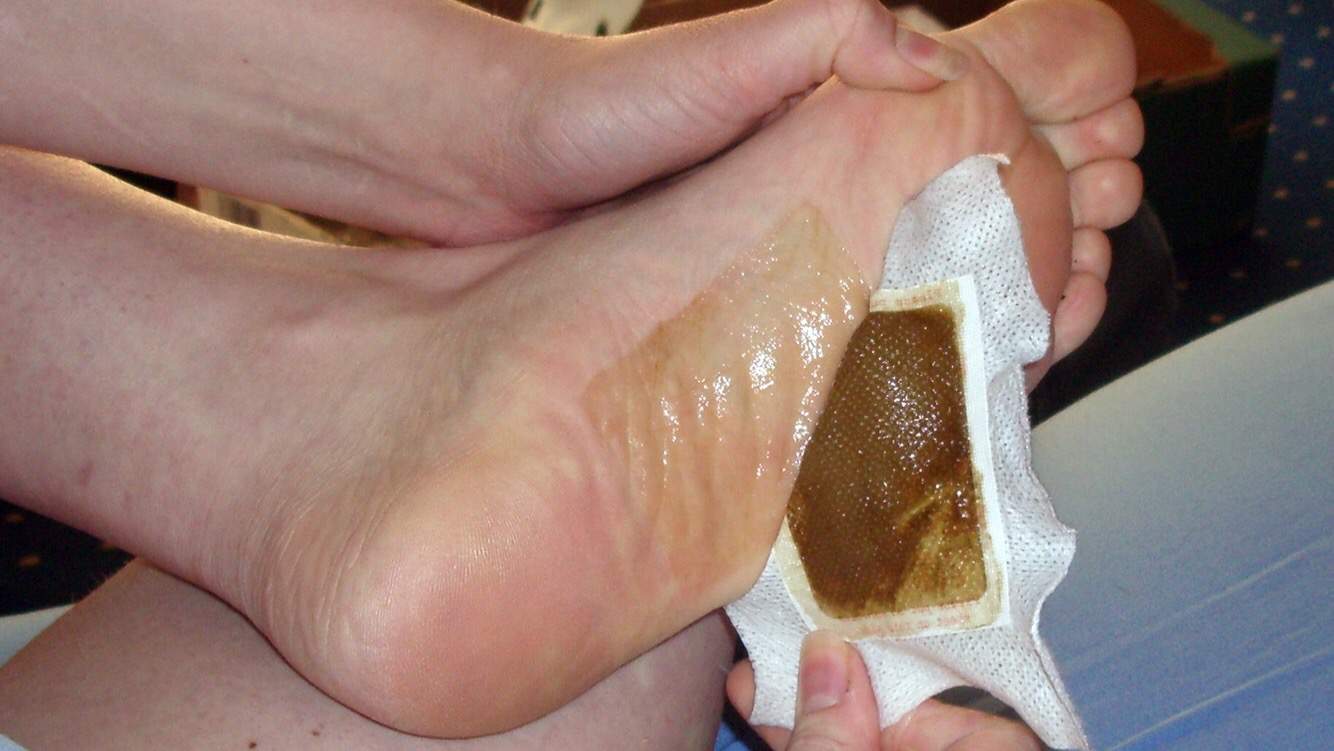
Learn how to make detox foot pads to release toxins from your body.

8 – A nerve disorder

If you’re having trouble lifting any part of your foot, it could be “foot drop.” This could be a sign of paralysis or weakness in our muscle that lifts your foot. Please take notice of it because it could be a sign of a neurodegenerative illness like multiple sclerosis (MS), a stroke or amyotrophic lateral sclerosis (ALS), or other nerve disorders.

9 – Raynaud’s disease

If your feet turn blue when you go outside in the cold, it could be a sign that you have Raynaud’s disease. This is a condition where your blood vessels don’t work correctly to get blood to the skin of the foot.

If this situation happens to you, be sure to check with your doctor. Raynaud’s disease is easy to deal, but you need to take extra care covering your feet and hands when you go outside in the cold.

10 – Heart disease

Swollen feet, legs, and ankles are a sign of edema. Edema is a sign of a heart problem. If your heart isn’t working correctly, your blood doesn’t get circulated correctly. The blood flows slows down, causing fluid build-up in the tissues of your feet and legs.

Taking Care of Your Feet

It’s essential to give yourself proper foot cawre. You need your feet as strong and healthy as possible to maintain a healthy and active lifestyle. Here are some easy and practical methods of excellent foot care

  • Wear comfy shoes that fit well-Choose shoes that give you ample foot support and comfort. Ill-fitting shoes cause foot deformities such as bunions, corns, and other foot problems later on. If you need to wear heels at work, choose well-fitting heels and change out of them throughout the day so your feet can get a break.
  • Wash your feet daily-Keep your feet clean and dry so you won’t get a fungal infection. This is important, primarily if you use a locker room or spa. Check your feet for signs of fungal disease.
  • Change your socks every day-Don’t wear day-old socks. They can harbor bacteria.
  • Don’t cross your legs when sitting-Crossing your legs can cause your blood circulation to slow down, so your feet aren’t getting proper circulation. If you do cross your legs, change the position always to allow your blood to flow properly to your extremities.
  • Put up your feet when you sit to improve blood circulation.

Eating for Better Foot Health

Proper nutrition is essential for all parts of your body, but especially for your feet. Here are some practical suggestions for what to eat to help your extremeties stay healthy and happy.

  • Vitamin D and calcium: Eating foods high in calcium helps your feet’s bone production. Eat fatty fish like tuna, mackerel, salmon to get lots of vitamin D, which protects you from developing osteoporosis. This degenerative bone disease makes your bones grow thin and fragile.
  • B vitamins: Eat foods rich in B vitamins to protect against neuropathy and overall nerve health. Eat eggs, tuna, cottage cheese, and whole grains like quinoa, barley, and brown rice.
  • Proteins: Proteins keep your muscles and tissues around your feet functioning at their best. Beans, legumes, nuts, and seeds are all excellent sources of plant protein. If you eat meat, choose lean meat like chicken or fish.
  • Fruits and veggies: Consume lots of fruits and vegetables every day to build up your immune system to fight off diseases.

feetFinal Thoughts on Caring for Your Feet

Don’t forget to treat yourself to proper foot care. They’re an essential part of your body that keeps you moving throughout your day. Please take special notice of your extremities, including the foot. Most especially, note any changes in the way they look or feel. Never ignore not being able to move your foot properly or tingling or numbness.

These red flags might be a sign of a neurological disorder. Your toes need proper nutrition to keep you going, so eat well for the health of your extremities. Choose a healthy diet and get exercise as part of a more comprehensive foot care program. Your feet will thank you for it.

True Mental Strength Is When You Can Find Fuel In An Empty Tank

Do you have mental strength? The world is chaotic, and you are either at a position where you’re struggling or going through life as a superhero. Your daily concerns are all over the place, from dirty dishes to global warming.

It seems that it’s almost impossible for you not to let the problems of the day get to you. It will help if you improve your mental strength by keeping your stress levels in check.

If you want to have a productive and healthy life, then you must do this monumental task for you and others.

Ten Ways to Enhance Your Mental Strength

Have you ever been to the doctor and was told that you need to reduce stress? It seems like such a simple thing, but most people find it completely overwhelming. You can reduce your stress and protect your mental health by engaging in these ten simple things.

1. Set Boundaries

Do you have a hard time saying “no” to people? Why is it that you always try to take on more than you can handle because you’re afraid that you might upset someone? It would help if you learned how to use the word “no” to protect your mental strength.

If you’re having a hard time with the concept, then practice in front of a mirror. Say things like, “No, I will not work overtime or take on any more tasks.”

When you practice this independence in private, you’ll be more apt to use it in public. Learn to set boundaries so that you don’t become overwhelmed with extra tasks.

mental strength

2. Recite Positive Affirmations

A wise old proverb says that as a man thinks in his heart, so is he, so you must be careful that you’re not full of negativity. Did you know that negativity can affect your mental health? Recite positive affirmations daily.

When you first get out of bed in the morning, try saying the following things:

  • I will accomplish all of my goals.
  • I am a fantastic person.
  • I’m loved by my family and friends.
  • I am a productive individual.
  • I feel great.
  • I’m going to have a great day.

When you start feeding your inner man with positivity, you will be amazed at the outcome. Start your day on a positive note even if you got up on the “wrong side of the bed.”

3. Stop Overthinking

Why do people tend to overthink? Rather than waiting for the verdict, you’re borrowing trouble from tomorrow. It’s like getting test results on a suspicious lump you have on your body.

Before the results come in, you’ve already got yourself on chemotherapy and writing your goodbye letters.

The fact is that it might be something simple that isn’t malignant, but if you don’t stop overthinking every detail, you will drive yourself crazy.

4. Use Self-Care

Remember one thing in life you cannot pour out of an empty cup. If you want to take care of others and do an excellent job at work, you must learn to practice self-care.

Make time for you each day, even if it’s only 30 minutes.

5. Practice Deep Breathing

Do you ever feel like you have a significant weight on your chest? Stress, panic, and anxiety can make you feel overloaded. Thankfully, when you practice deep breathing, you’re releasing that tension you feel.

You can use many methods when you do deep breathing, but the most common way is to inhale to the count of seven, hold the breaths for a count of seven, and then release them slowly for the count of seven. It’s a simple yet amazingly effective exercise.

pop meme

6. Be Grateful

Do you ever sit back and count your blessings and be grateful for all the things you’ve been given? Did you wake up and take a warm shower, eat breakfast, and get into a nice car to drive to work?

Do you have family and friends who love and support you for whatever life throws your way? Do you have food in your cabinets and money in your checking account?

Many people are homeless, and they could only dream about having a small portion of the things you have. Be grateful for what the universe has given you.

7. Exercise

One of the best ways to protect your mental strength is by engaging in exercise each day. You only need about 20 minutes to work out, but the effects it has on your brain is astounding.

Research shows that when you are working out, you’re releasing feel-good endorphins in your brain. You’re also increasing the production of vital neurotransmitters that regulate your moods like dopamine and serotonin.

You should add a healthy diet to your day that has little carbohydrates and sugars.

The more protein and healthy fats you consume, along with your workout plan, can keep you in an adequate space and protect your mental strength.

8. Get Fresh Air

There’s something tranquil about a breath of fresh air? Air is life, and you need it to survive. Research shows that when many people have a panic attack and feel those fight or flight sensations kicking in, they often run to the outdoors.

There’s something magical about Mother Nature and her ability to calm you almost instantly. When life seems to overwhelm you, then you should go outside and look up into the heavens.

Feel the golden rays of sun shining on your face and breathe in the flowers’ aroma and other fresh scents.

9. Engage in Yoga

You probably hear a lot of hype about yoga as a workout.

However, most people have no clue the power it has on your mental health. Yoga first helps you to form a sense of self. It will then move you into a better place by altering you from the sympathetic to the parasympathetic nervous system.

Many studies have been conducted on this art form, and the results are overwhelmingly positive. Researchers show that it gives you mental clarity and helps with depression, anxiety, and other mental illnesses.

Additionally, they have found that it has a profound effect on post-traumatic stress sufferers too.

Learning breathing techniques and body movements can do a world of good for your mental state. The great thing about this art form is that it can be modified for all body types and endurance levels.

10. Practice Positive Thinking

Are you a “Negative Nelly” or do you see yourself as a “Positive Pearl?” It’s hard to be positive in life with destruction on every corner. Do you ever feel like you want to throw in the towel?

Many people want to give up, but that isn’t an option. You can change how you feel by only using positive thinking skills. Sure, the electric bill was $200 more than you budgeted for the month. However, you should be thankful that you even have electricity.

In some third world countries, the electricity comes and goes. You have heat to keep you warm and air conditioning to keep you cool. Those in such nations would love to have the pleasure of a comfortable home with an HVAC system.

When you change your mindset from negative to positive, you will see a world of difference in your overall wellbeing. Feelings of gratitude and mindfulness enhance your mental strength. Look at each situation you face daily, and though bad it may seem, you should try to find something positive.

Remember that some of the worst storms end with a rainbow. When the skies begin to clear, and the sun’s rays hit the water droplets, it displays one of the most beautiful sights in nature. Stay positive and focused no matter what life throws your way.

mental strength

Final Thoughts on Gathering Up Your Mental Strength to Face Tough Times

It seems like the world is in chaos, and people struggle to find harmony in their lives. How do you combat the pressures of the world without losing your cool? The ten tips above can help you to protect your mental strength in times of adversity, and you should utilize as many as possible.

One of the most potent inspirational stories comes from the man who wrote the song “It Is Well with My Soul.” Horatio Spafford was someone who struggled and came through insurmountable troubles in life. He lost his business and his 4-year old son in the fires of Chicago in 1871.

Spafford struggled along until 1873 when even greater financial struggles hit his company. He decided to take a trip with his family on the SS Ville du Havre ship. A last-minute change of plans caused him to send his family ahead, and he would follow later.

Sadly, the ship collided with the Loch Earn in the Atlantic Ocean, and all four of his daughters perished. Anna, his wife, survived the incident, and she sent him a telegram to let him know she was alive.

He immediately went to be with her. As the ship entered the area where his daughters had perished, he wrote the famous song.

Like Spafford, you can learn to sing even when things look their worst. This man lost everything he had and suffered more problems in his life than anyone could imagine.

Yet, in the middle of the darkest of nights, he found a song in his heart. Is your mental strength like Spafford’s?

10 Ways You Can Start to Pay Off Your Sleep Debt

No one likes being in debt, especially when it involves the sandman. Are you suffering from sleep deprivation? Did you know that when you don’t get enough sleep, it can cause both physical and mental consequences?

What is Sleep Debt?

Do you often have daytime fatigue, and you don’t understand why? Are you yawning constantly and at the most inopportune times? The problem might be you’re not getting sufficient rest.

If you don’t get at least 7-8 hours of sleep each night, then you will have side effects from the lack of rest the next day. Skimp on your sleep a few days in a row, and you have a rest debt.

Part of the problem is caused by chemicals in your brain, specifically adenosine. When you are awake, it increases the amount of this chemical in your mind. You should also know that this is a by-product of metabolism that uses energy in your body.

When you’re awake, your adenosine collects, which makes you feel the need to rest. As you sleep, the levels of adenosine drop so that you can be alert for the day. When you are not resting, you’re not clearing out enough of this chemical, and you will feel groggy and unrested.

Additionally, you may be lying in bed hoping to get rest, but a condition like sleep apnea or another illness makes your rest fitful. These conditions can also make you feel groggy and out of sorts the next day.

The Impacts of Previous and Recent Sleep Deficiencies

Do you think that you have sleep debt? There are consequences to this issue, but you should know that they can be reversed. When you get sufficient rest, you will counter the short-term effects that sleep debt has caused.

The bad news is that you can’t repay your debt overnight. If you’ve not had sufficient rest for days or months, there can be long term consequences of not getting adequate rest. Thankfully, when you start getting the required sleep you need, you will begin to tell the difference quickly. How can you pay off this sleep debt you’ve accumulated?

sleep debtTen Ways to Pay off Sleep Debt

If you want to pay down your debt to the sandman, you need to hit the sack. It’s time to drift off into dreamland and ensure that you get the right amount. Here are ten tips for ensuring you pay your debt and ensure that you’re functioning better the next day.

1. Take Naps

Oh, to be a kid again and get a nap every day. Well, you may not be able to nap from noon to two as most infants do, but you can undoubtedly get a nap in on your schedule. If you get home at five pm in the evening, why not rest till 7 pm?

The weekends are also a great time to catch up on some much-needed rest; make sure you don’t overdo it. Too much sleep can be counterproductive and alter your circadian rhythm, which can be another significant problem.

You should learn the art of power napping and get 20-30 minutes on your lunch hour. You will be surprised how much easier the afternoon will go when you’re well-rested.

2. Increase Your Sleep Time

While you may not be able to go to bed super early, why not try just a half hour before you usually turn in? By adding a half-hour to your evening and morning, you will add an extra hour back towards your sleep debt.

Some people feel well-rested on six hours each night, while others may need a full 10 hours. Each person is different, so you should identify your needs and ensure they’re met. Try to sneak a few extra minutes whenever possible.

3. Make Weekends About Rest

So many people try to cram 100 things into their schedule on the weekends. One thing that you should make a priority during this time is your rest. Now, if you sleep in till noon or 1 pm on a Saturday, you will probably wake with a migraine.

Your body can also get too much sleep, and it can make you feel off the rest of the day. You know how much sleep you need, but make sure you don’t go over that amount by too much. You can repay your sleep debt all in one day as it’s a process that will take many days.

4. Limit Your Caffeine

Did you know that caffeine stimulates you and blocks the brain’s signals for adenosine? While that soda or coffee tastes so good, the feel-good effects it gives are noticeably short-lived. You cannot fix your sleep debt by drinking caffeine to stimulate you.

These drinks have a limit on what they can do, and they can be bad for you. You don’t need your heart racing and all sorts of issues going on because you’ve had way more caffeine than what’s recommended.

5. Make Your Bedroom a Haven

One of the reasons people aren’t getting sufficient sleep is that their bedroom is not geared towards rest. It would help if you had a comfortable bed with lovely plump pillows and soothing blankets.

If you want to get sufficient rest, then you must create a place where it can happen. If you’re not getting enough sleep, it may be because that lumpy mattress and flat pillow are partly to blame.

sleepless6. Get Rid of the Electronics

A study was done on the risks of having electronics in your bedroom. Even a small light from a DVD player or clock can be disturbing. Remove anything that has light in the bedroom.

When there is light getting inside, then your sleep can be disturbed. To pay back your sleep debt, remove anything that might mess with your rest.

7. Make Bedtime a Priority

Many people make bargains with their sleep schedule as they would a bet at a poker table. You can’t take away two hours here and put it on at the end of the week. Your bedtime must be a priority.

Set a bedtime and make sure you stick to it. If you decide that it’s lights out at 11 pm, you make sure that when 10:30 pm rolls around, you start getting ready. Everyone has tasks they must do before they can go to sleep. So, make that bedtime a serious deadline like a project you are doing for your boss.

8. Don’t Put Your Cell Phone Next to Your Bed

If you want to get better rest and pay back some of your sleep debt, you need to remove your cell phone from your bedroom. Many people are tempted to surf the web and read social media like it’s a newspaper.

You may go to bed at a decent hour, but all the surfing causes you to develop a debt to your rest. Cell phones are another electronic device that emits light into your room, and it can mess with your REM sleep. As bad as it hurts you to put your beloved phone in another place, you must do it for your health.

9. Do Something to Help Induce Sleep

Most people can’t just jump in bed at 11 pm and drift off into dreamland. If you’ve been stimulated from the day, you need to wind down. Why not take a bath, or have your partner give you a short massage to prime your body for sleep?

Some people find that reading a book is helpful to get them to wind down. Do anything you can to get yourself ready for rest if it doesn’t involve technology or electronics. Anything with light can hinder your rest, so you want to avoid those activities. Even a warm glass of milk may do the trick.

10. Kick the Pets Out of the Bed

Perhaps you’re going to bed at a decent hour, and you’re trying to get sufficient sleep, but the animals in the bed are making it complicated. If you have Fido in bed with you, then it may be time to get them a bed of their own.

Pets are great to snuggle with, but they can be hard to sleep with if you have a smaller bed. If you want to get better rest and feel great in the morning, then get the dogs and cats some space to call theirs.

sleep debtFinal Thoughts on Paying off Your Sleep Debt

If you notice that you’re not getting enough sleep, the culprit could be something medical. If you’ve done all the things listed above and still you’re not getting the rest you need, then you need to see a doctor. You may have a condition like obstructive sleep apnea that hinders you from getting the sleep you require.

You can’t go for long periods without sufficient sleep. Your body needs rest as it’s how it repairs damaged cells and creates new ones. You need to go into REM rest to repair and heal your body, and if there’s a problem, it needs to be addressed immediately.

Doctors Explain What Happens to Your Body if You Develop Hives

Have you ever experienced hives? They are an itchy skin rash that is frequently caused by an allergic reaction. The medical community calls this condition nettle rash, welts, or urticaria.

People experience this problem commonly. Indeed, statistics indicate that approximately twenty percent of the population will deal with this condition at least once.

When you see hives on your body, it’s due to the production of histamine. What is histamine? Well, it’s something that your body produces to let you know that you’re having an allergy response to a foreign invader. Histamine is a protein that is leaked from the capillaries. These capillaries swell and accumulate under the skin, which causes the raised places known as hives. Thankfully, this unsightly rash is not contagious.

Triggers of Hives

Many different things can cause urticaria to occur. An acute case would be something that happens once with no known reason. A chronic case is one where this rash keeps appearing.

It may take your doctor some time to pinpoint the exact cause of your allergic response. For most people, a cause is never identified. Here are the most common reasons for developing hives, according to science.

hives

  • Intestinal Parasites
  • Fevers
  • Dust Mites
  • Medications
  • Food Allergies– Specifically Shellfish or Nuts
  • Viral Infection
  • Bacterial Infection
  • Changes in Body Temperature
  • Fevers
  • Intestinal Parasites
  • Pet Dander
  • Pollen
  • Poisonous Plants – Poison Ivy, Sumac, or Oak
  • Waste from Cockroaches
  • Insect Sting or Bite
  • Excessive Scratching
  • Thyroid Disease
  • Lupus
  • Latex Products
  • Chemicals
  • Being in the Sun
  • Exercise

How to Identify Hives

Hives cause welts or a swelling that looks like a typical rash on your skin. The color is usually pink or red, and the bumps are an oval shape. The welts can be small or up to several inches in size, and it all depends on your immune response as to how big they get.

The most common problem with these bumps is that they’re itchy, and they can become red and inflamed. Like a classic rash, the spots will occur in batches. They are often found on the face or extremities of the body.

It’s normal for the welts to disappear within a day; however, new ones will form to take their place. Some people will have the rash localized to one area, while others will have them in many different places. When the condition is chronic, the welts can last for months or even years.

The Three Types of Hives

Urticaria can be acute or chronic, and it’s important to distinguish between those two and angioedema. The timeline is used to help diagnose your condition. Anything that doesn’t resolve itself within a couple of weeks is said to be chronic. Here are some facts to help you understand the three types of urticaria.

• Acute

Acute is the most common variety of urticaria. You will see the rash on the neck, face, genitals, toes, and fingers. Sadly, any part of the body can be affected, not just the typical hotspots. The duration is under six weeks to be considered acute.

• Chronic

Chronic hives plague about one percent of the population, and it’s a condition that can last for up to six weeks. Sadly, some complications can arise in addition to long-term pain and discomfort. Treatment methods for this type of urticaria are different than the acute variety.

It’s believed that this chronic condition begins as an autoimmune response; however, the reasons that it occurs is still unclear. The occurrences are higher in people who suffer from conditions like lupus and thyroid disease.

• Angioedema

Angioedema is remarkably like urticaria, but the swelling is much deeper and more pronounced. Usually, the swelling resolves within 24 hours, though the condition may linger for weeks.

An allergist can help patients with this condition as it can create serious, potentially life-threatening complications. An immunologist may also be able to help. Since angioedema often occurs with swelling of the tongue or lips, patients need to carry a fast-acting medication like an EpiPen with them.

After a few bouts of these hives, it’s easier to pinpoint what’s causing the allergic response.

inflammation

This delicious pineapple and ginger beverage can ease inflammation and pain.

Making a Diagnosis

Making a diagnosis is not difficult, as most doctors are quite familiar with this condition. They will examine the rash and ask questions about when the episode began. Things like an insect bite, wearing latex gloves, or eating something new can be a trigger.

Your medical team will also need to know if you’ve had issues with these in the past. Allergy testing is possible if you continue to have problems with hives. When the condition has been consistent for more than six weeks, they will want to do further examinations.

Routine blood tests will look for parasites and anemia, as well as any other probable causes. Another test that is commonly used is the SED rate or ESR test. A high level of inflammation in the body will identify a problem with the immune system.

An underlying issue like thyroid disease, lupus, or liver problems is to blame in many cases. Though a doctor can diagnose by sight, they may want to dig a bit deeper into why this keeps occurring.

How Doctors Might Treat Hives

In the mildest cases, you can treat the itching at home with a remedy like a baking soda paste or calamine lotion. But severe cases might require a trip to the doctor. Most notably, anaphylaxis, a severe allergic reaction, can also involve hives, and you must report to the emergency room without hesitation.

• Antihistamines

Using antihistamine medications is a favored treatment method as it blocks the histamine and helps relieve the itching caused by the rash. The real issue with antihistamine products is the fact that they’re sedating. It’s hard to take these medications while working because they cause drowsiness.

• Steroids

Another standard method used is steroids. Steroids help reduce inflammation and help cases where the breathing is labored from an allergic reaction. A significant issue with long term steroid use is moon face and mood disturbances as well as insomnia.

• Supplements

Nature provides many supplements that can help to build the immune system to ward off such responses. The most used in these situations include Vitamins C and D as well as primrose oil.

While natural supplements are safe, they can counteract with medications and trigger adverse reactions. It’s important to talk to your doctor before mixing supplements and prescriptions.

• Acupuncture

Acupuncture is an ancient art that has become popular in America. A study shows that it may be an effective and safe treatment for hives, especially those who suffer from the chronic version. By stimulating specific trigger points in the body, it can help to improve the reaction to allergens.

• Diet Modification

Many people find that keeping a food journal is helpful. When you find the foods that trigger a response, then you can avoid them. Some foods are more likely to cause histamine production than others. These foods include:

  • Fish
  • Yogurt
  • Processed Meat
  • Chocolate
  • Nuts
  • Strawberries
  • Spinach
  • Tomatoes

How Stress Plays a Part in Urticaria

Being under severe stress for long periods can have a devastating effect on the body. A study was conducted in 2005 that examined how stressful events in life and the lack of family support resulted in urticaria for 75 people.

When your body is under duress, it can aggravate an underlying condition. Your body’s natural defenses are an inflammatory reaction, and it can be more severe in a person under a great deal of distress.

In people who aren’t under such turmoil, their bodies can fight off the condition, and it might not be as severe. However, when someone is under great duress, then the cortisol and adrenaline levels are too high. These hormones help to keep things balanced.

When parts of your system are misfunctioning, it can cause other issues in the body.

harm your healthFinal Thoughts on Dealing with Hives

There are many things that you can do to help ease the discomfort that comes with urticaria. Some things that can help include wearing loose clothing that won’t rub and further irritate the area. Something light that won’t make you overheated is also advisable.

Whatever you do, try not to scratch the area. You can use things like calamine lotion to remove the itch caused by the histamines in the skin. You don’t want to further irritate the site by using perfumed soaps, so try to stick with an all-natural soap meant for sensitive skin.

If you’ve scratched the area and it’s become severely inflamed, then you can try a cold shower and sitting in front of a fan to help. Also, a cool compress may help to alleviate the discomfort you feel. Many have found that taking an oatmeal bath with tepid water helps to soothe their skin.

Remember, hot water will only further irritate and hurt the area.

Lastly, it’s essential to know your triggers, especially if this becomes a common occurrence. The more facts you have for your doctor, the easier it’s to pinpoint the reasons behind this painful problem. And if you have other symptoms that could indicate a life-threatening allergy, go to the emergency department right away.

10 Types of Negativity to Let Go of Right Now

Have you ever wondered exactly why you remember all the mean things people have said to you more than the beautiful things they’ve said to you? That’s because your brain is hard-wired to remember negative experiences in life. And this sets you up for a negative mindset to gain a stronghold in your thoughts and actions. It can affect your friendships, your work, and your decisions. If you struggle with being overly negative, it’s crucial to find ways to let it go, especially of the more destructive types of negativity.

Here are the ten types of negativity you need to get rid of right now

Release the burden of these negative thoughts–you’ll be all the happier for it in the long run!

negativity

1 – Blameshifting

Blameshifting is blaming others or situations for your own failure.  Studies say blameshifting is a tool people use to push away criticism. But the same study found that blameshifting usually backfires because people don’t like blame shifters. Think here of politicians who make sweeping campaign promises, then blame others when the commitments aren’t met, even though it’s their fault. Blaming your spouse, kids, or your upbringing is a form of negativity that weighs you down and distorts your view of life.

How to let go:

The next time you’re tempted to blame someone or something, stop and decide not to blameshift. Allow yourself to accept the situation and admit your own fault when needed. Find peace in letting go of this negative attitude.

2 – Being a perfectionist

If you are a perfectionist, then you want to do things in an utterly perfect way. You set high standards for yourself and others. No one is perfect, and to set your goals on perfectionism is unrealistic. It’s a negative view of yourself because you’re afraid others won’t accept you if you don’t look and act correctly.

How to let go:

Perfectionism is a deep-set negative view of yourself. Here are some simple new habits you can try to begin breaking free from perfectionism.

    • Admit your weakness to others
    • Don’t compete with other people, decide not to compete
    • Accept yourself
    • Practice gratitude for who you are
    • Pray when you’re tempted to be critical of yourself or others
    • Use mindfulness to relax and find peace

negativity detox

3 – Self-defeating thoughts

Negative, self-defeating thoughts are those negative thoughts you believe about yourself. These thoughts chip away at your confidence. They bombard your mind with statements like

  • I can’t do it, why bother trying?
  • I always mess things up. I’ll mess this up too.
  • I’m not good enough.
  • I’m a hopeless mess.
  • I’ll probably fail as I’ve done before.

When you have self-defeating thoughts, you become your own worst enemy. If you had a friend that uttered these things to you, you would question the friendship. So, don’t talk to yourself with these negative thoughts.

How to let it go:

Please pay attention to your thoughts when they cross your mind. Review what caused you to think like this, then make a choice to let go of them. Here are some additional items you can try to help reverse your self-defeating thoughts.

  • Ask yourself why you’re thinking this way.
  • Change your negative thoughts with positive ones. Instead of “I can’t do it, why bother” say, “I can always try.”
  • Talk to yourself, don’t listen to yourself. Tell yourself what’s real instead of listening to lies.

4 – Judging Others

Judging others is a form of negativity because it’s an effort to feel better about yourself at the expense of others. Being critical of others, seeing their faults, and assuming you’d never be like that shows your own insecurities. It would help if you felt better than others because of your uncertainties. Judging shifts the focus off of your faults so you can find fault in others. This negativity destroys your relationships. It kills your self-esteem and your ability to see yourself correctly.

How to let go:

  • Refuse to judge others. Assume you don’t know people’s story so you shouldn’t come to a conclusion.
  • Choose to understand the other person’s situation.
  • Be accepting of others. No one is perfect, so don’t judge people by those criteria.
  • Choose to love others and love yourself.

negativity

5 – Fear of failing

No one wants to fail, but if you have a fear of failure, it paralyzes you. Fear of failure keeps you in from reaching out at work, in relationships, and in every part of your life. Fear of failure blinds you to your true potential. This negative mindset holds you back from really living.

How to let go:

  • It’s easy to get overwhelmed, so set small, reachable goals for yourself. Accomplishing small goals leads to achieving bigger goals.
  • Make a list of your failure fears. Figure out what will happen if you fail. You may be surprised to see that failure isn’t the worst thing.
  • Others have failed big time only to bounce back and succeed. Tell yourself you can bounce back. You can overcome any failures.
  • Don’t believe everything you think. Just because you think it, doesn’t make it real. Your fear of failure is a lie you are telling yourself. Please do not believe it.

6 – Low expectations in life

Another common type of negativity that can hold you back has low expectations. You assume the worst about yourself and your life. You feel like your life is worse than everybody else’s life. Low expectations are related to fear of failure because you feel like you will never succeed. This thinking may be related to your poor choices, but not always. It’s a mindset that develops over time as you allow negative thoughts to fill your mind. You begin to believe the lies.

How to let it go:

View your life as a journey. Choose to be healthy, happy, and empowered along the route. Try some practical things to help improve your perspective.

    • Mindfulness breaks to bring calm and peace into your life.
    • Exercise releases endorphins, so you feel better physically and mentally.
    • Gratitude journaling can help you be grateful for what you have.
    • Find a community of like-minded people to can share life.

7 – Worrying

Worry is when you feel uneasy or concerned about something. Your brain goes into overdrive, thinking about all the bad things that could happen. Worry eats away at you. It distorts what’s real and creates anxiety and fear. It’s a negative mindset that causes stress, which makes you prone to physical problems such as ulcers, high blood pressure, and heart disease.

How to let it go:

Here are a few ways to stop worrying.

        • Try to live more in the present instead of the future “what ifs.”
        • When you start to feel that worry, stop yourself and let it go.
        • Avoid things that trigger your stress like news or social media.
        • Keep a journal of your worries. When they’re on paper, they don’t look so bad.

8 – Helplessness

Helplessness is a feeling that everything is overwhelming. You underestimate your ability to rise up and face challenges, to do hard things. You avoid difficulties, and anything hard you ask for help. This low confidence makes you clingy and insecure. You look to alcohol or overeating to calm yourself. Helplessness is negative thinking about you.

How to let go:

Letting go of helplessness means taking a small step outside your fears. Choose to stop being helpless. When you have a challenge, see it as an opportunity to succeed. Other ways to overcome helplessness include

          • Set small goals
          • Keep a gratitude journal.
          • Find a community
          • Push your helpless thoughts away and replace them with positive thoughts about yourself.

9 – Trying to control

Controlling people try to control their spouses, kids, friends, and sometimes even strangers. This type of negativity is based on anxiety and fear of losing control. You may feel if you don’t try to control things, something terrible could happen. It’s a skewed view of your own abilities.

Common controlling techniques include

          • Being critical of others
          • Wanting to prevent bad things from happening to others or yourself
          • Finding fault in others
          • Keeping a record of wrongs people have done to you
          • Manipulating others out of fear of losing control

How to let go:

If you find yourself drifting into a controlling attitude, stop yourself. Tell yourself it’s okay not to control everything. Refuse to control others. Accept others as they are.

10 – Jealousy

Jealousy is a feeling of insecurity that leads you to crave what others have. You may wish you had their looks or wealth or career or children or spouse. Jealousy leads to anger, resentment, and disgust. It’s a deep hole that you fall into when you nurture negative feelings about yourself and others.

How to let it go:

Refuse to fall into the jealousy trap. Find contentment in your own life. Cultivate gratefulness. Don’t compare yourself to others, instead appreciate the differences.

regain your happiness

Learn tips on how to overcome pessimism and become a happier person.

Final thoughts on releasing all forms of negativity from your life

Negativity comes in all forms of behavior and attitudes. It disguises itself in worry and fear of failure. It obscures your view of who you are and makes you focus on what’s not right in your life instead of what’s good.  If you find negativity holding you back from living your life, stop it in its tracks. Refuse to give in thoughts of jealousy, control, or worry. Do the hard work it takes to step away from being a negative person into a life of positivity.

7 Notes to Self You Need to Read Every Day

Sometimes we need to jot down some positive notes to self to keep ourselves going in this stressful world. Reading some encouraging words from time to time can elevate your mood and help you rise above any negativity life throws your way. Inspiration can come from anywhere, but positive affirmations have been proven to ease mental stress and improve one’s outlook on life.

No matter if you write down your affirmations on sticky notes and put them around the house or jot them down in a journal, everyone needs the motivation to keep on trucking sometimes. Respect yourself the same as you would treat your best friend and reinforce positive messages in your self-talk. Have the rule that if you wouldn’t say something to a friend or loved one, don’t say it to yourself. If you start to change your relationship with yourself and become your own best friend, everything in your life will begin to look sunnier.

Here are seven notes to self you need to read every day:

Below, we’ve listed some of the best positive messages to tell yourself every day when you wake up. Make sure to read them daily to get the best results!

  1. “I can get through anything life throws my way.”

If you’ve been feeling defeated lately, use this affirmation to get your mind back on track. After a while of existing on this planet, you realize that life comes with a lot of problems. However, that doesn’t mean you don’t have what it takes to tackle them. In fact, you would not have been put here if you didn’t. Believe in yourself and know that the universe will never give you more than you can handle.

Even if you don’t know how to do something, simply believing that you have what it takes will give you the strength you need in challenging times. Life always gives us solutions; we have to open our eyes and think outside the box, sometimes to see them. Some notes to self about courage and strength can give you the encouragement you need to keep going.

notes to self

  1. “I am beautiful, smart, and perfectly capable of achieving my dreams.”

Everyone struggles with self-esteem at some point because the world demands so much from us, and sometimes we don’t feel we measure up. Don’t beat yourself up for feeling inferior, but don’t allow yourself to remain stuck in this mindset, either. Just remember that you become whatever you think about yourself, so why not make it easier and believe positive things? You can become whatever you want, and you don’t have to limit yourself based on your perceived shortcomings.

The more you tell yourself positive affirmations during your self-talk, the more you will start to believe it. That’s why it is so important to practice this each day, preferably in the morning before you go to work or school. Drill it into your head that you’re an amazing person, and don’t settle for believing anything less about yourself.

  1. “Today’s going to be an excellent day.”

Your attitude determines what sort of day you’ll have, so in a way, whatever you believe becomes a self-fulfilling prophecy. Remember, you get to create your reality, so if you want to have positive experiences, you need to shift your mindset. Believe in the good things coming, and even if the day doesn’t go as planned, at least having a better outlook will improve your resilience. Always look for the hidden silver lining, because even the negative experiences have a hidden lesson.

Looking on the brighter side of things doesn’t mean you have to slap on a fake smile when something really awful happens. You should still feel and process your emotions, but try not to get too caught up in the details. Keep your mind on the larger picture, and don’t sweat the small stuff, in other words. If you spill a drip of coffee on your shirt while driving to work, laugh, and feel grateful that you still have some left to enjoy.

Remember – it’s not what happens to you; it’s your attitude about it that truly matters.

  1. “All is well in my universe, and all is working out for the highest good.”

If you’ve been struggling with not knowing what path to take, write down some notes to self about trusting the process and believing in the journey. As long as you follow your heart and learn to trust your intuition, every action you take will lead you further down the right path. No one really knows what they’re doing here anyway; we’re all just winging it for the most part. So, please resist the urge to put too much pressure on yourself to figure it all out.

We learn as we go, but if you can focus on how each experience helps you grow into a better person, what path you take won’t matter as much. As they say, it is not about reaching the top of the mountain – it’s about the journey along the way. If you wholeheartedly believe that good things will come your way and choose to keep a positive attitude, life will keep on pleasantly surprising you.

positivity meme

  1. “I choose to honor, love, and respect myself.”

Nothing good can come out of disrespecting yourself or giving in to negative self-talk. Use this affirmation if you’ve been feeling unconfident or unworthy of love to remind you that you do not have to look anywhere outside yourself for validation. It all starts with you, so give yourself the self-love and care that you deserve. Instead of focusing on everything you don’t like about yourself, use positive affirmations to shift your mindset.

What do you love about yourself? Make a list and keep it on a sticky note on your nightstand so you can read it every day. Here are a few ideas to put on it in case you needed some to get you started:

  • Your smile
  • Your friendly attitude
  • The compassion you have for other people
  • How well you do at your job
  • Your work ethic
  • Your quirky sense of humor and dazzling smile

These may not personally apply to you, but we just wanted to provide a few examples if you need ideas. The world may give you every reason to doubt yourself, but as long as you remember your worth, nothing outside yourself can hurt you. Keep your head held high and don’t let anyone, especially yourself, put you down.

  1. “No one can put me in a bad mood unless I allow it.”

Other people’s emotions don’t have to determine your own, even if that seems hard to believe. Why let the negative energy at work or school drain you when you can decide how you want to feel? As they say, “Ships don’t sink because of the water around them. Ships sink because of the water that gets in them. Don’t let what’s happening around you get inside you and weigh you down.” – Author Unknown

This takes some time to practice, of course, but you have to remember that you control your own emotions. Other people may influence your feelings, but they don’t get to determine your reaction. Remain even-minded even if everyone else allows the turbulence of life to rock their own ship. If you can sail on both the stormy seas and the calm ones, the water won’t even have a chance to drown you.

  1. “I am open to any potential opportunity that presents itself to me.”

Keeping an open mind means at least considering the paths that present themselves to you. You don’t have to take every opportunity, but it pays to keep your options open. If a better-paying job in your field opens up, for example, you should apply for it even if it makes you nervous to start something new. No one ever grew inside their comfort zone, so don’t allow complacency to set it.

Challenge yourself and believe in your qualifications if you want to achieve great things in life. This doesn’t just apply to jobs, either; if you’re going to move across the country, start a business, or begin a new relationship, you have to weigh the positives against the negatives. If you determine that the decision will benefit you, take that leap of faith and know that the universe opened this door to you for a reason.

notes to selfFinal thoughts on the notes to self to we should all read every day.

In this life, we all need a little mental boost in some way to get us by. Many people find this through positive affirmations, such as the ones we listed above. You become what you think most about yourself, so choose to focus on positive things in your self-talk. Instead of beating yourself up, compliment yourself just as you would your best friend or significant other.

If you treat yourself with kindness and love and compassion, it’ll make it easier to share it with others as well. Let’s start a movement of positivity and vow to show ourselves more love and care because we are so worth it!

Skip to content