Weekly tips, affirmations, and small actions to feel your best.

10 Best Foods for Weight Loss

Have you heard the term “superfood”? No, it isn’t what Superman eats (though that’s quite clever, and maybe he did enjoy these foods as well). Superfoods are nutrient-rich edibles that possess a ton of potential health benefits, including  overall weight loss. Here are just a few of those benefits:

  • Strengthens your immune system
  • Boosts energy levels
  • Fortifies and strengthens bones
  • Helps you put on muscle
  • Improves health of the digestive system
  • Burns calories and fat

You will find many more health benefits related to superfoods, and this article focuses on ten nutritional powerhouses known to kick your metabolism into gear. In conjunction with a healthy lifestyle, adding several of these superfoods to your regular diet may help you shed some of those stubborn pounds.

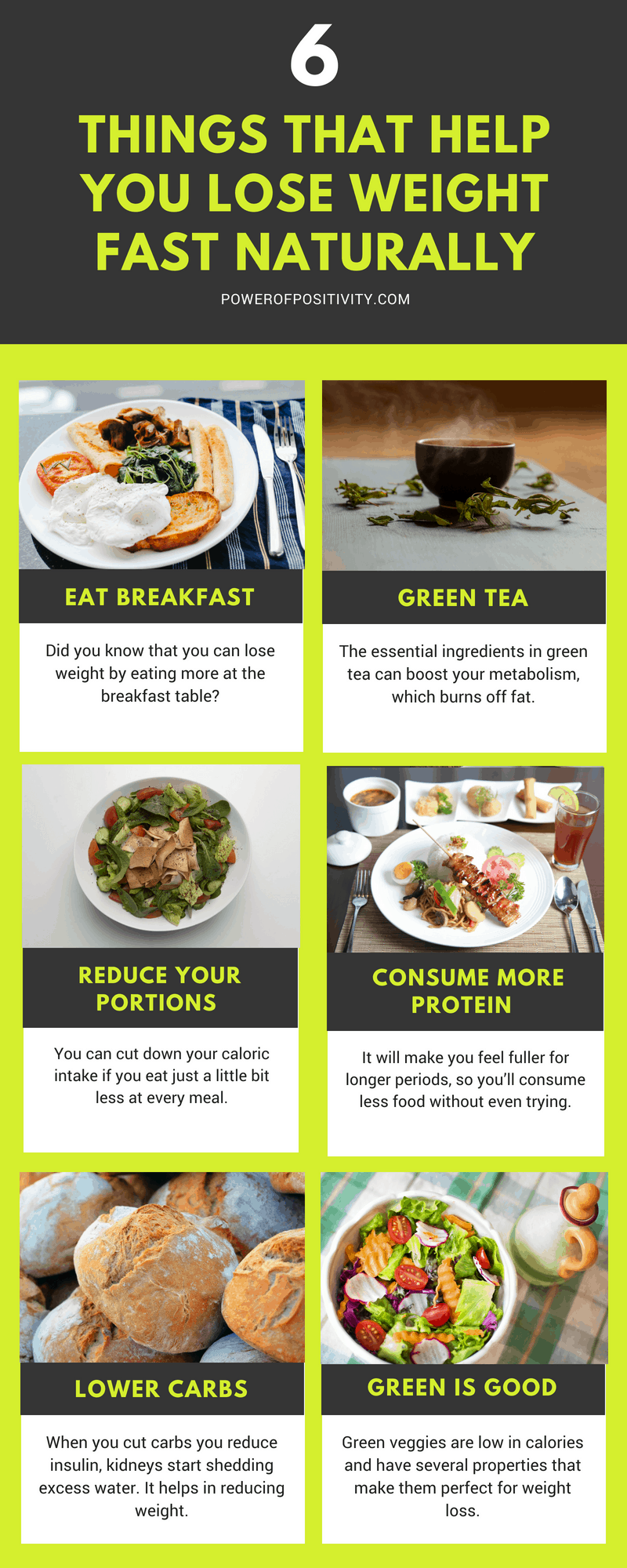
Here are the 10 most potent foods for weight loss:

1. Blueberries

Blueberries are low in calories. What is more, they are loaded with vitamins and minerals. Also a great source of fiber, blueberries help keep you feel full for longer periods of time. As if these aren’t good enough reasons to grab a handful, blueberries are potent sources of antioxidants, which are crucial for helping your body fight off inflammation and get rid of toxins.

2. Boiled Potatoes

“Potato pride” has taken a bit of a hit, most likely because of the vegetable’s high carb content. Boiled white potatoes, however, are an optimal food for overall health and weight loss. They are rich in potassium, which also happens to be one of the most widespread deficiencies in our modern diet. Finally, white potatoes, when boiled, score the highest of all foods on what is called the “satiety index,” which measures the degree and duration of fullness after eating.
health quotes

3. Chili Powder

Chili powder contains capsaicin, a robust natural stimulant that can elevate body temperature and metabolism by as much as 25 percent! Scientists at Purdue University in West Lafayette, Indiana, found that adding just a half a teaspoon of chili powder to their breakfast led to people consuming fewer calories and experiencing fewer cravings throughout the day.

4. Coconut Oil

Yes, you read that right: Oil can help you lose weight. Coconut oil is an up-and-coming star in the world of health and fitness. The product is high in a particular type of fatty acid – Medium Chain Triglycerides (MCTs) – shown to increase metabolic rate and increase satiety. Recent studies show that coconut oil may also be useful in helping to burn stubborn belly fat.

5. Leafy Greens

Greens such as collards, kale, chards, and spinach – called “leafy greens” –  are exceptional for weight loss because they are low in calories, high in fiber, and nutritionally dense. Many-a-dieter has binged on salad and other leafy veggies because they satisfy hunger and add nutritional value without the added calories. Leafy greens are also rich in antioxidants, which helps to maintain a healthy immune system.

6. Cruciferous Veggies

Broccoli, brussels sprouts, cabbage, and cauliflower are all considered cruciferous vegetables. In other words, they’re all part of “the cabbage family.” Cruciferous veggies are high in fiber, and they also promote satiety or feelings of fullness. As such, complimenting your lunch or dinner (or perhaps even a breakfast shake?) with a serving or two may help keep your hunger at bay.

7. Whole Grains

While you need to remain cautious, you will probably be happy to know there are plenty of grains on the market that pack some serious fiber and other dietary goodies. Whole grains also contain a fair amount of protein, which – according to a study published in the Journal of the Academy of Nutrition and Dietetics – helps you to feel fuller. Oats may just be the best grain of choice, as they contain a high level of soluble fibers that both increase satiety and improve metabolic health. As a rule of thumb, avoid refined grains, including white flour, white bread, white rice, and de-germed cornmeal.

8. Chia Seeds

Chia seeds are brimming with omega-3 fatty acids, fiber, and protein. Consider this statistic: one ounce of chia seeds contains 12 grams of carbohydrates, of which 11 grams is healthy fiber! In short, chia seeds are one of the best appetite-suppressant foods in existence. They’re also incredibly versatile in that they can be added to anything from smoothies to breakfast cereal.


9. Eggs

Eggs are one of the more underappreciated weight loss superfoods, which is too bad because they’re fantastic sources of protein and omega-3 fatty acids, both of which help curb appetite. According to a study published in the International Journal of Obesity, people who ate eggs as a breakfast staple lost up to 65 percent more weight than those who didn’t!

10. Salmon

Like most freshwater fish, salmon is incredibly healthy. Regarding weight loss, salmon is an excellent choice as it’s brimming with healthy fats and quality protein. Perhaps most importantly, salmon contains the nutrient iodine, which is crucial for proper thyroid gland function. The thyroid, of course, helps keep your metabolism humming along.

lose weight fast naturally

Share this Image On Your Site

(C)Power of Positivity, LLC. All rights reserved
References:
http://time.com/4246736/protein-satiety-fullness/

http://www.health.com/health/gallery/0,,20475957,00.html#eggs-0
https://asktheexpert.custhelp.com/app/answers/detail/a_id/…/what-are-refined-grains%3F
https://www.hsph.harvard.edu/obesity-prevention-source/obesity-causes/diet-and-weight/
https://www.mensjournal.com/food-drink/best-superfoods-weight-loss/4-hazelnuts/
https://www.ncbi.nlm.nih.gov/pmc/articles/PMC2755181/

How To Stay Positive (When You Know Your Life Sucks)

From losing your job or getting diagnosed with a major disease to going through a divorce or losing a loved one, unexpected disasters can show up when you least expect them. Everyone faces difficult challenges throughout their lives, but some of them handle it better than others. The difference is that some people have trained themselves to stay positive when the universe tries to keep them down, and you can do the same. Following the right tips and putting in some effort will empower you to sty positive in almost any situation the world throws at you.

Take Inventory of Your Situation

When positive thinking is your goal, the first step is to take an honest look at your life and the problems you are facing. Ask yourself what you would change about your situation if you could make one wish, and you can then consider other things you would like to improve. If you are unhappy with your job and want to find a new one, have the courage to do so. Being stuck in an unhealthy relationship can take a toll on your emotional health, and breaking up could be the perfect solution.

These are just a few examples. You must review how things are going and decide how you would like to move forward.

Create Short- and Long-Term Goals

“Having goals is the fundamental key to success,” said Tony Robbins. Creating a list of short-and long-term goals is a nice step along the correct path for those who want to get and remain positive. When you know what you would like to achieve and how you wish to live, you can create objectives that will move you toward the desired outcome.

Achieving short-term goals will move you even closer to your long-term goals, and your motivation will improve along the way. Shaping the way you live and deciding what you want to do will help with positive thinking.

Reduce Stress

Since it can make it hard to be positive, stress is one of your worst enemies, and you can’t afford to overlook it. Controlling negative emotions helps you unlock the power of positivity and takes you far when you would like to gain a positive attitude. Meditating for a few minutes each day will do the trick, but you can also workout to improve your mood.

stay positive

Notice and Eliminate Negative Thoughts and Stay Positive

Nothing will restrict the power of positivity and destroy your positive mood as much as negative thoughts. If you are not careful, negative thoughts can consume your mind and stop you from living on your terms. Combating that issue is easy when you proactively address each negative thought that enters your mind. Rather than simply discarding negative thoughts, strive to turn them into positive ones so that you can be happy.

Final Thoughts

Taking an inventory of your life and making a plan to fix the things you don’t enjoy can help you achieve a positive perspective that will help you stay happy. The amount of time it will take for you to notice a difference depends on several factors, but you will gain a positive attitude in no time if you remain focused on the prize.

https://www.youtube.com/watch?v=m-qoeOxXwXM

(C)Power of Positivity, LLC. All rights reserved
 References :
https://www.positivityblog.com/when-life-sucks/
https://tinybuddha.com/blog/5-helpful-things-do-when-think-life-sucks/
http://naturallynicole.com/stay-positive-life-sucks/

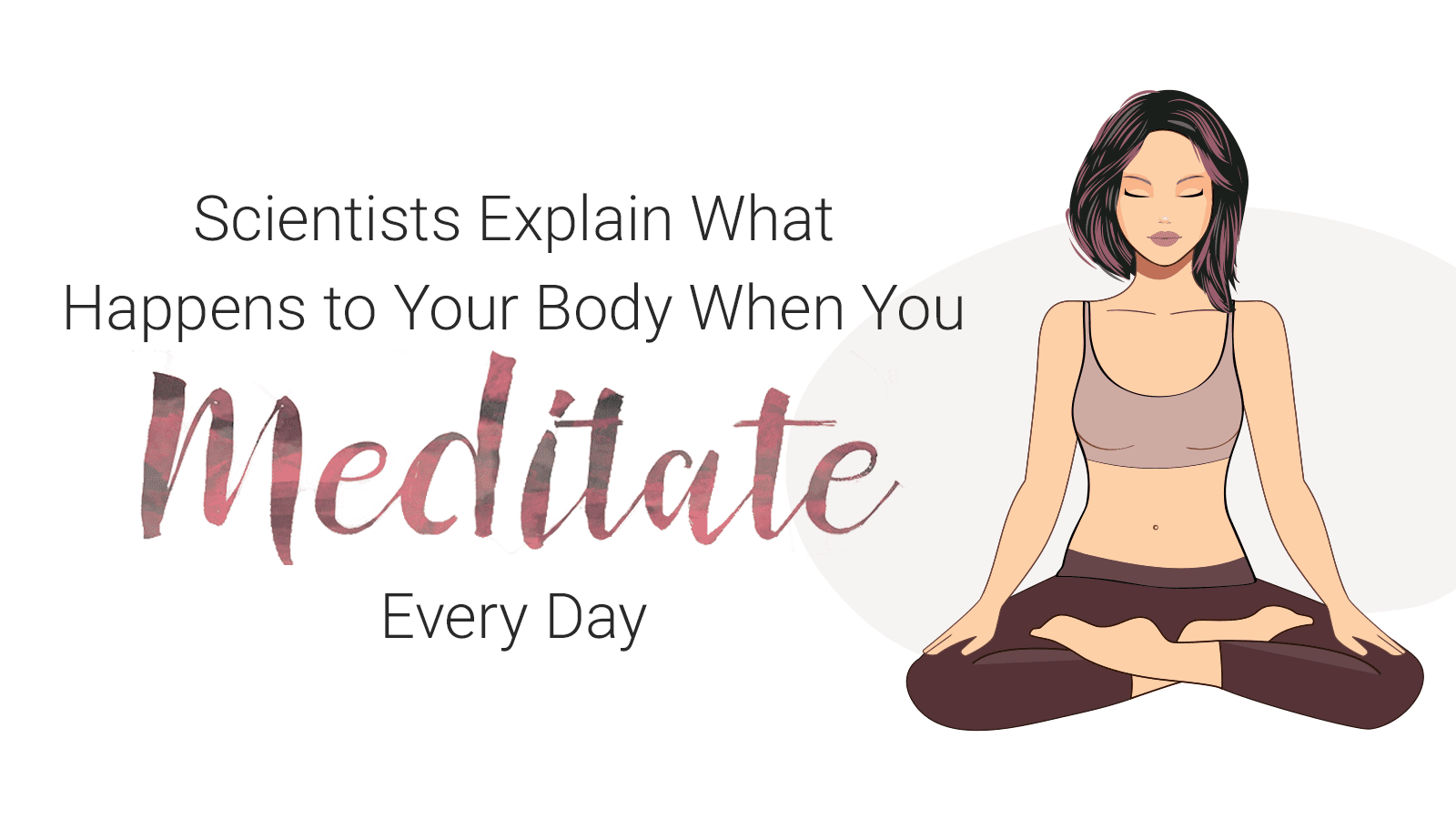
How to Meditate To Relieve Anxiety (In Just 5 Minutes)

For ages, spiritual teachers and great sages encouraged people to meditate for peace and relaxation and to relieve anxiety.

The science behind meditation

When faced with a threat, the body activates your sympathetic nervous system giving you instant extra energy to address it. One way is by releasing the natural stress hormone (Cortisol) into the bloodstream. This, however, comes at a cost since prolonged exposure to cortisol is harmful to your mental and physical health.

Studies show that practicing meditation to relieve anxiety turns on the parasympathetic nervous system, responsible for lowering the heart rate and muscle relaxation. This thereby encourages the body to stop releasing cortisol hormones.

BASICS ON HOW TO MEDITATE

loving-kindness meditation

1. Find a quiet comfortable personal space

A quiet and comfortable personal space is recommended for beginners to relieve anxiety. This is because it is easier to concentrate and collect your thoughts when you are alone. This can be done at home.

All you need to do is to try and set up a special area in your home dedicated to meditation. You can decorate this area with things that are meaningful to you or that provide inspiration to you.

Set up something to sit on, for example, a cushion and create a personal sanctuary.

2. Sit up straight

Sitting up straight helps you to stay focused while you resolve. You can do this by sitting down on a pillow helps to keep your spine straight. Relax any areas of tightness to relieve panic.

3. Begin with small steps each day

Beginning the practice of meditation does not mean dedicating huge chunks of your valuable time to it. This can be inconvenient, especially if you operate on a busy schedule. Start small.

Starting small means that you devote a few minutes for example 10-15 minutes each day consistently. Staying consistent will help you commit to your meditation and achieve progress.

With this, you’ll get used to it and find yourself managing even longer periods. Stay as flexible as possible by only allocating time you can comfortably manage.

4. Consider setting up an intention

Thinking about a certain intention should be altruistic such that it will help you to stay focused on your reason to meditate. You may think how to resolve to help relieve anxiety at the moment rather than being nostalgic or worried about future events. This will stimulate good thinking towards relieving anxiety.

5. keep a personal journal

Keeping a record of a journal allows you to keep track on various techniques on resolving and how they felt. It also enables you to work through your personal feelings.

Using meditation as a means to combat your anxiety

1. Replace your thoughts of nervousness

Meditation works by trying to replace disturbing thoughts with calming peaceful ones. Someone suffering from anxiety will have many thoughts that disturb their inner peace. Being nervous makes you feel worried unnecessarily.

As you meditate, always focus on replacing disturbing thoughts with calm and positive thoughts. Meditating can be really helpful before or after being in a situation that makes you feel anxious. With time, meditation will help you relieve these thoughts and feel less nervous.

2. Don’t be tempted to think you’re not good enough

When you’re new to meditating, you may feel that you are not improving. This happens especially to people who suffer from uneasiness. This is because these thoughts will try and encroach them as they resolve.

Having these thoughts will limit your potential for mastering the art and enjoying the fun of it. Instead of focusing on your inadequacies, focus on improving with each session. Telling yourself you’re poor at meditating will only cause you stress and increase your anxiety.

3. Look for signs whether meditating is good for you

While to meditate helps you relieve panic, it may not be right for everyone as to some individuals, it may worsen panic. In case trauma or repressed memories surface during meditation, put it on hold. Consult a mental health professional.

Relieve anxiety

4. Stay committed

After choosing to resolve and realizing it is the right thing for you to do, commit to doing it on a daily regular basis. Doing this will help you to improve and help your brain adapt to change. This will also help you relieve your anxiety.

PRACTICING 5-MINUTE MEDITATION TO RELIEVE ANXIETY

1. Find a quiet, conducive environment

It is important to find a quiet, conducive place where you’ll be sure to avoid being disrupted for fifteen to twenty minutes or even longer. You may sit cross-legged on the floor with a cushion supporting you. Alternatively, you can sit on a chair with your feet on the ground.

Maintain an upright posture by maintaining your body’s natural curve. Close your eyes and take deep slow breaths. Begin by inhaling with your nose and then exhaling with your mouth. At the beginning, your first air intakes will be shallow but as you settle you will begin allowing more air to flow to your lungs smoothly. This will make your breaths to be fuller and deeper.

Taking deeper breaths will make you feel more relaxed and calm.

2. Focus on the present moment

Bring all your attention to the present moment moment where you are in. This is done by preventing the brain from wandering to the past or thinking about the future.

In the beginning, it is normal to struggle to keep your thoughts from wandering.
Keeping your eyes open is also helpful in focusing on the current moment. To focus your mind on the present moment, you can also take deep breaths. This will calm your mind and keep your mind from wandering.

3. Integrate movement while meditating

Meditation can involve movement if you find sitting stressful. There are many yoga practices that incorporate movement that you may be interested in learning. Most of them can be done at home by watching this DIY tutorial.

https://www.youtube.com/watch?v=LxYuRw6AAu4

You can also consider taking a walk as you reflect. Movement cannot prevent you from meditating as long as you stay focused.

4. Ending your meditation

Once you are ready to end your meditation practice, stand up slowly that is if you were sitting down or lying down. Open your eyes if they were closed.

5. Practice makes perfect

To meditate for about five minutes helps to relieve oneself. With time, there’s need to increase time and thus increase your benefits from meditation.

As they say, Time is a master healer, all you need is patience as you relieve anxiety. You will begin to feel peaceful, positive and happy if you stick with it.Relieve anxiety

References:
https://www.forbes.com/sites/quora/2017/07/17/the-science-behind-meditation-as-a-treatment-for-anxiety/#1185d5806483
https://www.huffingtonpost.com/kino…/yoga-being-present_b_3339112.html
https://www.yogajournal.com/poses/yoga-by-benefit/anxiety
https://www.yogajournal.com/meditation
https://www.doyouyoga.com/4-ways-to-stay-focused-on-your-yoga-mat/

11 Easy Ways to Tighten Skin Naturally

The health and firmness of our skin depend on two structural proteins: collagen and elastin.  Because of environmental toxins and pollutants, sun damage, and the aging process, these proteins naturally break down. When this happens, our skin may appear aged and wrinkled.

It is unrealistic to expect our skin to remain supple and firm throughout life. Some wrinkling is inevitable. As they say, “Nature always wins.” Be that as it may, there are some natural ways to help keep your skin appearing healthy – and maybe even tighten it up some.

Here are 11 things that can naturally tighten skin:

1. Aloe Vera

Aloe Vera is best known for its ability to heal damaged skin. It is a natural moisturizer that has a ton of other health benefits, depending on how it is applied or consumed.  There are two main ways to use Aloe Vera: as a prepared gel or extracting the liquid manually.

You can find numerous Aloe Vera-based recipes; however, the plant may be most effective when applied without combining it with other ingredients.

2. Coffee Scrub

Ground coffee contains potent antioxidants that can both tighten the skin and slow the appearance of aging. When used in cohort with other substances, coffee can also serve as a natural exfoliant.

Here is a quick recipe:

In a bowl, combine these ingredients: ¼ cup of coffee grounds, ¼ cup of brown sugar, ½ teaspoon of cinnamon, and 2 tablespoons of coconut oil. Using a circular motion, scrub the concoction onto your chest, face, and neck for 2-3 minutes. Then rinse with warm water. Apply once a week for best results.

3. Egg White and Honey

Egg white contains the protein albumin, which improves your skin’s elasticity, rebuilds skin cells, and promotes a healthy glow. Honey is a powerful antioxidant and antitoxin. When used together, they can produce some serious benefits, helping to tighten skin.

Mix one egg white with two tablespoons of honey and apply to your chest, face, and neck. After 15 minutes, rinse off with warm water.

4. Epsom Salt

Epsom salt helps to promote skin circulation and skin hydration. Both benefits are crucial in limiting skin sagging.

Add two cups of Epsom salt to a tub of warm water. Soak your body for about 15 to 20 minutes. Repeat twice a week.

5. Cucumber Juice

Cucumber is one of the best natural skin treatments in existence. It helps with skin re-hydration and can give life to even the most tired-looking skin.

To make a simple cucumber juice mix, grind half of a cucumber (including the skin) in a blender. Pour the mix into a strainer and collect the juices. Apply the juice to your body and leave it for 15 minutes. Repeat whenever desired.

6. Olive Oildetox your skin

We can trace the use of olive oil for medicinal purposes back to the ancient Egyptians. There’s a good reason for this; olive oil is an excellent antibacterial agent, cleanser, and moisturizer.

After your shower, massage olive oil onto your chest, face, and neck for a few minutes.

7. Witch Hazel

The plant witch hazel can help heal both aged and sun-damaged skin. When used regularly, it can help tighten skin by shrinking the pores and slowing the breakdown of restorative proteins.

Soak a cotton ball with witch hazel and apply liberally to your chest, face, and neck. Allow the product to dry for a full five minutes and repeat daily.

8. Yogurt Mask

Yogurt is rich in lactic acid – a natural skin-tightener and skin smoother. If you try this recipe, make sure to use a quality, sugar-free yogurt.

To create a good skin mask, combine 2 drops of lemon juice with 2 tablespoons of plain, sugar-free yogurt. Apply the mix to your chest, face, and neck and leave it for 10 minutes. Repeat twice per week.

9. Honey and Olive Oil

Combine the powerful antioxidant and moisturizing properties of honey and olive oil for some real health benefits that will also help tighten skin!

Mix three teaspoons of honey with three drops of olive oil and apply it to your chest, face, and neck. (You may also warm the mix for a few seconds in the microwave if you prefer.) Allow the mix to remain on your body for 15 minutes and then rinse with lukewarm water.

10. Honey, Sour Cream, and Turmeric

Per Healthline: “[Turmeric’s] anti-inflammatory qualities can target your pores and calm the skin. [It] is also known to reduce scarring…” Sour cream is yet another dairy product that is rich in lactic acid and fat; it also stimulates collagen production.

For this recipe, mix one tablespoon of honey, one tablespoon of sour cream, and one teaspoon of turmeric powder. Apply the mix to your chest, face, and neck, and let it dry for 15 minutes. Rinse with lukewarm water and pat down with a dry towel.

11. Weight training

Okay, so we’re stepping away from the kitchen and into the gym. Why? Because strength and weight training can improve the appearance of aging skin by hardening the muscles that support it.

Ideally, one should aim for a minimum of three days of weight training per week. It is not necessary to overexert yourself, as 30 minutes of simple, light exercises will suffice in tightening up your muscles.

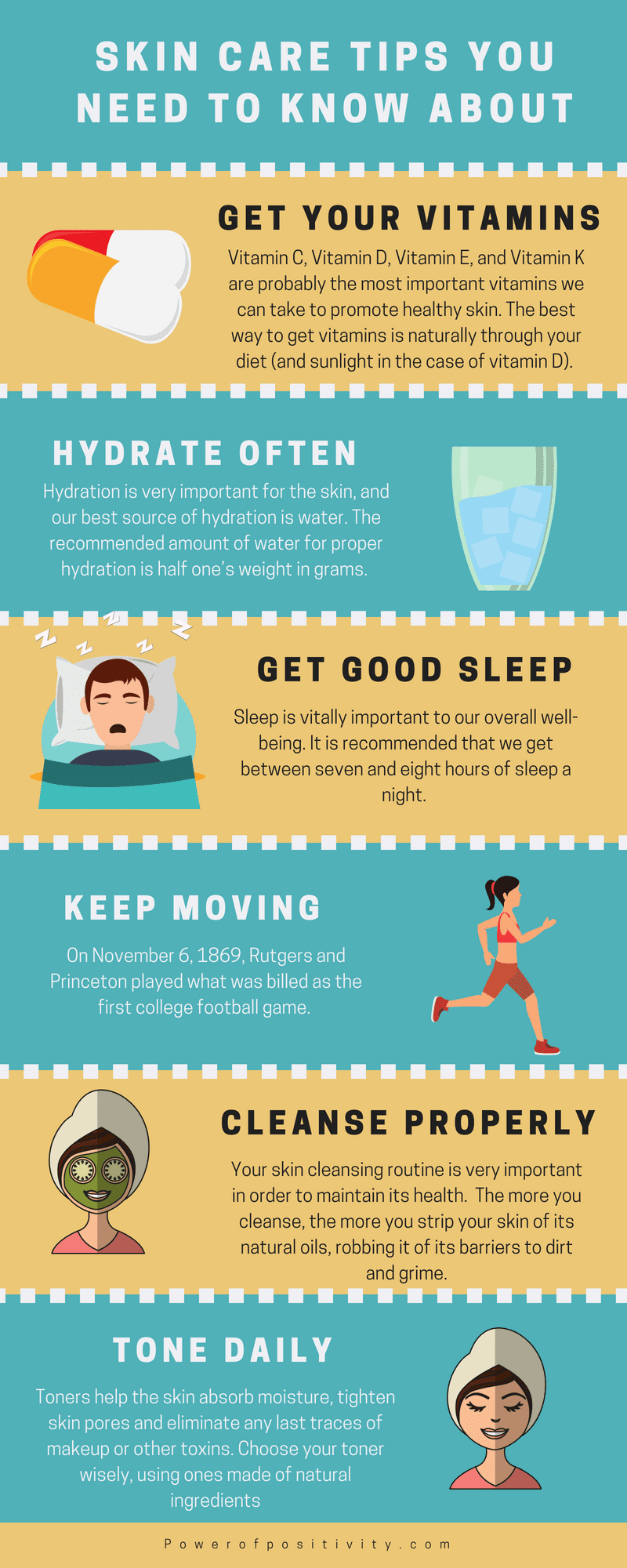
Skin Care Tips You Need To Know About

Share this Image On Your Site

(C)Power of Positivity, LLC. All rights reserved
Sources:
https://www.healthline.com/health/turmeric-for-skin

https://www.livestrong.com/article/322134-what-is-the-best-thing-for-firming-sagging-skin/
https://www.siobeauty.com/blogs/news/skin-tightening-home-remedies
https://www.womenshealthmag.com/fitness/a19921172/how-working-out-can-help-your-skin-look-younger/

How to Teach Yourself to Stop Hating Exercise

Do you like to exercise? If so, you know that reaching this stage of enjoyment didn’t come naturally. After all, exercise requires extra will and effort – two things that 99 percent of us are short on. (Since work pretty much takes all the will and effort we can muster!)

The good news is, if you stick with it long enough, exercise hooks you. In fact, after the habit is established, we become pretty miserable if we don’t get our workout in. That’s because working out literally changes the neural pathways of the brain, resulting in a body that craves feel-good hormones released during exercise.

So, how do you teach yourself to like exercise?

“Fitness is my release from the stress of school and everyday life. If I am frustrated, angry, or just under a lot of pressure, working out helps calm my nerves. It gives me an outlet for all my emotions and makes me generally happier. It also gives me confidence…but also after I survive a really tough workout, I feel like I can accomplish any task put in front of me.” – ‘Jessie E.’, Portola Valley, California

1. Do something that you enjoy.

One of the most frustrating things that some fitness “experts” say is that you need to do specific exercises to stay in shape. This isn’t even remotely  accurate. Now, if you have the goal of, say, adding 10 pounds of muscle, a strict weight training regimen is in order. Likewise, if you want to run a 10-kilometer marathon, it’s a good idea to run according to a set schedule.

But if you merely want a lean and healthy body, playing a sport or finding an exercise routine that you enjoy is totally fine. Play basketball, go mountain biking, walk your dog, hike a trail, take tennis lessons. In short, staying active doesn’t require a gym membership or a personal trainer.

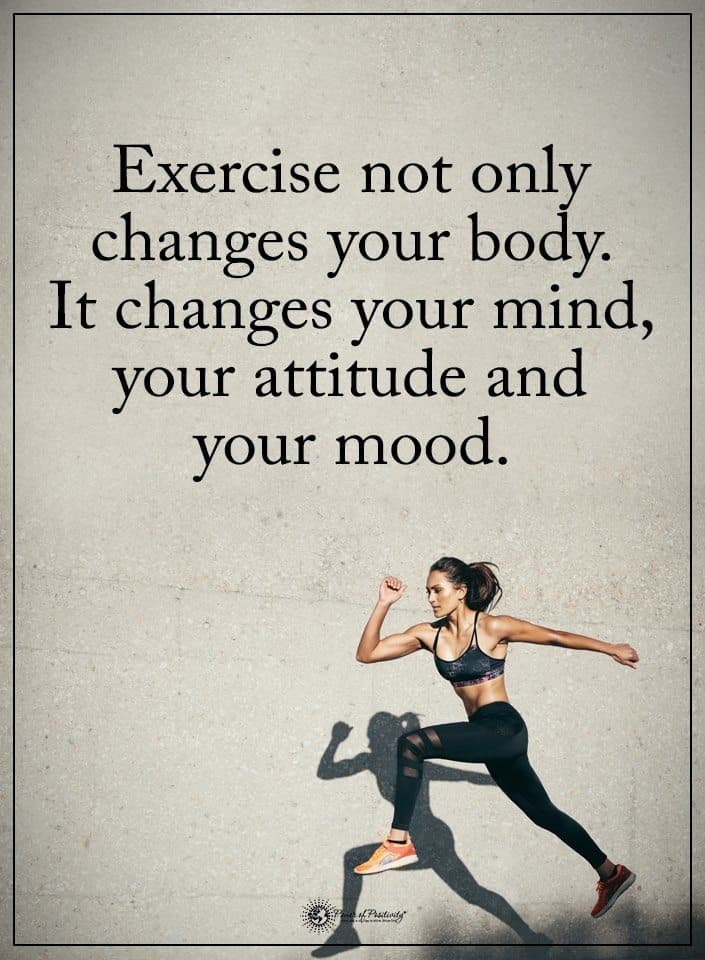
exercise quote

2. Look at the benefits

Even moderate physical activity provides a ton of health benefits. Physically, exercise improves muscle strength and boosts endurance. Regular exercise also increases blood circulation, delivering much-needed nutrients to your organs and strengthening every primary organ – especially the cardiovascular and respiratory systems.

Mentally, there is no better stress-buster than exercise. Working out enhances cerebral blood flow, improves memory, strengthens focus and concentration, and accelerates learning. Moderate exercise also provides us with a steady stream of “feel-good energy” to get us through the day.

3. Find the right environment

If you want to enjoy exercise, it is crucial to find the right workout environment for you. Some people swear by the gym; some love to get out into nature; others really don’t care about the environment as long as they break a sweat. Some people like working out alone. Others want an exercise buddy. You get the picture.

Also, don’t underestimate the importance of finding a comfortable place. Working out in the right environment for you will make exercise that much more enjoyable.

4. Listen to music

If you see a person exercising, there’s a good chance you’ll spot them wearing earplugs. It turns out that there’s a good reason: listening to music while working out is like gifting your brain with a double dose of dopamine.

Brain research shows that music affects your mood by stimulating the formation of brain chemicals in the pleasure-reward system (PRS). The PRS provides those butt-kicking feelings of drive and motivation we need to get through a tough workout.


5. Challenge yourself…but not too much

Some people start off way too fast, and then get discouraged when they can’t keep up with themselves. A few others start off way too slow, meandering around the gym without doing anything strenuous and then going home.

Begin at a pace that is challenging but doable. To the meanderers, you do know you’re paying for that membership, right? At least get on the treadmill and walk or something!

6. Stick with it

While we’ve given you some tips on how to learn to enjoy exercise, they won’t help unless you apply a bit of self-discipline. Even doing something you enjoy can be hard when you’re lying in a comfy bed within arm’s reach of the snooze button!

Keep it up, and before you know it, you won’t need an alarm clock. Your body will be up before your alarm – just aching to get your workout on!


Sources:
https://www.bustle.com/articles/175028-13-ways-to-learn-to-love-exercise-more-according-to-experts

5 Foods to Avoid That Are Toxic for Your Liver

Your liver is the unsung hero of your digestive system. Once your stomach and intestines have done the job of crushing your food into mulch, the nutrients from that food are sucked out and sent to the liver for filtering. As a result, any food you consume impacts your this organ, so it’s important to make sure you aren’t overloading this organ with foods that can damage it. Foods that are high in fat or toxins can cause problems.

Here Are 5 Foods That Are Toxic for Your Liver

“Your liver is your vital detoxification organ, and if it becomes overloaded with toxins from the food, drink, or medications you’re consuming, you’ll have more toxins circulating throughout your body, damaging your organs and glands…” – Suzanne Somers

1. Alcohol

One of the best-known facts about the organ is that drinking too much can cause it to shut down. But why is that? The main reason is that alcohol can cause a buildup of a toxic enzyme called acetaldehyde. With just one or two drinks in your system, the liver is able to flush out that enzyme and it doesn’t cause many problems. But with binge drinking or heavy consumption of alcohol, it can become overloaded. This may result in alcohol poisoning. Try to stick to a few drinks, and keep hydrated with water, to prevent your liver from being flooded with this enzyme.

A result of long-term drinking can be fatty buildup and inflammation of the liver. Excessive drinking can damage the liver with toxins and, as a result, it cannot filter out fats. The alcoholic fatty liver is the first stage of alcohol-related diseases, but it is reversible. Cutting down on drinking and eating organ-healthy foods can help.

2. Fried Foods

In addition to alcoholic fatty liver, there is nonalcoholic fatty liver. This problem is common. Though the liver’s main function is to break down nutrients, when it becomes overloaded with fats, it can’t keep up. Fried foods and other high-fat foods can cause nonalcoholic fatty liver, so it’s best to avoid them for the most part. The extra fat can cause swelling and scarring, thus permanently damaging the organ’s ability to filter nutrients. As an alternative to frying food, consider sautéing your foods in healthy fats (such as coconut oil) or broiling them in the oven to get them good and crispy.

3. High-Fructose Foods

Other causes of non-alcoholic fatty liver include a high carbohydrate load. Sugar triggers a process in the body called lipogenesis, which produces extra fat. In today’s market, the most common carbohydrate is fructose, which often comes in the form of high-fructose corn syrup. Though it can be daunting to try and reduce sugar intake, stay positive and do your best to start cutting down on unnatural sugars.

4. High Salt Content

Anything in excess can cause damage, and that includes salt. Though salt is known for increasing blood pressure, it can harm other parts of your body.  New studies have shown that having too much salt in your diet can cause damage and scarring to your liver. Luckily, antioxidants like vitamin C can help to decrease that damage. You should avoid foods high in sodium, as well as try adding new foods to your diet. Try eating foods high in vitamin C, such as strawberries, kale, and bell peppers.

5. Red Meat

Red meat can deal a double whammy of difficult nutrients for the body to metabolize. It is also high in iron, which the body has no way to dispose of. If your diet is too high in iron, it can start to build up and damage your liver. Red meats are also saturated in fat, therefore a diet with too much red meat can cause fatty buildup.stop eating meat

Occasional meals with red meat aren’t a big concern, but you shouldn’t be eating beef for dinner every night. Consider altering red meat recipes to have different proteins such as chicken, fish, or eggs. If you’re really craving a red meat, try a leaner cut like round roast or top sirloin.

Final thoughts

Liver damage is a daunting problem, and it can lead to major consequences including cirrhosis and other disease. Cutting down on liver-damaging foods is important. Even though changing your diet can be a big adjustment, it’s necessary evil if you hope to protect one of the most crucial organs in your body.

References:
https://healthblog.uofmhealth.org/what-does-the-liver-do
https://www.mayoclinic.org/diseases-conditions/alcohol-poisoning/symptoms-causes/syc-20354386
https://www.healthline.com/health/fatty-liver
https://www.liverfoundation.org/for-patients/about-the-liver/diseases-of-the-liver/non-alcoholic-fatty-liver-disease/
http://drhyman.com/blog/2016/05/05/fatty-liver-is-more-dangerous-than-you-might-realize-heres-how-to-heal-it/
https://www.medicalnewstoday.com/articles/307028.php
http://loveyourliver.com.au/common-toxins-to-avoid/

10 Toxic Thoughts People Have (That They Don’t Realize)

Our brains are wired for negative thoughts.

Here’s Amit Sood, M.D., author of The Mayo Clinic Handbook for Happiness: A 4-Step Plan For Resilient Living:

When it’s bored, the brain sulks in its default mode. Its attention wanders, thinking about something other than what you’re currently doing or wanting to think about. A wandering mind costs you nothing, but it’s very expensive. It causes stress, depression and anxiety, and takes away happiness.

Negativity bias … refers to the notion that, even when of equal intensity, things of a more negative nature (e.g. unpleasant thoughts, emotions, or social interactions; harmful/traumatic events) have a greater effect on one’s psychological state and processes than neutral or positive things. – Wikipedia

Your brain spends more than fifty percent of its time in toxic thoughts “default” mode.

negative thinkingOur mind’s operations are dominated by stimuli produced by the lower (“reptilian”) brain, what Dr. Sood refers to as the “default” mode. Our default mode produces neutral or negative thoughts and is often experienced as mind wandering. Consequently, we tend not to be happy when we spend too much time in default mode.

Unfortunately, we spend more time in default mode than in focused mode, something that is evident by the amount of mind-wandering we engage in.

Default Mode = Toxic Thoughts.

Have you ever noticed the amount of garbage that your brain produces when left to its own devices? The Japanese call this “monkey mind,” as our brain hops from one useless thought to the next without inhibition, similar to how a monkey hops around without thinking about where it’s going!

Of course, such “mind hopping” invites toxic thoughts to take hold. This is due to our brain’s innate negativity bias. That is, our mind has a tendency to pay more attention to things that are negative than positive or neutral topics.

Recognizing Toxic Thoughts

In this article, we’re going to talk about ten toxic thoughts and thought patterns that are common to many. It’s essential to notice when our thoughts turn toxic, as this enables us to switch to a more positive way of thinking.

First, here are ten toxic thoughts that many people have and don’t recognize:

1. “I’m a loser.”

Feeling unworthy impairs our ability to function, period. Destructive and self-limiting beliefs about one’s self can develop anxiety, depression, and even suicidal thoughts. Constructing a healthy mindset involves challenging this limiting belief.positive quote

2. “Someone else will take care of me.”

A sense of entitlement is a poisonous and dangerous state of mind. Poisonous because it will ruin our relationships, self-confidence, and self-worth. Dangerous because it sets us up for an existence where we depend on someone else for everything – and remain vulnerable to their whims.

3. “I’m always right.”

People who insist on being right all of the time risk living a life of stagnation. Without a willingness to admit when we don’t know something, it’s impossible for us to make mental and spiritual progress.

4. “I’ll do it tomorrow.”

Will you really do it tomorrow? Or will tomorrow become next week, next month, or never? Whatever you decide, know this: procrastination is the number one cause of dissatisfaction. Also, procrastination produces unnecessary stress and anxiety. Taking action, even if it’s just a small step, can quickly render these negative feelings mute.

5. “I’ll be happy when…”

“I get that new job,” “I have a million bucks,” “My house is paid for,” “College is finally over.”

No, no, no, and no. Multiple studies have shown that happiness is not dependent upon on income, education, or career. Studies have also shown this to be true: happiness is a life spent working on our life’s purpose and the ability to enjoy the present moment.

6. “It’s their fault.”

As you might have come to realize already, adults are not immune to immature thinking. Failing to take responsibility and blaming someone else for our problems can lead to a life of dissatisfaction. Own up to your choices in life and refuse to entertain self-made excuses.

7. “I can’t screw up.”

Mistakes are part of being human. This may sound cliché and overhyped, but expecting perfection will breed disappointment. Worse, fear of making mistakes manifests in procrastination, low self-esteem, and overthinking. Take action and let the chips fall where they may!

8. “It’s so unfair.”

Let’s not kid ourselves: life can plain suck at times. While this may tempt us to ruminate on the unfairness of life, to do so would only compound whatever crapfest is being thrown in our honor. Instead, face whatever it is head-on and try to make the best of things!

9. “I don’t want to put in the effort.”

In the 1920s, the socialist Soviet Union (now Russia) hung posters that read, “He who does not work, neither shall he eat.” People had to take whatever work they could for the mere hope of being able to feed their children. We all get lazy from time to time, But when we look at it rationally (in this case, historically!), we have no excuse for living a lazy life.

10. “I’ll try.”

Do you mean “I’ll do my best?” If so, good for you. The problem is when the words “I’ll try” project a self-defeating attitude that inspires no one. Whether or not we realize it, self-talk impacts our daily life – so pay attention to what your unconscious mind is telling you!

The “Focused Mode” of Thoughts

Fortunately, our secondary way of thinking – the “focused” mode – can forcefully repel toxic thinking. Here’s Dr. Mood once again:

“You are in focused mode when you’re paying attention to something interesting and meaningful, often in the external world … Intentionally choosing productive, purposeful thoughts also engages your focused mode.”

In short: where we direct our attention largely determines the emotions we experience. When we allow the mind to fixate on negative thoughts and sensations, such as those mentioned above, we will experience negative emotions. When we focus on something stimulating and meaningful or produce good thoughts, we feel good as a result!

thoughtsFinal Thoughts on the Importance of Banishing Toxic Thoughts

Sharpening your attention is one of the most beneficial things you can do with your time. One book incredible book on the topic is Focus by Daniel Goleman. The book is written with a casual, empathetic, yet instructional tone.

It is worth mentioning that every area of our life can be improved with enhanced focus and concentration. You will notice these benefits as your attention sharpens:

  • More quality time with family and friends
  • Better sleep
  • An Increased sense of purpose
  • Stronger drive
  • Fewer mood swings
  • Strengthened relationships at work
  • More opportunities

To end this article, here is an excellent quote by the late Steve Jobs:

“That’s been one of my mantras – focus and simplicity. Simple can be harder than complex. You have to work hard to get your thinking clean to make it simple. But it’s worth it in the end because once you get there, you can move mountains.”

5 Behaviors of a “Know-It-All”

People who think they have all the answers, who consider themselves infallible, are commonly known as a know-it-all. While this might sound like a playground insult, it’s a real phenomenon among people who lack the self-awareness to recognize their shortcomings. If you think you’re dealing with a know-it-all, you probably are.

Know-it-alls manifest several basic traits and behaviors because they think they have all the necessary knowledge. They usually expose themselves as a know-it-all by making it obvious through their behaviors and actions. Here are the best ways to spot a know-it-all.

Here Are 5 Behaviors a “Know-It-All” Will Display

know-it-all

1. Argumentative

If someone constantly tries to argue, there’s a high chance that this person is a know-it-all. To the know-it-all, everything is up for debate. And in every debate, they are always playing to win. They always want to ensure that their opinion is the last one heard on every subject, even going so far as to insert their opinion when and where it isn’t warranted or asked for. They’re constantly looking for their next argument or point to prove. Know-it-alls can expertly conjure a debate out of thin air and rope the people around them into arguing with them.

2. Condescending

Usually, a know-it-all is so sure of their knowledge that they tend to be condescending to the people around them. After all, they perceive everyone else as lacking in knowledge. When engaging in a conversation with a know-it-all, you are likely to feel like you’re being talked down to. Their tone of voice is often pitying, as if they can’t believe they’re lowering themselves to talk to someone without the same wealth of knowledge they have. Don’t let this discourage you – after all, they’re not as smart as they want to believe.

3. “Well, actually…”

Have you ever been having a conversation, and someone interjects to correct something you’ve said? “Well, actually…” is a favorite phrase of a know-it-all. It doesn’t matter what was said, or how little the detail. A know-it-all derives joy from being seen as the most educated, well-rounded, and intelligent. A know-it-all will take every opportunity they can to correct someone on even the slightest indiscretion. Even if you’re telling a personal story of something that happened to you, the know-it-all will interject with, “Well, actually…” and then try to correct you on your own, lived experiences.

4. Shifting the goalposts

According to Pamela B. Paresky Ph.D., these types of people often have something closer to the “illusion of knowledge.” They aren’t aware that they don’t know something, making them think they know … well … everything. So, when caught in being wrong, a know-it-all will often shift the goalposts of their argument. Shifting goalposts, or moving the goalposts, is a logical fallacy in arguments. It describes the changing of the “goal” of competition (in this case, the argument) while it is still ongoing. For example, if they use a word incorrectly, they might say they were using the colloquial definition – even if they weren’t.

5. Inflated Ego

Of course, since a know-it-all is walking around with the illusion of knowledge, they have no idea about all the things they don’t really know. Thinking they know everything gives them an inflated sense of self-importance. Their ego is huge. This quickly grows obvious when you start talking to them. A know-it-all may spend the majority of the time talking about himself (or herself) and personal accomplishments. When the conversation shifts to someone else, a know-it-all will always find a way to relate the conversation to self. You might notice them get pretty upset when someone else is the center of attention.

life quote

Final Thoughts on Identifying and Dealing With a Know-It-All

Dealing with someone who thinks they know everything can be particularly frustrating. However, knowing their behaviors will make it easier for you to avoid getting caught in a no-win debate with a know-it-all. Also, being aware of a know-it-all’s tendencies can make it easier to ensure you’re not displaying those same behaviors. Self-awareness is incredibly important, and sometimes it takes a little self-reflection to make sure we don’t act like a know-it-all. Remain aware of all the things you don’t know, and you’ll be fine. After all, learning something new is much better than pretending to know it already.

(C)Power of Positivity, LLC. All rights reserved
References:
https://www.psychologytoday.com/us/blog/happiness-and-the-pursuit-leadership/201505/can-you-spot-know-it-all

10 Phrases that Keep Children from Feeling Left Out

Feeling that we are accepted, loved, and a part of something is important for each of us. Feeling left out can be tough on anyone, but especially a kid.

Here are ten things to say that can keep your child from feeling left out:

“I am here to listen.”

All of us would love to have those magic words that solve a child’s social problems. Unfortunately, no such words exist. (And trying to force a conversation when they aren’t ready is a weak approach.) Young people who go through tough times often complain that their parents and other caretakers are quick to advise but not to listen. When we fail to put the latter into practice, we can’t expect them to learn from the former. Listen first.

“A lot of kids would love to be your friend.”

When a child is emotionally hurt, they tend to ruminate on who or what it is that hurt them. In the context of peer relationships, losing a friendship may be interpreted as devastating. This phrase is all about helping your kid believe in their own ability to create a diverse network of supporting peers – whether it’s through a club, team, group, etc.

“Let’s talk a bit about friendship…”

Make no mistake that those moments when your child is feeling left out – though it may be heart-wrenching – make for an excellent teaching moment. This doesn’t mean lecturing your child until he nods off; it means teaching your child about real friendship, and how disregarding or ignoring a friend is not part of it.

“Let’s go somewhere – just you and me.”

Sure, some of her peers may be giving her a hard time, but that doesn’t mean she doesn’t want to spend time with you. Anyone reading this who has been bullied or neglected as a child will say the same thing: being somewhere with someone, doing something, is a great antidote to loneliness.

“Being alone doesn’t have to be lonely.”

Kids love to play (and sometimes it seems they live to play). For better or worse, kids tend to think that play should mostly involve other kids. After all, that’s what “all the other kids are doing.” For this reason, suggesting they engage in something interesting on their own may not be taken seriously – at least right away. But when a kid is going through a tough stretch or feeling left out, reminding them that they have many interests apart from their peers may help see them through a difficult time.

“Kids have different personalities, and that’s okay.”

What applies in the adult world also applies to children: some personalities don’t mesh. Kids who try to force their way into a social circle may face compounded social problems. It’s important that the child understand that they aren’t mean to be friends with everyone – and that’s okay.things that make kids happy

“Real friends treat one another with love and respect.”

Kids who are left out usually share a similar story: a group of “friends” who without explanation turned their backs. As we know, these kids were never real friends to begin with. Sad as this situation is, you can teach your child how friends are supposed to treat each otherwith love and respect, not indifference and detachment.

“Special people are always a bit different.”

This phrase may sound a bit cliché, but there’s some truth to it. Introverted, shy, studious, gifted, cautious, or empathetic/sensitive kids seem to have more trouble making friends. This can lead them to feeling left out. One tragedy of childhood isolation is that it often leads to underachievement and unhappiness. It is crucial that your child exercise his talents, regardless of what – or who – tries to get in his way. Relatedly, encourage your child to interact with kids who have the same interests as he does.

“I am always here for you.”

Your child must know that she can come to you at any time, and under any circumstance. One huge mistake that many parents and guardians make is not vocalizing their openness and willingness to support their children. Young people do not yet have developed thought processes – sometimes leading them to jump to inaccurate conclusions about sensitive matters. Thus it is necessary to voice your love and support.

“Here’s a secret…”

Now it’s time to infuse a bit of your adult wisdom into the situation. As adults, we possess some valuable knowledge that may go a long way towards helping resolve the situation. Here are a few things you can teach your child:

  • Kids respect those who stand up for themselves
  • Ignoring and walking away is better than looking in from the outside
  • Acting courageous and strong, even when you don’t feel like it, can help you feel better

Final Thoughts

“I used to think the worst thing in life is to end up all alone. It’s not. The worst thing in life is to end up with people who make you feel alone.” Robin Williams

It can be tough for an adult to hear that their child is being excluded. Here’s something worth remembering: every child has uttered the words, “They won’t play with me,” at some time or another. Every child has been left out of a peer group. Indeed, some children simply don’t fit in many places, but they fit in some place. Whenever your child is feeling left out, this is the crucial message they must take away from spending time with you. That they are accepted and loved. And that they are valuable to you.

https://youtu.be/Q_U6VY7lNbI

(C)Power of Positivity, LLC. All rights reserved
Skip to content