Weekly tips, affirmations, and small actions to feel your best.

7 Things That Happen To Your Body When You Start Drinking Water Regularly

There is one thing that all creatures – large and small – have in common: water is essential to their survival. The human body is no exception. Our body is composed of roughly 60 percent water. Thus, water is vital to numerous bodily functions.

Here is a short list of what water does for us:

  • forms saliva
  • normalizes body temperature
  • converts food to minerals used by the body
  • delivers oxygen all over the body
  • lubricates joints
  • flushes body waste
  • permits the growth and maintenance of cells
  • moistens mucosal membranes
  • absorbs shock to the brain and spinal cord

In short, water aids absorption, circulation, digestion, nutrient transportation, regulation of body temperature, and more. Let’s get a bit more specific about the benefits of H20.

Up to 60% of the human adult body is water. According to H.H. Mitchell … the brain and heart are composed of 73% water, and the lungs are about 83% water. The skin contains 64% water, muscles and kidneys are 79%, and even the bones are watery: 31%. – The United States Department of the Interior

Drinking water is a must: here’s what happens if you do not

Dehydration can lead to a range of health issues. Here are ten things that can happen if someone is not drinking water in sufficient amounts:
health quotes

  1. Thirst: This is the most immediate and unmistakable sign. The body signals its need for fluids by making you feel thirsty.
  2. Dark Urine: Dark yellow or amber-colored urine can indicate dehydration. Typically, hydrated urine is light yellow to clear.
  3. Dry Skin: The skin can become dry and less elastic. The “pinch test,” where the skin takes longer to return to its normal position after being pinched, can be an indicator.
  4. Fatigue: Dehydration can lead to feeling tired or lethargic. Water is essential for cellular processes, and a lack of it can slow down bodily functions.
  5. Headaches: Dehydration can lead to headaches or migraines as the brain temporarily contracts or shrinks due to fluid loss, leading to pain.
  6. Constipation: Water helps to soften stools and promotes regular bowel movements. Thus, a lack of water can lead to harder stools and constipation.
  7. Dizziness or Light-headedness: Reduced water intake can lead to a drop in blood pressure. As a result, one may have dizziness or light-headedness.
  8. Rapid Heartbeat and Rapid Breathing: The heart has to work harder to pump blood as the blood volume decreases due to dehydration. That may lead to an increased heart rate. Breathing may also become rapid as the body tries to get more oxygen.
  9. Reduced Kidney Function: The kidneys require a sufficient amount of water to help filter waste from the blood. Chronic dehydration can lead to kidney stones and other kidney problems.
  10. Cognitive Impairments: Dehydration can affect cognitive functions, leading to difficulties in concentration, alertness, and short-term memory.

Here are seven science-backed benefits of drinking water on a regular basis

Now that you know the issues that may arise from NOT drinking water, here are the benefits of proper hydration:

1. Higher Energy Levels and Better Brain Function

The brain weighs about three pounds. Water accounts for approximately 2.2 pounds of this. It’s hardly a surprise that water directly impacts brain function.

Dehydration consistently indicates compromised cognitive health. Evidence from cortical function tests confirms that even mild dehydration can weaken mental capabilities in younger individuals. Often, cognitive disturbances due to dehydration manifest as delirium.

2. Relief of Digestive Problems

Water is critical for saturating the gut and softening food for digestion. Food cannot be efficiently absorbed and passed out of the body without it. Drinking water is shown to help relieve constipation. Water helps soften the stool and maintain and improve intestinal health.

3. Accelerated Weight Loss

Water increases satiety – the feeling of being full. As a result, we eat less both during and after meals. Additionally, water boosts our metabolic rate, allowing us to burn more calories at rest. Many studies show that drinking water may increase the metabolism for up to 30 percent for as long as 1.5 hours.

4. Fewer and/or Milder Headaches

Dehydration is a leading cause of headaches and migraines. To illustrate, consider the morning after having too many glasses of vino. That headache? Acute dehydration causes it.

Drinking water doesn’t lead to fewer headaches for everyone. However, studies show that drinking large quantities of water may help to shorten a headache’s span. It may also reduce the intensity of the symptoms.

5. Better Mood

Who doesn’t want to have a better mood? Perhaps you’ve been dealing with a bit more volatility than usual. Drinking more water may help!

In a study published in the journal Appetite, 120 female college students documented everything they ate and drank over five days. After analyzing participant responses to mood assessments, the outcome was clear: “The greater the water consumption, the better the mood.”

More specifically,  confusion, depression, and tension scores decreased as water intake increased!

6. Better Physical Performance

Studies show that as little as a two-percent loss of the body’s water content can cause physical performance to suffer. For example, consider that athletes can lose between 6-10% of water levels through sweat.

Increased water consumption results in better temperature control, higher motivation, less fatigue, and more physical and mental vitality. This is especially important during periods of physical strain – for example, exercise.

7. Improved Urinary Health

As you probably know, water is the main component of urine. It is also critical to the health and functioning of the renal system, which “produces, stores, and eliminates urine.” Water also helps to detoxify the kidneys and improve their function.

One such example of H20’s effect on the urinary system is apparent from studies regarding kidney stones. Water destabilizes the components that make up kidney stones, allowing them to be passed through the renal system at a higher rate. As a result, the time frame for total recovery drops. Water may also help to prevent the formation of stones. (Additional studies are required to verify this.)

drinking water

Final Thoughts on Drinking Water for Peak Health

Your body relies on water to survive. Aside from preserving life, water also enhances it. It improves the performance of every bodily system.

More debatable is the question, “How much water do we need?” Per the Mayo Clinic:

“Most healthy people can stay hydrated by drinking water and other fluids whenever they feel thirsty. For some people, fewer than eight glasses a day may be enough. But other people might need more.”

The Clinic states that 64 ounces (roughly eight cups) of water daily is enough for most people. Factors that affect the amount of water you need include exercise, environment, overall health, and pregnancy. You can adjust your water intake according to your situation.


8 Toxic Foods (That Most People Eat Anyway)

Diet is extremely important to almost all aspects of your health. After all, you are what you eat. With a growing obesity epidemic in almost every developed country in the world, keeping track of what you’re eating has never been more important. We’ve all read the stories about the toxic foods that you think are healthy but really aren’t. However, did you know that there are some food items in your kitchen pantry that aren’t merely unhealthy, but also downright toxic?

If you’re not careful, you might actually be putting your life in danger. We’re not talking allergies, but toxins hidden in everyday groceries you probably buy regularly. Here are some foods that you probably didn’t know could cause damage to your health.

Here Are 8 Toxic Foods (That Most People Eat)

“Your diet is a bank account. Good food choices are good investments.” – Bethenny Frankel

1. Green tomatoes

Surprised? Everyone says that tomatoes and all other kinds of vegetables are healthy, not toxic. However, tomatoes actually contain a poisonous component called solanine, an alkaloid that can cause a very fussy stomach. This dangerous alkaloid is mainly found in the stems and leaves of the tomato plant, and in green (unripe) tomatoes. Technically, solanine can’t actually kill you – you’d have to consume a lot of it for that to be the case. Still, avoid eating those parts of the tomato plant and your stomach will thank you for it!

2. Green Potatoes

A staple of any diet, potatoes can be found in almost any traditional cuisine around the world. However, solanine, which we mentioned regarding tomatoes, is also found in potatoes. In this case, it is found in the vegetable itself. It comes in much higher concentration, as this element serves as the potato’s natural defense mechanism against vermin. Solanine can cause stomach upsets but also headaches, diarrhea, and even paralysis or coma. To be careful, avoid potatoes that have a green tinge; throw these potentially toxic foods away instead of consuming them.

3. Apple seeds

One of the most delicious fruits also hides dangerous toxins. Apples have a chemical in their seeds called amygdalin, which partially contains cyanide. While you can’t really eat enough to poison yourself, you should still be careful because this chemical can cause unpleasant stomach upsets and headaches. Whenever you’re eating apples, or any fruit with pits and seeds, stay away from those seeds as much as you can.

4. Tuna

Most canned tuna is absolutely safe in controlled portions; however, some tuna contains amounts of mercury, which can be toxic. Some doctors even recommend that pregnant women abstain from eating tuna as it’s easier for the baby to absorb the mercury. Either way, it’s always good to monitor your tuna intake and make sure you’re not eating too much of it, as it can cause serious stomach upsets.

5. Peanuts

On the surface, it doesn’t seem like peanuts should be considered one of the potentially toxic foods. However, peanut allergy is the most common type of allergy in the U.S. and the anaphylactic shock that comes as a result of this allergic reaction can be very extreme and even cause death. It’s not just peanuts – things like peanut butter or peanut oil can also trigger it. You might not even know if something you’re eating contains traces of peanut, so if you’re allergic, be very careful and always check out the ingredient list when shopping.

6. Raw Almondsdigestion

Almonds are very healthy and really good for children to eat, as they’re beneficial in developing the brain. However, bitter (or raw) almonds can often contain cyanide, which is highly toxic. This is also found in wild almonds. In fact, there have been cases of almonds being recalled from organic food stores because their levels of cyanide were too high. Cyanide poisoning is reversible, but if you see any of the signs you should contact your doctor straight away. Also, avoid any almonds that market themselves as “raw,” “wild,” or “organic.”

7. Rhubarb Leaves

Great for baking, but not so great to eat whole. If you enjoy the sweet, tangy taste of rhubarb, make sure to always cut off the leaves first. They are considered toxic foods because they contain a dangerous chemical called oxalate, which can cause kidney stones. Fortunately, you would have to consume large quantities to be affected – and you probably won’t just start eating rhubarb leaves anyway (but don’t experiment with it, because you never know).

8. ‘Raw’ Cashews

Maybe as part of your latest diet, you’ve taken to buying “raw” cashews at the supermarket. The truth is, they aren’t raw, and there’s a good reason why: cashews grow in a toxic shell that comes from the same family as poison ivy and poison sumac. All cashews that we eat are processed to get rid of the anacardic acids that can be found both in the shell and the oil that comes from it. So, make sure to stay away from any unshelled cashews you come across.

Final thoughts

It’s not really fun to know that a variety of the foods in your pantry or fridge are potentially toxic. As long as you take reasonable precautions and don’t experiment unnecessarily, you should remain perfectly healthy. At the same time, always make sure to double check the ingredients on anything, especially if you have an allergy. This precaution may protect you from toxic foods and end up saving your life.

https://youtu.be/KKB0jThAfnQ

(C)Power of Positivity, LLC. All rights reserved
References:
https://www.inc.com/magazine/201307/adam-bluestein/the-best-foods-for-leaders-to-eathtml.html
http://www.foxnews.com/food-drink/2014/01/31/10-deadly-foods-probably-have-in-your-kitchen.html
https://www.cosmopolitan.com/food-cocktails/news/a41525/foods-you-didnt-know-could-kill-you/
https://www.nbcnews.com/health/health-news/america-s-obesity-epidemic-reaches-record-high-new-report-says-n810231
https://nutritionstripped.com/healthy-foods-deceptively-bad/
https://www.botanical-online.com/tomato_toxicity.htm
https://www.thedailymeal.com/eat/your-potato-poisonous-here-s-how-tell-if-its-toxic
https://www.edf.org/oceans/mercury-alert-canned-tuna-safe
https://acaai.org/allergies/types/food-allergies/types-food-allergy/peanut-allergy
https://www.livestrong.com/article/494578-can-almonds-cause-cyanide-poisoning/
https://indianapublicmedia.org/amomentofscience/why-cashews-arent-sold-in-the-shell/

10 Things You Can Do to Change Your Life In 30 Days

At some point in life, many if not most people will become dissatisfied with themselves. Whether the issue is professional plateaus, low self-esteem, or something else, people who want to lead healthier, happier lives need to implement strategies that will facilitate long-term change.

Here are 10 ways to change your life in 30 days:

1. Meditation

If you want to change your life now rather than later, tap into the power of meditation. Meditation is one of many self-help strategies that people can oftentimes see immediate results with. This is because meditation enables people to immediately clear their mind of negative thinking patterns. For example, you could use a mantra meditation to reduce or eliminate negative thoughts by silently reciting words of positivity or affirmation like “Love and light” or “I am enough.”

2. End Unhealthy Relationships

Once you decide to change your life in 30 days, make sure that you end unhealthy relationships. While accepting responsibility for your own well-being and happiness is important, it’s equally important to ensure that your external environment is conducive to holistic wellness. In many cases, people do not realize their ultimate potential because they are constantly surrounded by negative individuals who undermine them. If you know that there is someone in your life who consistently degrades you in a subtle or salient manner, find the strength within yourself to bring the relationship to an end.

3. Develop Goals

Another strategy you can implement to change your life is goal development. Consistently setting and realizing goals is known to improve an individual’s self-esteem, and this is why people who have decided to change their life for the better should tap into the power of regularly creating and accomplishing objectives. Make sure that your goals are SMART: Specific, Measurable, Attainable, Realistic, and Time-Specific. A sample goal would be “I will run for thirty minutes per day three times a week to lose three pounds per month.”

4. Yoga

As many wellness experts know, yoga is oftentimes the exercise modality that takes an individual’s level of living from average to amazing. This is the case for many reasons, including the fact that yoga heightens mind-body awareness. Once individuals become more aware of things like the sound of their own heartbeat or irregular beating patterns, they oftentimes experience great outcomes like the ability to regulate their own physiological systems or a deeper dimension of self-love. This is to say nothing of all the wonderful health benefits that can be attained through a consistent yoga practice, some of which include boosted immunity and lower blood pressure.

5. Keep A Journal

Once you decide that you want to change your life for better, it’s time to begin keeping a journal. The journal will help you vent negative emotions in a manner which does no harm to self or the people around you. Also note that journals are oftentimes the vehicle through which individuals attain deeper dimensions of self-knowledge. This is the case because the journal allows individuals to discuss issues, feelings, thoughts, and emotions that they may not feel comfortable sharing aloud. Also note that journaling is a writing enterprise, and writing consistently can optimize your cognitive processes so that you begin to consistently think in a more creative, critical manner.

6. Optimize Your Eating Habits

In many cases, an individual’s life is disappointing or merely mediocre in part because of their food habits. Note that the Standard American Diet (SAD) is comprised largely of processed foods. These chemical-laden items detract from general well-being in multiple ways. In addition to causing lethargy, they can precipitate weight gain and brain fog. This is why individuals who want to change their lives for the better should focus on optimizing their eating habits. Luckily, there are many ways that individuals can realize this objective.

7. Make A To-Do List

If you really want to change your life for better, get in the habit of making a daily to-do list. This is a success strategy that many people have utilized to become more organized in their personal and/or professional lives. The power of the to-do list is two-fold. First, the lists enable you to see which activities are the most important, thereby helping you prioritize so that you’re accomplishing the most critical tasks first. Second, the to-do list allows you to physically or digitally cross off tasks once you’ve completed them. This factor will prevent confusion regarding whether you’ve actually done everything you need to do to keep your life going and growing.

8. Maintain A Grateful Attitude

As many researchers know, maintaining a grateful attitude towards the world can improve your life in many ways. For example, being grateful can empower you to retain a positive state of mind. This outcome is incredibly important in a world where negative thinking is prevalent. If negative thinking is not dealt with, it can lead to various diseases of the mind and body. Another reason that you should definitely focus on maintaining a grateful attitude is because doing so can connect you with other individuals who have chosen to adopt this disposition towards the world. Once this happens, you’ll find yourself constantly coming in contact with people who are consciously looking for the good in themselves, other individuals, and the world at large. There are several ways that you can get the process of maintaining a grateful attitude underway. As noted by Chris Winfield, you could begin by creating a gratitude journal and developing a list of three things that you feel grateful for every day.

9. Stop Watching Televisiontoxic relationship quote

If you really want to change your life, stop watching television. There are multiple negative effects that result from regular television consumption. For example, one study found that participants who watched over 3 hours of television each day were more likely to perform poorly on cognitive tests. Additionally, Psychology Today reports that prefrontal cortex activity decreases when individuals watch television. While the regions of the brain responsible for decision making, concentration, and self-control are hindered with television consumption, the practice also activates the amygdala. This emotional center can trigger problematic emotions such as aggression and anger while also fueling impulsive behavior. Giving up television may have a wide range of wonderful effects, including your ability to cultivate and maintain a calmer, more thoughtful way of being in the world. Note that there may also be a link between abandoning television and your ability to generate wealth. One research study indicates that most wealthy people watch television for an hour or less per day.

10. Take Self-Care Seriously

One final technique you can deploy to change your life in 30 days is by taking self-care seriously. Because of the ongoing stress that many if not most people experience while working or socializing, it’s important to implement strategies that will help you limit the experience of anxiety while also cultivating a disposition of self-respect. Some of the self-care strategies that other people find beneficial include massage, yoga, and meditation.

Change Your Life Now!

There’s nothing quite as disheartening as waking up to realize that you’re dissatisfied with your life. Whether you’re experiencing a health issue, compromised self-esteem, or some other significant problem, feeling as if something is amiss can detract from your quality of life in numerous ways.

Once people realize that they are no longer satisfied with the substance and scope of their personal or professional world, it’s time to start thinking about what they can do to begin moving forward.

If you’re ready to change your life for better, know that the key to success is accessing and implementing strategies that will yield substantive results. You can begin to change your life now by implementing some or all of the simple strategies outlined in this quick reference guide!

(C)Power of Positivity, LLC. All rights reserved
References:
https://www.inc.com/chris-winfield/a-simple-30-day-challenge-that-will-actually-change-your-life.html
https://www.livescience.com/52959-television-cognitive-function.html
https://www.psychologytoday.com/us/blog/reading-between-the-headlines/201309/violence-the-media-and-your-brain

https://www.youtube.com/watch?v=eltx2WGABkw

How to Make Detox Ginger Wraps At Home to Flush Toxins In Your Lungs

We’re going to teach you how to make honey ginger wraps to detox your lungs naturally. Why honey and ginger? Let’s talk about that a bit.

Honey

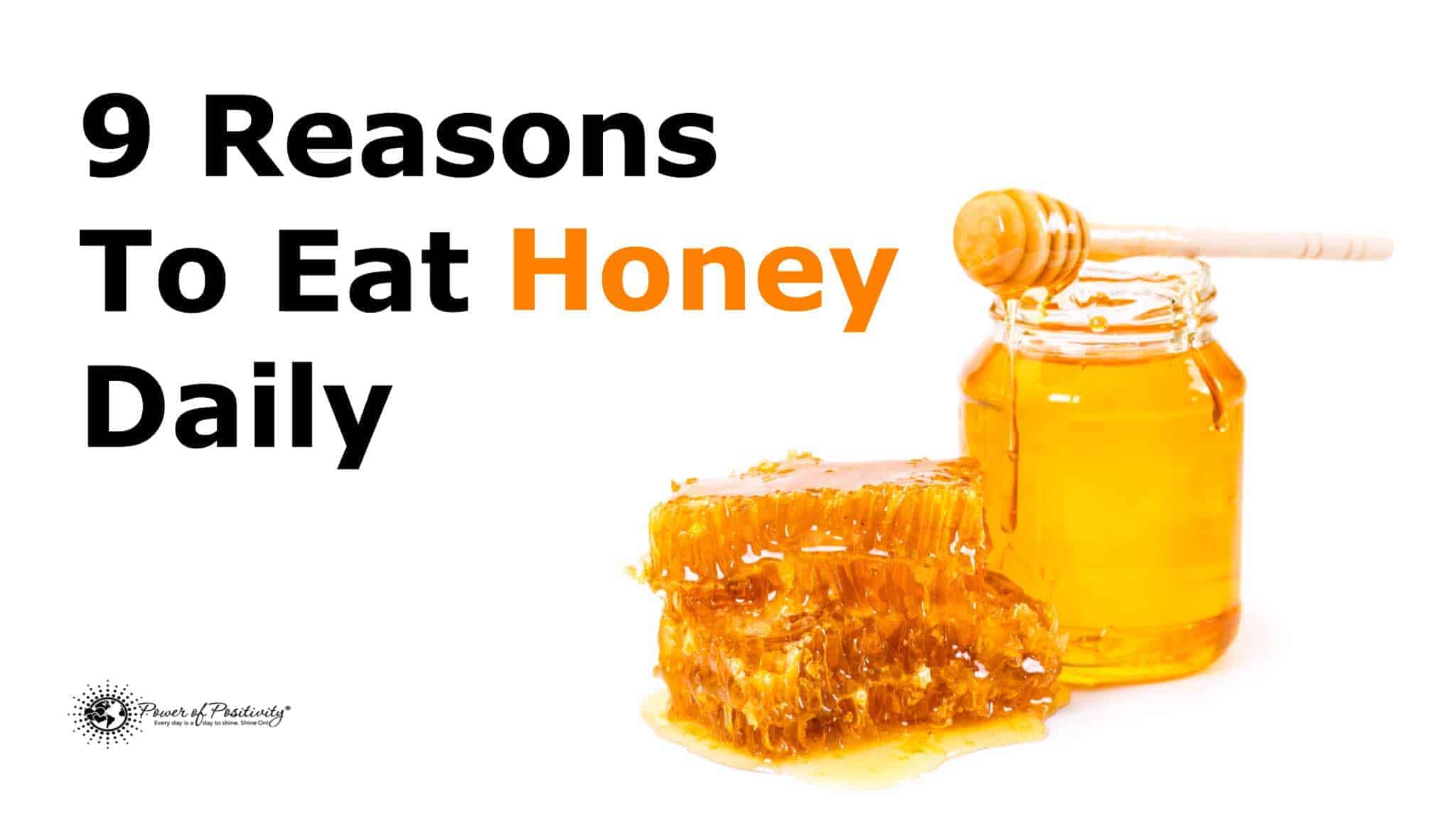
Honey acts as a natural remedy for a number of ailments. It possesses potent antibacterial and anti-inflammatory properties, which makes honey a powerful ingredient for detoxing the lungs. Honey is also loaded with nutrients, enzymes, and minerals. Finally, honey’s thick and viscous texture helps tone, soothe, and nourish the lining of the lungs.

To clarify a popular misconception, raw honey is healthy when consumed in moderation. Much confusion seems to stem from not understanding the specific differences between natural sugars and the manufactured (“added”) variety. The former does not lead to the same health problems so prevalent in the latter. A debate continues as to the safety of raw honey for diabetics. Still, the fact that such a dialogue continues to take place speaks volumes.

Here is an excerpt from an article in The Insider:

… consuming natural sugar is completely healthy; it’s added sugar you need to worry about … As the name implies, added sugars are processed forms of sugar, like syrups, that are added to certain foods when they’re being made. Because these sugars are processed and not natural, they’re not good for your body. Nutrients (in natural sugars) help to stabilize your blood sugar levels, which prevents you from feeling hungry soon after eating…”

honey

Here are the known medicinal qualities of raw honey:

  • helps maintain a healthy weight.
  • natural allergy reliever.
  • strengthens the immune system.
  • a natural source of energy.
  • a powerful antioxidant.
  • helps promote restorative sleep.
  • heals wounds and ulcers.
  • reduces the risk of developing diabetes.
  • is a natural cough syrup.

Ginger

Ginger’s central claim to fame may be its incredible anti-inflammatory benefits. Combine this with nutrients like magnesium and vitamin C, and you’ve got a fantastic ingredient for loosening phlegm. It also helps treat the inflammation linked to various lung conditions, including lung disease.

To label ginger as a miracle herb isn’t a stretch. Indeed, it provides some of the most potent medicinal properties of any food. Ginger has been shown to:

  • aid digestion.
  • eliminate nausea.
  • combat cold and flu.
  • help with osteoarthritis.
  • lower blood sugar.
  • lower the risk of heart disease.
  • treat chronic indigestion.
  • reduce menstrual pain.
  • lower cholesterol levels.
  • improve brain function.
  • and many more.

Instructions for Ginger-Honey Wraps to Detox the Lungs

“Medicine’s a funny business. After all, dispensing chemicals is considered mainstream and diet and nutrition is considered alternative.” – Charles F. Glassman, author of Brain Drain: The Breakthrough That Will Change Your Life

Without further delay, here is how to make lung-cleansing ginger and honey wraps!

First, the ingredients:

  • One tablespoon of ginger powder
  • Two tablespoons of raw honey
  • One tablespoon of olive oil
  • Two tablespoons of flour
  • Medical tape (or similar adhesive-based tape)
  • A few napkins
  • Gauze wrap

Now, the preparation instructions:

  1. Thoroughly mix the raw honey with the flour. Allow a smooth liquid texture to form.
  2. Continuing to stir, add the ginger powder and olive oil. Mix until the liquid is consistent and even.
  3. Pour a small amount onto a napkin and wrap with some gauze.
  4. Fix the wrap onto your chest or back by wrapping adhesive tape around the torso.

Adults can wear the wrap for a few hours or overnight if desired. Children can comfortably wear the wrap for two to three hours.

https://youtu.be/7BNGVmwxoHI

(C)Power of Positivity, LLC. All rights reserved
Sources:
http://naturalhealthyhabit.com/ginger-wraps-can-eliminate-the-mucus-from-your-lungs-overnight/
http://www.thisisinsider.com/fruit-sugar-natural-sugar-health-benefits-2017-4
https://draxe.com/the-many-health-benefits-of-raw-honey/
https://www.goodreads.com/quotes/tag/alternative-medicine
https://www.healthline.com/nutrition/11-proven-benefits-of-ginger#section11

5 Foods That Are Toxic for Your Kidneys

Your kidneys are powerhouses that filter waste out of your body. Without them, your blood would become overloaded with toxins. Luckily, they’re hardy organs and very efficient, so much so that people can live with only one working kidney. If they’re always in a weakened state, however, you can become at risk for conditions like kidney stones and even kidney failure.

The food you eat indirectly affects your kidneys because their job is to filter out leftover waste and toxins once your liver metabolizes the nutrients.

Maintaining a healthy, kidney-safe diet is crucial to keeping them healthy and functional. If you eat too many of these potentially damaging foods, consider a diet change for long-term health.

Here Are 5 Foods That Can Be Toxic for Your Kidneys

1. Red Meats and Other High-Protein Foods

Protein is an important power source for your body, but too much can be damaging. There is nowhere for your body to store excess protein, so it has to be filtered out through your kidneys. In small amounts, protein is more easily processed; in large amounts, however, protein can increase the load on your kidneys.

This can eventually cause the organs to start breaking down.

Additionally, red meats have been linked to an increased risk of disease and failure. The amount of uric acid they produce in the body can cause kidney stones and inhibit function.

Substituting some red meat for white meat  – such as swapping pork out for poultry in dishes – can decrease the load on your kidneys.stop eating meat

“When we consume vastly more protein than we need, our kidneys struggle to process it, resulting in protein in the urine. Too much protein from meat may also contribute to kidney stones.” – Bee Wilson

2. Excess Salt

Everyone needs salt in their diet to keep their body functioning, but too much salt is damaging in many ways.

Excessive salt in the blood causes the kidneys to store up more fluid so that it can dilute blood as it passes through the organs. This can also alter the sodium-potassium balance in the kidneys and reduce function overall.

Sodium also increases urinary calcium, which can cause kidney stones – especially in people with already high blood pressure. This is common in those who maintain high-salt diets. Most of your salt intake comes from sodium that is already in the food you’re cooking. Avoid adding extra salt to your dishes whenever possible.

3. Caffeine

Many people are guilty of dependency on coffee. You likely know that coffee in moderation can have some health benefits, but excess caffeine in coffee and other caffeinated drinks could cause damage. Caffeine is a stimulant and increases blood flow and blood pressure, which puts a strain on your kidneys. A study has also shown that it increases calcium output in the urine, which can cause kidney stones even in people who aren’t prone to having them. If you drink more than one cup of coffee a day, consider lowering your caffeine intake. You might try switching to other stimulants, such as ginseng and vitamin C supplements.

4. Shellfish

Though there are no studies done with humans, a study done with mice showed that shellfish causes damage by way of domoic acid. Domoic acid is also known to cause brain damage at high levels. Contaminated shellfish eaten in large amounts is dangerous. Seafood typically only contain domoic acid in safe levels for the brain, but eating too much shellfish could be putting your kidneys at risk.

If you only eat shellfish on occasion, you shouldn’t worry too much. But people who eat seafood on a daily basis – such as those in Southeast Asian communities – could be at risk. Be sure that the shellfish you purchase is sourced and cleaned safely.

5. Artificial Sweeteners

After becoming popular in the early 1900s, artificial sweeteners are found in everything from diet soda to diabetic-safe, sugar-free foods. But the most common ingredient in artificial sweeteners, aspartame, may have bad effects on your kidneys. The most common result of excess aspartame is extraneous urinary calcium output, which causes stones.

One study showed that those who consumed artificially-sweetened diet sodas experienced decreased kidney function. The challenge is, it’s hard to say if it was specifically due to the sweeteners or the other ingredients in the soda. Either way, the safest thing for people looking for alternative sweeteners is to take a natural route. Sweeteners like agave, stevia, and maple syrup are popular choices for anyone looking to leave cane sugar behind.

Final thoughts

Kidney function is crucial for the health of your blood and your entire body. Make sure to eat kidney-healthy foods and decrease your intake of toxins, and your body will thank you for it.

References:
https://www.ncbi.nlm.nih.gov/pubmed/15247728
https://www.sciencedaily.com/releases/2014/02/140207083619.htm

7 Signs A Child Has Anxiety

Before a newborn takes their first breath, a part of their personality is already formed. Just ask any mother. Some babies are cool, calm, and collected – displaying a persona that is way, way beyond their years. On the other hand, some newborns seem hellbent on sabotaging any little comfort (say, a nap!) that the poor Mom tries to give herself. Their demeanor appears to be riddled with child anxiety and unsettled more often than not.

Regarding anxiety, scientists believe that many varieties of childhood anxiety are inherited. At the same time, a genetic predisposition to fear does not discount the fact that environmental factors can lead to its development. The mental health website Calm Clinic explains the potential causes of clinical anxiety:

“While it is entirely possible that (an) anxiety disorder is the result of a traumatic experience … the frequency of people with anxiety disorders also having a parent or parents with similar or identical disorders is too high to discount.”

Generalized Anxiety Disorder

Per the Anxiety and Depression Association of America (ADAA), Generalized Anxiety Disorder, or GAD, is “characterized by persistent and excessive worry about several things. People with GAD may anticipate disaster and be overly concerned about money, health, family, work, or other issues.

Moreover, individuals with GAD find it difficult to control their worries. They may even worry more than seems warranted about actual events or may expect the worst even when there is no apparent reason for concern.”

ADAA estimates that GAD affects nearly seven million adults, well over three percent of the population. Plus, women are twice as likely to be diagnosed with the disorder. Furthermore, it comes on gradually and can begin at any age. The onset risk is highest between childhood and middle age (mid-30s to late 50s).

Per the website Choose Help, the risks that can potentially lead to childhood GAD are significant, including:

  • Academic underperformance, dropping out of school, and frequent absences.
  • Abuse of alcohol or drugs.
  • Lack of self-confidence and self-esteem.
  • Limited or unhealthy relationships with peers.
  • Continuing anxiety and anxiety disorders into adulthood.

Symptoms and Signs of Generalized Anxiety Disorder

The younger the child, the more common it is for them to exhibit potentially anxious behavior. As the child age and enters middle school and high school, they must contend with peer pressure. This issue may result in them shutting down or being unable and unwilling to discuss their feelings. Depending on the age and circumstances of the individual, the symptoms and signs of GAD may change.

Let’s first discuss the potential symptoms of GAD:

  • Continuous muscle aches or tension.
  • Excessive fatigue.
  • Feeling irritable all of the time.
  • Inability to relax.
  • Poor concentration or inability to concentrate.
  • Problems sleeping.

Here are some outward signs a child may be suffering from Generalized Anxiety Disorder:

1. Refusing to Attend School

Most kids, at least at some point, like going to school. They can’t wait to tell you about their friends and teachers in these life stages. Fast-forward to when you may be fighting to get them in the car. Maybe they’re complaining that their stomach hurts, or they will throw up.

Suggestion: Talk to the school counselor and principal, which can help rule out bullying. Pay attention to how the child acts when school is out. Try to notice any discrepancies.

child anxiety

2. All-Over Body Problems

Anxiety can throw a wrench into the child’s natural physiology. Per Anxious Toddlers, LLC, here is a list of how anxiety affects the child’s body:

  • Chest area: difficulty breathing, chest pain, and heart palpitations.
  • Head: dizziness, headaches, hair pulling, nightmares.
  • Mouth: biting inside of the cheek, nail-biting.
  • Stomach area: constipation and cramping, diarrhea, nausea, and vomiting.
  • Throat area: constant coughing, difficulty swallowing, dry mouth.

Suggestion: If you see these behaviors, visit a doctor for a physical evaluation. Ask the doctor to inquire how the child is feeling. Afterward, seek the doctor’s feedback.

3. Outbursts of Anger

GAD is a highly stressful condition that can manifest into emotional outbursts. Alternating moods, from happy to sad, are sometimes evident in GAD sufferers. That said, kids will be kids. So sudden outbursts can be attributed to any number of things. These reasons can include puberty, peer pressure, academic pressures, etc.

Suggestion: First, let the child know that such behavior isn’t acceptable. GAD or no GAD, the child must learn to develop emotional self-regulation. In addition, you might consider potential therapeutic options.

4. Disengaging from Activities

Stopping once-enjoyable activities is a potential sign of both anxiety and depression. (Both disorders can surface concurrently.)

So if you ask why they’re avoiding their favorite pastimes only to receive a vague, unintelligible reply, you will want to consider all possibilities.

Suggestion: As mentioned, sudden cessation of activities is a typical sign of anxiety and depression. Please bring this to their doctor’s attention. However, first, consider whether the child is simply moving on. Perhaps their interests have changed due to physical and emotional development.

5. Ritualistic Behavior

If a young child is rigid about something needing to be done “just right,” it may cause concern. If your child must have all of his toys lined up or organized a certain way and can not rest until “just so,” something could be wrong.

Suggestion: Routines are a healthy part of childhood, while rituals are a telltale symptom of an anxiety disorder. While they are manifesting anxiety, try to soothe their concerns. Playing a game or reading to them could help depending on their age.

6. Bedwetting

Nocturnal enuresis, or bed-wetting, is linked to emotional problems and their toll on the body. Kids with anxiety disorder often wet the bed more frequently than usual and older.

Suggestion: Besides an anxiety disorder, bed-wetting may also indicate an immature bladder. In either situation, seek the advice of a doctor. That’s because, at times, the condition may lead to an infection, which can worsen circumstances.

7. Catastrophizing

Catastrophizing is  “an irrational thought … in believing that something is far worse than it actually is.”

While relatively common in adults, catastrophizing in childhood is not normal. Childhood GAD sufferers may also exhibit hypochondria, the fear of serious illness without cause.

Suggestion: Catastrophizing is a common anxiety symptom. However, it is worrisome to witness in young children. So if you observe this, share what you see with the child’s healthcare provider.

narcissists

Psychology reveals the behaviors that cause children to grow up to become narcissists.

Final Thoughts on Child Anxiety

Childhood should be a time that brings feelings of adventure and fun. Indeed, anxiety and despair should not be a regular occurrence. Therefore, a diagnosis of Generalized Anxiety Disorder can effectively suck the joy out of being a kid. More importantly, it can put the child at risk for anxiety disorders into adulthood.

Of course, it can be hurtful to witness your child suffering from an anxiety disorder. Although you are concerned, you want to avoid making your worries evident. This can only exacerbate an already difficult situation.

Most of all, take comfort. Many treatment options are available for a child with anxiety. Aside from medical intervention, numerous online resources can advise parents and caregivers.

In summary, the possible treatments for Generalized Anxiety Disorder include:

  • Cognitive-behavioral therapy (CBT).
  • Family therapy.
  • Relaxation exercises (Deep breathing, mindfulness, etc.).
  • School counselor sessions.

Additionally, anti-anxiety or antidepressants may help correct the child’s neurochemical imbalances. So in some cases, your doctor may recommend this therapy.

Science Explains 5 Things Couples Argue About Most (And How To Stop)

It’s a hard thing to believe when an argument is actually happening, but when couples argue in a relationship, it can work toward strengthening your bond and making your experience together more positive. If you think about it, arguments are a natural part of any relationship, be it with your family, friends, or coworkers. Why should your romantic relationship be any different?

In fact, a lot of psychologists are willing to go one step further and state that arguments are a sign of a healthy relationship. Healthy debates show that you’re willing to move past your problems and act like grown-ups. But what are the most common things that couples argue over? Here are the five most common relationship arguments – and what you can do to make sure they don’t ruin the relationship you have with your significant other.

Here Are 5 Things Couples Argue About Most (and How to Work Through Them)

“I passionately believe that’s it’s not just what you say that counts, it’s also how you say it – that the success of your argument critically depends on your manner of presenting it.” – Alain de Botton

1. Intimacy

The reason why we put this on the top of the list is that it’s the one that’s most likely to go unsaid between two partners. The most likely reasons for this are either the amount of intimacy that’s taking place (or not), or how creative someone is (or isn’t) in bed. It’s all good when you get down to it, but it’s figuring out what you want and when you want it that often proves to be the dividing factor between most couples.

The problem, according to expert psychologists, has an easy solution – open communication and balancing “duties.” When you discuss this intimate topic, you have the chance to explain exactly what your issues are. It’s only by knowing what the other person wants that you’ll be able to reach a healthy compromise that will make you both happy. Try to approach the issue with positivity rather than animosity and look into how you can get better at intimacy together.

2. Children

Having the added responsibility of brand new human beings to look after completely changes the dynamic of any relationship. Whether you’re married or not, once you become parents, you will most likely find yourself arguing over taking care of your children. That’s perfectly normal. You’ve grown up in different households. Having been brought up differently, you will intrinsically disagree on some things. That will never change. However, there are ways to work through it without letting it damage your relationship.

The most important things are to not let your anger out in front of your child and to practice constructive criticism rather than to just insult your partner. Talk through the way you see things differently so that you can see where the other person is coming from. Try to see the world through their eyes. Just make sure you don’t transfer your anger over to the young ones, as those things tend to stick. Ultimately, it’s not a bad idea to seek advice from someone older and more experienced than you in raising children. Your own parents can be a good source of knowledge and input.

3. Chores

Whether it’s cleaning, doing the dishes or the laundry, cleanliness or messiness is one of the main clashes you can have with your significant other. In fact, a survey has pointed out that fighting over housework is the main reason for divorce in over 25% of surveyed couples. While that sounds like a scary number, it’s important to remember that, like all the other times couples argue in a relationship, the issue of chores can be resolved. In fact, this resolution can lead to both of you emerging as happier, more fulfilled partners in your relationship.

Besides, the correlation between break-ups and messiness isn’t as straightforward as you might think. The way to tackle it successfully, according to scientists, is to keep up the positive thinking and remember that change for the better is possible. Be open with your partner about what your pet peeves are, without being openly confrontational. Putting forth the specific issues in a positive light will help you see that if they change, it’ll be better for both of you. Similarly, listen to your partner if they put similar concerns to you – and don’t just brush them away.

4. Moneyrelationship quote

Financial disputes is way more common in younger couples – especially millennials – than it is for older couples. Besides, as a survey shows, 82% of the couples who squabble over financial troubles often have some other underlying issues lurking underneath the surface. Money is an unfortunate part of life and, seeing as we’re living in the age when everything is more expensive every day, there’s no way to avoid these kinds of arguments. But how do you get past them?

One word is the key to resolving your financial gripes: collaboration. Working together through your financial differences will not only relieve the burden from the one who might be the primary “breadwinner,” but it will also give you a better leg to stand on when planning your future together. Discuss future purchases together. Make a plan. Split up the bills and the rent dependent on who’s earning what. In all these difficult matters that make plenty of couples argue, you need to walk in your partner’s shoes just as much as they need to walk in yours. You’re a team in this.

5. Commitment

Commitment issues are the one dark horse that can easily ruin a relationship if not nipped in the bud. In fact, commitment-phobes can often be seen as “undateable” or unreliable. If someone does not trust their partner to maintain a stable relationship, this can ultimately lead to the partner losing faith in their ability to be trustworthy. A deep issue like this can sabotage a relationship.

Out of all the reasons couples argue, commitment is perhaps the trickiest one to resolve, as it involves changing someone’s intrinsic beliefs. There are many reasons why someone would be scared of commitment, and the key to getting past them is acceptance. Try to understand why they are the way they are without changing them. Make sure you are both comfortable with your ideas for the future before moving on to the next step in your relationship. That way, no one will be disappointed.

Final thoughts

Arguments with your significant other are never a pleasant experience, but always remember to stay positive and figure out what you’ve gained out of each tough discussion. Ultimately, your bond will strengthen with every hurdle you pass and it will show just how deep and strong your dedication to each other is!

https://youtu.be/JQszREVJSmU

(C)Power of Positivity, LLC. All rights reserved
References:
http://uk.businessinsider.com/most-common-fights-couples-have-2017-12/#commitment-1
https://www.theguardian.com/lifeandstyle/2015/mar/13/the-top-10-reasons-why-couples-argue
https://www.today.com/about/why-arguments-can-be-healthy-marriage-wbna4740052
https://www.womenshealthmag.com/sex-and-love/a19915506/we-dont-have-enough-sex-convo/
https://www.womenshealthmag.com/sex-and-love/a19982158/how-to-get-what-you-want-in-bed/
https://www.psychologytoday.com/us/blog/married-and-still-doing-it/201112/is-fighting-about-sex-ruining-your-marriage

http://www.imom.com/stop-fighting-about-kids-and-discipline/
https://www.mentalhelp.net/blogs/fear-of-commitment-in-relationships/
https://verilymag.com/2015/07/relationship-tips-recovering-commitment-phobe
http://uk.businessinsider.com/younger-couples-fight-over-money-more-than-older-couples-do-2018-2
http://www.hbs.edu/faculty/Publication%20Files/18-072_08233f9b-dd54-48a8-bcf0-0e3b501db1e0.pdf
https://www.psychologytoday.com/us/blog/evolution-the-self/201704/3-reasons-why-couples-have-the-same-fights-over-and-over

7 Warnings Your Body Gives You When You’re Too Stressed

Between work, household responsibilities, friends, family, and other responsibilities, it’s almost inevitable that at some point during the week you’re going to feel stressed. According to one study, over a third of adults claim to experience high stress on a regular basis. However, when incidental stress piles up and becomes ongoing, the effects are more than just mental. These are seven signs from your body warning you that you may be too stressed.

Here Are 7 Warning Signs Your Body Gives When You’re Too Stressed

“It’s not stress that kills us; it is our reaction to it.” – Hans Selye

1. Exhaustion and Insomnia

Working hard day in and out undoubtedly leads to some exhaustion. At the same time, if you’re waking up every morning feeling so tired it feels like you never slept, your body might be begging you to take it easier. You will find it difficult to catch up on rest if you’re pushing yourself beyond your physical limits.

Sometimes, stress manifests as racing thoughts that keep you up all night. Even when you’re so exhausted that you should be able to fall asleep right away, you might be stuck awake, thinking about what tomorrow holds. At times like these, try to take a mental step back from what’s worrying you. No matter what tomorrow may bring, you won’t be able to function without your sleep. Actively focus on positive thoughts, do not allow your mind to harbor worries about the next day, and have a restful night.

life quote

2. Forgetfulness

Consistently being pulled in multiple directions can push you beyond your limits. When you take on too much, you may start to forget some of your regular responsibilities. Whether it’s something as big as missing the deadline on a big project or something as small as forgetting to pick up ingredients for tomorrow’s dinner, your mind is trying to tell you to take a break and focus on one thing at a time.

3. Headaches

According to the American Academy of Neurology, having high levels of stress can give you more headaches. Most stress-related headaches are caused by tension in the muscles of your head and neck. Working extra-long hours can cause more tension in your muscles, as can jaw-clenching or teeth-grinding, which many people do in response to stressful situations. Either way, if you notice that you’re experiencing more headaches than usual for no apparent reason, your body may be asking you to breathe deeply, relax, take a break, or take a nap.

4. Body Pain

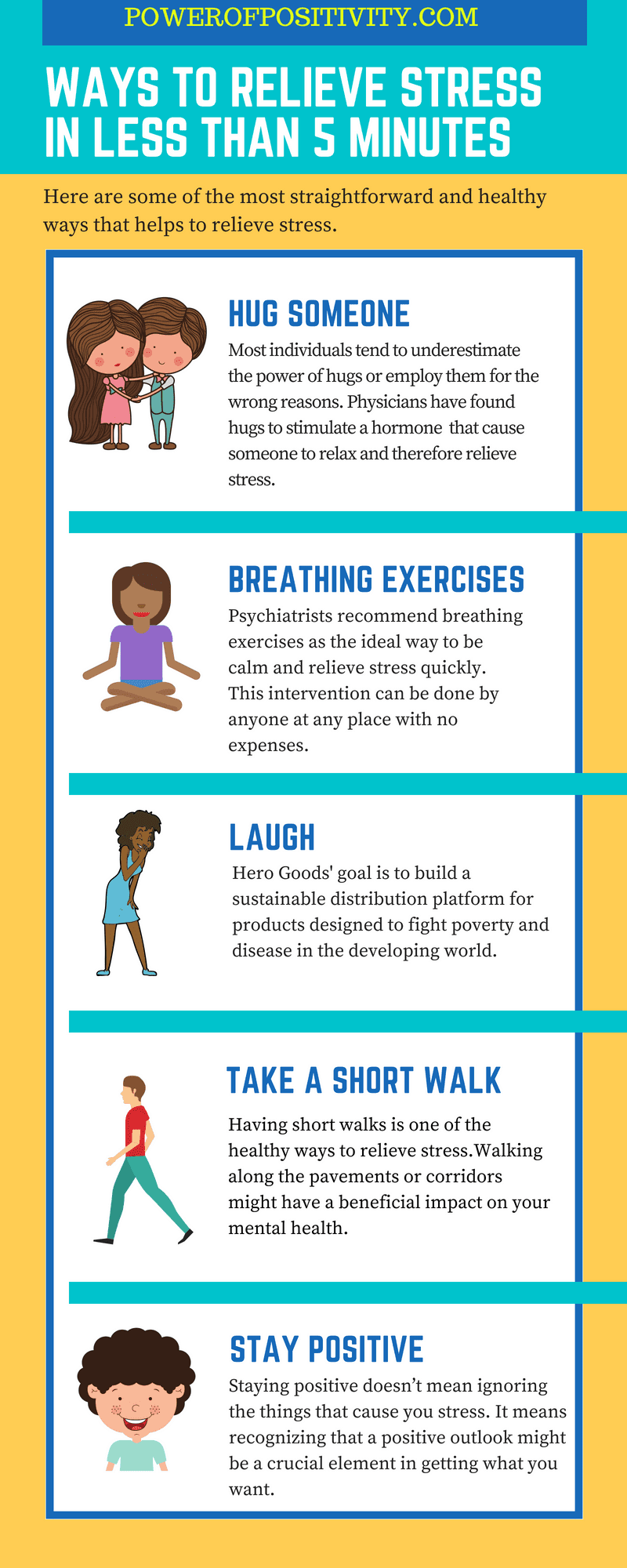
In addition to headaches, stress can also result in full-body aches and pains. The American Psychological Association says that muscle tension is a reflex in response to stress. When muscles tense up for too long, it causes body pain. Practicing relaxation techniques may help with this problem. What is more, relaxation techniques can also help take your mind off what is causing you to feel stressed.

5. Acne

For reasons still unknown, stress and acne appear to be related. Scientists have yet to find the root cause, but multiple studies have shown that in times of high stress, people who are prone to acne tend to experience flare-ups. If you notice more pimples appearing on your skin, seemingly out of nowhere, it may be related to a high level of stress.

6. Upset Stomach

Your stomach is one of the most sensitive organs you have. It’s largely composed of muscles, which constrict and contract and may tense up excessively from stress. Additionally, chemicals released during stressed time periods may cause stomach upset. According to Everyday Health, one way to manage an upset stomach due to stress is a good bout of exercise. Endorphins released during exercise help to reduce stress levels, which will soothe your stomach.

7. Decreased Sex Drive

Even though a decreased sex drive may not cause you prolonged discomfort, it can still affect your relationship and your happiness. Stress can affect your desire to have sex and can chemically alter your sex drive. This combination could cause a rift between you and your partner, potentially creating even more stress in your life. Verywell Mind suggests that techniques like meditation can help lower stress and increase sex drive.

Final thoughts

Even though symptoms caused by stress may be small and occasionally go unnoticed, they can build up and affect your health and happiness. There are many techniques you can try at home to mitigate stress, but many doctors suggest that seeing a therapist and talking through your stress problems can help decrease them dramatically.

ways to relieve stress

Share this Image On Your Site

(C)Power of Positivity, LLC. All rights reserved
References:
https://www.ncbi.nlm.nih.gov/pmc/articles/PMC4377029/
https://www.aan.com/PressRoom/Home/PressRelease/1244
http://www.apa.org/helpcenter/stress-body.aspx
https://www.helpguide.org/articles/stress/relaxation-techniques-for-stress-relief.htm
https://www.everydayhealth.com/hs/better-digestion/how-stress-affects-digestion/
https://www.verywellmind.com/how-stress-can-lead-to-low-libido-3145029

10 Traits Successful People Have In Common

“All successful people are big dreamers. They imagine what their future could be, ideal in every respect, and then they work every day toward their distant vision, that goal or purpose.” – Brian Tracy

Success means something different to everyone. What you might consider a success is likely different from what your neighbor or even your best friend sees as success. Regardless of what success means to individual people, it’s still something that everyone strives for.

Whether in our education, business, home life, or social life, we want our efforts to be effective. Thankfully, there has always been a secret to success. Highly successful people have behaviors, habits, and traits that help contribute to their success in life.

Here Are 10 Traits Highly Successful People Display

1. Persistence

You can’t find success if you give up. Even when things seem bleak, highly successful people always find a way to move forward. Sometimes, moving forward means take one step – just one step – towards your goal each day. Persistence and determination are better than just sitting back and giving up.

Takeaway: Think tortoise versus hare. It doesn’t matter how slow you go, as long as you finish the race.

2. Commitment

Achieving a goal, or gaining success, can’t happen without commitment. That’s why highly successful people are known to have a strong drive. They commit themselves to their work. Even if they must take a break (and we all need breaks from time to time), a successful person will make plans to return to their goal, whether it be short- or long-term. A person who has a hard time being committed to even the smallest of tasks might have a harder time succeeding.

Takeaway: Always get back on the track of doing what you need to do in order to succeed.

inspirational quote

3. Optimism

Highly successful people are a “glass-half-full” types. Looking at things from an optimistic point of view, they realize this perspective is paramount to pushing forward and succeeding. After all, if someone is pessimistic, they’re less likely to maintain the drive and determination to follow through and achieve their goals.

Takeaway: Optimism keeps your mind bright and focused, thus keeping your on the path to success.

4. Long-term goals

For success, we need more than just short-term goals. Highly successful people know how to work towards the future. They conscientiously focus on the goals right in front of them, while still making plans to reach milestone achievements farther down the road. People who obtain success have perfected the art of delayed gratification.

Takeaway: Good things come when you wait (especially if you keep moving forward while you’re waiting).

5. Resourceful

Having resourcefulness is thinking on your feet, innovating, and trying out new ideas. Highly successful people know how to make situations work in their favor, whether it be teaching themselves something new, networking, or utilizing knowledge they already have to propel them towards their goals. Highly successful people know that interdependence isn’t a failure. It’s a resource.

Takeaway: Consider all your resources, even from surprising sources.

6. Learn from failure

Speaking of failure, according to Gregory L. Jantz, Ph.D., one of the key traits of highly successful people is the ability to learn from their mistakes. When we fail, we need to take those disappointments as learning opportunities, transforming it into success. Because they’ll know better for next time, highly successful people aren’t afraid of making mistakes.

Takeaway: Let your failures be your springboard to greater heights.

7. Educate themselves

Getting a rounded education is important to success, but what’s even more important is continuing that education after receiving a diploma. For those looking to jumpstart their career or achieve their goals sooner, options to get a diploma the same day can be incredibly helpful. Highly successful people are always learning new things and striving to educate themselves on areas they don’t yet understand. They can often be found reading, listening to the news, and double-checking their sources—always in pursuit of more knowledge.

Takeaway: Learn something new today.

8. Self-awareness

Confidence is important to success, but even more so is knowing your limitations. A highly successful person is aware of their own shortcomings. They challenge themselves to do better, but don’t overestimate their abilities.

Takeaway: Don’t be afraid to admit faults or to ask for help when you need it.

9. Know when to say “No.”

Being a “yes man” can open up a lot of doors and opportunities. It’s important for highly successful people to be open to as many opportunities as they can be. It’s equally important for a successful person to know when enough is enough. Knowing when to say “no” to commitments is a trait that every successful person has.

Takeaway: Setting boundaries and knowing your limitations is key to success.

10. Good communication

Communication is more than just being able to talk smoothly. Highly successful people know that communication requires active listening and participation in a conversation. Being able to exchange and understand ideas clearly is a huge part of success, and that’s why it’s a trait that all successful people share.

communication skills of successful people

Takeaway: Listen and learn as much as you speak and do.

Final thoughts

How you define success is up to you. However, to be successful, it’s important to know the traits and behaviors that get people to where they are. All of these traits are found in highly successful people and are good behaviors to start integrating into your day to day life – no matter what your goals may be.

https://youtu.be/FzVVeKw3MAg

(C)Power of Positivity, LLC. All rights reserved
Reference:
https://www.psychologytoday.com/us/blog/hope-relationships/201504/6-traits-successful-people
Skip to content