Weekly tips, affirmations, and small actions to feel your best.

Science Explains 10 Things That Cause an Overactive Bladder

What is an overactive bladder?

Overactive bladder, or OAB, is a group of urinary symptoms, the most common of which is a sudden urge to urinate that you can’t control. Many people with OAB also experience “incontinence” – the leaking of urine shortly after the symptoms surface.

The immediate need to urinate can be extremely disruptive to one’s life. For example, office jobs require workers to remain at their desk for an extended period of time, something that a person with OAB would surely find difficult to manage.

Overactive Bladder Affects Millions

Per the Urology Care Foundation, “Overactive bladder (OAB) is a common condition that affects millions of Americans … 33 million Americans have an overactive bladder (or) as many as 30% of men and 40% of women…” The Urology Care Foundation notes that most people who suffer from OAB do not seek help or treatment for their condition. If this is the case, it is likely that the actual number of Americans suffering from OAB are much higher.

overactive bladder

Understanding the Effects

Many people may downplay the effects of a condition such as OAB. This occurs despite research that shows the very real consequences of bladder disorders.

The Urology Care Foundation dispels numerous myths regarding OAB:

  • Affects both men and women, not just women.
  • Is not attributable to just “getting older.”
  • Doesn’t develop because of individual error.
  • Is separate from having an enlarged prostate.

The Foundation elaborates on complications of OAB that may arise:

“OAB can affect your relationships with your spouse and your family. It can (rob) you of a good night’s sleep. Too little sleep will leave you tired and depressed. In addition, if you leak urine, you may develop skin problems or infections.”

Contributing Factors to an Overactive Bladder or Similar Condition

Here are ten things that may cause or complicate OAB or a related condition:

1. Menopause

Menopause throws estrogen levels out of whack. More specifically, estrogen levels tend to plummet during menopause, weakening both the bladder and urethra muscles. The weakening of these muscles can cause urinary complications during menopause, including incontinence.

2. Pelvic Troubles

The pelvic floor consists of muscles supporting the bladder and urethra (among others). When the pelvic floor drops – usually the result of a medical disorder – bladder and bowel control problems often surface. Aging and childbirth are two leading causes of pelvic floor disorders.bladder
3. Diuretics

Certain over-the-counter pills increase the outflow of urine, causing symptoms similar to OAB. These include caffeine pills, water pills, sodium tablets, and others.

4. Bladder Fullness

If your bladder being full sounds like an overly-simplistic explanation, that’s because some people mistake it for an overactive bladder.  There are a few reasons why: drinking too much water, having a smaller bladder, too much caffeine or alcohol, or aging.

5. Urinary Tract Infection

A urinary tract infection (UTI) happens when bacteria from the bowel infiltrates the ureters, urethra, or kidneys. The result is an infection which causes inflammation and irritation of the bladder,  creating an intense sensation of needing to go to the bathroom.

6. Involuntary Contractions (SELF)

As fluids accumulate in the bladder, nerve signals from the bladder to the brain stimulates pelvic floor muscles and relaxes the urethra. The end result is involuntary contractions, causing the bladder muscles to expel urine, even when it’s not full. Leakages commonly result as well.

7. Pregnancy (HL)

Pregnancy causes expansion of the uterus, putting pressure on the bladder and causing an urge to urinate. Pregnant women often experience incontinence because of this pressure. Also, the woman may experience OAB symptoms after giving birth because the pelvic floor often weakens after pregnancy and childbirth. The good news is, these muscles can be strengthened again with regular exercise.

8. Diabetes (SELF)

A common symptom of both type 1 and type 2 diabetes is the frequent need to urinate. Diabetes can trigger an overactive bladder because of a buildup of sugar in the blood, requiring the kidneys to work harder. Whenever the kidneys are in overdrive mode, the result is almost always more frequent visits to the toilet.

9. Urinary Obstructions (HL)

Blockages within the urinary tract may cause symptoms mirroring those of OAB. Bladder stones or an enlarged prostate can interfere with the normal functioning of the urinary stream. In rare cases, tumors may develop in obstructed areas.

10. Neurological Conditions

Certain neurological conditions can interrupt signaling between the body’s nerves and the bladder muscles. Multiple Sclerosis (MS), stroke, and Parkinson’s disease are three such disorders. Nerve damage – including trauma to the abdomen, pelvis, or spine, or brain or spinal cord infections – can also lead to OAB.

overactive bladder

Final Thoughts: Know the Triggers of OAB

Per Healthline, there are many possible triggers for OAB and the frequent need to urinate. These include:

  • constipation
  • consuming too much alcohol or caffeine
  • eating acidic foods
  • not consuming enough dietary fiber
  • not drinking enough water

Making healthy lifestyle choices helps you maintain a healthy bladder. Maintaining a healthy weight, eating a well-balanced diet, and exercising regularly is vital. If your symptoms disrupt your daily life, seek the guidance of a medical professional.
6 Ingredients to Never Put on Sensitive Skin

Sensitive skin can be difficult to manage if you don’t know what things can cause an outbreak. When it comes to skincare, you have to be careful about the things you put on your skin. If you have dry or sensitive skin, you might want to avoid a medley of things your skin might come into contact with every day.

While some things may seem good for your skin, people with sensitive skin could easily suffer an adverse reaction to these very products. Dermatologists list a variety of things that people with sensitive skin should avoid in order to keep their skin soft and healthy.

Here Are 6 Ingredients to Never Put on Sensitive Skin

1. Dyes

While most clothing contains dyes of some sort, you should do your best to avoid getting these dyes onto your skin. Make sure to wash all your new clothes when you get them from the store, as this will remove excess dye from the factory out of the fabric.

Not only should you avoid dye from clothing, but you should also avoid hair dyes. Permanent hair dye colors tend to have ingredients that cause irritation to sensitive skin. Dark hair dye colors, especially, can often cause an allergic reaction in someone who has sensitive skin. If you’re looking to dye your hair, consider hypoallergenic or natural hair dye methods. Natural dyes such as henna may not last as long, but they will be healthier for sensitive skin in the long run.

2. Essential Oils

Even though essential oils are supposed to be “all natural,” they can be dangerous if you don’t know what you’re doing. Essential oils are incredibly concentrated, and for this reason should never be used without first diluting them. This also goes for people who don’t have sensitive skin. If you have sensitive skin or any form of allergy, you should avoid using essential oils, even if they’re diluted.

3. Exfoliants

If you’re looking to get excess matter or dead skin off your body, you would do well to be careful about the products you choose. Many dermatologists suggest that using gentle exfoliants can be good for people with sensitive skin, especially ones that have citrus in them. Chemical exfoliants can cause allergic reactions or other problems in skin that is sensitive. It might be better to use an exfoliating sponge along with soap and warm water, rather than using an actual exfoliant product.

4. Vitamin E Oil

Vitamin E oil might work well on your skin, but if you have sensitive skin or pores that are easily clogged, avoid using Vitamin E oil on your face. When you have sensitive skin, Vitamin E oil might cause an allergic reaction, such as a rash. Vitamin E oil benefits the skin of some people, but you should still try to steer clear of using this product on the face.

5. Chemical Sunscreens

Did you know that you can find sunscreens that don’t include harsh chemicals? People likely don’t worry about the sunscreen they put on their skin, since it’s supposed to help them avoid getting burned in the first place. After all, how bad could skin protection be? For people with sensitive skin, the very products that they’re using to keep their skin safe might actually be causing problems. Dr. Ellen Marmur, a dermatologist, suggests avoiding sunscreen with chemicals like Oxybenzone, Avobenzone, Homosalate, and similar chemicals.

6. Fragrances

If you have sensitive skin, avoid products with fragrances. This doesn’t simply mean perfumes, either. Lotions, soaps, shampoos, and perfumes are frequently made with fragrances. The chemicals used to make our skin products smell nice can cause allergic reactions or other issues. Try to avoid scented skin products to keep your skin safe.sensitive skin detox

Final thoughts

Your skin is the largest organ on your body. Keeping your skin healthy is an important part of caring for your body. Healthy skin is just as important as eating right and exercising regularly. You might not have realized that so many things that should be “good” for your skin can cause issues if you have sensitive skin. The above list reveals the top things to avoid if you’re experiencing outbreaks, redness, or allergic reactions on your skin.

“Take good care of your skin and hydrate. If you have good skin, everything else will fall into place.” – Liya Kebede

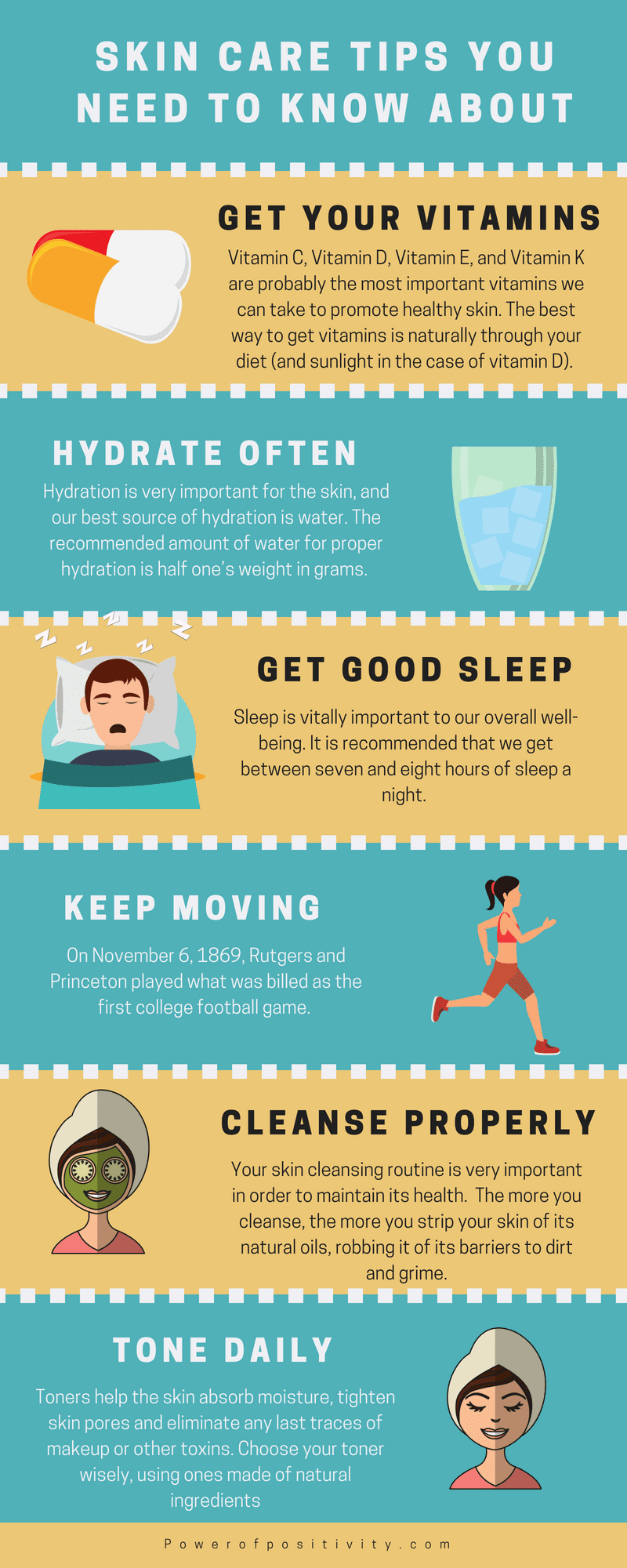
Skin Care Tips You Need To Know About

Share this Image On Your Site

(C)Power of Positivity, LLC. All rights reserved
References:
https://www.sharecare.com/health/skin-cleansing/what-ingredients-avoid-sensitive-skin

10 Early ADHD Symptoms to Never Ignore

ADHD isn’t just something that affects children. While it starts in childhood, ADHD is a developmental disorder that follows children into adulthood. What is ADHD, exactly and what are the signs? ADHD stands for “Attention Deficit/Hyperactivity Disorder.”  ADHD comes in three different types: inattentive, hyperactive, and impulsive. While it’s possible to have one, the other, or all three, all forms are underneath the ADHD umbrella.

It’s important to know the early signs of ADHD so that both children and adults can get help and treatment for it as soon as possible. While most adults learn to function with their ADHD without ever being diagnosed, it’s always best to know so that ADHD can be managed.

Here Are 10 Early Warning Symptoms of ADHD to Never Ignore

“Living with ADHD is like being locked in a room with 100 Televisions and 100 Radios all playing. None of them have power buttons so you can turn them off and the door is locked from the outside.” – Sarah Young

1. Trouble focusing

According to the National Institute for Mental Health (NIMH), having trouble focusing is one of the biggest indicators that someone has ADHD. In children, this often manifests as trouble focusing on school work or other activities that the child doesn’t consider to be fun. In adults, most people with ADHD tend to have trouble focusing on their workload. If you notice that your child has issues keeping their attention on one thing at a time, it might be best to see about ADHD testing. The same goes for yourself.

2. Doing poorly in some subjects but excelling in others

For children who are still in school, one of the biggest warning signs of ADHD is inconsistencies with their school work. Most children who have ADHD excel in things like art, history, and English. They also tend to need extra help in subjects like math and science. Most people think that children just need to apply themselves, but there may be another reason for poor grades and low scores in tests.

3. Daydreaming

Spacing out or daydreaming is one of the classic signs of ADHD in both children and adults. If your child is having trouble staying focused and seems to always be off in their own head, then it’s possible they might have ADHD. Again, the same option should be considered for adults who have ADHD. If you find yourself constantly daydreaming and using escapist fantasies to make it through the day, you might want to talk to someone about the possibility of ADHD.

4. Hyperactivity

While this is only applicable to people with either combined-type ADHD or hyperactive ADHD, this is still a major warning sign. In children, this often includes being unable to sit still, jiggling legs, acting disruptive in class, or constantly having to be told to sit down and pay attention. In adults, this can include constantly jumping from task to task, or a consistent need to always be multitasking.

5. Problems following instructions

NIMH says that children with ADHD usually have problems following their teacher’s instructions in class. Adults may have the same issue as well but tend to be able to manage better than children. If teachers are having a hard time getting a child to follow the instructions, it’s probably because that child is having a hard time paying attention.

6. Auditory processing issues

Auditory processing issues happen in both children and adults with ADHD. It’s similar to being hard of hearing, but there are no physical problems with the ears. What this means is that a child may have trouble hearing or understanding what someone is saying if they are in a crowded or loud environment. However, they will be able to hear perfectly fine in a quiet space. According to the NIMH, this may look like a child ignoring an adult when being spoken to directly, but this is not really the case.

7. Sensitivity to criticism

Rejection-sensitive dysphoria is a term used for people who experience extreme distress when giving criticism. This is especially common in people who have ADHD. If you notice that your child becomes upset beyond the reasonable amount when criticized or corrected, this very well might be the reason.

8. Extreme emotions

Along with sensitivity to criticism, one of the early warning signs of ADHD is extreme emotions. They may have trouble regulating their emotions, which can cause an outburst of anger or sadness. Compounded with hyperactivity, an ADHD child may throw tantrums at a much higher rate than a child without ADHD.adhd

9. Hyperfocus

On the opposite end of being unable to focus, people with ADHD have a tendency to hyperfocus on things that they find enjoyable. A child with ADHD may watch the same cartoon over and over or listen to the exact same song for hours on end. Adults with ADHD will do the same thing, and many don’t even realize that it’s a symptom of ADHD.

10. Disorganization

Both children and adults with ADHD will display this sign. Children with ADHD will often have a difficult time staying organized. Their rooms may become messier than normal, and they don’t have a system of organization. Adults with ADHD will have messy desks, rooms, and houses. There’s very little ability to organize in people with ADHD.

Final thoughts

Being the parent of a child with ADHD can feel daunting, especially before you know the warning signs. Likewise, growing up without knowing why your brain behaves the way it does can make everyday tasks seem monumental. The truth is, ADHD is entirely manageable – both with and without medication! All it takes is knowing the right tools to work around a brain that works just a little differently than others.

https://youtu.be/CU2LlJxEdJ4

(C)Power of Positivity, LLC. All rights reserved
References:
https://www.nimh.nih.gov/health/publications/attention-deficit-hyperactivity-disorder-adhd-the-basics/index.shtml

https://www.healthline.com/health/adhd/three-types-adhd 

5 Easy Ways to Remove Mucus and Phlegm Naturally

Here’s something interesting to get us started: did you know that phlegm and mucus are not the same? It’s true.

The mucus gives us that dreaded sinus congestion when we suffer from a nasty cold. Phlegm settles in the respiratory system and makes its presence known when we cough or wheeze.

While undoubtedly gross, both substances serve essential (relatively similar) purposes, especially regarding safeguarding our health. Mucus is responsible for cleansing and moisturizing the nasal passages, humidifying the air we breathe, and filtering out particles such as dust and dirt. Both slimy concoctions are critical for protecting our respiratory organs, such as our lungs. They also contain antibodies and are natural anti-bacterial – both essential for fighting infections.

Although the only time we think about mucus is when we’re sick, our body produces about one-and-a-half liters of the stuff every day. Some illnesses boost mucus production and alter its consistency, making it all but impossible to ignore. (The miserable, stuffed-up feeling that colds provide is the physical manifestation of such alterations.)

What Causes the Overproduction of Mucus and Phlegm?

Illnesses are not the only thing that causes mucus and phlegm output. A variety of factors that might increase your body’s production of mucus and phlegm include:

  • a cold or flu
  • certain foods and beverages; dairy products, caffeine, soy, and spicy foods are the most common.
  • a post-nasal drip
  • pregnancy
  • seasonal allergies
  • throat disorders

Although a nuisance, having excess mucus and phlegm is rarely a serious medical problem. While there is no shortage of over-the-counter (OTC) medicines, you can also naturally cut down the mucus and phlegm your body produces.

Here are five simple ways to remove mucus and phlegm naturally:

excessive mucus

1. Apple Cider Vinegar

For the unaware, apple cider vinegar (for brevity, ACV) is one of the most powerful, natural antibacterial agents. A couple of tablespoons throughout the day can help prevent excess phlegm production and promote a healthy pH balance. As ACV tends to be potent, mixing the product with water may help it be more palatable.

2. Air Humidifiers

Dry air can produce a whole bunch of nasty sinus and throat symptoms. As outside temperatures drop, we use our heating systems a bit more – which comes at a cost (literally and figuratively). Heaters dry out the air, producing symptoms such as dry eyes, skin, a sore throat, and even asthma!

Air humidifiers counteract dry air’s effects, allowing us to be a bit more comfortable. We’re also less prone to illness. Oh, if you don’t have an air humidifier – don’t worry – take a nice, hot shower or soak in a tub.

3. Ginger Tea

Ginger is an incredibly versatile ingredient. It’s a natural antioxidant, anti-bacterial, and – for this article – excellent decongestant.  Ginger helps to soothe your chest and throat by drying out the water-laden mucus and phlegm. Research also shows how it supports lung health.

Here’s a quick four-step ginger tea recipe:

  1. Start with a 2-cup measuring beaker, and put in some grated ginger.
  2. Fill to the 1 ½-cup line with boiling water.
  3. Allow to sit for 10 minutes.
  4. After ten minutes, strain the water into a large mug. (You may want to add a bit of honey, sugar, or a similar substance for sweetness.)

4. Honey and Lemon

Both honey and lemon are great for fighting mucus and phlegm overload. Lemon is packed with vitamin C, which also boosts the immune system. Secondly, vitamin C can serve as an excellent preventative measure for congestion.

Honey is a favorite of cold sufferers because it adds flavors to every beverage, and you don’t have to worry about any adverse effects of refined sugar. Honey also contains potent antibacterial and anti-inflammatory properties, which are excellent when battling congestion.

5. Turmeric

Turmeric is a fantastic spice. The bioactive ingredient of turmeric – curcumin – provides over 150 potentially therapeutic properties including anti-inflammatory, antimicrobial, and cancer-fighting elements.

Perhaps curcumin’s most potent effect is as an anti-bacterial. Relatedly, mucus and phlegm are heavily concentrated with bacteria (and viruses), making adding curcumin a great choice. Curcumin is most commonly sold as an additive in turmeric but can also be purchased individually as a supplement.

health quotes

Final Thoughts on Eliminating Mucus So You Will Feel Better

While it’s nice to know that the phlegm and mucus in our bodies are working for our benefit, we can all appreciate knowing we have the option to reduce the number of times we have to pull out that handkerchief or tissue to stifle a sniffle. Stay happy and healthy!

4 Easy Ways to Heal Dry Eyes Naturally

Dry eyes. It is a very common condition, occurring when there is no adequate supply of tears from the lacrimal gland, which sits between the eyeball and eyelid. These glands produce the fluid necessary to lubricate the eyes.

Certain settings can produce dryness, such as an airplane flight, an air-conditioned space, riding a bike, walking, or running. Staring at a digital screen for an extended period can also cause dry eyes.

Symptoms of dry eyes include:

  • blurred vision
  • dry, scratchy, and painful sensation in one or both eyes
  • eye fatigue
  • feeling like something is in your eye
  • sensitivity to light
  • mucus in or around the eyes
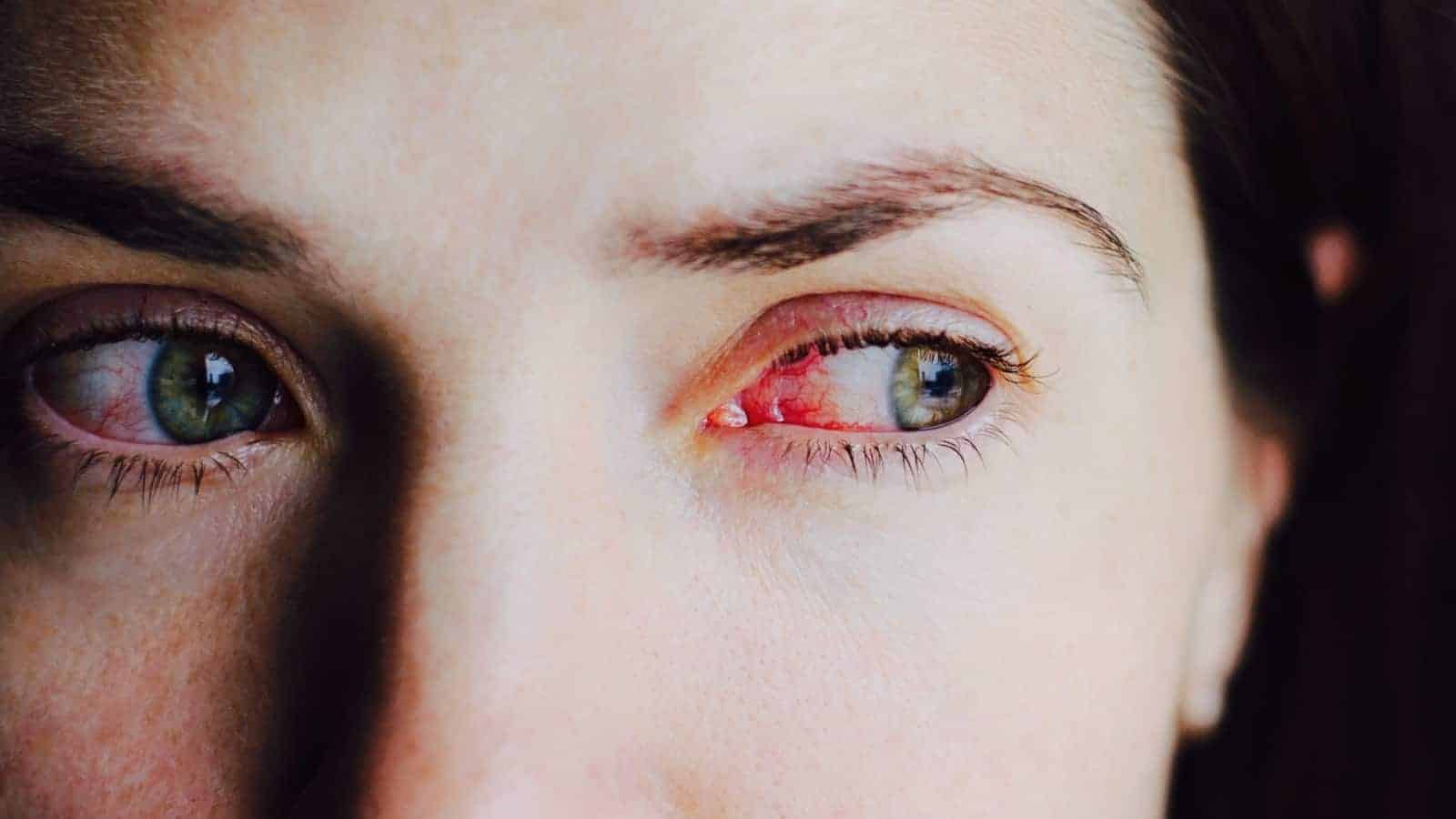
  • redness

According to Healthline, common factors contributing to dry eyes include aging, prescription medications, medical conditions, and the environment.

Traditionally, eye drops are used to moisten dry eyes and are considered “very safe,” according to WebMD. Additionally, eye drops may delay the onset of glaucoma and even help correct a lazy eye.

Some people really can’t stand the idea of putting anything in their eyes. Other people may have various reasons they can’t use eye drops. Don’t fret if eye drops aren’t an option.

Here are four natural ways to get rid of dry eyes:

1. Omega-3 Supplements

Research shows that augmenting your diet with omega-3 fatty acids can help alleviate (and possibly prevent) dry eyes. A study published in the International Journal of Ophthalmology involved 264 patients with dry eyes, who were randomly chosen to receive one 500-milligram capsule of omega-3s twice daily, or a placebo. A surprising 65 percent of participants in the omega-3 group – compared to 33 percent of patients in the placebo group – reported a “significant improvement” in symptoms after three months. “Omega-3 fatty acids have a definite role for dry eye syndrome,” the researchers conclude.

omega 3

If you choose not to take omega-3s in capsules, you can also get those fatty acids naturally. Excellent food sources of omega-3s include anchovies, chia seeds, flaxseed, salmon, and sardines.

2. Modify the environment

As mentioned, environmental factors can play a role in developing dry eyes. In fact, the link between specific environments and dry eyes is so strong that experts sometimes refer to the resulting condition as Environmental Dry Eye Disease or EDED. EDED is caused by “pollutants and/or adverse climatic conditions.”

Protect your eyes by wearing the appropriate eye-wear when biking, motorcycling, skiing, and while working in dusty and dirty environments. Also, try to avoid areas where people smoke and stay inside during windy conditions. A good pair of sunglasses can also help, especially if you suffer from eye sensitivity due to dry eyes.

3. Give your eyes a break

You can logically infer that the leading cause of dryness is continued work in specific settings. You should take frequent breaks from any task that requires extended periods of visual concentration, such as reading, writing, using a smartphone or laptop, etc.

Close your eyes for a few minutes or blink to spread tears evenly over your eyes. Try never to go for more than twenty minutes gazing at a screen. If your work requires this, every 20 minutes, close your eyes for a full 20 seconds to give your eyes a rest. For a quick fix, you can also keep eye drops handy.

4. Look inside your medicine cabinet

Certain OTCs, or over-the-counter medicines, may cause dry eyes.  Among these OTCs are antihistamines, birth-control pills, and nasal decongestants. These common medicines may disrupt the functioning of the Meibomian glands, which produce an oil that prevents tears from evaporating too quickly.

Some prescription medications are known to cause dry eyes, as well. These include antidepressants, beta-blockers (blood control pills), tranquilizers, and medications for Parkinson’s disease.

(Note: Never stop taking a prescription medication without approval from your primary care physician. Medical oversight is necessary to limit specific withdrawal symptoms.)

Prevention tips

Experiencing dry eyes is usually a short-term, non-serious, and avoidable issue.  With this in mind, make sure to pay attention to conditions that may cause a case of dry eyes, as proven by science. Here are a few tips to help you out:

  • Use a humidifier, which can add some moisture to dry indoor air.
  • When using a hair dryer, heater, fan, or other device that expels air, re-direct the airflow away from your face.
  • Position your computer slightly below eye level. A computer screen set above eye level will cause you to reflexively widen your eyes, which expedites the evaporation of tears.
  • Don’t smoke, as it is directly linked to dry-eye conditions. As mentioned, stay away from areas where smoke – nicotine or otherwise – is prevalent.
Sources
https://www.independent.co.uk/life-style/health-and-families/features/why-do-we-cry-the-science-of-tears-9741287.html

https://www.medicalnewstoday.com/articles/315854.php
https://www.ncbi.nlm.nih.gov/pubmed/25295911
https://www.ncbi.nlm.nih.gov/pmc/articles/PMC3874521/
https://www.webmd.com/eye-health/eyedrops-an-ocean-of-uses#1

11 Things Psychologists Do to Get Rid of Stress

For just about everyone, stress is an integral, yet undesirable, part of life. And while some of us seem to be able to take stressful situations in stride, others sometimes need some additional help. And since there’s no shortage of advice about dealing with stress, it can often be hard to know who to listen to.

Below, we’ve compiled 11 psychologist-recommended ways to reduce or eliminate stresses in your life–whether those stresses are caused by internal or external forces.

1.Progressive Muscle Relaxation

The mind and the body are incredibly connected, and this becomes very apparent when you’re dealing with stress. If you’ve ever noticed yourself clenching your teeth, carrying tension in your shoulders, or experiencing a new backache when stressed, then you too have felt the mind-body connection that stress tends to bring.

The good news is that, although mental stress can cause physical tension, deliberate physical relaxation can also lessen mental stress. Progressive muscle relaxation, a technique used by psychologist Kevin Chapman, involves deliberately tensing a group of muscles for 10 seconds, then relaxing them for 20 seconds before moving on. In order to optimally engage your muscles and breathing together, inhale while tensing and exhale while relaxing. This offers another stress-reducing benefit–the power of deep breathing.

Some experts recommend using an audio recording in which a narrator offers instructions on which muscle group to tense first. These recordings can help you ingrain the pattern of tension and relaxation. Once you have committed the exercises to memory, you may no longer need audio guidance.

2. Healthy Distractions

Foe many of us, when we’re under pressure, our main focus becomes trying to resolve the source of our stresses. And while a problem-solving mindset can be an asset, too much uninterrupted focus on the stressor can actually backfire, according to Dr. Kandi Wiens in the Harvard Business Review. People who constantly focus on their stressors tend to find it harder to get rid of stress and less able to focus, locking themselves into a challenging cycle.

Because simply telling yourself to take a break mentally can be tough, therapist Amy Przeworski suggests giving yourself some time each day to do something that makes you happy. Maybe that’s painting, or songwriting, or running. The point is to do something you enjoy. This gives your brain a respite, which can restore your emotional energy and help bring back your focus. Both of these things together will help you manage stress.

3. Regular Exercise and Time Outdoors

Exercise has long been lauded as a powerful stress relief. And that’s for good reason–according to Dr. Axe, physical exercise releases endorphins, which are extremely effective when it comes to reducing anxiety. If the stresses in your life are due to factors beyond your control, exercise can help you manage stress. And if what’s bothering you is due to a problem you need to solve, the reduced anxiety and improved mental clarity exercise brings will more than likely bring you the focus you need to resolve the issue. You don’t have to be athletically-inclined, either–even going for a walk or a leisurely bike ride has benefits, too.

While exercise has its own benefits, several studies have shown that spending time in nature–whether that time is spent exercising or not–has demonstrable effects when it comes to stress relief. A Japanese study found that students who spent two nights in a forest had significantly reduced stresses upon their return compared to students who spent time in a city. In Japan, these short nature trips are known as “forest-bathing,” and they serve as a kind of reset for the brain.

Even if you don’t have time to spend a few nights camping in the forest, getting out in any kind of green space has positive effects on mood. Multiple studies have found that being outside in nature–whether that means going backpacking in the wilderness or going for a walk in a city park–can elevate mood significantly.

4. Meditation

Dr. Axe also explains the benefits of meditation, or healing prayer for the religious. These activities help those trying to get rid of stress because they provide a focal point beyond the self. We all know how easy it is to get into a spiral of anxiety, and both of these activities help you to both refocus and calm down.

If you haven’t meditated before, an easy way to start is to focus on your breathing. This type of centering focus, coupled with deep, slow breaths, often helps to slow your heart rate and assuage anxiety. For the technologically-inclined, there are a variety of meditation apps available for free online.

5. Consciously Slow the Flow of Thoughts

It’s a common frustration to feel as though you have no control over your thoughts. In particular, those who seek out methods of stress relief may be searching for ways to help themselves embrace more positive thinking. One tip, recommended by psychologist Martin Seligman, involves loudly helping yourself switch your thoughts. Dr. Seligman recommends clapping your hands and yelling that you’ll think about your particular stressor later.

If you’re in public, or just prefer not yelling loudly, you can adapt this approach to suit your own style. You may want to try snapping a rubber band against your wrist, deliberately turning your focus to something outside yourself, or even doing a few pushups. The point here is to briefly shock yourself out of your thought pattern.

This isn’t to say you should always turn your thoughts away from negative things. But if worries about your job are starting to encroach on your family time, chances are good that a method like this will increase stress relief by helping you curb stress-inducing thought patterns.

6. Do Something Useful

This suggestion, which is popular with many 12-step programs, is based on the premise that stopping yourself from being idle (and making yourself do something practical) is helpful when it comes to getting out of your head. Being useful can mean a variety of different things–maybe you want to volunteer in your community or bring a snack to a friend who’s sick. But being useful if often as simple as cleaning up your kitchen or finishing that DIY project you’ve been meaning to get to.

7. Watch What You Eat

processed foods

It’s easy to give into cravings for junk food when you’re stressed out. But making an effort to eat a balanced diet with plenty of whole foods will most likely help you in your quest for stress relief. By eating enough protein, healthy fats, and complex carbohydrates, you will be optimally fueled to conquer challenges at work and in your personal life.

8. Watch What You Drink

When you’re excessively stressed out, it seems understandable to guzzle coffee to energize yourself in the morning and to drink a beer or some scotch to relax after a long day. Both of these things are fine in moderation, but too much alcohol and caffeine can also worsen stresses. Both can make you dehydrated, and they also can cause sleep difficulties, according to Dr. Axe.

9. Try Stimulating Your Parasympathetic Nervous System

Part of why you may be tempted to eat when stressed is because stimulating the nerves in your lips helps to activate your parasympathetic nervous system, which helps to calm you down. Particularly if cravings for junk food (or alcohol or cigarettes) tend to come to you in times of mental struggle, give this method a shot.

10. Tap Into the Secrets of Eastern Medicine

Business psychologist Sharon Melnick suggests a few methods used in Eastern medicine when it comes to managing and reducing anxiety. Particularly in times where you are so stressed you can feel a flutter in your heart, taking your thumb and pressing it into the indentation between your second and third knuckles can help. This is because it activates a nerve that works to reduce the tight feeling we often get when we’re under pressure or extremely anxious.

11. Keep a Journal

Sometimes, just being aware of your daily stresses and how you respond to them helps you to adjust your reactions and cope more effectively. Plus, writing out what’s bothering you is often useful when it comes to processing. Journal entries don’t have to be long and complex, or even well-written. Just taking 10 minutes a day to write about your challenges is a step in the right direction.

Taken altogether, the stresses of even everyday life tend to feel overwhelming sometimes. But when you have physician-recommended management techniques at your disposal, you’re much more likely to be able to feel better and improve your quality of life and your productivity as well.

https://www.youtube.com/watch?v=lFdcCXmGpy4&t=11s

Sources:
https://www.webmd.com/balance/stress-management/stress-management-doing-progressive-muscle-relaxation
https://hbr.org/2017/12/break-the-cycle-of-stress-and-distraction-by-using-your-emotional-intelligence
https://www.ncbi.nlm.nih.gov/pmc/articles/PMC2793341/
http://time.com/4881665/green-spaces-nature-happiness/
https://www.prevention.com/mind-body/emotional-health/13-healthy-foods-that-reduce-stress-and-depression
http://www.businessinsider.com/how-to-relax-instantly-2013-6

5 Differences Between Butter and Margarine (That People Don’t Know About)

Bad news for Margarine fans: it’s not much healthier for you than butter. In fact, most evidence points to the product being far less healthy in the long run.

When margarine products began flooding grocery stores in the late 70’s and early 80’s, owners of Unilever stock (and other companies) got rich – and our health suffered as a result. We were told – by doctors, nutritionists, public health officials – that butter, because of its fat content, was an unhealthy dinner table choice. And margarine-producing companies reaped the massive market rewards.

Most of us don’t keep up with the butter versus margarine debate.

But here are a few differences between the two you may want to know about:

1. The Ingredients

Butter products are made from fermented milk or cream, water, and milk proteins. Dairy salt is added to some varieties of butter, though the product is commonly available as salted or unsalted. Margarine doesn’t contain any dairy at all and is instead made up of emulsifiers, salt, and vegetable oils.

In short, butter is a natural product and margarine is not. Margarine is heavily-processed, and butter is not. Which leads us the next point:

2. The Processing

Butter products undergo separation and churning, a manufacturing process wherein buttercream derived from milk fat is stirred in a giant industrial machine. The product is then pasteurized and aged 24 hours before churning. Afterward, the final product is shaped and placed into packages for shipping.

Margarine undergoes a process called hydrogenation. Hydrogenation is less complicated, chemically converting liquid vegetable oils into solid or semi-solid fats. It’s actually only a few steps away from being plastic

processed foods

3. The Fats

All butter sold commercially in the United States must be at least 80 percent fat. Butter is, of course, an animal fat – containing higher amounts of saturated fat than margarine. Unlike the fats contained in most margarine, however, those included in butter are mostly of the omega-3 and omega-6 varieties.

Margarine and spreads found in the dairy aisle range from 10 to 90 percent fat, consisting mainly of the polyunsaturated and monounsaturated varieties. Some margarine products may also contain trans fats, which are notoriously bad for health.

4. The Taste and Texture

Regardless of what ICBINB’s (admittedly funny) commercials may tell you, there IS indeed a difference in the taste and texture of the two products. Put simply, a product manufactured entirely (and naturally) from animal fat will not, in most cases, closely resemble a wholly-processed substitute.

These differences are evident in baked goods, which traditionally use a large amount of butter or margarine. Products made with the latter tend to taste quite different (often, worse) from those made with natural butter.

5. The Nutrition

While neither butter nor margarine is “healthy,” the latter lacks important nutrients such as omega-3 and omega-6 fats which are vital for brain and heart health. Furthermore, margarine contains just trace amounts – if that – of vitamins A, D, and E.

Nutrition label stuff aside, heavily-processed foods – a category that includes margarine – is almost always worse for human health than minimally-processed and organic products (more on organic, natural margarine brands later.) Most of the processing at butter producing sites is mechanized, with the exception of added salt to buttercream.

herb butter

The Verdict (Kind Of)

Kris Gunnars, BSc, in an evidence-based article written for Healthline titled “Butter vs. Margarine – Why I Trust Cows More Than Chemists,” recites what most nutritionists and scientists now understand the be true:

“Given that nutrition organizations have been warning us about butter and pushing us towards processed industrial margarine, you would think that there was at least a hint of evidence suggesting this to lead to better outcomes. Alas, no. Despite margarines being able to lower total and LDL cholesterol in the short term, they actually lead to the opposite effect when measuring hard outcomes.”

Still, there is a place for margarine (and there probably always will be.) Vegans, environmentalists, animal rights groups and other demographics make sure of this.

Fortunately, there are a number of good and natural margarine products. Becel margarine, for example, substitutes heart-healthy olive oil. Another company, called Earth Balance, produces an organic, 100 percent natural margarine spread.

The best advice (with apologies to Kris Gunnars): Do your research and consume certain foods in moderation.

(C)Power of Positivity, LLC. All rights reserved
Sources:
http://healthypage.info/2017/12/25/the-fat-facts-butter-vs-margarine-the-truth-were-not-being-told/
https://www.healthline.com/nutrition/butter-vs-margarine#section7
https://www.rd.com/food/fun/real-difference-butter-margarine/
https://www.thekitchn.com/whats-the-difference-between-butter-and-margarine-223410

Researchers Explain 5 Health Effects of Stress

We have mentioned this fact before: stress is the deadliest and most ubiquitous health epidemic in the world. In fact, the World Health Organization (WHO), widely considered to be the most distinguished medical body on the planet, has labeled stress “The Health Epidemic of the 21st century.”

So why is stress so underestimated and misunderstood? In part, this is because stress is unavoidable. We biologically experience stress as a means of self-preservation, so we’ve just (sort of) accepted it.

Basically, we don’t think about stress much – it just kind of brews under the surface. We also tend to categorize stress and disease as two different things. They are not.

The fact is that chronic stress negatively impacts our health and well-being. Abnormal stress levels can cause diseases, illnesses, and sicknesses of both the physical and mental variety. While we may be able to keep the effects of stress at bay for a certain period, if we ignore the symptoms and fail to take care of the core problem, it will rear its ugly head at some point.

Here’s the Mayo Clinic on the relationship between stress and health:

Indeed, stress symptoms can affect your body, your thoughts and feelings, and your behavior … Stress that’s left unchecked can contribute to many health problems, such as high blood pressure, heart disease, obesity, and diabetes.

Shanna Levine, MD, a clinical instructor of medicine at the prestigious Icahn School of Medicine in New York City, makes this observation:

“When people are stressed, they get sick … because the immune system can’t suppress the virus.”

Here are 5 Effects of Stress on Your Health

Stress’s mental, physical, and psychological effects are thoroughly researched and documented, but have you ever wondered what being over-stressed does to your body and mind? Or considered the common risks that being over-stressed poses?

peace quote

1. It’s more difficult to control emotions

A 2013 study, published in the Proceedings of the National Academy of Sciences concludes that stress has a “deleterious” (toxic) effect on one’s ability to manage their emotions. Emotional regulation depends on “intact executive functioning and engagement of the prefrontal cortex.” These cognitive processes grow severely handicapped when we’re under heavy stress.

When we have problems managing emotions, our cognitive skills and decision-making abilities are negatively impacted. This has a domino effect on every area of our lives – personally and professionally.

2. Your love life could take a hit

Everyone on the planet agrees that sex is a wonderful stress reliever. (Research backs this up, too!) However, stress – particularly performance anxiety – can lead to troubles between the sheets.

Studies have shown that higher-than-normal levels in men affect testosterone levels, body weight, and sexual desire. Women might also get less frisky when feeling the pressure.

3. You have a more significant sweet tooth

We can pretty much all sympathize with this one. Who hasn’t been frazzled only to beeline for the snacks? Your cravings are entirely normal, friend. Unfortunately, in this context, the word “normal” is not synonymous with healthy.

Per a University of Pennsylvania study, the elevation of stress hormones links directly to our sugar cravings. The research team concludes, beyond a doubt, that stress hormones trigger those mid-day chocolate binges.

4. You may get a bit itchier

A Japanese study of 2,000 people reveals that those with a skin condition called pruritis (“chronic itch”) were twice as likely to be over-stressed as the control group.

We all know that irritated skin can induce stress. Now, Japanese scientists claim that itchy skin and specific conditions – dermatitis, eczema, and psoriasis – are aggravated by anxiety and stress.

5. Your belly is more sensitive

Anxiety and stress can manifest all sorts of gut troubles, including stomachaches, irritable bowel syndrome (IBS), and even ulcers. In one study, people “experiencing the highest levels of stress were more than three times as likely to have abdominal pain as their more-relaxed counterparts.”

These findings regarding the effects of stress are not so surprising. The gut-brain relationship is well established. When we feel relaxed and carefree, our digestion kicks into gear. Feeling stressed or overwhelmed can stall our digestive processes. When this happens, we’ll sometimes get a belly ache or need to head to the toilet.

effects of stress

Final Thoughts: Limiting and Relieving the Effects of Stress to Be Happy Again

The Mayo Clinic provides some quick tips on managing stress:

  • Regular physical activity
  • Relaxation techniques, such as deep breathing, meditation, yoga, tai chi, or massage
  • Socializing wth friends and family
  • Taking time for your hobbies
  • Limiting or cutting out alcohol and tobacco use

Mindfulness and meditation are two proven stress relievers. One of the quickest and most effective ways to get your emotions under control is to pay conscious attention to your breath. For an entire minute, focus on inhaling and exhaling. Make sure to inhale deeply and slowly exhale, centering your self and inviting calm into your mind.

21 Things Your Body Can Tell You About Your Health

The body positive movement is in full swing and this is a good thing. Not only is it boosting people’s confidence, but it is also causing them to get to know themselves and their health better. Sometimes the smallest changes or characteristics in your body, physically, mentally, and emotionally,  can tell you a lot about your overall health.
It’s good to take a close look at yourself and evaluate your health every week. What’s happening in your body and how you feel is a direct reflection of the state of health. Here are 21 things your body can tell you about your health …

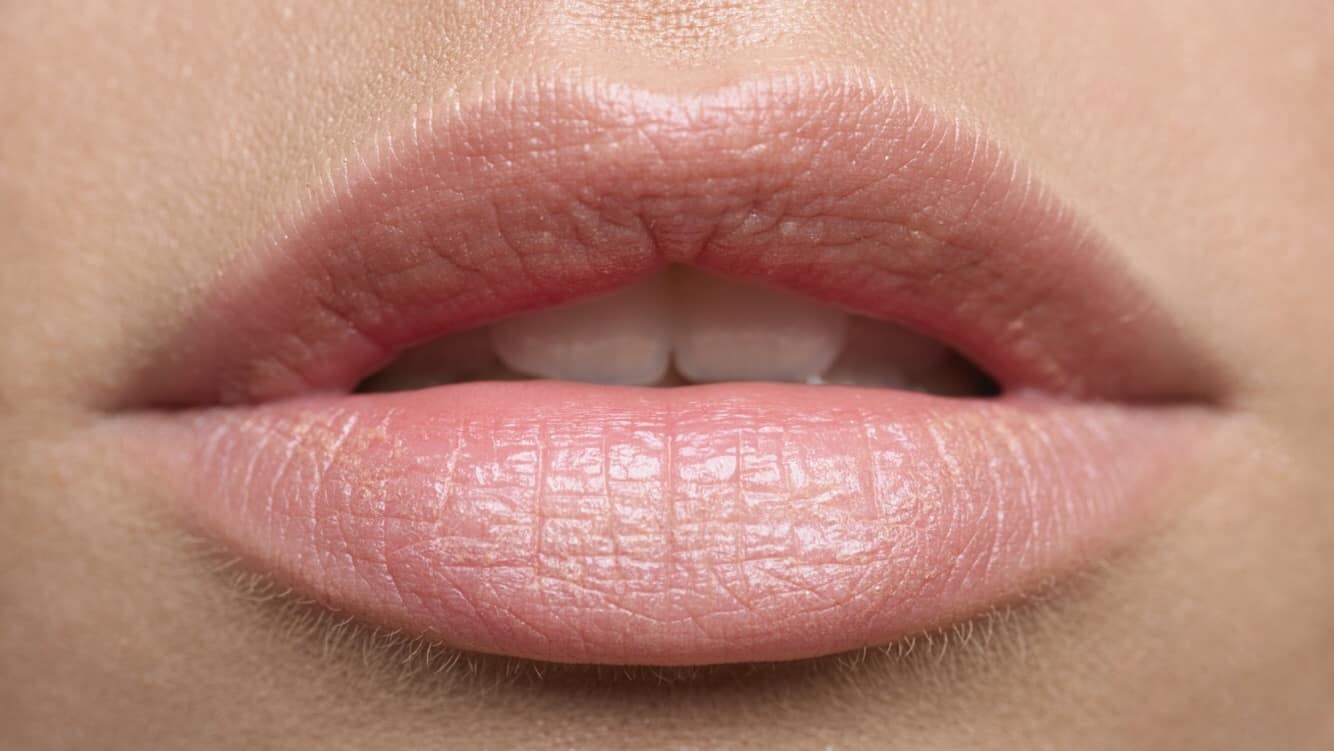
1. Cracked and Dry Lips

personality

Chapped lips happen, but if you experience this issue frequently, it might signal an allergic reaction or dehydration. When caused by an allergy, it is referred to as allergic cheilitis. The most common causes include lip cosmetics, medications, dental hygiene products, metals and foods, according to the New Zealand Dermatological Society.

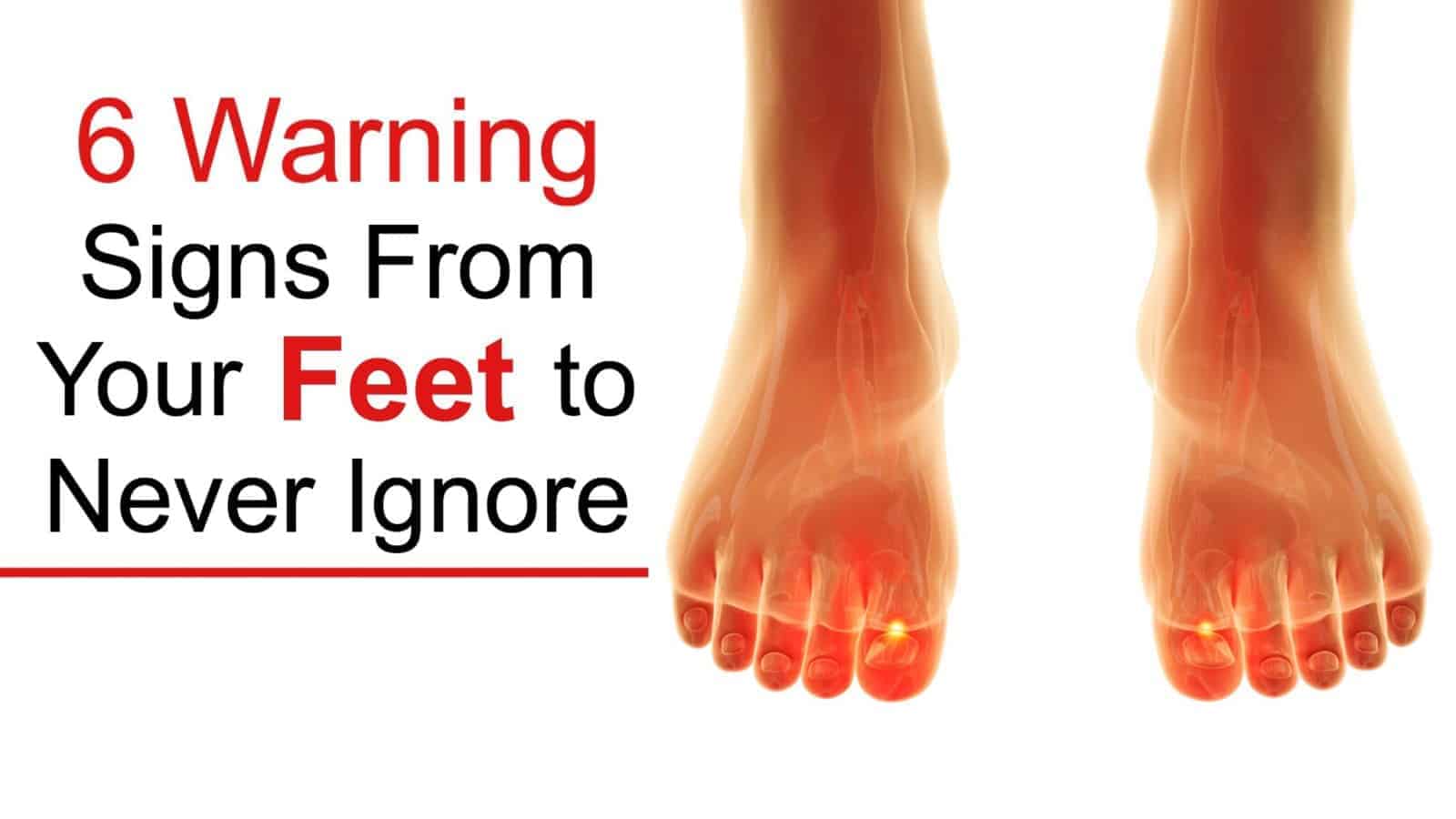
2. Swollen Feet

feet

Foot swelling is not uncommon. In fact, it is to be expected when women are pregnant or after people spend countless hours on their feet. However, when there is not obvious cause, talking to your doctor about heart failure might be in order. This condition is characterized by the heart not effectively pumping, resulting in fluid retention. Unfortunately, this condition is not uncommon, and it is estimated that every years in the United States, 550,000 new cases will be diagnosed, says Emory Healthcare. This condition can affect people of all ages, from children to the elderly.

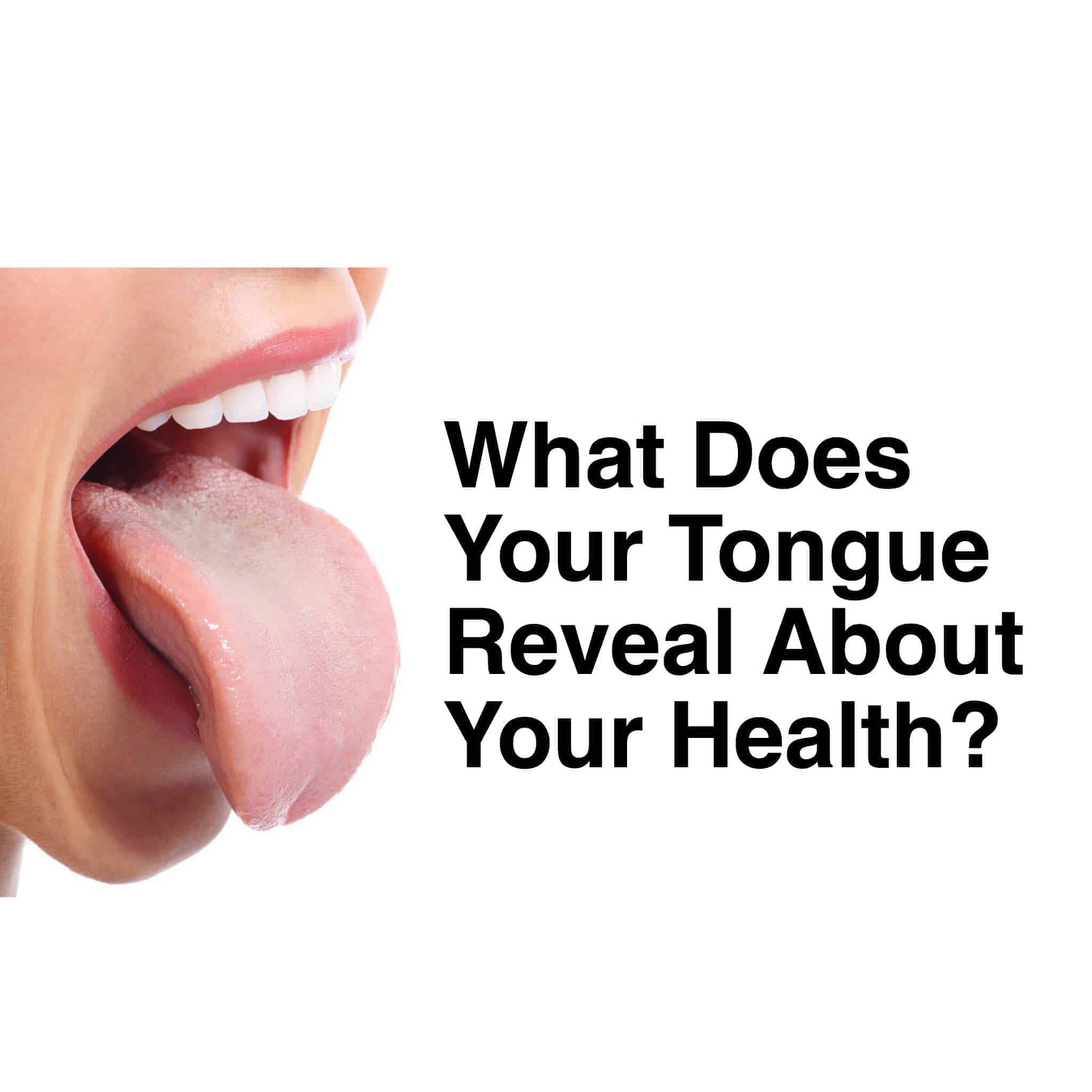
3. Pale Tongue

tongue-health

Under normal circumstances, your tongue should be pink, moist and taste buds should be visible. If your tongue is dry and pale, this could indicate an iron deficiency, according to acupuncturist Katie Clifton. A quick blood test will tell you if your iron levels are too low.

4. Abnormal Sweat Smells

sweat

Your sweat and how it smells can give you a lot of information about your general health. For example, your blood sugar might be abnormal if your sweat takes on an acetone odor. Those with diabetes might also have a sweet smell due to the sugar accumulating on the skin. Liver or kidneys problems might be present if it smells like ammonia.

5. Check the Length of Your Fingers

Women want to examine their ring and index fingers to see which is longer. A study in Arthritis & Rheumatism in 2008 concluded that women whose ring fingers are longer compared to their index fingers were twice as likely to develop osteoarthritis in their knees.

6. Loss of Eyebrow Hair

Full and dark eyebrows are all the rage in the beauty world, but if your eyebrows are becoming sparse, it might be due to thyroid disease, according to David Wolfe. This can happen with both overactive and underactive thyroid conditions. When thyroid disease is to blame, you typically notice the outer section of your eyebrows starting to thin out.

7. Stinky Feet

If your feet smell despite clean shoes, socks and proper hygiene, you might be dealing with athlete’s foot. This condition occurs as the result of a fungal infection and it is mildly contagious. It generally presents as a rash that is scaly and red, says the Mayo Clinic. Profound itching is common, and it tends to be at its worst when you first remove your socks and shoes.

8. Abnormal Hair

In women, if hair is growing where it typically does not, this can signal an issue with your health. One of the most common reasons for this is polycystic ovarian syndrome. This condition is characterized by different metabolic problems and a hormonal imbalance. The abnormal or excessive hair growth is generally due to your body producing too many male hormones. The hair may grow on the face, back and in the ears. It is estimated that throughout the world, approximately 8 to 20 percent of women have this condition, states the NICHD.

9. Dark Velvety Skin Patches

When these first occur, most people think they just need to exfoliate or scrub harder. However, the American Academy of Dermatology says that these patches might signal a medication reaction or pre-diabetes.

10. Smaller Calves

Women with calves under 13 inches around might be at a higher risk of having a stroke, according to a 2008 study in the journal Stroke. The increased stroke risk is associated with those with smaller calves tending to develop carotid plaques more often. Having more subcutaneous fat in the lower legs might reduce the risk of plaques by taking fatty acids out of the bloodstream.

11. Breast Size

Women whose breasts are a D cup or larger when they were age 20 may be 1.5 times more susceptible to developing types 2 diabetes compared to women with an A cup or smaller. The study, which was presented in the Canadian Medical Association Journal, theorized that this might be due to the hormonally sensitive fat in the breasts making women more vulnerable to developing insulin resistance.

12. Shorter Arms

Women who have shorter arms are said to be up to 1.5 times more vulnerable to Alzheimer’s disease, states a study in Neurology published in 2008. A short arm span is said to be 60 inches or less.

13. Puffy Eyes

give too much

Having some puffiness and minor swelling under the eyes is often attributed to lack of sleep and excess stress. While these can certainly be culprits, hormonal changes and salt intake also play a role. Dr. Sears states that food sensitivities or allergies might also be to blame for puffy eyes, especially in children.

14. BMI and Cognition

Your ability to maintain your cognitive abilities later in life is something most people are concerned about. If you are nearing or in your 40s and your abdomen is on the large side, your chance of developing dementia in your 70s is up to 3.6 times more likely than your smaller waisted peers, according to a 2009 study in Neurology. This is believed to be due to more inflammatory hormones being produced by the higher level of visceral fat.

15. Short People Live Longer

As long as a short person does not have major medical issues, they tend to live longer than their taller peers, says research presented in Anthropological Review. It is believed that this is associated one of the genes responsible for short stature also being partly responsible for longevity.

16. Blood Type Matters

Research recently conducted at the Dana-Farber Cancer Institute shows that people with type O blood, either negative or positive, are less likely to develop pancreatic cancer. In fact, those with AB, A or B blood had a 44 percent increase in their risk of developing this type of cancer in life.

17. Stunted or Uneven Teeth

If you notice that over time your teeth become more stunted or uneven, this might tell you that you are grinding your teeth in your sleep. Teeth grinding is typically associated with increased stress, according to a report on Colgate.

18. Premature Facial Wrinkles

aging

As you get older and collagen production slows, so it is natural for wrinkles to start forming. However, if you are in early menopause and you notice wrinkles, your bones should be your primary concern. In Boston at the Endocrine Society Meeting in 2011, research was presented that linked early wrinkling to osteoporosis. The research said that the quality of a woman’s skin was a clue into her bone mineral density, and that the distribution and severity of wrinkles often correlated with a lower bone density.

19. Check Your Nails

fingernails

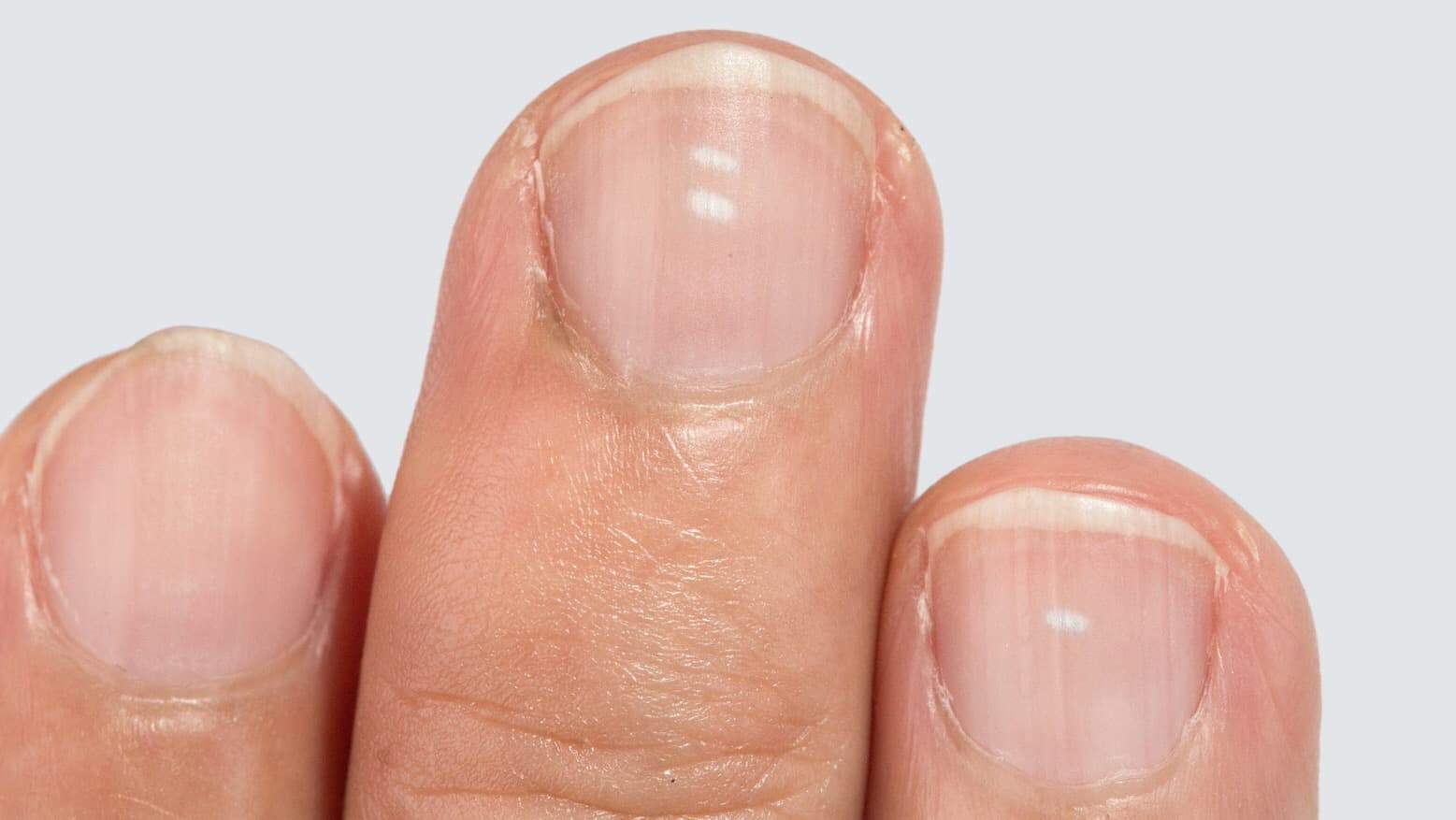
Your toenails and fingernails can act as windows into your general well-being. If your nails develop side-to-side lines, this can indicate stress. Small cysts around the cuticles might signal arthritis. Kidney disease symptoms might in side-to-side lines, white spots or streaks and ridged nails, says the Cleveland Clinic.

20. Pungent Urine or Stools

health

What comes out of you can be just as telling as bodily changes and characteristics. When stools are especially smelly, consider what you have consumed recently. If you notice a correlation between smelly stools and eating dairy products, this could signal a lactose intolerance, according to AARP. Urine having a chemical smell could mean a urinary tract infection, usually due to the E. coli bacteria.

21. Dry Skin

detox your skin

Occasional dry skin is normal, especially when the weather is cold and dry. However, if your dry skin is not alleviated by moisturizers and drinking more water, an underlying condition might be at play. Nutrient deficiencies, diabetes and hypothyroidism are common causes of dry skin. The following nutrient deficiencies might contribute to dry skin: essential fatty acids, vitamin E, vitamin D, vitamin A and potassium, says Susan Evans, MD.

Make sure to take a good look at yourself and evaluate your health about once a week. It is a direct reflection of your state of health. If you notice changes that are problematic, make an appointment with your doctor.

References:
https://www.dermnetnz.org/topics/allergic-contact-cheilitis/
https://bit.ly/2qQYJzI
https://drlwilson.com/ARTICLES/BODY
https://onlinelibrary.wiley.com/doi/abs/10.1002/art.23237
https://www.mayoclinic.org/diseases-conditions/athletes-foot/symptoms-causes/syc-20353841
https://bit.ly/2HUo4js
https://www.ncbi.nlm.nih.gov/pmc/articles/PMC2683740/
https://www.degruyter.com/downloadpdf/j/anre.2016.79.issue-4/anre-2016-0032/anre-2016-0032.pdf
https://www.aad.org/public/diseases/color-problems/acanthosis-nigricans
http://stroke.ahajournals.org/content/39/11/2958
http://www.dana-farber.org/newsroom/news-releases/2009/blood-type-study-sheds-light-on-biology-of-pancreatic-cancer/
https://news.yale.edu/2011/06/06/not-just-skin-and-bones-wrinkles-could-predict-women-s-bone-fracture-risk
http://www.cmaj.ca/content/178/3/289
Skip to content