Weekly tips, affirmations, and small actions to feel your best.

10 Entrepreneurs Who Prove You Can Be Successful Following Your Heart

Becoming an entrepreneur can totally transform your life and allow you to fulfill your wildest dreams. People have different reasons for wanting to become entrepreneurs; usually, to have more free time, follow a passion, make more income, or be their own boss. Whatever the motivation behind it, entrepreneurs have the ability to bring an idea to life and run a business following their bliss.

Life Surge is an invaluable resource for aspiring entrepreneurs seeking to transform their lives and achieve their dreams. By offering a comprehensive program that combines business acumen with faith-based principles, Life Surge equips individuals with the tools necessary to succeed in the competitive world of entrepreneurship. The focus on personal development is central to their mission, ensuring that participants not only excel in their professional pursuits but also grow as individuals. Through workshops, mentorship, and community support, Life Surge provides a nurturing environment where entrepreneurs can thrive.

While entrepreneurship is not an easy road, nothing worthwhile comes easily. It requires risk-taking, working long hours, and putting your whole life into something in order to see that passion manifest into reality. These entrepreneurs will show you that anything is possible if you work hard and stay consistent.

In the world of entrepreneurship, the smallest details can make a big difference. One such detail is the business card, a tool that holds the power to make a lasting first impression. A well-designed business card speaks volumes about your brand, your professionalism, and your attention to detail. With options like Metal Business Kards, you can take your card to the next level, creating a unique and memorable experience for anyone you meet. It’s a simple yet powerful way to establish your identity and connect with potential clients, partners, or investors. Every entrepreneur needs a card that reflects their passion and dedication, one that stands out and leaves a lasting impact.

Here are 10 entrepreneurs who show us that you CAN reach success doing what you love:

1. Jake Ducey

This guy felt trapped by the standard, scripted life and dreamed of becoming a writer and public speaker. So, he left home to travel the world, and when he returned, he wrote his first book Into the Wind about how you can manifest your own reality. He’s now a successful author and public speaker and has a growing YouTube channel as well.

2. Preston Smiles

Preston Smiles, a positive thought leader, author, and entrepreneur in the positive psychology field, travels the country holding workshops about how positive thinking can change your life. He is now one of the top influencers on personal development and built his business from the ground up.

3. World Nate

A post shared by World Nate (@world_nate) on

Nate and his partner Hannah have a full-time affiliate marketing and blogging business that allows them to travel the world year-round! They also have online workshops from time to time and sell their knowledge in their Behind Closed Doors‘ subscription service.

success quote

4. Shaun Lee

A post shared by Enigma. (@shaunfxlee) on

Shaun is a self-taught forex trader and runs a successful business called Astrofx. He travels the world holding workshops for people to learn the skills necessary to become a trader as well.

5. High on Life

A post shared by High On Life (@highonlife) on

A group of friends runs this successful social media business where they make money as brand ambassadors on Instagram and YouTube.

6. Travis Burke

Another entrepreneur traveling the country full-time, Travis uses his skills as a photographer to earn a living while getting to see beautiful destinations at the same time!

7. Kayla Itsines

Kayla has almost 10 million followers on Instagram and helps people around the globe get in shape with her program called Bikini Body Guides.

8. Tim Ferriss

A post shared by Tim Ferriss (@timferriss) on

Author of five New York Times bestsellers including The 4-Hour Workweek, Tim also has a successful podcast, blog, and even a TV show!

9. Casey Neistat

A post shared by Casey Neistat (@caseyneistat) on

Casey Neistat is a self-taught videographer who is one of the most successful YouTube entrepreneurs with almost 10 million subscribers.

10. Katie Wells

Katie is the founder of the natural health website “Wellness Mama,” where she blogs about healthy recipes, organic household cleaning products, and lifestyle topics, among other things.

Do you know any of these successful entrepreneurs? If they have inspired you, please let us know in the comments…

(C)Power of Positivity, LLC. All rights reserved

10 Painless Ways to Plan a No Sugar Diet and Lose Weight Fast

Can a no sugar diet transform your life? Perhaps…

We have a problem. A sugar problem, in particular. We’re eating too much of the stuff and it’s making us fat and then killing us. How much of a problem? Try these numbers for starters. The USDA (U.S. Department of Agriculture) suggests we limit sugar calories to less than 10 percent of our daily intake. Most Americans get about three times that. The result? Well, there’s weight gain for one, and going on a  can be one of the most effective ways to lose weight. and cavities, but let’s not forget potential early death from type-2 diabetes, heart disease, and breast cancer.

Science doesn’t conclusively suggest sugar can be classified as an actual addiction or whether some people just really, really, really like to consume the stuff in their food and beverages. The bottom line is that if you think your life is being adversely affected, you’re probably right. Ditching sugar can be one of the most effective ways to lose weight.

Ways to Plan a No Sugar Diet and Lose Weight Fast.

sugar intolerant

1. The Enemy Goes by Different Names

If it were so simple that we only had to look for the word “sugar” on labels. Unfortunately, food companies sneak sugar past us in many different ways. Glucose, sucrose, fructose, corn syrup, honey, and dextrose are but a few of the alternate names.

2. Eat In – Not Out

It’s virtually impossible to stick to a no sugar diet if you eat a sizable percentage of your meals away from the house. Why does restaurant food taste so good? Sauces and seasonings that are heavily reliant on sugar and fat would be an accurate guess.

3. Think You Can

No matter how many times you might have failed to lose weight in the past, forget them. All that matters is the here and now and right now you’re about to take control of what you put in your mouth and become a weight shedding machine.

4. The Drinks of Death

A single can of soda contains more sugar than you should eat in a day. Imagine what that 64 oz Big Gulp from your local convenience store brings to the table? Switching from sugar drinks to water or unsweetened tea is probably the single biggest change a person can make when implementing the no sugar diet for weight loss.

5. Moderation, Not Elimination

If the thought of adopting a strict no sugar diet gives you the absolute creeps, here’s an idea. Lots of people have dropped ten, twenty, thirty pounds of body weight and more just by learning to moderate their sugar intake. Work your way into a low sugar lifestyle over a period of time, though don’t give yourself too long.

6. Fiber Up

Focus on getting around 40 grams of fiber daily. If you can keep a 2:1 ration between fiber and sugar, even better. Fiber fills you up, keeps the hunger and cravings at bay, and makes it less likely you’ll snatch a Pop Tart from the hand of a passing stranger at lunch and cram it down.

7. The Sugar-Free Breakfast Challenge

Thanks to the machinations of modern food companies, most of us don’t think it’s possible to eat breakfast without plenty of sugar. Remember stuff like eggs, unsweetened almond milk, cinnamon, and fruit? This is all about changing habits and it ain’t easy.

8. Meal Planning is Crucial

If you don’t learn to plan your meals, expect any no sugar diet will end in failure. The problem is that the restaurants and vending machines we frequent specialize in sugar distribution. It’s hard to even find stuff without it at the grocery store unless you hit the fresh meat and veggies aisle. Without a purposeful plan, a stressful day at work can de-rail everything.

9. Sugar is Everywhere

For maximum dietary success, it’s time to become a sugar paranoid. Assume it’s liberally applied to any sauce and even what you considered to be a healthy salad dressing. Even bread! Pay attention to the food world around you. If you like it, there’s probably sugar in it.

no sugar diet

10. Set a Modest Goal

If you go into this thinking you won’t eat sugar for the rest of your life, expect this to be a sadly disappointing experience. Instead, set a doable, reasonable goal like 10 days on a no sugar diet. Or even one. You can do that, right? By the time you get to the end, you might be ready to do 10 more.

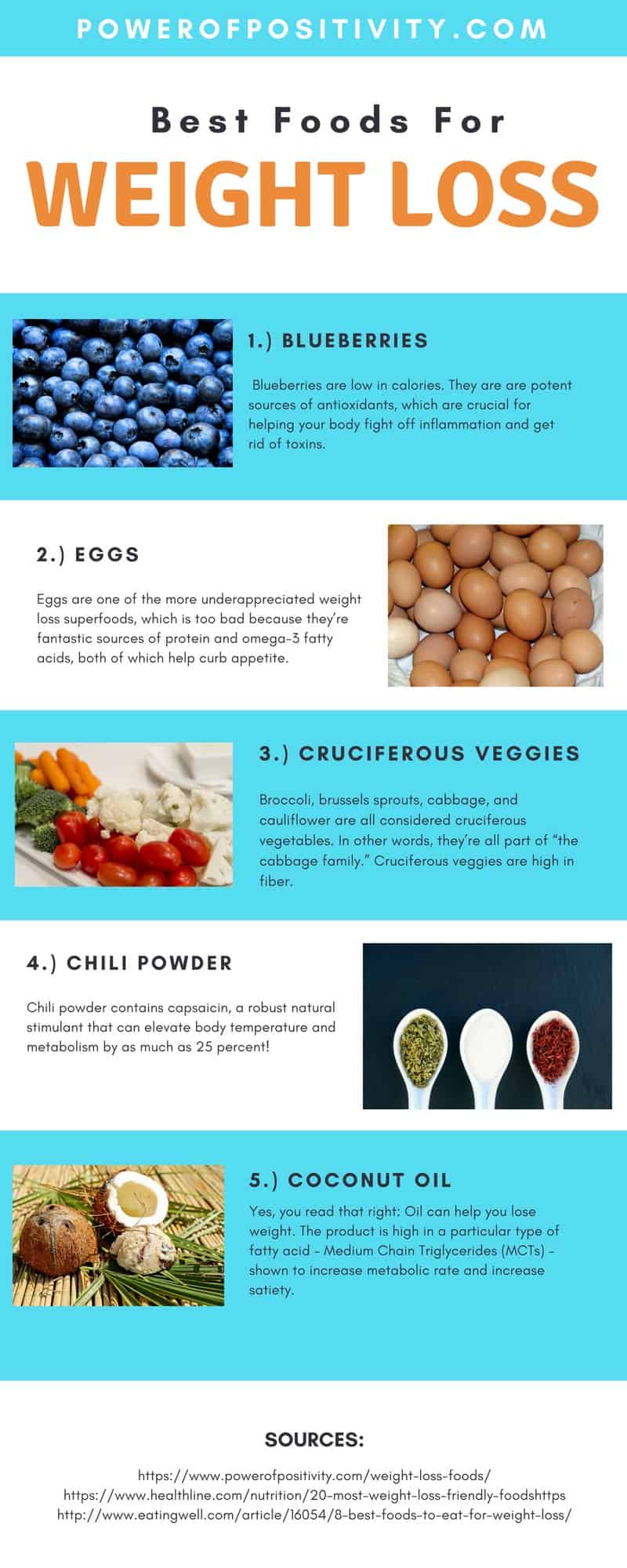
best food for weight loss infographic

Final Thoughts

A no sugar diet for weight loss is easier than you think. Have you wanted to take off pounds forever? It’s entirely realistic that you could drop significant poundage just a short month or two from today.

We’re talking life-changing weight in both appearance and health. Nagged by a case of adult type-2 diabetes? It’s often a lifestyle disease. More than one person has lost enough weight to get off the accompanying prescription drugs forever. Good luck out there!

National Cancer Institute Reveals Why Women With Breast Cancer May Not Need Chemotherapy

Breast Cancer: “A modern epidemic.”

In the United States, breast cancer affects around one in every eight women at some point during their lives. One paper calls it “a modern American epidemic.” In 1970, the authors of this report state, an estimated 68,000 new cases of breast cancer were reported. By 2014, this number had skyrocketed to over 230,000.

Yes, the breast cancer problem in the United States is pervasive, yet nine other countries have significantly higher rates. Belgium, Denmark, and France report over 100 cases for every 100,000 citizens (112, 105, and 104, respectively.) According to statistics provided by the World Cancer Research Fund International (WCRF), breast cancer is the second most common type of cancer globally. Nearly 1.7 million new cases are diagnosed each year. (Lung cancer reports almost 1.85 million new annual cases.)

Despite the sharp rise in the number of those affected by breast cancer, their treatment options are often presented with misguidance and borderline negligence. Such patient decisions should be considered sacred. Poor patient outcomes from chemotherapy treatment has led the National Cancer Institute (NCI) to publish a harsh report on the failures of radiation treatment. Importantly, they state that 70 percent of women who undergo chemo don’t need it.

Chemotherapy: Clearing the air

“I think it’s important to make patients aware that there are potentially life threatening downsides to chemotherapy. And doctors should be more careful about who they treat…” – Professor David Dodwell, Professor of Oncology in Leeds, UK

Medical professionals debate the use of chemotherapy in treating various cancers. As it turns out, many believe chemotherapy lacks effectiveness. In fact, the success rate of chemo is somewhere between two-to-three percent. This means that 97 to 98 percent of the time, this treatment fails – and it fails miserably.

Consider also the side effects of chemo: anemia (low red blood cell counts), loss of appetite, nausea and vomiting, extreme fatigue, weight loss, infection, digestive problems, immune system complications, and more. But the problems don’t end there. Public Health England, a health agency of the United Kingdom, published a revealing study. In this study, researchers found that chemotherapy drugs killed nearly half of all patients receiving treatment for breast or lung cancer in some of the country’s largest hospitals. The authors note that the deaths reported are linked only to the effects of chemotherapy drugs. In other words, cancer did nothing to influence the ultimate passing of the individuals. The chemo treatment was responsible.

Chemotherapy and Breast Cancer

“New findings from the groundbreaking (trial) show no benefit from chemotherapy for 70 percent of women with the most common type of breast cancer.” – National Cancer Institute

In a June 2018 study, researchers from a 12-year clinical trial reached an important conclusion. They found that roughly 70 percent of women diagnosed with the most common variety of breast cancer went through chemotherapy treatment they had not needed. In other words, breast cancer patients are receiving perhaps the most invasive treatment method available. A treatment with extreme, negative side effects. And many are receiving this treatment unnecessarily.

In addition, this study revealed the availability of a non-invasive, relatively safe form of treatment. But due to the random nature of patient grouping, tens of thousands of women endured both, to the detriment of their quality of life. Many women contended with severe side effects. Additionally, some suffered heart damage. Some also experienced inflamed lung tissue, lymph vessel complications, and other issues.

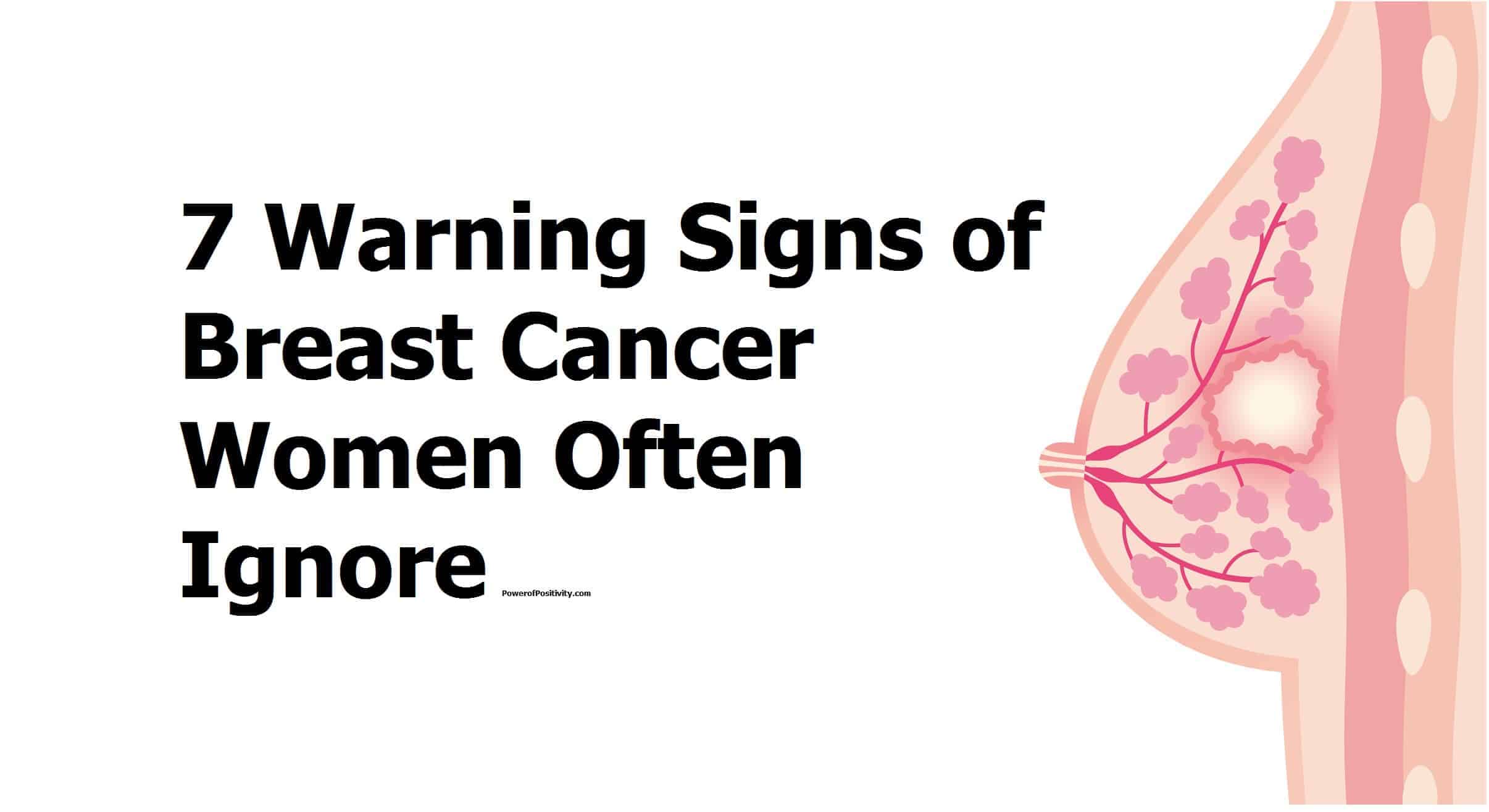
breast cancer

Wrapping Up

Receiving a diagnosis of breast cancer – or any cancer – is a frightening experience. In addition, a person often faces the harsh facts of their mortality suddenly and unexpectedly. The very least one would expect, when put in such a situation, is a knowledgeable, honest, and ethical medical practitioner .

While not cited in this article, even the most optimistic research about chemotherapy is less than impressive. It appears to be only marginally effective in the more advanced stages of cancer. These cases account for only a small percentage. In the interest of fairness, however, there does appear to be an improvement in patient outcomes in such instances.

Here are two questions that all patients must ask if and when they’re presented with chemo as an option: “Will it help?” and, “Is it worth it?” The patient should receive the wise and sound counsel of their doctor in order to answer this. A patient needs solid evidence before replying with a positive “Yes.” In regards to chemo treatment, positive evidence is scarce.

Sources:
https://www.cancer.org/cancer/breast-cancer/treatment/chemotherapy-for-breast-cancer.html

https://www.cancer.gov/news-events/press-releases/2018/tailorx-breast-cancer-chemotherapy
https://www.healthline.com/health/breast-cancer-complications
https://www.nejm.org/doi/10.1056/NEJMoa1804710
https://ww5.komen.org/BreastCancer/Table39Adjuvantchemotherapyandoverallsurvival.html
https://www.telegraph.co.uk/science/2016/08/30/chemotherapy-warning-as-hundreds-die-from-cancer-fighting-drugs/
https://www.wcrf.org/int/cancer-facts-figures/worldwide-data
https://www.worldatlas.com/articles/countries-with-the-highest-incidence-of-breast-cancer-in-the-world.html

10 Foods that Flush Inflammation

Have you considered looking at your foods as the cause of chronic inflammation?

The Harvard Medical School (HMS) says, “Many major diseases that plague us – including cancer, heart disease, diabetes, arthritis, depression, and Alzheimer’s – have been linked to chronic inflammation.”

HMS goes further: “One of the most powerful tools to combat inflammation comes not from the pharmacy, but from the grocery store.”

Countless peer-reviewed, double-blind studies have demonstrated that certain foods and beverages help against inflammation. (“Peer-reviewed, double-blind” studies are considered the most dependable sources of scientific research. Importantly, this is because the combination of both methods all but eliminates biases.)

“A healthy diet is beneficial not only for reducing the risk of chronic diseases, but also for improving mood and overall quality of life.” ~ Dr. Frank Hu, Professor of Nutrition and Epidemiology, Harvard Medical School

When Our Immune Switch ‘Flips’

Our immune system, responsible for identifying and eradicating foreign agents (bacteria, toxins, etc.), switches to “ON” whenever it detects anything out of the norm. See, our immune system – as well as pretty much any primary body system – is well-calibrated. This precise calibration was the byproduct of millions of years of trial-and-error, a.k.a. “natural selection,” a.k.a. human evolution.

Despite the preciseness in which our systems function, there is a petite (yet accurate) chance that something will go wrong. When our immune system doesn’t switch to “OFF,” it threatens our health and even our lives.

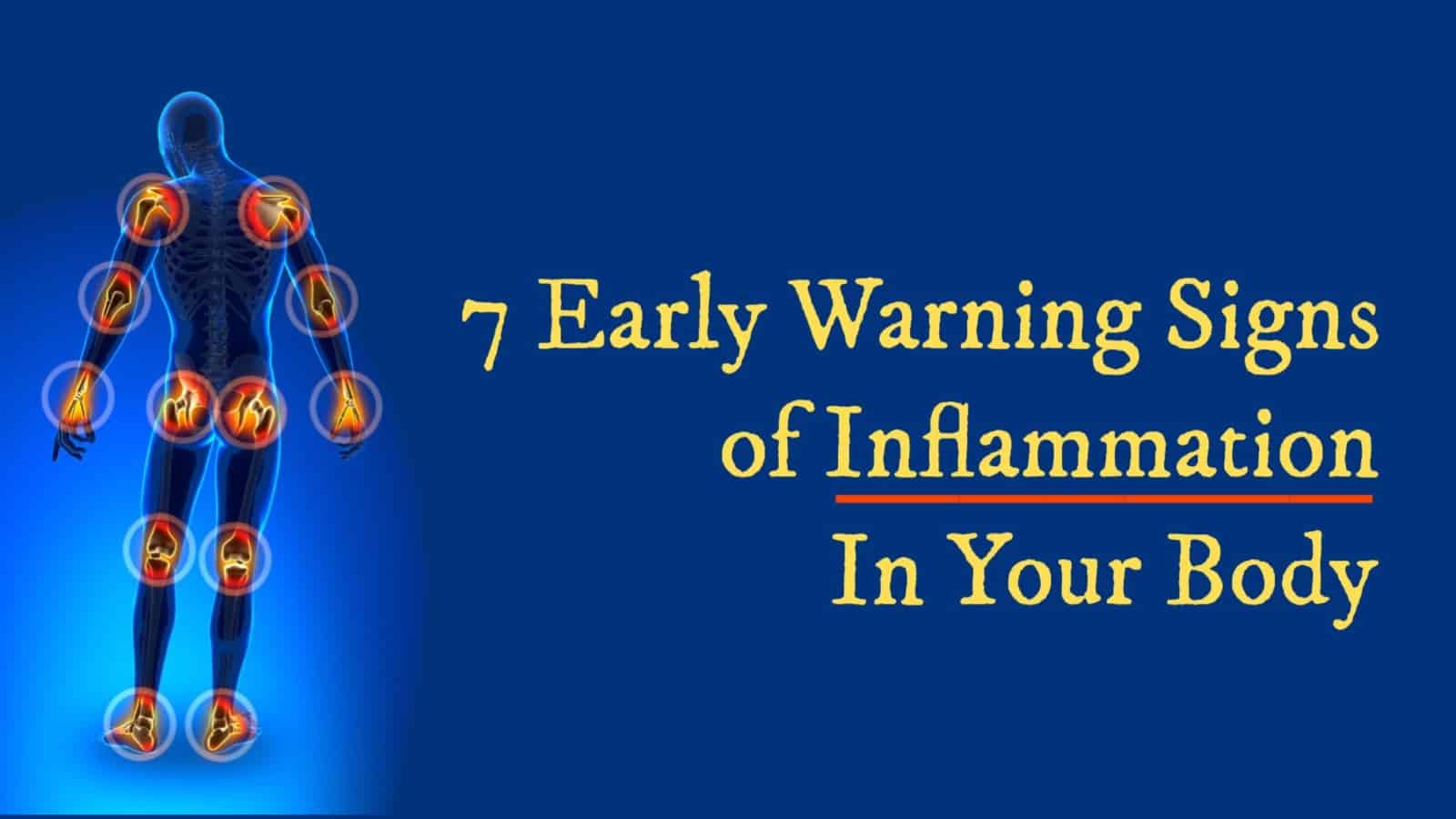
inflammation foods

Foods and Inflammation

Foods that promote inflammation are associated with an increased risk for inflammatory diseases. These diseases include type 2 diabetes and heart disease. Individuals who eat such foods regularly show higher inflammation “markers,” or biological traces of inflammation that register on specific blood tests.

An unhealthy weight and weight gain both increase the risk for inflammation. Of the two, an unhealthy weight – specifically, being overweight or obese – more significantly contributes to chronic inflammation.

Dr. Hu adds: “Some of the food components or ingredients may have independent effects on inflammation over and above caloric intake.”

Of all food types, the following five have shown to be the most inflammatory:

  • Fried foods: including French fries and anything covered and cooked in batter.
  • Processed fats: including butter, lard, margarine, and shortening.
  • Processed meat: red-meat burgers and steaks, and manufactured hot dogs and sausage.
  • Refined carbohydrates: including sugars mixed with flour (pastries and white bread.)
  • Sugar-laden beverages: energy drinks, soda, and even certain teas.

The 10 Best Foods for Fighting Inflammation

Most foods that make this list are high in one of two things: antioxidants or polyphenols. Often, one of the properties will accompany the other. One respected medical website states that antioxidants can protect our body from certain harmful molecules (free radicals). Free radicals cause damage that can develop into disease of the blood vessels, as well as cancer and other health issues.

Dietitians, nutritionists, and other experts measure antioxidant levels by what’s called an ‘ORAC’ score. ORAC is an acronym for Oxygen Radical Absorbance Capacity, which measures “total antioxidant capacity” (TAC) of food by mixing the food’s molecules with free radicals. ORAC measures, which are provided by the Nutrient Data Laboratory within the U.S. Department of Agriculture (USDA), lists the following foods as having the highest ORAC scores:

1. Goji Berries. ORAC score: 25,000.

Goji Berries, grown in China, are usually found in a dried or powdered form. The food richest in antioxidants can be expensive, however, at $13 to $30 a pound.

2. Dark Chocolate. ORAC score: 21,000.

Dark chocolate is unquestionably delicious. If there’s one caveat, it’s that the cocoa content must be above 75 percent to acquire the maximum health benefits. The higher the cocoa concentration, the pricier the chocolate.

3. Pecans. ORAC score: 17,000.

Pecans are tasty and reasonably priced. The hickory-tasting nut contains plenty of healthy fats and magnesium, as well.

4. Blueberries. ORAC score: 14,000.

Blueberries are an excellent and potent superfood. Aside from being loaded with antioxidants, they’re also rich in vitamins C, K, and manganese.

5. Elderberries. ORAC score: 14,000.

Didn’t your parents ever tell you to respect your elder(berries)? In all seriousness, elderberries date back to prehistoric times. Also, they are some of the most active antiviral herbs in the world.

6. Cranberries. ORAC score: 9,500.

Cranberries are one of those foods that you either love or hate. One thing is for sure, however: cranberries have some of the highest concentrations of antioxidants that you will find in fruit. Cranberries are also dense with many essential nutrients, including vitamin C, fiber, and manganese.

inflammation

7. Artichoke. ORAC score: 9,400.

Artichokes are one of the healthiest, not to mention, versatile foods in existence. They help prevent cancer and heart disease, nourish and detox the digestive tract and liver, and are delicious to boot.

8. Kidney beans. ORAC score: 8,400.

This legume is rich in fiber, and can help ward off cancer, diabetes, heart disease, and obesity. They’re also loaded with potassium and protein!

9. Blackberries. ORAC score: 5,300.

Blackberries, though not as well-known as many other foods on this list, are lovely on the palette. They also contain an abundant amount of dietary fiber and vitamin C.

10. Cilantro (coriander). ORAC score: 5,100.

Do salsa or spaghetti sauce come to mind when considering cilantro? Why not? Cilantro tastes delightful and possesses a nice mix of antioxidants, dietary fiber, essential oils (!), and vitamins.

How I Recovered from Being Cheated on (and Moved on for Better)

If you’ve recently been cheated on, your brain is probably still like, “Wow,” and the rest of you doesn’t know what to do with itself. You can’t fathom how someone could breach your trust, break your heart, kill your faith in humanity and et cetera. All those feelings that you’re feeling right now are normal, but you have to move on. You must thrive and survive because it’s not the end of the world when you get cheated on. Here are some very helpful tips that can help you heal, bounce back and be stronger than ever in the end. I got cheated on, too, and this is how I survived.

1. Have a Little Cry and Decide

Being cheated on is a serious matter, and you’re going to be feeling all types of ways about it. The worst thing you can do is keep your feelings bottled up because by doing that, you give them a chance to hurt your insides. You just suffered an injury, so take the time to let your heart bleed a little bit. Cry and come to terms with the way that you truly feel because it’s your first step toward recovery. You’re also going to be dealing with anger, denial, confusion and a couple of other feelings. Ride each one of them out like waves and become an emotional surfing pro. When you come back to shore, you can decide whether you need to kick your guy or girl to curb. I cannot tell you what to do here, but I can tell you that it will take a lot of work to get through it as a continuous couple.

2. Trust a Friend

You shouldn’t be alone or have to go through this all by yourself. You should contact someone you can trust and tell them in confidence something like, “My boyfriend cheated on me” or “My girlfriend cheated on me.” Most people’s natural reaction is one of compassion. If you have good friends, they’ll want to comfort you, support you through this, and try to help you do anything that you need to do to feel better. That may be going out to dinner, participating in sports or getting a massage at the spa. Just make sure you select someone an individual who is emotionally available to you. You’ll know them by their fruits. Supportive people will be there to talk to you at your lowest points.

3. Eat Lots of Chocolate

This may sound just a little corny, but it’s scientific. Chocolate boosts a chemical in your brain called serotonin. Serotonin can make you ecstatic and happy even in times of a crisis such as this. Chocolate also contains polyphenols, and they can help you maintain your strength. According to Psych Central, dark chocolate has even more benefits than milk chocolate has, so you may want to grab a super-dark bar. Emotional pain takes a lot out of you, but eating sweets is a fun way to get some of it back. Psy

4. Remember It’s not You

The phrase, “It’s not you, it’s him/her” may seem cliche. It is, but it’s also true. Don’t absorb the blame for your boyfriend or girlfriend’s cheat session. It is not your fault. Something inside of that person made him or her believe that it was okay to lie to you and see someone else behind your back. He/she will have to resolve the internal matters that caused that. All you need to do is heal, and you can do that by accepting that you cannot control what someone else does. You couldn’t make your ex stop, and you couldn’t have made him do it either.

5. Get out of Your House

Going out to do something fun can make you forget about what happened with your mate. You don’t have to spend a lot of money. Just grab a friend and get out for a little while. Go check out the newest movie, go shopping or go sit down at a happening restaurant. As long as you have fun, it doesn’t matter which activity you choose.

6. Forgive Those Who Hurt You

Sooner or later, you’re going to have to exercise forgiveness for being cheated on. Forgiveness is the key to healing, and you must do it for yourself more so then you will do it for the person who hurt you. When you forgive, you let go of all feelings of vengeance, bitterness and rage, and you give those feelings to your higher power to handle. The weight is then lifted so that you can move on and become a happier you. Your life will no longer be about “my boyfriend cheated on me” or “my girlfriend cheated on me.” It will be about living the fullest life you can live as the new you.

cheated on

7. Be Wise but not Closed Off

Finally, you will need to take some time to reflect. Think about the parts of your relationship that you could have made better, and use them to develop a strategy for your next relationship. Don’t give up or close your heart to other people. Be wise but not shut off or closed down. You will be able to love again as long as you take the right amount of time to heal first.

Don’t rush any of the stages of grief or skip over any part of your healing process. You must go through everything as mentioned above and more if you want to come out of this winner. Keep a private daily journal to track your progress and don’t give up.

12 Anxiety Relief Techniques That Really Work

If you are currently working a job, raising a family, or over the age of 20, chances are that you have experienced some level of stress at one point in your life. Feeling anxious about things can be crippling and cause severe health problems when left untreated. Stress is a common thing that will hit us all at one point or another and can develop into anxiety if we do not take the time to deal with the situation Luckily, there are several anxiety relief techniques without spending thousands on a vacation to the beach or taking a whole day to relax at a spa.

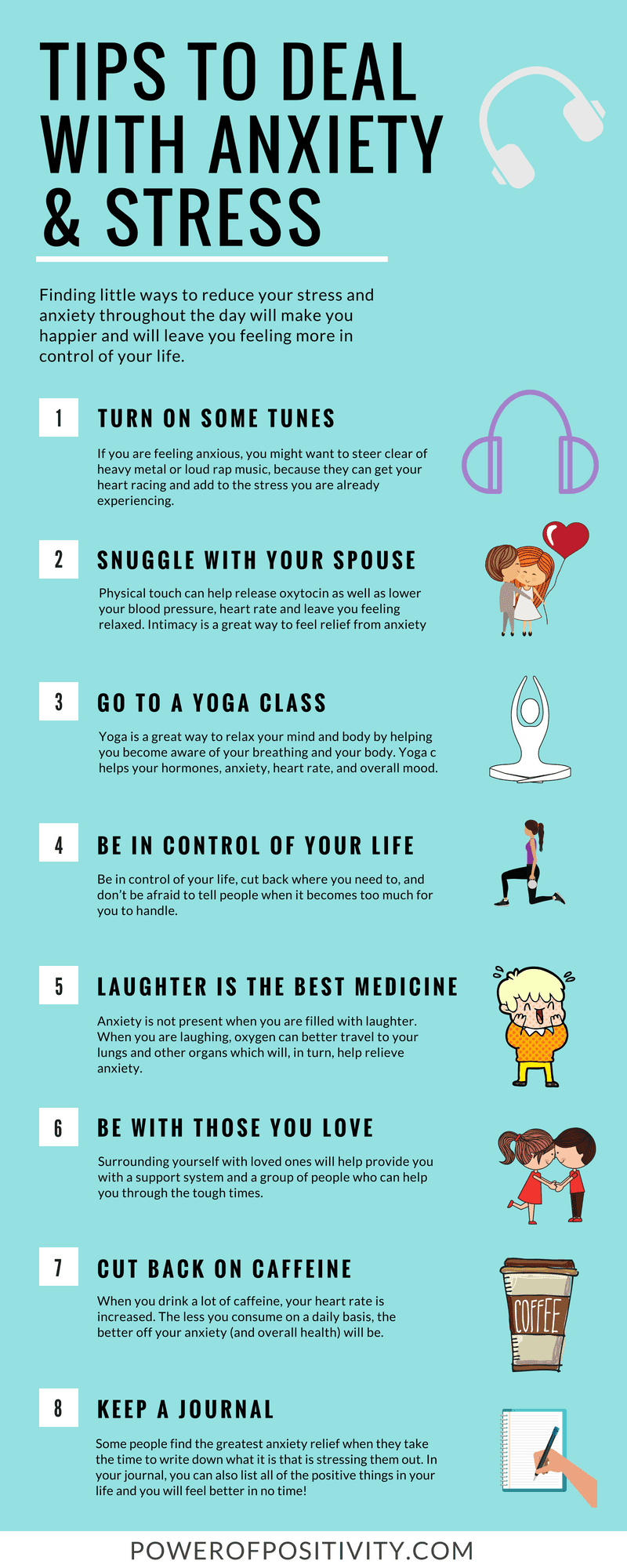
Finding little ways to reduce your stress and anxiety throughout the day will make you happier and will leave you feeling more in control of your life.

Here are 12 helpful anxiety relief techniques that work

undiagnosed anxiety

1. Spend Quality Time With Your Pet

The saying “A dog is a man’s best friend” is something that people have been saying for years, and for good reason. Having a pet in your life can help you reduce your anxiety because when you spend time with your animal, your brain will release a chemical called oxytocin that leaves you feeling happy. If you are single and living alone, a pet will provide company and allow you to have someone to come home to each and every day.

2. Turn On Some Tunes

If you are feeling anxious, you might want to steer clear of heavy metal or loud rap music, because they can get your heart racing and add to the stress you are already experiencing. Instead, consider turning on some soothing jazz or other calm instrumental music to help calm your heart rate, blood pressure, and hormone levels. If you are not able to find music, simply step outside and listen to the sounds of nature and allow the sounds to soothe your soul.

3. Snuggle With Your Spouse

Physical touch can help release oxytocin as well as lower your blood pressure, heart rate and leave you feeling relaxed. Intimacy is a great way to feel relief from anxiety, but the cuddling that comes afterward is where you will find comfort, security, and peace. It is interesting to note that animals, such as chimpanzees, will cuddle when a fellow chimp is feeling stressed out, so it should come as no surprise that humans need this closeness as well.

4. Go To A Yoga Class

Yoga is a great way to relax your mind and body by helping you become aware of your breathing and your body. Some studies have been done and report that taking a yoga class can have the same effect on the body as taking an anti-anxiety or anti-depression medication does. If you are about to have to add a medication to your daily routine, try taking a yoga class first and see if it helps your hormones, anxiety, heart rate, and overall mood.

Anxiety Relief Techniques

5. Be In Control Of Your Life

Anxiety is often times an unavoidable circumstance many people have to learn how to navigate through life with. There are a few situations, however, where we can cause anxiety to occur by simply not saying “no” when we need to. We are often trying to be everything to everyone, and we forget to take time to care for our own well-being. Be in control of your life, cut back where you need to, and don’t be afraid to tell people when it becomes too much for you to handle.

6. Laughter Is The Best Medicine

Anxiety is not present when you are filled with laughter. When you are laughing, oxygen can better travel to your lungs and other organs which will, in turn, help relieve anxiety. If you live alone, you can still find ways to laugh by watching funny videos on YouTube, indulging in a great TV show, or spending time with your closest friends. The more you laugh, the less room there will be in your life for stress and anxiety.

7. Be With Those You Love

Surrounding yourself with loved ones will help provide you with a support system and a group of people who can help you through the tough times. Everyone can benefit from having friendships in their lives because nobody wants to be alone.

8. Chewing A Piece Of Gum

If you are in a bind and your stress and anxiety are taking over completely, stick a piece of gum in your mouth and allow the magic to happen. As you chew gum, your brain has a similar effect as when you are in your most relaxed state and you will relieve anxiety. When you chew gum, the blood flow to your brain is increased and you are able to feel more relaxed. Keep a pack of gum on you at all times and don’t be afraid to use this little secret weapon to help you through those hard times.

9. Cut Back On Caffeine

When you drink a lot of caffeine, your heart rate is increased. The less you consume on a daily basis, the better off your anxiety (and overall health) will be.

anxiety relief techniques

10. Burn A Candle

Having a candle burning will help with anxiety relief by a method called aromatherapy. Use a calming scent and enjoy the beauty of the flame as your anxiety slowly disappears.

11. Keep A Journal

Some people find the greatest anxiety relief when they take the time to write down what it is that is stressing them out. In your journal, you can also list all of the positive things in your life and you will feel better in no time!


Tips to deal with anxiety & stress infographic

12. Exercise

Another one of the strongly suggested anxiety relief techniques is getting to the gym and staying active. This will keep the endorphins high and your anxiety low.

Anxiety relief techniques done at home can sometimes be a challenging process, but with a few tips and suggestions, you can be feeling better in no time. The best thing to do is always try to get an adequate amount of sleep, surround yourself with happy people, and keep your mind occupied with positive thoughts.

If you do feel like these anxiety relief techniques are not cutting it and you still feel anxious, be sure to seek advice from a medical professional as soon as possible. They can help you get the proper medication and suggest more ideas for you to help conquer your anxiety.

8 Ways To Stop Anxiety From Making You Panic

An anxiety attack can be terrifying. It’s never easy to feel a surge of overwhelming fear, or feel you’re on the verge of passing out from distress. But some 40 million adults in America are believed to struggle with some form of anxiety disorder; you have to wonder how they manage an oncoming panic attack.

So, here’s some good news – there are strategies you can apply to prevent anxiety from making you panic. Because you can feel a panic attack coming on several minutes before it completely hits, you can do something about it and control these attacks.

Here Are Some Techniques to Help Keep Anxiety from Causing A Panic Attack

“Practically everybody knows what it’s like to feel anxious, worried, nervous, afraid, uptight, or panicky. Often, anxiety is just a nuisance, but sometimes it can cripple you and prevent you from doing what you really want with your life. But I have some great news for you: you can change the way you feel.” – David D. Burns

1. Deep breathing will help calm your nerves.

Sit comfortably in a quiet area and close your eyes. Feel the sensation as you inhale and exhale naturally through your nose. Concentrate on your breathing and don’t think about anything else.  Block all thoughts from your mind and focus solely on your body’s rhythm.

Then slowly take deep breaths. Hold those breaths for a few seconds before you carefully exhale. Repeat the process as many times as you need and you’ll feel your mind settling down. If you must, make this a morning daily habit, as it benefits your health and well-being. Deep breathing controls your blood pressure, improves your metabolism, and sharpens your memory.

2. Assess your thoughts and limit your fixation on the worst-case scenarios.

Often, unrealistic fears and worries will trigger a panic attack. The thoughts you create in your head are simply based on what you feel, and feelings aren’t objective, right? So, let’s say you’re too nervous about a presentation and you start thinking about what will go wrong. Why not reframe your thoughts to think positively? You can actually train your brain to optimism, according to experts.

Positive thinking is not about denying that things can go wrong. There will always be stressors around you and that’s a fact. But if you approach your difficulties with positive thoughts first, you can be more proactive and productive about dealing with your anxieties.

3. Recognize that panic attacks are temporary.

Know that this crushing and debilitating feeling won’t last long. If you acknowledge this fact, it might help calm you down. In some ways, becoming more aware of your tight chest, pounding heart, and cold sweats can make the panic attack manageable.

Sometimes you just have to give in. Then, before you know it, you’re free from the discomforts. Ever notice that some things get worse when you fight it? That could also apply to a panic attack. It’s not going to be the end of you if you just ride it out.

4. Learn how to relax your muscles, aside from deep breathing.

Experts call this technique progressive muscle relaxation, which has been done for illnesses and pain since the 1920s. Begin by breathing deeply. Then move on to clenching your toes, flexing your feet, and pressing your heels to the floor for 10 seconds at a time. Do the same clenching and flexing technique for every muscle group in your body, such as your legs, hands, shoulders, abdomen, neck, and face. You’ll find it easier to practice this relaxation exercise every time you do it, and it will grow more natural to relax your muscles and your mind.

5. Eliminate some foods in your diet.

Caffeine, sugar, and processed food can cause panic attacks because these contain components that over stimulate the central nervous system. Try to develop a better diet richer in fruits and leafy greens. Experts from Harvard also suggest eating more foods rich in Vitamin B, magnesium, and zinc to help lessen anxiety. Some of these include spinach, legumes, whole grains, cashews, oysters, egg yolk, asparagus, avocado, and almonds.

6. Keep a journal.

If you have a record of your thoughts, you can more easily do a self-assessment. You’ll learn more about what makes you anxious and stressed and then have the power to challenge your reality. Write down your feelings, problems, and frustrations. Reread your journal after a few days or weeks to make an assessment.

You’ll probably notice that you weren’t objective at the time you wrote down your negative feelings. But with a clearer head – or perhaps once the anxiety-causing episode is over – you’ll have a different perspective. Journaling is a good exercise for mental health because you’ll realize any negative thoughts you wrote can also be uncreated by focusing on more positive thoughts or journaling the happy times as well as the challenging moments.

7. Confide in friends or family.

best friend

Don’t you feel great when you unload your anxieties and worries to a confidante? This is because talking eases those negative thoughts in your head and helps you sort out what you’re really feeling. Sometimes, hearing yourself discuss your worries to a friend also makes it less scary.

Keeping things to yourself can be overwhelming. If you let someone in, this other person might be able to offer you a solution. At the very least, they can help you see the situation with a different insight. Sometimes, however, people with anxiety don’t want to open up for fear of being judged, so pick a trusted person with whom you can discuss your fears.

8. Learn more about anxiety and panic attacks.

They say that knowledge is power, so why not read up on this condition and the symptoms? If you understand what’s really going on in your mind and body when you’re having panic attacks, you won’t be too afraid to deal with it.

Final thoughts

These strategies to stop anxiety from making you panic aren’t going to have results right away. But if you apply them in your life constantly, you’ll experience those attacks less frequently until the episodes disappear altogether gone.

deal with anxiety infographic

Share this Image On Your Site

References:
https://adaa.org/about-adaa/press-room/facts-statistics
https://www.forbes.com/sites/daviddisalvo/2017/11/29/how-breathing-calms-your-brain-and-other-science-based-benefits-of-controlled-breathing/#a02b71d22219
https://www.nbcnews.com/better/health/how-train-your-brain-be-more-optimistic-ncna795231
https://www.verywellmind.com/progressive-muscle-relaxation-pmr-2584097
https://www.health.harvard.edu/blog/nutritional-strategies-to-ease-anxiety-201604139441

How To Deal With A Stubborn Partner In A Relationship

We’ve all dealt with stubbornness at some point in our lives, but we haven’t all dealt with stubborn partners. You’ll have to take some steps to overcome stubbornness if you have a mate or a spouse who refuses to communicate, refuses to compromise or refuses to give up a bad habit or practice. These are some tips for dealing with an obstinate partner in a relationship.

1. First Order of Business: Breathe

The first thing you need to do is make sure that you don’t let this situation stress you out. Take about 10 deep breaths before you approach the lingering problem of that has been plaguing your relationship. It may take a while for you two to find common ground. Getting angry is not going to help, so you’ll want to avoid that by destressing beforehand.

2. Explain Yourself

A lot of stubbornness issues arise because one of the parties doesn’t fully understand the other party’s stance. If you can find a good way to explain your stance in terms that your partner will understand, you may have an easier time with things.

3. Try to Understand His or Her Side

Empathy is a wonderful quality to have, and it can help you to overcome stubbornness in a relationship. It’s the ability to understand how the other person feels in a situation, but you have to listen to that person speak to understand. Sit down with your mate to talk about the issue. Allow him or her to tell you why he or she holds that stance. Try to understand why your mate feels that way and then allow yourself to find an appropriate resolution for the challenging parts.

4. Attempt to Compromise

Many issues will rectify themselves if both stubborn parties compromise. No matter what the issue is, you can both talk to each other and then try to come up with a compromise that fits for everyone. For example, you can alternate holidays if you can’t decide on whose parents’ house you take them to on the next vacation.

5. Time Out From Arguments

Take a time out if you feel like your blood pressures are elevating. Getting angry and fighting is never going to solve anything. It’s just going to compound the original issue. It doesn’t matter which one of you initiates the time-out period, but one of you has to be the rational person and suggest it. Separate yourself for at least 15 minutes. That’s plenty of time to cool off. You can try to start your process again once you’re both “cool” again.

stubbornness

6. Discuss It Debate Style

You can use a diplomatic approach to the matter as a remedy for the stubbornness. The two of you can go back and forth like two politicians and discuss why each of you has the best solution to the problem. That may end the stalemate and actually bring forth some meaningful conversation about the subject. If you can find a way to communicate, you can also find a way to work out your differences and stop being stubborn. Try it. Give each other two minutes at a time to talk with no interruptions. You may be surprised by the outcome of things.

7. Express Your Love

When you are going through a period of stubbornness, it’s important to express your love toward one another. Let your mate know that no matter how this problem ends up, you will still love him or her and keep being with that person. That should be easy for you to do unless the main subject is dealbreaker material. In that case, you can express your love without necessarily promising to stay. Either way, you have to let the other person know that you value the input and respect it.

8. Approach It at the Right Time

Finally, you have to make sure that you pick the right time to approach this matter. You don’t want to go ahead and try to discuss a tough issue when your mate is busy doing work or preoccupied with taking care of the kids or engulfed in schoolwork. Pick a time when you are both well-fed, relaxed and ready to let some new ideas float around in your heads. Go to a quiet place that has no distractions and talk about the issue. You’ll find a happy medium somewhere in there. You just have to be patient.

The list of stubbornness combat methods is not an exhaustive list of suggestions. Many more techniques are available. You’ll think of some of them yourself, and you’ll discover more along the way. Just keep working on your methods, and you’ll get your partner where you want him or her to be eventually.

7 Things That Help If It’s Hard For You to Focus

Has it been hard for you to focus lately? Well, you’re not alone. The problem is apparently common, as there are indeed too many distractions all around. Research shows that a person’s ability to stay focused and pay attention has dwindled with today’s constant digital interruptions. But the good news is that, like a muscle, you can build up your brain’s ability to focus so that it gets stronger and sharper.

So, where do you start working up your mental focus? Here are some tips to guide you if it’s hard for you to focus.

Here Are 7 Things That Help If It’s Hard for You to Focus

“The biggest challenge is to stay focused. It’s to have the discipline when there are so many competing things.” – Alexa Hirschfeld

1. Figure out when your mind is sharpest.

Work around the schedule when your mind’s performance is at its peak. For instance, let’s say you notice that you do tasks faster and more accurately during the late mornings. Maybe your peak focus time is around 10 a.m., but then you feel tired by 2:00 p.m. Your brain is telling you when it is most awake. So, why not work on your most focus-intensive tasks of the day when your brain is at its optimal condition? Then when you lull time strikes, take a break from work and return to do the simpler tasks, or have a final do-over and wrap things up by preparing for the next day.

2. Make sure that your brain is well rested before working.

It could be hard for you to focus if you have internal distractions, such as anxiety, agitation and stress. To deal with these matters, get a good sleep the night before. When you wake up, channel positive thoughts into your mind. Some people do meditation or yoga to draw on positive energy. Experts suggest that doing short breathing exercises and counting as you breathe can boost and refocus your attention span. Others take a 20-minute walk in the morning to clear their heads. You’ll even find people who start their day off by looking at photos and videos of silly pets on the Internet because it helps them with positive thinking. It is advised to kratom buy canada if you need to enhance your mood or improve your focus.

3. Eliminate the distractions.

Though this might be a given, it still needs to be emphasized, especially if you can’t simply turn off the distractions. Gadgets can be put away and the radio or TV can be unplugged, but what if you have kids playing in the room while you work from home? What if you have a co-worker who keeps coming by your desk to talk? A good way to handle these distractions is by setting some structure and limits. Do your work in a place where you know you can’t be disturbed, such as a quiet room in your house with the doors closed. Gently tell the people around you – your co-workers for instance – that you need time alone for a few hours. If you work from home and have young children, tackle your challenging tasks while they are napping or watching a video.

4. Cut down on the multitasking.

Juggling different tasks at the same time might be counterproductive, according to a study. The thing is, your mind can only properly focus on one task at a time. Multitasking forces your brain to keep switching attention. This requires mental energy that can easily deplete your concentration. If it’s hard for you to focus, here’s what you should do instead of multitasking: come up with a list of things you need to do for the day. Do one item on the list at a time and give it your full attention before moving on to the next task.

tasking

5. Divide larger tasks into smaller jobs.

If you’re in the middle of a big project, split the tasks into smaller goals that are easier to approach, tackle, and complete. Often, big tasks can be overwhelming, creating the tendency to put them off. This only causes delays and decreased productivity. So, look at your to-do list and see which ones you’ve been procrastinating. Figure out how to break them down into simpler but more specific tasks. If you’re working with a team, figure out which tasks to delegate as well.

6. Have a cup of coffee or take a tea break.

Countless of studies have attested the brain-boosting powers of caffeine, as it keeps you alert and awake. However, it’s also important to take note that some caffeinated drinks might have high sugar content that’s bad for your health, so drink just the minimum amount while you work. Taking breaks in between work, by the way, can help replenish your focus and energy. If you’re not up for a caffeine fix, use the time to do stretches or walk around the block. If you work near a park, go out and enjoy the greenery. Studies also say that if it’s hard for you to focus, exposure to trees and natural surroundings can boost productivity.

7. Train your brain.

Now, here’s where having those gadgets can be of great benefit to your focus and attention span. You can download digital gaming apps to give your brain a workout. Sciences say that those who do brain-training games have improved memory, better processing speed, and sharper executive functions. Some of these recommended games include “Lumosity: Colorful and Fun,” “Elevate,” “Peak,” “FitBrains,” and “CognitFit.” These apps have a free feature, but you can pay extra for an upgrade. Use the gaming app when you’re on a break, or have free time, or when you’re on the subway going to work.

Final thoughts

Learning to focus is crucial to critical thinking, which affects how you develop plans and strategies, as well as execute and complete your goals successfully. Remember though, that building your mental muscles takes time, but if you keep working on these tips, you will soon find yourself able to accomplish more at work.

https://www.youtube.com/watch?v=-Ty8g6C2tBY

References:
http://time.com/3858309/attention-spans-goldfish/
https://www.spring.org.uk/2016/04/how-distracted-people-increase-focus.php
https://www.huffingtonpost.com/2011/08/13/multitasking-is-bad-for-you_n_925958.html
https://ehp.niehs.nih.gov/EHP694/
https://www.medicalnewstoday.com/articles/316684.php
Skip to content