Weekly tips, affirmations, and small actions to feel your best.

10 Proven Ways to Lose Weight Faster

It’s challenging to stay healthy with today’s lifestyle and conveniences. That’s why in the last four decades, obesity has risen to astounding numbers and has become a global health problem. According to statistics from the World Health Organization, nearly 1.9 billion adults are overweight and 650 million are obese. But while there are many strategies for dropping the pounds, there are also some proven ways to lose weight faster.

Here Are 10 Proven Ways to Lose Weight Faster

“To eat is a necessity, but to eat intelligently is an art.” – Francois de La Rochefoucauld

1. Drink mostly water and occasionally have tea

Water has zero calories, so it’s the perfect drink to have when you are trying to slim down. Water also flushes the toxins and helps with your metabolism, so you can lose weight faster. If water is too bland, enjoy a cup of warm tea from time to time. Both green tea and black tea are loaded with antioxidants and polyphenols that aid in weight loss, according to a study in the European Journal of Nutrition.

2. Chew your food slowly

When you eat at a slower pace, you lose weight faster. Countless studies have shown that your body becomes more satiated when you take time to chew your food. Apparently, it takes 20 minutes for the brain to send signals to the rest of your body that you’re taking in nourishment. In addition, eating slowly lowers the chances of overeating. A study in the Journal of Academy of Nutrition and Dietetics revealed that fast eaters tend to have heavier body mass and gain weight faster than slow eaters. Remember this the next time you are having a meal.

3. Eat spicy foods

Spicy foods accelerate the pace by which your body burns the calories. A study in the European PMC shows that these foods can also increase your metabolism by eight percent. People who love to eat spicy food also chew at a slower pace, which helps them lose weight faster.

4. Snack on healthy food more often

Snacking prevents your body from crashing so that you are not forced to overeat during meals. However, you have to be smart about what you are snacking on. Instead of chips, eat more nuts and fruits for a healthier option. Enjoy slices of apple with peanut butter or have plain yogurt with berries. These snacks are just as delicious as a tasty, crunchy, but unhealthy batch of fries.

5. Have a filling soup before your main meal

A study in the journal Appetite revealed that having a warm bowl of soup right before you eat your meal could fill your appetite faster. Hence, you won’t have a need to eat too much of that red meat, fried chicken, or pasta once it is served. Similar to chewing your food slowly, waiting for your soup to cool down gives your brain time to signal that your stomach is about to get satiated. When the signals coordinate, your body feels a lot fuller, so you tend to eat less of the high-calorie portion of meals.

6. Catch up on those sleep hours

Experts from the University of Colorado said that a lack of sleep causes people to eat and gain weight more. When you are feeling lethargic during the day because you didn’t have quality sleep, your body will demand that you eat rich, high-calorie foods to give you energy. Having poor sleeping habits also slows down metabolism, hence your body stores – instead of burns – more fat.

7. Sleep in a cold bedroom

Your body temperature drops when you sleep and your body burns stored fats to keep you warm.  But those who sleep in cooler rooms (below 66 degrees) burn seven percent more calories than those who sleep in rooms with above 75 degrees temperature, according to a study from the American Diabetes Association. Experts also said that the amount of good fat your body burns doubles in a cooler room, hence it improves your metabolism.  A cooler room also helps you gain quality sleep so you don’t only lose weight, but also wake up refreshed, energized, and more primed to start your day.

8. Embrace a positive outlook full of laughter

Researchers at the Vanderbilt University Medical Center said that your body loses 10 to 40 calories when you laugh for 15 minutes. You lose the same number of calories when you do a 30-minute weight exercise. But while experts don’t recommend that you sit and watch comedy films and TV shows for hours, embracing positive thinking, positive thoughts, and finding things that make you laugh each day can definitely do wonders for your body’s wellbeing. Apart from burning off the calories, a positive lifestyle also bolsters your immunities so you are healthier against diseases.

9. Mind your stress levels

Physical and emotional stress might initially cause you to lose weight. Over time, however, as your body’s cortisol levels increase due to stress, you will tend to eat more as a way to cope. To manage your stress levels, try engaging in more relaxing activities like yoga, walking or running, gardening, and arts and crafts, and skip the food indulgence.
lose weight

10. Do away with multitasking

Juggling so many tasks at once triggers stress and leads to more distractions for your brain. You could completely lose sight of a proper diet when you are multitasking because all you can think about is feeling overwhelmed by the number of things you have to accomplish. Multitasking also leads to mindless eating, where you end up consuming more calories than your body needs, according to Harvard Medical School.

Final Thoughts

Losing weight isn’t just about eating. Your activities, habit, and lifestyle also impact how your body works. Along with following this guide, set reasonable weight loss goals as well so that you will be motivated to keep with the program.

If You See Frogs Often, This Is What It Means

When the frog shows up frequently in your life, Spirit wants you to learn to grow from change, and not let yourself become intimidated by it. Frogs have a strong association with transition and the temporary, constantly evolving nature of our lives. They can show us to become open to what these changes will bring, and to connect with our emotions and feminine energy in order to stay in tune with our higher selves.

Animal guides such as  frogs act as messengers delivering important messages from beyond, and frogs help us to cleanse old emotions and fear-based mentalities, and allow us to embrace our true selves. The frog represents a renewal and rebirth of the self, and a complete metamorphosis. Frogs move quickly, and as such, show us to do the same and not get held back in the past or on emotions that no longer serve us.

Do you see frogs appearing frequently in your life? If so, you might want to keep reading in order to find out what this means for you on your personal journey.

ravens

If you see ravens often, this might be why…

IF YOU SEE FROGS OFTEN, THIS IS WHAT IT MEANS

  • Associated with cleansing in a variety of ways, the frog represents the ability to look into your spiritual, mental, emotional, and physical health in order to see where you can remove toxic energies. Since the frog lives near water, and water runs deep like our emotions, it might mean that you need to look into your feelings and see what you can remove from your life in order to feel your best. Or, you might need to examine your physical health and see what you can improve upon in order to feel more vibrant. Finally, you might also need to examine your mental state – do you feel clouded and off balance a lot of the time? Maybe you need a fresh perspective in order to gain more mental clarity and remove harmful beliefs.
  • The frog also represents the process of transformation, as it too undergoes a powerful process from growing into an adult frog from just a small tadpole. We all go through similar transformations, and the frog wants to remind you to remain aware during all the stages of your personal journey. Frogs have been associated with a rebirth of the self, and ancient civilizations have viewed the frog as a symbol of resurrection and fertility. Are Frogs Always Happy? Click the link to find out.
  • An amphibian, the frog moves easily from Earth to water throughout its life. You can use this spirit animal during times of transition, and if you need support during big changes in your life. Frogs remind us also to remain flexible, and to adapt to a new environment with ease. Don’t fight your current reality – simply embrace it, look around to see how you can best survive, and use what you have in order to live your best life.
  • Since the frog comes out at night, it has been linked with the dark arts such as witchcraft. You might feel inclined to play with magic and just explore life in all its mystery. Frogs live in two different environments, and as such, encourage you to explore a variety of perspectives and planes in life. Get to know all the different sides of yourself, emotionally, physically, and spiritually.

frogs

  • In Native American tradition, they view the frog as the rainmaker. They call on him or her when they need rain, and view it as a sacred animal. Frogs come out at night, so they’ve also been linked to moon energy. When you feel a calling to your intuitive self and creative energies, remember to rely on your frog friend for support and expansion of your abilities.

Related article: If You See Dragonflies Often, This Is What It Means

As with any other animal totem, frogs will show up the moment you need a sign from beyond, and will guide you to continue down the right path in life. The frog represents feminine energy, ease in transition, emotional and spiritual cleansing, and exploring life in all its wonder. No matter what stage of life you feel you’re in, you can count on the frog spirit animal to guide you in many different areas of life.

Anxiety Attack : Causes, Symptoms And Cure

Imagine being trapped in a cage in the jungle, with strange and menacing noises all around you. The air feels so thick, it squeezes all the air out of your lungs. Your heart pounds. Somewhere a branch snaps. You duck, knowing that death is certain to come for you now.

What you’ve just read is a simulation of what it feels like for people who have panic attacks. Unfortunately, for those who do, the jungle in question remains steadfastly in their heads, making it difficult for those around them to understand why an anxiety attack can feel so debilitating. But the anxiety attack symptoms described above, the feelings of being trapped, of not being able to breathe, the heart palpitations, the feeling like you’re dying, those are all part of the disorder.

If you or someone you know suffers from an anxiety disorder, here’s what you need to know.

What Is It/ What Causes It?

An anxiety or panic attack is like a sudden burst of fear and dread that comes on unexpectedly, often catching the person who has it off guard. The fear a person experiences can seem almost irrational, not only to the sufferer, but also to the people around him/ her.

This is partly due to the fact that there is no obvious threat that the person is responding to. However, the body gives all the signs of threat response because of a reaction in the person’s amygdala. The body also produces an adrenaline response.

Sudden bouts of anxiety can have numerous causes. eMedicine health suggests that the cause of different anxiety disorders could be rooted in a person’s hereditary makeup. Additionally, an article on the Mayo Clinic website reminds people that a medical condition can cause anxiety problems. Finally, an overwhelming amount of stress in a person’s daily life can push the panic response into overdrive.

Women suffer from panic attacks more frequently than men. It’s most common in people in the 18 to 25 age range. Although a bout with anxiety can feel like it lasts a lifetime, most of the time it only lasts around 15 or 20 seconds, according to the American Psychology Association (APA). However, the after effects of the attack can last much longer – sometimes hours in some cases.

Several types of anxiety-related disorders exist, ranging from agoraphobia to generalized anxiety disorder. Panic disorder, which is part of this, is when a person experiences multiple panic attacks on different occasions. (It could be said to be chronic in this respect.) Other types of disorders include mutism, phobias, social anxiety disorder, and substance-induced anxiety disorder.

Symptoms of Panic Disorder

Anxiety attack symptoms can be deceiving in that they often mimic other health issues, like heart disease or even menopause. If you’re trying to determine if you have a panic disorder, it’s best to take all the symptoms together.

When you’re having an anxiety attack, you could experience one or more of these symptoms:

  • Dizziness
  • Shaking, trembling
  • Heart issues, like a faster heart rate, heart palpitations, or a pounding heart, as well as chest pains
  • Difficulty breathing – It can feel like you’ll smother – hyperventilating
  • Sweating
  • Upset stomach, nausea, discomfort in the abdominal area
  • Afraid of dying, feelings of being detached from the self, fear of going crazy or losing control
  • Hot flashes, or on the opposite end, chills
  • Numbness, tingling

Many people who are in the midst of an anxiety attack feel unable to adequately express to others what they are feeling.

Anxiety Attack Treatment

Typically, doctors suggest a multi-pronged approach to treating an anxiety attack. Although genetics play a role in a person’s susceptibility to anxiety disorders, some environmental and health conditions play a role.

First, a person who experiences on-going anxiety attacks should visit a doctor to rule out an underlying medical cause like heart disease, diabetes, or thyroid problems. This is especially important if you don’t have a relative who also has a panic disorder.

anxiety attack

Second, once health-related issues are ruled out, anxiety sufferers should also avoid consuming a lot of caffeine and avoid smoking cigarettes, both of which can increase their risk of having an attack. And some, who might be coming down from drugs will experience panic as their bodies detox from the drugs.

Third, it may be also important for the anxiety attack sufferer to deal with other mental health issues, like past trauma or depression. These conditions also give rise to panic attacks and anxiety disorders.

Finally, getting out and getting physical can help alleviate the symptoms of anxiety. Regular exercise like walking or yoga work well for treating this condition. As well, the anxiety sufferer should make a point of not isolating him/ herself. Social interaction can help a great deal.

Final Words on Anxiety Disorders

Successful anxiety attack treatment begins with knowing the causes of the condition. Many times, a person experiences bouts of anxiety due to their genetic makeup. In other words, one of their blood relatives also had anxiety or panic attacks. Additionally, a person can have a disease, like diabetes or heart disease, which brings on attacks.

Finally, it’s important to address environmental and dietary factors that can cause an attack. Too much caffeine or nicotine will produce anxiety in the body, as will substance detox. Participating in activities, like yoga or running or other sports can go a long way to relieving anxiety at its root.

https://www.youtube.com/watch?v=lFdcCXmGpy4

References:
https://www.medicalnewstoday.com/articles/8872.php
https://www.mayoclinic.org/diseases-conditions/anxiety/symptoms-causes/syc-20350961
https://www.emedicinehealth.com/panic_attacks/article_em.htm#what_are_the_symptoms_of_panic_attacks
https://www.webmd.com/anxiety-panic/guide/anxiety-disorders#1
(C)Power of Positivity, LLC. All rights reserved

5 Ways to Become A Natural Leader

They say that great leaders aren’t made, but born. In other words, natural leaders supposedly possess innate impressive qualities that make them a success. Experts say, however, that everyone can bring out their natural leadership with the right nurturing and training. The skill can be acquired, learned, and honed. So, take a look at a few ways to develop your natural skills as an effective leader.

Here Are 5 Ways to Become A Natural Leader

“A leader is one who knows the way, goes the way, and shows the way.” – John C. Maxwell

1. Re-assess what being a leader means for you.

When people think about a natural leader, they instantly picture this person who’s charismatic and a good orator, like Winston Churchill or Martin Luther King, Jr. But there are also effective leaders who don’t necessarily have a loud voice in the figurative and literal sense.

Some natural leaders might hardly talk. They may work quietly behind the background or approach key people personally to discuss issues and problems. But when push comes to shove, they’re on the front lines directing everything and guiding everyone on their team.

So, if you’re the type who’s not too keen on speaking up in front of a large crowd, that doesn’t mean you can’t be a natural leader. You can have a more personal, intimate, and inclusive approach to leadership and that’s perfectly fine, too. Besides, being a great communicator also means you’re a great listener and observer.

natural leader

2. Learn to manage your emotions.

Energy drives feelings and emotions. If you supercharge these emotions in a way that could cause damage, people working under you might bear the brunt. A good leader shouldn’t let his emotions overcome him, but you don’t have to be an unemotional and unsympathetic superior. Natural leaders know how to properly channel their feelings to connect with others so their working relationship remains in harmony.

For instance, if a project at work has been delayed which could cause a big loss for your company, would you let your agitation trigger a breakdown? Natural leaders figure out what really happened, and they work to find a solution. Instead of berating a staff member, they assure the worker that in spite of mistakes, it’s not the end of the world. They can fix the problem together.

Natural leaders thrive on positive reinforcement, positive thinking, and giving positive feedback to help boost staff morale, especially in problematic situations. Isn’t it always better to see the half-glass full? In that case, everyone will be motivated to work harder and better.

3. Recognize that you’re still part of a team.

In fact, the success and accomplishments of your team members will reflect well on you, if you are an effective, natural leader. If you work to bring out the best in your staff, it shows you are a capable leader. You give others support and positive guidance in their work and credit them for their accomplishments. You give them the spotlight to shine as well.

Natural leaders who are givers earn the respect and loyalty of their subordinates. They also have more productive staff members. For instance, Google’s chief executive officer, Sundar Pichai, believes it’s his job as a leader to help the people who work for him become successful. He believes in helping his team members overcome the roadblocks. By doing so, he has made Google one of the most successful tech giants in the world.

4. Share what you know.

Natural leaders who are effective share knowledge and information with their subordinates. They become mentors by guiding their staff members to find the path that brings out their best potential. According to a leadership coach, not all leaders possess this quality. Some leaders don’t trust their team members enough to provide them with the knowledge and training that will help them grow and develop.

Some leaders push their team through fear and conflict, and there’s no openness with each other. A team with flexible leadership encourages the exchange of ideas, skills, and capabilities, thus making the organization more successful.

5. Resist micromanaging.

Rather than being productive, acting as a micromanager is counterproductive and damaging to any organization. Leaders who think that they are the only one who can fix the problem indicate two things: either they don’t trust their staff, or they don’t give their team members the opportunity to learn, grow, and perform better. A natural leader steps back to let their staff or aide figure the process out, even if they make mistakes. They won’t step in to fix the problem, because dealing with issues can still be part of learning.

This is where your delegating skills and willingness to try out different approaches will also be tested as a natural leader. If you let your people handle the nitty-gritty, you can then shift your focus on to bigger things and issues that need to be addressed in your company.  This will set you apart from being just a manager or boss to an actual leader.

Final thoughts

Whether you’re the head of a large business, the boss of a small corporation, or the manager of a team of 10, apply these natural leadership strategies to inspire your group and meet your goals. Good luck!

https://youtu.be/FzVVeKw3MAg

(C)Power of Positivity, LLC. All rights reserved
References:
https://www.td.org/insights/listening-is-the-secret-weapon-of-good-leaders
https://qz.com/879633/let-others-succeed-google-ceo-sundar-pichais-simple-but-effective-leadership-style/
https://www.timesofmalta.com/articles/view/20110414/business-news/Effective-leaders-share-knowledge-shun-power-organisational-coach.360285

8 Things Your Hands Can Tell You About Your Health

Did you know that your hands can reveal the state of your overall health – including possible health conditions and deficiencies? Well, it’s true. Your hands say a lot about you, from the fingernails to the wrists.

Here are eight things that your hands can tell you about your health:

Here are some things to know:

  1. Heart health

It turns out that your hand strength is potentially indicative of heart health. Grip strength, the force with which one can squeeze or hold onto objects with the hands, is said to be a reliable measure of heart attack and stroke risk.

Loss of strength in one or both of your hands is a scary and severe abnormality that requires immediate medical intervention. In the United States, heart disease and stroke are the first and fifth leading causes of death. Loss of movement or numbness or one or both hands is a telltale symptom of both.

Grip strength is also linked to biological age and overall muscle strength.

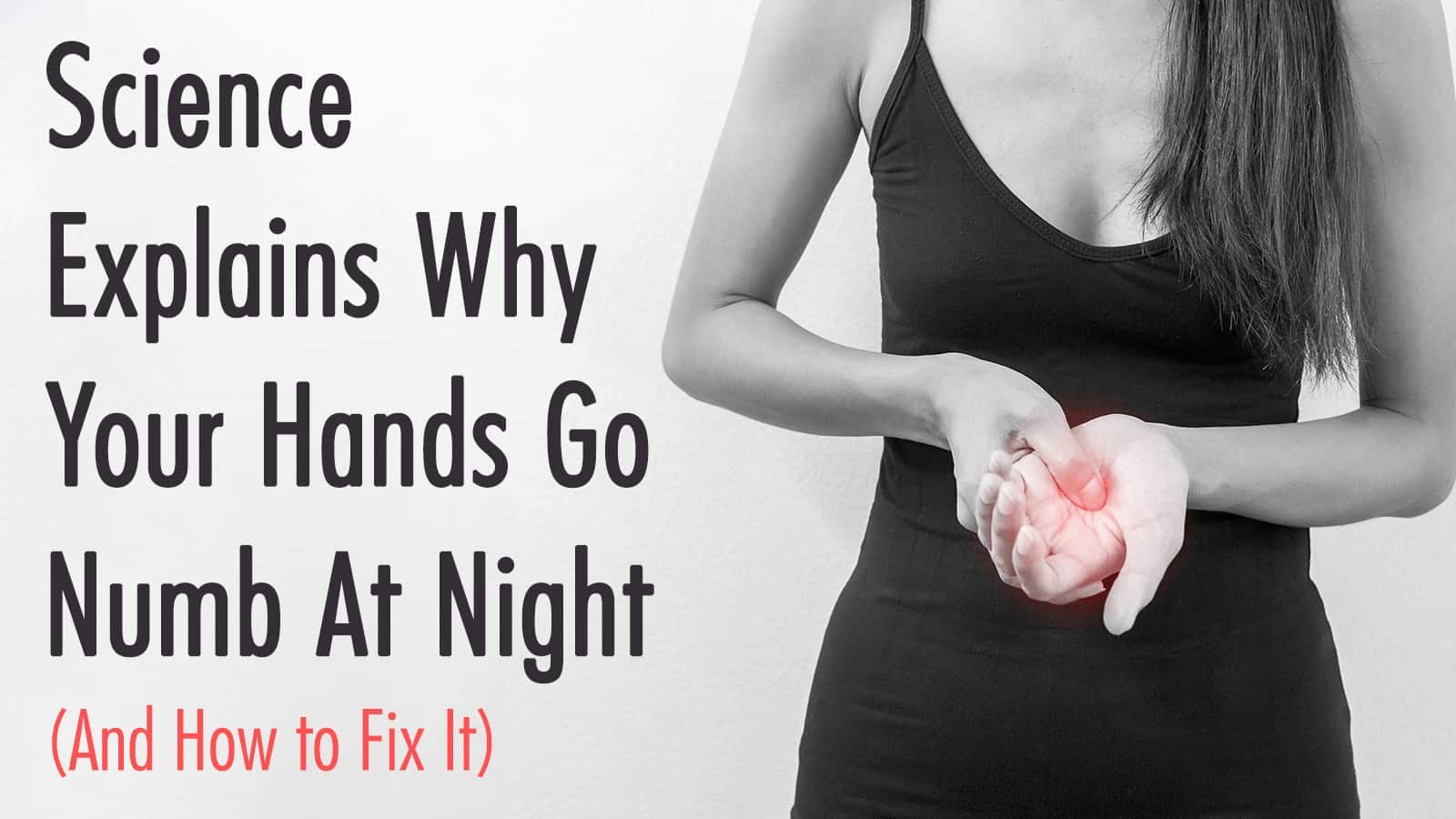
hands go numb

  1. Hyperhidrosis

Hyperhidrosis, also referred to as excessive sweating, is a relatively common–but treatable–condition. The onset of this condition occurs around the age of 13, sometimes earlier for those dealing with excessive underarm sweating. The underarms, palms of the hands, and soles of the feet are the most common problem areas.

Treatment options for the health condition of hyperhidrosis include over-the-counter and prescription antiperspirants, oral medications, and neutralization of the sweat glands.

  1. Hand eczema

Eczema is a health condition characterized by cracked, itchy, scaly, and rough patches of skin. Eczema is another common inflammatory disorder that affects, at least to some degree, more than three in every 10 people in the United States. As the name implies, hand eczema describes the disproportionate effects of eczema on the hands.

Treatment for eczema involves the healing of problem areas and the alleviation of symptoms. There are many home treatment options for eczema, including a regular application of moisturizer, use of mild soap, air drying instead of using a towel, and avoiding symptom triggers.

  1. Nutrient deficiency

The color of your fingernails can signal potential nutrient deficiencies and resultant health issues. Brown-gray nails are a possible sign of vitamin B12 shortage; white nails could mean an iron deficiency; while nails that appear overly pink or reddish may suggest malnutrition – dangerously-low levels of various nutrients and vitamins. These vitamins and nutrients include vitamin A, vitamin C, biotin, zinc, and others.

If fingernails begin to grow outwards and take on a concave (bowl-shaped) appearance, it could sign a long-term lack of protein.

  1. Thyroid problems

The thyroid gland is responsible for producing hormones that are necessary for controlling and maintaining metabolic rate, digestive function, brain and heart health, digestive function, bone structure and health, and overall mood.

When the thyroid does not produce enough hormones – a condition called hypothyroidism – the appearance of your hands and fingers will change. Often, hypothyroidism may cause the hands to swell or get cold. When the gland produces too many hormones, hyperthyroidism may lead to tremors and reddish or dehydrated skin around the hands and fingers.

  1. Parkinson’s disease

Parkinson’s disease is a disorder of the brain that inhibits motor control movement. Common symptoms of Parkinson’s include changes in speech, muscle tremors, and a limited range of motion.

Among the first signs of Parkinson’s disease is increasing involuntary movements and shaking of the hands. While stress may cause similar symptoms to appear in the hands, the resulting tremor is short-lived and quickly forgotten. Perhaps the most noticeable physical manifestation of Parkinson’s onset is the repetitive, uncontrollable thumb and index finger movement.

  1. Anemia

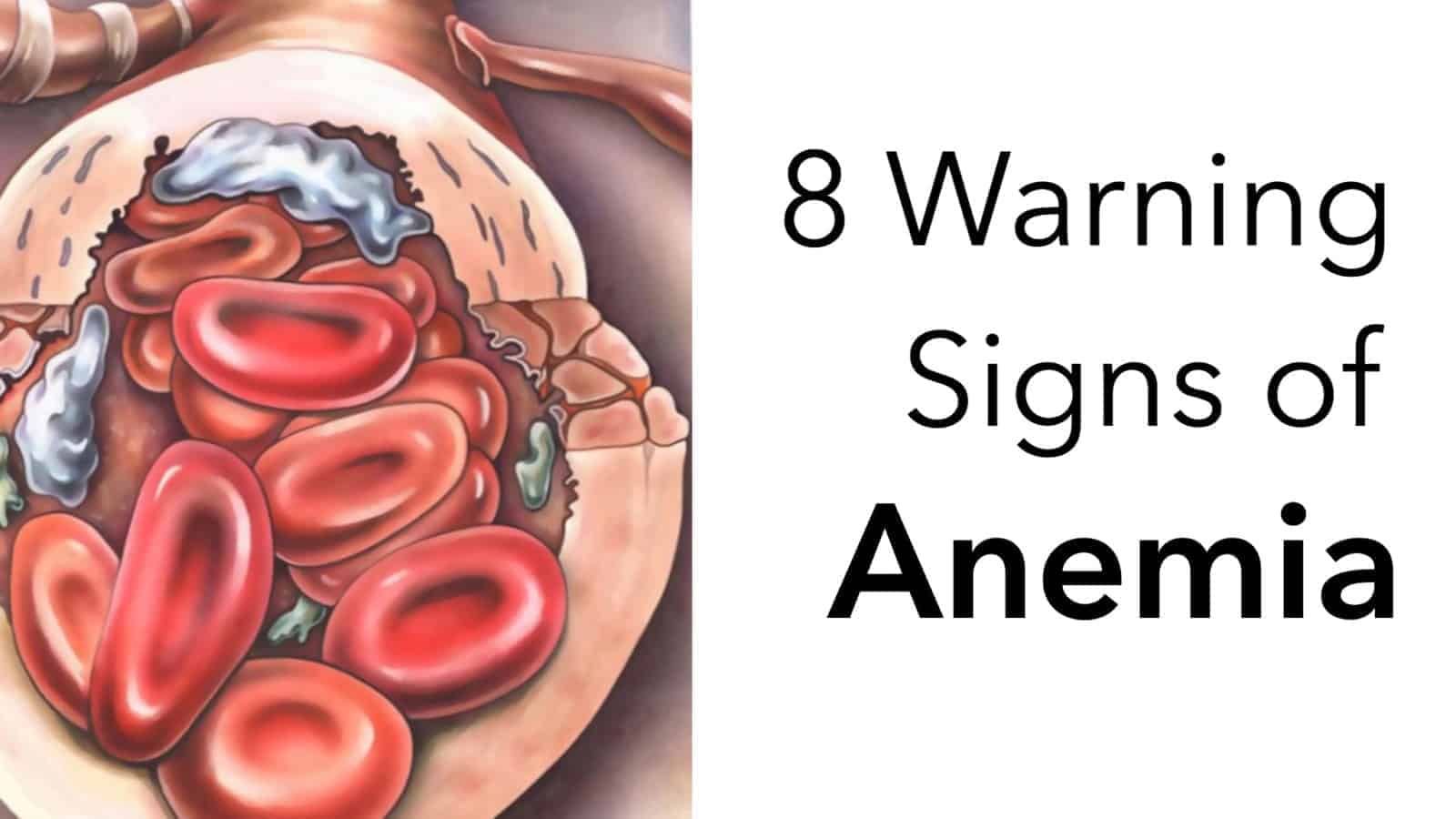
Anemia is a “condition (when) you don’t have enough healthy red blood cells to carry adequate oxygen to the body’s tissues.” Tiredness and weakness are frequently reported, as is coldness of the hands (and feet). Pale hands and whitish nail beds may also be signs of oxygen shortage in the body.

health

The most common anemia is a health condition caused by a shortage of iron in the blood. Iron is essential for the body to produce hemoglobin, which helps support oxygen transport from the lungs to the body’s tissues and organs. Correcting your iron intake can go a long way in preventing the disorder.

  1. UV exposure

Too much or too little sunlight isn’t healthy for the body. When overexposed to sunlight, a person will often grow brown spots (“liver spots”) on the hands and arms. Too much sun can also cause various types of skin cancer, such as melanoma. This type of skin cancer may also produce black streaks underneath the fingernails.

If you plan to be out in the sun for any significant amount of time, it is wise to apply a quality sunscreen. Try using a strength of SPF 30 or higher, and make sure to apply the product regularly throughout the day.

Scientists Explain 8 Reasons People Bruise Easily

While bruises can be unsightly and painful, they’re mostly harmless and easily treatable. We all take a bruising from time to time, but some of us are more prone to black and blue than others. In this article, we’ll talk about why some people bruise easily, what to do about it, and – to cap things off – how to prevent bruises in the first place!

Without further delay, here are eight reasons that people bruise easily:

  1. You’re getting older

It is completely normal to bruise easier as you age. As we get older, our skin loses some of its density and thickness, including a fatty layer (“subcutaneous fat”) that serves as a cushion for our small blood vessels.

A simple acronym to remember is RICE, which stands for the RICE method. The RICE method is a simple yet effective means of treating sprains, strains, and bruises. Rest, ice, compression, and elevation can ease pain, reduce swelling, and assist healing, even if you do bruise easily.

  1. You have an active lifestyle

Kind of a no-brainer here. If you are the sporty type, you’re well aware that you are more prone to injury and accidents than the rest of us. Something else that often happens, especially when the adrenaline is pumping, is the person comes into contact with an object and only finds out later that a rather nasty bruise is forming.

Most bruises do not require medical attention. For mild bruising, use the RICE method.

  1. You take medicines or supplements.

Various medications and supplements can cause a person to bruise easily. Blood thinners, NSAIDs (e.g., Advil, Aleve), and even supplements such as ginkgo and fish oil may cause the occasional black and blue spot.

Generally, the longer you’ve taken the medication or supplement, the more likely you are to bruise. While the bruising is probably not harmful, it may be wise to speak with the doctor who prescribed the drugs.

  1. You’re a “sun worshipper.”

Not literally, of course. Long-term exposure to the sun may weaken blood vessel walls, causing a person to bruise easily. Two common conditions, actinic purpura and senile purpura, produce strange-looking patches of dark blue or purple on the hands and forearms.

Sun exposure is dangerous for other reasons, of course, including a higher risk of skin cancer and heat stroke.

  1. You’re taking steroids.

Corticosteroids, an anti-inflammatory drug commonly prescribed for asthma, arthritis, eczema, and COPD, may produce bruises as a side effect. Corticosteroids are present in many forms of prescription medicine, including topical rubs, pills, and inhalers.

Long-term use of steroids may cause thinning of the blood vessels, thereby increasing the degree of bruising a person experiences.

  1. You’re genetically predisposed.

There is undoubtedly a genetic factor at play here. If your mom, dad, or grandparents bruise easily, you may also. Genetic predisposition for thinner skin and more fragile blood vessels is very real, with the bruises typically appearing around the arms, butt, or thighs.

Once again, bruising is nothing to worry about, unless other symptoms accompany the bruising (see #7 and #8).

  1. Your platelet count is low.

People born with a platelet disorder seem to bruise for no reason. Blood platelets are flat fragments of cytoplasm that clot and obstruct bleeding before it intensifies.

To illustrate platelet function, think of a paper cut. The resultant bleeding from a paper cut is short-lived because the cut is small and because platelets can quickly obstruct blood from such a cut – sometimes within a couple of minutes.

Now, if you get a paper cut and you have a low platelet count, the cut will probably bleed more extensively.

bruise easily

  1. You have a potentially serious condition

Liver damage and blood cancer are two severe medical conditions that may cause blood clotting and more frequent bruising. Common causes of liver damage include alcohol abuse, obesity, viral infections, and genetic predisposition.

Blood cancers include leukemia and lymphoma; both conditions cause a person to bruise easily. If your bruising appears with other symptoms such as bone or joint pain, fatigue, and swollen lymph nodes, it is advisable to see your doctor.

Preventing and Treating Bruises

Prevention is always the best kind of medicine. To prevent bruising, here are a few important tips:

  • Clean up clutter, especially on the floors.
  • Arrange appliances and electrical cords in a way that doesn’t disrupt your walking.
  • Have your hearing and vision checked every couple of years (to avoid preventable accidents such as falls).
  • Discuss bruising side effects of medications with your doctor.
  • Keep your home well lit, especially at nighttime.

Regarding treatment, most bruises will simply go away on their own, and without medical intervention. However, frequent bruising may signal an underlying condition that requires treatment.

Of course, you may always treat your bruises at home using the RICE method. Despite being a simple technique, most doctors will prescribe the exact same thing in most cases. Rest, ice, compression, and elevation is the quickest way to treat mild cases of bruising.

(C)Power of Positivity, LLC. All rights reserved

Teeth Care: 10 Simple Ways To Whiten Your Teeth Naturally At Home

Did you know that annually, Americans alone spend over $11 billion on teeth whitening and $1.4 billion on at-home teeth whitening products? According to the American Academy of Cosmetic Dentistry, the most common complaint among people about their teeth is that they aren’t white enough.

If you relate to this, realize that you don’t have to go out and burn a hole into your wallet buying expensive products for teeth care that aren’t even good for you. That’s right. A lot of the products made to whiten your teeth are made with chemicals that bleach them, leading to loss of enamel and other health concerns.

There are many items you can acquire that are inexpensive and easy to use for at-home teeth care.

Here are 10 options for at-home teeth care so you can get started right away!

1. Oil Pulling

Oil pulling is a tried and true at-home method of teeth care. It is an Indian folk remedy to improve oral health and remove toxins from the body. Take a tablespoon of coconut oil and swish it around in your mouth for 15 to 20 minutes to remove bacteria that causes yellowing of the teeth. You can use coconut, sesame, or sunflower oil to get the best results.

2. Brush with Baking Soda

Teeth care at home doesn’t have to be complicated and you don’t have to use strange techniques to get good results. Brushing your teeth with baking soda helps to scrub away stains because it is a mild abrasive. It also boosts the alkalinity of your mouth, which prevents the growth of bacteria. This is not an overnight remedy but with time you will have a much healthier smile.

3. Try Hydrogen Peroxide

Hydrogen peroxide is a natural bleaching agent. You can also use it for at-home teeth care as it prevents the spread of harmful bacteria that can lead to inflammation of the gums. Acquire a natural toothpaste that contains hydrogen peroxide and use it every time you brush your teeth, which should be about three times a day.

4. Brush Your Teeth After Consuming These Things

Coffee, black tea, wine, and other sugary beverages can not only stain your smile, but they can also break down the enamel of your teeth. Part of your teeth care regimen should be to brush your teeth immediately after you have any of those items.

5. Scrub with Strawberries

The acidic content of strawberries makes for a good whitening agent. Mash some up and use brush onto your teeth for a boost. When you’re finished, rinse your mouth with a little bicarbonate of soda to reduce the acidity and protect your teeth.

6. Use Apple Cider Vinegar

Apple cider vinegar is full of anti-bacterial properties that will improve the health of your smile. Try using it as a mouthwash or even drinking a shot of it to experience the benefits of taking it internally.

7. Activated Charcoal

Activated charcoal absorbs toxins that stain the teeth. These are called tannins and they stick to the teeth after consuming beverages like coffee and soda. Dip your toothbrush in some activated charcoal powder (ensuring that it is food-grade) and brush your teeth as you normally do.

8. Orange Peel Rub Down

Rub your teeth with the white part of an orange peel! It contains limonene, a substance with natural solvent cleaners. You’ll actually find it in many commercial teeth whitening products. Though the flesh of the fruit is highly acidic, the peel is not, making it safe to use on the teeth without damaging enamel.

9. Turmeric Powder

Turmeric is a jack of all trades. Not only is it good for your health in general, it is an anti-inflammatory, anti-microbial, and contains high amounts of antioxidants. When you brush your teeth with it, turmeric has a mild abrasive effect to help further remove stains and plaque that has built up on the teeth. If you’re looking for quicker results, this is the method you will want to try first!

teeth care

10. DIY Whitening Toothpaste

Make your own toothpaste! This is a great idea not only because you can add the ingredients that best whiten your teeth, but because you will also avoid harmful chemicals contained in commercial toothpastes. Take some coconut oil, bicarbonate of soda, a tiny bit of lemon juice, and a drop of peppermint essential oil to make your own stain-removing toothpaste that has anti-inflammatory and antibacterial properties and leaves your mouth smelling fresh.

At-home teeth care is easy, inexpensive, and fun once you figure out what works for you. Give any of these techniques a try in order to whiten your teeth at home!

https://youtu.be/KKB0jThAfnQ

(C)Power of Positivity, LLC. All rights reserved

10 Bedtime Habits That Make It Hard to Lose Weight

As we’ve mentioned numerous times, there is much more to maintaining and losing weight than diet and exercise. How you sleep may influence how easily you lose weight, for example. In this article, we share ten bedtime habits that can make losing weight a colossal pain in the rear. The solution to each of these couldn’t be simpler: do the opposite!

10 Bedtime Habits That Make It Hard to Lose Weight

“Sleep and weight have been linked by scientists for a long time now. On average, the less people sleep, the more they weigh, and the more likely they are to put on excess pounds over time.” – The National Sleep Foundation (Source)

  1. Lack of sleep

Research has found an inextricable link between lack of sleep (four hours per night) and increased appetite, cravings, and hunger. Worse, people are more likely to opt for foods dense in carbohydrates. Studies have, consequently, discovered a relationship between poor sleeping habits and obesity, including in children and adolescents.

lose weight

  1. Use of digital devices

Our smartphones and tablets emit blue light, which sharpens attention and reaction time and increases wakefulness. While these benefits are undoubtedly beneficial during daytime hours, they are counterproductive when drifting off to sleep. And if your sleep suffers, you are less likely to lose weight, as stated above. Try allocating 30 minutes to an hour of screen-free time before lights out. If you use your device before bed, install a free app that blocks blue light emissions.

  1. Consuming caffeine

Caffeine blocks the action of adenosine, a chemical that helps us sleep. A good rule of thumb is to refrain from too much caffeine during the day and to stick with non-caffeinated drinks after dinnertime. Caffeine is also a diuretic, which may cause us to become dehydrated if misused; this is a problem because we essentially fast while sleeping, and the body uses stored liquids to nourish the body while we rest. If you wake up dehydrated, you’re more likely to consume unhealthy foods, and less likely to lose weight.

  1. Eating late

Per a study conducted by researchers at the University of Pennsylvania School of Medicine, eating late at night causes weight gain, spikes cholesterol and insulin levels, inhibits metabolic function, and increases hormones linked to diabetes and heart disease. Namni Goel, Ph.D., says that late-night snacking is “implicated in diabetes, and cholesterol and triglycerides” caused by the body’s glucose and insulin hormones spike.

  1. Lack of exercise

While the role of exercise is somewhat inflated concerning weight loss, regular activity does help with shedding pounds. Regarding overall health, there is nothing more beneficial than regular, moderately-intense exercise. The various benefits of physical activity include more energy and a better sex life, as well as improvements in fighting disease, heightening mood, and, of course, promoting sleep! To maximize these benefits, try leaving a three- to five-hour gap between exercise and lights out.

  1. Too much light

For reasons beyond comprehension, some people like to sleep with the light on! Per research, exposure to even low lighting levels can disrupt sleep and promote depressive symptoms. One hypothesis for these effects is that sleep is necessary to restore and re-balance the brain’s neurotransmitters. Sleep disruption, then, can inhibit this process. And once again, hindrances to your sleep can affect your efforts to lose weight. If you like brightness in your room while dozing, get a cheap night light.

  1. Midnight munchies

The body’s metabolic rate drops significantly during sleep to conserve energy and repair itself. (This helps to explain why a good breakfast is so vital to metabolism and overall health, by the way.) Given that we are far more likely to crave refined carbohydrates and other junk foods during this time, eating when we’re supposed to be sleeping can quickly sabotage plans to lose weight.

  1. No sleeping schedule

While you don’t need to go to bed at the exact same time every day, you should have about a five- to 10-minute window in which you do so. Our body’s sleep/wake cycle, the circadian rhythm, is very sensitive to change. It is also quick to become wayward and fall into bad habits. To avoid this unhealthy pitfall, consider sticking to a sleep schedule. (If you’ve been too flexible with your sleeping habits, reestablishing a routine may take some time.)

sleep habits

  1. Too much alcohol

While alcohol can help you fall asleep, but it disrupts the body’s transitions during sleep. Perhaps the worst side effect of alcohol (besides the nasty hangover) is that it seriously disrupts deep (REM) sleep. REM sleep is essential for the regeneration of energy that depletes during the day. Keep this in mind when you get an urge to grab a beer or glass of wine at night.

  1. Not eating breakfast

As your mother said, breakfast is the most important meal of the day – and there are many reasons why this is so. As discussed, breakfast kick-starts your metabolism, which is critical for weight loss and feelings of satiety (“fullness”). Breakfast containing protein (which it should!) promotes muscle growth, enhances concentration and memory, and even lowers the risk of high cholesterol, diabetes, heart disease, and obesity.

10 Mind Boggling Facts About Forgiveness That Will Change Your Life

Forgiveness is defined as a deliberate decision to stop harboring negative feelings toward people who have hurt you. Knowing how to forgive someone is key for moving forward in peace. Without exception, we will all be faced with disappointments related to people who betray us or harm us in some way.

That’s why it is important to learn how to process the negative emotions that these types of acts inspire. It might not be easy to forgive a person who has harmed you or someone you love, but it is essential you recognize why you should. Below are some good ideas that may help you forgive.

Here is how to forgive someone and the reasons for doing so:

1. You forgive other people because it is good for you to do so.

Hate is a destructive emotion and hurts the hater more than anyone else. That’s why it is so important to let these emotions go by figuring out how to forgive someone rather than harboring ill will towards that person. As you begin to transition from anger to a more peaceful state, it will change your life.

2. By forgiving others, you increase your capacity to be more compassionate and understanding.

When you forgive other people, it can lead to more feelings of compassion and understanding. Once you start down a positive path of forgiveness as a way to mend relationships, you start to acknowledge the fact that most people have good in them and are doing their best based on their unique circumstances.

3. Forgiving a person for bad behavior does not condone what they did.

People are often reluctant to forgive another person for a nasty act simply because they believe that their forgiving behavior implies that they are okay with what happened. That is not what forgiving should be about. An essential life skill people need is to learn how to forgive someone based on the benefits it provides them. Blame has no place in this positive action to move past a friend’s or family member’s transgression.

4. An apology isn’t necessary for you to forgive that person.

If you wait for an apology before you decide to forgive another person, you may be waiting forever. Don’t expect an apology. Go ahead and forgive that person so you can put this negative event behind you and move forward.

5. Forgiving others promotes good physical health.

There is strong evidence that learning how to forgive someone is good for your health. Specifically, heart health seems to benefit, with lower blood pressure ratings linked to forgiving others.

6. When you forgive someone, the good feelings reaped from that action flow over into other relationships.

A mindset change related to forgiving others instead of blaming them leads to better relationships with other people in your life. If you are programmed to forgive and understand others as a new approach, you will spend more time understanding others. You are then less likely to imagine slights and disrespectful actions, which can be a problem if you tend to be overly sensitive.

7. Forgiving someone does not mean you have to remain in a relationship with them.

While forgiving the people in your life who harm you is advisable, that does not necessarily mean you should also continue a relationship with them. Each situation differs based on unique circumstances. You should “detach with love” in cases where you perceive an ongoing threat associated with continuing to be involved in the relationship.


8. It’s not your responsibility to judge them.

Judging others won’t lead to happiness for you. It will only promote a negative mindset. We all come from different backgrounds and have our own reasons for doing what we do. While you can’t always understand why people act the way they do, it is not essential that you do. All you need to recognize is that you don’t need to corrupt your positive mindset by holding a grudge and continuing to act like judge and jury instead of spending your energy on more positive emotions that will enrich your life.

9. The act of forgiving may not be one event, but a series of events.

As humans, we might need to reaffirm to ourselves that we are forgiving that person. It may happen over time, instead of involving one thought to forgive.

10. Revenge is a mutually exclusive event, separate from forgiving others.

Plans for revenge must be dropped if you plan to forgive someone. It might not be easy, but if you “bury the hatchet” with the handle still sticking out, it means you have not truly forgiven.

Conclusion

Learning how to forgive someone is something that will serve you well as you move through life. Your mental and physical health will benefit significantly when you make an effort to forgive others. Life is indeed short and should be focused on love instead of hate and revenge.

https://www.youtube.com/watch?v=vU9pRXd22ng

(C)Power of Positivity, LLC. All rights reserved
Skip to content