Weekly tips, affirmations, and small actions to feel your best.

How I Lost 10 Pounds In 1 Month Using Law Of Attraction For Weight Loss

I lost 10 pounds in one month. I know, I know. It’s hard to believe. I was skeptical that losing 10 pounds in only one month using the Law of Attraction was even possible. How could simply thinking about something make it happen? Pills, potions, fad diets, and exhausting workouts were all things I’d regarded as concrete and quantifiable. Therefore, somehow some way, sticking with them would work.

They didn’t work, though. Every morning I’d get up, look in the mirror and see the same overweight person I was ashamed of, the same rolls of fat that I loathed, and the same defeated expression. I had to face the facts: none of the weight loss methods I’d tried worked, so I decided to give this law of attraction thingy a whirl. Amazingly, the law of attraction for weight loss worked, and I shed 10 pounds in one month. Here’s what it is, how it helped me quickly shed weight, and how it can help you.

WHAT IS THE LAW OF ATTRACTION? 

The LOA is a manifestation force that attracts whatever we focus upon into our lives. Positive attracts positive, and negative attracts negative. You attract conditions, people, and circumstances corresponding to your dominant thoughts and beliefs. The law of attraction is neutral. It doesn’t deem something good or bad or reward or punishment. It simply matches your vibration and reflects it to you.

My negative thoughts about my weight didn’t align with the positive result of losing it. When both aligned, the result was remarkable. These are my tips for the law of attraction for weight loss.

FOCUS ON WHAT YOU WANT 

If you think, “I don’t want to think about my creepy ex-boyfriend anymore,” you’re focusing on not thinking about Mr. Wrong, and he remains front and center in your mind. That’s not conducive to releasing thoughts of a relationship that didn’t work and moving on.

Thinking “I hate my body” will elevate your weight because you’ve established the condition that you need to hate it. “I lose weight easily” or “My body is beautiful and slender” will be much more effective in aligning you with your goals.

Keep these thoughts in the present tense. Avoid some pie-in-the-sky versions such as “I will lose weight easily,” or “My body will be beautiful and slender.” Your weight will follow your state of mind. You’re not stuck with your current weight. You can create something different. The key is believing that you already have it.

ALIGN YOUR THOUGHTS WITH AN EASIER EXPERIENCE 

Do you believe that weight loss requires suffering and sacrifice? Then that’s what you’ll find in your world. Believe that weight loss will come easily and naturally. Believe that you already think of yourself as slim. Align yourself with people who have a healthy body image. The law of attraction will transform your thoughts into reality.

CREATE A VIBRATIONAL MATCH WITH THE BODY YOU WANT 

I learned that I could move beyond feeling hopeless and helpless. I could be a conscious creator instead of a victim. I’m proof that these methods work. They’ll work for you too.

• Practice daily visualizations. Shakti Gawain, bestselling author of “Creative Visualization,” says, “Creative visualization is the technique of using your imagination to create what you want in your life.” Search the internet for “visualization.” You’ll find resources that can help you learn how to practice it. Visualization only takes a few minutes a day.

• When you eat, thank every morsel of food for making you slender.
Law of attraction

• Use a vision board. You can create this collage online, or do it old school with cardboard or corkboard. Fill it with images of people who exemplify you at your ideal weight. You can also use images that express your joy at being that weight (for example, fireworks blazing or the sun bursting through clouds.) Look at it daily, and let it fill you with positive thoughts.

TREAT YOUR BODY LIKE A FRIEND 

Your body is doing many amazing things right here, right now. It keeps your heart beating and your breath flowing, letting you enjoy the gifts of five beautiful senses. It purifies you by removing wastes and toxins. Your body is incredible! Don’t scorn it. Talk to it lovingly. Applaud your weight right now as though it’s already your ideal weight. Ready? Watch the LOA swing into action!

“Whether you think you can or whether you think you can’t,” said Henry Ford, “you’re right.” These wise words are the foundation of the law of attraction. I lost 10 pounds in a month because I told myself my body was gorgeous and slender on day one. Tell yourself the same after reading this article, and see what happens!

Trying To Lose Weight? Try These Tricks From A Fitness Expert

Maybe you have a big wedding or promotion coming up. Maybe you just want to fit into those old jeans that have been collecting dust in the back of your closet for years.

Whatever your reasons for hopping on the scale, you should know that weight loss doesn’t have to be the crazy, complicated thing that the media makes it out to be. In fact, it can be quite simple to slim down when you know what you’re doing!

If you’re wondering how to lose weight fast, here are some quick and simple tips that can help.

1. Chew Your Food 

It might sound a little odd, but one of the easiest ways to lose weight is to chew your food with more deliberation. Not only will it prevent you from stuffing your face in a frenzy, but it will also reduce the amount of air that you swallow with your meal. You won’t have to deal with an uncomfortably bloated stomach when you’re done, which will make you both look and feel better.

2. Target Your Problem Areas 

Certain exercises are better for you than others, especially if you’re trying to lose weight in a specific part of your body. For example, if you’re trying to get rid of stubborn belly fat, abdominal exercises are going to be more beneficial than leg workouts. If you’re trying to trim your waist, crunches will help more than calf stretches. Be smart and specific about the effort that you use when you hit the gym.

3. Eat Smaller Meals 

It’s actually a myth that eating more frequently will boost your metabolism. However, experts agree that small, periodic meals are a great way to regulate your blood sugar and decrease cravings throughout the day. If you’re able to eat smaller portions 4-6 times instead of bigger portions 2-3 times, you can really help yourself lose weight. If you have a condition like diabetes, it can help with managing that as well.

4. Drink More Water 

You don’t have to be crawling on the ground with a dried-out tongue to be suffering from the effects of dehydration. It’s often a subtle thing with minor symptoms that you don’t even realize are bothering you. You might feel more irritable than usual; you might have headaches or muscle aches that make you want to skip the gym. By drinking more water, you’ll eliminate these annoyances and feel more prepared to meet your weight loss goals.

5. Increase Your Potassium Levels 

When contemplating how to lose weight fast, one of the most important things to think about is your diet. What’s your average caloric intake? Are you getting your recommended daily values of calcium, fiber, and iron? Pay particular attention to your potassium levels. If you aren’t getting enough of this natural, fat-burning compound, you’re missing out on a prime weight loss opportunity!

6. Clean Out Your Pantry 

Get rid of your chips and sodas. You can’t binge on something that isn’t there! This is especially important if you have a problem with vegging out on the couch or snacking late at night when you can’t sleep; without the easy temptation of junk food, you’ll be more likely to whip up something healthy or just ignore your cravings until it’s the proper time to eat.

7. Consider Different Types of Motivation 

Some people like “tough love” motivation that doesn’t allow them to slack off. Others prefer a gentler kind of motivation that will keep them going even after binges and bad days. What works for another person might not work for you, so feel free to experiment with different types of inspirational messages and guides. This is a big part of how to lose weight fast: Finding what works for you.

how to lose weight fast

8. Let Yourself Cheat 

Having the occasional “cheat day” can be good for your diet, especially if you cheat with foods that are sneakily good for you. For example, certain types of carbs can encourage the production of fat-burning and appetite-regulating hormones, so you can indulge in that plate of pasta with the knowledge that you’re actually helping your body. Just don’t overdo it!

9. Reach Out to Others 

There are a million success stories out there. What are their secrets? How did they do it? What advice can they offer to other people who are struggling to slim down? Learn how to lose weight fast by following in the footsteps of those who came before you, especially if they’re fitness or wellness specialists with expert opinions.

These are just a few tips for how to lose weight fast. At the end of the day, what you see in the mirror is much less important than how you feel inside, so don’t stress too much over the numbers on your scale. Try to focus on self-confidence for true self-improvement!

Keto vs. Paleo: What’s the Difference?

When you’re ready to try a healthy diet, you will come across so many options that you might not know where to begin. Many people narrow it down to the keto vs. paleo options, two popular weight loss methods. If you’re in the predicament of choosing between the two, knowing the differences can help.

Keto and paleo diets share some similarities, but many differences can affect your body. The differences between keto vs. paleo include the allowed foods, their effects on the body, and health aspects. Both options are popular because they boost health, eliminate processed foods, and encourage weight loss.

The keto and paleo diets are low-carb plans, but they have different rules to follow. There are a few factors to consider when choosing keto vs. paleo, so knowing the differences is essential. They both require lifestyle changes, preferences, and goals.

Choosing between keto and paleo is highly restrictive and will drastically change your dietary habits. You will likely have to eliminate or drastically reduce some of your favorite meals and snacks. Knowing the difference will help you decide which diet is best for you if you’re up to the challenge.

What Is the Keto Diet?

The keto diet aims to induce a ketosis state, where your body uses fat instead of carbohydrates to create energy. You will change your dietary macronutrients during the keto diet to induce ketosis. The dietary change involves a high-fat, moderate-protein, and low-carbohydrate diet.

When your body enters a state of ketosis, it initiates the metabolic breakdown of body fat. Even the slightest macronutrient shift can take your body back out of ketosis. If you strictly follow the guidelines, though, it can help you lose weight.

In a typical diet, the body uses carbohydrates for fuel. If you follow the keto diet, you won’t consume many carbs, triggering the body to use fat and excess protein as fuel. The liver turns stored fat into ketones, using them as energy for the body.

Keto excludes certain foods and encourages others. Grains and legumes are excluded, so you must get your carbs from keto-friendly vegetables. The keto diet doesn’t only help with weight loss, as it also helps improve blood sugar control.

keto vs paleoWhat Is the Paleo Diet?

The paleo diet is based on consuming foods that early humans ate in the Paleolithic era. It restricts processed foods and modern production techniques, supporting natural biological function and improving digestion. The paleo diet requires cutting out modern-day foods such as dairy and grains and encouraging healthy fats and animal protein.

Some people view the paleo diet as an impactful environmental choice rather than a way to lose weight. They might also view it as a beneficial lifestyle that results in total body wellness.

Along with losing weight, the paleo diet reduces inflammation, improves workouts, increases energy, and stabilizes blood sugar. Plus, it reduces the risk of chronic diseases.

Supporters of the paleo diet say that the human body cannot naturally handle the processing and digestion of grains. The foods that are encouraged on this diet include ones that are rich in protein and fiber. There is a strong emphasis on meat, fruits, and vegetables.

Key Differences Between Keto and Paleo Diets

While there are many similarities between keto and paleo diets, the differences are essential to know. Knowing the differences can help you decide which diet plan works best with your lifestyle.

Keto Involves Macronutrients While Paleo Involves Ideology

Keto doesn’t have a direct lifestyle component, and it doesn’t involve ideological focuses. Instead, it focuses on macronutrients and sticking to a strict dietary regime.

Paleo, on the other hand, focuses on lifestyle choices and ideology. On a paleo diet, you must incorporate intense but short exercises into your routine.

Paleo Allows for More Whole-Food Carbohydrates

While paleo restricts some sources of carbs, you can still get carbs from whole-food sources. Unlike the keto diet, you can choose from unrefined sweeteners, vegetables, and fruits containing carbs. If you are on the keto diet, you can’t eat any carbs, including legumes, sweeteners, grains, most fruits, and some starchy vegetables.

Keto Allows Some Dairy and Soy

You can consume dairy products such as butter, heavy cream, and unsweetened yogurt on a keto diet. Plus, you can eat some sources of soy, such as soybeans, tofu, and tempeh. On a paleo diet, however, soy and dairy are discouraged.

Paleo Excludes Processed Meats

Processed meats, including bacon, ham, and salami, are excluded from a paleo diet because they result from modern food processing techniques. The keto diet allows processed meats as long as they don’t contain carbohydrates or sugar.

Keto Restricts Starchy Vegetables

Since keto restricts all carbohydrates, starchy vegetables aren’t an option. Eating them could interrupt your ketosis state, undoing your hard work. The paleo diet allows you to eat any vegetable, even starchy, in moderation.

Paleo Allows for Eating Fruit

While fruits contain many nutrients, vitamins, minerals, fiber, and antioxidants, most aren’t allowed on the keto diet. The paleo diet allows for eating all fruit, despite its sugar or carbohydrate levels.

Even on the paleo diet, you should still focus on fruit with low sugar whenever possible. Don’t eliminate your favorite high-sugar fruits, though, as any fruit is okay in moderation.

Keto Allows Some Dairy Products

On the keto diet, dairy products high in fat and protein are acceptable. However, the keto diet does not include dairy products containing sugar, including ice cream, milk, and sugar-sweetened creamer. The paleo diet excludes all dairy products because the Paleolithic humans didn’t consume them.

Key Similarities Between Keto and Paleo Diets

Keto and paleo have similarities, despite the many differences. These similarities include:

An Emphasis on Whole Food

Both keto and paleo have an emphasis on whole foods as nutrient sources. Whole foods are not processed and come in the most natural form possible. Most allowed foods include vegetables, nuts, fish, and meat.

Eliminate Legumes and Grains

Keto and paleo diets force you to eliminate grains and legumes, although each diet has different reasoning. Paleo excludes them because they weren’t part of the Paleolithic diet, while keto excludes them because of the sugar and carbohydrate content.

Both Eliminate Added Sugar

Paleo and keto diets require that you eliminate added sugars. On a paleo diet, you can consume natural sugars, but keto restricts all sugars because of the carbohydrate levels.

Emphasize Healthy Fats

Both keto and paleo diets allow unrefined and healthy fats from fish, nuts, seeds, and avocado oils. The mono and polyunsaturated fats allow for a healthier body, improve metabolic functioning, and benefit heart health.

Both are Effective for Weight Loss

The paleo and keto diets both promote weight loss. Research shows that people on these diets lost a significant percentage of their body weight. Keto is a short-term option, as the weight can quickly return when you stop the diet.

They Both Exclude Some Healthy Foods

Both diets advise against consuming some foods that are considered healthy. According to the Dietary Guidelines For Americans, healthy foods that are restricted include rice, wheat, quinoa, pasta, bread, and oats. These diets also exclude healthy beans, peanuts, peas, soy, and lentils.

keto vs paleoKeto Vs. Paleo Food List

The keto vs. paleo food list can help determine what you can eat on each diet. Some of the restrictions might help you make up your mind.

Food or food group PALEO KETO
Animal proteins including beef, pork, chicken, turkey, and fatty fish Allowed Allowed
Bacon and other processed meat Not allowed Allowed
Eggs Allowed Allowed
Dairy foods such as milk, cream, butter, and cheese Not allowed Allowed
Nuts and seeds Allowed Allowed
Oils including olive oil, coconut oil, and avocado oil Allowed Allowed
Low-carb vegetables including avocado, green leafy vegetables, tomatoes, onions, peppers, and fresh herbs Allowed Allowed
Grains or starches Not allowed Not allowed
Beans and legumes Not allowed Not allowed
Fruit Allowed Not allowed, unless it is small portions of low-sugar berries or citrus fruits
High carb vegetables such as potatoes and carrots Allowed Not allowed
Sugars and sweet foods like soda, juice, ice cream, and candy Not allowed Not allowed
Natural sweeteners, including honey, maple syrup, and agave Allowed Not allowed
Refined and hydrogenated oils Not allowed Not allowed
Processed foods Not allowed Not allowed
Plain Greek yogurt Not allowed Allowed
Dark chocolate with at least 70% cocoa and no added sugar Allowed Allowed

Keto Vs. Paleo Benefits

All diets have benefits and drawbacks, and these two are no different. Knowing the benefits of each diet can help you decide which is right for you.

The benefits of keto include rapid weight loss, diabetes prevention, disease control, and lowered blood sugar levels. Additionally, it promotes mood regulation and a decreased risk of cancer and cognitive issues. Plus, the keto diet allows you to eat many high-fat foods that others restrict.

The paleo benefits include lasting weight loss, improved glucose tolerance, and better cardiovascular health. This diet can decrease your risk of developing type two diabetes, stabilize blood sugar, and regulate mood. The paleo diet also decreases your cancer risk and improves your overall health as you stop eating processed foods.

Keto Vs. Paleo Side Effects

Anytime you follow a diet that eliminates food groups, you must meet your daily nutrient requirements. If you miss essential nutrients, you will experience deficiencies and suffer severe consequences. Keto and paleo diets can harm people with chronic health conditions, including heart disease, diabetes, or high blood pressure.

People on a keto diet can experience side effects related to ketosis, including keto breath, keto skin rash, or the keto flu. Symptoms of the keto flu can include headaches, insomnia, nausea, lethargy, mental slowness, decreased exercise, constipation, and low libido. These side effects arise when your body first enters ketosis or after you’ve been in the state for an extended period.

Additionally, the keto diet can lead to a lack of fiber and other micronutrients. This lack of fiber stems from the restriction of foods that contain carbohydrates. The keto diet can negatively impact heart health if you often choose more saturated fat.

The side effects of paleo are different from keto because paleo doesn’t lead to ketosis. Paleo can lead to inadequate calcium levels due to excluding dairy products. Without enough calcium, it can cause low bone and tooth density, causing damage and breakage.

The paleo diet can also lead to a lack of fiber and micronutrients. These inadequacies can harm gut health.

Keto Vs. Paleo: Which Diet Is Healthier?

When choosing between keto vs. paleo diets, your decision might come down to which is healthier for your lifestyle. While both diets have health benefits, many believe paleo is healthier because it offers more dietary flexibility.

With flexibility, you can consume various nutrients, helping you reach your required nutritional goals. Paleo also encourages a healthy lifestyle, incorporating exercise and leading to long-lasting weight loss and maintenance.

Keto seems better suited to people treating health conditions rather than those who want to lose weight long-term. The high-fat diet is detrimental to heart health, too, making heart disease a potential risk.

With the heavy restrictions, keto is also harder to maintain. Plus, it can interfere with social situations, making that something to consider. Consider how long you can stick to the diet as you choose which is best for you.

keto vs paleoFinal Thoughts on Keto Vs. Paleo: What’s The Difference?
Learning the keto vs. paleo differences is essential when figuring out which diet is best for you. Consider your lifestyle and how each diet plan would impact you. You must also consider both health aspects and determine if you can stick to them.

Both diets are beneficial for weight loss and share some similarities, but the differences are what matter. Whichever diet you choose, meet your nutritional requirements and focus on healthy food options.

This Is The Most Important Thing You Can Do To Relieve Wisdom Tooth Pain

If you’re in your late teens or early twenties and have been experiencing pains in the back of your gums as of late, congratulations — that’s your wisdom teeth growing! You may not recall the pain yo experienced back when you were teething, but the eruption of a wisdom tooth is pretty much exactly the same.

The emergence of a wisdom tooth can be one of the most uncomfortable moments for a grown person, and the pain even gets worse if the new set of teeth happens to be misaligned or crooked. So what’s the best solution for this? If the tooth pain is too much to handle, you can opt for surgical extraction. If you’re not ready to do so yet, below are some remedies to relieve you of pain the natural way.

Here’s how to relieve wisdom tooth pain:

Peppermint

Peppermint leaves are rich in essential oils that can both reduce inflammation and soothe the wisdom tooth pain. You can rub the oil directly onto your teeth or use a cotton ball soaked in peppermint extract. Peppermint tea may also serve as a mouth rinse. Make sure to cool it down before every gurgle.

Salt Water

Salt has long been known as a way to cleanse the mouth of bacteria. In fact, one of the most popular ways to relieve a common toothache is a saltwater gurgle. You simply need to dissolve the salt in warm water and give your mouth a rinse. Growing a wisdom tooth can be unbearably painful and at times may cause cysts when it starts pushing through your gums. Therefore it’s important to keep your mouth clean.

Liquor

An unconventional way to soothe wisdom tooth pain in aching gums is by making use of liquor. Whiskey, brandy, and bourbon are considered temporary remedies due to their numbing qualities. You can rub any of these onto your erupting teeth to help numb pain receptors, thus soothing pain.

Clove Oil

Cloves have shown potential when it comes to relieving wisdom tooth pain and as an analgesic. According to experts, clove oil has rich pain relief qualities. Another benefit of using clove is that it can inhibit the growth of bacteria in the mouth.

Clove oil can be bought over the counter, or you can make your own clove water by boiling 4 to 6 whole cloves. Rinse your mouth with it or rub it onto your gums.

Tea Tree Oil

Ancient healers used tea tree oil as a bacteria killer, but don’t make the mistake of rubbing it directly onto your wisdom teeth. Tea tree oil is so strong that you must first dilute it with coconut oil, which is also a bacteria-killing agent, before rubbing it to your aching gums. Be careful not to swallow tea tree oil — always rinse your mouth and spit after each application.

wisdom tooth pain

Aloe Vera

Aloe vera is one of nature’s gifts. It has incredible properties that allow hair growth, and that’s not all there is to it. Aloe vera can also soothe pain in the gums and stop them from becoming inflamed. When your gums are cut or become stretched due to the eruption, it will also help heal it.

Simply apply pure aloe vera gel directly on the affected area. It’s non-toxic, so you don’t need to worry about swallowing it.

Aspirin

If you don’t have time to prepare a remedy for wisdom tooth pain, simply take aspirin. It’s not just for severe headaches — aspirin has been found to have numbing qualities to reduce discomfort in the mouth.

Make sure you take the right dose and never pop aspirin continually. If the pain becomes too much, seek the help of a medical professional.

Cold and Heat Therapy

Another easy method to relieve wisdom tooth pain is by applying an ice pack to your cheeks. This will help reduce the swelling and inflammation as well. Applying heat, meanwhile, increases the blood flow, thus relieving tension.

It is recommended to apply cold or heat to the affected area for 15 minutes at a time. Press the pad onto your cheeks for 15 minutes, rest for 15 minutes, then do it again for 15 minutes. Do this as long as you feel pain.

Pay Importance to Oral Health and Hygiene

It can take several months before wisdom teeth can fully emerge, but take note that they may not all come in at once. The growth of a wisdom tooth may come one at a time, and symptoms can vary from person to person.

It’s also wise to assess the growth of your new teeth. Check for abscesses, bloody saliva, headaches, or sharp pain. If these symptoms happen a lot, you need to schedule a dentist appointment. It’s not all the time that you have to extract a wisdom tooth, but the American Dental Association encourages everybody to have it monitored by a professional.

10 Relationship Goals That Will Make Your Love Stronger

Human beings are wired to want intimate relationships; to love and be loved. Whether you’re in an established long-term relationship or in the first wonderful months of new love, doing some routine relationship maintenance is just a good idea. While every relationship is unique, there are a few tried and tested practices that can often help in giving just about any relationship a boost.  Use these relationship goals tips to go next level and make your bond stronger. And even if they don’t work perfectly for you the first time, hopefully they can be a starting point from which you can be inspired and maybe use as a springboard to try some similar techniques that work for you and your partner specifically. After all, the secret to a happy relationship is often nothing more than just a little bit of effort.

Ten Relationship Goals Tips To Make Your Bond Stronger

Make sure to communicate. Communication is one of the top relationship goals to keep your bond strong. Everything from a simple text to say hi to the big conversations let your partner know that they are front of mind and you value their opinion. Making sure to talk to your partner about feelings — and making room for them to talk about theirs — is integral to a healthy relationship and strong emotional bond.

Understand each other. Not everyone speaks the same love language. Making the effort to understand the language your partner is speaking is one of the best relationship goals to strengthen your bond. This could be through learning to read their body language, or it could be through simply talking more and being more open — explaining thoughts and feelings until each of your points of view are fully understood. If necessary, you might consider going to see a professional relationship counselor who can help you to better understand each other. When you understand not only what your partner is saying, but how they’re saying it, it waylays their fear of being open and honest.

Argue effectively. We won’t always see eye-to-eye with our partners and, sometimes, they may make us downright angry. Arguing is a normal and healthy part of any relationship. The key is to argue effectively and with compassion in mind. We need to speak our truth with kindness and love. If you don’t think you can be calm, make sure to take a time out and revisit the topic when cooler heads can prevail — yes, sometimes “going to bed angry” can be the best thing to do during a heated argument.

Make your relationship a priority. With our incredibly busy lives, it can be easy to put the needs of our relationship on the back burner. But, as with almost anything important in life, time and attention is essential in making it last. To make your bond stronger, make sure that your relationship is a priority. You can do this by scheduling couple time, checking in with each other, and showing your appreciation for each other.

Make time for yourself. While we all went to spend as much time with our partners as we can, it’s important to make time for yourself. When you make time for your hobbies and friends, the time apart from your partner can make your bond stronger. As Khalil Gibran wrote in The Prophet, “Let there be spaces in your togetherness and let the winds of Heaven dance between you.” While sometimes we may think that time apart is always a negative, it may in fact be crucial in keeping the relationship alive. Keep this relationship goals tip in mind to ensure that you find the right balance of “us time” and “you time”.

Stay intimate. Couples that are intimate at least once a week report the greatest satisfaction in their relationships. If your lives are so busy that you have to schedule physical contact, don’t let the lack of spontaneity deter you. A healthy and satisfying intimate life beyond the regular “honeymoon phaseis one of the relationship goals you definitely need to achieve to make your bond stronger.

Find time for fun. Couples that still have fun and make each other laugh have some of the strongest bonds. Let go, be silly, try new things, revisit old things, and most importantly have fun; your relationship will be the better for it. Even if it’s just something as simple as mini-golfing or paintballing on date night. Let your hair down together and have a little fun.

Grow together. As we move through life, we are all bound to change. Relationship goals will shift, but being in tune with your partner will keep you on the same page. Make time for weekly check-ins and talk about how each of you are feeling. This will go a long way toward making your bond that much stronger, and get you closer to being the type of “couple goals” that people talk about.

relationship

Keep dating each other. When you’re in a long-term relationship, it’s easy — and normal — to stop courting your partner. But when you make time to go on dates, it reminds you of when you were first dating which makes your bond stronger. Perhaps have a weekly or monthly designated “date night” so that you are more likely to commit to doing it regularly.

Be there for one another. When bad things happen, it’s important to be there for each other. By being empathetic to your partner, you let your partner know that they can be open and vulnerable with you. You will be their port in the storm and that will make your bond stronger.

At the end of the day we all want a deep and meaningful bond with our partners. We can have that if we’re willing to put in the work on our relationship. When you have real relationship goals, it encourages you and your partner to set the bar higher which will make your bond stronger, and ultimately result in a truly happy relationship.

https://www.youtube.com/watch?v=B1u8qaermPc

(C)Power of Positivity, LLC. All rights reserved

You Are Definitely Going To Workout Daily After Reading These 10 Workout Motivation Quotes

Do you need a boost of workout motivation?

If you are like me, sometimes you just want to skip the gym, sit at home, and eat a slice of chicken or pizza because workouts can be very demanding and tiresome. In addition, sticking to a strict diet and training routine can be hard, especially if you don’t have a gym partner.

However, that doesn’t mean that you should give up on your dream of becoming fit and healthy. Sometimes what you need is a little motivation to get you going. A few motivational words and phrases can make you work extra hard and stick to your training routine.

Below are 10 quotes to give you workout motivation:

pop quotes

1. We are What We Repeatedly Do. Excellence then is Not An Act but A Habit. – Aristotle. 

Perhaps one of the best workout motivation quotes, this quote speaks volumes . To put it simply, you cannot get the results that you want unless you get used to working out. For example, if you exercise your abs on Wednesdays, you have to be at the gym every Wednesday to get the best results.

2. You Miss 100% of the Shots That You Don’t Take. – Wayne Gretzky. 

Sometimes you have to feel guilty to make the right decisions. This workout motivation quote encourages you to act instead of procrastinating. For example, if you have heard that press-ups are a great way to build the chest you want, you have to try it to find out if its true.

3. If You Want Something You’ve Never Had, You Must Be Willing to Do Something You’ve Never Done. – Thomas Jefferson. 

So you want better lats, but you have never tried pull-ups. It won’t happen. You should be ready to do at least 10 pull-ups everyday if you want to get ‘perfect’ lats. This quote prepares you for the unknown and lets you know that not everything you do will be familiar.

4. Nothing Will Work Unless You Do. – Maya Angelou. 

Let’s say that you want to lose 10 pounds in three months – it won’t happen if you just sit around and avoid eating. You have to create a strict exercise routine and follow through with it; for example, if it’s running, make sure that you jog every morning or evening – depending on your schedule.

5. Strength Doesn’t Come From Physical Capacity. It Comes From An Indomitable Will. – Mahatma Gandhi. 

Unless you have an internal desire or drive to get the results, you will never be motivated to go to the gym. Therefore, before you start something, make sure that is what you want.

6. Don’t Count the Days, Make the Days Count. – Muhammad Ali. 

If you start counting the days, you will never be focused on the actual training. You will just be waiting until the end of the month to pay your gym subscription fees. Instead, just focus on one day at a time. Make sure that you do everything you are supposed to do today, and think about tomorrow the following day.

7. Do What You Have to Do Until You Can Do What You Want to Do. – Oprah Winfrey. 

If you want to win an Olympic gold medal for sprinting, you can’t do it if you are overweight. You have to go the gym and lose the extra pounds. Sure, it will be painful, but it will be worth it in the end.

8. It Doesn’t Matter How Many Mistakes You Make or How Slow You Progress, You Are Still Ahead of Everyone Who Isn’t Trying. – Tony Robbins. 

Don’t go to the gym after one day and expect to be as ripped as Arnold Schwarzenegger was in his prime. It might take you months or weeks to notice any visible change, so be patient and stick to your training routine. Remember that as long as you are doing something, you will eventually get results.

workout motivation

9. The Difference Between the Possible and the Impossible Lies in the Person’s Determination. – Tommy Lasorda. 

This workout motivation quote is meant to remind you that impossible is only a word. It doesn’t matter how you look right now if you are ready to hit the gym to get the body that you want.

10. To Give Anything Less Than Your Best is To Sacrifice the Gift. – Steve Prefontaine. 

Consider your workout goal as a gift and strive to get that gift. This workout motivation quote encourages you to give it your all. Never compromise to get what you want.

Conclusion 

I hope that these workout motivation quotes have given you the energy to go out there and do your thing. Just remember that the best motivation comes from within.

8 Behaviors of Someone With Hidden Anxiety

Anxiety disorders are the most prevalent mental health condition in the world. Per the World Health Organization (WHO), one in 13 people suffers from an anxiety disorder. In the United States alone, an estimated 40 million people (18% of the population) are affected by anxiety every year.

What is anxiety?

Everyone gets anxious from time to time – it’s a regular part of life. A “built-in” mechanism of the brain, anxiety can even be healthy for us. For example, when we’re procrastinating on an important project, anxiety is there to help get our butt moving. Anxiety ceases being healthy when it is persistent, unmanageable, and disruptive. Doctors describe such a person as having an anxiety disorder.

The Anxiety and Depression Association of America (ADAA) defines anxiety disorders as “psychiatric disorders that involve extreme fear or worry.” Common symptoms of all anxiety disorders include:

  • Coldness of the hands or feet
  • Difficulty sleeping
  • Dry mouth
  • Inability to stay calm
  • Heart palpitations
  • Nausea
  • Shallow breathing and tightness of the chest
  • Stomach problems
  • Uneasiness, fear, or panic

Anxiety disorders encompass the following conditions:

– Generalized anxiety disorder (GAD): Excessive, unnecessary tension and worry for no reason.

– Social anxiety disorder: Extreme nervousness or fear that you’re being judged, criticized, or ridiculed by other people. Also known as social phobia.

– Panic disorder: Sudden feelings of dread and danger, resulting in symptoms like chest pain, shortness of breath, feeling of asphyxiation, and racing heartbeat.

“Anxiety is a lot like a toddler. It never stops talking. Tells you you’re wrong about everything. And wakes you up at 3 AM.” – Unknown (source)

Signs of Hidden Anxiety

Although anxiety disorders are very common, diagnosis of the condition is not: estimates cite only about one-third (33 percent) of all anxiety disorders diagnosed as such.

Here are 8 potential signs that someone is dealing with hidden anxiety:

1. They’re always tense.

Visible tension may be the most common outward sign of anxiety. The fight-or-flight response, which is very active in an anxious person’s brain, often causes noticeable tension of the hands, neck, jaw, and shoulders. As we will discuss later, tension also spreads throughout the body, which may explain jittery movements of fingers, feet, and legs.

2. They sweat a lot.

Anxiety (and depression) is commonly linked to hyperhidrosis, a sweating disorder affecting 2-3% of the U.S. population. Someone with anxiety is more likely to have sweaty palms and perspire around the underarms. The condition is embarrassing to many adult working professionals, who often must interact with coworkers and customers.

3. They complain of stomach problems.

As stated, tension from anxiety affects pretty much every area of the body, including the stomach and intestines. It’s worth mentioning here that the nervous system and gastrointestinal (GI) system are always communicating. When the brain is anxious, so is the stomach. Irritable Bowel Syndrome (IBS) is a GI condition often associated with chronic anxiety. IBS is characterized by symptoms such as abdominal pain, bloating, constipation, diarrhea, and gas.

4. They’re highly reactive.

Highly-anxious people, as discussed, are always on-edge – a manifestation of a nervous system gone haywire. When the fight-or-flight system is active, the brain continually searches for external threats. Someone with hidden anxiety may become startled for no good reason, like when someone calls their name or walks near them.

5. They require a sense of control.

Anxious people do what they can to eliminate or prevent stress. To accomplish this, people with anxiety try to control their world as much as possible. Paradoxically, the desire to control things backfires, often resulting in more anxiety.

6. They limit or avoid social situations.

Social anxiety disorder can severely limit one’s ability to make friends, establish bonds, and advance professionally. Affecting approximately 15 million adults, social anxiety disorder is “intense anxiety or fear of being judged, negatively evaluated, or rejected in a social or performance situation.” People with SAD will also sometimes limit their social interactions (talking) out of a misplaced fear of appearing foolish.

7. They always imagine the worst-case scenario.

Also known as catastrophizing, another hidden tendency of people with an anxiety disorder is expecting the worst possible outcome. The subconscious mind signals to the person that there is a severe danger to be avoided, even when there isn’t. As a result of this tendency, events that could (or should) be seen as a positive are instead perceived in the opposite light. People who catastrophize do not like surprises.

acute anxiety

8. They appear depressed.

One must be careful here, as some people are more reserved and serious than others. However, depression and anxiety typically develop as a tandem disorder. Therefore, anxious people may exhibit some or many symptoms of depression. The co-development of anxiety and depression helps explain, at least in some cases, why anxious people are often able to “hide” their symptoms.

Closing Thoughts

While someone you know may manifest many of the behaviors mentioned in this article, this does not necessarily confirm they have anxiety. However, if you do believe they might be hiding feelings of severe anxiety, show them unconditional support. You may suggest that they consider seeking professional help. Most of all, however, make sure they understand you care about them and will remain there for them no matter what.

8 Behaviors of Someone Who Suffers from Emotional Trauma

If there is one piece of advice that could go a long way towards reducing both the pain of everyday life and the aftereffects of emotional trauma, it’s this: you are not your thoughts. When we talk about “thoughts,” we aren’t talking about conscious cognitive functioning. Such thoughts are needed to function at work, school, and in social life. Instead, we’re talking about the incessant, nagging voice that tells you things like:

  • “You’re not good enough.”
  • “You’re crazy.”
  • “You’ll never amount to anything.”
  • “You’re a failure.”
  • “You don’t deserve (fill in the blank).”

This pointless chatter – this false pontificating of the mind – is what leads some people down the road of depression, anxiety, and, yes, trauma. Let us not overlook chronic stress, a “21st century epidemic” per the United Nations, and a catalyst of trauma.

“It’s exhausting to fight a war inside your head every single day.” – Mickie Ann, author of Gods Behaving Badly

Emotional Trauma and Possible Signs

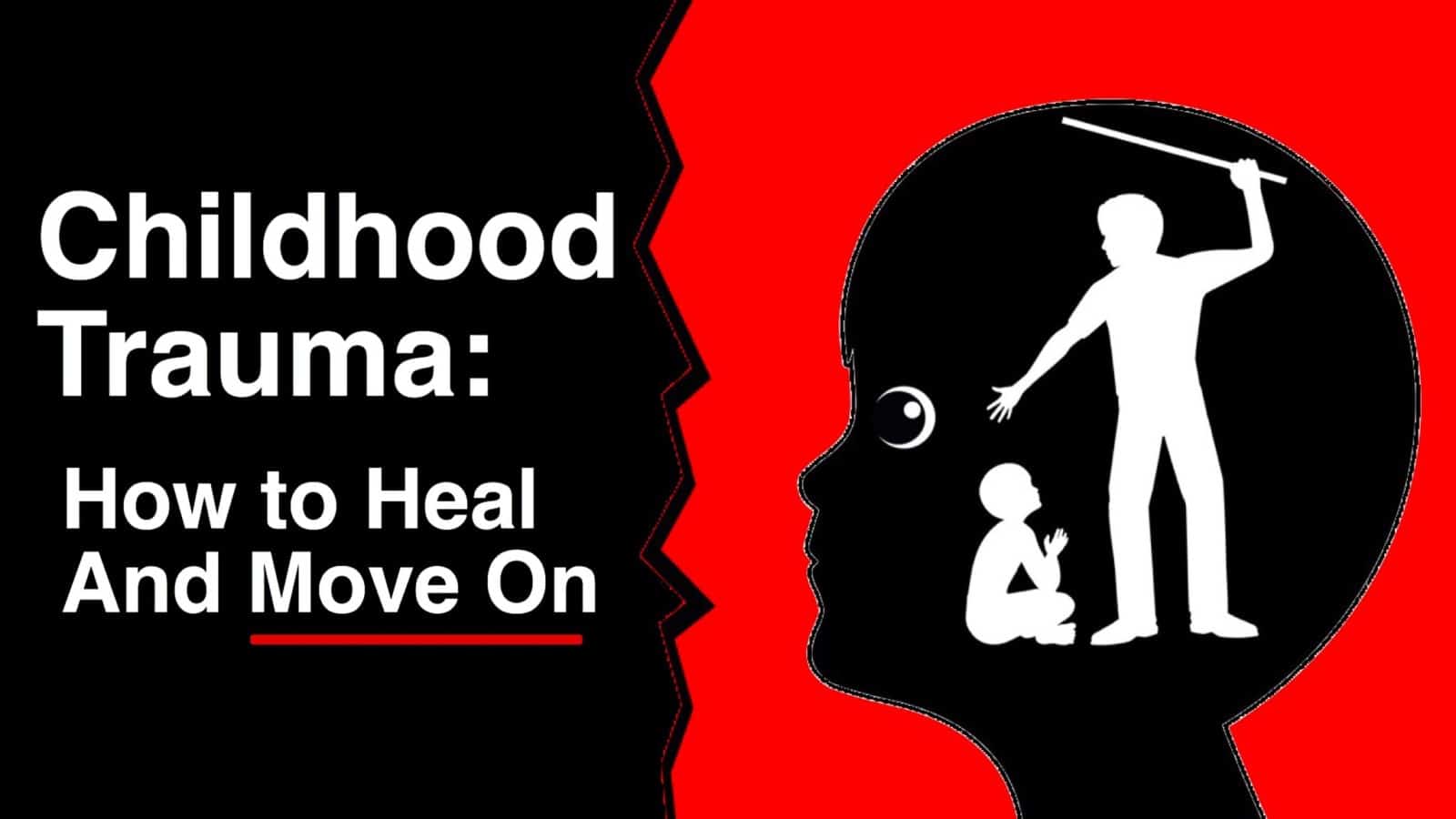
Emotional, or psychological, trauma is damage to the psychological makeup of an individual after living through a very distressing or frightening event. Trauma often affects one’s ability to cope or function normally in society. Emotional trauma may result from any number of events, including:

  • Exposure to sudden danger (e.g. armed robbery, burglary, car accident, rape, suicide, terrorism).
  • Exposure to prolonged danger (e.g. war, child abuse, child neglect, molestation, sexual abuse).
  • Relationship problems, breakup, or divorce.
  • Death of a loved one.
  • Diagnosis of a life-threatening condition.
  • Being a victim of bullying, or playing the part of a bully.
  • Experience of profound failure or humiliation.

Trauma often precedes the onset of severe anxiety and depression, as is the case of post-traumatic stress disorder (PTSD). Sadly, many individuals with emotional trauma do not seek help. Some may not recognize that they, in fact, need help. Identifying the potential signs of trauma could make a difference in such a case.

On that note, here are eight possible behaviors of someone who suffers from emotional trauma:

1. Chronic depression and anxiety

As mentioned, anxiety is likely to follow a traumatic event. This anxiety, chronic in nature, often leaves the individual to feel they can never relax. People with a history of trauma explain that they feel as if they’re “on guard,” a condition known as hypervigilance.

In the case of a person developing depression first, they are likely to experience symptoms similar to those of an anxiety disorder. These symptoms include difficulty concentrating, irritability, and nervousness.

2. Substance abuse

Multiple studies find a definite causal link between traumatic experiences and substance abuse. In a 587-person study published in the journal Depression and Anxiety, researchers recruited patients from clinic waiting rooms in Atlanta, Georgia (U.S.). The study population reported a lifetime dependence on multiple substances, including marijuana (45%), alcohol (39%), cocaine (34%), and heroin and opiates (6%).

The study’s authors note that all the individuals studied experienced childhood trauma, which causes changes to the “neural structure” of the brain and compromises its functioning. These changes resulted in various cognitive defects and psychiatric disorders.

3. Anger

Per the U.S. Department of Veterans Affairs (VA), anger can pose a severe burden to a trauma victim. Trauma suffered in early childhood may also produce changes to the brain that make it difficult for the victim to control his or her emotions.  Outbursts of extreme anger are very common for this reason.

Heightened feelings of anger also result from feelings of being betrayed. As such, victims of traumatic experiences may often find themselves in situations involving exploitation or violence.

4. Dissociation and numbness

Our brain is remarkable for so many reasons. One reason is that, through millions of years of evolution, the brain has learned to adapt to nearly any environment. For evidence of this adaptation capability, think of all the different places that human beings have been. We even built a rocket and landed on the moon!

But for people who suffer from emotional trauma, this ability of the brain to adapt may serve as a liability. A study published in the journal Comprehensive Psychiatry disclosed an existence of “significant associations” between childhood trauma, negative family experiences, and psychiatric problems in the history of females and males who find themselves incarcerated. Such findings suggest what all of us know intuitively: trauma stunts the developmental capabilities of the individual.

5. Intense fear

Traumatic experiences are hardwired into the brain’s limbic (emotional) system. Brain scans of individuals with PTSD confirm differences regarding the onset and elimination of fear as compared to victims without PTSD. More specifically, trauma victims often possess a heightened fear response.

Because of changes in the brain, trauma victims are more likely to experience distressing emotions such as anxiety, fear, and panic. Researchers believe this to be a result of overactivity in the brain’s emotional center.

6. Suicidal thoughts

Numerous studies have found a causal relationship between exposure to trauma and suicide. Moreover, the Interpersonal-Psychological Theory of Suicidal Behavior put forth by esteemed psychology professor and scholar Thomas Joiner posits that individuals with trauma may be less hesitant to commit suicide than the general population. In a piece published by the American Psychological Association (APA), Joiner writes:

“…it is hypothesized that the capability for suicide is acquired largely through repeated exposure to painful or fearsome experiences. This results in habituation and, in turn, a higher tolerance for pain and a sense of fearlessness in the face of death.”

7. Flashbacks

Flashbacks, in the mind of a person with trauma, reenact the traumatic event in real time. The triggering of flashbacks can occur from ordinary, everyday experiences. For example, someone with a history of sexual abuse may experience a flashback when they see someone who reminds them of the perpetrator.

Without proper treatment, flashbacks may worsen over time. Fortunately, effective therapies are available that can help a person cope with extreme anxiety, panic attacks, and flashbacks. The widespread acceptance of natural relaxation techniques like mindfulness and transcendental meditation offers trauma victims more hope than they may have had in the past.

childhood trauma - emotional trauma

8. Problems sleeping

Sleep disorders such as insomnia and sleepwalking are more common in people with trauma, especially those who’ve been diagnosed with PTSD. Nightmares and night terrors are also frequent, along with sleep talking and night sweats.

Once again, researchers attribute these problems to changes in the brain’s natural chemistry. For people with a history of trauma who develop sleep disorders, these neurochemical changes are apparent in the amygdala, the area of the brain which releases the stress hormones adrenaline and cortisol.

Alarming Signs You Have Hemorrhoids And How To Cure It

Got hemorrhoids? You’re not alone! In fact, recent surveys suggest half of all adults over the age of 50 experience at least one episode of hemorrhoids over the course of their lives. While this uncomfortable condition is rather common, it shouldn’t be taken lightly.

These literal “pains in the butt” are actually enlarged veins located either inside or outside of the anus. If left untreated, this condition could lead to serious complications like anemia.

Thankfully, there are many at-home treatments and medical procedures available for people suffering from this condition. Keep reading to learn the causes, treatments, and preventative steps you need to know to take care of your hemorrhoids.

Top Warning Signs & Risk Factors of Hemorrhoids

The most common symptom people with a hemorrhoid experience is an intense itch in the anus. This is sometimes accompanied by painful sensations, especially when going to the bathroom. In more serious cases, patients might see blood in their stool.

Doctors now know that there is a hereditary component to this condition. There are, however, other risk factors that come into play. Besides genetics, a few reasons people develop this painful condition include chronic constipation, obesity, and a sedentary lifestyle. Pregnant women are also at a higher risk of developing a hemorrhoid.

Natural Remedies & Prevention Strategies

high-fiber foods

Eat these high-fiber foods to keep your gut healthy.

Relaxing Warm Baths

As mentioned above, there are many different treatment options available for this condition. The easiest treatment patients can try at-home is taking a warm bath for at least 15 minutes per day. You can add Epsom salt to this bath and/or soothing essential oils like cypress to reduce inflammation further. It’s best to take this bath right before bed because it can induce drowsiness. Not only will a warm bath help reduce inflamed veins, it can significantly reduce chronic stress.

Reduce Stress With Meditation

Numerous studies now show that heightened stress has a negative impact on our sense of well-being. While stress might not be the primary cause of a hemorrhoid, people often notice a significant reduction in symptoms when they get their anxiety levels under control.

In addition to the Epsom salt baths, one of the most effective ways to reduce stress is to practice meditation on a daily basis. Set aside at least 15 minutes every day to sit comfortably, close your eyes, and follow your breath. When thoughts come into your mind, simply acknowledge them with an attitude of non-judgment and bring your attention back to your breath. After a few weeks of dedicated practice, you should notice a tremendous improvement in your health.

How To Avoid Constipation

If chronic constipation is the root cause of your hemorrhoid issue, then you should consider changing your diet to include more fiber-rich fruits and veggies. A few excellent high-fiber foods to add to your diet include lentils, brussels sprouts, oatmeal, pears, and blueberries. You could also add fiber into your diet by taking a supplement like psyllium husk every day.

Benefits of Horse Chestnut

In terms of herbal remedies, some people experience tremendous benefits with horse chestnut. A few studies have suggested using horse chestnut has a positive impact on blood flow, which can help reduce the size and severity of this condition.

How To Use Cayenne Pepper

Another popular herbal remedy to consider is cayenne pepper. Like horse chestnut, cayenne is well known for its ability to assist the heart and improve the circulation of blood. Cayenne also has the added benefit of stimulating peristaltic motion in the colon, which helps clear out excess waste and prevents constipation.

Note: a little goes a long way with cayenne pepper. Just put a quarter teaspoon of cayenne powder in a glass of warm water and gradually build up to a teaspoon over a week or two. You could also purchase cayenne pepper in capsule form.

Standard Medical Procedures

For patients with a stubborn hemorrhoid issue, there are a few medical procedures offered by conventional doctors. The most common hemorrhoids cures performed in a hospital are rubber band ligation and sclerotherapy.

Basics Of Rubber Band Ligation

The first in-office hemorrhoids cure, called rubber band ligation, uses a special device to place a rubber band around the patient’s affected area. This therapy works because it temporarily starves the hemorrhoid of blood, which causes the vein to reduce dramatically.

hemorrhoids

What Is Sclerothearpy?

Sclerotherapy, on the other hand, is a hemorrhoids cure that uses a chemical called sclerosant to cut off blood supply and reduce the size of the hemorrhoid. Doctors who perform this procedure have to inject this chemical directly into the patient’s inflamed vein.

Of course, it’s always best to discuss your symptoms with a medical professional to discover the best possible treatment strategy for your needs.

Skip to content