Weekly tips, affirmations, and small actions to feel your best.

5 Signs Your Partner Is Making You Gain Weight (And How to Fix It)

The single life allows you to spend all your time and thoughts on yourself when you need to. Once you get a partner, things change, and there’s a new dynamic to explore. You also might find yourself making changes to your lifestyle. For the most part, studies suggest that being in a new relationship – or an older, healthy one – has positive effects on one’s wellbeing. But there’s also a phenomenon where being in a relationship can cause someone to gain weight. It’s important to spot these signs and nip them in the bud before it’s too late. Here are some signs your partner is making you gain weight – and how to fix it.

“We are social creatures of habit, so we’re influenced by the behaviours and beliefs of the people around us. If our partner tends to be more relaxed around eating, we will inevitably pick that up.” – Jennifer Sygo.

Here Are 5 Signs Your Partner Is Making You Gain Weight (And How to Fix It)

1. You drink more alcohol.

When you first start dating, you’ll likely wind up going on quite a number of dates. The most popular and common kinds of dates involve food and, in most cases, alcohol. While you can try to eat healthily around different sorts of food, alcoholic drinks tend to sneak in a good amount of sneaky alcohol. On top of that, studies have shown that even those who have been in relationships for a long time are affected by this. In fact, married women drink approximately three more drinks than single women.

If you have difficulty avoiding alcohol and tend to give in to cravings even when you aim to order healthier drinks, then try switching up the types of dates you go on. Instead of going for dinner or drinks, take a trip to a historical site or take up a new hobby or some classes with your partner. This will make sure that whatever you’re doing doesn’t involve alcohol, so the temptation isn’t around and you won’t gain weight.

2. You’ve been skipping the gym for dates.

If you’re someone who regularly performs a variety of physical activities, whether that’s in the form of going to the gym, attending a class that gets you moving, or even just going out for a walk, you need to be continuing this after you get into a relationship.

Sometimes, a relationship can cause you to skip your usual activities in favor of spending more time with your partner. Unfortunately, this change in routine often involves a switch from something active and healthy to something that likely involves a lot of sitting down or relaxing, which could make you gain weight.

There’s nothing inherently wrong with getting some rest now and then, but learn to find a compromise. If your partner wants to spend more time with you, invite them to come with you to the gym, or to your fitness-related class, or even out for a walk with you. This way, you get to be together while doing something healthy and active. Not only will you keep your own fitness in check, but you might just help your partner with theirs!

3. There’s more food around.

If you’re someone who’s big on healthy eating and living, you might be adamant on keeping your home free of unhealthy junk food snacks that are too easy to reach for, and that can make you gain weight. But when you move in with a partner, they might like keeping their comfort food scattered everywhere – and the temptation can be pretty strong.

Packaged snacks are tasty and convenient, but depending on a large number of factors, they could be causing major weight gain and a host of other health problems. The best way to fix this is to ask your partner to keep their snacks out of sight. When you’re tired, you’re much more likely to reach for the chips on the counter than want to cook a full meal. Having your partner keep their snacks to themselves can work wonders in this case. In addition, try to stock your kitchen with healthy snacks you can enjoy guilt-free.

4. Your partner has different eating habits.

Does your partner always snack while watching TV? Do they have larger meals, eat more often, or make a habit of snacking? Chances are you may be slowly following their patterns, too, loading your body with unnecessary calories. Even your partner eating faster than you can cause you to unconsciously mirror their speed, and this can slowly but surely lead to gaining weight.
gain weight

In order to fix this issue, you need to be conscious of yourself. Be aware of what habits your partner performs that you’ve been picking up on. Of course, you’re not meant to change your partner’s habits. Instead, find alternatives that you can use. Eat a piece of fruit while watching TV with your partner, intentionally slow yourself down while you eat or serve yourself smaller portions, and make sure you have wholesome snacks to enjoy when you need them.

5. You feel attractive no matter what.

Guess what? This is a great thing! Your partner showers you with compliments, you feel happy and loved, you’re always made to feel like you’re the most gorgeous person on the planet. You feel secure enough that even if you do gain weight, your partner will still love you just the same.

This type of positive thinking is amazing, but there’s just one problem with this – it means you might lose some of your fitness motivation. You might not bother doing yoga anymore if you think it no longer matters, or you might indulge in a more sinful diet consisting of more junk food than you’d usually allow for yourself.

There’s really only one way to fix this: by understanding that you can have your own standards for how fit you want to be or how you look, and you shouldn’t be judging yourself entirely by how your partner views you. While it’s wonderful to feel loved and your partner says you don’t need to keep working out, it is totally okay for you to keep up the same physical health routines you had when you were single if you want to!

Final thoughts

At the end of the day, it is completely up to you whether or not gaining weight in a relationship is something you want to prevent. If you do, though, then there are plenty of ways to stop yourself from falling into this trap. By keeping your eye out for these signs and learning how to fix or avoid them, you’ll be at the weight you like no matter your relationship status.

10 Foods That Relieve Constipation Better Than Laxatives

Virtually everyone has experienced constipation at some point, and the chances of developing this annoying and often painful issue increases with age. Because of how awful laxatives can feel, you’ll often be uncomfortable whether you take them or not. Luckily, there are plenty of foods you can eat that have positive effects on bowel movements!

Let’s consider some foods that relieve constipation better than laxatives.

“No disease that can be treated by diet should be treated with any other means.” – Maimonides

Here Are 10 Foods That Relieve Constipation Better Than Laxatives

constipation

1. Prunes

Dried plums, more popularly known as prunes, are fantastic for constipation. Thanks to their high-fiber content, they help bowel movements by increasing water content in stools while improving stool weight through fatty acids. Prunes also contain unique phenolic compounds and a sugar alcohol called sorbitol, which boost gastrointestinal health.

Not only do they produce a mild laxative effect, but they also stimulate the production of good bacteria. Studies have shown that people who consume just 10 prunes a day – approximately 100g – experience more frequent bowel movements and see better waste consistency. You can also drink prune juice if you prefer.

2. Whole Wheat Bread and Pasta

All varieties of whole wheat products are great replacements for traditional varieties. This doesn’t just cover bread, but it also encompasses pasta and rice. This is because whole wheat foods have lots of insoluble fiber, which helps to add weight to stools.

If you’re going for bread, buying a variety containing nuts and seeds will give you an even more substantial effect. Rye bread is especially helpful in this respect. Just two slices make up 15% of the recommended daily dietary fiber intake. This kind of bread works much better than laxatives and is more effective at easing constipation than other wheat bread varieties.

3. Raspberries and Blackberries

Both these kinds of berries have high water content and lots of fiber, so they have been known to relieve constipation well. Thanks to their high vitamin C content and a good boost of calcium, they’re generally good, healthy fruits to eat regularly. You shouldn’t consume too much of these fruits daily due to their high fat and sugar content. Still, they’re safe to eat in a small handful, mixed with cream or yogurt, or even in baked goods.

4. Pears and Apples

Eating these two fruits raw can promise several benefits, not just to your gut but for overall health. Both contain a lot of water and high amounts of fiber, which naturally help bowel movements overall, and they contain plenty of helpful components for gut health.

One of the fibers contained in apples is called pectin, which is great for increasing stool water content, making stools softer and heavier through the use of fatty acids. Studies have shown pectin can boost stool travel time, too! The best apples to consume for constipation are the Granny Smith variety. On the other hand, pears have high fructose, which stimulates the bowels, and sorbitol, which acts as a minor laxative.

5. Pulses

Pulses are a food group comprised of things like lentils, beans, and even peas. These are packed with vast amounts of fiber. One cup of baked beans can contain nearly 80% of the recommended daily fiber intake. As a bonus, they’re also often very inexpensive!

Pulses contain a mix of different kinds of fiber, both soluble and insoluble. Together, these fiber types help add bulk to waste material and soften them, thus helping with constipation. If you’re not too big a fan of eating pulses unaccompanied, you can blend them into dips, add them to soups or salads, or even throw them in with dishes involving ground meat.

constipation

6. Popcorn

That’s right; even this movie snack can relieve constipation. Popcorn is very low in calories, and eating it is a great way to add extra fiber to your diet while satisfying cravings. Choosing popcorn over chips can go a long way! Make sure your popcorn is air-popped and not wholly smothered in butter and salt for a healthier yet tasty snack.

7. Citrus Fruits

Oranges, mandarins, and grapefruits are loaded with fiber, especially pectin, which we discussed when discussing apples. This component is mainly present in the peel. These fruits also have naringenin, a type of flavanol that helps add to their constipation-relieving properties.

Citrus fruits are also great for helping fluids secrete into the colon, which produces a mild but noticeable laxative effect. Plus, they taste so refreshing and juicy! Thanks to how much vitamin C they contain, they make a great snack food.

8. Flaxseed

Flaxseeds are a long-known remedy for constipation, and they have been used in medicine for centuries for this very purpose. This is because they have all the effects of a natural laxative due to their high insoluble and soluble fiber content. Eating just one tablespoon of this food gives you 11% of your daily recommended fiber. Flaxseed can boost bowel movement frequency while boosting stools’ weight.

It almost acts like a large intestine sponge that can soften stools with the water it collects, all while stimulating good bacteria growth with short-chain fatty acids. You can consume flaxseeds as they are or through flaxseed oil; olive oil has a similar effect. Do note that you should not consume flaxseeds if you are pregnant or breastfeeding, as it can stimulate the start of menstruation when taken in excess.

9. Kiwi

Kiwifruit has a very high fiber content. Studies have shown that those who eat one kiwi per 30kg of body weight daily will have softened stools that pass more frequently and quickly. Some studies have also found that eating two of these fruits daily can result in much better and healthier bowel habits.

This fruit also has an enzyme known as actinidine. This component can boost movement that occurs in the gastrointestinal tract. On top of that, kiwi has several phytochemicals, which – while understudied – have been suggested to help improve overall digestion.

10. Greens

Greens are good for your health in more ways than one. You’ll especially want to eat lots of spinach, broccoli, and Brussels sprouts! Not only are these high in fiber, folate, and vitamins C and K, but they also add stool bulk, allowing them to pass more quickly.

Spinach has high levels of magnesium that attract water into stools, softening them and making them easier to pass. Broccoli has a lot of sulforaphane, which is a component that aids digestion and helps keep the gastrointestinal system healthy. Most soft, leafy greens have a lot of fiber and other health benefits, so feel free to load up on them!

Greens - constipation

Final Thoughts on Eating Well to Relieve Constipation

Being constipated might often be the butt of jokes – no pun intended! – but it can have detrimental effects on the body, and even in mild cases can cause discomfort that negatively affects productivity, positive thinking, and eating patterns. Eating these listed foods can help relieve this problem without using laxatives; some may even prevent constipation altogether.

(C)Power of Positivity, LLC. All rights reserved

4 Simple Changes That Make Your Body Burn Fat Faster

The body needs to burn fat to have energy and prevent weight gain.  However, the most common fat-burning activities, like regular exercise and diet, don’t seem enjoyable and appealing to some people. If you’re challenged to follow through on your weight loss efforts, you can always start slowly and make baby steps to gain positive results. Here are some simple changes you can make today to help your body burn fat faster and facilitate weight loss.

“Weight loss can change your whole character. That always amazed me: Shedding pounds does change your personality. It changes your philosophy of life because you recognize that you are capable of using your mind to change your body.” – Jean Nidetch

Here Are 4 Simple Changes That Make Your Body Burn Fat Faster

1. Follow a time-restricted feeding (TRF) routine

Time-restricted feeding enables you to eat whatever you want, provided you have your meals and snacks between a set number of hours only. This kind of diet follows a similar concept to intermittent fasting, where you eat at certain times of the day and, more importantly, skip the midnight snacks.

So, if you have your breakfast at 7 a.m. and eat your last meal for the day at 5 p.m., you can help your body to burn fat and lose weight faster. A study found in the Journal of Nutritional Science proved that time-restricted feeding actually works to help with weight loss.

For 10 weeks, researchers followed and studied the eating habits of 16 volunteers. The first group ate their breakfast 90 minutes after waking up and had dinners 90 minutes earlier than usual. The second group followed their normal eating hours.

The group that had the shorter window of hours for eating had lost more body fat at the conclusion of the study. Apparently, their eating schedule helped curbed their appetite and discouraged them from snacking after dinner.

However, time-restricted feeding will work best for people with set routines or who do not have demanding work, family, and social obligations. If you have a challenging schedule, your body might not successfully respond to this style of eating.

2. Reduce sugar and starch in your diet

The human body needs carbohydrates for energy and protection from disease risks. Carbohydrates are one of the most essential macronutrients, along with protein and fat. However, too many carbohydrates in the body, which breaks down into sugar and starch when digested, can lead to weight gain and other problems linked to obesity. So, as per health experts’ advice, you need to burn carbohydrates through physical activities or cut down on your food intake.

A study in the Journal of Clinical Endocrinology & Metabolism showed how obese women effectively lost weight after cutting some carbs from their diet. They also reduced their appetite without feeling the hunger pangs.

Ideally, a person with average weight and height need 225 to 325 grams of carbohydrates every day, as per Mayo Clinic. This should meet the 45 to 65 percent of calories the body needs to maintain optimum health. Anything beyond this amount and you’ll likely get fat, but anything less might also make your body susceptible to health problems.

3. Eat (rather than drink) fruits to keep your stomach fuller

Do you love to drink naturally juiced fruits? Proponents of juicing believe that the body absorbs vitamins and nutrients in the liquid form better and faster, yet there are no concrete studies to support these claims.

However, one study published in the journal Appetite proved that eating whole fruits before a meal can make your stomach fuller and more satiated so you wouldn’t have the tendency to overeat.  So, the experts recommend that you should try to eat rather than drink fruits.

If you’re not fond of eating whole fruits, however, then juicing could be the next best thing. You can even include juicing vegetables in your daily glass. There are loads of fruit and vegetable juicing recipes online that will appeal to your taste buds. If you don’t like juicing, you can also try blending fruits and vegetables, which retain more fiber and phytonutrients than juicing.

Fruits and vegetables are effective in helping you burn fat because these foods are low in calories but rich in vitamins and minerals.

4. Try doing intense one-minute workouts

No time for exercise? Experts at McMaster University in Canada learned that you don’t need to spend hours of time working out to lose weight and get fit because doing a minute of intense workout may bring the same benefits as a 45-minute moderate exercise.

In their study, published in the journal PLOS One, the experts followed 27 sedentary men for 12 weeks. They were divided into groups that either did intense training or moderate workouts, while one group did not do any exercises at all. The men that did 20-second sprints every day become more physically fit after the study compared to the men who had 10 to 15 minutes of exercises and warm-ups in their routine three times a week.

burn fat

The findings pointed out that it’s possible to burn fat faster and benefit from a quick run up and down a flight of stairs during lunch breaks at work. However, intense exercises might not be advisable for those with physical conditions, such as a heart problem. If you plan to do this, get a clearance from a doctor first.

Final thoughts

Don’t be discouraged if you don’t see immediate results when you start implementing these four simple things. The effects won’t happen overnight but with positive thinking and consistency, you will soon reap the benefits of changing your lifestyle to improve your body’s health and wellness.

https://www.youtube.com/watch?v=yG-G9_LOkLA

(C)Power of Positivity, LLC. All rights reserved

10 Mistakes People Make About Supplements (That Most People Don’t Realize)

It is estimated that two in every three Americans takes a dietary supplement at least once per day. Unsurprisingly, the supplement market is booming. The market research firm Grand View Research estimates that the market for supplements will reach nearly 280 million U.S. dollars (USD) by 2024. That’s a lot of pills. (But still a drop in the bucket compared to Big Pharma – a 100-billion-dollar industry.)

Researchers believe that rising obesity rates, ignorance regarding the benefits of supplements, and a nationwide stress epidemic all contribute to the rapid growth of the nutritional supplement market.

A Background on Supplements

“Dietary supplements” include products such as amino acids, botanicals, enzymes, herbals, vitamins, and minerals. Supplements come in many forms, including capsules, tablets, powders, beverages, and energy foods.

While plenty of evidence exists demonstrating the health benefits of supplements, they are not intended to replace whole foods. Indeed, this misconception and subsequent misuse can prove harmful to health.

It is apparent that a disproportionate amount of information exists pertaining to the potential benefits of supplementation, and not nearly as much about possible harmful effects. Most people, including doctors and nutritionists, concede that supplements can be beneficial to health under the right conditions. But when common sense is not applied, supplements can be hazardous.

Here are 10 Misconceptions People Have about Taking Supplements

1. “The sun will give me all the vitamin D that I need.”

The primary role of vitamin D is to absorb calcium, and calcium is critical to bone health.

There are two types of vitamin D – D2 and D3. We don’t get much D2 or D3 from food, which is why some food products are fortified. And, while the sun can provide enough “D” during sunnier months, your body may not get enough during the winter months.

2. “All probiotics are the same.”

Health-promoting microorganisms that reside in the gut are called probiotics. Probiotics may help promote a healthy digestive tract and immune system.

There are a bunch of misconceptions – and flat-out lies from food companies – about probiotics, the biggest one being that all probiotics are essentially the same.

Dr. Pat Hibbard, a pediatrician and chief of global health at Massachusetts Children’s Hospital, states, “This is absolutely wrong,” as two probiotics may consist of completely different strains of organisms. As such, you’ll need to be sure that any probiotics you take are the kind your body needs.

3. “I need calcium supplements.”

We need calcium for strong, healthy, durable bones. But there is a proliferating myth that older adults need a supplement – and this isn’t necessarily true. If you eat plenty of seeds, chest, dairy, sardines, lentils, almonds, or leafy greens, you may not.

You can find your recommended daily intakes (RDI) for vitamins and nutrients here.

4. “I need a multi-vitamin.”

Once again, the question of whether you need a multivitamin (or any supplement) depends on your diet. A multivitamin is convenient because it gives you most of what you need nutritionally in a few pills instead of having to eat a bunch of foods. Just make sure that you’re not overdoing it or getting more than you should of any particular vitamin or mineral.

5. “Taking a bunch of random pills is okay.”

This belief is wrong on many levels. First, supplements can interact with prescription medications – and this can be very dangerous. Second, as implied earlier, more of a vitamin or mineral is not necessarily a good thing. There is such a thing as nutritional toxicity, where the body is unable to rid itself of excess levels of nutrients in the blood. Again, this is a potentially dangerous situation.

Know what is going into your body – and how much.

6. “I don’t need supplements.”

Maybe you don’t. Just bear in mind that you must be able to answer ‘yes’ to the following three questions:

(1) Is your diet well-balanced?

(2) Do you eat the right amounts of each food group?

(3) Do you maintain a well-balanced, well-proportioned diet every day?

7. “All supplements are safe.”

Many, perhaps most, supplements are very safe. Like prescription and non-prescription drugs, however, not all supplements are created equal. And, like drugs, the Food and Drug Administration (FDA) has had to yank products off the shelves. A prominent example of the possible dangers of supplements is ephedra – the once-popular weight-loss ingredient. Ephedra was banned in 2004 after the FDA received reports of over 16,000 adverse health cases involving nearly 200 deaths.

supplements

8. “It’s okay to mix supplements with prescription drugs.”

It may be okay, but you should check out known interactions between supplements and any medications you are taking. Supplements may alter the absorption, function, and excretion of prescription drugs. In rare instances, an interaction may be dangerous and even life-threatening.

. “I can trust the labels.”

Like every other private company, supplement manufacturers exist to make a profit. And, like most other industries, there are both good and bad actors. Err on the side of caution and look for the following information:

  • Certification: Look for the letters ‘GMP’ and USP’; United States Pharmacopeia, and Good Manufacturing Practices, respectively.
  • Price: Don’t buy cheap or exorbitantly expensive supplements. (Certification costs companies money so you can expect to pay a bit more here.)
  • Reviews: Check out examine.com for unbiased information on supplement ingredients. Also, read the reviews of customers.

10. “It’s okay to give kids supplements.”

Check the RDIs according to age group. Children, especially young children, are much more sensitive to the effects of supplements. Also, if your child is on prescription medication, check with their doctor before giving them any supplement.

https://www.youtube.com/watch?v=7BNGVmwxoHI

(C)Power of Positivity, LLC. All rights reserved

11 Things Alpha Women Do Every Day

You’ve likely heard of the idea of “alpha men”, but did you know that alpha traits can also be applied to women? Alpha women are the kind of people everyone looks up to. They have admirable traits that allow them to be more positive, and more successful in life. If you identify as a woman, then you’ll want to work on adding these traits to yourself, too. Here are some things alpha women do every day.

“The question isn’t ‘Who’s going to let me,’ it’s ‘Who’s going to stop me?” – Ayn Rand

Here Are 11 Things Alpha Women Do Every Day

1. They know what they want …

An alpha woman is decisive and ambitious. She knows what she wants and doesn’t spend a lot of time second-guessing herself. Of course, this does not mean that alpha women never have moments when they are unsure. It means they know what direction their life is going to take, and they keep their goals in mind always.

2. … and they ask for what they want, unashamedly.

It’s not usual for women who are assertive to be viewed as overly bossy or just looked upon unfavorably in general. An alpha woman does not allow that to get to her. She is naturally dominant and assertive and does not care if ignorant individuals attach a negative idea to that trait. She knows that the only way to get what you want out of life is by taking steps towards it. Sometimes, that involves asking, firmly, for those things.

3. They do not give up easily.

Alpha women know that life is full of trials and tribulations, but that will never stop them from taking risks, learning from mistakes, and fighting to move forward every day. No matter what setbacks an alpha woman faces, she knows she will overcome them and jump those hurdles so she can become the person she wants to be and achieve her dreams. She takes breaks when she needs them, but you can always count on her to be back in her routine quickly.

4. They do not complain.

An alpha woman recognizes that time spent complaining or whining is time poorly spent. When she finds herself in negative circumstances, she immediately takes steps towards fixing and improving those circumstances. This doesn’t mean she doesn’t speak out against injustice or unfair circumstances – she simply refuses to waste her time taking no affirmative action to fix the problems she is facing.

5. They know age is just a number.

There is no one who knows this better than an alpha woman. These strong individuals do not view their lives as a limited countdown and don’t feel the pressure of a clock ticking down. Instead, they disregard the idea that their lives must follow some sort of strict timeline. Instead, an alpha woman paves her own way and walks along that path at her own pace, knowing she will achieve her goals in due time and effort.

6. They aren’t afraid to make the first move.

Traditional values dictate that men need to make the first move in romance, but an alpha woman has no interest in indulging these primitive values. She has no trouble approaching a man in the bar and buying him a drink, and will happily ask a potential partner out. But this doesn’t just apply to romance and sex – it can also apply to jobs, friendships, and opportunities. Basically, what alpha women want, they are willing to take a dominant role to get!

7. They are not afraid to embrace their femininity.

Society often tries to tell us that things traditionally viewed as “feminine” are lame. People laugh at chick flicks, roll their eyes at women dressed in full pink, and nod condescendingly when women talk about loving makeup. Alpha women don’t care about these sorts of things. An alpha woman will be as stereotypically feminine as she wants to be and will embrace what makes her a woman with no qualms.

8. They do not play games.

Passive aggression and mind games get in the way of good communication, and an alpha woman has no time for that. She is not interested in participating in malicious power plays, mind games, and gossip. Instead, she will be open and communicative about her thoughts and needs, and she will listen to the opinions of others so a solution can easily be found. She says what she means and means what she says.

9. They do not belittle other women.

It’s all too easy for someone to step on those around them in an effort to rise to the top. An alpha woman not only feels that this is unnecessary, but she actively works against such ideas, especially when this involves her fellow women. She prides herself on her solidarity with other women and seeks to lift them up, not put them down. She will never insult other women – or other people, in general – in order to climb to the top.

strong woman

10. They know when to walk away.

Alpha women are perfectly capable of compromise – but they realize they can walk away from any situation if they are being disrespected or treated unfairly. A woman of this stature will demand that those in her life engage in healthy relationships with her, whether those relationships are professional, romantic, platonic, or familial. When they fail to do so, she has no qualms about moving on with her life if she sees no change taking place.

11. They love themselves.

Ultimately, an alpha woman loves herself and doesn’t care that others may not. We do know, of course, that self-love is a journey, and having difficulty loving yourself doesn’t automatically disqualify you from being an alpha woman. Even the strongest people have their own struggles, after all. But if you’re working on your self-love and positive thinking and are teaching yourself to be happy in your own skin, that’s half the battle won!

Final thoughts

Being an alpha woman means being a woman who is strong, independent, and intelligent – and who wouldn’t want to be that woman? By adding these traits into your life, you will be well on your way to becoming the alpha woman you’ve always wanted to be!

(C)Power of Positivity, LLC. All rights reserved

5 Early Warnings of Toxic Shock Syndrome

Toxic shock syndrome (TSS) is a condition where bacteria attack the body with harmful toxins. Mostly linked to tampon use in women, TSS may also affect children or men of any age. Around 0.8 to 3.4 per 100,000 TSS cases are recorded in the U.S. every year. It’s rare but it is a life-threatening condition, so here are some early warning signs of toxic shock syndrome.

“The two things that should alert patients and physicians are a very high fever and a sudden drop in blood pressure, which could cause fainting spells…” – Dr. Anthony Chow

Here Are 5 Early Warning Signs of Toxic Shock Syndrome

1. You’re sore all over and you have a headache that won’t go away.

You’re feeling tired and sore, as well as experiencing muscle pain all over your body. You have a headache that won’t go away even when taking over-the-counter pain medication. Worse, if your muscle pain is accompanied by fever (from 102°F/38.9°C or higher), as well as a general feeling of not being well, then you could be suffering from early symptoms of TSS.

2. You develop a rash.

You spot an inexplicable rash on your palms and soles of your feet. It looks flat, without any bumps or texture. This rash will peel and scale as if you have a typical sunburn. Generally, rashes aren’t life-threatening but if you also have a “strawberry tongue” or redness in the mouth, you need to seek a doctor immediately because it might be TSS.

3. Your eyes are red. 

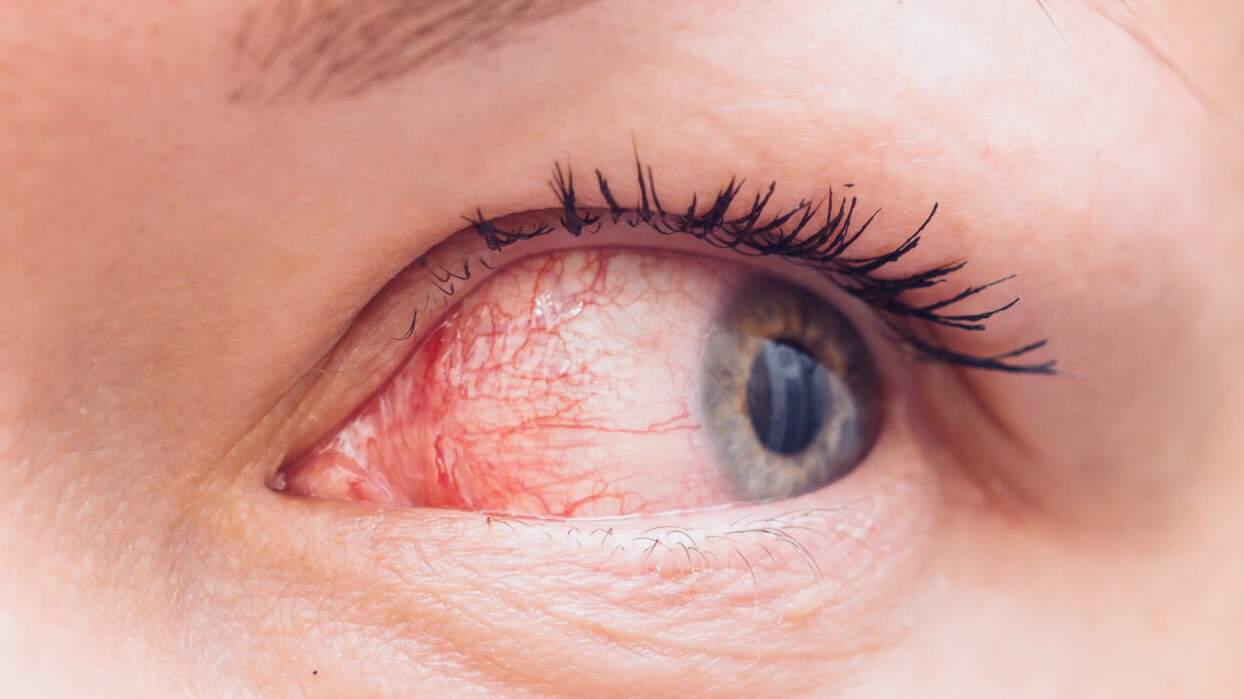
Along with a red mouth or tongue, you might develop redness around the eyes. This is because the bacteria have entered your bloodstream and your body’s immune system is reacting to it. Bloodshot eyes may also itch and burn due to the irritation. Until you visit a doctor for a proper diagnosis or treatment, remove any contact lenses if you wear them.

red eyes - toxic shock syndrome

4. You’re disoriented and confused.

Disorientation and confusion manifest within 48 to 72 hours of TSS, as per a study. Apart from this, you could also be feeling agitated and irritable, and may develop hallucinations. You could also be unresponsive to someone talking to you because your body is already in shock.

5. You’re either vomiting or have diarrhea.

There are a lot of other illnesses that have vomiting or diarrhea as symptoms. But if you’re experiencing this, along with the rest of the signs enumerated above, you might have TSS. See a doctor immediately. If you don’t have TSS, non-stop or prolonged vomiting or diarrhea would still be concerning because it can lead to dehydration that will make your body weak and lead to a kidney shutdown.

Diagnosing and Treating Toxic Shock Syndrome

This condition is a medical emergency. Don’t delay a visit to the hospital if you have a combination of the above symptoms. You need to have someone with you when you’re going to the doctor for the diagnosis and treatment, as you might not be able to answer the questions properly anymore. Hospital staff will check your blood pressure, body temperature, and heart rate and your doctor will likely order blood tests and urinalysis.

TSS can develop suddenly but the severity of the symptoms will vary among patients. If your TSS has been confirmed, you will require intravenous fluids and antibiotics to level off your blood pressure, eliminate the bacteria, and protect your organs from the toxins. In extreme cases, dialysis might be needed for a patient suffering from TSS to prevent kidney failure. If the bacteria have infected soft tissues, then surgery might also be necessary.

Recovery from TSS depends on the person’s immune system and how promptly the treatments were administered.

Preventing TSS Risk

If you’re a tampon user, it’s important to change to a fresh one every four to eight hours. Use the kind of tampon with the lowest absorbency and never sleep using a tampon when you have your period. Letting the tampon soak overnight can increase the risks of bacteria developing in your body. Instead, wear a pad when you sleep and also switch to pads when your period flow is lighter.

TSS develop because of bacterial strains like staphylococcus and streptococcus. At least 20 to 30 percent of humans have these strains present in their body most of the time. It is hidden in the skin, nose, or throat. However, these usually don’t produce toxins so there are no health threats.

But the condition can recur if you’re not careful. If you’ve had TSS before, it’s best not to use tampons at all and to stick to pads, especially if you’ve recovered from the hospitalization within the last six months.

Final thoughts

Because of active research and increased awareness, Toxic Shock Syndrome has become an easily recognizable and treatable condition. The fatality rate has reduced in recent years and there have been cases with fewer complications. Read the label on tampon boxes you purchase for more information. Manufacturers have been making a lot of improvements to their products to lower the risks of TSS.

https://www.youtube.com/watch?v=yG-G9_LOkL

8 Things Unexplained Weight Gain Can Reveal About Your Health

You watch what you eat and get regular exercise, but despite your positive efforts to maintain your weight, you still find yourself tipping the scale. Spending extended periods at a UK crypto casino can lead to more sedentary behavior and disrupt your daily routine, potentially contributing to unexpected weight gain. Additionally, unexpected weight gain might be a sign of a health condition rather than an extra cheeseburger or two. Here are some things that may be going on in your body and causing weight gain:

Here Are 8 Things Unexplained Weight Gain Can Mean About Your Health

1. Your thyroid is out of order

The thyroid is first thing doctors will check when you have unexplained weight gain. You might have an underactive thyroid, also called hypothyroidism, which produces an insufficient amount of hormones that your body needs for metabolism. At least five in 100 people develop hypothyroidism at some point in their lives. It’s more common in women than men, especially among those above 60 years old, according to the National Institute of Diabetes and Digestive and Kidney Diseases (NIDDK).

Other signs that you might have hypothyroidism, aside from weight gain, include low energy or fatigue, constipation, dry skin, and hair loss. Your doctor will require a blood test to diagnose your condition properly.  A thyroid disorder is treatable with medication and surgery.

2. You might have an endocrine disorder

Do you experience an abnormal menstrual cycle? If so, you might have an endocrine disorder called polycystic ovary syndrome (PCOS). This is a common condition among women of the reproductive age and it’s linked to obesity, as per the journal Obesity Management.

With PCOS, your body produces a lot of insulin or is unable to process insulin well, hence the weight gain. There are many factors that affect this condition, so it’s best to get a proper diagnosis from the doctor with your treatment plan. Aside from an abnormal monthly period, you might experience unusual acne episodes because of an unusually oily skin. You may also have excessive hair growth on the face and chest.

PCOS can cause fertility problems and miscarriage. If it’s not treated, you could risk developing type 2 diabetes and high blood pressure.

3. You might be prediabetic

If your body has become insulin resistant, you could be in a prediabetic condition. Insulin resistance can lead to excessive weight gain, especially around the waistline. One in every three adults develops prediabetes, according to NIDDK. You need to watch your blood sugar levels and perhaps cut down on your sugar intake to reverse this condition, otherwise it might lead to full-blown diabetes.

4. Your body has an overgrowth of bacteria

Bacteria live in your gut to help with digestion. But when there’s a bacterial imbalance, also known as Small Intestine Bacterial Growth (SIBO), you might experience various stomach problems like bloating, gas, diarrhea or constipation, and weight gain. Try increasing your water intake and eat more foods that are high in fiber and probiotic to help your gut.

5. Your body is producing more cortisol

Stress can elicit an excess of cortisol in your body, so you’re having anxiety attacks, depression, and an overwhelming feeling of fatigue, aside from the weight gain. If you’re also having a hard time getting up in the morning and feeling so unmotivated, consider a visit to a mental health professional who can help you get back on track.

6. You’re not getting restful sleep

“People who have poor quality sleep have higher levels of ghrelin, the hormone that increases appetite, and lower levels of leptin, the hormone that decreases appetite…” – Richard Shane

It’s not just food that causes weight gain. Even insomnia or sleep deprivation can make it harder for you to trim down the excess fat. You feel tired when you don’t get a restful sleep but your body thinks that you need energy. Thus, it triggers hormones that cause the hunger pangs, so you end up eating uncontrollably to let your tired body last through the day.

weight gain

The lack of sleep messes up with your hormones, which makes it challenging for you to control your weight gain, according to the journal Nature and Science of Sleep. Consider a checkup with a sleep doctor who may be able to help identify why you’re not getting a good night’s sleep. If your sleep disorder is addressed, then you may be able to manage your weight better.

7. You’re entering perimenopause

Perimenopause happens several years before you become menopausal. Women in their 40s or late 30s may experience this stage for 10 years and at least 80 percent of them gain weight, according to a study in the journal Obstetrics and Gynecology Clinics of North America.

The symptoms of perimenopause might include mood swings, sleep problems, hot flashes, and irregular periods. Your libido might also drop and you may experience vaginal dryness that can affect intimate moments with your partner.

Doing aerobic activities, skipping sugary food, and cutting down on alcohol can help alleviate the symptoms. It will also help to seek from a doctor because some symptoms of perimenopause can be bothersome and uncomfortable.

8. Your medication isn’t compatible with your body

Are you on prescription medication for depression or high blood pressure? Are you taking birth control pills or steroids? Various medicines can disrupt enzyme production, thus you experience side effects like water retention and weight gain. However, you shouldn’t stop taking these medications just because you’re gaining weight. Ask your doctor for a replacement or alternative instead.

Final thoughts

Sudden and unexpected weight gain may not always be life-threatening or dangerous but if you’re concerned about the abnormal and uncomfortable changes in your body, it’s always more prudent to get yourself checked. Apart from positive thinking, seek a second opinion if necessary, especially if the weight gain problem isn’t corrected despite following the doctor’s orders.

10 Quick Home Remedies For Cold And Cough Relief

Coughs happen to clear infections and irritants for the body, but when it comes to persistent coughing, it can become annoying. If you want to treat a cough or a cold, it will depend on the underlying cause. There are lots of possible causes of coughs, including infections, allergies, and acid reflux.

Some natural home remedies can help, but you should also note that the FDA does not monitor supplements and herbs, so if you are using them, you may be at risk of using products of low-quality or that have impurities.

If you want to use natural solutions at home for a cough, research about the sources and brands. Also, note that some supplements and herbs can interfere with some types of medication, which may result in unwanted side effects.

Let us now go through some of the best home remedies that you can use if you have a persistent cough.

Honey tea

study that researched treatments on children who were coughing at night compared dextromethorphan, a cough-suppressing medication, with dark honey and with no treatment. The findings of the research concluded that honey was the best remedy. Although the benefits between the two were small, honey was rated as the best remedy. To use honey at home, mix two teaspoons of honey with warm water and drink it either once or twice a day.

Ginger

You can ease an asthmatic or a dry cough using ginger because it has anti-inflammatory properties. It can also help to relieve pain and nausea. There is a study that suggests that ginger has some anti-inflammatory compounds that can reduce coughing. The effects of ginger were studied on animal and human cells.

To use ginger at home, add 20-40 grams of fresh ginger in one cup of hot water. Add lemon or honey to taste. You should note that in some cases, ginger tea can cause heartburn or stomach upset.

Lukewarm water

Drink luke-warm water as many times as you can to fight the cold, sore throat or a cough. Warm water helps to reduce throat inflammation and flush the infection from the body.

Marshmallow root

Marshmallow root has been used as an herb for centuries to cure sore throats and coughs. The herb is high in mucilage (thick and gluey substance) content, making it possible to ease irritation that is caused by coughing.

There is a small study that suggested the use of an herbal syrup containing thyme, ivy, and marshmallow roots to relieve coughs from respiratory tract infections. 90% of the participants rated that their cough cleared up after 12 days of drinking the syrup.

Bromelain

This substance is obtained from the core of the pineapple fruit. Bromelain contains anti-inflammatory properties that may have mucolytic properties, meaning that it can break the mucus down and extract it from the body.

Some people drink a lot of pineapple juice to counter coughing, but there may not be enough bromelain in the juice to suppress the coughing. There are bromelain supplements that can be used, but consult with your doctor before using them.

Thyme

Thyme is a common ingredient in the kitchen, and it’s also a common cough, sore throat, and bronchitis remedy. A study found out that ivy leaves and thyme in a cough syrup could relieve coughing more effectively because of the antioxidants present in the plant. To make a natural blend at home, take two teaspoons of dried thyme and put it in hot water. Stir for 10 minutes before sieving and drinking.

Salt-water gargle

One of the most common cough relief treatments for a wet cough and a sore throat is the salt-water gargle. Saltwater reduces the mucus and phlegm in the throat to reduce coughing. To prepare the solution at home, place a half tablespoon of salt in a warm cup of water and stir. Let the solution cool for a while and use it to gargle. As you gargle, allow the solution to stay at the back of the throat for a few minutes before you spit it out. Gargle several times a day.

Fluids

Hydrating yourself is important if you have a cold or a cough. According to research, drinking liquids can alleviate a cough if they are prepared at room temperature. However, if you have the flu or a cold, warming up the beverages can be useful. In the same study, hot beverages help to alleviate symptoms like chills, sore throat, and fatigue. Some of the hot beverages that may be comforting include:

  • Herbal teas
  • Clear broths
  • Warm water
  • Warm fruit juices
  • Decaffeinated black tea

home remedies

Flaxseeds

Boil flaxseeds until they become thick and then strain. Add some lime drops and a teaspoon of honey and drink the mixture.

Carrot juice

This is an uncommon remedy that you can use to fight a cough and cold. It may be the first time to hear about carrot juice, but it helps to relieve a cough and the common cold.

https://www.youtube.com/watch?v=7BNGVmwxoHI

(C)Power of Positivity, LLC. All rights reserved

Researchers Reveal That Coffee Can Actually Help You Live Longer

Coffee lovers have a win in the lines of health benefits, which includes longer lifespans! We didn’t need a reason to drink it, but we’re certainly glad for some new facts. Studies have recently shown that coffee may lower your risk of heart disease and stroke! Alongside the medical benefits, there are studies indicating mood elevations, fat burning capabilities, and even some antioxidants to consider!

Of course, you must bear in mind the risks involved with “too much of a good thing,” but who’s to say there isn’t an option for that as well! With that being said, let’s jump into the new facts brought to light about our favorite morning pick me up.

Benefits of Coffee

While not as many studies have been conducted on decaffeinated as caffeinated, both types prove beneficial to our overall health. Much of what is contained in the caffeinated version can also be said for decaffeinated, including the antioxidants and prevention of age-related mental defects. If you suffer from acid reflux, however, decaf or half and half may be a good option to continue to receive the benefits without the heartburn.

Antioxidant Power

Besides coffee’s innate ability to make us more socially acceptable in the early hours, coffee has extended benefits for our health and the ability to make our day more productive! It has antioxidants, including B12, B5, manganese, potassium, and niacin. Increased antioxidants help to prevent tissue damage, and caffeine can help us power through our days.

Physical Advantages

Caffeine contributes to increased physical performance, better memory, mood, and energy levels. There are also some fat burning characteristics to caffeine, as some studies have shown that it can boost metabolic rate. However, this characteristic possibly diminishes over long-term use.

Medical Benefits

Health benefits to coffee include the reduction in Type II Diabetes because of manganese. Additionally, the risk of developing kidney disease diminishes. Parkinson’s disease, dementia, and Alzheimer’s take a hit by the health benefits of coffee through the reduction of inflammation. There have also been studies that show no such link between acrylamide, a chemical in the roasting process of the beans, and cancer. On the contrary, the antioxidants that help fight tissue damage can help fight against it, especially colon and liver cancers!

Better Mood

Another significant benefit is heightened levels of happiness! With a better mood, improved memory, and depression-fighting qualities, what’s not to love? There’s a certain quality to the smell of a fresh brew in the morning, and now we know why.

Risks

While we’ve talked about the many benefits of coffee, there are still some things to remember when consuming the nectar of the Gods. So, as they say, moderation is key. Keep in mind that some people may have a genetic mutation that breaks down caffeine at a much slower rate, so knowing your body and how it metabolizes caffeinated beverages could benefit your health in the long run. If left unchecked, you could risk heart disease, which is where it got its bad rep in the first place. As always, if you are pregnant, you should check with your doctor.

coffee

Caffeine seems to be the main culprit for possible risks, so keep that in mind when going for those extra cups. Since decaffeinated is an option, you may want to opt to drink it when you feel the need for a third or fourth cup. Caffeine is an excellent mood booster and power pickup, but you certainly don’t want to overdo it and end up causing yourself anxiety or preventing sleep. By avoiding caffeine late in the day, you’ll be able to steer clear of the heightened blood pressure and adrenaline that causes sleepless nights.

Rejoice and smile at the nay-sayers, as there is scientific proof that coffee is fantastic – not that we needed any to know that! With its richness in antioxidants, mood boosting qualities, and the medical benefits, you will be able to enjoy your morning joe even more now that you know it’s contributing to the length of your lifespan.

(C)Power of Positivity, LLC. All rights reserved
Skip to content