Weekly tips, affirmations, and small actions to feel your best.

How to Make a Detox Drink to Help Clean Your Liver And Lose Weight

Did you know that in the U.S. alone, 4.9 million people have liver disease, and over 40,000 people die yearly? According to Johns Hopkins Medicine, most of these tragic deaths and cases of liver disease could be avoided by eliminating chronic alcoholism. In this article, we want to provide vital information regarding this critical organ and practical ways to keep your liver healthy.

What Is Liver Disease?

Otherwise known as cirrhosis, this disease happens due to tissue scarring. These scars can cause permanent damage because the scar tissue builds up, preventing your liver from functioning normally. The scar tissue replaces healthy tissue and partially blocks blood flow through your liver. This can cause organ failure in severe cases if a patient does not seek treatment in time.

Who Is at a Higher Risk of Liver Disease?

According to the National Institute of Diabetes and Digestive and Kidney Diseases, people are more likely to get liver disease if they:

  • have engaged in heavy drinking for a long time
  • have type 2 diabetes
  • are men
  • are over 50

liver disease

What are the complications of cirrhosis?

Some people may not even know they have liver disease until complications arise. The following may occur due to liver disease:

Portal hypertension

The most severe complication of cirrhosis, portal hypertension occurs when scar tissue builds up and blocks the blood flow in your liver, leading to high blood pressure in the portal vein. Portal hypertension may also cause the following:

  • enlarged veins – called varices – in the esophagus, stomach, or intestines, which could burst, causing internal bleeding
  • swelling in the legs, ankles, or feet, called edema
  • fluid buildup in the abdomen —called ascites— which can cause a severe infection in the area surrounding the liver and intestines
  • confusion or cognitive impairment caused by toxin buildup in the brain called hepatic encephalopathy

Infections

Liver disease can increase your risk of getting bacterial infections such as urinary tract infections and pneumonia.

Liver cancer

Cirrhosis can lead to liver cancer. Most people with liver cancer already have liver disease.

Liver failure

In severe cases, liver disease can eventually cause liver failure. This means your liver is so badly damaged that it stops working, which may require a liver transplant.

Other complications

  • bone diseases, such as osteoporosis
  • gallstones
  • problems with the bile ducts, which are responsible for carrying bile out of the liver
  • malabsorption and malnutrition
  • tendency toward bruising
  • sensitivity to medicines
  • insulin resistance and type 2 diabetes

Facts About Liver Disease

According to the American Liver Foundation, many different types of liver disease exist. Since we could write many pages about each type, we will discuss a few important all-encompassing facts about liver disease.

  1. The leading cause of liver disease in the U.S. is obesity. While alcohol and drug use can also lead to liver disease, obesity can exacerbate an already overtaxed liver. Liver disease can be genetic as well.
  2. Healthy livers can regenerate after being damaged. The disease is caused by scar tissue that builds up and blocks blood flow to the organ, preventing the tissue from regenerating.
  3. Many patients will deal with liver inflammation in the early stages of a disease. Inflammation isn’t necessarily harmful. Indeed, it helps fight off infections and heal injuries. However, when chronic inflammation occurs, it can cause permanent damage.
  4. Liver failure occurs when the liver can no longer function properly and starts shutting down. It is a life-threatening condition that requires immediate medical care. Usually, the first symptoms of liver failure are nausea, loss of appetite, fatigue, and diarrhea. These symptoms can present with many different conditions, so patients may have difficulty knowing if their liver is failing. That’s why checkups and taking care of your health are paramount.

Before we continue with how to heal the body of liver damage, we’ll go over what the liver actually does in the body.

How It Functions

The main function of the liver is to process nutrients absorbed from the small intestine. Bile from the liver secreted into the small intestine helps the body digest fat. In addition, the liver is where the body produces chemicals that you need to function. It takes the raw materials the intestine absorbs and turns them into chemicals the body needs. As well as helping to produce beneficial chemicals, the liver detoxifies the body of potentially dangerous chemicals.

How to Heal Liver Damage

Before we get to how to make the detox drink for your liver, we want to review other ways to heal liver damage. Here are a few recommendations:

Eat Healthy Foods

According to the American Liver Foundation, patients with cirrhosis should avoid foods that are high in salt. Patients with fatty liver disease should limit foods with a lot of calories and eat high-fiber foods instead.

Eating right is one of the best protections against disease. However, if you already have this disease, you can assist in healing your body with the right foods. Make sure you eat plenty of vegetables, whole grains, and antioxidants.

Minimize or eliminate saturated fats and salty, sugary, or highly processed foods. Some of the best foods for your liver include blueberries, cranberries, cruciferous vegetables such as Brussels sprouts, broccoli, kale, mustard greens, collard greens, coffee, fatty fish such as salmon, grapefruit, grapes, nuts, and olive oil.

Animal studies have shown that both Brussels sprouts and broccoli sprout extract increase levels of beneficial enzymes that aid in the detoxification of cells and safeguard the liver from damage. One study in human liver cells discovered that cooked Brussels sprouts provided the same benefits for the liver as raw ones.

Another study in men with fatty liver disease found that broccoli sprout extract, which is high in antioxidants and nutrients, decreased oxidative stress and boosted liver enzyme levels. So, if you don’t already eat cruciferous vegetables like Brussels sprouts and broccoli, make sure to include them in your diet.

Lose weight

Being overweight or obese can lead to a condition called nonalcoholic fatty liver disease (NAFLD). Just like the name sounds, it’s caused by having too many fat cells in the liver, but not due to alcohol. Those who are overweight or obese, insulin resistant, or have high blood sugar or high blood triglycerides are at risk of developing NAFLD.

Exercise

Exercise can reduce the risk of almost any disease and help heal your body from inflammation. It will help you lose weight, boost your immune system, and decrease body fat, all of which will help with healing.

Quit Smoking

Cigarettes contain over 4,000 harmful chemicals that the liver must process to rid the body of them. Thus, smoking cigarettes requires the liver to work much harder to detox the body, which can lead to liver failure. Smoking can also lead to other problems, such as inflammation.

Minimize exposure to toxins

Besides cigarette smoke, many other substances in the world contain toxins that we should try to avoid, if possible. If you’re around things like paint, insecticides, and other harmful toxins, make sure to wear a mask.

Eliminate alcohol

Alcohol, as we have discussed, can both cause and exacerbate liver disease. Since alcohol can lead to both liver disease and weight gain, those with liver conditions should eliminate alcohol. This will help you detoxify the liver and shed unwanted weight.

Be Aware

Hepatitis can cause liver damage. Because you can get hepatitis from unclean needles and water, it’s essential to protect yourself. For example, if you go to a salon for a manicure or pedicure, make sure the shop is reputable. The same applies if you go somewhere that uses needles, such as a tattoo or piercing shop.

Monitor Your Medications

Everything that goes into your body must be metabolized in the liver. Certain medications can cause liver damage, including anti-psychotics, hormone replacement drugs, heart medications, birth control pills, and certain OTC drugs. If you’re concerned about how your medication affects your liver, talk to your doctor as soon as possible. You might need to take alternative medicines or try a different form of treatment.

Take Supplements

To look after your liver naturally, make sure you get enough Vitamin C, E, and beta-carotene; minerals like selenium and zinc; B-vitamins which will help metabolize alcohol; and herbs that can help detox the liver such as milk thistle, schizandra, and dandelion root.

Try starting with a standard multivitamin before introducing other supplements into your body. Certain herbal supplements can interfere with medications.

Preventing Liver Disease

To prevent the risk of liver disease, there are certain precautions you can take. Here are a few helpful tips:

  • Drink alcohol moderately. This means one drink a day for women and two a day for men. Heavy drinking is classified as more than eight drinks per week for women and more than 15 for men.
  • Protect yourself. Don’t share needles with other people for any reason. Use a condom or other protection during intimacy. If you get tattoos or piercings done, fully research the shop and look for accreditations before getting work done.
  • Stay up to date on vaccines. If you’re at a higher risk of contracting hepatitis or already have it, talk to your doctor about getting the hepatitis A and B vaccines.
  • Monitor your medications. As we said before, some medications can increase the risk of liver disease. Take medication only if you need it and in recommended doses. Never take medications with alcohol or herbal supplements you haven’t discussed with your doctor.
  • Don’t touch other people’s blood or bodily fluids. This can lead to hepatitis or other diseases.
  • Wear a mask and ensure the room is adequately ventilated when using toxic chemicals such as insecticides and fungicides. Also, wear long sleeves, gloves, and a hat to protect your skin.
  • Be mindful of your weight. This is one of the best ways to prevent liver disease, as exercise and a healthy diet will lower your fat percentage and keep you at a healthy weight for your body.

In addition to healing your liver with the methods we mentioned above, we will finally get to the meat of this article: the ultimate detox drink to cleanse and heal your liver!

Detox Drink to Clean Your Liver
lose weight

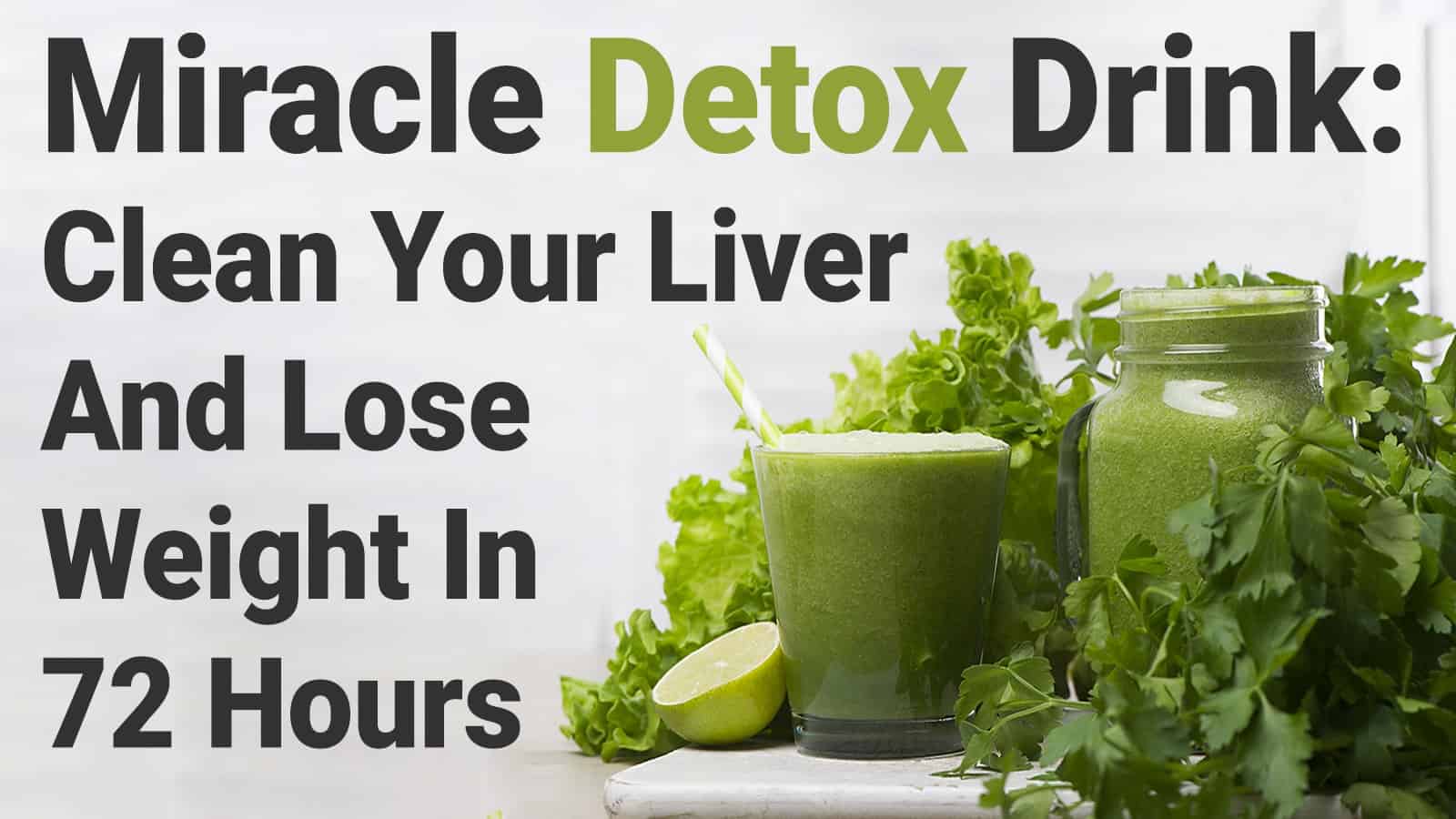
Ingredients

  • 6 cups of water
  • 3 lemons
  • 1 cup chopped parsley
  • 5 stalks of celery

Preparation

You can prepare this one of two ways. You can peel and deseed the lemons and blend all the ingredients (except water) in either a blender or a juicer. The blender will keep all the fiber, while a juicer will remove it. Depending on your health goals, you can choose whichever method works best for you. After blending or juicing the ingredients, add water and run through the machine once again.

Benefits of Ingredients for the Liver

Water

Obviously, water is one of the best natural healers on the planet. It’s the easiest and most efficient detox method because one of water’s main functions is to flush the body of harmful toxins. Keeping your body hydrated will help it perform more efficiently, thus allowing the liver to do its job. Especially if you’ve had a lot of alcohol recently, water can help flush it from your system and reboot your liver.

Lemons

According to one study evaluating alcohol-induced liver injury in mice, lemon juice had a protective effect on the body, likely due to the high level of antioxidants. Lemons have many other benefits for the body, but for the liver specifically, lemons can help detox the body further and provide essential nutrients.

Parsley

Parsley contains antioxidants such as luteolin, apigenin, lycopene, beta-carotene, and alpha-carotene. These help to fight free radical damage, which can cause cancer. They also lower inflammation in the body. High levels of inflammation have been shown to lead to several diseases, including liver disease.

Parsley contains high levels of Vitamins C and A as well. Vitamin C helps to lower inflammation levels and boost gut health, while Vitamin A can help protect against eye disorders and promote skin health. Both of these vitamins will help your immune system in the long run, aiding your body in protecting you from liver disease.

Celery

Celery contains vitamins and minerals such as vitamins K, B6, and C, potassium, and folate.

In one study out of the Department of Nutrition and Food Science at Helwan University in Egypt, researchers fed rats celery, chicory, and barley. The rats then showed a reduction of fat buildup in the liver. The researchers supplemented high-cholesterol diets of rats with celery, chicory, and barley powder and saw their liver enzyme function and blood lipid levels improve. The more powder the rats were given, the greater their liver health. This study shows that, for people suffering from liver disease or at risk of developing it, celery, chicory, and barley can have a protective effect.

So, now that we’ve gone over the benefits of the ingredients for this detox drink, we’ll talk about how you should include it in your diet.

How to Use

Drink this juice or smoothie for three days to experience the healing effects. Three times a day, drink at least two glasses. If you want, you can try fasting during this period, or choose to eat light, raw foods if possible. If you choose to fast, make sure to drink plenty of water. For those not fasting, eat plenty of fruits, vegetables, nuts and seeds, and avoid processed foods. Also drink plenty of water.

Other Foods That Help the Liver

  1. Almonds

Almonds have nutrients such as Vitamin E and may help protect the body against fatty liver disease. Other nuts, as well as almonds, have been shown to boost heart health.

  1. Bananas

While this sweet fruit is mostly known for its high levels of potassium, it can also speed up digestion, which means toxins move out of the body faster. This helps the liver to eliminate toxins as well. A Chinese study found that people with low potassium levels had a higher chance of developing nonalcoholic fatty liver disease, meaning bananas should be a staple in anyone’s diet.

  1. Blueberries and Cranberries

Blueberries and cranberries contain antioxidants called anthocyanins, which give berries their rich colors. Berries also have many health benefits for the body.

Some animal studies have shown that cranberries and blueberries and their extracts or juices can maintain liver health. The studies showed that eating these fruits for 3-4 weeks prevented damage. Also, blueberries help to boost immune cell response and antioxidant enzymes.

Another study found that the antioxidants in berries slowed the development of liver scar tissue in rats.

Berries are definitely a powerful weapon in the fight against disease.

  1. Coffee

While many people like to debate about the health benefits of coffee, science shows that coffee can protect against disease.

Studies have shown that coffee lowers the risk of cirrhosis in people with chronic liver disease, including NAFLD. According to another study, coffee may also reduce the risk of developing a type of cancer; plus, it showed positive effects on inflammation and disease. Another study showed that those who drank at least three cups of coffee per day had a lower risk of death caused by chronic liver disease.

Coffee may prevent the buildup of fat and collagen, which are markers of disease.

If you have liver problems and don’t already enjoy a morning cup of coffee, take this as your sign to do so!

  1. Green Tea

People have been drinking green tea for centuries, and there’s a reason for that. Green tea is loaded with an antioxidant called catechins, which protects against different types of cancer, including that of the liver.

In fact, one large Japanese study found improved blood markers in the livers of those who drank 5-10 cups of green tea per day.
your liver

A smaller study in patients with non-alcoholic fatty liver disease (NAFLD) found that drinking green tea for 12 weeks improved enzyme levels and may also decrease fat deposits and oxidative stress (which can lead to cancer in the liver).

These are just some of the foods and beverages that can help improve your overall health. A varied diet of fruits, vegetables, meats, fish, nuts, seeds, healthy fats (like olive oil, avocado, coconut, etc.), and grains will protect your health and boost the immune system.

Final thoughts

Millions of people suffer from liver disease and other complications, but you can safeguard your health by taking preventive measures. As you have learned in this article, drinking too much alcohol, smoking, being overweight, and leading an unhealthy lifestyle can cause different types of liver disease. While some cases are genetic, you can take charge of your health and heal your liver by exercising, eating healthy, and avoiding smoking or drinking alcohol.

Also, make sure to be safe around harmful substances and wear protective clothing and a mask if exposed to dangerous chemicals. Avoid sharing needles with other people, and practice safe sex. Don’t touch other people’s blood or bodily fluids, and monitor your medications to see if any of them are causing you to feel adverse symptoms.

Finally, consider taking supplements to boost your liver health if you don’t get enough nutrients from your diet. However, you should talk to your doctor before taking any supplements if you also take prescription medication. Some supplements can counteract with certain medicines.

We hope the tips and information in this article can help you improve your liver health and be aware of signs of liver disease. Here’s to your health!
How to Lose Belly Fat In 30 Days (15 Simple Exercises + Diet Plan)

Belly fat is lost through fast exercise. All personal trainers know two things: 1. Slow movement builds muscle, and 2. Fast movement helps you lose fat (lose belly fat especially). All of our handy examples below give you ideas for incorporating fun, super easy, fast exercises into your regular schedule. Just doing one of these per day will begin blasting belly fat!

1. Swimming.

People don’t realize how much resistance there is in water. After all, swimming is fun! Who notices the steady and pervasive water resistance on their muscles? The truth is, swimming is one of the fastest ways to lose belly fat and to build muscle simultaneously. Hopping in the pool for 30 minutes a day is more than enough.

2. Run 10 minutes a day.

You don’t have to devote a whole hour of running in the morning. You don’t even have to do it for half an hour. Just put your shoes beside your bed, set your watch on a ten-minute timer and just run out the door as soon as you wake up. You can lose belly fat fast if you just have a steady, consistent diet of movement for ten minutes per morning.

3. Jogging up and down the stairs 6 times.

If you live in a cold weather climate (away from pools and outdoor activities) but have a two-story house or a home with a basement, you can still lose belly fat fast. Just jog (don’t walk) up and down your stairs six times a day. Easy, simple, and your entire workout for the day is complete.

4. The Hula Hoop (with and without weights).
Whether you use a regular hula hoop like your kids have or you use a weighted hula hoop from a gym supply store, this helps you lose belly fat in a very unique way. By keeping the hoop engaged, you also engage your oblique muscles, abs, and buttocks.

4. A quick bike ride to the store.

If you are getting your exercise without having to think of it as a specifically planned activity just for exercise, you can avoid the “mental hiccups” which sometimes stop us. If you live within a mile of a store, get on your bike for a quick trip a couple of times a week. Bicycling engages the thighs, abs, oblique muscles, and the lower back in a perfect workout, and you can enjoy the nice day, as well!

5. Family tag in the backyard.

If you are looking to spend more quality time with your kids, combine this with your workout and schedule regular family tag out in the backyard. This will keep your heart rate up, it will exercise the whole family, and the fat burning enzymes are always paired with the oxygen burning enzymes in your body.

6. Speed Yoga (yes, there is such a thing).

Yoga is generally considered to be a slow, relaxing process. However, speed yoga can reduce each pose and movement down to a couple of breaths each, which will keep your heart rate and fat burning enzymes at their proper levels for blasting belly fat. You may be surprised that you can lose belly fat fast with this approach, but it’s actually very effective.

7. A light treadmill run during your favorite shows.

If you like keeping up with certain TV shows, you can easily get your workout done during part of your TV watching. Don’t make it too intense. Treadmill running is already fairly engaging. Simply watch one of your shows during a light run on your treadmill, then eat a snack following the diet plan below for the remaining shows.

8. Slow hiking in steep places.

If you live near a mountain or a canyon, you can spend time in the outdoors without being too intense about it. Simple lose belly fat by engaging your core muscles during a slow, but steep, hike on a short, vertical trail. Both the hike and the trail itself can be very short. It is the variety of movements required to navigate your way around the rocks which activates many layers of your core muscles, especially those around your abdominals and your hips and thighs.

10. Climbing trees with your kids.

Do you live near a wooded area? Do you have a tree house? Be a kid again and climb trees, finding great places to sit on a branch and look around. This is a great way to look at nature with your kids, observe little woodland creatures flittering and crawling around the branches, and to work on your photography. Show your kids how to identify trees by their leaves and bark, take awesome pictures of everyone from the treetops, and even get out the walkie-talkies and learn a little about finding your way through the woods.

11. Swinging in your backyard.

There is a reason why kids lose belly fat fast and adults do not. Kids have access to the best play equipment. Have a swinging contest with your spouse on the swing set in your backyard and, of course, see which one of you can jump the farthest. Make sure that your swing set is well-anchored to the ground so that inertia doesn’t cause problems.

12. Playing golf (we’re not kidding).

You may think this is too good to be true, but actually steady, sustained walking, standing, and squatting can make you lose belly fat, thigh fat, and butt fat. If you already golf a couple of times a week, do it without the golf cart. Simply walking the distance between holes and being on your feet, in the fresh air and sunshine, doing what you love will make a huge difference in your skin health, your hair health, your muscles and, of course, any fat you may happen to have.

lose belly fat

Be sure to have a caddy on hand in case you need someone to go obtain extra water for you or to go get a golf cart for the second half or two-thirds of the course. It’s great to get exercise, but if the walking and/or sunshine heat you up too much, you will need someone who can obtain your normal tools right away. Always wear a hat and use plenty of sunscreen.

13. Going to a rock climbing gym.

This is a great activity for you and your entire family. Build strength and muscles while also engaging your core by learning how to rock climb!

This is one of the best ways to lose belly fat, but remember that the experts at the gym know about the best ways to climb the wall, so listen to them. Do not climb directly facing the wall with your butt and part of your torso sticking out. This pulls your center of gravity away from the wall.

Instead, engage your oblique (side) ab muscles by climbing at an angle, to the side. Hold yourself flat against the wall by facing off to the side and swinging from your fingertips. Afterward, your forearms will be sore but will build and adapt over time.

14. A Pilates mat on your living room floor.

Kids spend a lot of time playing on the floor and moving their bodies around in ways that adults simply do not. Get a yoga mat, put it on the middle of the living room floor, and start practicing floor somersaults. The more time you spend on the floor, the more comfortable you will be using the ground as your point of play whenever you need to explore your body movements some more.

Stay well-hydrated, get a laminated yoga pose card, and start exploring all of the different ways you can get and hold muscle strengthening poses. Notice where you feel the muscles engaged in different parts of your body.

15. Having a planking contest with your kids.

This is a great exercise for you and your kids if you live in the city. You can do this at a park, using various things around the city, and you can even post the pictures online! See who won the planking contest by judging how flat each of you can hold your bodies.

If you and your kids are already experts at planking, practice holding the plank for two minutes before the picture is taken. Planking engages every single muscle in your core, as well as your shoulder, arm, thigh, leg, and ankle muscles. This is a fantastic way to be creative and use the environment around you to continue educating your body on how to move.

Super Simple Diet Plan

Nothing helps you lose belly fat fast quite as much as a high-protein, high-water diet. The water needs to balance (plus 5 glasses) the amount of oil and lipids in your system. If you feel dry, eat more protein. If you feel oily, drink more water.

Breakfast:
-Eggs
-Cheese
-Milk

Lunch:
-Large cheeseburgers (no buns)
-Lemonade
-Water

Supper:
-Pot Roast or Large, Lean Steak
-Sweet Tea
-Water

Snacks:
-Beef Jerky
-Cheese Sticks
-Celery Stalks
-Corn Chips

This will give you the small amount of sugar and the large amount of protein and water you need daily. Add carbohydrates (such as potatoes or grains or vegetables) as small side dishes if you feel a little lightheaded.

belly fat

Final Thoughts on Working to Lose Belly Fat

We love working out and we hope you do, too. Did you enjoy this article? We would love to hear your comments below! Which exercise is your favorite? Which exercise is the easiest for you to do in your current climate and local area?

Belly fat blasting is easy and fun. It never has to be hard work. Just move around and increase your water and protein intake and the problem will take care of itself! Happy healthier body!


10 Top Foods For The Best Sleep

The best foods for a great night’s sleep might not be what you think. Many people go for foods and drinks that make them feel drowsy. But falling asleep faster doesn’t necessarily mean getting higher-quality sleep.

What we eat is what supplies the body with energy. All bodily functions and processes that are crucial to our health are powered by what we eat and drink. As such, it’s no surprise that some foods can allow for better sleep.

Scientifically, there have been plenty of edibles determined to be excellent for a good night’s rest. Adding them to your daily diet could help you feel more well-rested and improve your energy, mood, and capabilities. Let’s consider some of the best foods for a great night’s sleep.

10 Best Foods For A Great Night’s Sleep

“Health requires healthy food.” – Roger Williams

1.    Chamomile Tea

When it comes to relaxation, there are few better options than chamomile tea. It’s well known for its soothing qualities and calming taste, and it’s fantastic for good sleep.

One of the components of this tea is an antioxidant known as apigenin. This antioxidant links up to the brain receptors that are responsible for sleepiness. It lessens the severity of insomnia and helps boost overall sleep quality.

A study published in the BMC Complementary and Alternative Medicine journal also found some interesting results. This revealed that those who drink chamomile tea not only fall asleep earlier (15 minutes before those who don’t) but also wake up less throughout the night.

Some other positive effects of chamomile tea include:

  • Reduced inflammation and pain
  • Lower chances of heart disease and cancer
  • Immune system boost
  • Reduced depression and anxiety
  • Improved skin health

Naturally, although these health benefits are separate from getting a good night’s sleep, having these benefits can promote better sleep quality.

2.    Walnuts

In addition to being one of the best foods for a great night’s sleep, these healthy tree nuts are packed with nutrients. Mainly, they are rich in:

  • Copper
  • Magnesium
  • Fiber
  • Phosphorus
  • Manganese
  • Linoleic acid
  • Omega-3 fatty acids

These components allow walnuts to be great for heart health and bodily cholesterol. It is also these, among other things, that allow walnuts to benefit daily rest. Walnuts provide a good amount of melatonin, which is the hormone responsible for sleep regulation. They are actually one of the best sources for melatonin of all foods.

In addition, the fatty acids include something called ALA, which turns into DHA when eaten. According to this study by NCBI, DHA can aid in the production of serotonin, which also helps sleep, although more studies need to be done for this to be certain.

3.    Turkey

Anyone who likes their turkey knows it can induce sleepiness. Turkey hasn’t been very well studied in relation to sleep, but there are plenty of theories that could explain why it makes people drowsy.

One of the amino acids that turkey contains is tryptophan, which plays a role in aiding melatonin production. The large amount of protein a single serving of turkey contains may also contribute. Because eating lots of protein for dinner can reduce nighttime wake-ups, it can also help boost sleep quality.

To get a better idea of how healthy turkey can be, here is the amount of different vitamins, minerals, and nutrition that is provided in one ounce of this meat:

  • 4g of protein
  • 5% of daily requirements for phosphorus
  • 9% of daily requirements of selenium
  • 5% of daily requirements of riboflavin

So, not only is turkey one of the best foods for a great night’s sleep, but it’s also packed with nutrition and makes a good addition to any meal plan.

4.    Kiwi

Kiwi isn’t a fruit you might automatically think is one of the best foods for a great night’s sleep, but it is! A study published in the Asia Pacific Journal of Clinical Nutrition certainly proves it as much.

The study, which spanned one month, saw a group of adults eat two kiwifruits prior to turning in for the night. Results show that this caused a 42% increase in the speed of time taken to fall asleep, and also boosted their ability to sleep through the whole night by 5%. Overall sleep time was also increased by 13%.

Why these results? It is believed that it is due to the fact that kiwi contain good amounts of serotonin. Their high vitamin C properties may also help reduce pain and inflammation for added comfort.

With only 50 calories per fruit, kiwi provides plenty of other positive benefits. These include:

  • 117% of daily requirements for vitamin C
  • 38% of daily requirements for vitamin K
  • Boosted digestive health
  • Reduced cholesterol
  • High fiber levels
  • High antioxidant levels
  • Good amounts of potassium and folate

So if you want some awesome health benefits and better sleep, try adding one or two medium-sized kiwis to your before-bed diet.

5.    Bananas

Bananas are a favorite fruit of many. They’re probably best known for their high levels of potassium and magnesium. Both potassium and magnesium are famous for their ability to relax muscles. Consuming these natural muscle relaxants can help you to feel more calm at night, allowing you to fall asleep and stay asleep more easily.

In addition, bananas have a special amino acid called tryptophan, which we mentioned earlier. This component turns into 5-HTP when it gets to the brain, and 5-HTP is then turned into both melatonin and serotonin – which are both excellent for resting.

More studies are still needed in order to cement bananas on a list of the best foods for a great night’s sleep. Still, it’s worth adding them to your diet, considering their current known benefits!

6.    Tart Cherry Juice

Perhaps one of the more well-known of the best foods for a great night’s sleep, tart cherry juice is great for helping you feel drowsy. It contains high levels of melatonin and can even boost overall sleep quality.

Tart cherry juice has also been studied multiple times by researchers. Most studies have found that it is capable of being an effective treatment for insomnia. Those who drink this liquid twice a day wind up getting better sleep quality and are able to remain sleeping around 90 minutes longer than those who don’t!

This drink also has loads of other benefits. A single 240 ml serving actually has:

  • 62% of daily requirements for vitamin A
  • 18% of daily requirements for manganese
  • 40% of daily requirements for vitamin C

This juice also contains a lot of antioxidants alongside these vitamins and minerals.

7.    Almonds

Almonds are a kind of tree nut that provide plenty of melatonin for the body. Naturally, this is one of the reasons it’s one of the best foods for a great night’s rest – but there’s more!

This food has a lot of magnesium, and sufficient magnesium is crucial to ensuring good sleep. It aids sleep quality and can treat insomnia. Magnesium also plays a role in bringing down cortisol levels, and cortisol is known to cause stress, reduce positive thinking, and interrupt nightly sleep.

Almonds provide countless health benefits apart from just promoting sleep. They help reduce inflammation, which not only helps those with difficulty sleeping but also lowers diabetes and heart disease risk. One ounce of almonds also contains:

  • 32% of daily requirements for manganese
  • 19% of daily requirements for magnesium
  • 17% of daily requirements for riboflavin
  • 14% of daily requirements for phosphorus

With all its health benefits in mind, it’s no surprise that almonds provide better bodily function overall.

8.    Broccoli

Broccoli isn’t exactly a very common food for better sleep, but it’s not about broccoli itself – it’s about the huge amounts of fiber that it contains. According to a study in the Journal of Clinical Sleep Medicine, fiber can aid sleep quality.

It seems that there is a link between the amount of fiber a person consumes in a day and the length of their deep sleep cycles. This is likely because indigestion and similar issues can cause disturbances that prevent deep sleep. Without enough deep sleep, you won’t get the restorative benefits sleep has to offer, leaving you feeling tired in the morning.

Of course, you don’t necessarily need to eat broccoli specifically in order to enjoy these benefits. Just opt for foods rich in fiber, such as beans or raspberries. Still, broccoli is believed to be the best option of these.

9.    Fatty Fish

Fatty fish’s ability to help sleep comes from two different factors: its high vitamin D content, and its high omega-3 fatty acid content (namely DHA and EPA). Working together, these two components boost serotonin production. This is likely why they work so well in helping you fall asleep.

sleep

A study published in the Journal of Clinical Sleep Medicine showed that these fish really are among the best foods for a restful night. This research revealed that those who ate salmon thrice weekly were able to fall asleep around three minutes faster than those who ate other meats like pork, chicken, and beef.

Fatty fish include:

  • Trout
  • Tuna
  • Salmon
  • Mackerel

Eating these fish can help give you the positive rest you’ve been in search of. With high vitamin D content that exceeds half the daily requirements and healthy omega-3 fatty acids working together, it can definitely improve your sleep quality.

10. Passionflower Tea

This herbal tea has been commonly used in traditional medicine for many years. As such, it’s not much of a surprise that it’s one of the best foods for a great night’s sleep. It’s known to reduce anxiety and provide calming effects, which already sounds like a precursor to a good night’s rest.

Passionflower tea has been suggested to possibly improve GABA production. GABA is a chemical in the brain that prevents the effects of other similar chemicals that cause stress. This is why it’s so calming and can help you fall asleep so easily!

It has been noted that drinking passionflower tea before bed helps adults enjoy better sleep quality. It helped them feel more rested when they awoke. On top of all that, passionflower tea also reduces inflammation, which helps prevent issues that could inhibit rest. Combined with calming effects, this is a great reason to have a cup of passionflower tea before bed!

Final Thoughts On The Best Foods For A Great Night’s Sleep

Sleep is one of the most important processes the body undergoes. It can make you more focused and productive, improve your mood and positive thinking, and provide energy for the rest of your day.

This is why getting good quality sleep is so vital to your health and wellbeing, both physically and mentally. By eating these 10 foods that have been proven to be the best foods for a great night’s sleep, you’ll be helping your body feel better every day!

https://www.youtube.com/watch?v=4DnhuvFMAAk

10 Things You Learn By Losing A Loved One

The grief of losing a loved one is, without a doubt, the most painful thing any human can experience. Whether you’ve lost the love of your life due to death or the end of a relationship, the intensity of your pain and suffering might even leave you with a broken heart.

People cope with a loss differently but according to the American Heart Association, some may suffer from broken heart syndrome when the grief is too much to bear. But losing a loved one may also be a positive teaching moment and an enlightening process. Though you can never be ready for this, there may be a message and insights you can gain from such a tragedy.

A loss can actually teach you so much about living and here are some things you learn by losing a loved one.

“Those we love never go away, even when they can’t be physically present. They walk beside us. Still loved, and still missed.” – Anonymous

Here Are 10 Things You Learn By Losing A Loved One

1.    You realize that life is indeed too short

You’ve probably heard this wise old saying many times before. When people say, “Life is too short,” it means that you should not waste your time here on earth pursuing and pouring your energy into meaningless things. Instead, you must act every single day to build a life that’s positive, productive, and progressive.

While you are consumed by tasks, chores, and responsibilities, it is so easy to forget about finding meaning in what you do. So, you forgo pursuits that enrich your life. You set aside dreams, plans, and goals because you think you can always do those some other time, and right now you have to fulfill your obligations.

This mentality, however, causes people to stay stuck in jobs they hate or in relationships they begrudge. Even if you win the lottery and gain the freedom to live your life in luxury, you will still have obligations to fulfill. So, if you make your obligation an excuse that prevents you from chasing your dreams, then you’re still wasting away your life. You’re only losing your chance to live your life to the fullest when you keep doing the things you don’t really care for.

2.    Your life goes on

The pain of losing a loved one might feel like it will never end. Sometimes, you want the world to stop or the clock to turn back time because you can’t seem to go on with life without your significant other.

But you’ll slowly realize that life goes on and the world continues to turn even if you are still deep in your grief. Accepting your new situation comes with time and people go down the recovery path at different paces.

Eventually, you’ll start moving again and you’ll get back to your routines. You’ll pick up the pieces and put the order back in your life. In the midst of your grief, you will still experience positive emotions. You’ll see hope gradually returning.

3.    You learn about how strong you really are

It’s hard to pick yourself up from the ground if losing a loved one feels like your world came crumbling down. Somehow, however, you still wake up every day and realize that you’re made of stronger stuff you didn’t know you had.

Losing a loved one may help you find your inner strength, power, and perseverance. While there might still be a dark cloud hovering, your grief can send you on a journey to self-discovery and growth. You may relearn things about yourself that you might have lost sight of while being in a relationship with someone you lost.

You also regain a sense of control over your life because you focus on how to make yourself better. Experts at Stanford said that people who emerge stronger through their grief have a positive coping strategy for losing a loved one. But if you keep focusing on your sadness, worries, and negative feelings, you may be at risk of developing depression six months after the loss.

Those who feel depressed may end up doing something reckless. Suppressing these feelings of sadness may also lead to destructive behaviors, which is why experts say it’s always good to confide in someone when you’re grieving.

4.    You make small changes in your life

You go through an existential crisis when you lose a loved one. When you start wondering how you matter in this world, you realize you need to pursue your passion and follow your heart. Because the loss is a reminder that your time is limited, you decide to make small changes to make your life more fulfilling.

With baby steps, you become proactive with your choices and begin to develop goals that will make your life more rewarding.

For instance, perhaps you try waking up one hour earlier, or changing your hairstyle, or traveling a new route on your way to work. Making small changes will slowly remove you from the state of shock the loss has caused. You take it one day at a time because a big change can be overwhelming.

5.    You create more memories with the people who matter in your life

The only thing that remains when someone in your life is gone are the memories. Therefore, you learn the importance of creating memories while you still have many people who matter in your life. In time, it’s these memories that can rejuvenate your life. After grieving, you can sit back and laugh as you recall all the great experiences you’ve had with your loved one.

You treasure the memories of the time you shared together because they grow into the stories you share with your children, grandchildren, other family members, and friends. Those cherished moments, however, won’t happen if you don’t try to open up, bond, and share your life with other people.

6.    You strengthen your relationships with those who are still with you

So, as you make those memories, you try to improve the relationship you have with people who are still in your life. Losing a loved one should help you see your relationships with others in their true light. So now, you find new value in those relationships.

You become more invested in giving time and attention to the people in your life. You make more plans to go on trips, dine out, or hang out. Aside from doing more activities together, you also slow down and relish every moment you have with these people. You don’t allow distractions to take time away from spending with your loved ones.

Even if you’re just sitting in the living room and watching a Netflix movie together, you keep your gadgets away and stay in the present. You want to make this simple moment meaningful by enjoying every bit of it with the people you love.

7.    You have a new appreciation for love

Sure, some people turn bitter or angry about losing a loved one. In fact, grief can become a mental illness if a person’s coping skill and ability to process his feelings are complex or misguided, as per the Scientific American.

However, grieving can also be a tool that teaches you to appreciate love. You start loving and treating the people in your life the right way because you now know how painful it would be if you lose them. Additionally, you don’t let a day pass without letting them know your feelings. You don’t hold back your feelings because you know the weight and burden of leaving words unsaid.

Grief highlights how it is worth loving a person with all your heart. You might not see this yet if you’re still trying to overcome your sadness. Eventually, however, you will embrace love and even falling in love again. You’ll appreciate love more today because you know what the struggle is like when you don’t have it.

According to famous author C.S. Lewis in his book A Grief Observed, grief does not end love. Rather, it is part of the process of loving.

8.    You realize that you do have a choice

How you experience the things happening in your life depends on the choices you make. This is the way the world has always worked, whether you’re going through a good or bad experience. So, how you get through this grief is still your choice.

If you’ll choose to see this experience as an opportunity for growth, then you’ll gain something positive from it. If you accept that you bear the sole responsibility to make your life better, then you’ll also gain from having a quality life after a loss.

Having a choice means you’re seeking solutions on how to deal with life’s challenges. It’s such an empowering experience if you know that you hold the key to moving on with your life. You give yourself the choice to heal if you harbor hope, optimism, and a positive attitude despite your struggles.

grieving

9.    You can always start over

Second chances are precious and you’ll learn the value of them after a loss. You see each moment now as an opportunity to try again and to create a life that you truly deserve. Nothing should hinder you from getting a second chance; it’s never too late to start all over.

People have been taught throughout their lives that the first time is the best and most important. But when the first time doesn’t work out, some don’t give themselves the chance to try again.

Sometimes, however, life has more meaning when you get that second chance. You’ll miss out on the beautiful things that life has to offer if you are too focused on what it was like the first time.

To start all over is a gift and a chance to prove that you can become a better human. In fact, you don’t have to lose someone to believe that everyone deserves a second chance.

10.  The present moment is the most important moment of your life

The only guarantee you have in life is your present moment. You cannot undo the past and take your loved one back. It would also be pointless to worry about the future if you can’t appreciate your present state.

Opportunities to change your life, or make miracles, or enjoy what you have happens in the NOW. If you live in the present, savor every moment you wake up, and send positive thoughts out to the world, you lay the groundwork for a better life ahead of you.

Final Thoughts On Things You Learn By Losing A Loved One

The truth is your life will take shape again after losing a loved one. And it might likely fall apart again because that’s how life works. This ongoing process leaves you with vital lessons so you’ll learn the best ways to live.

Don’t rob yourself of the chance to live an ever better life. Instead, embrace the positive aspects of how a loss can actually change your life.

https://www.youtube.com/watch?v=qU9V4LLch8U

13 Probiotic Foods That Reset Your Digestive System

Apart from positive thinking, you probably already know that a healthy gut directs your overall health. If your digestive system is healthy, you’ll feel more energized. Additionally, you manage your weight better, you avoid getting sick, and even your skin appears more radiant. You’re also a lot happier and positive because you’re in good health. To facilitate a healthier gut, you need a regular diet of probiotics. So, what are some foods you should eat every day?

Here Are 13 Probiotic Foods That Reset Your Digestive System

“Regular consumption of certain probiotics can help regulate the balance of bacteria in the digestive tract.” – Dr. Ellen Antoine

1. Yogurt

The most popular of all probiotic foods is yogurt. It’s a lot healthier if it’s cultured from the milk of grass-fed sheep, goats, or cows. There are different varieties of yogurt in the market today because of the food’s popularity. However, some types of yogurt aren’t healthy, especially the flavored kind. When buying yogurt, look carefully at the ingredients. It’s best to buy the organic versions that use milk from grass-fed animals.

2. Unpasteurized cheese

Raw or unpasteurized cheeses have a high fat preserve and low acidity that help the microorganisms in the digestive system. Make sure, however, to properly read the label of cheese you buy because some types might not be unpasteurized. You won’t get the same benefits from pasteurized cheese.

3. Kvass

Kvass is a Slavic beverage that’s mostly found in Eastern Europe and the Baltic states. This drink comes from rye or barley but in recent years there have also been version that includes fermented beets or carrots. Kvass has a sour flavor that may be enhanced by adding raisins or strawberries. As per Food Technology & Biotechnology, the probiotic bacteria present in this drink is effective in cleansing the liver and blood.

4. Fermented vegetables

Fermented vegetables contain high amounts of acid and enzymes that promote the production of good bacteria in the gut. The Germans call their fermented vegetable dish Sauerkraut, while the Koreans also have their version in a dish called Kimchi. Cabbage is usually the main ingredient in these dishes, with slight variations in the preparation process.

Aside from its probiotic benefits, fermented vegetables are low in calories, high is antioxidants, and rich in fiber. These foods also contain vitamin C and K, potassium, phosphorus, and calcium.  Fermented vegetables reduce problems like bloating, constipation, diarrhea irritable bowel syndrome (IBS), and sensitivities to food.

5. Kombucha

Kombucha is a fermented and mildly alcoholic drink derived from green or black tea. It looks like a brown but slightly cloudy liquid with a thick mushroom-like layer on the top of the drink. It’s not known who invented Kombucha centuries ago. Some historians say the drink became popular in east Russia and Manchuria in the early 1800s, while others say the Japanese drank Kombucha over 2,000 years ago.

The yeast or bacteria added and fermented with the tea turn into probiotic bacteria that benefits the digestive system. Because of the composition of black or green tea, a regular drink of Kombucha may also help with weight loss, according to the Food Microbiology journal.

6. Kefir

Kefir is a drink that comes from cow or goat’s milk. It is fermented and cultured with kefir grains that contain yeast or microorganisms that look like cauliflower. This probiotic is popularly found in Southwest Asia and Eastern Europe. Its name is from “keyif,” which means “feeling good” in Turkish.

Experts compare kefir to yogurt, which is more popular in Western diets. But kefir is apparently the more potent probiotic source for digestion, weight management, and mental health. According to Frontiers in Microbiology, kefir has 61 microorganisms compared to the popular probiotics. It’s low in calories and lactose, and it can also treat different types of digestive diseases.

7. Coconut Kefir

Coconut kefir makes use of young coconut juice instead of cow or goat’s milk. The process of fermentation, however, is similar, as kefir grains are added and given time to develop into good bacteria.

This drink is more flavorful than regular kefir because of the coconut and tastes even better when mixed with lemon juice or stevia. Consequently, lemon juice also improves the digestive health because it contains pectin and soluble fiber to help the intestines process starch better.

8. Natto

Natto is made from fermented soybeans. Though it has a distinctive and pungent smell, the Japanese love eating this probiotic food with rice and seasonings. This food is packed with nutrients that promote stronger bones, as well as strengthen the heart and immune system. A BioMed study showed that Natto contains trillions of microorganisms that create a healthy environment for the good bacteria in the stomach.

9. Tempeh

Like the Japanese, the Indonesians have their own version of fermented soybeans in Tempeh. This food may also be made with a mix of soybeans and wheat to deliver a nutty flavor and chewy texture. However, soy tempeh has more beneficial bacteria than bean-based tempeh, according to research published in the Polish Journal of Microbiology. Tempeh is rich in phytic acid and probiotics that help the stomach digest nutrients better. It also reduces bloating and facilitates regular bowel movements.

10. Miso

Miso is a common Japanese ingredient made from fermented soybeans, barley, and koji. It’s most commonly turned into a soup but miso may also be used a spread in sandwiches or on crackers. The koji in miso brings probiotic benefits that aid the digestive system, but its fermentation process may sometimes take a year.

11.  Apple cider vinegar

apple cider vinegar - digestive system

Apple cider vinegar (ACV) comes from fermented apple juice. Just like cheese, the healthier versions are the raw and unpasteurized kind. Raw ACV retains the “mother” of the fermented liquid. It’s this cloudy layer with cobweb-like strands on top of the container. This is where most of the enzymes, probiotics, and proteins are found.

12. Fermented gherkin

Gherkin is often confused with cucumbers or pickles because of its appearance but it’s actually neither of the two. This produce is abundant in Mexico. When fermented for a week, it becomes a tasty ingredient that you may eat with burgers, fish, or chicken.

13. Brined olives

Paleo dieters enjoy brined olives with their salads and Mediterranean dishes. The brining process makes this food gut-friendly. Olives also provide health benefits such as anti-inflammatory and antioxidant effects for the body, as per a study on Food Science.

Final thoughts

Scientists are still learning more details about the benefits of having balanced bacterial content in the gut. By adopting these probiotic foods in your daily diet, you’ll soon feel the positive effects of good bacteria in your digestive system.

https://www.youtube.com/watch?v=yG-G9_LOkLA

15 Cutest Animal Pictures Guaranteed to Make You Smile Today

When you see a cute dog walking down the street, doesn’t it just make your soul happy? We thought so, which is why we wanted to put together some cute animal pictures guaranteed to brighten your day! There are so many adorable animals in the world that it’s hard to choose just 15, but we’re positive that these animal pictures will make you smile.

Here are 15 cute animal pictures that will put a smile on your face:

1. Awww, he’s so cute he almost looks like a stuffed animal!

A post shared by Pets & Animals (@awesome.pets_) on

2. Don’t you just want to cuddle with them?

A post shared by naughty_panda (@naughty1panda) on


3. It’s so fluffy!!

A post shared by baksukediye (@catpistolss) on


4. Who wants a husky puppy? (We think this takes the cake when it comes to animal pictures)


5. He looks like he’s smiling!


6. This dog is so protective of his owl friend. (One of the cutest animal pictures EVER)

relationship
7. Baby penguins are the definition of cute!

8. Just a girl and her hedgehog.


9. These two look like the best of friends.


10. What a cute little sleeping koala!


11. What do you think – dog or bear?


12. Dogs love to protect their smaller animal (or human) friends.

And a few favorites …

13. Ever seen a Shetland pony in real life?


14. No one can resist a baby kitty!

A post shared by BABYPET VIDEOS (@babypet_videos) on


15. “A lovely day for a car ride! Gotta keep the windows up so my hair doesn’t get ruined.”

Which of these animal pictures did you think was the cutest? Share with us in the comments!

(C)Power of Positivity, LLC. All rights reserved

These Illustrations Reveal The Truth About Long-Term Relationships

Long-term relationships require a lot of work, time, and commitment, but if two people really love each other, then they can withstand the test of time. Los Angeles based artist Amanda Oleander wanted to capture the intimate moments behind closed doors that no one gets to see, because no relationship can truly grow without these precious moments. She draws inspiration from her own relationship with Joey Rudman, who she’s been dating for almost three years.

Currently, Amanda works on comics daily and has three large paintings in the making as well. If you love her work, please share it and look forward to more to come!

These illustrations show the truth about long-term relationships:

1. Little moments like these make precious memories in long-term relationships.

kissing

2. “I love life with you.”

Long-term relationships are a beautiful thing, and should be greatly cherished.

3. “Cuddling before bed after a long day is such a treat.”

4. Cuddling + cookies = the ultimate comforting combo in long-term relationships.


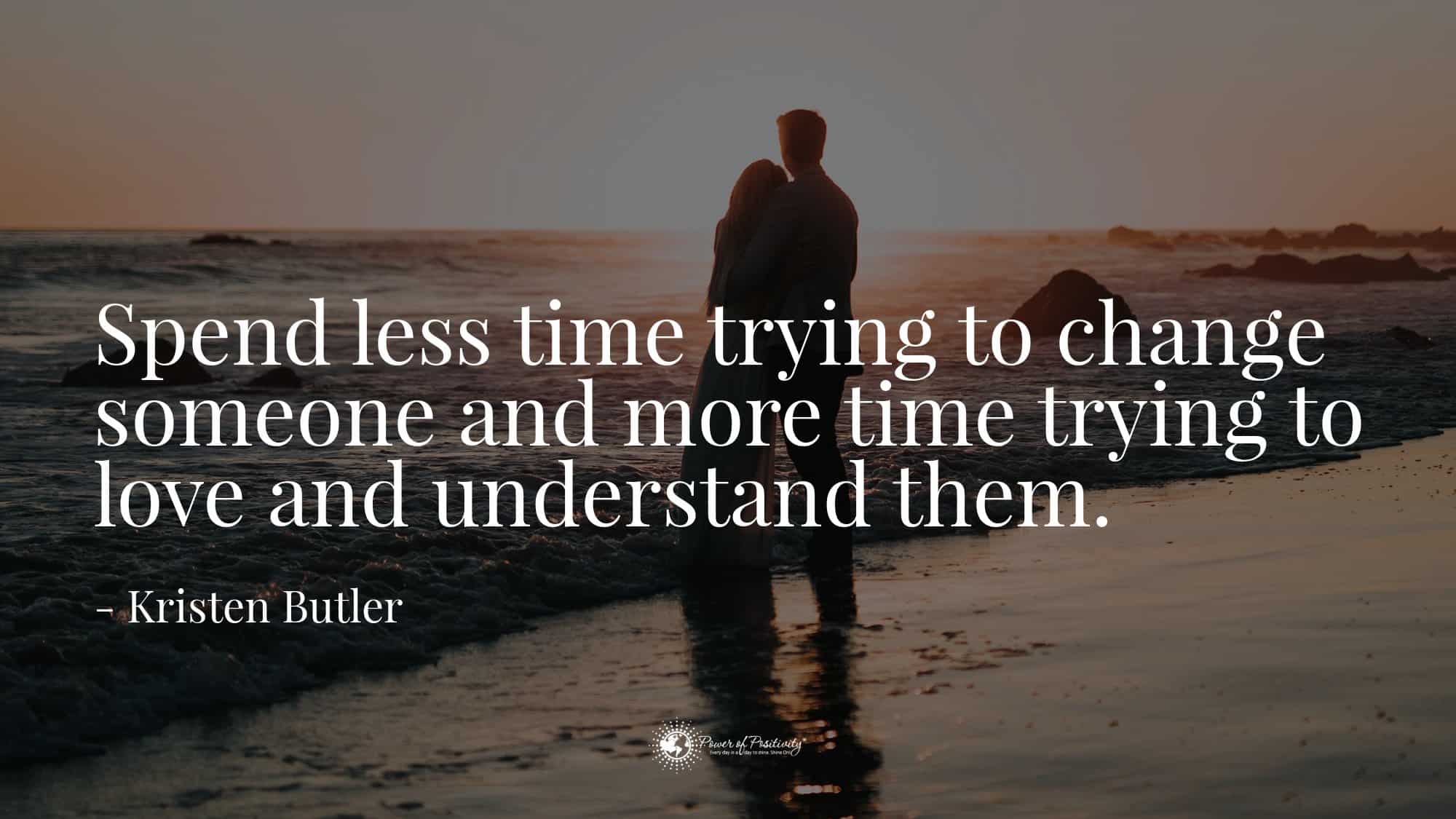
Spend less time trying to change someone and more time trying to love and understand them. – Kristen Butler

5. It’s always a fun day when you get to go to the beach with your love.

6. Cuddling is such a sweet thing, but that long hair can really get in the way!

7. Sometimes you just can’t hide how you feel about your guy/gal.

relationship

8. “I am the luckiest.”

Being in long-term relationships with those you love makes you truly honor and appreciate unconditional, pure love that much more.

9. “When your love comes home and surprises you with your favorite food = night completely made.”

Which of these illustrations about long-term relationships was your favorite? Share with us in the comments!

(C)Power of Positivity, LLC. All rights reserved

4 Early Signs Of Iron Deficiency To Never Ignore

The average diet lacks the essential nutrients, especially iron. Most prominent public health agencies, (e.g. the World Health Organization, or “WHO”) cite higher rates of iron deficiency than any other vitamin, mineral, or nutrient.

“Iron deficiency is one of the most common nutrient deficiencies in the world, affecting more than 25% of people worldwide. This number rises to 47% in preschool children.” – Adda Bjarnadottir, MS

In this article, we are going to talk about iron deficiency. We will also discuss symptoms, prevention, and treatment.

The Functions of Iron

Iron is an essential mineral. Essential nutrients include “the building blocks of carbohydrates, lipids, proteins, certain vitamins and minerals, and water.” Additionally, iron must be obtained through dietary sources.

Iron is critical to producing hemoglobin, a substance in red blood cells that transports oxygen throughout the body and muscle cells. Recent studies show that iron deficiency anemia may cause neuro-cognitive problems in adults. A small amount of the body’s store of iron (about 6%) aids in the synthesis of both collagen and neurotransmitters.

Populations at Risk of Iron Deficiency

“The prevalence of iron deficiency anemia is 2 percent in adult men, 9 to 12 percent in white women, and nearly 20 percent in black and (Latino) women.” – American Family Physician (source)

As with most medical conditions, specific demographics are more at risk of developing iron deficiency. Among the at-risk populations include:

Pregnant women: Pregnant women are more likely to acquire an iron deficiency due to the increased need for iron to supply blood to the baby, providing the fetus with necessary oxygen. Consequently, studies show that above 35 percent of pregnant women are iron deficient.

Children and infants: Children require a steady intake of iron especially during periods of “growth spurts.” Infants who are deficient in iron usually don’t get enough of this vital nutrient from breast milk or formula.

Vegans and Vegetarians: Some research demonstrates that people who don’t eat meat are at a higher risk of iron deficiency.

Other risk factors of iron deficiency include obesity and age. Concerning the former, researchers aren’t sure as to the biological cause. Certainly, high inflammation levels and reduced absorption of iron into the small intestine play a role.

Iron Deficiency Anemia

Iron deficiency anemia, or microcytic anemia, is defined as “when the iron deficiency is sufficient to reduce [red cell production]” thereby lowering hemoglobin count. Paleness of the skin and fatigue are the two most common signs of anemia. Iron deficiency anemia is diagnosed via a blood test.

Non-anemic iron deficiency (’NAID’) is a medical term applied when the patient exhibits the symptoms of anemia, yet their hemoglobin count tests in the normal range. As one may imagine, diagnosing this condition is difficult.

Per a research study published in the journal Clinical Case Reports, low levels of the iron-storing protein, ferritin, is a good indication that the person is suffering from NAID; this is particularly true if the individual has a medical history of conditions defined by blood loss.

Research shows that NAID is up to three times more common than iron deficiency anemia. The condition is more widespread in underdeveloped countries. We will discuss the things that interrupt the absorption of iron shortly.

Besides iron deficiency, anemia can be caused by low levels of vitamin B-12 and folate. Experts call such a condition macrocytic anemia, or “vitamin deficiency anemia.” Conditions that may cause macrocytic anemia include hypothyroidism, liver disease, or metabolic disorders. Medications that suppress the immune system may also be a catalyst for anemia.

Signs of Iron Deficiency

As a reminder, the two key symptoms of non-anemic iron deficiency are pallor (a sickly, pale appearance) and fatigue. Following are four additional signs of a possible iron deficiency to never ignore:

1. Dizziness and headaches:

Low levels of hemoglobin restrict the transport of oxygen to the brain. When deprived of even a relatively small amount of oxygen, the blood vessels constrict, causing intra-cranial pressure and sometimes headaches. Frequent headaches accompanied by dizzy spells could point to a possible shortage of iron.

2. Irregular heartbeat:

Abnormal heartbeat, or heart palpitations, may indicate an iron deficiency. As levels of hemoglobin drop, the cardiovascular system is forced to work harder to distribute oxygen throughout the body. Some medical experts think that this extra work may cause heart palpitations.

3. Weakness:

The cells and tissues of our body need oxygen to produce energy. Oxygen-produced cellular energy is necessary for the proper functioning of every part of our body. Additionally, as mentioned above, other organs and systems of the body remain on overdrive to help deliver life-giving oxygen. Because these organs and systems grow stressed, this heavy workload taxes our energy reserves.

4. Shortness of breath:

Low hemoglobin stores will mean less oxygen for the respiratory and cardiovascular system. While depriving our heart and lungs, low oxygen levels also affect our muscles. If you have difficulty performing normal, easy daily activities (e.g., walking, climbing stairs, standing up, etc.) it could be because the muscles are not receiving enough oxygen. Furthermore, our body detects oxygen lack and makes up for it by increasing respiration, which may manifest as shortness of breath.

Prevention and Treatment of Iron Deficiency

Prevention measures for iron deficiency include:

  • Targeted iron supplementation
  • Abstaining from foods that disrupt iron absorption
  • Eating foods that are rich in iron, including iron-fortified cereals, beans and lentils, baked potatoes, cashews, legumes, spinach, shellfish, and quinoa
  • Treating any underlying medical condition that will exacerbate any iron deficiency
  • Regular visits to a licensed physician (especially if you are pregnant).

Foods that are known to complicate or disrupt iron absorption include dairy milk, tea, coffee, cheese, broccoli, almonds, figs, sardines, and canned fish.

Treatment of iron deficiency depends on the type, cause, and severity. As a result, traditional treatment options include:

  • Iron supplementation
  • Changes in lifestyle, particularly one’s diet
  • Iron therapy (consists of various treatments)
  • Intravenous (I.V.) iron delivery

Recommended Intake of Iron

Iron is an essential mineral, meaning that our body cannot produce it on its own. First, the healthiest way to acquire iron is through diet. Natural, minimally-processed, and organic foods are best. The various foods dense in iron include:

Meat and poultry: Beef, chicken, lamb, liver, turkey, pork, and veal

Seafood: Fatty fish, mussels, and shellfish

Vegetables: Bean sprouts, beets, green beans, corn, cabbage, greens, Brussel Sprouts, lima beans, potatoes, tomatoes, sweet peas, and kale

The recommended daily intake of iron is as follows:

Age Male Female Pregnancy Lactation
14-18 years 11 mg 15 mg 27 mg 10 mg
19-50 years 8 mg 18 mg 27 mg 9 mg
51+ 8 mg 8 mg


iron deficency

Final Thoughts on Iron Deficiency

The balanced intake of all nutrients is vital for every bodily function, including those of the heart and brain. To close out this article, we’ll quickly discuss the most important nutrients as they related to human health, along with the recommended daily allowance (RDA) of each.

Protein:

Protein is the building block of every cell, thus is essential for cellular growth and maintenance. Good sources of protein include beans, eggs, fish, meat and nuts.

RDA – 0.36 grams per pound of body weight (0.5 to 0.8 grams for athletes).

Carbohydrates:

The type of carbohydrate that you eat matters – a lot. “Good carbs” include things like fresh fruits and vegetables, legumes, nuts, seeds, and whole grains. “Bad carbs” are things like added sugar and starches. Eat more of the former and less of the latter. Carbs are critical for alertness, energy, and the conversion of fat.

RDA – 45 to 65 percent of total calorie intake.

Fats

Just as with carbohydrates, the types of fat that you consume is important. The right kinds of fat, like monounsaturated and polyunsaturated, help with brain and heart health. They also promote cell growth, blood clotting, and vitamin and mineral absorption. Excellent dietary sources of fat include most plant-based foods and oils. Additionally, avocados, dark chocolate, fatty fish, Greek yogurt, nuts, coconut and olive oil, seeds, and whole grains are all excellent options.

RDA – 44 to 78 grams for a 2000-calorie diet.

Vitamins

There are a total of 13 essential vitamins that the body needs. By far, the best source of all vitamins is fresh fruit and vegetables. In a nutshell, following is the role of vitamins in preventing disease and promoting overall health:

  • Vitamin A is vital for our vision and immune system.
  • B-complex vitamins are necessary for healthy blood cells, energy, and also nerve function.
  • Vitamin C helps provide energy and, of course, a robust immune system.
  • The D vitamin is necessary for healthy bones and teeth.
  • Finally, Vitamin E promotes healthy hair and skin.

RDA – Various; please see important information on vitamins and minerals here.

Water

Water is arguably the most vital element for health and wellness. H2O gives us energy. It also balances body fluids and facilitates absorption, blood circulation, and digestion. Water helps us feel fuller. Additionally, it promotes skin health, detoxifies the kidneys and maintains proper bowel function. Water helps regulate body temperature, hydrates the blood and tissues, lubricates the joints, and helps with concentration and alertness.

RDA – The National Academies of Sciences, Engineering, and Medicine found that proper daily fluid intake is about 4 liters (~ 15 cups) for men and 3 liters (~ 12 cups) for women.

https://www.youtube.com/watch?v=T1ke5KbOAZs

25 Things In A Relationship More Important Than Sex

The urge to be intimate fades away when the relationship is no longer new. But any couple can have a good, happy and positive life together even when those intimate moments in the bedroom become fewer and fewer.

If couples focus on the more essential things that do not occur in the bedroom, they can create a connection that deepens and strengthens their feelings for each other. For instance, a study in the Journal of Marriage and Family showed that couples who communicate and listen to each other have a more satisfying relationship, which tops the stuff that happens in bed.

So, what other things are more important in a relationship than physical intimacy? Read on to find some examples below.

“You know you’re in love when you can’t fall asleep because reality is finally better than your dreams.” – Dr. Seuss

Here Are 25 Things In A Relationship More Important Than Sex

relationship

1.    You have mutual respect

You and your partner are two different people, but you understand that your differences in background, tastes, preferences, and opinions make you so good together. You don’t impose on each other to have the same likes or dislikes. Instead, you respect and celebrate your differences.

2.    You want the same things

Despite your differences, you and your partner are always on the same page regarding your relationship. You have the same end goal and want the same thing: to live a harmonious and joyous life together for many years. Even if you have sparks in the bedroom, your relationship won’t last if you’re not on the same page.

3.    You communicate well with each other

You can voice your opinions and feelings to your partner honestly and openly. You can express yourself in the bedroom and your everyday conversations. You always have honest conversations, discussing your happiness or frustrations, seeking advice from each other, or contemplating the meaning of life.

4.    You listen to each other

Good communication also means that you and your partner listen to what the other has to say. If you’re upset, you can bring this up to your partner without fear of being judged, rejected, reprimanded, or hurt.

5.    You support each other

Having a great partner for life means you have an instant ally. You have someone you can always tag team with when life gets tough and you have to hurdle so many things. You are each other’s biggest fans and always the first to support whatever new venture or project your partner gets involved with.

You have different roles and obligations in your family, but you have each other’s back when one cannot fulfill these obligations. For instance, your wife might be unable to sit down with the kids for bed tonight because she has a report to finish. So, you step up and take over because you want her to focus on the report.

6.    You give compliments all the time

You’re also generous with your compliments to each other. Don’t forget to thank your partner for baking your first-anniversary cake. You don’t miss the opportunity to uplift and motivate your partner to deliver the first lecture to a crowd.

7.    You make each other laugh

You’re not afraid to be goofy in front of your partner or worry that he might find you unattractive. On the contrary, you laugh with each other, and you laugh all the time, even when you’re sharing those awkward moments in bed. When couples make each other laugh, living becomes less stressful.

An expert from the University of Kansas examined the data of 15,000 couples in different studies that ran for thirty years. He discovered that couples who made each other laugh had a longer, lasting partnership. They bond and create a positive vibe when they look for amusing and positive things in their everyday life together.

8.    You like to try something new

Couples who like trying something new inside and outside the bedroom have a stronger relationship. Since intimacy can sometimes become a routine, you try to do stuff you’ve never done before to keep the relationship exciting. A study published in the Journal of Social and Personal Relationships indicated that couples who try new things don’t bore each other out.

9.    You know how to have quality time

You don’t always spend time together in bed, so what do you do together when you’re not intimate? Couples who love spending quality time with each other, even without getting intimate, can do everything from the most interesting to the basic stuff.

These couples are always up for a good time together. Whether they are on a romantic vacation in Paris or just hanging out in their living room, it doesn’t matter. They know how to have a good time.

10.  You like to cuddle a lot

You cuddle a lot when you’re together with your significant other. You love getting close to your partner and are comfortable touching and hugging in public. If you’re waiting in line at the supermarket, his hand is on your waist or shoulders, or you’ve got your hands clasped while reading a book on the couch in your living room.

11.  You are realistic about your expectations

You understand that what you need can’t come from just one person. So, you set realistic expectations in your relationship and don’t demand that your partner fills everything so you can have a satisfying life. So, you still keep a network of people who shower you with attention or care. Your partner also recognizes that he’s not the only one who can make you happy.

12.  You make an effort to get close to each other’s friends

Research in the American Psychological Association shows that couples who intermingle with different groups of friends have a deeper relationship and achieve better marital quality. It’s important to make your significant person feel part of the friendships you’ve formed with other people. It raises your connectedness as a couple.

relationship

13.  You trust each other

A relationship that lacks trust can bring paranoia and suspicion, no matter how great you are together in bed. But you won’t need to constantly check up on your partner to the point of stalking if you have trust. You also don’t come up with baseless accusations each time your partner doesn’t immediately reply to your messages.

14.  You are loyal to each other

Trust is, of course, linked to loyalty. If you’ve agreed to be in a monogamous relationship, committing to have eyes only for your partner is more valuable than your intimacy in bed. If your relationship is not conventional, you’re still expected to comply faithfully with standard rules if you want what’s good for your relationship.

15.  You forgive each other

It’s normal for tension, differences, and problems to crop up in a relationship because you constantly adjust to each other’s needs. Humans aren’t perfect, and everyone makes mistakes. But if you’re the forgiving type, your relationship will be able to weather any problems.

16.  You accept your mistakes and learn from it

Being forgiven for your mistakes is good, but it’s even better if you’re willing to grow in a relationship. It takes maturity to learn from your mistakes and make a commitment not to repeat it.

17.  You pick your battles

You recognize that not every issue must be fought in your relationship. You’d instead pick your battles than argue over everything because you need to live in a harmonious and positive environment is more important than your need to be correct.

18.  You’re best friends with your partner

You won’t always have the greatest intimate moments in the bedroom. But your relationship can outlast the rest if you are best friends with your partner. Best friends confide to each other. They are not afraid to be vulnerable and accept each other’s weaknesses.

19.  You’re not dependent on each other

Even if your partner is your best friend, you don’t live wholly dependent on him. You give each other space and even consider spending time apart when necessary.

20.  You remain passionate about each other

Passion does not just equate to intimacy in bed. Passion is also about your dedication to working your problems out in the relationship, especially when it’s not always smooth sailing.

21.  You’re generous and thoughtful to your partner

You make it a point to give something to your partner just because you think she will love it. It doesn’t have to be an expensive gift; it can be a simple gesture. For example, you save the last slice of the cake because you want your partner to get the last bite. You leave notes on her bag or send her messages on her phone randomly to let her know she’s in your thoughts.

22.  You are your significant other’s safe space

A great intimate moment with your partner can bring satisfaction, but your relationship can deepen if you provide a safe space for your partner. A safe space is where you feel loved, accepted, and allowed to be yourself, regardless of gender, faults, and vulnerabilities.

23.  You exercise together

Couples who work out together have shared health goals and a good life in the bedroom. Working out not only makes you physically fit, but it also boosts energy and libido.

24.  You don’t fail to ask about each other’s day

While it might seem like small talk to ask your man how his day went, this habit is a great way for couples to build a positive connection. Relationship experts say sharing small chats like this every night can make couples grow closer to each other.

25.  You do love each other

It’s hard to describe the kind of love that perfectly matched couples share, but you know what it is when you have it. You may have the urge to sleep with someone even if you don’t have strong feelings for that person. But when that urge goes away, you won’t be sticking around in the relationship if you don’t have love.

relationship

Final Thoughts On Things In A Relationship More Important Than Sex

A long-lasting, positive relationship needs more than physical intimacy to survive. Couples who transcend the physical aspect grow more attached and connected because of what they share outside the bedroom.

Are you looking forward to growing old together? Do you care more about being connected emotionally than having private time in bed? Then what you’ve got is the best thing about being in a relationship, which indeed feels lovely.

Skip to content