Weekly tips, affirmations, and small actions to feel your best.

Science Explains How Long You Need to Diet to Lose Weight (And Keep It Off)

Around the world, countless people are trying to lose weight. In fact, 45% of people in the United States had losing weight as their new year’s resolution in 2018. Many turn to diets of all sorts to achieve this goal.

But it’s more complicated than that. Diets take discipline, self-control, and knowledge in order to be pulled off correctly. This may be why 95% of all diets wind up failing and only 20% of overweight individuals who attempt to lose weight succeed in keeping it off.

Another key part of dieting is patience. If you’re too impatient in your efforts to lose weight, you may become discouraged too quickly and give up before you see visible results. To help motivate you, let’s consider what science says about how long you need to diet to lose weight and keep it off.

What Research Says About Dieting To Lose Weight

“A huge part of losing weight is believing you can do it and realizing  it’s not going to happen overnight.” – Anonymous

In the University of Copenhagen, research on obesity and weight loss has been in full swing for almost two whole years. Recently, they successfully published a paper in the European Journal of Endocrinology that explained their findings.

The study involved 20 people classified as obese. They were placed on an eight-week diet that was low in calories to lose weight. Following this diet, these test subjects were to participate in a weight-maintenance regimen for a full year. During this period, they would meet with dieticians at regular intervals to get advice and track their progress.

Thrice during the period of the study, researchers took samples of the participants’ blood. This was done at the beginning of the study, after the dieting phase, and finally, after the year-long maintenance phase.

These samples were taken in order to examine the number of hormones responsible for hunger in the participants’ blood. Restrictive diets have a tendency to greatly increase these hormones, which is why so many diets fail and weight comes back on easily. This is the body’s way of fighting weight loss in order to keep you full and fed.

The collected samples revealed an impressive truth. After 12 months of maintaining their weight with dietician advice, the study participants had a dramatic hormone change. Instead of producing a lot of hunger-prompting hormones, they were producing more hormones that suppress appetite!

This means that this research has revealed a new, incredibly important finding. Dieting for two months and then working for a year to keep weight off is a reliable way to help the body reduce cravings and adjust to a new weight and eating habits!

What Type Of Diet?

All diets are calorie-restrictive in some way, but that’s often where the similarities end. There are so many different kinds of diets out there, and information on them is conflicting. Here’s a quick rundown of the most common types of diets people use to lose weight, how they work, and if they’re effective.

1.    Low-Carb Diets

Arguably the most popular kind of diet to lose weight, these diets require practice to keep their carb intake low. This pushes the body to burn fats for energy since it cannot rely on carbs.

Studies have shown that eating low-carb is a great way to lose weight. It’s especially useful for those who are overweight. Without carbs to supply glucose for energy, the body turns stored fat into ketones, which provide the fuel it needs. This can make you feel less hungry and also reduces a lot of disease risk.

With that being said, those with Type 1 diabetes and lactating women should consult with a doctor before going low-carb, as doing so incorrectly can cause a near-fatal and very rare condition called ketoacidosis.

2.    Paleo Diet

This diet helps individuals lose weight by making them revert to specific foods only. These foods are those that homo-sapien ancestors consumed before the advent of agriculture.

Many studies have suggested that the paleo diet can cinch the waist and cause good amounts of weight loss while lowering heart disease risk. It involves individuals eating mainly whole foods, fresh produce, and proteins to lose weight.

The diet has been proven to provide positive effects, but you will need to effectively make up for the loss of dairy and other food groups.

3.    Dukan Diet

This diet focuses on high-protein intakes while restricting carbs. It works through the use of weight loss as well as weight maintenance phases. It requires the consumption of oat bran as well as any foods high in protein during weight loss phases and non-starchy veggies during maintenance phases.

Studies have shown that a calorie-restrictive Dukan diet can cause high levels of weight loss. Others have suggested this low-carb, high-protein diet has positive effects.

However, there are not enough studies on the Dukan diet specifically for it to be guaranteed. Severe calorie restriction, as shown in one Dukan diet study, might cause severe muscle loss alongside fat loss, which is not a great effect.

4.    Vegan Diet

This diet involves cutting out all animal products and eating only plant products. It’s a very strict lifestyle change, but it may be good for weight loss. This is because the foods you can eat are typically more filling and lower in calories. Many on this diet don’t need to count calories at all!

However, the vegan diet – while proven to work – does not measure up to other diet methods. It does not promote weight loss as quickly, so if you’re impatient, it may not be the choice for you.

5.    Intermittent Fasting

This form of dieting involves eating a reasonable amount of daily calories within a certain amount of hours. Then, the remaining hours of the day are spent drinking water and staying clear of food.

There are a variety of different intermittent fasting intervals to choose from, and plenty of studies suggest it works. It has positive metabolic effects and helps weight loss progress because practicers can’t eat several hours per day. However, speak to a doctor before choosing this method as some women, especially those with fertility issues, may have opposite results.

At the end of the day, it is recommended that you discuss diet changes with a doctor to see what works best for you. It can take a while to find a diet that fits your body. Be patient, keep your positive thinking, and talk to medical professionals for advice.

Other Factors That Affect How You Lose Weight

Weight loss is a fickle thing. There may be other factors affecting your weight loss progress. Here are some to keep in mind.

·         Initial weight

If your BMI is in the range of obese, you lose weight much, much faster. Those who are already in a “healthy” weight range will typically lose weight more slowly.

·         Exercise

Of course, exercise helps the body to burn calories. If you’re exercising while you’re on a diet, you’re likely to lose more weight at a faster pace. How much you’re working out will also change your progress.

·         Carb consumption

Reducing the carbs in your diet causes water weight to come off. You will likely feel and appear slimmer and fitter, even though it’s just water.

·         Diet

As mentioned previously, different types of diet will promote different weight loss speeds.

Extra Tips To Lose Weight

Sometimes, dieting restrictions alone can’t give you all the handy tips you need for weight loss. Here are some other things to keep in mind.

  • Don’t skip fruits or vegetables. With low calories, barely any fat, tons of fiber, and heaps of minerals and vitamins, you want to include these in your diet plan.
  • Eat loads of fiber. Food with fiber is filling, good for digestion, and usually pretty healthy.
  • Stay hydrated. It’s common for people to feel hunger pangs when they’re actually just thirsty. Fill up on liquids often! Water has no calories.
  • Don’t keep snacks. When you have unhealthy tidbits lying around, you’re likely to reach for them. Keep healthy alternatives in small amounts instead.
  • Plan meals and eat them regularly. Set aside weekly time to write down your meal plan and only buy groceries to match it. Eat at set, regular times daily to boost your calorie burning efforts.
  • Pay attention to labels. Before you buy anything at the store, read the labels. This will ensure that you truly know what you’re eating. Hidden ingredients and calories won’t creep up on you!
  • Don’t skip breakfast. You’ll feel less energized, have trouble focusing, and feel more hungry throughout the day.
  • Eat smaller portions, and eat slowly. Cut your usual portions in half and munch slowly to feel full faster. Use a smaller plate to trick your brain if you have trouble with this!
  • Reduce alcohol intake. There are tons of calories in most alcoholic drinks, and barely any nutritional benefit! Cut down your alcohol consumption for best results.
  • Don’t completely ban any foods. This will make your cravings much worse. Leave some caloric room to enjoy a treat every once in a while, or set a cheat day.
  • Remember weight loss isn’t just about the scale. If you’re working out, you might lose fat but gain muscle. Don’t base everything on the scale. Base progress on how you feel (and how your clothes fit, too).

lose weight

How To Keep Weight Off

When you lose weight successfully, you have every right to celebrate. But you still need to keep the extra pounds off! Here’s how to do so, easily according to WebMD:

  • Don’t lose your good habits. When we diet, we build healthy habits and make good lifestyle changes. Don’t stop these just because the diet is over.
  • Keep a food journal. Write down your food intake to keep track of what you eat and keep yourself aware.
  • Don’t stop exercising. Even mild daily exercise can work wonders. Don’t discount the power of a workout!
  • Drink enough water. Your body needs this to function properly, and a lack of water can cause unnecessary snacking.
  • Stick to light, healthy meals. Just because the diet is over doesn’t mean you can go back to gorging on pizza. Eat whole, balanced meals. Get enough protein. Keep carbs and fat low. Eat your veggies. Be mindful about food!
  • Sleep enough. A messed-up sleep schedule can screw up your metabolism and cause more hunger pangs as your body searches for energy.
  • Weigh yourself. Weigh-ins every week can keep you aware of what’s going on with your body. This way, you won’t be taken by surprise when your jeans stop fitting again.
  • Get support. Join a health or fitness community. Talk to your friends or family. Having people there to hold you accountable and help you through setbacks is crucial.
  • Be ready for the occasional step backwards. A particularly busy or stressful week. A lavish vacation filled with food. A holiday spent with family. There are plenty of reasons you may regain a little weight, and that’s okay! Don’t lose hope! Maintain positive thinking! Return to your healthy habits and you’ll be back to where you want to be in no time.

Final Thoughts On How Long You Need To Diet To Lose Weight

Many people hope to lose weight, but without proper knowledge, they may never reach these goals. By paying attention to science and research, you’ll be able to diet intelligently and form positive habits. These will help you lose weight efficiently and effectively and keep it off in the long run.
7 Good Things That Will Happen If You Have A Stress Free Home

Everyone gets so focused on clearing literal things from their space, yet they often forget about what they can’t see. Living in a place that is cluttered with stress is like the show “Hoarders,” but with emotions. Worse, it’s like a shag carpet covering up hardwood floors.

Living with stress does more than fill your space with negative energy. Left unchecked, it can cause the portion of your brain that’s responsible for triggering the fight, flight, or freeze reaction to become overactive. Banish stress from your space and watch these seven things happen.

Here are 7 benefits of having a stress free home:

stress free home

1. You will find energy you didn’t know you had 

Stress might seem like something you can’t see, but that’s not true. You can find signs of it all around your place, and in your body. People who live in stressful places are usually tired. They wake up tired. One of the reasons for this is the amygdala. The amygdala triggers your brain to produce cortisol. If you live under constant stress, your brain will eventually stop producing the right balance of hormones. This can trigger depression and exhaustion. When you live in a stress free home, you create a reprieve from stress. It’s a chance for your body to reset and recharge.

2. Everything will be cleaner 

It might be a function of the increased energy you’ll gain, or it might be because people who live in stress free home are naturally more organized. The reason why isn’t clear. What is clear is when you eliminate stress from your space, you’ll clean more. Did you know that living in a clean, clutter free space reduces stress? You clean your place, and you feel less stressed. You feel less stressed, so you have more energy. Since you have enough energy, you clean your place. Just like that, you’re living in a stress free home.

3. You’ll be more social 

Clearing your place of stress does more than just relax you. Remember those hormones mentioned before, the ones that your brain won’t produce if they encounter too much stress? Oxytocin is included in that list. A brain without the proper chemicals will become depressed and start to isolate. When you cleanse your place of stress, you help your brain restore its normal function. It will start producing oxytocin again. The NIH reports an increase in oxytocin can kick start your desire to be social again.

4. You will find time you didn’t know you had 

Stress causes you to focus on things you can’t control, or can’t change. Living without stress in your place will allow you to focus on the things you really care about. You will suddenly have time to meditate, practice yoga, and maybe paint your nails. There are a lot of possibilities hidden in that time. Push the stress from your space, and try and find some of that time.

5. Your self care will increase 

Just like stress causes you to focus on things you can’t change, and zaps your energy, it steals your desire to take care of yourself. Coming home to stress can blind you of what really needs to be done. It can become increasingly difficult to take time for yourself if you are caught in a cycle of negative thoughts caused by stress.

stress free home

6. Your inner Pablo Picasso will come out 

Okay, so maybe you won’t be selling million-dollar art pieces any time soon. Still, eliminating stress from you place has a tendency to increase a person’s creativity. You could argue that it’s because reducing stress increases energy, or helps people manage their time more effectively. There’s no way to know for sure, but one school of thought is that creative people focus their stress into their art.

7. You’ll want to stay home 

Get rid of stress, and you’ll get rid of your desire to leave your place. That’s not to say you’ll become a hermit. You’ll just find more pleasure in staying in than you did before you exorcised the stress. All the benefits of existing in a stress free home will add up. Your space could become a temple to relaxation. And why would you leave a temple of relaxation?

Closing Thoughts

Clean your space of stress, and start soaking up the benefits. In addition to the numerous physical and mental health benefits of living in a stress free space, you could gain a newfound desire to be social, a return to creativity, and an inexplicable desire to organize and clean. More than anything, you may find happiness hidden beneath all of that stress.

Hydration Tips For Runners + Early Dehydration Symptoms

It’s Saturday morning, and you dragged yourself out of bed early for a long run. Not only that, but you went to bed on time the night before. So why does your run feel so hard? You sabotaged yourself two days ago and didn’t even know it. You didn’t start increasing your water intake in the days before your long run. Lack of proper hydration can slow down even the most conditioned athletes. Being dehydrated can make you age faster, too!

That’s why you need to know the signs and symptoms of dehydration and plan to stay hydrated.

Taking in the right amount of water sounds straightforward, but it’s not always easy. Balancing the correct amount of water and minerals can be difficult. Here are some tips for hydrating before, during, and after a run, as well as typical signs of dehydration. Grab a bottle of water, and read on.

Hydration Tips All Runners Should Know

dehydration

1 – Get hydrated and stay that way

You may have engineered the perfect training schedule, but it won’t do you good if you don’t drink enough water. Schedule your water breaks throughout the day. If that doesn’t work for you, and you’re willing to be the person walking around the office with the gallon water jug, try this. Mark the jug with the times of the day. For most people, there’s no reason to consume a gallon of water per day.

Dr. Seifter of Harvard Medical School says there’s no one-size-fits-all answer for hydration. The school recommends that a healthy person take in four to six cups of water daily. This can increase or decrease based on a person’s activity level and health. Most recommendations are for runners to consume eight to ten cups of water a day.

2 – Maintaining your electrolyte balance

A banana daily keeps the electrolyte imbalance away, or at least that’s how that saying goes. Most of the time, water is all you need during a workout. Erica Goldstein, a leading dietician, recommends a sports drink only for those working out for more than an hour. This should also be a consideration for people exercising in high heat.

The time to worry about electrolytes isn’t only during your runs. This should be something you think about every day. The average adult consumes only half of the recommended intake of potassium. At the same time, they’re taking in at least ten times the recommended daily serving of sodium. Taking in that much sodium isn’t great for your cardiac health, but it’s the lack of potassium you should be concerned with. At a cellular level, potassium is pulled into cells, and sodium is forced out. This transaction allows signals to reach your nerves and tells your muscles to move. It’s also why muscle cramps can usually be cured with a banana and water.

3 – Don’t ignore signs of dehydration

Being dehydrated is a quick way to devastate a race time, and worse than that, it’s dangerous. Luckily, it doesn’t happen simultaneously; dehydration symptoms are progressive. Don’t think that you can push through it, though. Exercising through mild dehydration symptoms can quickly turn into an emergency room visit. That’s why it’s important to recognize dehydration symptoms before they create a severe problem.

Dehydration Symptoms

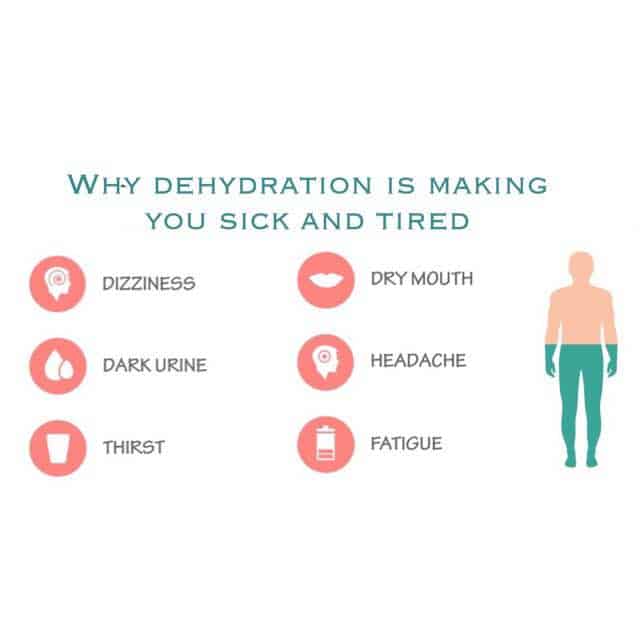
  • Thirst: It would be shocking if you are a runner and have never heard that if you’re thirsty, you’re already dehydrated. That’s probably because it’s true. Shoot for a water break every twenty minutes or so during a run. Taking two or three gulps is an easy way to measure how much water you should drink at each break.
  • Urine color: This is another indicator most runners have learned to use to measure hydration. A clear to lemonade-colored urine is what you should be looking for.
  • Headache: This one doesn’t need much explaining. If you have a headache, drink water.
  • Muscle cramps: Just like you read in the electrolyte section, muscle cramps can be caused by dehydration. If you’re working out and your leg cramps up, it’s safe to assume it’s from a lack of potassium and water.

Final Thoughts on Running and the Importance of Avoiding Dehydration

You know the importance of proper hydration before, during, and after a run. You’re also educated on the signs of dehydration. Hopefully, this information will help you reach your running goals and with a healthy body. Remember, if you are experiencing health-related issues, you should always consult with your doctor.

Mood Boosting Foods: 7 Foods That Make You Feel Happier

Everyone’s heard the old saying, “You are what you eat.” Yet, people who should know better continue to turn to foods that just aren’t good for them when they’re feeling down. Scientists say one of the real reasons some depressed people may crave candy, ice cream and other sweet and creamy foods is because the chemical composition of these sugary, fatty treats is akin to human breast milk. By eating these high-caloric goodies, these people may be trying to rekindle that sense of peace and sense of absolute security they felt in their mothers’ arms.

It takes determination to break bad eating habits. For many of us, this process may entail not only retraining our taste buds, but also reprogramming the touch receptors on our tongues that prefer smooth, custardy textures. The good news is that this can be accomplished. There are plenty of different types of healthy foods that can lift your mood when you’re down in the dumps.

Read on to discover seven of those mood boosting foods.

to forgive

Bananas

Bananas are rich in vitamins A, C and B6 as well as the essential amino acid tryptophan, which is a precursor to the neurotransmitter serotonin. Serotonin boosts your overall sense of well-being and contentment. In fact, many pharmacological antidepressants work by raising your body’s serotonin levels. The B6 in your banana helps catalyze the physiological reaction by which tryptophan is converted into serotonin, so you might say bananas deliver a double whammy in the “C’mon, get happy” department.

Berries

Specific flavor molecules called flavonoids in blueberries, blackberries, raspberries and strawberries bear a striking resemblance to the chemical structure of valproic acid, which is a pharmacological medication that’s often prescribed for mood enhancement. Berries also contain the flavonoid anthocyanidin, which is an anti-inflammatory agent. Many medical scientists believe that low levels of body inflammation may play a pivotal role in reducing chronic depression.

Dark Chocolate

Dark chocolate also contains anti-inflammatory flavonoids. Additionally, individuals who regularly eat dark chocolate show a marked decrease in cortisol levels. Cortisol is one of the stress hormones that’s responsible for the “fight or flight” response that takes over when we’re feeling anxious. Note that eating milk chocolate can also help lower cortisol levels; although, since it is a considerably more processed food, milk chocolate has far fewer flavonoids and is not as effective in controlling inflammation.

Tomatoes

Tomatoes are loaded with folic acid and alpha-lipoic acid. According to a study published in the March 2007 issue of “The Journal of Psychiatry and Neuroscience,” folic acid deficiencies are commonly found in patients who’ve been diagnosed with depression. Although scientists have not yet been able to identify the exact connection, decreased folic acid levels are often correlated with decreased serotonin levels. As we have seen above, serotonin is the “happy-making” neurotransmitter.

Turmeric

The spice turmeric, which is a staple of southern Asian cuisines, is packed with a bioactive compound called curcumin. Curcumin is a powerful oxidant whose cancer-preventative properties medical scientists are exploring. Early research that’s been carried out on curcumin’s purported anti-depressive properties also looks promising.

Spinach

Leafy green vegetables like spinach and kale are another great source of folic acid. Note that some of the folic acid in spinach can be lost when it’s cooked. Spinach also contains high concentrations of the mineral zinc. Zinc supplementation has been demonstrated to have a beneficial effect upon individuals who’ve been diagnosed with depression.

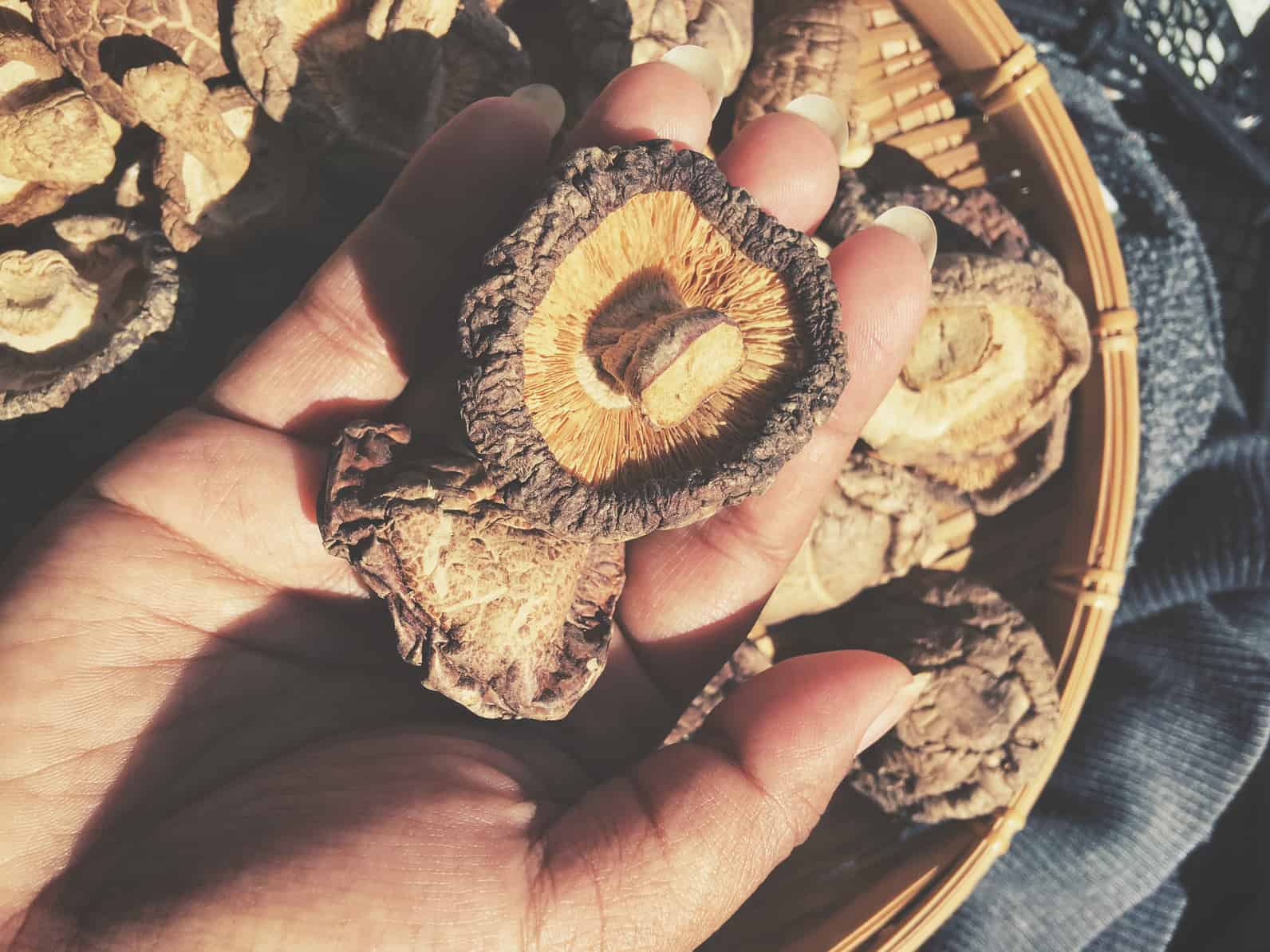
Mushrooms

Vitamin D deficiencies have been linked to depression. Unfortunately, Vitamin D is not found in many types of food. There’s one food, though, that’s just bursting with Vitamin D, and that is the humble mushroom. Your body typically manufactures its own Vitamin D from the reaction of sunlight against your skin. If you’re looking for a way to boost Vitamin D during the long winter months when there’s not much sun around, try sautéing up some mushrooms.

foods

The Challenge of Healthy Eating

Healthy eating can be a challenge, and the manufacturers of all those packaged foods that beckon to you from the supermarket shelves are not going out of their way to make it any easier. Keep in mind you’re going with the processed food industry, which is a Goliath that reaps in billions and billions of dollars annually.

There’s no need to deny yourself the treats you love; just keep this thought in mind: “All things in moderation.” By eating a variety of foods every day, limiting your fat intake and trying to make sure your caloric intake equals your caloric output, you can make sure your eating is a happy balance.

https://www.youtube.com/watch?v=yG-G9_LOkLA

(C)Power of Positivity, LLC. All rights reserved

Why Yoga Is Great For Type A Personality Type, Backed By Science

I slipped into the yoga studio and everyone was already in a seated position on his or her mat. There wasn’t quite enough room, so the instructor asked two people in the back of the class to make room for me. The three of us were a little bit too close together, and the dirty looks from the woman next to me let me know she thought so too. So much for that unconditional love we’re supposed to be practicing. I hate being late to the studio, but there’s no way I could get there any earlier from my last class of the day. Vinyasa yoga was on my schedule for the day and I wasn’t going to let anything stop me.

I settled onto my mat and the instructor announced that we’d be trying something a little bit different. Halfway through class, Vinyasa was going to turn in to Yin yoga. Her reasoning was that so many of us showed her our type a personality traits in class, and she wanted to slow us down. I swear she looked right at me when she said it. Following a deep heart opening sequence, the yin yoga started. I found myself lying on my back, holding a pose that wasn’t physically very demanding. That’s when it happened. I burst into tears. That right; this is exactly why people with type a personalities need yoga.

Here’s why yoga is great for people with a Type A Personality:

1. Mindfulness 

Like my type a personality brothers and sisters, I have an almost compulsive need to use every minute of my time productively. That includes a lot of multitasking and brings us to the first reason yoga is so great for type a personalities. Multitasking increases stress hormones in people. Over time, people become addicted to high levels of stress. If that wasn’t bad enough, multitasking causes dips in our IQs. You might feel like a rock star while you’re finishing that proposal for your boss at the same time as you’re on a conference call. The truth is, you’re sabotaging your own performance and you need mindfulness.

Mindfulness is a core concept of yoga, focusing on the here and now. The instructor slowing that class down forced all of the students to sit with their thoughts. Even more than that, she did it after a deeply emotional series of poses. I had spent so much time filling my days from sunrise to sunset that I hadn’t allowed myself to feel. There on that mat was the first time I had fully felt the pain of ending a four-year relationship. Don’t get me wrong, the middle of yoga class wasn’t the place I wanted to have that cathartic experience, but that’s where it happened – which brings us to the second reason yoga is made for people with type a personality traits.

2. Self-Compassion 

I should have been mortified about breaking into tears in front of so many people. Maybe in the days before I practiced yoga, I would have been. But I wasn’t. Yoga teaches you that it’s okay not to have a perfect handstand practice, or to fall out of a simple balancing pose. Yoga is about getting on your mat and practicing. This is one of the lessons from yoga that translates directly to life. People’s brains are programmed to identify mistakes so they can learn from them. For many people, specifically those with a type a personality, that quickly changes from a healthy survival skill to an unhealthy obsession. Dr. Kristin Neff, an associate professor of psychology at the University of Texas at Austin says, “Research shows the no. 1 barrier to self-compassion is fear…of losing your edge.” Just like in yoga, jump into life and practice.

depression

3. Self-care 

Even though forcing myself to go to a yoga class that barely fit into my schedule showed my type a personality, it also showed the positive effect yoga has had on me over the years. Much like multitasking, and overscheduling, neglecting self-care is common among people with a type a personality. So often, they put the wants and needs of others ahead of their own. In the years before yoga, I would never have considered something that was as much for my mind and spirit as it was for my body to be mandatory in an already busy schedule, especially if it was only for me. The truth is, it isn’t just for me. Going to yoga calms my mind and my chronic back pain. It recharges me so that I can help others.

Do you have a type a personality? Do you know an alpha dog that could benefit from some down dog? Share this blog with them, and remind yourself or them that being alive and doing yoga at the same time is technically multitasking.

https://www.youtube.com/watch?v=lFdcCXmGpy4

(C)Power of Positivity, LLC. All rights reserved

I Struggle With Depression. 10 Things I Wish People Knew About It

It is hard to describe what feeling depressed is like. It varies so much for different people. For me, there are days I feel like I have a heavy weight on me and I cannot move. The simple act of getting up is overwhelming, as is anything else I might try to do. Other days it is just a pervasive sadness. I might put on a happy face for the sake of those around me, but inside, I feel a physical weight of sadness.

I did not want to admit that I might be dealing with depression for a long time. There is such a stigma surrounding being depressed. I didn’t want people to think I was broken or that something was wrong with me. Even once I was willing to take on the fact I was depressed, it took time to find the right combination of medications so that I finally began feeling some semblance of normalcy and stopped dreading getting through each day.

Ten Things I Want You to Know About Depression

There are many things I would like to tell you about being depressed, but that could take a whole book. Here are the top ten things I want you to understand about my personal experience with being depressed.

1. Your problems will not cause me to be depressed

Many people feel like they should not share their problems with a friend who suffers from being depressed. This is absolutely not the case! Being depressed is not caused by feeling sad about something going on, and your willingness to include me and confide in me will actually be a pick-me-up. I want to be a loving and caring friend, too!

2. Depression is very complex

There is no one-size-fits-all when it comes to who suffers from depression or how to treat it. It does not care if you are rich or poor, black, white, or purple. It can affect anyone. Adding to the complexity is that there is no one cure-all for it. Every person is different and needs different combinations of therapy and medicines to deal with it.

3. I need you

Even on days where I act like I do not want anyone near me, or where I do not even want to get out of bed, I need you. A text, phone call, or even a meal can mean the world to me, even if I cannot properly express that it does. So please, never feel like I don’t need you, because I do.

4. No one is an expert

Even if you have been around people who are depressed, you are not an expert. How it manifests is vastly different from person to person, so how your Aunt Milly reacted and what worked for her may not be how I react or what works for me. I know you are well-meaning, but understand that even doctors don’t fully understand what causes people to suffer from being depressed yet.

5. There are no magical fixes

Being depressed cannot magically be cured by getting outside more and going for a run. While these activities may help, there is no magical fix that suddenly will cause a person to overcome depression. It is important that I be in touch with myself and sometimes force myself to do activities I do not feel like doing to keep myself physically and mentally healthy, but this will not fix everything.

6. Depression is an illness

You know the compassion and empathy you give your friends who suffer from cancer, lupus, or fibromyalgia? I need the same empathy and compassion. While you may not see my illness manifest physically, it is there every day and I have to treat it every day.

7. I can appear happy

Being depressed does not mean I walk around sad all the time. It does not mean I have a cloud of darkness always surrounding me. I can laugh, joke, and have fun while still being depressed. I also can be grateful for my life and my circumstances despite being depressed.

8. There is no permanent cure

While I might overcome depression for a day, or a week, or a month, it comes in waves at times. There is a natural ebb and flow with being depressed. I can take medicines and get help to reduce those ebbs and flows, but there is not a permanent cure yet.

depression

9. It isn’t just in my head

Just like you could never fully explain the pain of childbirth to someone who has never had the experience, you cannot fully explain being depressed to someone who has not experienced it for themselves. There are no words that would fully bring you into what I am experiencing. Nonetheless, my experience is real and not just in my head.

10. Do not walk on eggshells around me

Laugh with me, cry with me, share your secrets and your sorrows. I want to be a part of your life, and I cannot do that if you are always walking on eggshells around me.

Conclusion

I hope this gives you a glimpse into what depression is and isn’t, and how you can better interact with those who are struggling with being depressed.

https://www.youtube.com/watch?v=CU2LlJxEdJ4

(C)Power of Positivity, LLC. All rights reserved

21 Apple Cider Vinegar Home Recipes

Apple cider vinegar is made of fermented apples and has many health benefits. It is used to clean your home, as a hair rinse, and to preserve food. People drink it to help them lose weight, decrease blood sugar levels, and lower cholesterol.

When mixed with ingredients for homemade cakes and candy, it adds to the aroma and texture. If you want to know more about this amazing ingredient, here are 21 apple cider vinegar recipes for you to try. Just add the vinegar to the ingredients listed below:

21 Apple Cider Vinegar Home Recipes

weight loss

Salad Vinaigrette

1/4 cup of ACV
One garlic clove
One tablespoon of dijon mustard
Two tablespoons lemon juice
1-2 tablespoons of honey
Add a pinch of salt and pepper

Hot Drink

Heat a cup of hot water
Add two tablespoons of apple cider vinegar
One teaspoon of cinnamon
One tablespoon of honey
Two tablespoons of lemon juice

Apple Pie Cider Drink

Two tablespoons apple cider vinegar
Two tablespoons apple juice
6 ounces cold water
Four drops of liquid vanilla
A dash of cinnamon

Apple Cider Vinegar Detox

1 cup warm water
Two tablespoons of ACV
Two tablespoons lemon juice
One tablespoon raw honey
One teaspoon cinnamon
A dash of cayenne

Ketchup

Make healthier ketchup by mixing tomato paste, apple cider, onion powder, oregano and sea salt.

Sweet and Salty Chicken

Add flavor to your chicken by blending tamari, maple syrup, and black pepper with ACV. Once done, mix it with the chicken before cooking it thoroughly.

Salt and Vinegar Potatoes

Before placing sliced potatoes in the oven, mix olive oil with vinegar to make an alternative to potato chips.

Carrot Beet and Apple Salad with Mint and Cumin Vinaigrette

Two large carrots
One crisp apple
Two medium-sized beets
1 cup mint

Salad dressing:

¼ cup ACV
¼ cup olive oil
One tablespoon honey
¾ teaspoon ground cumin

Pineapple Turmeric Sauerkraut

1 cabbage head
½ pineapple
One tablespoon ground turmeric
One tablespoon fresh ginger
1 tablespoon sea salt

Brine

One tablespoon sea salt
One tablespoon ACV
4 cups purified water

Morning Elixir

One tablespoon chia seeds
½ lemon
1 tablespoon ACV
1 ½ cups of warm water

Hawaiian Drink

1 tablespoon freshly grated ginger
Three freshly squeezed lemon
3 tablespoons of ACV
One tablespoon raw honey or maple syrup
1 cup coconut water
One small sliced starfruit

Roasted Vegetables with Chicken

This marinade includes ACV, oil, rosemary, thyme and honey. You can add some of your herbs if you want. Simply cut up the desired chicken breasts and add vegetables to your cooking pan. Pour the marinated veggies and chicken into the oven and allow it to bake and soak up the flavor.

Cabbage Lentil Soup

½ tablespoon coconut oil
1 cup chopped onion
½ tablespoon minced garlic
One tablespoon ACV
1 teaspoon basil
One bay leaf
4 cups vegetable stock
One teaspoon
1 28 ounce can of whole peeled tomatoes
½ head of green cabbage
½ teaspoon sriracha
1 ? cup cooked green lentils
A dash of sea salt and pepper

Summer Smoothie

½ medium apple
½ medium ripe pear
1 medium cucumber
¾ chopped kale
1 ½ lemon
½ avocado
Two tablespoons of ACV

smoothie lose weight

Watermelon, Mint and ACV Tonic

3 cups water
¼ teaspoon sea salt
1 cup honey
6 cups chopped watermelon
1 cup fresh spearmint
1 cup ACV
Ice cubes

Cranberry Juice Detox Drink

1 tablespoon ACV
¾ cup water
½ cup cranberry juice
A splash of lime juice

Spicy Cinnamon Smoothie

1 ½ ounce of baby spinach
1 chopped apple
One tablespoon ACV
1 cup water
One green zucchini
One teaspoon cinnamon
Three tablespoons of walnuts
1 cup ice

Spicy Squash Soup

3 butternut squashes
2 celery sticks
One carrot
One small jalapeno
1 tablespoon of ACV
3 to 4 sticks of thyme
3 to 4 sticks of rosemary
A pinch of salt
Optional pumpkin seeds

Gluten Free Oatmeal Cookies with Dried Blueberries and Pecan

1 ½ cup gluten-free old fashioned rolled oats
½ cup dried blueberries
½ cup chopped pecans
? cup unsweetened dried coconut
½ teaspoon salt
2 bananas
One teaspoon vanilla
One tablespoon ACV
2 tablespoons unrefined coconut oil
2 tablespoons honey

Green Tea Detox Drink

1 cup green tea 
1 tablespoon ACV
Honey
Mint

green tea - apple cider vinegar

Limeade Detox Drink

1 cup water
Two tablespoon ACV
Six tablespoon frozen limeade concentrate
One lime wedge
Mint leaves

These are some of the apple cider vinegar recipes you can make at home. The apple cider vinegar delivers a tangy sensation to soups and sauces and brings food to life.


10 Reasons You Should Exercise Everyday (Weight Loss Is One Of Them)

Everywhere you go, you see ads, videos and posters promoting health and fitness. Instagram, Facebook and other sources of social media advertise fitness and health gurus. These professionals demonstrate and explain in detail about the benefits of exercise. Doctors seem to agree that regular exercise is one of the best things you can do for yourself.

There are many types of ways to be physically active. A simple walk is perhaps the easiest way to increase your activity level and the most recognized exercise for weight loss. It is low impact and works well for all fitness levels. Studies show an easy two-mile walk each day can do wonders for your health. Weight lifting helps build muscle and burn fat. Yoga helps to strengthen your mind and body. Intense cardio such as H.I.I.T. training shreds fat while it builds muscle. The following is a list of reasons you should exercise every day.

10 Reasons You Should Exercise Every Day

1. Losing Weight

Losing weight is the most notable reason someone would want to be active. The act of exercising will increase your heart rate and make you burn more calories. It will also help you tone parts of your body that have become soft or flabby by building muscle. Exercising is the ultimate winning move.

2. Improve Your Mood

Another reason you should move more is to improve your mental stability. Tests have proven light to moderate physical activity releases hormones called endorphins. This hormone improves your mood and lessens depression. A session of yoga each morning, for example, could be more beneficial to your body than a cup of coffee. It would get your blood flowing as well as leave you feeling relaxed and ready to face the day.

3. Increase Your Endurance

Moderate levels of physical activity would increase your aerobic strength. This is important because it allows your body to work hard for longer periods of time. Under physically stressful situations, our bodies get tired. This is mostly due to a lack of oxygen fueling our muscles. With a greater aerobic strength, your muscles will get the fuel they need to work for longer periods of time.

4. Improve Your Heart Health

Your heart health is a very good reason to become physically active or increase your activity. Being active increases the amount of HDL, or good cholesterol, in your body. This will decrease any unhealthy triglycerides and help prevent many cardiovascular problems from making an appearance.

5. Better Quality of Sleep

The ability to sleep more soundly is a great side effect of increasing your level of physical activity. It helps you fall asleep faster as well as sleep deeper. Be sure you do not workout close to bedtime. That could be counteractive and prevent you from falling asleep because your adrenaline levels may be too high so soon after a workout.

6. Workout and Be Social

Working out is a great way to meet friends and workout buddies. Going to a gym is a good way to be social. If you can not make it to the gym, there are many social groups that will meet at churches, schools or parks a few times a week. They come together to jog or do high-intensity interval training. Being social and physically active can help you feel better and look better, too.

7. Improve Your Sex Life

The ability to be more sexually active, believe it or not, is another thing that can improve with physical activity. Being active will make you more attractive to potential mates or your partner. It also has other effects on men and women. Women may be more easily aroused if they are physically active. Men may find erectile function is no problem for them if they are more active.

8. Cut Risk of Type 2 Diabetes

If you’re at risk of developing type 2 diabetes, you should consider becoming more physically active. Moving and working out improves your body’s ability to metabolize glucose. This is the key to killing the risk factor for diabetes.

exercise

9. Stronger Lungs

Improve your lung’s ability to take in air and get rid of carbon dioxide by working out. Our lungs weaken as a normal part of aging. You can workout to make sure the muscles that open your lungs stay strong. This will help get plenty of oxygen to your body.

10. Increase Brain Function

Boost your brain’s power and memory by working out. New studies show working out helps to boost your ability to remember things. This is due to having more healthy neurons and a better functioning hippocampus.

Exercising is a very good thing. It improves your mind and body in so many special ways. You do not have to lift weights to build muscles like a bodybuilder if you do not want to. You can do a light to moderate exercise for weight loss like walking. Just remember, no matter your physical shape, there is a workout that is perfect for you.

https://www.youtube.com/watch?v=yG-G9_LOkLA

(C)Power of Positivity, LLC. All rights reserved

5 Habits That Make You Live Longer

Not everyone wants to live a long life, of course, but most people wouldn’t turn it down if someone offered it to them. In our modern society, we live longer than ever, but do we live a good, happy life? In general, most people can expect to live to age 60 and beyond, according to the World Health Organization. The report explained that the rates of mild to moderate disability have remained the same over the last 30 years, while rates of severe disability have decreased in high-income countries.

What’s more, a study by The Lancet journal reported that the wealthiest 1% of Americans now live about 10-15 years longer than the poorest 1%. Life expectancy in the U.S. is actually far lower than other developed nations, largely due to health inequality between the rich and poor. Obviously, the more money you have, the more you can spend on your well-being.

Unfortunately, living longer in the future might mean needing to be wealthy enough to afford the rising costs of healthcare. In other words, it seems that living longer doesn’t really make a difference if we can’t do so in good health. For example, if you lived to age 100 but couldn’t walk or take care of your basic needs for those last 20 years, would you want to live that long?

Our population is aging faster than ever, so how can we slow down aging while still living a long, happy life? We have the answers that you seek and will discuss some of the secrets to a positive, long life below.

Here are 5 habits that make you live longer:

“It’s paradoxical that the idea of living a long life appeals to everyone, but the idea of getting old doesn’t appeal to anyone.” – Andy Rooney

live longer

1. Avoid smoking or drinking too much alcohol.

According to the American Cancer Society, the life expectancy for smokers is at least 10 years less than it is for non-smokers. However, quitting smoking before the age of 40 cuts the risk of dying from a smoking-related disease by about 90%. Out of all the habits that help you live longer, some scientists believe that quitting smoking makes the biggest impact on your life expectancy.

Smoking can cause a wide range of health problems, some of them fatal. It is currently the leading cause of preventable death in the U.S. Here are some diseases and issues associated with smoking:

  • Lung cancer (along with many others)
  • COPD (chronic obstructive pulmonary disease)
  • Heart disease
  • High blood pressure
  • Strokes
  • Asthma
  • Reproductive issues
  • Diabetes
  • Eye diseases
  • Higher chance of preterm births

There are many other diseases linked to smoking; however, the above list includes the more common or severe ones. Obviously, not smoking is the best preventive measure. According to research, however, after 5-15 years of abstaining from smoking, your health will compare to a non-smoker.

As far as alcohol, drinking in moderation isn’t the problem; it’s drinking heavily that causes major health problems. Some of the diseases associated with heavy drinking include:

  • High blood pressure
  • Heart disease
  • Stroke
  • Liver disease
  • Digestive problems
  • Cancer of the breast, mouth, throat, esophagus, liver, and colon
  • Cognitive problems, including learning difficulties and dementia
  • Increased risk of mental illnesses, including depression and anxiety
  • Social problems including decreased productivity and difficulty attending work or school
  • Alcoholism

Heavy drinking is defined as having 8 or more drinks per week for women and 15 or more drinks for men. Moderate drinking, on the other hand, is defined as up to one drink per day for women and up to two drinks a day for men. In fact, a study in the Journal of the American College of Cardiology found that men and women who drink moderately have a lower risk of all-cause mortality and cardiovascular disease.

So, quitting smoking and drinking in moderation will help you live longer and enjoy a healthy, happy life.

2. Prioritize sleep.

Our modern society doesn’t seem to recognize the importance of restful sleep. Our “always on” world might have something to do with this. We check our phones constantly for notifications (including in the middle of the night sometimes!), stay up past our bedtimes watching Netflix or browsing social media, and don’t really provide a relaxing environment for sleep. For example, many people stay on technology until right before bed and don’t have a bedtime routine in place.

People who live longer make sure their sleep remains a priority, because getting a good night’s sleep is essential for optimal health. To ensure you get a restful sleep each night, adopt some good sleep practices.

  • Don’t use technology two hours before bed.
  • Go to bed and wake up at the same time each day.
  • Have a sleep routine. Take a hot bath, make tea, meditate, or do anything that makes you feel relaxed before bed.
  • Don’t eat big meals before bed. If you’re hungry, eat a protein-rich snack such as peanut butter toast or a cheese stick at night.
  • Use sleep technology such as a white noise machine, tabletop fountain, or a CD with nature sounds if you have trouble falling asleep.

3. Exercise.

This is one of the most important things you can do to live longer and improve your health. Exercise can ward off diseases, improve your mental health, and boost your physical fitness. Here are a few specific ways that exercise can help you live longer, according to Harvard Health Publishing:

  • Improves heart health.Regular physical activity lowers unhealthy LDL cholesterol and raises healthy HDL cholesterol. It also lowers blood pressure, blood sugar, and triglycerides. Finally, it burns body fat, all of which help to protect your heart. Exercise is so important to heart health that an exercise-based rehabilitation program after a heart attack can lower the risk of dying from a heart attack by one-third.
  • Keeps your brain healthy.Exercise keeps blood vessels healthy and reduces the risk of blood clots and strokes. Some studies have shown that exercise might even help to prevent cognitive diseases such as Alzheimer’s and dementia.
  • Balances blood sugar levels. Keeping physically active helps you to maintain a healthy weight and raise your sensitivity to insulin, which can help prevent diabetes. In fact, one study found that just 5 hours of brisk walking a week lowered diabetes risk by 30%.
  • Keeps you strong and mobile.Working out, specifically with weights, can help slow bone loss and prevent bone-related diseases such as osteoporosis. Regular weightlifting helps promote new bone growth and improves your strength. In general, keeping active throughout your life will decrease chances of becoming immobile due to disease.

4. Eat mostly whole foods.

It’s no secret that diet plays a huge role in longevity. Each day, you make a choice to either feed your body disease or feed it health. You can look at diets throughout the world and see how healthy foods correlate with a longer life. For instance, some of the longest-living people reside in Costa Rica, Greece, and Japan, and what do those people have in common? They eat a lot of uncooked, whole foods such as fruits, vegetables, olive oil, nuts, seeds, and fresh fish.

In the U.S., however, we eat a lot of processed foods, which is reflected in our rates of preventable diseases. In general, make sure you eat mostly whole foods. Eat processed foods and red meats in moderation. Add a wide variety of fruits and vegetables to your diet to ensure you get all the nutrients you need.

If you eat mostly whole foods and move your body daily, you’ll have a better chance at keeping a healthy body weight, which is another habit of people who live longer.

5. Nurture your relationships.

Loneliness is becoming an epidemic in this world, despite our increased ability to connect with each other. According to psychologist Amy Sullivan, loneliness makes cortisol levels in the body go up. Cortisol is linked to increased risk of inflammation, heart disease, cardiovascular problems, and even mental illness.

live longer

To combat loneliness, she suggests taking time to talk to people in person instead of via text or social media. If you don’t have friends, try to join groups or activities in your community that you’re interested in. One of the best ways to make friends is through a shared interest in something. Make sure to keep in contact with family as well. If you’re really struggling, don’t be afraid to reach out to a therapist or psychologist who can help you work through difficult feelings or experiences.

Final thoughts on habits that help you live longer

If you want to live longer, it’s important to look after your health by refraining from smoking or excessive drinking. Eating healthy foods, exercising regularly, maintaining relationships, and getting enough sleep also provide a good start toward living a long and healthy life.

Bonus tip: Don’t overwork yourself. We’re working longer hours than ever in today’s world, but rarely making enough time for ourselves and our families. Try to cut your hours at work so you can focus on your well-being and spending time with family and friends. Don’t forget positive thinking, either! It can do wonders for your health.

Skip to content