Weekly tips, affirmations, and small actions to feel your best.

Harvard Scientists Explain 12 Ways to Keep Your Brain Young

Your brain capacity isn’t fixed! In this article, we’re going to talk about the wonderful, potentially life-altering truths of neurogenesis and neuroplasticity. Armed with this knowledge, you’ll be better positioned to keep your brain young and healthy!

If there is one thing that you take away from this article, please let it be this: your mental capacity is not fixed. Your intelligence isn’t fixed. Your memory isn’t fixed. Nothing regarding mental capability is static. You can have a young brain. If you don’t have a young brain, you can make your brain young!

For a long time, scientists claimed that your brain could only change for the worse. You were born with a certain amount of brainpower, and that was it. Provided you didn’t suffer some traumatic injury; your brain would remain mostly unchanged until you died. Then, scientists clamored on about the “horrific” effects of aging on the brain. Not a peep was spoken about the human mind’s constantly-evolving nature – the sheer dynamism.

How is keeping your brain young even possible?

brain health

“Your brain – every brain – is a work in progress. It is ‘plastic.’ From the day we’re born to the day we die, it continuously revises and remodels, improving or slowly declining, as a function of how we use it.” – Michael Merzenich, Ph.D., a pioneer in the field of neuroplasticity

First, let us point out the obvious: if you don’t challenge your brain throughout life, it will eventually slow down due to aging. Let’s briefly go over what happens to the structure and function of the brain as you progress through life.

  • In one’s late 20s, the brain begins to lose neurons due to
  • The cerebrum, the outermost area of the brain, begins to thin, resulting in a reduction of synapses. (Synapses are chemical “messengers” that transmit information from one brain cell to another.)
  • At about 60, the brain’s frontal lobe and hippocampus regions begin to shrink. At 75, you will have lost approximately one-tenth of the neurons you had when born.
  • Theoretically, fewer brain connections and synapses result in slower cognitive processing.

Now, even with these changes, it is possible to keep your brain young provided that enough time is devoted to cognitive exercise (more on this later.) Numerous people of “advanced age” have retained most – if not all – of their cognitive abilities.

It’s all about how you choose to use your brain.

Neuroplasticity changes everything

“Not so many years ago, the predominant belief was that the brain was not plastic at an older age – and we contributed to an appreciation that the brain is in fact continuously plastic.” – Michael Merzenich, Winner of the 2016 Kavli Prize in Neuroscience (source)

Disseminating the truth of neuroplasticity – and its implications – hasn’t been easy. Outside of doctors, scientists, and a few other experts, most laypeople haven’t the slightest clue what the term means. This is a shame, since the very dynamic nature of human brain can very well change their lives.

In the simplest terms, the fact that your brain is neuroplastic implies that it is moldable or malleable. This means you can take steps to promote a young brain. More specifically, neuroplasticity means:

  • Plasticity is a common result of changing stimuli.
  • Interaction with the environment produces physical changes in the brain.
  • Connections between neurons reassemble in response to changes in the environment. (This is why humans are adept at adapting to outside changes.)
  • The brain can at least partially recover structurally and functionally from trauma.
  • Neurogenesis – the spawning of new brain cells (neurons) – continues throughout adult life in some areas of the brain.

12 Ways to Keep Your Brain Young

Let us now dive into what we can do to keep our brain healthy, young, and smart – according to Harvard scientists! Onward!

  1. Challenge your brain

The pioneers of neuroplasticity discovered that stimulation and active engagement in an activity produce physical changes in the brain. The brainier the task, the better.

Building up a “cognitive reserve” – knowledge, memories, etc. can safeguard the brain against damage later in life. Some examples of challenging tasks include learning a new instrument or language. Additionally, do crossword puzzles, play brain games, perform mental calculations, and read if you want a young brain!

  1. Watch your diet

Per a study published in the journal Neural Plasticity, numerous research studies have found that diet “(affects) brain structure and function, and cognitive function in aging adults” while “(modulating) neuroplasticity substrates…” Among the different neuroplasticity processes that diet influences are:

  • Inflammation: a defunct inflammatory response can cause brain damage
  • Antioxidant defenses: free radicals and toxins can build up in brain cells, causing damage
  • Neurogenesis: the spawning of new brain cells (neurons); a.k.a. the building of a young brain
  • Neurotrophic signaling: communication between proteins that assist in neurons’ development, function, and survival.

To put your best brain forward, eat a diet that is a balance of fresh fruit and vegetables, whole grains, and lean meats.

  1. Lay off the alcohol

Research shows an existing correlation between alcohol use and dementia, a neurological condition primarily targets the elderly. Symptoms of dementia include memory loss, difficulty thinking and organization, losing track of time and day, forgetting how to perform routine tasks, and personality changes.

There’s nothing wrong with a drink or two but save the hangovers for special occasions.

  1. Listen to music to promote a young brain

While we may not think too much about popping in our earplugs and jamming out to our favorite tunes, it turns out that there is a complex symphony happening upstairs.

Johns Hopkins University researchers placed jazz and rap musicians into an MRI machine to see what happens inside the brain and told them to improvise some tunes. They found that our brain has to seriously up its computing power to make sense of what amounts to a random sequence of beats.

  1. Don’t multitask

Multitasking, besides being a myth, stresses out the brain. And anything that stresses out the brain contributes to aging. Instead, try single-tasking – directing your attention to the task until finished. It’s less stressful, more effective, and may even be more enjoyable. Not to mention, it will help you maintain a young brain.

brain health

  1. Beware of negative emotions

Speaking of stress, negative emotions are about as toxic as it gets. Besides sapping your energy, negatively-charged feelings can contribute to anxiety, depression, sleep deprivation and exhaustion. People who experience negative emotions frequently are stick with lower life satisfaction, more stress, and expedited signs of aging.

If you’re stuck in a cycle of negative emotions, try learning a relaxation practice like meditation, yoga, or diaphragmatic breathing. Additionally, avoid toxic people and situations as much as possible.

  1. Get regular exercise for a young brain

Exercise may be the best thing you can do for your mind. Physical activity increases blood flow, releases “feel good” hormones, and promotes neurogenesis. According to Harvard University researchers, animals that exercise appear to have more “efficient, plastic, and adaptive” minds.

Try getting at least 30 to 45 minutes of moderately intense exercise three times per week.

  1. Watch your blood pressure and blood sugar

Both high blood sugar and high blood pressure increase the risk of dementia and cognitive decline in old age. Simple lifestyle habits like eating right, exercising regularly, not smoking, limiting alcohol intake, and maintaining a healthy weight can protect your brain and heart.

Make sure you visit the doctor once or twice a year for routine checkups. Discuss ways to monitor these conditions with your physician if you have a history of high blood sugar or high blood pressure.

  1. Don’t smoke

Do you want to age too early? Smoke. Besides increasing the risk of stroke, nicotine addiction causes anxiety and irritability due to cravings and withdrawal. Smoking is also the strongest predictor of premature aging and wrinkling in men and women.

Quitting smoking isn’t easy, but it is possible with the right approach. Visit smokefree.gov for more information.

  1. Monitor stress

Not all stress is avoidable, but episodes of hair-tugging stress fests should rarely happen, if ever. Chronic stress causes a continuous release of stress hormones which can interfere in normal functioning. Your risk of cardiovascular disease increases as does your risk of stroke.

young brain

Chronic stress is hazardous and requires a solution. While figuring out how to reduce your stress, consider a contemplative practice like mindfulness meditation, which has been shown to reduce anxiety and stress.

  1. Talk to people

The simple act of listening to someone else’s perspective prompts the mind to try and think in different ways – a component of “flexible thinking.” Indeed, meeting new people boosts the brain’s executive function, allowing you to remain focused, tune out distractions, and improve short-term memory.

If you struggle with talking to people, try joining a club or online group to get things started. If the group is local, there will be plenty of opportunities to meet up. Promote a young brain by interacting positively with others.

  1. Get your beauty sleep

Yes, beauty sleep is a real thing! But more important than your outward appearance is what’s going on upstairs. Sleep deprivation, which ages the brain, is more common in older adults than younger adults. Shortage of sleep causes continuous low-grade inflammation, leading to numerous health problems, including a stroke.

If you are having difficulty sleeping, connect with your healthcare provider. Aim for a minimum of seven hours each night.

Final Thoughts on Ways to Have a Young Brain

The above ideas and tips might seem like small things, but they can make all the difference. They can affect your cognitive health and your life positively. Believe that you deserve to live a healthy and happy life, both now and in the future. Take the steps you need to create that life for yourself, and you will find yourself with a young brain and a youthful attitude toward life.

5 Ways A High Fat Diet Can Help You Burn Fat and Lose Weight

Quick note: Before we get too far into diets and dieting, please first consider your overall goals to lose weight and your general state of health. Also, please keep in mind that we are not advocating any diet, e.g., the Keto diet. Such diets are quite extreme and, as we’ll discuss, best reserved for short-term weight loss. When in doubt, seek the advice of a licensed medical professional in your effort to lose weight.

Introduction: The “Fat Scare”

“Together with other recent analyses of sugar industry documents, our findings suggest the industry-sponsored a research program in the 1960s and 1970s that successfully cast doubt about the hazards of sucrose…” – Kearns, C., et al., “Sugar Industry and Coronary Heart Disease Research.” (source)

From the second half of the twentieth century, until about 20 years ago, many people had a misplaced fear of dietary fat. “Fat? Why?” Well, as you will read, the food industry, in particular, the sugar industry, engaged in acts of misinformation by lying to the public and producing sources of information that were not only false but damaging to the public’s health.

We insist – as do food scientists, nutritionists, researchers, and scientists – that the main culprit for heart disease, obesity, and other medical conditions is not fat, but sugar. Evidence to the same is both convincing and overwhelming, as we’ll discuss.

We will cover a few things in this article, including the sugar industry’s efforts to deceive the public, the science behind low-fat diets, the case for healthy fats, and the ten ways a high-fat diet can help you burn fat and lose weight.

lose weight

The Story of Ancel Keys

Let’s rewind the clock to the year 1956 when the work of American physiologist and researcher Ancel Keys led the American Heart Association (AHA) to “inform people that a diet which included large amounts of butter, lard, eggs, and beef would lead to coronary disease.” While Key’s hypotheses in this and other regards were not altogether incorrect, the scientist – and worse, the U.S. government – incredulously showed little interest in furthering research into sugar’s effects (and dangers).

It is not an exaggeration to state that the modern American diet was largely shaped by the conclusions of Keys and his contemporaries in the government. Even when faced with legitimate contradictory evidence, prominent scientists, including Keys, refused to acknowledge the relationships between sugar, poor health, and heart disease. Subsequent studies discredited many of Key’s central findings, particularly his dubious claims regarding the supposed heart benefits of the Mediterranean diet.

The promulgation of dietary and health misinformation bears, at least partial, responsibility for the continued adoption of low-fat diets. This, despite overwhelming evidence that such diets are not only ineffective, but unhealthy. Many academics and corporate hacks – two groups that aren’t always mutually exclusive – were of little help. Let’s discuss one of the more scandalous affairs involving entrenched special interests and a school named Harvard University.

“It’s the sugar, stupid!”

In the ‘60s, the Sugar Research Foundation (SRF; now called the “Sugar Association”) paid three less-than-ethical Harvard University scientists to “downplay the link” between sugar and coronary heart disease, as reported by the New York Times in 2013.

In 2016, researchers from the University of California, San Francisco (UCSF) published a scathing article in the Journal of the American Medical Association. This article details the corporate malfeasance of the then-named Sugar Research Foundation. After examining troves of internal SRF documents, reports, and statements, the research team reported the following:

  • In 1965, the SRF sponsored an academic article, published in the New England Journal of Medicine. This article dismissed sucrose (sugar) as a potential contributor to heart disease. UCSF researchers found evidence that SRF “set the (article’s) objective, contributed articles for inclusion and received drafts.” These are all visible indications of faulty, biased research.
  • Evidence contrasting SRF’s claims that sugar did not increase the risk of heart disease began surfacing as early as November of 1962. SRF officials were aware of this.
  • In July of 1965, D. Mark Hegstead, one of the two Harvard researchers tasked with overcoming the mounting case against sucrose (in particular, fructose), informed the head of research at SRF that the latest research “could threaten sugar sales.”
  • “SRF funding and participation” of Hegstead and colleagues 1967 article (published in the journal New England Journal of Medicine) was not disclosed – a scandalous omission suggesting collusion of said parties.
  • UCSF researchers conclude the article with this: “Policymaking committees should consider giving less weight to food industry-funded studies…and include…studies appraising the effect of added sugars on multiple CHD biomarkers and disease development.”

5 Ways a “High Fat” Diet Can Help You Lose Weight

Despite what the sugar industry would have you believe, not all fats are bad. In fact, there is such a thing as “healthy” fats, (i.e. monounsaturated and polyunsaturated fats). There are also “unhealthy” fats, (i.e. saturated fats) – and these should be strictly limited, if not avoided.

In fact, the right kinds of fats – in the right amounts –  can even help speed up your goals to lose weight! Here are five ways fat can help burn… well, fat:

  1. Healthy fat helps keep you full

One of the more difficult aspects of being able to lose weight is not eating when you’re not supposed to! (Sorry, that’s a bit obvious, huh?)

A study published in the journal Appetite confirms what many people already know: healthy fats in the form of omega-3 and omega-6 fatty acids (FA) help to manage and suppress appetite in overweight and obese individuals. Good dietary sources of omega-3 FAs include: nuts and seeds (chia seeds, flaxseeds, and walnuts); plant oils (canola oil, flaxseed oil, and soybean oil); and fatty fish (mackerel, tuna, and salmon.) Dietary sources omega-3 FAs include cereals, eggs, nuts, poultry, and whole grains.

  1. Healthy fat accelerates the ability to lose weight

Consuming more fats and proteins and moderating carbohydrate intake help shed excess water weight and speed digestion. In a 2007 study published in the Journal of the American Medical Association of 311 overweight women, participants who adhered to a high-fat diet lost more weight (and had lower blood sugar levels) than those on low-fat diets. Moreover, researchers concluded that high-fat diets reduce obesity risk in premenopausal women.

  1. Healthy fat trims the tummy

Belly fat is not merely unsightly; it is potentially dangerous. “Visceral fat,” in medical parlance, is a “major risk factor” for heart disease, type 2 diabetes, hypertension, and certain cancers.

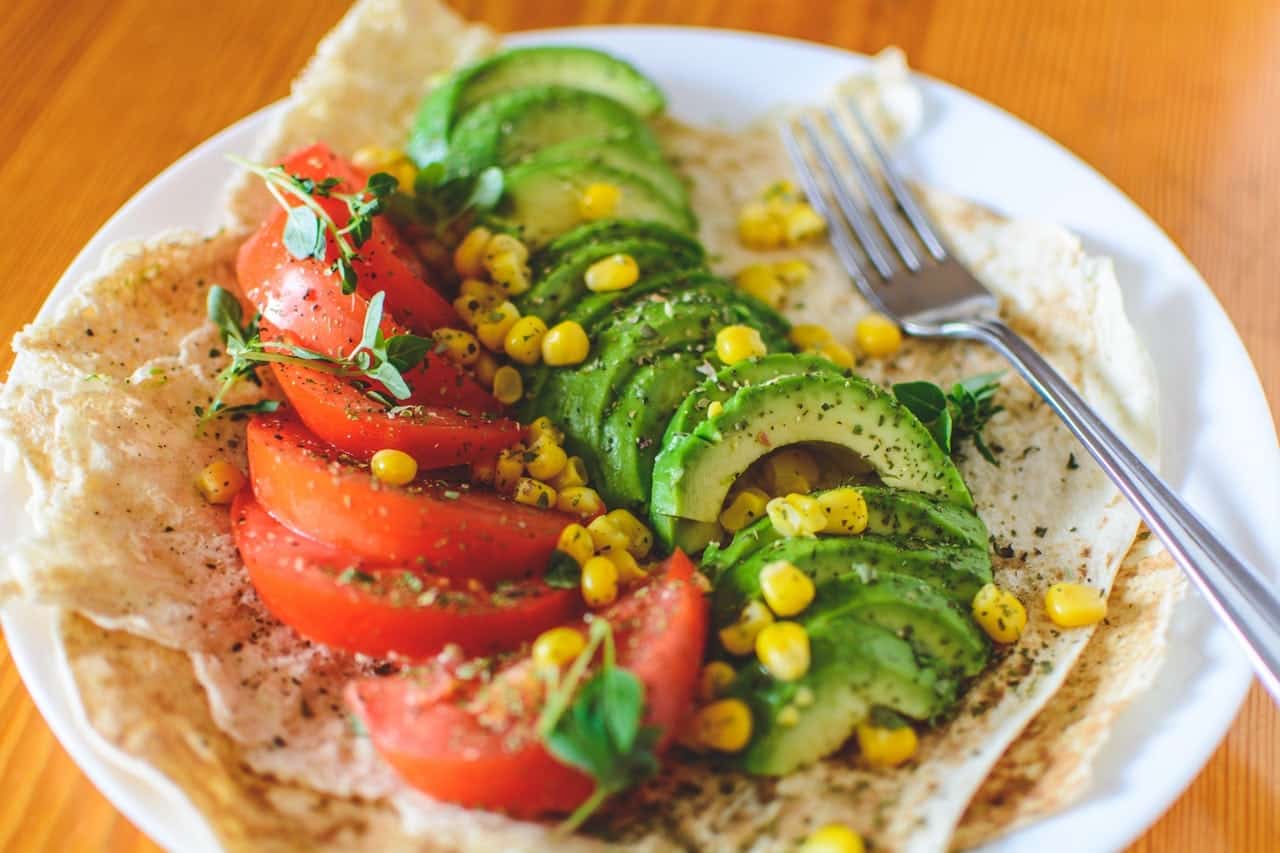
High-fat, high-fiber foods such as avocados or high-fat, high-protein foods such as yogurt, can help burn abdominal fat. Recent studies demonstrate that the medium-chain fats in coconut oil can both increase metabolism and decrease fat storage from high-calorie intake.

  1. Healthy fat protects against metabolic syndrome

Metabolic syndrome is  “a cluster of metabolic disorders.”

Think high blood pressure, abdominal obesity, low healthy cholesterol (HDL) count, and high glucose levels. Metabolic syndrome affects around 23 percent of the population and is directly linked to obesity and physical inactivity.

Omega-3 FAs may help to prevent metabolic syndrome by promoting blood vessels and heart health. In addition, omega-3s help raise healthy (HDL) cholesterol levels.

  1. Healthy fat boosts heart health (Take that, sugar industry!)

Finally, a diet rich in healthy fats promotes heart health. This is critical to both the voluntary and involuntary processes underlying fat and weight loss. Unlike the nutritionally worthless ingredient known as sugar, healthy fats – in the form of monounsaturated fats – improve blood cholesterol levels, which can decrease the risk of heart disease.

Of course, a healthy heart is necessary for proper blood circulation. This, in turn, aids metabolic processes, promotes proper digestion, and supports exercise.

lose weight

Final Thoughts on How a High Fat Diet Can Help You Lose Weight

“Last year, an article in the New York Times reveals that Coca-Cola, the world’s largest producer of sugary beverages, had provided millions of dollars in funding to researchers who sought to play down the link between sugary drinks and obesity.” – The New York Times

While the sugar industry seemingly takes every opportunity to spout untruths about fat, they divulge little info on their products. While dietary fat offers many health benefits, including (ironically) fat loss, sugar provides no nutritional value whatsoever. Natural sugars found in fruit offer nutrition to the body, of course.

Food scientists have since discredited the assertions made by sugar industrialists that their product is safe. Despite this, entrenched corporate interests continue spending millions of dollars combating the advances of modern food science and nutrition. These include beverage, candy, and soda companies.

To be safe, it is best to adhere to the latest recommended daily intakes for macronutrients, including fats. The Daily Reference Intake (DRI) for total fat is 20 to 35 percent of total calories from fat (TCF); or about 44 to 77 grams of fat per day, assuming a 2,000-calorie diet. Of this amount, the intake of each fat type is as follows:

    • Monounsaturated fat: 15 to 20%
    • Polyunsaturated fat: 5 to 10%
    • Saturated fat: less than 10%
    • Trans-fat: 0%

31 Proven Ways to Save Money (Without Making More)

Wanting to learn how to save money is an admirable endeavor. But with so much going on in our lives, it can be hard to pinpoint money-saving opportunities. Learning how to save money does not have to be difficult though! It’s a good idea for everyone to have a little cash set aside in the form of an emergency fund in case tougher times come upon you.

To help you with your cost-saving journey, we’ve brought together some great tips on how to save money!

31 Ways You Can Save Money When You’re on a Tight Budget

Read on to learn more about how to save money today:

financial affirmations1. Shop Around For a More Competitive Bank

If your current banking establishment is charging you a monthly or yearly fee, it would be to your benefit to shop around and try to find some better offers. Many banks these days offer accounts with zero fees and quite a few also offer bonuses for signing up with them!

2. Sell Off Your Collectibles

If you fancy yourself a collector, it may be time to rethink this. Throughout the years, different products have come along that many assumed with appreciate in value with age. Years later, the value of many of these objects has only dropped. Avoid jumping on the next fad that comes along and try to sell any of your old “collectibles”.

3. Sign Up For Customer Rewards Programs

Create a separate email address and sign up for every free reward program that is offered by retailers in your area. This way, your main email does not get spammed with unwanted emails, while you can still benefit from the deals offered to members when you need to!

4. Instead of Buying Gifts, Make Them

For the next birthday or holiday on your calendar, consider crafting your own gift to give out instead of purchasing something from a store. A handmade gift shows you really care and can be seen as much more thoughtful. Crafting something by hand can also be fun and is a great hobby!

doorstopper5. Try Repairing Damaged Clothing

The next time a piece of clothing becomes ripped or torn, or you happen to lose a button, consider repairing the garment instead of just trashing it and buying a new one. Most basic clothing repairs can be done by anyone with a little research and practice, and is a great way to save money!

6. Children Can Be Entertained For Cheap!

It may be tempting to go all out and spend big bucks on your child in order to give them the time of their lives but it is actually fairly easy to entertain a child for very cheap. Arts & crafts, sports, or riding a bike are all cheap and easily accessible activities for you and your child, and have the added benefits of being either creative endeavours or ones that can increase their physical fitness!

7. Clean Out Your Closets

Dig through all of your closets and get rid of everything you no longer wear. Don’t just trash it though, consider selling it on Craigslist or eBay, have a yard sale, or even donate it for a tax deduction.

Selling your old, unused clothing is a great way to make a little extra cash while also getting rid of unwanted clutter!

8. Start Drinking More Water!

By drinking more water, not only will you save money by not having to buy more expensive beverages such as soda or juice, but you’ll also reap various health benefits as well! An added bonus of drinking more water is that you’ll likely stay fuller, longer, and will likely end up eating less during meals. All this adds up to some great cost cutting!

9. Avoid Fast Food and Convenience Stores

Instead of stopping at the nearest convenience store or fast food joint when hunger strikes, consider stocking up on simple, cheap, and healthy replacements to take along with you to snack on instead. Taking a little time out of your day, once a week is all it takes to prepare yourself for a whole week of snacking on the cheap!

10. Stop Smoking!

If you happen to be a smoker, you likely know that the habit is not only unhealthy but can also be quite expensive. Consider, if you haven’t already, trying to quit or cut down on the habit. Your lungs, wallet, and family will all likely be better off!

11. Double Up Your Next Casserole!

The next time you find yourself making a casserole, consider doubling or even quadrupling it! You can eat one right away and then freeze the others for quick and convenient meals later on. By preparing multiple meals at once like this, you can also take advantage of buying in bulk, which increases the cost savings!

12. Turn Off The Lights!

You might not think anything of leaving the lights on. It can’t really make that much of a difference in my utility bill, can it? Yes, it does add up after a while! If you aren’t using a light, try to make it a habit to turn it off. Over time, the savings will add up!

13. Yard Sale Smartly

Yard sales can be a great opportunity to find great deals on items you’ve been needing such as shoes, clothes, housewares, and tools. The trick to truly taking advantage of these saving is to limit yourself to only purchasing things that you actually need and not being suckered in by low prices and the idea of a “good deal”.

14. Switch Out Old Light Bulbs With LEDs or CFLs

If you haven’t already, now is a great time to replace your old light bulbs with energy-efficient CFL or LED light bulbs. They cost a little more upfront, but they last much much longer than older bulbs and use a great deal less electricity over their lifetime.

15. Try a Programmable Thermostat

Consider installing a programmable thermostat in your home or apartment if you haven’t already. Being able to schedule when your home is heated or cooled in order to cut costs when you aren’t around is a great technique that’ll keep more cash in your pocket!

16. Change Our Clean Your Auto’s Air Filter

New air filters for your car can cost as little as $10 so you should make it part cleaning or replacing it a regular part of your car’s maintenance routine. A clean filter can improve your mileage by up to 7%, which can save you more than $100 for every 10,000 miles driven!

17. Build Your Shopping List Around Weekly Flyers

Before you head out on your next shopping trip, take a little at your grocery store’s weekly flyer and build your shopping list and week’s meal plan around what’s on sale. Making this a habit is a great way to save money every month and you’ll likely start branching out and trying things you might not have otherwise, while you can also do smart shopping online with tools like FTA Auction Sniping that let you shop in auctions without spend all your money.

18. Compare Prices and Consider Switching Stores

Try to keep track of the prices of your regular purchases and compare them to what other grocery stores are charging. You may find you’re missing out on some real cost-cutting opportunities by not shopping somewhere else! Take note of what store has the best deals on the majority of your regular purchases and consider making the switch!

19. Avoid Buying As a Means of Stress Relief

For many of us, in times of stress, spending a little money can be just the thing we needed to offer us a bit of relief. It might be time to consider what else you might be able to do to wind down instead of spending money needlessly on things you don’t need. Other options such as exercise, reading, watching a movie, doing some yard work, or even taking a nap all have their benefits. Besides, they will also be much cheaper in the long run!

20. Cancel Underutilized Club Memberships

If you’re paying fees for club memberships that you hardly use, such as a country club or gym membership, now might be the time to consider canceling it! You’ll always have the chance of renewing later if you do decide you want to partake, but in the meantime, while you aren’t utilizing the service it is just needlessly costing you money!

21. Trying Buying Used Items

Buying used items is a great way to save yourself a load of cash! It’s not uncommon that you find an item you’ve had your eye on at a much lower price with a little bit of digging at consignment shops, used equipment stores, or used game stores. Many of these items are still in perfectly usable order, and it’s not uncommon to find clothing items ridiculously cheap that may have only been worn once!

financial habits22. Wash Your Hands!

Making it a habit to wash your hands thoroughly after using the bathroom is a great way to keep yourself from becoming sick, which can save money on medical bills and potential time out of work!

23. Do Your Holiday Shopping a Few Days After the Holiday

Try waiting a day or two after a holiday and then go shopping for next year’s decorations. Most items can be found at steep markdown prices! This is a great way to save money on items that only get used once a year anyway!

24. Try Generic or Store Brand Items

Consider giving the store brand or generic brand a shot on items that you find yourself buying frequently. You may be pleasantly surprised to find that it is of similar or sometimes better quality to the name-brand item you had been using previously! A lot of the time, the difference between store and name brand items is in the labels only and you’re actually purchasing functionally the same item!

25. Cook at Home

If you’re like the many nowadays, you probably find yourself eating out more than at home on a given week. Try cooking more meals at home. Over time, your cooking will improve and so likely will your health! Preparing and eating meals at home is a great way to save a load of money while affording you the opportunity to eat healthier foods!

26. Avoid Wandering Around the Mall

Try to avoid going to the mall if at all possible. It may be fun to window shop and people watch, but all too often temptation strikes and you find yourself with a shopping bag full of items you didn’t really want or need! Avoiding the mall is a great way to avoid this situation. Try to find something else to do with your time. Go to the movies, take a hike, or join a local sports team.

27. Cancel Unread Magazine Subscriptions

Though not as common these days, magazine subscriptions still find their way to many people’s doors, and usually don’t get much attention past that. If you find yourself with a stack of unread magazines piling up in the corner somewhere, canceling your subscription is likely a good idea.

28. Eat Your Leftovers

It’s not uncommon for people to turn up their noses at the thought of eating leftovers. This could not be a bigger mistake, however! Leftovers offer you a great opportunity to eat for cheap, and with a little creative modification, they can be made into new dishes entirely!

save money

29. Bring Your Lunch From Home

Going out for lunch every day while at work or school can add up to a lot of money spent every week! Preparing and bringing your own lunch from home is an awesome way to save a boatload of money. Plus, you give yourself the chance to eat healthier foods!

30. Try Repairing Things Yourself

With the internet readily available and great resources such as YouTube available, small repairs and fixes are easily done by yourself. There are many tutorials and videos available online that can show you how to fix pretty much anything. You will likely find the prices much cheaper than the price of a replacement or a repair shop fee!

31. Maintain Proper Tire inflation

Keep your vehicle’s tires properly inflated! For every two PSI of pressure below the level recommended for your model. In fact, you may lose 1% of your gas mileage. With most cars running on tires five to 10 PSI below what they should be, properly inflating your times can net you a 5% improvement in your auto’s gas mileage!

With so many cost-saving opportunities available, being able to save money is made easy. After learning how to save money, you’ll be able to better prepare yourself in case of an unforeseen emergency.

8 Signs of Irritable Bowel Syndrome (And The Diet to Fix It)

According to the International Foundation for Functional Gastrointestinal Disorders, irritable bowel syndrome (IBS) affects between 10 – 15 percent of the population. (1) It’s characterized by gas, cramping, bloating, abdominal pain and other digestive issues.

Given the nature of the symptoms, many people don’t even realize that they have IBS. It’s very common for even chronic sufferers to write off their discomfort as a “sensitive stomach” or “something that they ate.”

Don’t make this mistake! If you suspect that you have IBS, there are things that you can do to minimize your symptoms and live a happier, healthier life.

However, the first step is actually diagnosing your condition. Here are the IBS symptoms that you’ll want to take to a doctor.

1. Persistent Abdominal Pain

Everyone gets a stomachache now and then, but if you’re experiencing abdominal pain multiple times per week, there’s more going on than a bad burrito.

Try to define your pain. Is it sharp or dull? Does it sting, stab or throb? Where is it located? This can help you distinguish IBS from other issues like appendicitis and gastroenteritis.

One of the biggest signs of irritable bowel syndrome is when you feel relief after a bowel movement. If the pain goes away once your digestive track is clear, the issue is probably with your digestive track in the first place.

While there’s no quick fix for abdominal pain, you can try to get to the bottom of it by tracking your daily food consumption. People with IBS have different “triggers” for their condition, so if you notice that you always feel worse after eating certain things, you can start to avoid them or find recipe substitutes.

2. Unusual Stools

Your bathroom habits can tell you a lot about your digestive health, especially when it comes to IBS. You’ll want to pay attention to the state of your stools if you suspect that you have something going on in your gut.

It can also help to understand how waste moves through the body. In healthy individuals, it travels through the intestines at a steady, unremarkable pace, and bowel movements are both regular and pain-free.

On the other hand, if you have IBS, the waste might move through your intestines too slowly or too quickly. It might absorb different amounts of water along the way, so it might come out of your body feeling overly hard or soft.

The best way to tackle this issue is to increase your probiotic intake. (2) Probiotics are healthy strains of bacteria that can improve the state of your gut. They can be taken in supplement form or consumed through certain foods like yogurt, tempeh, miso, sauerkraut and cottage cheese, so you’ll have plenty of options moving forward.

3. Diarrhea

It isn’t pleasant, but diarrhea is one of the most common IBS symptoms. More than a third of IBS patients say that they experience it regularly.

It can be hard to link diarrhea to irritable bowel syndrome since it’s also connected to other digestive issues such as Crohn’s disease. By itself, it might not be enough to diagnose IBS. If you’re experiencing other symptoms on this list in conjunction with diarrhea, however, it’s probably a sign of bigger things.

The solution for loose and watery stools is to watch your fiber consumption. Insoluble fibers will worsen it; they encourage bowel movements, so they’re recommended for constipation and not diarrhea. On the other hand, soluble fibers can help to firm things up and get your bowel movements back on a set schedule.

Here are some examples of insoluble fibers that you’ll want to avoid:

– Cereal
– Beans
– Seeds
– Whole wheat flour
– Vegetable peels

Here are soluble fibers that you can safely add to your diet:

– Oats
– Barley
– Whole wheat bread
– Brown rice
– Dried fruits

4. Constipation

On the flip side, if your IBS isn’t causing diarrhea, it might be causing constipation. Nearly half of IBS patients have problems with hard or painful stools that get caught in the digestive track.

The good news is that there are many ways to ease constipation. The most common piece of advice is to eat more fiber, but as previously mentioned, you’ll need to be careful with the type of fiber that you add to your diet.

You can also try various home remedies to soften the hard stools associated with irritable bowel syndrome. For example, water with lemon is an old trick that can stimulate the enzymes in your gut. Fish oil will give you a boost of omega-3 fatty acids that might help with digestive issues.

Constipation is also commonly linked with magnesium deficiency, so you might try filling your pantry with magnesium-rich foods like legumes, avocados and dark chocolate. It won’t fix your IBS, but it might lessen the frequency of your IBS symptoms.

5. Bloating and Cramping

A whopping 83 percent of IBS patients report problems with bloating and cramping. Most of these issues are related to the release, blockage and build-up of gas, but they can have other internal causes as well.

Bloating is one of the most difficult IBS symptoms to control since it’s so common and general. However, one potential solution is to learn more about FODMAPs.

Officially known as “Fermentable Oligosaccharides, Disaccharides, Monosaccharides and Polyols,” FODMAPs are certain types of molecules that are hard to break down and absorb in the body. (3) They’re most commonly found in carbohydrates and can cause problems for IBS and non-IBS sufferers alike.

Low-FODMAP diets can ease things like gas and bloating. High-FODMAP diets can make them worse. You’ll need to do some research to create a good diet plan, but here’s a quick list to get you started.

Low-FODMAP foods:

– Eggs
– Citrus fruits
– Herbs and spices
– Leafy greens
– Most types of seafood

High-FODMAP foods:

– Dairy products
– Artificial sweeteners
– Anything with high-fructose corn syrup

6. Rectal Bleeding

This can be one of the scariest symptoms of IBS. No one likes seeing blood in the toilet! Before you rush to the emergency room, however, you should know that blood in your stool isn’t an automatic crisis.

For starters, it might be coming from a tear in your anal passage that has nothing to do with your bowels or intestines. Are you constipated a lot? Do you strain? You might have caused small fissures down there, and while they won’t be comfortable, they’re nothing to worry about. They’ll heal quickly and without medical intervention.

Another possibility is hemorrhoids. They can build up if you spend a lot of time on the toilet with a digestive issue. Some might be serious enough to need professional treatment, but most can be managed at home.

If you’re truly worried about the blood in your stool, go ahead and schedule an appointment with your doctor as soon as possible. But you’ll probably be okay to wait a few days and see if it clears up on its own. The tears might heal; the hemorrhoids might fade. Rectal bleeding is a common symptom of IBS, but it doesn’t have to be a panic-inducing one.

7. Fatigue

Are you tired all of the time? Do you sleep poorly at night or suffer from excessive daytime sleepiness? Do you wish that you had more energy for your favorite activities?

Fatigue is one of the most pervasive symptoms of IBS. It isn’t clear if the IBS itself causes exhaustion or if people are simply exhausted by dealing with it, but the end result is the same. If you have IBS, you’re probably tired a lot.

Fortunately, there are foods that can improve both your mood and your zest for life. While they might not turn you into the Energizer Bunny, they can stabilize your blood sugar, stimulate your adrenal glands and put more pep in your step.

Here are some high-energy foods:

– Bananas
– Quinoa
– Goji berries
– Brown rice
– Sweet potatoes
– Tuna

One thing to note is that you’ll want to steer clear of caffeine. It isn’t healthy to begin with, and too much coffee and tea can make your irritable bowel syndrome flare up even worse than usual.

8. Lower Back Pain

This is one of the lesser-known irritable bowel syndrome symptoms, but it can still be a significant source of stress and anxiety for those who experience it.

Back pain associated with IBS is usually called “referred pain.” This means that the pain isn’t felt where it actually originates. In the case of IBS, it’s the belly that’s causing all of the trouble, but the lower back is where certain people feel it.

irritable bowel syndrome

Researchers aren’t sure why this happens. It might have to do with crossed wires in the brain-gut pathway; it might be related to the close proximity of all of the organs in the lower body and how people interpret pain radiating from that area.

Regardless of the cause, however, if you feel stiffness or soreness in your back, it might be a sign of IBS. Talk to your doctor to be sure.

Final Thoughts on Irritable Bowel Syndrome

While there’s no cure for IBS, there are plenty of ways that you can manage your symptoms and improve your quality of life. The first step is figuring out a diet that balances both your nutritional needs and your digestive issues, but there are other steps that you can take as well. Don’t be afraid to branch out and do more research on irritable bowel syndrome. You never know when you might stumble on a solution that really works for you!

5 Signs Someone Has Hidden Alzheimers

“We were heartbroken…”

“For mum, it wasn’t simply forgetting things – it was processes that started to go wrong. Making a cup of tea was so confusing (and) daily tasks became a challenge. Her moods changed…This gentle, five-foot lady became violent.” – Amanda Franks, from Alzheimer’s disease and Mum – our story

If you read tales of people discussing a family member’s battle with Alzheimer’s disease, you will probably see the word “heartbroken” used at some point. That’s because watching someone with mid- to late-stage Alzheimer’s is downright heart-wrenching. Many people describe the experience as the hardest thing they’ve ever had to go through.

Alzheimer’s is a dreadful condition that is unsurpassed in the amount of grief it inflicts on patient and loved ones alike. In this article, we are going to talk a bit more about the ins and outs of this horrible condition. Where we can, we will provide hopefully beneficial information on various topics pertaining to Alzheimers, including the early signs, risk factors, treatments options, and prevention.

As you will read, detecting Alzheimer’s disease is no easy task. Many of the symptoms are subtle, if noticeable at all. That said, we are going to do our best to explain signs, based on available evidence, that someone may have hidden Alzheimer’s.

Finally, we are going to wrap things up by discussing newly discovered ways of preventing Alzheimer’s.

“Alzheimer’s disease is an irreversible, progressive brain disorder that slowly destroys memory and thinking skills and, eventually, the ability to carry out the simplest tasks.” – National Institute on Aging

Overview of Alzheimer’s Disease

Alzheimer’s disease (AD) is the most common type of dementia in the world. The term “dementia” is used to describe a group of symptoms characterized by cognitive decline – including memory loss, difficulty thinking and problem-solving, and diminished language ability. AD is the sixth-leading cause of death in the U.S. and the number one cause of death in the U.K.

It is estimated that approximately 6 million people aged 65 and older – and 200,000 under the age of 65 – have some form of Alzheimer’s. Approximately two-thirds of Americans diagnosed with AD are women. At the current rate of diagnosis, along with the medical advances that extend lifespan, it is estimated that as many as 16 million Americans may have Alzheimer’s by the year 2050.

As devastating as the disease is, many scientists and researchers are confident that they know more about this condition – and the mechanisms behind it – than at any other time in history. For a long time, scientists couldn’t reach a consensus on the exact cause of Alzheimer’s. Then, within the last couple of years, scientists identified a group of deposits called protein oligomers as the most likely cause (more on this later.)

Just this past September, scientists at the University of Cambridge and Lund University (Sweden) issued a statement outlining a potential breakthrough treatment that directly targets the cause of Alzheimer’s. These and other findings give rise to hope that one day this dreaded affliction will be a thing of the past.

The Pathology and “Stages” of Alzheimer’s

The effects of AD are caused by damage – and eventual death – of brain cells, triggered by the buildup of Amyloid beta (A?), amino acid peptides that form the main component of plaques. Amyloid plaques can accumulate for up to 15 to 20 years before producing recognizable symptoms. Once A? accumulates to a certain point, the glial cells that normally “rinse” brain cells of the peptides become hyperactive, causing inflammation and damaging the affected area.

Tau, a critical neural transport protein found in the synapses, begins to entangle, twisting itself into clumps and preventing neuronal firing. Eventually, the neurons themselves begin to die. The first area of the brain usually affected is the hippocampus, the part of the brain that encodes and stores memories. This may help explain why a deteriorating memory is the first noticeable sign for potential Alzheimer’s patients.

5 Signs of Hidden Alzheimers

1. Subtle Memory lapses

As stated, lapses in memory are probably the most common sign of early-onset Alzheimer’s. One may begin to forget why they went into a room. They may struggle remembering the name of an acquaintance – even a friend, or continually misplace things. Or they may forget how to navigate to a place that they frequently visit, like a relative or friend’s home.

2. Trouble completing familiar tasks

Adult children of early-onset Alzheimer’s patients say that they first knew something was wrong when their Mom or Dad couldn’t perform routine tasks without difficulty. In the early stages of AD, this sign is limited to performing routine, complex tasks. For instance, they struggle with playing a board game with multiple rules (e.g. chess). Or they find out they’re not quite as good with recalling directions anymore.

3. Confusion

As AD target areas of the brain responsible for thinking, the patient (or a concerned family member) may notice their mental clarity beginning to fade. They may have a harder time making decisions, finding the right words, or speaking fluently. Sometimes, they will experience confusion about what they’re supposed to be doing for the day. They may wonder whether they’ve already finished a task that is a normal part of their daily routine.

4. Inability to follow storylines

Trouble keeping up with everyday situations is another classic early symptom of AD. Previously, they may have been able to talk to a friend or watch a television episode without problems. Now, they suddenly can’t seem to recall something that was said or done just moments prior. They lose track of storylines and current events.

5. Apathy

Another common sign of early-onset AD is an apathetic attitude. The person may seem unenthusiastic, showing little regard for the goings-on of everyday life. This sign may manifest as listlessness or a lack of interest in once-enjoyable activities, hobbies, or events.

Prevention and Treatment

new treatment for alzheimer's

“Diagnosis doesn’t mean you’re dying tomorrow. Keep living. You won’t lose your emotional memory. You’ll still be able to understand love and joy. You might not remember what I said five minutes ago, but you’ll remember how I made you feel. And you are more than what you can remember.” – Lisa Genova, neuroscientist and New York Times bestselling author of Still Alice

While there are currently as many as 80 medications being investigated for AD treatment, there is restlessness within both the medical and patient communities regarding the ineffectiveness and costliness of many pharmaceutical drugs prescribed for AD. Proponents of current medications cite studies that show that these medicines delay cognitive decline, even in later stages. Critics, most notably AD patients and their families, point to uncomfortable – even harmful – side effects, and their considerable costs.

While some of these drugs may indeed provide a “modest but significant” amount of relief for some AD patients, a growing number of scientists, doctors, and other experts believe that their counterparts are looking for answers in the wrong places.

Alzheimers and Lifestyle

Lisa Genova, a Harvard-trained neuroscientist and author, is adamant that most research efforts have failed. Why? Precisely because they have focused on preventing, eliminating, or reducing the amyloid plaque buildup responsible for the symptoms of AD. Genova and her colleagues believe that the prevention of AD – and perhaps the treatment of early symptoms – lies in lifestyle changes.

Genova points to sleep deprivation, in which just one night of poor sleep increases the levels of A?. Whereas, slow-wave deep sleep allows the glial cells to rinse cerebral spinal fluid throughout our brains, clearing away metabolic waste that accumulates in the brain while we are awake.

Here’s an eye-opening statistic: up to 80 percent of AD patients also have cardiovascular disease. And, while correlation does not imply causation, correcting poor lifestyle choices is a certifiable no-brainer. Particularly, the areas of sleep, diet, and exercise should be a focus. Also implied as potential risk factors for AD are obesity and high cholesterol levels.

Keeping the brain active is another means of potentially preventing many cases of Alzheimer’s Disease. Neuroscientists have proven beyond a doubt that humans are capable of growing new brain cells – a process called neurogenesis. It is apparent that learning new things strengthens neural connections and, most likely, expedites the production of new synapses.

Final Thoughts: “Prevention is the best medicine.”

Nearly every expert on the matter agrees that genetic factors play a big role in the onset of Alzheimer’s disease. Recent research is uncovering that lifestyle choices may play a much larger role than initially thought.

Although recent, cutting-edge Alzheimer’s research may make headlines, we might be several years from any breakthrough treatment. Meanwhile, convincing research has been put forth indicating that Alzheimer’s may indeed be more preventable than originally thought.

So, engage your brain and get regular exercise. Make sure you are keeping a healthy weight, scheduling checkups, and getting quality sleep. Also, avoid smoking because all these could be exactly what the doctor ordered.

Alzheimer’s and dementia are no reason to stop enjoying life, so if your parents or loved ones are suffering from this disease consider bringing them to memory care homes.

In the meantime, let us all hope (and pray, if that’s your thing) for an eventual cure that will forever eradicate this terrible illness.

7 Daily Habits That Make You Age Faster

There are both mental and physical habits that can both drain our energy and cause us to age faster. It is no exaggeration to think that how you feel when you’re older is a testament to how you lived when you were younger.

One of the remarkable aspects of the human body is its resilience. No matter your age, it is never too late to start making healthier choices – and feel younger!

So, let’s get to it!

Here are seven daily habits that make you age faster (and what to do about them!).

  1. Smoking

Of all the habits that accelerate aging, lighting up may take the cake. Tobacco smoke damages DNA, suppresses the immune system, and causes age-related physical symptoms (e.g. wrinkles, age spots). Fortunately, it is possible to quit smoking and reverse much of the damage done to the body, including the skin.

Researchers from the International Association of Ecologic Dermatology in Milan, Italy, in a study entitled “Quitting smoking rejuvenates the skin,” evaluated the skin health of 64 female smokers over an abstinence period of nine months. The research team performed skin tests (along with psychological and nutrition tests) at 3, 6, and 9 months.

Each woman’s appearance was evaluated visually and given a score on six criteria associated with skin aging: skin brightness, elasticity, lines, pigmentation, texture, and vascularization (formation of blood vessels and ease of oxygen flow) of the skin. Researchers then graphed the results to have a visualization of the effects of quitting smoking on the skin.

After analyzing the data, researchers found an average age reduction of about 13 years! This effect is even more astounding when one considers that, before the experiment, the women appeared an average of 9 years older!

  1. Being a couch potato

Multiple studies confirm what many of us already know: being a couch ‘tater is bad for health. Studies also show that sedentary habits are becoming more common while physical activity is trending downwards. It turns out that one’s cognitive abilities, particularly executive functioning and processing speed, are adversely affected by too much downtime.

In a 25-year study, researchers found that people who watch more than three hours of television per day do worse on tests of executive function and processing speed. Executive functions of the brain “are skills every person used to process and act on incoming information.” They include emotional control, flexible thinking, impulse control, self-regulation, organization, task initiation, planning, and working memory. Processing speed is the amount of time it takes for someone to understand and react to sensory information.

The solution, of course, is to become more physically and mentally active. The U.S. Department of Health and Human Services recommends a minimum of 150 minutes of moderate aerobic exercise or 75 minutes of vigorous aerobic activity a week.

You can keep your brain active and restore its health by doing things that are both enjoyable and challenging. Some ideas include:

  • Listening to classical music
  • Doing mental math
  • Learning a new language
  • Eating a new cuisine
  • Taking an online course
  • Testing your memory
  1. Not “ohm-ing” out

Yes, we are talking about meditation. Far from being a mystical mental activity designed for hermits and monks, meditation is, quite possibly, the best thing that one can do for both their body and mind. Since individuals like Maharishi Mahesh Yogi, Alan Watts, and Ram Dass “brought” meditation over from the East, researchers have been astounded as to what extent quieting the mind can benefit a person. (Concerning the former, there are multiple methods of meditation that are compatible with – and irrelevant of – any religious or spiritual belief. “Western” Zen meditation is one such practice.)

Researchers say that people who meditate have higher concentrations of grey matter in multiple brain areas – including those responsible for decision-making, emotions, impulse control, hearing, seeing and speech. Robert H. Schneider, a physician, and scientist who has studied the effects of one particular type of meditation, Transcendental Meditation (or ‘TM’), says:

“[Research on TM] has found reduced blood pressure, increased insulin resistance, slowing of biological aging, and (a) 48 percent reduction in the rates of a heart attack strike and death.” Such convincing discoveries have led the American Heart Association (AHA) to issue a statement indicating that doctors should consider “prescribing” TM as a treatment for high blood pressure.

So, while not meditating doesn’t technically “age” someone, refraining from the practice denies their body a natural and effective way of improving age-related health factors.

  1. Being a slouch

Our spine has a natural, S-shaped curvature that allows it to support and stabilize our upper body. Over time, slouching – over a desk, on a chair, or somewhere else – gradually causes muscle strain and tightening, spinal misalignment, and even lower back pain, hip pain, or neck pain. Poor posture affects various bones as well as the disks of the spine.

Per the American Chiropractic Association, there are various things one can do to improve their sitting, standing, and lying posture, including:

(Sitting)

  • Keeping your feet on the floor or footrest
  • Avoiding sitting in one position for an extended period
  • Relaxing your shoulders

(Standing)

  • Keep your knees slightly bent and feet shoulder-width apart
  • Put most of your weight on the balls of your feet
  • Stand straight and tall with the shoulders pulled slightly back

(Lying)

  • Don’t sleep on your stomach
  • Use a firm, comfortable mattress
  • Support your body by sleeping with a pillow
  1. Blasting music

This one’s kind of a double-whammy. Age is already the leading cause of hearing loss, with 1 out of 3 people aged 65 and older, and 1 out of every 2 over 75, having “significant” hearing loss. Now, researchers say that blasting the tunes can, in effect, expedite hearing loss.

Per the National Institutes of Health, loud noises – even in brief intervals – can damage parts of the inner ear, causing noise-induced hearing loss (NIHL). NIHL may result from a one-time “explosive noise,” or, more commonly, exposure to high volumes over a long period.

Other examples of activities that increase the risk for NIHL include: attending loud concerts, listening to music with earbuds or headphones at high volume, recreational shooting and hunting, and using loud home appliances and equipment.

As a rule, any noise above 85 decibels (dB) can cause hearing damage. An MP3 player at maximum volume registers around 105 decibels. Other noises that meet or exceed the 85-dB threshold include heavy city traffic (85), lawn mowers (90 to 110), motorcycle engines (95), sirens (120), firecrackers (150), and firearms (150).

To reduce your risk of NIHL:

  • Be mindful of noises that can cause hearing damage (anything about 85 dB).
  • Listen to music at less than ¾ maximum volume.
  • Move away from loud noises when possible.
  • Wear quality earplugs or protective earmuffs when near loud noises.
  1. Bad sleep habits

Sleep deprivation is linked to multiple health disorders, including cancer, diabetes, immune disorders, and obesity. But did you know that depriving yourself of sleep can age your skin, making you appear older?

In a 2013 study supported by the beauty company Estee Lauder, researchers found that “chronic inadequate and poor-quality sleep accelerates intrinsic aging” including signs of skin aging, reduced skin elasticity, and irregular pigmentation. Additionally, those with poor sleeping habits felt subjectively worse about their physical appearance than others. Furthermore, the study found that poor sleeping habits reduce the skin’s moisture levels and erode the permeability barrier. As a result, the skin is more susceptible to bacteria, toxins, and viruses.

age

Per the National Sleep Foundation, here are a few ways to improve your sleep habits:

  • Go to sleep and wake up at the same time every day, including weekends.
  • Having a relaxing bedtime ritual.
  • Avoid extended afternoon naps.
  • Exercise every day.
  • Keep your room at a cool temperature.
  • Use a comfortable mattress and pillows.
  1. Work-related stress

We all know that avoiding work stress is impossible. But experiencing constant stress, whether from work or elsewhere, is a surefire way to speed up aging. We mention work because (surprise!) it is the leading cause of stress for most people.

Stress’ effects are cumulative; it can interrupt sleep, raise blood pressure, and impact cognition (especially memory). In a study published in the open-access scientific journal Plos One, Finnish researchers found a link between prolonged work stress and accelerated biological aging.

The scientists made the above determination by measuring what are called telomeres, or “caps” at the end of DNA strands that protect the chromosomes. Researchers have thought for a long time that telomere play in essential role in cellular aging. Additionally, damage to telomeres is linked to an increased risk of cancer.

Reducing work-related stress can be difficult, but here are a few practical solutions:

  • Learn mindfulness and diaphragmatic breathing.
  • Get outside for your breaks and lunch.
  • Don’t eat at your desk.
  • Read your email at certain times during the day (ideally no more than twice).
  • Begin a new job search if needed.
  • Ask to work from home once a week.

Final Thoughts on Daily Habits that Make You Age Faster

Even if none of us have yet discovered the fountain of eternal youth, avoiding the above habits can help you feel and look more youthful. As much as possible, try to avoid stress at work and at home. Take care of your body and your mind, and they will take care of you as well. Here’s to health!

20 Ways Your Body Heals After You Quit Smoking

The habit of smoking has never been healthy as it can lead to the development of serious chronic diseases. Smoking also raises your risk of aging and dying young. Needless to say, there are plenty of good reasons to quit smoking if you value your health.

A single cigarette is composed of over 5,000 chemicals that can poison your body, experts at the Cancer Research UK told The Independent. But here are some different ways your body heals if you choose to quit smoking for good.

Here Are 20 Ways Your Body Heals After You Quit Smoking

“You’re always better off if you quit smoking; it’s never too late.” – Loni Anderson

1.    Your body’s oxygen level normalizes.

When you smoke, you inhale poisonous carbon monoxide that overtakes the level of oxygen in your bloodstream.

  • Smokers who have a pack a day have three to six percent of carbon monoxide in their blood. The ideal level is less than one percent.
  • This makes it harder for your body to distribute oxygen that is vital to the functions of your organs, especially the heart.
  • When you quit smoking, your oxygen level normalizes within eight hours as your body slowly clears out the toxic level of carbon monoxide.

2.    Your sense of smell and taste return to normal.

You will start to recover your normal sense of smell and taste within 48 hours after you’ve gone cold turkey. This happens because you are no longer ingesting poison from the nicotine. This addictive substance contained in tobacco impedes your senses as it is toxic to the blood vessels.

3.    Your circulation starts improving.

Once you quit smoking, your blood circulation improves and properly reaches the vital organs, including the tips of your hands and feet. This positive effect greatly cuts your risks of a stroke because your blood vessels are now clearer and your blood pressure is lower. This improvement, however, may have a gradual effect and will depend on how long you’ve been smoking.

4.    You may have some coughing fits.

There are smokers who will experience some coughing fits a few days after they quit the bad habit but this isn’t something to be worried about. It is the body’s way of healing itself as the coughing helps the lungs grow clearer. However, if you find the coughing uncomfortable, you can use air purifiers and engage in deep-breathing exercises to speed up the process of recovery for your lungs.

5.    You may have sleep disturbances.

You also may have a difficult time sleeping within the first few days after you’ve quit smoking.

  • As with the coughing fits, this shouldn’t be a cause for concern. Your body is simply withdrawing from the nicotine.
  • Consider this your body’s way of adjusting to a normal sleeping pattern as an ex-smoker.
  • You should likely only experience sleep disturbances for two weeks. From then on, you should be able to sleep more soundly once the nicotine is no longer in control of your body’s functions.

6.    You’ll feel more energetic.

Two weeks after you’ve quit smoking, you’ll start having fewer episodes of fatigue and tiredness. Instead, you’ll feel more energetic to walk, run, or do other activities that encourage a good cardio workout as your body heals from the nicotine.

7.    Your heart will finally get a break.

With the carbon monoxide clearing and oxygen leveling off, your heart will finally get a break from all those toxic chemicals. You, therefore, cut your risks of developing heart diseases and other cardiac issues. Do you know that it takes 15 years for a smoker’s heart to be truly free of the risks?

8.    You’ll start breathing better.

Your lungs will bear the positive effects of cutting the smoking habit the most. It will start improving within a few weeks as the cilia – those hair-like airways in the lungs – will no longer be paralyzed. So, you’ll start breathing better. You may also be motivated to exercise more since you will have an easier time inhaling and exhaling when doing physical activities.

9.    Your lungs will start to finally repair.

Nine months after you’ve quit smoking, you will begin to feel the effects of your lungs naturally healing. You’ll notice your smoker’s cough is gone and you won’t have shortness of breath anymore when you climb stairs.

10.  Your immune system will improve.

Smokers are prone to develop a cough, cold, or fever because they have lowered immune systems. If they quit the habit, the chemicals start to diminish from their body. Additionally, their immune system will get a boost. Once this happens, their body will be able to fight off germs, bacteria, and viruses better.

11.  Your breath will smell better.

According to a study in Journal of Natural Science Biological Medicine, bad breath or halitosis is prevalent among people who smoke. The cigarettes bring different kinds of bacteria to the mouth. Smoking also causes dryness that enables these bacteria to thrive. But if you quit smoking, you will slowly eliminate this social handicap as the saliva will begin to flow continuously and clean your mouth, as it should.

12.  Your mouth and teeth will look better too.

You will definitely have more reasons to smile when you quit smoking because you will no longer have stained teeth.

  • Did you know that those nicotine chemicals can turn your teeth yellow, brown, and black? No matter how you many times you brush your teeth, the stains will remain as long as you smoke?
  • More than this, you’ll lessen your risks of developing periodontal diseases if you quit smoking.
  • Your lips will also improve because you will not have mouth sores from sucking cigarettes anymore.

13.  You’ll have better-looking skin

The chemicals from cigarettes easily deplete the skin of important components like collagen and elastin. Smokers usually have more skin dryness and wrinkles. If you quit smoking, you’ll restore your skin’s natural luster. With clearer blood vessels, your skin will properly absorb the nutrients it needs to prevent premature skin aging.

14. Your breast won’t sag.

Hard as it is to believe, your breasts will also reap positive benefits when you quit smoking. You’re more prone to breast sagging if you’re a smoker, since cigarette chemicals may cause the skin to lose elasticity. In addition, smoking has been tied to breast cancer, as per the BreastCancer.Org. So, you’ll improve your breasts’ appearance and health if you kick the habit for good.

15.  Your fingers will get a natural manicure.

A few weeks after you quit smoking, you will be able to notice a line across your fingernails. This signals the growth of new and healthier nails to replace the stained, yellow ones. You’ll get a natural manicure when you quit smoking because your body is no longer filled with toxic chemicals.

16.  Your hair will grow beautifully.

It’s no coincidence that smokers have unhealthy hair. In fact, a study in the journal Dermatology linked hair loss problems to this bad habit. But if you quit smoking, your hair will begin to grow fuller, thicker, and a lot more lustrous because it is finally getting enough nutrients that now freely circulate in the body.

17.  You might have weight gain.

Unfortunately, weight gain happens for many people who have kicked the habit of smoking.

  • This usually happens because there are no more chemicals that prevent the hunger pangs. Your blood sugar may also shift and cause those cravings.
  • While this is normal, it’s important to still be careful about your diet.
  • As you fight the addiction to nicotine, you must also learn to eat the right kinds of food to keep your body healthy.

quit smoking

18.  Your risk for cancer drops.

Within two to five years after you’ve quit smoking, you reduce your risks for mouth and throat cancer by as much as 50 percent. You also significantly cut your bladder cancer risk. If you’re a woman, you’ll lessen your risk of cervical cancer.

19.  You cut your risk of death from cancer.

Over 480,000 smokers die annually, according to the Center for Disease Control and Prevention (CDC). But within 10 years of quitting, you’ll reduce your risk of death from cancer that has been induced by cigarette smoking. In other words, you’ll prolong your life if you stop this bad habit.

20.  Your heart will function as if you’ve never smoked before.

So, as you add more years to your life again if you quit smoking, your heart will greatly improve. After 15 years, the heart will return to the way it functioned earlier, as if you’ve never puffed a cigarette.

Final Thoughts On Ways Your Body Heals After You Quit Smoking

A smoker may average some 200 hits of toxic nicotine every day. This is one reason why this habit is so addictive. When you’ve puffed a few times, your brain craves more nicotine. Several studies have proven over the last few decades that this substance is indeed addictive. A withdrawal might be hard for some smokers because they become anxious and irritable, develop cravings, and have headaches.

  • If you want to quit smoking, you have to understand that it will be very challenging. It might help to let other people know that you’re giving up the habit so you can gain their support.
  • If you have a friend who smokes, you may have to avoid hanging out with them for a few weeks or ask them not to smoke when you’re around.
  • You’ll have a more successful and positive result if you follow a step-by-step plan.
  • You also need to prepare yourself and stock up on supplies like candies, carrot sticks, gum, and other items that you think will help you manage the withdrawal symptoms better.
  • Get rid of everything that may trigger you to smoke, such as ashtrays, lighters, and any unopened packs of cigarettes you’ve been keeping in your house.
  • It may also be helpful to clean your house and car of the cigarette smell to reduce the chance of cravings.

The first two weeks after you’ve stopped smoking for good are very critical. You should also try to keep yourself busy and distracted so that you won’t be prompted to light a cigarette.

https://www.youtube.com/watch?v=sbCcRc2CwKg

Yoga for Beginners : A Complete Guide to Get Started

Practicing yoga assists in offering a foundation and tools for creating excellent habits like non-attachment, self-inquiry, and discipline. This exercise also provides a way of empowering you to make conscious options to live a fulfilling and healthy life. Yoga is derived from the word yuj, which means better internal states like happiness, peace, and clarity.

Why Start Yoga?

The current culture involves constant stimulation of your nervous and mind systems. Yoga for beginners creates the opportunity for you to decelerate your mind and maintain a sense of balance. According to a 2016 study, 36.7 million people have practiced this meditative exercise; a fifty percent increase since 2012.

Here’s a complete guide for yoga for beginners to get you started:

spiritual benefits yoga

1. Yoga Assists your Physical Body

The postures of this exercise can aid to boost balance, mobility, strength, and flexibility. These advantages are the reason athletes include this exercise in an effective cross-training program.
As you do Yoga for beginners, you go through various motions that can counteract poor postural habits and tension. In addition to boosting your body awareness, it lets you correct these imbalances and boost your general athleticism.

2. Reduced Stress and Improved Relaxation

An excellent advantage of Yoga for beginners is the reduction of stress. This is because when stress accumulates, your nervous system can go on overdrive, making it hard to sleep, focus, and unwind. The breathing exercises undertaken can assist in lowering the heart rate and relaxing the nervous system. It also boosts your focus and promotes better sleep.

When it comes to individuals with a deeper spiritual history, its impacts are realized off the mat and beyond the physical. The exercise can aid in linking you more deeply to the sense of awareness and purpose of your current living. As you begin your journey, what you derive out of it can additionally change depending on your requirements.

Getting Started

Yoga is not one exercise that can be done by everybody, but has a variety of exercises for everyone. If you are a beginner, it is ideal to attempt various exercises to figure out the one that is perfect for you. The main types are:

1. Iyengar

This is a mixture of seated and standing postures using props for individuals who need to focus on a range of motion and increase muscular strength, posture, and alignment.

2. Viniyoga

A class that concentrates on meditation and breathing for individuals willing to work meticulously from within or with limited mobility, to experience improved posture, body awareness, and relaxation.

3. Jivanmukti

This is a predetermined sequence which incorporates deep listening, chanting, compassion, and meditation, for persons who need to incorporate ancient teachings and spiritual elements of this exercise in their practice as they gain improving relationships, body awareness, and knowledge of Sanskrit.

4. Hatha

This type of yoga for beginners makes use of breathing techniques and poses to calm and align the body, spirit, and mind as you prepare to meditate. Classes have a slow pace, but it can demand a lot of physical strength to hold the poses.

5. Vinyasa

This type of yoga for beginners is dynamic and may also be called “flow class.” It synchronizes motion with breathing, and you expect your movement to be quicker than in a Hatha class.

6. Ashtanga

Ashtanga takes you through a physically challenging and fast-paced series of poses done in a single order with a great emphasis on breath. Traditional Ashtanga classes do not allow drinking of water and participants can only proceed to the next pose after the previous one has been achieved.

7. Bikram

Bikram is made of twenty-six poses and two breathing techniques repeated in a single order for one and a half hours. It is typically done in a room that is heated to forty degrees Celsius.

8. Kundalini

This type of yoga for beginners consists of repeated movements (that are called kriya), meditation, chanting, dynamic breathing, and mantras. It is believed to have the ability to awaken the energy present at the spine’s base and move it upwards via the chakras.

9. Yin

It consists of poses done for three to five minutes in a seated or lying down position. The lengthened stretches focus on releasing tension and restoring motion range to connective tissue and muscle. It is essential to people suffering from chronic pain, stress, and tight muscles.

10. Restorative

Very relaxed positions are made for at least ten minutes. It consists of numerous props for relaxation and support like straps, bolsters, and blankets. Similar to Yin, it is significant to persons suffering from stress and chronic pain.
Through the various styles of yoga for beginners, self-healing is a consistent and common theme. Whichever style you pick, it will allow you to learn more about yourself to become a better person.

yoga for beginners

A Guide to Basic Poses

It is crucial to learn some of the basic poses that a majority of the practitioners use. They are simple and can be done from your home. Here are a few:

1. Downward-Facing Dog

Go on your knees and hands. Then make your hands straight and make your upper back relax between your shoulder blades. Maintain bending on your knees, lengthen them, and lift your hips.

The objective is to create the shape of a “V” that is upside down. If your hamstrings are flexible, make your legs straight and push your heels toward the ground as you maintain the spine’s length. In case you see that your spine is curving as you make your legs straight, slightly bend your knees to maintain the length of your spine. Hold the position for five breaths.

2. Cobra

Go down on your tummy and straighten your legs. Make your leg muscles firm and spread your feet to the width of your hips as your toes point behind you. Use the pubic bone to push down to prevent collapsing of the spine’s lower portion. Support your body with your forearms as you pull up your torso from the floor. Ensure you lengthen your neck as you focus straight ahead. Hold the position for five breaths.

3. Warrior 1

Maintain an upright posture and put your right foot back. Have your front foot point straight forward and set your rear foot at an angle of forty-five degrees. Ensure your feet are apart for the width of your hips to enable squaring of your hips to the mat’s front. Bend your body into the front knee. Be sure to have your knee behind or above your ankle.

Maintain strength on your back leg. Put your arms up straight on top of your head and have your shoulders relaxed. Breathe a few times before changing sides.

4. Warrior 2

Maintain an upright posture and have your right foot step back as your front foot points forward. Position the back foot at slightly less than a 90 degree angle. Your front heel should be aligned with your back foot’s arch.
Turn your hips toward the mat’s side. Bend into the front knee to ensure the knee is above or behind the ankle as the kneecap tracks over the middle toe. Maintain strength on your back leg. Put up your arms so that they are parallel with the floor and have your shoulders relaxed. Hold for five breaths before shifting sides.

5. Tree Pose

Maintain an upright posture and move your load onto your left foot, having your left foot’s inner part firmly on the ground. Then have your right knee bent. Lift your right foot and put the sole on the inner left thigh.
Put your hands on the pelvis’s top rim to ensure it’s parallel with the ground. Make your tailbone long toward the ground. Firmly push on the inner left thigh with your right sole and use the outer left leg to resist. Put your hands up straight above the head. Be sure that your shoulders are relaxed. Hold the position for five breaths and shift sides.

6. Seated Forward Fold

Sit on the floor with your lower limbs straight out before you. Bend your knees in case your hamstrings are tight. Flex your feet and point your toes up. Lengthen your spine and sit up tall. Maintain the length of your spine and fold forward as you lead with your chest.

Put your hands on your legs comfortably. Hold the position for five breaths.

7. Bridge Pose

Go on the floor on your back. Spread your feet for the width of your hips as you bend your knees and stack them above your ankles. Put your arms on both sides of your body and place the palms on the ground as you widen your fingers. Lengthen your tailbone’s skin toward your mat’s front. Lift your hips and hold the position for five breaths.

8. Supine Twist

Lie with your back on the floor. Hug your knees in toward you as you lift your feet off the floor. Put your upper limbs in a “T” pose as your palms face the ceiling. Allow your knees to go down on the mat’s right side. Maintain an upward or opposite gaze as you drop your knees. Hold the position for five breaths before shifting sides.

Conclusion

If you want to have mental, physical, and spiritual improvements, yoga for beginners is perfect for you. It will offer you these benefits and more.

(C)Power of Positivity, LLC. All rights reserved

Top 10 Quick and Healthy Dinner Ideas That Take Less Than 30 Minutes

Many people assume that cooking a healthy dinner takes a lot of time due to the effort it takes to get and cook the right ingredients. However, cooking a healthy meal can be simpler than preparing regular meals.

Here are the top ten quick and healthy dinner ideas that take less than thirty minutes:

1. Pizza in a Bowl

Ingredients:
• Three cups of raw rigatoni
• A three-quarter pound of ground beef
• Half cup of chopped onion
• One can of pizza sauce
• Two-thirds cup of thick and undiluted cream of mushroom soup
• Two cups of shredded mozzarella cheese
• One package of sliced pepperoni
• Chopped fresh arugula or basil.

Cook rigatoni according to the instructions on the package and drain. Then use a big skillet to cook onion and beef over medium heat for eight minutes or until the beef’s pink color disappears. Then, crumble the beef and drain it.

Add cheese, soup, and pizza sauce. Cook while you stir over low heat to melt the cheese. Then, add pepperoni and rigatoni to the beef mixture. Mix the food further by stirring while you heat. Then, add basil as toppings before serving. This is one of the best healthy dinner ideas.

2. Grilled Garden Veggie Pizza

Ingredients:
• One medium red onion that is sliced crosswise into half-inch cuts
• One large sweet red pepper that is seeded
• Stemmed, and halved
• One small zucchini that is sliced lengthwise into half-inch cuts
• One yellow summer squash that is sliced lengthwise into half-inch cuts
• Two tablespoons of olive oil
• Half teaspoon of salt
• A quarter teaspoon of pepper
• One prebaked twelve-inch thin pizza crust that is whole wheat
• Three tablespoons of jarred roasted minced garlic
• Two cups of shredded mozzarella cheese
• A third cup of torn fresh basil.

Mix the vegetables with oil and sprinkle pepper and salt on it. Cover the vegetables and grill over medium heat for five minutes on each side of the pepper and onion and four minutes on each side of the squash and zucchini.
Then, slice the pepper into small pieces and separate the onions into rings. Spread the garlic on the pizza crust and sprinkle one cup of cheese on it.

Then, use the grilled vegetables to top it and add the remaining cheese on top. Now cover the pizza and grill over medium heat for seven minutes until the cheese melts and the bottom turns golden brown. Add basil as toppings. This is one of sweetest healthy dinner ideas.

3. Pork Chops with Honey-Garlic Sauce

Ingredients:
• Four bone-in chops of pork loin
• A quarter cup of lemon juice
• A quarter cup of honey
• Two tablespoons of soy sauce with reduced sodium
• One minced garlic clove.

Use cooking spray to coat a big nonstick skillet and cook the pork chops over average heat until the temperature is 145 degrees Celsius. Cook for six minutes on every side. Remove from heat and let it cool for five minutes as you mix the remaining ingredients.

Add them to a pan and heat medially for four minutes as you occasionally stir. Serve them with your pork chops. It is one of the most delicious healthy dinner ideas.

4. Bruschetta Steak

Ingredients:
• Three medium tomatoes that are chopped
• Three tablespoons of fresh basil that is chopped
• Two tablespoons of olive oil
• One teaspoon of fresh and minced oregano or half teaspoon of dried oregano
• One minced garlic clove
• Three quarter teaspoon of salt
• One top sirloin steak or beef flat iron that is sliced into four parts
• Four teaspoons of pepper
• Grated Parmesan cheese.

Mix the first six ingredients and stir in a quarter teaspoon of salt. Sprinkle the remaining salt and pepper on the beef.
Cover it and grill over medium heat until it is well done. The temperature of the grill should be at 140 degrees Celsius, and each side of the beef should be grilled for six minutes.

Then, top with the cheese and tomato mixture and serve. It is one of the tastiest dinner ideas.

5. Beef & Spinach Lo Mein

Ingredients:
• A quarter cup of hoisin sauce
• Two tablespoons of soy sauce
• One tablespoon of water
• Two teaspoons of sesame oil
• Two minced garlic cloves
• Quarter teaspoon of red pepper flakes that are crushed
• One pound beef top round steak that is thinly sliced
• Six ounces of uncooked spaghetti
• Four teaspoons of canola oil
• One can of sliced and drained water chestnuts
• Two sliced green onions
• One package of coarsely chopped fresh spinach
• One thinly sliced and seeded red chili pepper.

Mix the first six ingredients in a bowl. Put a quarter cup of the mixture into a big bowl, include beef, and toss for coating. Marinate the beef for ten minutes at room temperature. Use the package directions to cook the spaghetti. Then, use a big skillet to heat one and a half teaspoons of canola oil. Put half of the beef mixture into the skillet and stir-fry until the beef’s pink color disappears. Then remove from pan. Repeat the same procedure with the other half of the beef and one and a half teaspoons of canola oil.

Stir-fry green onions and the water chestnuts in the remaining canola oil for thirty seconds. Stir in the remaining hoisin mixture and the spinach. Cook until the spinach wilts. Then, return the beef to the pan and heat through. Now drain the spaghetti and add to the beef mixture and mix. Sprinkle chili pepper and mix. The vegetables make it one of the most nutritious dinner ideas.

6. Fresh Corn & Tomato Fettuccine

Ingredients:
• Eight ounces of raw whole wheat fettuccine
• Two medium of ears sweet corn with removed husks
• Two teaspoons + two tablespoons of olive oil
• Half cup of sliced sweet red pepper
• Four chopped green onions
• Two medium chopped tomatoes
• Half teaspoon of salt
• Half teaspoon of pepper
• One cup of crumbled feta cheese
• Two tablespoons of minced fresh parsley.

Cook fettuccine in a Dutch oven according to package instructions. Include corn in the last eight minutes. Then use a small skillet to heat two teaspoons of olive oil medially. Then add green onions and red pepper and stir until soft. Now, drain the corn and pasta and transfer the pasta into a big bowl. Cool corn a bit and cut it from the cob before adding to pasta.

Add the pepper mixture, remaining oil, salt, pepper, and tomatoes and toss into mix. Then, sprinkle with parsley and cheese. It is one of the ideal dinner ideas.

7. Chicken Thighs, Shallots, & Spinach

Ingredients:
• Six boneless and skinless chicken thighs
• Half teaspoon of seasoned salt
• Half teaspoon pepper
• One and a half teaspoons of olive oil
• Four thinly sliced shallots
• Third cup of white wine or chicken broth with reduced sodium
• Ten ounces of trimmed fresh spinach
• Quarter cup of teaspoon salt
• Quarter cup of sour cream that is fat-free.

Sprinkle salt and pepper into the chicken. Cook the chicken with oil over medium heat for six minutes on every side.
Remove it from the pan and use the pan to cook shallots until soft. Then boil it with wine until the wine reduces by half. Then add salt and spinach and cook until the spinach wilts.

Then mix with sour cream and serve with chicken. The sour cream makes it one of the most delicious dinner ideas.

8. Feta-Dill Chicken Burgers

Ingredients:
• One lightly beaten large egg
• One minced large shallot
• Two tablespoons of crushed Ritz crackers
• Two tablespoons of minced fresh dill
• Three minced garlic cloves; quarter teaspoon of salt
• Quarter teaspoon of pepper
• one pound of ground chicken
• Half cup of finely crumbled feta cheese
• Two tablespoons of canola oil
• Four split hamburger buns
• Sliced tomato and refrigerated tzatziki sauce.

Mix the first seven ingredients. Add chicken and stir thoroughly but slightly. Then stir gently in cheese.
Shape into four half-inch thick patties and brush them with oil. Cover and grill over medium heat for six minutes on each side.

Serve on the buns and top with tomato and tzatziki sauce. It is one of the ideal dinner ideas.

9. Mediterranean Pork and Orzo

Ingredients:
• One and a half pounds of pork tenderloin
• One teaspoon of coarsely ground pepper
• Two tablespoons of olive oil
• Three quarts of water
• One and a quarter cups of uncooked orzo pasta
• Quarter teaspoon salt
• Six ounces of fresh baby spinach
• One cup of halved grape tomatoes
• Three quarters cup of crumbled feta cheese.

As one of the best dinner ideas, cook this meal by rubbing pepper on the pork and slicing it into cubes. Heat oil in a big nonstick skillet medially and add pork.

dinner ideas

Cook the pork until its pink color disappears. Then boil water in a Dutch oven and add salt as well as orzo. Cook for eight minutes while uncovered. Add spinach and cook for one minute until the spinach wilts and the orzo is soft. Add tomatoes to pork and stir with orzo mixture together with cheese.

10. Spaghetti & Meatball

Ingredients:
• Twelve ounces of frozen cooked Italian turkey meatballs
• One tablespoon of olive oil
• One can of broken up and undrained tomatoes
• One can of rinsed and drained cannellini beans.
• One can of quartered artichoke hearts that are water-packed and drained
• Half teaspoon of Italian seasoning
• One can of chicken broth with reduced sodium
• Four ounces of raw spaghetti
• Quarter cup chopped fresh parsley
• One tablespoon of lemon juice
• Grated Parmesan cheese.

Heat oil in a big skillet medially and add meatballs until a bit brown. Add Italian seasoning, broth, artichoke hearts, tomatoes and beans and boil. Mix with spaghetti and continue to boil. Simmer for twelve minutes until soft. Stir in lemon juice and parsley and serve with cheese. It is one of the top dinner ideas.

Conclusion

If you are looking to adjust to a healthy lifestyle, look no further than these dinner ideas. These ten delicious, healthy dinner ideas have sufficient nutrients to keep you healthy and full.

Skip to content