Weekly tips, affirmations, and small actions to feel your best.

12 Signs You Are Getting The Flu

Achy body, stuffy head, runny nose, and fever can all be symptoms of flu. They come on hard and leave you drained and miserable. How can you combat them naturally and safely?

The Influenza Virus

The airborne virus travels easily and spreads quickly. It lives on objects you touch. After you touch an infected object, you need only touch your nose or mouth.

The influenza virus affects your lungs, throat, and sinuses. Yes, it’s similar to the common cold and other common respiratory conditions. Oftentimes, we call different viruses the flu, but the Influenza virus is the true one. This doesn’t mean that stomach symptoms won’t be present.

Each person’s experience with the Influenza virus can vary. This includes actual symptoms, length of sickness, and severity of flu symptoms. Of course, you might not develop the flu from exposure to the virus. It depends on whether you’ve had the virus strain before, if you’ve received a flu shot, and the health of your immune system.

Flu Season

The flu virus can pop up at any time of the year. Don’t rule out the flu because your symptoms occur outside of the normal December to March season.

Who’s at Risk?

Anyone can contact the flu. This includes anyone who had a flu shot. However, if you’ve previously had this year’s strain, you’ve developed antibodies. This makes it less likely for you to contract the flu. If you do still come down with the virus, your symptoms and the duration could be lessened.

Some people are more prone to infection, such as babies, children, immune-compromised individuals, and the elderly. This is mostly because of weakened or underdeveloped immune systems. For babies and children, it’s a combination of immune system and environment.

Flu related deaths are rare in healthy children and adults. People over the age of 65, immune-compromised individuals, asthmatics, and babies are at a greater risk for flu complications. While natural remedies might show benefit, people falling into these categories might require special care or emergency treatment.

12 Common Symptoms of Flu for Adults and Children + Natural remedies


Symptoms of Flu Viruses

1. Fever
2. Sinus congestion
3. Body aches
4. Chest congestion
5. Cough
6. Chills
7. Weakness/Tiredness
8. Vomiting
9. Diarrhea
10. Runny nose
11. Sore throat
12. Headaches

When to Seek Help for Symptoms of Flu


Infants and Children

• Fever over 100 degrees for infants; 104 degrees for children
• Crying without tears
• Lethargic
• Fever with a rash
• Not eating or drinking
• Difficulty urinating

Adults

• Confusion
• Dizziness
• Skin turns bluish
• Difficulty breathing
• Chest pain
• Loss of conciseness

Natural Flu Remedies

You might be tempted to grab OTC medicines when the flue strikes. Conventional medicines can be helpful to bring down a fever fast, but for other symptoms, your grandma’s favorite remedies will do the trick.

Build Your Immune System

Your best defense against the flu is a healthy immune system. Your immune system begins in your stomach. Make changes in your daily diet and consume more whole foods.

If you’re not taking a probiotic supplement or eating probiotic foods, consider adding them to your diet. These assist your body in balancing the flora, which in turn can strengthen your immune system.

Keep in mind that a healthy immune system isn’t a guarantee that you’ll never fall ill. It can greatly reduce your chances though. In addition, people with strong immune systems generally are sicker for a shorter time and with milder symptoms.

Practice Good Hygiene

You should practice good hygiene year round and teach your children these steps to protect themselves during flu and cold season.
• Wash hands after restroom and frequently throughout the day
• Cover your mouth when you cough or sneeze, preferably with a tissue
• Don’t touch your face

Chiropractic Care as a Preventative

What could a visit to the chiropractor have to do with the flu? We’re glad you asked. In 1918, during the flu epidemic, patients who’d had adjustments survived more often than those who didn’t. A study in 2011 supports chiropractic care as an immunity booster theory.

After the Flu Hits

Preventing the flu might be your best defense, but how do you naturally tackle your flu symptoms if it’s too late?

1. Stay Hydrated

• Soup and broth: canned or homemade
• Tea: black, green, or white
• Herbal tea: ginger, raspberry, mate, eucalyptus, chamomile, peppermint, and echinacea
• Coconut water
• Fruits and vegetables

Warm beverages comfort the soul while thinning mucus. They also replenish lost water, and in some cases, electrolytes. Coconut water should take the place of sugary sports drinks.

Fruits and vegetables contain vitamins and minerals that your body requires to fight off the flu. Most are gentle on your system too.

Oranges and citrus fruits are good choices if your stomach can tolerate them. They contain vitamin C, which aids your white cells and immune system. The natural sugar can also give you a bit of energy, making you feel more human too.

Black, green, and white tea varieties all contain antioxidants and immune boosting properties. You can continue to build up and power your immune system after symptoms begin. Plus, you’ll soothe sore throats, thin mucus, and alleviate your cough.

Herbal teas can offer benefits too, especially those immune system boosting ingredients. Ginger, raspberry, Echinacea, mate, eucalyptus, and peppermint teas might help upper respiratory conditions, like the flu and common cold. These herbs contain anti-viral properties. Chamomile teas can aid stomach issues, such as diarrhea, as well as relax you.

2. Get Rest

If possible, stay home and stay in bed. Avoid strenuous activities, and let your body heal. This includes putting off your normal workout. If you have the energy for it, taking a short walk outside can provide uplifting benefits. Just be sure to bundle up if it’s cold.

3. Use Essential Oils

Many essential oils contain healing properties. Whether you need to calm a cough, clear nasal or chest congestion, or you need to relax, you will find oils to soothe your flu symptoms.

How you use your essential oils can depend on your ailment, and the tools you have on hand. You shouldn’t ingest your oils unless it’s under the direction of a doctor.

If applying topically, dilute your essential oil with a carrier. Olive oil, coconut oil, avocado oil, vitamin E oil, and jojoba oil make good choices. For every tablespoon of oil, add three drops of essential oil. This ratio works well for adults. Children and anyone with sensitive skin should use three drops of essential oil to two tablespoons of carrier.

Essential Oils for Flu Symptoms

• Eucalyptus: might reduce fever and fight virus
• Tea tree: might fight infections
• Peppermint: might lessen cough and soothe sore throat
• Thyme: antibacterial
• Lavender: relives stress and fatigue
• Lemon: might decongest nasal passages

Essential oils to Disinfect Your Home

• Tea tree
• Clove
• Cinnamon
• Rosemary
Diffuse these oils or add them to homemade cleaning products to keep the flu at bay.

4. Homemade Throat Gargle

Countless timeless gargle recipes exist. These time tested home remedies might soothe a sore throat and kill any viruses or bacteria present.

Gargle Flu Remedies :

Do not ingest. Swish and spit as needed.
• Lemon: combine 1c lemon juice and hot water.
• Acid Cider Vinegar and salt: dilute 1tbls of apple cider vinegar and 1tsp of salt in 1c of hot water
• Salt: Add one cup of hot water
• Ginger, honey, and lemon: Steep 1tsp freshly grated ginger in 1c hot water. Add 2tsp of honey.
• Hot Sauce: Mix 10 drops of hot sauce in 1c of water. Bonus? It might clear your nasal passages too.
• Turmeric: mix ½ teaspoon of turmeric and salt. Add to 1c of hot water.
• Wheatgrass juice: simply juice wheatgrass as usual
• Clove tea: steep 3tblsp of ground or whole cloves. Strain.
• Tomato juice and hot sauce: combine ½ c juice with 1/2c hot water; add 10 shakes of hot sauce.
• Green tea: prepare as you would to drink, but use as a gargle

Why a gargle? First, you can use them alongside other treatments. It’s important that you don’t ingest these though, so they might not be suitable for small children.

5. Vitamin and Herbal Flu Remedies

Vitamins and Minerals

Vitamin C: boosts your white blood cells to fight the virus
• Zinc: take at the onset of symptoms

Herbs

• Stinging Nettle: natural antihistamine
• Echinacea: might treat respiratory tract infections and flu. Take at the onset of symptoms.
• Brewer’s Yeast: might lessens symptom severity and flu duration

6. Natural Cough Remedy


Licorice Root Syrups, Teas, and Lozenges

More than an old wives tale, Licorice Root has science backing up its ability to act as a natural expectorant.

flu

Honey

Adults and children over two can use honey to coat their throat and calm coughing. You can give it plain or mix with tea or water.

Pineapple Juice

A favorite among kids and adults is pineapple juice remedies. Whether it’s 500 times more effective than other treatments is undetermined. However, pineapple juice contains bromelain. This enzyme can help with flu related inflammatory respiratory problems. Pineapple juice is also a source of vitamin C.

Final Thoughts on Symptoms of Flu and Flu Remedies

Symptoms of flu can hit hard and fast. Luckily, most remedies use common ingredients to treat you ailments as they arise. Remedies might not cure your flu, but they can certainly make your symptoms bearable.

Your best defense against the flu virus is to maintain a healthy immune system. It’s never too late to start. Look at your diet to see areas you can improve. Consider adding supplements, such as daily vitamin and herbs. The flu can strike at any time during the year, so you can’t rely on boosting immunity before the season starts.

Remember to get plenty of rest, and let the virus run its course. One upside is your body is building antibodies, so you’ll be less likely to contract this flu strain again.

https://www.youtube.com/watch?v=7BNGVmwxoHI
8 Things That Happen To Your Body When You Stop Drinking Soda

With so many health problems on the rise, people have begun to question what causes them in the first place. Is it stress? Diet? Lack of exercise? Mental exhaustion? All of these factors play a role in the decline of human health, but the increased consumption of sugar could arguably be one of the biggest culprits. In order to make products taste better, companies add sugar to virtually everything now.

If you look at the label on products from dressings to sauces to even some canned vegetables, you’ll likely see sugar listed as one of the ingredients. Sugar makes the product more addictive; therefore, people will want to keep buying it.

One product in particular, though, contains so much sugar that it seems almost criminal to sell it to people. We’ve been drinking soda since it first came to the market in 1885, when a pharmacist named Charles Alderton created what we know today as Dr. Pepper. Believe it or not, soda was originally invented as a medicine to heal ailments such as indigestion, impotence, headaches, and even psychiatric disorders. However, the industry has taken a dark turn and is, ironically, doing the opposite of healing people.

Here are some of the health problems associated with drinking soda regularly, according to the Harvard T.H. Chan School of Public Health:

  • A 20-year study on 120,000 men and women found that those who upped their sugary drink consumption by one 12-ounce beverage per day gained more weight—on average, one pound every 4 years—than people whose intake remained the same. Other studies have discovered a link between sugary drinks and obesity in children. In fact, one study found that for each additional 12-ounce soda children consumed per day, the odds of becoming obese increased by 60% after 1½ years of follow up.
  • People who consume 1 to 2 cans or more of soft drinks per day have a 26% greater risk of developing type 2 diabetes than those who have them infrequently. The risk increases even more in young adults and Asians.
  • A study that followed 40,000 men for twenty years found that those who averaged one sugary beverage a day had a 20% higher risk of having or dying from a heart attack than men who consumed them infrequently. Another study in women showed similar results.
  • A 22-year study of 80,000 women found that people who had one sugary drink per day had a 75% higher risk of developing gout than women who didn’t drink soft drinks often. Results were similar in men.

The health risks listed above just scratch the surface of what soft drinks can do to your brain and body. Our bodies were just not designed to process so much sugar at once. It puts great strain on our liver, stomach, and other organs. In the article below, we will go over what happens to your body when you give up sugary beverages.

Here’s how you benefit from giving up soda:

“Rising consumption of sugary drinks has been a major contributor to the obesity epidemic.” – Harvard School of Public Health

  1. Your heart health will improve.

A 2012 Harvard University study found that consumption of sugary drinks increased a person’s risk of developing chronic heart disease. Another 2011 study found that sugary beverages increase blood pressure, raising it the more you drink. Decreasing soda consumption by just one drink per day can result in improvements in blood pressure and heart health.

  1. Your brain will get a boost.

While many people reach for a soft drink to give them energy and help them make it through the work or school day, the consequences of consuming so much sugar far outweigh the benefits. One study found that consuming sugar regularly over many years could result in learning impairment, memory problems, and behavioral plasticity.

“We have investigated a potential mechanism by which a diet, similar in composition to the typical diet of most industrialized western societies rich in saturated fat and refined sugar (HFS), can influence brain structure and function via regulation of neurotrophins,” authors of the study said. They discovered that when animals were put on a diet high in sugar, they had decreased amounts of a chemical called brain-derived neurotrophic factor (BDNF). This affected their ability to learn and remember things.

Other studies have found a link between consumption of soft drinks and an increased risk of Alzheimer’s disease or other types of dementia. The studies found that mice given sugary drinks had an increased amount of plaque deposits, which is a telltale sign of Alzheimer’s.

  1. You’ll have a brighter smile.

Drinking soda often can lead to stained teeth and other dental problems. In some cases, drinking a lot of soda can corrode your teeth as much as doing meth, according to a 2013 study. In the study, researchers found that one woman who drank 2 liters of diet soda per day for three to five years had similar tooth erosion as a methamphetamine and crack cocaine addict. The citric acid in soda causes erosion of tooth enamel, which can lead to cavities and yellowing of teeth. So, giving up soda will help you have a whiter smile and improve your oral health.

  1. You’ll have a healthier bladder.

Soda is a diuretic, which means it makes you pee more urgently and frequently. It can also cause bladder infections and irritation. Drinking water instead of soda will help you have better bladder health and aid in detoxing the body.

  1. You’ll have stronger bones.

Giving up soda will help you have stronger bones and decrease your risk of developing osteoporosis. The caramel color of dark sodas contains an artificially created phosphorus that can cause calcium to leach out of your bones. Substituting soda for natural drinks like tea or water will help protect your bone health.

  1. Your kidneys will start to heal.

Studies have shown that drinking a lot of soda can lead to kidney disease and even kidney failure. Diet sodas aren’t any better. Researchers from the Nurses’ Health Study found that women who consumed a lot of diet soda every day had lower functioning of the liver compared to women who abstained from soda.

  1. Your reproductive organs will be in better shape.

While many companies don’t use BPA in their products any longer, some cans of soda still contain it. BPA has been linked to an increased risk of certain types of cancer as well as reproductive problems. Some studies have shown that BPA can cause premature puberty or infertility, resulting in permanent damage to the reproductive system.

According to the Breast Cancer Fund, BPA is in so many products, from food and drink containers to dental fillings. It’s a synthetic estrogen that disrupts the hormonal system and increases the risk for developing diseases such as breast cancer, prostate cancer, metabolic disorders, and even type 2 diabetes.

  1. It can lead to weight loss.

Sodas contain a lot of empty calories – some contain as many as 700, and they won’t satisfy your hunger since they have no nutritional value.

soda

According to weight loss expert Malia Frey in an article on About Health, cutting out a large Coca-Cola from McDonald’s from your diet every day would save you over 200,000 calories — or about 60 pounds — in one year. So, if you want to lose weight, cutting out soda could help you reach your goals faster.

Here’s a bonus of giving up soft drinks:

You might live longer.

A recent study published in the American Journal of Public Health found that people who had high consumption of sugary beverages had shorter telomeres in immune cells. Telomeres are protective DNA units at the ends of chromosomes, and the shorter they get, the closer a person is to the end of their life. So, by cutting out sugary drinks, you might extend your life a little bit as well as improve your overall health.

Final thoughts on Things That Happen When You Stop Drinking Soda

Sugary beverages such as soda have contributed to the decline of our health. They have virtually no nutritional value and a lot of calories. Many people have turned to soda for an energy boost, but the dangers of consuming soda on a regular basis outweigh any benefit you might receive from the caffeine.

Plus, the drop in energy after the soda wears off will leave you feeling fatigued after your insulin levels decrease. This will only lead to further cravings. If you want more sustainable energy throughout the day, consider drinking water instead. Also, bring healthy snacks to work such as chopped up fruits and vegetables.

Soda might taste great, but it should be an occasional treat rather than an everyday indulgence. Doctors and scientists all agree that soda harms one’s health in numerous ways. As such, it should be cut out of the human diet, or at least consumed less often. Sales of soda are dwindling, and for good reason. Save your health by cutting out soda from your diet. Notice how much better you feel after giving up this toxic concoction.

12 Signs Your Partner Is Competing With You (And How To Fix It)

Some comparisons in a relationship can be healthy because it can help couples motivate each other to improve. But when the comparison turns into a competition, then anger and resent might develop and ruin the relationship. You should recognize signs that your partner might be comparing to you too much, as well as learn helpful tips on how to fix this problem.

“Comparison is an act of violence against the self.” – Iyanla Vanzant

Here Are 12 Signs Your Partner Compares to You and How to Fix It

emotionally supportive

1. The “we” in your relationship is gone.

You do more things separately than together these days. You don’t feel like you’re on the same page anymore. According to experts, comparisons in a relationship usually occur between partners that have been together for a long time. However, if couples learn to recognize the areas where they are strong or weak, they can thrive on their differences and individuality. Additionally, they can complement each other. For example, if he’s great at nurturing the kids and you’re the master in the kitchen, then you should make it clear to each other that these are your domains in the household.

2. Your partner always needs to “win” and keep score.

Does your relationship feel like a sporting event, where your partner keeps score of who did the dishes more times this week? Does your partner attempt to win every argument you have? Relationships triumph only when there’s unity. Thankfully, this negative pattern of comparison can be resolved. Take notice and be empathic about the actual message your partner wants to get across when she’s keeping score. Then, do something to make sure this happens less and less. For instance, she might be expressing that she needs your help more around the house if she’s talking about who did the dishes again. So, do your part in the clean-up.

3. Your partner belittles your success.

Is there no excitement and pride from your partner when you tell him you’ve just received a promotion at work? Does he belittle what you’ve achieved? A study reveals that this is very common in relationships. It likely indicates that your partner is having a hard time dealing with your success and his inadequacies. To fix this pattern, try asking his advice the next time you have a work-related dilemma. Do what you can to help your partner feel that he plays an important part in your success.

4. Your partner guilts you into quitting your job.

Your partner makes you feel guilty if you need to work late nights. You often have fights about your job to where the idea of quitting is looking more and more appealing to you. Don’t feel guilty about working hard. If your partner’s success pales by comparison to yours, it’s his insecurities he has to deal with and not the idea that you need to quit your job.

5. Your partner is domineering and always wants his way.

A lot of men like the idea of control. Some relationships work well because partners agree to their roles as the dominant or submissive one. But if you’re not the submissive type and your partner is domineering, then problems could erupt in your relationship. A domineering personality can turn into a bully, especially if comparisons enter the equation. Be honest with your partner and tell him how you feel before this relationship turns into an abusive one.

6. Your partner tries to outdo you.

Do you give separate gifts to your children for their birthdays and notice how your partner tries to upstage what you give? Re-examine the structure of your relationship to figure out why he feels the need to outdo you. There could be deeper and more compelling issues that you need to thresh out and discuss with a therapist, if possible.

7. You sense that he’s sabotaging you.

The more successful you get, the more your husband’s resentment and inconsideration increase. He sabotages your relationship by doing things he knows will tick you off and push your buttons, so you end up fighting all the time. But what if you don’t react in a manner that he expects? Sometimes, positive reinforcements can help. Pay more attention to your partner, express your affection, and shower him with compliments. All these will reinforce that you love him.

8. Your partner tries to make you jealous.

In so many ways, your mate might be making you jealous to get your attention. According to experts, this might be a manipulation tactic. You need to listen deeply and watch out for the cues to find what’s lacking in your relationship or what your partner is no longer getting from you.

9. Your partner likes pointing out what’s wrong with you.

Pointing out your harmful behaviors can be good because it can help you see where you can improve on. At the same time, pointing out your flaws in an attempt to offend you is something else. It could be that your partner learned this kind of communication tool from the environment in which he grew up. The problem, however, is that this behavior can be destructive. The truth is, you hold the key to how you should be treated in the relationship. If this behavior makes you uncomfortable, then discuss this together and work things out.

10. Your partner scolds you.

A scolding is what happens when a child disappoints his parents. It also happens in the workplace, between the boss and his subordinate. But you’re supposed to be equals in your relationship with an intimate partner. If your partner talks down to you or scolds you, it clearly indicates that he might not see you on the same level as he is.

relationship

11. Your partner gloats when you fail.

Instead of supporting you when you’re down, it feels as though your partner gloats in your failures. A jealous partner who compares himself too much to you is a person who lacks maturity. You should realize that you can’t make good decisions about your life if you think you’re the cause of his problems. Your partner probably has personal demons to tackle. One way you might help him find the answers is by going to therapy.

12. Your partner is dishonest in your relationship.

Your partner withholds information or is not upfront in your relationship. He hides things because they would only highlight his faults and failures. It’s hard to be in a relationship where there’s no honesty. When someone can’t be comfortable or real with you to the point that he lies, you need to decide if this relationship is worth saving.

Conclusion

Despite positive thinking, comparisons in a relationship can undermine the positive things that connect you to each other. You need to sit down and put issues to rest, if you don’t want these problems to break down the life you’ve built together.

(C)Power of Positivity, LLC. All rights reserved

7 Comebacks for Dealing With A Complainer

If you’ve ever been around someone who complains constantly, you’ll know that it can be very annoying. Unfortunately, these chronic complainers and “negative Nancies” might be all around you. You might share an office with them, have some in your family, or even have a much-loved friend who just can’t help muttering grudgingly every so often. It can be difficult to keep your own positive thinking going when surrounded with such pessimism, so here are some comebacks and tips for dealing with a complainer.

“Complaining is draining. Complaining only takes away energy from today and never solves the problems for tomorrow.” – James Altucher

Here Are 7 Comebacks for Dealing With A Complainer

1. An eyebrow flash

The biggest danger when you’re listening to someone complain – especially someone who has been talking negatively for a while – is that you’ll clearly show signs of annoyance or even contempt in your body language and facial expressions. According to research, letting a sneer of contempt slip for even a moment can completely derail any positive interaction you might have with this person.

The fact is that a sneer like that – especially accompanied by an eye-roll – will immediately trigger recoiling and tension from the person on the receiving end. It’s such a powerful expression that this kind of reaction can predict divorces in couples! So, if you make the mistake of sending a complainer a sneer, your judgmental actions can result in some nasty reactions from the complainer.

So instead of doing that, deliver a quick eyebrow flash: a raising and lowering of eyebrows. This social signal is a commonly well-received form of greeting that indicates you are open to social interaction. Not only will doing this be better received, but it will also keep you calmer.

2. “What else?”

Yes, we know nobody wants to listen to even more complaints. But by asking for more, you’re actually forcing the complainer to move on. So instead of getting yourself stuck in that situation by nodding your head, take control of the situation. When they’ve reached a full stop in their first complaint, ask the complainer, “What else?” This will likely surprise them and force them to move on to the next thing.

If this is in an office setting, you can do this more easily by taking down notes of work-related complaints. Asking what else is wrong can be a great way to shift the conversation and get the discussion focused on finding solutions instead.

3. Validation

Do you know why complainers … well, complain? It’s because they have a lot they want to get off their chest, but are feeling invalidated. There’s a chance that they have regularly complained before, either to you or to others, only to be met with annoyance or turned away. If you’ve been turning away your resident chronic complainer, they might keep coming back because they never find the validation they seek.

By providing a complainer with validation, you’re allowing them to feel empathized with. This also gives you the ability to control some of the conversation. Be kind, but brief: “You’ve been getting overloaded with work? Wow, you must be exhausted! The funny thing about work is …” And you have the ball from there!

4. Compliments

A very easy way to move the conversation away from constant complaining is to offer a compliment to the person being negative. When they complain about their neighbors being too noisy, tell them that you’re impressed they are able to put up with so much. If they complain about staying up late to finish work, say that they are hardworking.

Once you’ve said this, tack on an additional message at the end: “Since you have such great work ethic, I’m sure you’ll have no problem soldiering through it so we can finish up our work.” Or, “You’re so good for coming out here even with all these problems and trying to have a good time!” It’s a bit of reverse psychology, and it works pretty well!

5. Call it out directly

If you’ve done everything you can and the complainer still won’t stop yapping your ear off, it’s time to confront them directly. Call out their actions. Just make sure you’re doing this in an effective and productive manner. Don’t play a blame game by saying “You’re so horribly negative all the time!” Instead, tell them, “It makes me feel very uncomfortable when you’re criticizing things (or people) like that.” Chances are, the person will move onto their next victim to rant to and leave you alone.

6. Reframe the issue

Offering a different perspective to complainers doesn’t always go well, but sometimes reframing the problem can have some benefits. If someone is complaining about there being too many people on the train, say something like, “Maybe they don’t have access to their own transportation.” If someone complains about work, say, “It’s unfortunate, but life’s like that for most people!” Sometimes the perspective shift can jog a person out of their ranting, if only for a moment.

attitudes-mindset-positive-miracle

7. Avoid giving advice

Here’s the truth about chronic complainers: the act of complaining is a deeply embedded part of their own personalities. In short, complaining is just who they are and what they’ll do, no matter what. They view their lives as ones full of all the tragedy they perceive that they face, and that’s just part of their identities.

This means that these people are typically not looking for you to provide them with solutions or any advice. As much as you want to fix the problem and think that doing so will stop the endless barrage of negativity, it won’t. If anything, they’ll up the ante of their negativity by telling you why your solutions aren’t going to work, or even becoming upset with you. By avoiding the misstep of giving advice, you won’t be stuck in that situation for too long.

Final thoughts

No one has to be constantly optimistic, but maintaining a mainly pessimistic worldview can negatively affect one’s entire life. If you’re sharing space often with a chronic complainer, then you might find that they bring you down. By knowing how to handle them with these 7 comebacks for dealing with a complainer, you’ll be able to keep yourself thinking positively, and maybe you’ll even change that complainer’s mind.

Why It’s Hard To Find Love As An Introvert

Contrary to popular belief, introverts don’t love constantly being alone. Alot of people falsely believe that introverts are true lone wolves, and we perfectly find going our entire lives without a significant other.

Granted, warming up to someone takes us longer than most, and we have to really like someone before we give up some precious alone time to be with them. But introverts are people just like everyone else, and even the most reserved ones still crave the love and companionship of a healthy relationship.

Finding love is a challenge for anyone nowadays; online dating transformed the way we meet potential partners, and many people decided to forgo monogamy altogether in favor of friends with benefits and hookups.

For introverts, love is something sacred. We crave the connection with someone whose company is as comfortable as our solitude. It isn’t easy to find them, and it’s even harder when your friends are out every Friday night and you’re pumped to Netflix and chill for the entire weekend.

Here are a few reasons why finding love is so hard for introverts along with some introvert dating tips to help you break out of your comfort zone and find the love you’ve been dreaming about!

We Don’t Socialize as Much

The most obvious reason dating is hard for introverts is the fact we don’t take as much opportunity as extroverts to meet people. While our counterparts typically can’t get enough of going out and meeting new faces, we’re all about that homebody life. We enjoy a night on the town with our friends, but the idea of spending our precious free time trying to converse with complete strangers is about as appealing as gouging our eyes out with a fork.

Introverts don’t need to go out as often as extroverts to feel content, and once we find a tight-knit group of friends, we don’t tend to seek out additional companions. For this reason, introverts find themselves stuck in a rut when it comes to love. We aren’t the type to rush out and meet new people, so finding a partner (and actually getting to know them) is a challenge.

Small Talk Isn’t Our Strong Suit

Everyone says they hate small talk, but to an introvert, meaningless chatter is practically hell. We despise all the topics people usually rely on as ice-breakers; as we tend to only thrive off deep, meaningful connection, the light-hearted talks that are commonplace when first getting to know someone are practically non-existent in our lives.

Most of our friends came into our lives through shared interests, and we had something to discuss right off the bat. Small talk and all its trivialities don’t appeal to introverts; some of us might even have social anxiety.

We might find the person who keeps making eyes at us in the coffee shop adorable, but we have no idea how to approach them or what to say.

We Need Time to Recharge

Half of the U.S. population are introverts, but most people still don’t seem to understand the nature of our personalities (1). After a night out with friends, we require at least a day or two to ourselves to recharge. That’s literally what it feels like. Imagine your cell phone battery; it drains even just by keeping the phone on. When you throw an introvert into a social situation, we use up all our “battery power” engaging with others. Even if we had a fantastic time, we still can’t wait to get home and spend some quality time by ourselves to recharge.

Many people might find this to be standoffish, especially when you’re first getting to know one another. An introvert has a tendency to withdraw simply because they enjoy being by themselves, but a date may just take their reserved nature as disinterest.

We Don’t Usually Make the First Move

We won’t strike up conversation 99-percent of the time, which means we’re left waiting for love to find us. Our dating lives are usually pretty dull because opportunity doesn’t fall into our laps all that often. Plenty of perfectly lovely people are single and available, but they’re too shy or introverted to approach others.

We’re more likely to drop our eyes the minute we lock gazes with the attractive stranger on the subway and spend the rest of the day fantasizing about them rather than just saying hello.

We Overthink Everything

Building off the last point, an introvert is marked by their analytical and introspective nature. We constantly wonder how we performed in a social situation, and we tend to replay conversations over and over in our heads after they’ve occured. Sometimes, we’ll get second-hand embarrassment just thinking of something potentially awkward we may have said the other day.

Because we tend to worry about other people’s opinions of us or become overwhelmed by the uncertainty of a future social interaction, we usually just steer clear of any potential stressors altogether.

This isn’t true for all introverts; many will tell you that they’re generally not concerned with other people at all, which is an equally challenging facet of our personalities.

Finding Love as an Introvert

If you’re here for some dating advice, get out your pen and paper. These are some simple, practical introvert dating tips you can follow to find love as an introvert that won’t leave you exhausted before you even begin.

Make a List of What You’re Looking For

Have you ever felt like dating is just a waste of time? You’re forced to socialize with someone, realize you don’t click, and then are faced with the horrifyingly awkward conversation of telling them you’re not interested.

To avoid getting stuck in the cycle of bad dates and missed connections, write down a list of the qualities your future partner must have. Start with dealbreakers, then work your way down to the desirables. Make sure that you focus on truly important qualities such as a love for art or a shared religion.

No one wants to waste their time with people they don’t have a future with, and that statement applies tenfold for an introvert. You only want to socialize and get to know people you have an immediate connection with; understanding your must-haves will help you avoid burnout.

If you’re not sure whether someone has the potential to be a partner, consider scheduling a phone call or video chat before meeting in real life (if you’re using dating apps or got set up by a friend). This will give you an instant feel for who they are and whether or not you should bother meeting up.

Focus on Your Passions

Pursue what you love outside of the home. You can go to the museum or poetry reading, join a book club or any other activity that taps into what you love. When you meet someone while doing one of these activities, you’ll already have something in common that you both love to talk about.

Don’t Be Afraid to Speak

This might feel like it goes against your character, but speaking up and engaging with people more is one of the most effective introvert dating tips. People with introverted personalities tend to be great listeners, and many of us are quite the conversationalists once we feel comfortable around someone! However, sometimes you have to go the extra mile and push yourself to be a bit more social if you want to get to know someone better.

introvert

While you might naturally be more on the quiet side, dare yourself to speak up when you want to. Participate in conversations and actively contribute; what you have to say matters, and the right person will love hearing all the ideas nestled in your head.

Ask Your Closest Friends to Set You Up

You may not want to go online or play the dating scene IRL, and that’s fine. Your best friends know you well, so why not ask them if they know anyone you’d be a good match with?

Don’t Rule Out Extroverts as Potential Lovers

Your next significant other could be an extrovert. The thought might make you cringe, but you’d be surprised at how well introverts can be paired with extroverted partners. You both rest on opposite ends of the social spectrum, but that’s exactly why you may find you share an incredible synergy with the right person.

Extroverts who understand and appreciate an introvert’s need for alone time can develop deeply satisfying relationships that feed off one another’s unique qualities.

Don’t Lose Hope

Being single isn’t the worst thing in the world. You may fear that your introverted ways will leave you flying solo forever, but love will find you eventually. Don’t be afraid to break out of your comfort zone and try something new every once and awhile. Finding a significant other shouldn’t be your sole reason for going out, but if you decide to test the waters, why not keep your eyes (and heart) open for love?

Introverts can make wonderful partners, and even if you require more alone time than your future partner, the right one will understand and respect your nature. You’ll be able to still feel comfortable and content with them by yourself, and you’ll never have to worry about feeling guilty for needing some time alone.

While you follow these introvert dating tips, make sure you focus on your own life as well. Practice self-care daily; being single can take a toll on our self-esteem if we struggle to find love, so remember to love yourself first and enjoy the life you’re living today!

https://www.youtube.com/watch?v=dFDvNfQm2kc

12 Signs Of Food Poisoning

Food poisoning is a common but unpleasant experience. If you believe you have it, you are not alone.

The CDC notes that one out of every six  (about 48 million) Americans suffers from food poisoning yearly. The main sources of this prevalent discomfort are bacteria, viruses, and parasites that thrive in particular food and water sources. Transferring these harmful microorganisms to humans happens when proper sanitary or cooking requirements are unmet.

By religiously observing simple common sense procedures in food preparation, most food-borne illnesses can be prevented. Avoid contamination by keeping your hands clean when preparing food, washing them often when moving between raw and cooked foods. Use clean utensils and surfaces such as cutting boards. Cook foods to a safe temperature and refrigerate unused or leftover foods quickly. If in doubt, throw it out!

If you do find yourself suffering from this uncomfortable malady, there are a variety of food poisoning remedies which may help ease your symptoms and shorten your recovery time. For anyone afflicted, this is great news.

Twelve Signs of Food Poisoning

How can you tell if you’re experiencing the symptoms of food poisoning? Some food-borne illnesses may begin manifesting almost immediately, while others may not become apparent for days, or longer. As soon as symptoms begin to be identified, you can take appropriate actions to alleviate them. Here’s what to look for:

  • 1. Abdominal cramps
  • 2. Nausea
  • 3. Vomiting
  • 4. Diarrhea
  • 5. Stomach pain
  • 6. Low-grade fever
  • 7. Dehydration
  • 8. Headache
  • 9. Abdomen tender to touch
  • 10. Weakness
  • 11. Loss of appetite
  • 12. Fatigue

food poisoning

Which Are the Most Common Symptoms of Food Poisoning?

The first four symptoms on the list are the most common. Some bacteria, such as Staphylococcus aureus, may manifest cramps, diarrhea, and nausea as soon as thirty minutes after ingestion. This bacterium thrives in meats, eggs, and dairy products that are not properly refrigerated.

On the other end of the time spectrum, travelers in developing countries may be susceptible to the much rarer hepatitis A virus, which may not manifest for up to fifty days. This virus generally originates from contaminated water coming in contact with food and drink sources.

Although most of what is referred to as food poisoning does not result from actual poisons, some foods such as some mushrooms, shellfish, or seafood harvested from contaminated sources, can contain hazardous toxins. Although they may cause symptoms similar to common food poisoning, ingesting these toxins should be considered an emergency and treated as soon as possible by professionals.

Other food safety issues, such as the safe transport and storage of food to outdoor events, should be carefully considered. Some groups of people, such as children or those suffering from compromising illnesses, can be more at-risk for contamination. Awareness is key for the safety of yourself and others.

Two Guidelines for Reducing Symptoms of Food Poisoning

If you begin to suffer the symptoms of food poisoning, there are several steps you can take to help ease your suffering, along with natural food poisoning remedies to settle and cleanse your digestive system. Even without treatment, these stomach issues should resolve themselves in 24-36 hours. Proper treatment can speed up the process. Some of the steps include:

1 – Stop eating if you suspect food poisoning.

Avoid eating solid food for several hours to allow the stomach to settle. Give your body time to deal with whatever contaminant is affecting it. When you do begin to eat again, start with bland foods that are easy on the digestive system, such as:

  • Saltine crackers or plain toast
  • Ginger ale or other soda without caffeine
  • Potatoes or other boiled, bland vegetables
  • Rice
  • Oatmeal
  • Diluted juice or sports drinks so long as they don’t cause further upset.

2 – Stay hydrated as you recover.

Drink small sips of water or suck on ice chips to avoid dehydration. Especially if you suffer from vomiting and diarrhea, dehydration can become a serious health issue that must be immediately addressed.

Avoid some foods and drinks. Some foods and drinks are difficult to digest and should be avoided until symptoms disappear. Some things to avoid include:

  • Alcohol
  • Caffeine
  • Dairy products
  • Fatty or fried foods
  • Spicy food

Eight Food Poisoning Remedies to Try at Home

Several food poisoning remedies will help ease symptoms and quicken recovery time. Be careful about taking over-the-counter medications. Some of these stomach meds may add to irritation or mask more severe symptoms.

Natural remedies treat symptoms in a variety of ways. They can soothe the digestive tract and restore a proper pH balance. And once you are recovering from food poisoning, you must eat foods that will help relax your stomach as it heals. If you are suffering from food-borne illness, here are some possible remedies for your discomfort.

food poisoning

1 – Ginger can ease your stomach during food poisoning

Ginger has been used to treat stomach disorders for millennia. During illness, ginger’s therapeutic effects improve the absorption of essential nutrients. This popular herbal supplement can give almost instantaneous relief from symptoms such as nausea and vomiting.

You may eat ginger raw, or boil a grated teaspoon in water and add a bit of honey. Drink this soothing tea often to help alleviate nausea and soothe the digestive tract.

2 – Apple cider vinegar

Another potential remedy, apple cider vinegar, balances stomach acid with its alkaline properties and is also antibacterial. It can attack toxic microorganisms as it soothes the stomach lining, bringing quick relief.

If swallowing several teaspoons of undiluted vinegar doesn’t appeal to you, try combining 2 tablespoons with a cup of hot water before eating. You’ll be amazed at how quickly this remedy can settle many stomachs upsets.

3 – Lemon

Lemon is anti-inflammatory, anti-bacterial, and anti-viral. It is another easy home remedy that can bring quick relief while naturally cleansing your entire digestive system. The acid in lemon can kill invading bacteria, placing it among the top food poisoning remedies.

Add honey to a teaspoon of fresh lemon juice several times a day to relieve symptoms. Or take the remedy in tea form by adding it to warm water and sipping throughout the day for maximum cleansing.

4 – Basil leaves

The anti-microbial properties of basil soothe abdominal discomfort. As one of the food poisoning remedies, it helps destroy the culprits causing the discomfort. Basil also contains powerful antioxidants to help build up and restore compromised immune systems.

There are several ways to take basil medicinally. Basil juice extracted from several fresh leaves may be added to a tablespoon of honey and drunk several times a day. Or add a few drops of basil oil to four cups of water and sip throughout the day.

5 – Garlic

This popular herb has been used for more than just flavoring food since ancient times. Garlic contains powerful anti-bacterial, anti-viral, and anti-fungal properties, making it an effective treatment. It also relieves diarrhea and abdominal cramping.

Eat one fresh garlic clove, or add the juice or water. You can even mix garlic and soybean oil and rub it on your stomach after eating. It may be a little smelly, but it’s worth it.

6 – Cumin

Take cumin to ease abdominal cramps and inflammation. The herb also has potent antimicrobial effects and contains several key nutrients.

Boil one teaspoon of cumin seeds in a cup of water and drink it twice daily. Fresh coriander juice may also be added for flavor. Or use cumin seeds, sea salt, and asafoetida to create an herbal drink to cleanse the digestive system and relieve symptoms.

7 – Honey

Raw honey has anti-fungal and anti-bacterial effects. It can also help control excess acid in the stomach. Honey is also known for its antioxidant and healing properties. It’s easy to combine honey with many of the above remedies to make them more palatable. Add honey to tea or take a spoonful to aid in recovery and relieve symptoms.

food poisoning

8 – Fenugreek seeds with yogurt

Fenugreek is a lesser-known herb that smells and tastes like maple syrup. It also has several properties that fight against toxic microorganisms. Fenugreek can soothe an upset stomach and improve appetite.

The live cultures in yogurt make it helpful in restoring balance in the digestive system. Add a teaspoon of fenugreek seeds to a tablespoon of plain yogurt. You don’t have to chew the seeds. Swallow them with the yogurt. The combination can provide immediate relief from vomiting and stomach pain.

Final Thoughts on Food Poisoning and When to Seek Help

If initial symptoms are not lessening or more severe symptoms develop, seek medical attention. Some more severe symptoms may include:

  • Persistent high fever
  • Blood in vomit or stool
  • Tingling or weakness in limbs
  • Symptoms lasting longer than a day or two
  • Rapid heart rate
  • Stiffness in the neck or headache

You can lessen frequent stomach upset by avoiding foods known to be toxic. Many people consume a variety of toxic foods without realizing it. You may need to examine your diet more closely if you have ongoing issues.

Some people with pre-existing conditions may experience food poisoning-like symptoms when eating certain foods. If you have a condition such as fibromyalgia or heart disease or are undergoing cancer treatment, you may experience some food sensitivities. Monitor any symptoms carefully and consult your doctor for advice.

10 Habits That Make Your Hair Thinner (And How to Avoid Them)

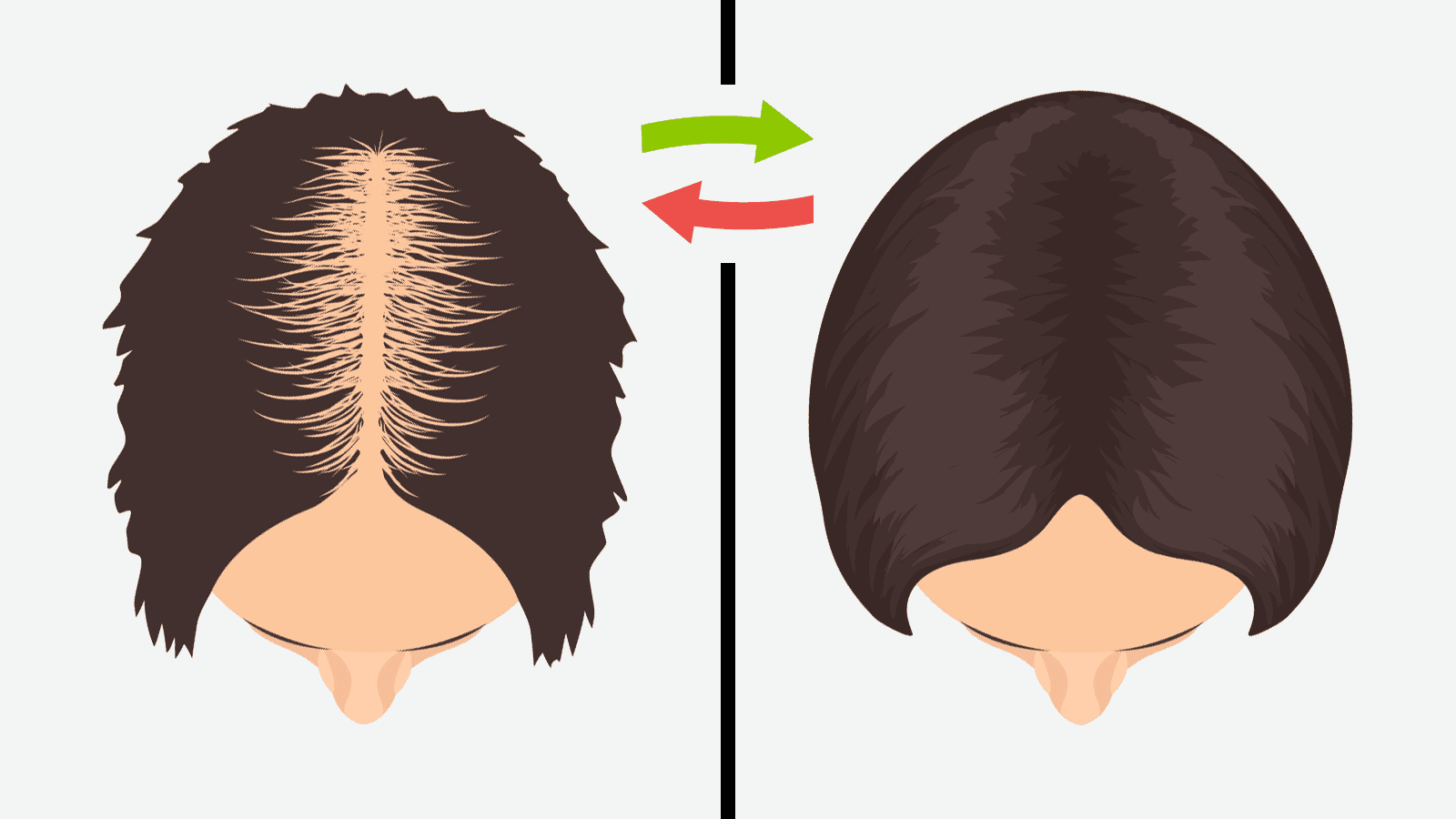
Are you aware that you lose around 100 hair strands a day? This is part of your hair’s natural cycle but you also grow back new hair to replace what you’ve shed. However, if this natural cycle is disrupted, you may begin to see some signs of hair thinning, hair loss, or a receding hairline. While these hair problems are quite common to everyone, regardless of gender or genetics, some of the things you do may make your hair thinner.

Additionally, you might not be aware that you’re causing any damage. Below are some habits that may contribute to your hair problems.

Here Are 10 Habits That Make Your Hair Thinner (And How To Avoid Them)

“Despite some of the claims, a shampoo or conditioner won’t be able to stop or slow hair loss, nor help with a receding hairline or thicken hair that’s becoming thinner…” – Anabel Kingsley

1.    You don’t shampoo frequently or you shampoo too much

There are too many misconceptions about how often you need to wash your hair.  Some argue that you should not do it frequently because it will lead to hair damage. Others disagree on this because shampooing helps to keep the scalp healthy.

But trichologist Anabel Kingsley, who is the daughter of the late hair expert for celebrities, Philip Kingsley, stated that you ideally need to shampoo your hair every day or every few days, depending on your hair type. She compared shampooing to having a good skincare regimen for your facial skin, which you also need to do every day.

Like the skin, the scalp has sweat glands or sebaceous glands that secrete and produce the sebum or oil. This is what keeps the hair from drying out. It is what nourishes the hair follicles on the roots. However, the sebum may mix with other pollutants that penetrate your hair, thus causing a build-up that affects its form, appearance, and quality.

Because of this build-up, Kingsley recommends the following frequency for shampooing:

  • Fine Hair – People with fine hair have more hair per follicle, so it can easily get greasy at the end of the day. You likely have to get rid of this grease by shampooing daily.
  • Coarse Hair – People with coarse hair, on the other hand, should not go without shampooing for more than three days.

Meanwhile, according to Cleveland Clinic dermatologist Dr. Melissa Piliang, when you don’t wash your hair every one-to-three days, then the build-up on the scalp will lead to seborrheic dermatitis (dandruff) and inflammation. These can contribute to itching, scratching, and hair breakage. It may also lead to slow hair growth and thinning hair.

But if you shampoo too often when your hair type is not fit for this, you may risk turning your hair brittle and dry. If your hair becomes fragile, you will also have hair breakage that can make your hair thinner. Use a conditioner to prevent hair damage if your hair is becoming dry.

2.    You use a hairbrush roughly

Kingsley does not advise using a hairbrush because the hair can easily get caught in between the bristles and tangle up. Instead, she recommends a wide-tooth comb for grooming your hair so that there will be less hair pulling and hair loss. You also need to use gentle strokes to detangle your hair and not vigorously brush or comb it.

3.    You over-groom your hair

Hair expert Kingsley also doesn’t believe in the myth that you must brush or comb your hair for 100 strokes a day to keep it shiny. Grooming your hair works to untangle and smooth its surface. If it’s smooth, the light will reflect better; that is why it looks shiny. You still get this positive effect if you comb or brush your hair with less than 100 strokes. What is more, you won’t make your hair thinner by over-brushing.

4.    You don’t get your hair trimmed regularly

How long has it been since your last hair trim? Experts say that you need to get this done at least every two months to facilitate a healthy hair growth. Some people do away with hair trimming because they want to maintain the length of their hair. The thing is, broken and damaged hair won’t grow out unless you get a trim.

Usually, hair damage is concentrated on the edges so you really have to cut the ends. You can get a quarter-inch cut and still keep the approximate length but your hair will still benefit from the trim.

5.    You’re using too much heat on your hair

The tools you use to style your hair – such as flat irons, curling irons, and hair dryers – can cause hair breakage. These can weaken the scalp and the fibers on the hair shaft. It can also dry out the cuticles of the hair’s outer layer, making your hair thinner.

  • The experts do not recommend the daily use of these styling tools as damage may go beyond the possibility of repair.
  • You should let your hair naturally dry after washing.
  • Use flat or curling irons for special events only.
  • Also, try to look for other ways to style your hair every day without using any heat.

If you really need to use a dryer, experts in a study on the Annals of Dermatology suggested a distance of 15 cm. The dryer must also not be affixed on one spot.

6.    You’re using too much bleach

Bleaching accelerates the damage on the hair cuticles because the chemicals in bleaching agents make the fibers thinner. Thus, your hair easily breaks when you bleach too often.

It will also make your crowning glory less appealing because the bleach will cause dryness and dullness. Affecting more than your hair’s appearance, bleaching agents may also lead to scalp burns.

Experts say that if you’re fond of coloring your hair, you must never do it on your own. It has to be done by a professional hairdresser. You should also ask for a hair lift product that’s less harmless than bleach.

7.    You’re using the wrong products for your hair

There is no shortage of hair products in the market, which means that many people are buying and using these to style and improve their appearance. But hair products are formulated differently and won’t work for all hair types. Some products might be popular and sell well while containing ingredients that cause dryness and brittleness, leading to hair thinning.

So, be sure to read the label of hair products you buy. Use the ones that won’t cause damage. If possible, opt for natural or organic alternatives. These have fewer chemicals and are, therefore, a lot more gentle on your hair.

8.    Your bun or ponytail is too tight

Tying your hair too tight is bad for your hair’s health. You’re constantly pulling the strands together for a ponytail or bun, bringing tension to the hair follicles. As a result, your hairline will scar and thin out over time.

  • You must let your hair loose as much as possible to allow the roots to breathe.
  • Also, avoid tying your hair for too long.
  • If you need to keep it tied, for instance, when you’re working out, only use a soft scrunchy or a hair-friendly clip to prevent hair damage.
  • You should never tie your hair when wet because it can easily break.

9.    You don’t maintain a healthy diet

The same positive and healthy diets you follow to ensure the health of your vital organs will also benefit your hair. Like the heart, liver, or kidneys, your hair also needs nourishment. Consuming protein, vitamins, iron, zinc will help your hair grow and stay healthy.

If you are deficient of these nutrients because you’re not eating the right kinds of food, your hair will be the first to show the symptoms of any deficiency. The best types of food that promote healthy hair include:

  • Avocados
  • Beans
  • Berries
  • Eggs
  • Fish with Omega-3
  • Nuts
  • Shrimps
  • Sweet potatoes
  • Spinach
  • Soybeans
  • Meat

Chicken meat, eggs, and chickpeas (beans) are especially vital to hair because they are rich in protein, the building block of nutrients. If you’re lacking in protein, your body won’t be able to replace the hair that falls or sheds every day.

10. You’re not managing your stress well

A number of studies have shown that there is a direct relation to stress and hair follicles. Your body produces more stress hormones called cortisol when distressed. These stress hormones weaken the composition of your hair.

hair

If you’re not managing your stress well and your body’s cortisol level is constantly high, you impair the functions of the adrenal glands from regenerating, repairing, and healing. Your stress will also trigger the glands to work harder, thus causing adrenal fatigue.

Stress cannot be completely avoided because there will always be challenges in life. Hence, it’s important that you adopt activities that will give you stress relief, as well as adapt good habits.

  • You need to give up smoking and drinking. These bring toxic chemicals into your body that may increase your cortisol levels.
  • Ramp up your exercise routines since a good workout can lower your stress hormones.
  • Indulge in a hobby that will keep your mind off the stuff that worries you.
  • Also, ensure that you’re getting plenty of quality sleep.
  • You might need to add supplements to your diet to help your body produce the right levels of hormones.

Final Thoughts On Habits That Make Your Hair Thinner And How To Avoid Them

It’s not too late to do something about thinning hair when you start to notice it happening to you. You can reverse the condition by making positive changes to your habits and lifestyle.

Even if you have changed some habits and don’t notice any improvements, it might help to get yourself checked for any underlying medical cause. In some cases, hair thinning may be a symptom of an immunity disorder, a hormonal disorder, or a medical condition. If you get a proper diagnosis, you will be able to treat and better manage your thinning hair.

Researchers Explain 10 Causes Of Sleep Paralysis (And How to Prevent It)

If you have never experienced sleep paralysis, consider yourself very fortunate; the condition is one denoted by impaired breathing, an inability to move, and hallucinations. For many people, the experience is something akin to a disconnect between the brain and the body. To say this an unpleasant experience would be a gross understatement. This condition typically occurs during REM sleep, a pattern of sleep characterized by rapid eye movement along with shortness of breath and a rapid pulse rate. In this article, we will detail some of the more common causes of sleep paralysis, ways to prevent it, and how to wake yourself up if you find yourself confronted with such a condition.

WHAT CAUSES SLEEP PARALYSIS?

As far as what causes one to become paralyzed while sleeping, there are many factors that can contribute to this phenomenon. Nonetheless, 10 of the most common factors include


  • An inability to regulate REM sleep
  • Disrupted Rem
  • Sleep deprivation
  • Stress
  • Mental illness
  • Sleeping positions
  • Narcolepsy
  • Sleep apnea
  • Seizures
  • Heart attacks and strokes

Having identified 10 common sleep paralysis contributors, let’s take a moment to establish a nexus between them and the resulting condition:

An inability to regulate REM and Disrupted REM can both play a role in identifying who will likely be afflicted with sleep-related paralysis. To help put all of this into context, the body naturally enters into a muscle relaxation state known as atonia while sleeping, which inhibits our ability to act out scenarios we may be experiencing in our dreams. To further illustrate this point, if you were experiencing a violent dream and suddenly began flailing around, you could unintentionally injure yourself or the person who shares your bed. Unfortunately, for many people, this natural occurrence can manifest itself in the form of paralysis while sleeping and, in some cases, while awake.

Sleep deprivation and stress can also result in sleep paralysis. In fact, sleep-related paralysis, as a result of being sleep deprived, is especially common among those who work varying shifts where sleeping patterns are unpredictable and change frequently.

Mental illness can result in a number of behavioral health problems, but sleep paralysis can also be a byproduct of certain disorders like anxiety and depression, for example. If drugs or alcohol are added to the equation, this will further complicate matters. This is especially true for those who have family members struggling with the same condition as genetics can influence one’s susceptibility to sleep paralysis.

Sleep positions can trigger sleep-related paralysis while you sleep; in fact, those who favor a supine sleep position are often the same ones who struggle with the condition the most. However, it should be noted that some people who sleep on their stomach or on their side also struggle with this condition to some degree. All in all, there is no optimal sleep position when it comes to avoiding this condition, but sleeping on your stomach or side can lower your chances of enduring this otherwise unpleasant experience.

Narcolepsy and sleep apnea have both been linked to sleeping paralysis, as they can both result in fragmented sleep, which coincidentally is one of the primary contributors of this condition.

Heat attacks, strokes, and seizures are some of the medical conditions that many suggest are related to paralysis while sleeping. Although there is no scientific evidence to support these claims, it stands to reason that any medical condition that impedes restful, restorative sleep could trigger the condition.

SLEEP PARALYSIS TREATMENT

Now that we have a basic understanding of sleep-related paralysis, let’s focus our attention on treatments. When it comes to treatment options, surprisingly there are not many. Most of the information related to this topic pertains to improving your overall sleeping habits as a corrective measure. That said, treating the underlying conditions that contribute to sleep-related paralysis is a great way to avoid an episode. For example, seeing a therapist to help resolve feelings of anxiousness or depression would be beneficial; the same also holds true for medical conditions. You should see a physician to address in any medical conditions that prevent you from getting uninterrupted sleep.

WHY YOU SHOULD IMPROVE YOUR SLEEPING HABITS

Improving your sleeping habits can help you not only get a better’s night rest but also aid avoiding episodic sleep-related paralysis. Having said that, let’s take a look at what good sleep habits entail:

MAKE SLEEPING YOUR NUMBER ONE PRIORITY

Although this may seem obvious, bedtime is intended for sleeping. So don’t deprive yourself of deep, restorative sleep by watching television or surfing the internet while in bed as these activities will keep you up longer. Also, you should aim to establish a sleep time and adhere to that schedule. It’s important to note that a sound sleep schedule can improve your circadian rhythm, the body’s clock that allows us to fall asleep and get a good night’s rest. Lastly, optimizing your circadian rhythm can be as simple as going to bed at the same time every night.

sleep paralysis

CHOOSING A COMFORTABLE SLEEP ENVIRONMENT

Your sleep environment can play a tremendous role when it comes to sleep quality; as such, you should choose an environment that is conducive to sleeping, meaning a space that is cool, comfortable and, most importantly, dark.

AVOIDING STIMULANTS

Stimulants can be a barrier between you and a good night’s sleep; as such, it would be in your best interest to avoid caffeinated drinks, alcohol, and nicotine products right before bed. Why are stimulants so bad, you ask? Well, they can keep you awake, especially if they’re consumed six hours before going to bed. As far as alcohol is concerned, the same general premise applies; despite the popular belief that alcohol can help you sleep, it actually causes fragmented sleeping, meaning you periodically wake up throughout the night. As such, most would agree that alcohol is the antithesis of a good sleep paralysis treatment.

WHY YOU SHOULD AVOID NAPPING DURING THE DAY

Taking a nap can help you feel more alert during the day, but it can also contribute to keeping you awake at night by adding to your “sleep drive,” which works in tandem with the body’s circadian rhythm. In short, taking a nap resolves the body’s desire to sleep temporarily, but in the long-term, you’ll struggle to sleep when nighttime rolls around. In saying that, if you struggle with narcolepsy, a condition that makes you suddenly fall asleep, especially during the day, you should consult with a physician as remediating this underlying problem can help sleep-related paralysis.

AVOID EXERCISING RIGHT BEFORE BED

Although there are a variety of health benefits that come with being physically active, exercising right before bed can keep you at night. It’s best to exercise earlier in the day so that your heart rate and body temperature has enough time to return to a relaxed state before going to bed. All in all, scheduling your exercise routines so that they don’t conflict with sleep can be a great self-prescribed sleep paralysis treatment.

WAKING YOURSELF UP FROM SLEEP-RELATED PARALYSIS

The inability to move while awake as to be one of the scariest experiences that anyone can endure, but there are ways to escape sleep-related paralysis. Here are a few helpful tips for those who need help breaking free from this sleep phenomenon:

  • Avoid the temptation to fight yourself into a wakeful state as this may intensify your condition and may cause feelings of fear to intensify. Instead, try to remain as calm as possible and slowly guide yourself awake with positive affirmations.
  • Focusing on breathing can be a great tactic for those feeling overwhelmed by sleep-related paralysis. In fact, controlled breathing exercises can go a long way toward lessening chest pain, which is one of the many byproducts of this condition. While struggling with sleep-related paralysis, many people forget to breathe, often because they’re in a state of panic. So avoid fighting and breathe, understanding this terrifying moment will eventually run its course.
  • Coughing is another tactic that can be used to guide yourself awake; this autonomic/conscious act forces the body to become alert even if you’re firmly in the grips of sleep-related paralysis. At the very least, it can also alert others in the household of your struggles.

In summation, sleep-related paralysis is a wide-ranging topic. There are a variety of ways to awaken from this state, and when it comes to sleep paralysis treatment, there are some options that did not make it into this article for the sake of brevity. Nonetheless, if you’re struggling with this condition, you’re urged to follow the information contained in this article and also consult with a physician who is well-versed in sleep paralysis treatment.

https://www.youtube.com/watch?v=FWMSYeRHWU4

Researchers Reveal The 3 Different Types of Depression (And How to Avoid It)

Millions of people globally suffer from various mental illnesses, with the most common being anxiety and depression. Researchers from the University of Queensland performed the most comprehensive study to date about anxiety and types of depression. The journal Psychological Medicine published the results. After analyzing surveys from 91 different countries including more than 480,000 people, they concluded that 1 in 13 people globally suffers from anxiety. Additionally, 1 in 21 people will have major depression at some point in their life.

While anxiety seems to be more common than depression, depression carries a much higher risk of suicide. It’s estimated that up to 70% of suicide victims have major depression or bipolar disorder. Depression is a complex disorder caused by a variety of factors such as genetics, environmental stressors, childhood trauma, imbalanced brain chemicals, lifestyle, and economic status, to name a few.

New findings about depression surface often as scientists look for answers. Researchers from the Okinawa Institute of Science and Technology Graduate University and Department of Psychiatry and Neurosciences, Hiroshima University recently discovered there are three subtypes of depression.

We’ll go over the different types of depression below, as well as ways you can manage or prevent it.

Depression is diagnosed when an individual experiences five or more of the following symptoms in a 2-week period. One of the symptoms should be either (1) depressed mood or (2) loss of interest or pleasure.

Depression DSM-5 Diagnostic Criteria

  1. Depressed mood almost every day for most of the day.
    2. Loss of interest or pleasure in activities
    3. Significant weight change or change in appetite
    4. Slowed speech and movement observable by others, not just subjective feelings
    5. Fatigue or loss of energy most days of the week
    6. Feelings of worthlessness or guilt
    7. Extreme difficulty maintaining concentration, indecisiveness
    8. Frequent thoughts of death or suicide, or has a suicide plan
    9. Sleeping too much or too little

Other possible symptoms of depression: decrease in self-esteem, pessimistic thoughts, anger, ideas of self-harm.

To be diagnosed with depression, these symptoms must cause significant impairment in a person’s life and severely impact daily functioning. They also must not be caused by another medical condition or substance abuse.

Because of the various symptoms of depression and the fact that medications such as selective serotonin reuptake inhibitors (SSRIs) don’t help all patients with depression, scientists now believe that there are different types of depression. The problem with diagnosing depression, however, is that it’s very subjective and is based on questionnaires given to patients about their symptoms.

Scientists are now looking at specific biomarkers for depression by studying neural activities in the brain. Identifying the types of depression using observable data might help with future treatment options that are better tailored to specific disorders.

The Study on Types of Depression

“It has always been speculated that different types of depression exist, and they influence the effectiveness of the drug. But there has been no consensus,” Professor Kenji Doya said in a statement.

Doya and his colleagues set out to find as much observable data as they could about major depressive disorder. For the study, the scientists gathered data from 134 individuals – half of whom had major depressive disorder while the other half had no depression. They used questionnaires and blood tests. Participants answered questions about things like their sleeping patterns, stresses in life, and any other mental disorders.

Researchers also performed functional MRI scans to analyze brain activity in different regions. They scanned 78 regions of the brain to study how different areas reacted and if there was any correlation. “This is the first study to identify depression sub-types from life history and MRI data,” says Professor Doya.

With over 3,000 measurable features, including whether or not participants had endured childhood trauma, the scientists had to figure out how to analyze such a large set of data. “The major challenge in this study was to develop a statistical tool that could extract relevant information for clustering similar subjects together,” says Dr. Tomoki Tokuda, a statistician and lead author of the study.

Three Sub-types of Depression

He therefore designed a new statistical method that would reveal clusters corresponding to three different types of depression. The three sub-types of depression were characterized by two main factors: functional connectivity patterns synchronized between different areas of the brain and whether a patient experienced childhood trauma or not. They found that the brain’s functional connectivity between the right angular gyrus – a brain region associated with processing language and numbers, spatial cognition, attention, and aspects of self-awareness – played a large role in determining the effectiveness of SSRIs in treating depression.

The researchers found that patients who had increased angular gyrus connectivity as well as childhood trauma did not respond well to SSRIs. However, the other two types of depression – where the participants’ brains did not show increased functional connectivity or where participants didn’t have a history of childhood trauma – showed a positive response to SSRIs.

This is the first study to identify different types of depression based on the response to SSRIs using measurable data such as MRIs and blood tests. “It provides scientists studying neurobiological aspects of depression a promising direction in which to pursue their research,” says Doya. He and his research team hope that this study will help mental health professionals better diagnose and treat individuals with depression in the future.

Now that you know about the different types of depression, we’ll go over some ways to avoid it, or at least manage your symptoms effectively.

How to Avoid the Types of Depression

  1. Get enough sleep.

Sleep affects every single function in our body, because sleep helps our bodies “reset” for the following day. Multiple studies have shown that poor sleep results in decreased functioning and mood. Short-term effects of sleep deprivation include irritability and increased stress. In the long-term, a lack of quality sleep can lead to severe mental disorders.

According to a study published in Biological Psychiatry, between 15%-20% of people with insomnia will later develop major depression. So, it’s vital to your mental and emotional well-being to make sleep a priority. Shut off electronics a couple hours before bed and try to stick to a regular sleep schedule.

  1. Exercise

In an article for the American Psychological Association, James Blumenthal, a clinical psychologist at Duke University, stated, “There’s good epidemiological data to suggest that active people are less depressed than inactive people.” Exercise releases feel-good chemicals that relieve anxiety and depression, so make sure to get in at least three or four moderate-intensity workouts per week.

  1. Follow your heart

While following your dreams may come with a lot of setbacks, nothing worth having in life comes easy. Following your true passions in life will give your life meaning and purpose. It will help you wake up every day excited and ready to face the challenges ahead of you. If you’ve always wanted to travel the country, make a plan to bring your dreams into reality. If you’ve been wanting to start a photography business, start saving for a camera so you can take that first step.

Plus, having goals in life will ward off depression since you’ll have something to focus on to distract you from your thoughts.

  1. Get outside

Recent studies have linked a Vitamin D deficiency to depression. We spend a lot more time indoors than our ancestors did, so we don’t have as much access to this vital nutrient. Vitamin D helps regulate our moods and give us energy. Therefore, try to get at least 15 minutes of sunshine per day. If this isn’t possible, look into light box therapy or take a Vitamin D supplement.

  1. Eat healthy and get good fats in your diet

Omega-3 fatty acids are essential for good emotional and physical health. A growing body of research suggests that omega-3 fatty acids may help ward off depression since they play a large role in regulating the central nervous system. Studies show that many people with major depressive disorder have low levels of Omega-3.

types of depression

However, it’s important to get a wide variety of nutrients in your diet, especially zinc, selenium, folic acid, and antioxidants. All of these have been proven to help ease symptoms of depression. Eat as much fresh food as you can, such as fruits, vegetables, whole grains, nuts, seeds, and lean meats. Also, limit your intake of processed foods.

These are only a few suggestions to ease symptoms of depression. Ultimately, you have to find the right combination of remedies that work for you. Please note that if you have severe depression, see a mental health professional as soon as possible. They will have the best advice on how to treat your condition.

Final thoughts

Research has now shown that there are three types of depression: one influenced by functional connectivity in the brain as well as childhood trauma, one influenced solely by brain activity, and one influenced only by childhood trauma. This groundbreaking discovery about depression could help with future treatments that are more specific to the patient’s type of depression.

There are many natural ways to avoid depression, but these don’t work for everyone. If you feel you need professional help, please don’t hesitate to seek counsel and treatment. There is no shame in getting help for an illness, especially when it comes to mental health disorders.

https://www.youtube.com/watch?v=dDn84WupgBA

Skip to content