Weekly tips, affirmations, and small actions to feel your best.

5 Best Almond Milk Recipes You Can Make at Home

What you put into your body goes to feed your cells, and the health of your cells means the health of your entire body. To be holistically healthy, it’s important to be conscious of what you put in your body, and how it nourishes your cells. Milk is one of these things that’s been hotly debated for years, and now Almond Milk is making its way into the conversation.

As a kid, you heard that dairy was an important part of a balanced diet. You may have heard that it was important to have at least three servings of dairy a day and that if you didn’t, you would never have strong bones or grow up to be tall. For kids, there could be some science behind this. For adults, it seems to be the opposite.

According to the Genetics Home Reference Journal, over 65% of adults have some sort of a lactose intolerance. This makes sense because our early human ancestors only evolved to drink milk from cows in times of famine when sources of fat and calcium couldn’t be found in meat and vegetables.

Cutting dairy out of your diet can be a freeing experience. Many people don’t realize the adverse effects that lactose has on them until they go cold turkey and find themselves with less joint pain and a more regular digestive system. Thanks to the new popularity of alternative milks like soy milk and cashew milk, going dairy free is easier than ever.

“Let food be thy medicine, thy medicine shall be thy food.” – Hippocrates

Benefits of Almond Milk

Recent studies on almond milk have shown that it has almost twice the amount of calcium than traditional milk. This healthy milk also has been proven to lower cholesterol. What is more, it contains huge amounts of vitamin E and vitamin D, which could help prevent Alzheimer’s disease.

Using these almond milk recipes rather than traditional dairy products can help you lose weight, as well. Be sure to buy or make unsweetened milk to maximize its fat reducing potential.

Because this kind of milk contains fewer calories and more calcium than other varieties of milk, you can indulge your creamy cravings without worrying about feeling it later on your waist.

Almond Milk Recipes

Many things that you would typically make with dairy can be slightly reworked to include a nut milk, instead. While this can change the taste of a certain dish, switching out your cream and lactose can create an interesting flavor profile that makes people ask what your secret is.

1. Overnight Almond Milk

This tasty recipe you can do easily at home yields two cups of finished milk. Use this awesome, low maintenance drink to really impress your health conscious friends. You can easily adjust quantities for a larger or smaller batch, depending on what you’re looking for.

Ingredients

1 cup raw almonds
2 cups water
(Optional) Sweetener like honey, vanilla, or sugar to taste

Instructions

  • Soak the almonds in about an inch of cold water at least overnight, and up to two days. Cover with a cloth and leave on the counter or refrigerate. The nuts should begin to plump up. If you a prefer a creamier blend, let the almonds soak longer, up to two days.
  • Drain the almonds and rinse them in cold water.
  • Add the almonds and the two cups of water to a blender or food processor, and pulse for about two minutes, or until mostly smooth.
  • Strain the almond mixture in a cheesecloth over a bowl. This should yield about two cups of delicious, nutty milk.

2. Three Ingredient Chocolate Almond Milk Ice Cream

A great way to use your newfound alternate milk skills is to try out this creamy treat. Be sure to use a nonstick pan, or line the pan you’re freezing the ice cream in with parchment paper. Otherwise, it can be a nightmare to get all the ice cream out without making a huge mess.

Ingredients

2 Cups vanilla almond milk
1/2 cup xylitol
1/4 cup cocoa powder

Instructions

  • Blend ingredients until the xylitol has dissolved fully.
  • Pour into a nonstick pan and freeze for about four hours.
  • Break up the ice cream using a fork and pulse in the blender until smooth and creamy.
  • Transfer to a bowl and freeze until solid, for about an hour, and enjoy!

3. Almond Milk No Bake Cookies

No bakes are great for events because you can make them ahead of time and they don’t take up space in the oven. They’re also a great option if you have little ones helping you out in the kitchen, or if you’re short on time. Enjoy these decadent cookies with a glass of cold, healthy nut milk.

Ingredients

½ cup or 1 stick unsalted butter
2 cups sugar
½ cup milk
4 tbsp cocoa powder
½ cup peanut butter
3¼ cup quick oats
2 tsp vanilla

Instructions

  • Combine sugar, butter, cocoa, and milk in a saucepan on high heat.
  • Bring to a boil, and let boil for about one minute.
  • Remove from heat and add the remaining ingredients.
  • Using a spoon, drop about 1 tablespoon of the mixture onto foil or wax paper to form cookies.
  • Let cool entirely, and then enjoy!

4. Overnight Almond Milk Oatmeal

Overnight oatmeal is deliciously creamy and easy to make. Use alternative milk for a healthy spin on this classic. If you prefer it warm, it’s also easy to warm it up on the stove or in the microwave for a perfect winter’s morning meal.

Ingredients

¼ cup oatmeal
Half cup milk
¼ cup Greek yogurt
1 ½ tsp chia seeds
¼ cup fruit (your choice)
2 tsp honey

Instructions

  • Add all ingredients to a jar with a lid.
  • Stir thoroughly, and let sit overnight in the fridge.
  • Enjoy the next morning!

5. Vegan Almond Milk Cheese Sauce

A sumptuous cheese sauce doesn’t have to be full of milk and butter, just as a healthy, dairy free diet doesn’t have to be boring. You can make a delectable version that contains no soy, no dairy, and no guilt.

Ingredients

1 cup cooked white beans
1/2 cup unsweetened milk
1/3 cup vegan cheese shreds
1/8 tsp garlic powder
(optional) 2 tsp olive oil

Instructions

  • Drain beans, and using a blender, combine all ingredients except for vegan cheese.
  • Put blended mixture in a pot and heat up to the desired temperature.
  • Add in vegan cheese, and enjoy on rice or with veggies!

almond milk

Additional Almond Milk Recipes Tips and Tricks

Don’t feel restrained by these five recipes. Instead, use them as a great jumping off point for your journey into better health and a dairy-free lifestyle.

  • Use it to make a healthier cappuccino. It foams up just as nicely as milk, with fewer calories.
  • Don’t be afraid to buy ahead. Almond milk and other nut milks last much longer in the fridge than animal-based milk. Some might even be shelf stable before opening, so read the back of the label and if you need to, stock up.
  • Don’t let your French press be a single-use item. It’s perfect for much more than just a sublime cup of coffee. The French press is great for making homemade nut milk and other almond milk recipes by separating the almond pulp from the milk in a flash.
  • You can save the pulp that remains after making homemade milk and use it for recipes. Don’t be afraid to get creative with it. Waste not, want not!
  • This milk can play the same role as normal milk even in baking! Make a healthier cookie, cake, or muffin using nut milk rather than traditional dairy.

Final Thoughts on Almond Milk Recipes

The benefits of switching from dairy to another option are clear cut. Because most adults are somewhat irritated by lactose, the problem is much more widespread than you would think, and it could be affecting you.
There are a lot of signs that you have some sort of food sensitivity, and it’s important to listen to your body. Even if you don’t have an adverse reaction to traditional milk, you may think about switching to a milk substitute for health and lifestyle reasons.
Whatever your reason for using a healthier alternative to milk, there are a lot of things you can do to make recipes you’ve prepared for a long time be just as great or even better by substituting almond for cow’s milk. What’s really important is that you make choices that make sense for you and your health. Luckily, the choice seems to be a tasty one!


10 Foods to Eat If You Have A Vitamin E Deficiency

Vitamin E is catch-all for 8 different fat-soluble vitamins that aid in preventing the process known as oxidative stress from occurring in our bodies. Making sure you are getting the right amount of vitamin E can help to minimize your risk of developing such issues as cancer, heart disease, and even age-related damage to the eye such as macular degeneration.

Get too much of this essential nutrient, though and excessive bleeding may occur if you happen to get nicked! It’s important to keep your levels in check as too much isn’t good, but not getting enough is definitely less than ideal!

Continue reading for some signs to watch out for that may indicate you need to up your vitamin e intake, some of the many health benefits adequate vitamin intake provides, what foods you should be eating more of if you need to more vitamin E in your diet.

Vitamin E Deficiency Symptoms

Vitamin E deficiency for the longest time was considered to be a non-issue amongst members of civilized society due to its rarity and its thought that those that were deficient were not so because of poor diet choices. Experts are now starting to think to find that people are not getting vitamin E from natural food sources and that increased attention needs to be paid in order so we get this essential vitamin in the right amounts!

There are a few different situations where a deficiency may come about and it’s usually brought on by a malfunction in the way our bodies absorb this essential nutrient. Examples of these situations are as follows: If a baby is born prematurely and comes in weighing less than 3.5 pounds, they are at an increased risk of being deficient in this vital nutrient due to their bodies inefficiency at absorbing this nutrient. Luckily though there are pediatricians that specialize in caring for newborns in these situations and they will typically analyze the individual’s nutritional needs in order to get this under control. Another situation where a vitamin E deficiency may arise in when someone has issues absorbing dietary fat such as when they suffer from inflammatory bowel disorder, or IBS.

Other examples of when a E deficiency may be likely is when a person suffers from other conditions such as cystic fibrosis, Crohn’s disease, liver disease, had gastric bypass surgery recently, or have a pancreatic insufficiency. Signs of a deficiency include impaired speech and vision, and a loss in muscle coordination.

Health Benefits of Vitamin E

This vitamin offers us numerous health benefits when we get it in adequate amounts. Below you will find a brief brake down on some of the stand-out benefits this essential nutrient provides us:

1. Balances Cholesterol

Cholesterol is produced naturally by our liver and in order for your hormones, cells, and nerves to function properly in our bodies we need to make sure it is at the right levels. Natural, healthy levels of cholesterol result in a healthy, balanced, and normal body. If cholesterol begins to oxidize, it may become a problem! Recent research has found that certain forms of this vitamin may act as protective antioxidants that fend off the oxidation of cholesterol. The way these forms of E accomplish this is by fighting off damage caused to our bodies as a result of free radicals.

The Tocotrienol isomers of this important vitamin contain three double bonds that benefit our cardiovascular health as a result of their ability to halt the activity of enzymes that modulate cholesterol production and synthesis. These isomers may also stop cell adhesion and so may reduce the progression of atherosclerosis, which is the thickening or hardening of our arteries. An important take-away from all this though is that synthetic forms of this vitamin found most commonly in supplement forms do not appear to offer sim liar effects as previously mentioned when compared to natural forms.

2. Prevents Some Diseases And Fights Free Radicals

When free radicals run rampant in our bodies they act to break down the healthy cells we have in our bodies. As a result of the cell damage caused by these free radicals, increased risk of cancer and heart disease may occur! These free radicals are molecules that naturally occur within our bodies and when they oxidize or accelerate they can end up causing real damage to our bodies. There are different forms of vitamin E that have the great antioxidant ability to reduce the damage caused by free radicals, fend off inflammation, and as a result, can decrease the rate of cell aging and also reduce your risk of developing health issues including heart disease!

These forms of this vitamin have been found to greatly improve our bodies immune system, and as a result aid in the prevention of many common conditions and illnesses. A recent study made the claim as a result of their research that the formulations of gamma-tocotrienol, alpha-tocotrienol, and delta-tocotrienol are best to realize these benefits.

3. Repairs Skin Damage

This essential vitamin offers a plethora of benefits to our skin by way of improving elasticity and moisture, strengthening the walls of capillaries, and acts as a naturally occurring anti-aging nutrient within our bodies. This important vitamin has been found in recent research to significantly reduce the occurrence of inflammation without our bodies and on our skin which helps to maintain youthful and healthy skin! These beneficial antioxidant properties are also great in that they protect your skin from cancer risk as a result of exposure to the sun’s damaging ultraviolet rays and cigarette smoke!

When you take it in combination with vitamin C signs of skin conditions such as eczema and acne may be noticeably reduced, and the inflammation of the skin that occurs as a result of prolonged exposure to

4. May Thicken Hair

Due to this essential nutrients status as a powerful antioxidant, it aids in greatly reducing the damage to your hair that is brought about as a result of environmental factors and also promotes good circulation around your scalp! Using it in an oil preparation may offer you the benefit of increased moisture retention in the skin which works to reduce the occurrence of flaking and drying of the scalp. Using this oil will make your hair appear fresher and healthier overall. If you find that your hair is starting to look dull, or dry, consider applying a couple drops of oil to realize these amazing benefits!

5. Regulates Hormones

This vitamin offers the amazing ability to naturally balance your hormones, playing a vital role in regulating both your nervous and endocrine systems! If you notice increased weight gain, PMS, allergies, urinary tract infections, anxiety, fatigue, or changes in your skin, all signs of a deficiency, increasing your intake may be in order! Keeping your hormones in check will help to keep menstrual cycles regular, give you increased energy, and assist you maintain a healthy weight!

List of Vitamin E Foods

Sunflower Seeds

Sunflower Seeds contain in a 1oz serving 7.4mg or 49% of your daily value of this vitamin!

Almonds

Almonds contain in a 1oz serving 7.3mg or 49% of your daily value of this vitamin! Other nuts that contain this vitamin in good amounts include hazelnuts, pine nuts, Brazil nuts, and peanuts.

Avocados

A half of an avocado contains 4.2mg or 28% of your daily value of this vitamin!

Spinach

In 1 cup of cooked spinach 3.7mg or 25% of this vitamin is contained! Some other leafy green vegetables to consider in order to meet your daily needs of this vitamin include turnip greens, beet greens, mustard greens, collard greens, and Swiss chard!

Butternut Squash

In 1 cup of cooked butternut squash 2.6mg or 18% of this vitamin is contained! Similar to butternut squash, pumpkin and sweet potatoes both provide significant amounts of this vitamin, coming in at 9% and 7% respectively.

Kiwi

In 1 cup of kiwi 2.6mg or 18% of this vitamin is contained! Some other fruits that contain this vitamin at similar levels include blackberries, mangoes, and mamey sapote.

Broccoli

In 1 cup of cooked broccoli 2.63g or 15% of this vitamin is contained!

Vitamin e

Trout

By consuming 1 fillet of this tasty fish, you will receive 2mg or 13% of your daily value of this vitamin! Some other fish that feature this nutrient prominently

Olive Oil

1 tablespoon of olive oil offers you 1.9mg or 13% of your daily value of this vital nutrient! Some other oils that contain this vitamin in good amounts include rice bran oil, grapeseed oil, and wheat germ oil.

Shrimp

3oz, or roughly 12 large shrimp, provides your body with 1.9mg or 12% of your daily value of this vitamin! For some other shellfish options: crayfish and blue crab also offer good amounts of this vitamin!

Conclusion

If you’ve discovered that or believe you may be deficient in this essential vitamin, ensuring you start to consume it in adequate levels will likely offer you a variety of noticeable health benefits! From improvements in your skin, your hair, and reductions in your risk of developing a whole host of terrible conditions and diseases, ensuring you’re getting it at the right levels is vital! After reading through this article you should be armed with the knowledge you need to make a decision on whether supplementation or increased attention needs to be taken in order maintain your intake at correct levels. If you find you need to increase your intake, consider some of the foods listed above as healthy options to up your intake!

Science Explains 15 Habits Proven To Boost Your Mental Health

When people think about their health, it’s likely that they are thinking in terms of physical health only. This would be a mistake though, as our mental health is just as important and we should all be taking the necessary steps to improve mental health.

Just as our bodies benefit from a fitness routine, our minds can benefit from a routine as well. There are plenty of activities that we can make a part of our day that will act to positively improve our mental health.

Some potential benefits of taking care to ensure our minds stay healthy include the following:

  • Increase in productivity
  • Longer lifespan
  • Improved immune system

In order to attain these amazing benefits, continue reading for 15 habits you can make a part of your daily routine. These will have a positive impact and improve your mental health and, in turn, your overall health and well-being.

1. Go For A Walk

Going for a walk at least once a day is a great way to maintain and even improve mental health. A recent study found that by going outside and taking a nice walk, our mental well-being may be improved significantly for over 7 hours afterwards! The study found that participants felt happier and were in overall better moods after going for a walk.

This is great news because walking also offers us numerous physical health benefits! By simply going out for a 20-minute stroll in the morning, you’ll likely end up in better spirits for the majority of the day!

2. Stay Connected

People that are more connected to their family, friends, and their community are much happier and end up living longer lives than people with fewer connections to others. Conversely, those who are less connected to others end up with a higher risk of depression and cognitive decline as time passes. Knowing this, if you find yourself feeling out of touch with your family and friends, it may be time to make a change. Make time for loved ones and take part in community activities, and your mental health will thank you!

3. Lift Weights

Lifting weights offers us so many benefits both of the body, and the mind, that it truly is a mistake to miss out on this daily habit! Recent research observed participants who displayed symptoms of depression and had them complete resistance training. The results showed that those who followed a weight lifting routine benefited from improvements in their mood and a noticeable reduction in their symptoms of depression!

The authors of the study were able to rule out other factors such as age, general overall health, exercise frequency, skill level, and strength as factors resulting in the positive mental impact. Regardless of any of this, all participants were able to realize relief from their depression symptoms to some extent.

4. Spend Time Outdoors

Going outside for even just 15 minutes has positive mental and physical benefits. Brief stints in the great outdoors result in a noticeable boost to your brain’s serotonin levels, which brings an improvement to your mood. Going for the aforementioned walk outside, or just parking a little further from work so you have to walk a little more are both easy habits you can adopt in order to maximize your outdoor time!

5. Find Something To Laugh About

Try to get in the habit of finding something to laugh about a few times a day. Laughing may benefit your mental fitness due to the release of many feel-good chemicals in your brain. This results in an overall better mood, reduction in stress, short-term memory improvement, and increased ability to learn new tasks and information. Try to make an effort to laugh every day; listen to some funny podcasts, watch a humorous movie, and stock up on funny pictures for when you don’t have internet access so you’ll always have something to laugh about!

6. Try Meditation

Meditation is a great habit proven to offer numerous benefits to your brain’s health! By simply taking a little time out of your day to relax, breath, and focus your attention on the present, you’ll likely notice some startling mental effects! Whether or not you manage to accomplish textbook meditation or not, just sitting quietly and focusing on your breathing will likely bring about positive benefits.

7. Try Journaling

Try starting a journal to reflect on the day’s events. By jotting down what you are thankful for and what good things have happened throughout your day, you’ll start to realize that although your mood might not have been the best, lots of good things do still happen on a daily basis that are grounds for feeling good.

By giving yourself an outlet in order to vent emotions in a healthier way, journaling will likely result in less stress and an overall eased mind.

8. Get Enough Sleep

Sleep time is often a neglected part of our days but not making it a priority is a huge detriment to both our physical and mental fitness! Not getting enough quality sleep leads to many negative side effects including stress, depression, anxiety, weight gain, heart disease, and many more!

Try to ensure you’re getting between 7 and 9 hours of sleep every day. Additionally, try to wake up and go to bed at the same time every day, regardless of the work week. Sleep is the time where our bodies can best make the necessary repairs to our bodies and minds, which ensures we are functioning at our best.

9. Plan Fun Activities

Research has discovered that planning something fun such as a vacation can be just as beneficial as the vacation itself! Planning a fun new activity doesn’t even have to be as extreme as the next family vacation; even just making plans to go out on the weekend to try a new restaurant or go for a hike with friends is enough to notice real benefits.

10. Eat Nutritious Foods

Diet has a profound effect on both our bodies and our minds. Making a daily habit out of healthy eating is a great way to improve yourself overall! Many specific foods have been linked to improvements in brain health; studies are now coming out suggesting that different types of foods may reduce symptoms of anxiety as well!

Ensuring that you’re meeting your daily vitamin and mineral intake requirements will help to keep your body and mind functioning at peak capacity, and will likely result in you feeling both physically and mentally healthier overall.

11. Do Something For Others

Try to do something nice for others every day. Not only will it benefit the recipient of your kindness, but you’ll likely feel better for it as well! Recent research discovered that people who regularly commit acts of selflessness in order to do nice things for others resulted in a decreased occurrence of social avoidance, reduction in symptoms of anxiety, and an overall better mood! The acts don’t have to be anything crazy either; simply holding the door for someone or being polite can provide positive benefits!

12. Learn Something New

Make it a habit to continuously seek out and try new things. Reading about something new that you aren’t familiar with or trying a new hobby are both great ways to keep your mind abuzz, which results in overall improved feelings of well-being.

It is typical that as we age, we are less likely to branch out and pursue new interests and learn about new topics. This is a fault though, as it is important that we keep trying to expand our scope of knowledge. Doing so results in a better outlook on life and positive mental growth.

13. Keep Good Posture

A recent study found that those who frequently sat in a slumped over or hunched position felt more fearful, slow, quiet, and hostile than when they sat up straight, with proper posture. Maintaining good posture is a great way to improve one’s function physical and mental health; you’ll be in a much better mood with your head held up high!

mental health

14. Question Your Thoughts And Beliefs

Constantly question the negative thoughts that occur in your mind. By making it a habit to questions the negativity swirling around in your head, your mind can benefit by returning to a more peaceful, awakened, and calm state.

Just because a negative thought occurred in your head, it doesn’t make it true or a reality. Internalize this, and the next time something negative pops up, question its validity and you’ll likely find it’s grounded in falsehood. In realizing this, negative thoughts will have a weakened effect on your mood; your mental health will be the better for it!

15. Limit Social Media Exposure

Social media is an amazingly convenient way for people to keep in touch with family and friends. For many, however, it ends up being a drain on their minds. New research coming out has discovered a link between high-frequency social media use and symptoms of both anxiety and depression. Teens and adolescents are especially prone to the negative effects of social media; take action to limit social media exposure in order to avoid its negative mental health effects.

Conclusion

Taking the steps necessary in order to improve mental health should be a top priority! There are so many different habits we can adopt that have positive effects on our minds, and there’s really no excuse to not get to it!

10 Signs of Hormone Imbalance Most Women Ignore

Hormones are the body’s chemical messengers that enable the organs to perform their functions. Crucial to the body’s development, growth, repair, hormones also aid in processes such as digestion, metabolism, and reproduction. A hormone imbalance may affect a person’s physical and mental state.

Women are often labeled as “hormonal” because they experience hormonal changes more than men. It is normal to experience hormonal changes in your body because of your daily diet, activities, and lifestyle, regardless of age and gender.

To maintain positive health, however, you’ll want to keep the level of hormones in your bloodstream balanced. Otherwise, you’ll experience the unwanted side effects of having too much or too little of these chemicals. You’ll risk developing diseases that can affect the quality of your life and your longevity if you experience extreme hormonal changes. Here are some signs of hormonal imbalance that you must not ignore.

Here Are 10 Signs Of Hormone Imbalance Most Women Ignore

1.    You have digestive problems

Do you have frequent episodes of irritable bowel syndrome (IBS)? You might say that the types of foods you eat are causing stomach issues like cramps, bloating, abdominal pain, diarrhea, constipation, and gas. However, having IBS could also be your body’s way of signaling that you have a hormone imbalance.

  • Deep within the cell linings of the gastrointestinal tract are hormone receptors.
  • When your hormone levels change, your digestive process also changes.
  • IBS and other digestive discomfort develops when your serotonin levels are low.

Ever notice that you feel more constipated before you have your period? Once this phase passes, don’t you have an easier time doing your business in the bathroom each morning? This is caused by hormonal fluctuations.

2.    Your appetite changes and you get food cravings

You may experience changes in your appetite when you have a hormonal imbalance. Your body may be producing more ghrelin than normal, so you feel a greater urge to eat. Gherlin is also called the hunger hormone. It stimulates your appetite and drives you to increase your food intake.

You could also experience a decrease in food cravings with a hormonal imbalance. This happens when the level of leptin in your body, also known as the satiety hormone, is on overdrive. This hormone regulates hunger. If your body is producing too much of it, you may have no desire to eat.

3.    You gain weight

If you’ve been dieting and exercising but you’re still not losing weight, or if you are gaining weight despite watching what you eat, then your hormones might be imbalanced. At a certain age, you tend to gain weight or struggle to lose pounds. This occurs despite what you do to keep weight off because of this condition.

You might need to get medically assessed if you are struggling with your weight. There are different conditions tied to hormonal changes and weight gain, such as:

  • Diabetes
  • Thyroid disorder
  • Cushing’s syndrome
  • Polycystic ovarian syndrome (POS)

You will be able to manage your condition better once you get a proper diagnosis, guidance, and recommendations from the doctor. You can actively do some changes in your lifestyle as well when you know what’s really causing your hormone imbalance.

4.    You’re prone to headaches

There are different types of headache triggers but a lot of women suffer from this condition when their estrogen level drops. This usually happens just prior to having a period.

Hormonal headaches and bad migraines can be easily relieved with over-the-counter pain medication. However, if you’re constantly experiencing headaches to the point that you can’t get up from the bed, you may need to take birth control pills to keep your estrogen level balanced.

It might also help to curb the headaches and keep your hormones balanced if you eat the right types of food. Additionally, do daily exercises, hydrate, focus on positive thoughts, and get adequate sleep. Observe your body and your period’s cycle as well to determine any triggers that intensify your period migraine so you can avoid these.

5.    You experience brain fog

Brain fog is a colloquial term for forgetfulness or memory lapse. For many women, this isn’t just a sign of aging but a sign of hormonal imbalance.

Women in the stage of perimenopause and menopause are most prone to brain fogs because their estrogen levels are on the decline. In fact, women are reportedly three times more at risk of developing Alzheimer’s disease as they get older because of this hormonal imbalance, according to neuroscientist Karyn Frick.

A brain fog caused by a hormone imbalance may also be due to stress. When you’re under duress, your cortisol level increases, which can disrupt your brain function. Several studies have shown some links between stress and memory loss. Interestingly, your body needs cortisol in healthy amounts for many functions like regulating blood sugar levels, helping with metabolism, or reducing body inflammation.

If you’re experiencing memory issues due to hormonal imbalance, here are some options for you:

  • Practice some relaxation techniques so you can better manage your stress levels.
  • Get enough sleep and make sure to follow a regular sleep schedule.
  • Drop the coffee drinking when it’s late in the afternoon.
  • Get regular exercise but not when it’s almost your bedtime.
  • Limit your intake of sweets and carbonated drinks.
  • Do brain exercises like puzzles and word games.
  • Read good books regularly.
  • Try to learn a new musical instrument.
  • Spend time socializing with your friends.

6.    You have mood swings

Have you been experiencing an unusual mood and behavior? Do you notice this growing intense just before your period? Or perhaps you have mood swings because you are menopausal.

Women often develop mood swings because of a hormone imbalance. You may feel more irritable or easily triggered to cry or anger if you have an excess in estrogen and a lack of progesterone. On the other hand, you may feel more anxious or depressed when you have too much progesterone and a lack of estrogen.

Estrogen and progesterone affect your brain’s neurotransmitters and hormones like serotonin, dopamine, and norepinephrine. If the mood swings are severe and disrupt your normal functions, you might need to take medication to control the hormonal imbalance.

In some cases, however, you can alleviate mood swings with talk therapy. You may also need to steer clear of foods and drinks rich in sugar or caffeine to prevent causing more disruptions to your hormones.

7.    You’re not in the mood to be intimate

A lack of desire for intimacy could also be a sign of hormonal imbalance. Lowered estrogen levels may cause breast soreness and tenderness, pain during intercourse, or dryness in your groin area that can make intimate moments with your partner unenjoyable.

But the women whose intimate life may be affected by hormonal imbalance can change this situation with a good diet and a doctor’s prescription to boost testosterone levels, according to research in the Journal of Sexual Medicine. Apparently, women may gain a more satisfying intimate experience if they receive extra doses of this hormone.

The one downside to this boost in testosterone, however, is an increase in unwanted hair growth. Talk to your doctor about this option carefully if you think that your lack of interest in intercourse is caused by a hormonal imbalance.

8.    You have acne breakouts

Getting acne is one thing if you have an unhealthy skin care routine. But chronic acne that pops up time and again, even if you have good skin care habits, may be a sign of a hormonal imbalance. This happens because there is an increase in testosterone in your system. This hormone may stimulate excess oil production that can cause dead skin cells to clog your pores.

A cystic acne breakout due to hormone imbalance can be painful and irritating. It also doesn’t look flattering if you’re a woman in your ’40s or ’50s and you’re still getting breakouts.

You may need to apply corticosteroids or prednisone to control the acne. You may also have to get yourself checked for hormonal problems like polycystic ovary syndrome (PCOS) since one of the symptoms of this condition is too much acne.

9.    You’re having problems with sleep

Is sleeping more like a chore than a relaxing activity? Do you find yourself tossing and turning in bed because you can’t get a shuteye? Is your sleep quality so bad that you wake up feeling more tired than refreshed? If your answer is yes to all these, then you may be suffering from a hormonal imbalance.

  • Your body releases progesterone from your ovaries when you sleep, to regulate your cycle.
  • If this hormone’s level is low, then you may struggle with falling or staying asleep.
  • Sleeping can also be challenging for menopausal women because of night sweats and hot flashes.
  • This happens when there’s a decrease in estrogen levels.

hormone imbalance

Don’t hesitate to see a doctor if your sleep problems due to hormone imbalance are causing inconvenience and discomfort. You need to get the best quality sleep because this will impact your physical energy, mental state, and immune system.

10. Your period is very irregular

A quarter of women apparently have irregular menstruation due to a hormone imbalance. While this not a dangerous medical case in most cases, it would be prudent to get yourself assessed if you have been experiencing irregular periods.

There are many factors tied to irregular periods. Doctors should be able to properly assess if you have amenorrhea, menorrhagia, dysmenorrhea, or oligomenorrhea, as well as prescribe the needed treatment. You need to take good care of your reproductive health because this is also a vital part of your general health and wellness.

Final Thoughts On Signs Of Hormone Imbalance Most Women Ignore

Many symptoms of hormonal imbalance can be easily addressed without medications first. Try to change your diet, lifestyle, and activities before switching to pills. Your condition may improve by these natural means.

Hormonal imbalance may also be a symptom of other underlying serious conditions, so it’s important to see a doctor as soon as possible. As with any type of illness, preventive treatment is always better than the best cure.

7 Hidden Signs Your Body Is Suffering From Inflammation

“Chronic inflammation has been linked to certain diseases such as heart disease or stroke, and may also lead to autoimmune disorders, such as rheumatoid arthritis and lupus. But a healthy diet and lifestyle can help keep inflammation under control.” – Jessie Szalay (source)

Inflammation is one of the most widely misunderstood health issues there is. While it is true that an out-of-whack immune system (which causes inflammation) can cause problems, inflammation – in and of itself – is not a bad thing. In fact, inflammation is an essential part of a healthy body and mind.

In this article, we’ll discuss the following:

  • What inflammation is
  • Why too much inflammation is a bad thing
  • What causes inflammation complications
  • The types of inflammation
  • 7 signs that you are affected by abnormal inflammation (and what to do about it!)

What is inflammation?

Inflammation is an automatically-triggered immune system response that serves as a self-protection mechanism of the body. It is probable that inflammation has helped to heal and protect your body at some point. For example, if you’ve ever sustained any kind of injury – from minor to life-threatening – to any part of the body, the inflammatory response helped protect and heal the affected area.

Inflammation arises from physical reactions of the immune system due to infection, bodily injury, or illness.

What happens?

To help give a clearer (simplified) idea of what happens during inflammation, let’s use an everyday example. Let’s say that you were trying to slice a potato when you accidentally cut yourself with a small kitchen knife. The steps involved in a typical inflammation response in such a case would look something like this:

Step 1 (Hemostasis):

As soon as the edge of the knife penetrates the skin, the body instinctively knows that something is wrong and that the bleeding must be stopped. To achieve this, the body activates the blood clotting system by delivering tiny, disk-shaped cell fragments called platelets to the affected area. An enzyme in platelets, called thrombin, creates a mesh-like substance that clots the blood and eventually stops the bleeding.

Step 2 (Defensive phase):

Following hemostasis, neutrophils – a class of white blood cells – target any foreign invaders like bacteria. Neutrophils work to eliminate bacteria and begin removing any debris. After between 24 to 48 hours, specialized cells called macrophages arrive and secrete chemicals (e.g. proteins, growth factors) to signal that the area is ready for tissue repair. It is during this four- to six-day “cleaning” period when the inflammation symptoms of heat, pain, redness, and swelling peak.

Step 3 (Proliferation phase):

After the wound is clean, the body begins the process of filling and covering the cut. Connective tissue settles around the wound and forms new blood vessels, which causes the areas of separated skin caused by the cut to merge. Epithelial cells “hop” from the separated areas until the cut is fully covered by new skin tissue.

Step 4 (Maturation phase):

The shiny new skin tissue now covering the paper cut needs to mature. Collagen tissues work to increase “tensile strength,” not only increasing the skin’s toughness, but also enhancing flexibility. Throughout this dynamic process, the new skin tissue will continue to remodel and mature for up to four months. (1)

Types of inflammation

There are two types of inflammation, acute and chronic, categorized according to the state of the immune system and longevity of the immune response.

Acute Inflammation

Acute inflammation begins quickly and exacerbates in severity over a short period. The symptoms and signs of acute inflammation are comparatively shorter than that of chronic inflammation, lasting from a couple of days to approximately four weeks. Medical conditions associated with acute inflammation include: acute bronchitis, appendicitis, cutting or scratching of the skin, dermatitis, ingrown toenail, infective meningitis, sore throat due to cold or flu, sinusitis, and tonsillitis. Certain physical trauma, as well as high-intensity exercise, can result in acute inflammation. (2)

The symptoms of acute inflammation around areas of the skin form the acronym PRISH:

  • Pain: The nerve endings of inflamed areas are very sensitive, especially early on.
  • Redness: Wounds that are inflamed are red due to the increased blood flow into the capillaries.
  • Immobile: Inflammation may also cause loss of movement in certain areas of the body.
  • Swelling: Additionally, fluid accumulation leads to a swollen appearance.
  • Heat: A sense of heat arises because of the higher-than-normal levels of blood surrounding the affected area. (2)

Chronic inflammation is generally linked to a long-term medical condition, such as most forms of arthritis and some forms of cancer. Acute and chronic inflammation differ regarding cause, onset, period, and outcomes (see table below.)

Other conditions and diseases marked by chronic inflammation include asthma, hepatitis, inflammatory bowel diseases (e.g. Chron’s disease), peptic ulcer, rheumatoid arthritis, periodontitis, sinusitis, and tuberculosis.

Inflammation Type Acute Chronic
 

Cause


Bacteria or injury

Resistant pathogens from infections (e.g., viruses), abnormal immune response.
 

Onset


Rapid


Eventual


Period


Days


Months or years


Outcomes

Healing through natural or medicinal intervention; becomes an abscess, or becomes chronic Death of affected tissue and scarring of connective tissue

(source)


7 Signs of “hidden” inflammation

1. Brain fog

“Brain fog” is an assortment of symptoms associated with a decline in normal cognitive function. Lethargy, difficulty concentrating, poor memory, and fuzzy thinking are symptoms of brain fog. Per a study published in the journal Frontiers in Neuroscience, inflammation of the brain may be responsible for such symptoms.

What to do:

Luteolin, a flavonoid of the flavone class, is a known neuroprotective agent that serves as a potent anti-inflammatory and anti-oxidant. Widely available as a supplement, luteolin is also found in dried oregano, peppermint, sage, thyme, hot and sweet peppers, radicchio, and celery seeds!

2. Fatigue

While it has been known for some time that inflammation is connected to several severe health conditions, a recent proliferation of medical knowledge “also links chronic inflammation to chronic fatigue syndrome, depression, and general fatigue.” Additionally, “there has been an explosion of recent knowledge of (ways that) inflammation levels can influence your body, brain, and even your behavior” – all factors which contribute to fatigue.

What to do:

As inflammation is likely the primary cause of most cases of chronic fatigue, it is necessary to implement lifestyle changes, including those that have to do with stress, nutrition, and exercise. Supplements such as curcumin, fish oil, ginger, and spirulina may also help.

3. Stomach trouble

The bacteria Helicobacter pylori (H. pylori) affects somewhere between 20 to 50 percent of the U.S. population. H. pylori attack the inner protective coating of the stomach, resulting in an inflammatory response.

Besides bacteria, long-term use of non-steroidal inflammatory drugs – NSAIDs – increases the risk of gastritis, the disintegration of the stomach lining. Aspirin and ibuprofen are the most commonly consumed NSAIDs.

What to do:

Antibiotics designed to neutralize bacteria can treat H. pylori infection. Stoppage of NSAID use will probably cause gastritis to go away. Check with your doctor before stopping any recommended OTCs or prescribed medications.

 4. Depression

Inflammation and depression aren’t often mentioned in the same sentence. However, recent research has discovered a probable bridge between immunologic processes and brain mechanisms of depression. (This link also includes other psychiatric conditions.) While depression is not an inflammatory disorder, many studies confirm that inflammation affects the brain chemicals implicated in depression.

What to do:

As with fatigue, lifestyle changes and supplement use is probably the most effective action for reducing inflammation in this case. Cut back on refined sugars, eat more fruits and vegetables, and be sure to get at least 30 minutes of light exercise per day.

5. Swollen or painful joints

Swollen or painful joints are indicative of arthritic symptoms. The most commonly affected areas of the body are the ankles, hands, knees, feet, fingers, and wrists. Rheumatoid arthritis (RA) is distinguishable between other arthritis conditions and symptoms in that it affects the same joints on both sides of the body.

What do to:

If you haven’t already, schedule an appointment with a doctor to check for the presence of arthritis. A comprehensive treatment plan often includes medication and lifestyle changes. Learning how to protect your joints is also beneficial for symptom relief.

6. Excess belly fat

Per the Washington University School of Medicine, fat surrounding the organs within the gut – also known as visceral fat – secrete inflammation-producing molecules. In 2007, the research team published a study in the journal Diabetes demonstrating that visceral fat contributes to both systemic inflammation and insulin resistance.

inflammation

What to do:

For many, belly fat is tough to shed – with visceral fat being the hardest. Exercise is likely the best thing for losing visceral fat because fat is used to fuel exercise. Combine a diet of whole grains and fresh fruit and vegetables with a semi-rigorous workout plan. Consider doing some type of HIIT training, such as the Tabata Method.

Gradual weight loss (1-2 pounds per week) should occur. Most importantly, this weight will consist of a healthy share of visceral fat.

7. Red itchy skin

Inflammation is most apparent when it affects the skin. Unfortunately, this happens all too often. Skin that is irritated and red in color may be a sign of either an acute or chronic condition. The former includes conditions like athlete’s foot, dry skin, eczema, insect bites, hives, lice, and ringworm. Long-term conditions producing red, itchy skin include skin cancer, psoriasis, lupus, and various autoimmune disorders.

What to do:

Irritated and red skin should go away on its own; if it doesn’t, see a doctor (particularly if skin symptoms are coupled with other symptoms). In the meantime, keep the affected area clean. Cover the affected area when heading outside. Talk to your doctor about topical creams that may help ease some of the itchiness.

https://www.youtube.com/watch?v=yG-G9_LOkLA

15 Phrases to Repeat When You Don’t Feel Good Enough

We all come into the world the same way as everyone else. However, somewhere along the ride, life can knock us down and cause us to doubt our capabilities and self esteem. The truth is, however, that we are all at our most valuable in any given moment.

Boost Your Self Esteem with Positive Affirmations

While our self esteem may dwindle at times, we are always in full control of how we feel about ourselves. No one has the power to take that away from us, but at times, we may feel at an all time low. How do we overcome these feelings of low self esteem? By practicing positive affirmations like the following:

1. I accept and love the person that I am and who I am becoming.

Self esteem starts with accepting and loving the person in the mirror. While none of us are perfect, we all deserved to be loved just as we are.

Don’t deny yourself this self-love. Boost your self esteem by starting everyday off by realizing just how important you are and showing yourself some true love.

2. I welcome respect and love with open arms. I radiate these things everywhere I go.

Even when respect is earned, we must know how to accept it. The same is true with love.

Once you’ve learned to welcome both into your life, you will emit these qualities wherever you are, all while growing in self esteem.

3. I am respected and loved anywhere that I am.

At times, we convince ourselves that we’re hard to love. Even still, we often tell ourselves that certain people are against us.

Instead of thinking in this destructive manner, boost your self esteem by understanding how much you are loved and respected by others.

4. I have abilities and talents that are totally unique to me.

We often lose sight of our own self esteem when we fail to realize how special we are. We are all unique individuals that have been gifted with certain talents and abilities.

While life can make us feel like one drop in a vast ocean, the opposite is actually true. We are all vastly different people that together make up the entire human race.

5. The people I love value my talents and services.

Many of us believe the lie that though we have special talents to offer the world, no one sees them. Instead of believing in this, we should focus on the people that already love us unconditionally and see our worth.

If no one comes to mind, we must know that our own self-love is all that we need.

6. I rely on myself, am self-motivated, and am persistent in all of my goals.

Our biggest cheerleader will always be ourselves. We have to show up for ourselves first, push ourselves further than we have before, and keep going after everything we want in life.

It isn’t easy and it won’t always feel comfortable, but we owe it to ourselves to keep pushing.

7. Good things are happening in my life and I am deserving of them.

Life brings both the good and the bad. However, we attract what we think we deserve.

Therefore, you must understand that you deserve for good things to happen. Know that they will happen in due time.

8. I am thankful that my life is filled with wonderful things.

A total transformation in attitude begins with gratitude. When we are grateful for every wonderful thing in life, we are able to feel more fulfilled.

You’ll find yourself growing in self esteem when you understand how blessed you are.

9. My thoughts are positive, healthy, and loving. These thoughts eventually become my life experiences.

We are the only ones that have total control over our thoughts. So, it is essential that we choose to entertain thoughts that are filled with love and positivity.

10. I am a solution-maker. I am driven to see every problem as an opportunity for growth.

Life isn’t easy, but in the grand scheme of things, there is no problem that we can’t solve. Whether we find a solution that works out or doesn’t work, every moment gives us the chance to learn more about ourselves and the world.

11. Though I may be a single person, I’m not alone. I am always supported by the universe in ways I see and do not see.

Though at times we may feel alone, the universe is always rooting us on. Though the universe is often working in mysterious ways, it is always working towards our good.

12. I have a past but I’m not my past. I live in each moment so I can enjoy life to the fullest.

We all have good and bad in our past. Choosing to embrace every moment that we have is an important part in moving on from our past and truly being in the moment.

13. I am constantly changing and can grow into whomever and whatever I want.

We all are growing into the person we were always meant to become. Though other people may try to influence us to grow in certain ways, only we are in control of who we want to be.

14. I am the only person responsible for deciding what to do with my life.

Our lot in life is our choice–no one can tell us any different. We must do what makes us happy and what brings us joy.

15. When I choose to prioritize myself and my desires, I am not selfish for doing so.

Self care is all about recognizing our own needs. Doing this is the only way we can bring joy to other people’s lives. For this reason, taking care of ourselves should be our highest priority.

16. I have a choice with each moment to choose positivity or negativity. I always choose positivity, no matter what is happening in my life.

We don’t have to have negative experiences, thoughts, or mindsets. By recognizing the choices we make in each moment, we can transform our lives to be filled with positivity.

17. I am a flexible person that enjoys new experiences and meeting new people.

Life is all about charging into the unknown confidently and unafraid. We all have a certain flexibility and strength inside us that allows us to enjoy new experiences.

18. I am a strong person and I am always aware of this. I always choose to walk in confidence.

We must never let anyone diminish our strength. We are stronger than we know and must always be aware of this.

self esteem

Best Practices for Living Out Daily Affirmations

To make the most of these affirmations, we must make a habit of living them out through the following means:

1. Write Out Negative Thoughts

We all have negative thoughts every now and then. To counteract these thoughts, it helps to make a list with all our negative qualities. This list can include any criticisms that other people have spoken over us. Oftentimes, we hold all this negativity inside without realizing it.

During this part, we must remember that we all have flaws. It is our responsibility to never hold onto these negative things. Instead we must let them go.

2. Counter Each Negative Point with an Affirmation

Now that we have a list of negative qualities and self-judgements, it’s time to counter them with the positive affirmations. The above affirmations are a great source of inspiration for the kind of statements we must use to overcome any negativity.

For example, a negative criticism like “I never do anything right” should be countered with the statement “I am capable of achieving everything I put my mind to.”

The more confident and self-assured the affirmations, the better.

3. Repeat the Affirmations Each Day

The real shift in thinking comes when repeating the affirmations becomes second nature. Start by scheduling time to repeat each affirmation at least three times each day.

The best time to repeat these affirmations is in the mirror. That way, the affirmations will really sink in as we say them directly to ourselves.

In addition to repeating these affirmations, writing them out is also helpful. Writing these words over and over in a mindfulness journal will help us to keep them in mind.

4. Anchor Every Affirmation

Every affirmation should be “anchored” to a specific place in the body. When we read these aloud, we must place our hands over the area that was referenced in the initial negative statement.

Similarly, we can anchor the affirmations by “breathing” into them. Every time we say an affirmation, we must breathe in the positivity and exhale the negativity.

5. Ask a Friend to Repeat the Affirmations

Boost your self esteem by asking a trusted friend or family member to speak these affirmations to you. This will have a profound effect on your psyche. Simply having someone speak this positivity over you is a powerful act.

Final Thoughts on Positive Affirmations

Using positive affirmations in our daily lives allows us to completely transform our state of mind, mood, and our goals in life. To really harness the power of positive affirmations, it is important for us to undo the damage caused by negative beliefs. By using positive affirmations to counteract these thoughts, we are working to create an entirely new reality for ourselves.

This mindfulness practice allows for a total revolution in self esteem. While we can’t escape negative things in life, we can change how we react to things and how we treat ourselves. By choosing positivity, we are on the way to becoming the best versions of ourselves and living the life we’ve always wanted.

Rise From The Darkness of Chronic Depression

Chronic depression is a form of clinical depression that can affect children and adults. Maybe you’ve been battling this condition, wondering about alternative and natural therapies, you’ve been newly diagnosed, or you’re concerned about a loved one.

The medical term is dysthymia or dysthymic disorder. Symptoms generally last for over two years and over one year in diagnosed children.

Common Dysthymia symptoms:

• Hopelessness
• Sadness
• Empty feeling
• Low self-esteem, including self-criticism and feeling inadequate or incapable
• Trouble concentrating
• Inability to make decisions
• Zero interest in daily, once loved activities
• Lack of energy
• Guilt of past events
• Lack of appetite
• Overeating
• Sleep issues
• Avoidance of people and social settings
• Irritability

Symptoms can also vary into the extremes, similar to major depressive disorder, or be mild and almost unnoticeable beneath daily stress. Still, you should seek to treat both the disorder, underlying causes, and your symptoms through a blend of cognitive therapy, natural, and conventional methods (1).

Causes

Causes vary between people. Understand that science and medicine are still researching and learning about the brain, disorders, and its link to hereditary genes, life events, biology, chemistry, and social factors. In many cases, your cause isn’t known or one singular trigger.

Some people are born with biological differences in their brains. Others have a chemical imbalance. Many have a family history of mental illness. Then there are people with trauma in their lives that acts like a catalyst.

Common Concerns with Chronic Depression

Dysthymia has no cure, but untreated, it can lead to substance abuse, eating disorders, personality disorders, and other psychiatric conditions.

Prolonged depression can interfere greatly with personal, school, and business life. You might have difficulty with relationships too, including forming close bonds or showing signs of anti-social behavior for no apparent reason.

If thoughts of self-harm arise, please contact your doctor, the National Suicide Prevention Lifeline (1-800-273-8255), or seek an emergency room immediately.

12 Natural Remedies for Coping with Chronic Depression


1. Omega-3 Fatty Acids

Omega-3 fatty acids are essential for brain health, so a modified Mediterranean Diet that includes plenty of salmon, olive oil, avocado and whole foods can be ideal. Paleo and keto diets might be beneficial too. Vegans and vegetarians can modify these diets. No matter the diet or lifestyle, aim for whole foods and focus on the foods you can eat.
(234)

Top Omega 3 Sources:

• Fatty fish: tuna, mackerel, wild caught salmon, and anchovies
• Walnuts
• Chia seeds
• Ground flaxseed
• Hemp seeds

2. Exercise

While links between mental health, your brain, and exercise still need more research, medical professionals do know that moving your body for as little as 15 minutes a day can improve symptoms of depression (5).

Of course, you can reap secondary benefits such as losing weight, toning your body, improving cardiovascular health, and more. It’s one of the healthiest ways to cope with any issues as long as your exercise program isn’t excessive.

Exercise and physical activities can swap places as needed.

3. Mediation

Meditation meets psychology with mindfulness-based cognitive therapy (MBCT). This blended practice of Eastern and Western medicine performs well in repeated studies. One in particular has proven it to be more effective in treating long-term depression than medication alone.

How does it work? The key is mindfulness. When we become depressed, the depression invades our thoughts and lives.

MBCT snaps you back to the present and reverses the spiral. Speak with your therapist to learn more about this practice, or you can find numerous apps, free guides, and books to guide you through MBCT at home.

MBCT Meditation

1. Sit in a proper position with your feet flat against the floor or ground.
2. Shut your eyes and visualize your breath. Don’t attempt to control it. Observe your entire body without judgments as you breathe.
3. Let your mind wander. Don’t linger there. Refocus on your breath and control your intention and attention.
4. Repeat this process daily. Aim for 20-30 minutes, but you can build up to it too.

4. Aromatherapy

Studies support using essential oils through inhalation and massage for treating depression. Lavender essential oil is one a few studied for its effectiveness. It’s safe to use too.

You can purchase quality essential oils nearly anywhere. You don’t require special devices; although, diffusers can enhance your experience. It’s possible to see benefits from sniffing a vial of lavender or another oil with anti-depressant qualities.

Essential Oils for Depression

• Lavender
• Jasmine
• Bergamot
• Sandalwood
• Chamomile

5. B-12 Supplements or Foods

Research suggests there could be a link between vitamin B-12 deficiency and depression. For those who suffer from dysthymia, a deficiency could compound your symptoms. It’s important to speak with your doctor and have your vitamin levels checked (6).

Who has an increased risk:

• Vegans and vegetarians
• Had weight loss surgery
• Take heartburn medications
• Have celiac or Crohn’s disease
• Are over 50

6. Eat more Zinc Foods

Recently, researchers have been studying a link between zinc deficiency and major depressive disorder. Dysthymia is similar, and some will develop major depressive disorder. Talk to your doctor and have them test your zinc levels (7).

7. Magnesium Supplements or Foods

One side effect of a magnesium deficiency is mental illness symptoms. While it’s not the cause of every case, you should speak with your doctor to ensure your magnesium levels are where they should be. Even if you fall in a normal range, a supplement might benefit or improve your symptoms.

8. Saffron Stigma and Petal

Ingesting saffron, specifically the stem, has shown improvements in mild to moderate depression. Including more saffron dishes in your diet could be a fun way to explore this option, but you can also find it in capsule form.

9. Acupuncture

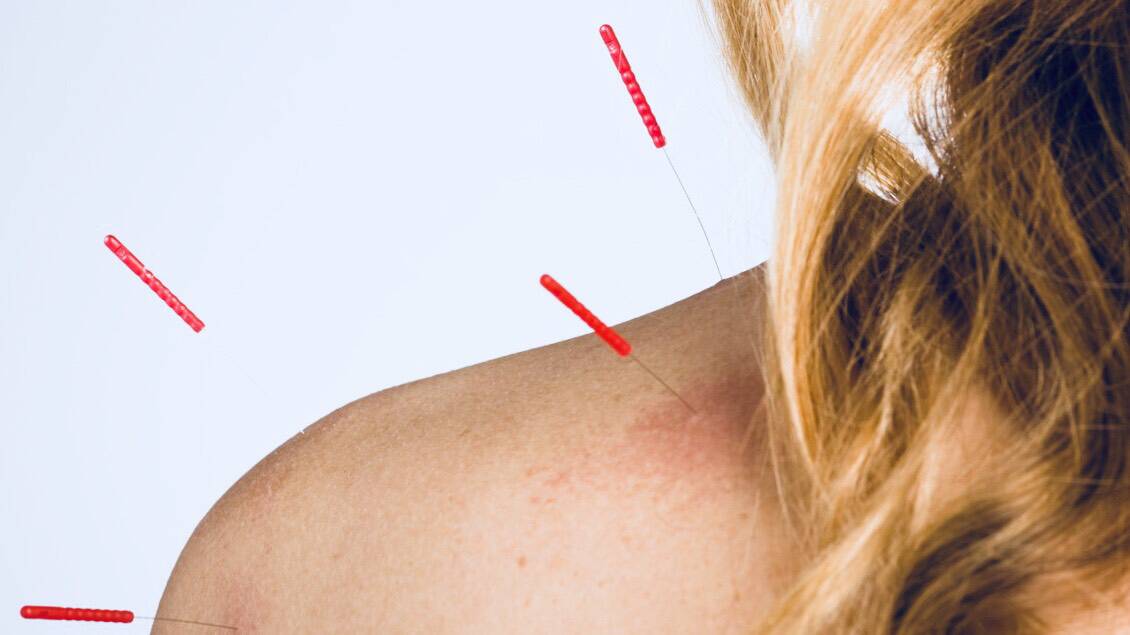
Traditional Chinese medicine has long been effective for many people with treating depression, anxiety, and other medical and mental conditions. At the heart of acupuncture, you’re working to rebalance the flow of energy in your body.
During an acupuncture session, your body releases endorphins. These endorphins reduce pain in your body, including emotional and depression. Acupuncture could be a safe, reliable way to cope with your pain through endorphin release.

chronic depression

10. Massage

Stress and anxiety can become contributing factors when you have long-lasting depression. By alleviating stress through massage, you can better cope with your depression and day-to-day life. According to the Mayo Clinic, massage increases serotonin by reducing cortisol in the body.

11. SAMe Supplements

Since the 1970’s, SAMe has been used to treat patients in Europe, but in the US, the FDA only considers it a vitamin supplement. The synthetic form is useful for many conditions, but for depression, it’s the serotonin and dopamine boost that makes it valuable and effective.

12. St. John’s Wort

St. John’s wort is perhaps one of the most studied herbal supplements for depression. Controversy and mixed studies follow its historical use, but many people have found and do find it beneficial and preferable as a treatment alone or combined with other therapies.

Final Thoughts on Chronic Depression Remedies

Chronic depression has no cure, but you do have access to natural remedies that can be safe and effective to use with your current treatments. Diet and lifestyle changes might be necessary as they’re contributing factors to stress and dysthymia.

Take one step and one day at a time. Understand that some remedies might require weeks before you begin seeing results, such as with vitamin and mineral deficiencies. Your body must rebuild its stores first.

Some methods might not work well for you. Don’t despair. That’s normal since every person is different. Keep trying until you find natural alternatives to manage your symptoms and improve your life.

10 Foods to Eat For A Vitamin E Deficiency

Vitamin E is catch-all for 8 different fat-soluble vitamins that aid in preventing the process known as oxidative stress from occurring in our bodies. Making sure you are getting the right amount of vitamin E can help to minimize your risk of developing such issues as cancer, heart disease, and even age-related damage to the eye such as macular degeneration.

Get too much of this essential nutrient, though and excessive bleeding may occur if you happen to get nicked! It’s important to keep your levels in check as too much isn’t good, but not getting enough is definitely less than ideal!

Continue reading for some signs to watch out for that may indicate you need to up your vitamin e intake, some of the many health benefits adequate vitamin intake provides, what foods you should be eating more of if you need to more vitamin E in your diet.

Vitamin E Deficiency Symptoms

Vitamin E deficiency for the longest time was considered to be a non-issue amongst members of civilized society due to its rarity and its thought that those that were deficient were not so because of poor diet choices. Experts are now starting to think find that people are not getting vitamin E from natural food sources and that increased attention needs to be paid in order so we get this essential vitamin in the right amounts!

There are a few different situations where a deficiency may come about and it’s usually brought on by a malfunction in the way our bodies absorb this essential nutrient. Examples of these situations are as follows: If a baby is born prematurely and comes in weighing less than 3.5 pounds, they are at an increased risk of being deficient in this vital nutrient due to their bodies inefficiency at absorbing this nutrient. Luckily though there are pediatricians that specialize in caring for newborns in these situations and they will typically analyze the individual’s nutritional needs in order to get this under control. Another situation where a vitamin E deficiency may arise in when someone has issues absorbing dietary fat such as when they suffer from inflammatory bowel disorder, or IBS.

Other examples of when a E deficiency may be likely is when a person suffers from other conditions such as cystic fibrosis, Crohn’s disease, liver disease, had gastric bypass surgery recently, or have a pancreatic insufficiency. Signs of a difficiency include impaired speech and vision, and a loss in muscle coordination.

Health Benefits of Vitamin E

This vitamin offers us numerous health benefits when we get it in adequate amounts. Below you will find a brief bbreakdown on some of the stand-out benefits this essential nutrient provides us:

1. Balances Cholesterol

Cholesterol is produced naturally by our liver and in order for your hormones, cells, and nerves to function properly in our bodies we need to make sure it is at the right levels. Natural, healthy levels of cholesterol result in a healthy, balanced, and normal body. If cholesterol begins to oxidize, it may become a problem! Recent research has found that certain forms of this vitamin may act as protective antioxidants that fend off the oxidation of cholesterol. The way these forms of E accomplish this is by fighting off damage caused to our bodies as a result of free radicals.

The Tocotrienol isomers of this important vitamin contain three double bonds that benefit our cardiovascular health as a result of their ability to halt the activity of enzymes that modulate cholesterol production and synthesis. These isomers may also stop cell adhesion and so may reduce the progression of atherosclerosis, which is the thickening or hardening of our arteries. An important take-away from all this though is that synthetic forms of this vitamin found most commonly in supplement forms do not appear to offer sim liar effects as previously mentioned when compared to natural forms.

2. Prevents Some Diseases And Fights Free Radicals

When free radicals run rampant in our bodies they act to break down the healthy cells we have in our bodies. As a result of the cell damage caused by these free radicals, increased risk of cancer and heart disease may occur! These free radicals are molecules that naturally occur within our bodies and when they oxidize or accelerate they can end up causing real damage to our bodies. There are different forms of vitamin E that have the great antioxidant ability to reduce the damage caused by free radicals, fend off inflammation, and as a result, can decrease the rate of cell aging and also reduce your risk of developing health issues including heart disease!

These forms of this vitamin have been found to greatly improve our bodies immune system, and as a result aid in the prevention of many common conditions and illnesses. A recent study made the claim as a result of their research that the formulations of gamma-tocotrienol, alpha-tocotrienol, and delta-tocotrienol are best to realize these benefits.

3. Repairs Skin Damage

This essential vitamin offers a plethora of benefits to our skin by way of improving elasticity and moisture, strengthening the walls of capillaries, and acts as a naturally occurring anti-aging nutrient within our bodies. This important vitamin has been found in recent research to significantly reduce the occurrence of inflammation without our bodies and on our skin which helps to maintain youthful and healthy skin! These beneficial antioxidant properties are also great in that they protect your skin from cancer risk as a result of exposure to the sun’s damaging ultraviolet rays and cigarette smoke!

When you take it in combination with vitamin C signs of skin conditions such as eczema and acne may be noticeably reduced, and the inflammation of the skin that occurs as a result of prolonged exposure to

4. May Thicken Hair

Due to this essential nutrients status as a powerful antioxidant, it aids in greatly reducing the damage to your hair that is brought about as a result of environmental factors and also promotes good circulation around your scalp! Using it in an oil preparation may offer you the benefit of increased moisture retention in the skin which works to reduce the occurrence of flaking and drying of the scalp. Using this oil will make your hair appear fresher and healthier overall. If you find that your hair is starting to look dull, or dry, consider applying a couple drops of oil to realize these amazing benefits!

5. Regulates Hormones

This vitamin offers the amazing ability to naturally balance your hormones, playing a vital role in regulating both your nervous and endocrine systems! If you notice increased weight gain, PMS, allergies, urinary tract infections, anxiety, fatigue, or changes in your skin, all signs of a deficiency, increasing your intake may be in order! Keeping your hormones in check will help to keep menstrual cycles regular, give you increased energy, and assist you maintaining a healthy weight!

List of Vitamin E Foods

Sunflower Seeds

Sunflower Seeds contain in a 1oz serving 7.4mg or 49% of your daily value of this vitamin!

Almonds

Almonds contain in a 1oz serving 7.3mg or 49% of your daily value of this vitamin! Other nuts that contain this vitamin in good amounts include hazelnuts, pine nuts, Brazil nuts, and peanuts.

Avocados

A half of an avocado contains 4.2mg or 28% of your daily value of this vitamin!

Spinach

In 1 cup of cooked spinach 3.7mg or 25% of this vitamin is contained! Some other leafy green vegetables to consider in order to meet your daily needs of this vitamin include turnip greens, beet greens, mustard greens, collard greens, and Swiss chard!

Butternut Squash

In 1 cup of cooked butternut squash 2.6mg or 18% of this vitamin is contained! Similar to butternut squash, pumpkin and sweet potatoes both provide significant amounts of this vitamin, coming in at 9% and 7% respectively.

Kiwi

In 1 cup of kiwi 2.6mg or 18% of this vitamin is contained! Some other fruits that contain this vitamin at similar levels include blackberries, mangoes, and mamey sapote.

Broccoli

In 1 cup of cooked broccoli 2.63g or 15% of this vitamin is contained!

Trout

By consuming 1 fillet of this tasty fish, you will receive 2mg or 13% of your daily value of this vitamin! Some other fish that feature this nutrient prominently

Olive Oil

1 tablespoon of olive oil offers you 1.9mg or 13% of your daily value of this vital nutrient! Some other oils that contain this vitamin in good amounts include rice bran oil, grapeseed oil, and wheat germ oil.

Shrimp

3oz, or roughly 12 large shrimp, provides your body with 1.9mg or 12% of your daily value of this vitamin! For some other shellfish options: crayfish and blue crab also offer good amounts of this vitamin!

Conclusion

If you’ve discovered that or believe you may be deficient in this essential vitamin, ensuring you start to consume it in adequate levels will likely offer you a variety of noticeable health benefits! From improvements in your skin, your hair, and reductions in your risk of developing a whole host of terrible conditions and diseases, ensuring you’re getting it at the right levels is vital! After reading through this article you should be armed with the knowledge you need to make a decision on whether supplementation or increased attention needs to be taken in order maintain your intake at correct levels. If you find you need to increase your intake, consider some of the foods listed above as healthy options to up your intake!skin

20 Clean Eating Tips That Will Completely Change Your Health

Eating properly and with clean ingredients is a great way to provide your body with the nutrients it requires to remain healthy and strong for years to come. Understanding how to implement clean eating tips into your everyday life is a way to truly transform the way you view and consume food for a healthier and more fulfilling future.

1. Get Educated About What Clean Eating Means

Learn more about what clean eating means and why it is important to you before you begin planning your new way of eating. Eating clean does not necessarily require you to eliminate all foods you enjoy. Simply making adjustments and fresh ingredients can drastically improve the overall nutrition of a meal or snack.

2. Become Familiar With the Basics of Cooking

If you want to truly implement a lifestyle of clean eating, get familiar with your kitchen and the basics of cooking. Spend time mastering basic cooking tools while investing in additional equipment and storage containers to keep you on track. Once you enjoy cooking on your own, minimize the temptation to eat out or go off of track of your original dietary goals.

3. Learn How to Read and Interpret Nutritional Labels

Reading and interpreting nutritional labels properly is extremely important, regardless of the type of diet you choose for yourself. Learn the difference between fats, proteins, carbohydrates, and sugars along with how they impact the body. Consider your recommended caloric intake based on your current height, weight, and gender when you shop for ingredients and begin preparing new recipes. The more informed you are regarding nutritional labels, the easier it is to stick to the way of eating you desire.

4. Search for and Save Clean Eating Recipes

Are you feeling less than creative in the kitchen or are you simply at a loss when it comes to recipes that are clean and healthy? Search for and save recipes using online networks such as Pinterest and Facebook. Consider each ingredient used in a recipe and whether or not it is processed before choosing to save it for a future meal plan to try.

5. Clean Eating Begins With Smaller, More Frequent Meals

Eating just one meal a day is not always healthy, especially if your body is insulin resistant or if you have difficulties losing weight and remaining healthy due to a slowed metabolism. Eat smaller meals more frequently with a wide variety of ingredients and foods. Smaller, more frequent meals help to boost the body’s metabolism while providing your brain and body with the nutrients and vitamins necessary for it to thrive throughout the duration of an entire day.

6. Choose a Day to Prep Your Meals

Meal prepping is king when it comes to eating healthier and cleaner. Choose one day out of the week to prep all of your meals for breakfast, lunch, and dinner. If you work in an office setting, meal prepping is a must to avoid the temptation of eating out, ordering in, or indulging in workplace snacks and desserts.

7. Find Joy in Being a Home Cook

The more familiar you become with cooking tools and recipes, the easier it is to find pleasure in cooking for yourself and your family. Find joy in homecooked meals to prevent feeling as if preparing your meal is a chore.

8. Shop Wisely at Grocery Stores for Clean Eating Foods

Shopping the perimeter of a grocery store is one of the most important clean eating tips to keep in mind, especially if you are new to planning meals and remaining self-aware of each meal you prepare and consume.

9. Seek Out and Support Local Farmers Who Promote Clean Ingredients

Support local farmers in your area when shopping for fruits and vegetables. Local farmers often avoid utilizing pesticides and other chemicals, providing you with the cleanest and fresh ingredients possible.

10. Cut Sugar and Excesss Carbohydrates From Your Everyday Diet

Cutting out sugar and excess carbohydrates from your diet is one of the most popular clean eating tips to consider when making positive changes to your current lifestyle.

11. Minimize Your Alcohol Consumption

While it is not necessary to eliminate alcohol from your life entirely while eating clean, minimizing your alcohol consumption is highly recommended. Alcohol is often high in sugars and carbohydrates, which may contribute to the stalling of any weight loss you have in mind.

12. Pack Snacks to Carry With You Anywhere You Go

Always carry snacks on you while you are traveling, commuting, or even while you are out with friends. Taking snacks that are packed with protein with you on the go is a great way to avoid temptation while eating out, going to a bar, or spending time at the house of a friend (especially one who loves to bake and cook).

13. Discover New Ways to Transform Boring Ingredients

Eating clean and healthy does not have to feel dull and boring. Consider the types of foods you enjoy the most and seek alternative recipes that help reduce fat, excess sugar, and excess carbohydrates. Implement vegetables and fresh fruits with your recipe for an added boost of vitamins and minerals that are otherwise not included. If you enjoy meats prepared in any manner, invest in a crock pot, grill, and get to know various cooking methods that work for you using a traditional stove and oven.

14. Avoid Traditional “Diet Foods”

Skip out on purchasing low-fat or fat-free ingredients when shopping for groceries. Oftentimes, diet foods contain excess sugar and processed ingredients that are far from clean and natural for the body. Opt for full fat and whole foods with ingredients you are familiar with instead. Always read nutritional labels when shopping for new foods, especially if you are just getting the hang of understanding clean ingredients and eating.

15. Research Menus Beforehand When Dining Out

While eating clean requires planning ahead and choosing the right ingredients, it does not have to mean you are never allowed to dine out at your favorite restaurants again. Before heading out for brunch or a night out on the town, spend time researching menus of places you plan to visit. Seek out healthy menu options along with sides such as steamed broccoli and other mixed vegetables. When given the choice of soup or a salad, choose the salad if you are unfamiliar with the ingredients used in the soup of the day. Avoid sugary beverages and cocktails as restaurants are more lenient on the number of calories they utilize when preparing food and drinks to serve to customers.

16. Increase Your Water Intake

One of the most important tips to keep in mind when changing and improving your way of eating is to remain hydrated. Increase your daily water intake by keeping a large water bottle or jug near you throughout each day. Avoid substituting water for sugary drinks, excess coffee (especially with sugary cream or milk). If you are not a fan of traditional water, consider zero-calorie (and zero sugar) drink flavoring options. Staying hydrated keeps the body fuller longer while also ensuring your body absorbs all of the nutrients you consume.

17. Seek Foods High in Protein

Did you know that empty calories from solid fats and added sugars contribute to more than 40% of the total caloric intake of children between the ages of 2 and 18 in the United States? With obesity on the rise, nutritional education is essential. Seek out foods that are high in protein such as fish, lean meats, and vegetable dishes to remain fuller longer without the temptation to snack or indulge in less than healthy foods.

18. Add More Greens Into Every Meal

Adding more greens into every meal is not just something that parents and grandparents recommend to the children in their lives. Greens such as kale, spinach, and broccoli are packed with vitamins and nutrients that help to replenish and serve the body. While clean eating is not only about increasing the number of vegetables you consume each day, it is important to make them a priority when planning meals and shopping for groceries.

clean eating

19. Keep Your Kitchen Stocked as Much as Possible

Always keep your kitchen stocked with fresh fruits, vegetables, meats, spices, and other cooking ingredients at all times. When you walk into your kitchen only to discover it is empty or lacking in what you need, you are much more likely to veer off track of your eating habits. If there is no food available at home, you might even find yourself dining out or ordering in (which is typically less than healthy).

20. Use a Daily Journal or Log to Keep Track of Your Progress

While keeping a daily journal or virtual log is not necessary to improve your eating habits, it is a great tool to utilize for accountability. Keep track of the meals you have created, store your own personal recipes, and create a routine to better stick with your new way of eating.

With the right tips, learn how to implement a clean eating lifestyle that is easy to maintain and enjoyable for you and your entire household. Learning how to choose the right ingredients while prepping meals, getting creative in the kitchen, and trying new and exciting recipes are all ways to ensure you stick to your new way of eating long-term.

Skip to content